

Manchester United's Defeat to Arsenal Highlights Louis Van Gaal's Key Problems
Louis van Gaal would no doubt love to chalk up Manchester United's defeat to Arsenal on Sunday as a bad day at the office for his team. Of course, there is some truth in that, and it is just as important not to get carried away by one bad performance as one good one.
However, there were key features of the game which meant that while Arsenal's superb start came as a shock, it did not entirely come as a surprise.
Or it least it should not have done. There were structural problems in United's side, which were caused by a couple of injuries, poor individual performances and one or two questionable selection decisions.
TOP NEWS

Sullivan, Hall Lead USMNT to Big Win 💥
.jpg?w=2560 "Titans Giants Football")
OBJ Calls Out Giants After Release

Pic of LeBron's Helicopter Commute 🚁
They could be seen as one-off mistakes, but they have their roots in Van Gaal's approach and the summer transfer window.
Let's take a look at the key issues that affected the game, and whether they need addressing or were likely a one off.
Team Selection and tactics
The one thing which seemed certain at the start of the summer transfer window was Manchester United needed—and would buy—a recognised, high-quality centre-half. In the end, that did not come to pass. Instead, Van Gaal has built the unlikely partnership of Daley Blind and Chris Smalling.
So reluctant is he to break up that partnership that he elected to play Ashley Young at left-back rather than bringing in Phil Jones and moving Blind to full-back.
With only Luke Shaw and Marcos Rojo injured, United's entire back-four looked compromised, partly as a consequence of the decision to maintain a small squad this season and not to strengthen at centre-half.
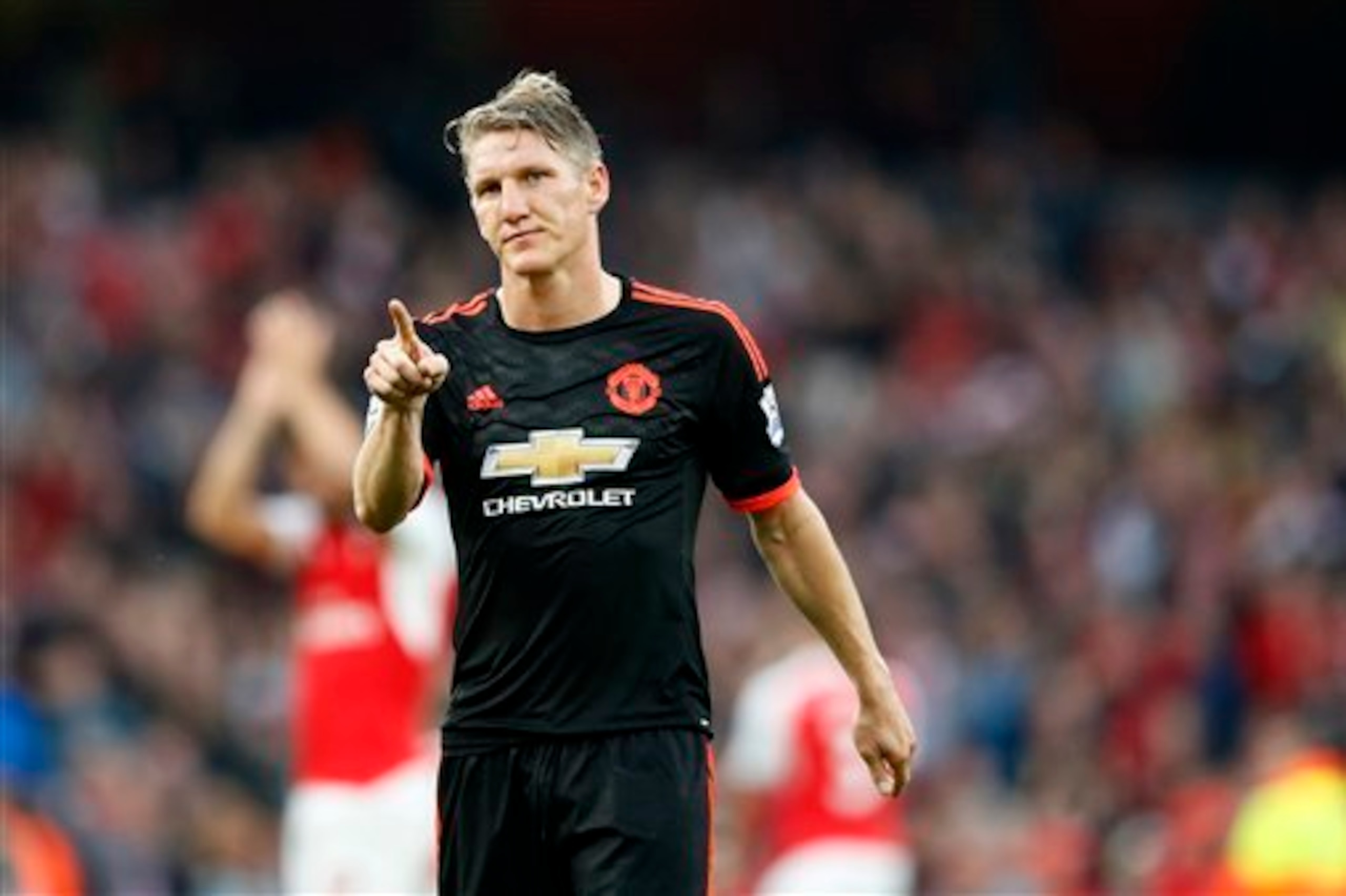
Van Gaal's commitment to his experiment meant the left-side of United's team featured Blind, Young, Memphis Depay and Bastian Schweinsteiger. This caused a big problem when the Germany international—either under instruction or displaying a lapse in judgement—spent much of his time pressing the ball.
Gary Neville, on co-commentary duty for Sky Sports, pointed out the issue during the live broadcast, and Bleacher Report lead tactics writer Sam Tighe used Twitter to give an apt illustration of the issue Schweinsteiger's positioning caused.
Memphis provided little-or-no cover for Young, and Schweinsteiger provided little cover for Blind. The combination of selection and execution rendered United's left side incredibly vulnerable.
Had Morgan Schneiderlin played instead of Michael Carrick, then additional physicality and speed would have been available to cover behind Schweinsteiger. Carrick was simply unable to do so.
Arsenal players, during the frenetic first 20 minutes appeared to have the freedom of the Emirates Stadium, and they capitalised to great effect.
On the right-hand side, things looked more promising, but sadly United suffered from some poor performances—more of that later.
In spite of those poor individual performances, the structure must take some of the blame. The blend of attack and defence was poorly assembled, and the team was lopsided in its defensive stability.
If the plan was for Schweinsteiger to press, then the wrong combination of midfielders was chosen, given Arsenal's aptitude for swift and precise interplay.
James Ducker of the Times reported United's players were unhappy with the proposed tactics, saying, "Van Gaal had been encouraged in the build-up to the game to play a system that would involve sitting deeper and hitting on the break but the United manager rebuffed that request in favour of playing the pressing game that failed miserably en route to a dismal 3-0 defeat."
United's spectacular recent record against Arsenal was built on counter-attacking, deep-lying tactics, and for Van Gaal to abandon that in favour of a higher-pressing, possession-focused approach was a clear error.
In the 2014 World Cup, Van Gaal showed he is still willing to adapt his tactical approach with the Netherlands, switching from 3-5-2 to 4-3-3 mid-game against Mexico, for example, to great effect. He has experimented with a number of different formations at United.

So far this season, though, he has been fairly rigid about the possession-hungry 4-2-3-1 he has used for almost all of every game of the season so far. He would do well to listen to his players' entreaties and mix it up next time United face Arsenal.
Substitutions
Van Gaal's substitutions have become a worry. The Arsenal game gave a couple of examples of this, as did the Champions League match against Wolfsburg which preceded it.
In that game, his half-time switch of Antonio Valencia for Young made some sense given the Ecuador international was having a torrid time, and had been the man who played Wolfsburg's attack onside for their early goal.
It was a big surprise that he did not switch Matteo Darmian to right-back, with Young taking left-back duties, but in the end that worked well.

Few United fans would complain about Van Gaal giving an opportunity to a youth-team graduate, which he did when he brought Andreas Pereira on for the misfiring Memphis. In the end, though, that was a failed gamble as the 19-year-old struggled to exert any influence on the game.
The really baffling—and, frankly, dangerous—substitution in that game was the removal of Schweinsteiger for Jones.
The German did look to be tiring. However, in bringing on Jones, and moving Blind forward into midfield, Van Gaal compressed United's defensive unit, inviting waves of pressure which forced United to hang on for the victory.
It was really poor game-management, which handed the impetus to the opposition.
Against Arsenal, the half-time arrivals of Valencia and Marouane Fellaini hardly seemed likely to address the deficit. Perhaps that was not the intention, rather it was to avoid genuine embarrassment, and add some physical solidity to United's team.
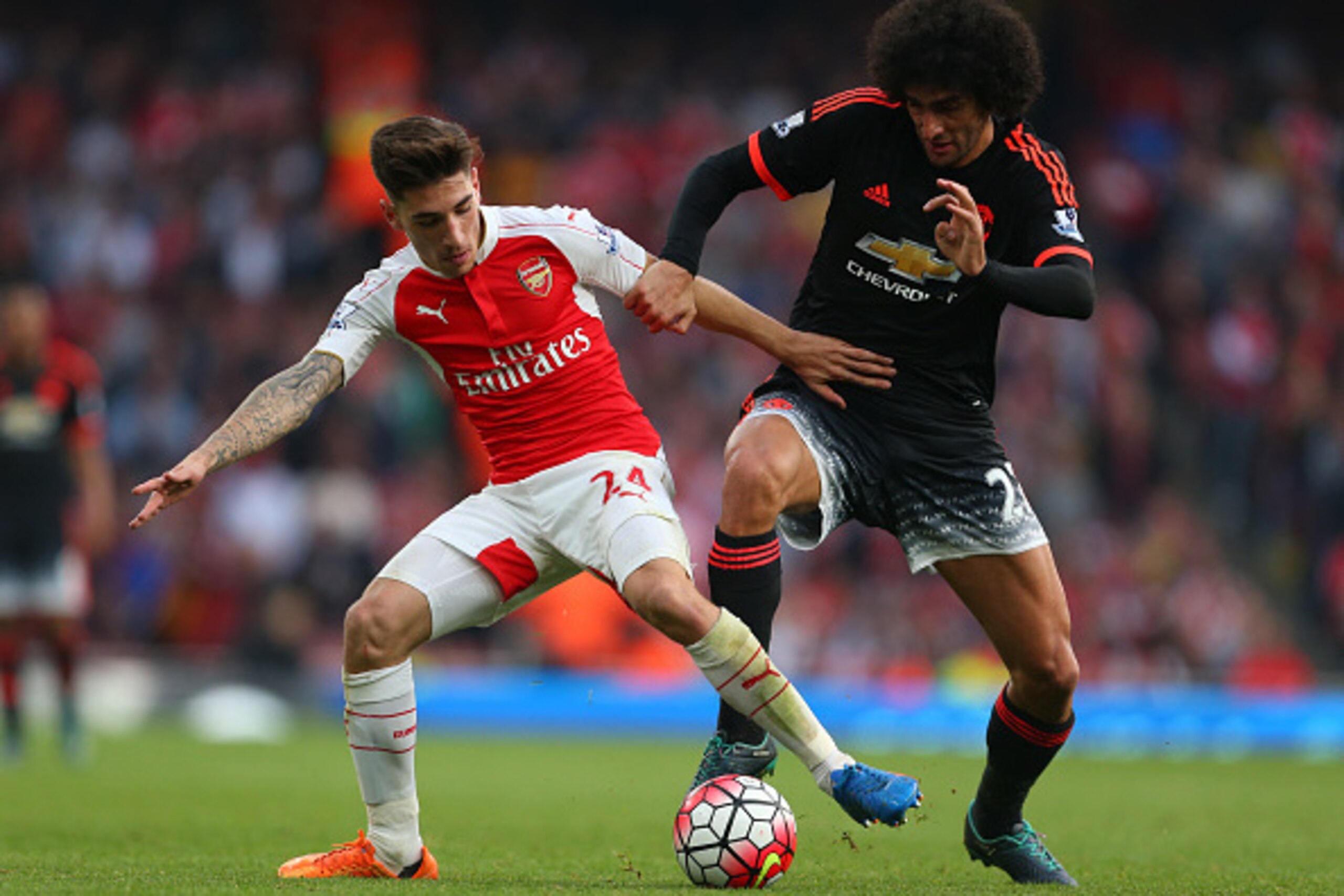
Darmian was certainly playing poorly enough to warrant a like-for-like replacement, and Memphis has been struggling to influence Premier League games since the start of the season, but playing Fellaini at No. 10 and moving Rooney wide left was never going to address the problem.
United did not concede anymore goals, and perhaps fans should be grateful for small mercies, but with Rooney, Fellaini, Juan Mata, Schweinsteiger and Carrick all in the same line-up the absence of speed in United's attack reached epidemic proportions.
The final ignominy came when Van Gaal chose to bring on James Wilson in the 82nd minute. A token gesture, presumably, and it was nice to see the 19-year-old getting some game time. This time it was Van Gaal's choice of player to swap out which caused concerns.
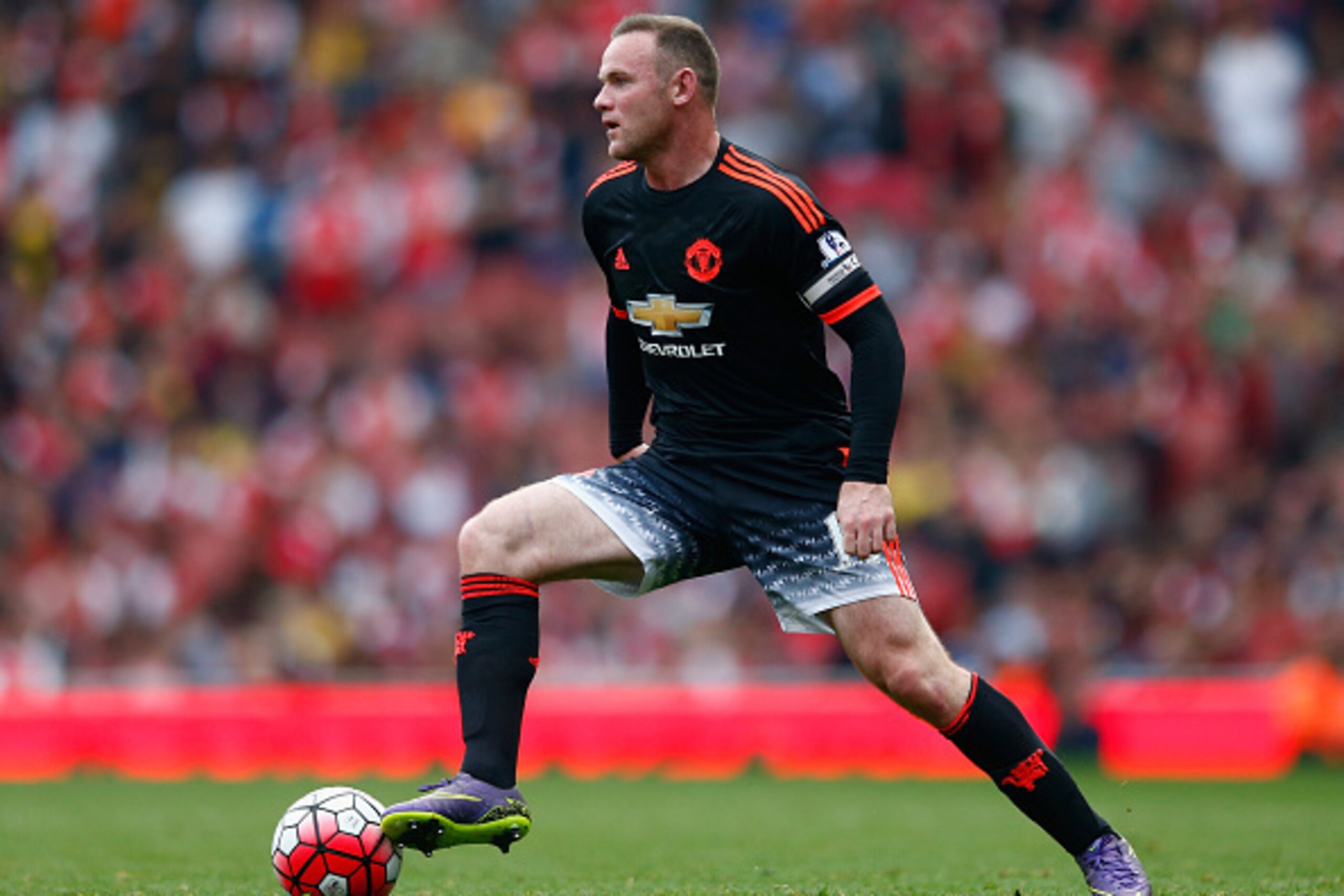
He chose Mata rather than Rooney. Neither were playing well, but with three goals and three assists in his prior three games, the Spaniard was in considerably better form than the struggling Rooney.
Which leads us nicely on to...
Poor individual performances
Whether Van Gaal's substitutions start improving, or whether they continue to be something United have to endure, it can be reasonably assumed that certain players will play better than they did in this game.
Carrick was exposed by the system, but struggled to make much of a positive impact on the game. One tackle and two interceptions tell the tale of a player who was not much involved on the defensive side.
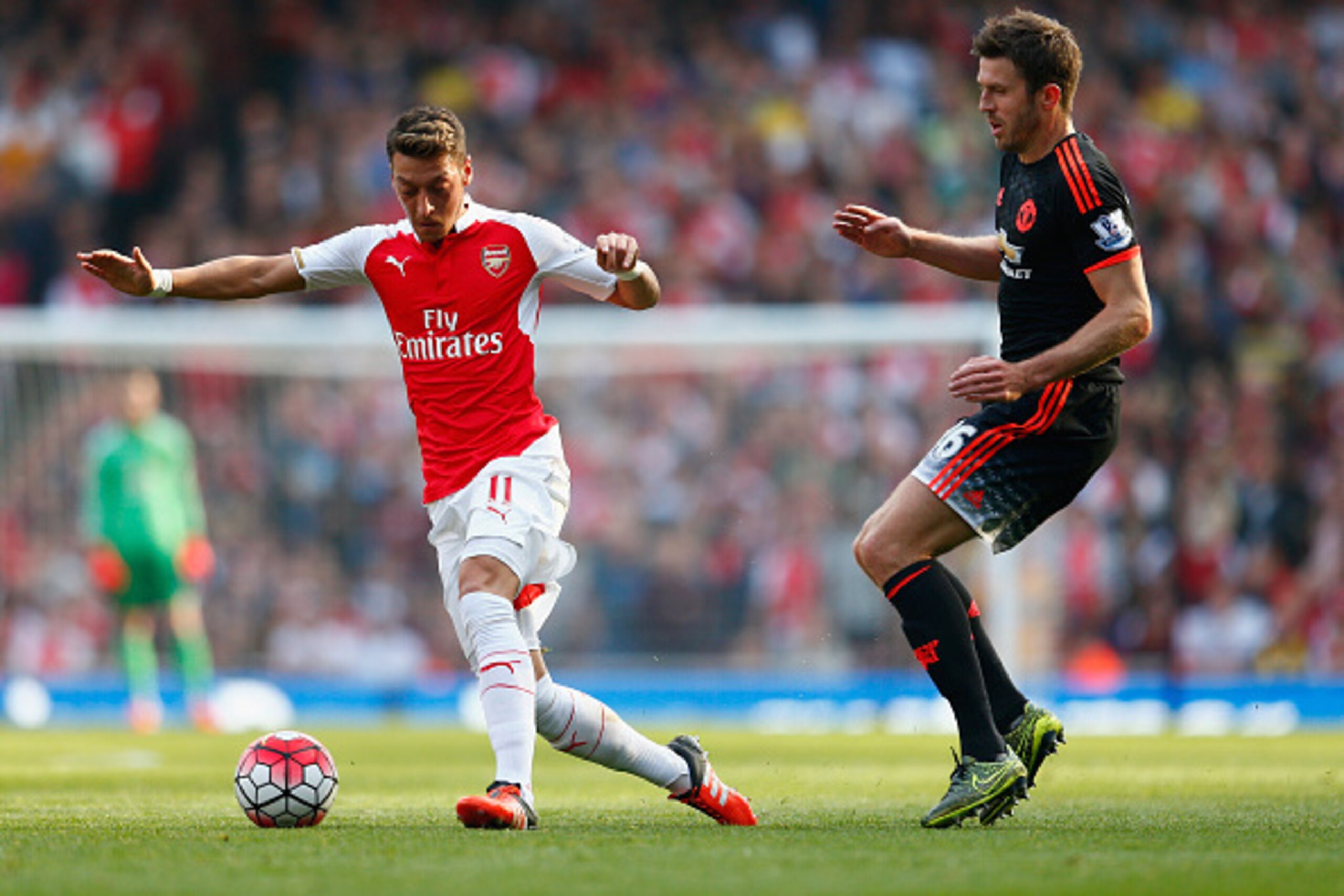
He completed 89.4 percent of his 104 passes—as you would expect from Carrick—but not a single one created a chance, and his long-pass accuracy was just 50 percent, meaning his attempts to switch play often quickly surrendered possession.
Darmian struggled terribly against an in-form Alexis Sanchez, and the solid defensive rock of the first few games of his United career look long forgotten. Perhaps it is a delayed reaction to adapting to a new environment, perhaps it is some early-season fatigue.
Rooney's form has been a problem all season. When he was playing as a No. 9, he wasn't scoring goals—Club Brugge aside. Now he is playing as a No. 10, he is not providing assists—he doesn't have a single assist to his name yet this season.

He looks as if he is struggling for confidence, and struggling to find a way to influence games. And yet Van Gaal will apparently not even consider replacing him, because he is the captain. This is something which will have to change if he does not rediscover his form.
It was a bad day at the office for United, but, other than perhaps Darmian, there was nothing surprising about the way United suffered. It was a consequence of tactical inflexibility and poor form from key players.
United have demonstrated they are more than a match for the division's weaker sides this season, but in the month ahead, they will have to show their capitulation against Arsenal was indeed a one-off, as they face a series of tough tests. Last season, United saved their best football for some of their biggest games.
They will need to show they can perform on the big stage again after stumbling at the first real hurdle of the campaign so far.
The Arsenal game showed up flaws in the squad and individuals which had not yet been exposed. After the international break, those issues will need to be addressed if United are to be a success this season.
All advanced statistics per WhoScored.com.

.jpg?w=2560 "Rap: Lions, LaPorta End Contract Talks")

.jpg?w=2560 "Report: Baker May Miss Up to 6 Weeks")