Everton, Leicester and West Ham Highlighting Transition Football at Its Finest
In 2010, when Spain were crowned the FIFA World Cup winners after a display of slick, possession football held every opponent at arm’s length, a flurry of chairmen privately resolved: “I want to emulate that at my club.”
Having watched La Furia Roja triumph at Euro 2008 using the same methods, it was clear the style was sustainable and had brought continued success to a side who had previously flopped at most of the recent major international tournaments.
Be it Wycombe Wanderers, Derby County or Liverpool, clubs at all levels tried to implement a pass-and-move foundation and (aesthetically) improve the standard of football played by their own team.


Coaches such as Brendan Rodgers became hot commodities, and the scrabble to try and secure Pep Guardiola’s signature following his departure from Barcelona soon turned into a melee.
Seventy-percent possession and over 500 passes completed—that’s what the fans wanted. It’s remarkable, looking back, but some portions of spectators actually started judging games on those statistics just as meaningfully as they judged the scoreline.
Fast-forward five years and things are changing; it’s not possession that’s so heavily favoured now, it’s the opposite. Counter-attacking or transition football is rising to the fore, and that trend has once again been sparked by the FIFA World Cup. It’s the biggest sporting event on the planet and tends to set the boundaries for the years ahead, and in 2014, we saw blistering counters topple methodical, possession-based work.
The 2014 World Cup in Brazil saw Spain, Italy, England, Japan and Ivory Coast accrue some of the highest possession numbers during the tournament, per WhoScored.com. All looked toothless for the majority, if not the entirety, of their stay in South America and were all knocked in the group stage. Meanwhile, Algeria, Greece, Costa Rica, Colombia and the Netherlands all averaged less than 50 percent of the ball, yet progressed to the knockout stages.

Colombia, in particular, looked frighteningly good when sitting deep, dispossessing and then exploding on the counter. They worked the ball forward quickly out of a 4-2-3-1/4-2-2-2 base, utilised Juan Cuadrado’s pace in space and James Rodriguez’s ingenuity on the ball. They were unfortunate to drop out at the quarter-final stage after falling to Brazil 2-1.
Just as Liverpool cottoned on to the possession trend of 2008 and 2010, other clubs are taking inspiration from the free-flowing, ruthless transitional displays on show in Brazil last year.
As Danny Higginbotham noted in his Independent column in August, the Premier League in particular has become an arena in which teams fight for the right to counter-attack:
"The first 30 minutes is becoming the decisive period in Premier League matches. If the away team survives that, and frustrates the home team, then they become the favourite. They can sit deep, nullifying the home side’s pace, playing on their frustration, and hoping to pick them off when they over-commit.
Just look at the five teams so far this season who have taken at least as many points from one away game than they did in two home games. And what links them all? Pace on the break.
"
Three clubs in particular have demonstrated just how effective it can be to sit in and play on the counter over the last few weeks, and it should come as no surprise that all three are doing rather well in their domestic league.
Everton’s wondrous counter-attacking display against Southampton should be taped and distributed to aspiring managers; it was a true lesson on how to play an away game against a good side, remain solid and deal severe damage in transitions.
Roberto Martinez’s squad is ideally built for this approach—the Spaniard lacks a genuinely creative, heads-up No. 10 but does have a plethora of quicker, instinctive attacking midfielders to choose from—and be it Ross Barkley, Kevin Mirallas, Aaron Lennon, Gerard Deulofeu or Arouna Kone, you can bet the Toffees will find a quick pass out from the back and allow one of these individuals to drag them up the pitch.
Romelu Lukaku appears to be rounding off his game rather nicely and, over the last 12 months, he’s been making some excellent runs. In possession play and without the creative No. 10 they’re often ignored, but in transitions, where actions become automatic, he is thriving due to improved service or because he’s able to spearhead the attack himself.

Martinez has also had to deal with bad injuries at full-back that have limited his side’s ability to play through teams, and when fielding rookies such as Brendan Galloway and Tyias Browning, it’s perhaps studious to play on the counter and limit the number of times they can be caught upfield or one-on-one.
That’s not to say either of the defenders have done poorly—Galloway, in particular, is really shining, in fact—but playing on the counter protects them a little.
Martinez is a manager famed for his possession football and slick-passing mantra, but so far this season, through seven games, Everton’s average possession percentage is 50.6, per WhoScored.com. They’re fifth in the Premier League with just a single loss (to Manchester City) to speak of.
Level on points (12) with the Toffees but three league places below is Leicester City, a team who were expected to regress this summer but have instead scaled new heights.
Claudio Ranieri has built upon what was a remarkable end to the 2014-15 season under previous manager Nigel Pearson and encouraged his team to become ruthlessly efficient, too.
The Foxes don’t boast any eye-catchingly brilliant playmakers; there is no No. 10 with a magic wand for a foot at the King Power Stadium.
But what they do have is two in-form players who thrive surging into space, with Riyad Mahrez a menace with the ball at his feet and Jamie Vardy a terror chasing after it.
Ranieri’s tactics so far have been fairly reductive to tell the truth, sitting in and absorbing, then firing a longer pass into the channels for Vardy to chase. Fortunately, the striker fights tooth and nail for every ball—comparisons to Jamie Mackie are quite accurate here—and we’ve seen him spook centre-backs all season long.
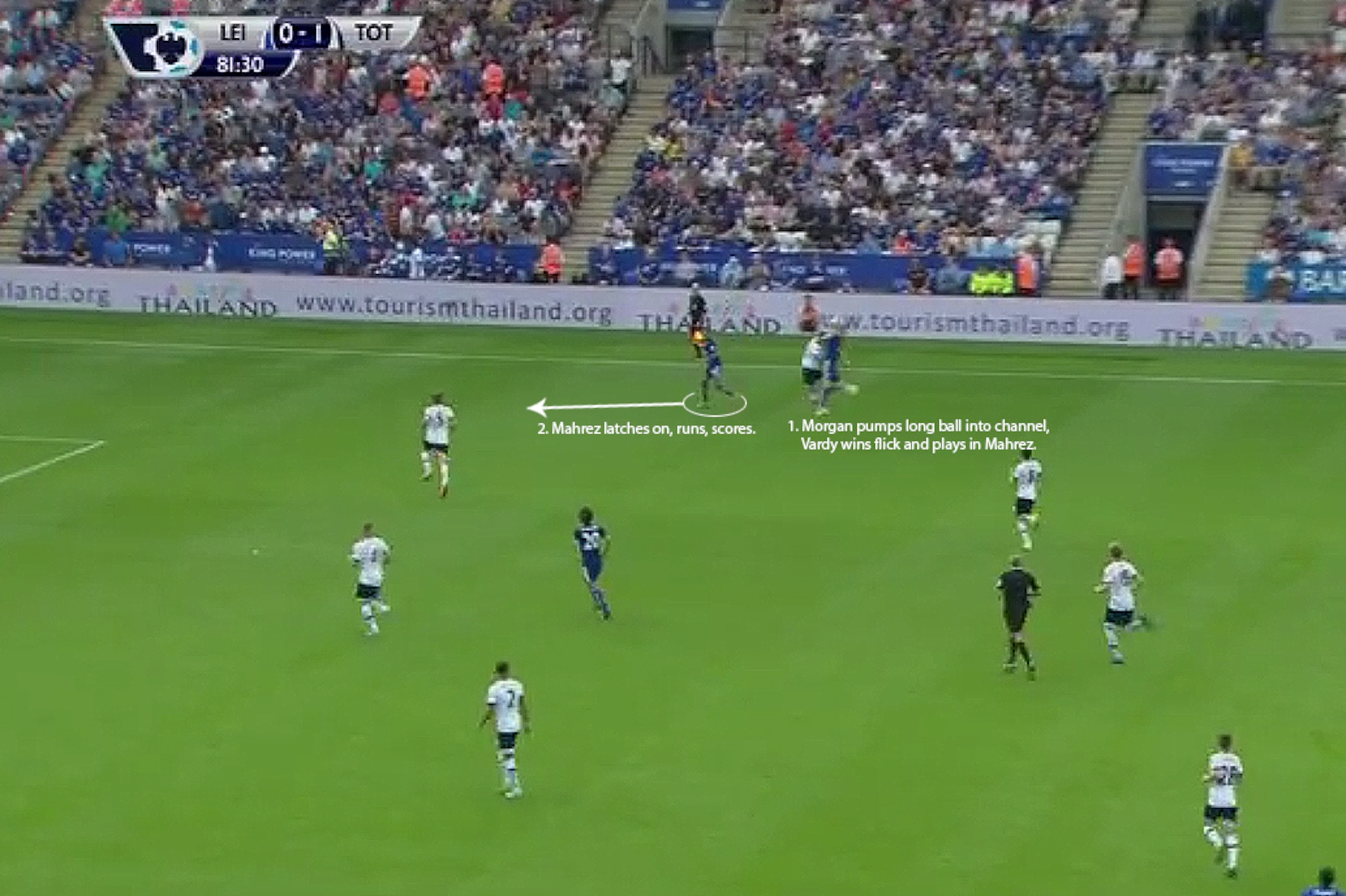
The goal they scored against Tottenham Hotspur was also extremely telling of their approach: Straight from kick-off after conceding, Wes Morgan played a long ball into Vardy, who flicked it down to Mahrez. The Algerian ghosted forward, entered the box and fired home. From kick-off to hitting the back of the net, the ball was in play for just 13 seconds.
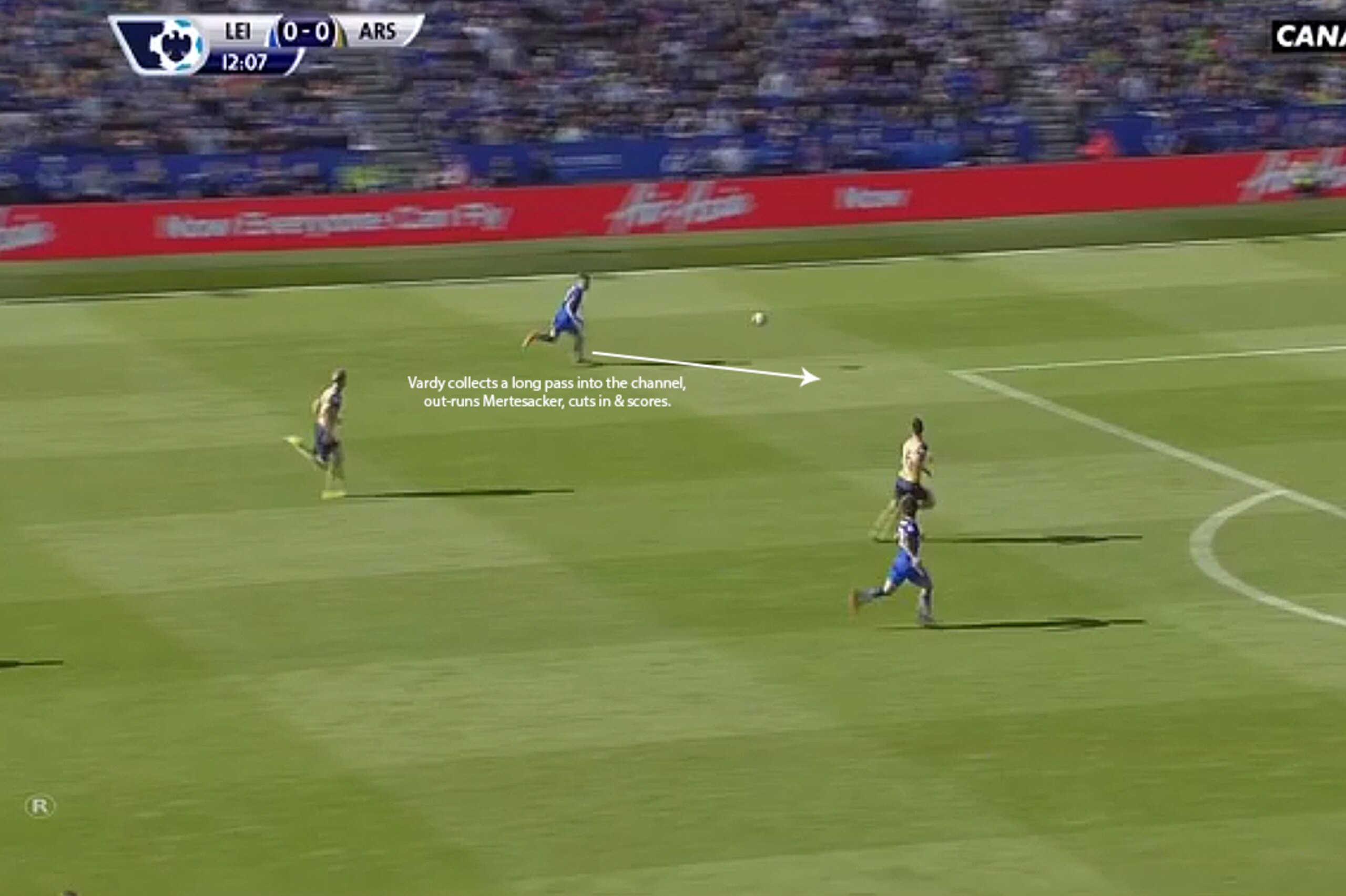
Last weekend, Arsenal were given similar treatment, with Per Mertesacker made to look foolish for backing off Vardy as he ran riot in the space between the defenders, scored twice and hit the woodwork twice more.
Finally, a point above both Everton and Leicester City sit West Ham United—a side who have made enough headlines in this embryonic season to last nine months already.
After botching the early Europa League qualifiers, plenty of doom and gloom enshrouded Upton Park, but Slaven Bilic’s team have proved that when it comes to divisional play, no prisoners are taken.
A very strong defence (despite injury-enforced rotation) and an absolutely superlative goalkeeper in Adrian have been an important base for success, but what really catches the eye is Dimitri Payet striding forward.
The Frenchman was an eight-figure signing from Marseille this summer and looks to be worth every penny; he possesses the rare ability to consistently make the right choice in transition, spearheading attacks with efficiency and decision-making rarely seen in the sport.
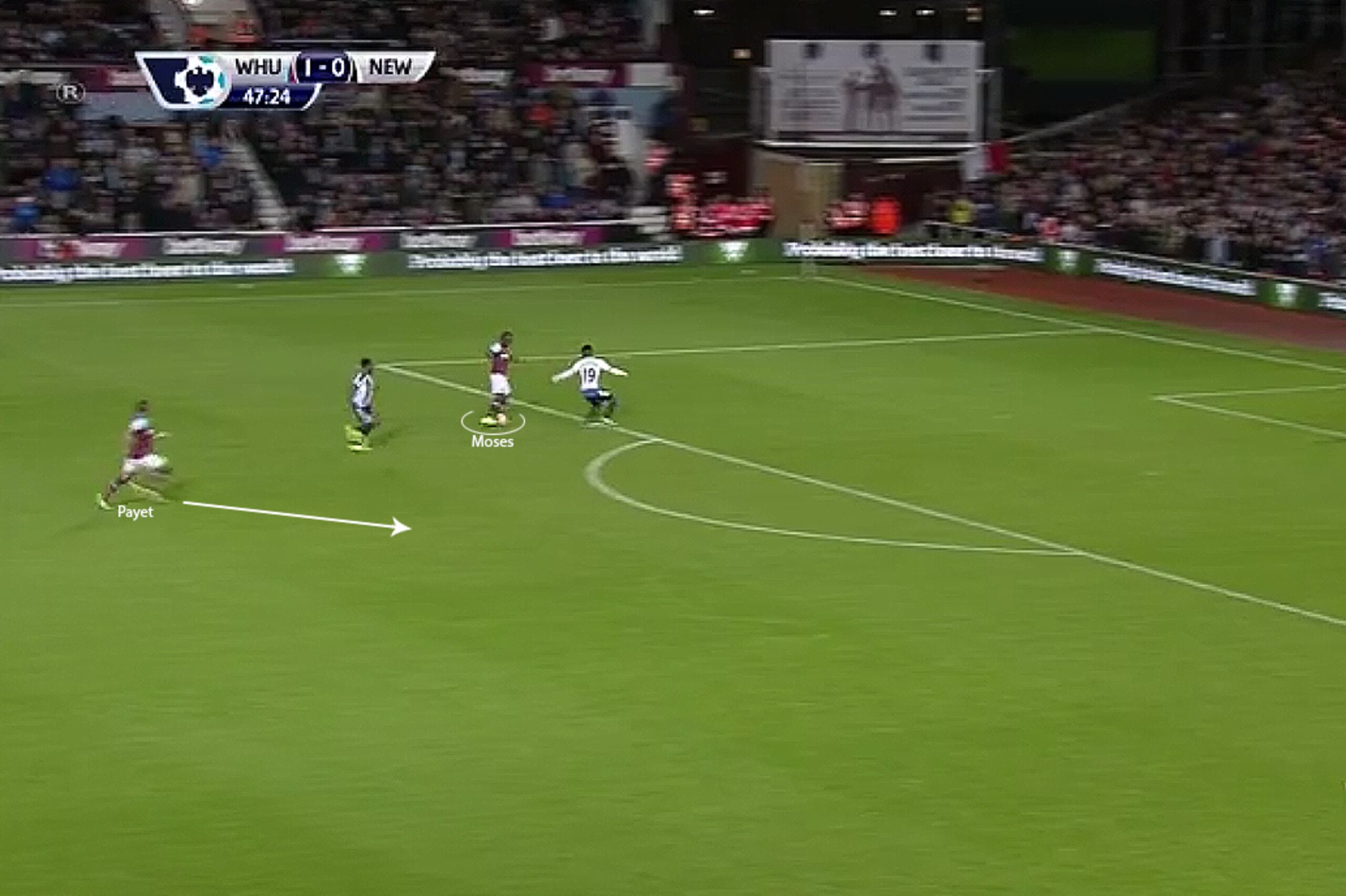
Ahead of him, he has pace (Victor Moses) and movement/finishing (Diafra Sakho). If Payet isn’t slamming it in from 20 yards himself, he has the ultimate combination of runners to pick from.
Sakho’s movement has been superb all season and now the goals are starting to come, while Moses’ vertical nature has been a welcome change to the uninspiring Matt Jarvis.
West Ham’s home form has suffered due to the fact that they haven’t been able to play exclusively on the counter-attack; they’ve only managed one win (against Newcastle, when both goals were scored by Payet, one actually on a blistering counter) from four games.
Away from home, though, the Hammers top the form table, having won all three of their games—at Arsenal, Liverpool and Manchester City.
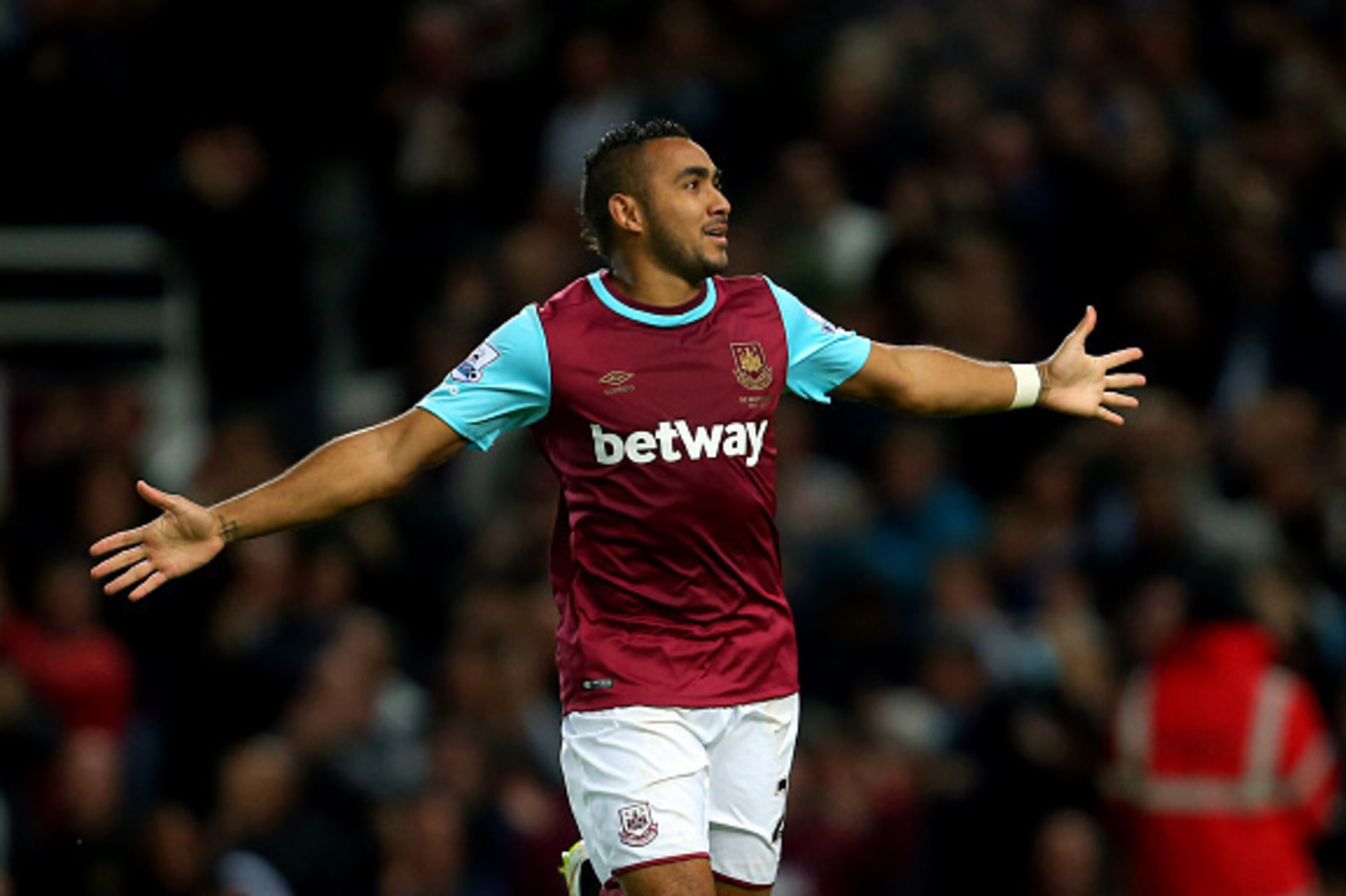
Again, the approach has been reductive to an extent, but Payet is the key to West Ham’s brilliance surging into space. If you can pick passes and make good decisions as consistently as he does, it’s no surprise the Hammers are so efficient in transitions.
With the Manchester clubs and Arsenal the obvious and understandable statistical outliers, the opening slate of Premier League games has largely seen counter-attacking football prosper.
Tottenham Hotspur’s 4-1 win over Manchester City last weekend was as ruthless as you’ll find, Crystal Palace have been killing teams with Yannick Bolasie, Wilfried Zaha and Bakary Sako all season and the three teams discussed here are all very much up and running.
By contrast, Liverpool—a team who continue to cling to the possession philosophy—have been roundly criticised as directionless in attack after an underwhelming start to the season, while Swansea City, Norwich City and AFC Bournemouth—three teams who get it down and knock it around—are in the bottom half.
Everton, Leicester City and West Ham are the Premier League beacons for transition football, and you can expect more teams to follow in their stead.
A year on from the 2014 FIFA World Cup, in which this type of football ruled, it’s filtering down to domestic sport—as it always does.

.jpg?w=2560 "Colts Football")
.jpg?w=2560 "NFL House in Paris Closes for Protests (AP)")



.jpg?w=2560 "Trevon Diggs Cut by Seahawks")