FIFA Right to Reject Barcelona Request to Register Arda Turan Before January
Barcelona suffered several pieces of bad news during the week, the most immediate and impactful of which was a heavy 4-1 loss to Celta Vigo in La Liga, the Catalan club's first league defeat of the season.
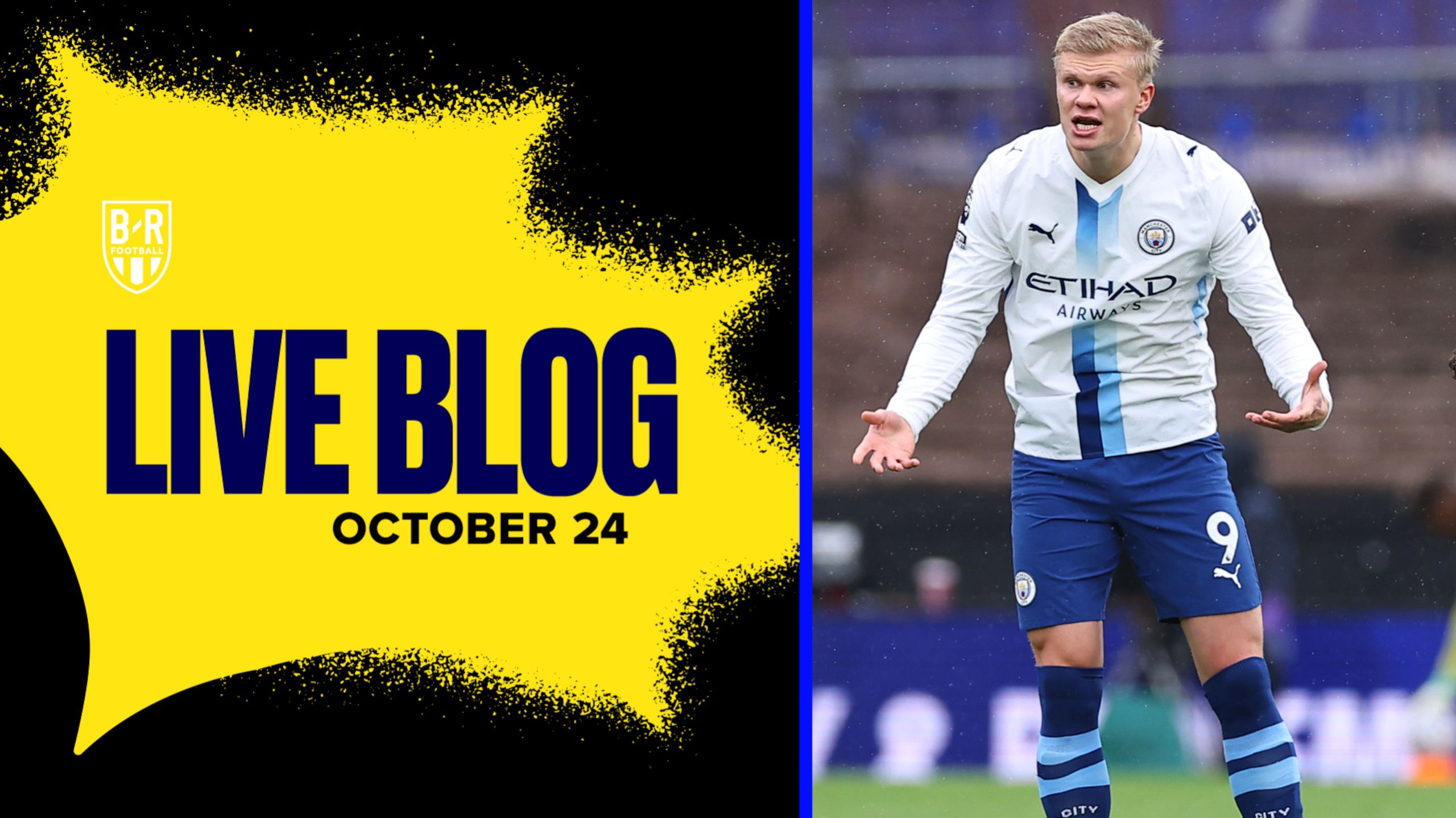
Off the pitch, though, there was more news to sift through, with the rejection of an appeal to FIFA to register summer signing Arda Turan.
Per Marca, Barcelona asked the Spanish Football Federation if they could use the Turkish midfielder in league play as a squad addition, but FIFA refused to sanction the move, deeming Barcelona to still be under embargo having handed them a two-window transfer ban in 2014. It's a rejection that won't have come as a huge surprise to Barcelona, though it's one that could cost them significantly in on-pitch matters.


As far as FIFA and the ban go, though, this is one decision the governing body has gotten absolutely right, and Barcelona should have to see it through until its conclusion in January.
The Ban
Initially given as a year-long transfer ban, what Barcelona have actually been dealing with is a two-transfer window registration ban. They signed both Arda Turan and Aleix Vidal in the summer, from Atletico Madrid and Sevilla respectively, but neither is able to be registered to play for Barcelona until the ban runs out.
As for the ban itself, per the Independent, it was originally handed down until 2016 by FIFA and upheld by the Court of Arbitration for Sport following an appeal by the club, "due to concerns over the international transfer of minors."
It eventually meant no January deals for Barcelona last year and none tied up this summer—and the club believes, per Marca, the "signings" of Turan and Vidal left FIFA less than impressed. Indeed, that report indicates a second investigation into transfers of minors at Barcelona was in part a reaction to the Catalans brazenly acting in the transfer market regardless of not being able to actually play the individuals they brought in.
Elsewhere, Marca also reported that the relationship between FCB and FIFA had "soured" and that the club responded to investigations by sending low-level executives to FIFA events rather than the top brass as would normally be expected.
As for the request to add Turan to the squad list now rather than in January, that came about due to the club believing they had complied with the two-window ban and a rule in Spanish league football stating a player can be replaced if injured for longer than five months, per the MailOnline. Of course, being a FIFA ban, it was not just the Spanish league who could ratify Turan's inclusion—and that's where Barcelona's continued attempts to reduce or partially overturn their punishment have again fallen flat.
Extenuating Circumstances...of Their Own Making?
Now, only in September, a mere month after the second transfer window during which Barcelona were not able to register any new names finished, they already want to break that restricted cycle early on account of a lack of bodies to call upon.
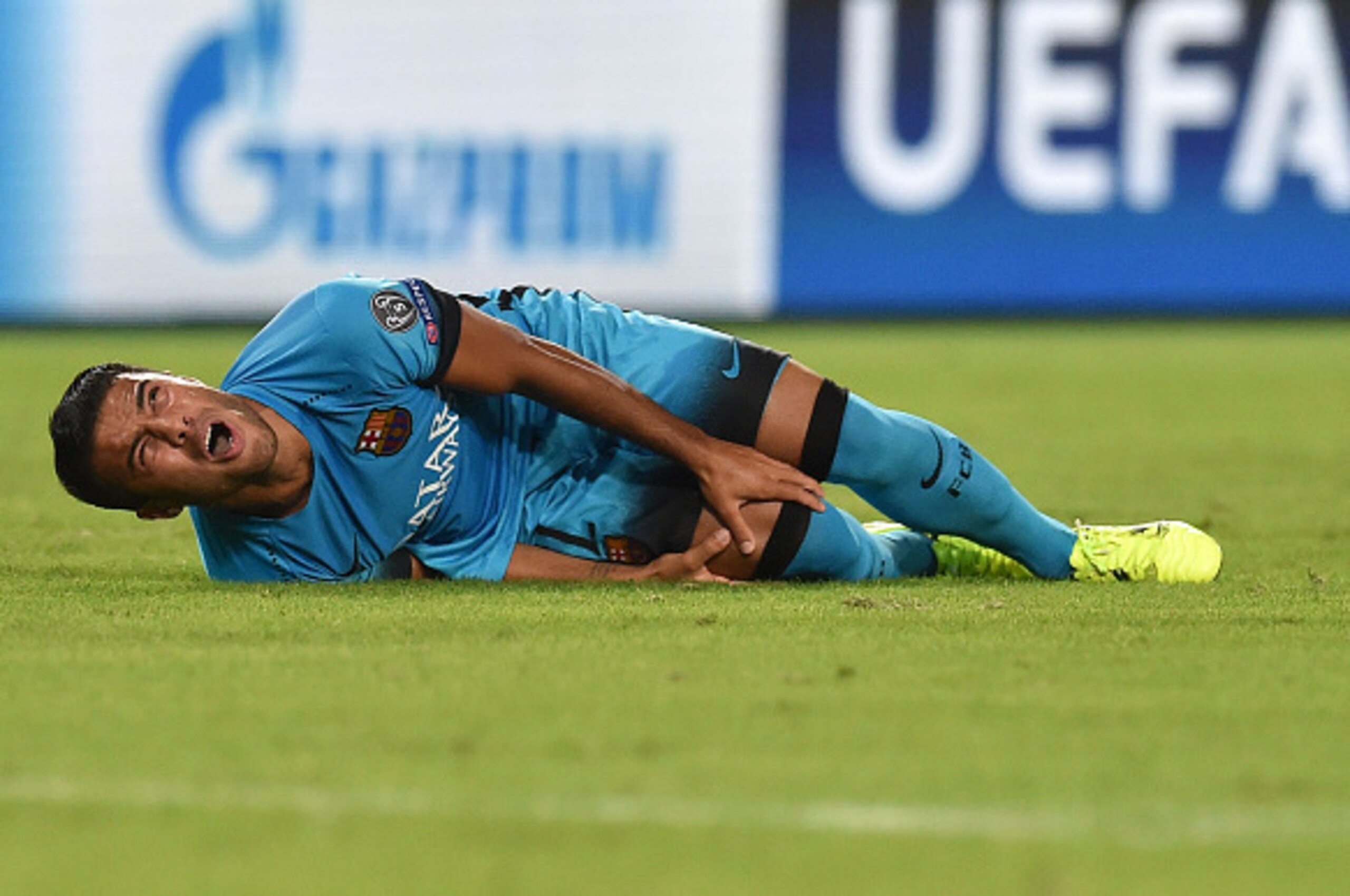
Rafinha's injury will keep him out for more than six months, even though surgery was successful, reported by Marca. His absence means no senior backup for the front three of Luis Suarez, Neymar and Leo Messi, while there are also limited replacements in midfield for Sergio Busquets, Andres Iniesta and Ivan Rakitic. However, Barcelona have to acknowledge the lack of cover is down to themselves, not just the ban.
Having appealed last summer, Barcelona acted quickly to bring in a host of big-money talent to stave off the threat of having a weak squad for the next two seasons. Luis Suarez, Ivan Rakitic, Marc-Andre ter Stegen, Thomas Vermaelen, Claudio Bravo, Jeremy Mathieu and Alen Halilovic all arrived in summer 2014 and most played a significant part in last season's treble-winning campaign—but part of that group has now gone.
They sold on Pedro Rodriguez and released Xavi Hernandez from the core group of players, and Martin Montoya was allowed to leave on loan. Alex Song and Ibrahim Afellay, neither seen as an important squad member, also departed—the former on loan—as did Adama Traore from the B team and Gerard Deulofeu—La Masia's next great hope was sold on with barely a wave goodbye.
Even Halilovic, brought in last summer, has been allowed to join Sporting Gijon on loan rather than be on call for the first team.
That's at least three, probably four, players Barcelona could have opted to try to convince to stay, plead with even to remain in place until January or even resorted to outright forcing those under contract to remain at Camp Nou. They didn't. They chose to enter the season with a reduced number of seniors in the squad, and this worry over depth is the net result of that.
FIFA's Right Course of Action
What kind of message does it send (especially, perhaps, from an organisation so often accused of selective blindness, if not of outright corruption) if FIFA backed down on its own rules, then backed down on the punishments?
Right or wrong—and it seems frequen point of views depend on allegiances rather than actual social outlook or reasoned grounds for belief—FIFA's stance on youth players being signed must be adhered to by everyone.
Those guidelines were broken, and the transfer ban is the punishment.
Barcelona supporters can whinge, pointlessly and utterly without foundation, about conspiracies or preferential treatment, but the fact is required standards were not met and consequent disciplinary action was meted. Cause and effect.
Once FIFA decided this was a serious enough offence to justify the first team being affected, there is precisely zero reason to change the initial punishment.
Barcelona have not done anything since the ban to suggest the term should be reduced—and those who say administrative processes have changed to comply with FIFA requirements are merely pointing out what Barcelona should have been doing in the first place. That, in itself, is not grounds for applause or leniency—it's only catching up to what everybody else has been doing, or should have been doing, all along.
Of course, it would be nice if there was transparency, consistency and respectability throughout the organisation and with every decision it takes. But FIFA's overall failings neither disguise nor make exempt Barcelona's complicity in this situation.
If at First You Don't Succeed...
By the same token, in a sporting sense, it was completely correct Barcelona should have attempted to register their player. In fact, even if they knew there was only a tiny chance they might have succeeded, it would have been verging on irresponsible for them to have not tried to get one of their players involved earlier than planned.

Sure, there will be those who say the club should have just accepted things and got on with it, but it would have been negligent to the point of throwing away the title if they hadn't explored every possible angle open to them—legally as well as in a club and personnel sense.
Barcelona, of course, initially appealed when the ban was initially handed down in 2014, taking their appeal all the way to the Court of Arbitration for Sport, but that appeal seemed in part to plan ahead and make a whole host of summer signings just over a year ago—which the club did. CAS rejected the appeal then, just as FIFA have done again now.
There doesn't appear to be too much room left to manoeuvre, and Barcelona might now feel they don't have any option other than to wait out the remainder of the ban and hope they don't pick up any more injuries along the way.
With so many games still to play between late September and the turn of the year, that's not an enormous likelihood.
Circular Blame Game
Barcelona's initial rebuttal of the ban, per the Independent, centred around a view that the punishment fit the crime.
"FC Barcelona considers the sanction to be completely disproportionate as it supposes an excessive punishment for the club, when considering its trajectory and the circumstances of this specific case."
Many fans (and some non-supporters) have argued that case—but the central point here is that what "FC Barcelona considers" is utterly irrelevant. They are just a club governed by a sporting body that sets the rules down. The rules are not there for interpretation, for partial adherence or for meeting halfway but instead to comply with and follow. When those rules are broken, it is inevitable sanctions will follow, and that those sanctions, in turn, should be adhered to.
Barcelona haven't done that yet. They have instead continually sought to circumnavigate them and lay the blame elsewhere.
Until errors have been corrected and terms of punishment have been completed, it's absolutely right that Barcelona should have to sit tight for the duration of the ban and absolutely right that FIFA should not let them off the hook earlier than originally intended.
.jpg?w=2560 "Colts Football")

.jpg?w=2560 "Malik Beasley Negotiating Plea Deal (AP)")
.jpg?w=2560 "NFL House in Paris Closes for Protests (AP)")