

MLB Playoff Picture: Biggest Worry for Each Division Leader
Heading into the final weeks of the MLB season, about half of the division races are all but wrapped up. The Houston Astros, Toronto Blue Jays and St. Louis Cardinals are the three division leaders with a sub-five-game lead.
In this slideshow, we’ll discuss each division leader’s biggest concern for either the rest of the season, or the postseason. Even if its lead is seemingly infallible, each team has a concern moving forward.
Be sure to leave your thoughts on each division leader’s biggest concern in the comments section.
AL East—Toronto Blue Jays
1 of 6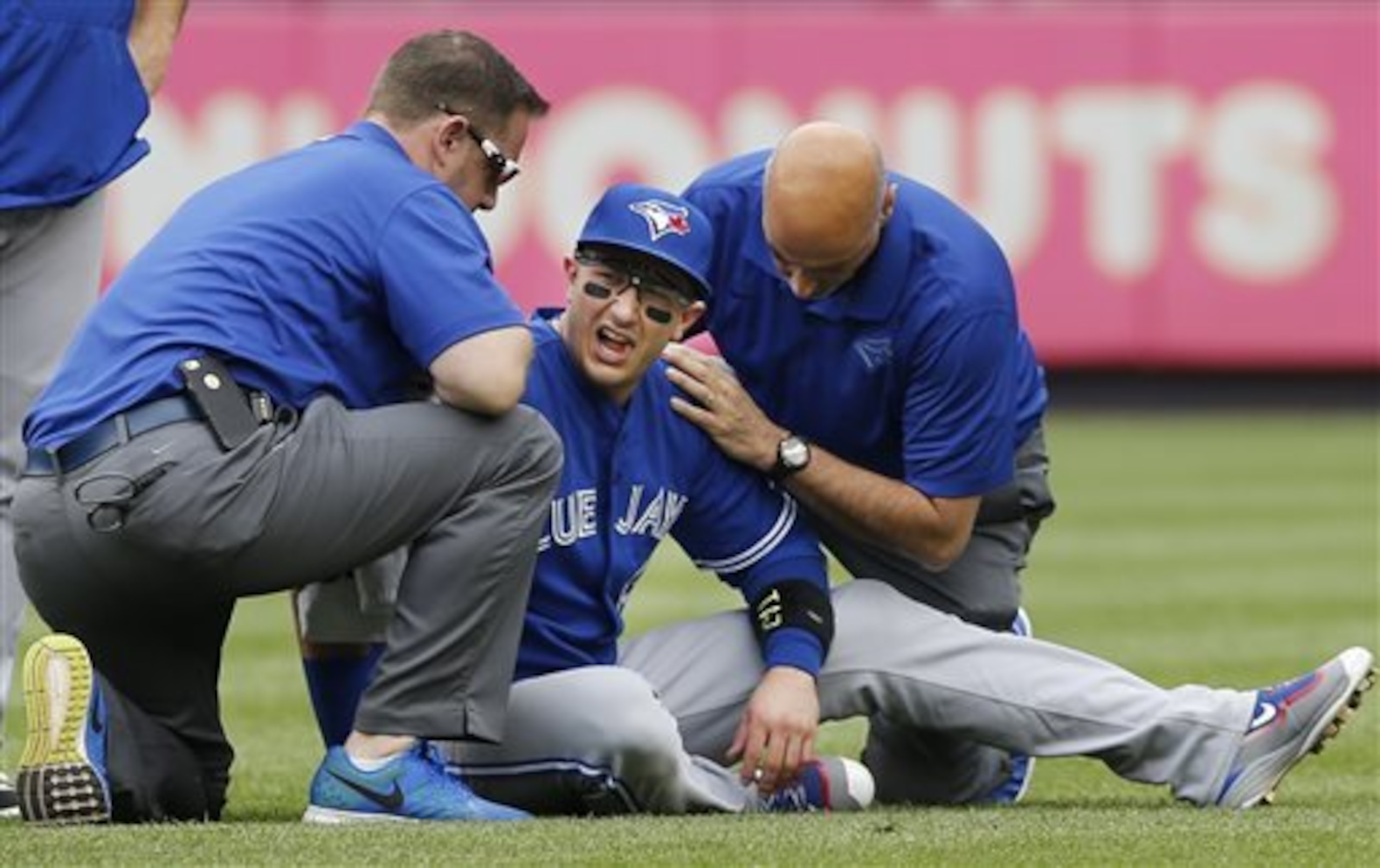
Even before trading for shortstop Troy Tulowitzki, the Blue Jays had a prodigious offense. But since acquiring him on Aug. 28, the team has catapulted itself into first place by going 30-9.
Other factors, such as the David Price trade, can be considered catalysts for the increase in wins, but when the Jays acquired Tulo, the attitude seemed to change.
One problem: Tulowitzki’s injury history.
That problem reared its ugly head on Saturday when Tulowitzki collided with teammate Kevin Pillar while attempting to field a pop-up. Tulo left the game, and according to MLB.com’s Gregor Chisholm, an MRI revealed a crack in his left shoulder blade.
Tulo’s production at the plate since joining the Jays has been hit or miss (no pun intended). He’s only hit .232 with five home runs and 17 RBI in 38 starts since his arrival, which works out to about 20 home runs and 70 RBI over the course of a season.
The home run and RBI numbers are solid, but the .232 average and .314 on-base percentage have hampered him, and Tulo can certainly outperform a 20/70 pace.
While the lost production from Tulo could certainly be a problem, Toronto’s biggest task will be keeping the same attitude it's had since acquiring him in July. This is the wrong time of year for a team to lose any confidence whatsoever.
AL Central—Kansas City Royals
2 of 6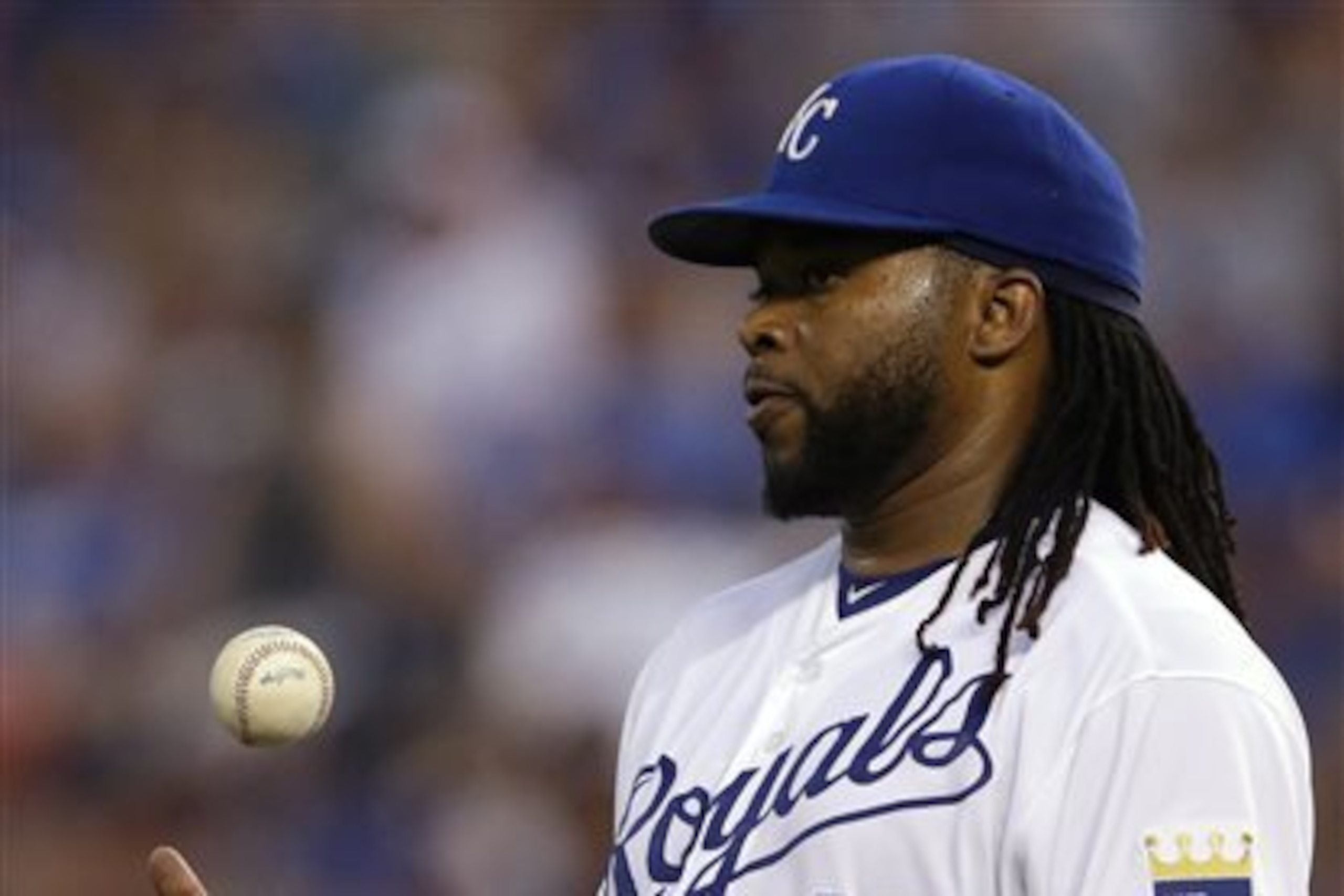
The Royals are in no danger of missing the postseason with their 11-game division lead. So, Kansas City’s focus will be on the postseason.
Which leads to their potential problem: Johnny Cueto.
The Royals acquired Cueto from Cincinnati to be their ace, but in eight starts, he’s been inconsistent and more like a middle-of-the-rotation guy.
In his first four starts with the team, Cueto looked spectacular. He earned four quality starts, a 1.80 ERA and even tossed a four-hit shutout. In his four starts since, he’s been plain bad: 20 innings; 21 earned runs allowed.
That’s a 9.45 ERA and something that’s not going to cut it in October.
If Kansas City expects to make it back to the Fall Classic, it's going to need better production from its ace.
AL West—Houston Astros
3 of 6
Everything’s supposedly bigger in Texas, which means that Houston’s concern over the in-state division rival Texas Rangers must be tremendous. If not, it should be.
Houston has had a great season, sitting a cool 10 games over .500 heading into play Sunday. The Astros may be slightly ahead of schedule as far as success is concerned.
That has a chance to work itself out with the Rangers breathing down their neck.
Houston has lost seven of its last 10, and while Texas hasn’t fared much better (5-5), the Rangers still gained ground and put just 1.5 games between the two teams. Making things particularly more concerning for the Astros is that Minnesota is just a half-game behind Texas for the second wild-card spot.


NL East—New York Mets
4 of 6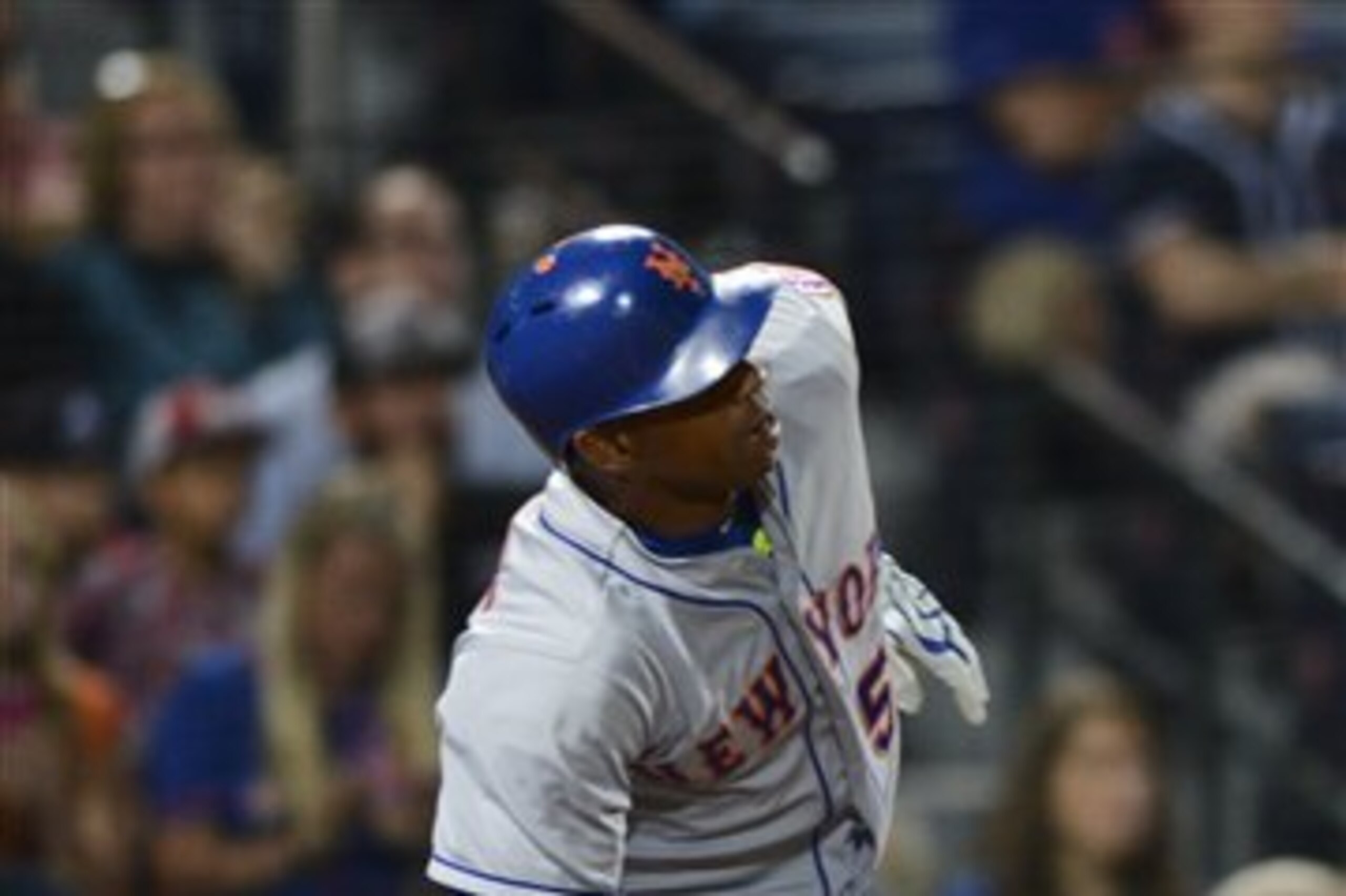
The Mets are possibly the hottest team in baseball and look as though they are in no danger of not winning their division. The only potential worry for the Mets is the thing that has turned their season around.
To let someone else explain it, here’s what ESPN.com’s David Schoenfield said in his article about Yoenis Cespedes as an MVP candidate: “Through July 31, the Mets had averaged 3.54 runs per game, worst in the majors. Since Cespedes played his first game with the Metropolitans on Aug. 1, they've averaged 6.14 runs per game, most in the majors.”
That article was written on Sept. 9, and since then, all the Mets have done is sweep the Braves in a four-game series and score 28 runs.
So the only real worry the Mets have is this: What if all that offense just, you know, stops? Cespedes has hit .310 with 16 home runs and 41 RBI in 38 starts with the Mets.
That’s a pace of 221 hits, 67 home runs and 171 RBI. That’s not going to be sustainable, especially when you consider the Mets have played what was supposed to be the third-easiest second-half schedule, according to MLB.com.
Add in the fact that the Nationals have been been terrible, and that schedule looks even easier. When the Mets make it to October, they’ll face quality opponents rather than teams like the Phillies, Braves and Marlins.
NL Central—St. Louis Cardinals
5 of 6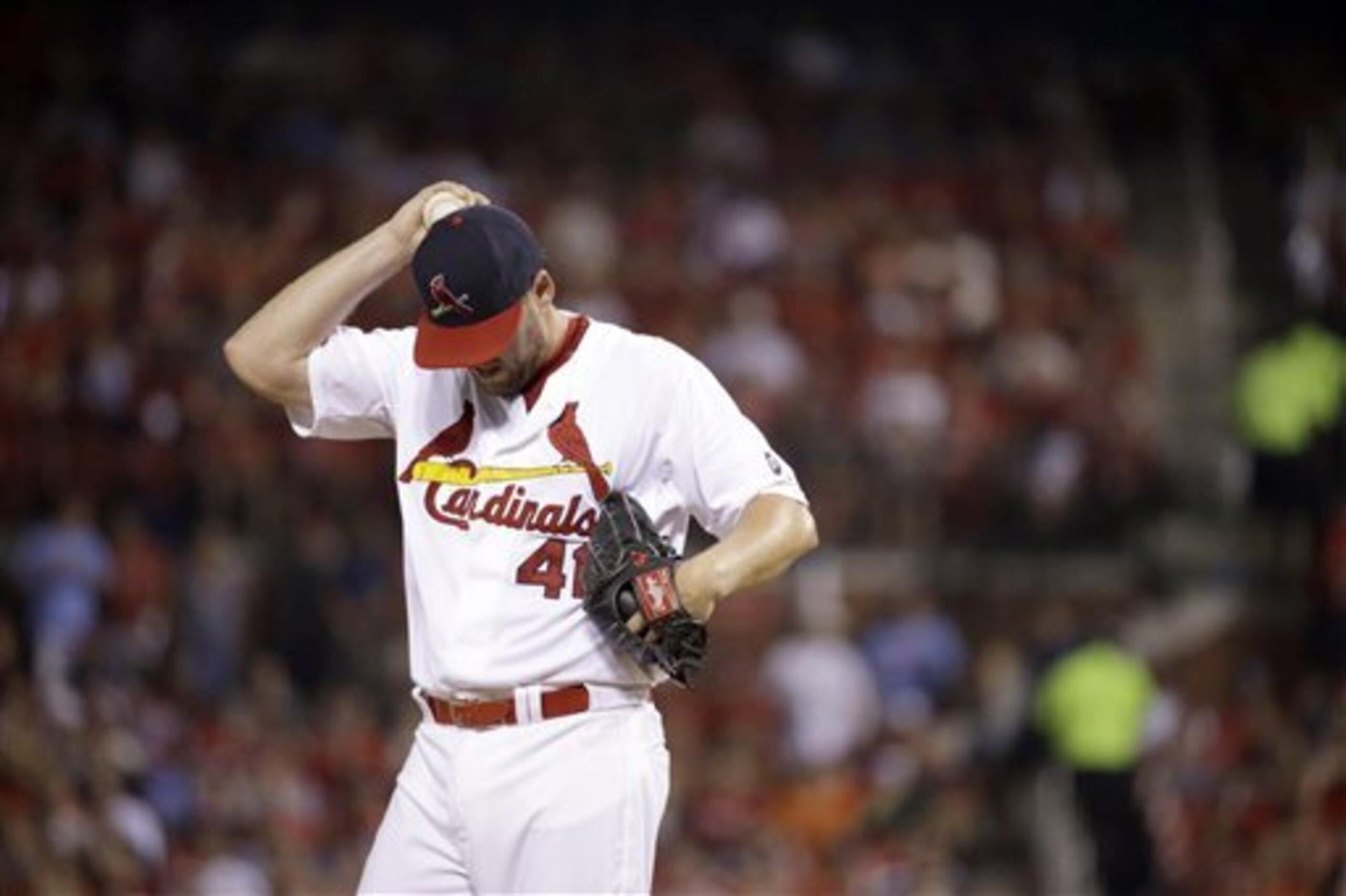
The Cardinals are slumping. They’re 3-9 in September and have seen their six-game lead on Sept. 1 shrink to a 2.5-game lead entering play on Sept. 13.
St. Louis isn’t in any danger of missing the postseason, but it is in danger of having to play a one-game playoff (the Wild Card Game). And with the way the Cards have been playing, that probably wouldn’t be a good thing.
At the heart of this slump has been the 2.75 runs per game they’ve scored and the 5.75 they’ve allowed. That reveals it’s been both pitching and hitting that have struggled.
Over the course of the season, the Cards own the second-best run differential in baseball, meaning if they can figure things out, they should be a tough out in the postseason. All things considered, a slump in early or mid-September is better than one of the late-September/early October variety.
NL West—Los Angeles Dodgers
6 of 6
The highest-paid team in baseball is in no danger of missing the playoffs. The Dodgers have made the postseason each of the last two years.
But each time, they’ve fallen short of the World Series.
The cause for concern for L.A. is Game 1 of the NLDS when Clayton Kershaw shows off his 5.12 postseason ERA. As sacrilegious as it might sound to Dodgers fans, starting Zack Greinke in Game 1 would be the smart move.
While Greinke’s postseason ERA is an average 3.63, most of that came in his three starts for the Brewers in the 2011 postseason. In four playoff starts with the Dodgers, Greinke has a 1.93 ERA and hasn’t allowed more than two runs in any start.
The Dodgers are in no danger of playing a one-game playoff, so this concern isn’t huge, but winners of Game 1 go on to win seven-game series more than 61 percent of the time, according to WhoWins.com.
It seems silly to worry about Kershaw starting a game for your team, but his numbers in the postseason are silly, too.
Stats and info courtesy of Baseball-Reference.com unless otherwise noted. Standings courtesy of MLB.com.
Follow Aaron Brand on Twitter @AaronBrand47.






.jpg?w=2560 "Weather Channel Trolls Texans-Titans 💀")
.jpg?w=2560 "Grading WWE Raw 🔠")