
25 ODI Greats Who Never Made It in Test Cricket
Compiling this list of 25 ODI greats who never made it in Test cricket was no easy feat.
First, “great” and “never made it” had to be defined. It is extremely rare for a player to have been truly legendary at one-day cricket and not gone on to have had at least some sort of impact at Test level.
In this instance, "great" simply refers to players who had an an impact for their country in the one-day format over a certain period.
For "never made it," the overarching criteria was that a player had to have significantly worse stats in Tests compared to one-day cricket.
There is also a number of players who only ever played a handful of Tests or didn’t play a Test at all, be it through never being given a chance or because there were other players who were better than them.
All entries are listed in no particular order.
Neil Fairbrother
1 of 25
Neil Fairbrother was considered one of England's leading one-day batsmen in the 1990s, playing 75 matches and averaging a touch under 40.00.
He played just 10 Tests, though, and averaged just 15.64 in those appearances.
Lance Klusener
2 of 25
Despite the fact that Lance Klusener played 49 Tests for South Africa, he never quite lived up to the lofty heights he achieved in the one-day arena.
He was a legendary all-rounder in coloured clothing, playing 171 ODIs for South Africa and averaging over 40.00.
But his returns with bat and ball were modest in Tests. He averaged just 32.86 with the bat and had a bowling average of 37.91.
Andrew Symonds
3 of 25
Aggressive and brutal with nearly 200 ODI caps, Andrew Symonds only played 26 Tests for Australia.
Despite having a decent average of 40.61 in those matches, off-field troubles meant that Symonds never quite fulfilled his potential.

.jpg?w=2560)
Lonwabo Tsotsobe
4 of 25
Once upon a time, Lonwabo Tsotsobe was ranked as the best ODI bowler in the world.
A very decent left-arm bowler, Tsotsobe only played 61 ODIs for South Africa, but he managed an average of 24.96 with the ball in those games.
He never quite cracked it at Tests, though, and has received just five caps to date.
A combination of not being quite good enough for the longest format of the game and a pedigree of South African quicks that would keep most bowlers out of a team scuppered Tsotsobe's chances at a long Test career.
Lasith Malinga
5 of 25
It's not that Lasith Malinga wasn't capable of being great at Tests; it's just that his action, injuries and perhaps a mild sense of apathy prevented him from doing so.
One of the most impressive one-day bowlers of his generation, with a deadly yorker that would make even the best batsmen in the world dance around, Malinga played just 30 Tests for Sri Lanka and retired from the format in 2011.
Nathan Bracken
6 of 25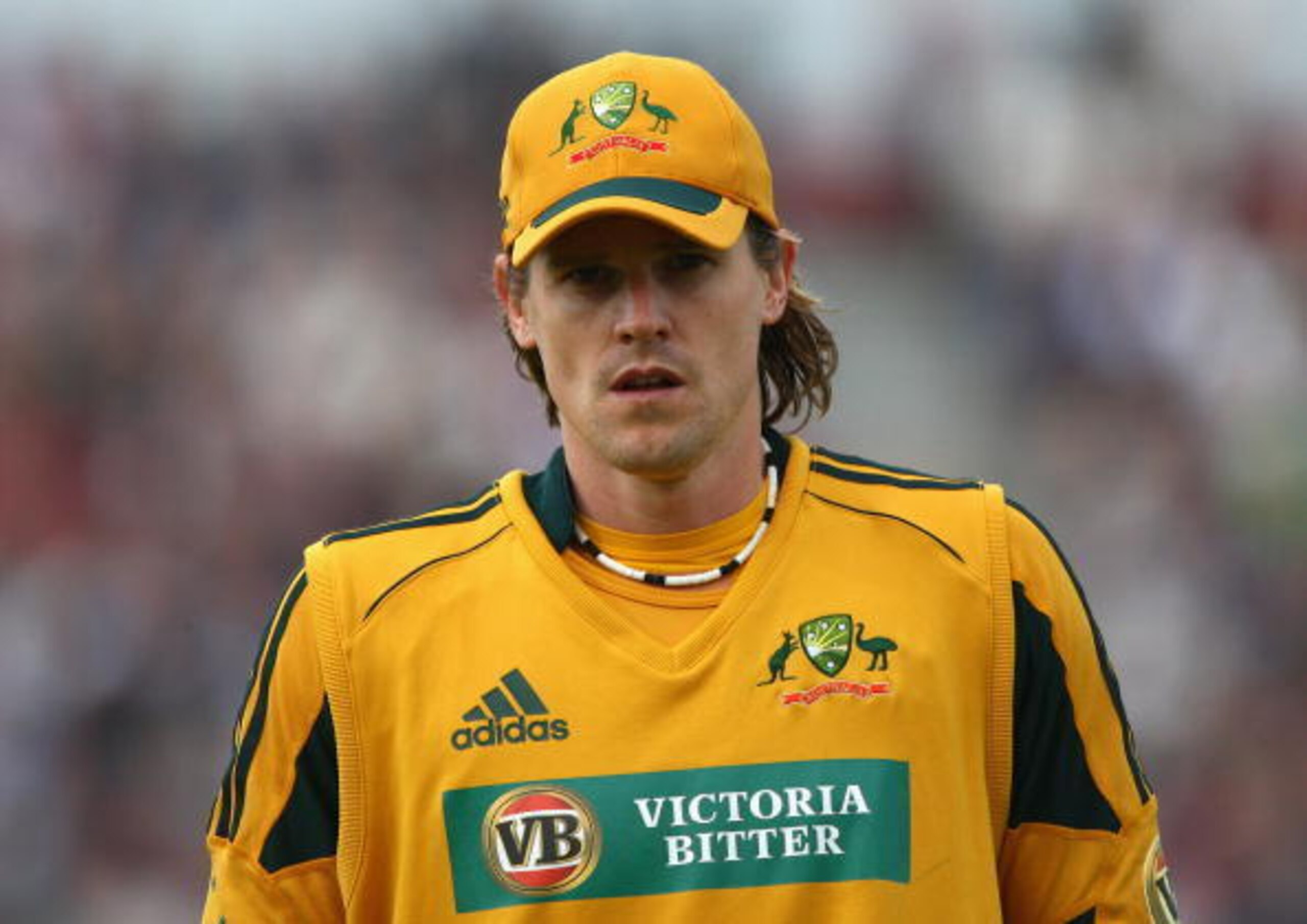
Nathan Bracken played over 100 ODIs for Australia but featured in just five Tests. He averaged 24.36 with the ball in ODIs and 42.08 in Tests.
He had a decent first-class career, but even at domestic level, his speciality was the one-day game, with 205 List A matches compared to the 67 in first-class cricket.
He probably only really played Tests because Australia were desperate for a left-armer, but after a short trial, it became apparent that he's probably more suited to white-ball cricket.
Shahid Afridi
7 of 25
It's hard to believe that a player with nearly 400 ODI caps managed just 27 Tests for Pakistan.
Shahid Afridi's stats weren't even that different. In fact, he had a higher batting average in Tests (36.51) than in ODIs (23.57).
His bowling was moderate in both formats, but perhaps it was his sheer unpredictability that kept him out of contention.
Charl Langeveldt
8 of 25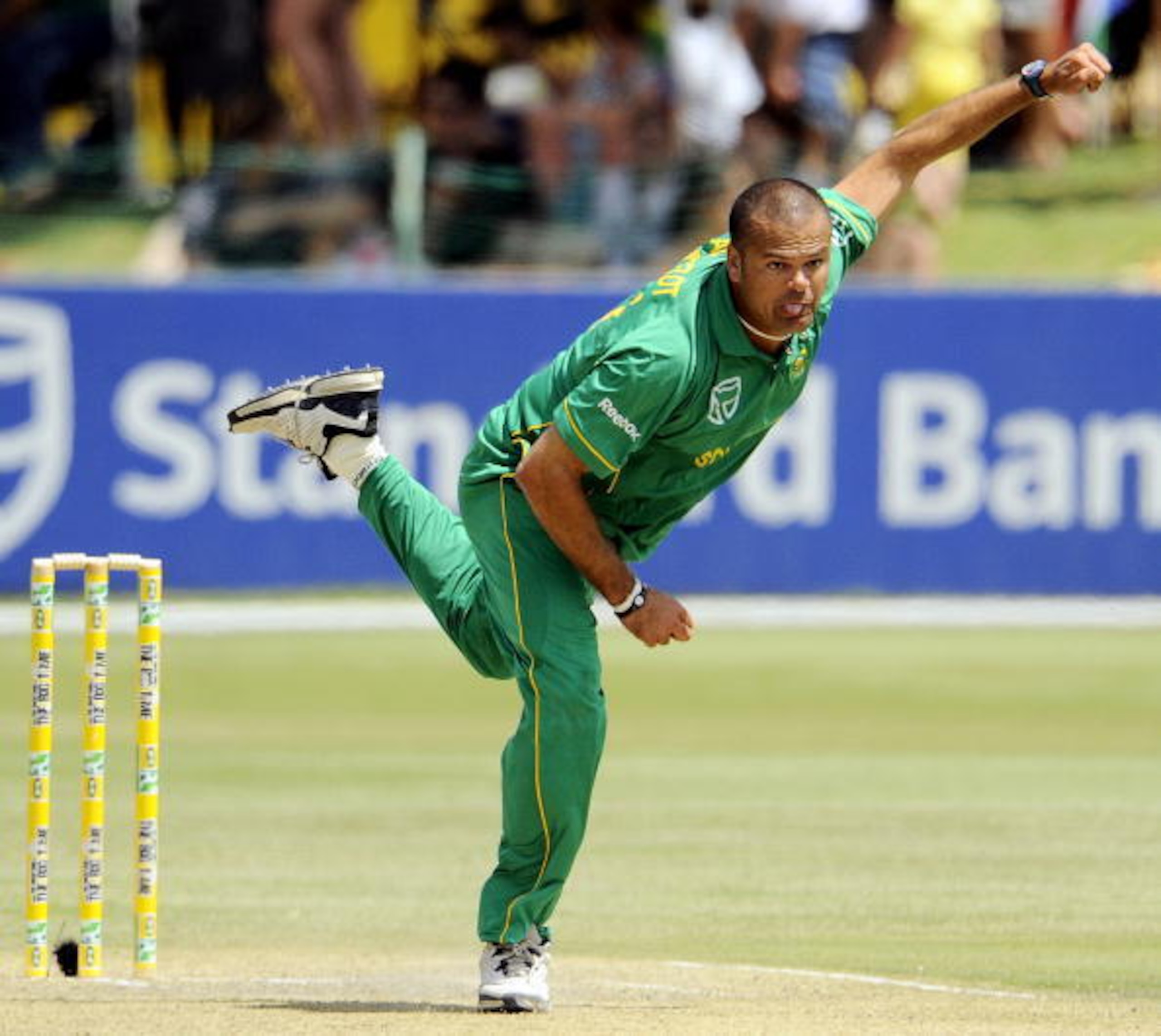
Charl Langeveldt was one of South Africa's best-ever death bowlers. He mastered the art of the yorker and tormented many batsmen with it.
Although his stats aren't overly flattering, his skill was impressive.
He played just six Tests, partly because he never quite adjusted to the pace of the longest format of the game and partly because of a selection controversy.
In 2008, Langeveldt opted out of South Africa's tour to India after he was selected ahead of Andre Nel. At the time, some believed the selection was because of CSA's transformation policy and not because of his ability.
Ian Harvey
9 of 25
With 73 ODIs to his name and a respectable bowling average of 30.31 in those matches, Ian Harvey never played a Test.
He played in 165 first-class games but never gained promotion to the Australia Test team.
Competing with Glenn McGrath, Brett Lee and Jason Gillespie will do that to a man's career.
Nick Knight
10 of 25
In 100 ODIs, Nick Knight scored just over 3,600 runs at an average of 40.41 for England.
With 25 half-centuries and five hundreds, he was an industrious batsman, but he flopped at Test level.
Knight played 17 Tests and averaged just 23.96 in those games.
Damien Fleming
11 of 25
Damien Fleming falls into the category of players who were more than capable but didn't get enough chances.
His Test career began with a hat-trick, but injury soon struck. That would become the dominant factor of his career, and in the end, he played just 20 Tests.
He did, however, manage 88 ODIs, taking 134 wickets at an average of 25.38.
Darren Lehmann
12 of 25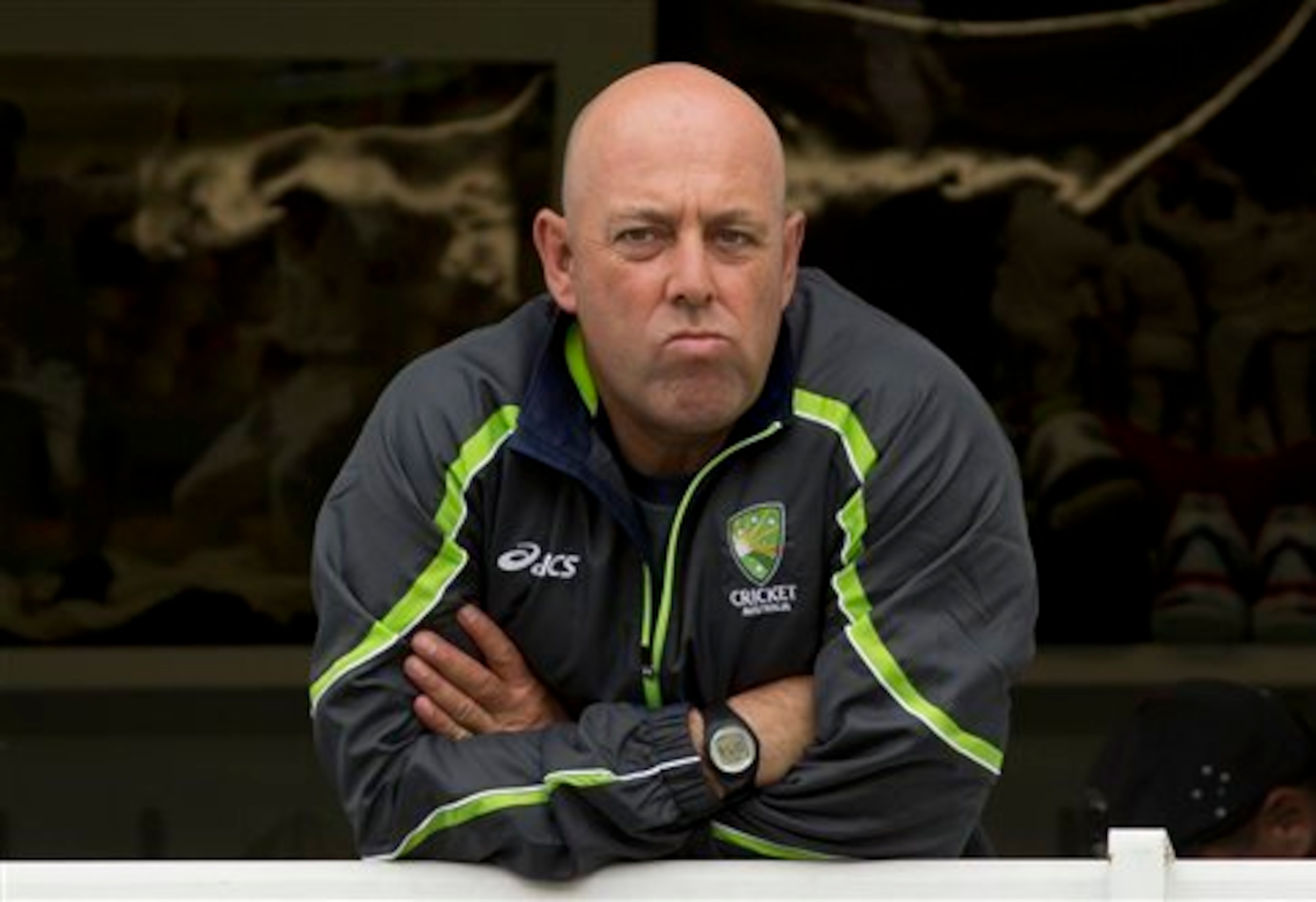
Darren Lehmann is another player who was a victim of the successful Australian system.
With a stellar one-day career and buckets of runs at domestic level, Lehmann would have played more cricket were it not for the wealth of talented batsmen who poured out of Australia in the 1990s.
Despite playing in 117 ODIs, Lehmann played just 27 Tests and averaged 44.95 in those, underscoring that his lack of Tests certainly wasn't down to lack of ability.
Yuvraj Singh
13 of 25
While Yuvraj Singh's batting average in Tests and ODIs is not vastly different (33.92 vs. 36.37), he carved out a niche in one-day cricket.
Playing in nearly 300 ODIs for India, Singh only played 40 Tests. While that might be plenty for an Indian player, it was his shortcomings against the seaming and swinging ball that meant he never quite made it in the longest format of the game.
Ed Joyce
14 of 25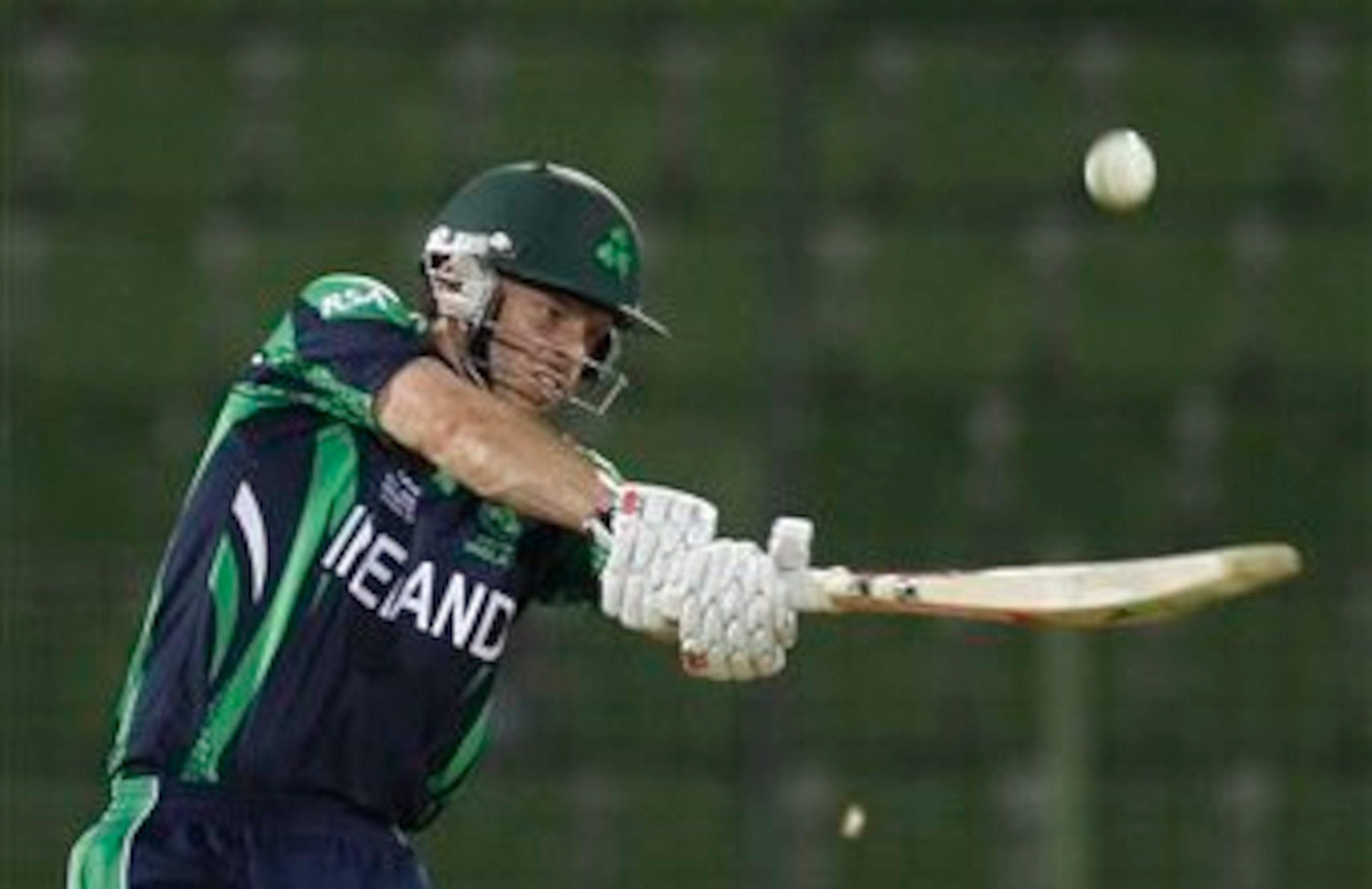
Ed Joyce flip-flopped between England and Ireland early in his career. Having hoped for a chance to play Tests, Joyce switched allegiances to England and played for them.
Soon enough, he switched back to Ireland and resigned himself to a fate of never playing a Test.
Jonty Rhodes
15 of 25
Although Jonty Rhodes had an equally moderate batting average in Tests and ODIs, he never quite cracked the Test arena—although, that was perhaps through choice.
He was a grafter, and in 1997, his batting underwent a technical makeover. From then, he averaged 50 in Tests but quit the longest format of the game in 2000 to focus on ODIs.
Rhodes played just over 50 Tests for South Africa compared to the 245 ODIs he managed.
Michael Bevan
16 of 25
With over 200 ODI caps and an average of over 50.00 in the one-day game, Michael Bevan only played 18 Tests.
He scored six fifties in those matches and averaged 29.07. Despite buckets of runs at first-class level, nearly 20,000 to be exact, Bevan just never quite cracked it as a Test player.
Imran Tahir
17 of 25
Theoretically, Imran Tahir can still "make it" at Test level, but with his inconsistency and South Africa's spin stocks suddenly full, it's unlikely.
Undoubtedly one of the best bowlers in limited overs cricket, Imran Tahir was supposed to be South Africa's great Test spin hope.
Not long after first making his debut in 2011, Tahir was found out in the longest format of the game. He averaged 46.39 in the 16 Tests he's played, compared to the 21.67 he averages in one-day cricket.
Impatient and erratic, Tahir just never quite figured out how to adapt to Tests, despite a perfectly respectable first-class record.
Abdur Razzak
18 of 25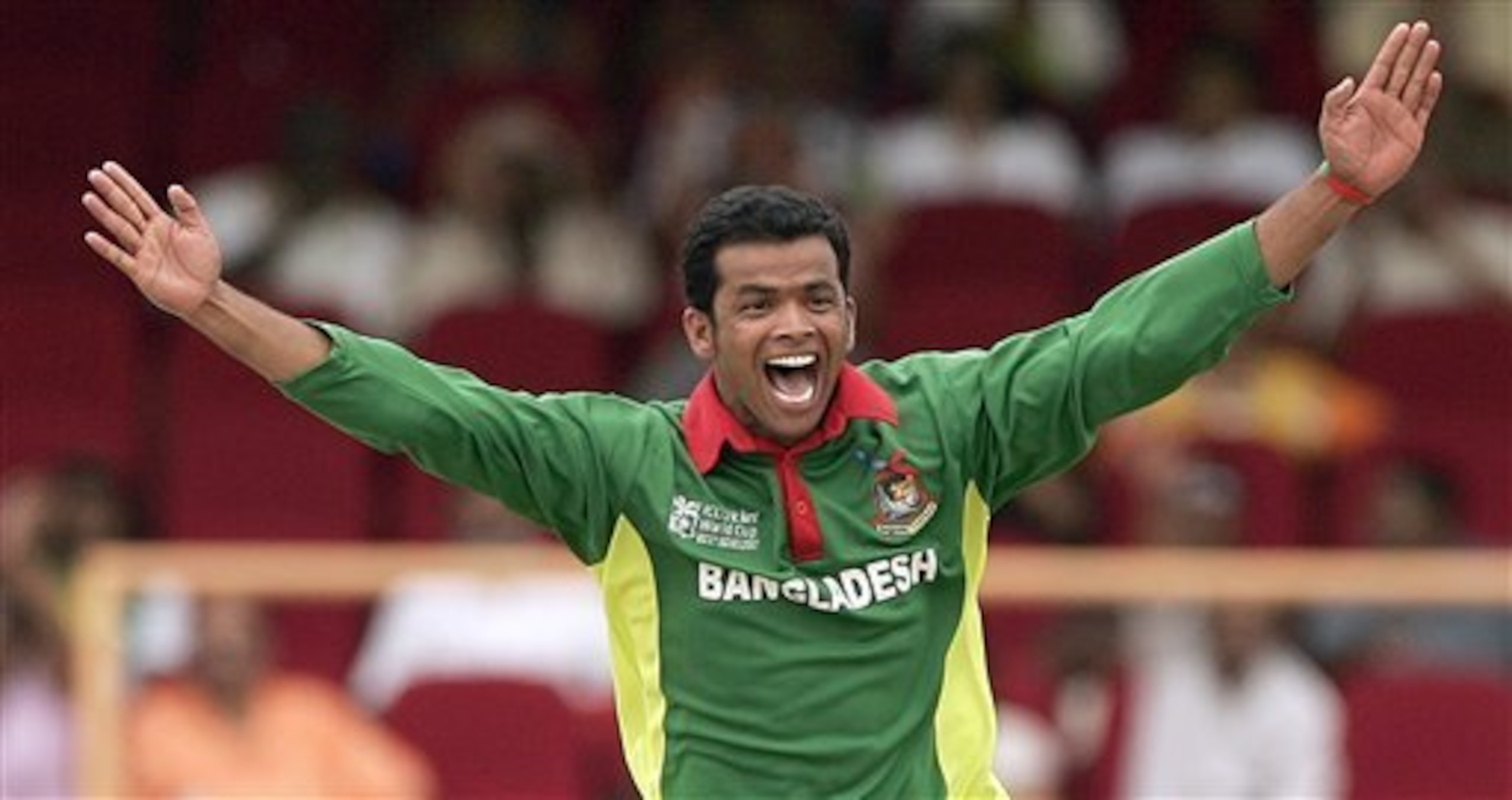
Abdur Razzak played over 150 ODIs for Bangladesh and did a pretty decent job. He averaged 29.29 with the ball and nabbed four five-fors during his time.
In Tests, he was a disaster. He played just 12 and managed to take just 23 wickets at an average of 67.39.
With a better first-class structure, he might have developed into a better Test player, but Razzak will have to settle for a decent ODI record.
Ajit Agarkar
19 of 25
Lumped with the responsibility of being Kapil Dev's replacement, Ajit Agarkar started well. He became the fastest to 50 wickets in one-day cricket and would go on to play 191 of them for India.
In Tests, he could never quite perform at the same level. He played 26 and averaged nearly 50.00 with the ball.
His body couldn't support the rigours of Tests, and he became a one-day specialist—one that many would say was India's most effective in 2005/06.
Dwayne Bravo
20 of 25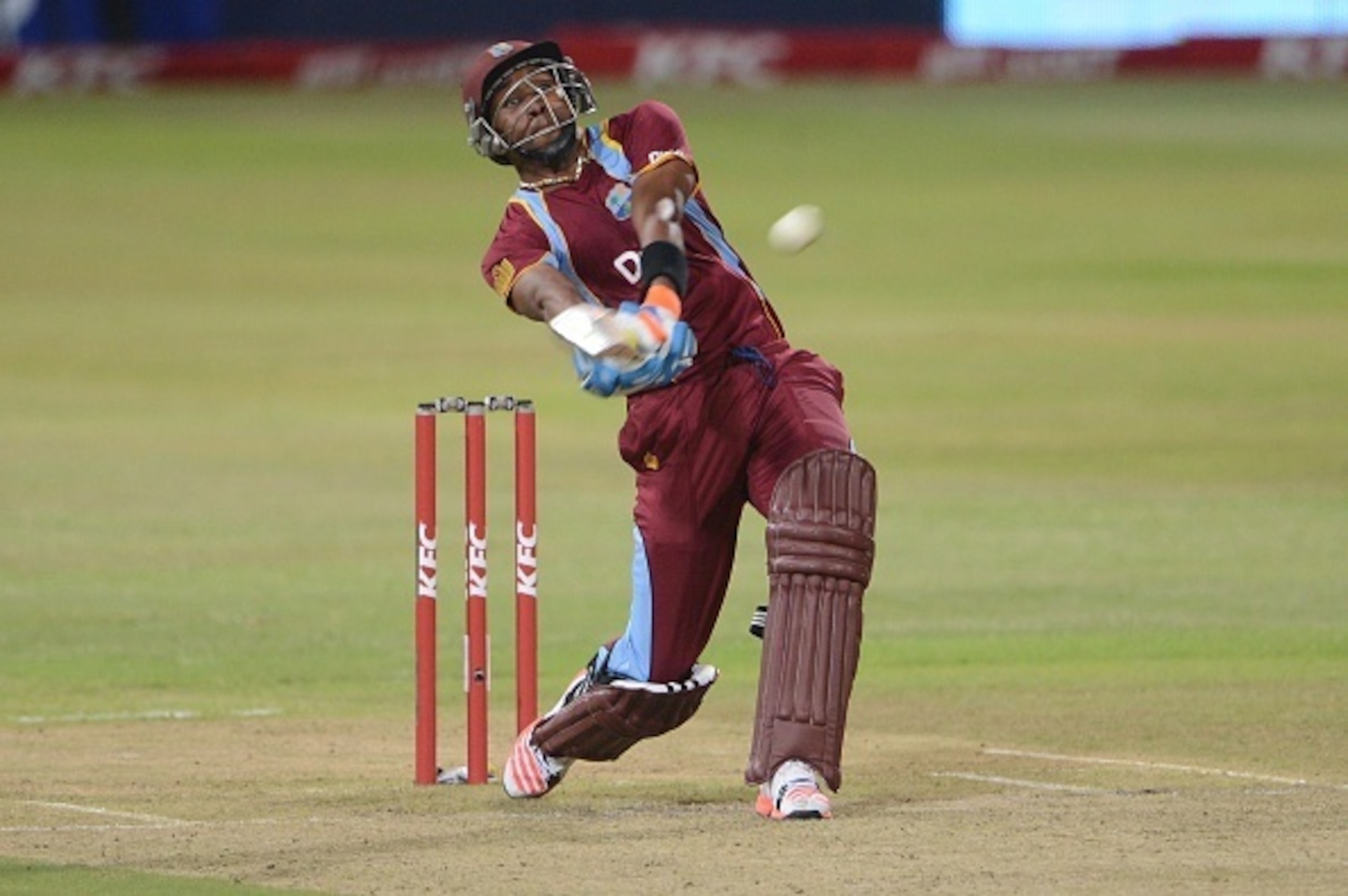
Batting-wise, Dwayne Bravo's Test and ODI records are very similar. He averaged 31.42 in Tests with 13 fifties and three hundreds in 40 matches. In one-dayers, he averaged a modest 25.36 with two hundreds and 10 fifties.
It's in the bowling department where there is a massive difference, though.
In his 164 ODIs, Bravo took 199 wickets at an average of 29.51, compared to the 86 wickets at an average of 39.83 he took in Tests.
Some might argue that Bravo should not be considered a "great" ODI player, but he certainly was great in an era of mediocre West Indies players.
Jacob Oram
21 of 25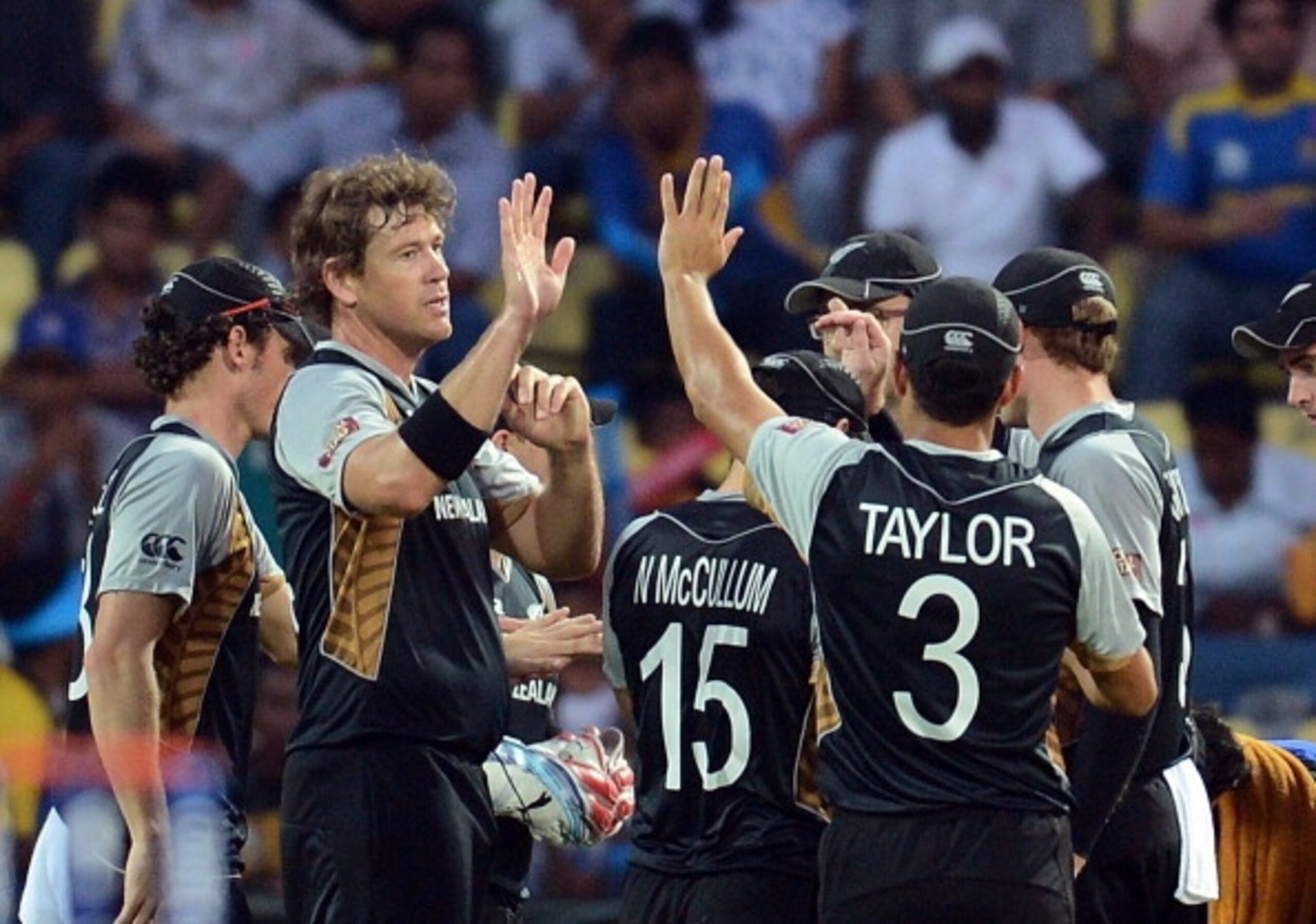
Jacob Oram was a perfectly capable Test cricketer, but he played just 33 Tests compared to 160 ODIs for New Zealand.
Recurring injuries meant he never had the longevity in Tests, but he will be fondly remembered as one of the Black Caps' ODI greats.
Russel Arnold
22 of 25
While Russel Arnold was known for his adaptability in limited overs cricket, he never quite adapted to Tests. That might be partly down to being shuffled around the order a few times.
The result was that he played 44 Tests compared to 180 ODIs and averaged 28.01 in Tests compared to 35.26 in the shorter format.
While he was considered a useful off-break bowler, those stats are hardly worth mentioning. He was mediocre in both formats with a bowling average of over 40 in ODIs and over 50 in Tests.
MS Dhoni
23 of 25
MS Dhoni makes the list as a somewhat cheeky inclusion. Although he played 90 Tests for India and 265 ODIs, many will argue that he never quite lived up to his potential in Tests.
Despite averaging over 50.00 in one-day cricket, Dhoni averaged just 38.09 in Tests. He scored just 4,876 runs in his Test career, and for a player so talented and prolific in the one-day format, it's a great shame Dhoni never managed to be quite so impressive in Tests.
Andre Russell
24 of 25
Andre Russell is a bit of a wild-card inclusion in this list. While he has played just 50 ODIs, with modest returns, his one and only Test to date has to rank as one of the worst debuts in history.
He scored just two runs and conceded 104. Compare that to a respectable average of 28.60 with the bat and 64 wickets at an average of 32.00 in the one-day game and he has more than earned his spot.
Chris Harris
25 of 25
Chris Harris is New Zealand's third-highest wicket taker in ODIs with 203 scalps at an average of 37.50. That might not be statistically great, but his Test effort is far worse.
In 23 Tests, Harris averaged 73.12 with the ball. He played 250 one-day games for New Zealand and had a decent average of 29.00—with 4,379 runs in total, including 16 fifties.
Harris is an ODI cult hero, but he could not translate his limited overs talents into Tests.


.jpg?w=2560 "Viral Rams Coach Vid 🖕")