
Changes MLB Needs to Make to Help Innovate the Game
For decades, Major League Baseball was very much like the legendary duo of Wayne Campbell and Garth Algar: It feared change.
But as attention spans draw shorter and people have more options than ever before as to how to spend their discretionary income and spare time, baseball needs to embrace change. Not only to improve the game, but to grow it, to remain relevant for future generations.
To its credit, MLB has begun to get with the times. Instant replay is here to stay. MLB Advanced Media has done some terrific things in regards to the online content that's available to fans, whether it be on a desktop, tablet or smartphone.
But baseball cannot rest on its laurels, pat itself on the back and believe that the work is done. Truth be told, the work will never actually be done, as baseball will need to continually evolve if it has any chance of surviving in an ever-changing landscape.
What follows are changes—some more easily applied than others—that would go a long way toward not only improving the game, but ensuring its long-term health.
Allow the Trading of All Draft Picks
1 of 6
While the MLB first-year player draft is never—I repeat, never—going to be the same kind of spectacle or generate as much buzz as those in the NBA, NFL and even the NHL do, baseball has done a better job in recent years of drumming up interest in the annual event.
From inviting some of the best amateur talent to the draft and having them put their names up on the board when they're drafted to the presentation on television, the draft has become far more interesting to fans than it was only a decade ago.
But there's more that can be done—allowing teams to trade draft picks.
Currently, teams are able to trade competitive-balance picks, which follow the first two rounds and international signing slots, which while not directly draft related still shows some innovative thinking.
Giving teams the ability to trade up and down in the draft—or trade multiple picks for a player—would take things to another level. “I don’t know anybody who’s not in favor of that at this point,” one AL executive told ESPN's Jayson Stark this past June. “I really don’t. I think it’s going to happen.”
While it's a change that would have to be made when negotiations on the next collective bargaining agreement get underway—the current CBA expires on Dec. 1, 2016—it's one that benefits teams and players alike, so there should be little resistance from either side.
Start the Season with Expanded Rosters
2 of 6
Come September 1, every team in baseball is allowed to add up to 15 players to its active roster. Not all of them do. Some add three, others add seven. And that creates an uneven playing field.
As the New York Post's Joel Sherman points out, it's a rule that makes about as much sense as...all right it doesn't make any sense at all:
"Here is the simplest way to know a rule is ludicrous: If it didn’t exist and you proposed it, you would get laughed out of the room. Yet this is an actual MLB rule, a rule that pretty much everyone in the game thinks defines stupidity, a rule executives discuss fixing annually and a rule that never changes."
As you'd expect, there's no shortage of suggestions available for how to make things right.
Sherman has two proposals, including a NFL-style active/inactive system in which any player in a team's system can be activated for a big league game from Sept. 1 onward, so long as the team has deactivated a player currently on the 25-man roster.
The Boston Globe's Nick Cafardo suggests something similar, a system in which teams would start the season with a 28-man roster but declare only 25 players active for the day's game.
You're sure to have some owners that are against any suggested roster expansion, as doing so comes at a considerable expense to teams. And there are issues that need to be worked out before such a system could be implemented, including those regarding service time.
But the benefits outweigh the additional cost and effort.
Want to limit a starter's innings? Go with a six-man rotation without sacrificing a reliever. Has your closer appeared in back-to-back games and is unavailable? Deactivate him and add another bullpen arm to the mix.
Are you facing a southpaw and need another right-handed bat for your lineup? Deactivate a left-handed one. Is a player banged up but not injured to the point of needing a stay on the disabled list? Deactivate him for a few days so you're not playing short-handed.
The options are really endless, and it'd make for a more interesting game.
Allow the Designated Hitter in Both Leagues
3 of 6
Sorry traditionalists, but the time has come for National League teams to at least have the option of using a designated hitter year-round. If a manager wants to have his pitcher bat, that's his prerogative. But he should at least have the option to not have his pitcher step to the plate.
I understand why there's a large segment of baseball fans who are staunchly against the idea—I really do.
But I also remember the Chien-Ming Wang incident, and that should be all the reason anyone needs to get behind the change.
Back in 2008, Wang was a 28-year-old star coming off consecutive 19-win seasons for the New York Yankees. He injured his foot while running the bases during a June interleague game against Houston, suffering a sprain and torn tendons.
As late Yankees owner George Steinbrenner told the Associated Press (via ESPN), it was something that never should have happened:
"My only message is simple. The National League needs to join the 21st century. They need to grow up and join the 21st century.
Am I [mad] about it? Yes. I've got my pitchers running the bases, and one of them gets hurt. He's going to be out. I don't like that, and it's about time they address it. That was a rule from the 1800s.
"
It's only a matter of time before another big-time starter suffers a similar fate.
Beyond the reduced injury risk for pitchers, it'd help grow the game with younger fans. This may come as a shock to some people, but children aren't impressed by a pitcher laying down a sacrifice bunt to move a runner over. That's not going to get them coming back for more.
A 400-foot bomb off someone's bat—or a line-drive double into the gap—will.

Do Away with the Blackout Policy
4 of 6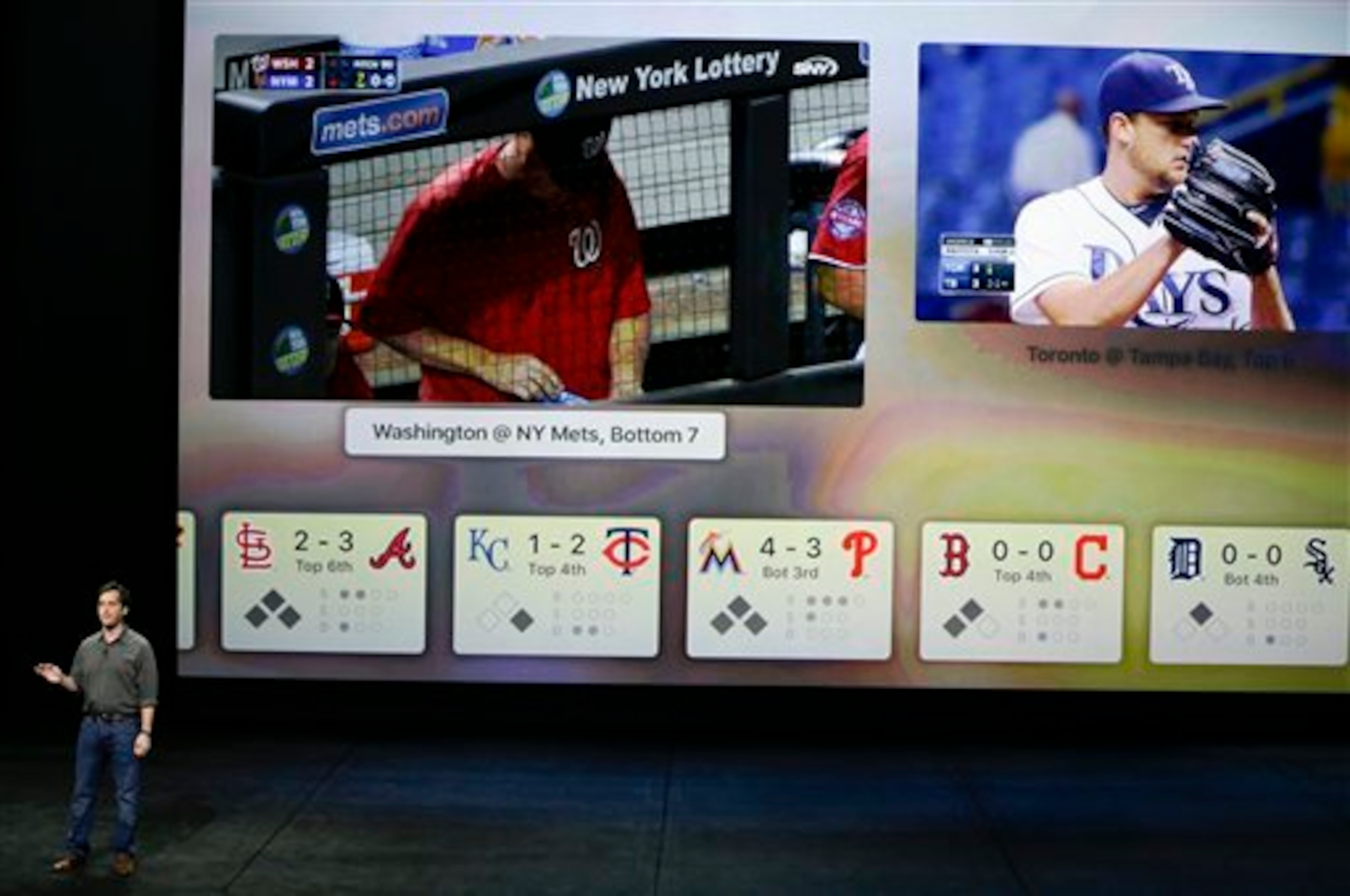
Baseball might still be viewed as America's pastime, but make no mistake about it: Baseball is a global game. Whether we're talking about players, who come from all corners of the globe or fans, who may have grown up in the United States but relocated overseas, the game has a wider reach than ever before.
And there are more ways for fans to follow the action than ever before, whether it be radio, online streaming or television. But there are limits on how effective the latter two are thanks to the game's blackout policy, which is not only antiquated, but counterproductive when it comes to growing the game.
Consider this real-life scenario, which unfolded over this past weekend and involved one of my B/R colleagues that happens to be a Cincinnati Reds fan living in the Columbus, Ohio, area.
Considering that Columbus is a major city in the Reds' home state, you'd think that he'd have been able to watch his favorite club take on the St. Louis Cardinals on Saturday.
Instead, that game was not available. The only game he could watch was the New York Yankees vs. the Toronto Blue Jays, a quality game in its own right—but one that he, and most of Ohio, couldn't have cared less about.
It's long past time for MLB to rip up its TV territorial maps, which predate the Internet, as Eric Fisher of Street and Smith's Sports Business Journal pointed out last year, as well as the blackout policy and craft new rules and guidelines that deliver more baseball to more fans, not less.
Shorten Spring Training
5 of 6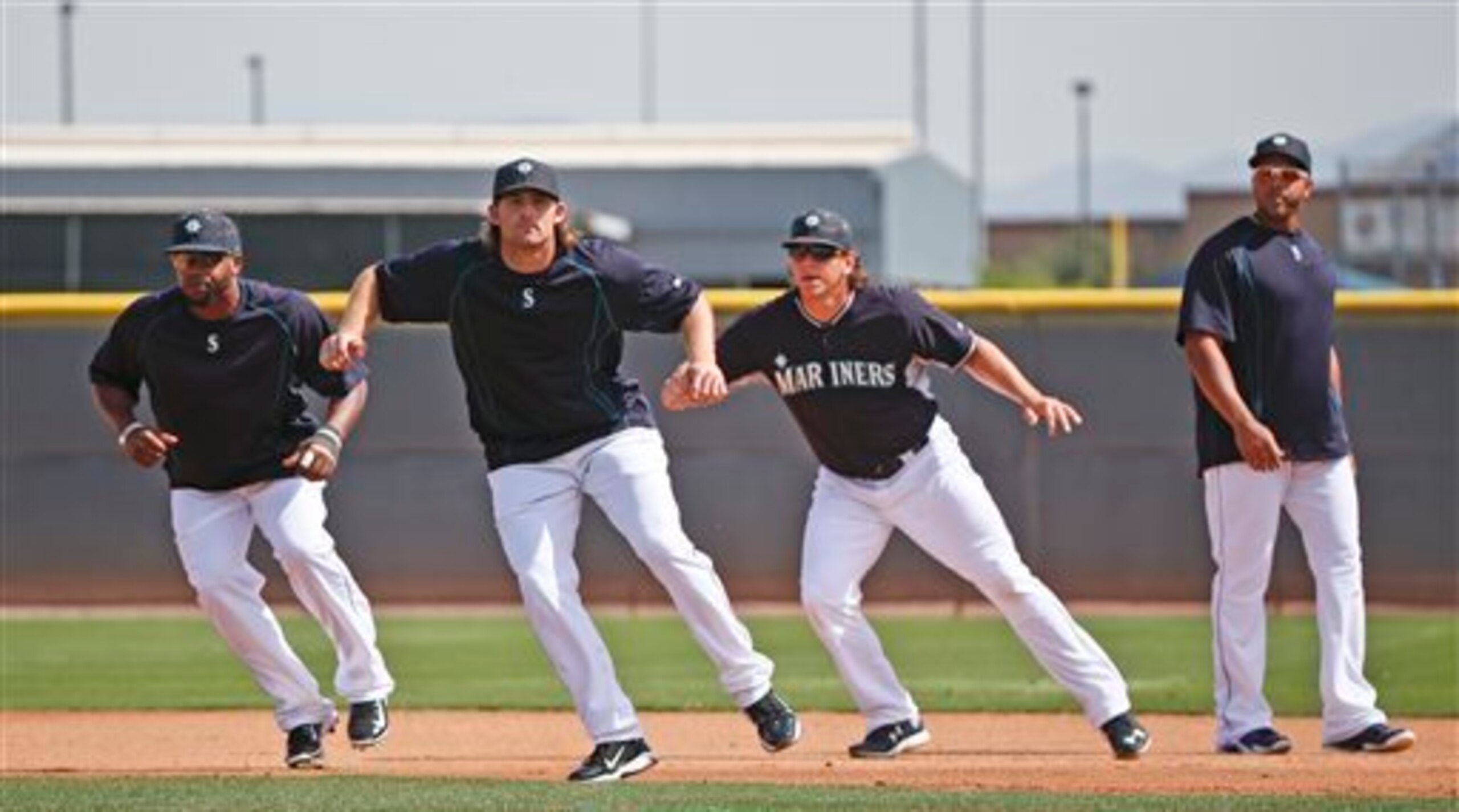
Spring training has been, and always will be, a necessary part of baseball.
Not only does it give players time to work into baseball shape and build camaraderie with the new faces a team has bought in during the offseason, but it affords fans a chance to get far more up close and personal with their favorite players than they can during the regular season.
But a full month of exhibition games is a bit much. MLB could easily cut two weeks off the spring training schedule and open camps two weeks later. As current Los Angeles Dodgers starter Brandon McCarthy wrote for Sports Illustrated back in 2013, players would quickly get behind such a change:
"It's so, so, so LONG: It's six weeks of practice and pretend games. It just never seems to end. It's like our version of Oregon Trail. By the time camp ends, someone's died of Dysentery, there's a bunch of new kids that have been born, and your feet are killing you."
Six weeks of training made sense 40 and 50 years ago, when players were often working a second job during the offseason and needed the extra time in spring training to round into form.
These days, most players spend their winters working out and honing their craft, arriving to camp in far better condition than their predecessors did. They simply don't need as much time to round into regular-season shape.
Move the Non-Waiver Trade Deadline Back Two Weeks
6 of 6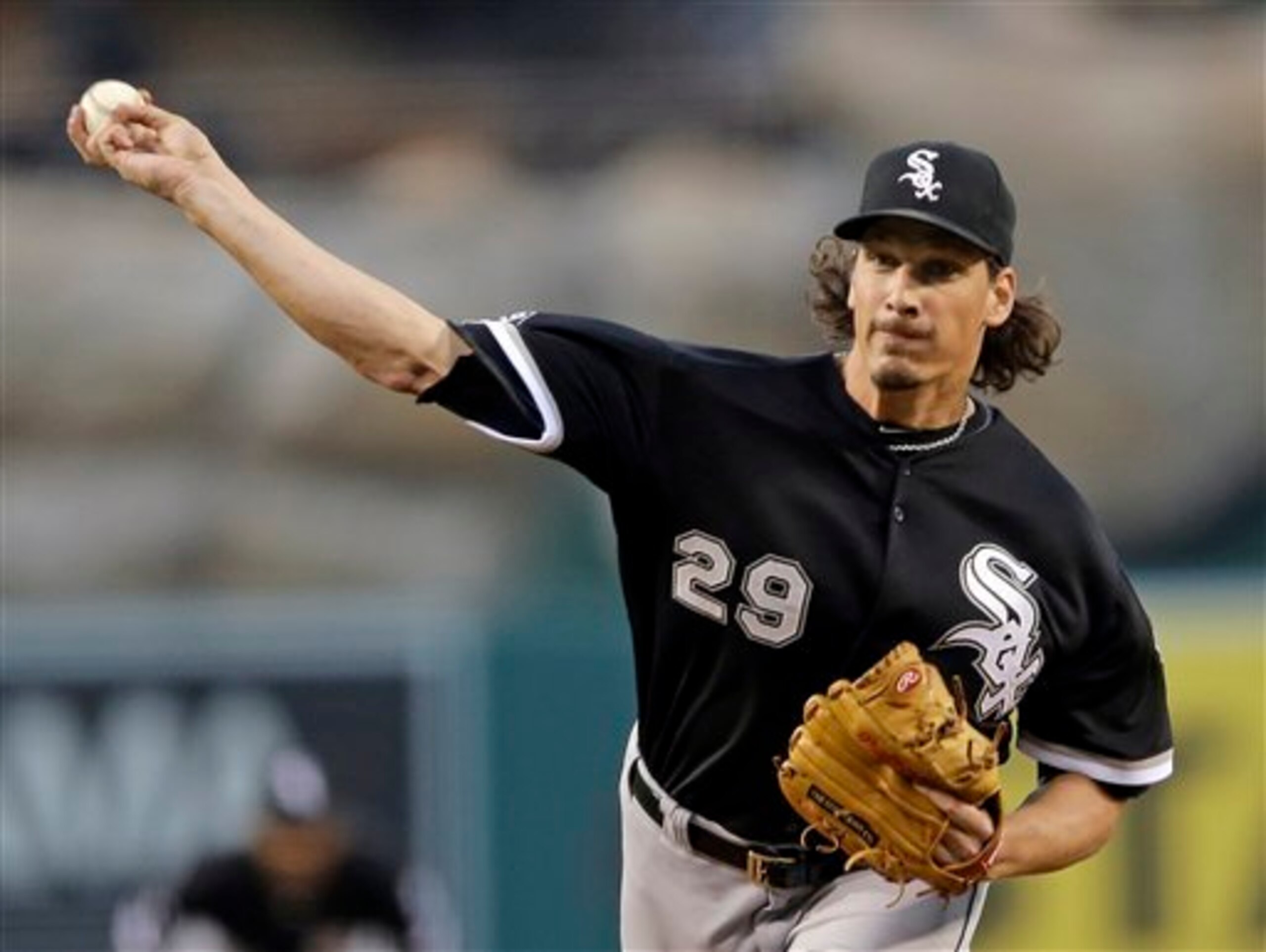
Since baseball added a second wild-card berth to each league in 2012, it's become harder and harder for fans, pundits and teams alike to figure out whether they're actually contenders or pretenders heading into the July 31 non-waiver trade deadline.
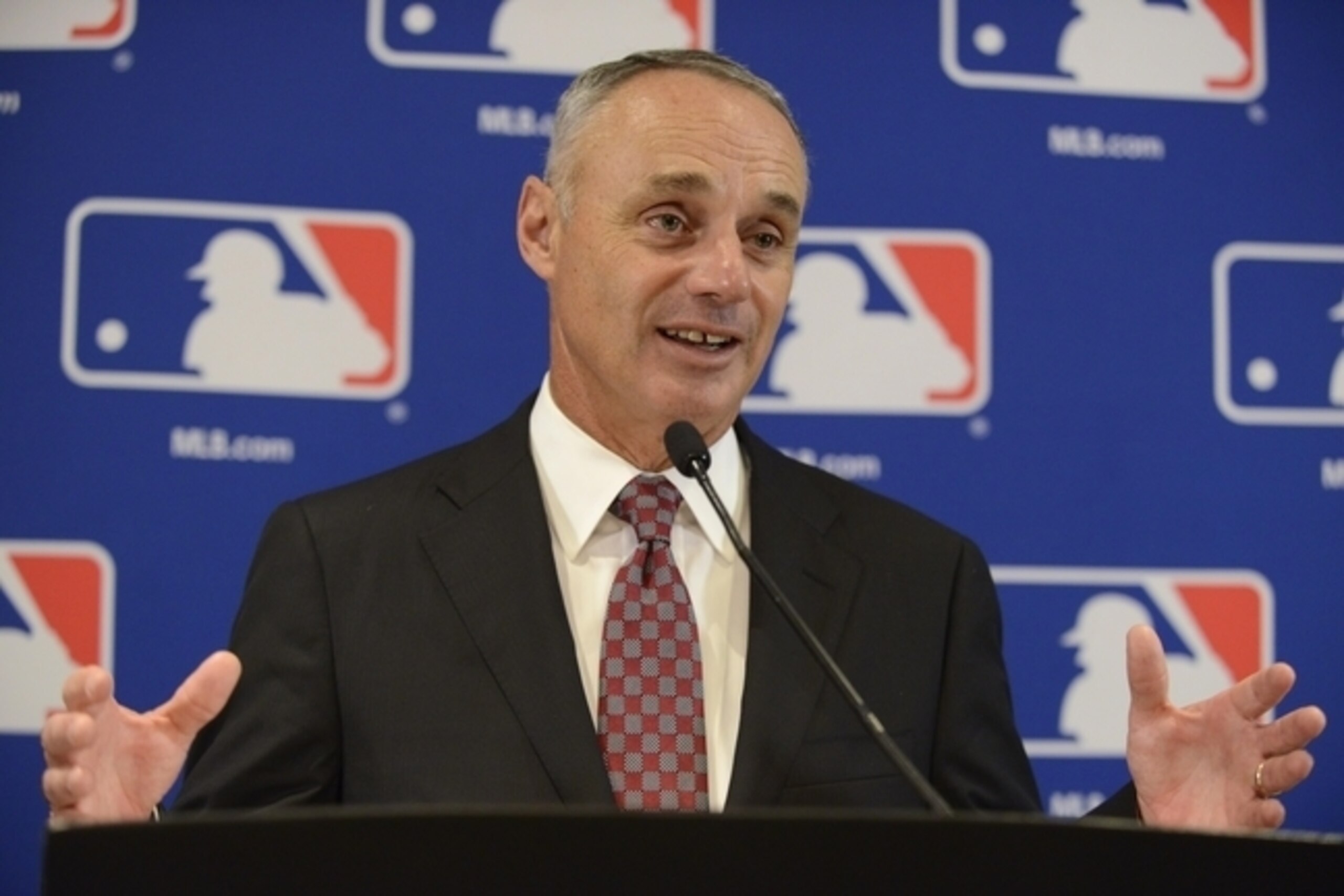
Commissioner Rob Manfred is aware of how that lack of clarity can affect a team's decision-making process, and it's something he has been thinking about, as he explained to the Associated Press earlier this year (via Sportsnet):
"I think that the July 31st deadline is something that we may want to revisit in the context of the revised playoff format. Obviously when you have two additional opportunities to be in the playoffs, you have more teams in the hunt and they may want to wait a little longer before they make decisions.
On the other hand, you’ve got to remember, we want teams that the core of which have been together for the year playing in the post-season. So you have to just balance those two issues, I think.
"
Take a team like the Chicago White Sox, for example. The ChiSox looked like a pretender up until July 23, then proceeded to win seven of their next eight games, raising their record to 49-51 and looking like a threat in the AL wild-card race.
The team decided to stand pat rather than trade away a pending free agent like Jeff Samardzija (pictured)...and proceeded to drop seven of its next 10 games, falling right back out of the playoff picture.
Had the trade deadline been, say, August 15, perhaps the White Sox would have looked to move Samardzija (and others) with an eye toward 2016 and beyond.
There's really no good argument to be made as to why the trade deadline shouldn't be moved back. If nothing else, doing so would keep more fans of non-contending clubs engaged longer, as they waited to see what sort of a return their favorite teams got for high-priced veterans or soon-to-be free agents.
Hit me up on Twitter to talk all things baseball: @RickWeinerBR




.jpg?w=2560 "Jonathan Taylor Landing Spots")
.jpg?w=2560 "NFL House in Paris Closes for Protests (AP)")
.jpg?w=2560 "Trevon Diggs Cut by Seahawks")