
Predicting the Impact of MLB's Top 10 Potential September Call-Ups
It's that time of year again.
The stadiums are packed, beer is cold and pennant races are in full swing. There will be plenty of September call-ups who will have a huge impact and some who won't.
Today, we're only focusing on those call-ups who are potentially in line to make waves down the stretch.
While not all members of this list need to currently be on MLB rosters, they all must play for teams currently in the hunt for one of the 10 postseason spots—as well as have a legitimate chance to reach the bigs before the 2015 season ends.
Factors considered include overall talent and tools, MLB readiness and the players' ability to elevate a team's playoff-race positioning.
Now on to the list, which includes a teenage lefty ace and one of the most powerful hitters in the entire sport.
Notable Omission: SP Marcus Stroman, Toronto Blue Jays
1 of 11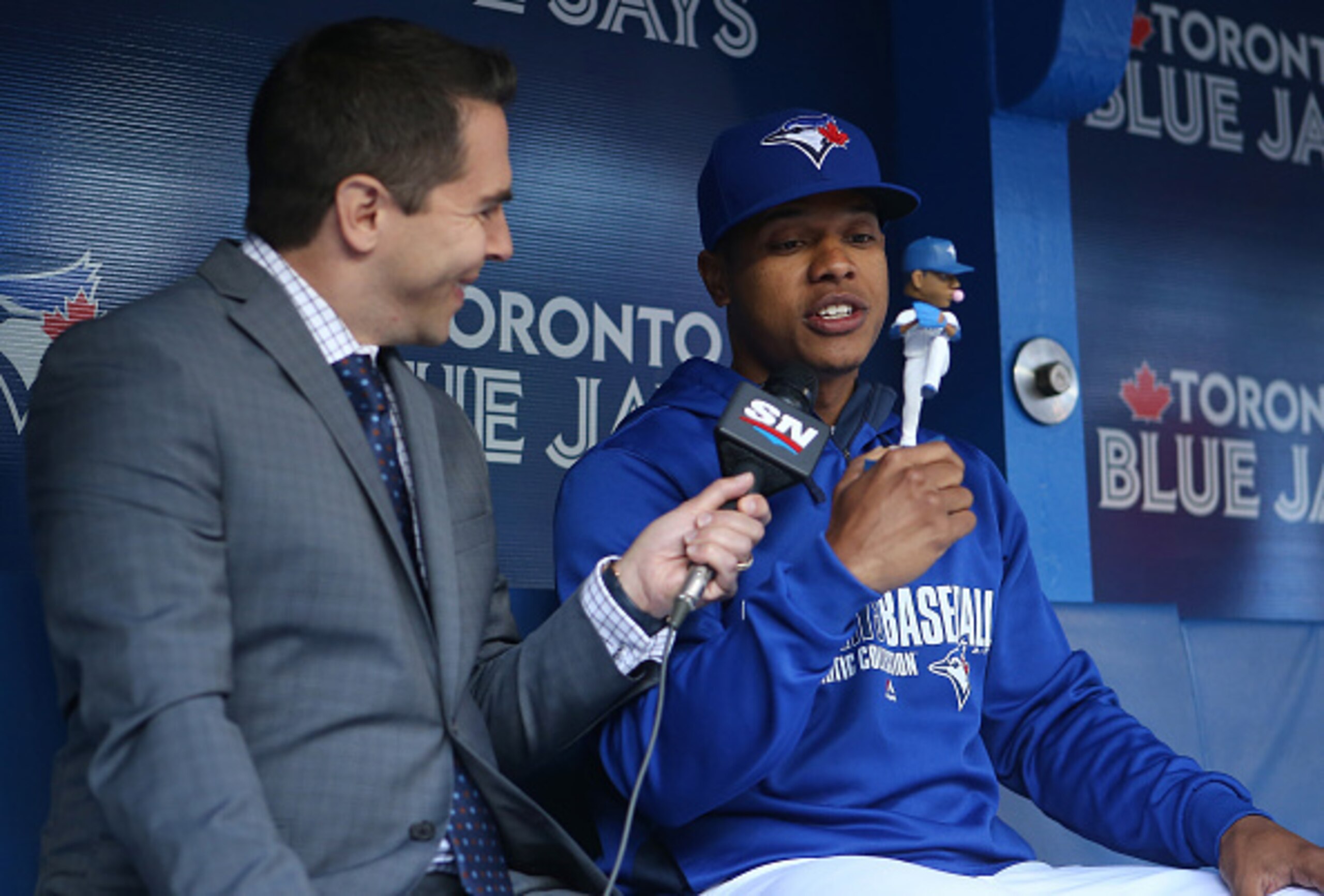
Stroman has the chance to provide the greatest impact of all September call-ups if healthy, but he's currently on a rehab assignment. Hopefully, the Blue Jays and his surgically repaired knee will allow Stroman to start down the stretch and be effective. He has electric stuff and could truly impact the playoffs barring he gets the opportunity.
10. OF Terrance Gore, Kansas City Royals
2 of 11
Haven't we seen this before?
Of course, no one can forget the impact Gore had on the bases during the stretch run and playoffs last year. Yes, he has blazing speed and uses it to his advantage on the bases. That's why his ranking on this list is warranted.
What else does Gore bring to the table?
Truthfully, the answer is not much. He lacks ideal bat speed and barrel control to have an impact at the big league level and will most likely never see consistent time. Gore's reads and reactions in the outfield are inconsistent, and at times he looks completely lost. There's no real spot for Gore to see consistent time anyway for Kansas City, but there is a spot for him on the playoff roster.
We will likely see Gore on the playoff roster, and he'll be utilized on the bases. What would I expect him to do if he did see an at-bat or two in the playoffs? Bunt and run a 3.5 to first base. In terms of straight-line speed and agility, I would feel confident in saying Gore is the fastest player in the MLB—even faster than Billy Hamilton.
9. SP Jose Berrios, Minnesota Twins
3 of 11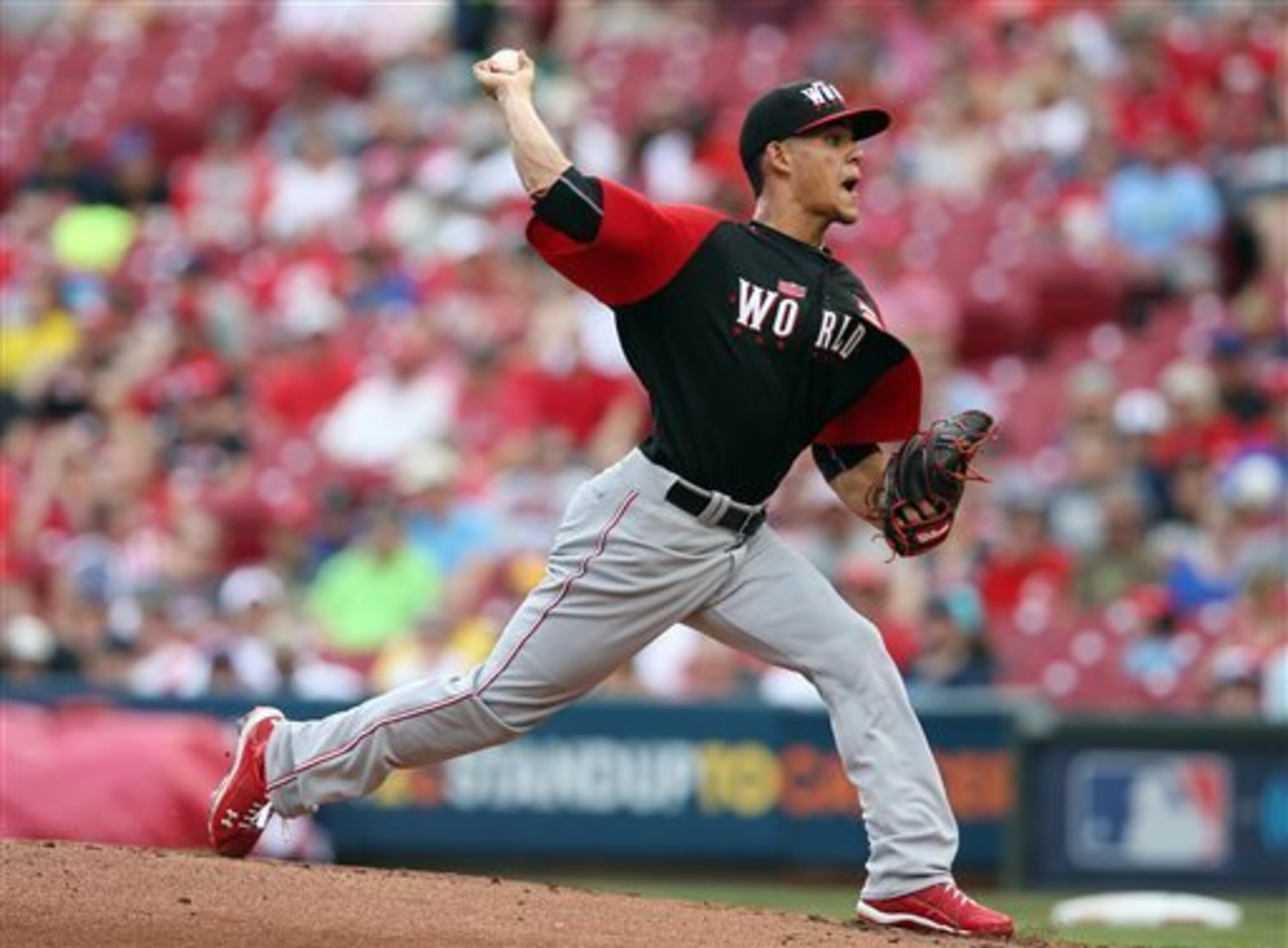
When the first round of call-ups were announced, Jose Berrios was not among them. The Twins have been a bit bullish on calling up pitching prospects and rightfully so; with all the pitching injuries, they think they can compete next year with Berrios in the rotation. But here's why they should call him up: As they gear up for a final push, Berrios could give them a potential (and much-needed) boost in their bullpen.
He features an explosive arm and a present plus fastball that will hit 95 mph often. He has shown the ability to manipulate his fastball in all counts, running it, sinking it and cutting it at all velocities. This will be a value asset moving forward, and the Twins should be intrigued on how MLB hitters react to it.
Backing up his fastball, Berrios loves throwing his plus changeup to both sides of hitters. Arm-speed replication has been noted many of times as a true strength. Due to his arm speed, he creates strong downward action and is extremely deceptive. He'll have the ability to neutralize hitters in all counts with it, which will take pressure off his fastball.
Berrios throws more of a hybrid breaking ball than a true hammer curveball. It features premium velocity, in the high 70s to low 80s, for a breaking ball with some sweeping break and quality depth. The strength of his breaking ball is he can throw it a strike in most counts, which gives him three pitches he can attack hitters with.
Taking into account his body, there are some durability concerns with Berrios, but his overall future potential should be a Role 6, No. 3 starting pitcher at the highest level.
In September, he would provide a much-needed boost in the bullpen and a preview of the future. Berrios' future won't be in the bullpen, but Twins fans should be excited to see what he can do from there.


8. SP Blake Snell, Tampa Bay Rays
4 of 11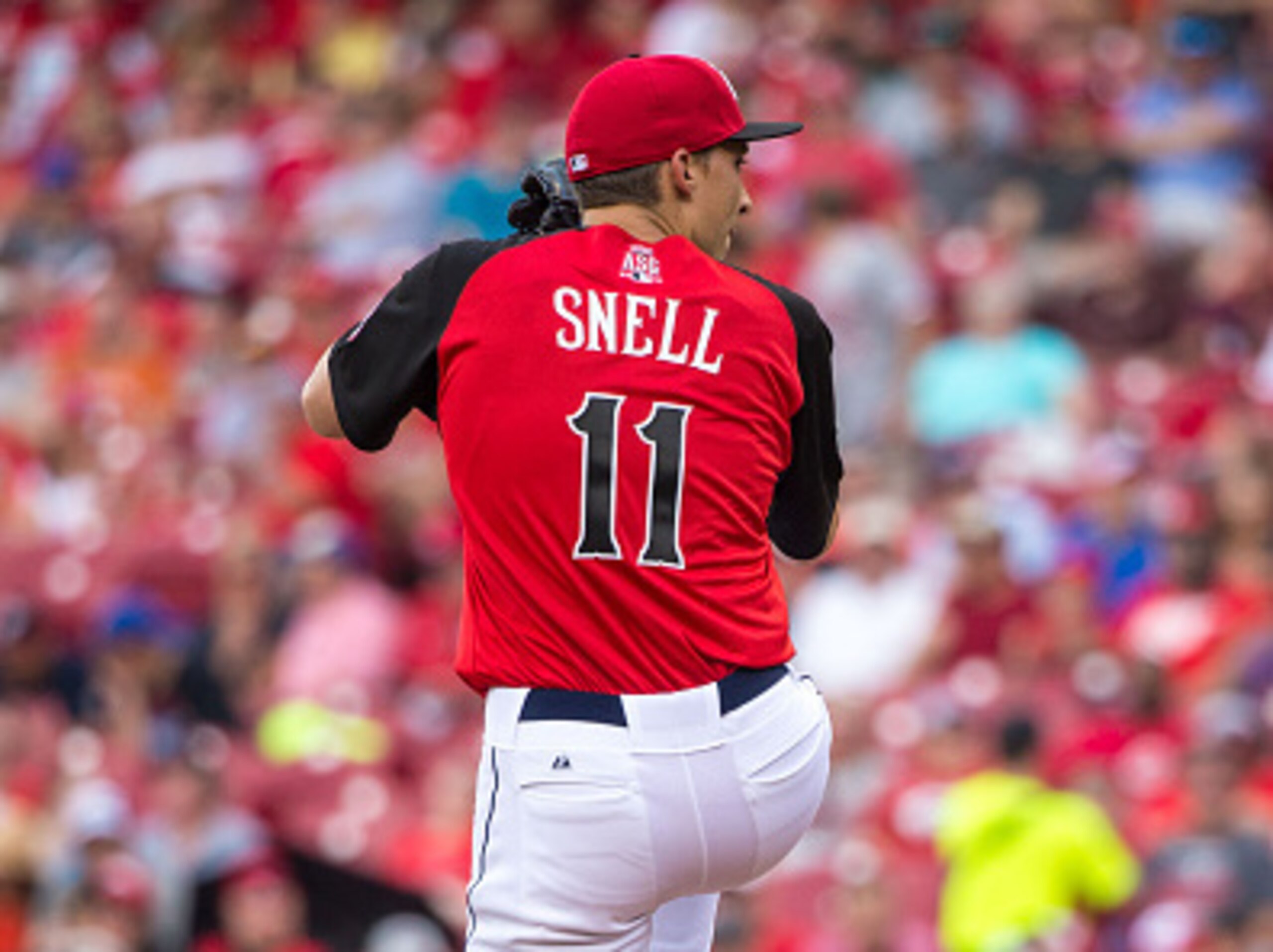
What a year it has been, huh?
Blake Snell has taken as many steps forward as any MiLB pitcher this year and has a real chance of winning MiLB Pitcher of the Year.
He features an arsenal of potential three plus pitches and average command. He creates downhill plane on his low-90s fastball, which he locates to both sides of the plate and can touch higher velocity with. The fastball also features arm-side movement that allows him to generate a quality ground-ball rate and swing-and-miss rate. The ability to set up hitters via locating his fastball allows his secondaries to play to their full potential.
Snell's best secondary offering is his slider, although his changeup will flash the same potential. Snell throws the slider from the same arm slot as his fastball, and it features sharp bite, tilt and quality break. It will be a true out pitch at the highest level, and he effectively used it to dominate high minors hitters this year.
Snell's changeup is a bit behind the rest of his arsenal, but this year he proved he can throw in all counts and neutralize right-handed hitters with it. It also comes from the same arm slot with arm-speed replication, featuring late fading action and deception from his fastball.
This year has been a huge year for Snell, and the development of his changeup has paid dividends.
Snell may not directly impact the playoff race this year, but if he pitches for the Rays in September, the team will have a glimmer of hope that another young pitcher is waiting in the wings. His 6'4" projectable frame should allow him to add weight to take away some durability and workload concerns. His fluid arm action, projection and arsenal lead me to believe Snell could be a quality Role 6, No. 3 starting pitcher at the highest level.
7. OF Dalton Pompey, Toronto Blue Jays
5 of 11
It has been an interesting year for Dalton Pompey. He won a starting outfielder job out of spring training and then was sent down after hitting .193/.264/.337 in 21 games.
But that's not to say it was a completely wasted year for Pompey. He was moved down to Double-A/Triple-A, where he hit .307/.383/.421 while stealing 23 bags and flashing at least average tools and fringe-average power.
Pompey features plus center field defense with his excellent closing speed, innate reads and routes, and ability to make highlight plays. His arm is average because of his longer throwing motion and average accuracy, but he shows the willingness to try to throw anyone out. Pompey's straight-line speed is much better than his times from home to first would show. On paper and to the stopwatch, he looks more like a solid-average runner, but he's much closer to a 70 runner once he hits his stride.
Pompey still needs work at the plate, and that is not uncommon since he is 22 and considered a late-bloomer by most. That being said, he features plus bat speed and the ability to extend on balls on the outer half. He shows an approach where he tries to work counts in any situation and the ability to use the whole field from both sides. He has the strength to tap into fringe-average power due to the leverage in his swing he features at times but will end up as a doubles/gap hitter.
Pompey is a high-risk, high-reward prospect. There's a chance his tools mature and he becomes a Role 6 center fielder and borderline All-Star player, but we likely won't see that this September.
So what will Pompey bring?
He's a quality baserunner, defender and potential bat off the bench down the stretch. For a team with an already loaded lineup, he offers extreme value. We've already seen what kind of impact he can have as a late-game pinch runner.
6. SP/RP Miguel Almonte, Kansas City Royals
6 of 11
Electric.
Miguel Almonte is one of the more interesting call-ups of September. He has struggled this year a bit in terms of the numbers, but the arsenal is still electric. Almonte has the potential to take away some of those innings from that all-too-important bullpen the Royals have down the stretch.
Almonte features a big-time fastball that he loves to go too. It sits at 92-94 mph while touching higher consistently with extreme arm-side movement. With it, he can generate ground balls and plenty of swing-and-misses. Running the pitch back to the inner half of the plate to right-handed hitters has become one of Almonte's strengths, so look for him to utilize it in the big leagues.
To back up his potential plus overall fastball, Almonte goes to his best secondary often—his changeup. Arm slot, arm-speed replication and deception are strengths when he throws the changeup. It comes out identical to his fastball and features deep vertical action along with arm-side fade. It sits at an 8-10 mph differential compared to his fastball, and he fouled hitters with it in the upper minors consistently. It projects as a 70 grade pitch.
Tinkering between a curveball and slider last year in High-A, Almonte tends to blend the two when going to a breaking ball. When on top of his curveball, it will feature quality depth, 11/5 break and hard bite. It will flash as an above-average pitch, but he has not shown the consistency for it to be there consistently in game.
With his arsenal, Almonte should have the ability to neutralize hitters the second and third time through the order with his off-speed stuff, but he hasn't shown that just quite yet, which leads me to believe that his overall future may be in the bullpen.
In September, Almonte has the potential to save the Royals bullpen some innings down the stretch while giving them a glimpse of the future.
A freshened bullpen for the playoffs? The Royals will take it.
5. SP Julio Urias, Los Angeles Dodgers
7 of 11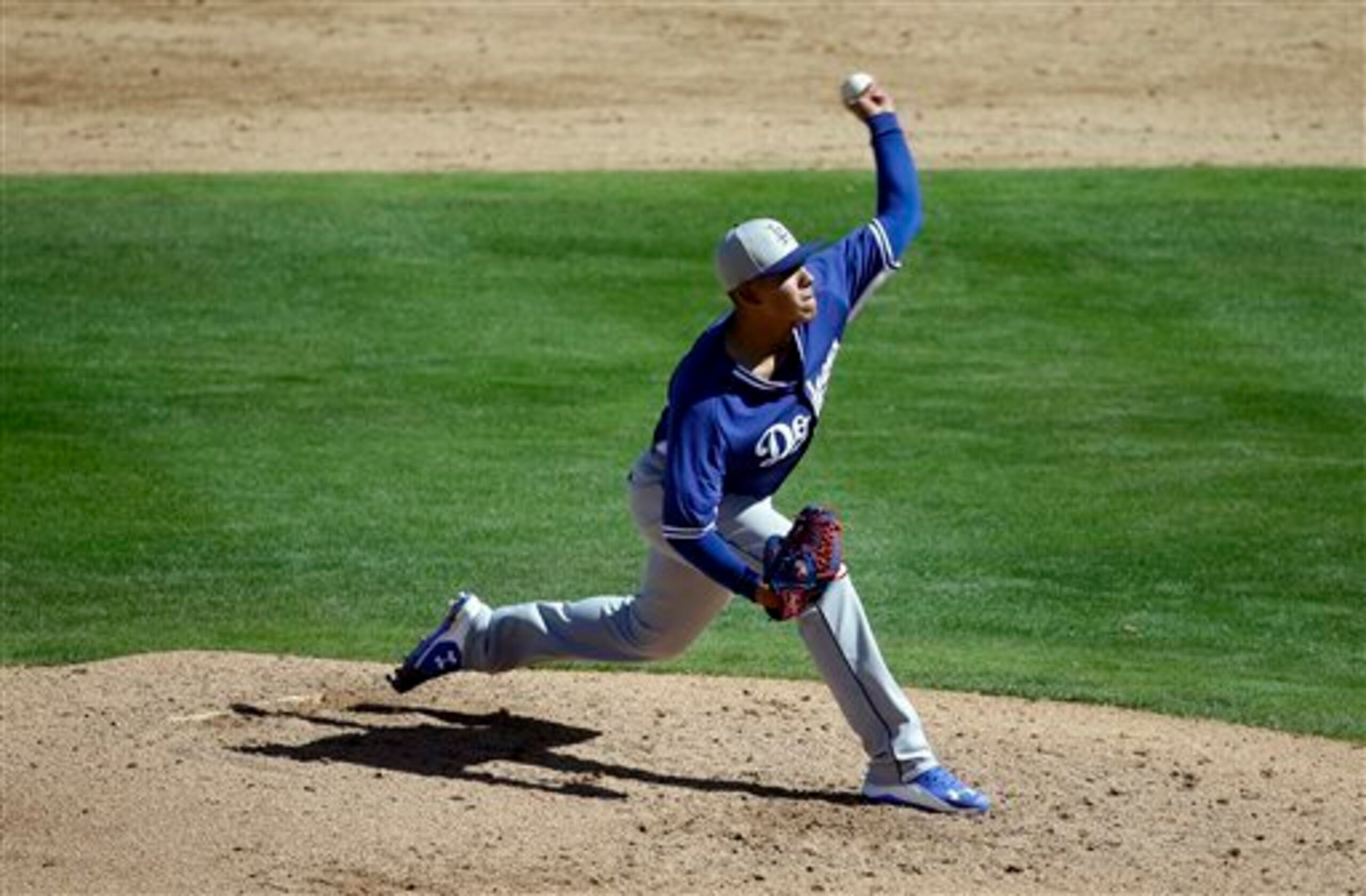
After the first round of Dodgers call-ups were announced, Julio Urias was only moved to Triple-A as a 19-year-old. That being said, he will work in short stints at Triple-A, and it's not because he's close to his innings limit.
The Dodgers could be preparing him for the bullpen.
The stuff? Electric. Advanced. Anything good you can think of.
It's no secret Urias is one of the more advanced pitching prospects of the last decade and warrants his ranking of the top three on most lists of top prospects.
Urias features a potential double-plus fastball sitting in the mid-90s range from the left side with quality arm-side movement and location ability. He stands within his mechanics and explodes toward home, creating downward plane and movement on his fastball. The only thing holding his fastball back is his present command of it, but he just turned 19 and has premium mechanics. It will get there.
Urias' slider is the money pitch. Featuring late, hard bite and extreme tilt, it will be a 70 grade pitch at the highest level. With it sitting anywhere from low 80s to mid 80s, Urias shows advanced feel and ability to manipulate the pitch. In the lower velocity band, it will show a harder, downward break but also shows a harder slicing pitch at the upper velocity band. He displays the present ability to throw his slider for a chase pitch and a strike early in counts. It's truly a major league out pitch.
The third pitch to his arsenal is an above-average changeup, but it does lag behind the rest of his arsenal a bit. It features late, fading action when down in the strike zone, but Urias could potentially have another weapon as he grows. With more than a 10 mph differential from his fastball, his changeup will still have hitters out in front.
In September, he presents a huge boost from the bullpen. Plus, the major league experience will benefit Urias.
He's only 19, but he's already one of the more advanced arms in the high minors. He's ready for The Show.
4. SP Marco Gonzales, St. Louis Cardinals
8 of 11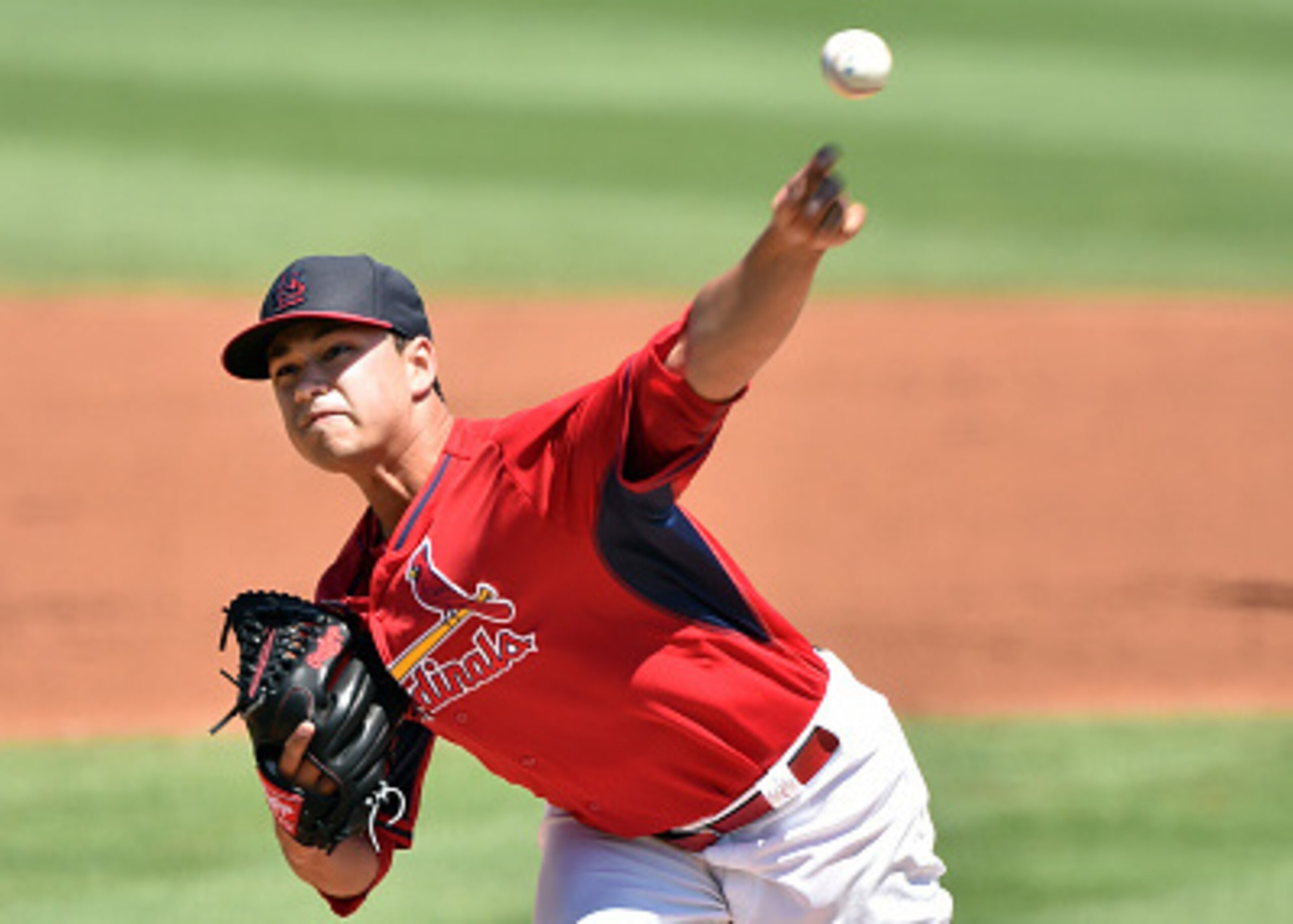
After debuting and giving the Cardinals quality innings in 2014, Marco Gonzales didn't see the big league mound until September of this year.
But he'll be huge for the Cardinals down the stretch.
Gonzales possesses an average fastball that will sit around 90 mph and can touch a tick higher at times. The velocity isn't what gets him by, though—the command of the pitch does. He sets up hitters by working effectively to all four quadrants and has some deception in his delivery. He lacks the ideal velocity to beat premium major league hitters, but his fastball is enough that it allows his secondaries to play to their full potential.
Arm slot and speed replication are his strengths, and when he throws his changeup, it pays dividends. His changeup will sit 9-11 mph slow than his fastball and features extreme fading and vertical action. It is described as a parachuting changeup, which means he can really pull the string. Presently a plus major league pitch, it projects to be 70 grade and a main reason why the Cardinals drafted him in the first round.
His curveball is certainly not a power curve, but it is of quality. Presently an average pitch, it projects to be above-average at the highest level due to its depth, bite and quality shape. Gonzales has shown the ability to throw all pitches of his arsenal in all counts for strikes (plus command), and it is a main reason he has been so successful throughout the minors.
In September, he could save the Cardinal starters down the stretch while delivering quality innings.
Gonzales seems to be in line to give certain starters an extra day to make sure they are fresh for the playoffs. It speaks volumes to the Cardinals organization that they can insert him into the rotation and not skip a beat.
3. 3B Joey Gallo, Texas Rangers
9 of 11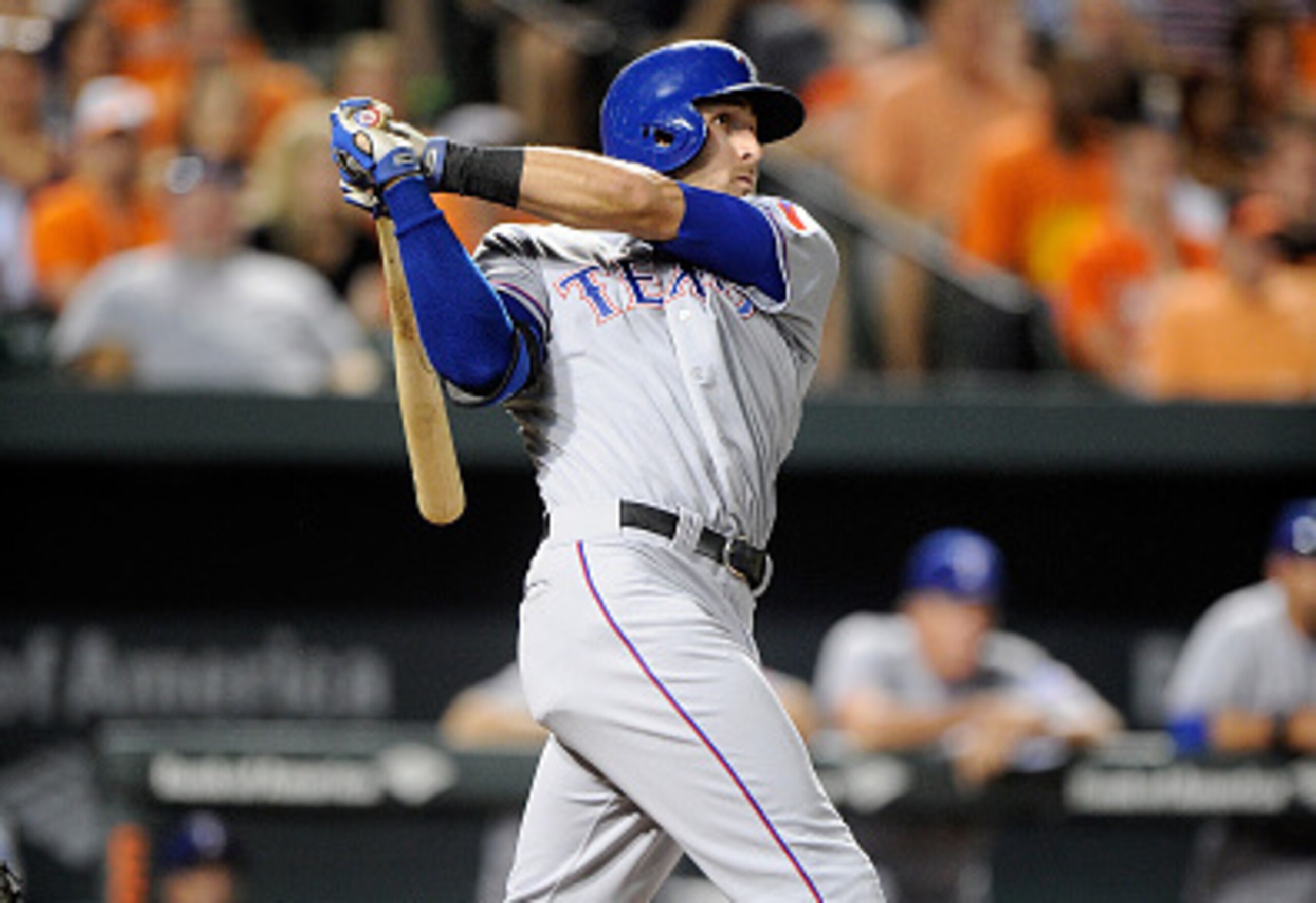
Power.
We've seen a glimpse of the things Joey Gallo can do in Arlington, and we've also seen what advanced pitchers will do to him right now.
With all their injuries, the Texas Rangers have been quite an interesting case the past two seasons. They made a bold move at the deadline to acquire the hottest name on the market in Cole Hamels.
Of course, that came at a cost—Jorge Alfaro, Nick Williams, Jake Thompson, Alec Asher, Jerad Eickhoff and Matt Harrison. That being said, the Rangers system is still one of the top farm systems in baseball, with elite prospects, mid-tier prospects and quality depth guys.
Gallo is in that elite tier.
He is an intriguing case because it will be interesting to see how the Rangers will want to use the 21-year-old right in the middle of the postseason push.
Gallo can do things to a baseball that not many can. He has raw power that only a select few have ever possessed. He hits balls out of MiLB stadiums often and into the upper deck of Arlington.
The biggest improvements in his game over the last two seasons have been his in-game adjustments, approach and pitch recognition. Gallo may never hit for a high average, but he'll still be an effective hitter in all facets of the game. The ability to take hard spin, his patience and the threat of Gallo's power are huge advantages for him.
He has also shown improvements in the field. Choppy footwork, hard hands and the lack of lateral quickness were weaknesses leading into the season because of his size, and there were questions about his defensive home. He has shown he is more athletic than he was given credit for and can handle the hot corner at a fringe-average level.
A move to first base or outfield was more likely when Gallo first entered pro ball than now. Not to mention, his double-plus arm should not go to waste at first base.
In September, he offers a quality power bat off the bench and days off for regulars.
Gallo isn't ready for consistent at-bats down the stretch in the middle of a playoff race, but I wouldn't be surprised if the Rangers gave them to him. With his power, he could impact the game.
2. 3B Corey Seager, Los Angeles Dodgers
10 of 11
Is Corey Seager the spark the Dodgers need?
He may or may not be, but the Dodgers should find out for themselves. With the team having a need at third base presently, Seager would fit in perfectly for the stretch run.
There aren't many things Seager can't do. He possesses at least four plus tools and one that just plays below average. At the plate, he provides a plus hit tool and double-plus power. He has the ability to barrel any ball, in any count, in any quadrant. He has plus bat speed and strong pitch-recognition skills. The innate feel for the barrel, contact skills and ability to allow the ball to travel so deep are all traits of Seager's plus hit tool.
He has legitimate 30-plus home run power if he fills out his projectable frame a bit more. He has a leveraged swing, which creates plenty of backspin and carry, along with premium strength throughout his core. Seager not only has immense pull-side power but power to all fields.
There has been some debate on where his defensive home will end up, but it's not concerning either way. He has soft hands, quality reads and reactions, and a plus arm. His range is a bit limited at shortstop because of the lack of ideal lateral quickness, so he may be a more likely fit at third base, but he can stay at shortstop for the time being.
So what's his September impact? He could be the spark. Seager could provide the Dodgers with quality third base defense and a few home runs down the stretch. For a team that needs to fight off a few rivals to hold on, a quality bat from within could pay dividends.
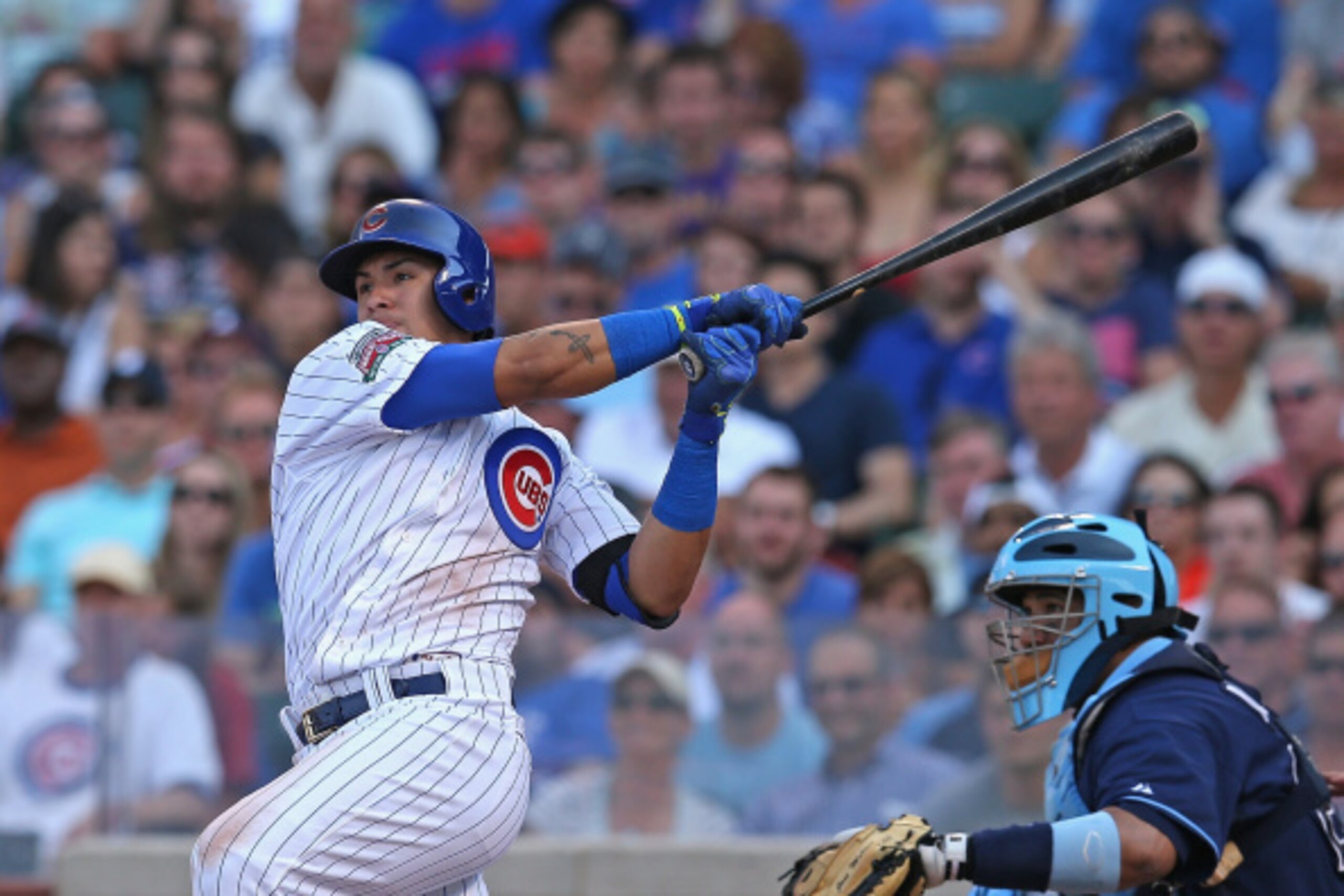
1. 2B Javier Baez, Chicago Cubs
11 of 11
Why is Javier Baez No. 1? He has the potential to impact not only the Cubs but the playoff race as a whole. He will see more opportunities than anyone on the list, and he still carries the most upside.
Despite struggling in 2014, Baez has made adjustments at the plate and possesses defensive versatility that most do not.
There are very few players, let alone prospects, who possess the raw power of Baez. Much like Gallo, Baez can put balls where few can, but he uses a different process. He has elite bat speed and some present strength; with his lightning quick hands and ability to manipulate the barrel through the zone, Baez can destroy baseballs.
When he is ahead in the count, he should be a feared hitter, but when he's behind, he's done. He has an aggressive approach and can be beaten by fringe-average breaking pitches. Overall, Baez possesses a potential average hit tool and elite power potential, but he is also comes with extreme risk. Toning down the leg kick will help a bit, but more concerning is the immediate bat wrap he exhibits as pitches are delivered. Even though he has the strength and quickness to get the barrel through the zone, any velocity will give him issues.
In the field, Baez has the potential to play a plus second base, as well as a plus third base. He is more of an average-fielding shortstop but also the ability to play corner spots in the outfield. His defensive versatility will allow him to get consistent at-bats in September even if it is at multiple positions.
Baez features some agility and graceful strides, but he is nowhere near a plus runner. He'll settle in the fringe-average range.
Baez is going to see plenty of opportunities down the stretch and figures to have some sort of impact one way or another, positive or negative. He could prove to the wild card and a huge help to the Cubs in the September and in the playoffs. Just as easily, he could provide little value and have many people questioning his overall future.






.jpg?w=2560 "Weather Channel Trolls Texans-Titans 💀")
.jpg?w=2560 "Grading WWE Raw 🔠")