
Ranking the Most Dominant Performances in US Open History
We tend to remember players who won a U.S. Open finals in overwhelming fashion, but players who dominate every opponent on their way to winning the two-week Grand Slam event in Flushing Meadows may deserve more credit.
Jimmy Connors' 6-0, 6-1, 6-0 victory over Ken Rosewall in the 1974 finals may have been the most dominant showing ever in a Grand Slam finals. However, Connors' performance throughout that event was not as overwhelming as some of his other U.S. Open performances and did not make our list.
Our ranking of the 10 most dominant performances in U.S. Open history was based primarily on how one-sided each match was for a player in a given U.S. Open. As a result, one close match can eliminate a player from contention. Matches in the second week of the tournament were given slightly more weight than matches in the opening week, and some consideration was given to the caliber of the competition.
Only matches in the Open Era (since 1968) were considered, which is why Bill Tilden and Helen Wills were not included. No player was ranked more than once. It should be noted that no male player has gone through a U.S. Open without the loss of a set, which was considered when comparing dominant runs by men and women.
We did make one major adjustment when selecting our No. 1 most dominant performance. We strayed from our single-tournament parameters to include a three-year run of dominance in New York that has been unmatched in the Open Era. You may be surprised to learn who achieved it.
10. Stefan Edberg, 1991
1 of 10
Stefan Edberg's run through the 1991 U.S. Open barely edged out Rafael Nadal (2010), Martina Hingis (1997), Lindsay Davenport (1998) and Pete Sampras (1993) for the final spot on our list.
It was Edberg's work in the second week of the tournament that made the difference.
He lost two sets in the 1991 U.S. Open, and his first week did not suggest a dominating performance was forthcoming. He lost a set in his opening-round match against 123rd-ranked Bryan Shelton but closed it out with a convincing 6-1 fourth set. Edberg also lost a set against 121st-ranked Jim Grabb in the third round but was never in danger of losing the match.
At that point, Edberg's serve-and-volley game went into high gear, as he ran through Michael Chang, Javier Sanchez, Ivan Lendl and Jim Courier without the loss of a set. His semifinal victory over Lendl and his dominance of Courier in the finals were particularly impressive.
Lendl had reached the U.S. Open finals eight consecutive years from 1982 through 1989, but Edberg blew him off the court in a 6-3, 6-3, 6-4 semifinal. The New York Times called it "a picturesque unraveling of Lendl."
Edberg was even better in the finals, knocking off the No. 4-seeded Courier 6-2, 6-4, 6-0 in two hours and two minutes.
"It was the best match I ever played," Edberg said, according to Thomas Bonk of the Los Angeles Times.
Courier had no answers for Edberg's aggressive game and said afterward, per the Los Angeles Times, "I've been pummeled before, but..."
9. Monica Seles, 1992
2 of 10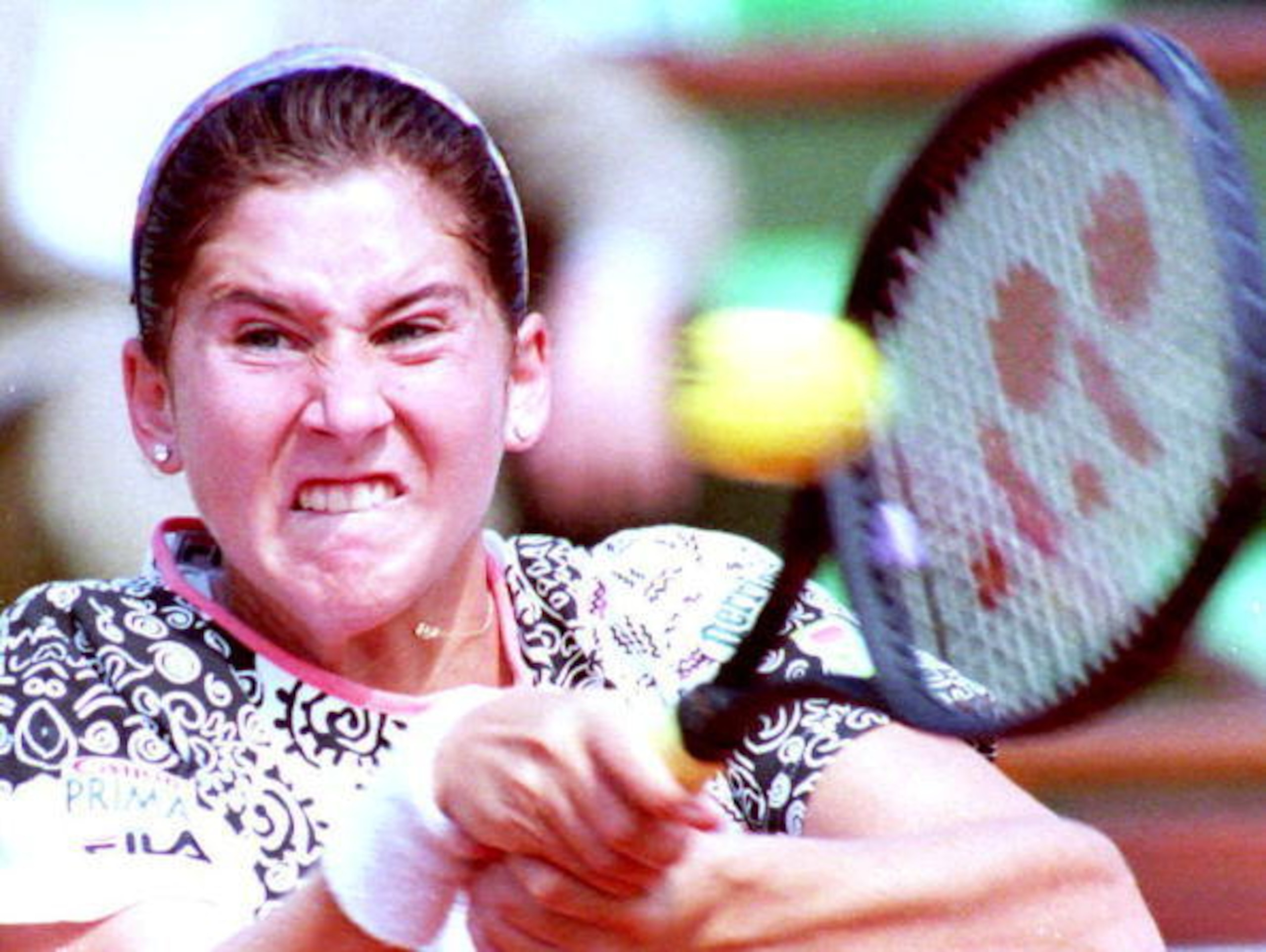
Monica Seles was just 18 years old when she dominated the women's tour in 1992. Despite the presence of Steffi Graf, Seles won three of the four majors that year and lost in the finals of Wimbledon to Graf.
Seles' most impressive showing that year came at the U.S. Open. She did not lose a set and lost no more than six games in any match, dropping just 27 games in her seven matches combined.
The only match that offered a hint of a challenge was Seles' second-round match against unseeded wild-card entrant Lisa Raymond. She and Seles were tied 5-5 in the first set, with the crowd supporting Raymond's upset bid. But the underdog's threat ended right there, as Seles reeled off eight straight games to finish off a 7-5, 6-0 victory.
It was clear sailing from there for Seles, whose path to the title was made easier when Graf lost to Arantxa Sanchez Vicario in the quarterfinals.
Seles beat Gigi Fernandez 6-1, 6-2 in the fourth round and then took out Patricia Hy 6-1, 6-2 in the quarterfinals. In the semifinals, she walloped No. 7-seeded May Joe Fernandez 6-3, 6-2.
Sanchez Vicario fought off five match points against her in the finals, but there was never much doubt Seles would prevail. She won the first five games of the match and then marched to a 4-1 lead in the second set on her way to a 6-3, 6-3 victory.
Following the final, Harvey Araton of the New York Times summed up Seles' dominance throughout the event this way: "Adding yesterday's 90-minute exercise, her court time amounted to about seven-and-a -half hours, which was slightly less than the time she spent waiting in the locker room for Stefan Edberg to outlast Michael Chang."
It brought Seles her sixth major title in the last seven Grand Slam events she had entered, and she did it despite being bothered by a virus during the second week of the tournament.
8. John McEnroe, 1979
3 of 10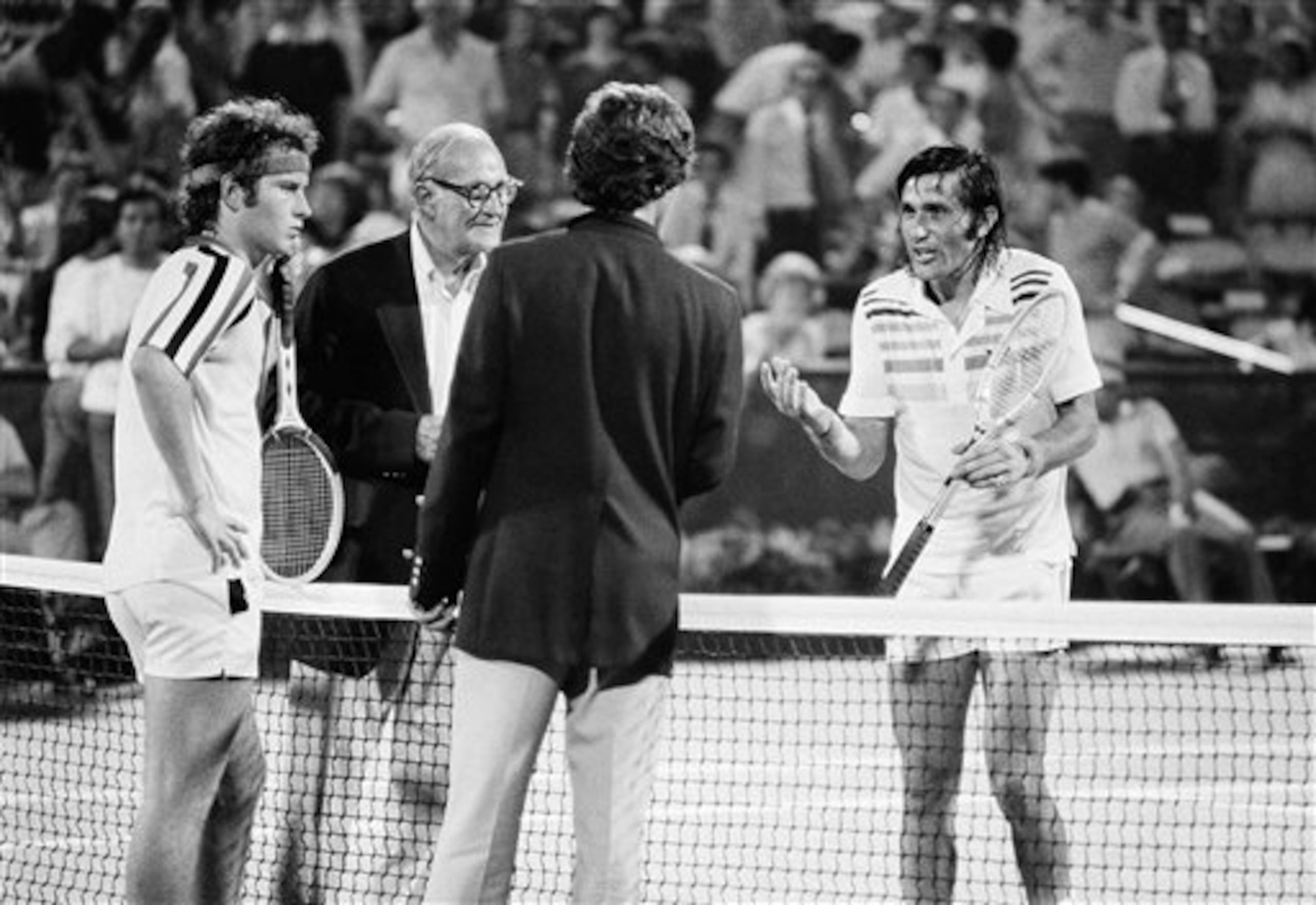
John McEnroe's most memorable match of the 1979 U.S. Open was also the only one that provided a challenge.
His second-round match against Ilie Nastase featured two of tennis' most celebrated bad boys, and they lived up to their reputations in this night match. Apparently upset by McEnroe's stalling between points, according to an ESPN.com account, Nastase decided to lie down on the baseline and pretend he was asleep. Chair umpire Frank Hammond eventually declared that Nastase had been defaulted for failing to continue playing, but with the crowd in an uproar, the tournament director replaced Hammond and play continued.
McEnroe lost the second set but was in control over the second half of his 6-4, 4-6, 6-3, 6-2 victory. He would not lose another set in the tournament. He earned a walk-over victory against John Lloyd in the next round, which helped him conserve energy for his final four matches. He took out Tom Gorman, 6-4, 6-2, 6-1 in the fourth round and then got another break when Eddie Dibbs had to retire after just three games in the quarterfinals.
The well-rested McEnroe crushed second-seeded Jimmy Connors 6-3, 6-3, 7-5 in the semifinals. Then he was equally impressive in a straight-sets victory over No. 4-seeded Vitas Gerulaitis in the finals.
McEnroe "took the 25-year-old Gerulaitis, from nearby Howard Beach, Queens, and positively nailed him to the green floor of Flushing Meadow by the not-as-close-as-it-sounds score of 7-5, 6-3, 6-3," Curry Kirkpatrick of Sports Illustrated reported.
It was the first U.S. Open crown for the 20-year-old McEnroe, whose impressive run was aided by circumstances that enabled him to stay fresh throughout the two weeks.


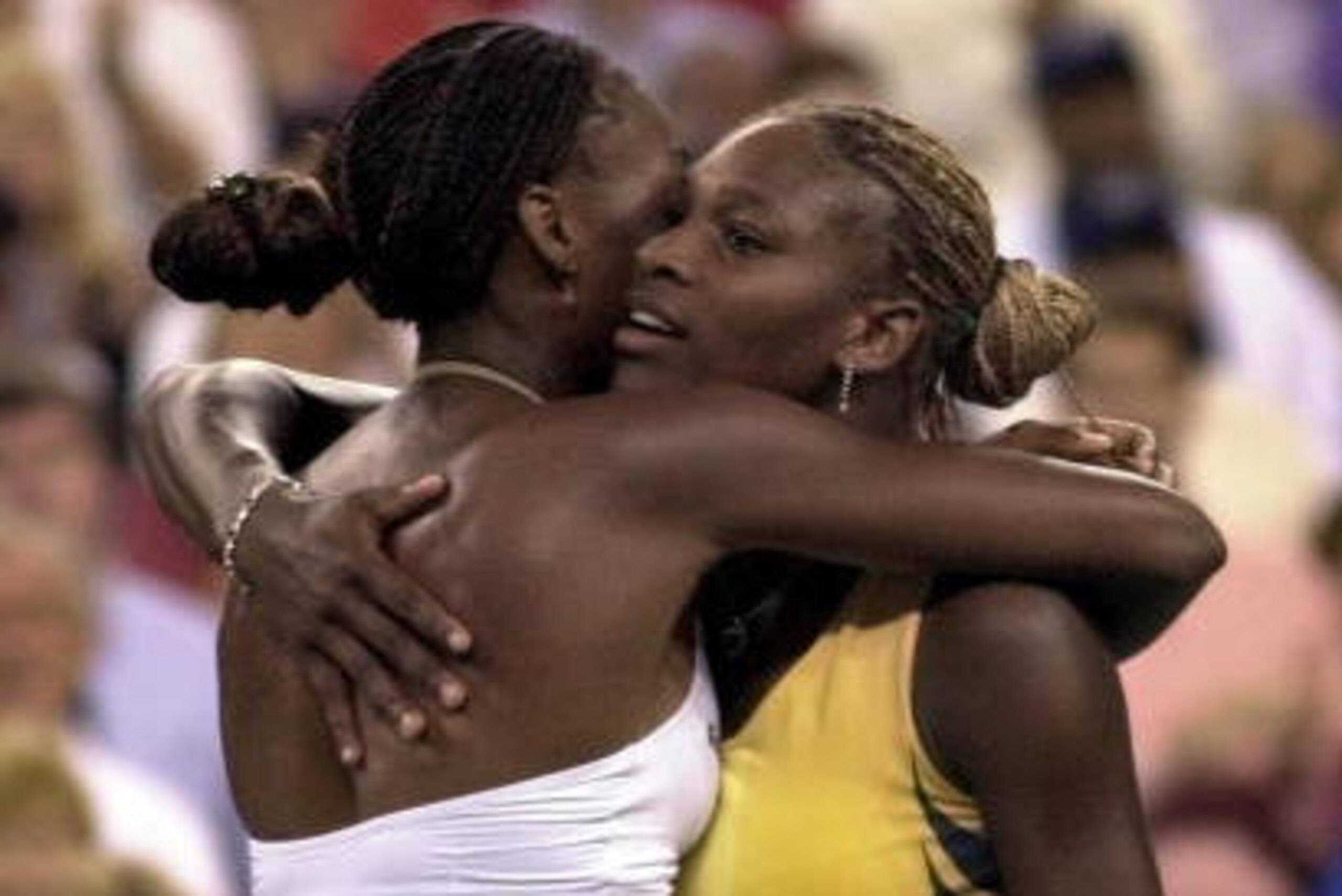
7. Venus Williams, 2001
4 of 10
The caliber of the competition Venus Williams faced on her way to the 2001 U.S. Open title was a significant factor in awarding her the No. 7 spot in our rankings.
She lost 36 games, the most of any of the five female players on this list, but she lost no more than seven games in any match against some of the best players of the era.
Seeded fourth, Williams blew by her first four opponents, taking out Lenka Dlhopolcova 6-2, 6-3, Meilen Tu 6-2, 6-2, No. 30-seeded Lisa Raymond 6-3, 6-4 and No. 18-seeded Sandrine Testud 6-4, 6-0. That impressive run through the early going merely set the stage for what Williams, the defending U.S. Open champion, would do in her final three matches.
In the quarterfinals, Williams faced No. 5-seeded Kim Clijsters, who would win three U.S. Open titles in her career and had been a French Open finalist just a few months earlier. Williams took her apart with the loss of just four games.
"Yesterday, the defending U.S. Open champion was a study in poise as she almost casually crushed Kim Clijsters, 6-3, 6-1, in 65 minutes," Sandra McKee of the Baltimore Sun reported.
Next up was the No. 2 seed, Jennifer Capriati, who had won both the Australian Open and French Open that year. Capriati took a 4-1 lead in the first set against Williams, who then punished her opponent by winning 11 of the final 13 games in a 6-4, 6-2 victory.
"I definitely ran out of gas," Capriati said, per Selena Roberts of the New York Times. "You had to work the point so much, every point. I think it took its toll. She played great."
Awaiting Williams in the finals was sister Serena Williams, who had won the U.S. Open two years earlier and would become one of the best players in tennis history. Serena had routed top-seeded Martina Hingis 6-3, 6-2 in the semifinals, but her older sister taught her a lesson in the finals with a 6-2, 6-4 Venus victory that lasted just 69 minutes. It is still the most one-sided match in the Williams sisters' 13 meetings in Grand Slam events.
6. Jimmy Connors, 1976
5 of 10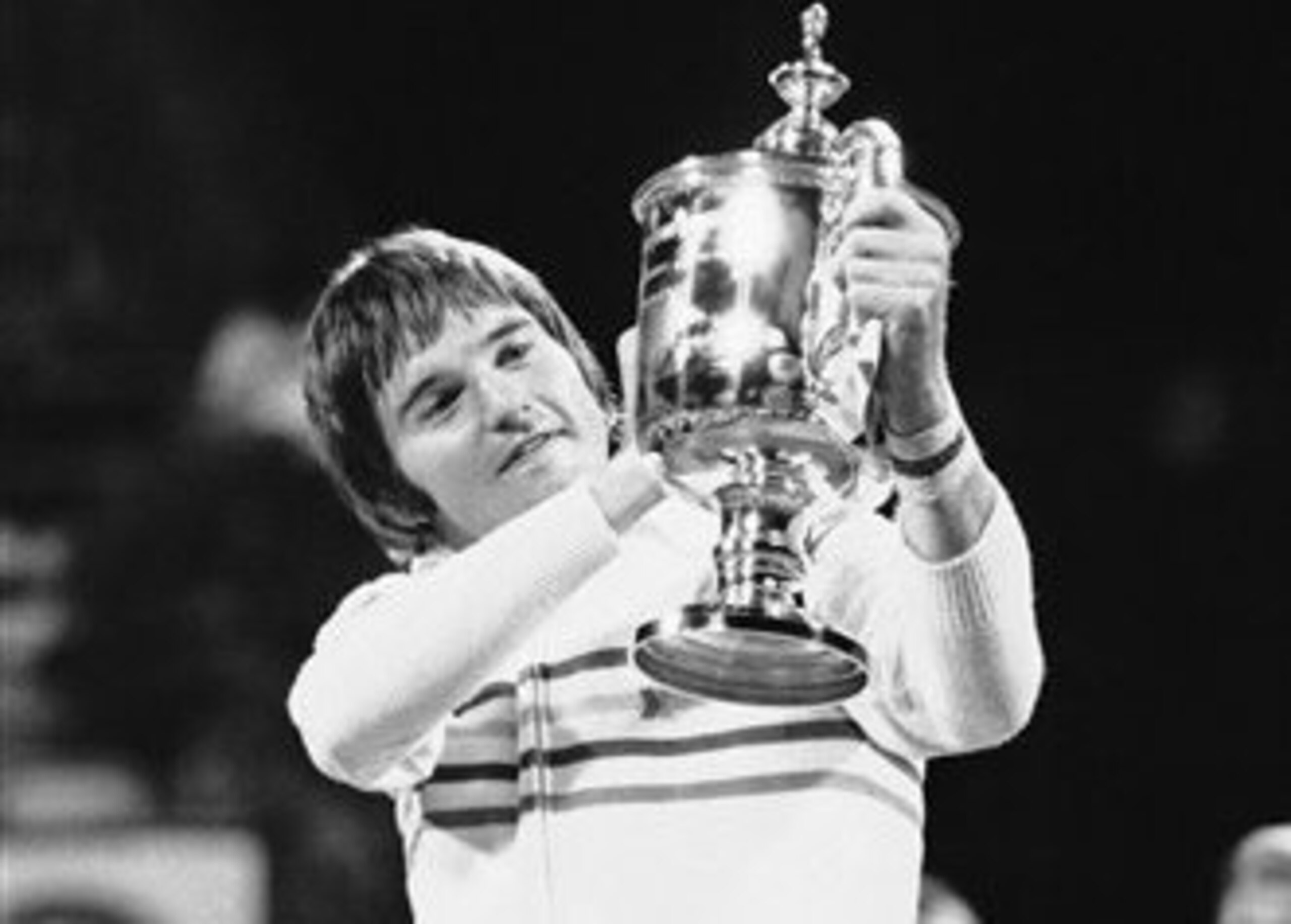
With Jimmy Connors, the challenge was determining which of his U.S. Opens reflected the most dominance. He reached the finals five years in a row from 1974 to 1978, and all three of his title runs in that span were impressive.
He lost only two sets in 1978, both to Adriano Panatta in a tight fourth-round match, and he dropped four sets on his way to the 1974 title, capped by the rout of Ken Rosewall.
Only one player provided a challenge to Connors in 1976 on the gray clay courts then in use. Connors dropped just one set in the tournament and beat some of the game's top clay-court players easily. In his final four matches, he beat Vitas Gerulaitis 6-4, 6-3, 6-1, Jan Kodes 7-5, 6-3, 6-1, Guillermo Vilas 6-4, 6-2, 6-1 and Bjorn Borg 6-4, 3-6, 7-6, 6-4. Kodes and Borg had already won the French Open twice each, and Vilas would win both the French and U.S. Opens on clay in 1977.
Borg was coming off his first Wimbledon title in 1976, and he was in the match until Connors pulled out a tense third-set tiebreaker 11-9. The fact that Borg provided a challenge in the finals dropped Connors a few slots on our list, but his performance during the rest of the tournament guaranteed him a spot.
5. Serena Williams, 2014
6 of 10
Serena Williams rolled through the 2014 U.S. Open with the loss of 32 games. She lost more games than several players who were left off this list, but her performance was elevated by the fact that none of her matches was close.
Williams lost no more than six games in any of her seven matches and no more than three games in any set. Her road to the title was made easier by the fact that she did not have to face any of the top nine seeded players along the way. However, that does not diminish the dominance she displayed against the obstacles placed in front of her.
She lost the first three games of her quarterfinal match before simply outclassing 2011 Australian Open champion Flavia Pennetta 6-3, 6-2. She then rolled to a decisive 6-1, 6-3 semifinal victory over Ekaterina Makarova, who had beaten Williams in the 2012 Australian Open.
Williams' closest match was probably the finals against Caroline Wozniacki. "And like each of her matches at Flushing Meadows the past two weeks, the final wasn’t close at all—a 6-3, 6-3 victory over good friend Caroline Wozniacki that lasted only 75 minutes Sunday," Howard Fendrich of the Associated Press reported, per the National Post.
Representative of Williams' dominance was the fact that she had a 24-6 advantage in winners against Makarova and a 29-4 edge against Wozniacki.
4. Guillermo Vilas, 1977
7 of 10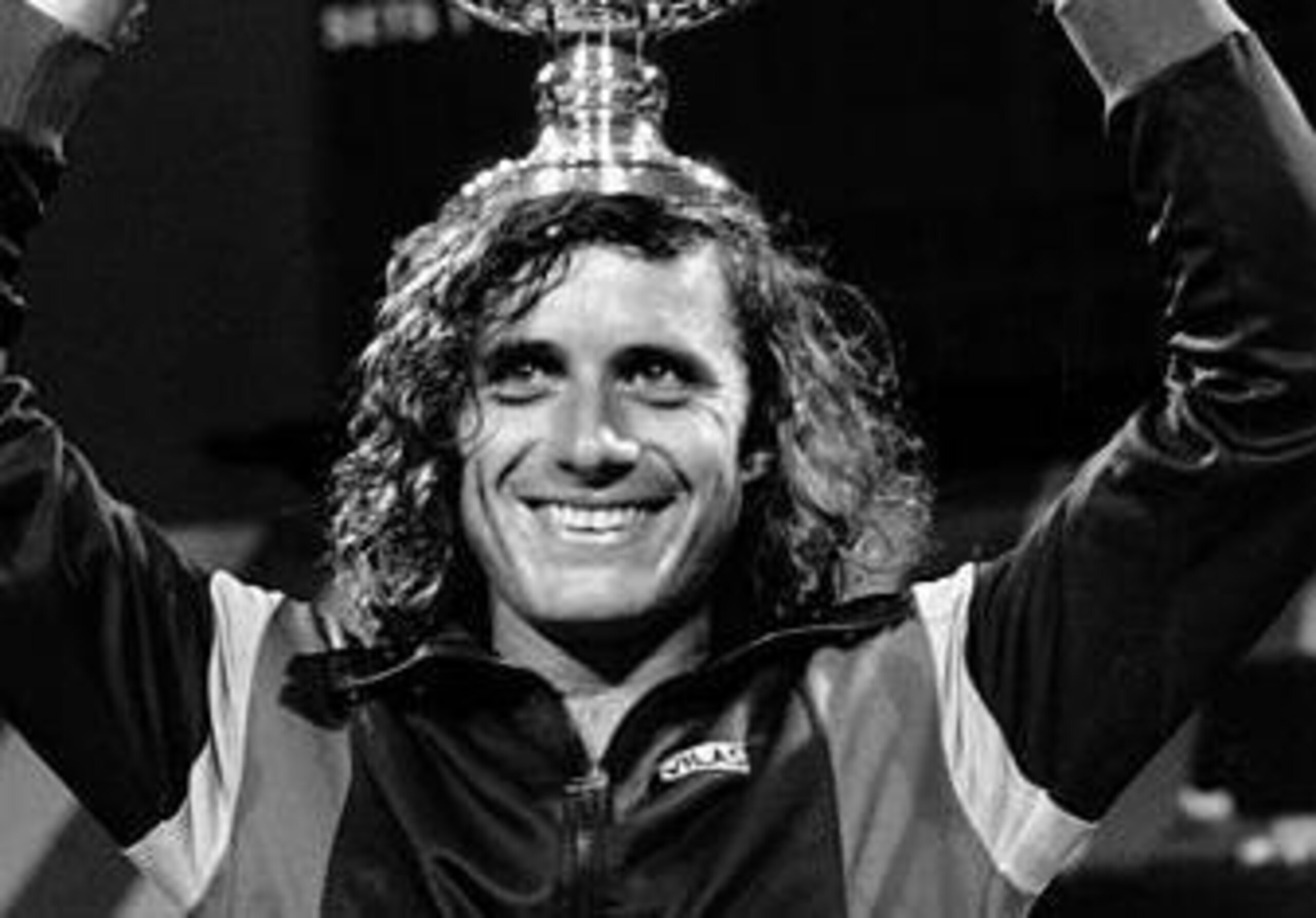
Bjorn Borg was in his heyday at the time, which may be why people tend to forget that Guillermo Vilas dominated the 1977 season on clay.
Vilas won both the French Open and the U.S. Open (then played on clay) that year, with the loss of just one set in each tournament. Vilas' victory in the U.S. Open was part of his 57-match winning streak on clay and was the sixth leg of his run of seven consecutive clay-court tournament victories.
In 1977, the first four rounds of the U.S. Open were best-of-three-set matches, and Vilas rolled through with scores seldom seen in Grand Slam events. He knocked off 39-year-old Manuel Santana 6-1, 6-0, took out Gene Mayer 6-3, 6-0, beat Victor Amaya 6-3, 6-3 and blew by Jose Higueras 6-3, 6-1.
In the quarterfinals, Vilas thrashed Ray Moore 6-1, 6-1, 6-0 and then had only a slightly tougher time with Harold Solomon in a 6-2, 7-6, 6-2 semifinal victory.
Vilas' opponent in the finals was No. 1-ranked Jimmy Connors, who was in the U.S. Open title match for the fourth straight year, having won two of the previous three. Vilas surprised Connors by coming to the net often, and though Vilas lost the first set and trailed 4-1 in the third, his shutout of Connors in the final set put an exclamation mark on his 2-6, 6-3, 7-6, 6-0 victory.
Vilas benefited from not having to face Borg at either the French Open or the U.S. Open that year, but that did not make his run through those tournaments any less impressive.
3. Chris Evert, 1976
8 of 10
Chris Evert won four U.S. Open crowns in a row from 1975 through 1978, with the first three titles coming on clay, where she was almost unbeatable at the time. She won 124 consecutive matches on clay from August 1973 to May 1979, and she was at her clay-court peak in 1976.
Event lost only 12 games in her six matches at the 1976 U.S. Open, and she lost no more than four games in any match. After receiving a first-round bye, she dropped only two games in her first three matches combined, ending that run with a 6-1, 6-0 fourth-round victory over No. 9-seeded Sue Barker.
Evert then took apart Natasha Chmyreva 6-1, 6-2 in the quarterfinals before dismissing Mima Jausovec 6-3, 6-1 in the semifinals.
Waiting in the finals was No. 2-seeded Evonne Goolagong, the only one of the top eight seeds Evert faced in the tournament. Goolagong had pushed Evert to three sets in the Wimbledon finals several weeks earlier and had taken a set from Evert in the 1975 U.S. Open finals as well. However, Evert dismantled the Aussie in the 1976 Open finals 6-3, 6-1.
The fact that Goolagong was pregnant with her first child at the time may have contributed to Evert's one-sided victory, but no one was her equal on clay during that period.
Evert wound up with six U.S. Open titles—three on clay and three on hard courts. Never was she more dominant than she was at the 1976 U.S. Open at the age of 21.
She was named 1976 Sportswoman of the year by Sports Illustrated, which reported her U.S. Open performance "is not the sort of thing one is likely to see soon again."
2. Martina Navratilova, 1983
9 of 10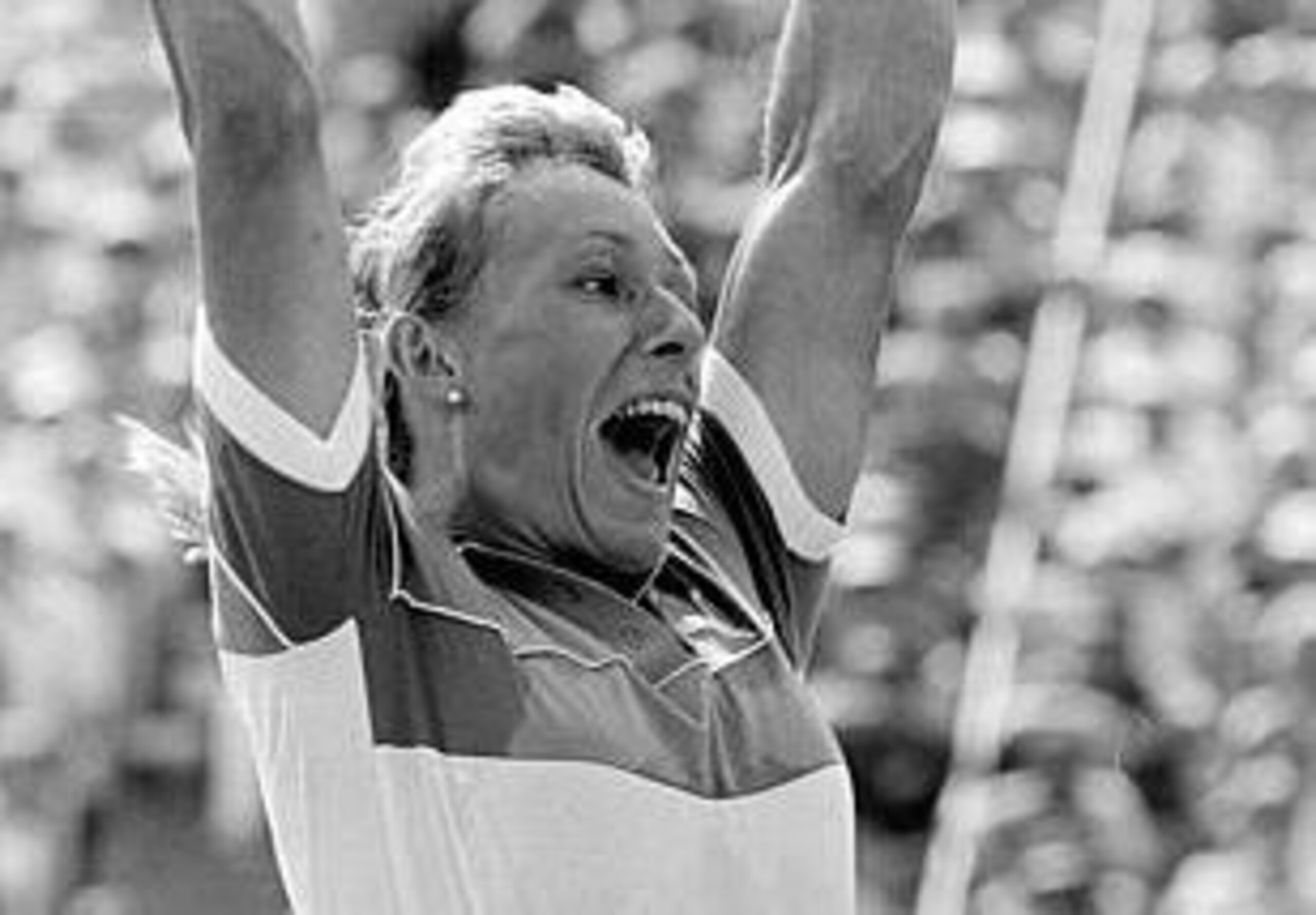
Martina Navratilova's level of superiority in the 1983 U.S. Open was almost identical to Chris Evert's dominance in 1976. Neither lost more than four games in any match and no more than three games in any set while blowing away every opponent.
Navratilova lost 17 games in seven matches, while Evert had lost just 12 games in six matches seven years earlier, which gave Evert a slightly better average of games lost per match. However, Navratilova's 1983 run gained a razor-thin edge over Evert's 1976 performance because Navratilova's victims were slightly better than Evert's.
Proof of that came in the 1983 finals when Evert herself was Navratilova's vanquished foe.
After dispatching Pilar Vasquez 6-0, 6-1 in the fourth round, Navratilova blew by No. 7-seeded Sylvia Hanika 6-0, 6-3 in the quarterfinals. She then rolled to a 6-2, 6-1 victory over No. 5-seeded Pam Shriver, who had eliminated Navratilova in the 1982 U.S. Open, to set up the confrontation with Evert.
The 28-year-old Evert had been nearly as impressive as Navratilova in that U.S. Open, having won her first six matches without the loss of a set. Evert had won the last of her six U.S. Open titles the previous year, while Navratilova was still looking for her first title in New York.
But Evert was no match for Navratilova in the 1983 finals. It took Navratilova just 61 minutes to overwhelm Evert 6-1, 6-3.
The 26-year-old Navratilova was at her peak in 1983, winning three of the four majors and compiling an 86-1 match record, the best single-season mark of any player in the Open Era.
One other aspect that made Navratilova's 1983 U.S. Open performance more dominant than Evert's 1976 showing was their styles of play. Evert wore out opponents with error-free groundstrokes, while Navratilova overpowered everyone with a serve-and-volley game that ended matches quickly and gave overmatched opponents little hope of competing.
1. Ivan Lendl, 1985-1987
10 of 10
Never in the Open Era has a man won the U.S. championships without the loss of a set. Only seven times has a man gone through the event with the loss of only one set. Three of those seven belong to Ivan Lendl, who did it in successive years from 1985 through 1987.
It was difficult to separate any one of Lendl's performances from the other two, but it was not difficult to note the unprecedented dominance of his three-year run. That is why we opted to rank his 21-match winning streak from 1985 through 1987 as a single performance, putting it at the top of our list.
In 1985, Lendl lost no more than six games in any of his first three matches before dropping a set to Jaime Yzaga in the fourth round. Lendl recovered quickly and polished off Yzaga with a resounding 6-0 fourth set.
Lendl then streamrolled his final three opponents, all of whom had won Grand Slam singles titles. First, he sent Yannick Noah packing with a 6-2, 6-2, 6-4 rout and then took out Jimmy Connors 6-2, 6-2, 7-5 in the semifinals, with Connors complaining of an ankle injury afterward.
Four-time U.S. Open champ John McEnroe, who was the defending champion, gave Lendl his toughest match of the tournament in the finals, but Lendl still dispatched McEnroe in straight sets. McEnroe led 5-2 in the first set, but Lendl controlled things from there in a 7-6, 6-3, 6-4 victory that ended his frustrating streak of losing in the U.S. Open three straight years.
"He was hitting the ball harder than ever against me," McEnroe said after the match, per Peter Alfano of the New York Times.
Once Lendl got his first U.S. Open win, there was no stopping him the next two years. The only set he lost at the 1986 U.S. Open was against Henri Leconte in the quarterfinals, and Lendl finished off that match with a decisive 6-1 fourth set. Lendl then brushed aside Stefan Edberg 7-6, 6-2, 6-3 in the semifinals and outclassed Miloslav Mecir 6-4, 6-2, 6-0 in the finals.
Julie Cart of the Los Angeles Times called the match "yet another in a series of wipeouts that Lendl has perpetrated during this Open."
The wipeouts continued in 1987. Lendl opened with a 6-0, 6-0, 6-0 victory over Barry Moir and did not come close to losing a set in his next five matches, including a 6-3, 6-3, 6-4 victory over McEnroe in the quarterfinals and a 6-4, 6-2, 6-2 blowout of Connors in the semifinals.
"It wasn't that I played badly, but he's able to do that to anyone," McEnroe said after his loss, according to Jim Sarni of the Sun-Sentinel.
Lendl dropped his only set of the tournament in a first-set tiebreaker against Mats Wilander in the finals. He promptly shut out Wilander in the second set to take control en route to his 6-7, 6-0, 7-6, 6-4 victory. This four-hour, 42-minute marathon was by far Lendl's toughest U.S. Open match during his three-year reign.
.jpg?w=2560 "Grading WWE Raw 🔠")
.jpg?w=2560 "Viral Rams Coach Vid 🖕")