


Whether you're ready to fully embrace it or not, the College Football Playoff will likely soon grow larger.
In fact, according to ESPN's Pete Thamel, it's about to double in size. A new deal regarding the size and construction of the playoff is well in the works, and a 24-team playoff is likely to be finalized soon, replacing the current 12-team model.
Oh, and it will go into effect for the 2027 season if things trend in the direction that they are right now.
The impacts of such a decision are likely to be seismic in nature, and they will stretch well beyond how and when a postseason is played. From regular season games to conference championships, the entire sport is likely to undergo a major overhaul.
According to Pete Nakos on On3.com, the top eight teams are likely to receive first-round byes with 19 teams receiving at-large bids. The top four Power Four teams would receive an automatic bid, as would the highest-ranked Group of Six conference champion.
In addition, two rounds of playoff games would rather than one. The remaining rounds would be played on neutral sites.
The announcement of the imminent move has generated a flurry of strong opinions on its pending existence. As for what it means, here's a look at some of the winners and losers of a 24-team postseason.
Winner: Iowa (and Many Teams like Iowa)
1 of 6
There is no shortage of teams that regularly find themselves in and around the Top 25. Heck, many of these teams often flirt with placement in the top 15, only to eventually find ways to miss the College Football Playoff.
Take Iowa, by way of example.
Under Kirk Ferentz, the Hawkeyes have been a beacon of college football consistency, even if the offense has often been on the wrong side of many jokes. Iowa has flirted with College Football Playoff inclusion, and it is doing so once again in 2026.
The team doesn't have the resources to regularly compete with the juggernauts of the CFB world, although it does plenty with less. As a result, there is a ceiling on Iowa's potential. The 12-team playoff has proven to be that ceiling, at least thus far.
For starving fan bases, the 24-team playoff offers hope and opportunity. Teams in need of near perfection will soon be given the gift of access, and it will change the expectations for these teams, the hope fan bases bring into each August, and perhaps the way these teams operate in the offseason.
Increasing access works in different directions. For many, however, a new path to a national championship, whether it's real or not, will suddenly take shape.
Loser: Meaningful Regular Season Games
2 of 6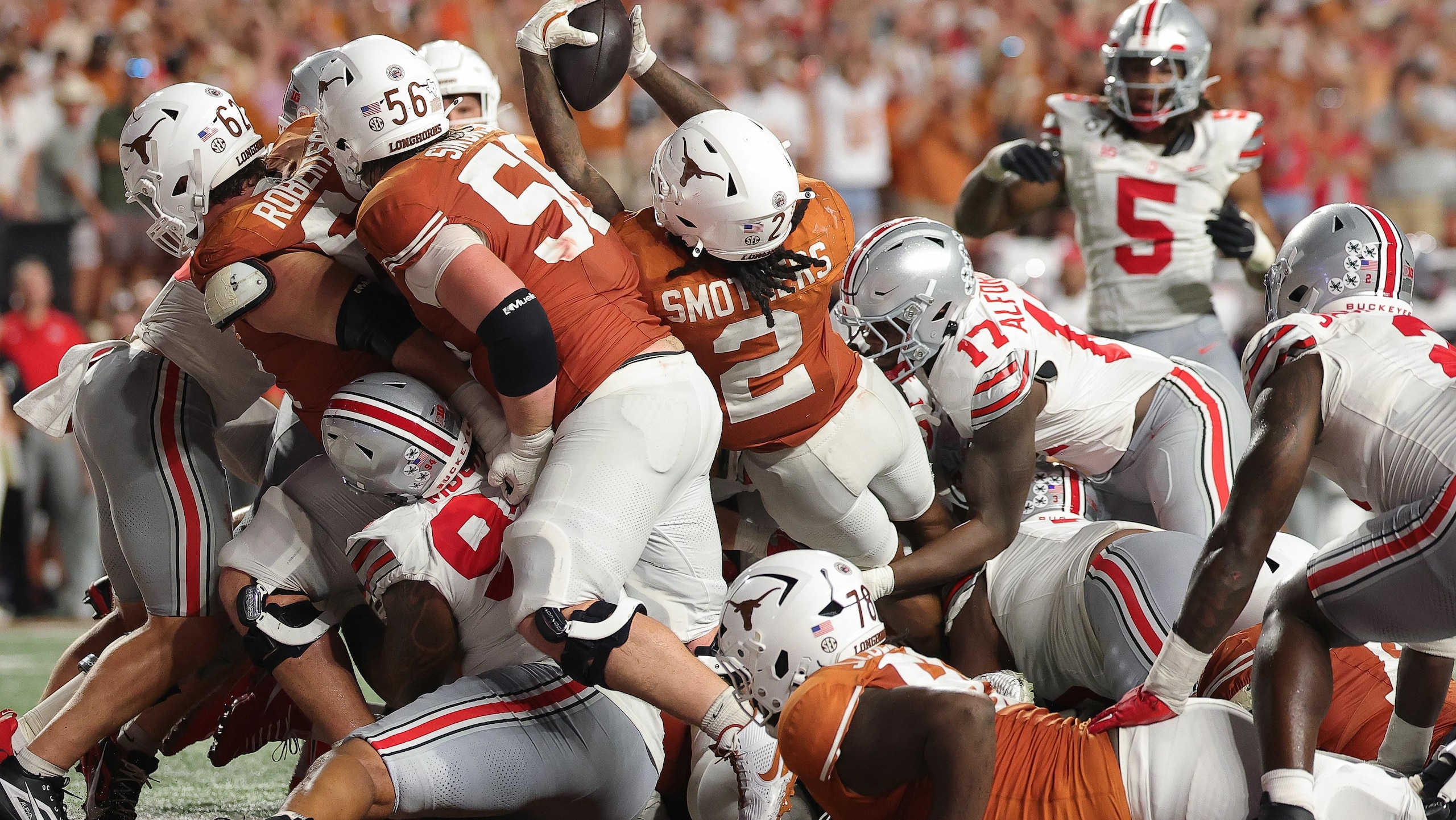
Make no mistake about it; those early college football games that used to define a team's season, the ones that could end (or at least put a dent in) a postseason resume, will mean a lot less than they used to.
There's no getting around it. When teams like Ohio State and Texas meet up early in the season, the outcome of that game will mean less than it once did.
That doesn't necessarily mean these games don't matter; it also doesn't mean we won't watch. If there is any positive to draw from this reality, the hope is that we will see more meaningful out-of-conference games scheduled because of the 24-team playoff.
Still, those games will never be as important as they are right now. The reason those games matter is that the stakes still feel high. Even at 12 teams, programs aren't gifted a slew of mulligans. In the current system, your third loss has eliminated you from contention.
But now? Everything changes. You can lose that important, high-profile regular season game and still find yourself comfortably in the postseason.
While the atmosphere on college football campuses will still make these games feel vibrant and significant, the outcomes of these games will mean less, and thus we will care less. Period.
Winner: Group of Six Teams
3 of 6
For those teams playing football outside of the four major conferences, playoff access has been hard to come by. In fact, let's take that notion a step further.
It's been nearly impossible.
In many instances, the CFB Playoff committee has largely penalized these teams whenever possible, even if the playoff saw two schools—James Madison and Tulane—crash the 12-team bracket in 2025. A lot needed to happen for these teams to breakthrough in 2025; a lot less will need to happen moving forward.
The SEC, Big Ten, Big 12 and ACC will still occupy the overwhelming majority of vacancies in each 24-team bracket, much like they do in a 12-team bracket.
That part won't change, even if we've seen exceptions. But with 12 additional spots to fill, the likelihood of teams creeping their way into this discussion just got significantly more reasonable.
One Group of Six team is guaranteed to be included in the top 25; this much we know. In most years, excluding what we saw in 2025, this would likely be it. With the field about to double, that is no longer the case.
While Group of Six teams will still be in the minority, the possibilities for so many schools just became real.
Hope. There's that word again. A lot more teams just got it.



Loser: Conference Championship Game Enthusiasts
4 of 6
Barring something unforeseen, the 24-team playoff will mark the end of the majority of conference championships as we know it.
With the expanded playoff set to dominate the calendar and December and January, something will have to budge. And it seems like many—if not all—of these conference championship games will be the first to go.
In the 12-team playoff era, conference championship games have undoubtedly been overshadowed by the looming reality of the bracket being filled. In many respects, with or without expansion, the future of these title games have been in doubt for some time now.
It was simply a matter of when. And now, it appears we have our answer.
Those who appreciate the sport's history and nostalgia are likely to still carry a deep appreciation for what these games have meant over time. Even now, watching two exceptional teams compete for conference superiority has mattered.
The games, even if the postseason stakes were limited or nonexistent, mattered.
Now, however, those games are likely to be a thing of the past, which begs a different question: how will these automatic bids be decided? And given the size and scheduling discrepancies across these conferences, what will this process look like?
At the very least, a conference championship game gave us a definitive answer. Now, things just got a lot more cluttered.
Winner: College Campuses in December
5 of 6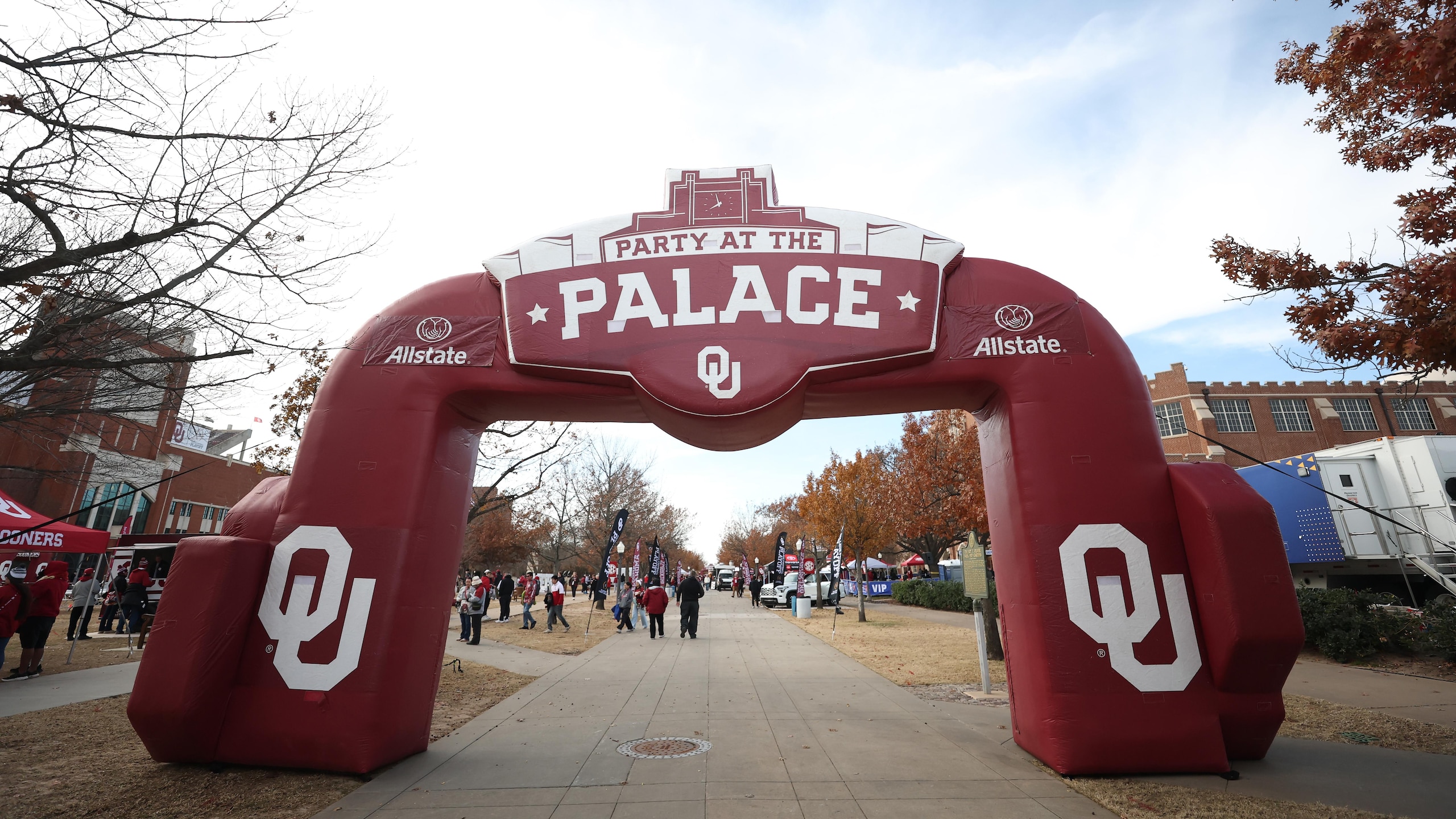
In its current state, the College Football Playoff did something extraordinarily well. And when the bracket moves to 24 teams, it will double down on a feature that has really carried the early part of each and every postseason.
More college football games on college football campuses.
It sounds simple, right? Play football games in places where football games are normally played.
The first round of the 12-team playoff was played in the higher seed's home stadium, and the results were a smashing success. If the early reports are accurate, the College Football Playoff's expanded postseason could feature two rounds of games on college campuses.
Whether you're ready to embrace an expanded playoff or not, this is a brilliant way to expand.
The 16 teams outside the top eight would compete in the first round, with the highest eight seeds hosting those games. In the second round, the top eight seeds would then get their turn at playing host, taking on the winners from the previous round. After this round, the remaining games will be played at neutral sites.
In the current 12-team format, the top four teams that earn first-round byes never have a chance to host. The following round moves directly to neutral sites.
The 24-team postseason will change the flow of these games drastically, putting an emphasis on the greatest commodity the sport has over any other sport on earth.
The gameday environment.
While the expansion of the playoff will be polarizing, this aspect of it won't be. More games in college stadiums will make for quite a scene.
Loser: The Bowl Season
6 of 6
As it stands currently, college football's bowl season was already on life support.
The NFL Draft opt outs, transfer portal and general state of offseason chaos has sent this yearly ritual into a great state of unknown. Some teams, like Notre Dame a season ago, skipped out on the opportunity to play in a bowl game entirely.
They are not alone. Other teams have opted out for various reasons.
The decreased emphasis on the bowl season was already well in motion, and this will only carry that momentum forward. One can't help but wonder how an expanded playoff will damage this part of the calendar.
Better yet, will it exist at all?
In terms of math, 12 additional teams that could have competed in bowls will soon be playing in playoff games. While there are plenty of teams to backfill these vacancies, what will these games look like?
While many (including this writer) still deeply appreciate the bowl season in its imperfect form, this feels like a defining moment. Whether it means far less games or no games at all, something is likely to give.
Although it might sound strange, moving the bowl season to the start of the college football season should be on the table. If that sounds drastic, that's because it is.
The bowl season as you once knew it has been slowly losing steam. Now, it likely needs to be completely reimagined to survive.



.jpg?w=2560 "Bleacher Report's Expert NFL Picks 🔮")

.jpg?w=2560 "Jalen Hurts Out Sunday")



.jpg?w=2560 "Tennis Player Gets 24-Year Ban for Match Fixing (AP)")
.jpg?w=2560 "Troy Aikman teases ESPN departure")