Game Closes Ranks as Red Sox's John Farrell Takes Leave of Absence for Cancer
It was an equipment bag. How many times have you picked up your gear and not thought anything of it?
Surely, when Boston Red Sox manager John Farrell reached for an equipment bag in New York the week before last, he did so without a second thought. Like pulling on a shirt or tying his shoes.
This time, though, as he lifted, he suffered a hernia.
TOP NEWS

Realistic Offseason Trade Ideas 💡

Players Who Were Worse Than You Think in 2026 ⚾
Latest Free Agent Rumors 👂
Which led to a minor, routine procedure in Detroit a few days later.
That led to an absolutely stunning, horrifying revelation.
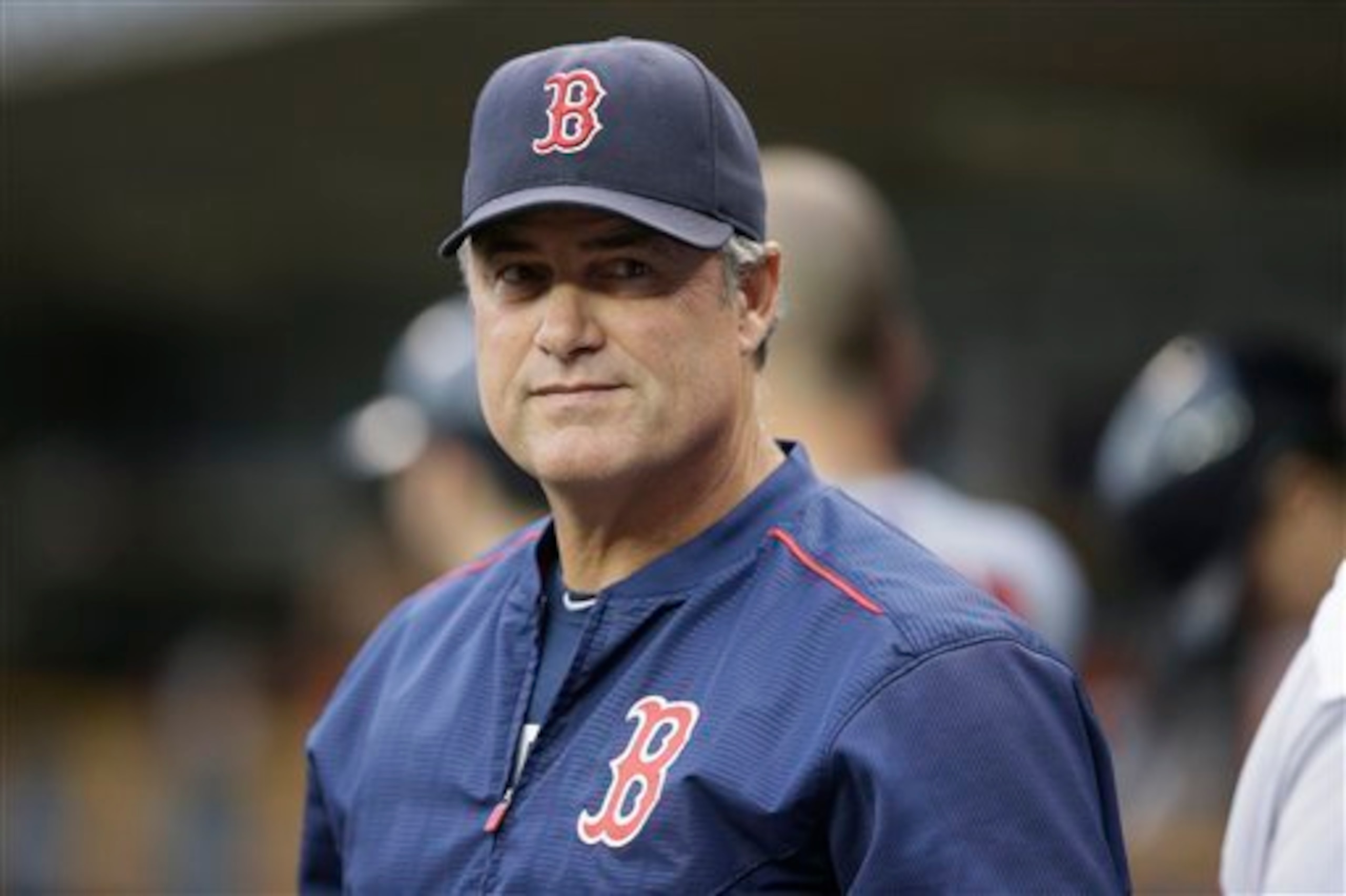
Lymphoma. Stage 1. Chemotherapy. A leave of absence to begin fighting a battle unlike anything Farrell has ever faced.
An equipment bag.
Sometimes, maybe miracles come in small packages.
“Sometimes life works in strange ways,” Bud Black, Farrell’s longtime close friend and former rotation-mate in Cleveland (1988-1990), said when we spoke this weekend. “This might have been a blessing in that regard.”
When the San Diego Padres fired Black in June, one of the very first texts he received was from Farrell. Hey Buddy. You OK? You’ll be OK. If you need anything. Things you say when one of your close friends is hurting.
Friday, under circumstances far worse than a firing, it was Black who was delivering the texts.
“When I heard it, it’s a punch in the gut,” Black said. “You’re talking about a guy I’ve know for close to 30 years, one of my closer friends in the game. Our career paths have sort of caught up with each other; we’re both managers.
“It straightens you up a little bit. The good thing about it is, it looks like it was detected early. So that’s a good sign.”
Said the Red Sox in a statement Friday: "We are heartened by the news that this form of cancer is highly treatable and by the knowledge that the quality of care he will be receiving is second to none."
All across baseball this weekend, dugout by dugout, no matter the uniform or the colors, the game closed ranks behind Farrell...as it does whenever one of its own is knocked to the dirt:
Joe Torre took a leave of absence from managing the New York Yankees in the spring of 1999 to battle prostate cancer. Eric Davis was discovered to have a baseball-sized colorectal tumor in May 1997, left for treatment and was back in time to slam a home run for the Baltimore Orioles in the 1997 American League Championship Series against Cleveland.
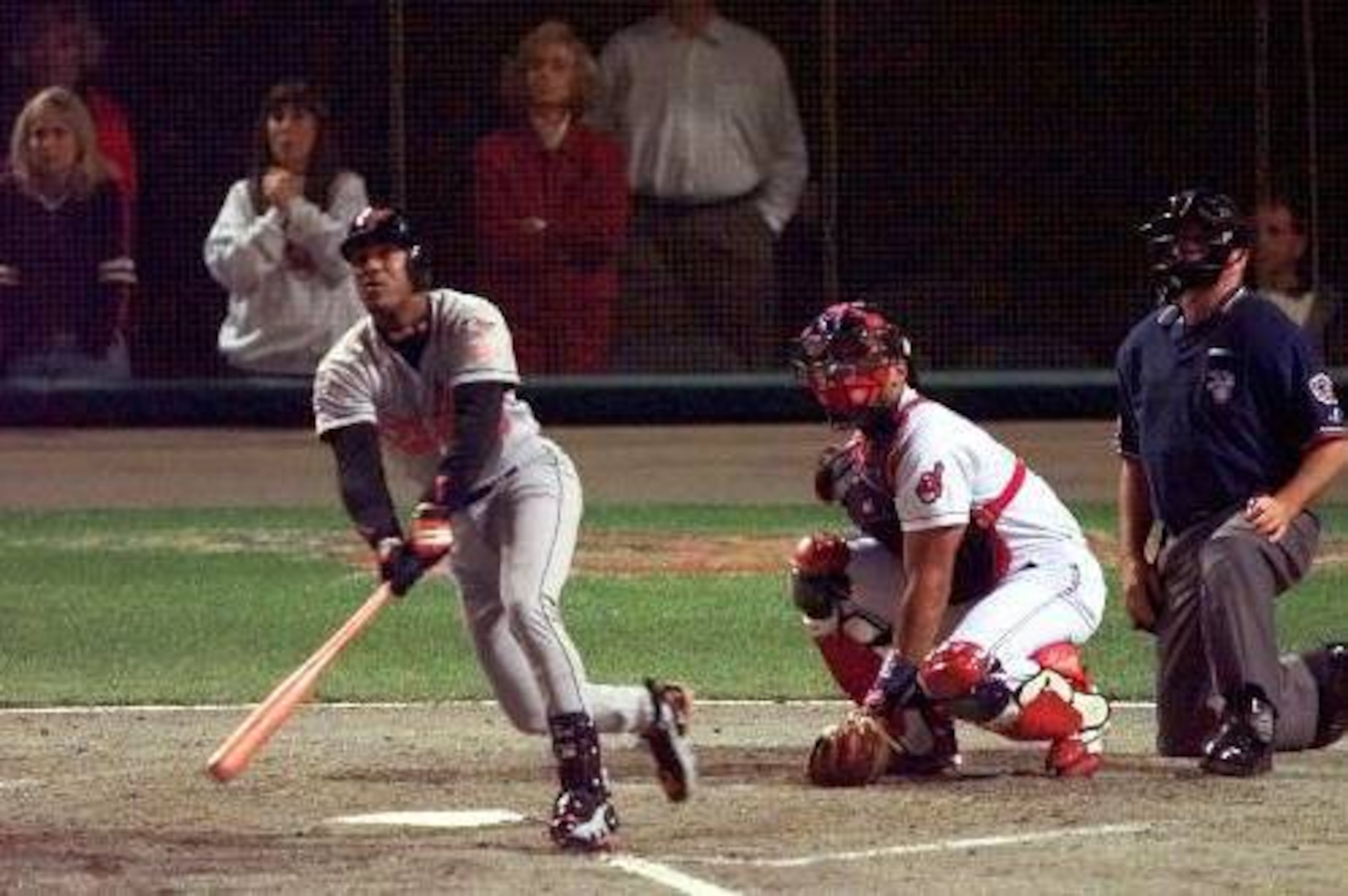
Darryl Strawberry returned to play again after undergoing chemotherapy in 1998 for colon cancer. But on July 29, he said that his cancer has returned.
It is insidious, and it is all around us. So many different types of cancer in so many different forms striking so many different people. A grandparent. A parent. A brother or sister.
A manager.
Rarely was former commissioner Bud Selig more on point than when he described this game as being a social institution with social responsibilities. Like a raging wildfire, cancer’s flames eventually reach the fringes of all of our lives. We can only pray that it comes no closer.
Dave Roberts outran Mariano Rivera’s delivery and Jorge Posada’s throw to second in a frozen-in-time, ninth-inning theft that saved the Red Sox in Game 4 and pivoted the 2004 ALCS. Without that steal, no way the Red Sox win that autumn’s World Series and end The Curse of the Bambino.
Yet Roberts could not outrun cancer. In 2010, he was diagnosed with Stage 2 Hodgkin’s lymphoma (Stage 4 is the worst).
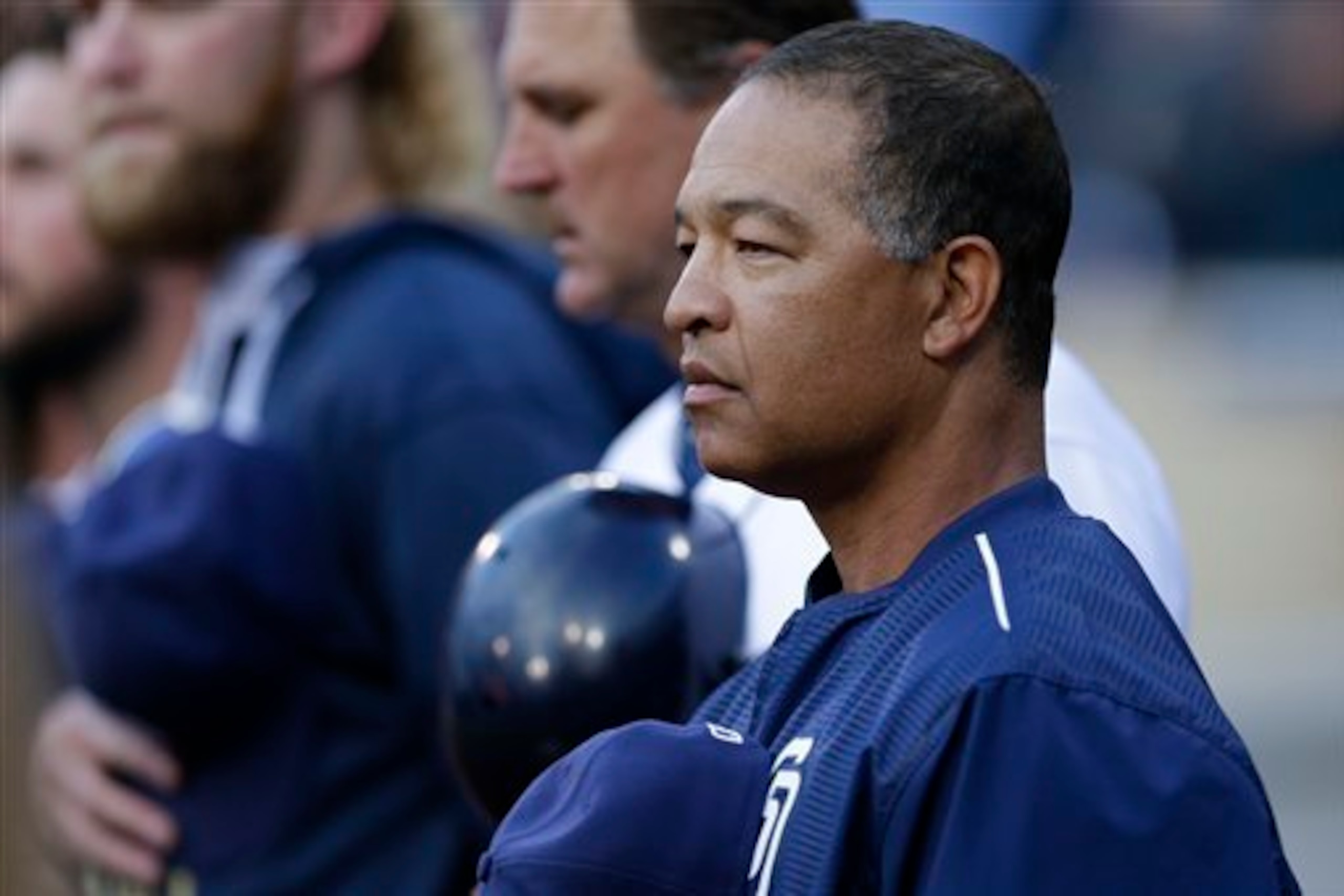
“I’m not certain if John has Hodgkin's or non-Hodgkin's lymphoma,” Roberts, now the San Diego Padres’ bench coach, said when we spoke this weekend. “The one thing I do know is that if it is Hodgkin's, it is more aggressive, but you know where it’s going and you can head it off.
“Stage 1, he’s in a good spot. Non-Hodgkin's works slower, but you don’t know how to cut it off if it goes in different directions.”
In Roberts’ case, he underwent six weeks of chemotherapy and a month of radiation. Today, he is recovered. Happy, healthy and undergoes blood tests once a year just to make sure the stuff is staying away.
“Chemo was the worst of it for me,” Roberts said. “For radiation, I went back to Dana-Farber [Cancer Institute] and got treatment in Boston.
“Chemo every other week was really tough. It just beats up your whole system. It takes two or three days to recover from each treatment. You get back a little bit, and then you’re dreading the next treatment. You get one week to feel normal.”
One of the first calls Roberts made upon receiving his diagnosis in 2010 was to Larry Lucchino, Red Sox president. Lucchino is a two-time cancer survivor: Diagnosed with non-Hodgkin's lymphoma in 1985 when he was 40, he underwent significant chemotherapy and had a bone-marrow transplant at the Dana-Farber Institute. Then he underwent prostate-cancer surgery in 1999 at Johns Hopkins.
As Roberts says, that cancer care in Boston is some of the best in the country; it's “a no-brainer.” Lucchino can attest. So can Cubs pitcher Jon Lester, who returned from lymphoma in 2007 while playing for Boston and started the clinching game of that October’s World Series against the Rockies.
“He’s in good hands,” Lester told reporters Friday in Chicago. “I know those doctors pretty well.”

That’s what those surrounding Farrell are banking on now—that he is in good hands, the best hands, and that he will sail through this, Godspeed.
“The one thing I got out of it is you meet a lot of people who have gone through it and you get to be a little bit of an advocate and realize how many people care about you and think about you,” Roberts said. “That was something that left its mark with me.
“You hear from a lot of people you haven’t heard from in years. Baseball family, fans sharing their support, the letters and well wishes and things like that.”
It was Black’s trade from Kansas City to Cleveland that brought him and Farrell together in 1988.
“We became fast friends,” Black said. “We were both starting pitchers; we had a lot of things in common. Our personalities hit it off. When I first got traded over, getting acclimated, it was easy conversation.
“We’ve maintained that friendship over the years. Both being managers, we’ve had a lot of conversations over the past number of years.”

Not long after Black replaced Bruce Bochy as Padres manager in 2007, San Diego bullpen catcher Mark Merila was diagnosed with brain cancer for a second time and was given three months to live. Eight years later, Merila has moved out of the bullpen and is working as a scout for the Padres.
Three years after Merila’s diagnosis, in 2010, another member of Black’s staff, bullpen coach Darrel Akerfelds, was diagnosed with pancreatic cancer. He died two years later.
“Cancer affects everyone,” Black said. “It’s out there. Baseball’s not excluded.
“Obviously, we’re a close fraternity in a lot of ways. Longstanding friendships endure.”
Just like in civilian life. You wake up, you go to work, you come home, you kiss your spouse and kids, you root for your favorite teams.
And again and again, between the laughs and the good times, you’re reminded just how fragile life really is.
So you send a few more texts, wrap those close to you in a few more hugs and say a few more prayers.
You hope that, just maybe, something as innocuous as an equipment bag will be there when you most need it.
Scott Miller covers Major League Baseball as a national columnist for Bleacher Report.
Follow Scott on Twitter and talk baseball.

.jpg?w=2560 "2 NFL Officials Suspended")
.jpg?w=2560 "Injury-stricken Seahawks signing veteran RB")


.jpg?w=2560 "Mahomes' Wife Trolls Kubiak 💀")