
Winning Strategies for All 30 Teams in 2026 MLB Draft
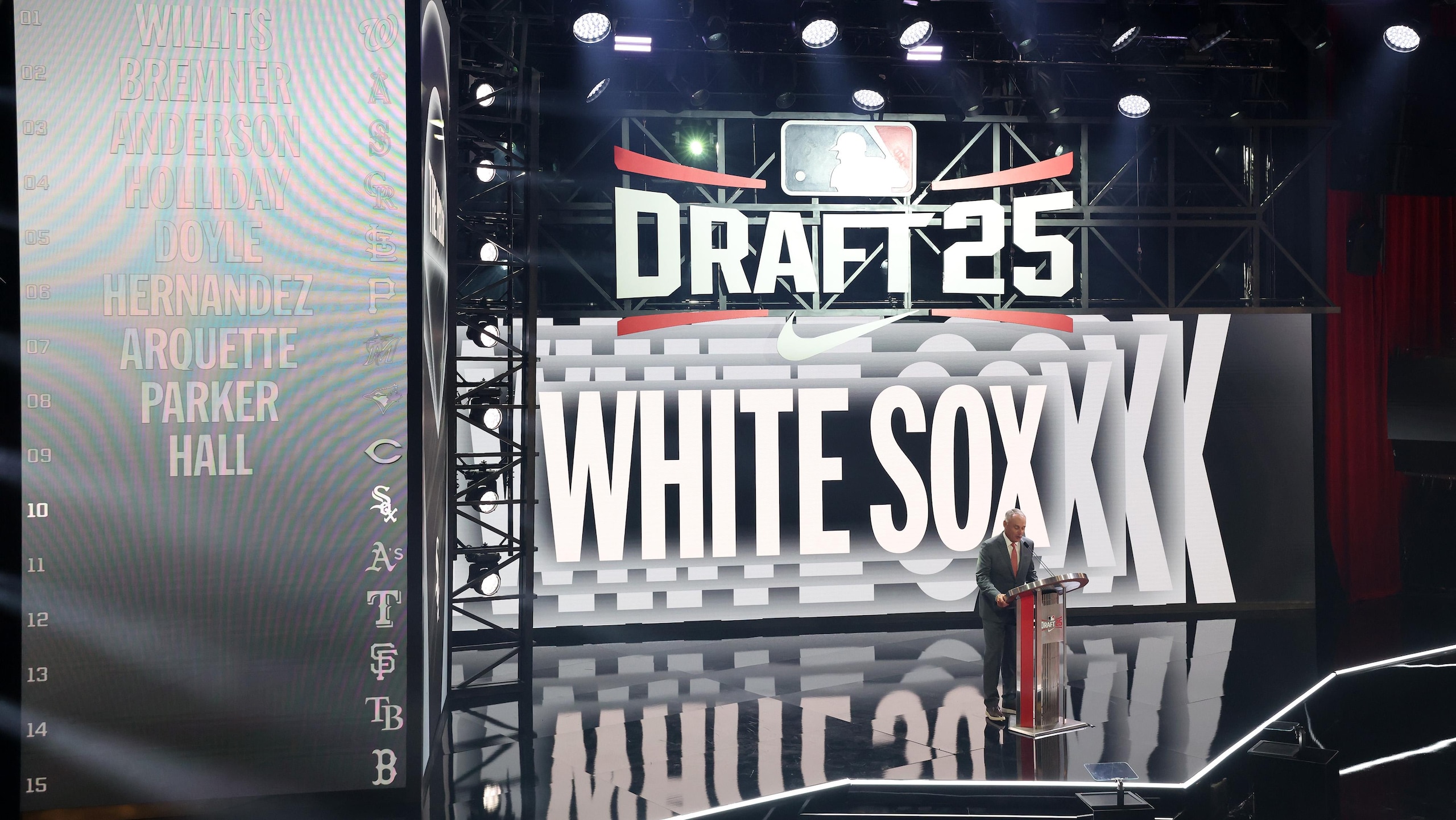
The Chicago White Sox are only a couple days away from being on the clock with the No. 1 pick in the 2026 MLB Draft. After that, anything can happen.
As for what should happen, that's a complicated question for all 30 teams.
Each will have to abide by a certain strategy, so we've devised what a winning strategy looks like for every team. It's not all (or even mostly) about needs. It's also about making the most of picks and bonus pools, and either sticking to or deviating from established draft patterns.
The general focus here is on how teams can "win" the early rounds of the draft. Though hidden gems are known to materialize after those rounds, at a certain point it becomes a game of chance with no promises.
We'll go division by division, starting in the AL East and ending in the NL West.
Farm system rankings are according to B/R's Joel Reuter.
AL East | AL Central | AL West | NL East | NL Central | NL West
AL East
1 of 6
Baltimore Orioles: Don't Just Instinctively Add Another College Bat
Highest Pick: No. 7
Bonus Pool: $13,114,000
The Orioles could be in a position to draft a college bat with their top pick, and that would be on-brand for Mike Elias. Since 2023, he's used six of his seven first-round picks on hitters out of four-year universities.
Yet even if teams don't normally draft according to major league needs, it's hard to ignore how much the big club in Baltimore needs impact arms. So if UC Santa Barbara ace Jackson Flora is there for the O's at No. 7, Elias might have to deviate from the script.
Boston Red Sox: Bats, Bats, Bats
Highest Pick: No. 20
Bonus Pool: $8,219,200
Craig Breslow is a former pitcher who has remade the Red Sox in the image of, well, a former pitcher. They're top-10 in ERA even without much from Garrett Crochet, and six of the club's 10 best prospects are pitchers.
Yet with the jury now unexpectedly out on Roman Anthony, Breslow would do well to find someone a potential franchise hitter. That won't be easy at No. 20, but you can imagine someone like Alabama shortstop Justin Lebron falling that far.
New York Yankees: Be Opportunistic
Highest Pick: No. 35
Bonus Pool: $7,342,800
One of the problems with always being good is that it means low draft picks and small bonus pools. And so it goes for Brian Cashman, who'll only have the No. 63 and No. 99 picks after making the No. 35 selection.
Maybe he'll get lucky and find another Aaron Judge, who was only a No. 32 pick back in 2013. Failing that, the No. 35 pick might best be used on a high schooler who falls due to signability concerns, but who could be swayed by the aura of the Bronx Bombers.
Tampa Bay Rays: Nab One of Those Shortstops
Highest Pick: No. 2
Bonus Pool: $19,009,300
The Rays also have the No. 33 and No. 49 picks in the draft, so there's an argument for them to go under-slot at No. 2 so they can save pool money for later. In other words, to not go all-in on their highest pick in a decade.
Or, they could take whichever shortstop the Chicago White Sox don't take at No. 1. It'll be either Roch Cholowsky out of UCLA or Grady Emerson out of Fort Worth Christian in Texas. There's no need to get more complicated than that.
Toronto Blue Jays: Don't Waste That No. 39 Pick
Highest Pick: No. 39
Bonus Pool: $5,543,100
Is this obvious advice? It seems like obvious advice. But either way, the Blue Jays don't pick again after that No. 39 slot until all the way down at No. 103, and only the Los Angeles Dodgers have a smaller bonus pool.
It'll be hard to find value that low, but a college arm or a college bat should be on the menu. Either would be befitting of a contention window that is open now, not to mention for a farm system that mostly revolves around a pair of shortstops.
AL Central
2 of 6
Chicago White Sox: Draft Roch Cholowsky and Figure the Rest Out Later
Highest Pick: No. 1
Bonus Pool: $17,592,100
The White Sox already have a good shortstop in Colson Montgomery. And in Caleb Bonemer, their No. 1 prospect also plays shortstop. As such, do they dare buck expectations and not choose Roch Cholowsky or Grady Emerson?
They could… but they shouldn't. Those two are the best prospects this class has to offer, and the White Sox don't pick again until No. 41 anyway. The best play is to take one or the other and worry about the positional surplus later.
Cleveland Guardians: Err on the Side of College Bats
Highest Pick: No. 19
Bonus Pool: $9,303,700
The Guardians arguably need arms, as only two of their 10 best prospects are pitchers. And there could be some good ones for them at No. 19, including Coastal Carolina's Cameron Flukey.
The buzz generally points toward college bats, though, and there's nothing wrong with that. The Guardians have an annual need for offense, and another friend for Travis Bazzana and Chase DeLauter would only help solve the problem.
Detroit Tigers: Time to Go Arm-Hunting Again
Highest Pick: No. 22
Bonus Pool: $9,165,100
The Tigers stand to lose both Tarik Skubal and Casey Mize to free agency this winter. And as such, it's less than ideal that their farm system has just two arms among its 10 best prospects—and none among its top six.
This is not to say the Tigers shouldn't pass up a chance at a prime bat at No. 22, but that's where a college arm will more likely be the way to go. Provided they could figure out his control, Florida's Liam Peterson would bring ace-caliber stuff to the system.
Kansas City Royals: Don't Be Afraid to Reach
Highest Pick: No. 6
Bonus Pool: $15,954,000
The Royals have a high pick, but not so high that they're guaranteed a shot at one of the can't-miss prospects (relatively speaking, obviously) in the class. As such, a little creativity needs to be on the table.
The Royals also have the No. 30 pick, so they might go under-slot at No. 6 and then aim for a steal 24 picks later. It could be worth their while unless, say, college catcher Vaughn Lackey or Jackson Flora falls to them at No. 6.
Minnesota Twins: Don't Get Cute at No. 3
Highest Pick: No. 3
Bonus Pool: $16,929,600
If there's an anti-Royals in this draft, it's the Twins. They're about to pick higher in the draft than they have since they took Royce Lewis at No. 1 in 2017, and then they won't pick again until No. 43.
Ideally, Cholowsky or Emerson will fall to them. If not, there will be Lackey or Flora. Any of the four would be welcome in a system that is already under pressure to provide the foundation for Minnesota's next contention window.
AL West
3 of 6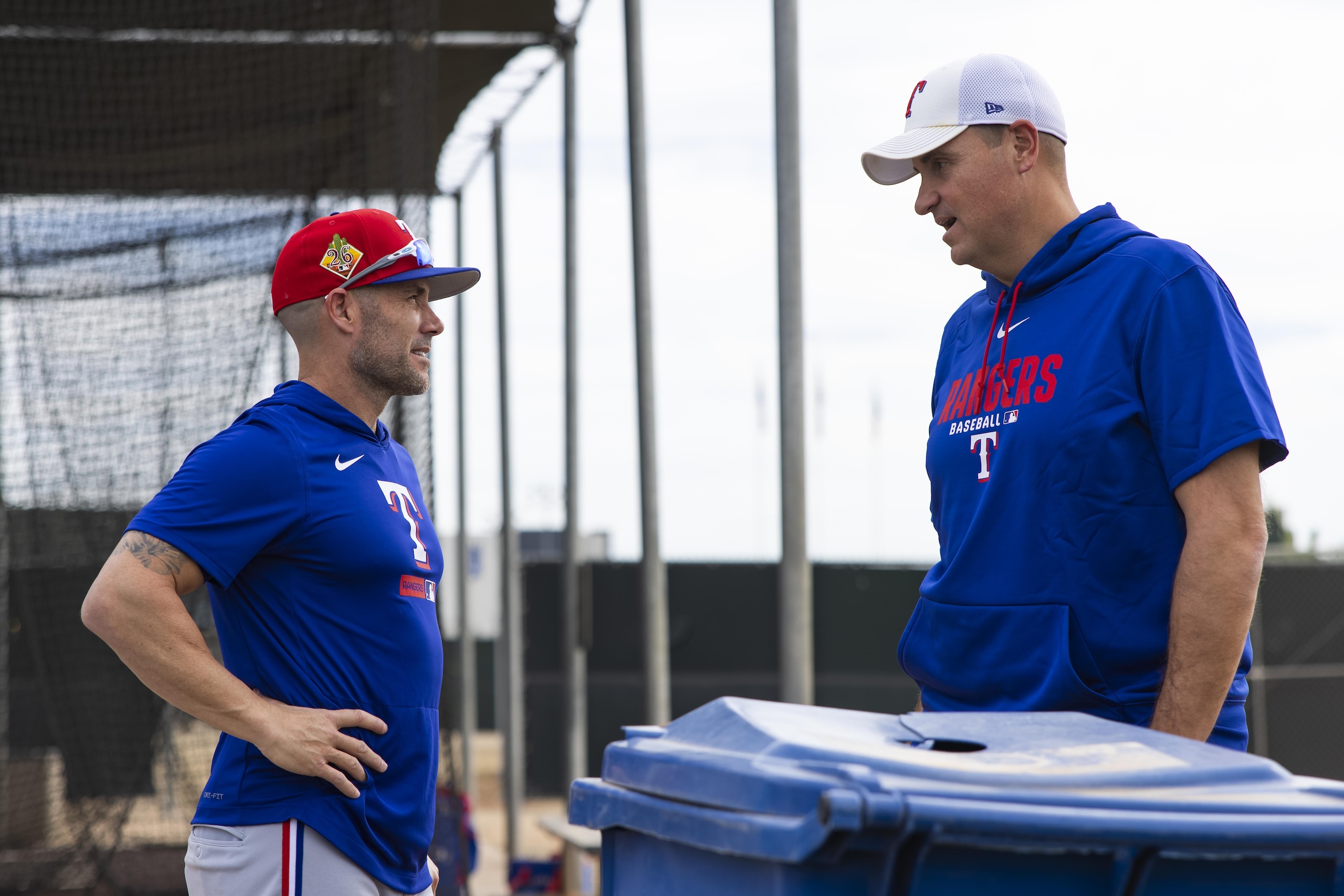
Athletics: College Talent Is the Way to Go
Highest Pick: No. 8
Bonus Pool: $13,840,300
The A's have leaned in favor of college talent with their recent first-round picks, and those already have a good track record. Nick Kurtz and Jacob Wilson are franchise hitters, and the hope is that Jamie Arnold will be a franchise pitcher.
There should be more where that came from at No. 8, with Jackson Flora representing the ideal target. Either way, that pick is a chance to nab someone who could be ready in time for Las Vegas in 2028.
Houston Astros: Don't Go All-In on No. 17
Highest Pick: No. 17
Bonus Pool: $13,712,700
The Astros might have the worst farm system in MLB, and nobody they draft at No. 17 is going to change that overnight. It's a good thing, then, that they'll also pick just 11 slots later at No. 28.
Unless they're face-to-face with a can't-miss steal, it would make sense for the Astros to divide and conquer by going under-slot at No. 17 and over-slot at No. 28. Either way, they tend to prefer college players and should stick to that.
Los Angeles Angels: At Least Pick the Right College Player
Highest Pick: No. 12
Bonus Pool: $11,755,400
Now that John Mozeliak is running the Angels' front office, maybe they'll deviate from their recent history of reaching for college players who they proceed to rush to the majors. It's not as if that's been a winning strategy for them, after all.
But if they must, would it kill them to bet on a high ceiling instead of a high floor? A bucket of tools like Justin Lebron or a big, live-armed hurler like Cameron Flukey would fit the bill.
Seattle Mariners: Go Back to the College Arms Well
Highest Pick: No. 24
Bonus Pool: $8,218,200
The Mariners have six functional starting pitchers, and five of them—Logan Gilbert, George Kirby, Bryce Miller, Bryan Woo and Emerson Hancock—were pitchers they drafted out of college. And Kade Anderson is coming, too.
That's some talent Jerry Dipoto has, and he might as well stick to it with the No. 24 pick. There should be some good college arms left there, and the Mariners don't pick again until No. 65.
Texas Rangers: It Wouldn't Hurt to Channel the Mariners
Highest Pick: No. 16
Bonus Pool: $10,219,200
The Rangers are in a tricky spot. The No. 16 pick isn't that high, and they also have a modest bonus pool and only two other picks in the top 100 at No. 54 and No. 89. It'll be tough for Chris Young to hack the draft, as it were.
But if the Rangers make like the Mariners and go after college arms, it wouldn't be the worst idea. The M's have used pitching to embrace the advantages of T-Mobile Park, and Globe Life Field is barely a step up in terms of hitter-friendliness.

.jpg?w=2560)
NL East
4 of 6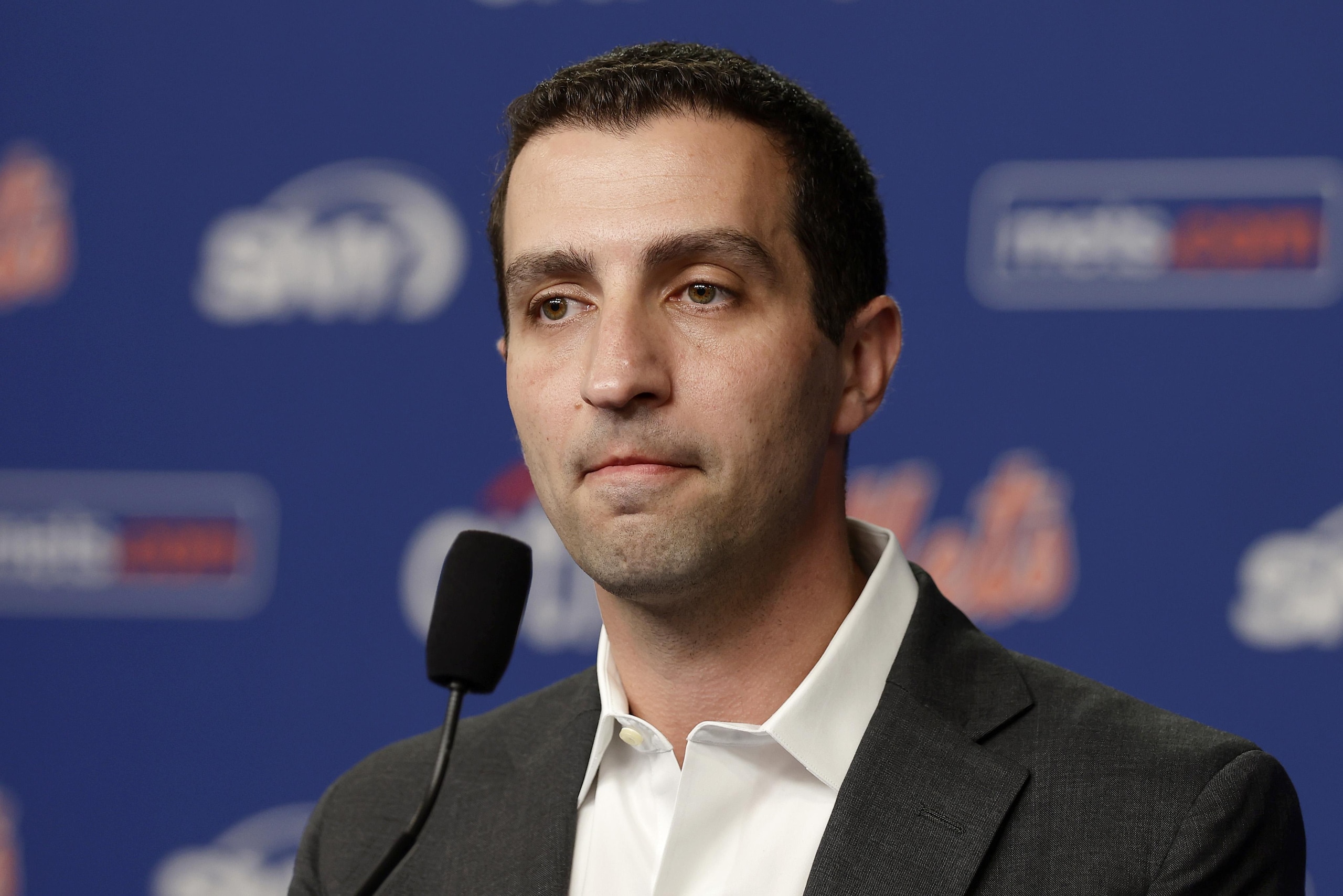
Atlanta Braves: Don't Go All-In on No. 9
Highest Pick: No. 9
Bonus Pool: $15,870,800
The Braves haven't picked this high in a draft since they got Shea Langeliers with the No. 9 selection back in 2019. So, that pick alone could do wonders for a farm system that resides among the bottom 10 in MLB.
Or, the Braves could go under-slot with the No. 9 pick so they can save a little extra for when they pick again. That will be at No. 26, and they have enough in their bonus pool to make the most of a "divide and conquer" play with those two picks.
Miami Marlins: Keep Up the Run on College Talent
Highest Pick: No. 14
Bonus Pool: $11,960,100
The Marlins don't pick again after that No. 14 pick until all the way down at No. 52, so that first pick has a lot riding on it. And since there's already good balance in their fourth-ranked system, they shouldn't have any positional preferences.
Instead, Peter Bendix should continue loading up on college talent after using every pick he had in the 2025 draft on four-year players. College players typically arrive sooner, and that's of use for a Marlins organization whose contention windows are always fleeting.
New York Mets: They Should Also Be Opportunistic
Highest Pick: No. 27
Bonus Pool: $6,730,900
This is to say that the Mets are in the same boat as the other New York team. After picking at No. 27, they won't go again until No. 92. Their bonus pool is also the third-smallest of the lot.
Given the state of the major league staff and what should be available at the end of the first round, a college arm is probably David Stearns' best bet. Tegan Kuhns out of Tennessee would be ideal, as he has a plus fastball-slider combo and the ability to throw strikes.
Philadelphia Phillies: Double-Down on College Talent
Highest Pick: No. 36
Bonus Pool: $7,773,000
The Phillies went heavy on college players last year, using each of their first six picks on four-year players. That might have just been the way the cookie crumbled. Or, it could have been a tacit acknowledgment that their contention window is closing.
Whatever the case, they might as well stick with that strategy, if for no other reason than it could land them a good pitcher. College pitchers are likely to be flying off the board at this stage of the draft, and the Phillies could use a fast-moving arm in their system.
Washington Nationals: Don't Pass Up a Chance at a Future Ace
Highest Pick: No. 11
Bonus Pool: $12,278,300
This will be Paul Toboni's first draft as head of the Nationals, so there's no history to go off of. And as for best guesses, the draft is likely to see a run on hitters when the Nationals are on the board with the No. 11 pick.
Still, there's a non-zero chance of arms like Jackson Flora and prep lefty Gio Rojas being available at that point. Either could be the future No. 1 that the Nationals don't really have in their system, much less in a dismal major league rotation.
NL Central
5 of 6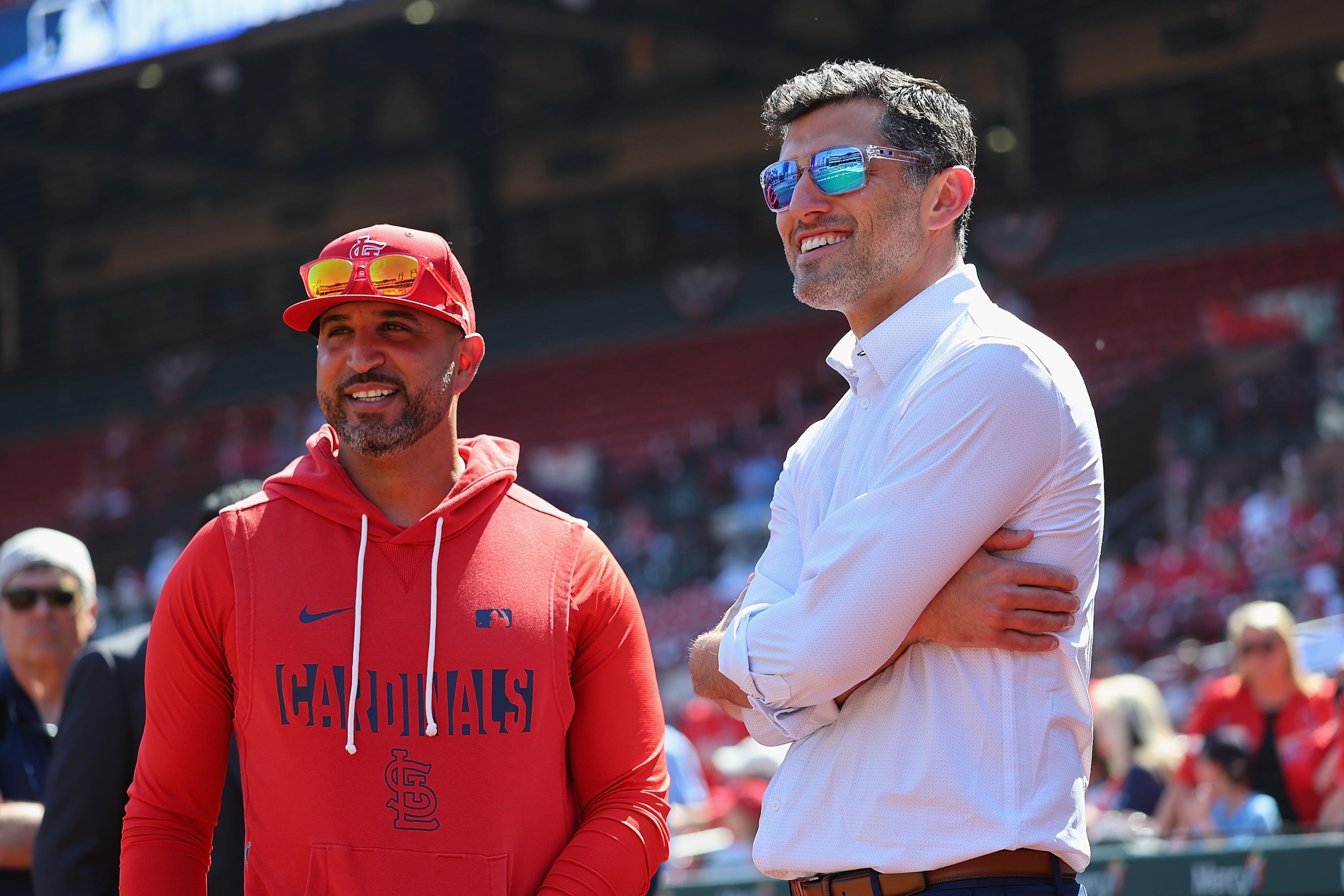
Chicago Cubs: Don't Pass Up a Good College Arm
Highest Pick: No. 23
Bonus Pool: $9,644,100
The Cubs actually have four picks in the top 100, but with a big gap between their first (No. 23) and second (No. 62). As such, there's a lot riding on that first pick, and the best way to get it right will likely be by drafting a college pitcher.
There should be a bunch going in the 20s, so the Cubs won't be reaching. And while major league needs don't necessarily come first, can anyone look at the Cubs and not see room for a fast-moving young hurler?
Cincinnati Reds: It's Time to Replenish the Arms
Highest Pick: No. 18
Bonus Pool: $10,758,500
The Reds built a competitive team on the backs of young pitchers, but the steam is starting to run out. Worse, their farm system has become heavy on bats. So as long as the pick makes sense, prioritizing an arm is a good play at No. 18.
They could have a shot at college hurlers Cameron Flukey, Hunter Dietz or Liam Peterson at that spot. Better yet, they could aim for the best of both worlds if Jared Grindlinger is still there. He's a legit two-way high schooler who's only 17 years old.
Milwaukee Brewers: Stick to the Script
Highest Pick: No. 25
Bonus Pool: $8,042,900
Since 2016, the Brewers have used exactly two first-round picks on pitchers. They prefer to grab good bats and simply find and cultivate good pitchers in other ways, and nobody can say that approach has failed them.
So with apologies to Boots Riley, "Stick to the Script" really is the best advice we have to give. There could be some good college bats left at No. 25, including dangerous righties like Aiden Robbins out of Texas and Zion Rose out of Louisville.
Pittsburgh Pirates: Spread That Pool Around
Highest Pick: No. 5
Bonus Pool: $19,130,700
This is a bit like saying "Don't Go All-In on No. 5," but not quite. Getting cute with a top-five pick is risky to the point of being reckless, especially for a franchise like the Pirates. They have to win through drafting and developing.
However, the Bucs also pick at No. 34, No. 44 and No. 51. That trio of picks should be a good chance to pick up various stragglers and hook them with bigger bonuses than other teams can give. Pittsburgh's pool is the biggest of any club.
St. Louis Cardinals: Don't Go All-In on No. 13
Highest Pick: No. 13
Bonus Pool: $16,612,300
This is Chaim Bloom's first draft as head of the Cardinals, and it'll be interesting to see if he borrows from what he did in Boston. He was best known for drafting hitters, including Roman Anthony, Marcelo Mayer and Kristian Campbell.
But since there may not be many can't-miss choices at No. 13, it might be wise to go under-slot there and save some pool money for when the Cardinals pick next at No. 32. Otherwise, everything and everyone should be on the table as Bloom seeks to build out the farm system.
NL West
6 of 6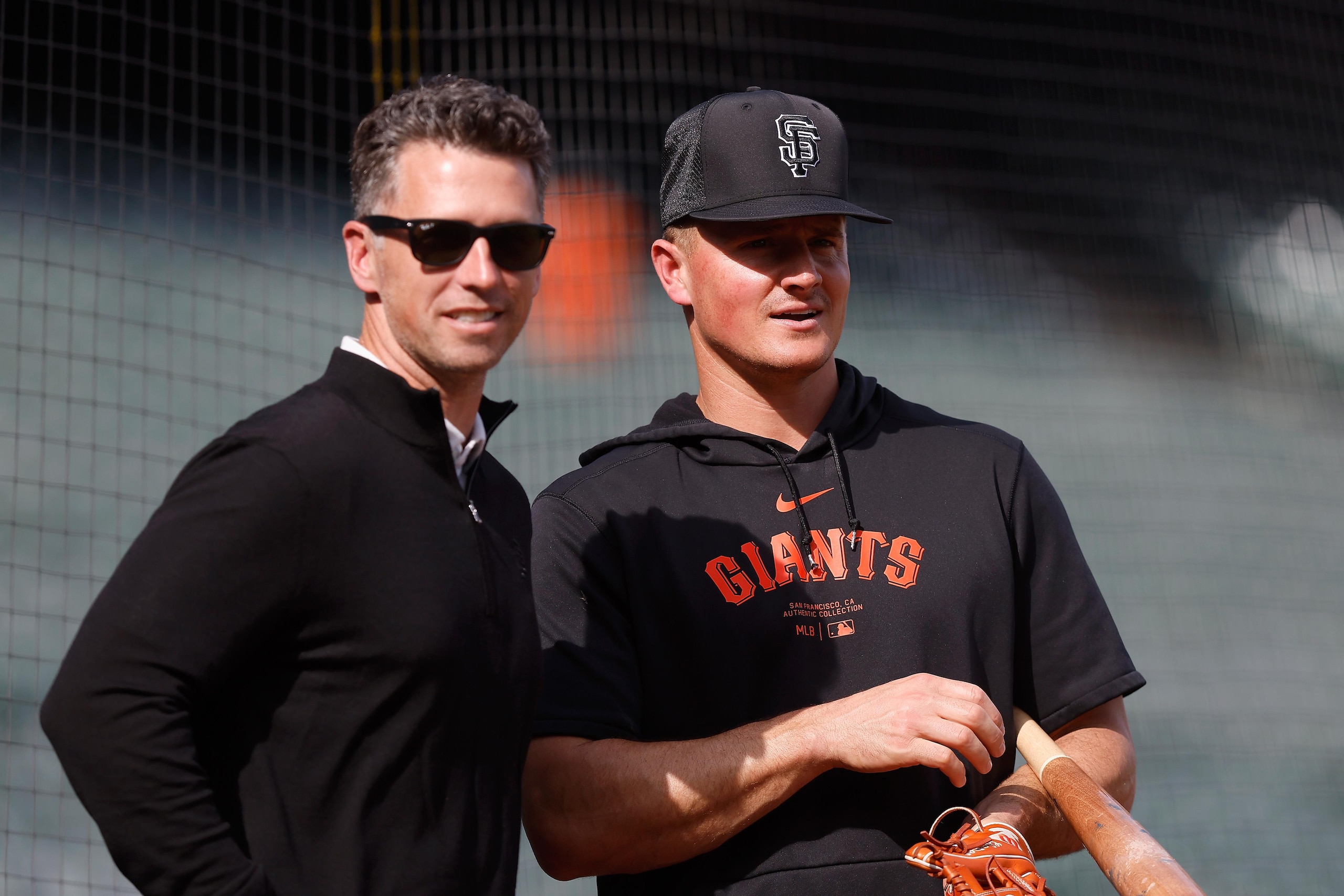
Arizona Diamondbacks: Put Pitching First This Time
Highest Pick: No. 15
Bonus Pool: $13,603,100
Mike Hazen doesn't tend to favor college or high school talent with early picks, but his recent draft history does show a tendency toward up-the-middle-position players. At least so far, the results haven't been great.
Between that and the reality that Arizona is short on impact arms both in the majors and in the minors, it may be time for a new script. There could be some good ones for the Snakes at No. 15, perhaps even including Gio Rojas.
Colorado Rockies: Resist the Urge to Prioritize Pitching
Highest Pick: No. 10
Bonus Pool: $15,557,600
This is Paul DePodesta's first draft with the Rockies, and he's set up well to succeed. In addition to the No. 10 pick, he also holds picks at No. 37 and No. 38. Those are three good chances to add to a system that's already trending up.
But since Coors Field is still there, DePodesta shouldn't waste his time trying to find a franchise pitcher with any of those picks. It's been too long since the Rockies were an offensive powerhouse, and that's what DePodesta must focus on building.
Los Angeles Dodgers: Aim for the Highest Upside Possible
Highest Pick: No. 40
Bonus Pool: $3,951,900
The Dodgers have the lowest first pick of any team in the league, and they won't pick again until No. 132. They also have the smallest bonus pool of any team. Between these things, it's hard to imagine them winning the draft.
And yet, the Dodgers have been pretty good at digging up gems under Andrew Friedman. They should be considered a threat to do so again, especially if they use that No. 40 pick on a flawed, yet toolsy player they can work with.
San Diego Padres: Might As Well Stick with Prep Players
Highest Pick: No. 21
Bonus Pool: $9,479,000
A.J. Preller just plain likes his high school players. He last used a first-round pick on a college guy back in 2016, when he couldn't (but perhaps should have) resist Cal Quantrill when he was coming out of Stanford.
And you know what? It works. Preller has drafted guys like Jackson Merrill, CJ Abrams, MacKenzie Gore and Ryan Weathers, plus others (i.e., Robert Hassell III) that he's been able to hype as trade chips. If it ain't broke, don't fix it.
San Francisco Giants: Don't Get Cute at No. 4
Highest Pick: No. 4
Bonus Pool: $17,350,600
The Giants have the fourth-largest bonus pool of any team, and their No. 4 pick is followed by picks at No. 29 (thanks, Austin Hedges) and No. 55. So if they want to divide and conquer, they can.
Once again, though, that strategy hits different when one of the picks is in the top five. That No. 4 pick is indeed the club's highest since it chose Joey Bart at No. 2 in 2018, so Buster Posey is better off aiming for the best player possible. It won't be Roch Cholowsky of Grady Emerson, but it could be Vahn Lackey or Jackson Flora.
Stats courtesy of Baseball Reference, FanGraphs and Baseball Savant.


.png?w=2560 "Shocking CFB Top 25 Shakeup 🔢")
.png?w=2560 "Week 6 Winners & Losers 📊")
.jpg?w=2560 "Cardinals Finalizing MHJ Trade")
.jpg?w=2560 "Grading Wild MITB PLE 😮💨")
.jpg?w=2560 "DK Shades Sauce Gardner 👀")
.jpg?w=2560 "Report: Cowboys Open to More Trades")