

They got next.
And next starts now. Kind of.
The NBA's best and brightest young stars are Las Vegas-bound for the 2026 Summer League. It'll be the first big league(-adjacent) exposure for this year's celebrated draft class, and some notable sophomores are wading in the player pool, too.
There will be a wealth of talent taking part in this event, but it would help to be able to sort through the most notable names, right? Like, perhaps in a subjective player rankings based on everything from long-term projections, established skill sets and maybe a hint of watchability?
Glad you agree, so let's spotlight the top 30 prospects in Sin City.
30. Maxime Raynaud, Sacramento Kings
1 of 30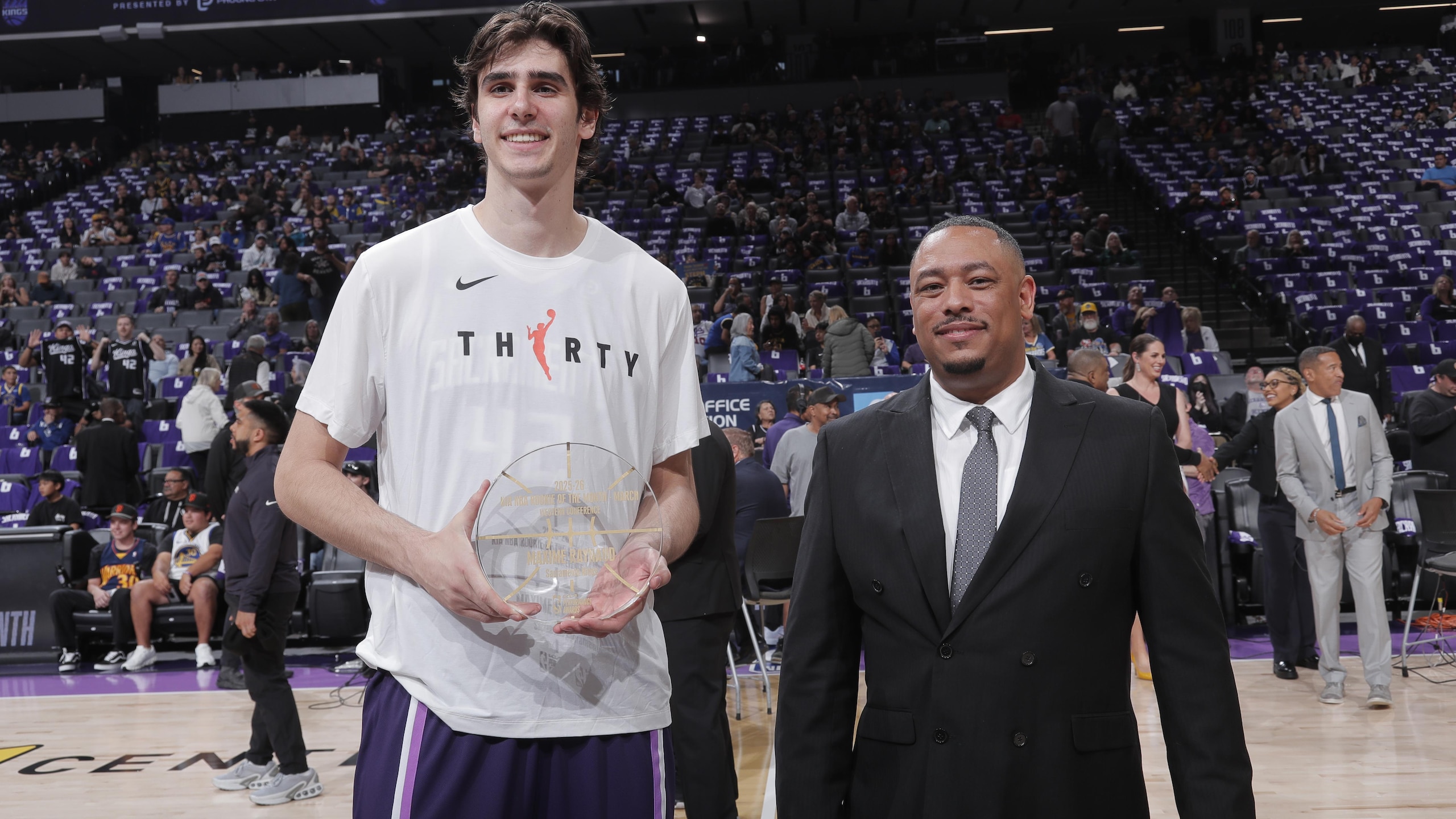
The Kings came awfully close to suffering through a wasted season in 2025-26, but the play of Maxime Raynaud freed them from that disaster scenario. Sacramento kept upping his exposure, and he kept rising to the occasion, ultimately finishing with the campaign's final Western Conference Rookie of the Month award and earning All-Rookie second-team honors.
Should he be ranked higher, then? There's a case to be made, certainly. But as a 23-year-old with limited athleticism, it's fair to question his long-term potential. At the very least, he needs to prove he can do more than put up stuffed stat lines on a brutally bad team.
29. Joan Beringer, Minnesota Timberwolves
2 of 30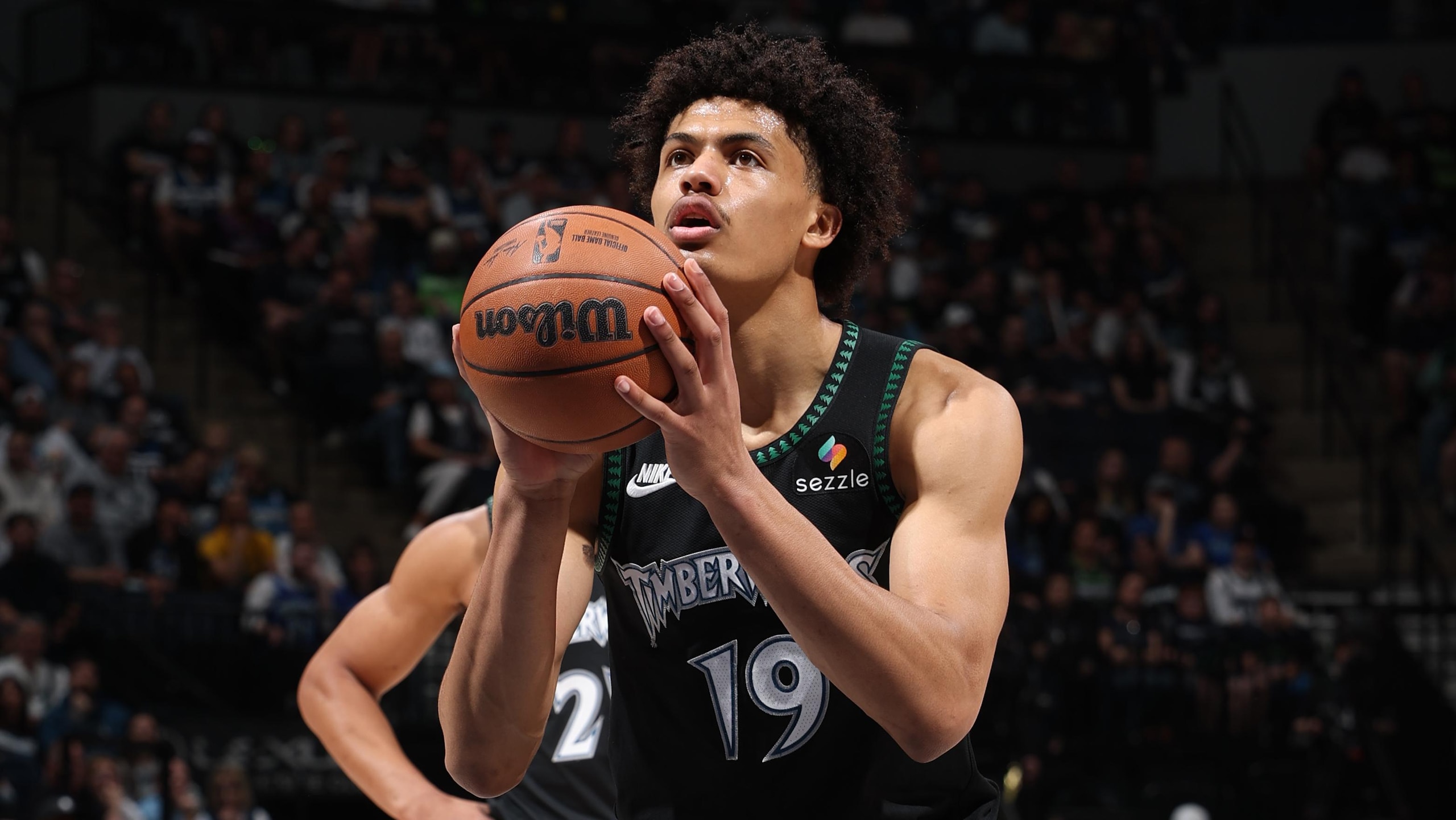
The Timberwolves signaled a big belief in Joan Beringer when they made him the 17th pick in last year's draft. Despite struggling to find him minutes as an NBA freshman, the Wolves effectively doubled-down on that belief this offseason, as they cleared out some of the frontcourt clutter in front of him by trading away Julius Randle and Naz Reid.
Now, Minnesota seemingly has Beringer locked into a significant rotation role, and he'll have plenty of chances to show people why at Las Vegas. A springy 6'11" center by trade, he looks like a natural rim-runner, but he'll have an opportunity to show whether he can be even more with some power forward duties on his summer to-do list.
28. Ebuka Okorie, Detroit Pistons
3 of 30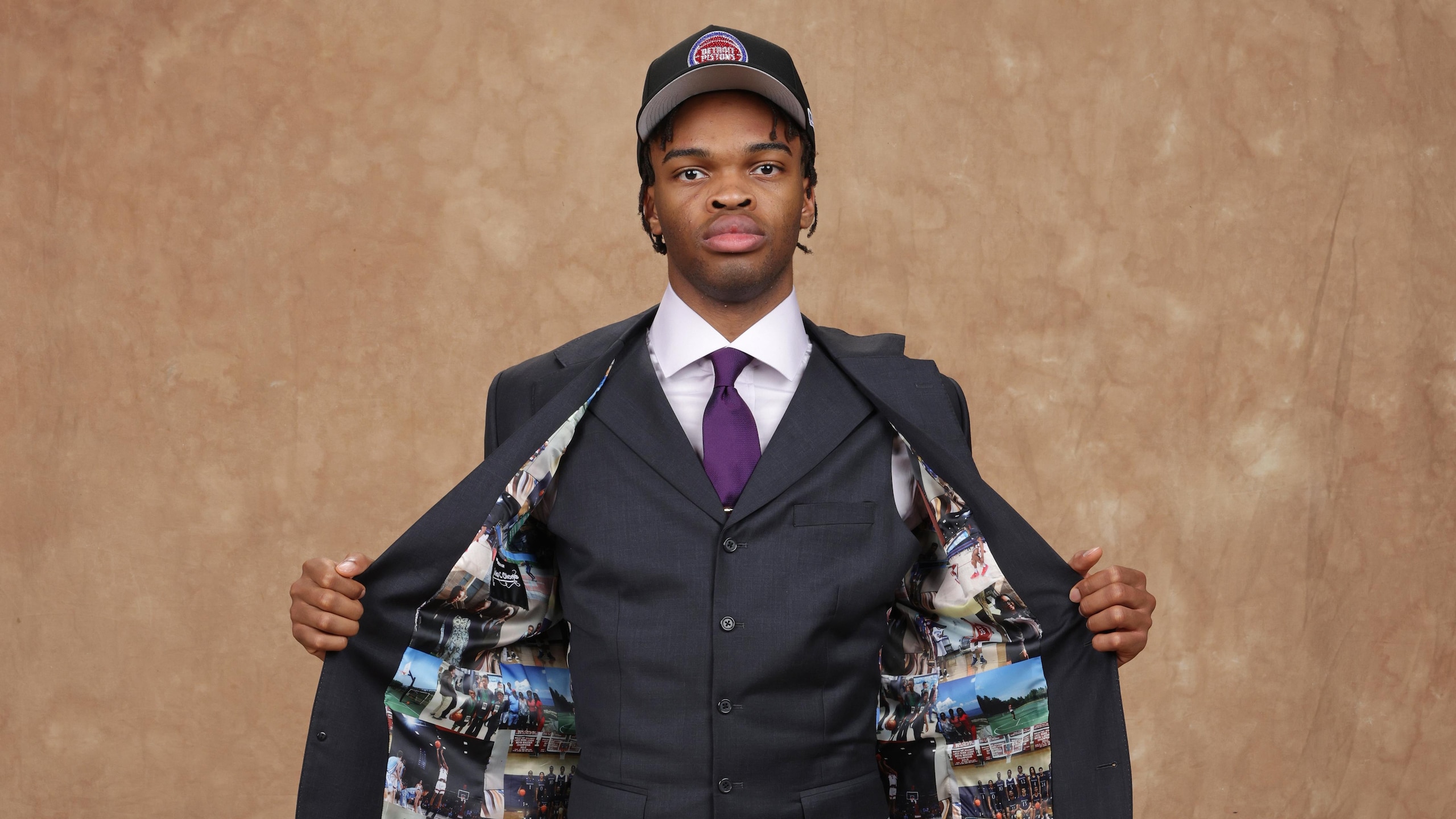
The Pistons had clear needs for more scoring and creation in the backcourt, so it wasn't surprising to see their interest in Ebuka Okorie. It might have been at least a little surprising for them to trade up to get him with the 17th pick, though, a four selection spot jump that cost them three second-rounders.
He had an awesome one-and-done season at Stanford, piling up points on long-range shots, downhill attacks and everything in between. He can be a streaky shooter, though, and he didn't flash a ton of playmaking for the Cardinal (though they were clearly limited for scoring options around him).
27. Dailyn Swain, Chicago Bulls
4 of 30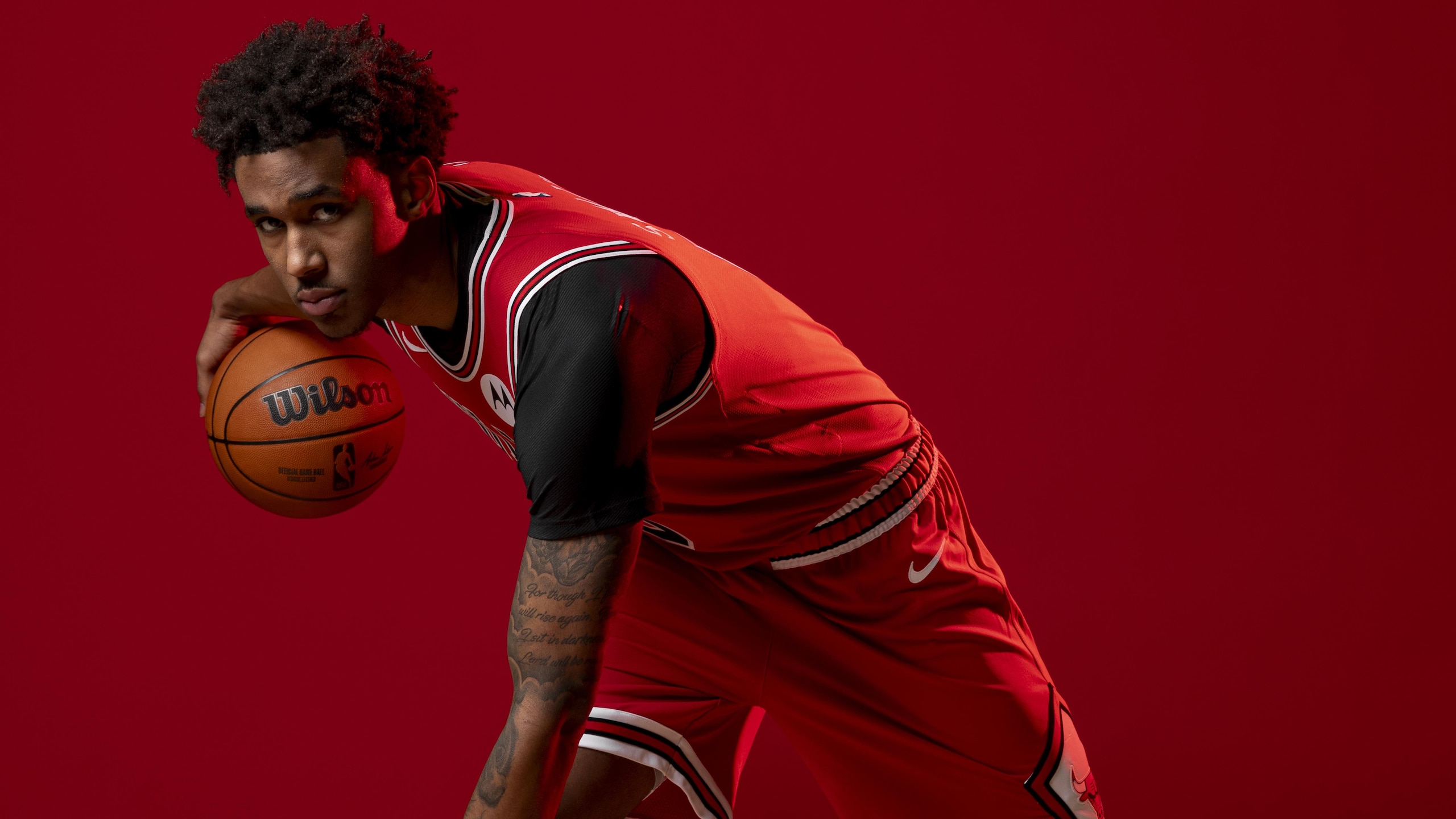
Dailyn Swain looked the part of an NBA prospect after transferring from Xavier to Texas ahead of his junior year. The one challenge with him is that making it as an NBA pro will require handling a different part than the one he played for the Longhorns.
He'll have to spend a lot more time off the ball, which means he'll have to make a big jump as an outside shooter. With his tools, he should be more disruptive on the defensive end, too. All of that said, Chicago's vision with making him this year's No. 15 pick isn't hard to conjure up. It just requires a little more belief in Swain's ability to translate to the big league than this ranking implies.
26. Labaron Philon Jr., Philadelphia 76ers
5 of 30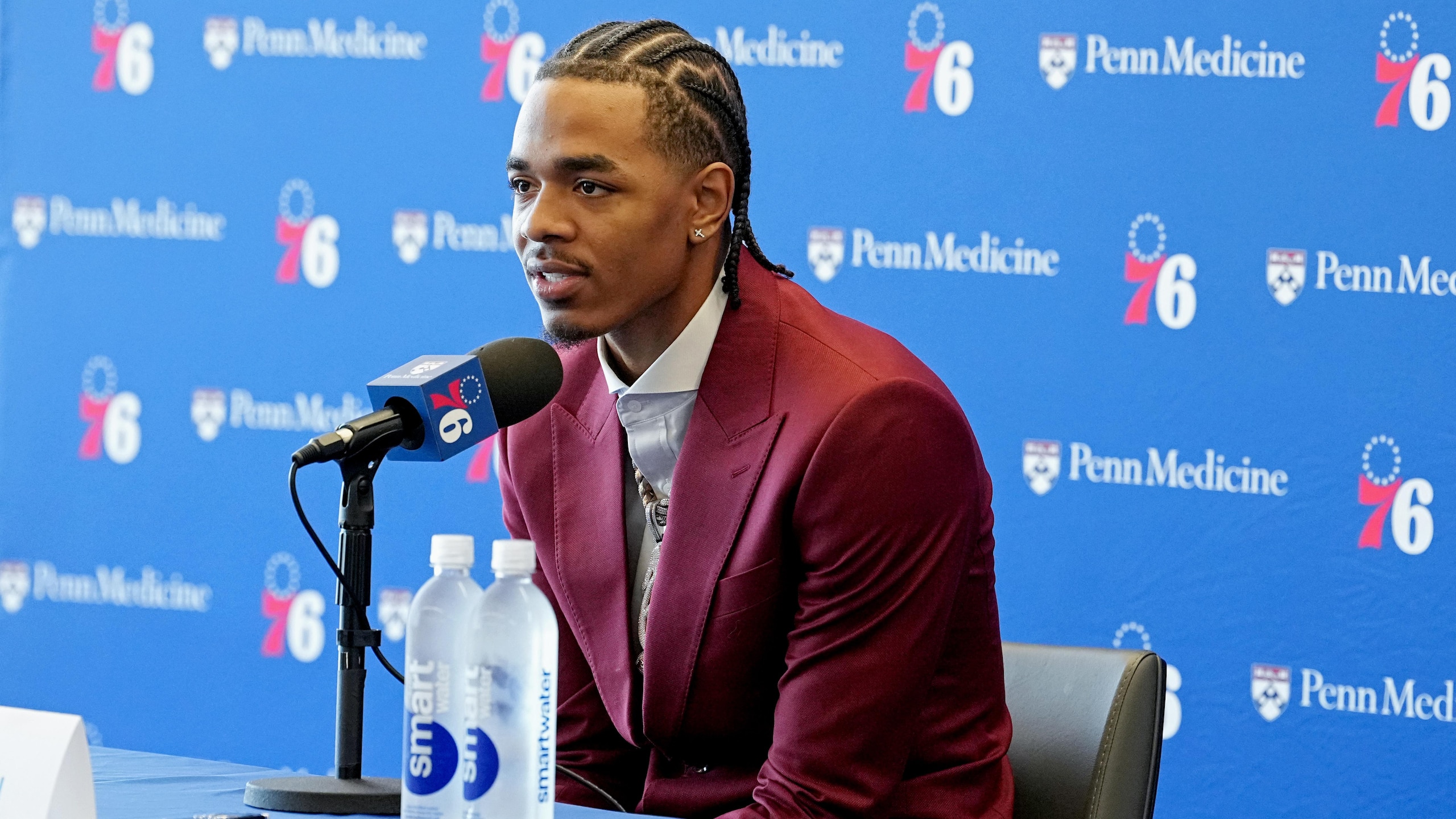
Eyebrows would not have been raised had some team deemed Labaron Philon Jr. worthy of a lottery pick on draft night. Philly finding him with the 22nd overall pick just got the ball rolling on a transformational—yet bargain-priced—offseason for the organization.
Philon has some of the best handles in this rookie class, and he can comfortably separate for pull-up jumpers or timely passes to open teammates. He also took a massive step forward as an outside shooter this past season, more than doubling his three-point makes (39 to 81) while adding nearly eight percentage points to his conversion rate (31.5 percent to 39.9).
25. Karim López, Memphis Grizzlies
6 of 30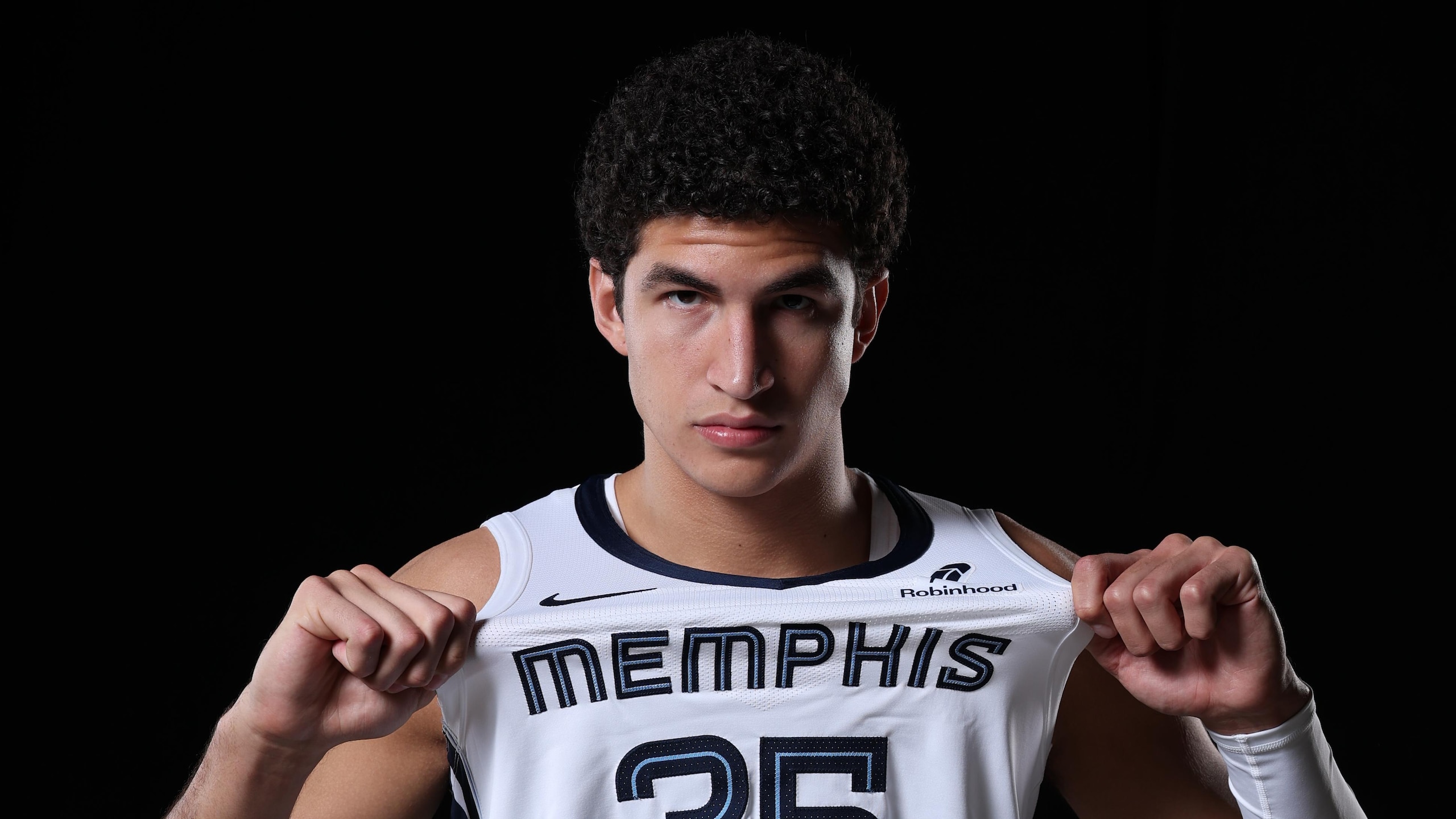
Karim López is 19 years old and already the most exciting NBA prospect Mexico has ever produced. He has professional basketball mileage on his odometer already, and it shows in his competitiveness and physicality.
It's hard identifying a stand-out skill at the moment, but it also isn't easy spotting any glaring weakness. There isn't a lot of flash in his game, but it's functional in a lot of different areas.
24. Khaman Maluach, Phoenix Suns
7 of 30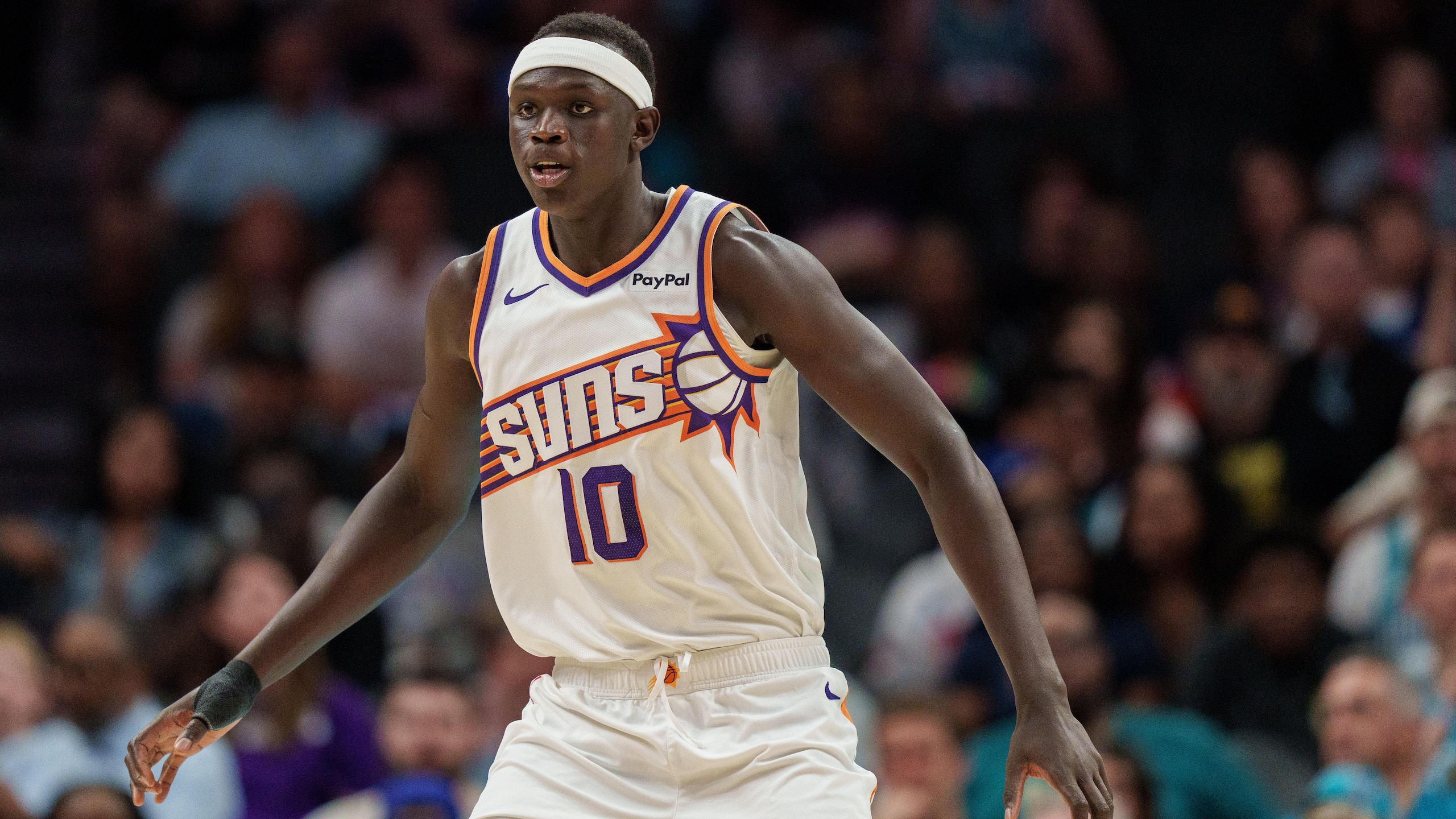
This ranking requires a not insignificant leap of faith. The Suns limited Khaman Maluach to fewer than 500 minutes as a rookie, so he doesn't feel a lot different from the raw 18-year-old they took 10th overall last summer.
That said, there were a lot of fans of that raw 18-year-old, and they shouldn't all be scared off by a quieter than expected debut. He's still an intimidating presence around the basket, and he still intrigues away from the basket as a nimble mover and hopeful spacer.
23. Morez Johnson Jr., Dallas Mavericks
8 of 30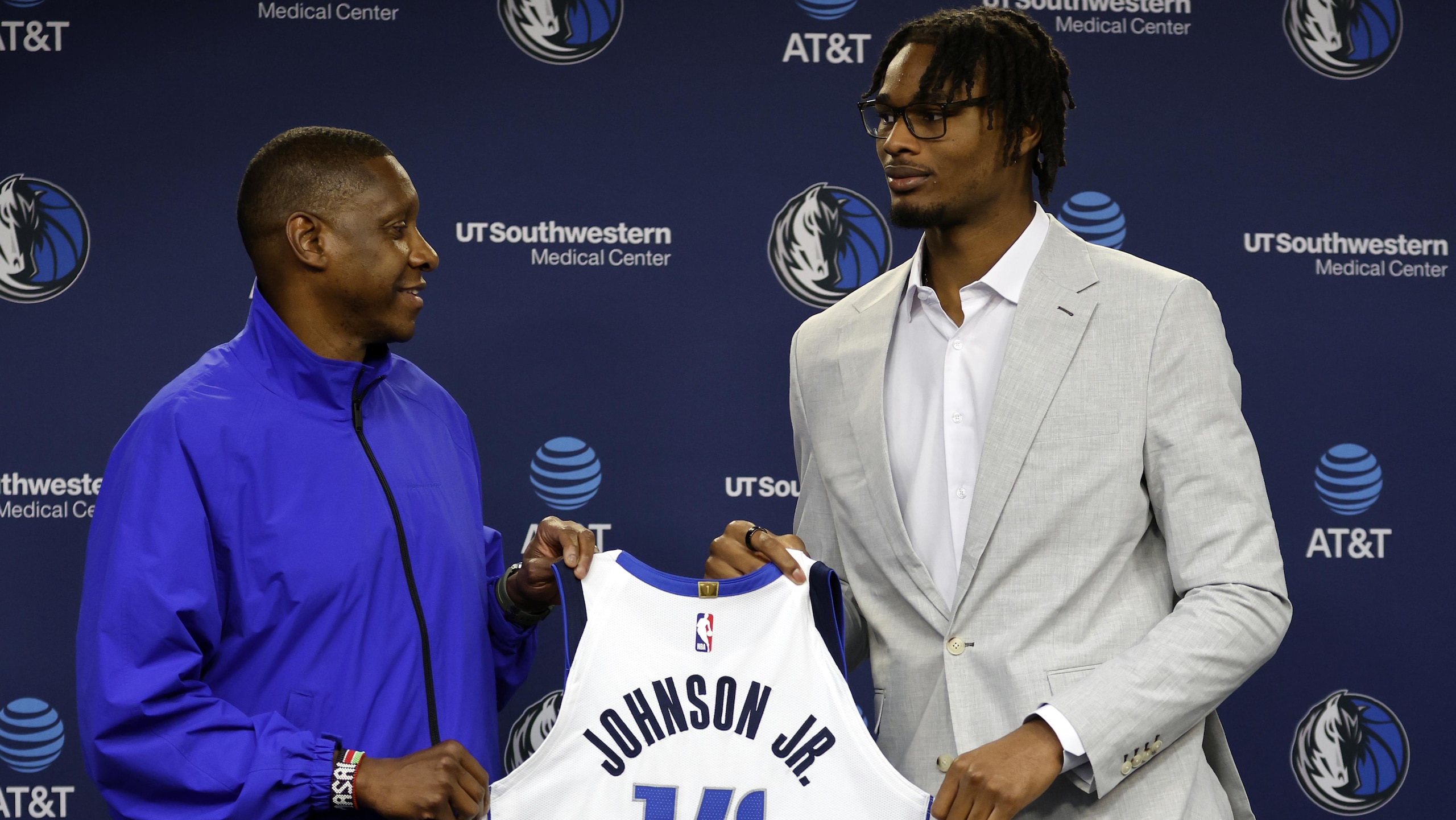
This is lower than Mavericks fans will want to see Morez Johnson Jr. and lower than Dallas' decision-makers would slot him after making him this year's No. 9 pick. But his strongest selling points always seemed tied more to having an elevated floor than some sky-high ceiling, so this ranks him more as a valuable role player than a star on the rise.
That's not intended as a knock, by the way. He could be a great on-court adhesive. He defends all over the floor and causes chaos away from the ball. He is primarily a play-finisher on offense, but if he adds consistent outside shooting to his powerful point-blank finishing, he'll be a welcome outlet for the Mavericks' playmakers.
22. Cameron Carr, Los Angeles Lakers
9 of 30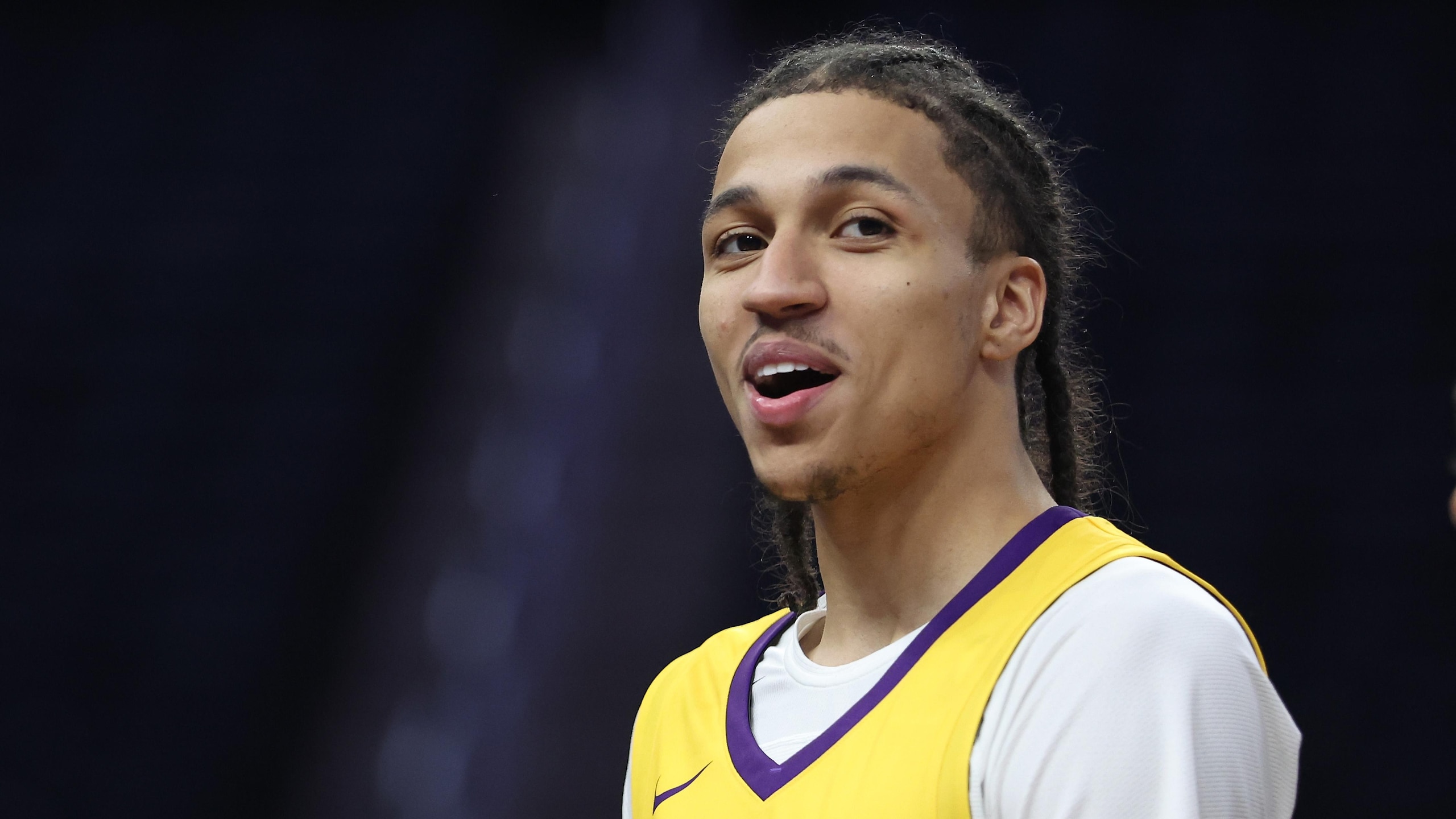
Cameron Carr slipping to the 24th pick was head-scratching in the moment. It seems just as confusing now, as his length, athleticism and shotmaking should all make him a very useful role player, at the very least.
His skills and tools should absolutely dazzle on the summer stage. There are a lot of loud elements to his game, and he could get to them early and often in this kind of environment.
21. Christian Anderson Jr., Charlotte Hornets
10 of 30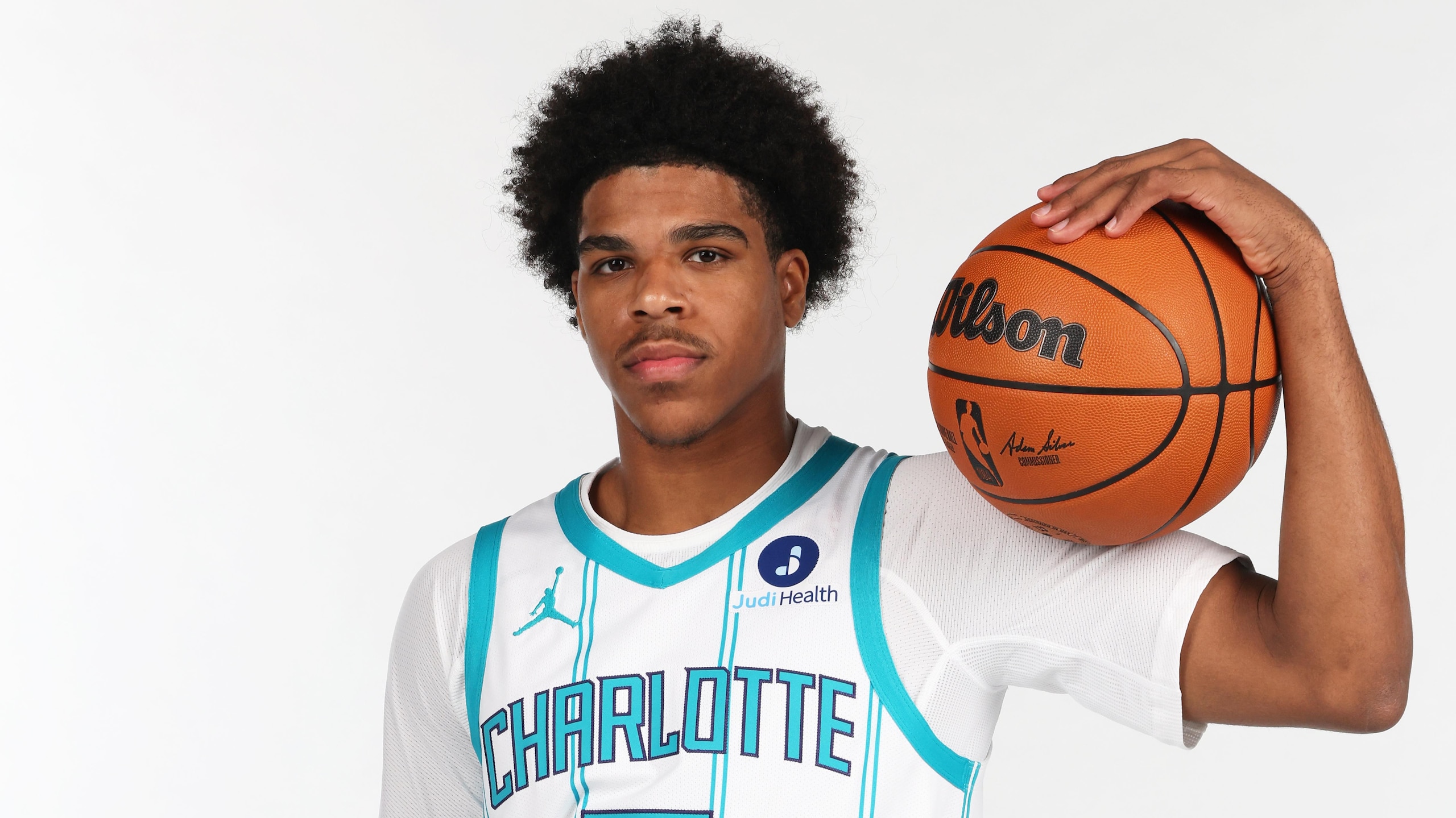
Christian Anderson Jr. had a case for being the best shooter in this year's draft. He made the short list of its best pick-and-roll playmakers, too. If he had more size and explosion, he would've ranked even higher here.
He also never would have made it to the Hornets at No. 18, so they're probably glad to live with his limitations. His blend of shotmaking and distributing could be awesome for the kind of multi-playmaker attack it feels like the Hornets will lean into as they form their post-LaMelo Ball identity.
20. Hannes Steinbach, Charlotte Hornets
11 of 30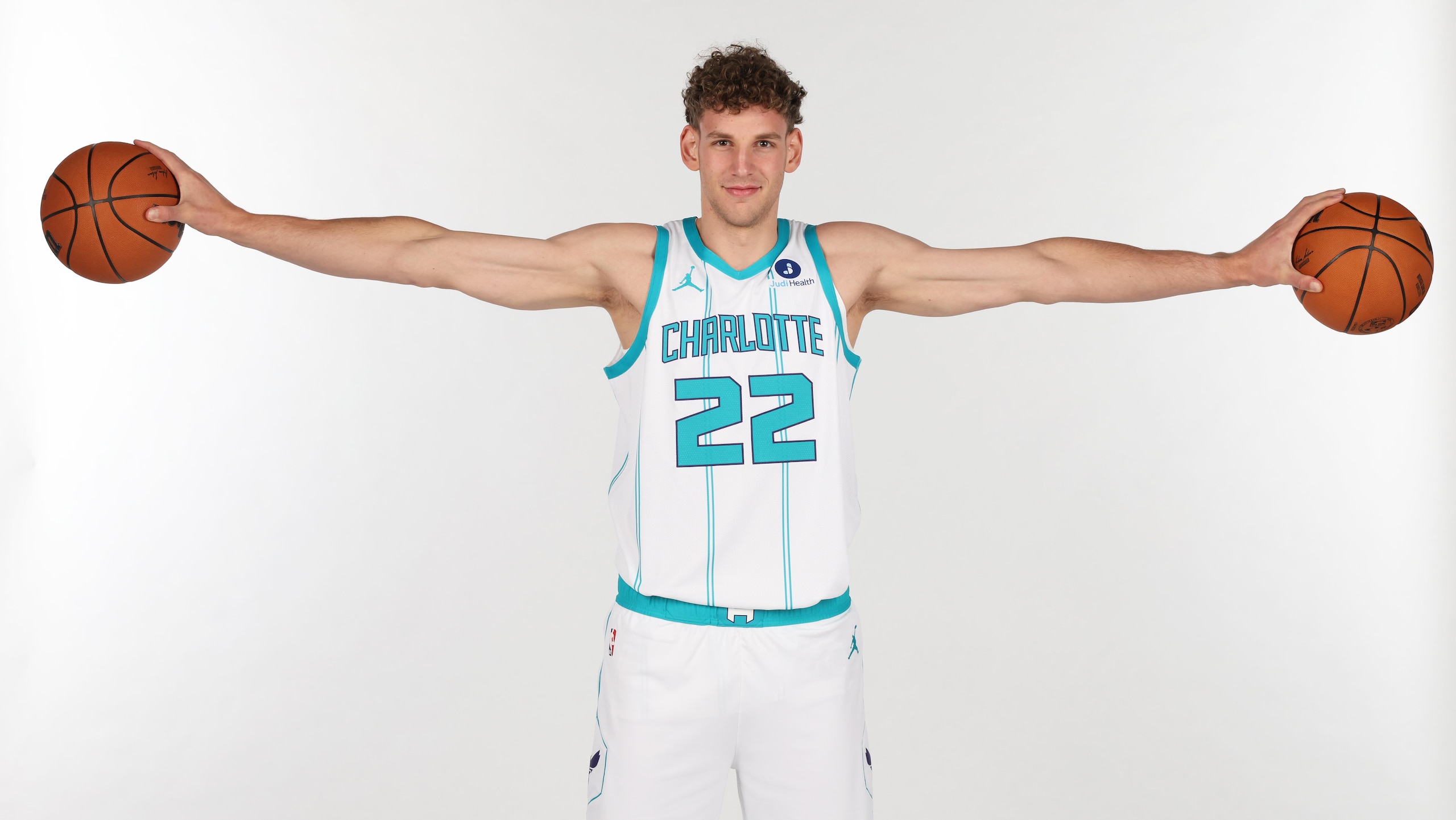
Of all the skills possessed by players in this year's draft, Hannes Steinbach's rebounding ranked among the elite of the elites. He has great hands, embraces physicality and understands how to track errant shots. He's also a slick scorer in the low post.
It might take a while for him to find his defensive niche, but he'll be an offensive asset right away. And maybe a really significant one if he consistently shoots with confidence from the perimeter.
19. Yaxel Lendeborg, Golden State Warriors
12 of 30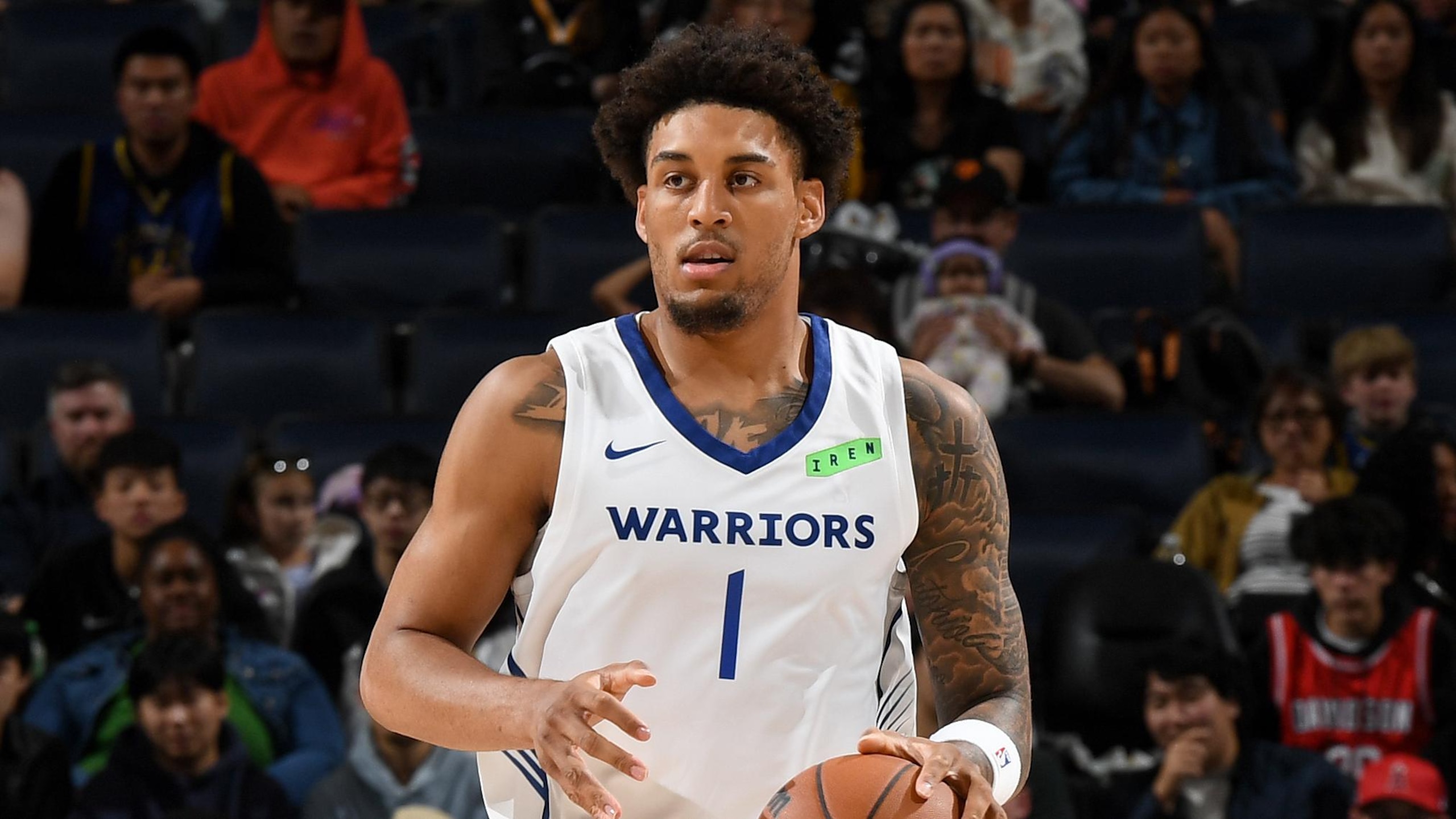
Yaxel Lendeborg turns 24 in September. He's a few days older than former Warriors swingman Jonathan Kuminga, who's readying himself for his sixth NBA season. The biological clock is working against Lendeborg, and his perceived potential absolutely takes a hit because of that.
That said, he still went in this year's lottery (No. 11) and still lands top 20 here because virtually everything else in his profile looks encouraging. He has a big man's build with wing-like versatility. History doesn't like his chances at stardom, but he could emerge as a star role player and invaluable glue guy.
18. Aday Mara, Oklahoma City Thunder
13 of 30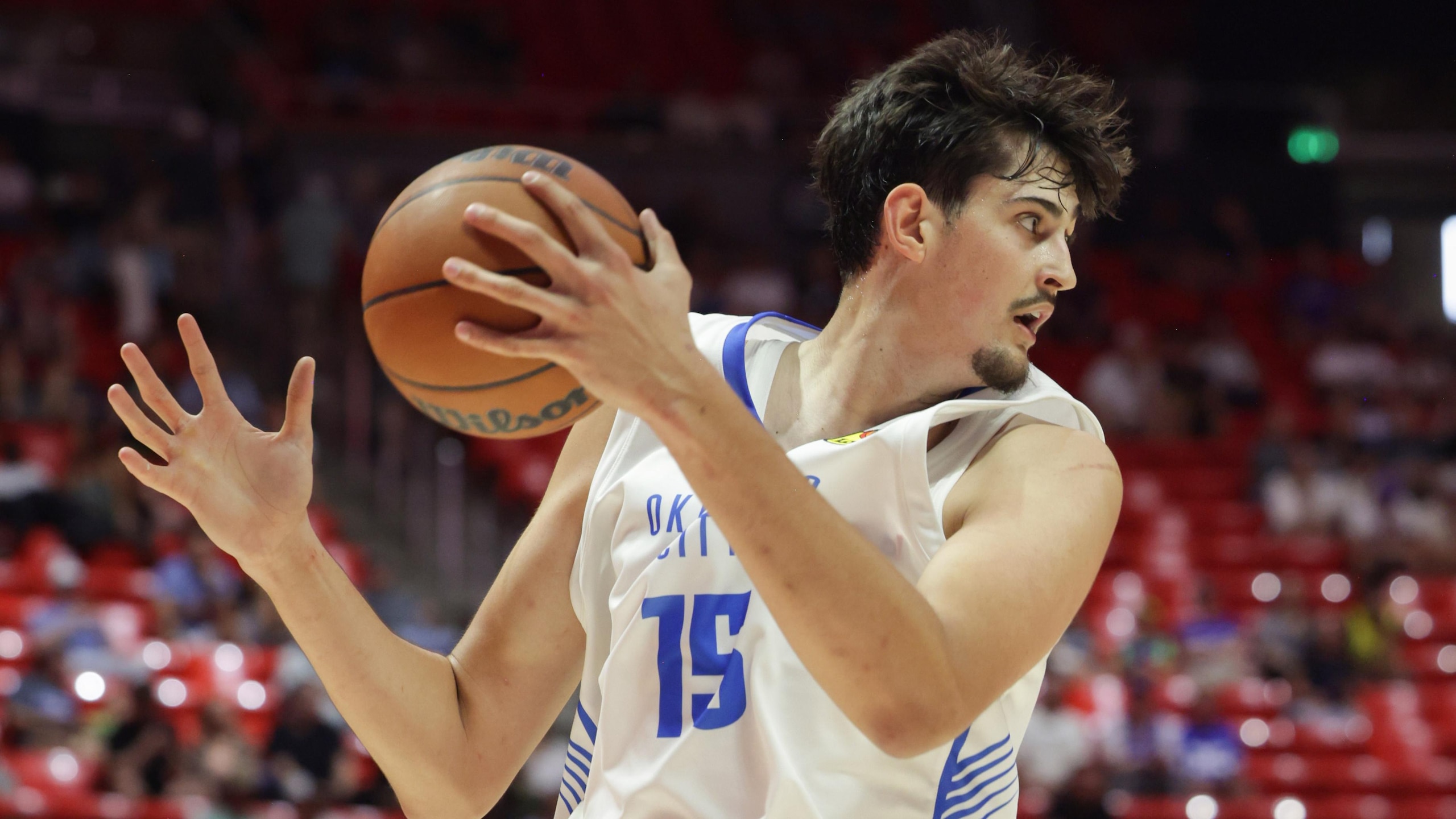
Aday Mara is the biggest 2026 draft member headed to Las Vegas. Literally. He paced this year's combine in height (7'3" without shoes) and standing reach (9'9"). And he plays as big as he sounds, finishing with force on offense and walling off the basket on defense.
Where he breaks the mold from your traditional interior big man is with tremendous touch and better feel as a passer. He'll quarterback an offense and dismantle a defense with over-the-top lob passes. His frame needs filling out, and his scoring needs refinement, but OKC has time to wait on his development.
17. Nate Ament, Milwaukee Bucks
14 of 30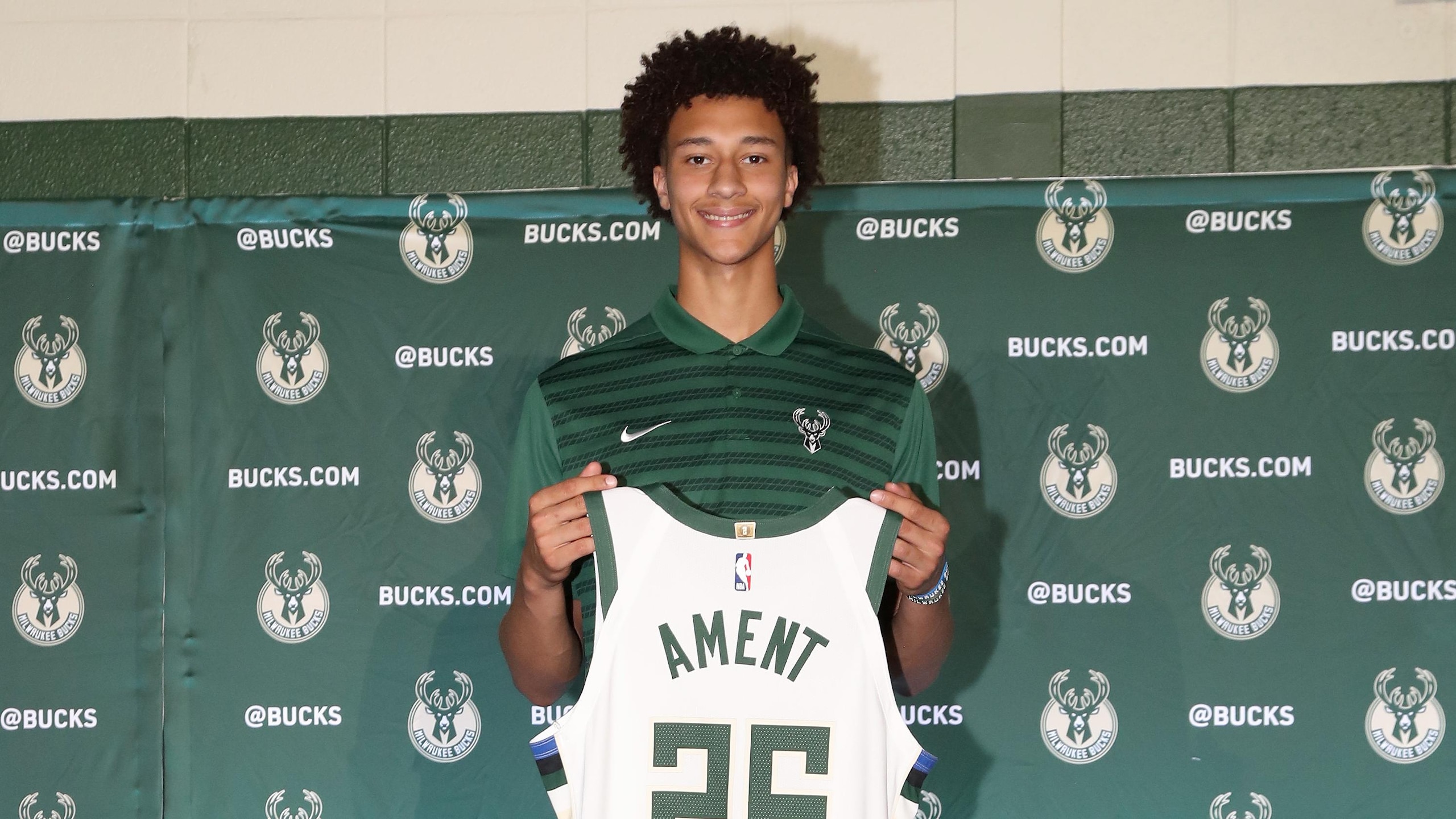
Nate Ament wasn't technically the first player the Bucks drafted after their Giannis Antetokounmpo blockbuster trade, but his selection as the 13th pick felt like the official dawn of a new era. Because he might have been the biggest risk-reward prospect in the entire class, which is exactly the kind of gamble Milwaukee should be taking.
His freshman season at Tennessee was all over the place, as he flashed a tantalizing talent-tools blend but also struggled with inefficiency and finishing. He isn't a great athlete, but he is a 6'10" teenager who can dribble, pass and shoot, so you understand why the Bucks bet big on his size and skills.
16. Carter Bryant, San Antonio Spurs
15 of 30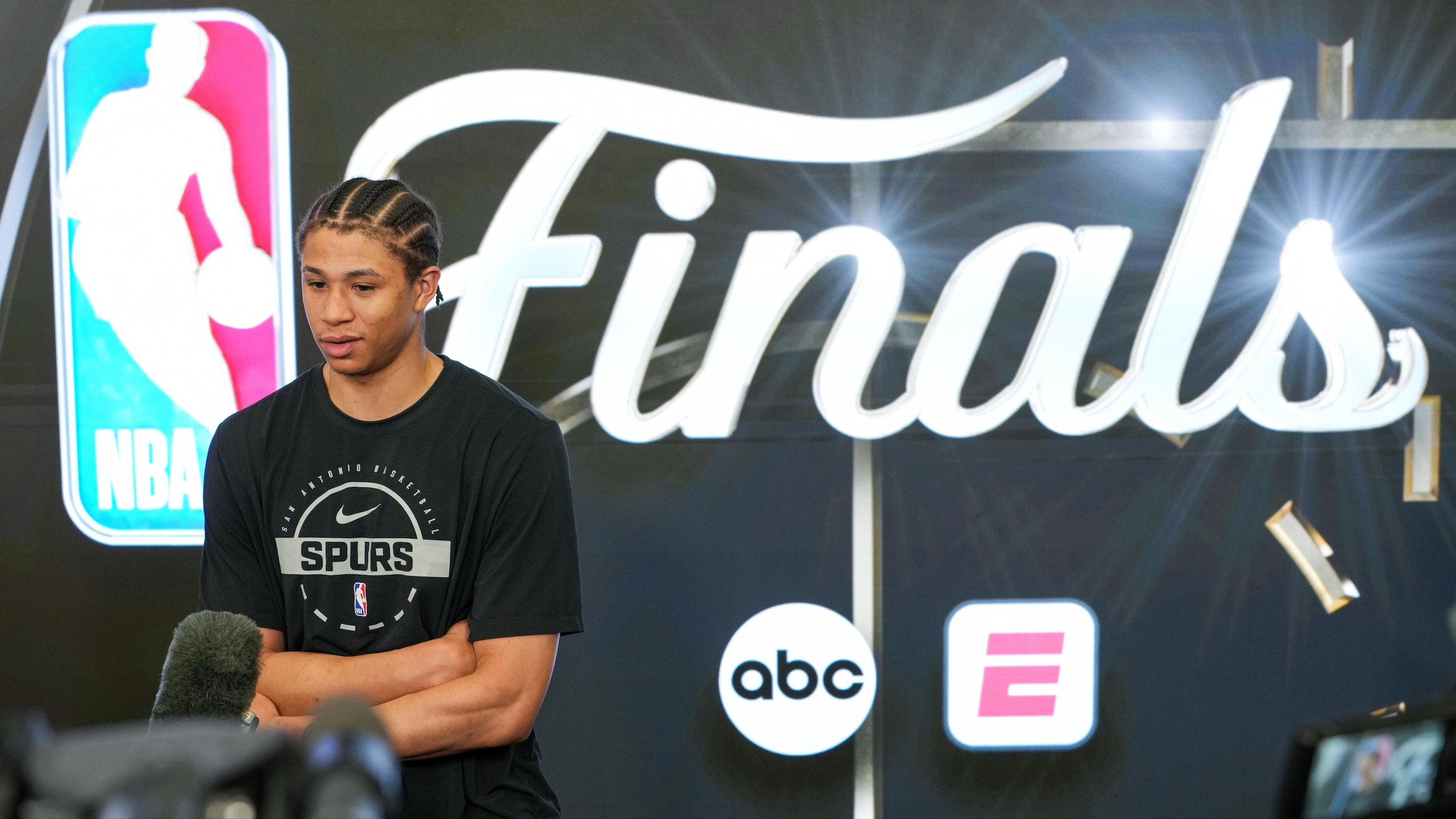
Carter Bryant is a tricky player to slot into a ranking like this. On one hand, he doesn't figure to have the most towering upside, since most best-case scenarios picture him in a three-and-D role. On the other hand, he was just entrusted with NBA Finals minutes as a 20-year-old rookie, so that has to mean something.
His defense could be spectacular, and it's plenty disruptive already. His offensive outlook is a lot murkier, although maybe that's why he is making the seldom-seen transition from championship-round action to summer-league duties. He should have plenty of chances to experiment, and maybe he'll show more than expected.
15. Will Riley, Washington Wizards
16 of 30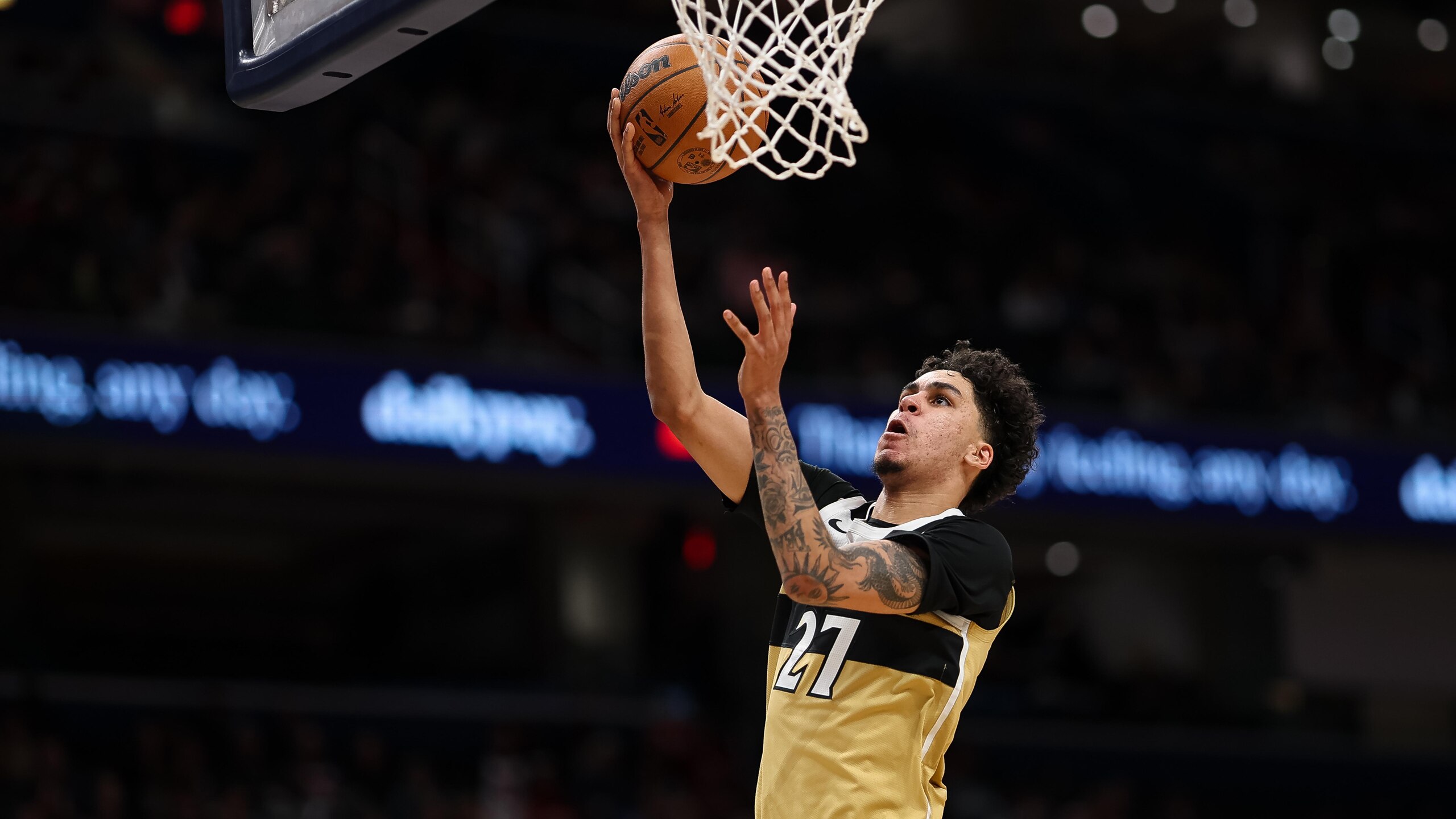
You may not know it from his numbers, but Will Riley might be in possession of one of the league's most fascinating futures. His unique play style—full of herky-jerk slitheriness, creative finishing and jumbo playmaking—can point toward some pretty high-end outcomes if you let your imagination run wild.
He wasn't guaranteed floor time at the start of his rookie season, but by the end of it, the Atrocious-for-AJ Wizards had to sit him at times to preserve their loss column. After the All-Star break, Riley packed 15.6 points, 3.8 rebounds and 2.8 assists into his 30.5 minutes a night.
14. Egor Dëmin, Brooklyn Nets
17 of 30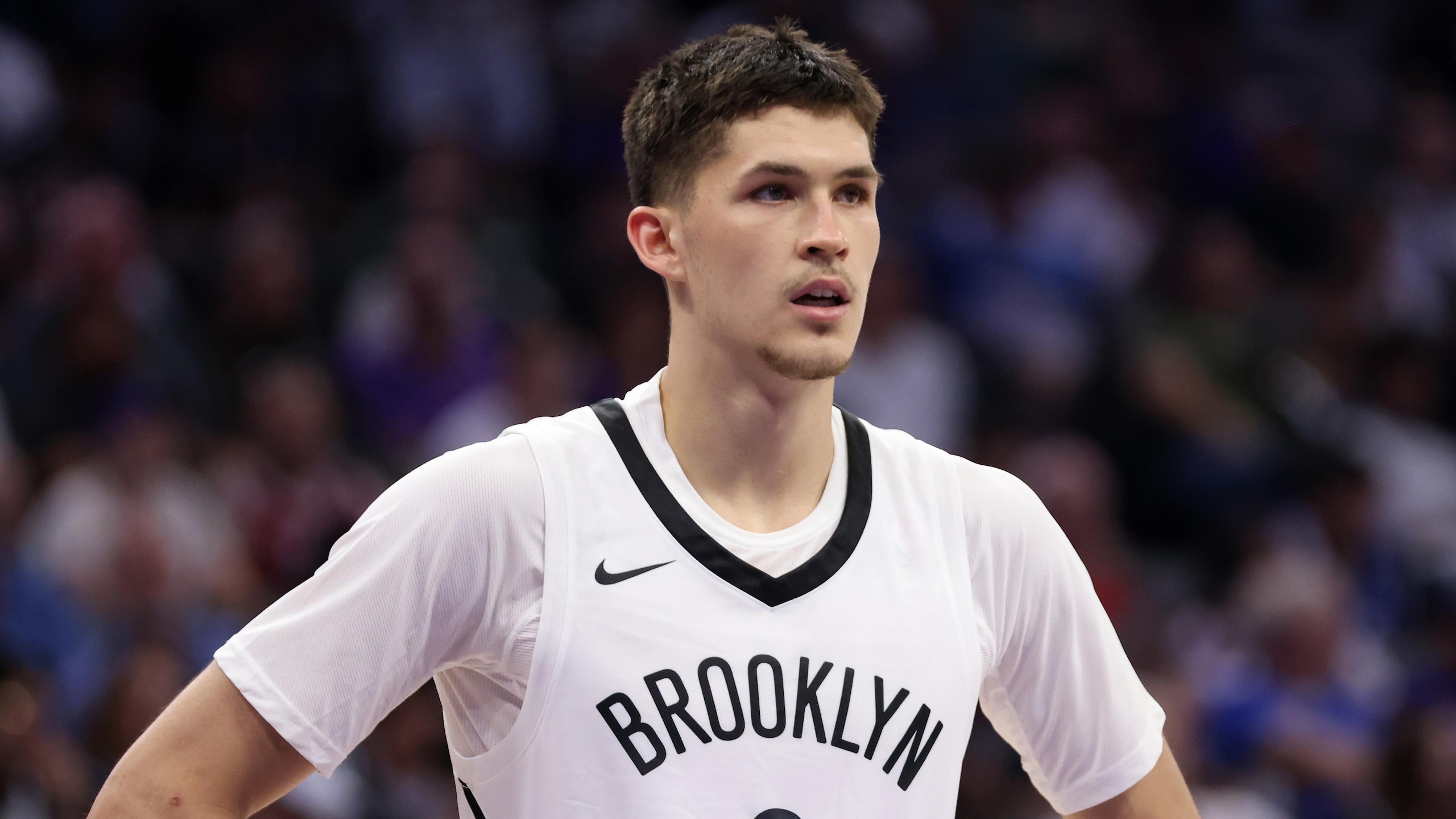
The Nets made five first-round picks in 2025, but Egor Dëmin is the only one to make this list. He was also the first selected of the bunch at eighth overall, and certainly the one who flashed the most promise this past season.
It wound up a funky first season, as his perimeter shot exceeded expectations (38.5 percent) and his playmaking fell beneath them (3.3 assists in 25.2 minutes). His inside-the-arc game was nonexistent, although early signs at the California Classic suggest he's about to take a huge step forward with his two-point scoring.
13. Brayden Burries, Milwaukee Bucks
18 of 30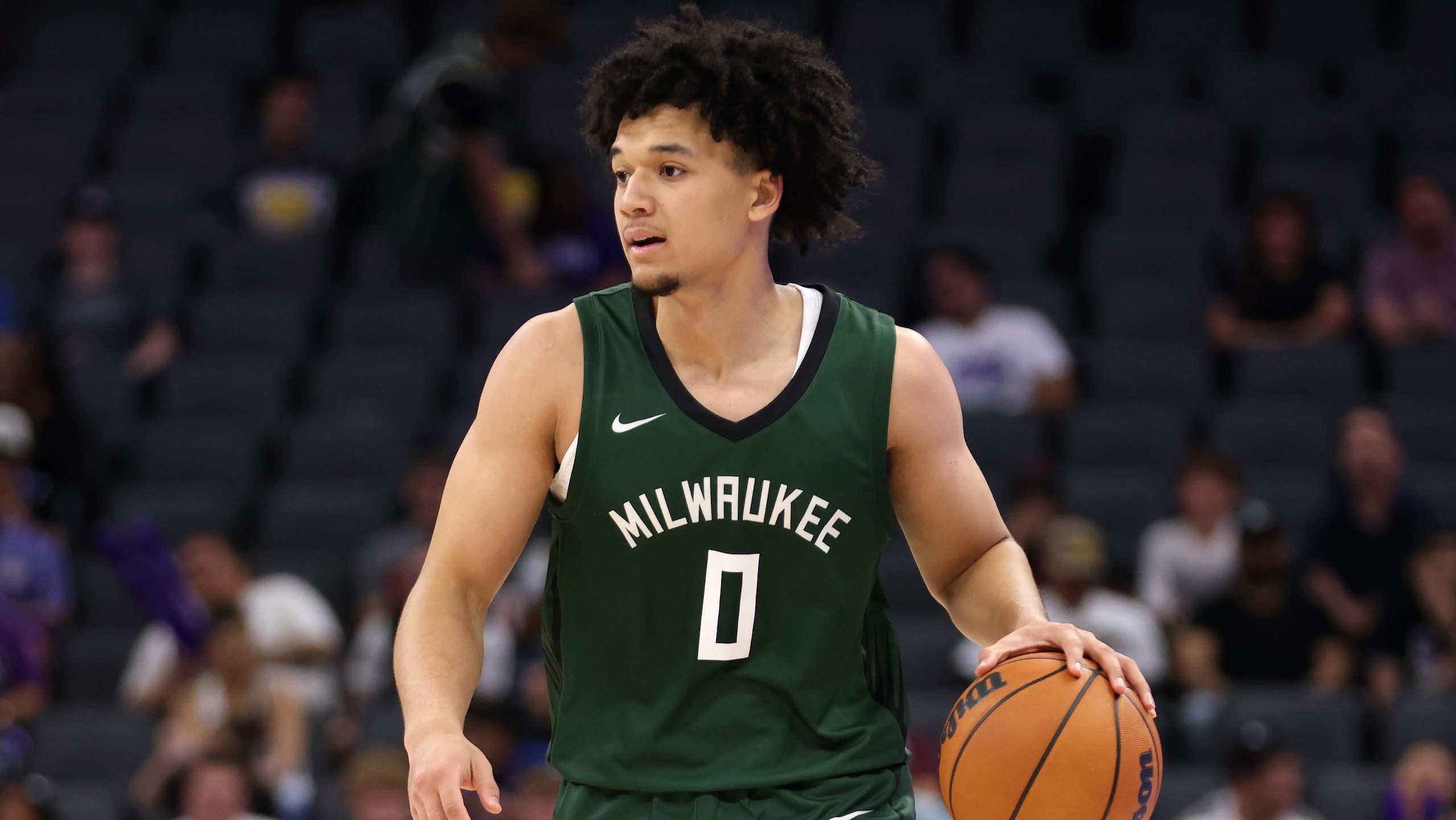
Brayden Burries' profile sits along the interesting intersection of short-term readiness and long-term potential. He was a theoretical fit just about everywhere, although Milwaukee landed him with the 10th pick and effectively positioned him front and center of its post-Giannis rebuild.
Burries plays with a contagious level of physicality, and he is constantly looking for (and often carving out) competitive advantages on both ends of the floor. His readiness and willingness to play a role won't be the most exciting traits in Summer League, but he should have ample opportunity to test out his shot-creation, which looms as a sizable swing skill.
12. Tre Johnson, Washington Wizards
19 of 30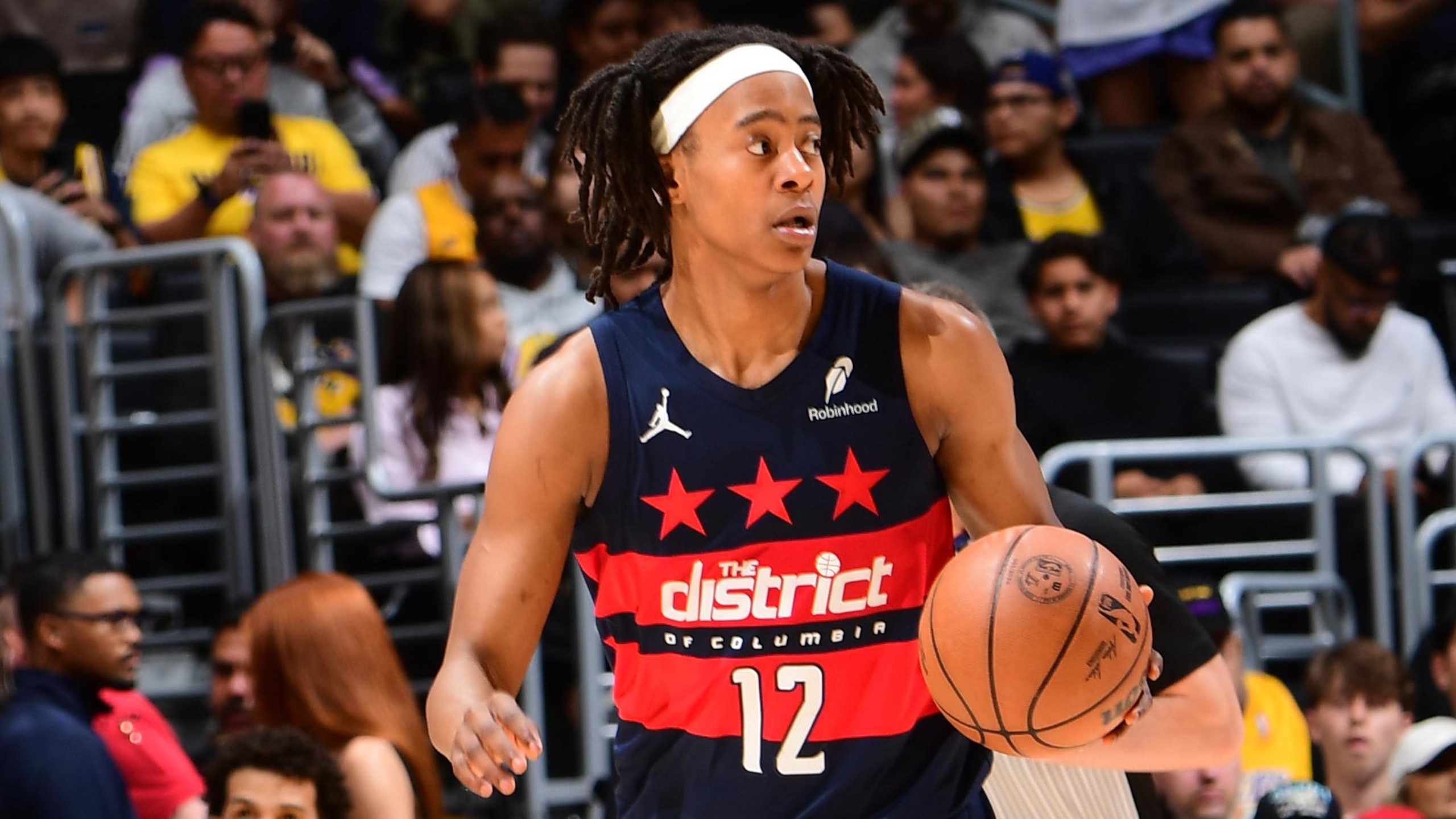
Baseline expectations were met during Tre Johnson's first NBA go-round. They weren't oblitered, but they didn't have to be. For a player who was taken sixth overall last summer and didn't turn 20 until March, it was a fine start of what could be a decade-plus career in this league.
Defending and two-point shooting were grinds, but he was supposed to provide perimeter shot-making, and he supplied plenty of it. He totaled 115 triples over 60 games and converted them at a respectable 35.8 percent clip. If he flashes a deeper offensive bag in Vegas, he could be clearing the runway for a second-year take-off.
11. Collin Murray-Boyles, Toronto Raptors
20 of 30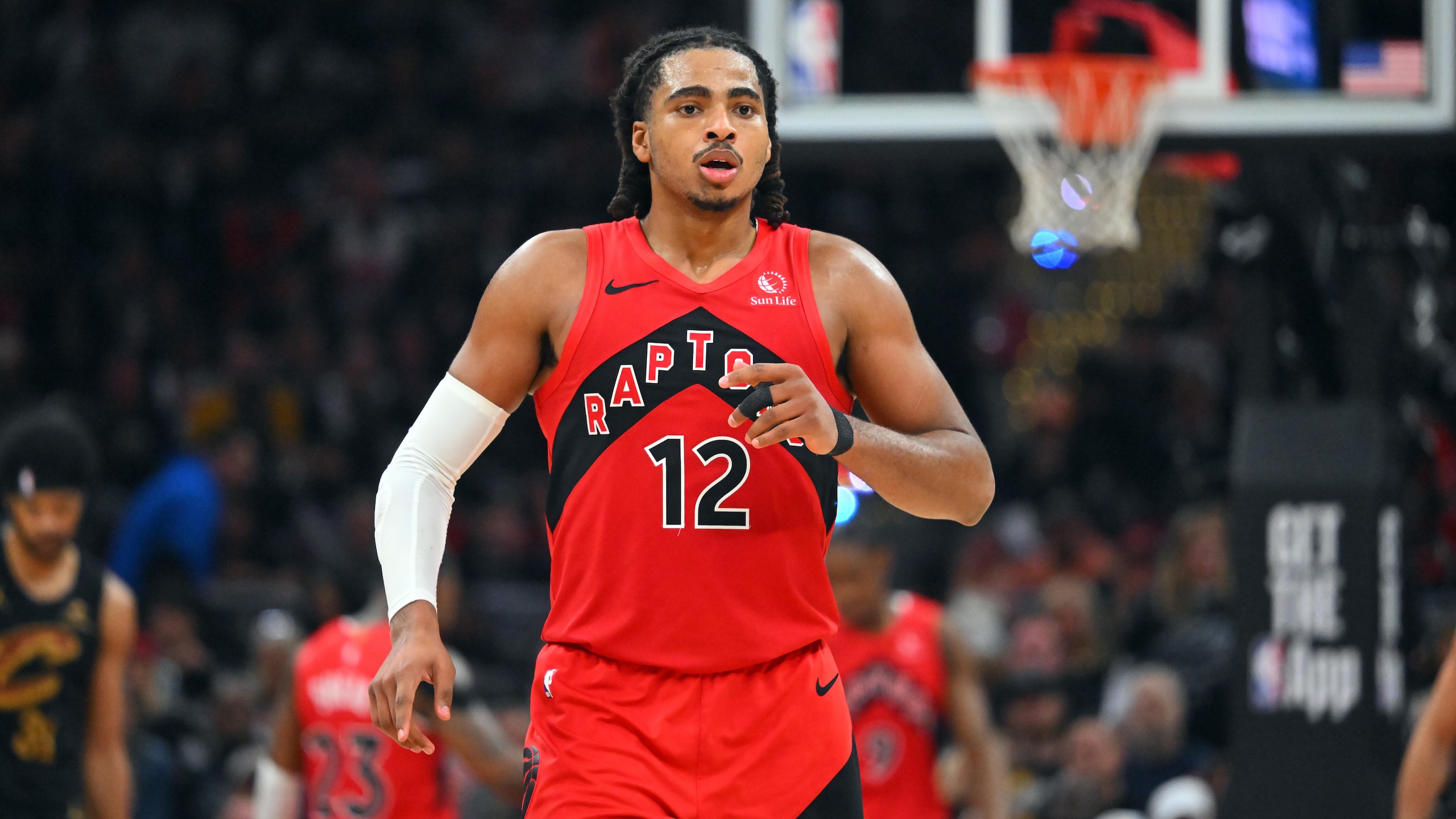
Box-score trackers will wonder whether this is too high for Collin Murray-Boyles, who averaged an inauspicious 8.5 points as a rookie. One word of advice for them: Just flip on a game and watch all of the different ways in which the 21-year-old impacts it.
His defense is tremendous, his motor is fully revved at all times and his awareness helps him fill cracks on the offensive end. Defense is clearly his calling card, but he is no slouch on the game's glamorous end. He is the rare rookie who actually perked up his production in the playoffs, averaging 14.4 points on 65.6 percent shooting over seven postseason outings.
10. Kingston Flemings, Atlanta Hawks
21 of 30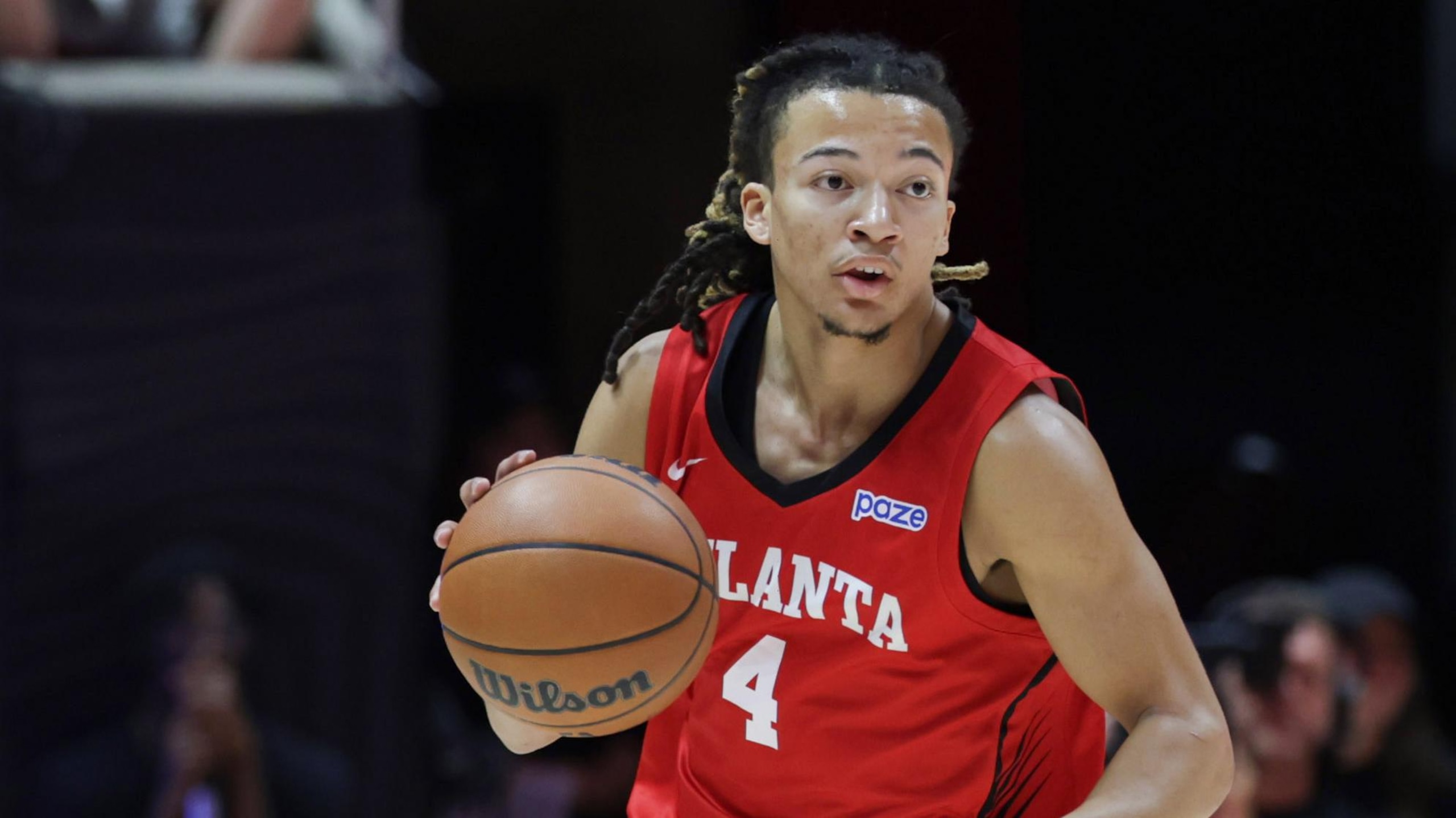
Kingston Flemings joined a loaded, experienced Houston team for his lone season of college ball and quickly became its on-court leader. He brings his club together on the offensive end and sets a feisty tone on defense. He also zips around the floor with the kind of burst that makes you wonder if your vision is going blurry.
He might be more of a dot-connector than a franchise's driving force, but he could also challenge that notion by upping his three-point volume and becoming more of a scoring threat from distance. If he's lighting it up from long range in Las Vegas, he might be an impossible cover given how much of a downhill threat he is.
9. Keaton Wagler, Los Angeles Clippers
22 of 30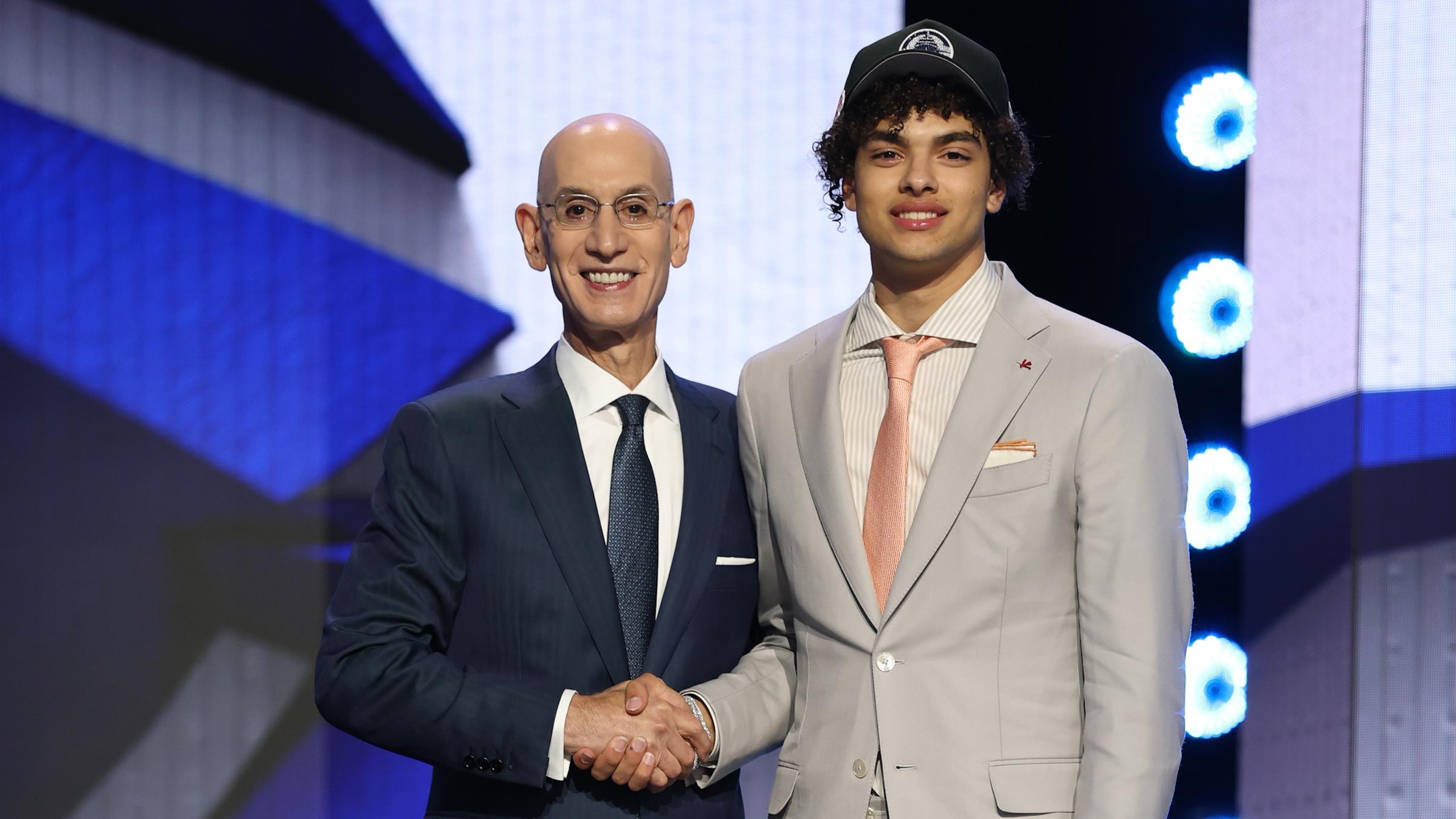
Clippers fans should be careful about rushing to judgment on Keaton Wagler, because there's a chance this environment won't be the best showcase for his game. He shines brighter with feel and awareness than he does with dynamic physical tools, and those elements don't always show up on a thrown-together team playing in such an up-and-down setting.
That said, maybe Wagler's shooting and shot-creation shine bright regardless. His three-point touch stretches well beyond the arc, and he is shifty enough to free himself off the dribble.
8. Cedric Coward, Memphis Grizzlies
23 of 30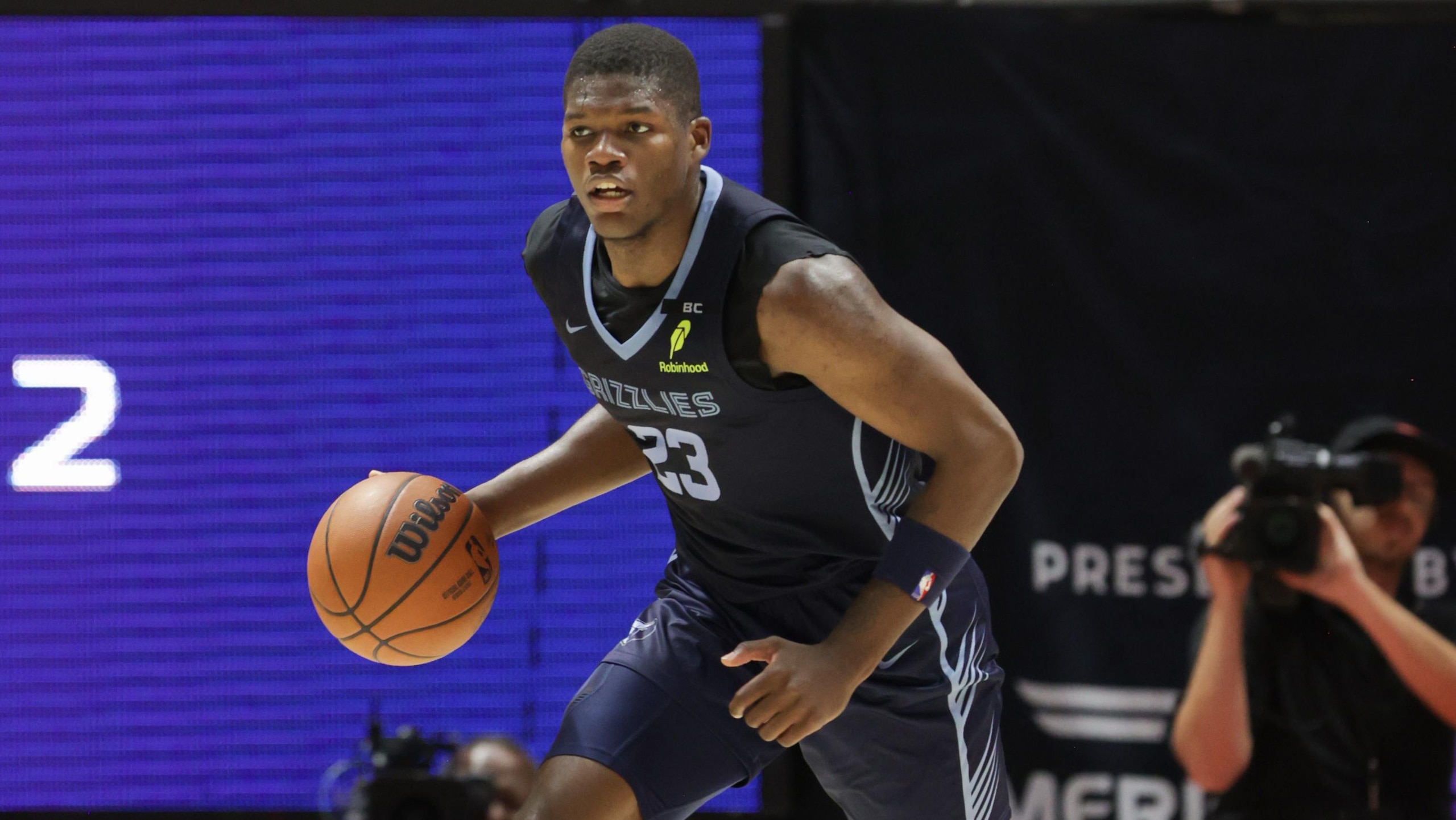
Cedric Coward will bring some of the best NBA credentials into the Las Vegas Summer League. Chief among them: He is the lone 2025-26 All-Rookie first-teamer taking part in this event.
A two-way forward with three-level scoring in his arsenal, Coward wasted little time securing building-block status in Memphis. His age threatens his upside a bit—he'll turn 23 in September, which holds him back a pinch in these rankings—but he already looks like an asset on both ends. Few prospects, if any, in this entire player pool have offered more proof of concept.
7. Mikel Brown Jr., Brooklyn Nets
24 of 30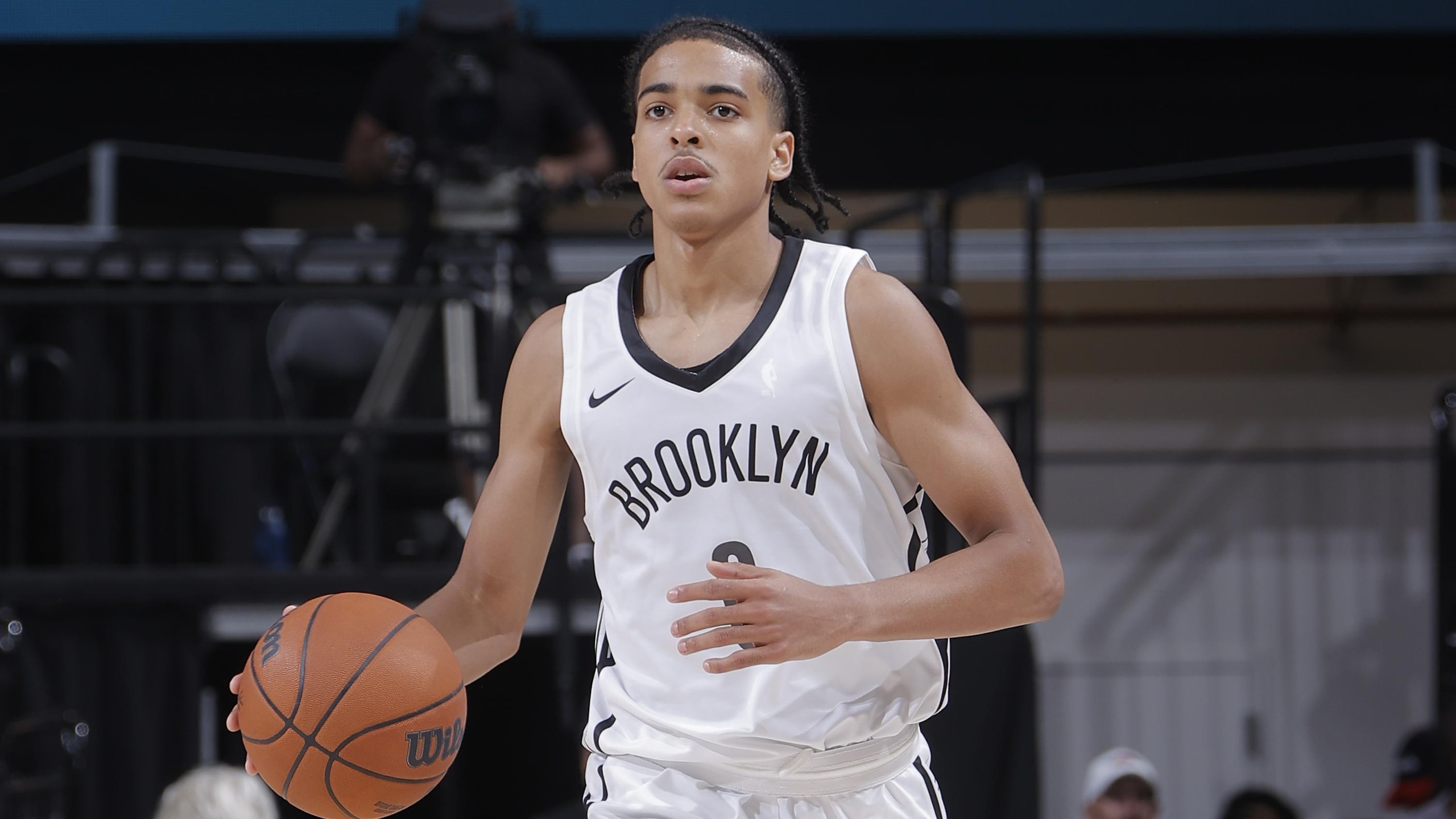
By upside alone, there's a real chance this ranking sits a few spots short of where Mikel Brown Jr. should stand. He didn't have quite enough flashes at Louisville to justify landing higher—he battled both inconsistency and a (possibly related?) back injury—but those glimpses were jaw-droppers.
Brown can and will launch from anywhere, and his risk-taking as a passer is often just as audacious. He has enough handles to break down defenders and then enough bounce to finish at or above the basket. The Nets gambled a bit by making him the sixth overall pick, and yet, in hindsight, could remember the selection as a steal if he approaches his ceiling.
6. Darius Acuff Jr., Sacramento Kings
25 of 30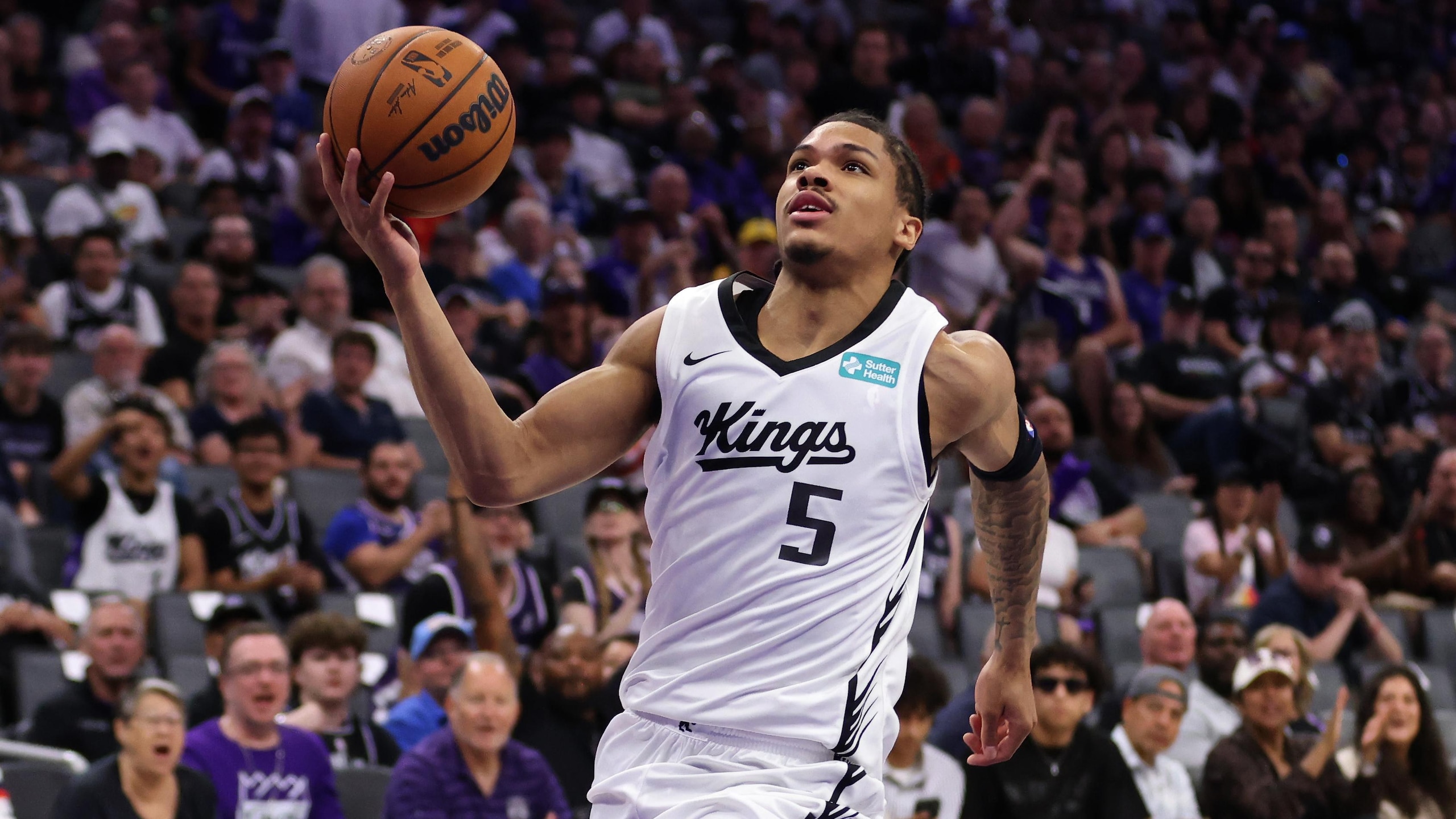
There was an argument to be made for Darius Acuff Jr. being the best pound-for-pound scorer in this year's draft. The 6'3", 186-pounder may not have a ton in the way of physical tools, but his offensive bag is overflowing with slick handles, three-level scoring and enough feel to serve as a floor general.
The Kings were fortunate to have him fall in their laps with the No. 7 pick. They are desperate for a young star, and he just might have the right blend of supreme confidence and advanced skills to scratch that itch.
5. Ace Bailey, Utah Jazz
26 of 30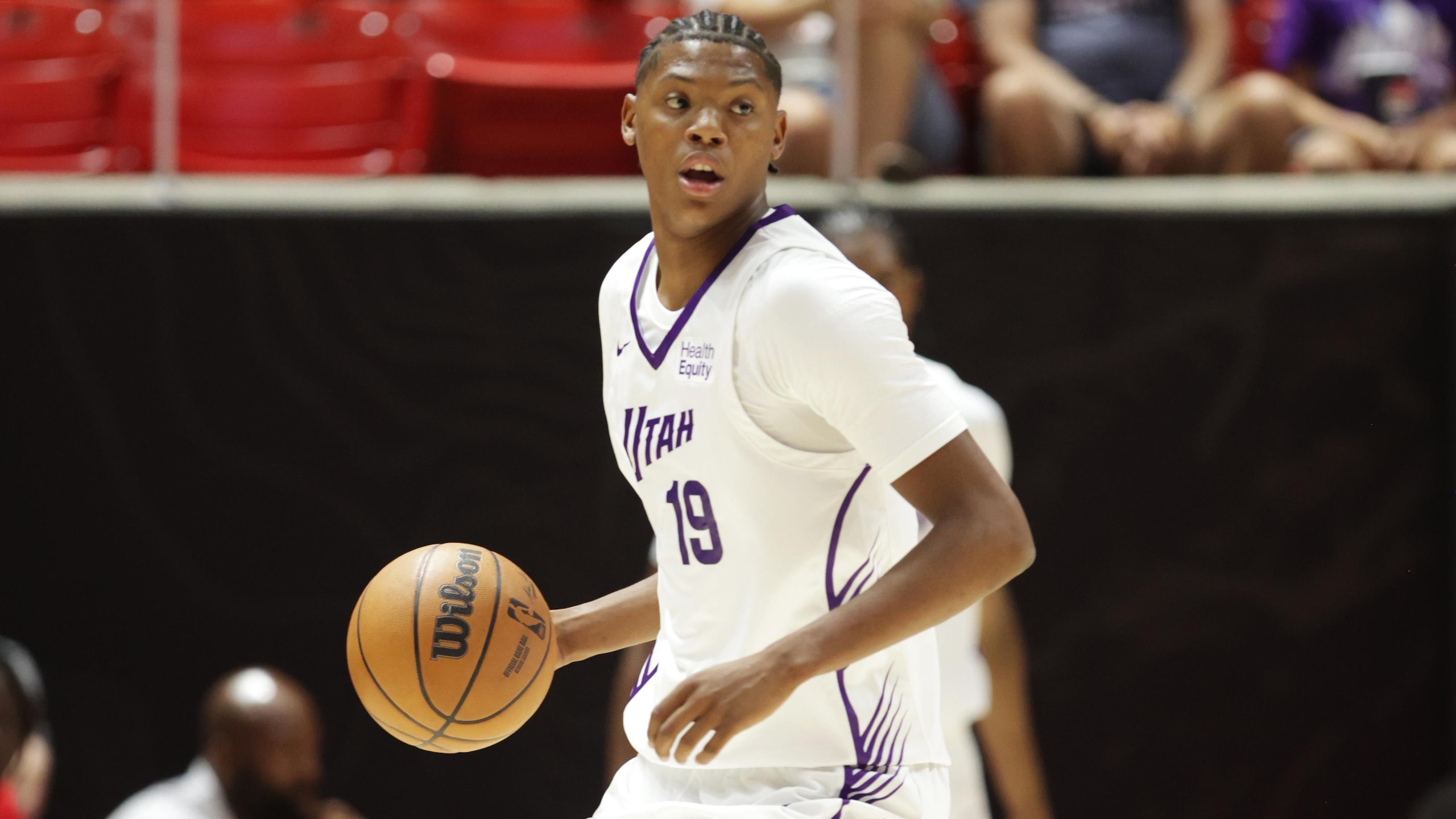
Jazz fans and general Ace Bailey enthusiasts will want to make sure to catch Utah's first games at Summer League. Because if things go according to plan, the high-scoring sophomore will quickly prove he is too good to suit up on the summer circuit.
He is the highest-picked member of the 2025 draft class playing in Las Vegas and one of only four All-Rookie selections participating. Still, it makes sense for the Jazz to get an early glimpse at his fit with fellow prized prospect Darryn Peterson. Plus, his ignitable shotmaking should help him put on a show.
4. Caleb Wilson, Chicago Bulls
27 of 30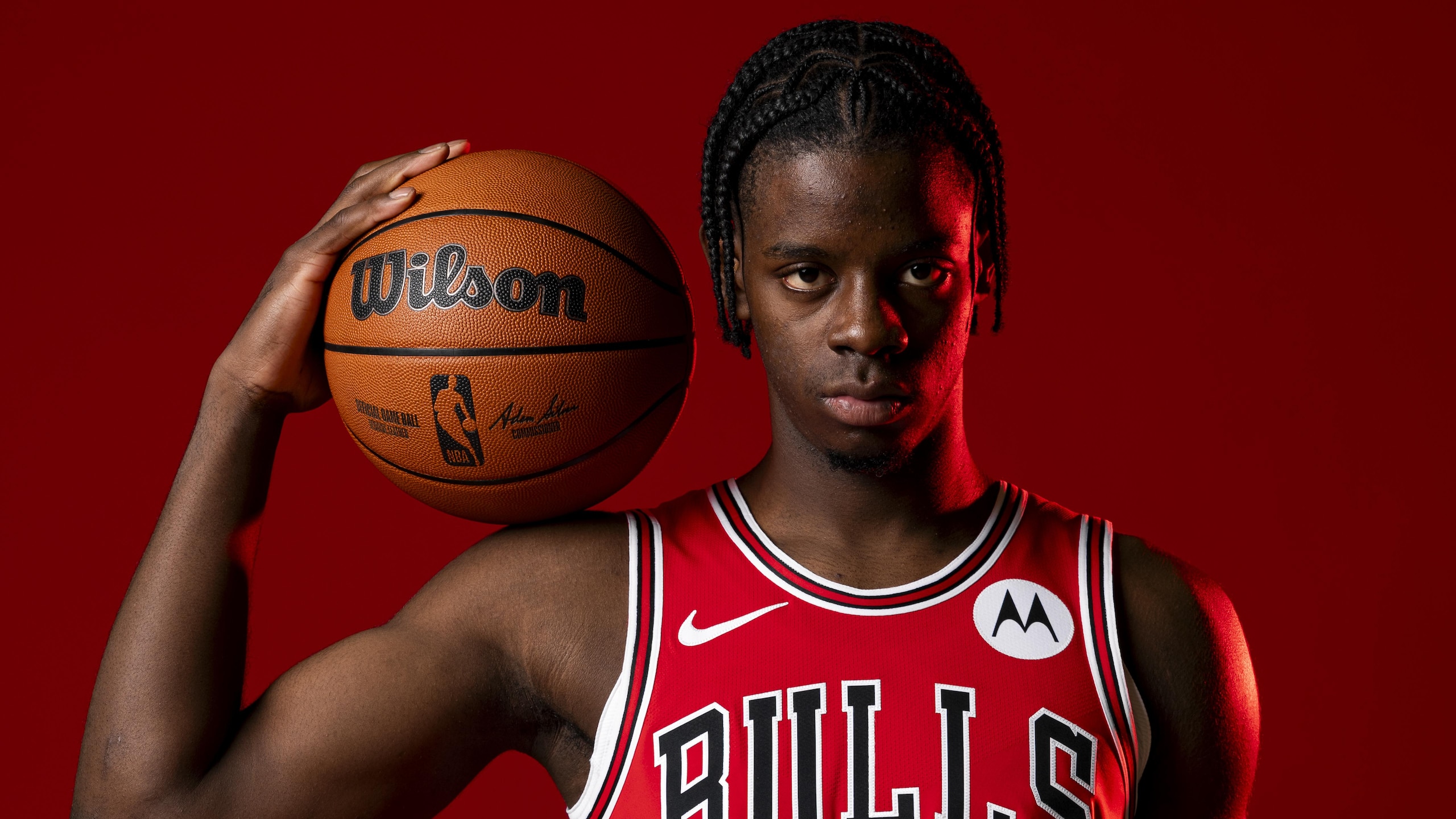
It's been a while since Caleb Wilson logged any floor time, as a fractured hand in February and broken thumb in March prematurely ended his eye-opening run at North Carolina. But many will be eager to see the bouncy Bull, perhaps no one more than Chicago's skipper Tiago Splitter, who is handling coaching duties in Las Vegas, too.
Wilson will be a gifted athlete even by NBA standards, and he might feel unfairly explosive against summer-leaguers. He is forever looking to send opposing rim protectors into viral infamy, but he really gets the imagination going when he flashes a soft shooting touch from midrange and open-floor ball-handling.
3. Cameron Boozer, Memphis Grizzlies
28 of 30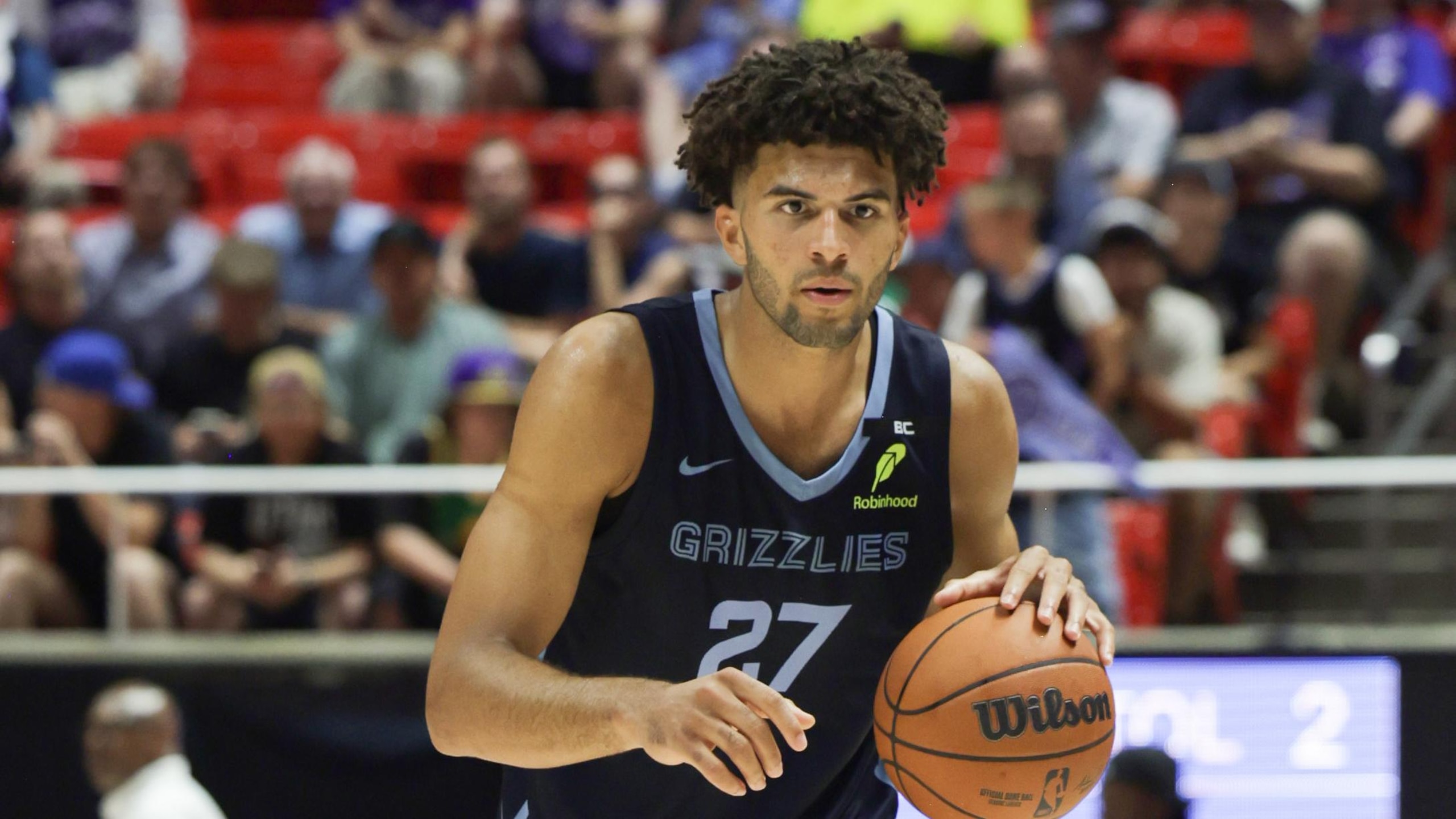
The No. 3 pick in this year's draft, Cameron Boozer might be the most polished prospect in the entire class. And that's almost hard to fathom, since he hasn't even turned 19 yet.
But you just see the polish in everything he does: the post footwork, the advanced awareness, the passing vision, the smooth shooting stroke, the ball-tracking on rebounds. The only question is how his physical tools will measure up against NBA defenders, but he should be very much in mashing mode in Vegas.
2. AJ Dybantsa, Washington Wizards
29 of 30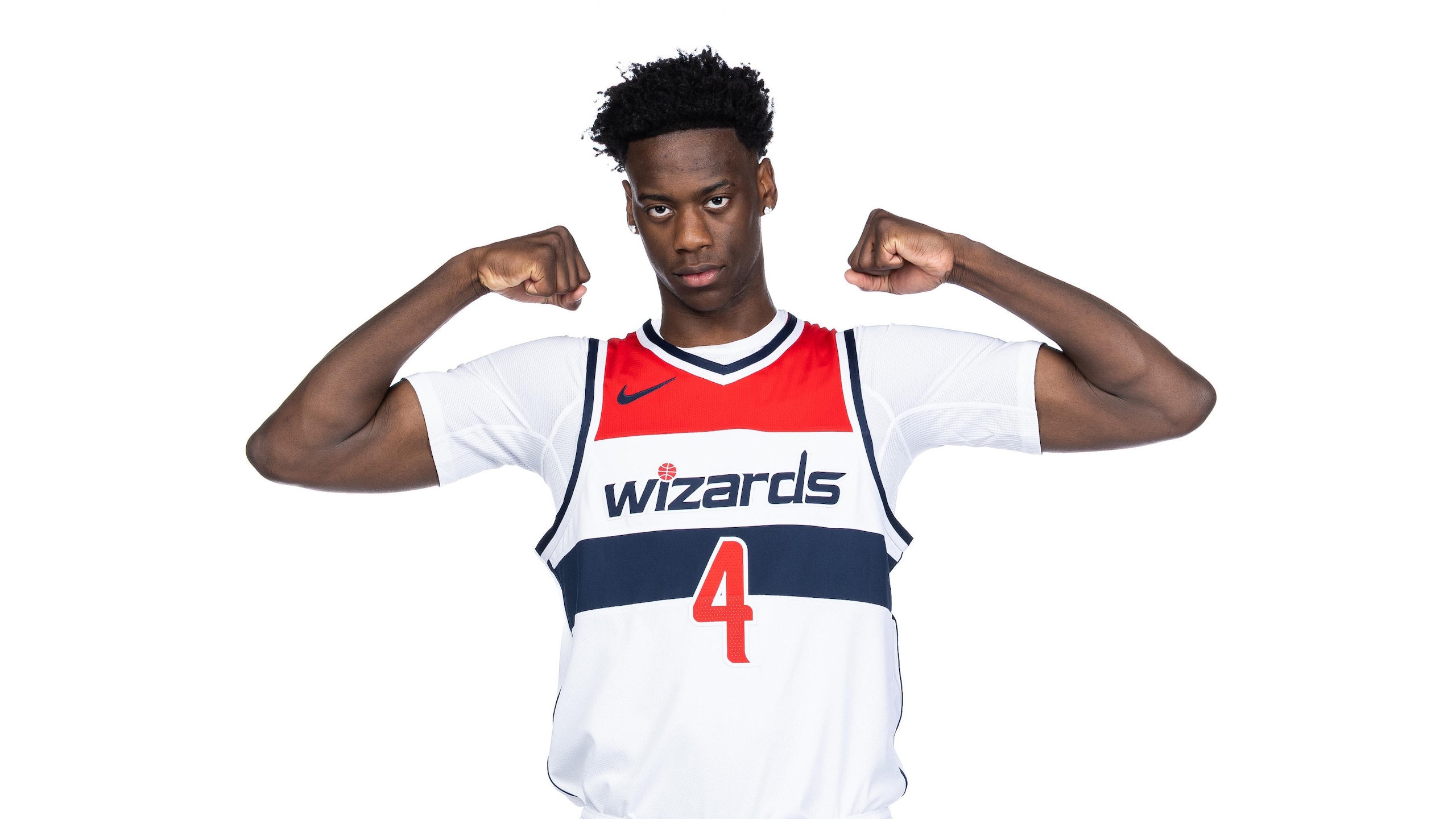
From physical tools to established talents, AJ Dybantsa has everything needed to grow into the star big-wing role. And since that might be the most coveted archetype in the entire Association, it isn't hard to see why the Wizards made him the first overall pick.
While he had to settle for No. 2 here, that has a lot more to do with belief in No. 1 than it does any shortcomings on Dybantsa's part. He has developmental steps to take like any other prospect—improving as an outside shooter, accelerating his passing reads, becoming more disruptive on defense—but he is a gifted, athletic scorer who can get where he wants and net-shred from any level.
1. Darryn Peterson, Utah Jazz
30 of 30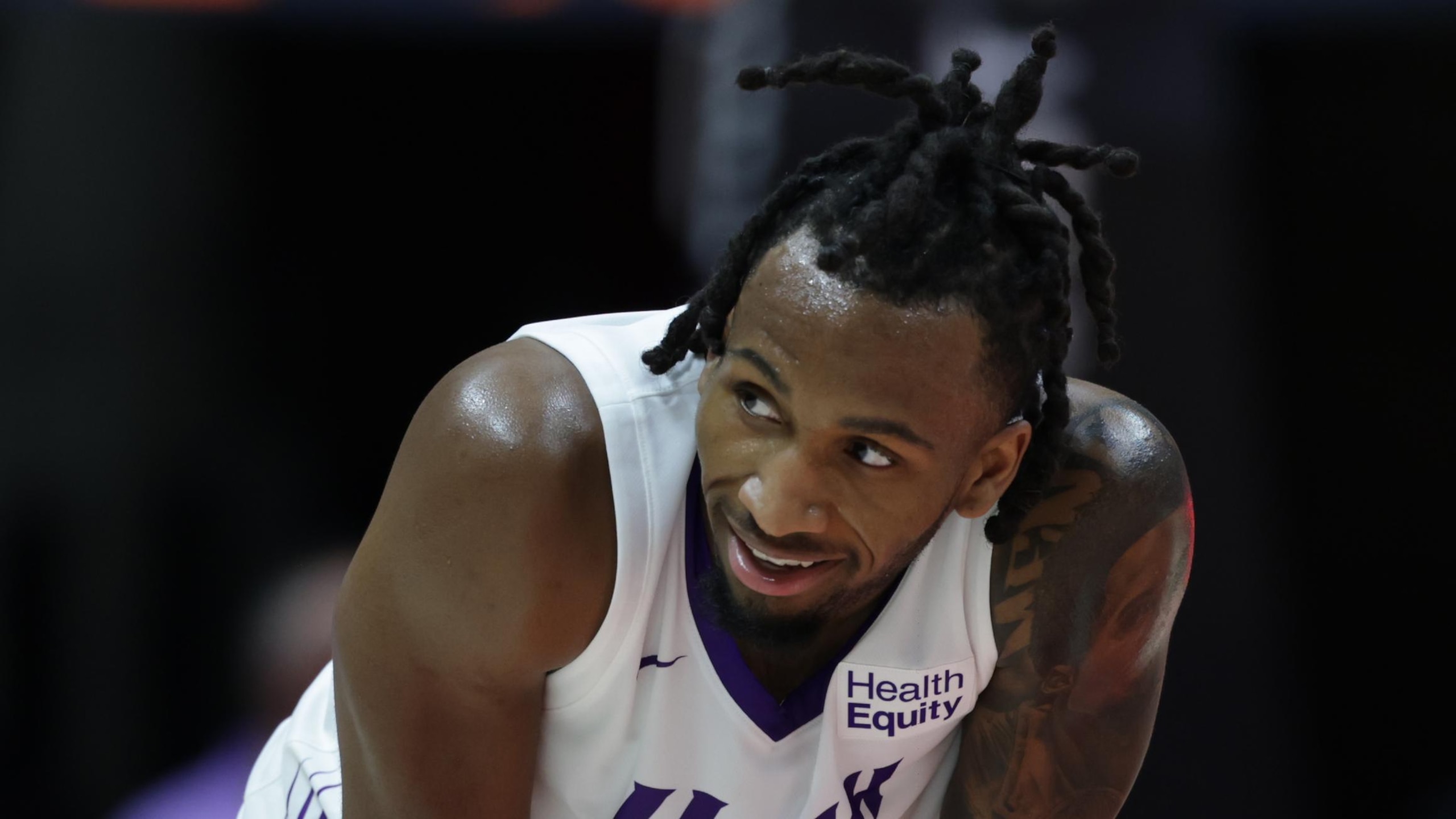
There were reasons why Darryn Peterson wasn't selected first overall, but there were also plenty for why many felt he had the highest ceiling in this class. If the availability concerns he encountered at Kansas don't follow him to the Association, then he offers elite offensive talent with disruptive, versatile defense.
He is a gifted shotmaker but also a creative playmaker who can find open teammates on the move or finish with explosion or finesse around the basket. Regardless what happens in Vegas, the Wizards won't second-guess their decision to pass on Peterson, but fans and analysts might if he is healthy, explosive and brings his absolute best.
.jpg?w=2560 "A.J.'s Message to Hurts 🙏")
.jpg?w=2560 "NFLPA Makes Hurts Statement")
.jpg?w=2560 "Rams to Sign New Kicker")