

If the reformed NBA draft lottery odds do what they're supposed to, the days of being bad on purpose are over.
Nobody should want to win the race to the bottom anymore, but that new reality can't stop teams from taking steps downward in other ways. Sometimes, rosters just get too old or expensive to maintain. Others, teams simply make what we view as foolish deals that degrade the on-court product.
There's also the scenario where an offseason designed to maximize long-term flexibility reduces the talent on the current roster.
Even if teams now must be more careful than ever about avoiding the so-called relegation zone, there are still plenty of ways to get worse.
From the defending champion New York Knicks losing a key rotation piece to the rebuilding Milwaukee Bucks saying goodbye to a two-time MVP, let's assess some of the teams moving in the wrong direction this offseason.
Boston Celtics
1 of 5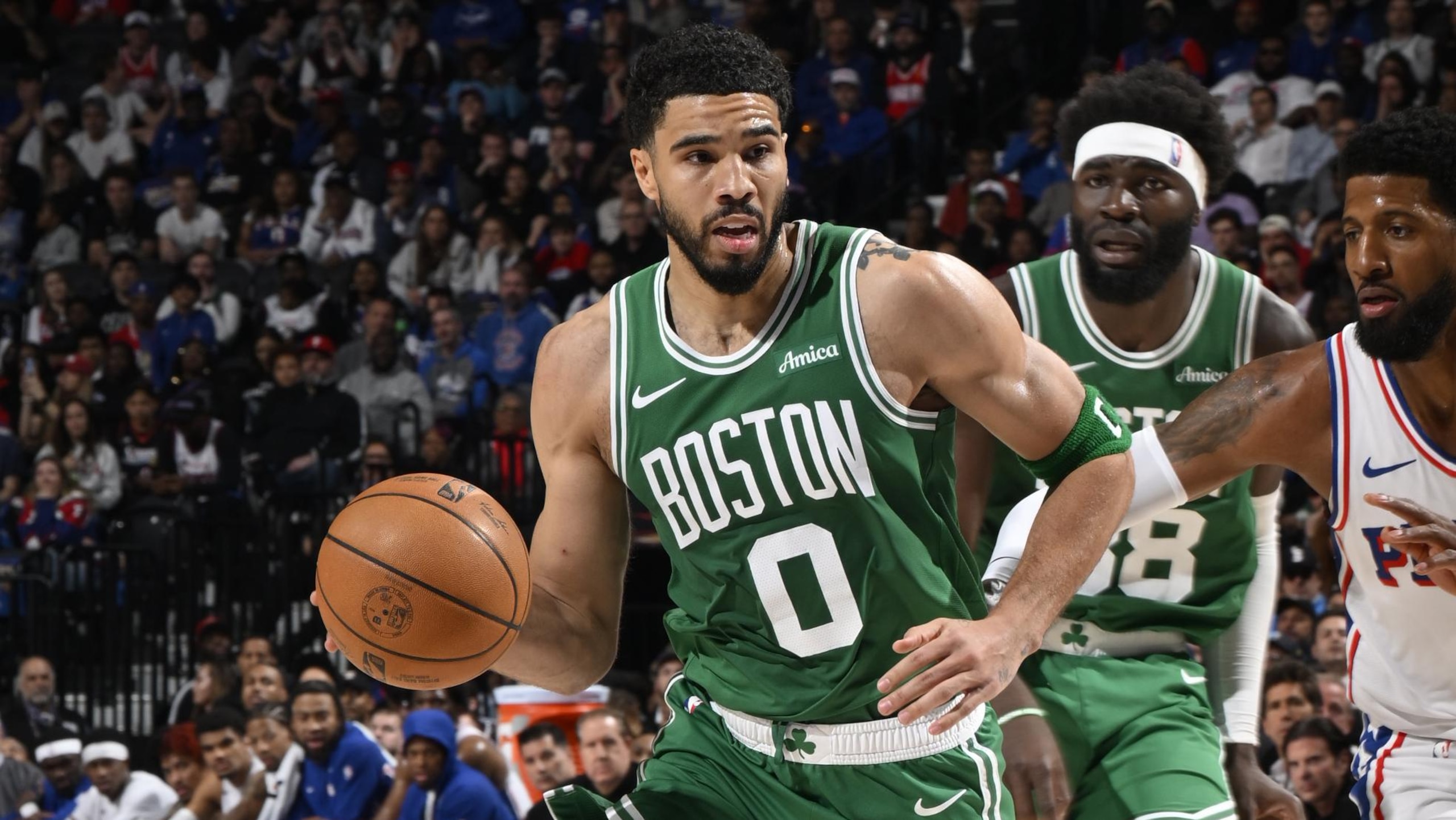
The more you think about the Jaylen Brown trade, the more convinced you become that it could work out well for the Boston Celtics.
That said, all the key factors that suggest Boston will be just fine—Brown's bad analytics, a fractured relationship that needed to end, the possibility that Mazzulla Ball could reach its final form with Paul George in Brown's spot—fail to account for something important.
The Celtics should care most about their postseason outlook, and it's hard to make the case that they'll be more dangerous in the playoffs without their best tough-shot maker and most reliable on-ball wing defender. Paul George might make the Celtics more balanced and effective during the regular season because he's a better spacer, needs the ball less and can do a lot of the defensive work Brown could. But he's also six years older and is among the least likely players in the league to hold up over a full season and playoff run.
In that sense, the postseason Celtics might not simply be replacing Brown with George and hoping for the best. They'll probably just be going into battle with George either totally or frequently unavailable.
You have to give a very shrewd Boston front office the benefit of the doubt. George and a pair of first-round assets, underwhelming as that return appears, may have been the absolute best the Celtics could have done in a Brown trade. Plenty of numbers suggest they'll be just as good or better by redistributing Brown's touches across the roster.
But the playoffs are different, and Boston's postseason ceiling feels lower now than it did a few weeks ago.
New York Knicks
2 of 5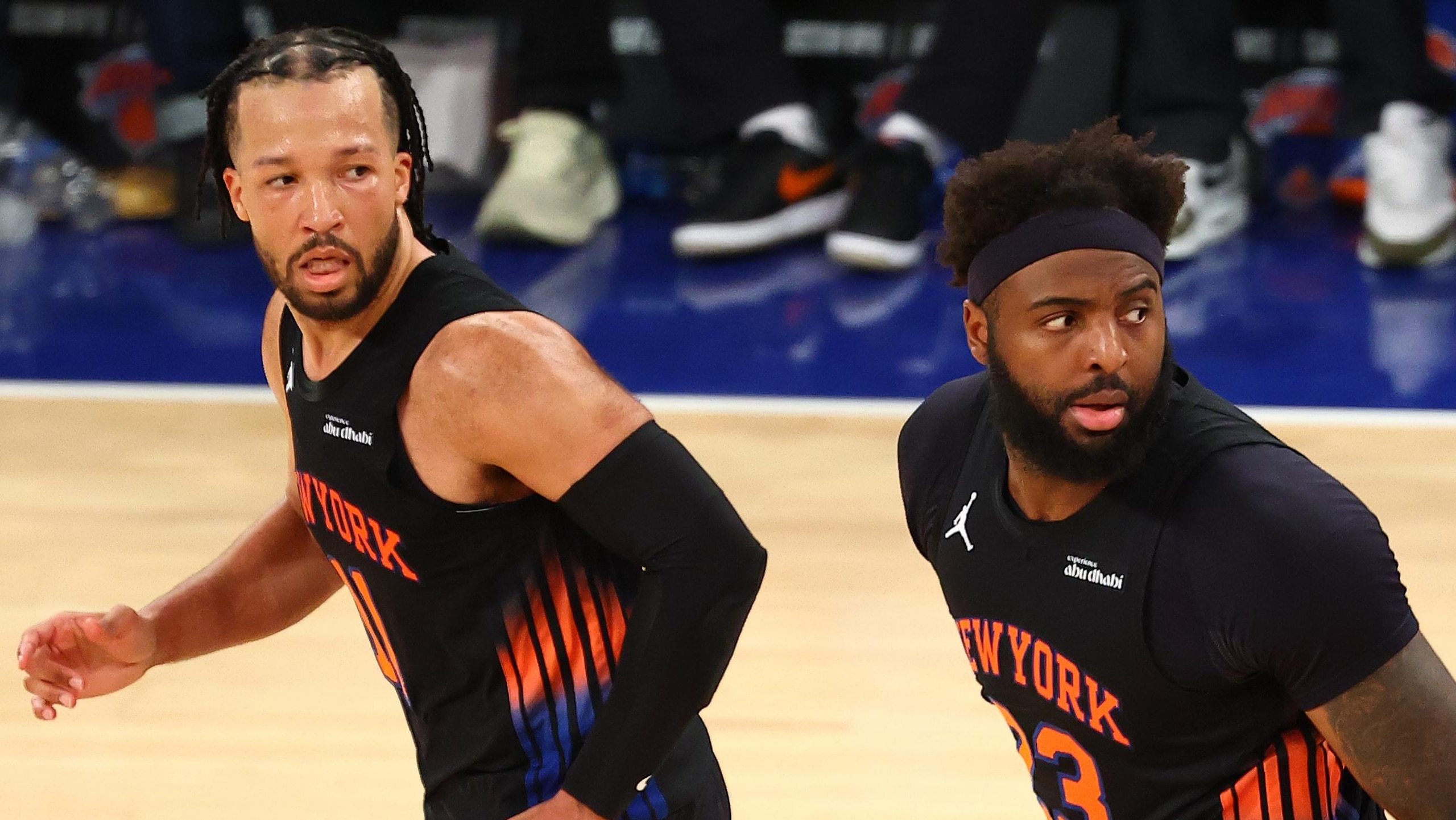
This is some pretty low-hanging fruit, as it's generally tough to go on one of the greatest postseason runs of all time, win a championship and then get better.
The Knicks were almost guaranteed to get worse this offseason, if not by default then by owner James Dolan's unwillingness to go into the second apron.
Given its constraints, New York did exceptionally well to keep Mohamed Diawara (four years, $10 million), Jose Alvarado (three years, $14 million) and Landry Shamet (four years, $24 million). Mitchell Robinson, a more prominent rotation piece than any of the Knicks' retentions, was the one that got away.
He'll play for the Celtics next season in the first year of a three-year deal worth $47.4 million.
The Knicks didn't have to let him go, and there's a good chance they'll miss his elite offensive rebounding and defensive force. Sure, health concerns and the foul-shooting struggles that rendered Robinson occasionally unplayable during the title run loom large. But it's nonetheless disappointing to watch a defending champion lose a critical piece over money.
Maybe minimum signing Andre Drummond will soften the blow, but it's more likely that the Knicks will endure stretches next season where Robinson's absence is impossible to ignore.
LA Clippers
3 of 5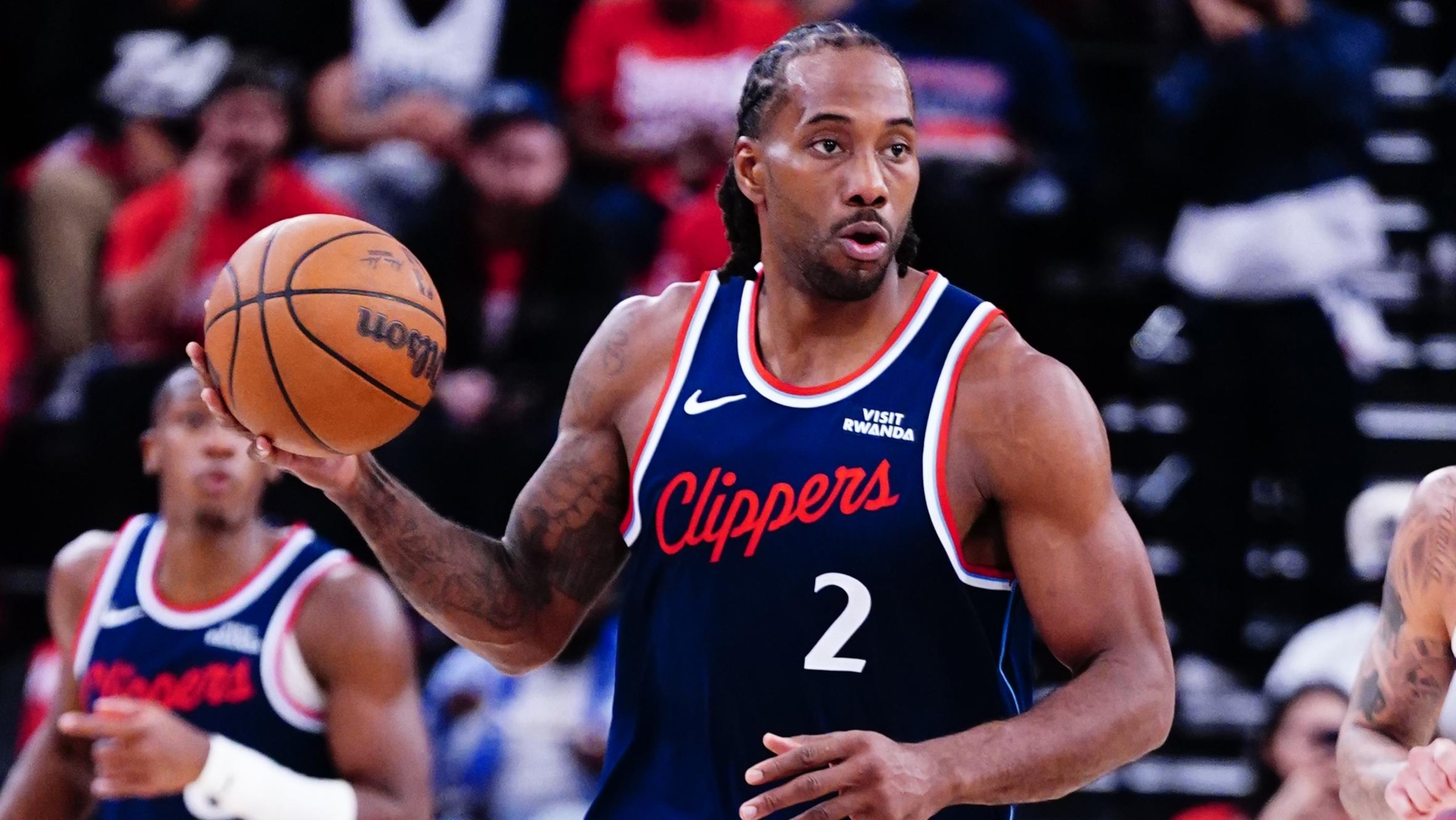
The LA Clippers saw the end of an era approaching and accelerated its arrival by trading Ivica Zubac and James Harden last season. This summer, they finished the process by sending Kawhi Leonard to the Toronto Raptors.
The return—two first-rounders, an additional first-round swap, a second, Brandon Ingram and Gradey Dick—was too good to pass up, particularly since the Clips weren't interested in signing Leonard to an extension. The move sets them up to be younger and more flexible going forward.
It will also make them a worse team this coming season.
What other outcome could you possibly expect after exchanging an All-NBA superstar for Ingram, a nominal All-Star whom nobody views as being close to Leonard's level, and Dick, a young shooter who has never really shot it all that well?
It's certainly possible that Leonard's spotty health history renders him less valuable next season, which might result in Ingram technically outproducing him. But if we're talking about projections and most likely scenarios, the version of the Clippers with Leonard is a whole lot more dangerous than the one with Ingram and Dick in his place.
LA was right to make the Leonard deal, but a step backward made willingly and for the right reasons is still a step backward.

Milwaukee Bucks
4 of 5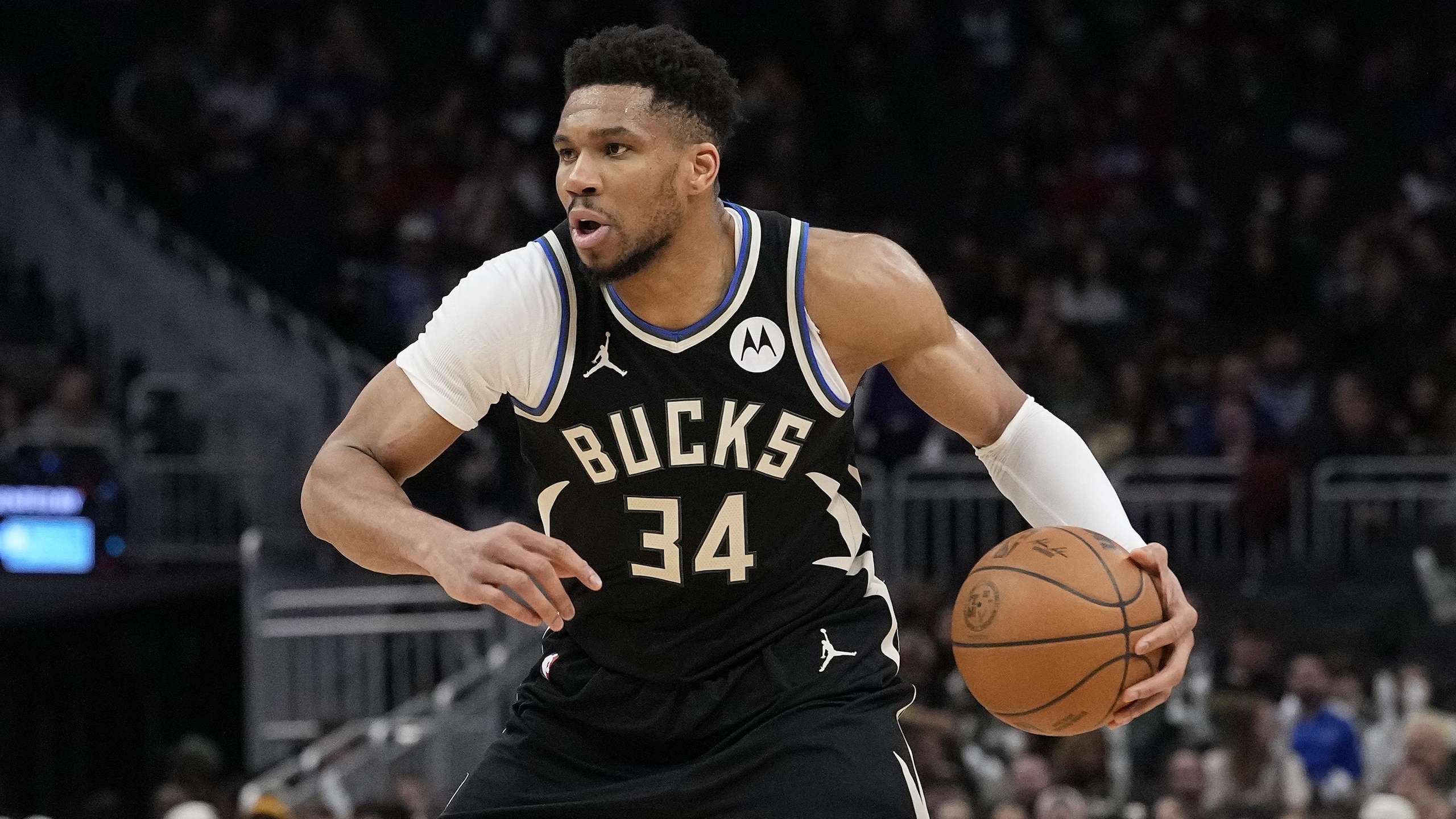
The Miami Heat wouldn't have had to attach four first-round picks in the deal for Giannis Antetokounmpo if they were sending the Milwaukee Bucks an equal amount of on-court talent.
All things considered, it was pretty impressive that Milwaukee got as much as it did from the Heat. Antetokounmpo managed to trim his landing spots to one by telegraphing his feelings on where he'd re-sign following a trade, so four first-round assets and a quartet of useful young players is a solid haul.
Tyler Herro, Kel'el Ware, Kasparas Jakucionis and Jaime Jaquez Jr. will join Ryan Rollins, Myles Turner, AJ Green and a pair of exciting rookies—Brayden Burries and Nate Ament—to make the Bucks a relatively interesting and competent team in 2026-27.
However, there's not really a case to be made that this group should be viewed as superior to the version of the Bucks that had a two-time MVP and purported "top-five" player, according to Heat president Pat Riley.
As was the case with the Clippers and Leonard, the Bucks had to take this deal and are better set up for the future because of it. And as is the case with the post-Brown Celtics, it's totally possible the Bucks will win more games during the regular season than they did a year ago. It's not like a 32-50 mark is all that tough to top.
But in the end, Milwaukee's immediate ceiling is lower without Giannis. That shouldn't be controversial.
Phoenix Suns
5 of 5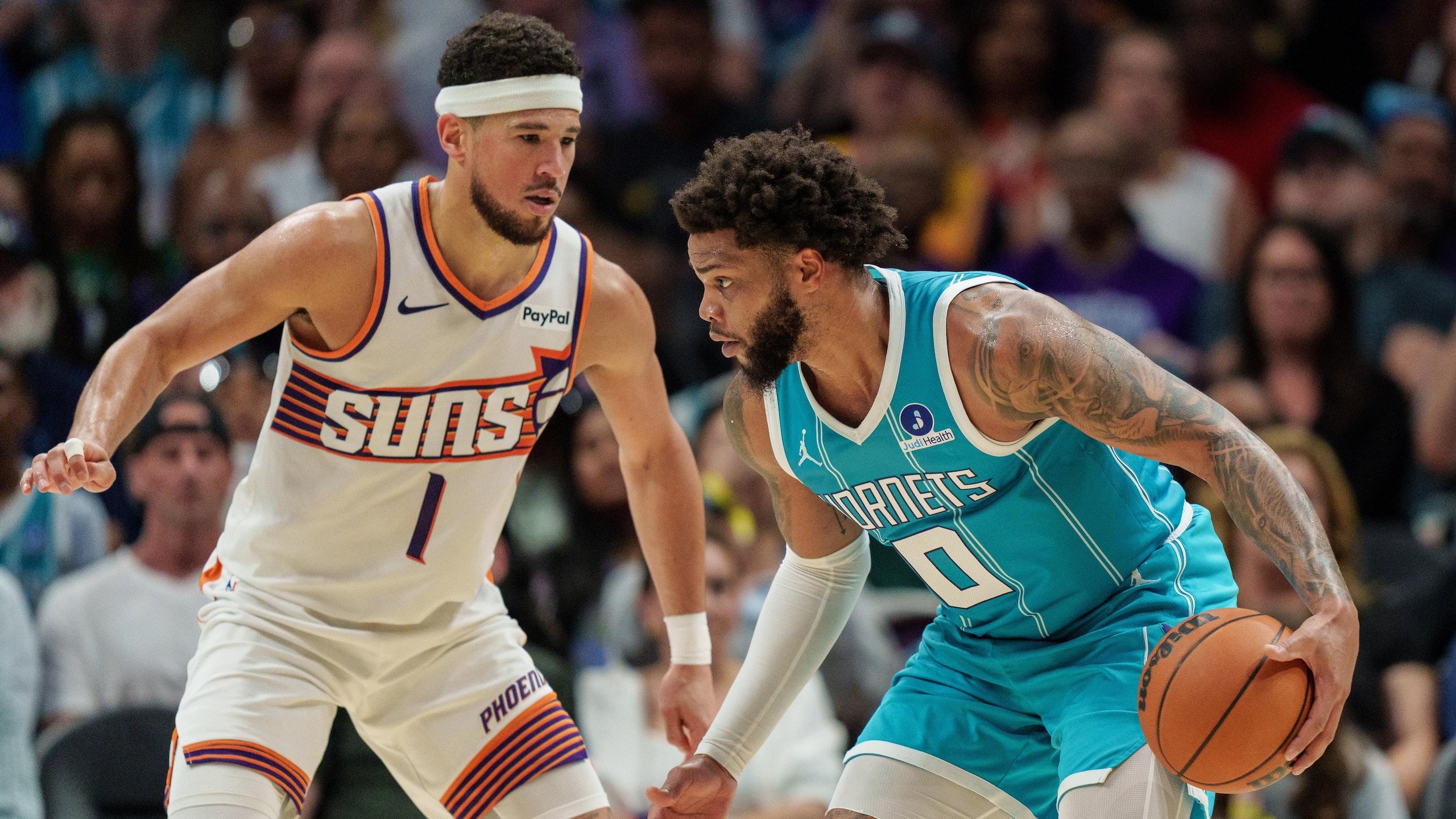
Great spacing was one of the ways the Phoenix Suns managed to post a mid-pack offensive rating last season, despite the lack of a true setup man at the point.
In response, the Suns shipped two excellent three-point gunners to the Charlotte Hornets for Miles Bridges, who owns a career 33.8 percent mark from three.
Put aside the unprotected 2033 first-rounder Phoenix gifted the Hornets in the bargain, and this is still a bizarre deal that looks bad on paper.
Bridges' career has been defined by net-negative defensive performance and an offensive game that, with limited exceptions a half-decade ago, has seen him produce true shooting percentages below the league average. Considering he saw nearly 3,000 possessions with ace setup artist LaMelo Ball last year, Bridges' hit rates of 46.0 percent on twos and 33.3 percent on threes leave a lot to be desired.
He won't see nearly as many quality assists in Phoenix, and it's also worth noting that as a player who depends heavily on athleticism, Bridges could be in for slippage as he begins his age-28 season. In fact, that may already be happening, as the percentage of his field-goal attempts at the rim has declined for five years running.
From an asset-management standpoint, this deal is a mistake. It cost the Suns their best draft capital. On the court, the results figure to be nearly as bad. Bridges is a fringe starter who could sign a hefty extension while potentially constricting an offense that needs its space.
Stats courtesy of NBA.com, Basketball Reference and Cleaning the Glass. Salary info via Spotrac.
Grant Hughes covers the NBA for Bleacher Report. Follow him on Bluesky and subscribe to the Hardwood Knocks podcast, where he appears with Bleacher Report's Dan Favale.
.jpg?w=2560 "B/R's Expert Week 7 NFL Picks 🔮")
.jpg?w=2560 "LaMelo Claps Back at Lonzo 🤣")
.jpg?w=2560 "Steelers Fan Event in Paris Canceled (AP)")