Stardust Storyline a Fascinating Case of WWE Breaking the 4th Wall
Stardust's psychological unraveling and struggle with his own split personality is made even more intriguing by the fact that WWE is infusing a sort of metafiction into his storyline.
This isn't just a story of his dislike for Neville or his ongoing issues with actor Stephen Amell. The current angle WWE has built around Stardust is an experiment in wrestling narrative. The company and the character are flipping the script with the medium's conventions.
The days of pro wrestling keeping the "secret" of its scripted nature are long gone. Rivals won't get in trouble for riding in the same car, as Jim Duggan and The Iron Sheik once did. Still, WWE still employs the basic tenets of theater.
.jpg?w=2560)
The conceptual "fourth wall" remains upright, for the most part.
Heels hate the fans and insult whatever city WWE is in that week. The stories unfolding in the ring are treated much in the way Romeo's love for Juliet is on stage, no matter that it's not really Romeo up there and that he is probably not willing to die for the woman reciting lines with him.
With Stardust, though, WWE is breaking those rules. It's toying with the very structure of the wrestling art form.
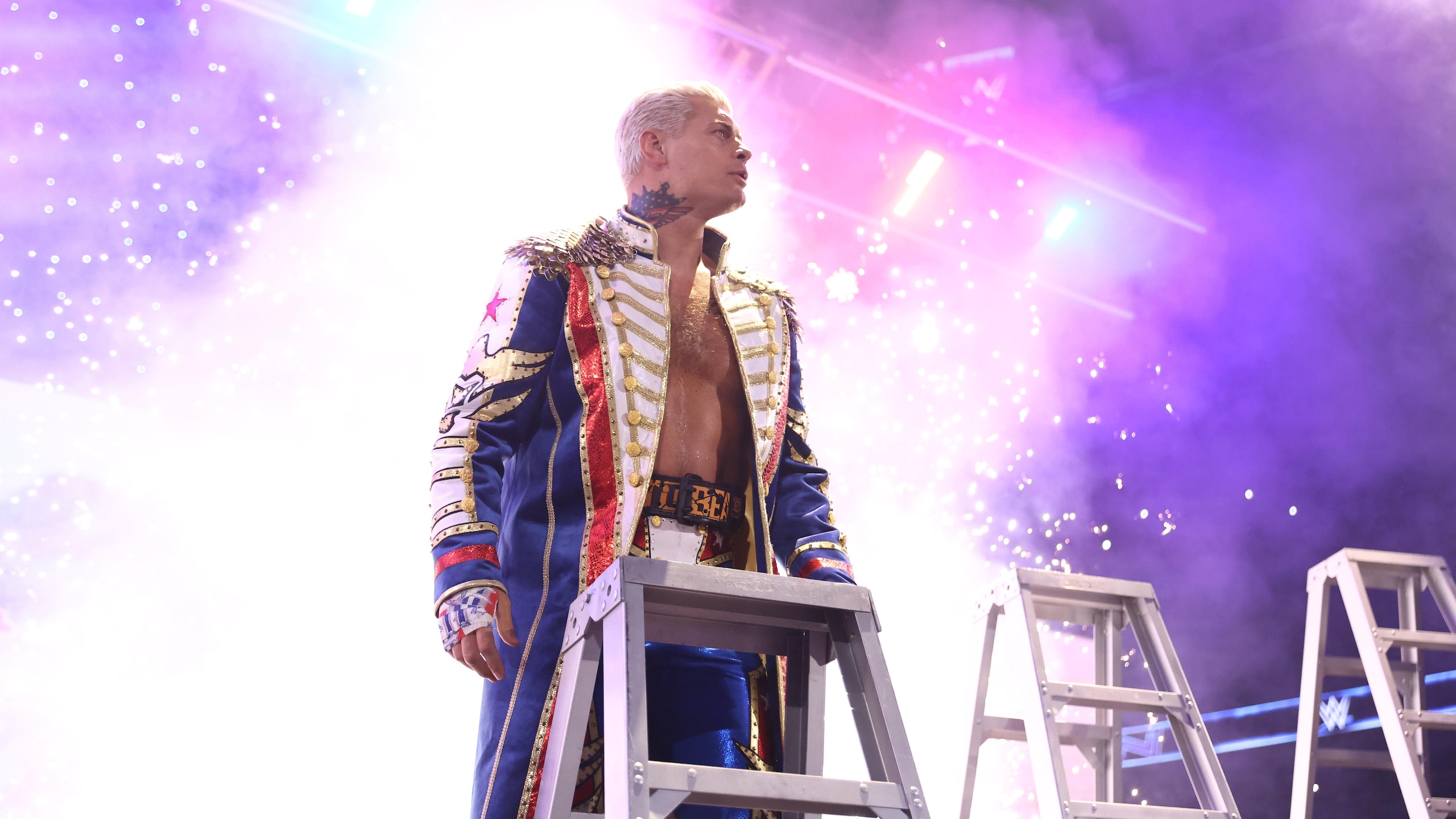
Announcers openly acknowledge that Cody Rhodes is Stardust. In fact, they act perplexed about his change in character.
On last week's SmackDown, Tom Phillips said, "Stardust, who is truly Cody Rhodes, does not seem to believe that he is Cody Rhodes."
These references to the past are themselves a departure from tradition. When Husky Harris became Bray Wyatt, there were no references back to his old character. When Lord Tensai stormed onto the scene in 2012, WWE didn't remind fans this was Matt Bloom, the same guy who had previously worked as Prince Albert and A-Train.
A new character arc began with those men. That's not the case with Stardust.
His connection with Rhodes is not only admitted but has become key to his current persona. The idea is that Rhodes has lost his mind to the point that he morphed into this ranting, cackling freak. He only thinks that he is Stardust.
WWE took that story a step further when Michael Cole sat down with Stardust for his weekly interview.
Cole asked Stardust if he realized he was "living the gimmick." Smirking, he asked the face-painted wrestler, "You do understand that Stardust is a character that you play on television, right?"
This is light-years away from when wrestlers spoke carny to keep outsiders at a distance.
Acknowledging Rhodes is working a gimmick, as well as Cole's using that term on TV at all, felt like a comic book superhero saying, "I just do what the artist draws me to do" or a movie star looking over at the camera and speaking directly with the moviegoers.
He's playing two characters at once: the Rhodes persona and the insane alter ego that has emerged from it. His gimmick, then, is that he is unwilling to accept he's playing a gimmick.
It adds previously unseen layers to a character that began simply as an offshoot of his brother's Goldust gimmick.
This is a wrestling story that wouldn't be possible in an older era. With fans more aware of the inner workings of the business, this twisting of conventions becomes possible and in a way becomes necessary. It's something fresh, new and, in the way that it shines a light on its own fictional nature, both unsettling and exciting.
To bring Amell into this story, then, is perfect.
It has allowed the inverse of the Stardust gimmick to be his foil. Amell is an actor who plays Green Arrow on TV. He has no issues with separating himself from that role.
It's Stardust who can't grasp the difference between man and character.
Back when WWE first planted the seeds of this rivalry in May, he spoke with JoJo backstage, labeling Amell a man with an identity crisis. Stardust said of the actor, "I know who he really is."
Stardust refuses to believe Amell is actually Amell. He believes the character is the real person and the actor bit is just a role.
To him, this Canadian performer is the bowman on Arrow in disguise.
The still-developing feud is, at its heart, about good versus evil. But with this unusual approach, it becomes something else entirely.
What would have been a run-of-the-mill midcard feud has been a place for experimentation. Whether this is an outlier or a glimpse at the direction pro wrestling's narratives will take remains to be seen.
For now, it's a rocket ride that's surging toward someplace new.
Ryan Dilbert covers WWE for Bleacher Report. Follow him on Twitter and talk wrestling.


.jpg?w=2560 "Chiefs, Steelers Eye WR Trades")