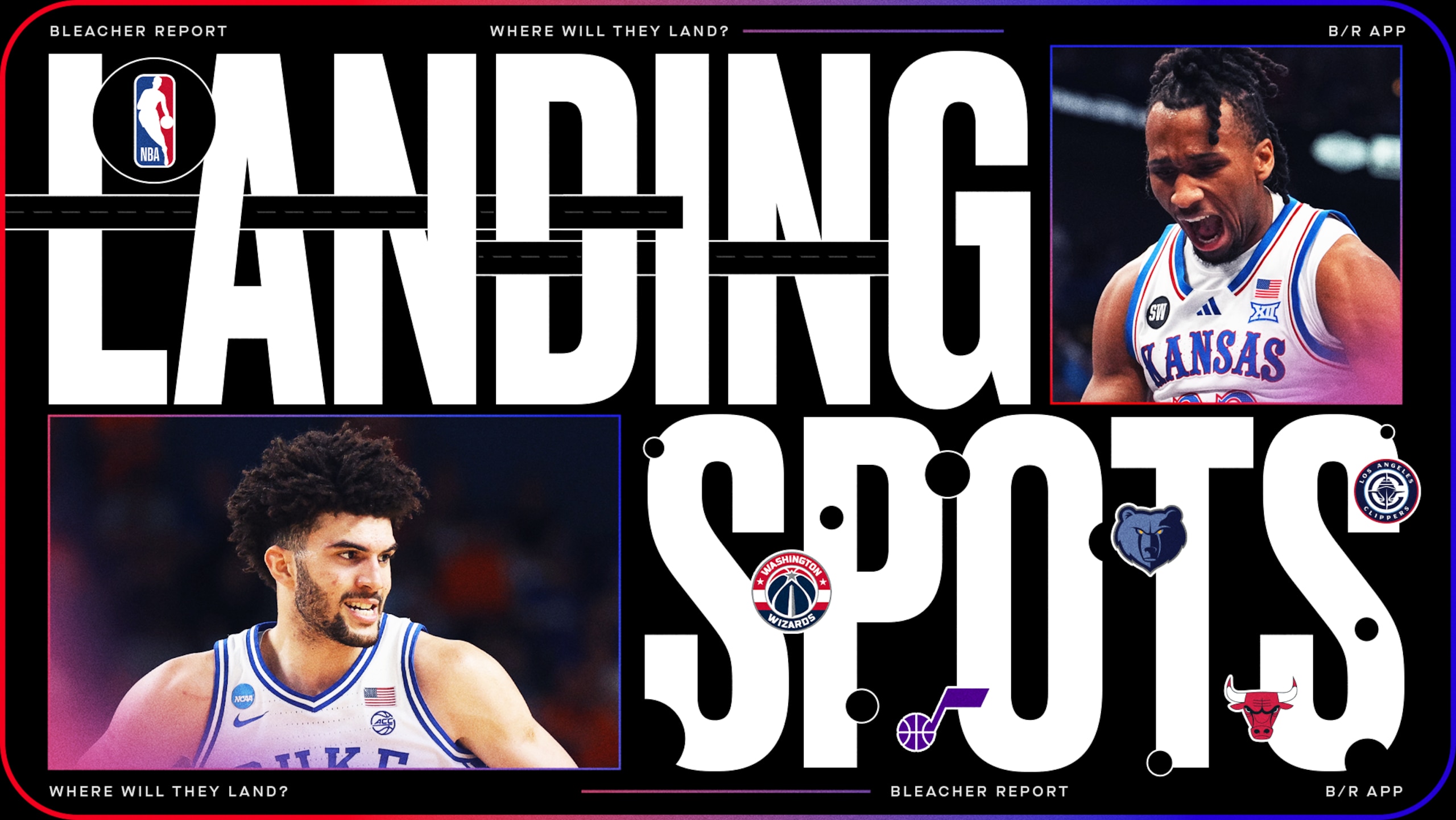

Best and Worst Landing Spots for Projected 2026 NBA Lottery Picks
Expect to hear plenty of discussion about fit as the NBA moves closer to the 2026 draft.
While most of that talk will revolve around how a prospect can fill needs or address weaknesses for a specific team, this conversation will go the other way.
Rather than identifying which prospects could be fits for certain teams, we're weighing which teams are the right (and wrong) fits for the players. Where can they find meaningful minutes, play in a system that makes sense for their skill set and encounter an environment that provides the best chance for growth?
Those are the kinds of questions we'll be weighing while laying out the best and worst landing spots within the realistic draft range for a dozen lottery prospects.
Darius Acuff Jr., PG, Arkansas
1 of 12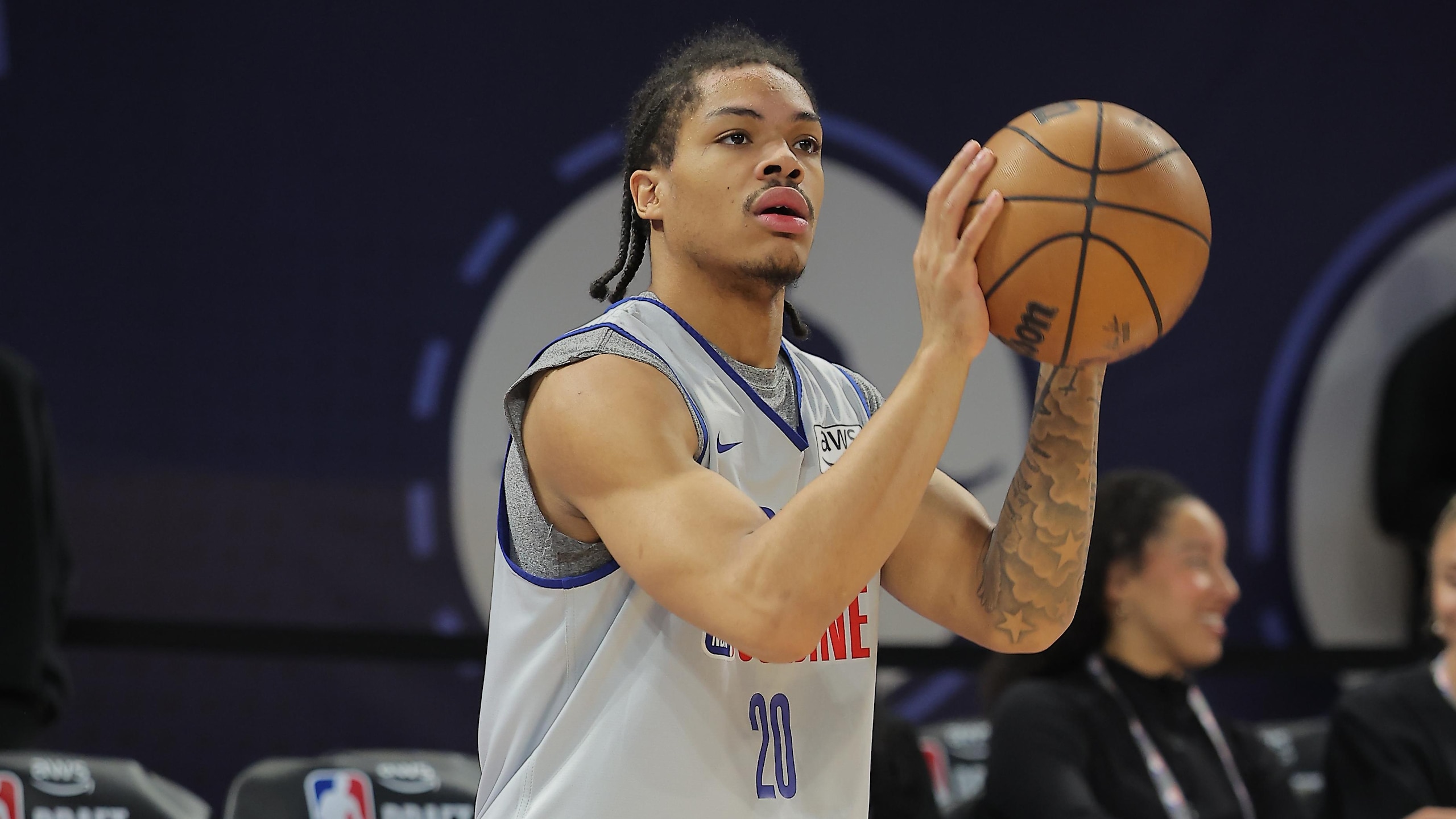
Best fit: Brooklyn Nets
Acuff would thrive with a featured offensive role, and the star-needy Nets should have no trouble providing that. In addition, they'd also give him enough spacers to keep defenses honest, a couple of rim-running centers to pair with in pick-and-rolls and as much scoring help as he'll need but not so much that he'd get lost in the shuffle.
They're also supremely flexible going forward, so they could create the ideal roster to emphasize his strengths and mask his weaknesses.
Worst fit: Los Angeles Clippers
As it stands, the Clippers have at least two players who'd rank above Acuff on the offensive pecking order: Kawhi Leonard and Darius Garland.
Leonard is operating on one of the league's most urgent win-right-now timeframes, and Garland is a brutal backcourt fit as another undersized, defensively indifferent, score-first guard.
Nate Ament, SF/PF, Tennessee
2 of 12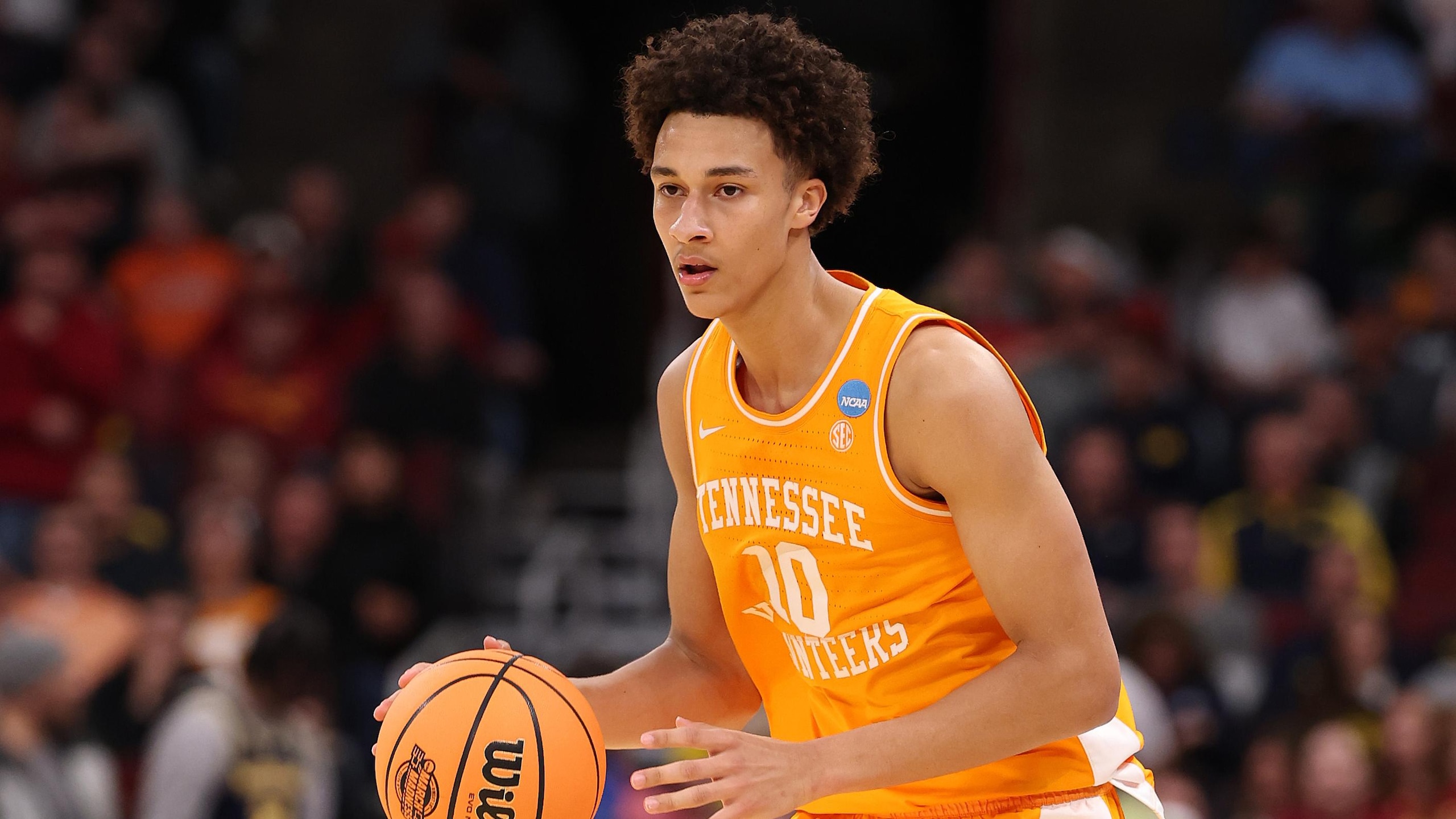
Best fit: Milwaukee Bucks
Ament, who might have locked himself into the top five with a stronger showing at Tennessee, needs plenty of patience. You'd think the fielding-offers-for-Giannis Bucks would have nothing but time.
In the short term at least, they also have plenty of perimeter threats to keep the floor spread out, plus a stingy paint protector providing insurance behind him in Myles Turner.
Worst fit: Oklahoma City Thunder
Would Ament complain about joining this perennial contender? Almost certainly not. That said, his game and frame both need a lot of work, and practice reps would only go so far.
He needs legitimate floor time, and OKC might not have the luxury to offer it. It's possible the Thunder could eventually decide his learning curve is too steep, and he'd get stuck on the back-burner.
Cameron Boozer, PF, Duke
3 of 12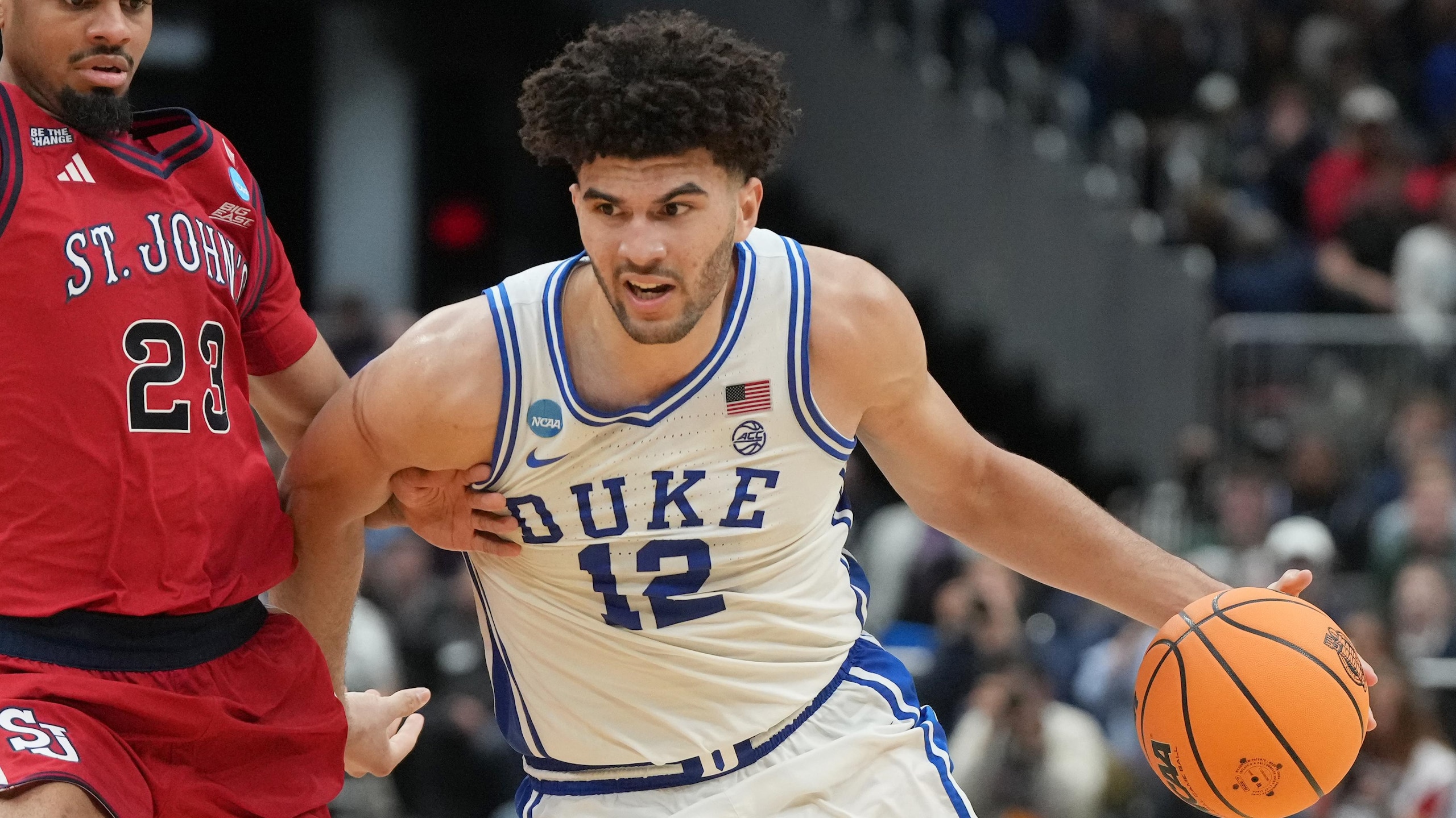
Best fit: Memphis Grizzlies
Getting the best out of Boozer will require running a lot of offense through him, and the rebuilding Grizzlies should have no hesitation to make him a focal point.
They already have shooters and slashers who are smart movers off the ball, plus a bruising big in Zach Edey who can anchor the interior and provide the paint protection Boozer probably won't.
Not to mention, Memphis has plenty of roster-building resources to further tailor this team around him.
Worst fit: Utah Jazz
Boozer might have familiarity with this franchise—his dad, Carlos Boozer, played for and now works for the Jazz—but Utah has little to offer beyond the possibility of following footsteps.
This frontcourt is overcrowded and expensive, meaning his path to major minutes could be blocked for quite a while.

Mikel Brown Jr., PG, Louisville
4 of 12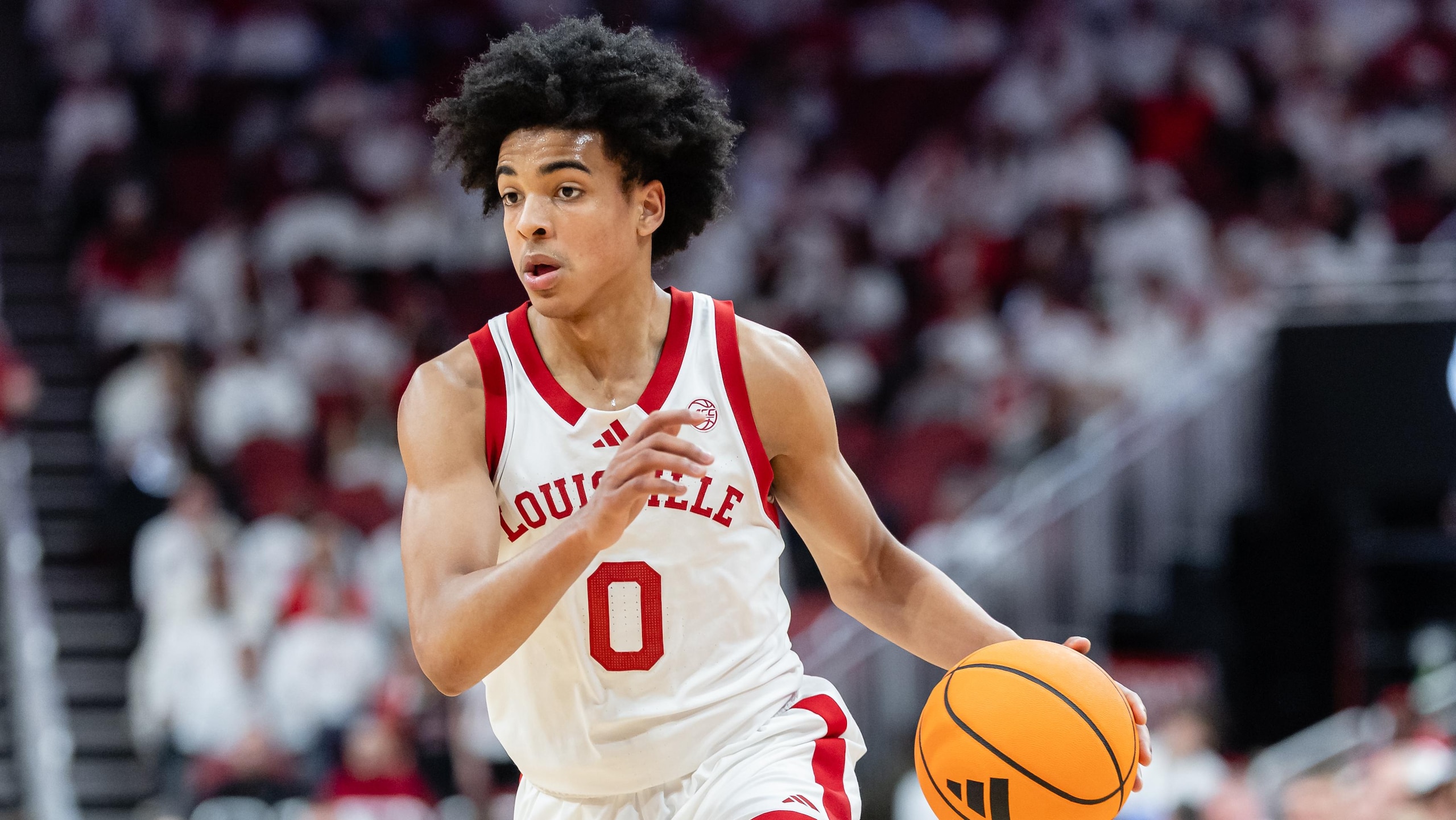
Best fit: Atlanta Hawks
Brown needs touches to put his scoring, shotmaking and clever passing on display, but his inefficiency in college suggests he could use playmaking help. The Hawks already funnel things through All-Star forward Jalen Johnson, so that's covered.
Johnson's passing could actually help perk up Brown's impact, since he's a knockdown spot-up shooter and a bouncy slasher.
Atlanta's collective athleticism and willingness to run (fifth in pace) would also help, because he's a showman in the open floor.
Worst fit: Sacramento Kings
While the Kings' current core may not stick around much longer, it would still make for a brutal fit to start Brown's career.
He needs room to experiment, and he'd be denied it so Zach LaVine, DeMar DeRozan and Domantas Sabonis could try chasing a play-in invite. Brown would also have none of the defensive protection he absolutely needs.
Oh, and once those vets leave, Sacramento basically has no help to offer, since its young core is essentially nonexistent.
Brayden Burries, SG, Arizona
5 of 12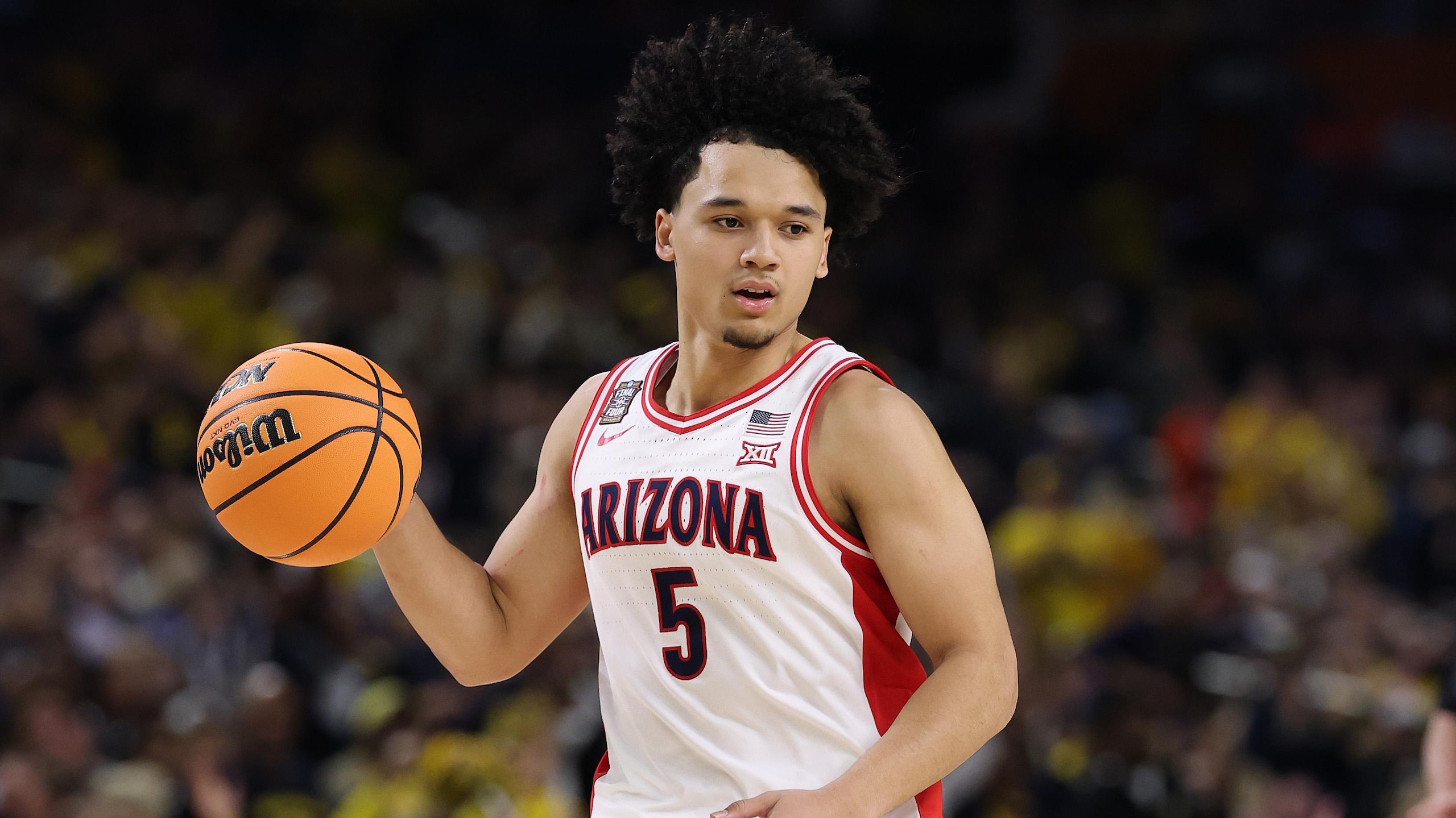
Best fit: Dallas Mavericks
After the rookie season Cooper Flagg just authored, prospects should be lining up at the chance to be one of his long-term running mates.
The Mavs could give Burries that opportunity, but they could also provide the playmaking and scoring support he'll need right away with Kyrie Irving still on the roster and seemingly in the plans.
Worst fit: Sacramento Kings
This isn't all about the historically less-than-fertile developmental soil in Sacramento, but that doesn't help.
The bigger worry is Burries being immediately buried by the pricey, place-holding veterans on this roster and then quite possibly over his skis with scoring and creation duties the second they're gone.
He would fit best in a winning environment, and this is a franchise responsible for one playoff trip in the last 20 years.
AJ Dybantsa, SF, BYU
6 of 12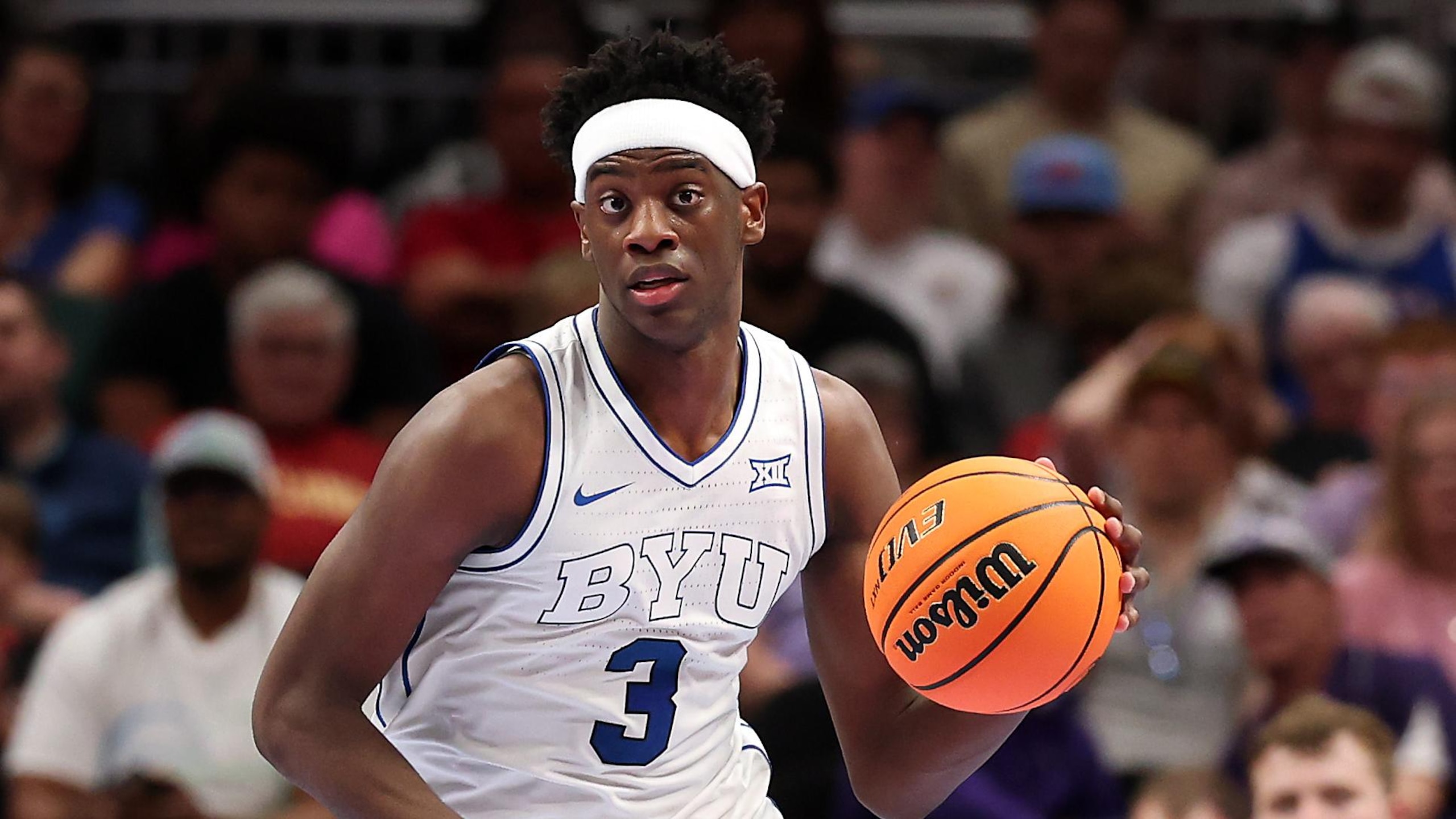
Best fit: Washington Wizards
The Wizards don't have a rich history of winning, but Dybantsa's draft range is way too high for him to find that anywhere.
What they do have is a quietly loaded young core with an opening for a star wing. Dybantsa would have scoring support from the backcourt and defensive protection up front (even if Anthony Davis forces his way out).
This offense can follow Trae Young's lead for as long as Dybantsa needs, but it can quickly pivot its focus as soon as it's obvious he's up to the challenge.
Worst fit: Utah Jazz
Dybantsa's draft range is only big enough to consider two teams, so the Jazz sort of lose by default. He'd probably be comfortable staying in Utah, and it would be fun to see the different ways head coach Will Hardy would utilize his talents.
That said, the forward spots are filled for the Jazz, and Dybantsa's game isn't particularly well suited for the complementary role he'd likely fill in an offense that could run through Keyonte George, Lauri Markkanen and Jaren Jackson Jr.
Kingston Flemings, PG, Houston
7 of 12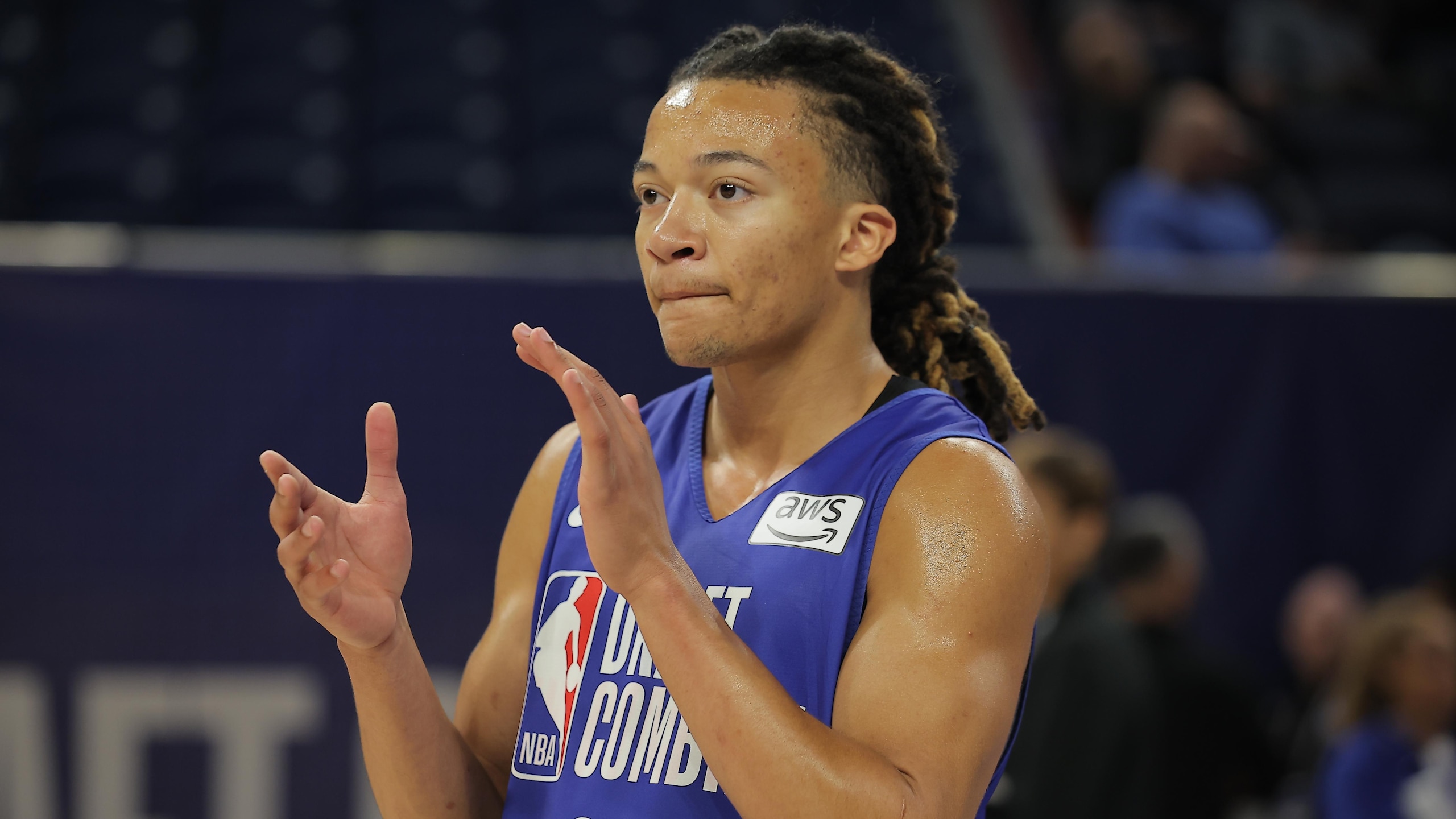
Best fit: Sacramento Kings
Flemings might be the best floor general in this class, so he could actually make use of that veteran talent that appears so problematic for other prospects. Especially since all of those players are temporary options for the team, meaning a featured role should be coming sooner than later.
With the Kings having such little locked up for the future, they could build their roster with the things he'll need to succeed: namely length, shooting and willingness to run.
Worst fit: Dallas Mavericks
A backcourt featuring Flemings and Kyrie Irving would be tiny and exploitable on defense, especially against bigger guard groups.
There's also a worry about whether Flemings or Cooper Flagg could summon enough three-point volume for the other to have the breathing room they need.
Flemings' burst only really works in a properly spaced offense, and Dallas was dreadful from three last season (29th in makes, 26th in percentage).
Yaxel Lendeborg, PF, Michigan
8 of 12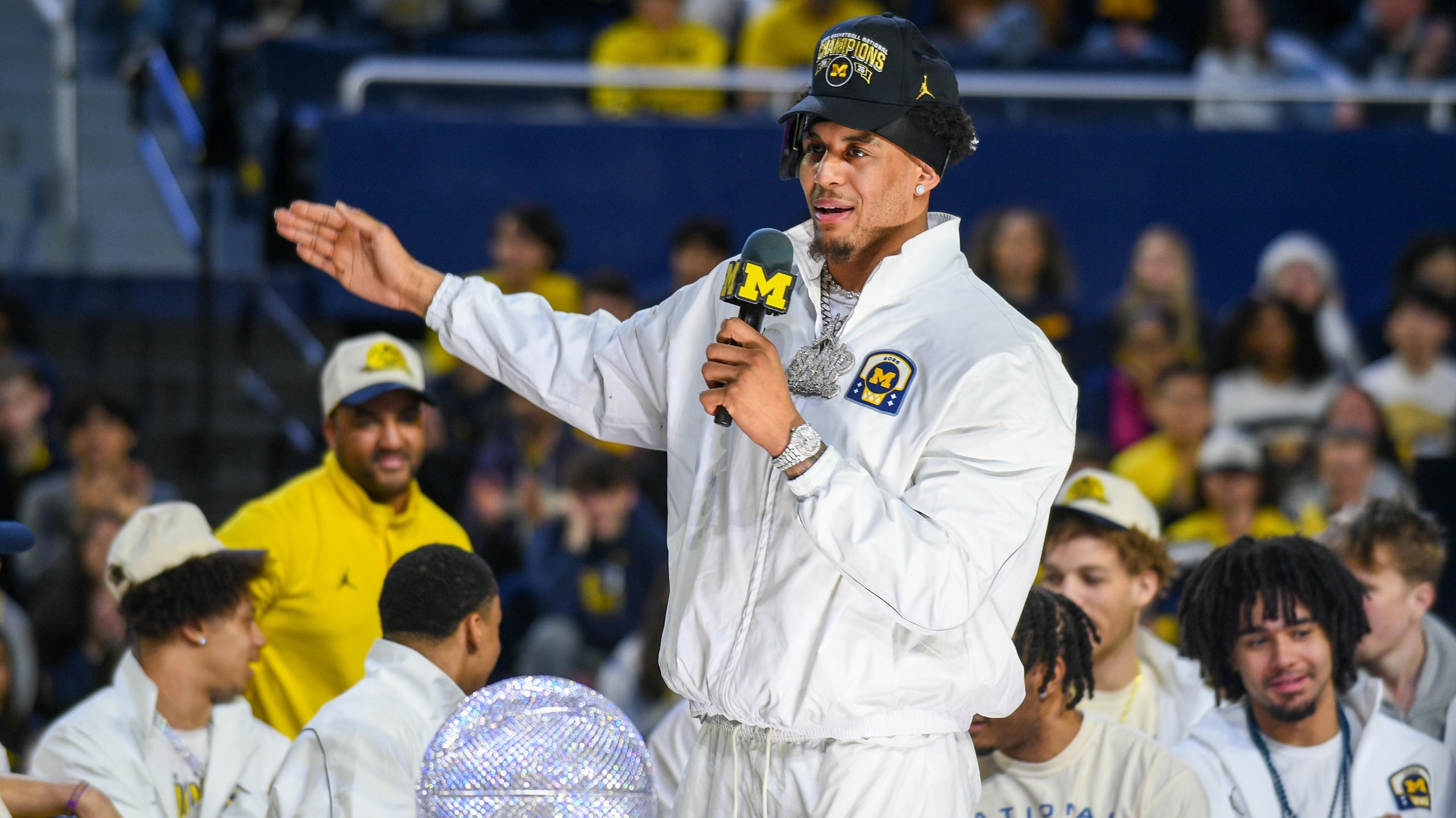
Best fit: Golden State Warriors
Lendeborg will turn 24 before logging his first NBA minutes, so he'll want to start competing sooner than later. The Warriors might feel the most win-right-this-second urgency of any team in the lottery.
Their switch-heavy defense and movement-based offense also feel like perfect outlets for his versatility to shine.
Worst fit: Milwaukee Bucks
If the Bucks wind up trading Giannis Antetokounmpo, this could (and should) be a total teardown and restart. And it could be awfully tricky to navigate with the club already operating at such an asset deficit.
With Lendeborg already up against the clock, this could be a match made in the nightmare realm.
Aday Mara, C, Michigan
9 of 12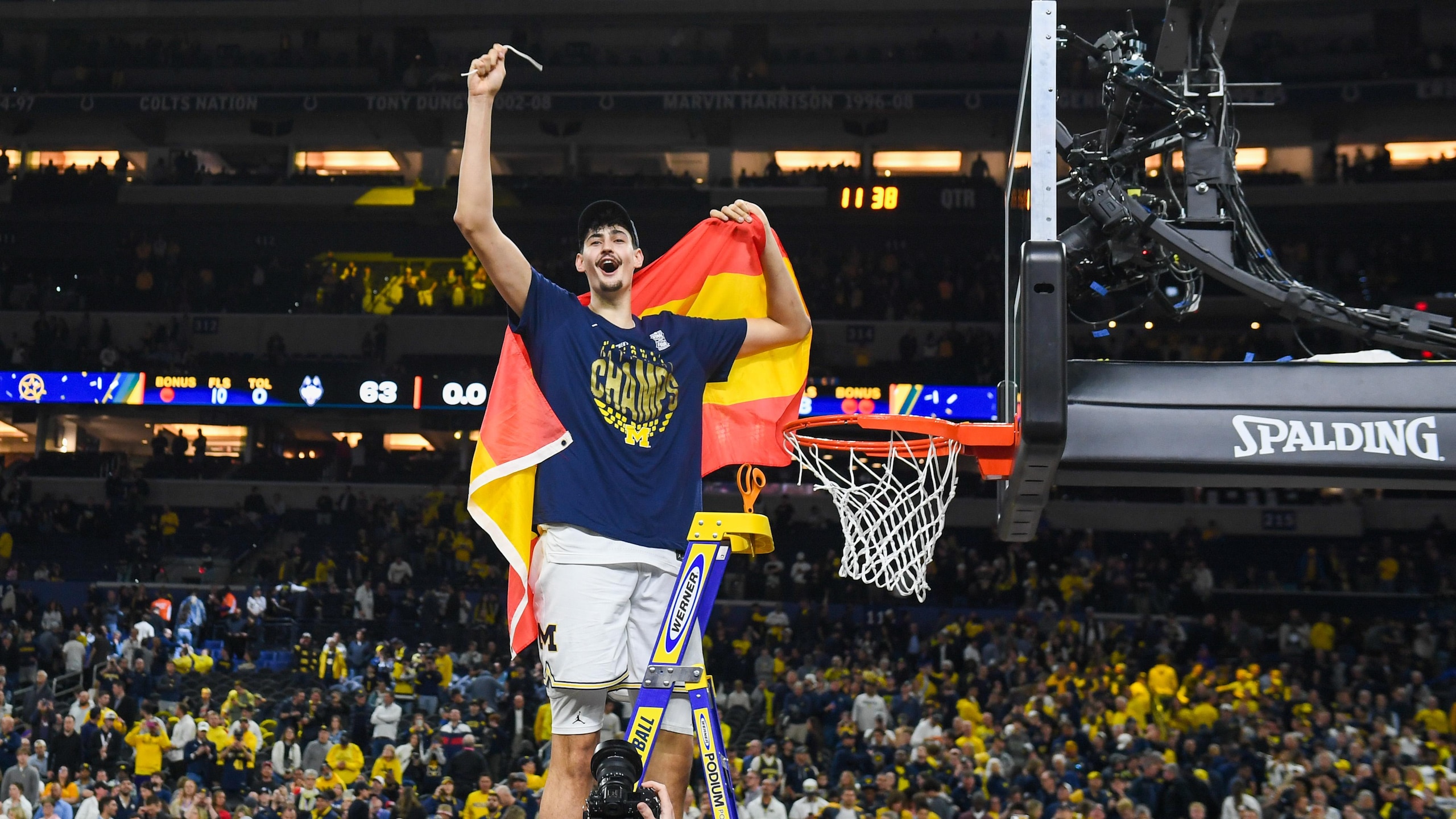
Best fit: Atlanta Hawks
Mara could be a major need-filler for the Hawks, and the fit appears mutually beneficial for the (really) big fella.
Atlanta has enough shooting to keep the paint clear for the 7'3", 260-pounder, and enough athletic cutters to up the potency of his special passing ability. Plus, all of the Hawks' hounding defenders on the perimeter could funnel opponents right into this brick wall around the basket.
Worst fit: Sacramento Kings
The guard-needy Kings surely won't give Mara much attention, but they're still a viable choice here since they land within the upper end of his realistic draft range.
Their best current player (Domantas Sabonis) and best prospect (Maxime Raynaud) both play center, so Mara could be facing an uphill climb just to see the court.
And whenever he did hit the hardwood, he could immediately feel claustrophobic, since their dreadful shooting (30th in volume, 29th in accuracy) is an invitation for opponents to pack the paint.
Darryn Peterson, SG, Kansas
10 of 12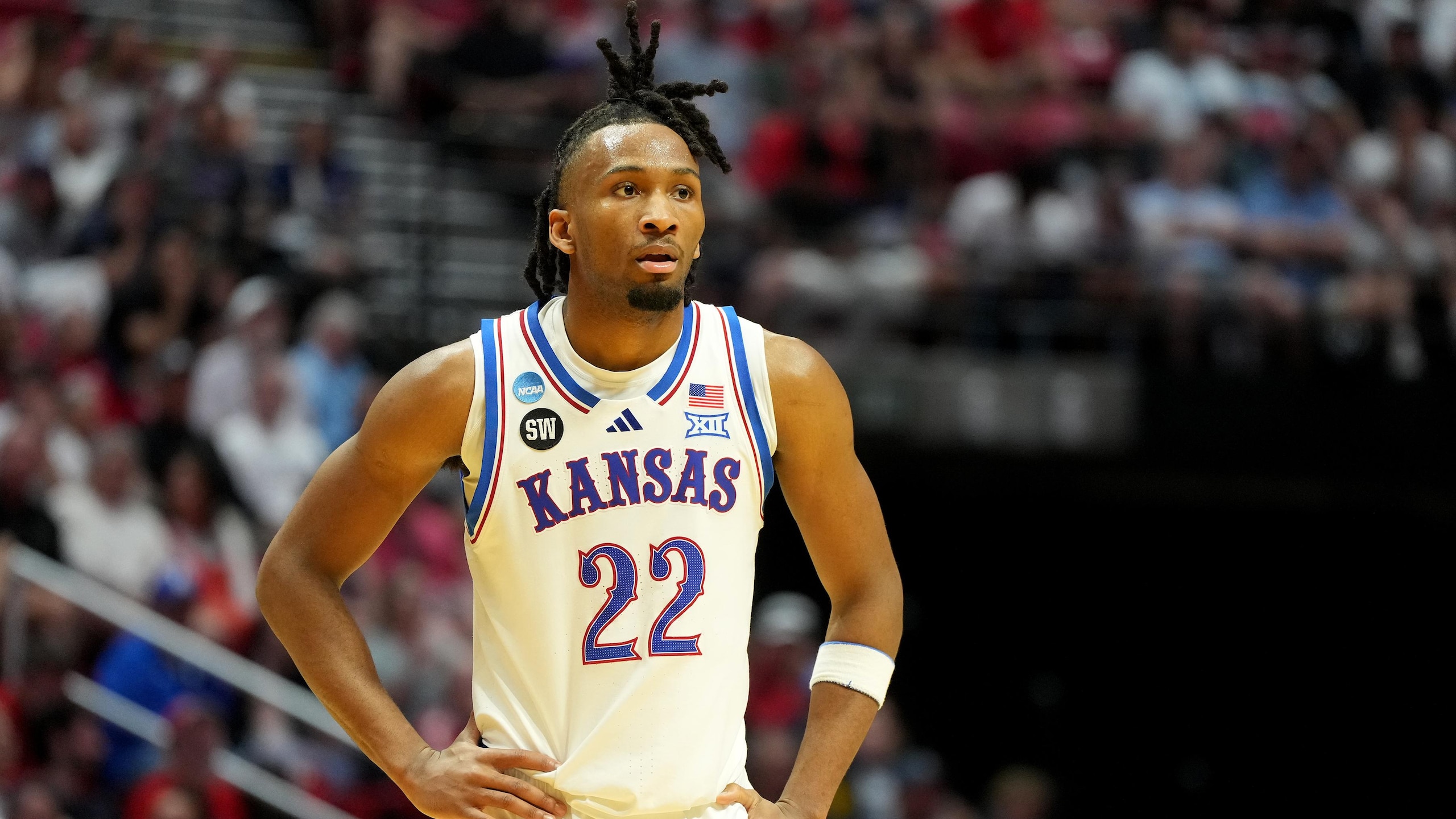
Best fit: Utah Jazz
With the No. 2 pick in hand and an opening at the 2-guard spot, the Jazz might already have Peterson's nameplate ready. He could step into a support role built around shotmaking and energetic defending while surrounded by ample win-now talent and steered by a creative head coach.
Over time, though, there shouldn't be anyone blocking Peterson's path to superstardom should he maximize his (arguably best-in-class) potential.
Worst fit: Chicago Bulls
The Bulls might welcome a Peterson fall to the No. 4 spot, but he wouldn't share the enthusiasm.
Josh Giddey's ball-dominance might limit Peterson's on-ball chances, spotty spacing would crowd his attack lanes and there would be immense pressure to deliver on both ends.
Throw in the lack of a pick-and-roll partner, and it's hard to tell what the Bulls could offer other than a buffet-style approach to all of the touches he cared to enjoy.
Keaton Wagler, PG/SG, Illinois
11 of 12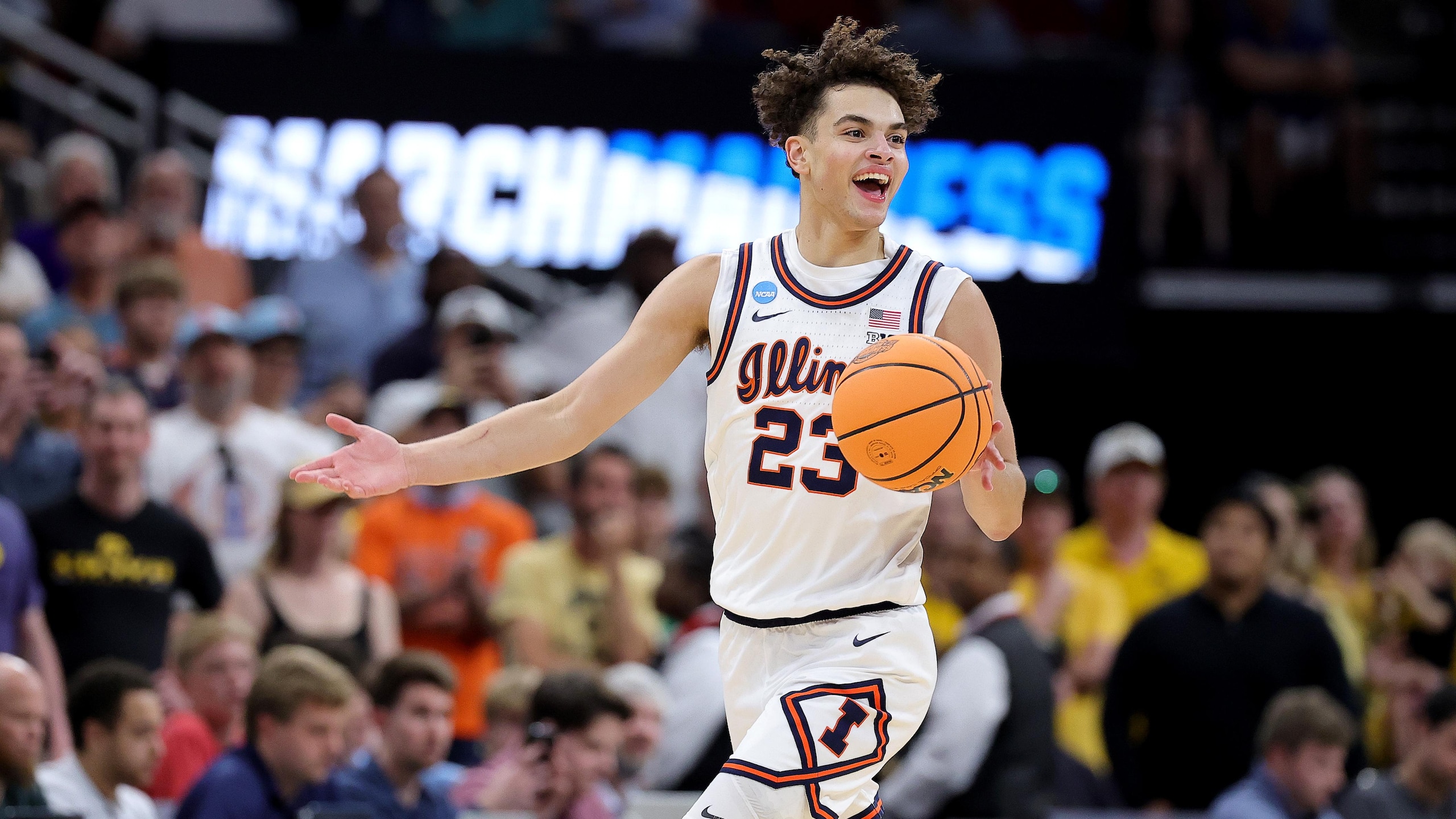
Best fit: Los Angeles Clippers
With feel, instincts and awareness serving as some of Wagler's greatest strengths, he would fit best on a team with win-now talent.
The Clippers have more than any team drafting this high, and the fact that they have capable creators like Kawhi Leonard and Darius Garland would give Wagler the chance to shine as an off-ball shooter while learning how to thrive at this level without explosive athleticism.
Worst fit: Brooklyn Nets
Because Wagler doesn't have great burst, he could struggle creating advantages. Who in Brooklyn would help with that? Michael Porter Jr. does his most damage beyond the arc, and Egor Dëmin isn't much of an inside-the-arc threat, either.
You also worry that the Nets' heavy investment in playmakers during their last draft would cut into Wagler's on-ball chances.
Caleb Wilson, PF, North Carolina
12 of 12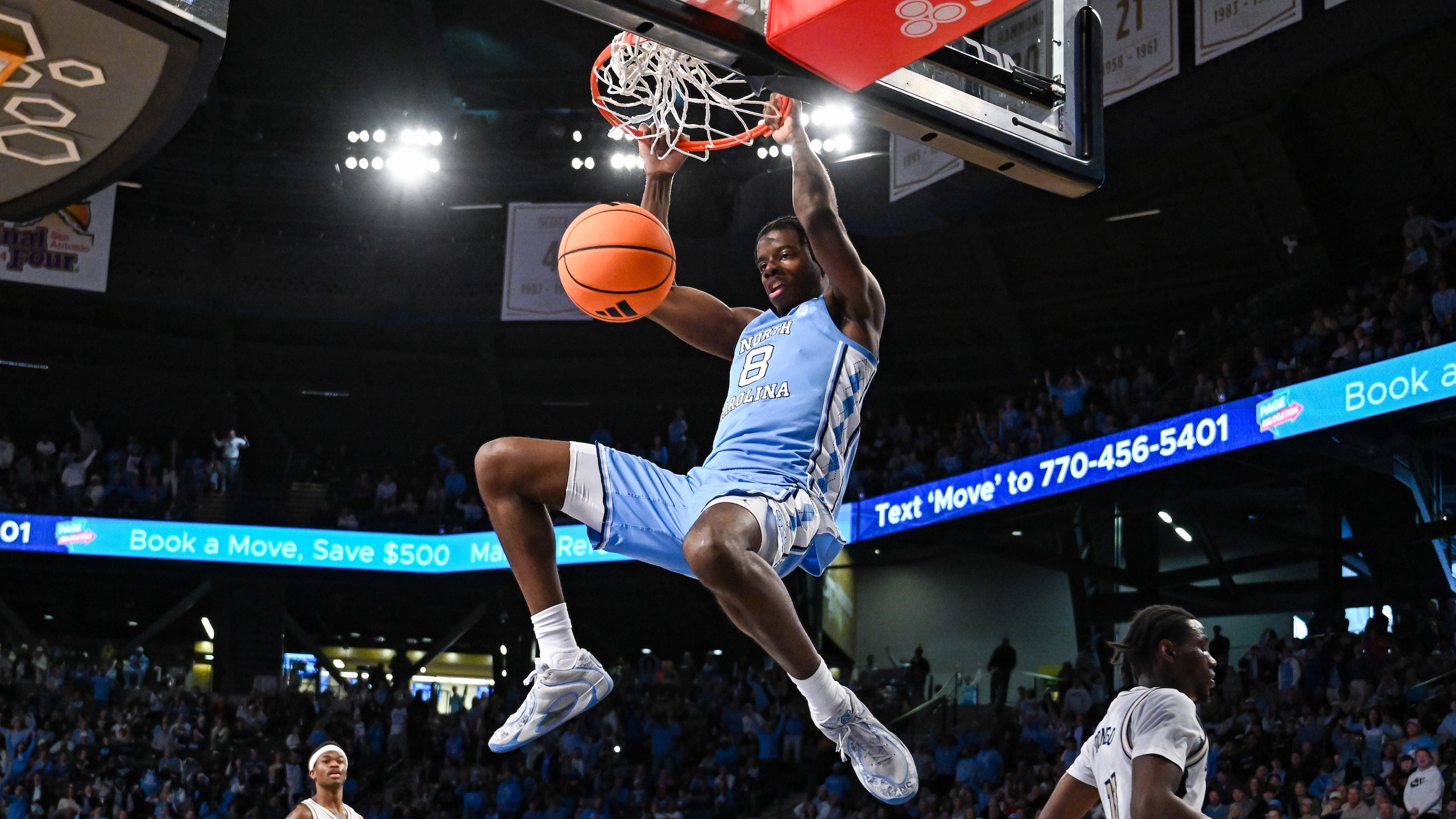
Best fit: Chicago Bulls
Whenever the Bulls talk about their new SLAP philosophy—stressing size, length, athleticism and physicality—it feels like they're describing Wilson.
Beyond the stylistic fit, he would benefit from a pass-first point guard like Josh Giddey since creation is one of Wilson's biggest question marks.
That said, if Wilson ever added that to his arsenal, there's really no one blocking his path for exploration and growth.
Worst fit: Utah Jazz
Much like the case with Cameron Boozer, the Jazz just don't need another high-priority big man.
Even if you tried to argue Utah's frontcourt surplus would allow Wilson to grow at his pace, it's just hard to spot an opening for whenever he proved ready for more.
Lauri Markkanen and Jaren Jackson Jr. are both under contract for at least the next three seasons, and Walker Kessler and Ace Bailey should be around even longer.
.jpg?w=2560 "Cardinals Finalizing MHJ Trade")
.jpg?w=2560 "Money in the Bank Grades 💼")
.jpg?w=2560 "Follow All The MITB Action Live 💼")
.jpg?w=2560 "Report: Cowboys Open to More Trades")
.jpg?w=2560 "JJ Watt Confused by MHJ Buzz🤨")
.jpg?w=2560 "OBJ Added to Active Roster")