
2026 NBA Draft Scouting Report for Houston Rockets' Quadir Copeland
The Houston Rockets have officially signed Quadir Copeland to a two-way deal after the guard went un-drafted in the 2026 NBA Draft.
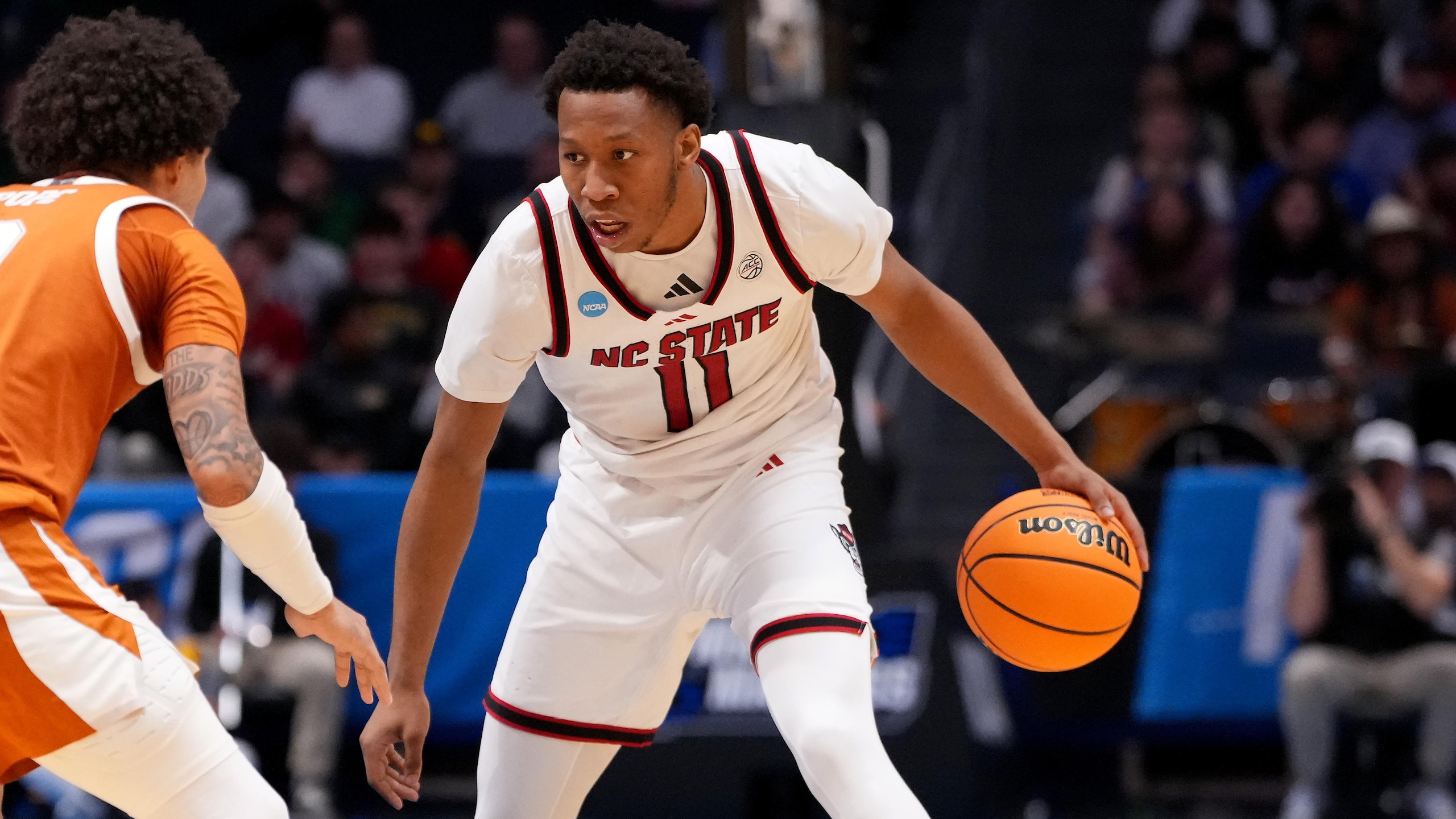
Copeland put together the most complete season of his college career after transferring to NC State. The 6'6" guard averaged 13.9 points, 6.5 assists and 1.8 steals while showcasing one of the more intriguing all-around skill sets among non-first-round prospects.
Copeland's stock gradually improved throughout the season as teams became more comfortable projecting his unique blend of size, playmaking and defensive versatility. Evaluators were especially encouraged by his improved perimeter shooting, which addressed one of the biggest concerns from earlier in his college career.
At 6'6" and 220 pounds, Copeland offers the type of size NBA teams covet in modern backcourts. Combined with his passing instincts and defensive activity, those physical tools helped keep him in pre-draft discussions.
Essential Facts and Stats
College: NC State | Position: G | Age: 22 | Height: 6'6" | Weight: 220 lbs | PPG: 13.9 | RPG: 3.6 | APG: 6.5 | BPG: 0.1 | SPG: 1.8 | FG%: 49.4 | 3PT%: 39.7 | FT%: 77.5
Realistic Pro Comparison: Delon Wright
1 of 3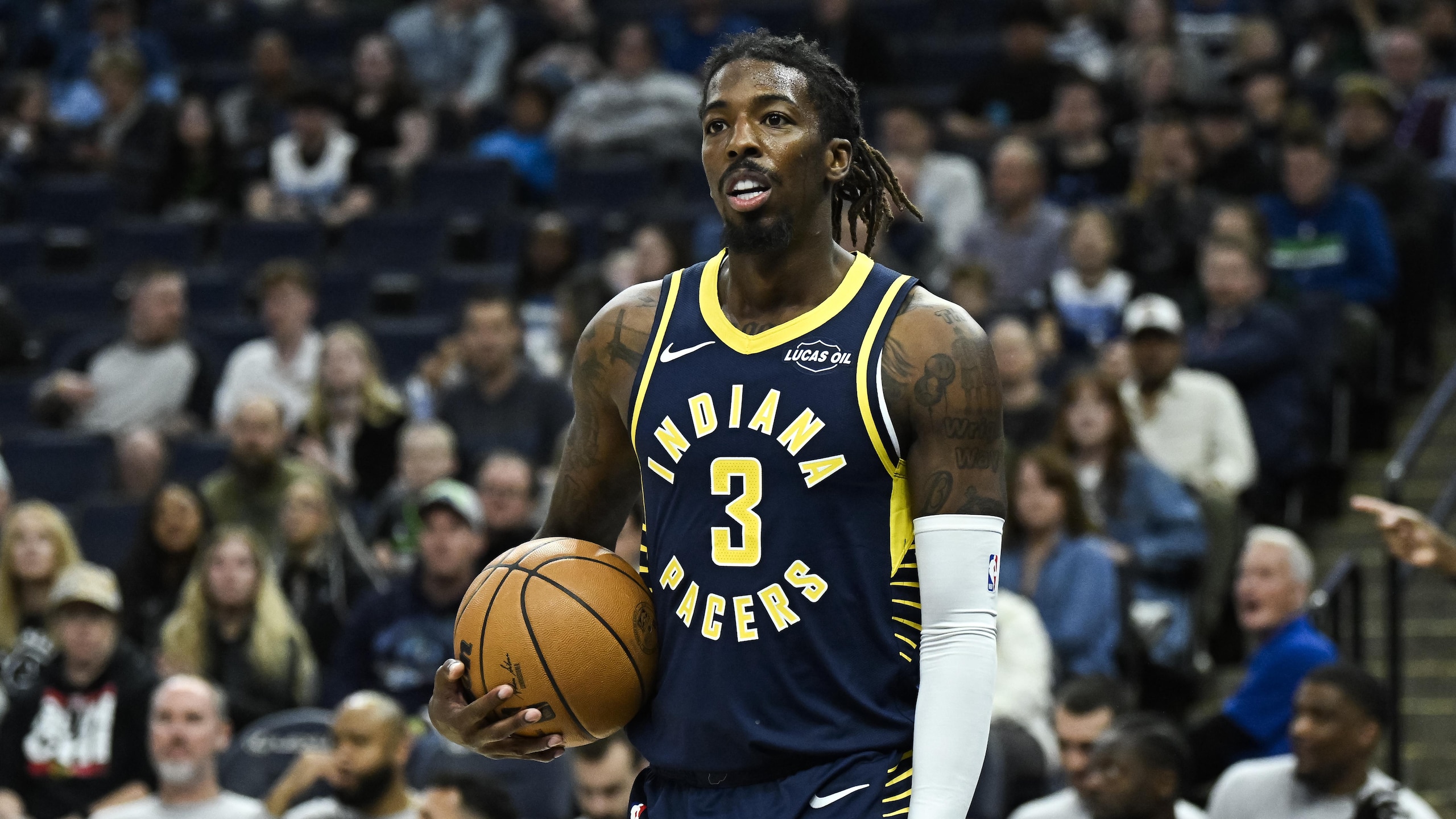
Like Delon Wright, Copeland projects as a versatile combo guard whose value comes from size, playmaking and defensive instincts. Both players entered the NBA without elite scoring profiles but with the ability to impact games in multiple ways.
Strengths
2 of 3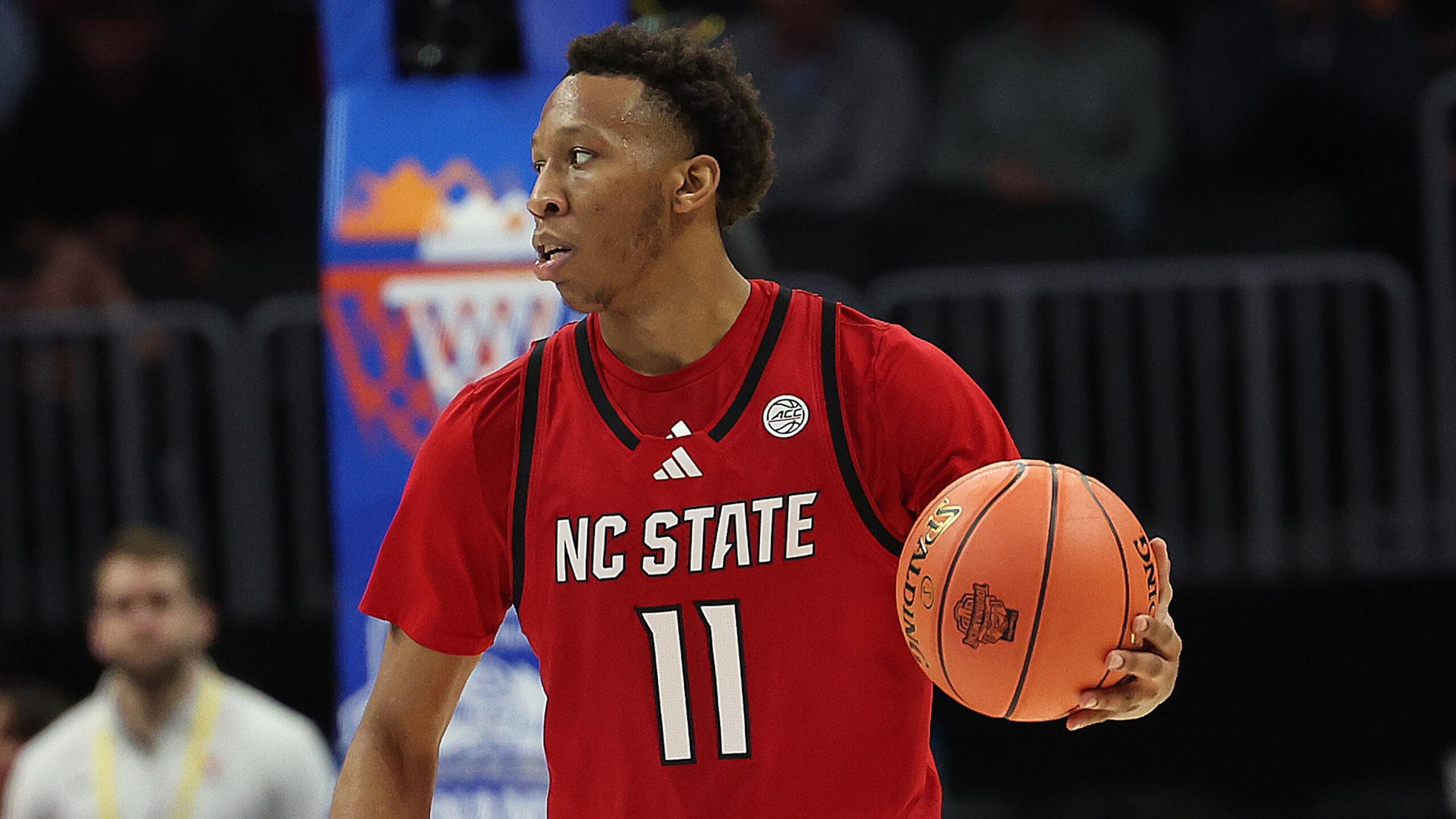
Strength 1: Playmaking Vision
Copeland's 6.5 assists per game ranked No. 12 in the nation and reflect one of the best passing profiles among guards. He sees the floor well, delivers creative passes and consistently creates opportunities for teammates. His ability to facilitate offense is one of the foundations of his NBA appeal.
Strength 2: Positional Size
At 6'6", 220 pounds, Copeland has excellent size for a guard. He can see over smaller defenders, absorb contact and potentially defend multiple backcourt positions.
Strength 3: Improved Shooting
One of the biggest developments in Copeland's game was his perimeter shooting. After entering college with questions about his jumper, he connected on 39.7 percent of his threes this past season after shooting just 11.1 percent as a freshman, 25.0 percent as a sophomore and 15.4 percent as a junior. That progress significantly strengthens his NBA outlook both today and for the future, as it indicates he may not be as close to his ceiling as other four-year prospects.
Weaknesses
3 of 3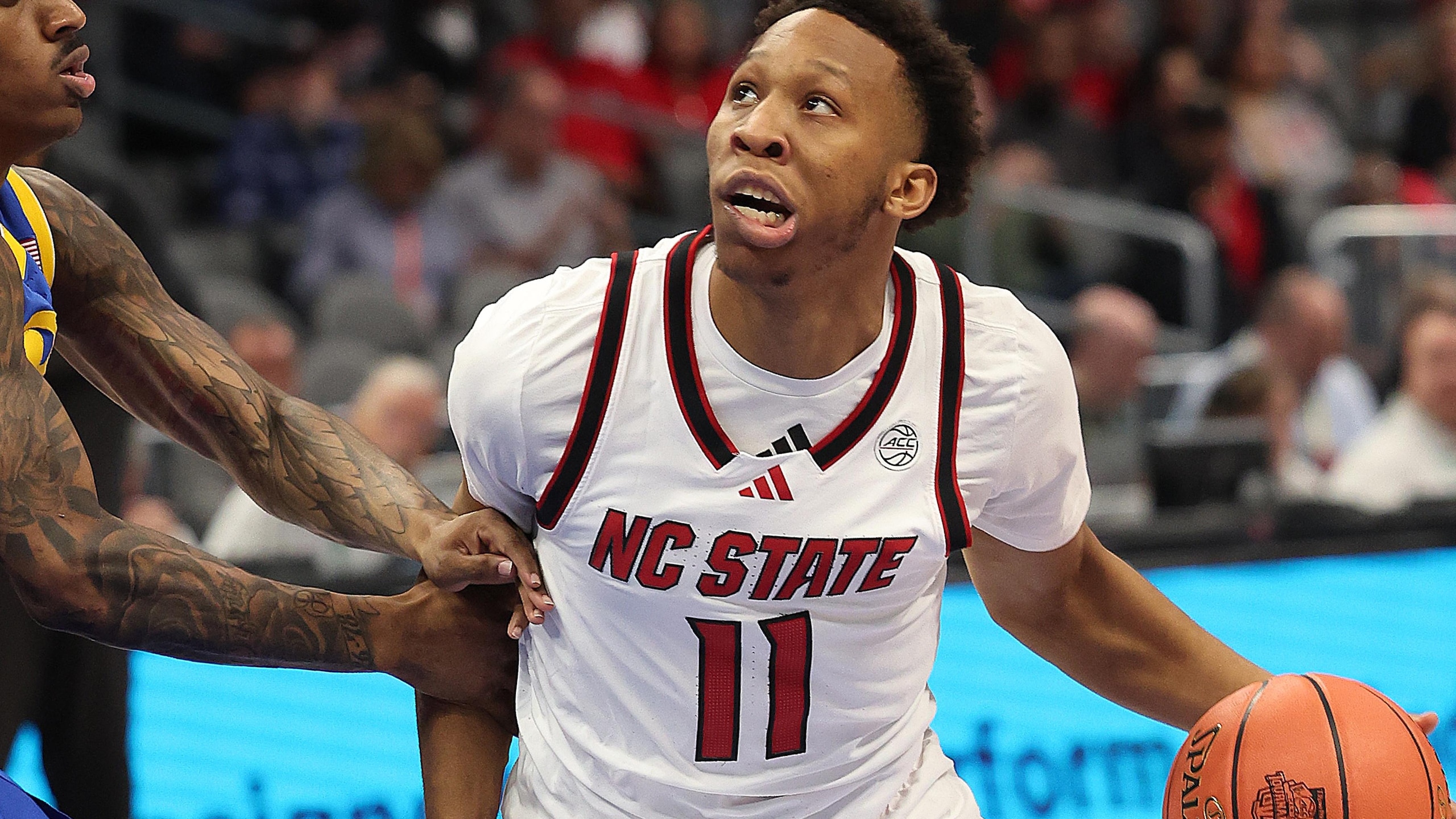
Weakness 1: Limited Scoring Aggression
Copeland's natural instinct is to create for others rather than hunt his own offense. While that unselfishness can be a strength, there are times when teams would like to see him put more pressure on defenses as a scorer.
Weakness 2: Turnovers
Playmakers who take risks inevitably commit turnovers, and Copeland is no exception. His creativity occasionally leads to ambitious passes that become giveaways. Improving decision-making consistency will help maximize his playmaking value.
Weakness 3: Average Athleticism
Copeland is a good athlete, but not an elite one by NBA standards. He relies more on size, craft and feel than explosive burst. That could affect his ability to finish against NBA rim protectors and stay in front of quicker guards.

.jpg?w=2560 "WWE Raw Live Grades 🔠")
.jpg?w=2560 "Dart Believed to Have Sprained MCL")
.jpg?w=2560 "Rams troll Giants on social media")
.png?w=2560 "Davante's MONSTER MNF 🤯")