

The first round of the 2026 NBA draft is now complete.
While it was largely short on surprises, it managed to pack a ton of action and intrigue into 30 selections.
The Washington Wizards have their new centerpiece in No. 1 overall pick AJ Dybantsa. The Milwaukee Bucks have their first building blocks of the post-Giannis Antetokounmpo era. And the Oklahoma City Thunder and San Antonio Spurs both have massive new bigs to throw at one another in their ongoing fight for control of the Western Conference.
It'll take years to figure out exactly how everyone fared through the first 30 picks, but who has time to wait for that? Let's all rush to judgment and pour out some red ink while grading each pick made Tuesday night.
1. Washington Wizards: AJ Dybantsa (SF, BYU)
1 of 30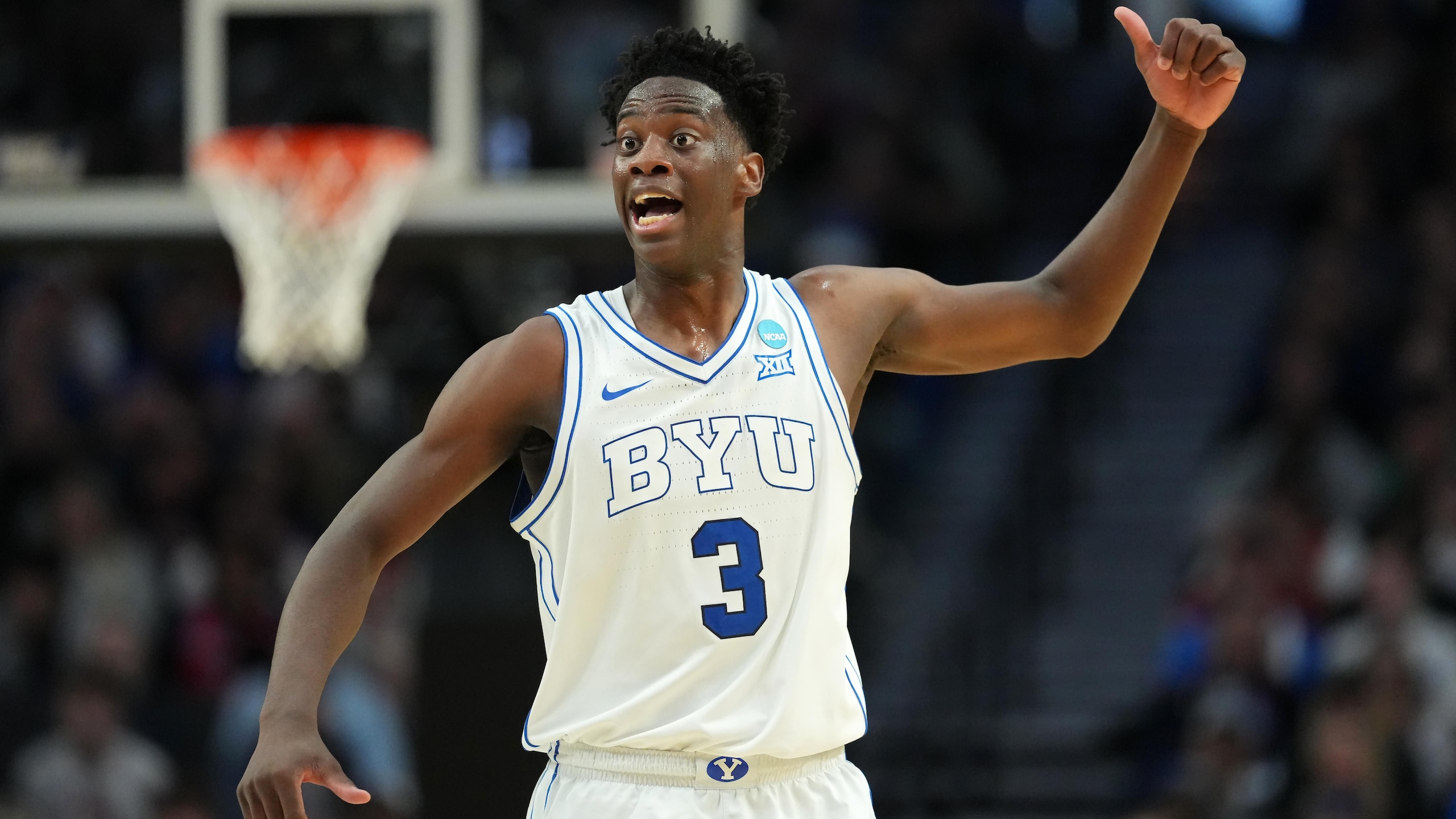
The Wizards either took their decision-making process down to the wire, or they did a tremendous job of masking their intentions. Either way, they wound up doing the right thing and came away with the new central figure of their franchise.
AJ Dybantsa's physical tools are second to none in this draft class. He has a penthouse-high ceiling, as well as a lofty floor that sits a lengthy elevator ride up from ground level.
At worst, he's a big, explosive-scoring wing who positions himself near the All-Star conversation. At best, he could be a perennial MVP candidate who captures multiple scoring titles, provides high-end secondary playmaking and creates chaos on defense.
His inside-the-arc scoring should be an elite strength right away, and his transition attacks will be appointment viewing. Washington's primary task is buffing up the rest of his skills, as he could use tighter handles, quicker passing reads and better awareness and activity on defense.
The Wizards have immediate support with Trae Young and Anthony Davis, plus long-term running mates like Alex Sarr, Tre Johnson, Kyshawn George and Bub Carrington. Now, they have a potential superstar dropped right in the middle of the roster and perhaps capable of taking this organization farther than it's been before.
Grade: A
2. Utah Jazz: Darryn Peterson (SG, Kansas)
2 of 30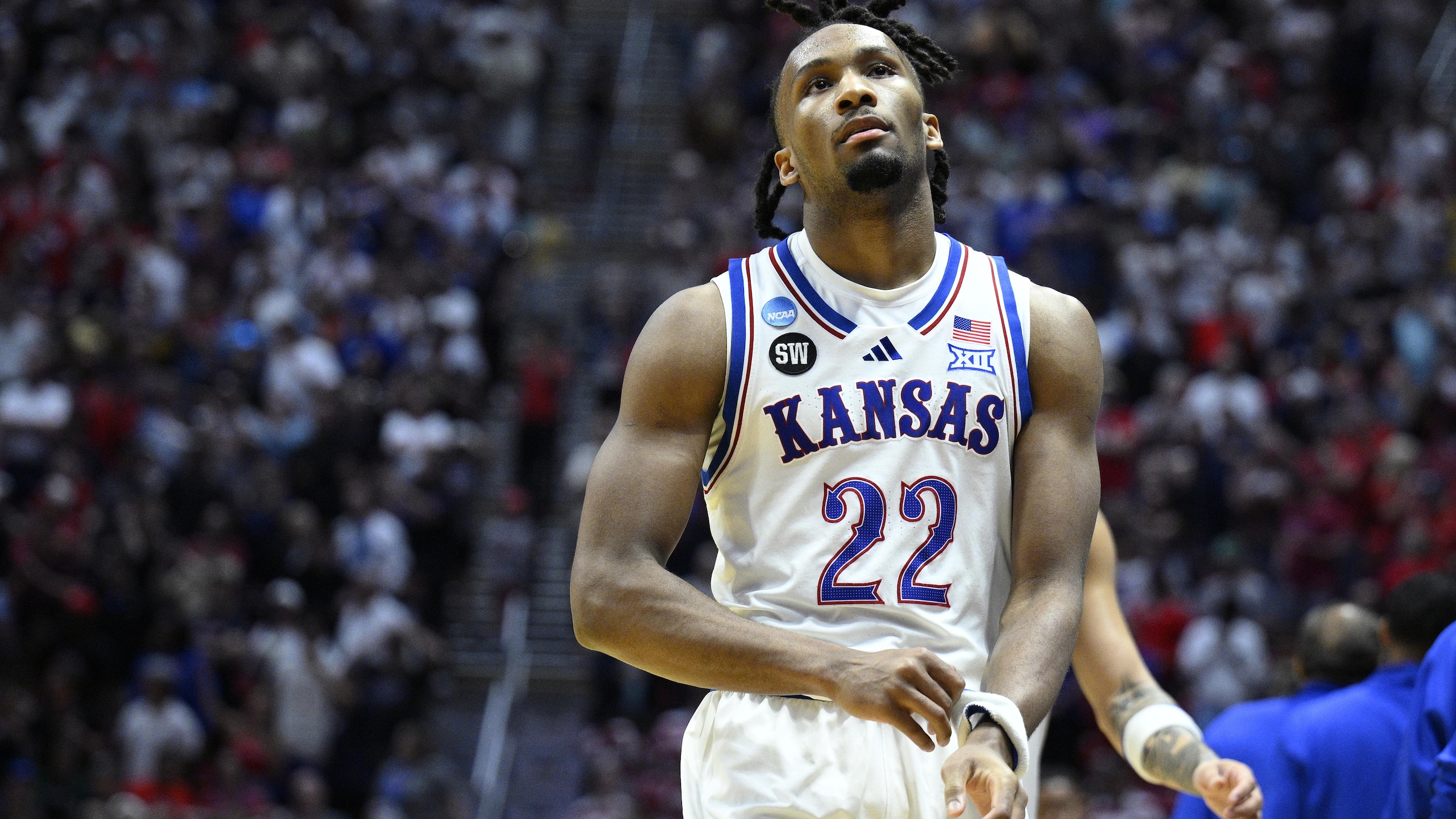
Utah potentially keeping AJ Dybantsa in the state was always a fun narrative, but Darryn Peterson was always the cleaner roster fit. And with the Jazz seemingly taking a massive step toward competitiveness with their trade-deadline acquisition of Jaren Jackson Jr. (plus ongoing commitment to Lauri Markkanen and ascension of Keyonte George), fit mattered more than it would with picks this early.
However, this wasn't necessarily a fit-based pick. If not for such a strange season at Kansas, Peterson might've been regarded as the top prospect in this class.
Even with spotty availability and inconsistent impact, his appeal managed to rise above the red flags. His shotmaking is next-level, his defense is disruptive, and his dribble moves can get him out of the tightest jams.
His explosion and on-ball creativity looked better in high school than they did in college, but that doesn't mean they've disappeared from his profile. Perhaps a cleaner bill of health and NBA spacing can summon those strengths again. If they do, he'll probably make annual pushes for All-Star and All-NBA consideration.
If those availability concerns don't follow him to the NBA, this pick should be a home run. Since it's hard to say for certain they won't, we'll grade it more like an extra-base hit to the gap.
Grade: A
3. Memphis Grizzlies: Cameron Boozer (PF, Duke)
3 of 30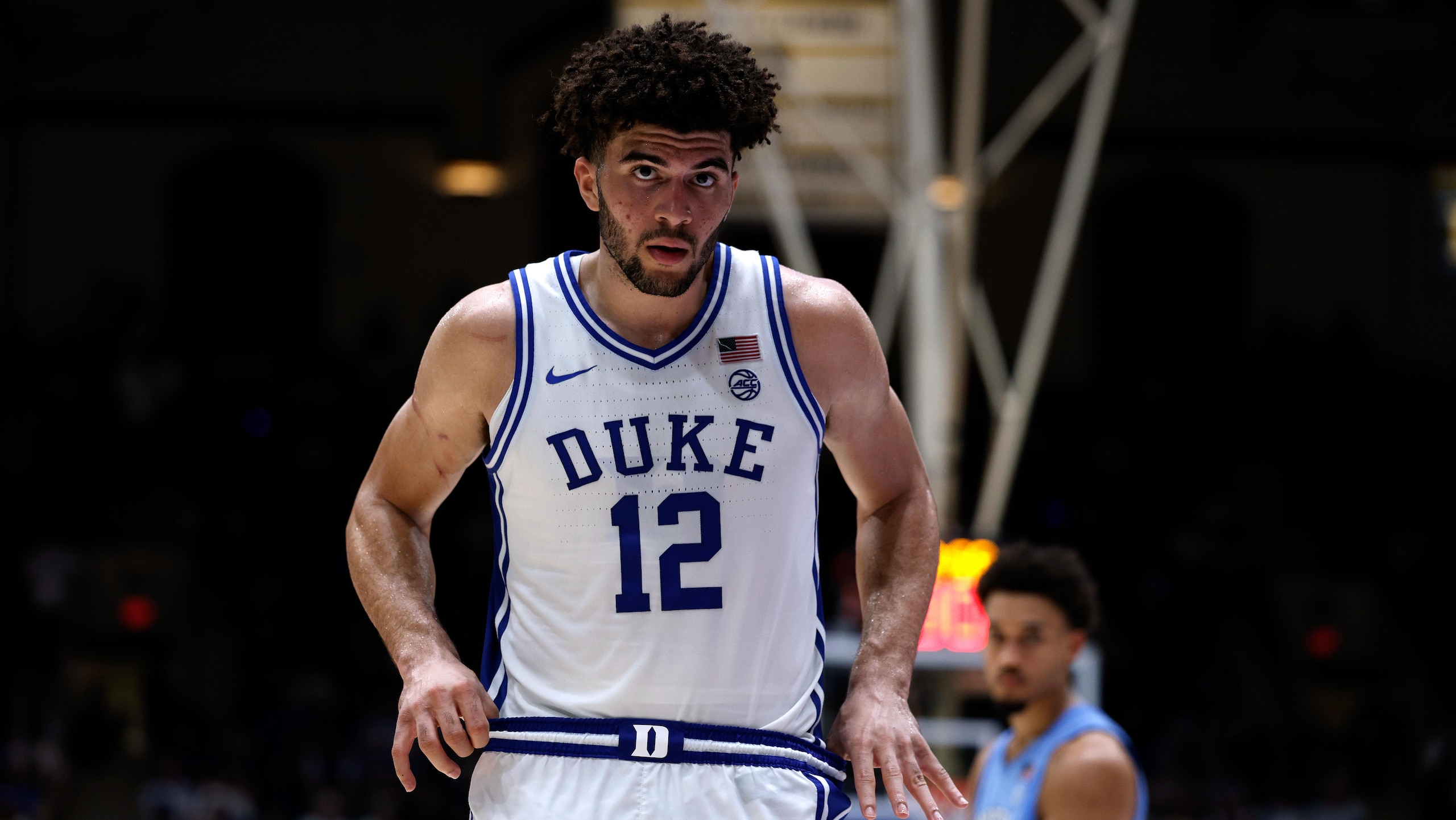
Consistency, across-the-board production and winning pedigree. That's what Grizzlies fans can expect from Cameron Boozer, who won't even turn 19 years old for a few more weeks.
He's a tricky-ish evaluation, because you kind of wonder why he isn't universally regarded as the best player in this draft, despite being No. 1 on Jonathan Wasserman's big board at B/R, while also understanding why that's the case.
His offense is special. The only slight hangup is whether he winds up very good or great on that end. It'll be one of the two, because he just has too deep of a bag filled with paint-to-perimeter scoring, quick processing, point-forward handling and reliable finishing.
The one real concern is defense, as he doesn't have the length or vertical pop of a paint protector but also isn't quite nimble enough to handle perimeter switches.
The defensive concern is real, but it didn't deny him top-three status in a draft class defined by having three elite prospects. The Grizzlies were always going to walk away with a really good prospect here, and they're getting a centerpiece with an incredible skill level.
A core built around Boozer, Zach Edey and Cedric Coward could soon be really hard for opponents to handle.
Grade: A+
4. Chicago Bulls: Caleb Wilson (PF, North Carolina)
4 of 30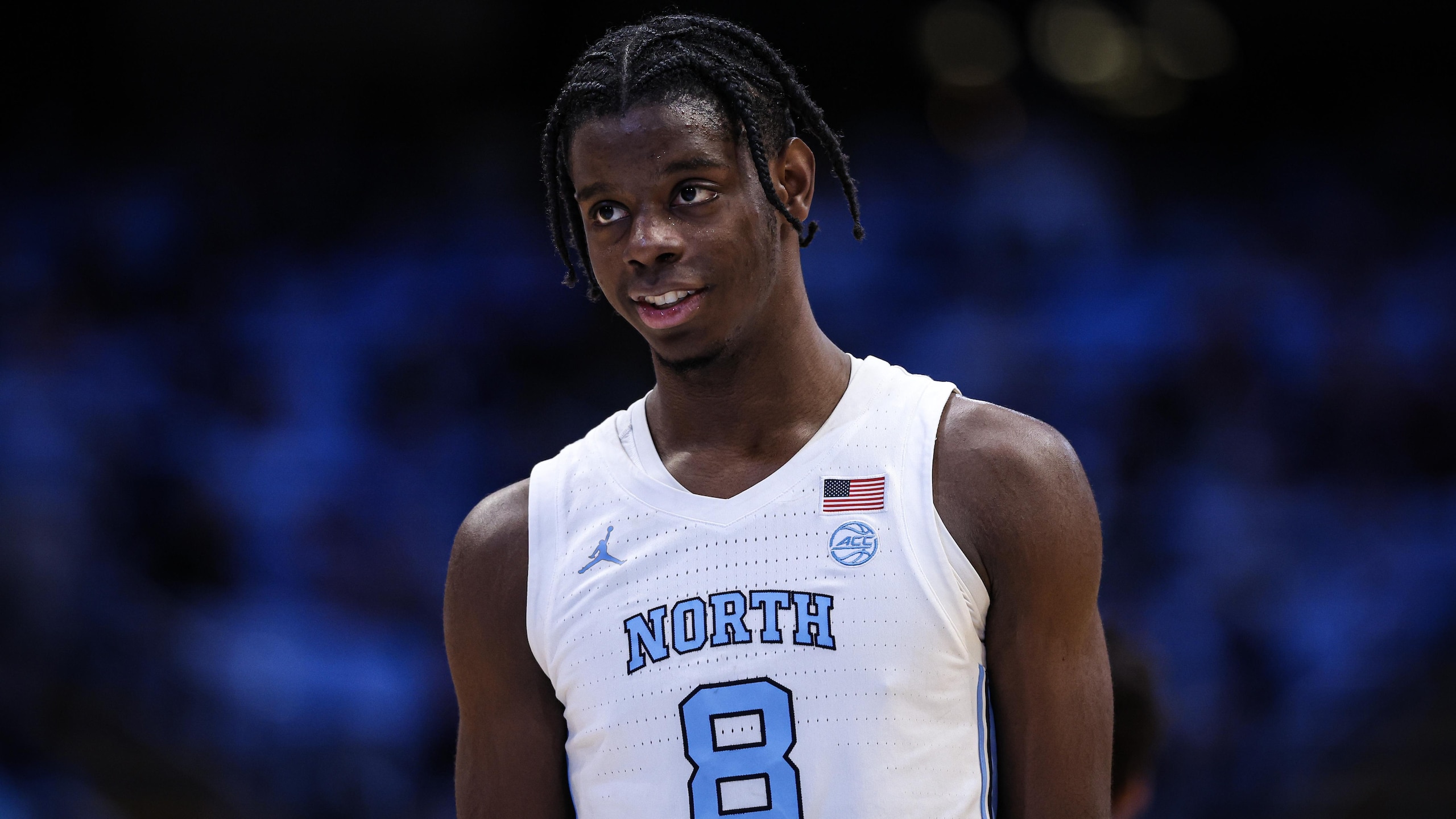
The first major move for new Bulls executive vice president of basketball operations Bryson Graham should've been a stress-free one. Based on how the three picks went, Chicago doing anything other than taking Caleb Wilson here would've been jaw-dropping.
Wilson might be the only player in this draft who has an entire prospect tier to himself. His flaws (while perhaps fixable) were too clear to slot him into the top three, but his strengths were too numerous to bump him down any further. So, it's basically the three blue-chippers, then Wilson, and then everyone else.
He is the best athlete in this draft and might have the best motor, too. That's an awesome combination, and he puts it to use on highlight hammers, how-did-he-get-that?! rebounds and transition finishes.
More subtle skills so far elude him, though. He is unproven as a shooter, loose with the ball, can be sped up with his decision-making, and he is a little behind with his defensive awareness.
His growth as a shot-creator and scorer will determine whether he'll wind up leading the next era of Bulls' basketball, but he is certain to play a major part in it regardless.
Grade: A
5. Los Angeles Clippers (via IND): Keaton Wagler (PG/SG, Illinois)
5 of 30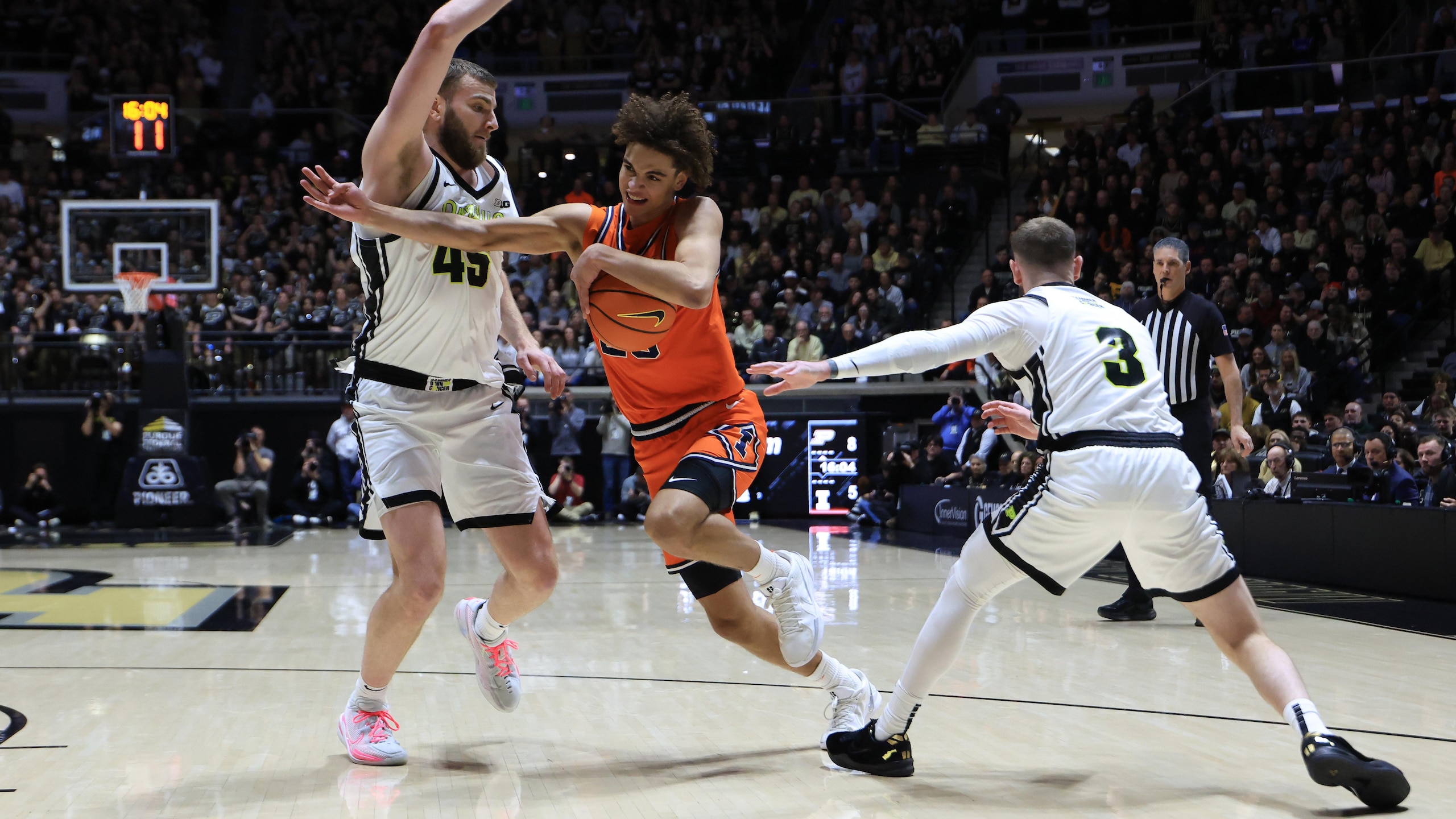
The draft lottery was interesting for the Clippers. They landed the highest pick they could possibly get from the Indiana Pacers, but they also wound up in a range where their needs didn't really align with the top prospects on the board. Keaton Wagler feels like the best fit alongside Darius Garland, but that's an offense-leaning twosome with some serious defensive concerns.
The question with Wagler is whether he has star potential or more likely winds up as a complementary piece who can star in a support role. He has as much off-ball utility as any guard in this class, but his draft stock really soared once he shifted into more on-ball responsibilities. His shot and connective passing are assets in either role, but his impact can only stretch so far as an off-ball puzzle piece.
Will the Clippers entrust him with a lot of on-ball responsibilities, though? At best, he figures to wind up in a timeshare with Garland. Creating a multiplaymaker setup with both could be huge for this offense, but that's a tightrope walk that could leave both creators feel like they aren't being used to their full potential.
Wagler is a fun prospect, and this backcourt should be a handful on offense. But the fit is imperfect, so you'd hope it wasn't the sole reason why L.A. went this direction.
Grade: B
6. Brooklyn Nets: Mikel Brown Jr. (PG, Louisville)
6 of 30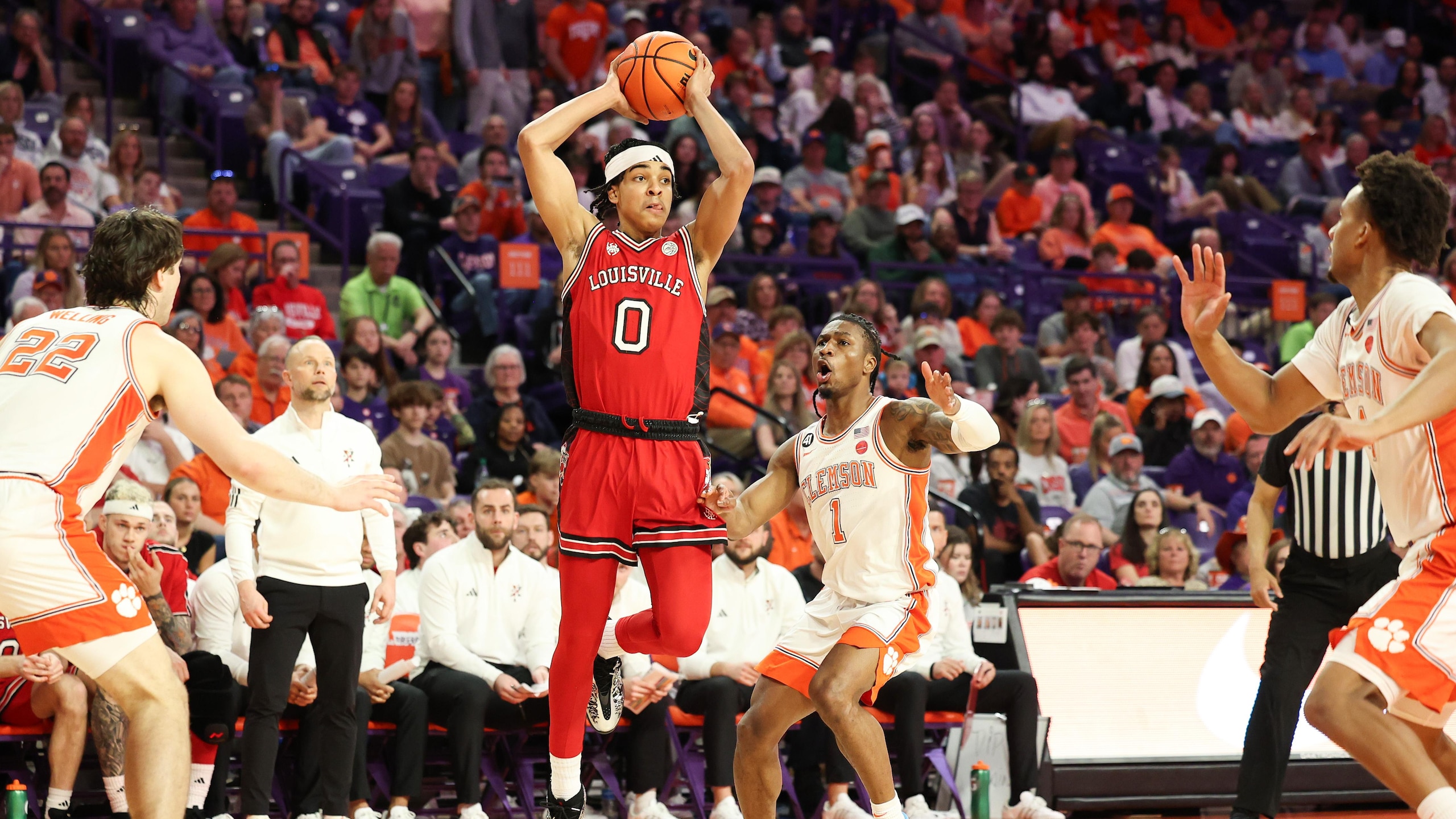
Mikel Brown Jr.'s stock was clearly climbing on the workout circuit, so it's not at all surprising to see the Nets buy in here. His star potential is obvious, as is Brooklyn's need for star-level talent, so this could be a great match if things go according to plan.
As one of the bigger risk-reward prospects in this class, Brown has both fascinating peaks and worrisome valleys. If everything breaks right, he might be a perfect conductor for a modern attack. Deep pull-up threes and full-speed, live-dribble passes are key parts of his arsenal, meaning he can create space and then promptly make the most of it.
But he was often injured in college and pretty inefficient when he stepped inside the lines. Professional gamblers would probably label his decision-making as bold, both with his shot selection and his tiny-window pass attempts. He also has to get stronger, or he could get skewered defensively.
There is risk here, and that has to be reflected in the evaluation. It's easy to see what the Nets were seeing here, though. They deserve credit for taking the kind of swing that—if it connects—could be a long-term fortune-changer.
Grade: B+
7. Sacramento Kings: Darius Acuff Jr (PG, Arkansas)
7 of 30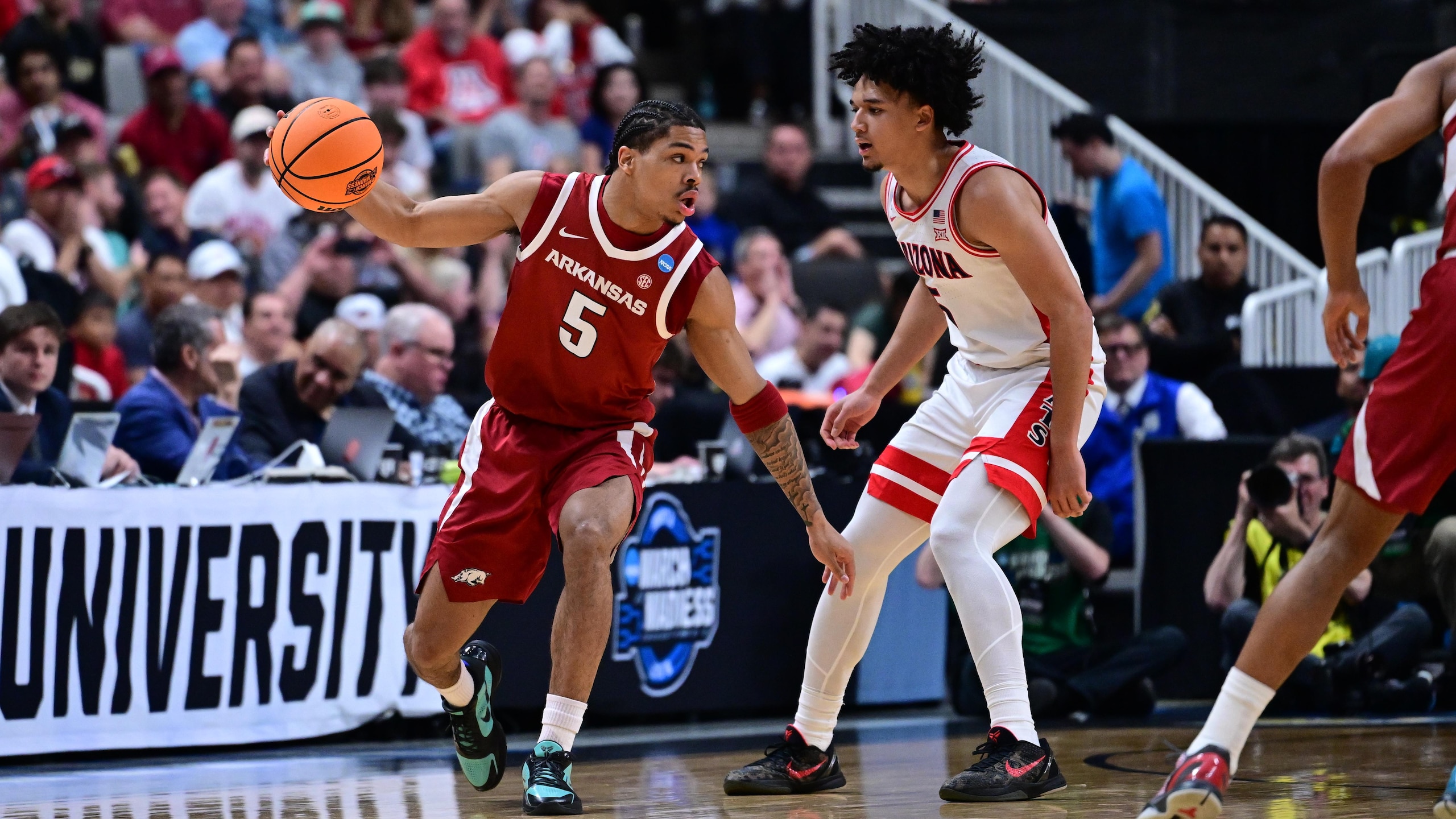
The Kings were connected to Darius Acuff Jr. early in the process, and at times it felt like their interest might be strong enough for them to trade up to get him.
Staying put and still getting him at No. 7 is good business, even if there are some questions with his profile.
While all arrows point toward Acuff being a one-way contributor—certainly at the early stages of his career, but possibly for its duration without major improvements—his offensive upside is so towering that those defensive deficiencies are almost forgiven. He can consistently create advantages, then rely on his strength, shotmaking and passing vision to capitalize on them.
His defense is legitimately dreadful, though, both in terms of engagement and execution. That puts a ton of pressure on him to be awesome on offense.
To his credit, he's been that before. But he still faces a steep climb to make that happen in the NBA as a smaller guard who isn't a great athlete.
Sacramento has had standing needs for legitimate stardom and dynamic scoring and creation ever since trading De'Aaron Fox and Tyrese Haliburton. Acuff has a non-zero chance of scratching both itches.
Grade: A-
8. Atlanta Hawks (via NOP): Kingston Flemings (PG, Houston)
8 of 30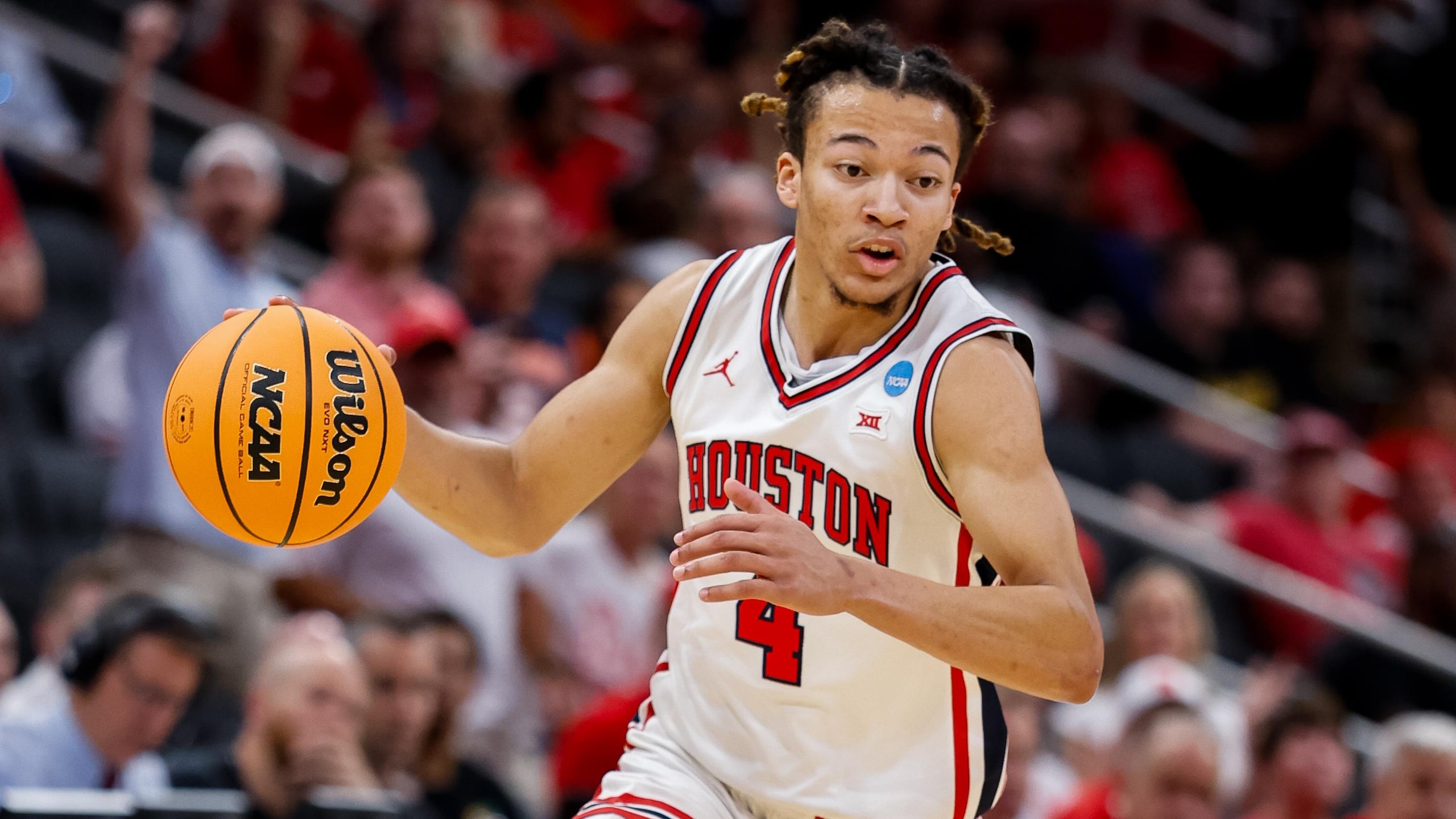
The Hawks created a void at point guard by trading Trae Young away in January. They just filled it roughly six months later with Flemings.
And since the Hawks are re-signing CJ McCollum to a one-year deal, they don't necessarily need Flemings to step into that role right away. They'll clear the runway as soon as he signals that he's ready, though.
Flemings has blink-and-he's-by-you burst and the kind of pace and direction changes to keep defenses perpetually uncomfortable. He thinks as fast as he plays, too, so he never gets sped up, even as he's full-throttling around the floor. He makes smart decisions, and that has so far manifested into strong shooting rates and low turnover numbers.
Flemings has been reliant on his mid-range jumper to this point, and it's unclear how he'll respond if the Hawks want to repurpose his shot diet. His compact, powerful frame is nevertheless undersized for this level, so he'll get hunted on defense until he proves he's up to the NBA challenge.
Flemings is a good get and a strong connection between need and talent here. His three-point volume will have to ramp up to really make this work with Jalen Johnson, but those two could be a force together on both ends of the floor.
Grade: B+
9. Dallas Mavericks: Morez Johnson Jr. (PF/C, Michigan)
9 of 30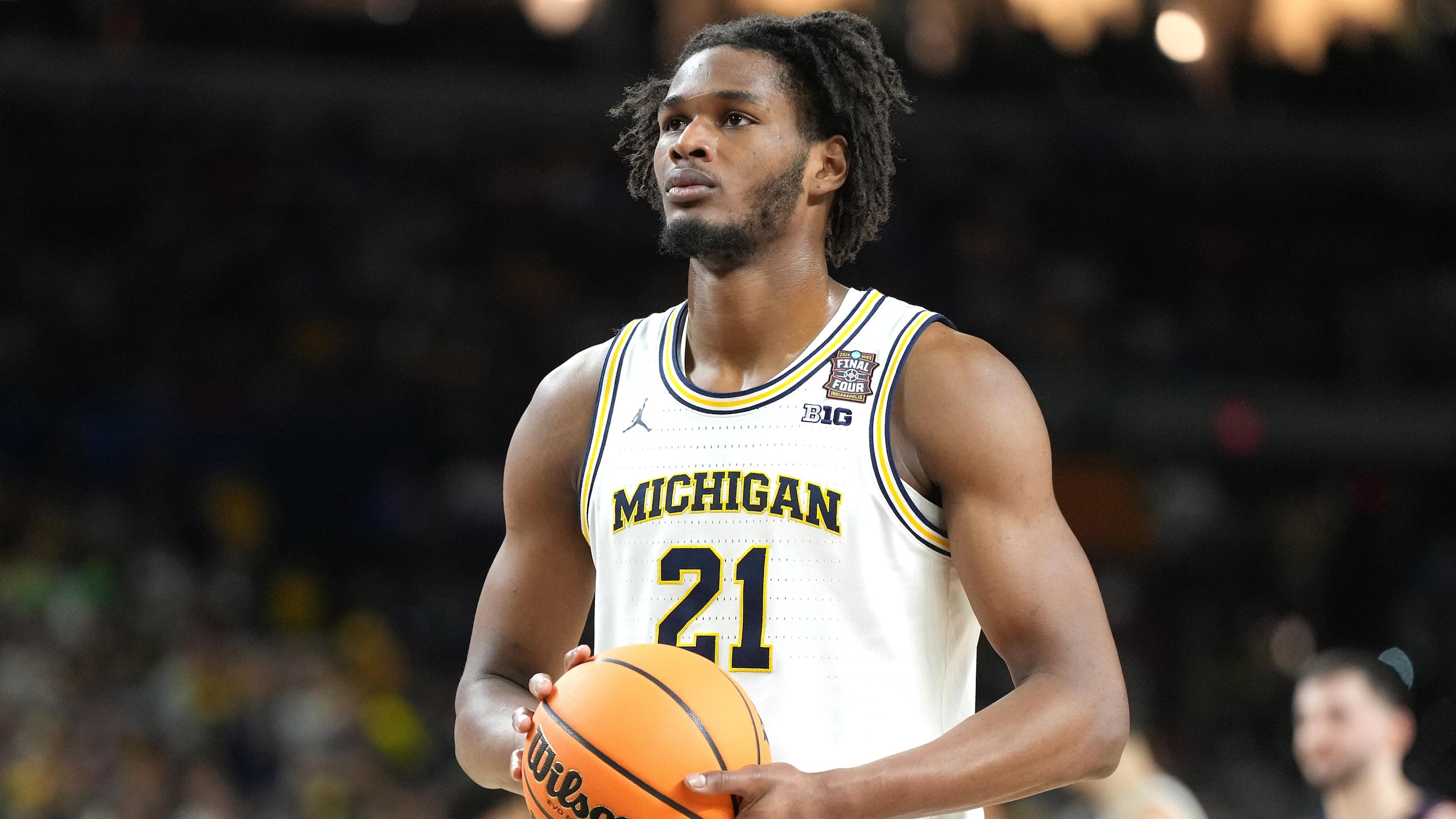
The first stunner of the night comes from a franchise that just made a stunning hire at head coach. After luring Dusty May away from Michigan, the Mavericks just reunited him with one of the most important players on his national champion Wolverines.
It's hard to say Morez Johnson Jr. lacks potential, especially since he might wind up being the best defender in this draft. He looks like a potential game-breaker on that end, offering both chaos creation as a weak-side helper and tremendous switchability.
On offense, he plays within his limitations as a hard screener, powerful roller and soft-touch finisher. He's also flashed hints of having an outside shot, though it's still a work in progress.
With all of that said, Johnson's upside doesn't seem enormous, because his offensive bag is limited. He won't create offense for himself or his teammates, and he may not take enough (or at least make enough) outside shots for defenses to pay attention to him on the perimeter.
It's easy to see Johnson stepping into a supporting role next season, and maybe Dallas will be ready to roll with sophomore Cooper Flagg and a healthy Kyrie Irving. Long-term, though, the Mavs may regret not chasing more upside here.
Flagg and Johnson should wreak havoc together on defense, but Flagg may have benefited more from teaming with one of the shot-creators still on the board.
Grade: C+
10. Milwaukee Bucks: Brayden Burries (SG, Arizona)
10 of 30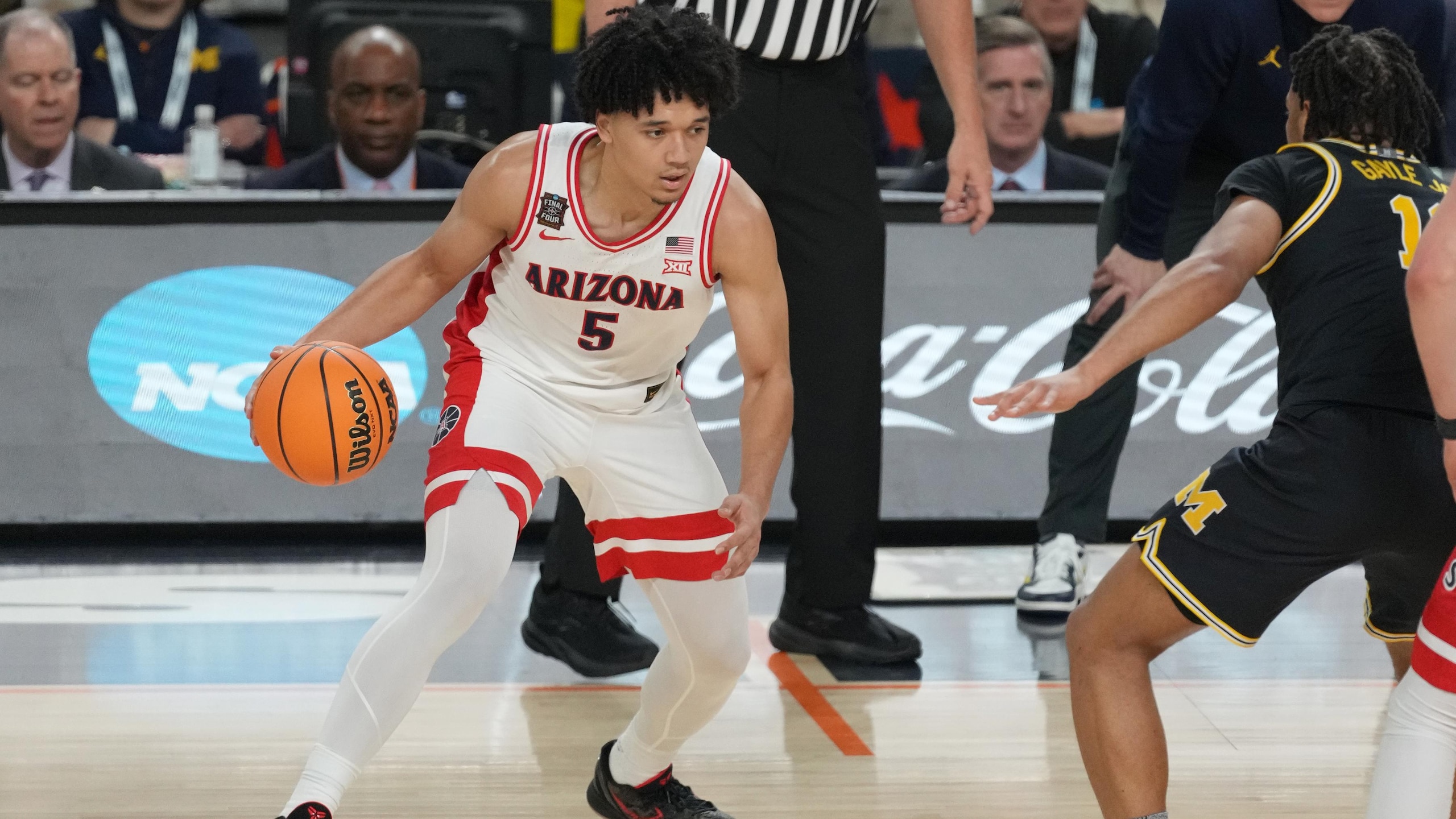
The Bucks just picked up a key puzzle piece for the post-Giannis Antetokounmpo era.
Brayden Burries has some identity-forming traits—like physicality, two-way ability and a willingness to play his role—but asking him to lead a rebuilding roster will be a huge ask.
Burries' prospect profile seems scheme-friendly and largely translatable. He can score from every level, he competes hard defensively, he's a great rebounder for his position, and he can make a lot of smart, simple passing reads. He will unquestionably buy into his role and probably ace it, so long as expectations are realistic.
However, Burries doesn't have the dribble package or the X-ray vision needed to be a full-time playmaker or shot-creator. He also isn't a great athlete or the flashiest ball-handler, so self-sufficient scoring could be a challenge.
Stardom feels, at the very least, incredibly optimistic. But ending-up-really-good-dom could be right up his alley.
Maybe that's good enough for a Milwaukee team that needs to find players to build around. The Bucks probably didn't get their next franchise centerpiece here, but it's still a solid start.
Grade: B
11. Golden State Warriors: Yaxel Lendeborg (PF, Michigan)
11 of 30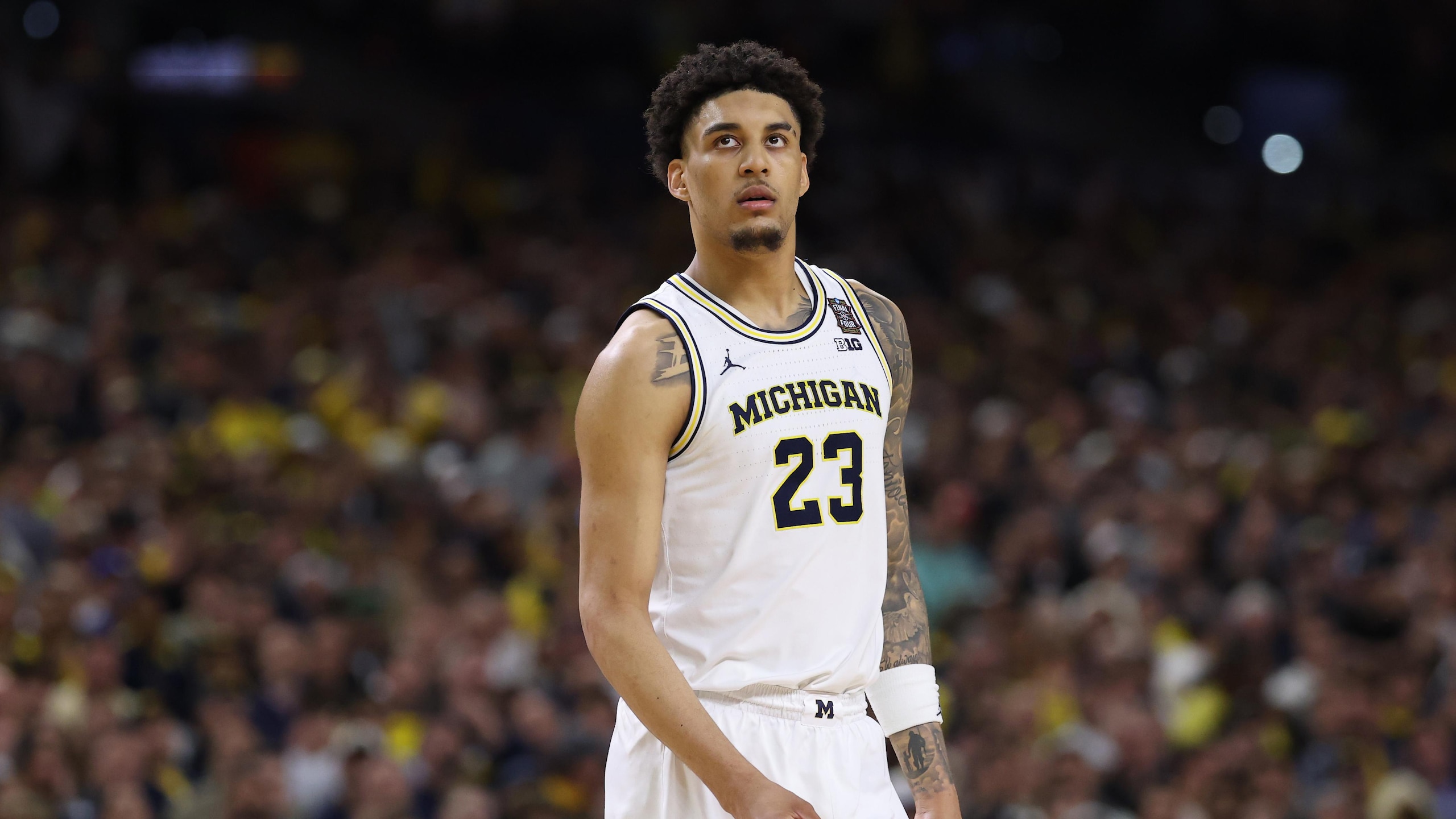
Should the Warriors have been thinking win-right-now with this pick? Their 45 losses this past season and Jimmy Butler's ongoing ACL recovery might not suggest so, but Stephen Curry's continued presence and head coach Steve Kerr's return do. So, Yaxel Lendeborg it is.
The worries with Lendeborg really aren't basketball-related. His skill set already seems perfectly suited to step into a do-everything support role. His physical tools impress, as he's long, strong and bouncy. And his skill versatility might be an even stronger sales pitch. If his perimeter shooting sustains, then his skill tree should branch out in every direction.
It's a truly fascinating profile; it just happens to be attached to someone who will turn 24 before next season starts. Lendeborg is older than Jonathan Kuminga, who's already five seasons deep into his NBA career. History hasn't been kind to lottery picks who are as seasoned as Lendeborg.
The Warriors don't seem worried about that. If they feel like he can help Curry right away, they probably shouldn't be.
If Golden State just sacrificed upside to chase a couple of play-in tournament invitations, though, the Warriors will regret not taking a better long-term flier with this lottery pick.
Grade: B-
12. Oklahoma City Thunder (via LAC): Aday Mara (C, Michigan)
12 of 30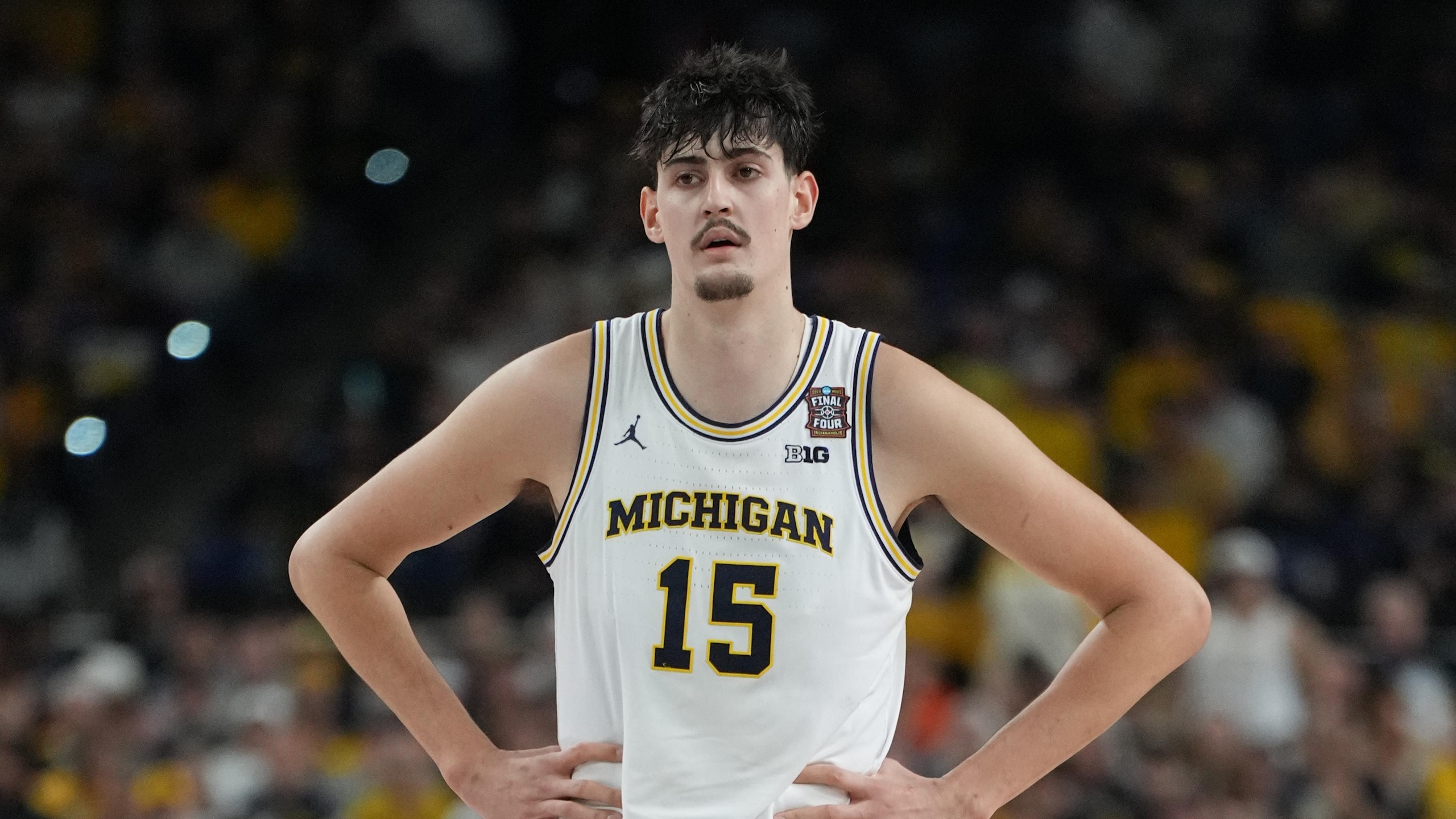
This is big. Literally. (Sorry.)
The 2024-25 champion Thunder didn't have an obvious roster need, but frontcourt depth probably came closest to qualifying as such. Beyond the obvious 7'4" obstacle down in San Antonio, Oklahoma City also has to figure out its future with Isaiah Hartenstein, whom it has a $28.5 million team option for in 2026-27.
Even if Hartenstein returns, Aday Mara provides OKC with some interior protection, at the very least.
Mara is massive, even for someone entering this larger-than-life league. He stands 7'3" without shoes and can almost dunk without jumping (9'9" standing reach). He does everything you'd expect of someone with this size: walling off the basket, finishing with force and competing on the glass. He also does things you don't always see from people with this much mass, like processing and passing like a guard.
He isn't scheme-versatile, though, as drop coverage will be a must to limit his exposure against dribble-drivers. He also needs to be pretty heavily involved as a passer, because that's the one area where his offense really stands out.
Any prospect would've faced a steep uphill climb to crack OKC's rotation next season, but Mara might be up to that challenge. And if his offensive game keeps growing, he might handle a lot more down the line, too.
Grade: A-
13. Milwaukee Bucks (via MIA): Nate Ament (SF, Tennessee)
13 of 30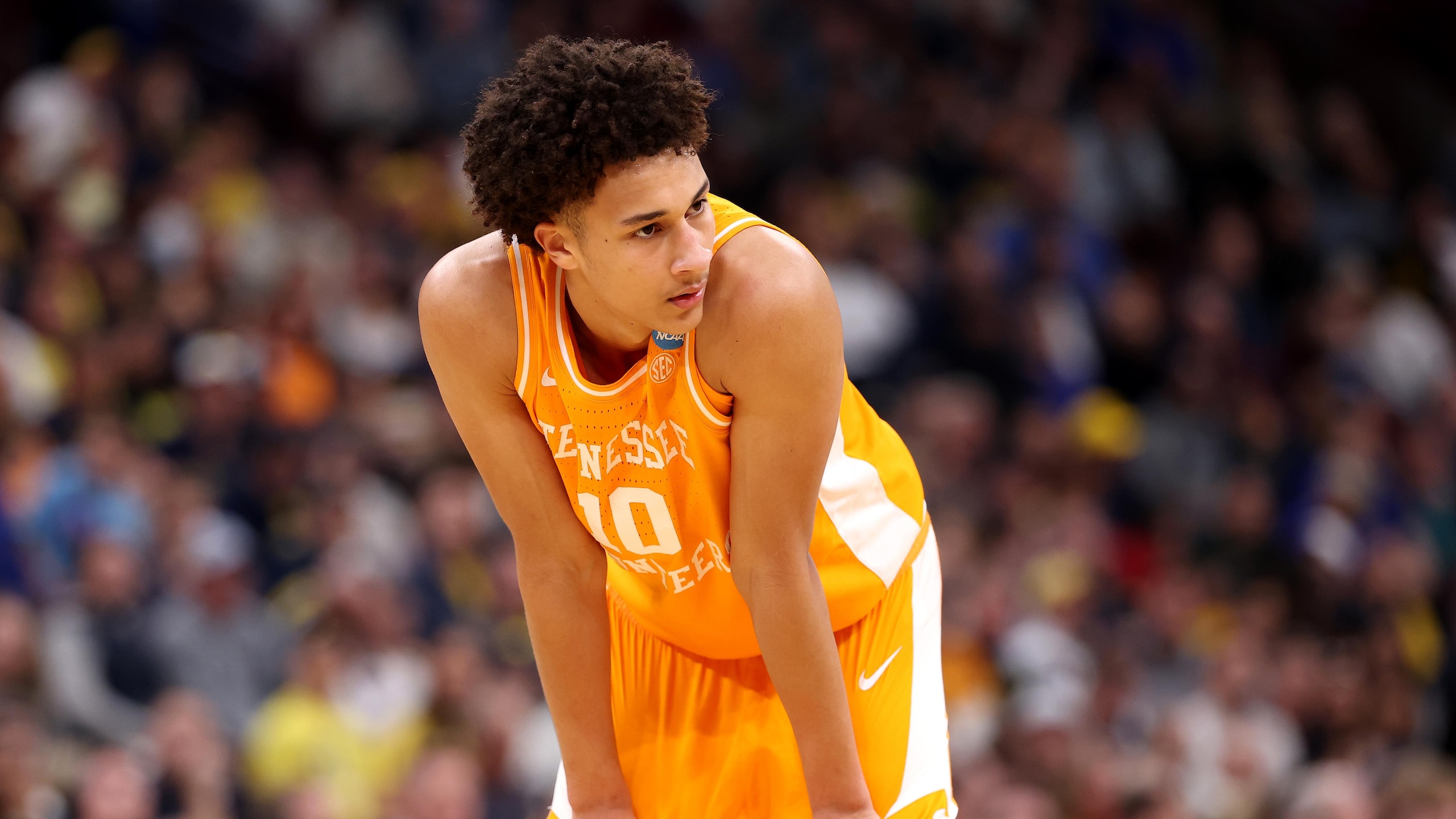
The now-rebuilding Bucks felt like a logical landing spot for Nate Ament at No. 10. Getting him three selections later is good value, and it perhaps beefs up the impact of that selection as well. Milwaukee was able to get a seemingly safe, plug-and-play prospect in Brayden Burries and then took a long-term flier on Ament at No. 13.
Ament was initially supposed to land higher than this, but an up-and-down season with the Volunteers damaged his draft stock. He still looks the part of that previously celebrated prospect: a nimble, big wing with the always helpful dribble-shoot-pass combo. He isn't explosive, but he gets where he wants, and opponents can't keep him off the foul line.
With all of that said, his frame and his game both need work. He is skinny and plays like it. Paint penetration could be a grind in the NBA, since he can't power through players or take off to finish above them.
His dribbling, shooting and passing skills are all baseline abilities, too. There's no real wow factor with any of them.
Ament has some real warts, but he also has a shot at being special. Milwaukee absolutely needs to take swings on this kind of upside as it starts to navigate life without Giannis Antetokounmpo.
Grade: B+
14. Charlotte Hornets: Hannes Steinbach (C, Washington)
14 of 30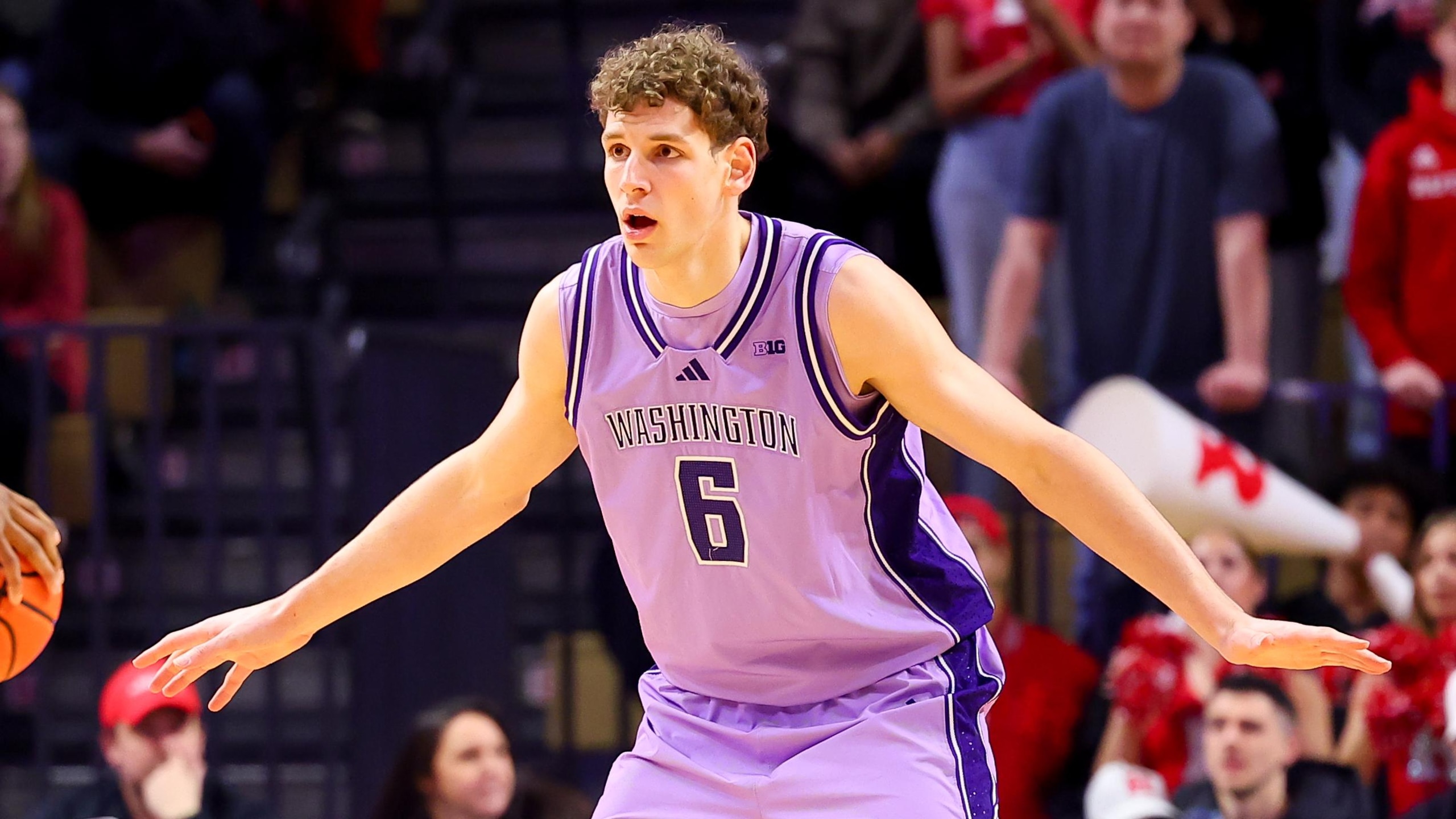
The Hornets could credit so much of their second-half turnaround to their perimeter core, so spending this pick on an interior prospect feels like a no-brainer. Charlotte may have found a serviceable center rotation with Moussa Diabaté and Ryan Kalkbrenner this past season, but it clearly sought more from the position, and it could get a lot more with Hannes Steinbach.
Of all the individual skills in this class, Steinbach's rebounding is among the sharpest. He tracks the ball well, boxes out with force and has great hands to inhale the basketball. His post scoring is a top-tier talent, too, as he has skillful footwork, soft touch and the ability to either shake defenders off his back or power through them.
Steinbach isn't a great vertical athlete, which could make it tricky for him to find his defensive fit. If he's at the 5, the Hornets will be hurting for rim protection. If he's a jumbo 4, perimeter players could carve him up on switches.
This feels like a safe selection, and those inherently lack excitement, especially in the lottery. The Hornets probably won't regret this pick, but it might not be transformational, either.
Grade: C+
15. Chicago Bulls (via POR): Dailyn Swain (SF, Texas)
15 of 30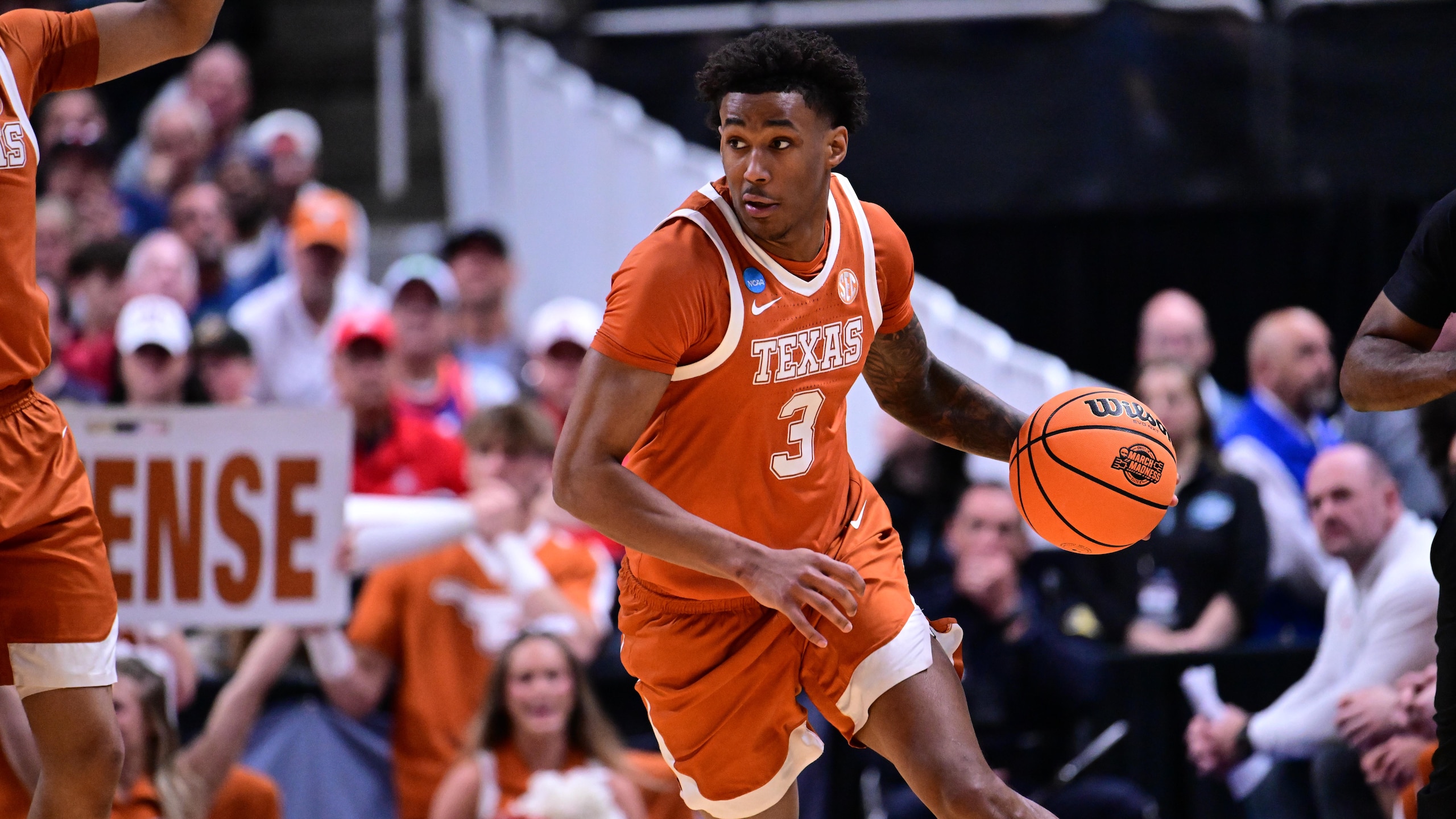
Chicago's vision for a longer, more athletic and more disruptive roster is coming together. Dailyn Swain is one of the SLAP-pier prospects left on the board, so he certainly fits the preferred model for the Bulls' new front office.
Swain was a regular paint visitor in college and a tremendous finisher around the rim. Both of those traits could translate to the NBA. And his slashing is even more potent than it sounds, too, since he's a slick passer for his size and archetype. He has enough tools to be a sturdy defender and defensive playmaker.
Can he shoot, though? That's his biggest question, and it'll be one of the bigger swing skills in this prospect pool.
Swain's mechanics look funky, and the results aren't great. If he doesn't demand attention on the perimeter, he'll have trouble sniffing out attack lanes he's otherwise ready to exploit.
Had Swain landed elsewhere, maybe his shooting concerns wouldn't have loomed quite as large. The spacing already looks tight in Chicago, though, so there will be real urgency for Swain to expand his range sooner than later.
Grade: C+
16. Oklahoma City Thunder (From PHX via MEM): Bennett Stirtz (PG, Iowa)
16 of 30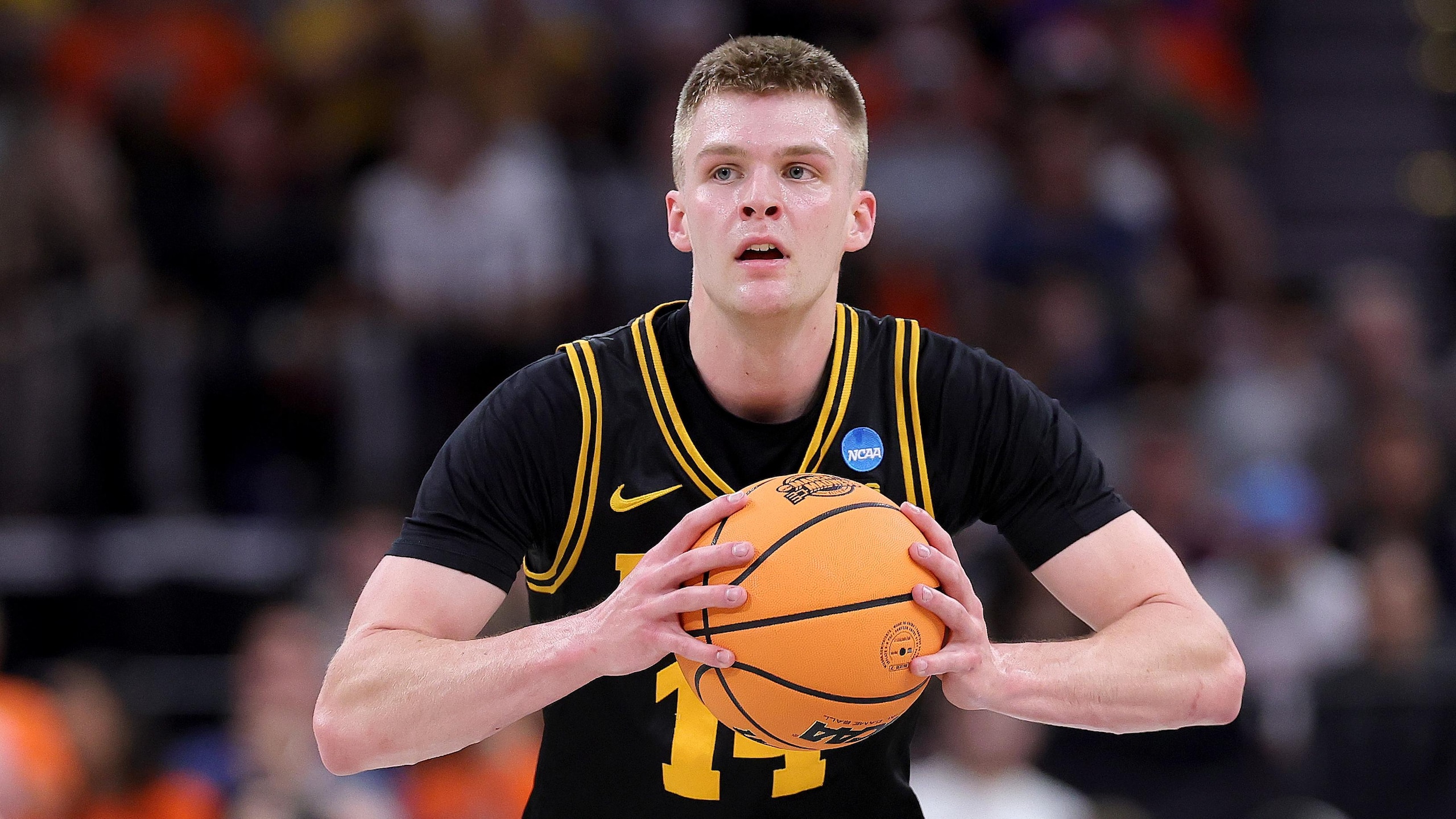
The Thunder were long identified as a trade-up candidate. The jump just wasn't as high as many envisioned, as they moved up only one pick to take Bennett Stirtz, whose polish, processing and perimeter shooting could all help him wiggle into the Thunder's rotation as soon as next season.
Stirtz might be the best thinker in this class. He always seems to be a step ahead of defenders, which is no small feat considering his actual first step is nothing special. He not only knows where everyone is at all times, but he also has a good feel for where they're going to move, so he can sense openings before they're actually open. He has a real case for being this draft's best shooter.
Stirtz's physical tools are underwhelming, and he'll be 23 before seeing his first NBA action, so there are questions regarding his upside. Without great size, strength or speed, isolation plays could be struggles on both ends.
Those would be bigger worries had he landed elsewhere, though. The Thunder should appreciate Stirtz's readiness more than most, and they have enough sturdy stoppers to live with his defensive limitations.
Grade: B-
17. Detroit Pistons (From PHI via MEM): Ebuka Okorie (PG, Stanford)
17 of 30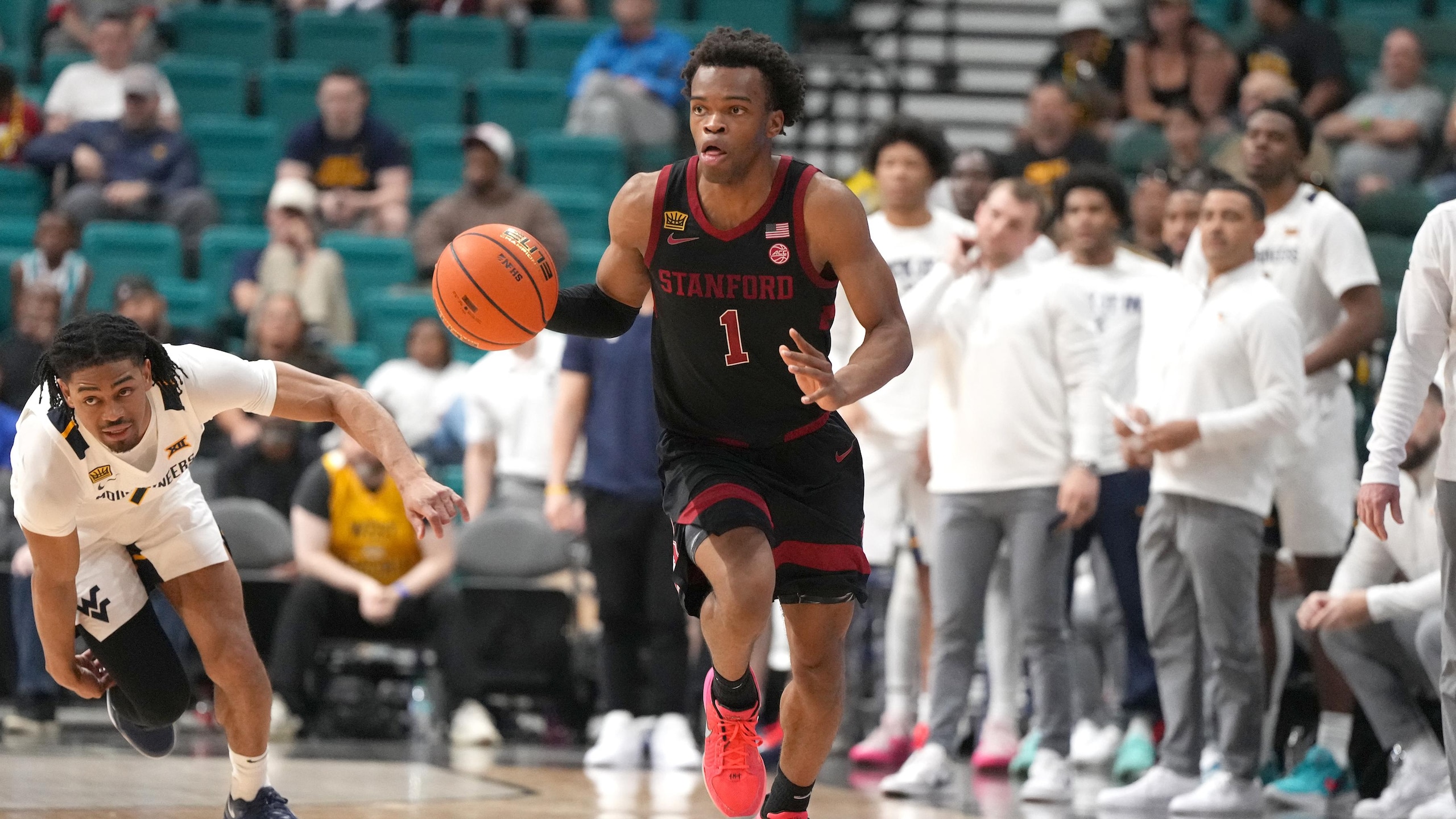
The Pistons had to find more creation and perimeter scoring to slot alongside Cade Cunningham, and they may have covered both needs with this pick. It's not entirely clear what kind of player Ebuka Okorie will become since Stanford made him serve as a primary scorer, but his offensive abilities are intriguing.
Okorie is a blur with the basketball, and the punches on his frequent-visitor card to the paint fill up in a hurry. He is forever in attack mode, whether that means pulling from the perimeter without a second thought or motoring to the basket. His dribble bag seemingly has a counter for whatever the defense tries to punch him with, and when he isn't finishing with baskets, he's getting to the foul line.
His efficiency can be questionable, though, which is a bigger worry than it sounds when so much of his game revolves around getting buckets. While he didn't have a lot of help at Stanford, he still showed more tunnel vision than you'd want to see in a 6'1" guard. That size is also clearly a hindrance on defense.
Grade: B
18. Charlotte Hornets (via ORL): Christian Anderson (PG, Texas Tech)
18 of 30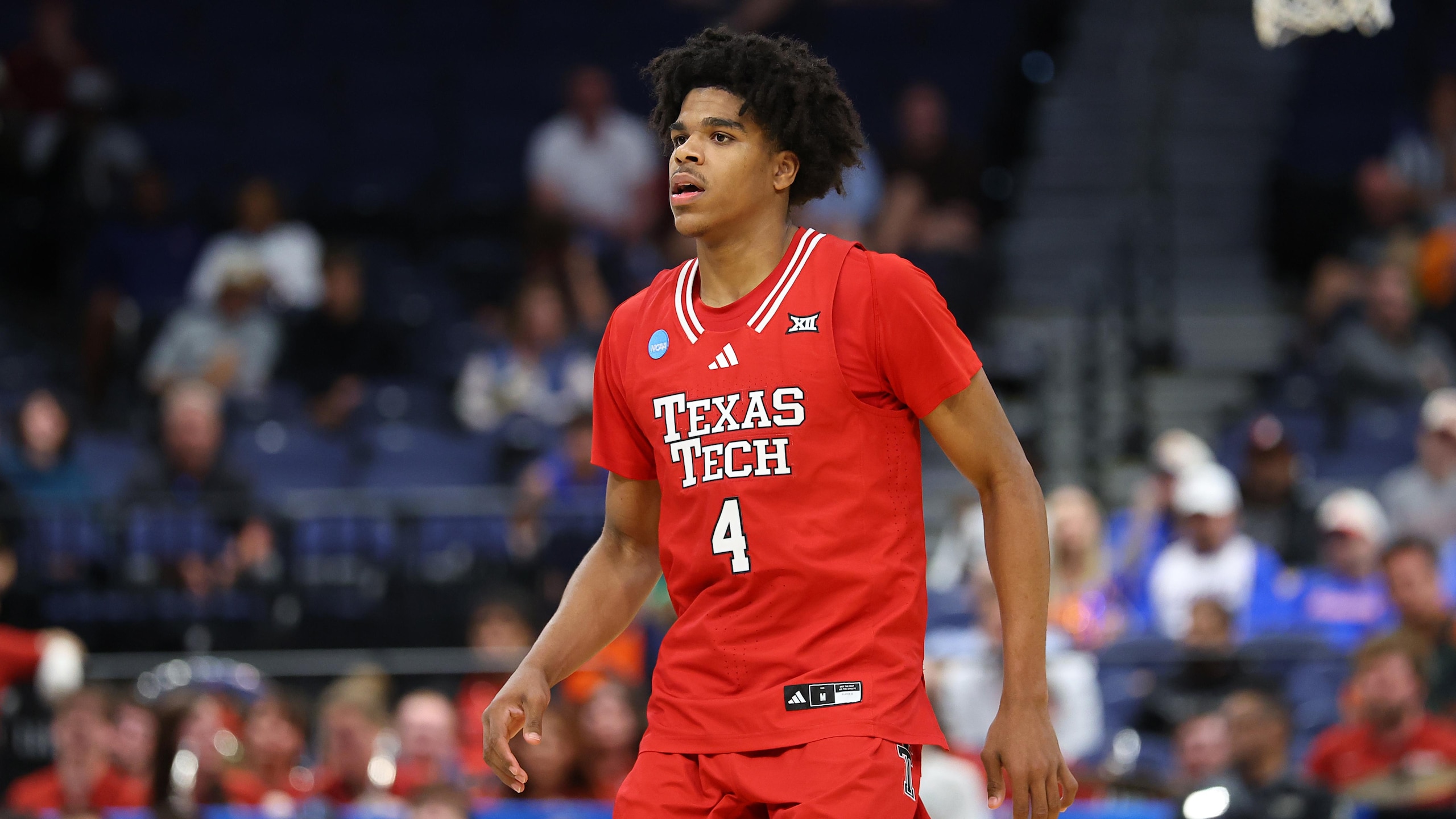
Are the Hornets hearing troubling things about Coby White's free agency? Because if the North Carolina native re-signs in Charlotte, it's hard to see exactly where Christian Anderson will fit.
Among the many small (or small-ish) guards in this class, Anderson has two things that stand out: a perimeter shot that's as pure as anyone's in this class, and high-end creation out of pick-and-rolls, especially on pull-ups.
Anderson punishes defenders who go under screens with that dialed-in shot from distance, and he'll keep ones that go over on his back as he slithers away to paint touches and either finishes or finds an open teammate.
Anderson's lack of size is a major worry, especially on defense. He plays hard and competes as best as he can, but he'll be routinely hunted until he can fill out his 180-pound frame. He also isn't the most dazzling dribbler, so it's unclear how often he'll free himself without help from a screener.
An offense-needy team with questions in the backcourt could have carved out a significant role for Anderson. The Hornets don't fit that description at all, so the unclear plan muddles the evaluation a bit.
Grade: C
19. Toronto Raptors: Allen Graves (PF, Santa Clara)
19 of 30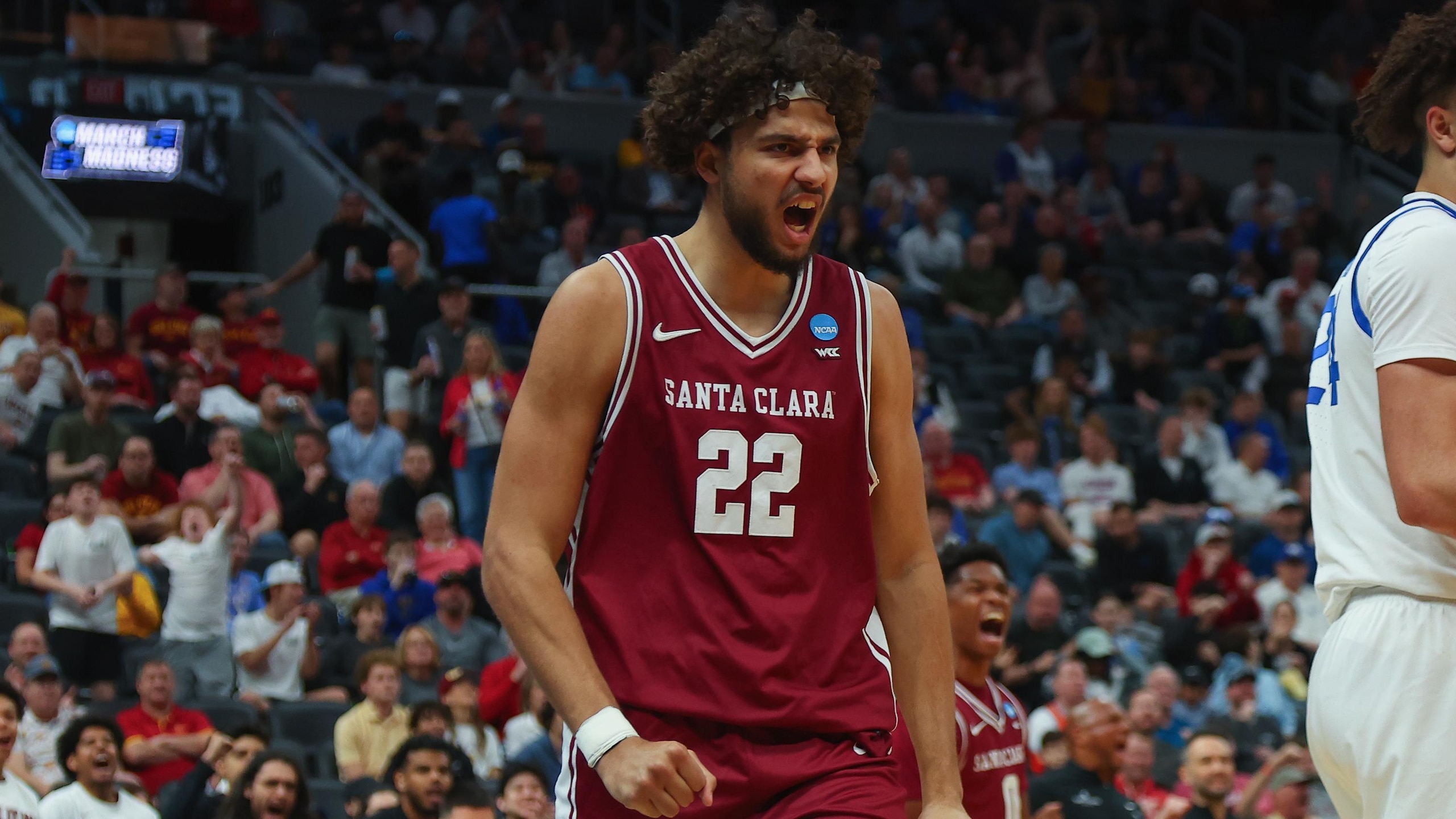
The Raptors had pressing needs at point guard and center. Naturally, they snatched up a power forward in Allen Graves who, despite being an analytics darling, feels like one of the biggest mysteries in this draft.
Graves is…funky. Maybe in a good way, but it's too early to tell. He posted huge, efficient per-minute marks as a reserve player on a mid-major. Good luck finding the conversion rate for actual NBA impact, though.
If he hits, he'll have his skill, versatility, feel and positional size to thank. If he doesn't, the steep climb in competition and the Association's athletic demands will likely have done him in.
Graves looks like a skilled big forward with questions about his offensive effectiveness. Doesn't Toronto have enough of that archetype already?
Grade: D+
20. San Antonio Spurs (via ATL): Jayden Quaintance (C, Kentucky)
20 of 30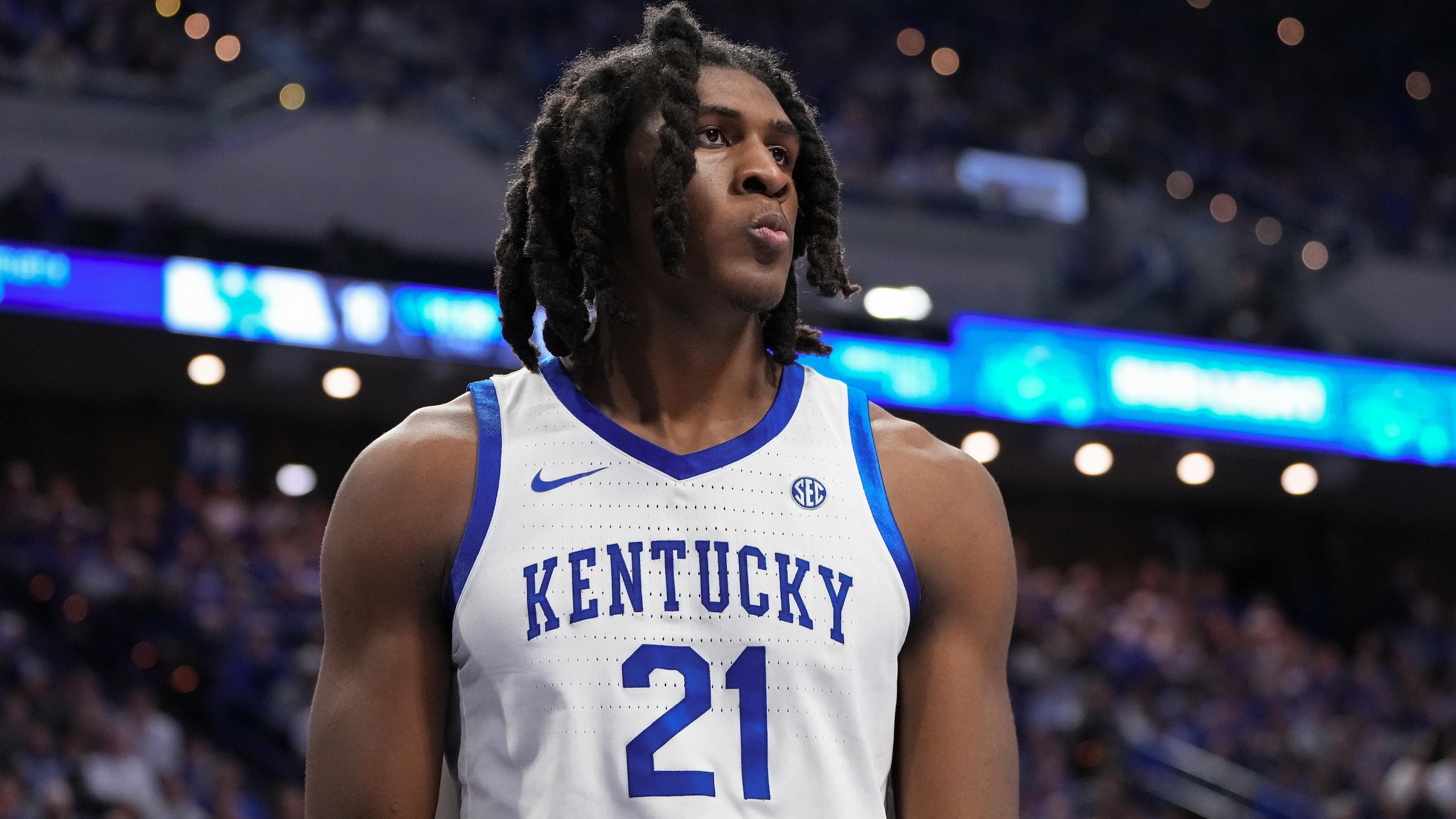
Between Victor Wembanyama at center and the backcourt combo of Stephon Castle and Dylan Harper, the Spurs already seemed to be in possession of an unfair blend of length, mobility and athleticism. They somehow managed to get even longer, more agile and loads more explosive… as long as Jayden Quaintance can stay healthy.
What's the word on Quaintance's knee? Answer that question, and then you'll know how impactful this selection actually was. An ACL tear brought his freshman campaign to a premature end and limited him to just four games as a sophomore.
If he's healthy, Quaintance might emerge as the best defender in this class. He can double as an interior intimidator and an effortless switcher onto perimeter players. His offensive bag isn't much more than a lob-finishing coin purse, but a defensively versatile rim-runner can be a pretty special archetype.
The Spurs can let Quaintance grow at his own pace and then carefully unleash him in full-throttle, hyper-active bursts. It's a pretty sweet setup, even if he might struggle to grow out of a niche role for the foreseeable future.
Grade: B-
21. Memphis Grizzlies (From MIN via DET): Karim López (PF, New Zealand Breakers)
21 of 30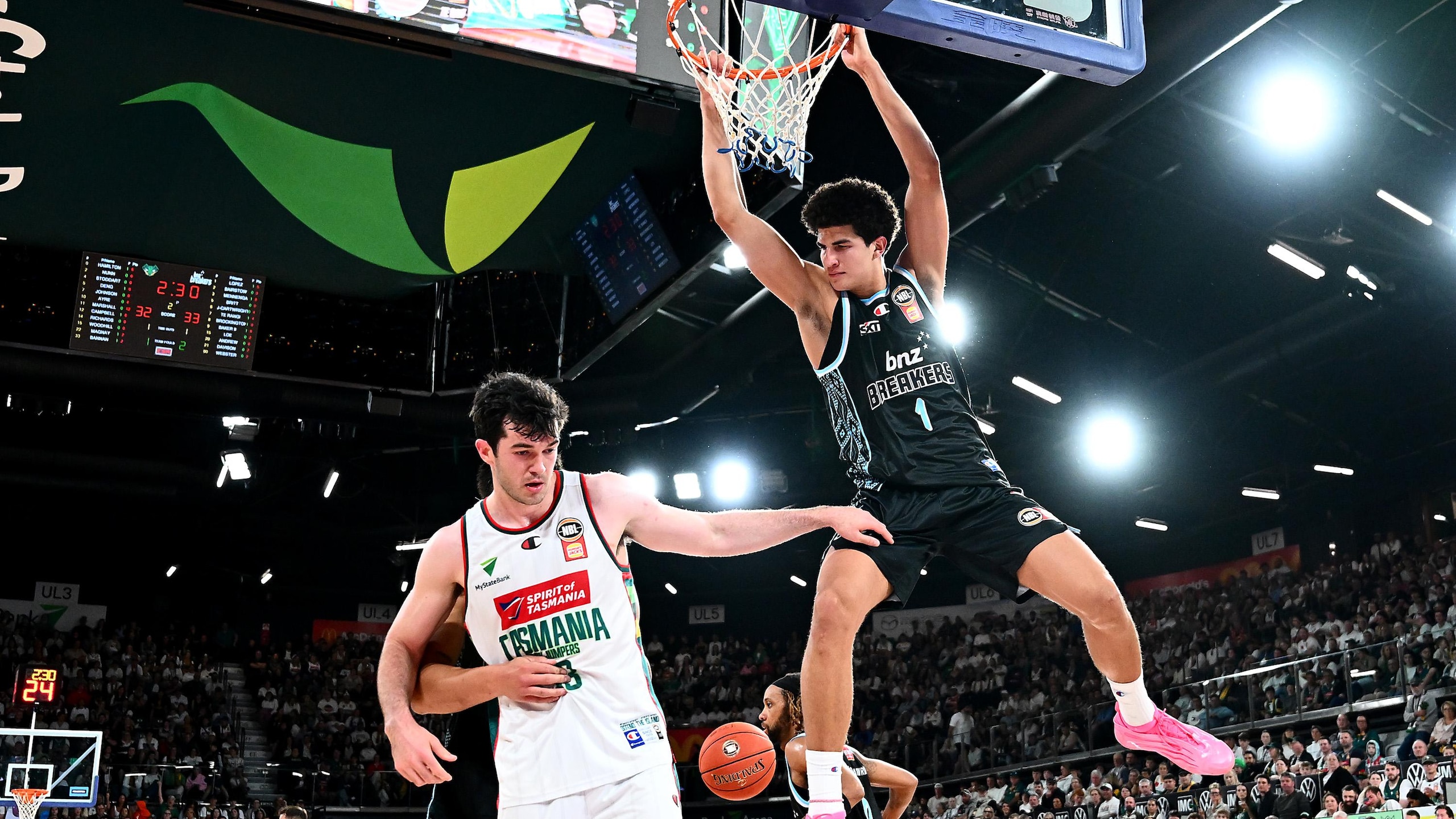
The Grizzlies twice traded back and came away with five second-round selections to slide down five spots and snag a prospect who would've been a realistic target at their original pick position of No. 16.
With that said, Karim López shares a natural position with No. 3 pick Cameron Boozer, so the value may not be quite what it would seem in a vacuum.
López, the best prospect to come out of Mexico, looks the part of an NBA swingman as a recently turned 19-year-old. He has a solid build, he embraces physicality and he is aggressive attacking downhill. He is most interesting with the ball in his hands, but he's a smart mover away from it.
López isn't much of an athlete by NBA standards, though, so his skills must be razor-sharp. Right now, they're more like a butter knife. His shots can be all over the place, his handle is rigid and rudimentary, and his defense is too scatterbrained.
If there isn't enough athleticism and perimeter shooting to play López and Boozer major minutes together, this pick won't look great with hindsight. For now, though, the tools and talents seem worth the wager, especially for a club that isn't looking to contend in the immediate future.
Grade: B-
22. Philadelphia 76ers (via HOU): Labaron Philon Jr. (PG, Alabama)
22 of 30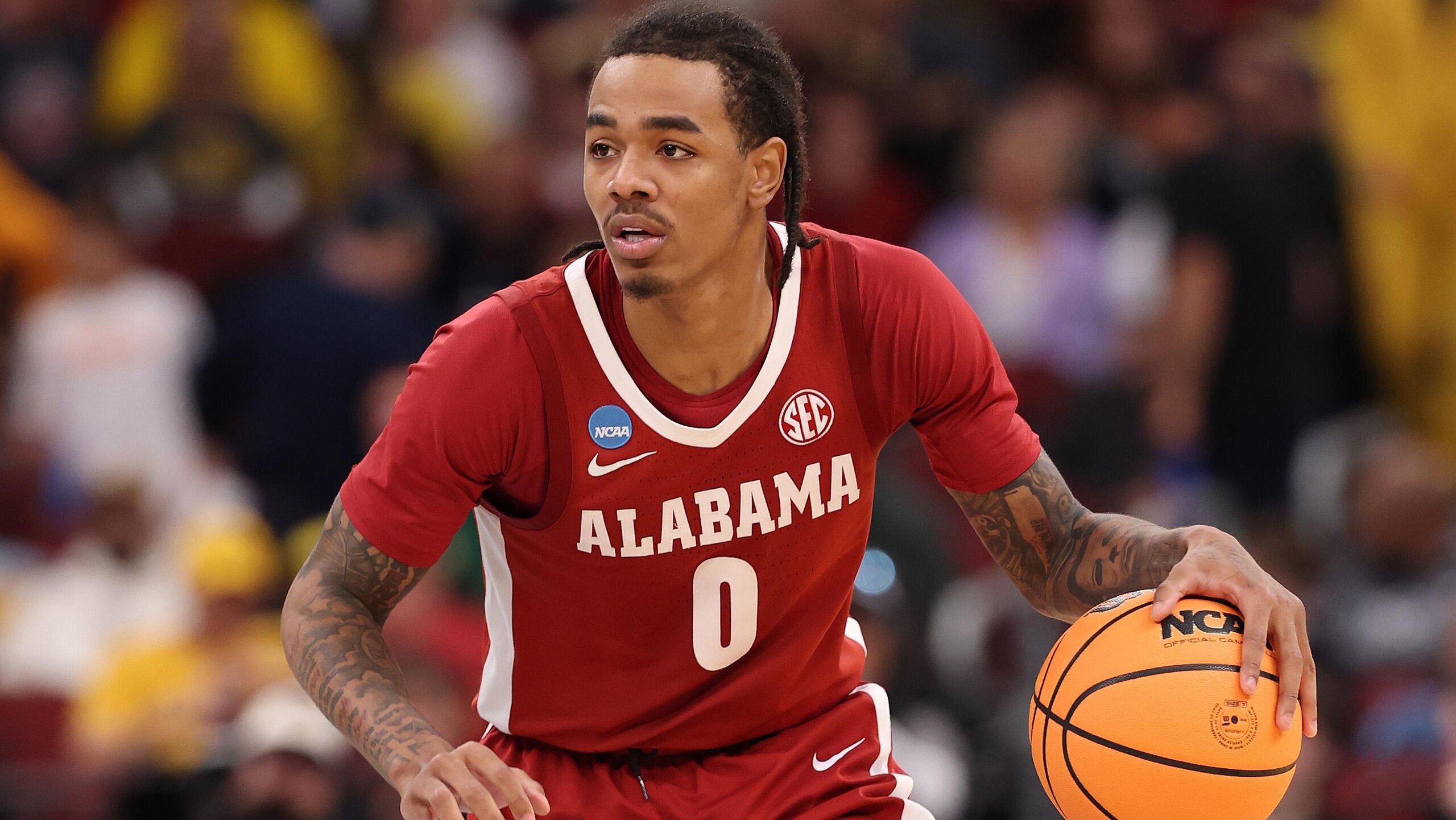
The 76ers arguably just landed a lottery-level prospect with the 22nd pick of the draft. So, why doesn't this feel like an automatic A-plus?
Well, the fit is a little funky. Didn't Philadelphia just push out Jared McCain because of its clear (and justified) commitment to the Tyrese Maxey-VJ Edgecombe backcourt? Philon won't be any easier to fit, although he could be awesome in an instant-offense role until the Sixers can find something more substantial for him.
Philon is all talent over tools. That doesn't sound like a compliment—because it isn't. But his skills are pretty sensational. He has the kind of feel that lets him know what his team needs and when, and his versatility usually allows him to provide it. His handles are shifty, his scoring punch stretches to all three levels, and he always has the court properly mapped out.
His frame is rail-thin (6.2.5" tall and only 176 pounds), though, and his lack of strength is a real worry. He can create advantages off the dribble, but he can't always maintain them.
His defensive film looked good as a freshman, but his effort really tailed off when his offensive role increased as a sophomore.
This is a tremendous value for the talent. That matters. It would just score a little higher if Philadelphia had more of an obvious opening for Philon.
Grade: B+
23. Atlanta Hawks (via CLE): Zuby Ejiofor (PF/C, St. John's)
23 of 30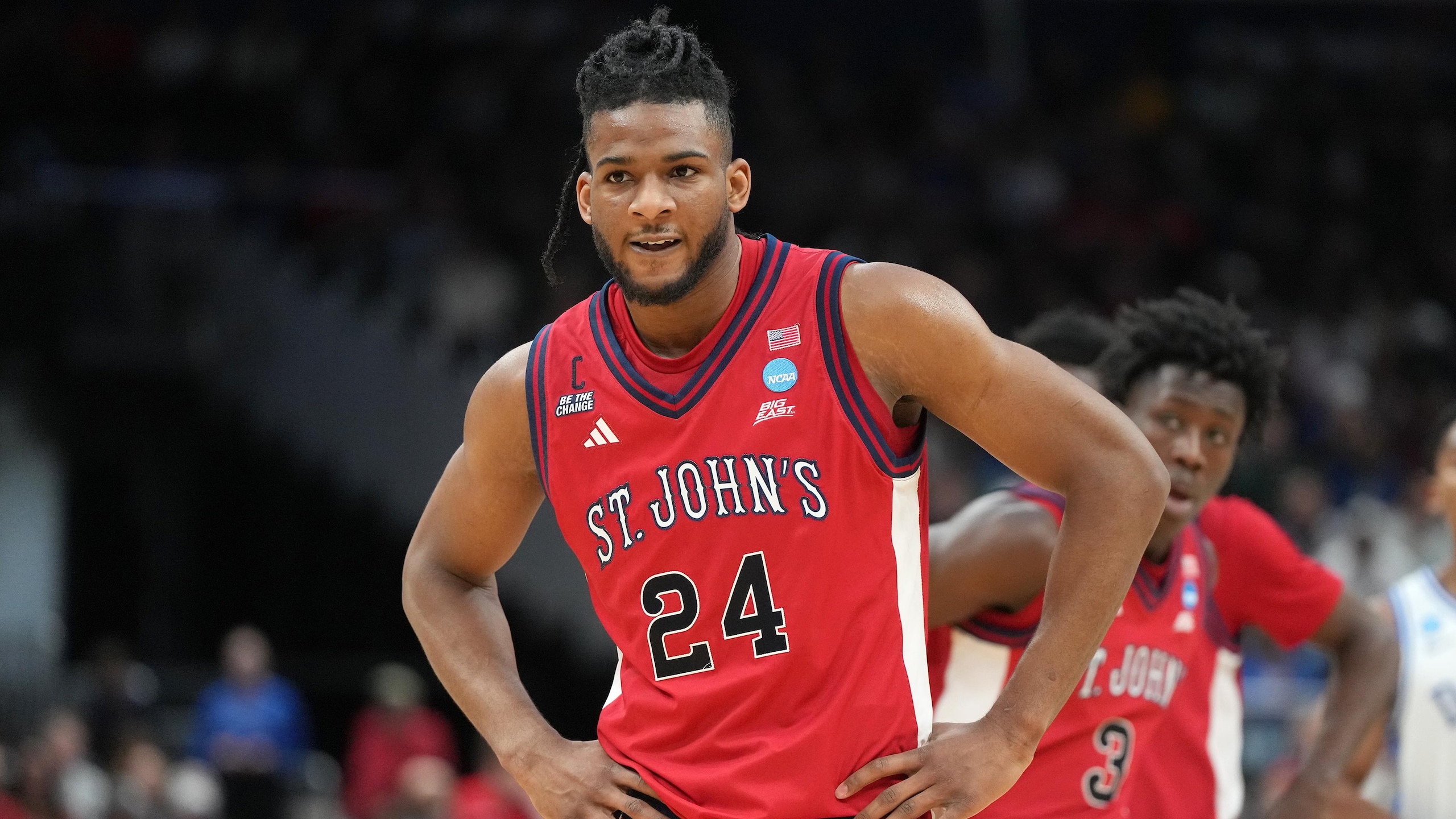
When the Hawks went guard with their first pick, it seemed like they might seek out size here. They sort of did that, although the center whom they added, Zuby Ejiofor, basically provides everything other than size.
Ejiofor is a little undersized as a bully-ball big (6'8", 245 lbs), but as a non-creator and limited shooter (at best), that's kind of how he has to function.
He can fill the role, though. He embraces physicality, has soft hands and soft touch at the basket, and he is a really good passer for this archetype.
He might do his best NBA work on the defensive end. Ejiofor offered defend-anyone versatility in college, and while the speediest players in the NBA will challenge that, he should still be able to shift through assignments pretty seamlessly.
The Hawks left some bigger centers—and higher-ranked perimeter prospects—on the board to take Ejiofor. He almost fits them too well in that his strengths are already established strengths for the team and their weaknesses aren't necessarily things that he can help cover up.
Grade: D+
24. Los Angeles Lakers (via NYK): Cameron Carr (SG/SF, Baylor)
24 of 30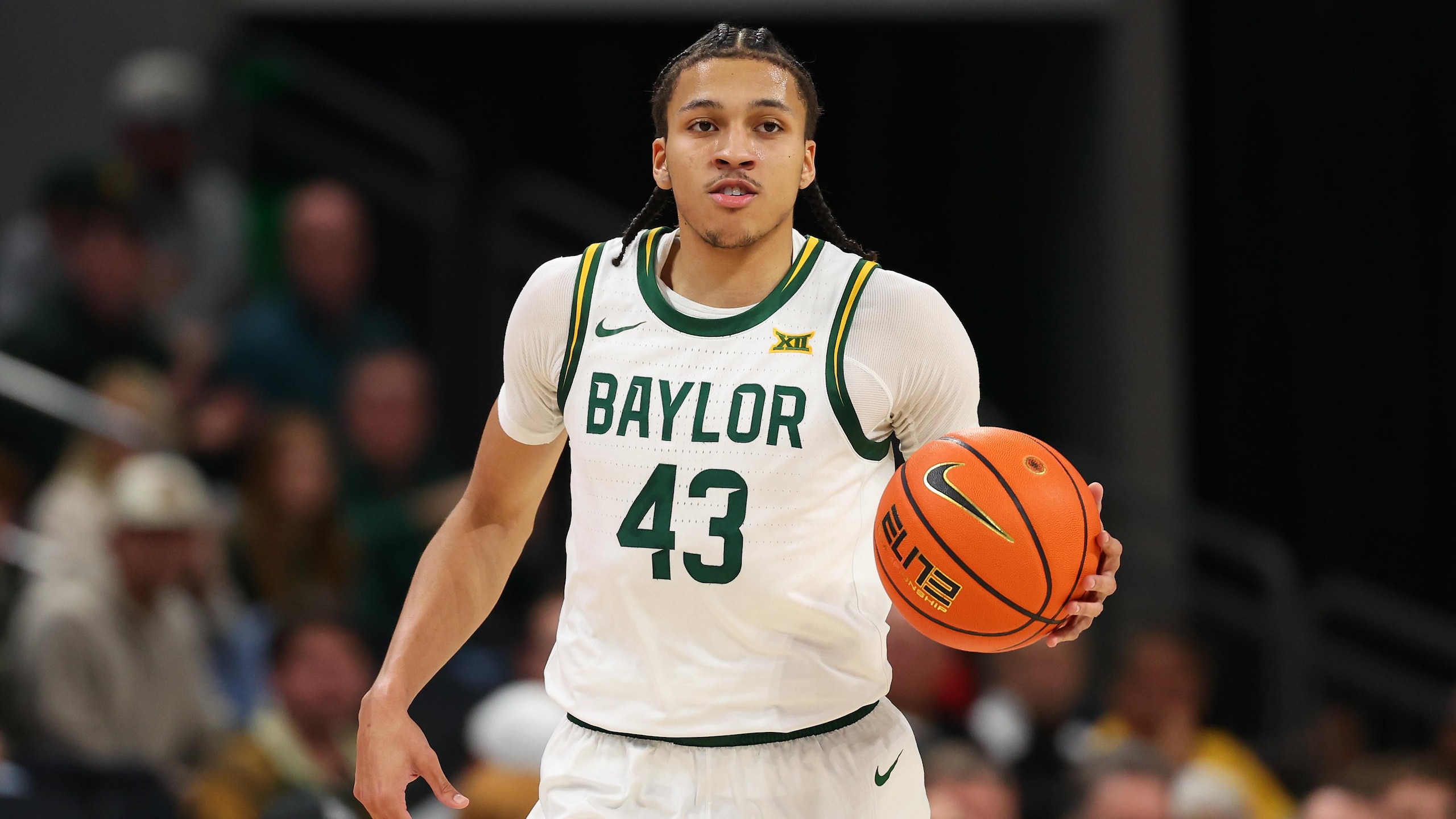
The Lakers were routinely linked to centers throughout mock draft season, which made sense in that the position was clearly a big need. There probably wasn't enough said about the other needs on this team, though, like defensive playmaking and athleticism on the perimeter, which Cameron Carr will provide in droves.
Carr crushed it during the predraft process, which should've surprised no one. He has incredible length (a near 7'1" wingspan jutting out of his 6'4.5" frame), anti-gravity hops and an incendiary three-ball. His game is easy on the eyes, even if there are some questions about his creation chops.
It is entirely easy to envision him in a three-and-D role, although he needs to get stronger and more comfortable playing with physicality to really thrive in it. It also takes a good amount of optimism to picture him growing beyond that label, since his handle lacks wiggle, and his playmaking lacks vision.
Carr could have gone 10 picks earlier than this, and it wouldn't have raised eyebrows (or received a harsh grade). This is awesome value at this spot in the draft, and Carr's play-finishing should shine alongside a shot-creator like Luka Dončić.
Grade: A
25. Dallas Mavericks (From LAL via NYK): Sergio de Larrea (PG, Valencia)
25 of 30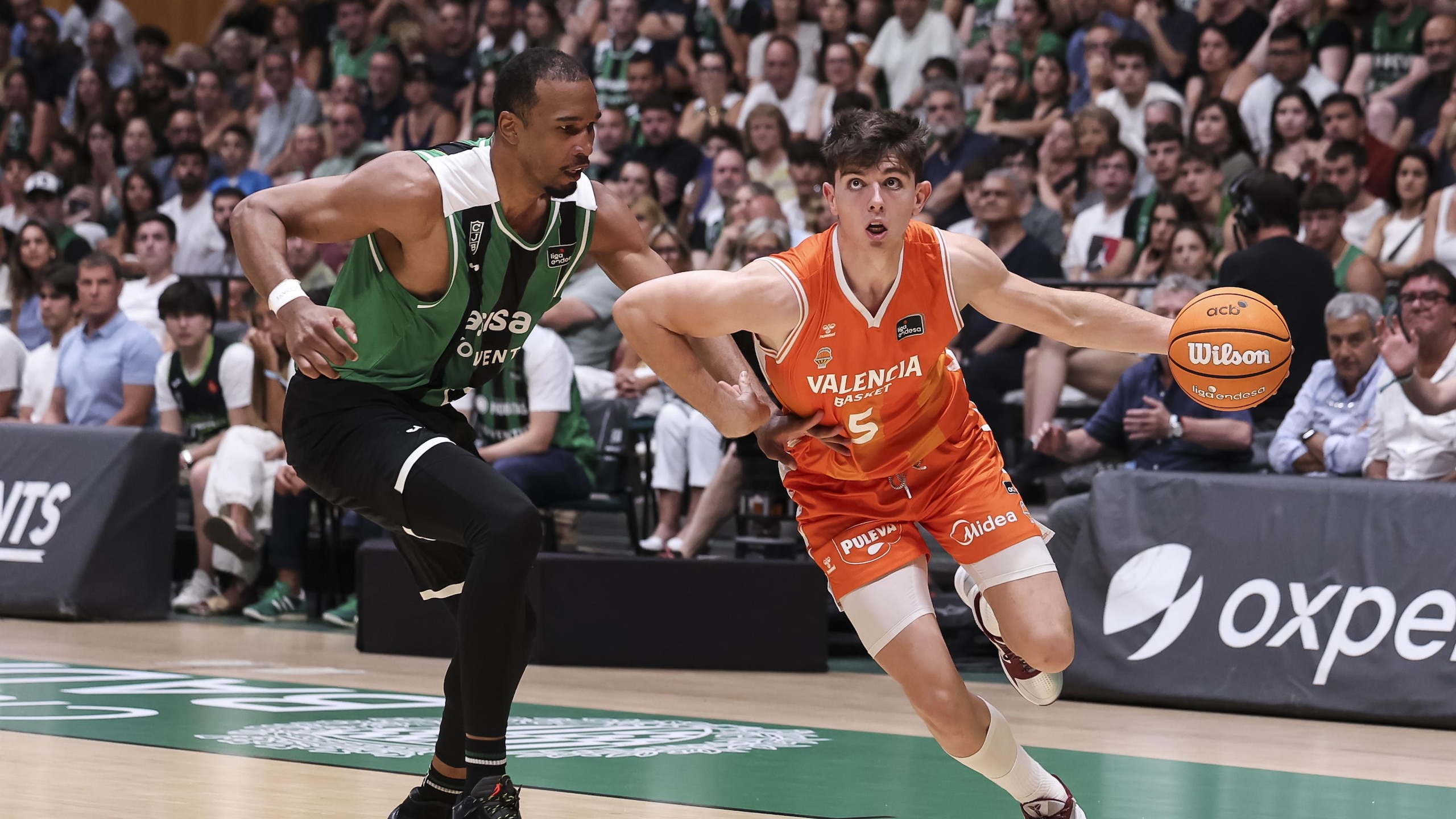
After arguably surprising by not taking a guard with the ninth overall pick, the Mavericks moved up to get a pretty intriguing one with Sergio de Larrea at No. 25. The 20-year-old has spent the draft process helping his team compete for the ACB Championship, suggesting he can fill a winning role right now while holding high-end potential for the long haul.
With great size for a point guard and serviceable size for a combo guard, de Larrea's outlook hinges on his ability to tighten his handle to the point that he's a viable primary playmaker. Right now, it's easier to buy him as a connective passer and floor-spacer, which is a helpful support role but not much beyond that.
His basketball IQ is advanced, and that's where his passing could really shine—though, again, the brightness of that shine will depend on how often he's handling on-ball duties. If he's going to spend a lot of time on the ball, he needs tighter handles and more strength to absorb contact.
De Larrea's shotmaking should be an early asset, but if that makes up the bulk of his contributions, he'll have to prove he can hold up defensively. If he fills more of a multi-faceted offensive role, the Mavericks shouldn't mind picking up his defensive slack as much.
Grade: B-
26. San Antonio Spurs (via DEN): Tarris Reed Jr. (C, UConn)
26 of 30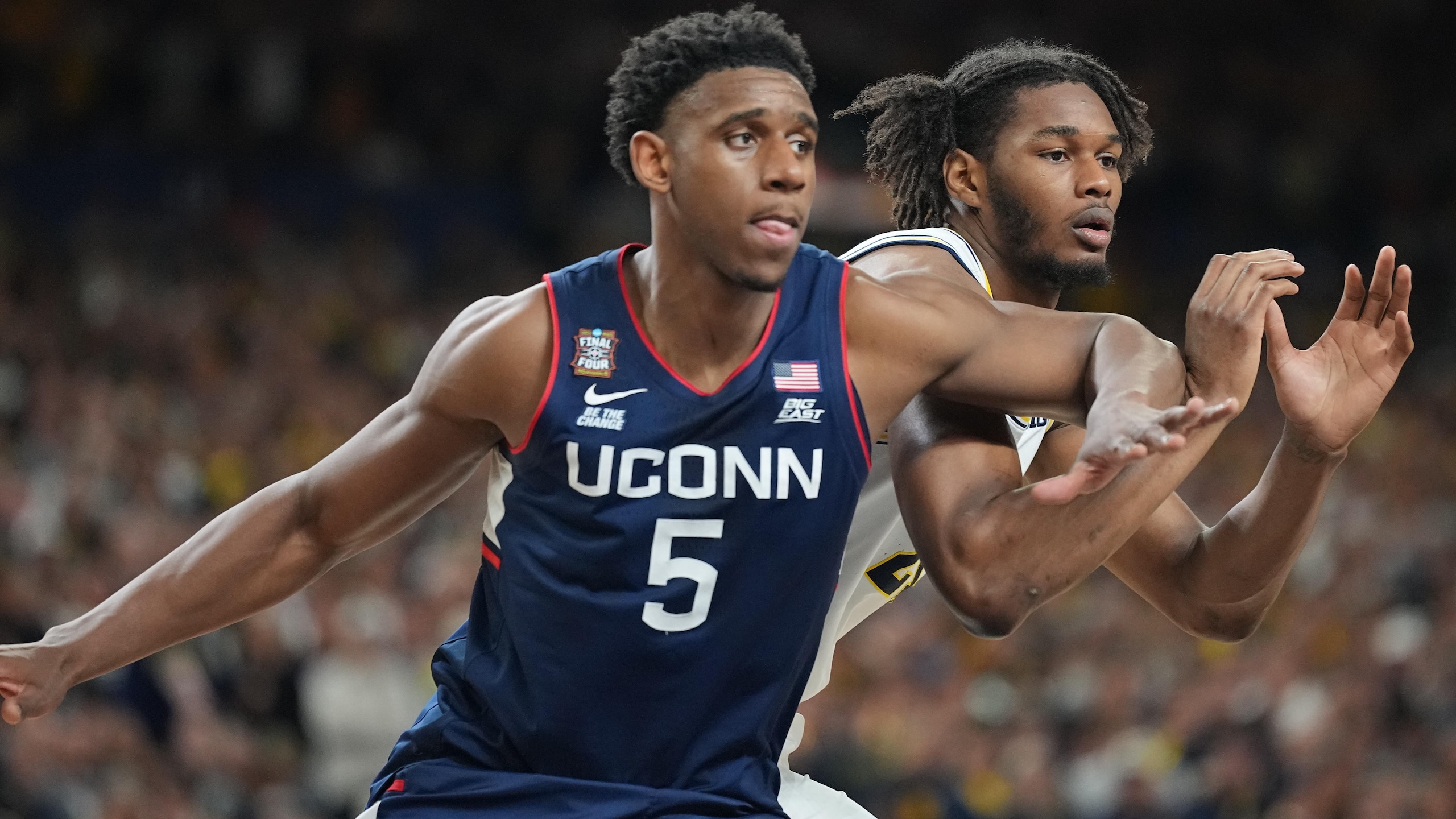
Hmmm. The Spurs are loading up on size almost as if they're among the teams trying to figure out how to combat Victor Wembanyama and not the ones rostering the 7'4" superstar.
The flier on Jayden Quaintance at No. 20 felt like a fun one, but trading up to get Tarris Reed Jr. six picks later is a puzzler. Especially since Luke Kornet will be on the books for at least one more year.
Reed is a physical force, and he fully embraces all the grunt-work duties required of an interior big. He plays a power-based game, but he also has soft touch on the interior and enough feel to keep the offensive gears turning with simple, smart passing reads.
With all of that said, his perimeter value could be next to nothing in the NBA. He isn't a shooting threat or a comfortable, mobile defender in space.
Maybe the Spurs plan on leaning into more double-big looks with a center next to Wembanyama, but they just made an ahead-of-schedule Finals trip with him as a full-time 5, so that would be a strange change of course. If they were set on adding a big here, an inside-out threat like Chris Cenac Jr. would've been a much cleaner fit.
Grade: D+
27. Boston Celtics: Chris Cenac Jr. (PF/C, Houston)
27 of 30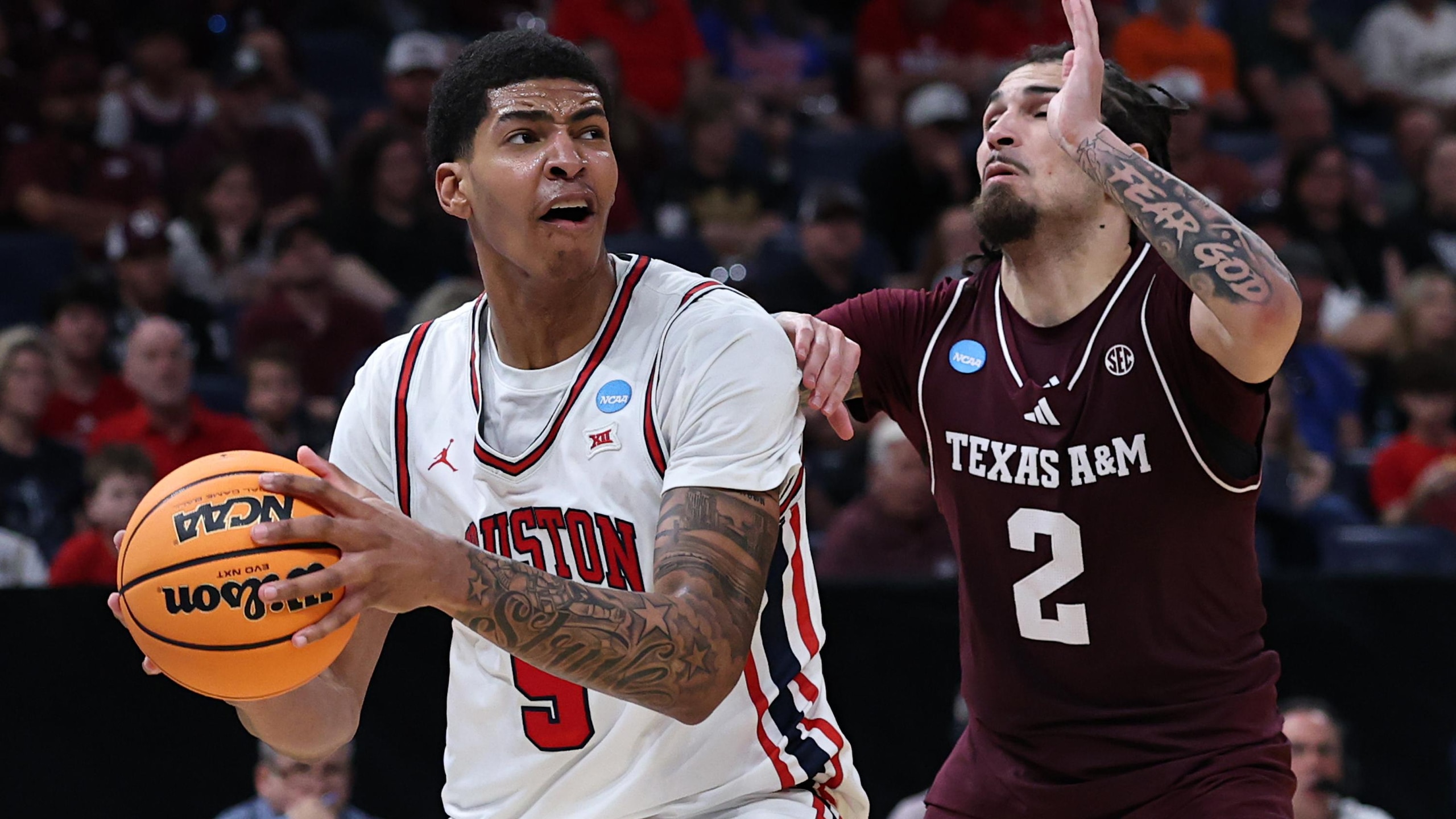
The Celtics seemed likely to target a center this offseason. Chris Cenac Jr. can help address that need while meeting their perpetual demand for perimeter shooting.
Cenac is the kind of prospect who could get an executive fired, or maybe help them earn Executive of the Year honors. His tools are tantalizing; he has big-man dimensions with the fluidity and bend of a wing. His talents can tantalize, too, when his three-point shots are falling, and his ball-handling is helping him get where he wants.
He just doesn't always make the most of those tools. He can be invisible at times. His reads are often a step slow, and his defensive engagement can be lacking. He can also get a little too comfortable on the perimeter and doesn't always embrace his big-man duties.
The risk-reward calculation was going to tilt into the positive at some point in this draft, and it probably happened at least a few picks before this. Cenac may never approach his full potential, but if he does, he'll become a much better player than you typically see taken in this range.
Grade: B
28. Brooklyn Nets (From DET via MIN): Joshua Jefferson (PF, Iowa State)
28 of 30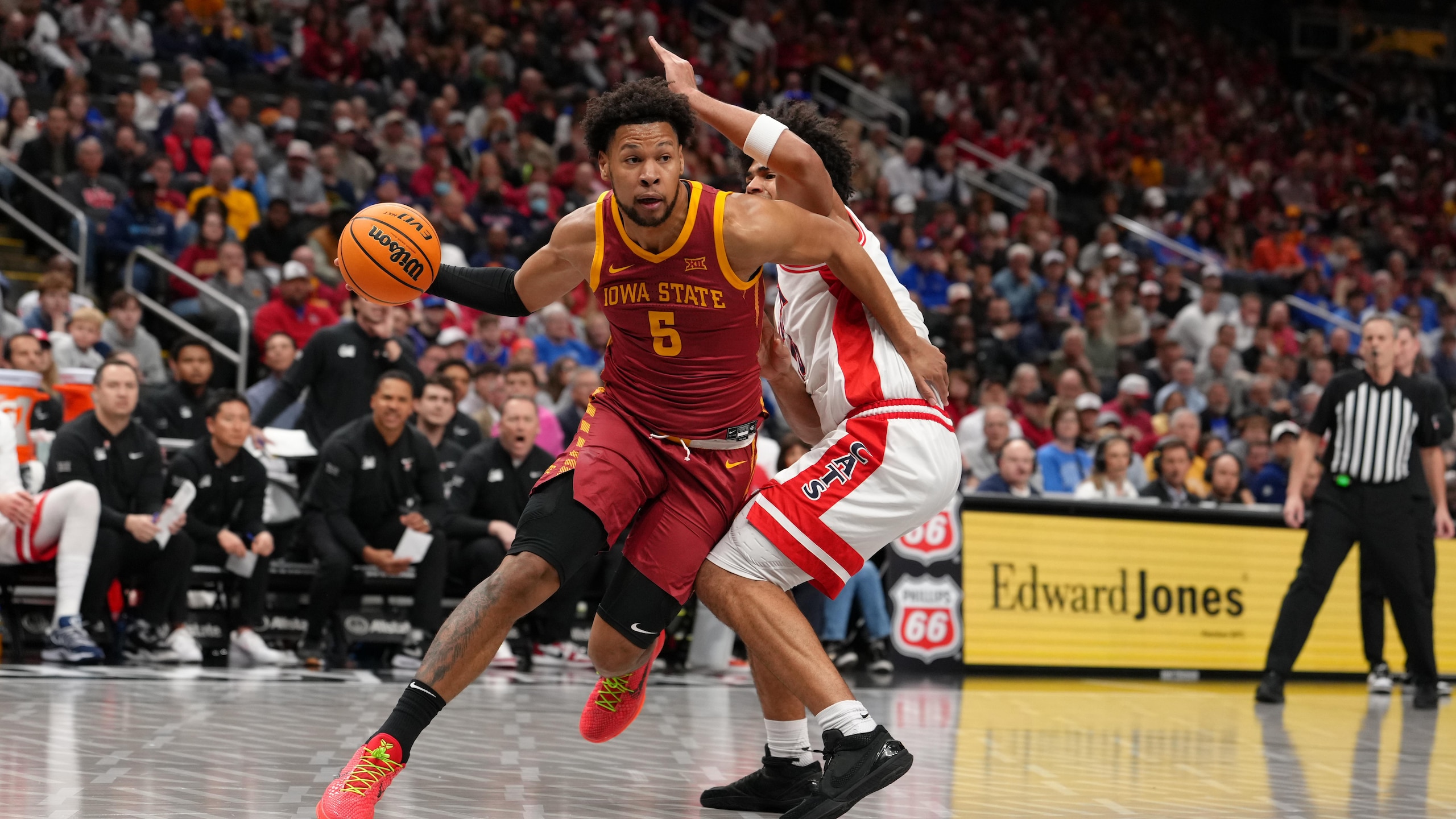
There were landing spots at which Joshua Jefferson would have seemed worthy of a first-round investment. Brooklyn was not one of them.
He is the kind of support piece who thrives in winning plays that get lost on a team at this stage of a roster reset. His playmaking ability is one of the strongest skills in his arsenal, and he may not get a chance to utilize it much on a team that spent multiple 2025 first-round picks and the sixth overall pick of this draft on playmakers.
Jefferson is tricky. There's a size-skill blend pointing toward do-everything potential, especially if he keeps improving as a shooter. He rebounds, he creates for others, he scores in a variety of ways and he defends across multiple positions.
But what if he's your prototypical jack of all trades, master of none? That can be a glue guy, but it can also be someone who never finds their NBA niche. And he'll already be racing against the clock with his 23rd birthday arriving in November.
Grade: D+
29. Sacramento Kings (From SAS via CLE): Alex Karaban (SF/PF, UConn)
29 of 30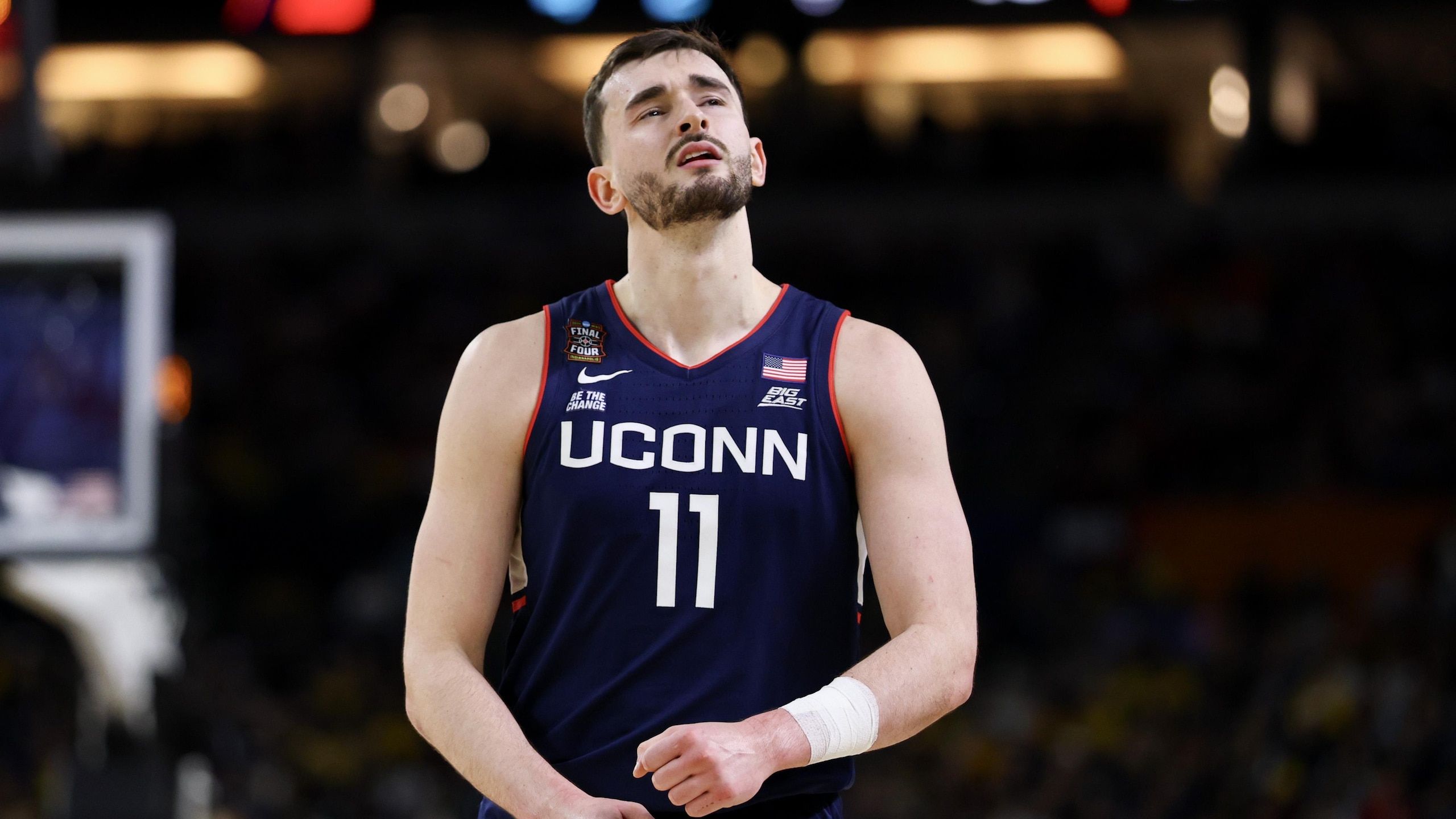
Are the Kings closer to fielding a competitive roster than everyone else knows? Because Alex Karaban feels like the kind of low-ceiling finisher whom a good team would add in hopes of completing its championship puzzle.
Sacramento is coming off of a 60-loss season. It's short on starting pieces—forget about finishers.
Karaban's physical tests in the NBA won't be easily conquered. However, you typically want to bet on someone with this blend of positional size, polished skills, smarts and winning pedigree.
If he's a high-end shooter in the NBA, he could have a decade-long career in front of him. He is a smart mover without the basketball, an instinctive cutter and a right-place, right-time team defender.
Karaban might look as functional as his system does, which adds to the worry with this landing spot.
Grade: C-
30. Phoenix Suns (From OKC via DAL): Koa Peat (PF, Arizona)
30 of 30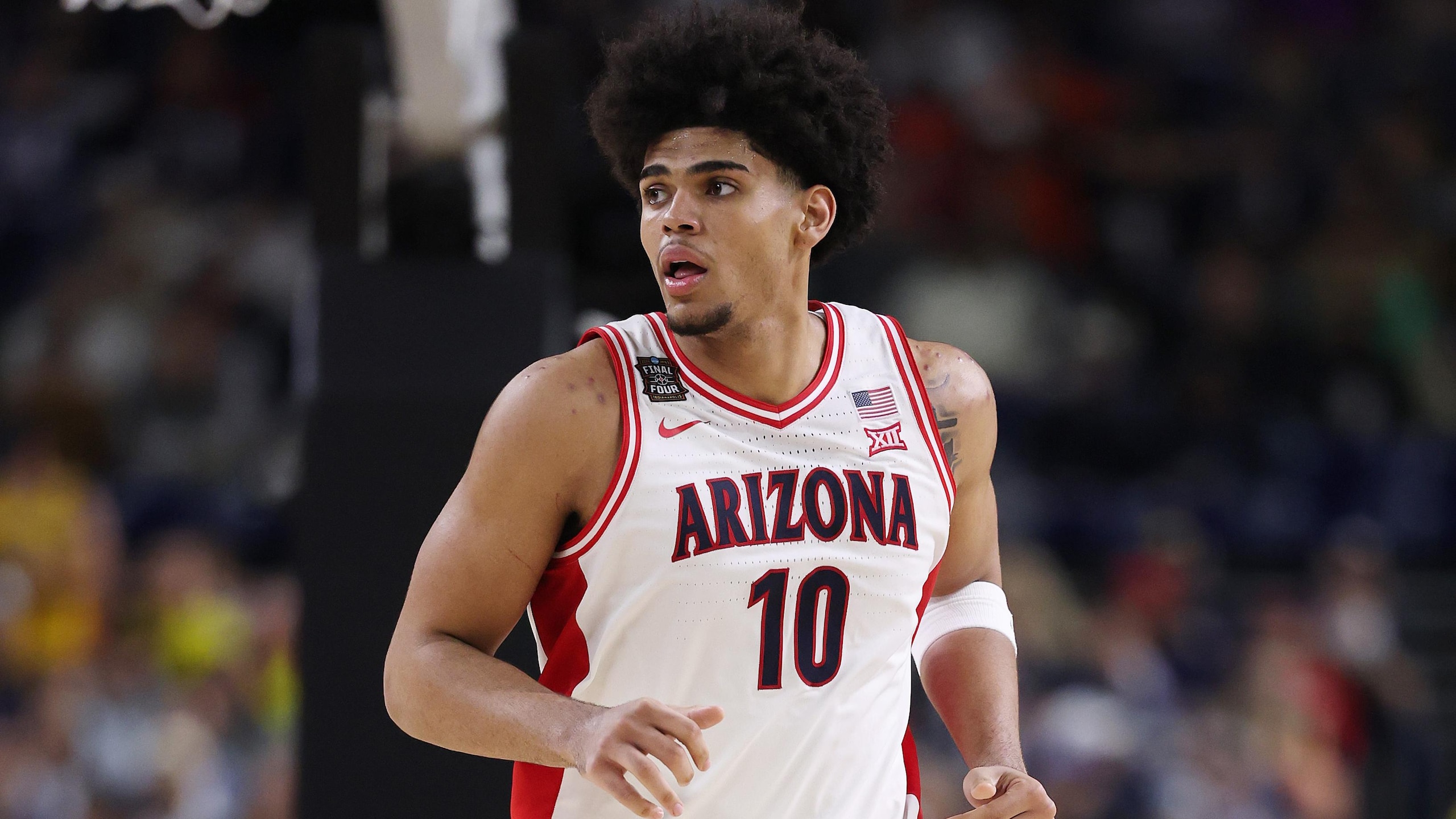
The first few mocks of this draft process placed Koa Peat near or in the lottery, so the bargain potential is real for the Suns. His stock also slipped for a reason, as it's unclear how much shooting and shot-creation he'll contribute—not just as a rookie, but throughout his NBA career.
Peat puts all the "power" into his power-forward designation. He is physical and ferocious. If he sniffs out a path to the basket, he'll burst through a brick wall Kool-Aid-Man-style to get there. His handles and vision impress for his size and play style, while his strength and mobility give him switchable upside on defense.
Will he score on anything other than spoonfed chances, though? His creativity is nonexistent, and unfortunately, the same holds true for his jump shooting. Despite that former lottery buzz, it's fair to wonder whether his ceiling sits pretty low given his offensive limitations and lack of explosion.
Peat is a fine flier to take at the end of the first round, but that hardly guarantees Phoenix will see a positive return on the investment.
Grade: C+
.jpg?w=2560 "Puka Dealing with Calf Injury")