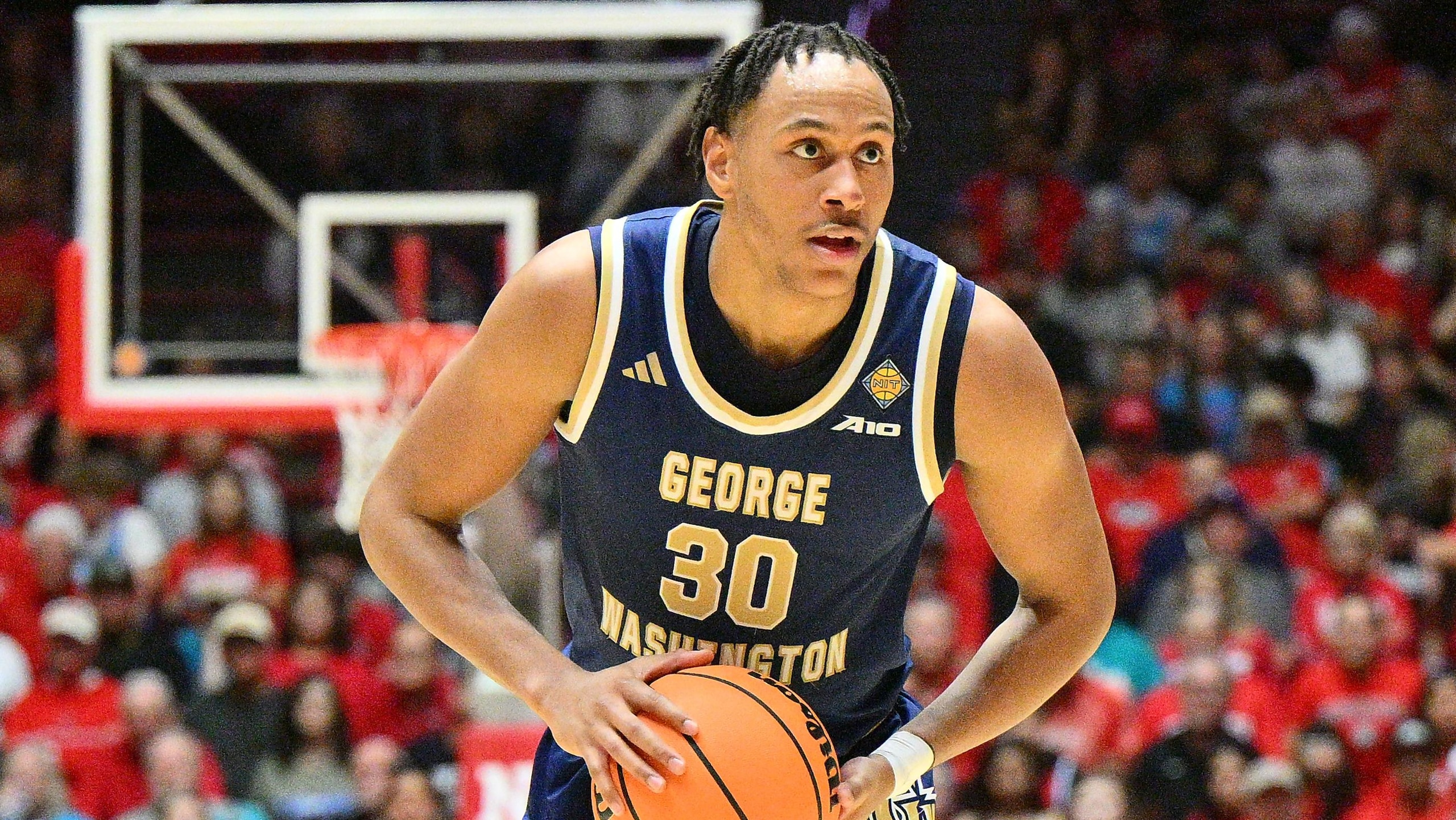

2026 NBA Draft Scouting Report for Milwaukee Bucks' Rafael Castro
The Milwaukee Bucks have officially signed Rafael Castro to a two-way deal after the forward went un-drafted in the 2026 NBA Draft.
Castro emerged as one of the most productive mid-major big men in college basketball during his final season at George Washington. The 6'9" forward-center averaged 15.3 points, 9.1 rebounds, 1.7 blocks and 1.8 steals while establishing himself as one of the Atlantic 10's most impactful two-way players.
Castro steadily gained traction with NBA teams because of his motor, rebounding and defensive activity. While his offensive game remains somewhat limited, evaluators were intrigued by his efficiency, physical tools and ability to impact multiple statistical categories.
At the NBA Draft Combine, Castro measured 6'9" barefoot with a 7'1.25" wingspan, reinforcing the length and versatility that have become central to his NBA appeal.
Teams viewed him during the draft process as a potential energy big capable of contributing through effort, defense and rebounding.
Essential Facts, Stats, Combine Measurements
College: George Washington | Position: PF/C | Age: 23 | Height: 6'9" | Weight: 224 lbs | Wingspan: 7'1.25" | PPG: 15.3 | RPG: 9.1 | APG: 1.7 | BPG: 1.7 | SPG: 1.8 | FG%: 62.7 | 3PT%: 0.0 | FT%: 66.1
Realistic Pro Comparison: Brice Johnson
1 of 3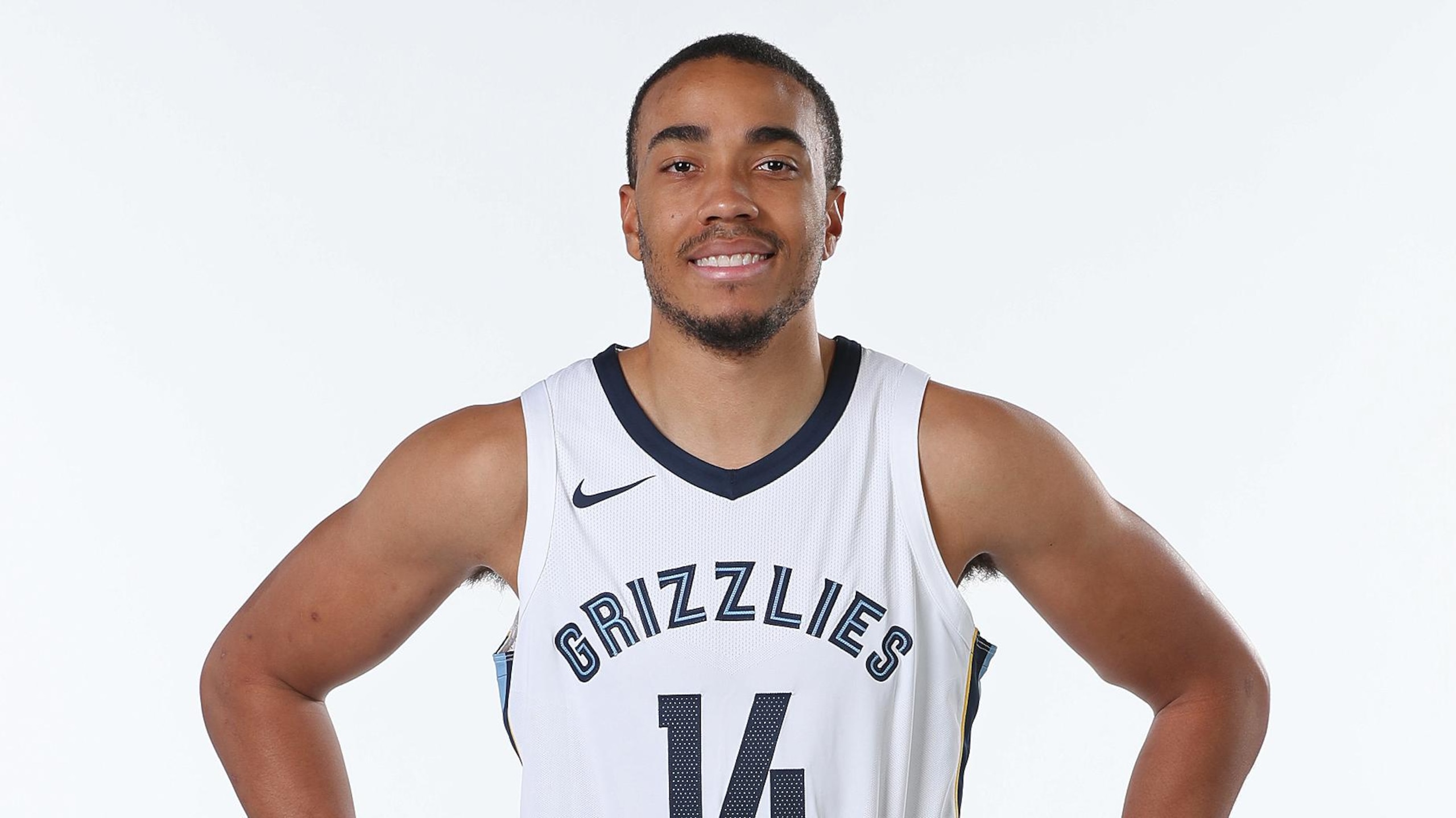
Like Brice Johnson, Castro projects as a high-energy frontcourt player whose value comes from activity, rebounding and interior efficiency.
Both players built productive college careers through effort, athleticism and a willingness to do the dirty work.
Castro's offensive role will likely revolve around finishing plays and providing defensive energy. His pathway to NBA minutes depends on maximizing those strengths while continuing to expand on things like his strength and feel for the professional game.
Strengths
2 of 3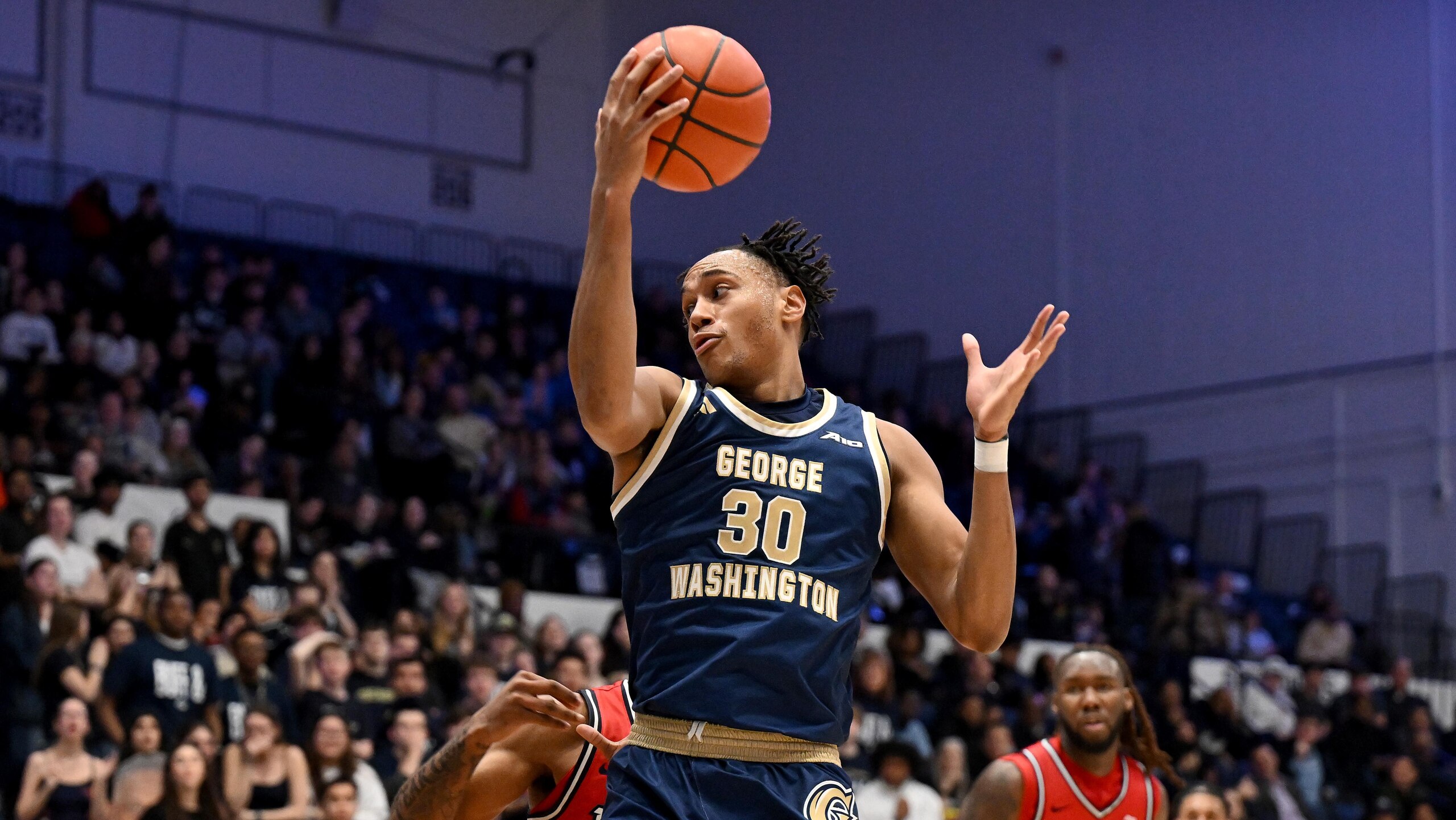
Strength 1: Rebounding Production
Castro was one of the most productive rebounders in his conference and was a top-40 rebounder in the nation. He consistently tracks the ball well off the rim, fights for position and creates extra possessions through effort. Rebounding projects as one of his most translatable NBA skills.
Strength 2: Defensive Activity
Few big men in this draft range filled up the defensive stat sheet like Castro. His combination of 1.7 blocks and 1.8 steals per game reflects both strong instincts and a relentless motor. He finds ways to impact possessions beyond traditional rim protection.
Strength 3: Finishing Efficiency
Castro shot 62.7 percent from the field by understanding his role and staying within his strengths. He finishes effectively around the basket, converts second-chance opportunities and doesn't force difficult shots.
Weaknesses
3 of 3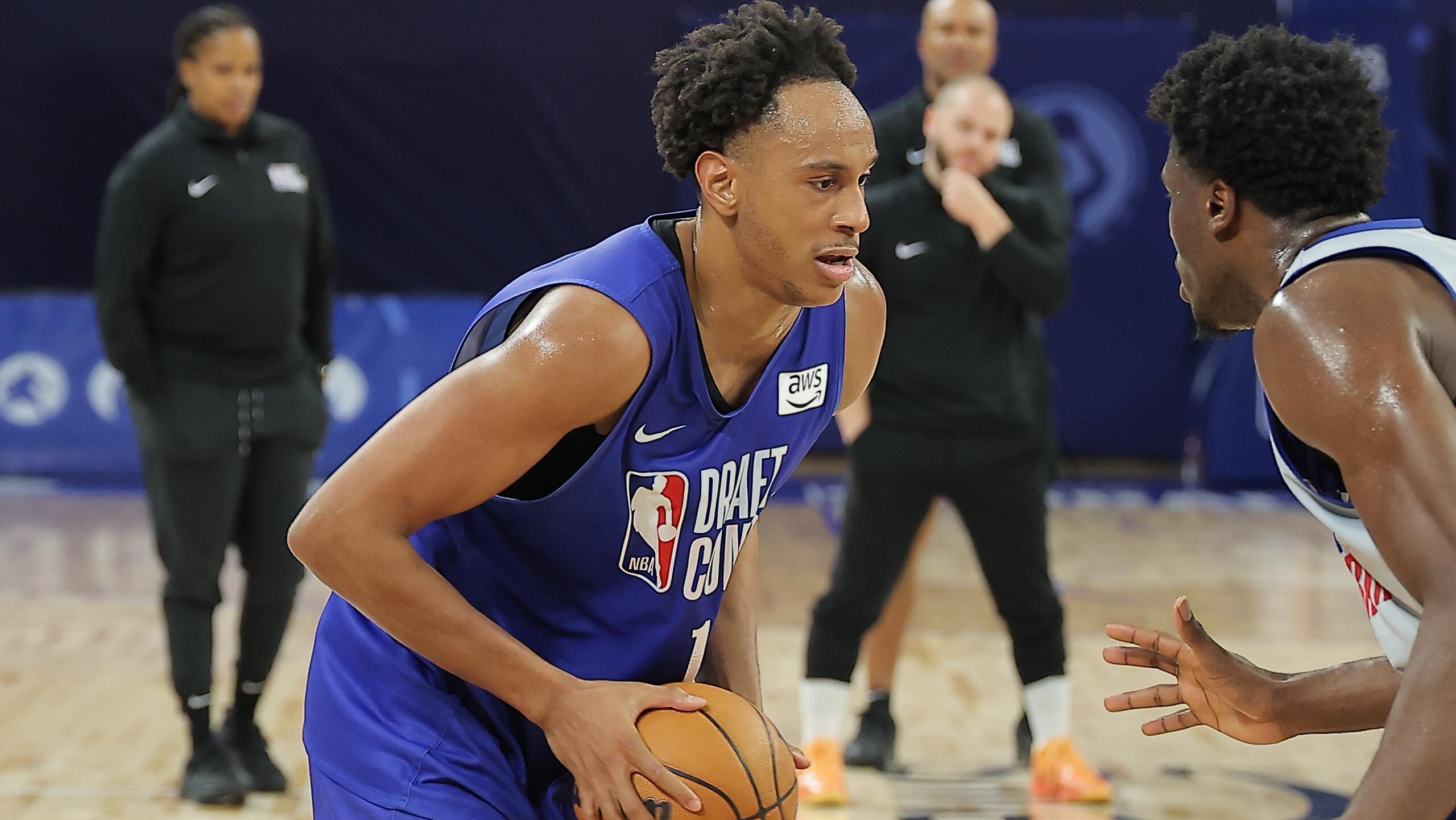
Weakness 1: Offensive Skill Ceiling
Most of Castro's scoring comes from finishes, cuts, offensive rebounds and hustle plays. He is not currently capable of creating his own offense consistently. Expanding his offensive repertoire would significantly improve his long-term outlook.
Weakness 2: Lack of Perimeter Shooting
One area where you likely can't expect Castro to expand is outside the perimeter. He did not demonstrate any meaningful floor-spacing ability in college, attempting zero last season and just eight total over his four-year college career. In an NBA increasingly built around shooting and spacing, that limitation could restrict lineup flexibility.
Weakness 3: Free-Throw Shooting
A 62.7 percent career free-throw mark raises questions about future shooting development. Teams often view foul shooting as an indicator of long-term touch and potential offensive growth, which might indicate Castro is already near his offensive ceiling.

.jpg?w=2560 "WWE Raw Live Grades 🔠")
.jpg?w=2560 "Dart Believed to Have Sprained MCL")
.jpg?w=2560 "Rams troll Giants on social media")

.png?w=2560 "Davante's MONSTER MNF 🤯")