
WWE's recent use of celebrities has divided fans, but its latest reveal may be the most baffling misstep yet.
It's hard to fathom the decline from the heights of the WrestleMania 40 build to this year's underwhelming road back to Allegiant Stadium in Las Vegas. To that end, it's even more difficult to understand why WWE would bank on Pat McAfee to salvage this year's build when Travis Scott was so poorly received last year.
The Grammy-nominated rapper was a part of a striking image at Elimination Chamber, but his inclusion contributed to the worst main event in recent memory. John Cena's heel turn was already an enticing hook that the company failed to develop.
.jpg?w=2560)
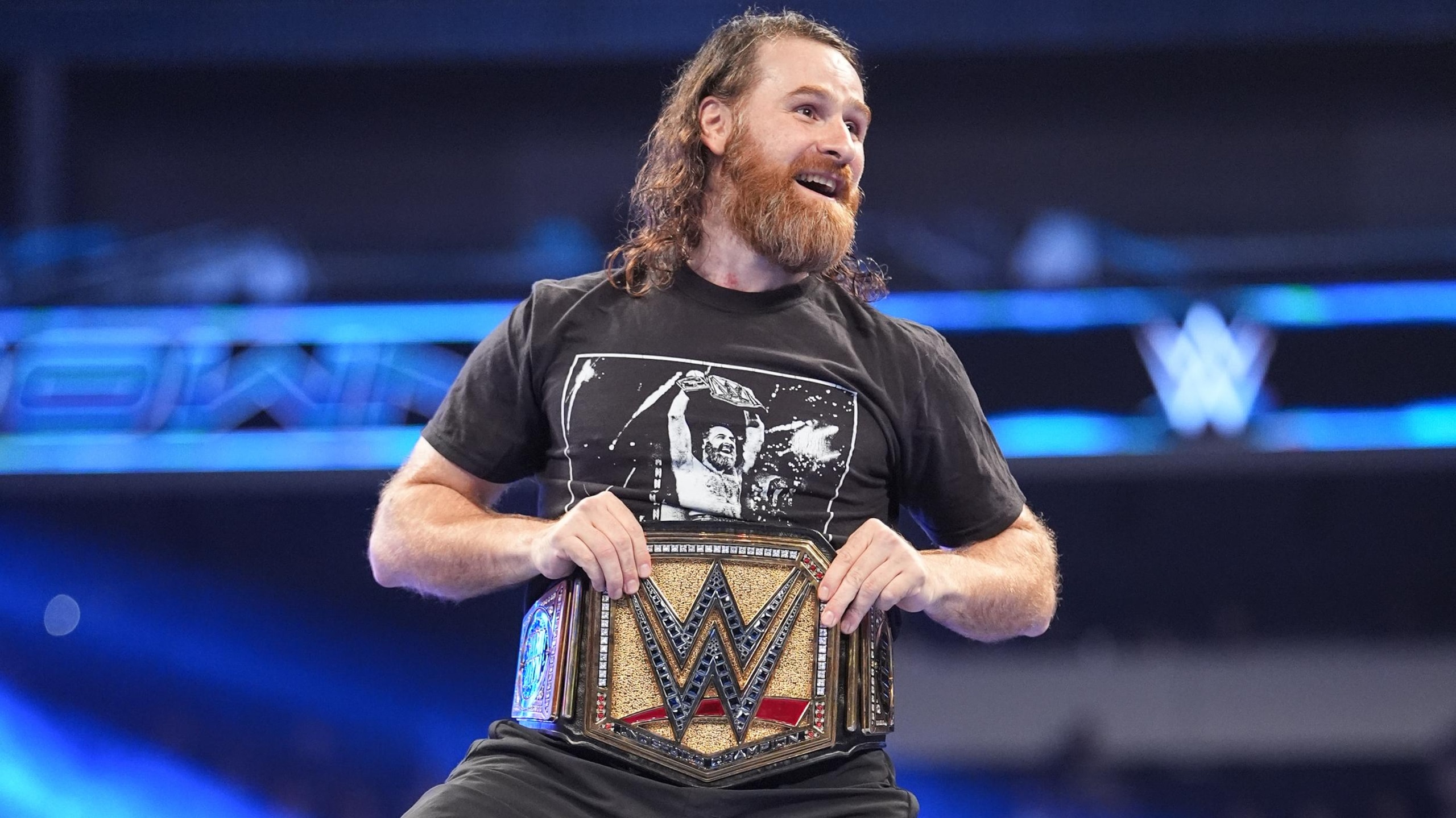
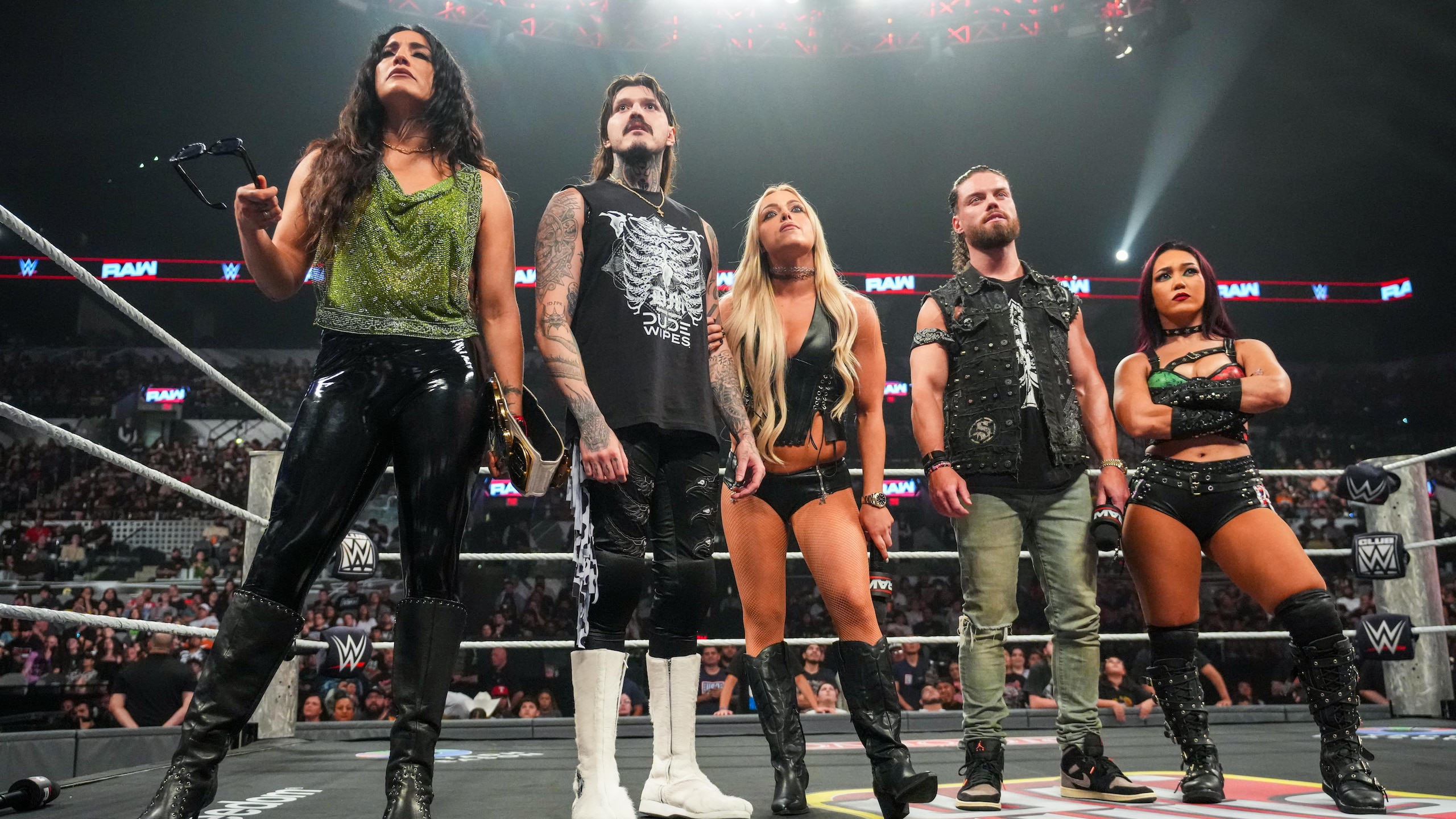
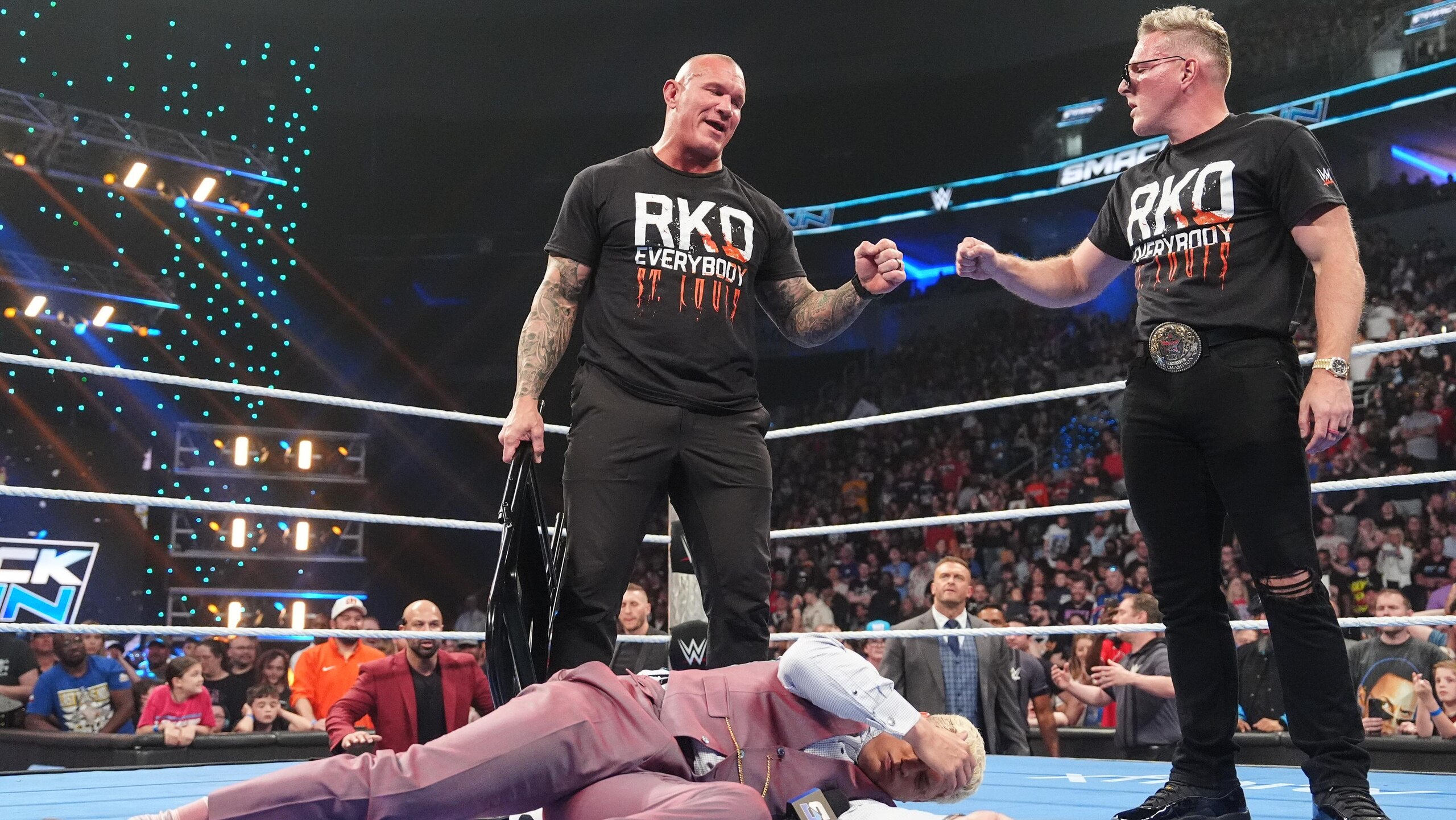
Similarly, inserting McAfee into Cody Rhodes' feud with Randy Orton is an unwelcome addition to a matchup many were clamoring for. In pursuit of another viral moment or synergy with ESPN, WWE has quickly lowered interest in a compelling rivalry with years of history behind it.
The current creative regime found success with long-term storytelling in years prior. Now, it's producing diminishing returns due to an overreliance on celebrity appearances.
A Different Crowd
The globally recognized purveyor of sports entertainment helped to turn pro wrestling into a pop culture phenomenon. Its indomitable reach and prevalent hold on the industry ensure the acronym for World Wrestling Entertainment is synonymous with the sport.
The company has given a platform to many larger-than-life characters, but it has also attracted professional athletes and some of Hollywood's biggest stars. So, utilizing celebrities to draw more attention to its product isn't a new strategy.
After all, Cyndi Lauper and Mr. T were instrumental to the success of the first WrestleMania in 1985. Fans routinely see famous people in the crowd or in the ring, mixing it up with their favorite wrestlers.
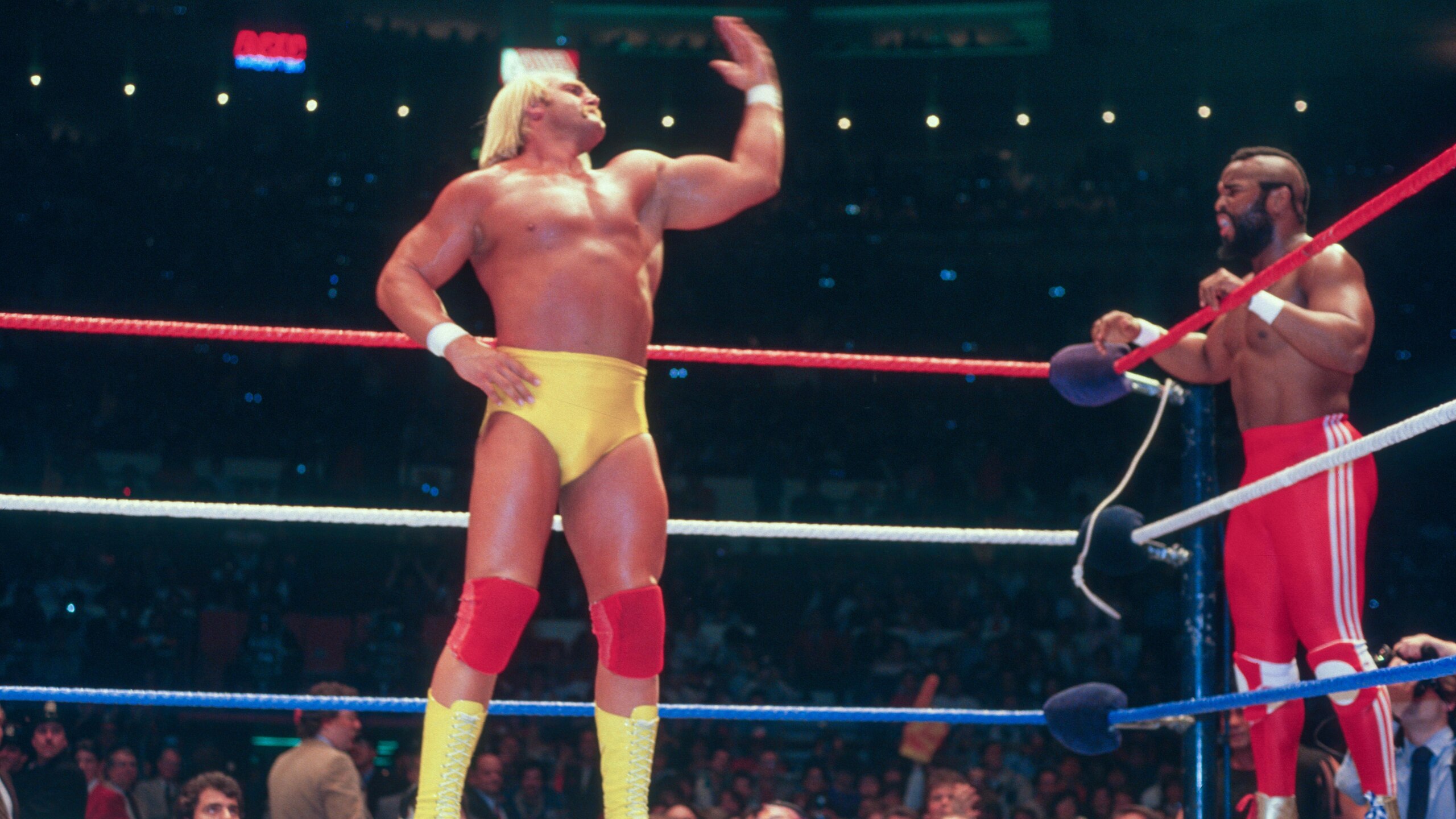
However, it's a novelty that has become increasingly groanworthy in the TKO era. On Netflix, obligatory shots of celebrities waving in the front row have become part of the weekly pitch to sell us on the WWE live experience.
The intent is clear. They want to make these shows into big-ticket events, complete with a star-studded guest list. This isn't the same business model where tickets were affordable and a celebrity sighting in the crowd felt cool because it was rarer.
These days, it looks a lot less organic and more like a branding exercise. Conversely, their involvement in the programming often becomes a crutch that doesn't accentuate the storyline or match.
Who's the Real Villain
None of this is to say WWE should never use celebrities and influencers. Obviously, there are plenty of effective and successful examples, such as Bad Bunny.
Nevertheless, these attempts to reach a wider audience shouldn't come at the expense of concise and engaging storytelling. It's also harder to suspend disbelief and immerse ourselves in the shows when that part of it looks like corporate meddling.
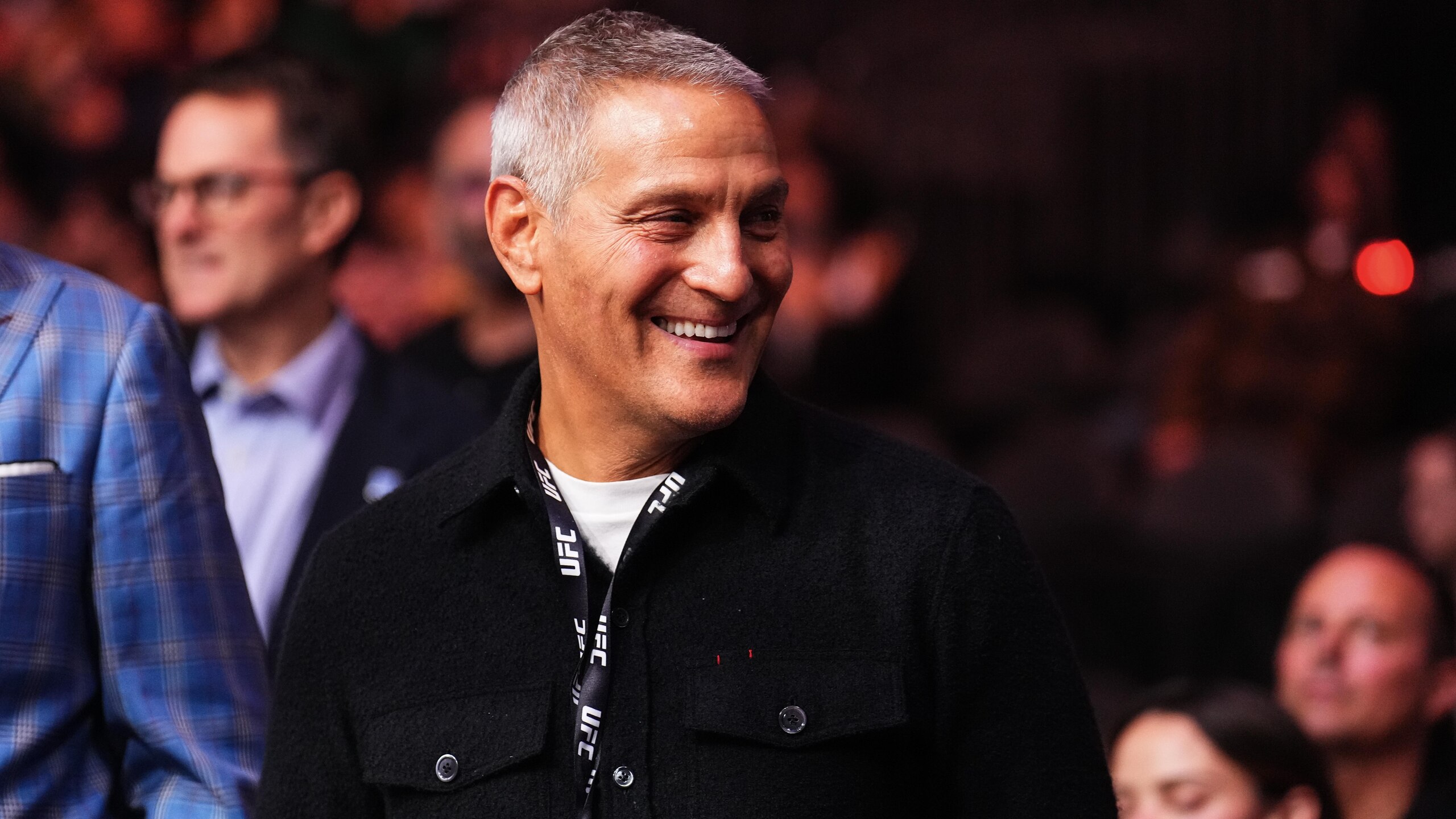
Ari Emanuel, the CEO and executive chairman of TKO, reportedly made the call to add McAfee to this year's WrestleMania build. Emanuel is also the former NFL player-turned-podcaster's agent, which is why both Rhodes and CM Punk referenced him.
Fans were already invested in Rhodes vs. Orton. This was the match most of them wanted when The American Nightmare returned to WWE. They've been paying attention to all the hints of tension and waiting for it to boil over.
So, most of them didn't want to see McAfee shoehorned into this storyline because someone offscreen believes his star power will improve it. His emergence took the fans out of the story because it forced them to direct their frustration at someone who isn't an onscreen character.
When we start talking about the part Emanuel played in all of this, that means WWE failed to tell an effective story. The audience isn't upset at the intended villain. It's instead found fault in the creative direction and the executive behind it.
Wrestling is at its best when it can make us believe. Chasing viral moments and trying to boost ticket sales with celebrities will create more cynics than believers.
.jpg?w=2560)
.jpg?w=2560 "Purdy Becomes Highest-Rated QB EVER 🤩")