
Ranking Current and Ex-NBA Players Most Likely to Become Head Coaches
Playing experience isn't a requirement for NBA head coaches, but it certainly helps.
About one of every three head coaches who began this season at the helm knew from personal experience what it was like to wear an NBA jersey. Most, though, spent good chunks of their careers with warmups over the top, typically occupying small roles on the bench.
That's a key in the search for prospective coaches among current players. Long careers are helpful, but stardom isn't ideal. That rules out the likes of Chris Paul and Draymond Green, who spent too much time among the game's best—and whose personalities don't seem to feature the patience necessary for the job.
In addition, resumés look better if they have some variety. We want players who've spent time with several teams, studied under multiple coaches, and seen as much of the competitive spectrum as possible. Lastly, point guard is probably the position you want to pull from. It turns out being a floor general and coming to basketball because of skill—not height—translates well.
Let's see which current and former players check the most boxes.
5. Jamal Crawford
1 of 5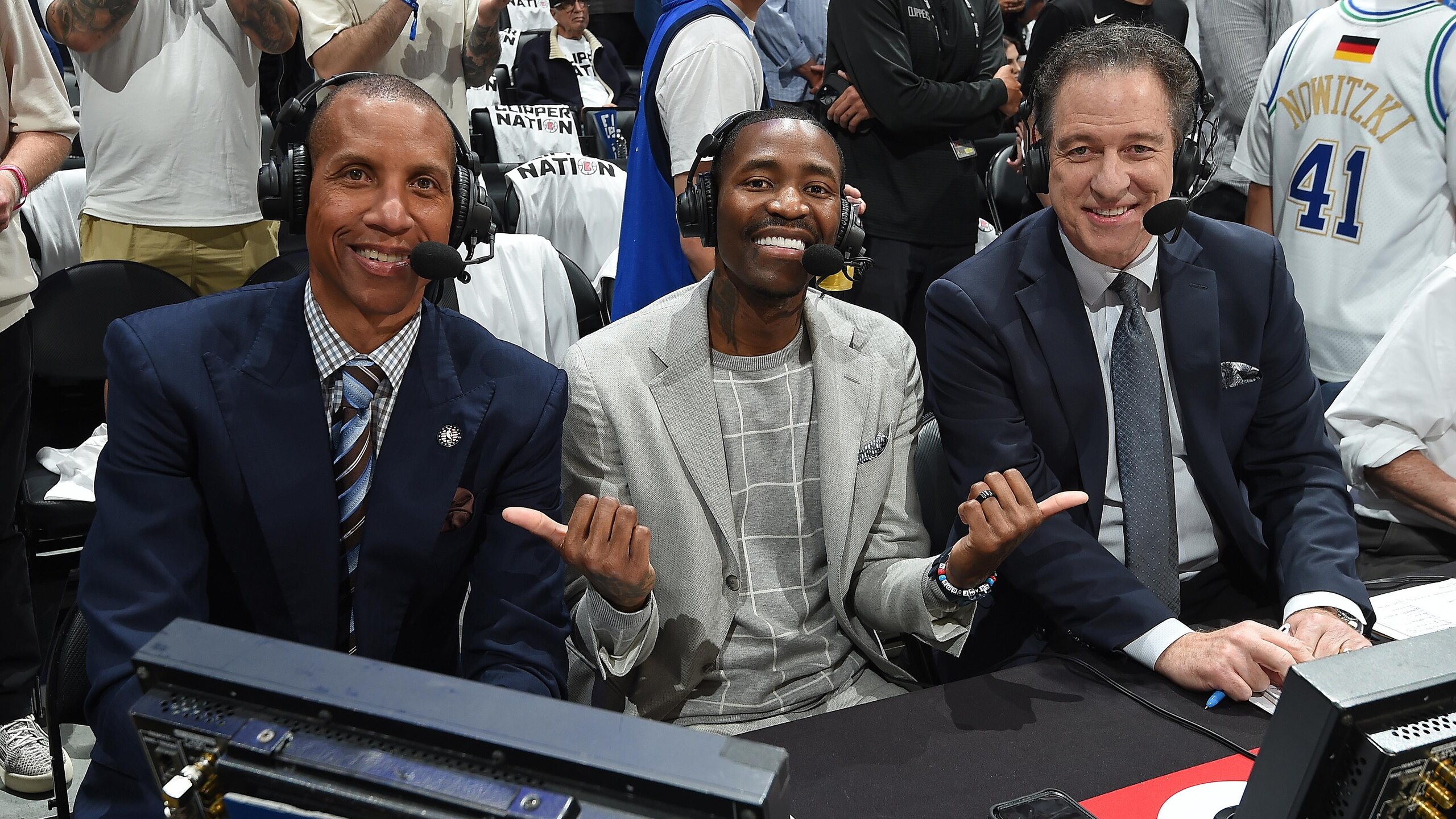
Playing Career: 20 years; nine teams; 14.6 points, 3.4 assists, 2.2 rebounds; three-time Sixth Man of the Year winner
Strengths: Jamal Crawford is focusing most of his post-career energy on commentating, which is as good a way into the coaching ranks as any. Current head coaches JJ Redick and Steve Kerr both got their jobs with no previous experience on the bench, largely because they used broadcasting as a platform to showcase their knowledge of the game.
Beyond that, Crawford's status as one of the game's all-time reserve scorers should give him insight into the plight of the role player. He's played with plenty of stars and was a starter for the first half of his career, but Crawford's experience as a specialist could help him relate to players all over the depth chart.
Weaknesses: It's easy to cite Crawford's one-way game and conclude he'll have no idea how to run a defense, but neither Kerr nor Reddick, both offensive specialists, have had much of an issue on that end of the floor.
The bigger concern might be Crawford's lack of exposure to high-functioning NBA environments. He spent his early years in a toxic rebuild with the Chicago Bulls and aggressively terrible New York Knicks during the early 2000s, and his best seasons came with the Lob City Clippers. That team enjoyed on-court success, but most of the principals involved now talk openly about how wins came amid interpersonal tension and ego clashes.
Maybe those experiences give Crawford examples of the kind of locker-room dynamic his teams should avoid. By no fault of his own, he didn't spend a lot of time in harmonious environments.
4. Jrue Holiday
2 of 5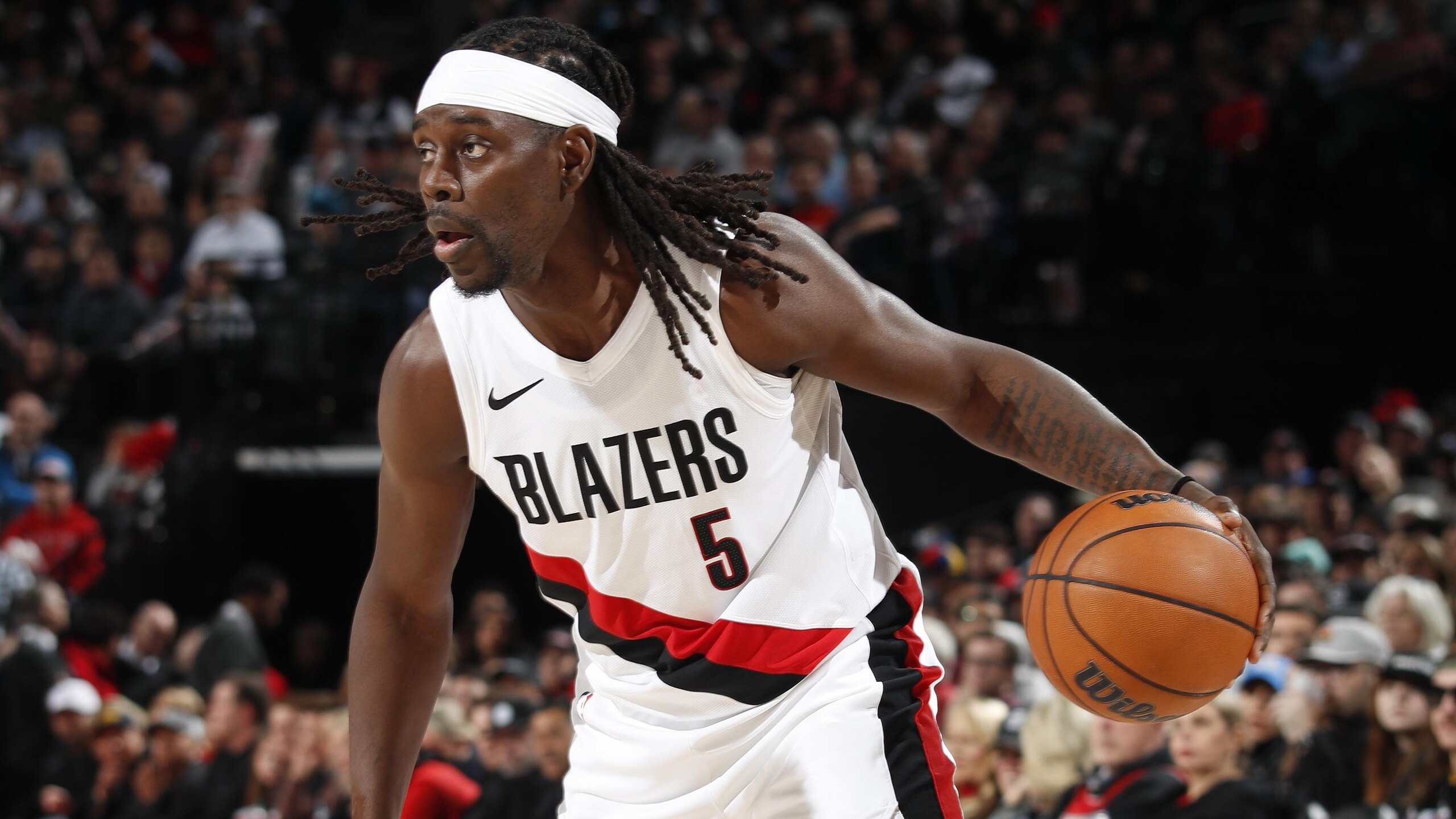
Playing Career: 17 years; five teams; 15.9 points, 6.2 assists, 4.2 rebounds; two-time All-Star, six-time All-Defensive, two-time champion
Strengths: Two titles with two different teams, the Milwaukee Bucks and the Boston Celtics, give Jrue Holiday an edge on all of the other members of this list. He can speak from a position of experience about the levels of commitment and sacrifice required to go all the way.
It probably also helps his case as a potential coach that Holiday was always something a little less than a star. Regarded by peers and close observers of the league as a major difference-maker, the point guard wasn't celebrated by a wider audience as he deserved. That'll help him relate to any players who feel unappreciated or marginalized; he can tell them all about how his contributions rarely got the respect they deserved.
An intelligent, defense-first, high-character player with a two-way game and the ability to fit into a variety of systems, Holiday has a lot to recommend him.
Weaknesses: You've got to stretch quite a bit to find clear drawbacks to Holiday as a hypothetical coach. One possibility: He was actually a little too good a player, and might not relate to guys who don't always give their best efforts or struggle to embrace the dirty work of winning. In other words, Holiday has spent his career operating unselfishly, always willing to take the toughest assignment and never clamoring for praise.
As a coach, he'd surely run into several players who didn't share his team-first approach, which could create some friction.
3. Garrett Temple
3 of 5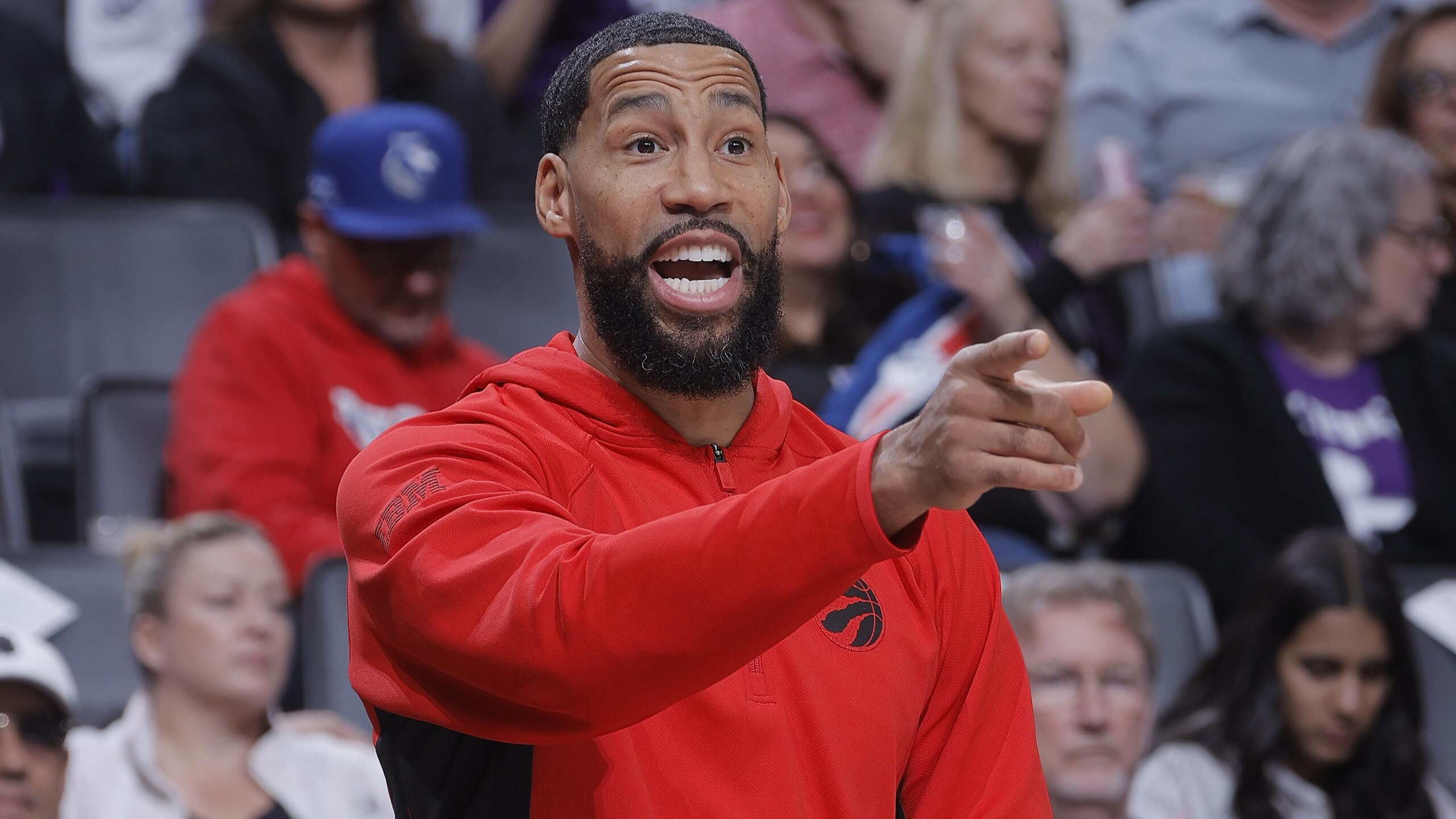
Playing Career: 16 years; 12 teams; 5.8 points, 2.2 rebounds, 1.6 assists
Strengths: You could argue that Garrett Temple has basically been a coach for half of the last decade, as he's found himself in end-of-bench roles where production took a back seat to leadership since 2022.
At his apex, Temple put up 10.3 points per game in 27.9 minutes for the 2019-20 Brooklyn Nets. He was already 33 then and had spent the previous 10 years bouncing between organizations (he played for three teams in 2010-11 alone) and even heading overseas for a while. No other potential coaching candidate holds a candle to Temple from a journeyman/life experience standpoint.
He frequently ranks among the leaders in the Future Head Coach question of the NBA's annual GM survey, largely due to his strong character and frequent on-court coaching during games. When Toronto re-signed him this past summer, general manager Bobby Webster cited Temple's "work ethic, commitment to team, community, family and professionalism" in the press release.
Temple is already regarded as a coach in many senses; he's seen it all during his career, and he seems to have the universal respect of his peers.
Weaknesses: In 16 years, Temple has only played in 31 playoff games, never advancing past the second round. Only once, in 2020, did he average more than 10.5 postseason minutes per game. So when he talks to his players about what it takes to win at the highest level, he'll only be able to do so in theoretical terms.
Maybe it doesn't matter that Temple has never seen serious postseason action, but players tend to respond better to coaches when they know they're speaking from experience.

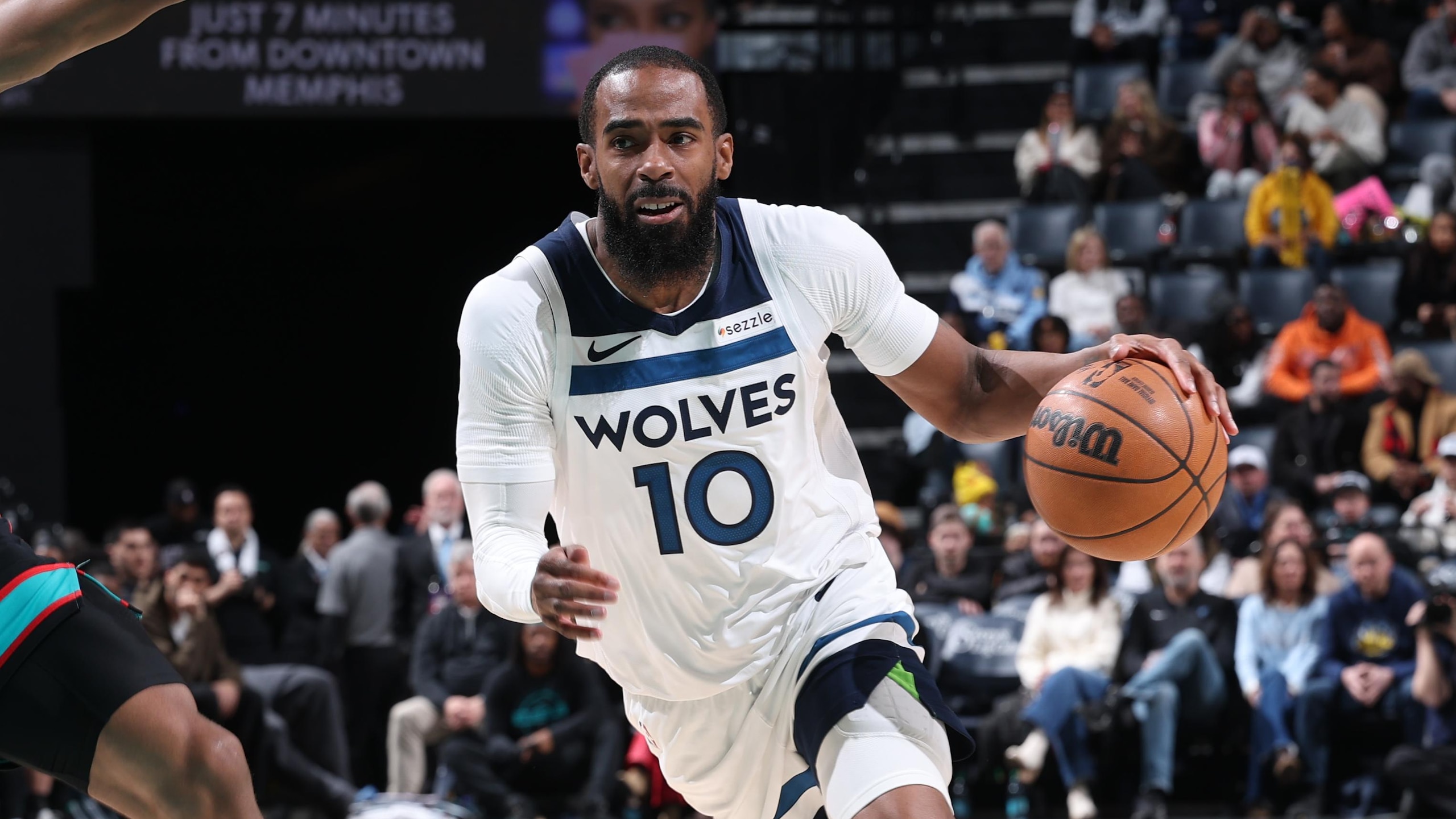
2. Mike Conley
4 of 5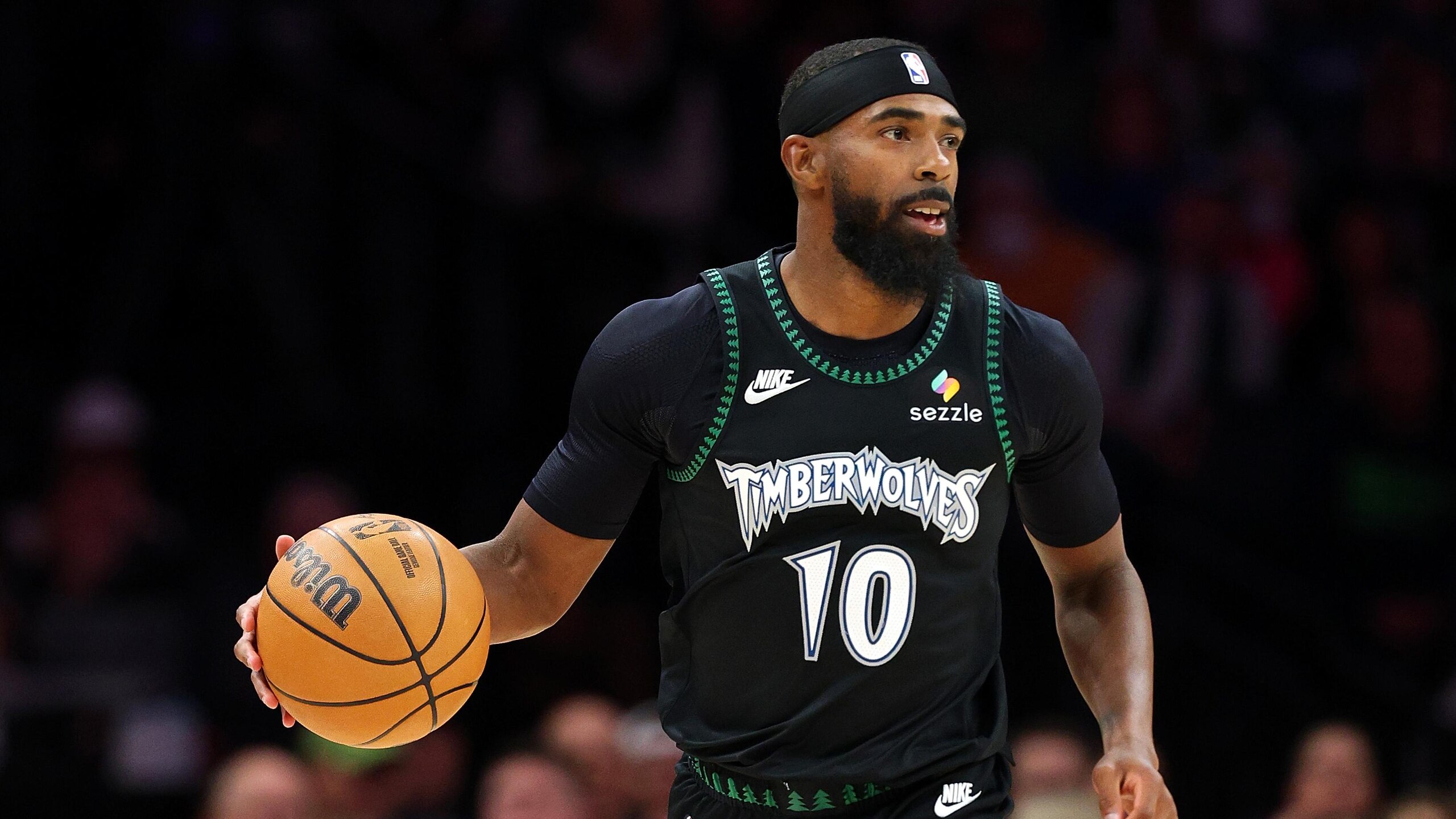
Playing Career: 19 years; three teams; 13.7 points, 5.5 assists, 2.9 rebounds, one All-Star, one All-Defense
Strengths: Mike Conley is synonymous with "steady", perhaps a surprising designation for the son of one of the most explosive athletes in American history, but one that fits his mistake-free game, cool demeanor, and consistent production.
Conley's nearly two-decade tenure gives him insight into the ever-changing trends of NBA basketball, which should make him adaptable as a coach. He seems like the type of thinker who'd willingly adjust his tactics and rotations to the situation, as opposed to doggedly sticking to his preconceived notions.
Never a star but a long-time starter who has seen 108 playoff games and three Conference Finals, Conley has all the experience necessary to excel as a head coach.
Weaknesses: Nineteen years, zero technical fouls. Is Conley's perfect record of behavior a potential drawback? At some point, a head coach is going to need to stand up for his players or send an early-game message to officials if he thinks the game isn't being called correctly. It's almost impossible to imagine Conley popping off deliberately, let alone losing his cool in the heat of the moment.
That's a relatively insignificant potential weakness, as is the only other one we can think of: Conley's wallet. With almost $300 million in career earnings, it's hard to argue he'd need a coaching job to make ends meet.
1. Chris Quinn
5 of 5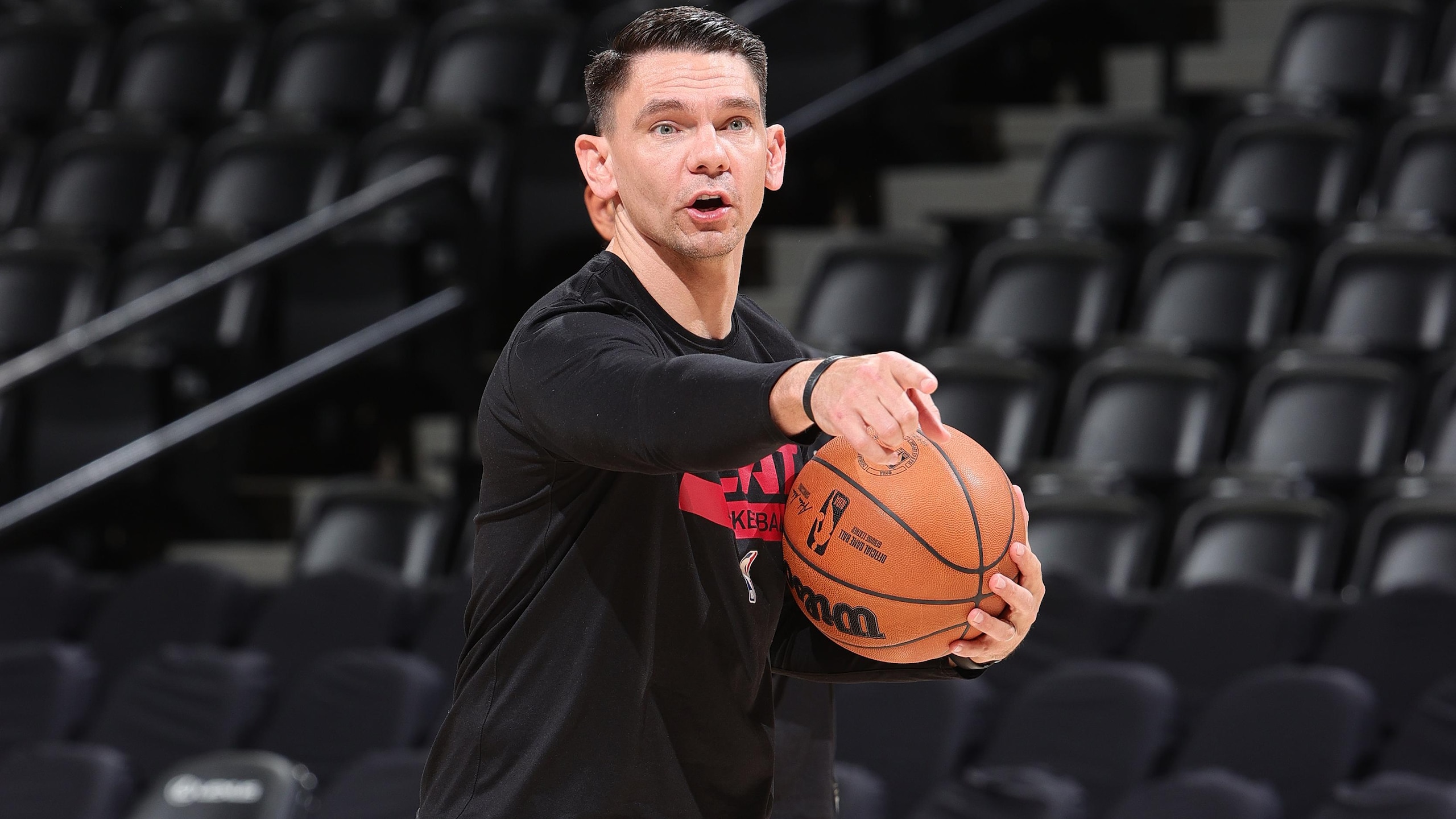
Playing Career: Six years; four teams; 4.5 points, 1.9 assists, 1.1 rebounds
Strengths: Chris Quinn ticks several player-type boxes by being an overachieving, often end-of-bench point guard who stuck around as long as he did, mostly because of his reliable three-point shooting and careful game management. Undrafted out of Notre Dame, Quinn made the defending champion Miami Heat in 2006-07 and spent his first four years alongside Dwyane Wade.
This is a classic archetype for a coach: scrappy, smart, and willing to work for his opportunities. That describes Quinn as a player and as a long-time assistant in Miami, where he started as a player development coach and climbed all the way to top-assistant status under Erik Spoelstra.
Quinn has been a candidate for head-coaching jobs in the past, and it feels like only a matter of time until he lands one.
Weaknesses: Does it count as a weakness if your only coaching experience came in the high-functioning Miami environment? That's not to say Quinn's time with the Heat has been without controversy, but that organization is wired tighter than almost any other. It's possible Quinn doesn't have enough experience with dysfunction, which is likely to come up wherever he ultimately lands his first head-coaching gig.
Then again, brief stints as a player with the 2009-10 New Jersey Nets and 2012-13 Cleveland Cavaliers gave him a taste of life on messy, wayward teams. Between those stretches and a year with Tim Duncan and Gregg Popovich in San Antonio, Quinn's career features stops all over the competitive spectrum.
Stats courtesy of NBA.com, Basketball Reference and Cleaning the Glass. Salary info via Spotrac.
Grant Hughes covers the NBA for Bleacher Report. Follow him on Bluesky and subscribe to the Hardwood Knocks podcast, where he appears with Bleacher Report's Dan Favale.

.jpg?w=2560 "AD Trolls Bears WR on IG 😂")
.jpg?w=2560 "Viral Dan Campbell Presser 💙")
.jpg?w=2560 "Report: Steelers WR to Miss 'Weeks'")
.jpg?w=2560 "Cam Ward Says He's Not A Loser")
.jpg?w=2560 "Buzz: MHJ Hired Agents for Trade")
.jpg?w=2560 "Chargers Fall to 0-5 🤢")
