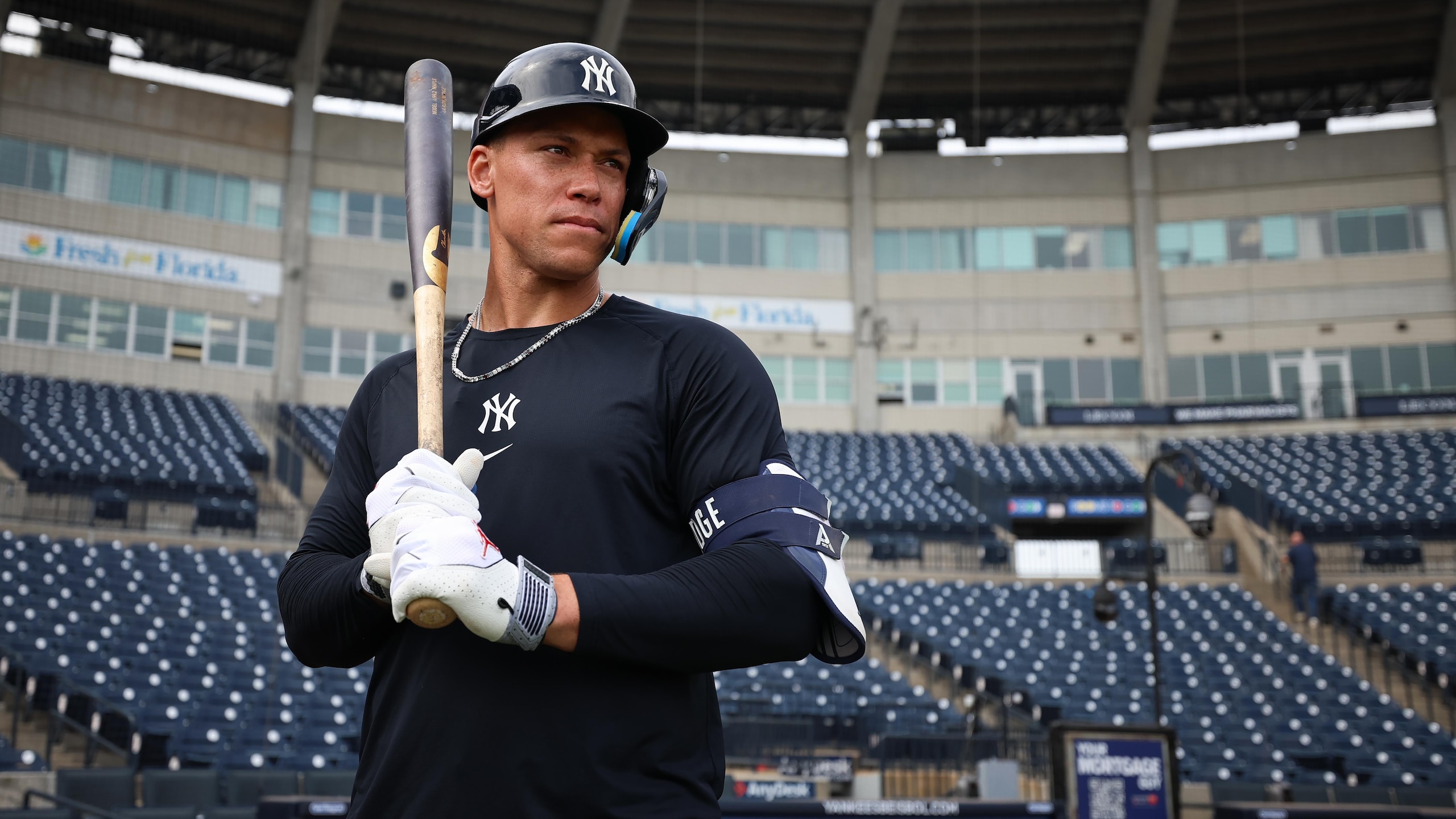

Fantasy Baseball 2026 Mock Draft, Strategy and Cheatsheet for Opening Rounds
Fantasy baseball managers must start acting with urgency during their pre-draft study sessions.
Opening day of the 2026 MLB season is fast approaching. Draft picks will be made soon, and stat lines will start filling up shortly thereafter.
It's an objectively exciting time, but it's also the biggest make-or-break point on the fantasy baseball calendar. A good draft can be the first step toward title town. A botched one, on the other hand, could spoil the campaign before the first pitch is even thrown.
We're hoping only good things our coming your day, and we're offering more than crossed fingers and well wishes to help you out. Here, we're running through the first three rounds of a simulated mock draft, laying out some of our top draft strategies and closing with cheatsheet-style rankings to help you navigate the early rounds.
3-Round, 12-Team, Head-to-Head Points Mock Draft
1 of 3
Round 1
Round 2
Round 3
Draft Strategy
2 of 3
Draft to your specific league format.
Simple, perhaps obvious-sounding advice still qualifies as good advice. And this isn't always the easiest strategy to remember, since there's a wealth of player rankings and average draft position data available, but it's almost never tailored to your league specifics.
Think of those as general guidelines, then, and not things you have to follow religiously. Different sites score things differently, league and roster sizes change and it's entirely possible your league has a few scoring quirks specific to how things operate. All of these things change player values and must be accounted for during the talent grab.
Fill as many categories as you can early—unless you're deliberately avoiding one.
True five-category contributors come few and far between, and they're almost all snatched up during the early stages of the draft. While it'd be awesome if you added a couple, it's more likely you won't leave the first few rounds feeling like your roster is loaded all over.
So, do what you can to limit your categorical vulnerabilities. If you grab a bopper in the first round, maybe target speed or batting average in the second. If you take an ace in the opening round, you might have to hammer hitters with your next handful of picks. The only exception here is if you've already decided to punt a category, in which case you can let everyone else chase whatever that category is and hope to find values in other areas.
Prioritize production over potential early in the draft.
Because you're looking for a positive return on your draft investment, you'll have to chase upside to find real profits. You just don't want to sell out on a high ceiling too early, especially if it comes attached to an uncomfortably low floor.
Granted, potential matters more in a dynasty format, so if that's your league of choice, then by all means go shiny, new object-chasing. If you're focused on contending this season, though, then what matters most to you is how good a player is right now and not how good they might be down the line. You want numbers, and proven producers are regarded as such because they reliably deliver them.
Top-5 Positional Rankings Cheat Sheet
3 of 3
C
1B
2B
3B
SS
OF
SP
RP



.jpg?w=2560)
.jpg?w=2560 "Viral Dan Campbell Presser 💙")
.jpg?w=2560 "Cam Ward Says He's Not A Loser")
.jpg?w=2560 "AD Trolls Bears WR on IG 😂")
.jpg?w=2560 "Chargers Fall to 0-5 🤢")
.jpg?w=2560 "Report: Steelers WR to Miss 'Weeks'")