

In terms of excitement and big moves, the 2026 NHL Trade Deadline was not one of the better ones that we have ever seen.
The biggest moves involved the St. Louis Blues trading defenseman Justin Faulk (to the Detroit Red Wings) and forward Brayden Schenn (to the New York Islanders), and the Washington Capitals' surprising trade of defenseman John Carlson (to the Anaheim Ducks).
There were also a lot of smaller moves involving pending unrestricted free agents, including the Toronto Maple Leafs, Vancouver Canucks, and Winnipeg Jets, dealing for a lot of draft picks. Necessary moves, but nothing that is going to grab headlines.
The bigger story might have been the big names that did not move.
No Steven Stamkos or Jonathan Marchessault.
No Vincent Trocheck.
No Robert Thomas or Jordan Kyrou.
No Jordan Binnington.
No Blake Coleman.
No Sergei Bobrovsky.
Maybe it sets the stage for an exciting offseason, because the trade deadline did not really deliver on the hype with most of the big names we spent weeks talking about.
Still, most of the teams in the league made some kind of move over the past month leading up to the trade deadline, so let's hand out some grades for what each of the 32 NHL teams did. Or did not do.
Anaheim Ducks
1 of 32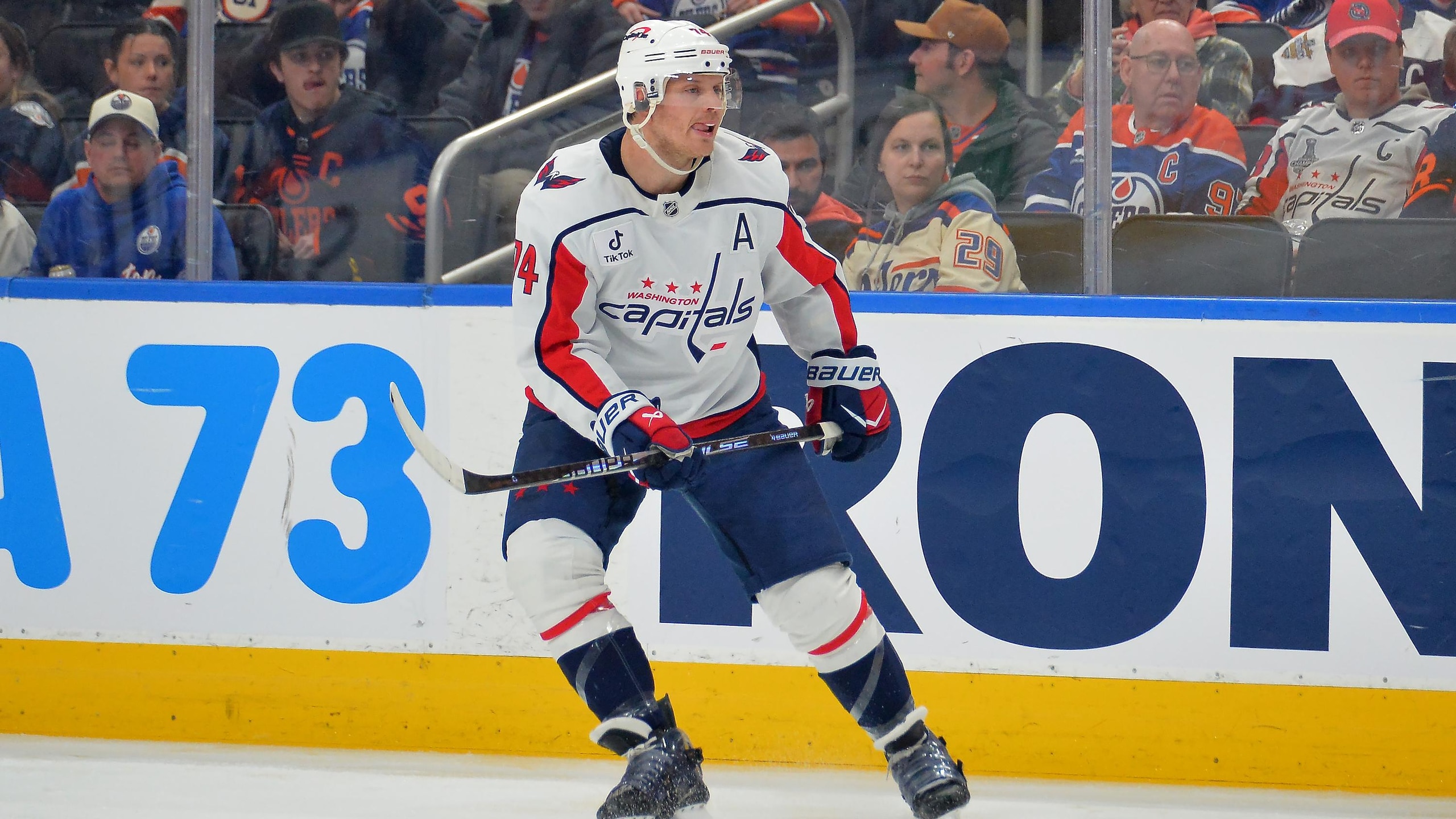
Grade: A
The Ducks made the most surprising trade of the deadline season when they landed defenseman John Carlson from the Washington Capitals. They paid a steep price for a potential rental, but it is a huge statement by management that they are ready to try and win something. Right now.
The playoff drought looks like it is on the verge of ending.
They have a legitimate chance to win the Pacific Division.
There is a path for a decent postseason run here, given how weak and unimpressive every other team in the Pacific Division has looked.
They needed to do something to upgrade their defense and bring everything together, and Carlson can help in many ways. He remains an extremely productive offensive player and can still make a big impact on the power play.
Boston Bruins
2 of 32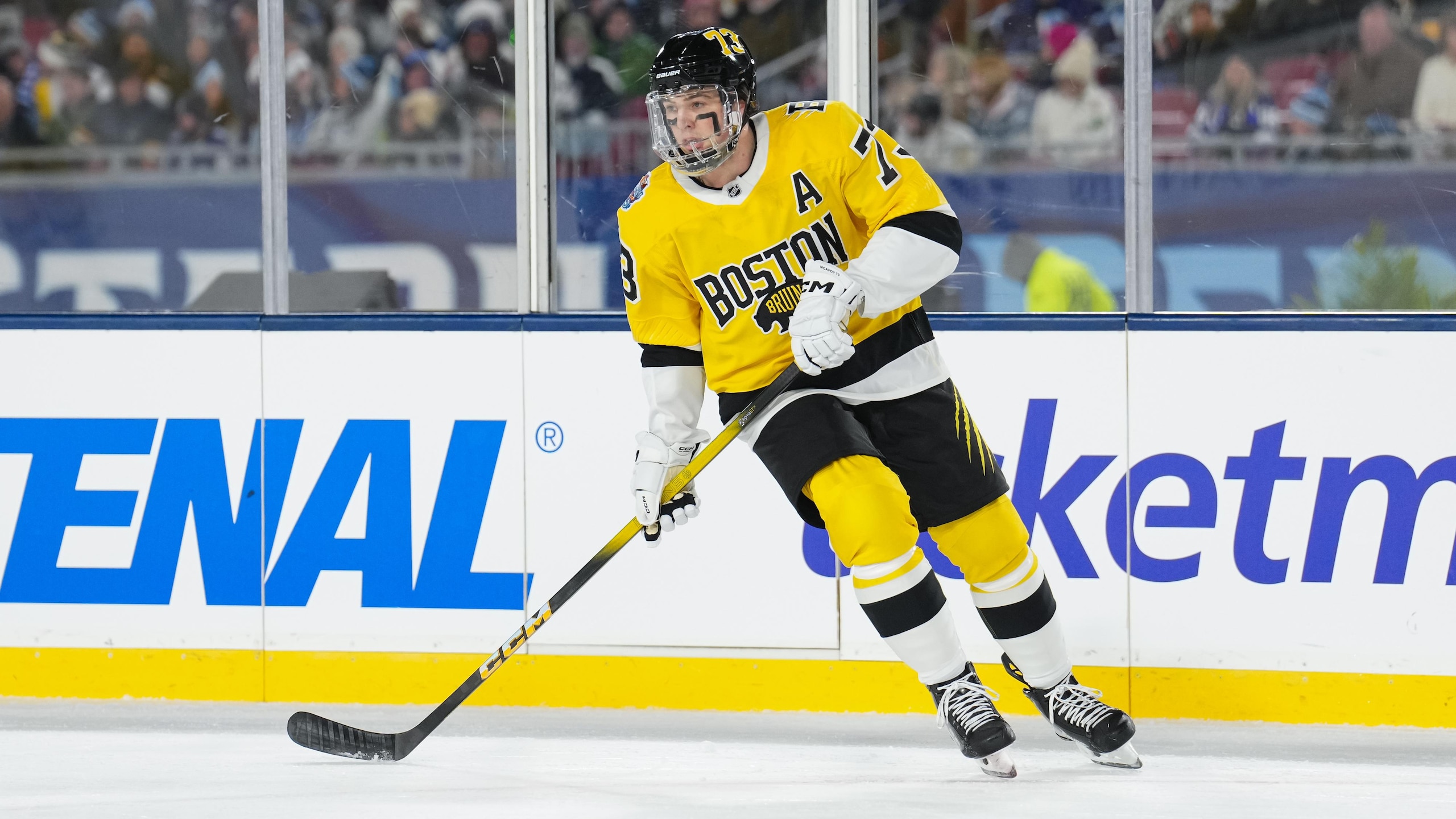
Grade: C
Outside of some minor deals, the Bruins mostly stood pat. And that is fine. They did nothing to hurt their chances of making the playoffs, nor did they do anything to help themselves.
They are also not just one move away from competing for a Stanley Cup this season, so it probably did not make much sense to pay some of the prices out there this week.
If they like what this group does the rest of the way, they have four first-round draft picks over the next two years and an improving prospect pool to deal from to try and get another impact player (like, say, a Robert Thomas) in the offseason.
Buffalo Sabres
3 of 32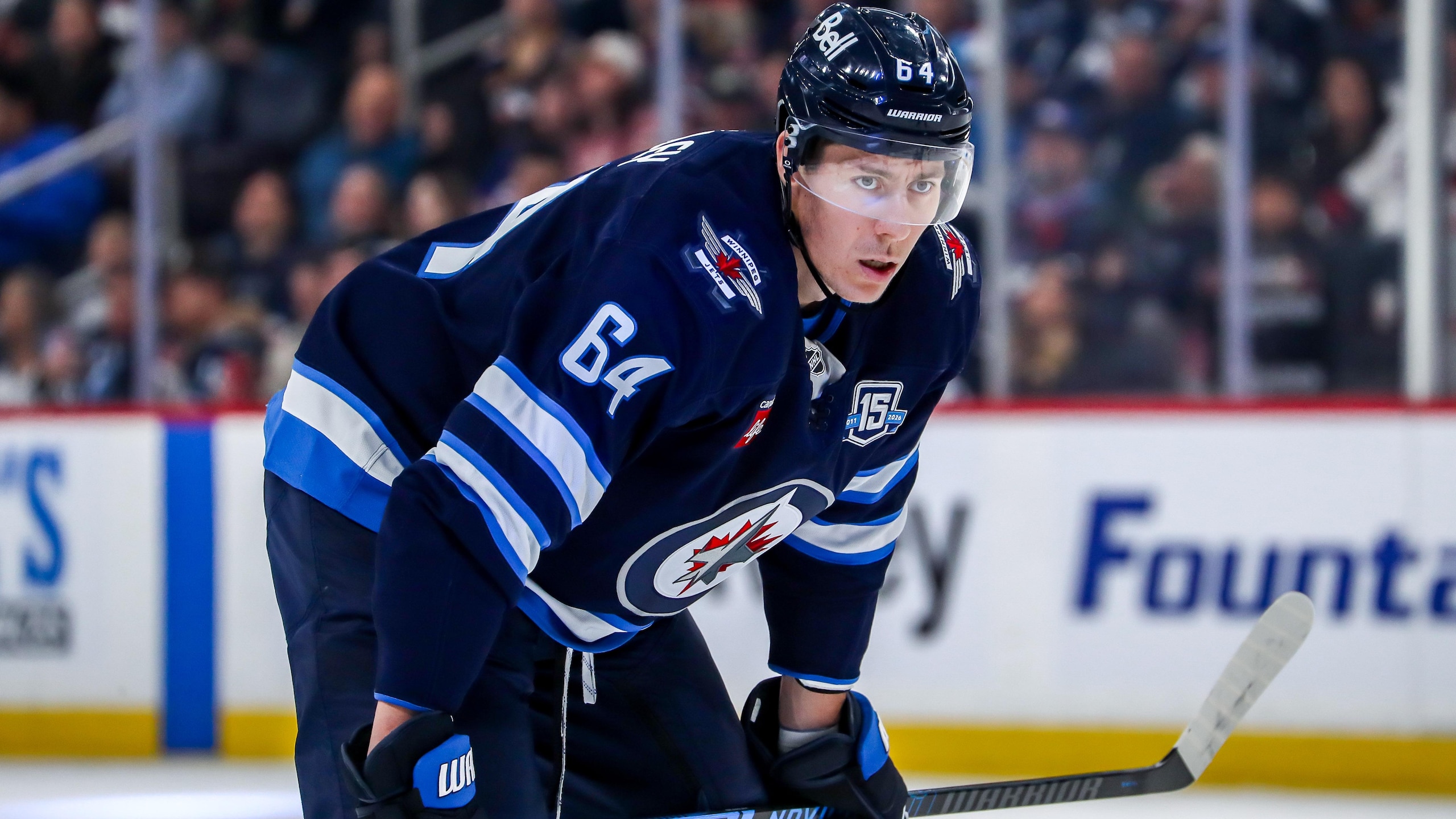
Grade: D
If you want to be optimistic, you could point to the fact that the Sabres were buyers and added to a team that is almost certainly going to make the playoffs for the first time in 14 years.
The problem: Those additions might have been a case of subtraction by addition.
Logan Stanley and Luke Schenn are big bodies to add to the defense, but what else are they bringing to the table here that moves the needle? Schenn might only be an extra defenseman to just have around for depth purposes in the event of an injury, and they better hope that is the case. He was a trade deadline addition for Winnipeg a year ago and was absolutely cooked in the playoffs and one of their biggest liabilities. You do not want to see a repeat of that if you are a Buffalo fan. The playoffs are all about advanced scouting and exploiting weaknesses.
Stanley is younger and, in theory, still has some untapped potential, but he does not really do anything impactful and has not yet put all of his size and skills together.
All of this happened after St. Louis Blues defenseman Colton Parayko turned them down, utilizing his no-trade clause.
This might have been an instance where they might have been better just standing pat if they were not going to land an impact player.


.jpg?w=2560)
Calgary Flames
4 of 32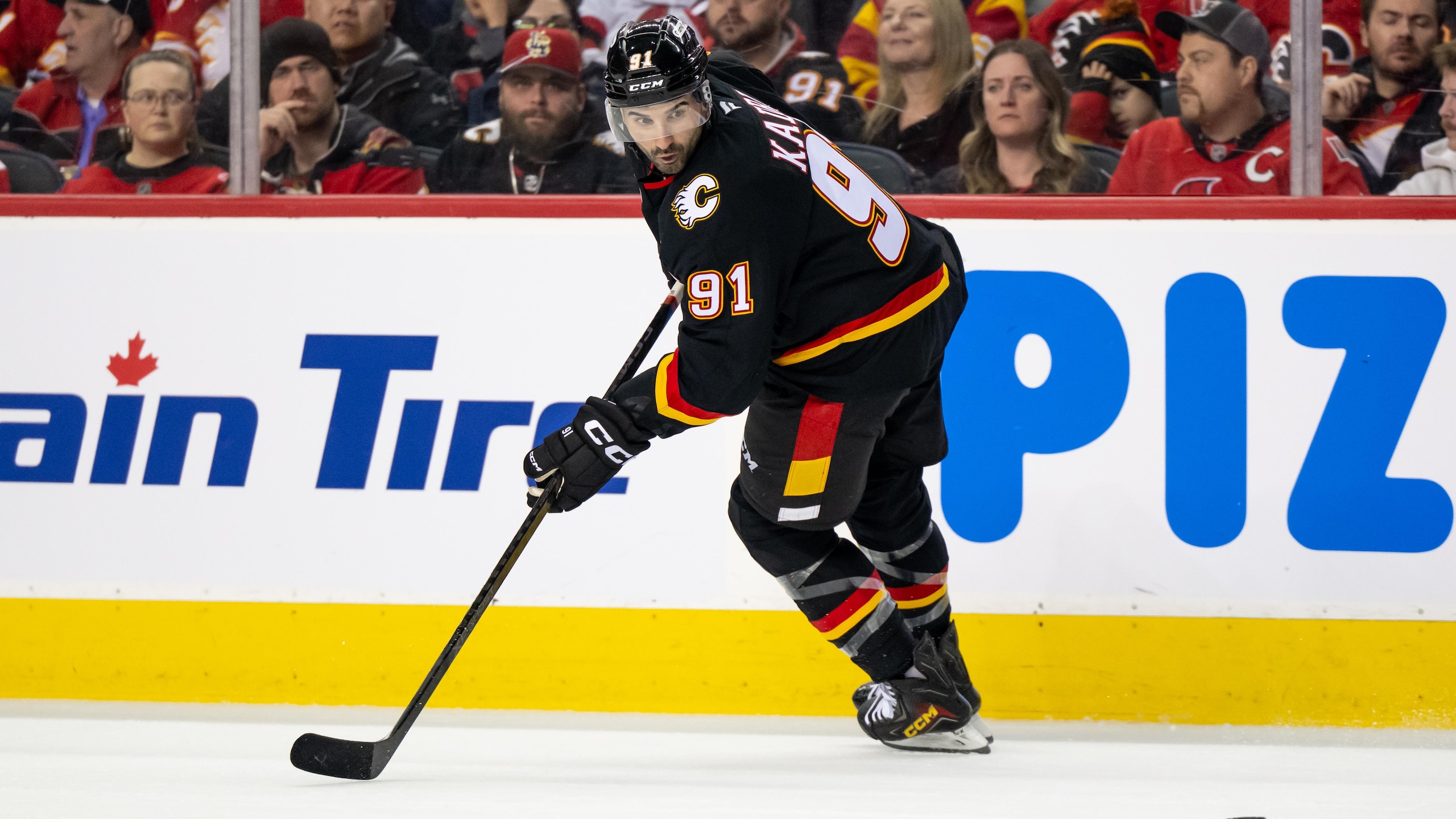
Grade: B
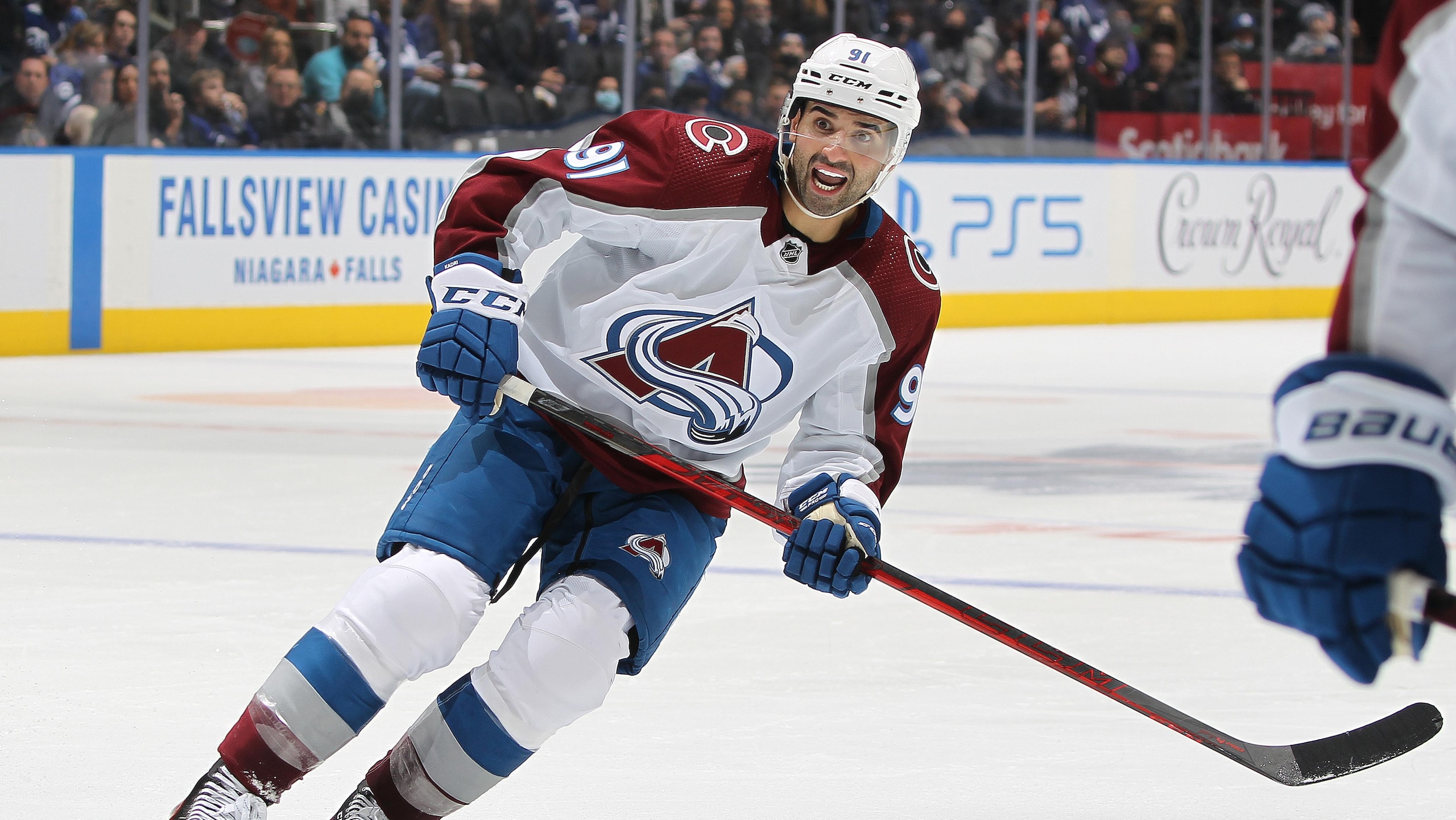
The rebuild rolls on, and while the Flames clearly made themselves worse this season by trading Rasmus Andersson, MacKenzie Weegar, and Nazem Kadri over the past few weeks, they really stockpiled a lot of draft pick assets.
They now have six first-round picks over the next three years (two in each year), eight second-round picks (at least two in each year), and four third-round picks. That is 17 picks in the first three-rounds over the next three years.
That is a lot of assets to add much-needed impact talent to the organization, and it may have put the roster in a position to maintain strong odds of staying in the top-three of the top-heavy 2026 NHL Draft class.
Carolina Hurricanes
5 of 32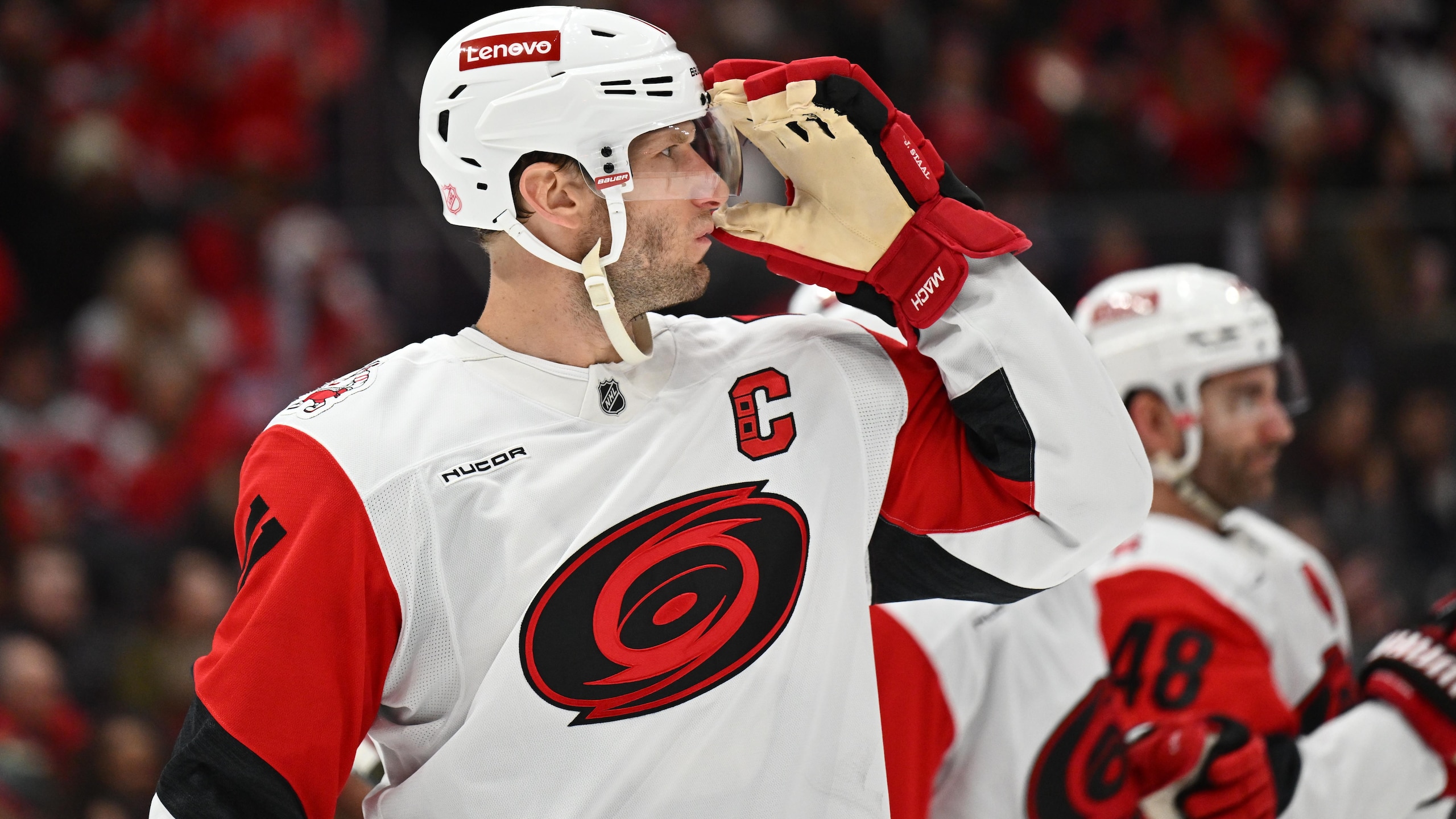
Grade: D
This just seemed like an underwhelming deadline, and even head coach Rob Brind'Amour expressed his disappointment with the lack of major moves. Carolina was in a great position to be a major buyer with multiple first-round draft picks over the next few years, a ton of salary cap space, and an aggressive front office that has made major blockbuster moves in each of the past two years.
Their big move this season was to add depth forward Nicolas Deslauriers.
The Hurricanes are still one of the best teams in hockey, and that does not change, but expectations were certainly higher here. Especially when they could have probably used another top-line finisher and had the assets and salary cap space to go for it.
Chicago Blackhawks
6 of 32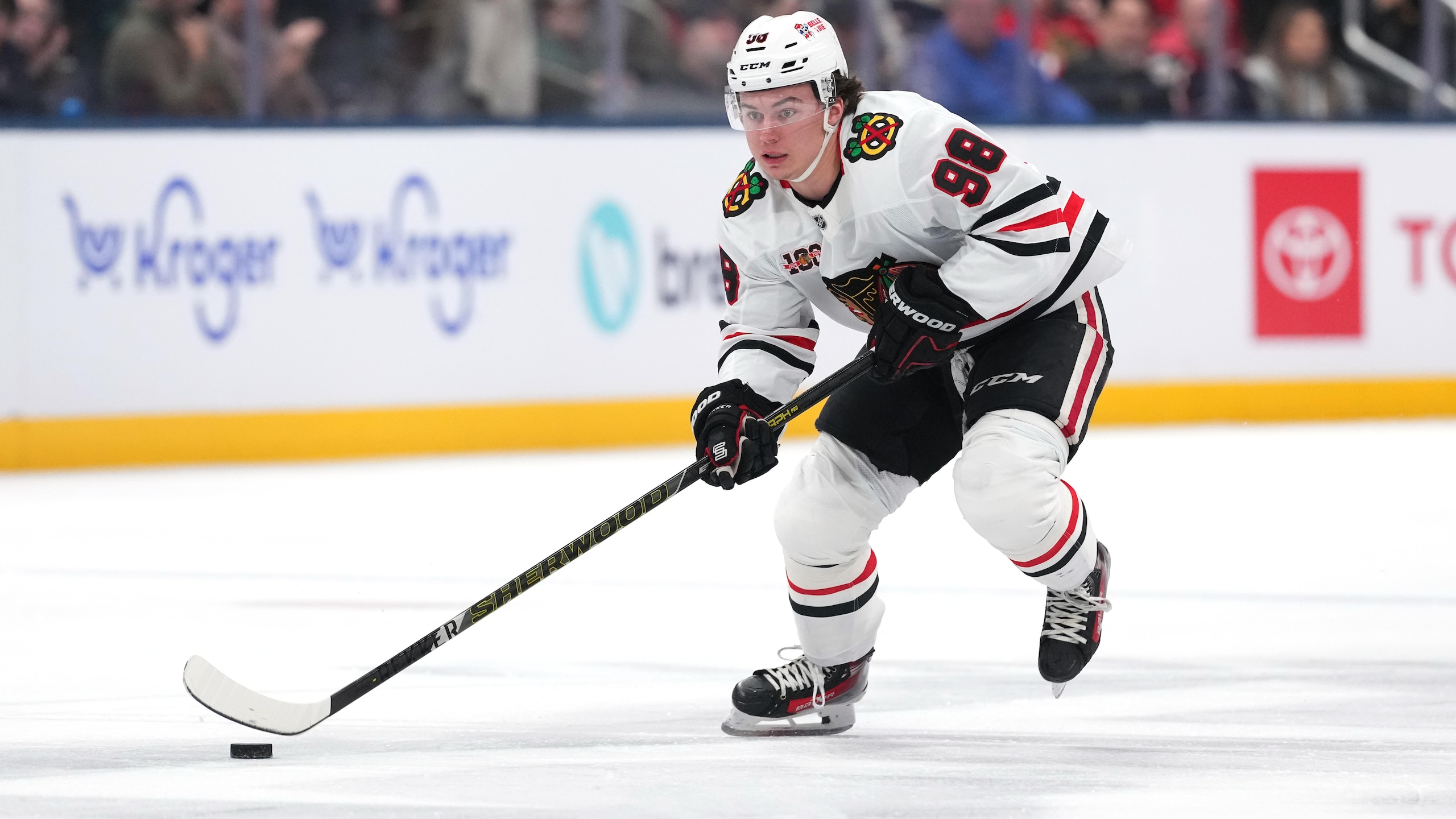
Grade: B
Overall, the Blackhawks did what was expected, and also the only sensible and logical thing for a team in their position to do: They sold their veteran players who were pending free agents. They also mostly received some decent value, adding another first-round pick (for Jason Dickinson) and second-round pick (for Connor Murphy) into the organization.
That is fine. No issues with any of it from a value perspective.
At some point, though, they need to be in a position to add impact talent around Connor Bedard. This is going to be a big offseason for general manager Kyle Davidson.
Colorado Avalanche
7 of 32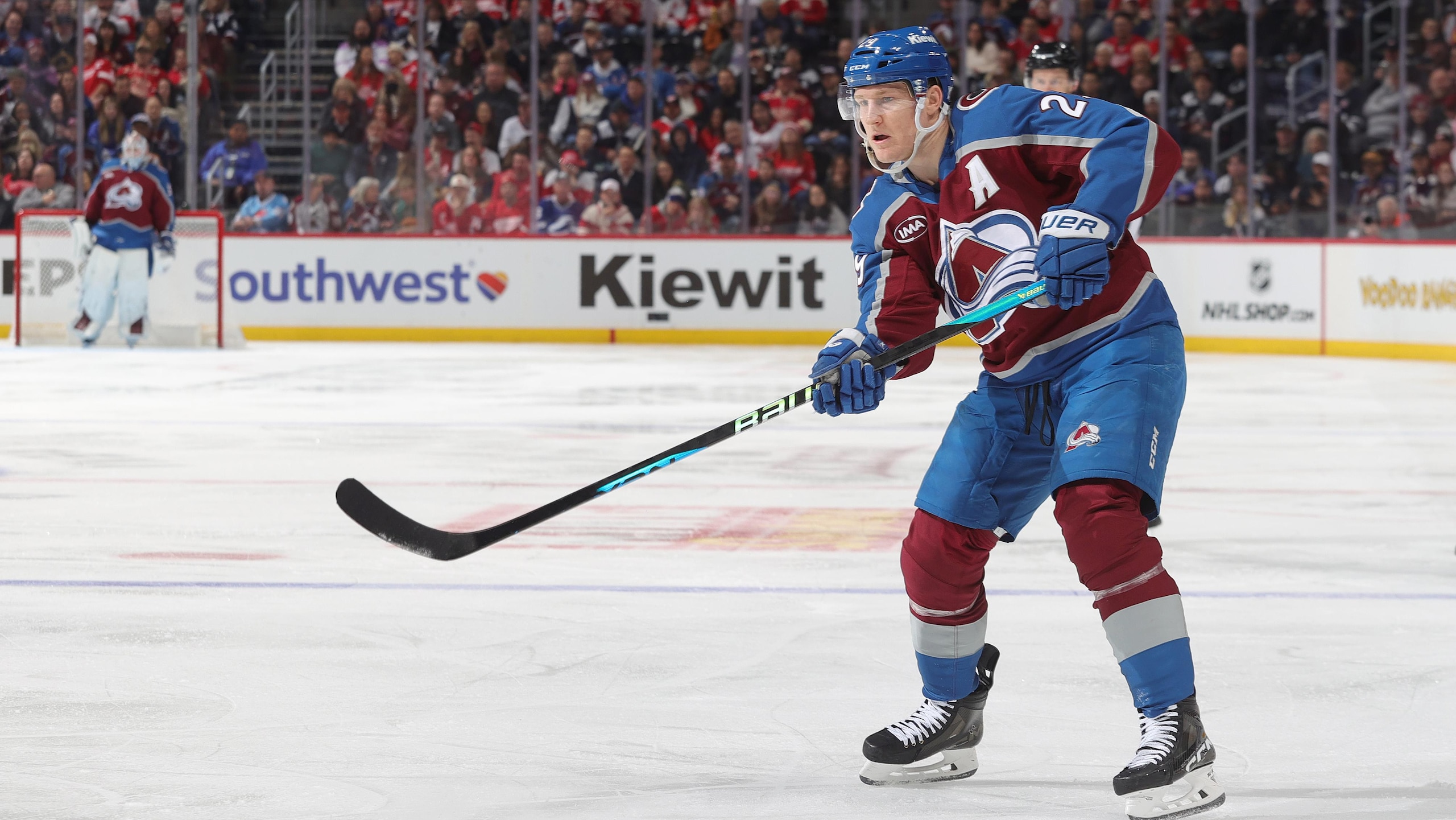
Grade: A
The Avalanche pushed all of their chips into the center of the table and told everybody, "Hey, we are going for it."
They completely depleted pretty much all of their draft pick assets by acquiring Nicolas Roy and Nazem Kadri, but they add much-needed depth to a roster that is already one of the best in the NHL.
Kadri is the major addition here and gives Colorado the second-line center upgrade it badly needed. Kadri might not be the player he was back in 2021-22 when he helped the Avalanche win the Stanley Cup, but he is still a good two-way player who is going to make an already good team even deeper and better.
Do they have any draft picks left over the next few years? No. Will anybody care if they win the Stanley Cup? Also no. Banners hang forever.
Columbus Blue Jackets
8 of 32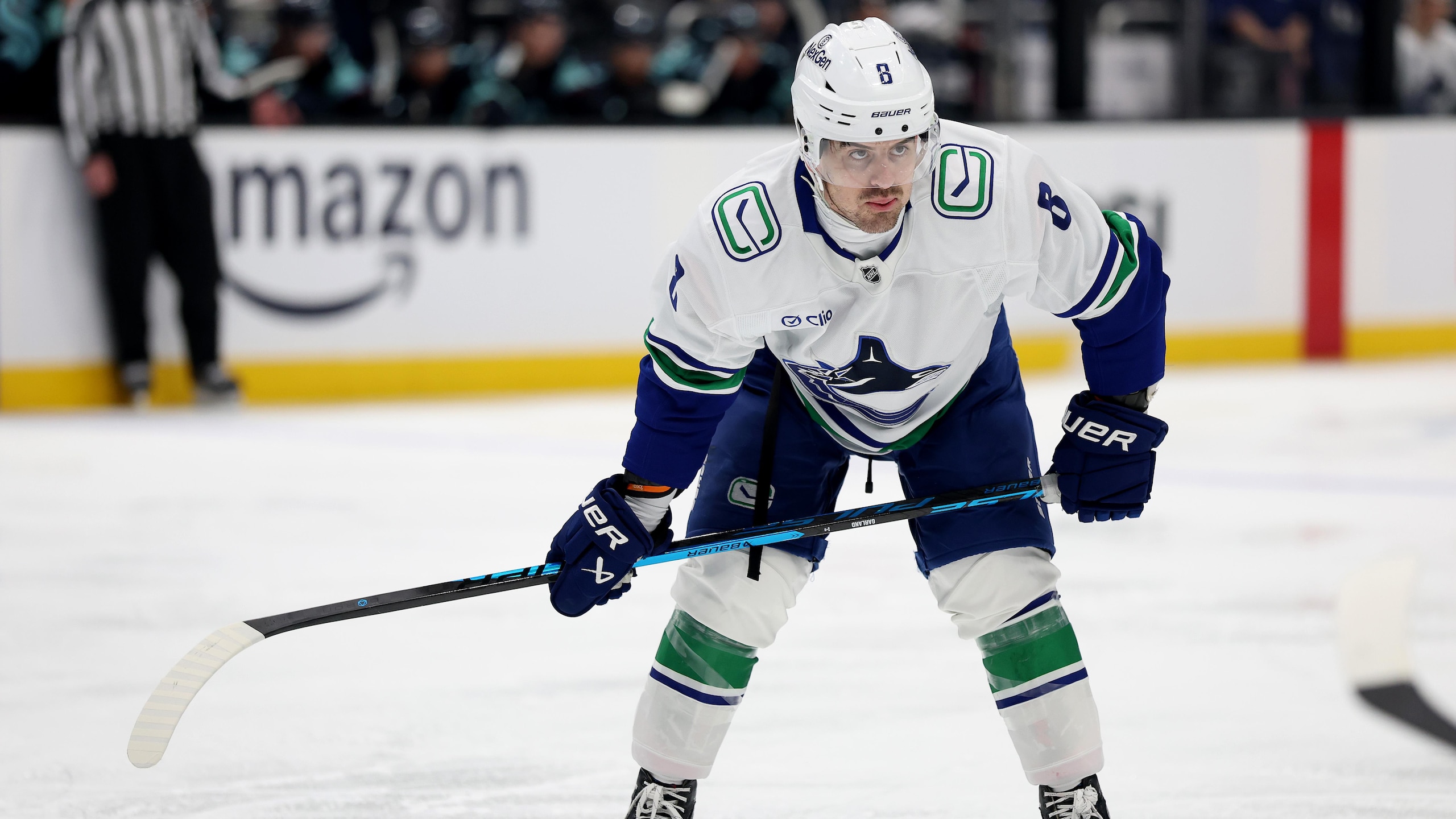
Grade: C+
Even though the Blue Jackets are on the outside of the playoff picture and have a number of potential unrestricted free agents, they decided to add by acquiring Conor Garland from the Vancouver Canucks.
Getting Garland for second-and third-round picks is more than fair value, and there is a good chance he has more production to offer than what he has shown so far this season.
The downside is that he is an undersized forward on the wrong side of 30 and signed for six more years. How is that contract going to age? Does he do enough to move the needle this season?
In the short term, they are a slightly better team. But is it enough to get in the playoffs? Will they regret that contract in the future? Those are all big questions.
Dallas Stars
9 of 32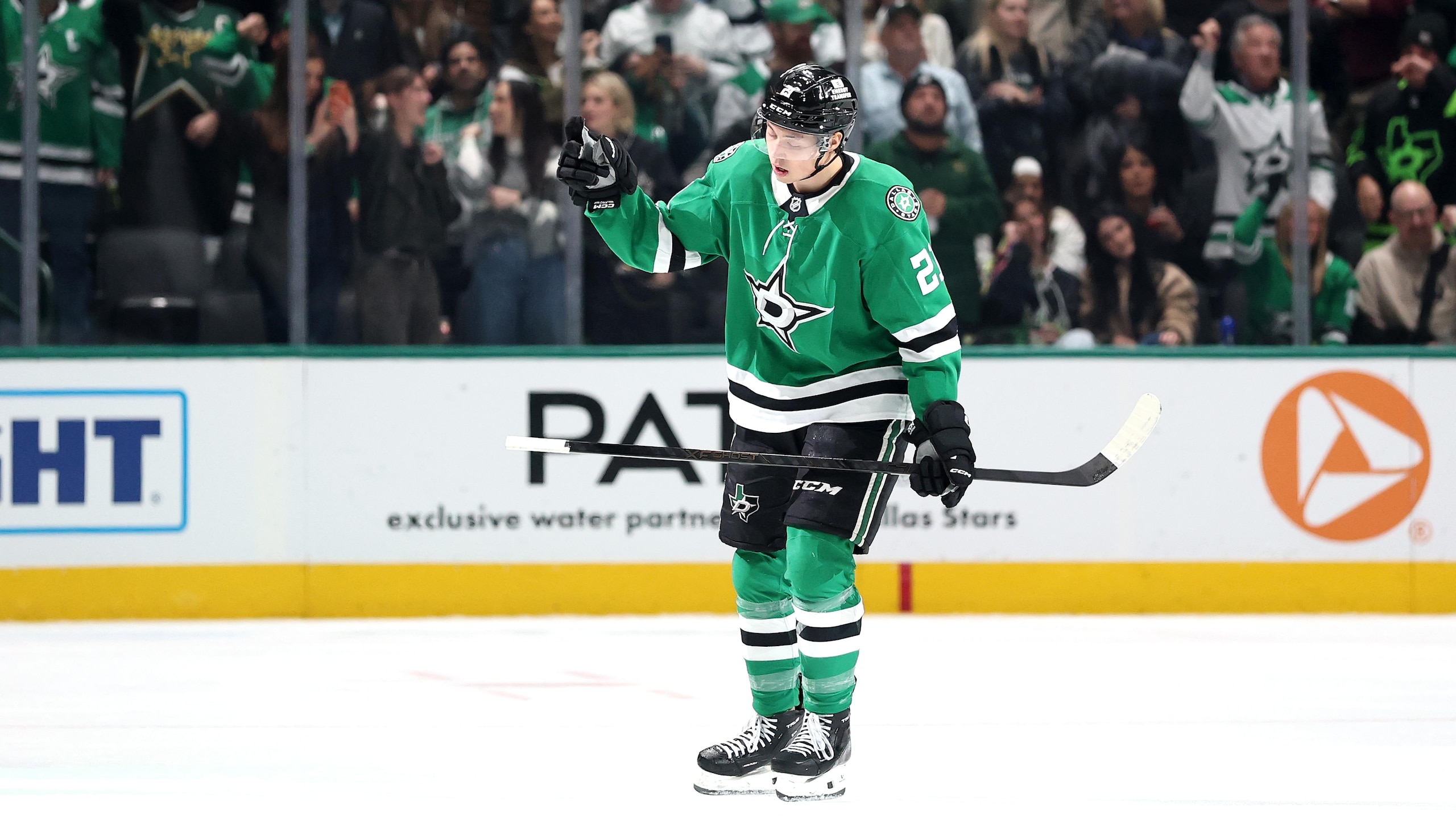
Grade: B+
With Tyler Seguin out for the season and Mikko Rantanen dealing with an injury in the short-term, there was an obvious need for the Stars to add some more depth. They also had the salary cap flexibility to do so.
Getting Michael Bunting and Tyler Myers, while also not having to give up any of their first-round picks, is some tidy business for general manager Jim Nill.
Nothing overly impressive here, but just good, solid depth to fill some openings on the lower half of the lineup.
Detroit Red Wings
10 of 32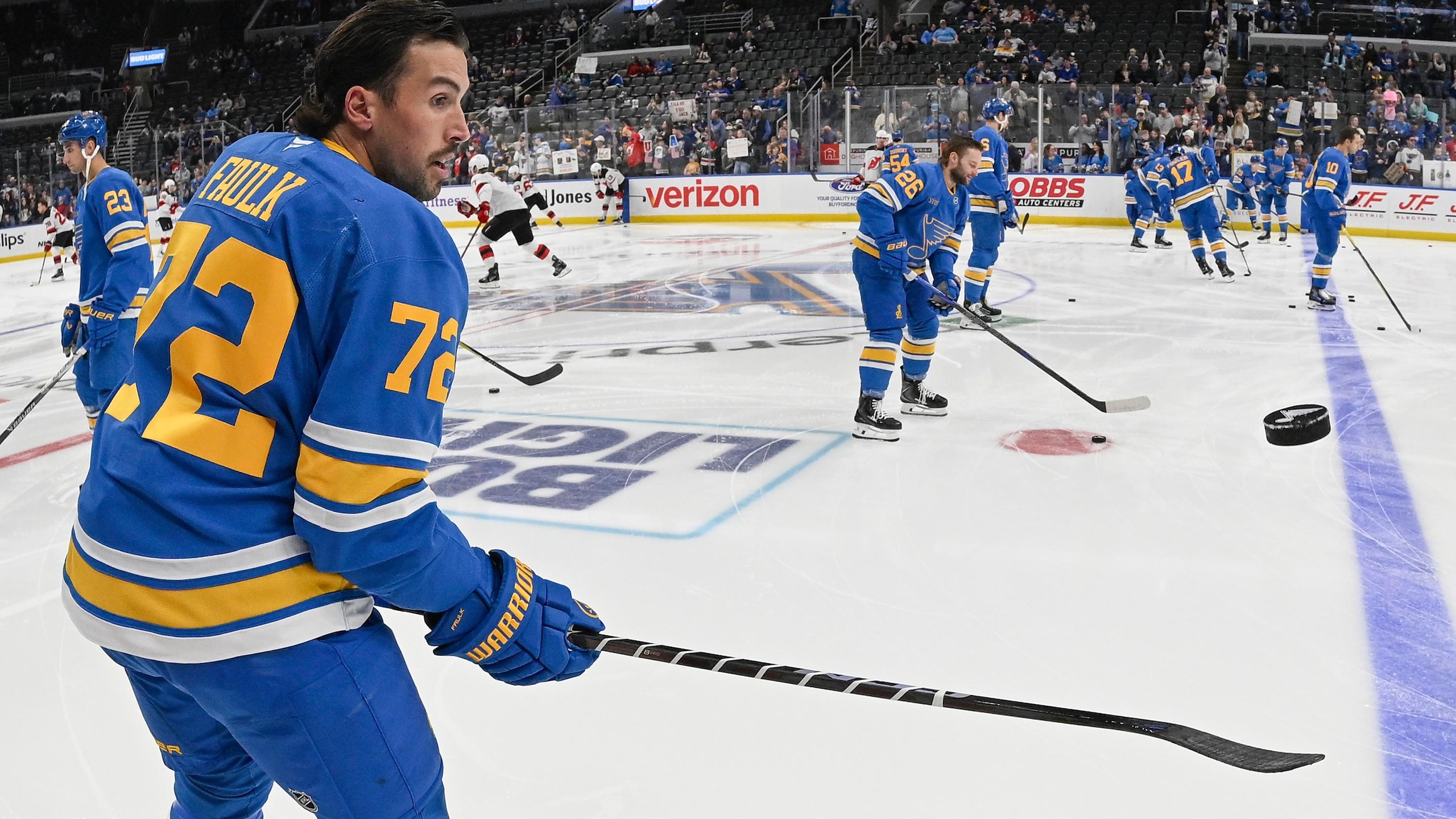
Grade: B
There was a lot of pressure on Red Wings general manager Steve Yzerman to do something this year. The Red Wings are in a position to make the playoffs, captain Dylan Larkin was upset with the inactivity at last year's deadline, and the fans have been waiting nearly a decade for playoff hockey.
This core also has done enough this season to warrant some help.
A top-six winger.
A top-four defenseman.
Ideally, one of each.
While David Perron may not be a top-six scorer anymore, he is a legitimate NHL player who provides some depth, while Justin Faulk is a solid top-four defenseman who adds some much-needed depth to a defense that has a big drop-off after Moritz Seider and Simon Edvinsson.
None of these moves is going to shift the balance of power in the Eastern Conference, but they do make the Red Wings deeper and better, and that is something Yzerman has not done enough of over his seven years on the job. It was time.
Edmonton Oilers
11 of 32
Grade: B-
The Oilers desperately needed to add depth to a top-heavy lineup that is laughably dependent on its two best players (Connor McDavid and Leon Draisaitl).
Defenseman Connor Murphy and center Jason Dickinson are not going to do much to help the secondary scoring, but they are both really strong defensive upgrades for the bottom half of the lineup that should at least help them keep other teams off the scoreboard a little more.
At least ... they might be able to do that as long as somebody in net can actually make a save from time to time. That has been easier said than done for the Oilers.
Solid moves. Nothing more, nothing less.
Goaltending will still be an issue. They really screwed up that situation even more with the earlier Tristan Jarry trade.
Florida Panthers
12 of 32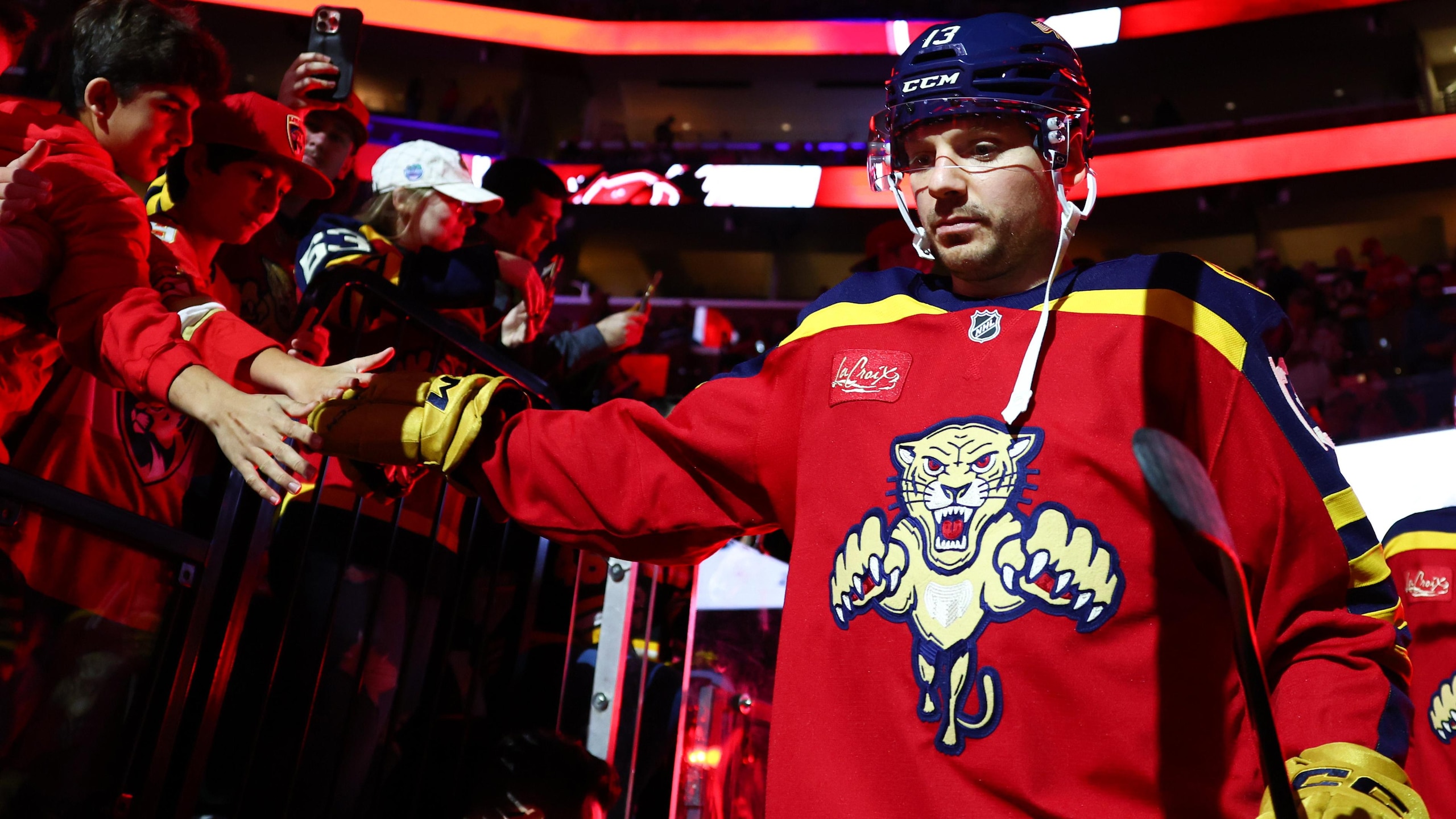
Grade: C-
The Panthers should not have been buyers given where their season is, and they do not need a full-scale rebuild or retool. It is just a bad season, with some injuries and poor goaltending hurting them. What they should have done was try to get more for some of their potential unrestricted free agents. It seemed like a good opportunity to get some draft capital back into the organization, and they mostly stood pat.
Los Angeles Kings
13 of 32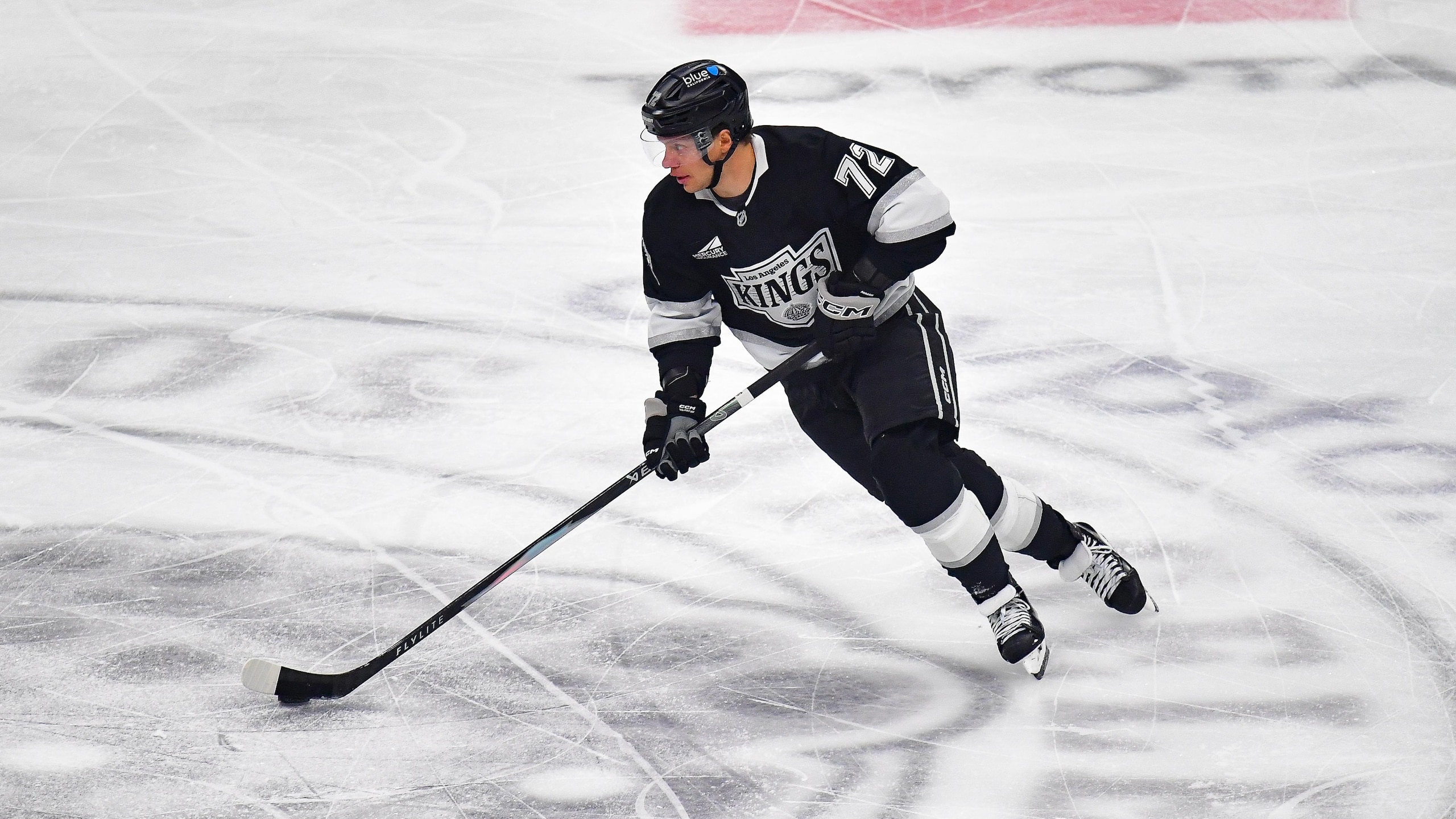
Grade: C+
Getting Artemi Panarin a few weeks before the trade deadline and getting him re-signed was a good fit, and it gives them something to work with next season, especially when Kevin Fiala is back healthy, and they get a full season of both him and Panarin in their top-six.
But everything else that they did in the days leading up to the deadline was just kind of rearranging deck chairs.
They did a combination of buying and selling by sending Corey Perry to Tampa Bay and adding Scott Laughton. Given some of the rental prices, they ended up getting a pretty good deal on Laughton, who is a really good depth add and was probably miscast in his role in Toronto. Even with all of this, it still seems like a team that is missing a lot of pieces.
Minnesota Wild
14 of 32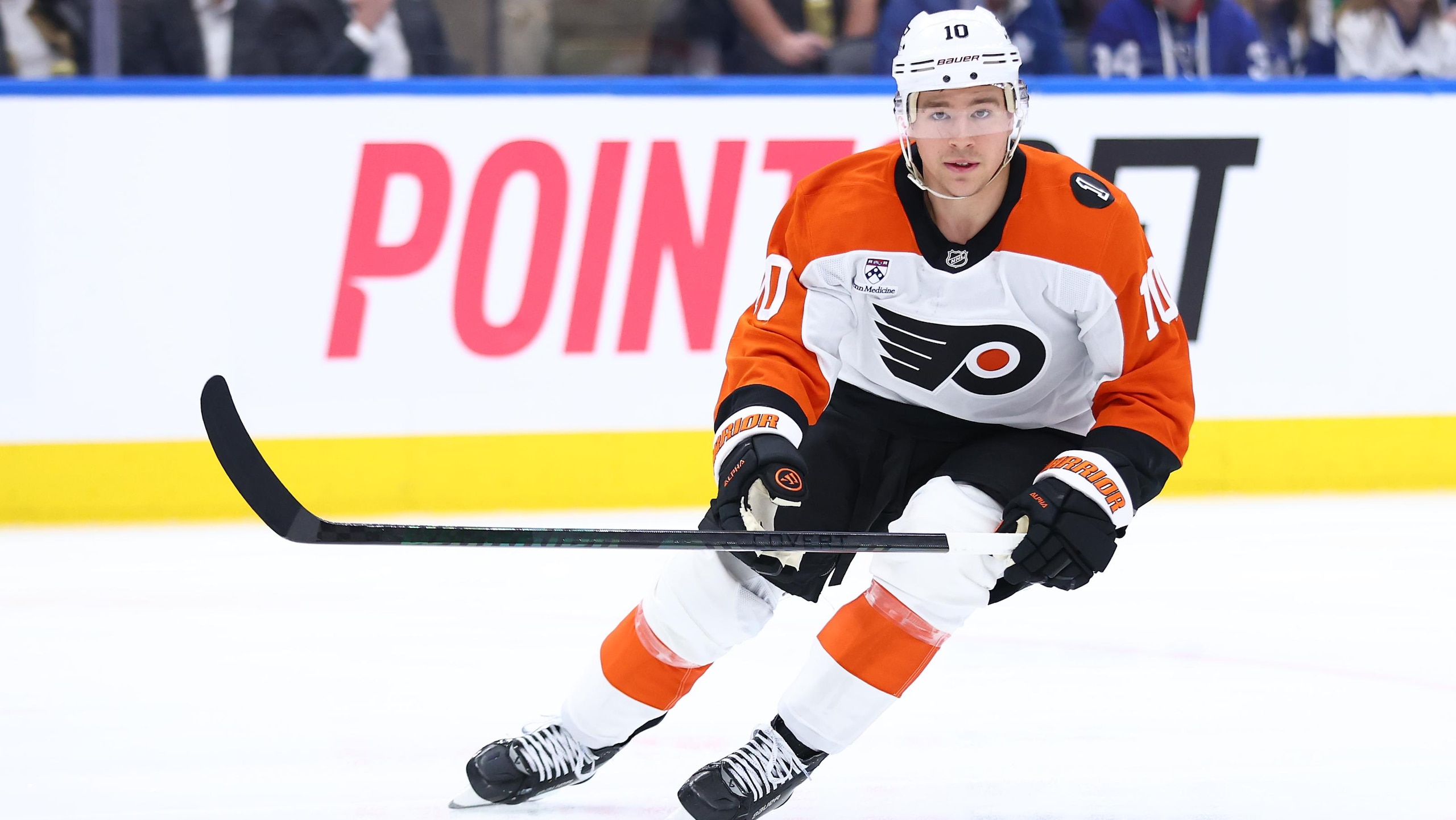
Grade: B
Minnesota's big addition came earlier this season when it acquired defenseman Quinn Hughes from the Vancouver Canucks. The Wild were still fairly busy in the days leading up to the deadline, adding Bobby Brink, Nick Foligno, and Michael McCarry.
The best of those additions is definitely Brink, who has developed into a solid young NHL player. They sent away defenseman David Jiricek for him, just a little more than a year after trading a first-round pick for him, which in the short-term seems like an upgrade for the Wild. Jiricek still has some untapped potential and upside, but Brink is more of a sure thing right now. He will help.
What keeps this from being a B-plus, or even an A, is that they did not really do enough to add a bona fide second-line center, while also badly overpaying for McCaroon.
Montreal Canadiens
15 of 32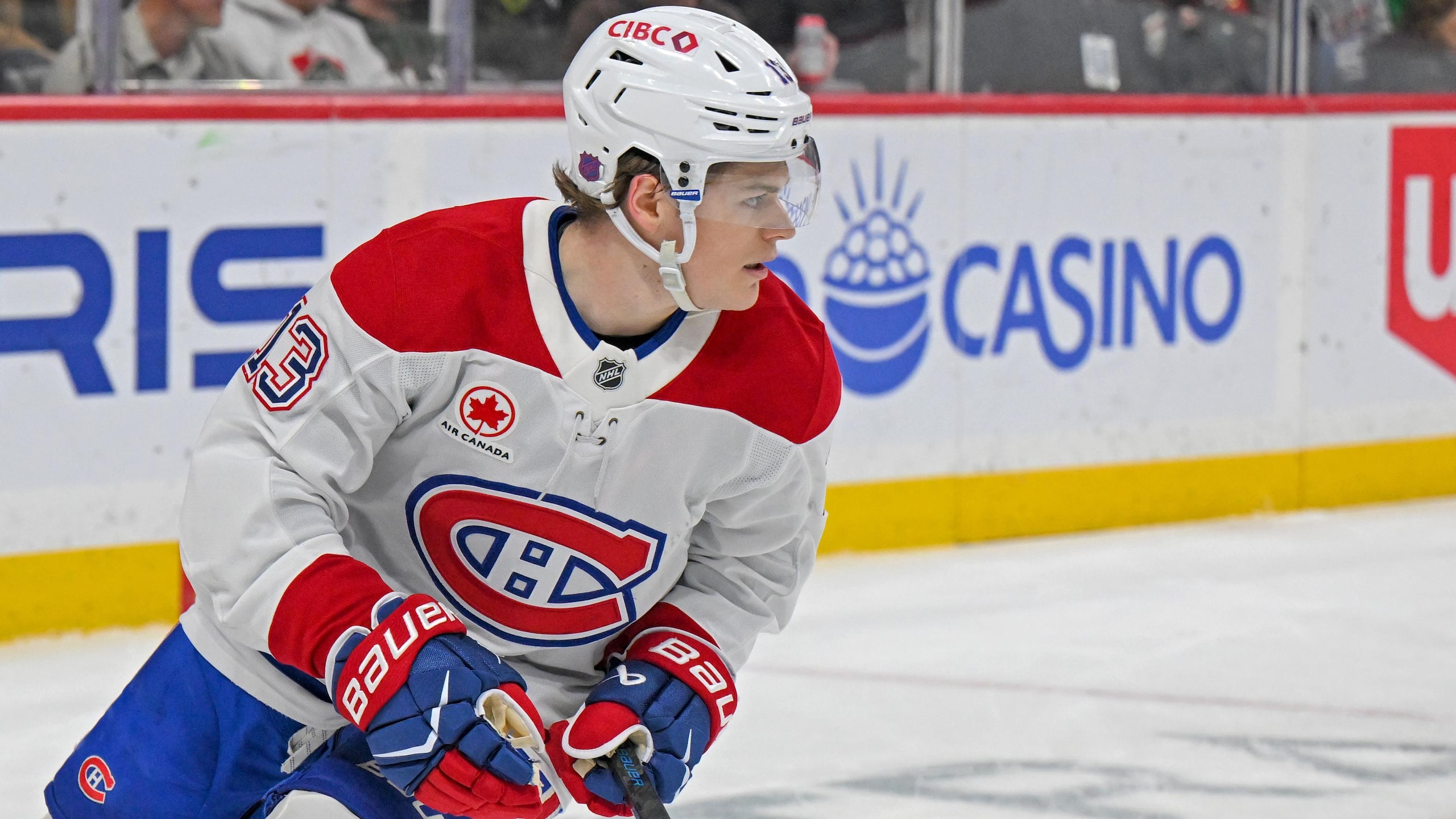
Grade: D
The Canadiens have established themselves as a playoff team. That is the new bare minimum expectation. The next step is winning in the playoffs, and they could still use a piece or two to help them take it.
Goaltending is a big weakness.
Center depth is a concern.
By standing pat they did not address any of it.
They clearly have a long-term vision and plan, and they do not want to deviate too far from it by being recklessly aggressive. But there still seemed like an opportunity to help this team out a little. Especially in a year where the Eastern Conference is still pretty wide open.
Nashville Predators
16 of 32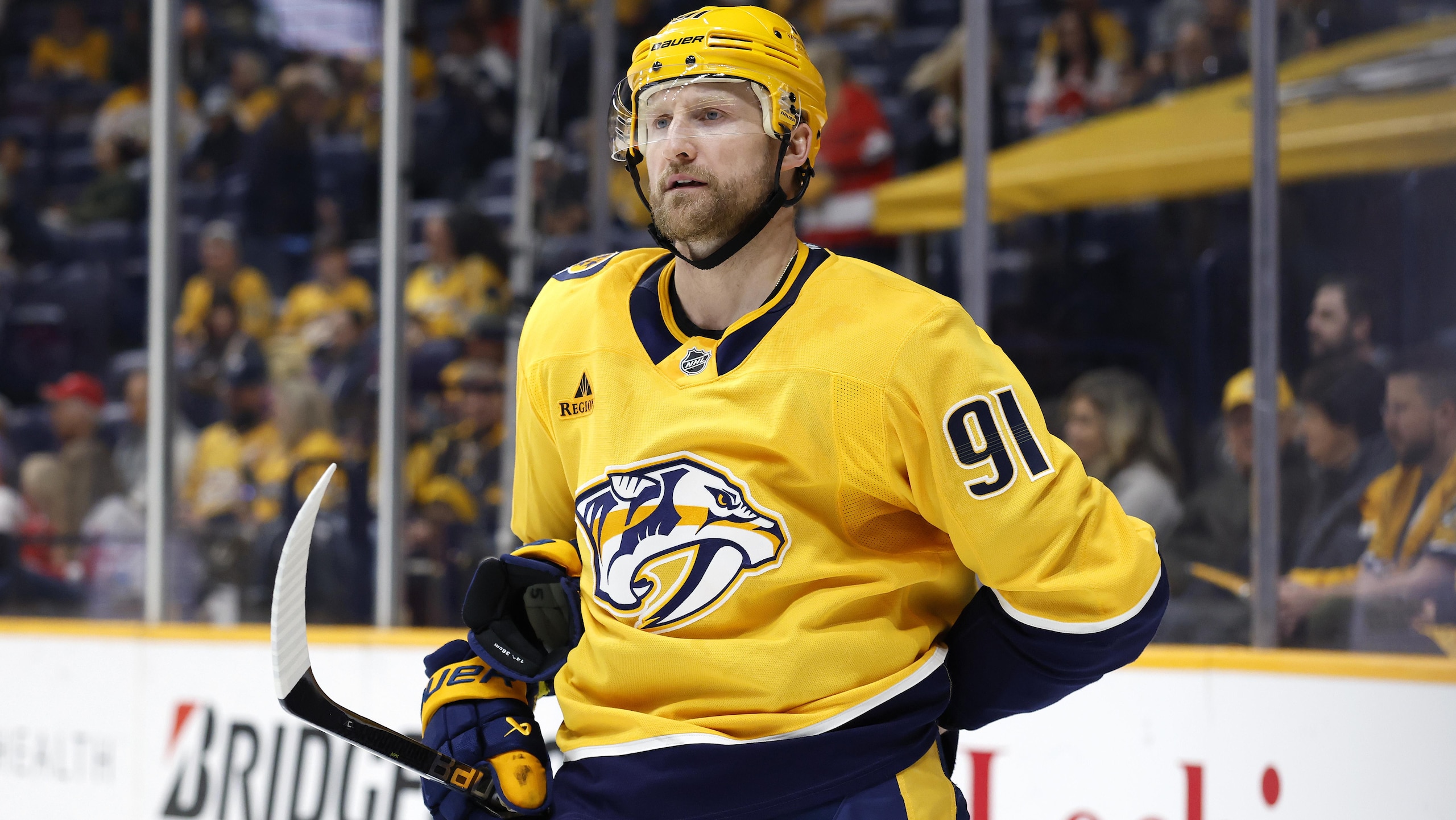
Grade: B
They did not make many moves, but got pretty good value on the ones they did, including a second-round pick for Michael McCarron. This probably should have been a quiet deadline for them despite having several big names on the roster. Barry Trotz is a lame-duck general manager at this point, and there was no rush to trade players with term still remaining like Steven Stamkos, Ryan O'Reilly, and Jonathan Marchessault.
Let the new general manager make those decisions and moves this offseason.
New Jersey Devils
17 of 32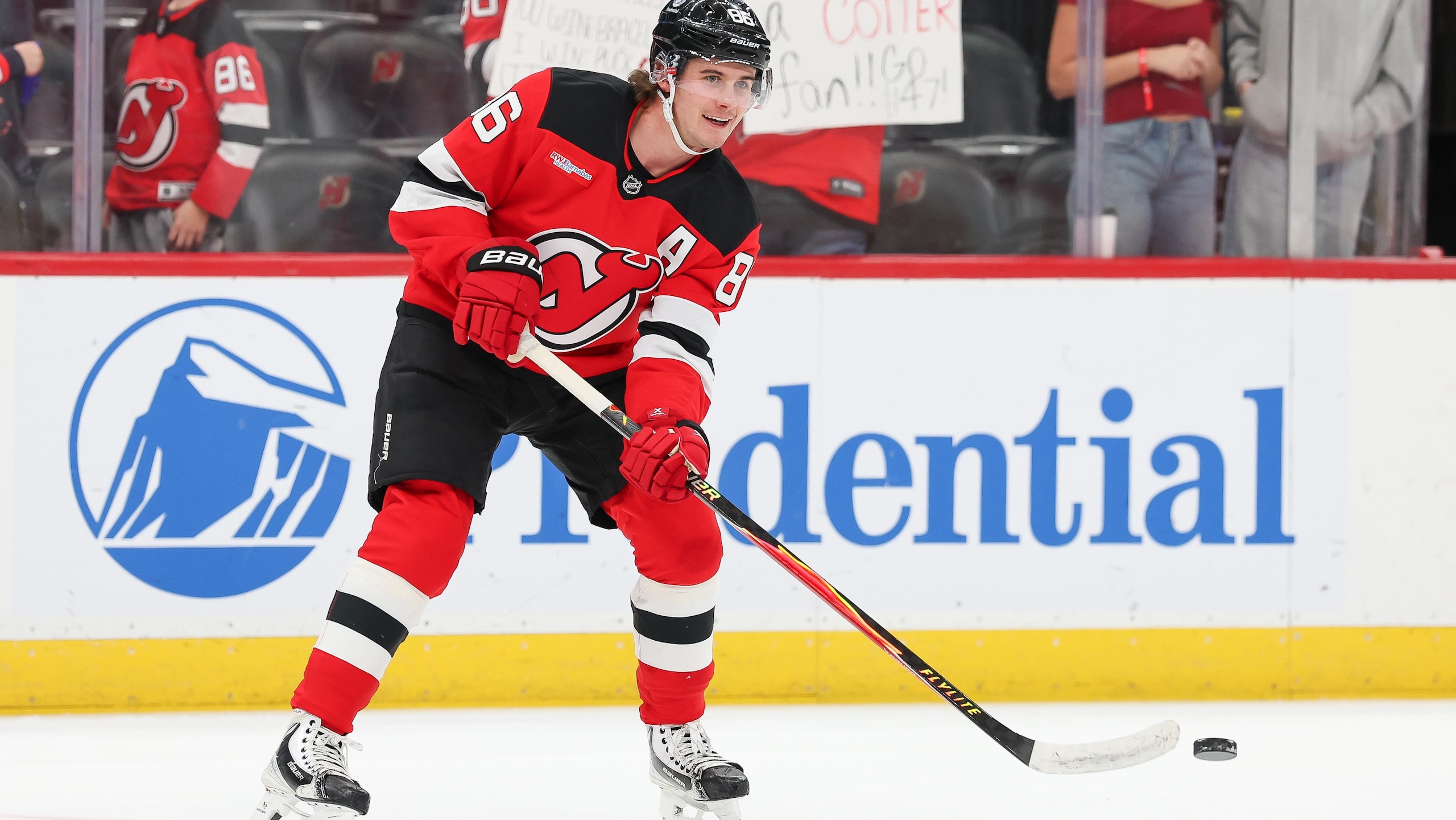
Grade: C
Despite rumors surrounding the likes of Dougie Hamilton, Simon Nemec, and Dawson Mercer, the Devils decided to stand pat at the deadline and not do anything. They did not have any major pending free agents to trade, and nobody that was burning a hole in their pocket that they had to get rid of.
Their biggest move of the season was shedding Ondrej Palat's salary back in January, sending away two draft picks to do so.
This team is still going to need a lot of changes in the offseason to get itself back on track.
It might be best if a new general manager is making those decisions.
New York Islanders
18 of 32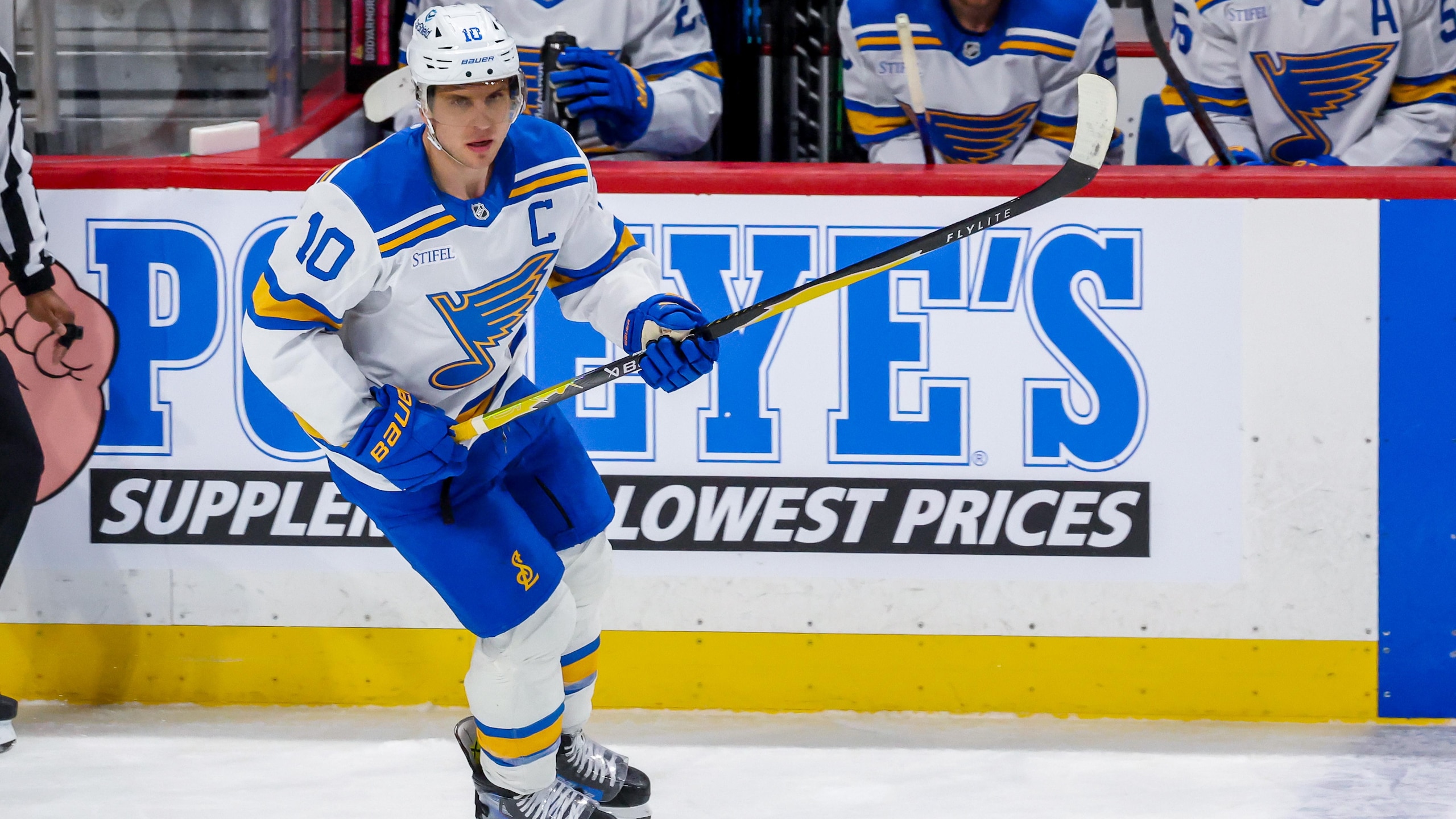
Grade: C
Are the Islanders a better team now than they were a couple of weeks ago, after adding Ondrej Palat, Carson Soucy and Brayden Schenn?
Yeah, probably.
But how much better? Enough to make a difference?
The bigger issue is how much money they added on mediocre veterans on the wrong side of 30, while also re-signing Jean-Gabriel Pageau to a long-term deal.
They operated like a team that is at the end of their contention window instead of the beginning. This felt like a Lou Lamoriello trade deadline.
New York Rangers
19 of 32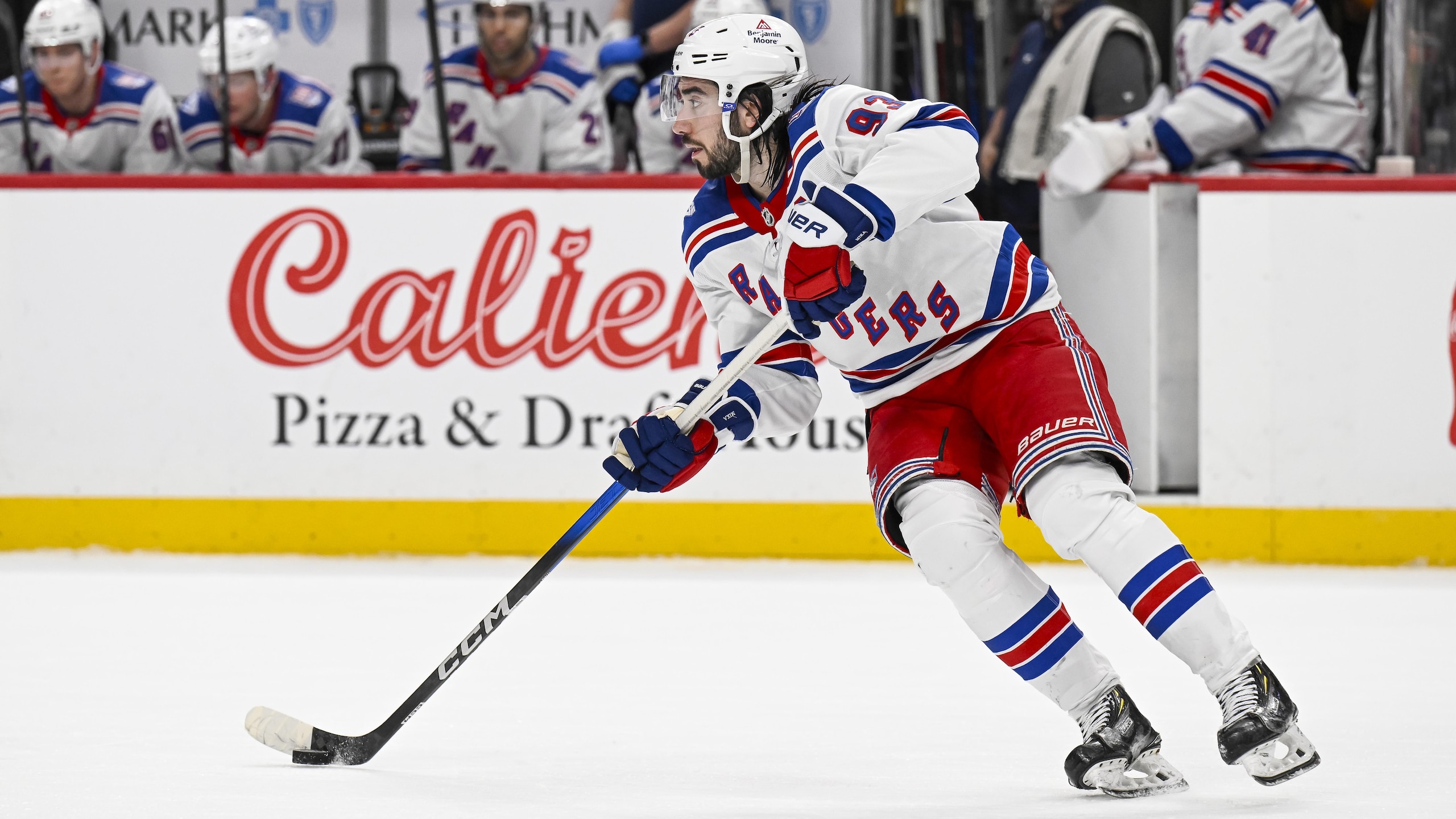
Grade: D
So far, this re-tool just felt like them trading their pending unrestricted free agents and keeping everybody else around. That's not a retool worthy of a letter. That is simply what teams that are out of playoff contention do.
Their hands were tied on the Artemi Panarin trade, given his no-trade clause, but even with that, it felt like an underwhelming return. They held firm on their asking price for Vincent Trocheck and just made a couple of smaller moves, trading players like Sam Carrick for mid-round picks.
The poor grade here is simply that they had a chance to kick-start their retool and have not yet taken advantage of it.
Ottawa Senators
20 of 32
Grade: C
Kind of a boring deadline that essentially saw them swap out David Perron for Warren Foegele without addressing the one thing that has truly held their season back -- goaltending.
Maybe they felt like it was not worth it, given the standings and how much ground they still have to make up in the playoff race.
Philadelphia Flyers
21 of 32
Grade: D
What's the plan here?
This just seems like a rebuild stuck in mud and not going anywhere. Their biggest move of the deadline was to trade forward Bobby Brink for defenseman David Jiricek.
The generous way to look at that is that they had a bit of a logjam at forward and needed more young defensemen. Kind of a "trade from strength to fill a weakness" deal.
But even though the Flyers had a log-jam at forward, it was not (and is not) a case of them having a lot of really good players. They just have a lot of players. And Brink was starting to emerge as one of the better ones. Jiricek is now on his third team in two years and is very much a reclamation project they are hoping to turn around.
Maybe they will. But right now, it just seems like a net loss in terms of talent and production for a rebuild that is flailing around.
Pittsburgh Penguins
22 of 32
Grade: C+
The Penguins made most of their big moves earlier in the season, trading Tristan Jarry to the Edmonton Oilers for forward Stuart Skinner, defenseman Brett Kulak, and a 2029 second-round pick, and then later dealing Kulak (this past week) for defenseman Sam Girard and a 2028 second-round pick. They also picked up Egor Chinakhov from the Columbus Blue Jackets. A lot of those moves have worked out in their favor.
Given the injury to Sidney Crosby and the now five-game suspension to Evgeni Malkin, there was some thought that the Penguins might look to add another scorer for the short-term. But Crosby is getting extremely close to a return, and Malkin will eventually be back. They just need to get through a few games. There was no need to give up major assets or long-term pieces for that situation. Especially when their forward depth has been pretty good this season.
They could have probably used another depth defenseman, and perhaps moved Skinner for another asset to make room for prized prospect Sergei Murashov, but they opted not to do any of those. Their only true trade deadline move was to take a flier on 6-foot-8 forward Elmer Soderblom.
San Jose Sharks
23 of 32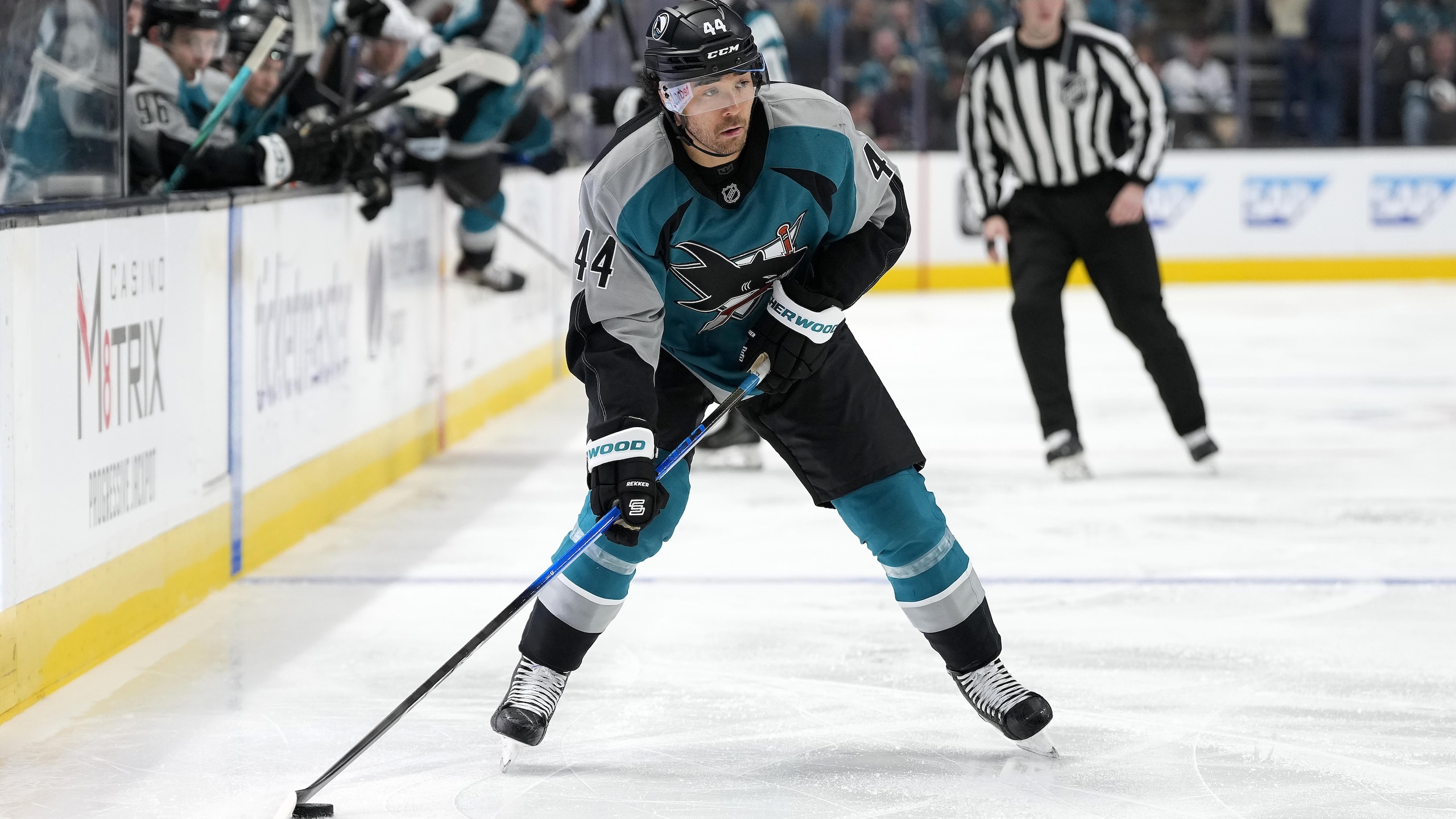
Grade: C+
I am not a huge fan of trading two second-round picks for Kiefer Sherwood and then signing him to a long-term contract extension. It just seems like a big risk for a team that is still in the very early stages of its contention window. In fact, it may not have even opened yet.
Sherwood is fine for what he does in the short-term (a ton of energy, physical play; he is having a good year offensively), but there should be some skepticism about 30-year-old forwards who were having a career year on a bad team where they were getting more ice time than ever before.
It is not going to set the franchise back, and it might even work out a little in the short-term, but it seems like they could have maybe done more with those assets and found somebody younger (and potentially better long-term).
Seattle Kraken
24 of 32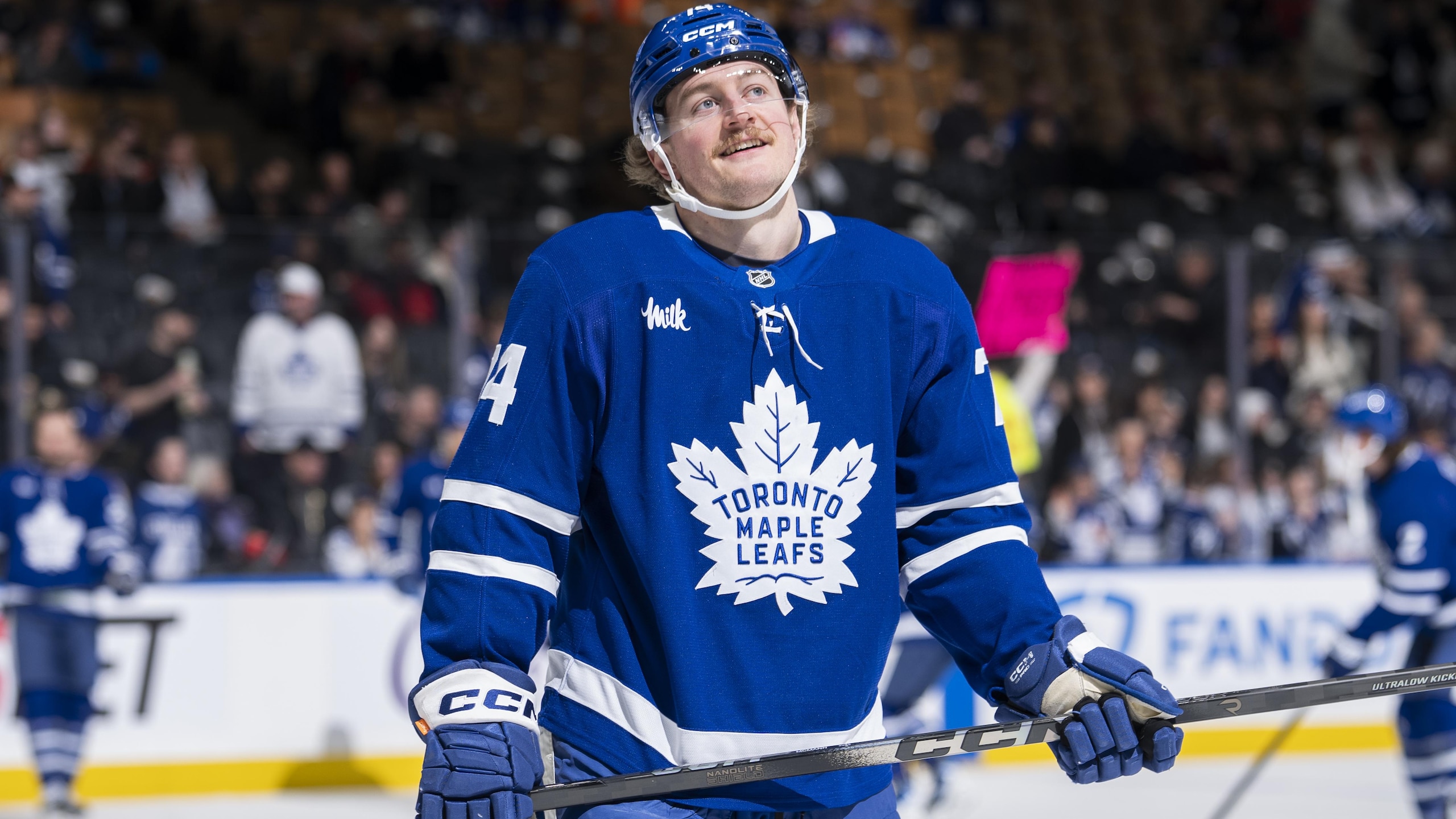
Grade: B+
I am not exactly sure how they are doing it, but the Kraken are in a good position to make the playoffs, and they need more offense to give them a chance. Bobby McMann is a really strong addition as a rental, and they did not have to pay an overly steep price to get him.
It was also probably smart not to trade Shane Wright when his value was probably at a low point.
They need players like him to pan out and become impact players. He is still young enough and talented enough to potentially do that. You want it to happen for you and not somebody else.
St. Louis Blues
25 of 32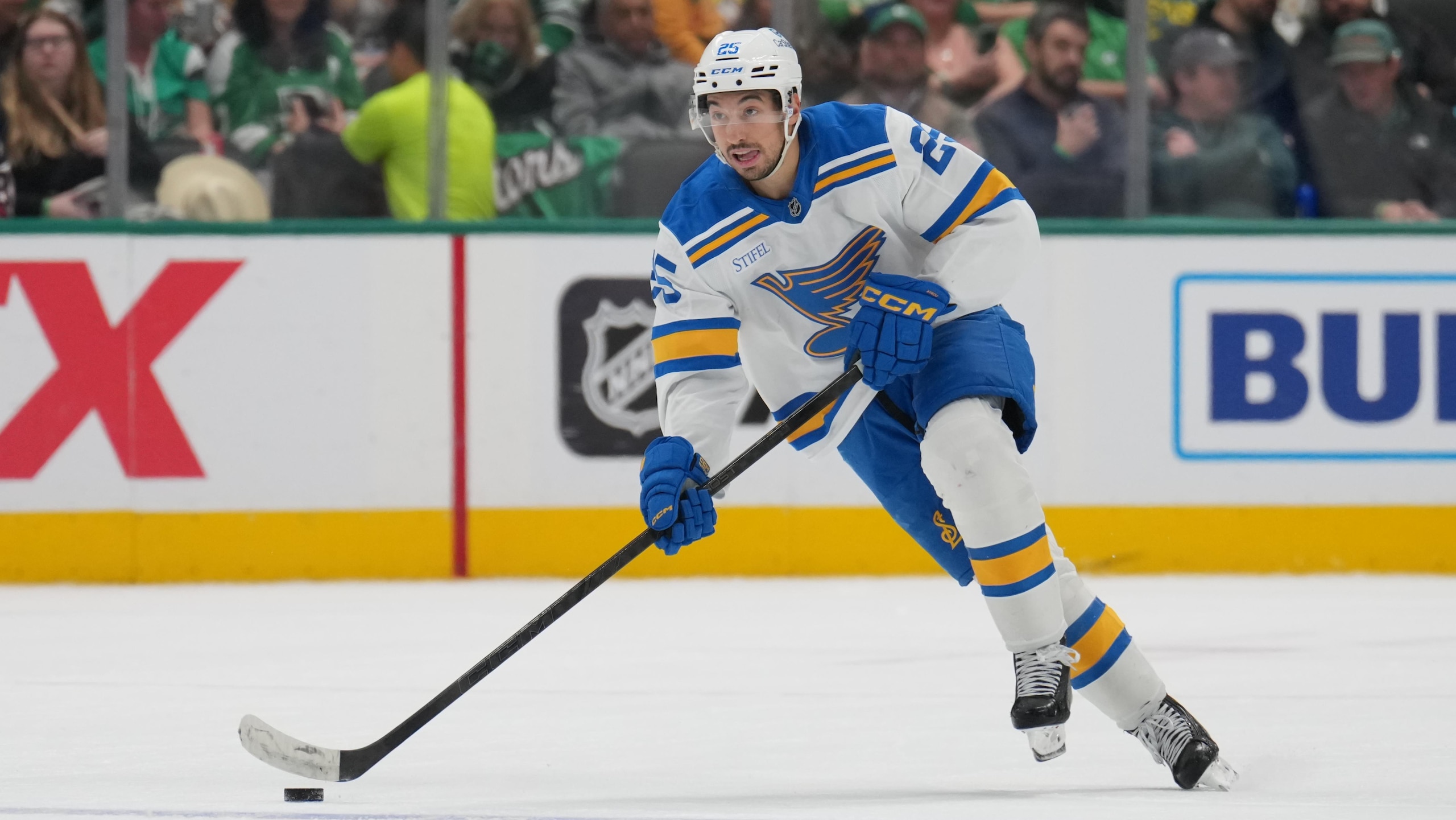
Grade: A
They may not have traded Robert Thomas or Jordan Kyrou (and there was no immediate need to do so), but they did get really strong value for Justin Faulk and Brayden Schenn in terms of draft pick compensation, while also opening up some salary cap space for next season.
They now have three first-round picks in the 2026 NHL Draft class that can either be used to bring in more young talent in a deep draft or be used for more immediate help as trade bait.
Tampa Bay Lightning
26 of 32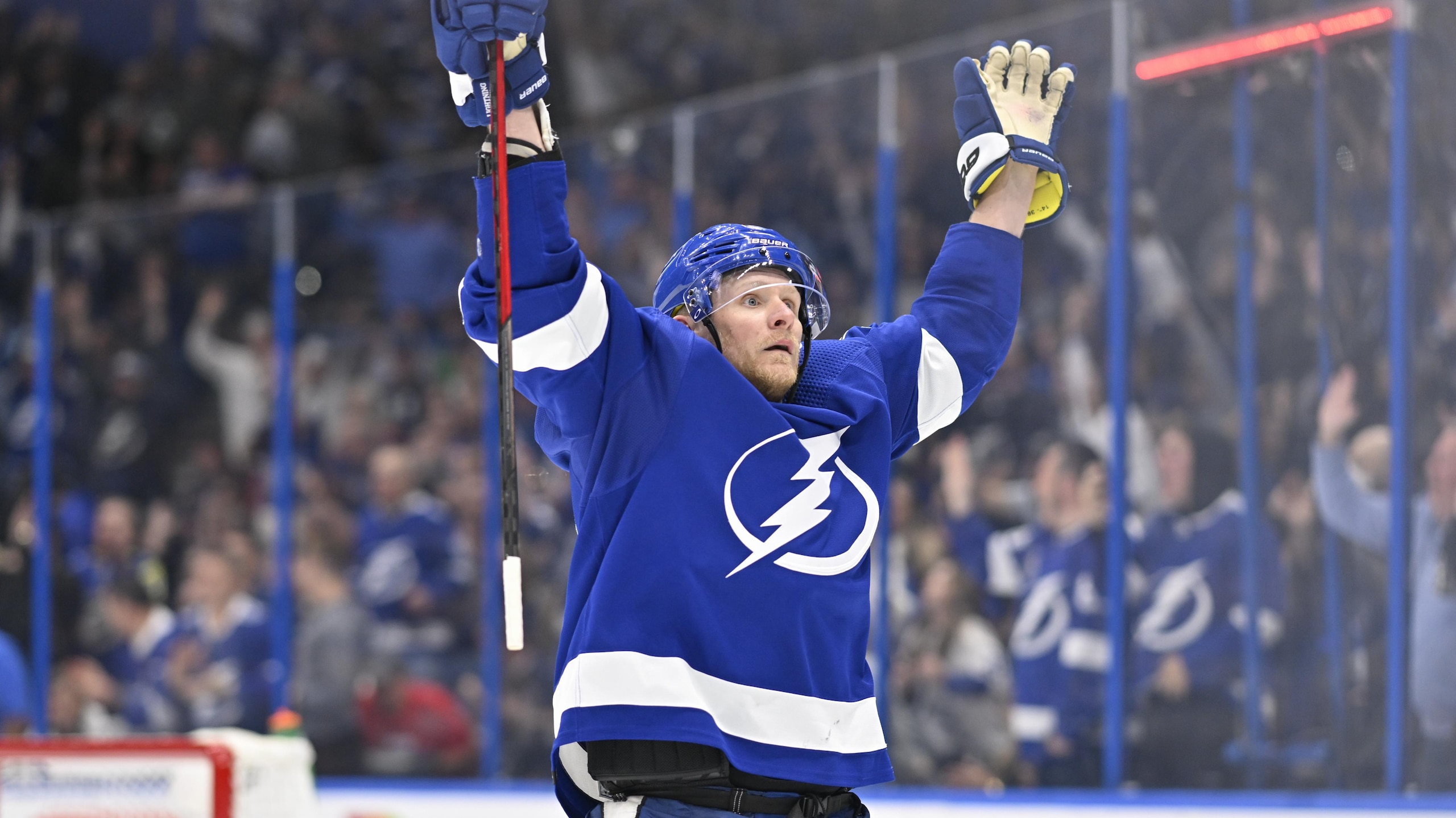
Grade: C+
They brought back Corey Perry to bring some more depth and physical play to the bottom half of their lineup, and then mostly remained quiet the rest of the way. Salary cap space and a lack of trade assets certainly limited them, but it is still surprising they did not find a way to do more. They always do.
The question now becomes whether Perry will lose a sixth Stanley Cup Final over the past decade. He has already been on the losing end five times recently, including one time with the Lightning.
Toronto Maple Leafs
27 of 32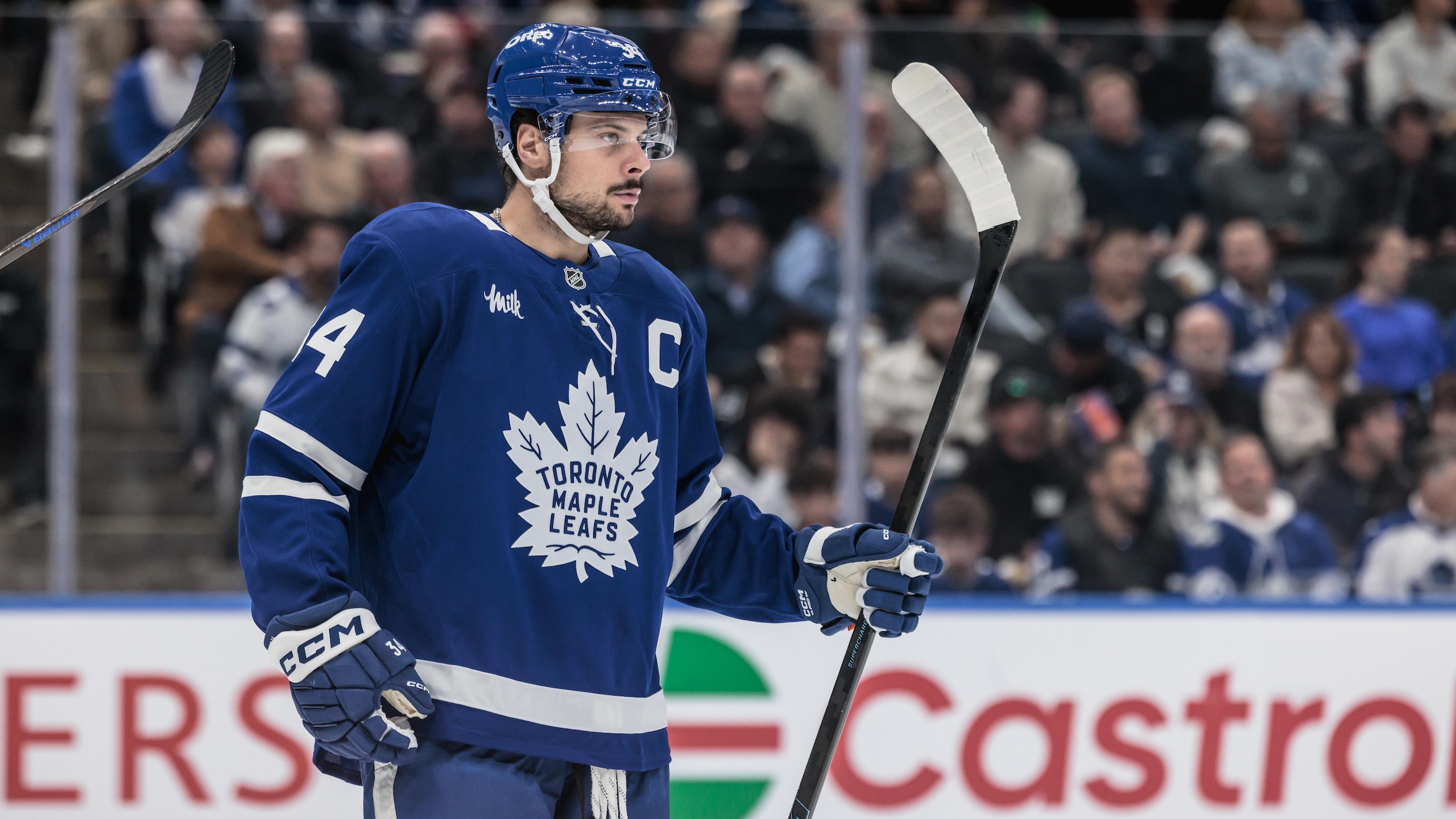
Grade: C
The good news: They were smart enough and aware enough to sell, thereby acquiring some much-needed draft-pick capital to replenish what they have traded away in recent years. That includes a first-round pick in 2027 from the Colorado Avalanche (Nicolas Roy trade).
The bad news: They probably could have sold more, and outside of the Roy trade, they did not really seem to get great value, given how much of a seller's market it became.
I think the biggest black eye here is only getting a third-round pick for Scott Laughton when a player like Michael McCarron (who is not as good as Laughton) went for a second-round pick. Also, getting a third-round pick back for him after trading a first-round pick and a young prospect for him exactly one year ago is a big net loss.
Was there no market for Simon Benoit or Oliver Ekman-Larsson that they could have exploited?
Utah Mammoth
28 of 32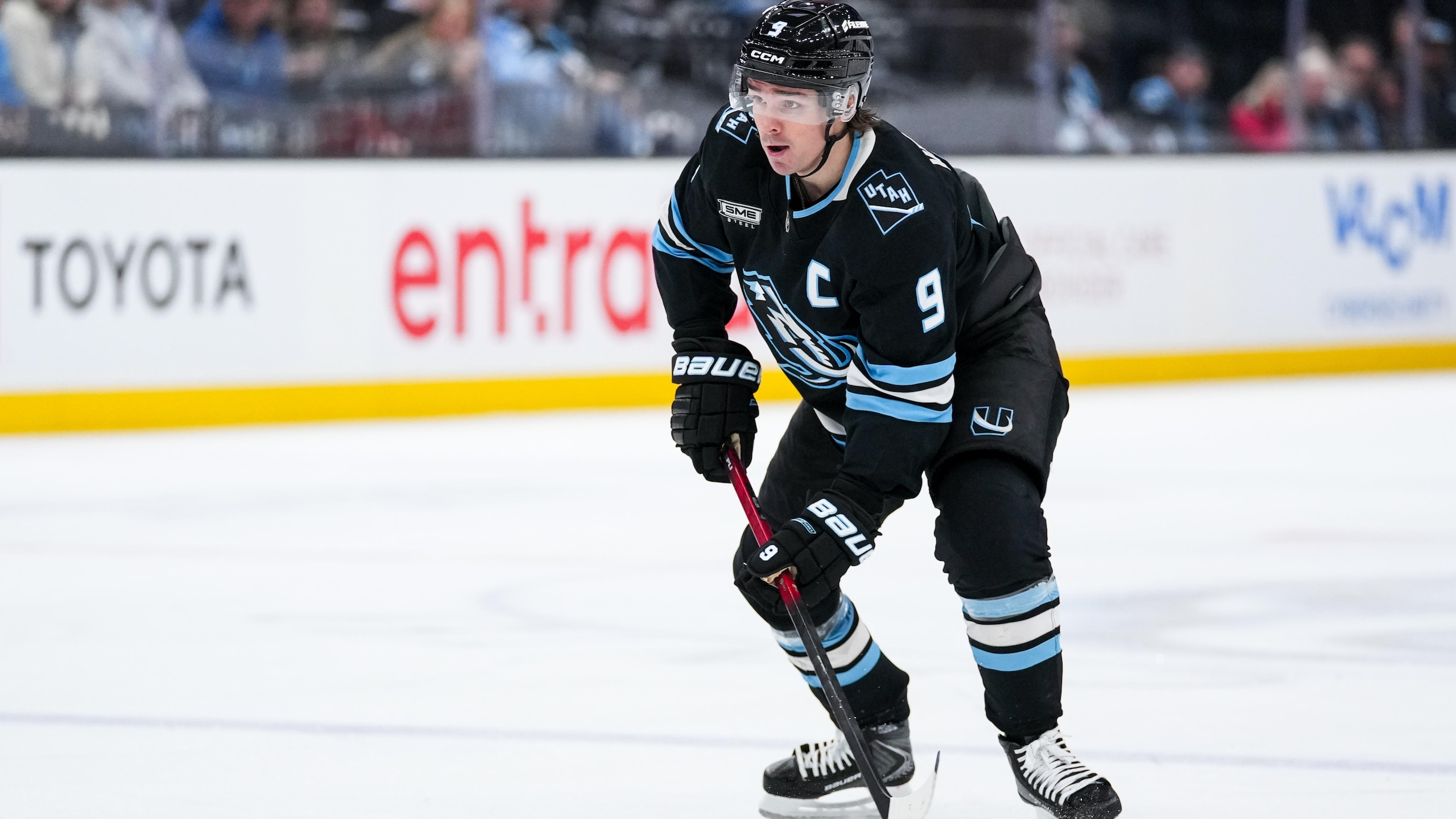
Grade: B
They probably could have used another top-six scorer, but adding MacKenzie Weegar to the defense is a nice addition. He still carries a big contract, but given the rising salary cap, it is not going to be much of an issue, and it is doubtful they would have found a better player at a better price on the free-agent market.
Utah has been extremely aggressive over the past two years in terms of making additions, and they still have big salary cap space to work with this offseason while having a full allotment of first-round draft picks.
Vancouver Canucks
29 of 32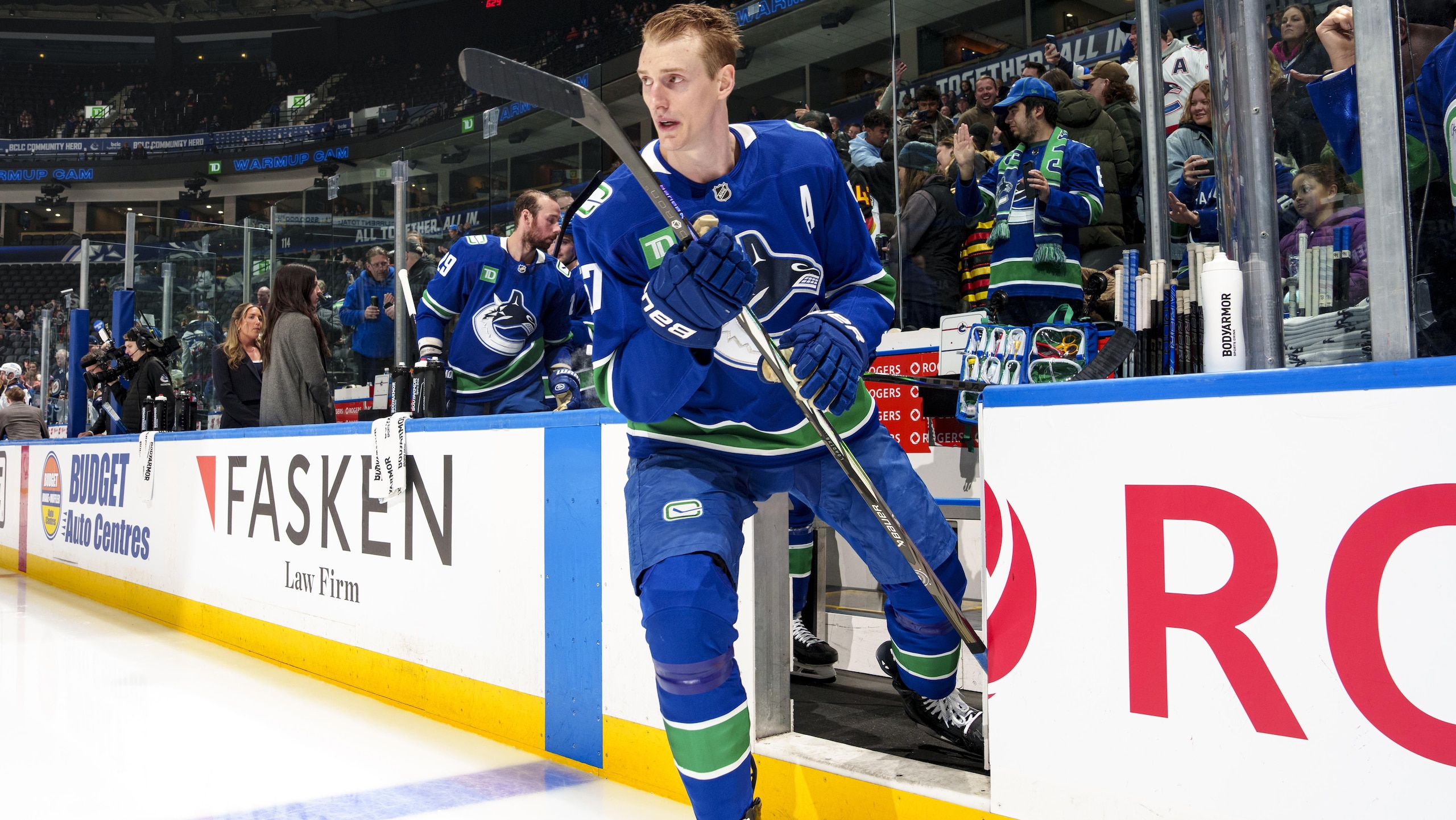
Grade: C+
This thing is really inching closer to a full-scale rebuild, and that is probably long overdue.
The biggest trade here at the deadline was dumping Conor Garland's contract for a couple of draft picks. Draft picks seemed to be the main objective here, and the Canucks did acquire a lot of them in the Garland, Kiefer Sherwood, Tyler Myers, Lukas Reichel, and David Kampf deals.
None of these moves is necessarily bad. None of them is overly great. It was just the expected business of a bad team looking to rebuild.
The next big moves will be the decisions they make about Elias Pettersson, Brock Boeser, Jake DeBrusk, and Filip Hronek.
Vegas Golden Knights
30 of 32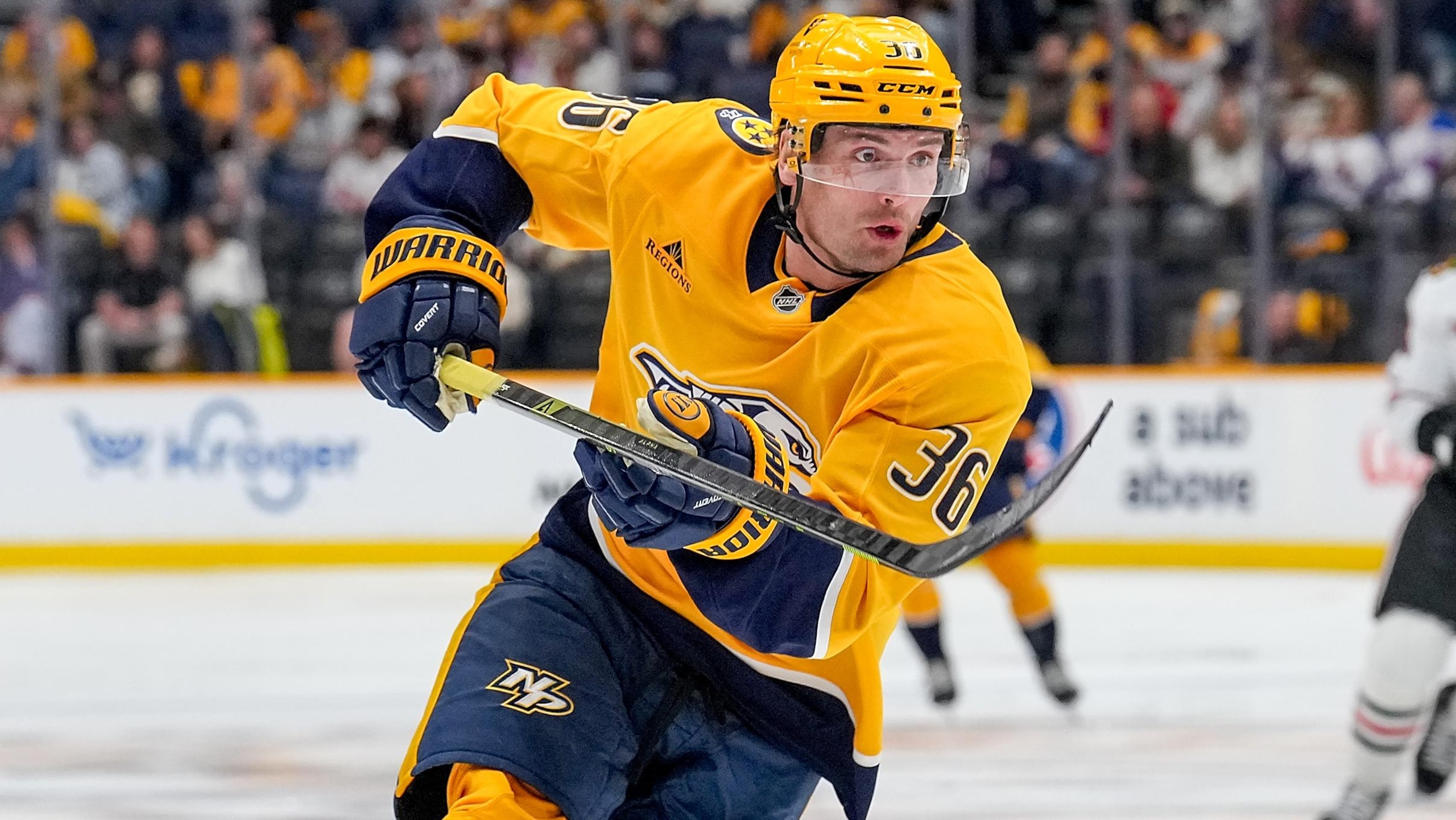
Grade: B-
Defenseman Rasmus Andersson was their big move a little more than a month ago, while the deadline itself focused on adding more forward depth with Nic Dowd and Cole Smith.
I am including the Andersson trade in this grade because it was close enough to the deadline, and it is a nice move.
The new salary cap rules for the playoffs probably limited what they really wanted to do at the deadline (especially now that Mark Stone has made his yearly late-season trip to the injured list), but they also lacked a lot of meaningful trade assets. Even so, they did okay for themselves.
They probably should have done more to look for a goalie, however, and the lack of an addition there is what takes this from a B to a B-minus.
Washington Capitals
31 of 32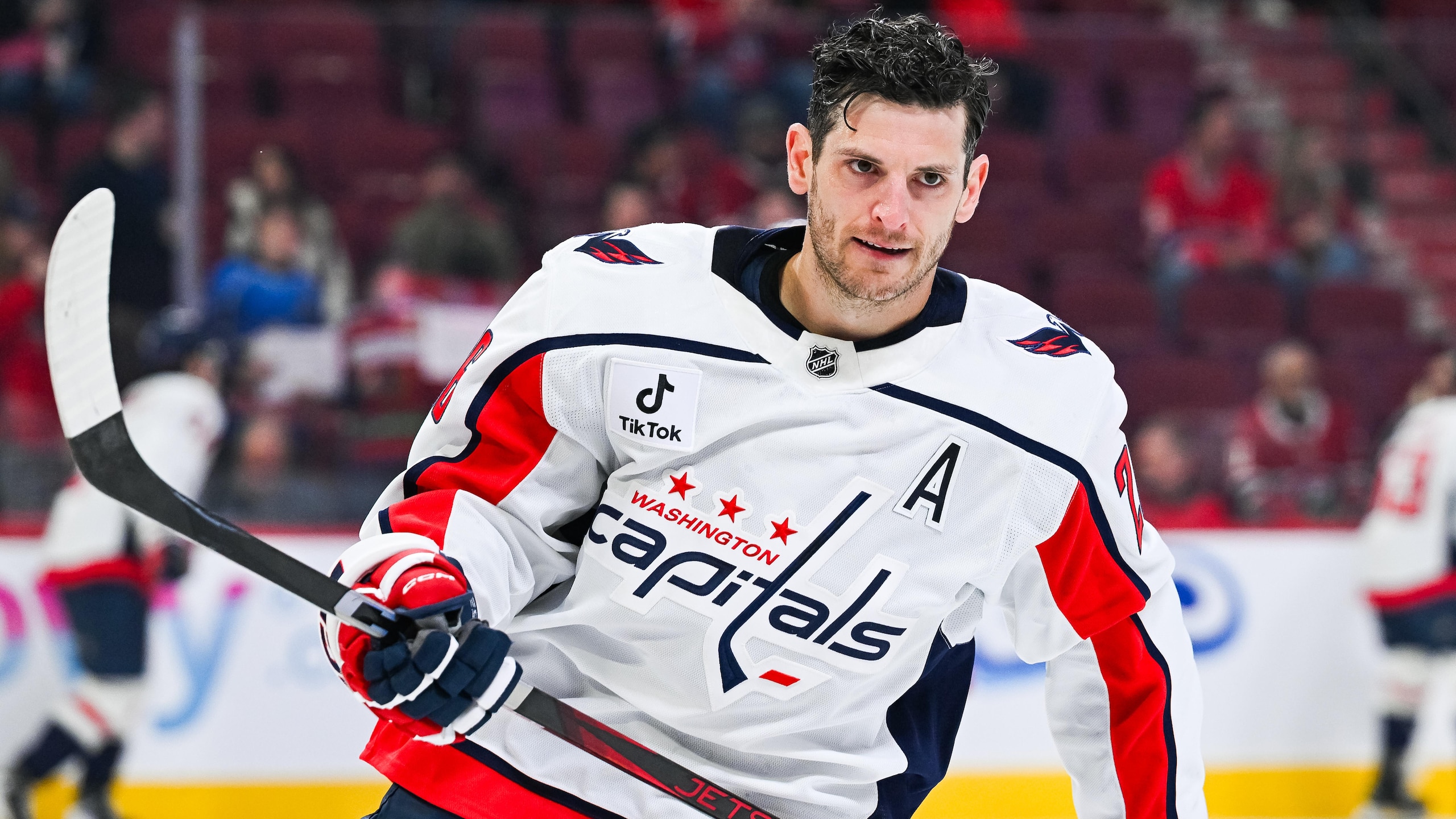
Grade: B
Short-term, this is a pretty tough trade deadline for the veterans in that locker room. Not seeing John Carlson wearing that uniform any longer is going to be weird. They moved him and Nic Dowd, brought in lesser players at each position (Timothy Liljegren and David Kampf), and did not really add the type of difference-maker at forward they have been lacking.
That has to sting.
But given that they are six points out of a playoff spot, while every team they are chasing has multiple games in hand on them, it was probably sensible to sell here.
They have four first-round picks over the next three years, including two in the 2026 NHL Draft. Given their salary cap situation, that puts them in a good position to potentially make a big move this offseason (looking at you, Robert Thomas).
Winnipeg Jets
32 of 32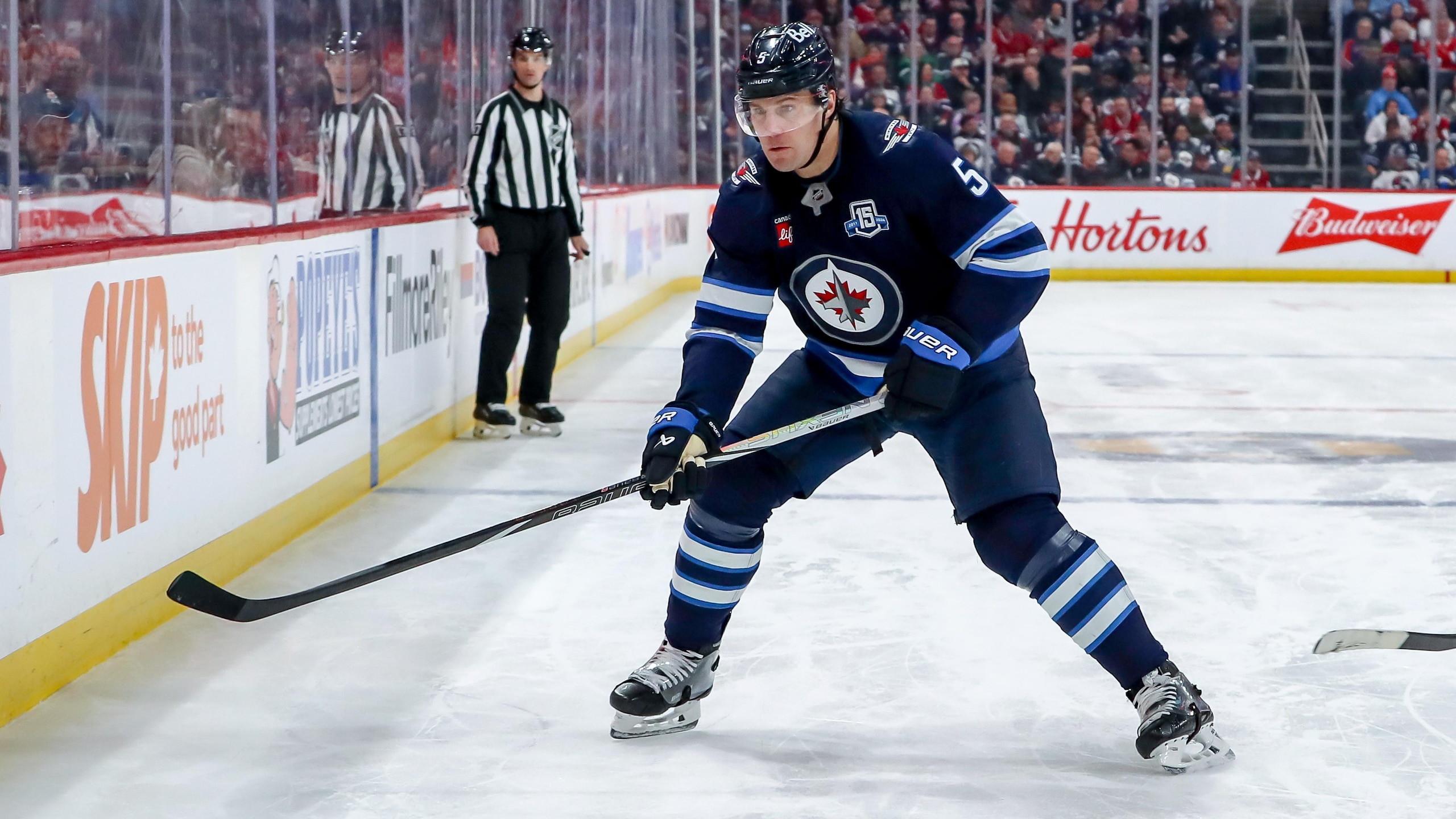
Grade: B
They did not do much, which is pretty much the calling card of general manager Kevin Cheveldayoff, but they did really well on the one big move they made, getting an interesting young player in Isak Rosen and two draft picks, including a second-rounder, for Luke Schenn and Logan Stanley.
They also sent Tanner Pearson to Buffalo in a separate trade for a seventh-round draft pick.
This organization still needs a lot more this offseason, and either Cheveldayoff needs to become more proactive in his roster moves, or they need to find a new general manager who will do it instead. Connor Hellebuyck masked a lot of flaws here in recent years, and they can not ignore them going into the offseason. Patience and waiting for internal improvement will not fix this team. It simply needs more good players.


.jpg?w=2560 "NFLPA Makes Hurts Statement")
.jpg?w=2560 "A.J.'s Message to Hurts 🙏")
.jpg?w=2560 "Rams to Sign New Kicker")