
Every NBA Team's Most Gut-Wrenching 2026 NBA Free Agency Decision
Playoff hopefuls are scrapping for postseason positioning while cellar-dwellers are racing to the bottom of the standings, but NBA franchises all over the competitive spectrum are also thinking about the offseason.
That may seem weird, but running an NBA team requires divided attention. Good executives have one eye on free agency at all times, especially when it comes to their own players.
Before the playoffs absorb all of our attention, let's take a look at the difficult choices that loom in free agency by choosing one player from each team that could cause his front office the most stress.
Atlanta Hawks: Jonathan Kuminga
1 of 30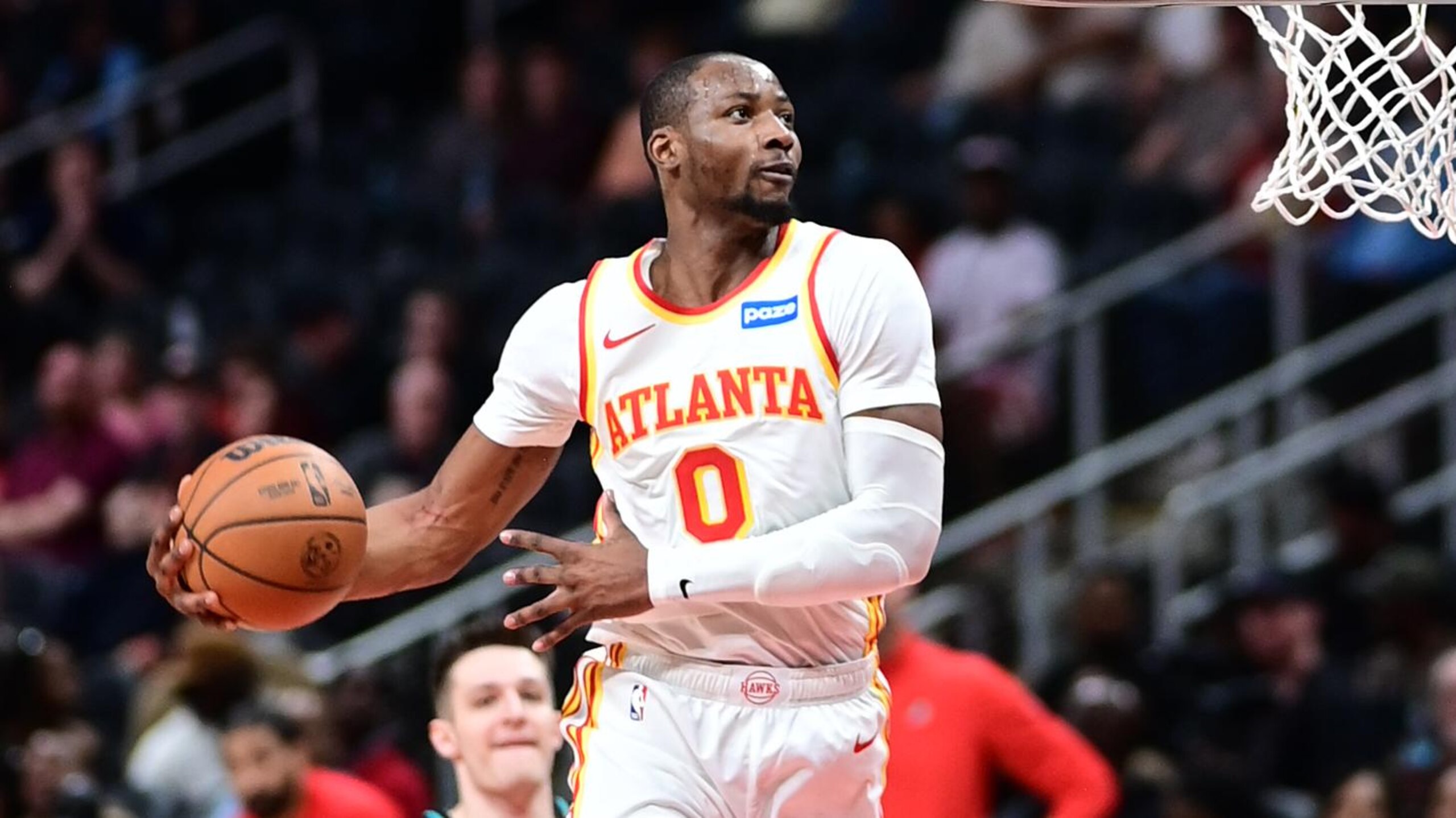
What do numbers amassed in a handful of late-season games against mostly checked-out competition mean?
That's the question the Atlanta Hawks will have to answer as they decide on Jonathan Kuminga's $24.3 million team option for 2026-27, part of a contract signed with the intention of being "ripped up" in favor of a new deal.
Kuminga's boundless athleticism magically returned upon being traded from the Golden State Warriors to the Hawks, and he's been piling up highlight-laden 20-point nights ever since. Lottery talent, ideal big-wing size, clear scoring chops, and a chip on his shoulder combine to make the 23-year-old forward highly intriguing.
The Hawks already have their best player in Jalen Johnson, though, and Kuminga has always fancied himself a first option. Will Atlanta pick up the team option and deal with Kuminga's unrestricted free agency in 2027, or will it decide Kuminga is worth a new or extended deal?
Boston Celtics: Neemias Queta
2 of 30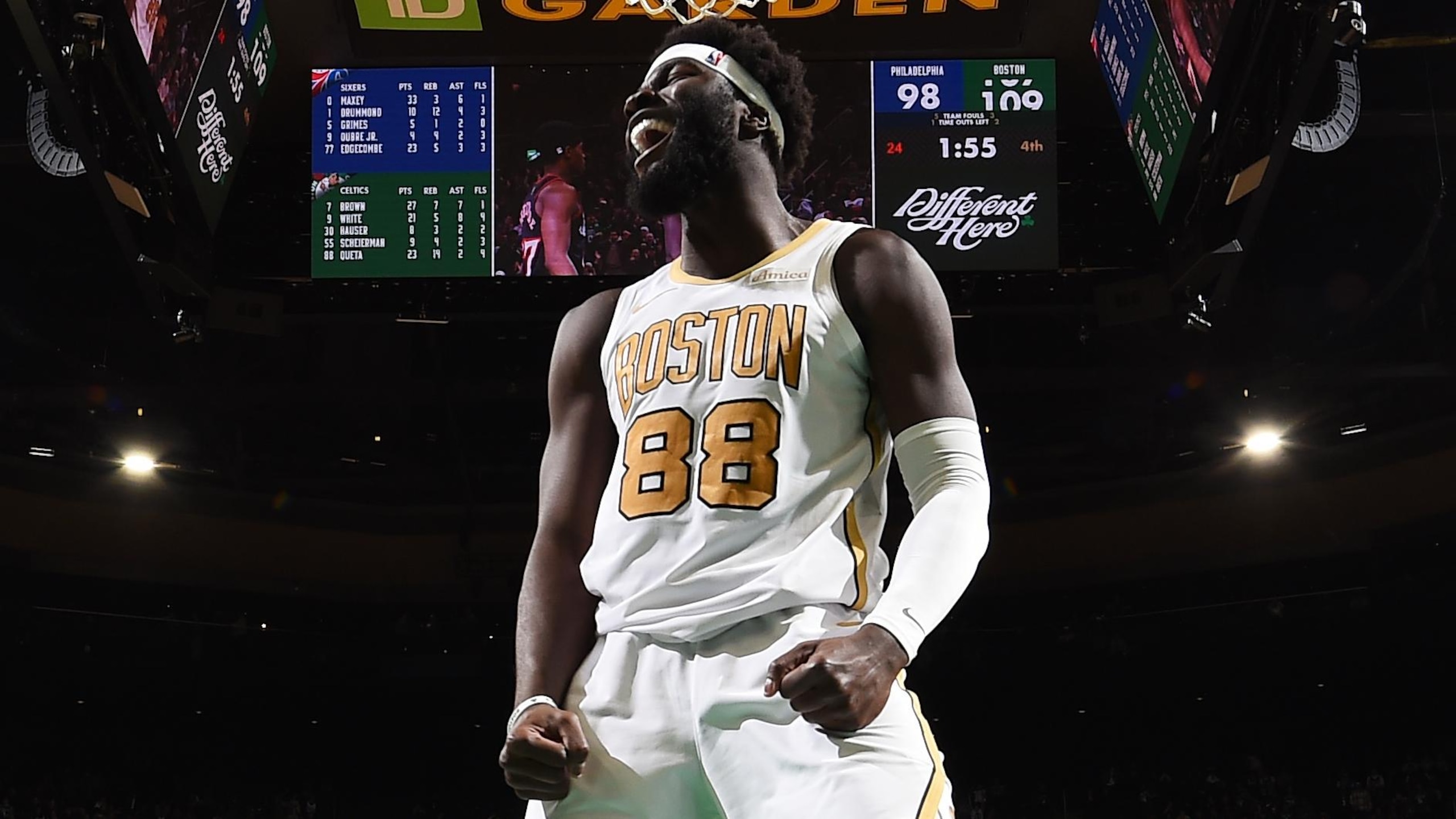
Extension candidates aren't really the focus here, but Neemias Queta could technically hit unrestricted free agency via the non-guarantee on his 2026-27 salary. Rather than discuss the ho-hum unrestricted free agency of aging veteran Nikola Vučević, we'll hit on Boston's breakout big man.
Queta, extension eligible this summer, is no star. But he's an ace role player on a dirt-cheap deal who ensured Boston's center rotation, which was thought to be among the worst in the league prior to the season, would be just fine. The 26-year-old is averaging 10.1 points and 8.4 rebounds while hitting 64.5 percent of his shots from the field.
Quick off the floor, boasting true center size and very rarely overmatched in the physicality department, Queta is one of the most impactful scrap-heap finds in the league this season. He's worth at least five or six times the $2.3 million he'll earn this year, but it'll be fascinating to see how willing the Celtics are to make him properly paid on a longer deal this summer.
Brooklyn Nets: Ochai Agbaji
3 of 30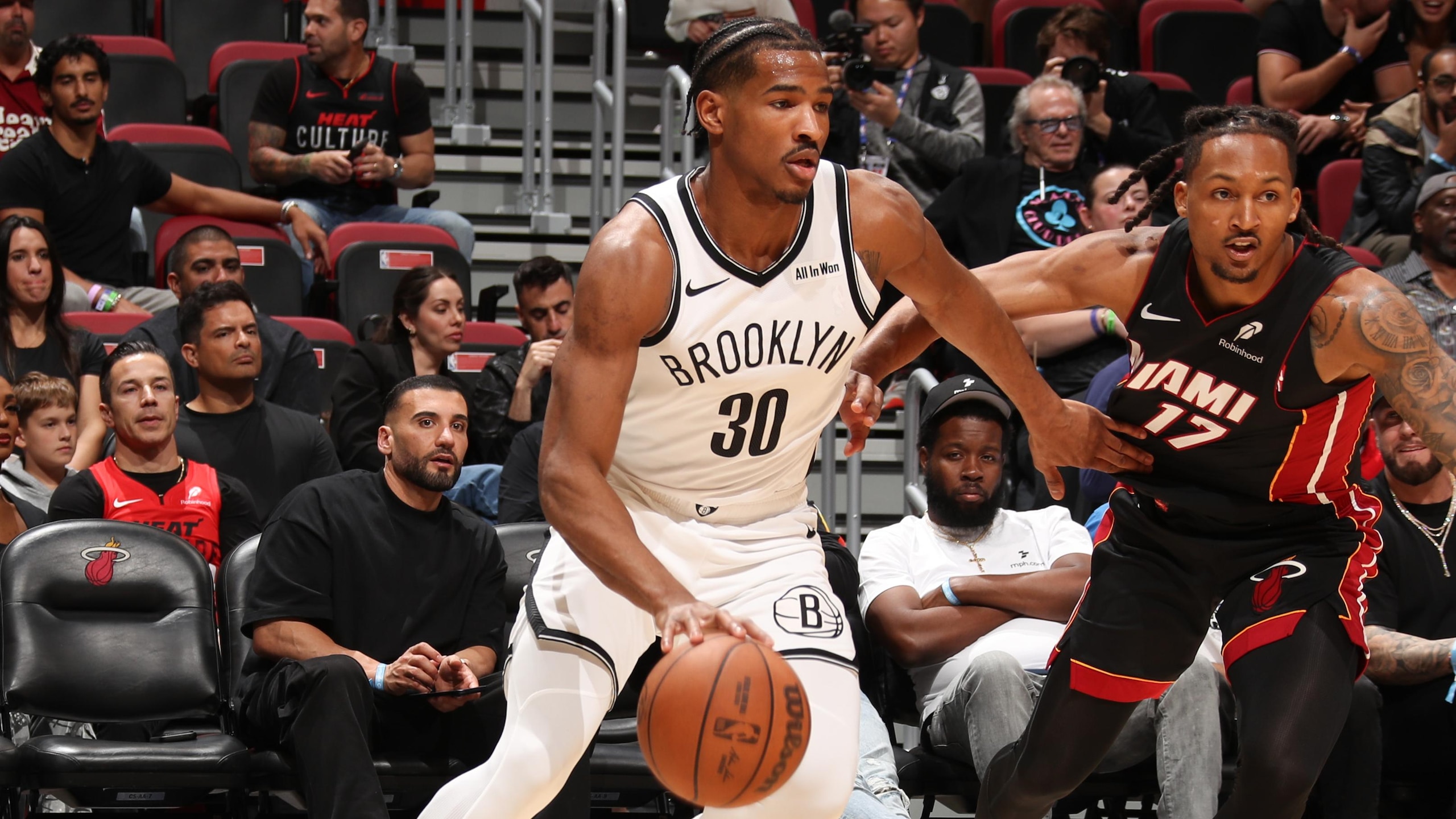
Restricted free agency puts a player in a tough spot. He's technically on the market, but he's still not in ultimate control over where he winds up because his incumbent team can match any deal he signs.
That's where Ochai Agbaji will find himself this summer, assuming the Nets don't renounce his rights and look to add to around $13 million in cap space.
Agbaji was the 14th pick in 2022 and has flashed intriguing on-ball defense alongside sporadic bouts of accuracy as a three-point shooter. That said, his 39.9 percent hit rate with the Toronto Raptors in 2024-25 looks like an outlier, and Agbaji is already on his third team at age 25.
There might be a starting-caliber shooting guard in there somewhere. It wouldn't be the worst idea for the Nets to pay up to $10 million per season to see if they can find it.
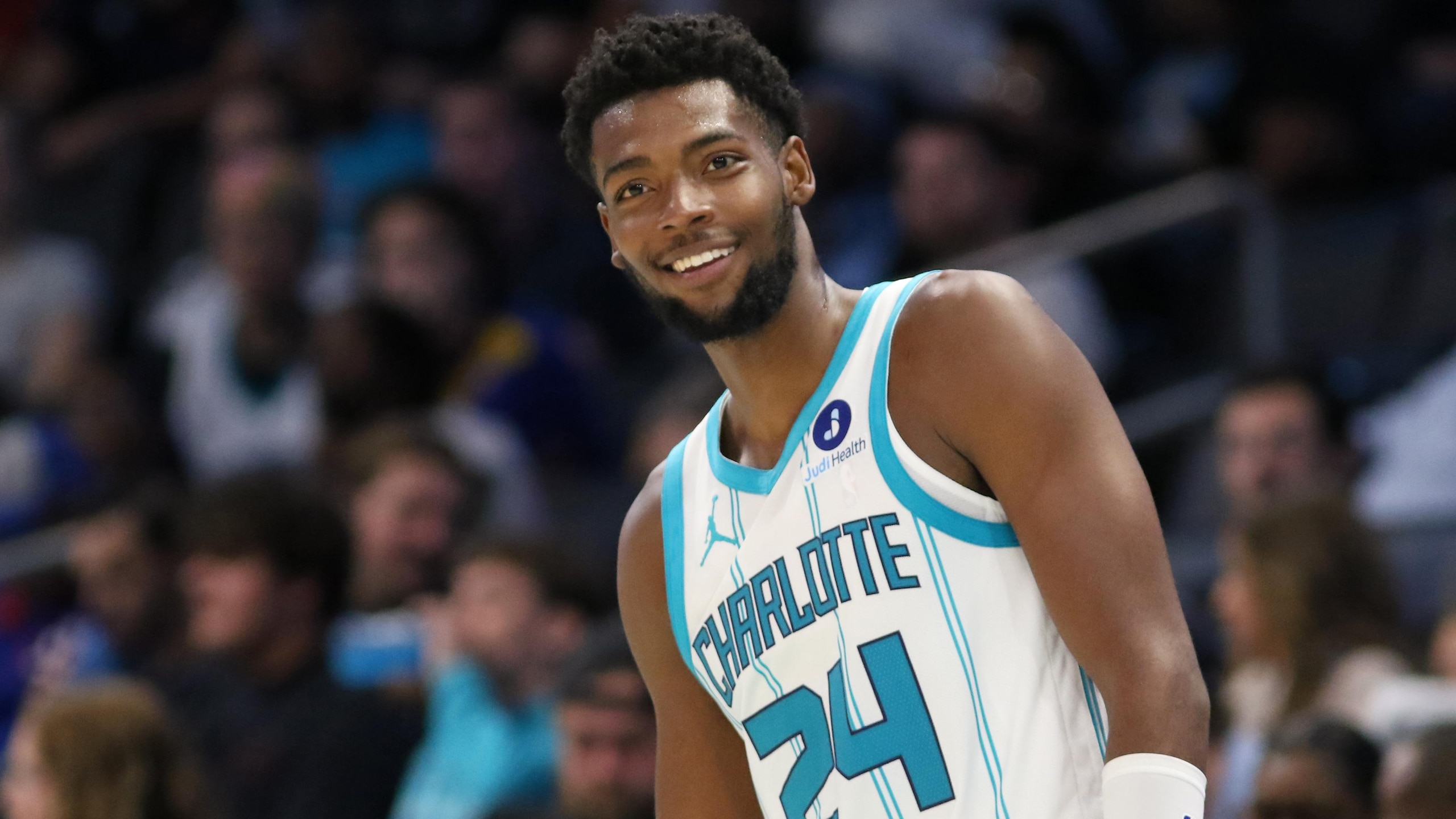
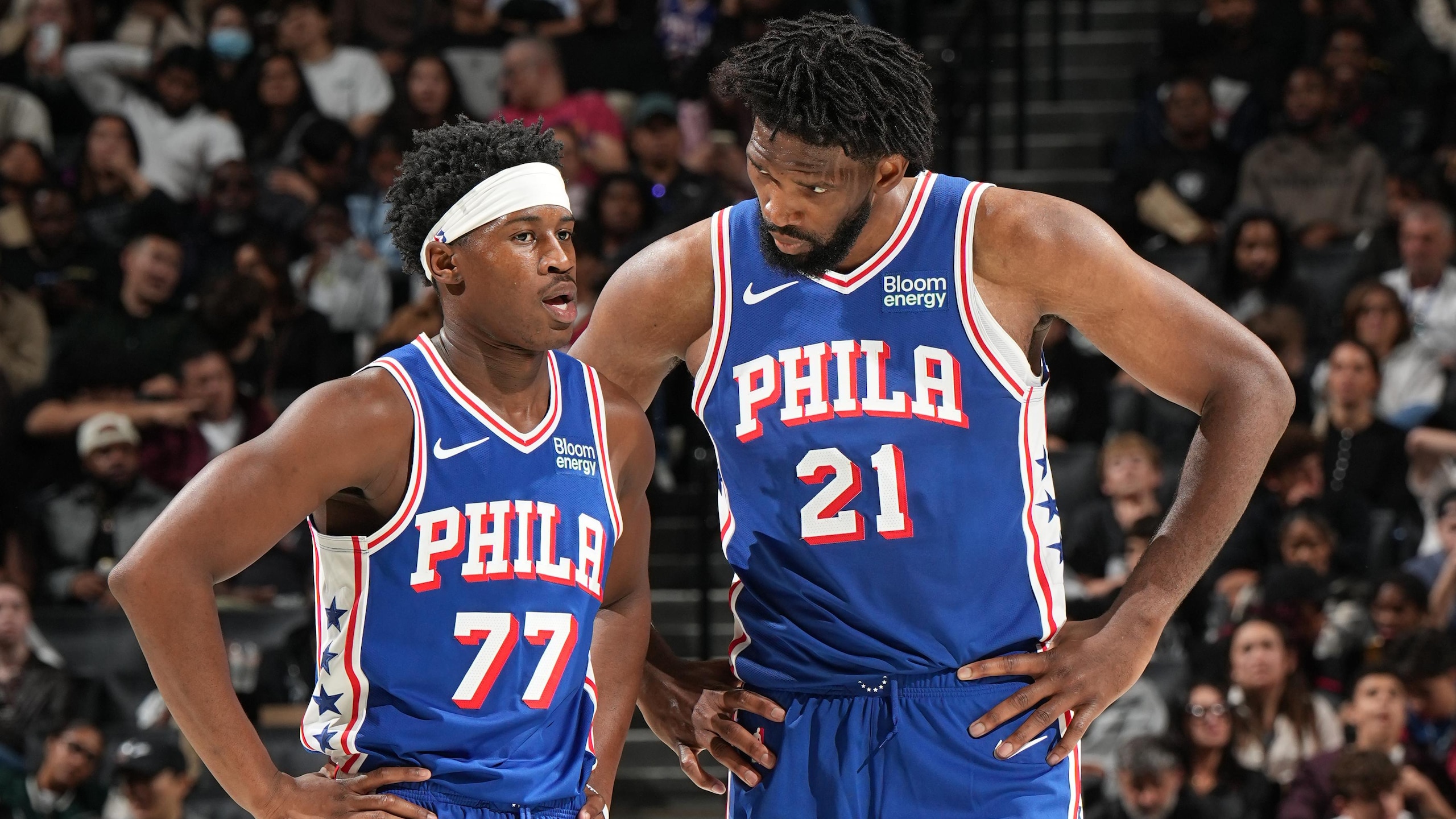
Charlotte Hornets: Coby White
4 of 30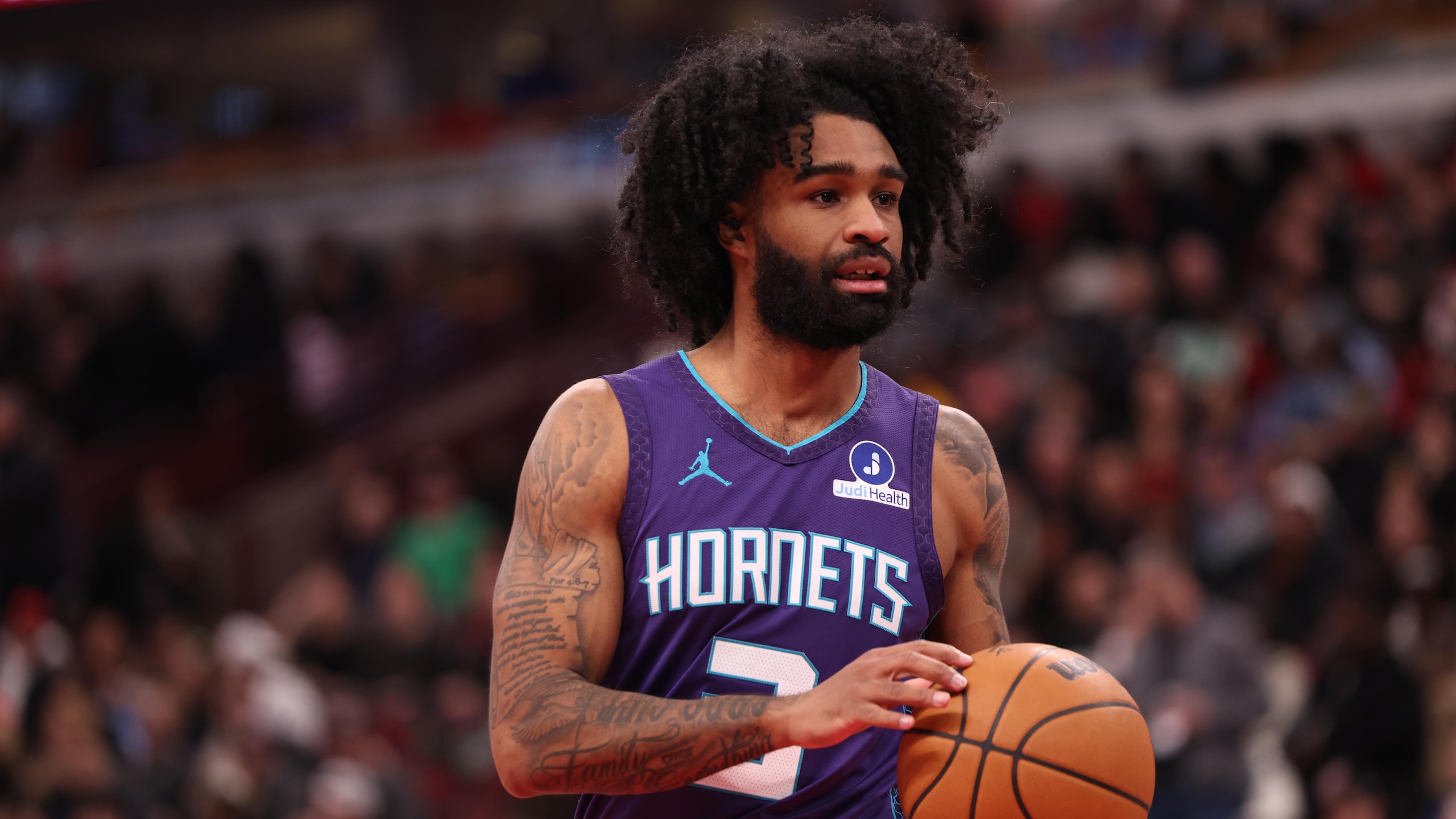
What do you get for the offense that has everything? If the Charlotte Hornets wind up paying to keep unrestricted free agent Coby White this summer, the answer will be "more offense."
White came over from the Chicago Bulls at the deadline and hasn't really had a chance to prove he makes sense on a squad that already has the top scoring unit in the league. With LaMelo Ball, Kon Knueppel, and Brandon Miller entrenched as Charlotte's playmaking trio, White will almost certainly have to accept a backup role.
That might suit him best in the end, as the 26-year-old has never proved himself as a starter on a good team. Some of that is the fault of the perennially "meh" Bulls, but White's entire career was defined by negative Estimated Plus/Minus figures until this season. Virtually every catch-all metric rates him as one of the worst defensive guards in the league.
Still, a 20-point scorer is a 20-point scorer, and the Hornets probably didn't trade for him as a rental.
Chicago Bulls: Jaden Ivey
5 of 30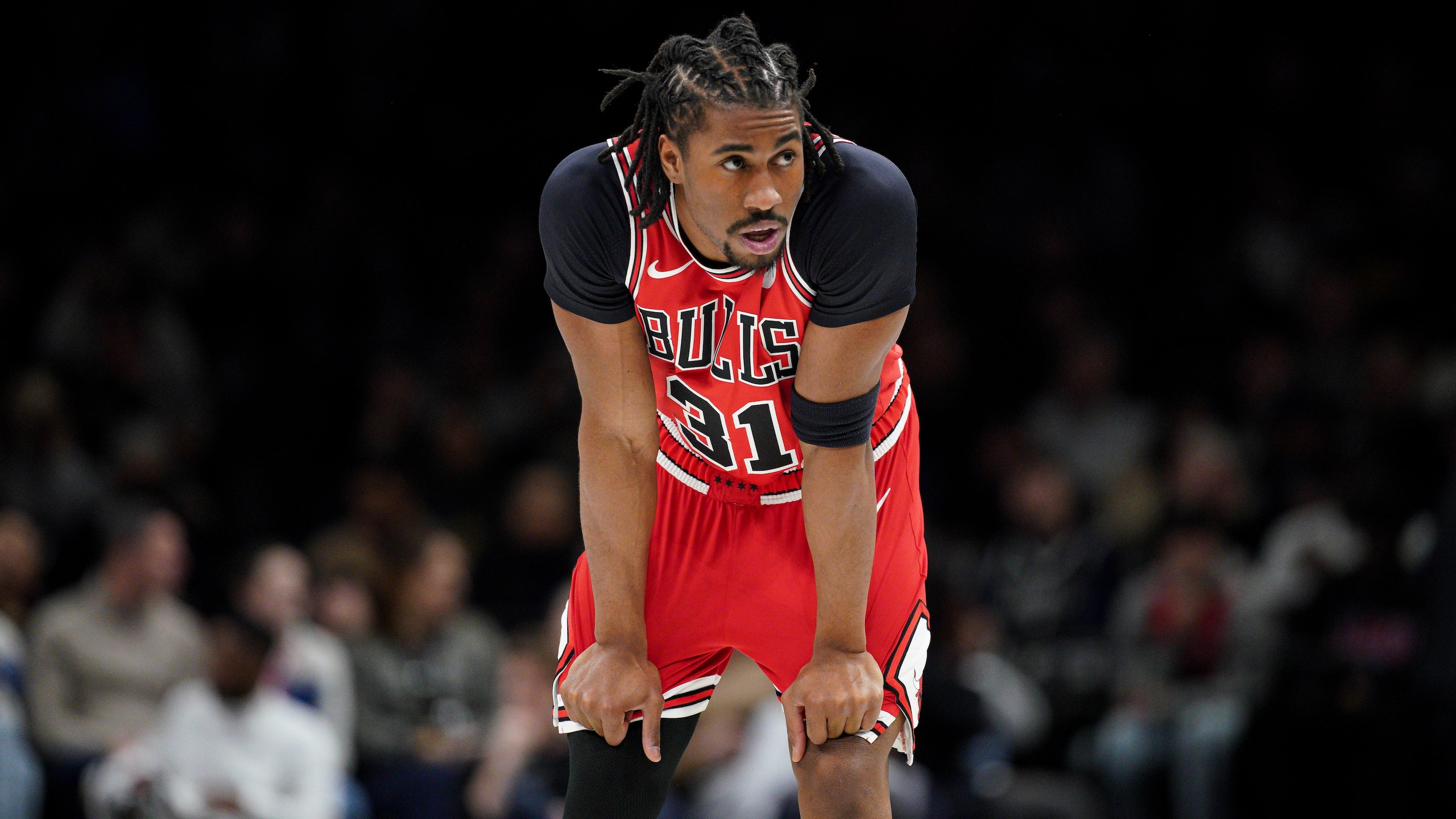
By his own admission, Jaden Ivey isn't the same player he used to be.
The No. 5 pick in the 2022 draft has a good reason for the transformation. He suffered a broken left fibula in January of 2025 and had knee issues last summer that have impacted this season. Once a dynamic downhill attacker who some viewed as a potential lead-option point guard, Ivey is now more of a spot-up threat and secondary creator.
Ivey is finishing up just his age-23 season, so there's still time for him to reestablish the trajectory of his earlier seasons. He was averaging 17.6 points, 4.1 assists, and 4.1 rebounds while hitting 40.9 percent of his threes when he broke his leg last year. Maybe another full offseason will do him some good.
The Bulls don't need to pay Ivey like a starter, and the market may be cool on him in the wake of all the injury issues. But it's still very difficult to determine what price is right for such a pedigreed prospect whose career has mostly been derailed by bad injury luck.
Cleveland Cavaliers: James Harden
6 of 30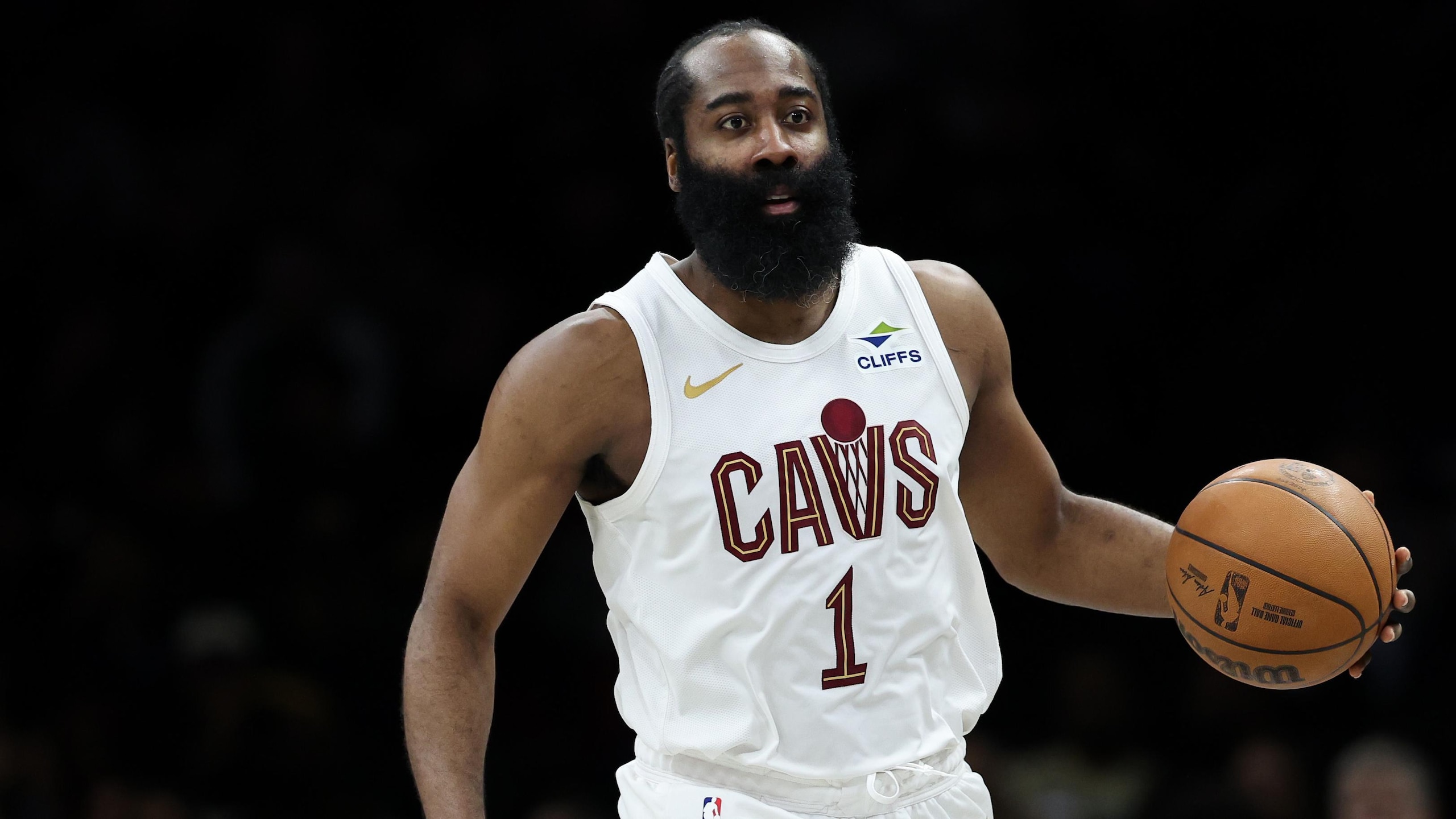
Dean Wade and Keon Ellis are both set for unrestricted free agency, but James Harden's $42.3 million player option for 2026-27 looms largest among the Cleveland Cavaliers' offseason concerns.
One assumes the Cavs and Harden had an understanding in place prior to the trade that brought him aboard at the deadline. Then again, Harden has a habit of making things uncomfortable when it comes to his contract situation. He could agitate for more than what a presumed handshake deal promised, especially if he's a key part of a deep playoff run.
And if he thinks there's a more lucrative deal on the market, you'd better believe he'll decline his option to pursue it.
Cleveland has some leverage because only $13.3 million of Harden's 2026-27 salary is guaranteed. If the relationship sours, injury creeps in, or Harden picks up his option because there's nothing out there for him in free agency, the Cavs could theoretically pay him $13 million to go away.
Dallas Mavericks: Brandon Williams
7 of 30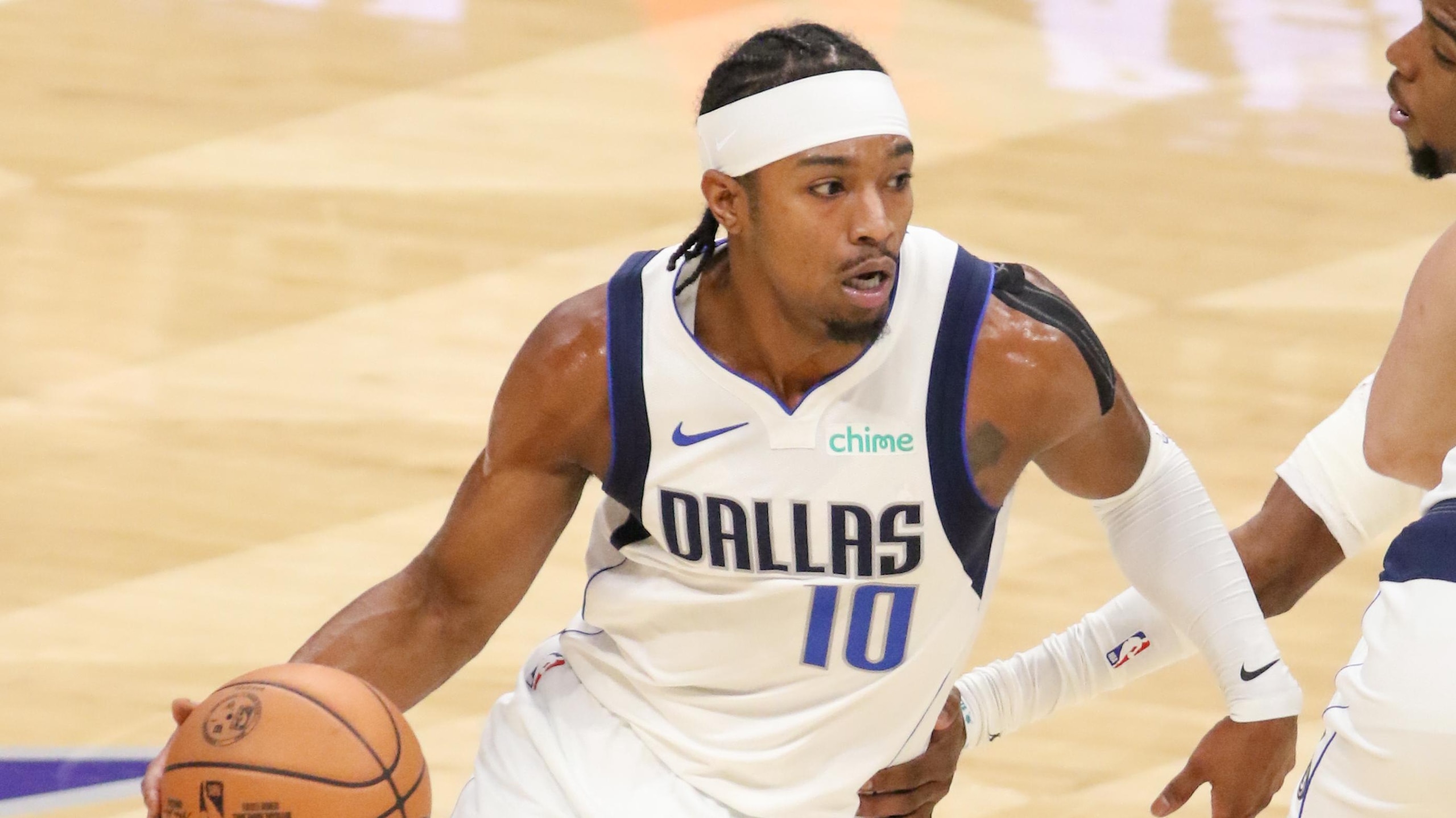
Brandon Williams started 15 of the 53 games he played for the Dallas Mavericks this year, averaging 13.1 points and establishing himself as a legitimate rotation-worthy guard in his age-26 season.
He'll hit unrestricted free agency in search of a deal above the league minimum, and it's worth wondering whether the Mavs will consider giving him one.
Kyrie Irving is due back next year, Cooper Flagg should be expected to improve as a primary initiator after extended stretches in that role this season, and Ryan Nembhard recently had his contract converted from two-way status. A major issue all year, Dallas' point guard depth actually looks pretty good in 2026-27.
Williams is a little too valuable for the Mavs to simply let him walk away. They might want to spend at market rates to keep him—particularly if an Irving trade looks likely at some point over the offseason.
Denver Nuggets: Peyton Watson
8 of 30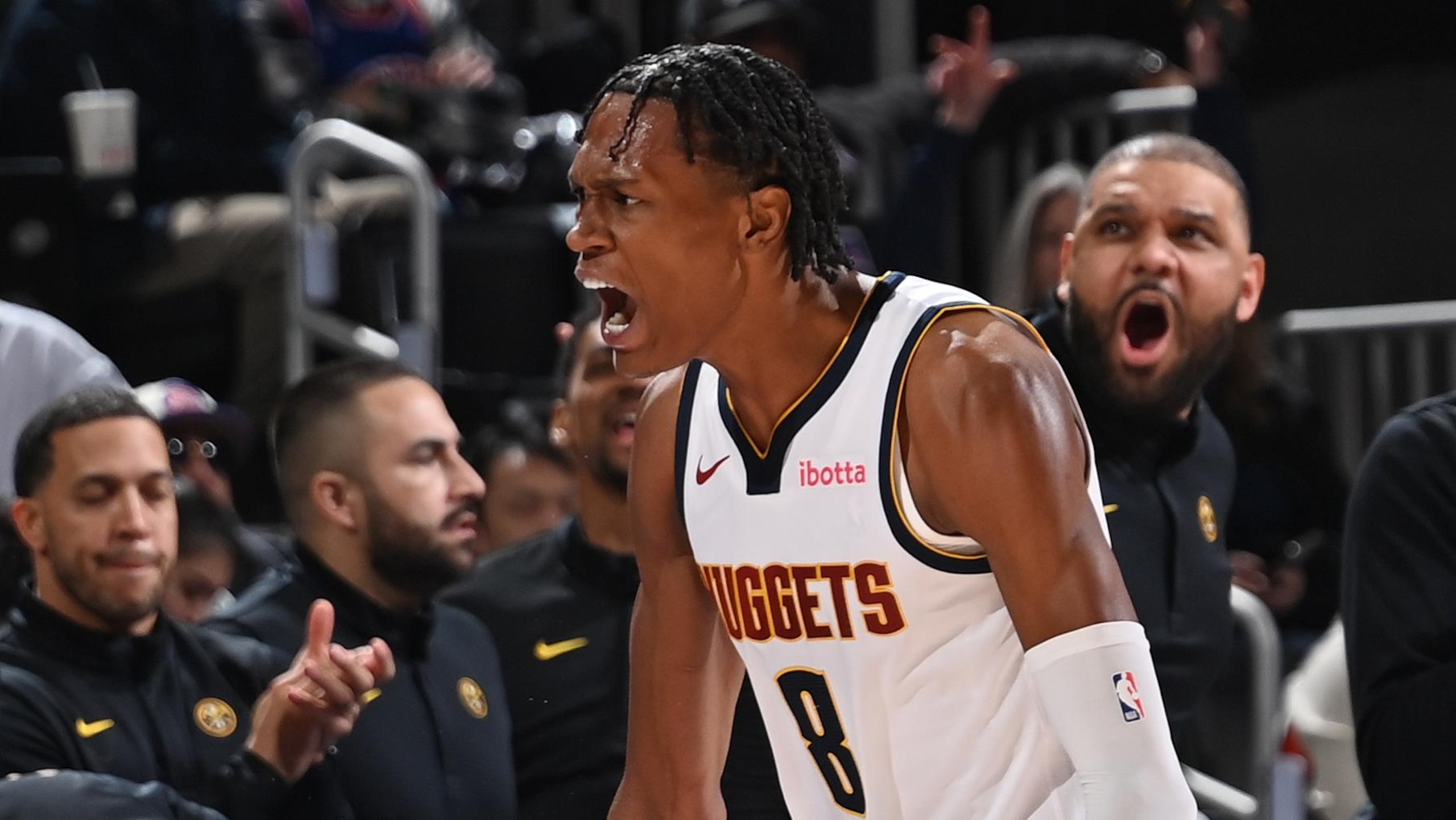
Restricted free agency is more favorable for incumbent teams than ever, but the Denver Nuggets should still be sweating over Peyton Watson.
Prior to going down with a hamstring injury in early February, the bouncy wing was in the midst of a career year. Once a low-usage, defense-only contributor, the 23-year-old seized a starting opportunity created by injuries to Christian Braun and Aaron Gordon and showed he'd developed into something much more impactful.
Watson is averaging a career-best 14.9 points, 4.9 rebounds, and 2.0 assists on a 49.6/41.7/72.7 shooting split. He's also one of only a dozen players putting up at least one block and one steal per game (minimum 40 games) this season.
Denver will be right around the 2026-27 salary cap of $166 million when only considering the contracts of Nikola Jokić, Jamal Murray, Gordon, and Cam Johnson. With a market rate offer sheet for Watson potentially exceeding $100 million over four years, the notoriously cost-conscious Nuggets could face a tough decision.
Denver tends to pay its own players, but Watson is going to be costly.
Detroit Pistons: Jalen Duren
9 of 30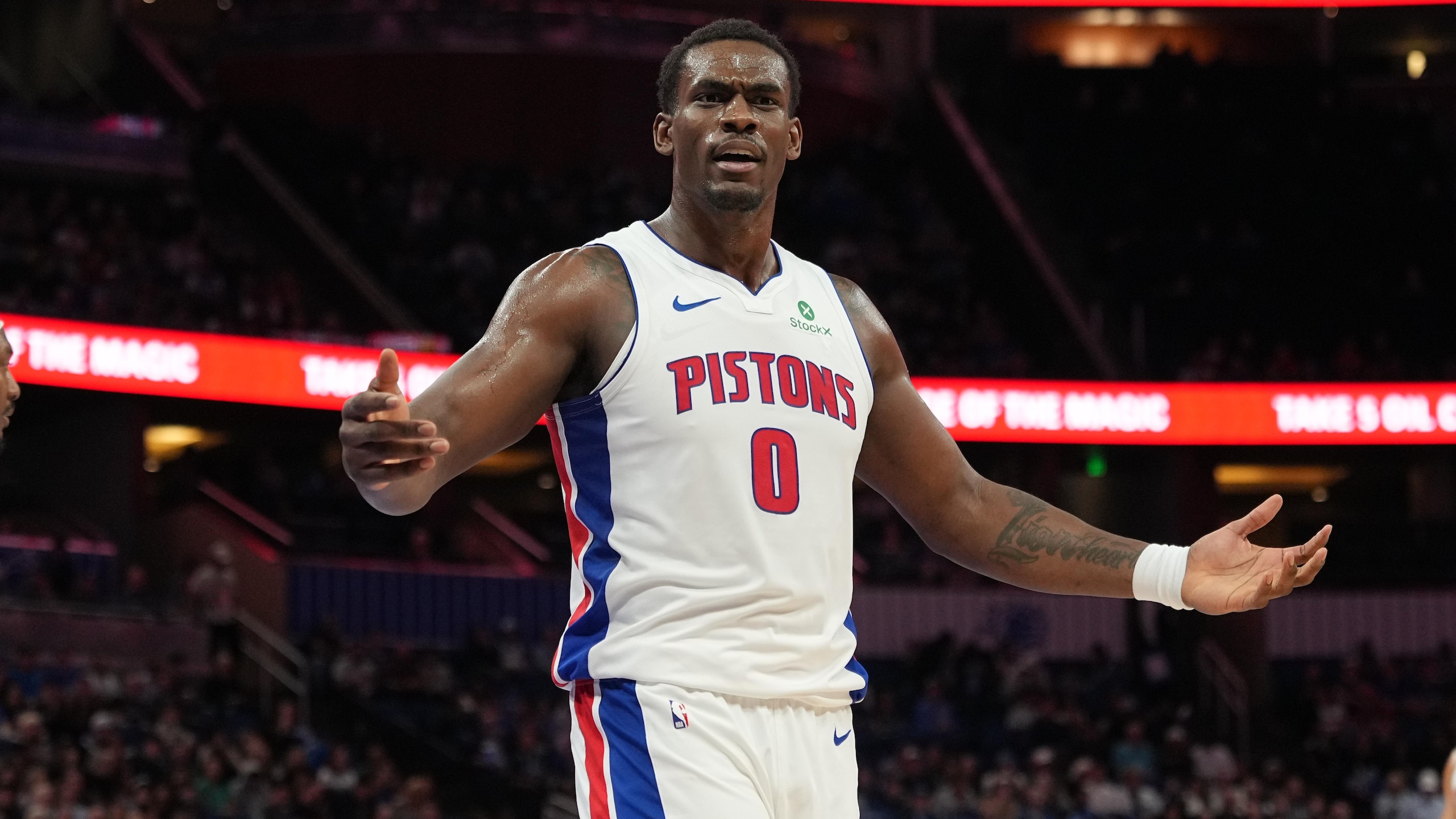
Jaden Ivey is gone, but his exit merely eliminated the easier of the Detroit Pistons' restricted free-agency decisions.
Per an October report from Jake Fischer of The Stein Line, Jalen Duren was looking for an extension with an average annual value "well north" of $30 million. The Pistons weren't interested in a deal that big, so Duren went out and had a breakout year that earned him an All-Star nod and a short-list spot on Most Improved Player ballots.
The market for non-stretch centers is better than it's been at any point in at least the last half-decade. Duren's improvements as a driver on offense and his role on one of the league's top defenses could result in hefty offer sheets.
In December, Stein reported that Duren was in line for a $40 million-per-year deal from the Pistons. We'll see if another team has the stomach to beat that, forcing Detroit to go even higher with using match rights.
Whatever happens, it seems like the Pistons are going to regret not meeting Duren's offseason salary expectations, which look modest in hindsight.
Golden State Warriors: Kristaps Porzingis
10 of 30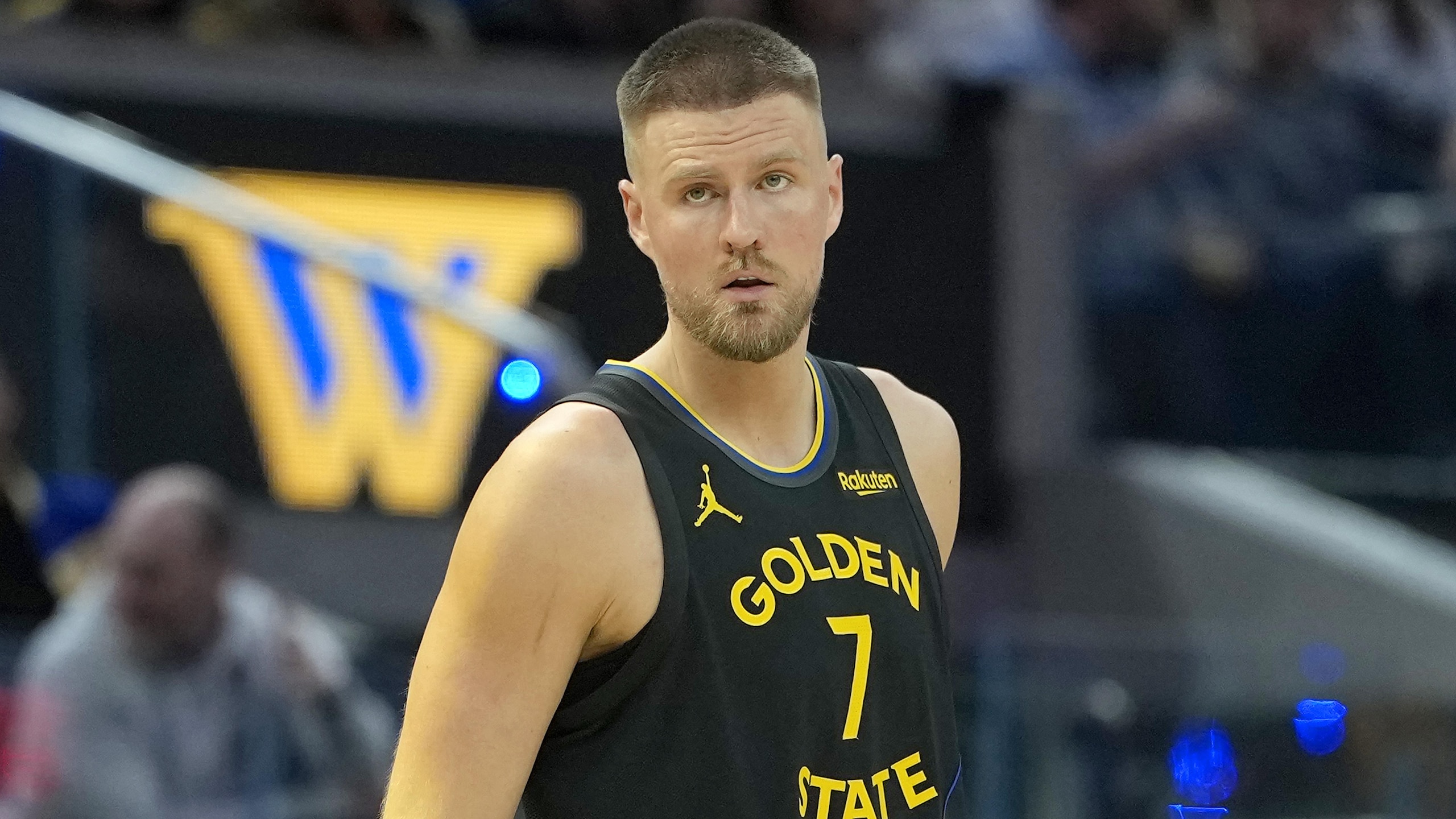
Kristaps Porzingis is an ideal frontcourt running mate for Draymond Green, but only if he, you know, actually plays.
Brought aboard at the deadline for Jonathan Kuminga and Buddy Hield, Porzingis has battled illness all year and has appeared in just two games with the Golden State Warriors. No one seems to know what his long-term health outlook is, but it's safe to assume that the uncertainty will make him retainable at far less than the $30 million he's earning in the final year of his current deal.
Still, how many years and dollars can Golden State afford to invest in a player defined by unavailability? A roster already built around a late-30s core is frail enough as it is.
Adding Porzingis would raise the team's theoretical ceiling, as he's not so far removed from a massive role on a championship Boston Celtics team. But KP's floor-stretching shooting, rim protection, and mismatch-busting post-up skills are only valuable if he's healthy enough to showcase them.
Houston Rockets: Tari Eason
11 of 30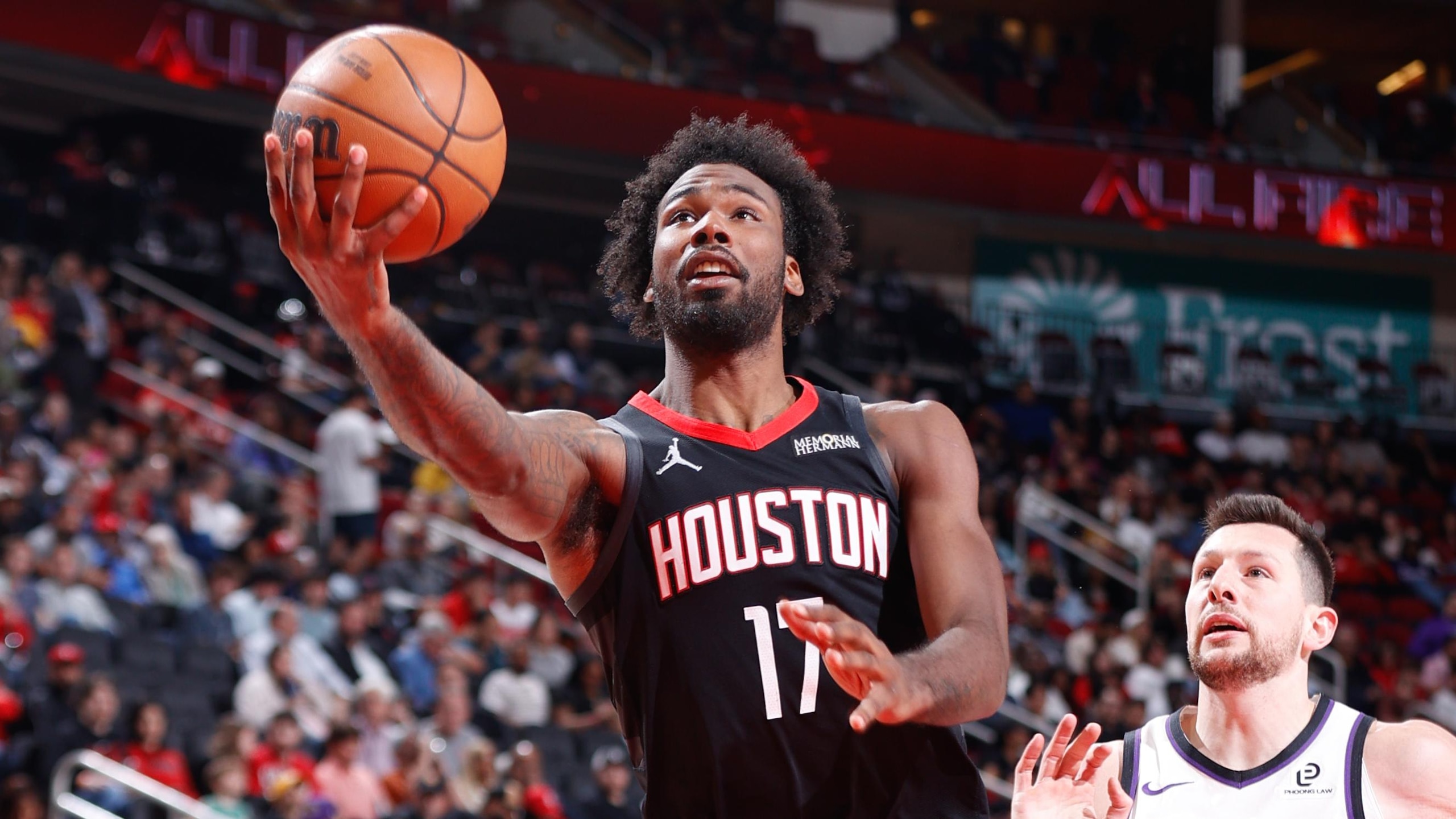
Tari Eason is among the Los Angeles Lakers' potential offseason targets, and the Houston Rockets should expect plenty of other teams to show interest in the highly disruptive defensive wing.
The Rockets are already set to pay Kevin Durant and Alperen Sengün nearly $80 million combined next season; Jabari Smith Jr. starts his nine-figure deal in 2026-27; and Amen Thompson becomes extension-eligible this summer. Throw in a $25 million player option for Fred VanVleet, and Houston's books aren't exactly clean enough to match any offer coming in for Eason.
This is a team that desperately needs shot creation and spacing, and Eason only provides the latter—at moderate volume.
If the Rockets can move Dorian Finney-Smith or Steven Adams, the calculus might change. As it stands now, Houston's other obligations slot Eason among the most gettable restricted free agents.
Indiana Pacers: Micah Potter
12 of 30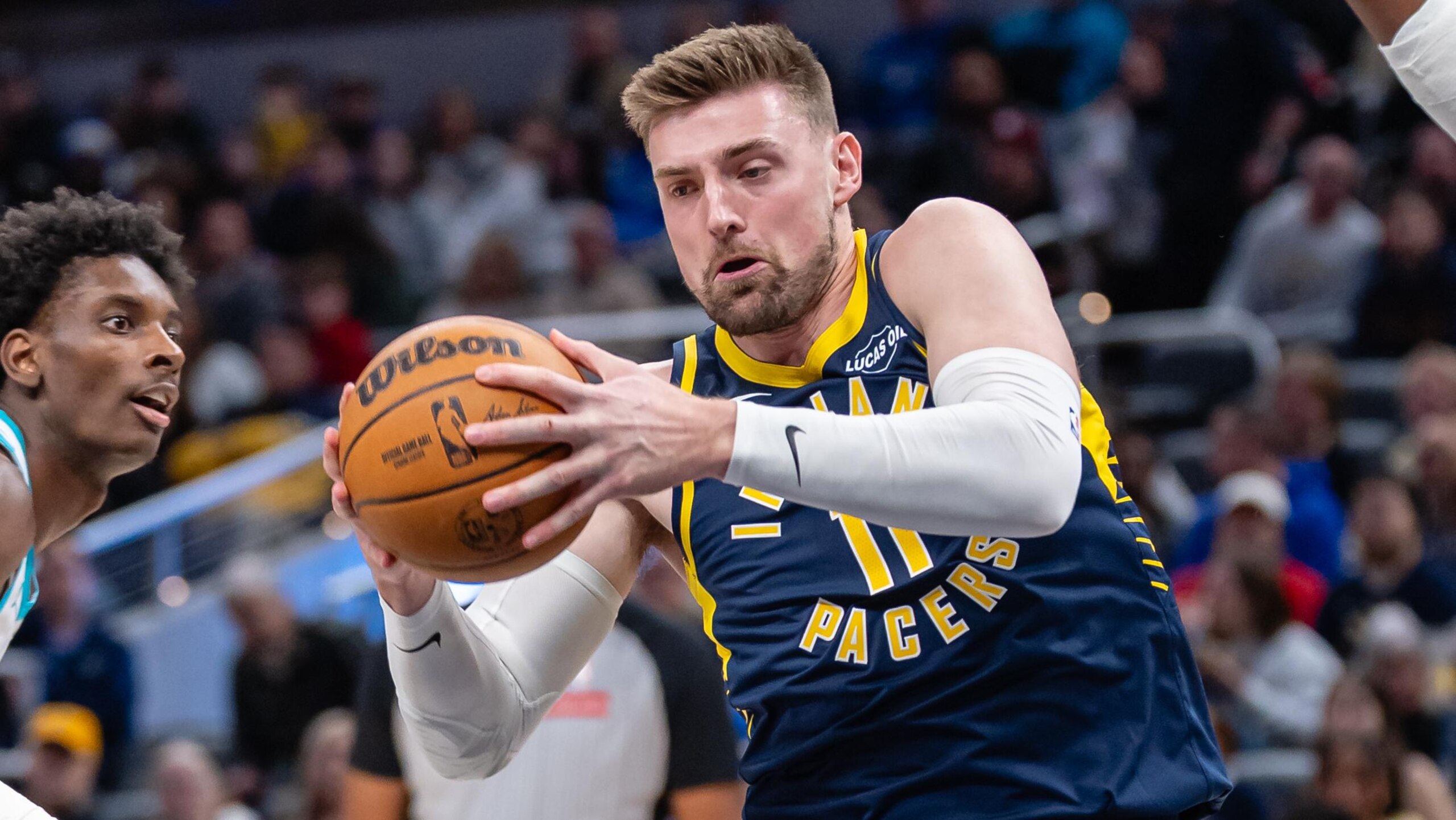
Micah Potter has shot it well enough over the last several weeks to warrant consideration as the Indiana Pacers' third-string center next year.
Ivica Zubac will be the clear starter with Jay Huff backing him up. Potter's 41.7 percent hit rate from deep gives him a good argument to return on a $2.8 million team option.
The Pacers could choose to allocate that cash toward unrestricted free agent Kobe Brown, who's been a solid rotation option of late.
At 26, he's a year younger than Potter but seems less likely to carve out a real role when Indy is healthy. More of a 4 than a 5, Brown will be behind Pascal Siakam, Obi Toppin, Jarace Walker, and any wings Indy chooses to slide up to power forward in undersized looks.
In both cases, the Pacers are dealing with minimum-salary slots. They already have 11 players on fully guaranteed deals for next year.
LA Clippers: Bennedict Mathurin
13 of 30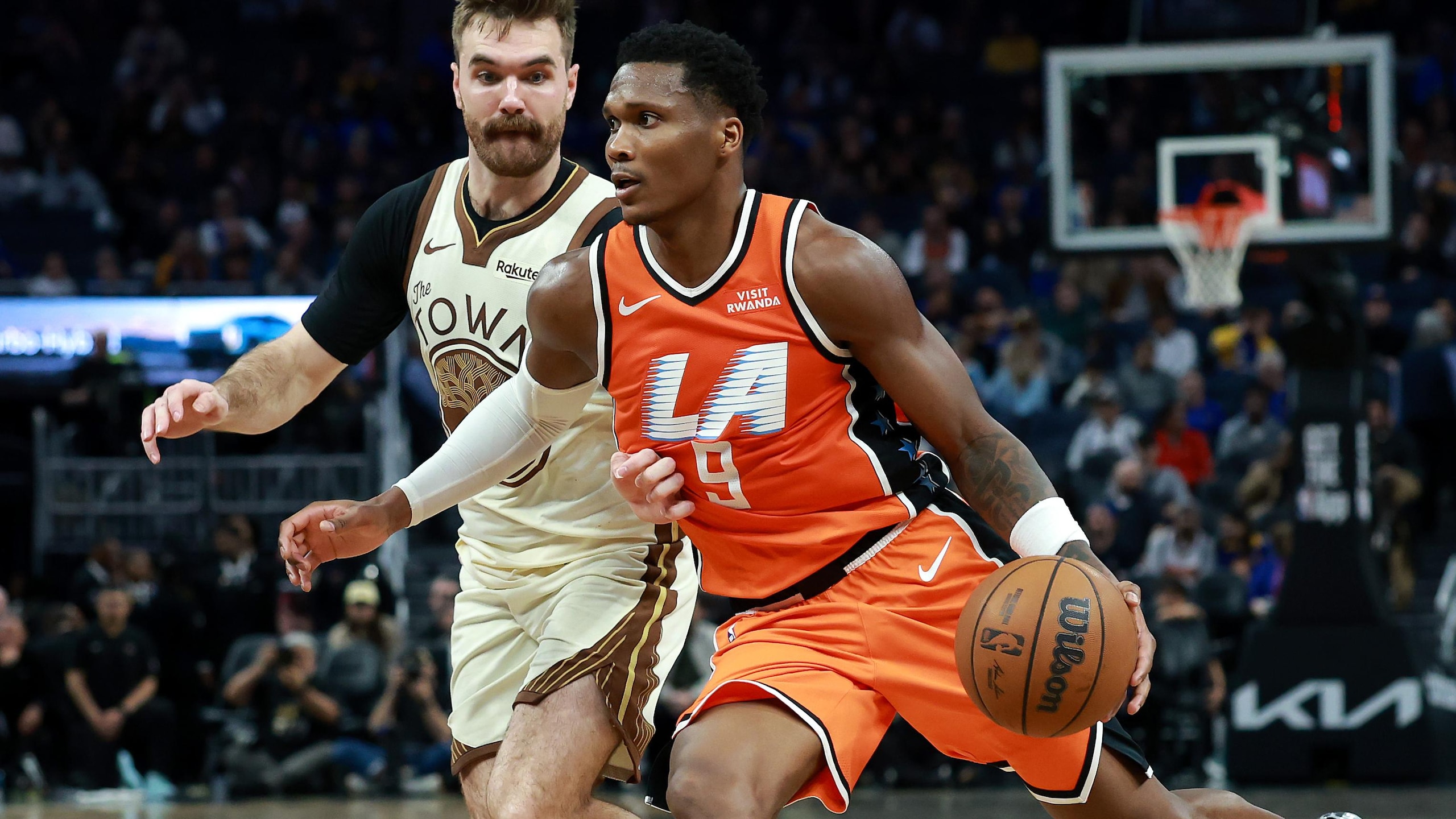
Bennedict Mathurin has been as advertised since joining the LA Clippers at the deadline, providing volume scoring on true shooting right around the league average. Though he hasn't shown any real growth as a passer or defender since finishing fourth in Rookie of the Year voting in 2022-23, Mathurin can shoot off the dribble and get himself to the foul line at solid rates.
Maybe there's still a market for that kind of niche offensive production. Good teams prefer more well-rounded starters, but 18.1 points per game, Mathurin's current average, is still 18.1 points per game.
The Clippers will have matching rights and can keep Mathurin around as Darius Garland's potential running mate in their backcourt of the future or, depending on the cost, relegate Mathurin to what feels like his proper role as a spark-plug scorer off the bench.
Declining team options on Bogdan Bogdanović ($16 million) and Nicolas Batum ($5.8 million) should make retaining Mathurin easier to stomach financially.
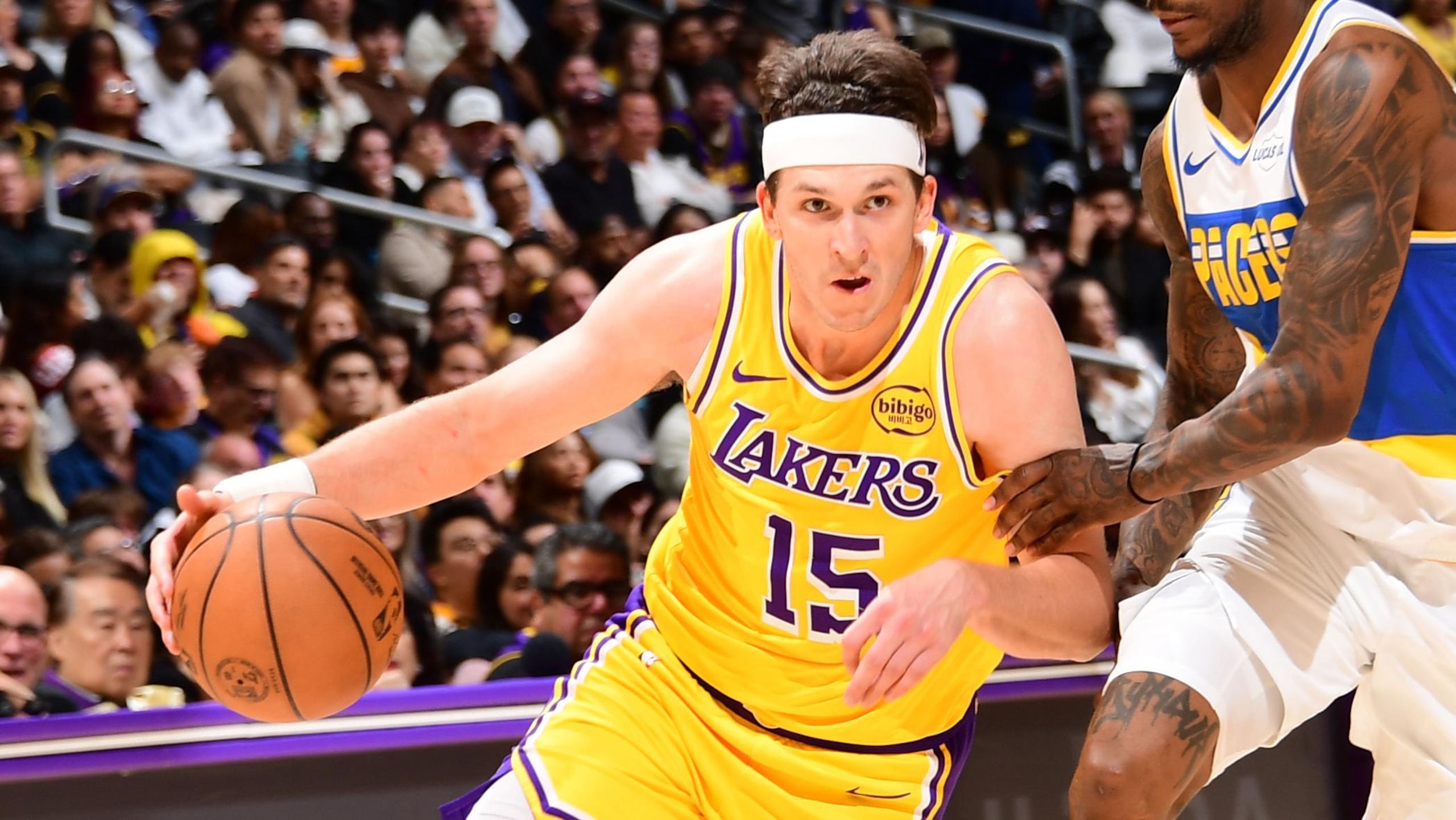
Los Angeles Lakers: Austin Reaves
14 of 30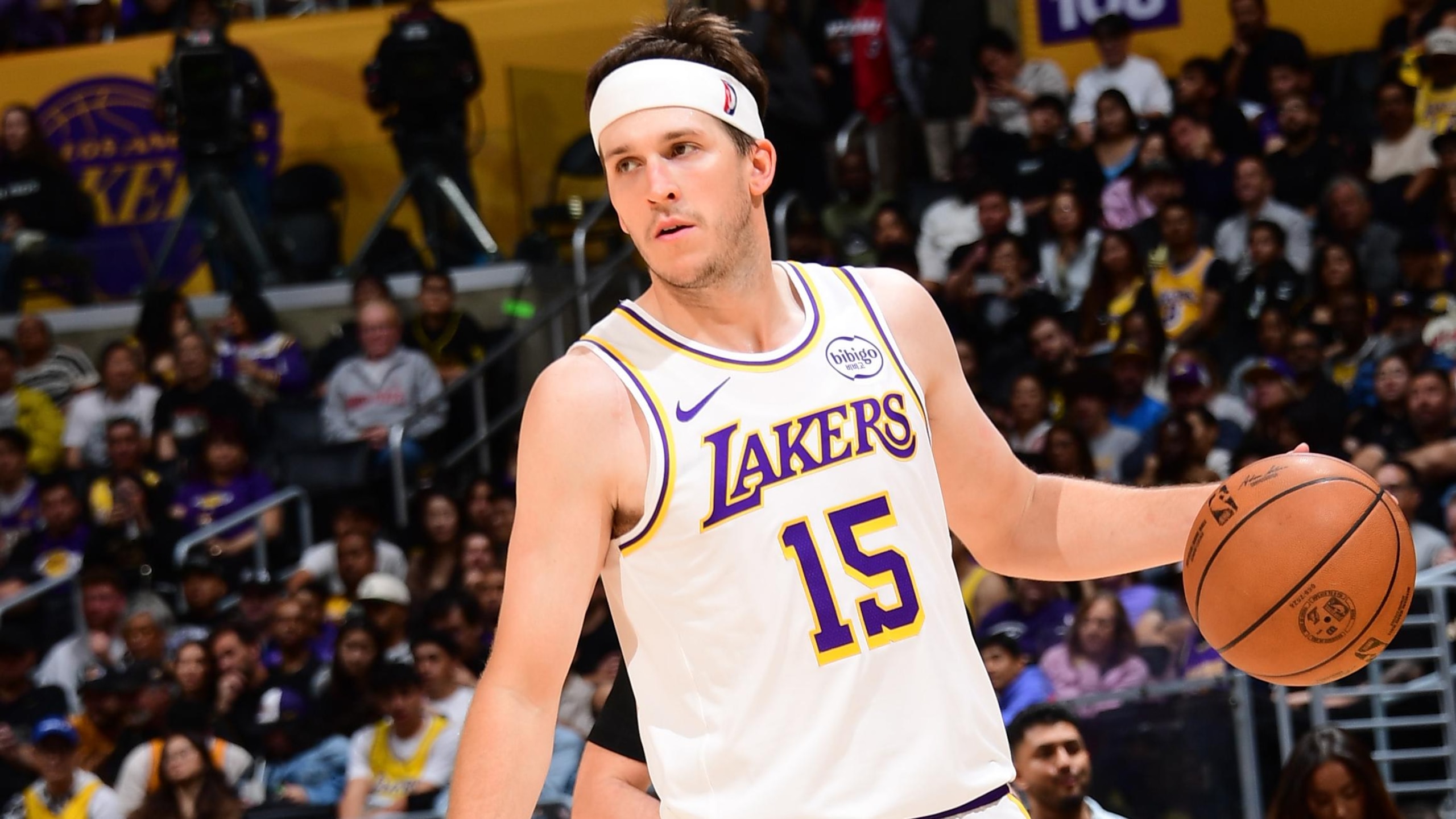
LeBron James is going to do whatever he wants to do, which means the Los Angeles Lakers don't really have much of a decision to make on him. If they did, it seems like they made it over the offseason when they didn't offer an extension.
That leaves Austin Reaves as Los Angeles' clear pressure-point free agent this summer, as the 27-year-old guard is an absolute lock to decline his $14.9 million player option in search of a deal that pays him three times that much annually.
Reaves will be eligible to sign with the Lakers for up to five years and $241 million. The most another team can offer is four years and $179 million. It'll be shocking if the Lakers can retain him for less than that latter figure.
It's highly likely Reaves will be back, but it's worth briefly wondering whether the Lakers want to pay max-level cash to an offense-first guard who'll never be the first option next to Luka Dončić. Reaves shone in that role earlier this year while his star teammates were out with injury. He'd be justified in believing he deserves to play in a lead role on a full-time basis somewhere else.
Memphis Grizzlies: GG Jackson
15 of 30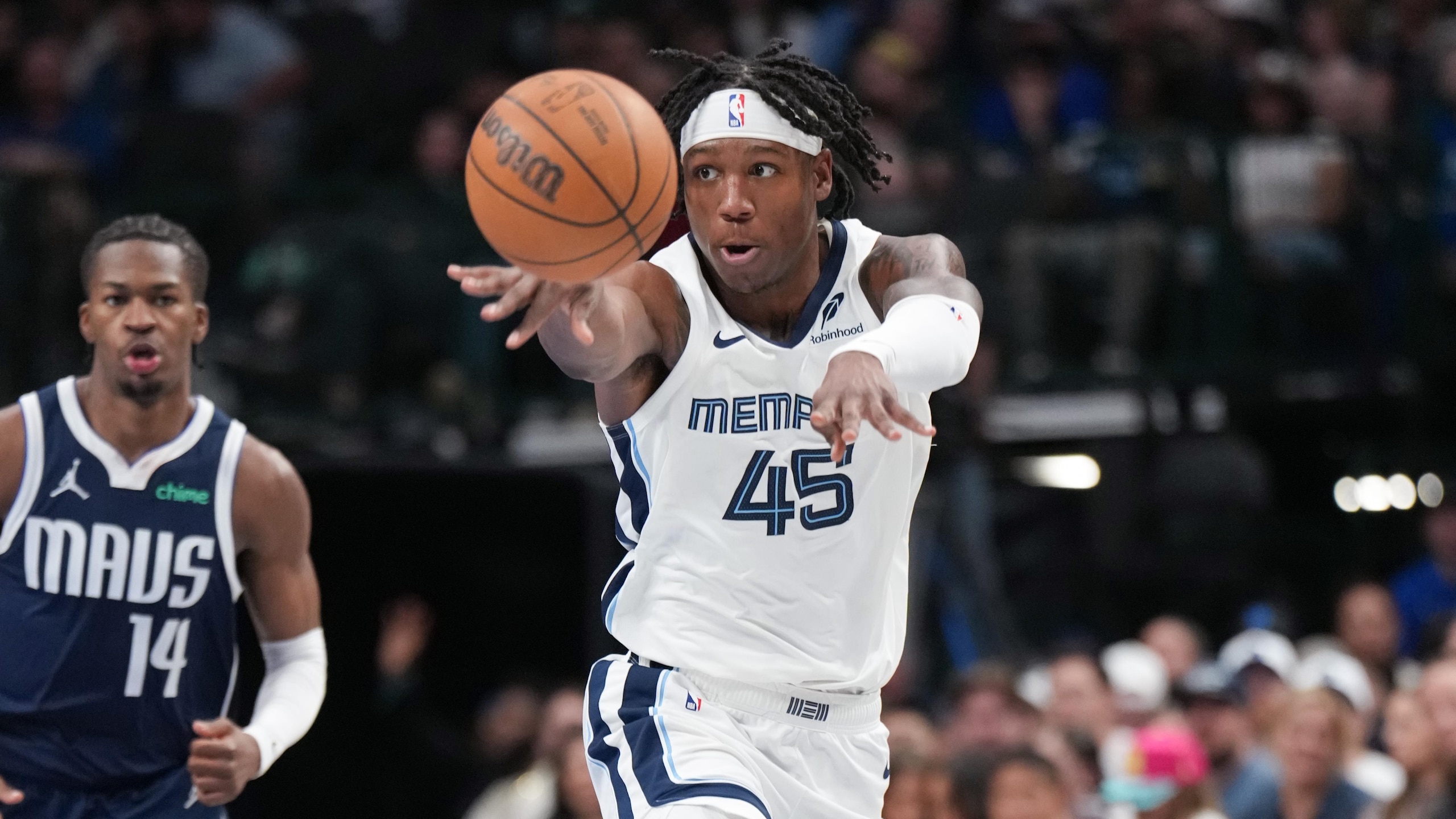
GG Jackson's career has been defined by tantalizing flashes of high-impact play, and he's delivered several of those during this stretch-run tank by the Memphis Grizzlies.
Jackson hit the Warriors for 24 points and eight boards on 8-of-12 shooting on February 25th and hung another 20 on the Portland Trail Blazers on March 4th. An athletic forward with great size and the makings of a foul-drawing, three-point shooting offensive profile, Jackson has many qualities Memphis should value. He's also still just 21 years old.
The Grizzlies have a team option on Jackson for 2026-27 that they could decline in favor of a longer extension. Both Scotty Pippen Jr. and Jaylen Wells are also extension-eligible this offseason, but those two are better-known commodities. Jackson still has a bit of a mystery-box element to him, which could allow the Grizzlies to secure him at a bargain rate if they can tolerate the risk of committing to someone whose career to this point has also been wildly inconsistent.
Miami Heat: Norman Powell
16 of 30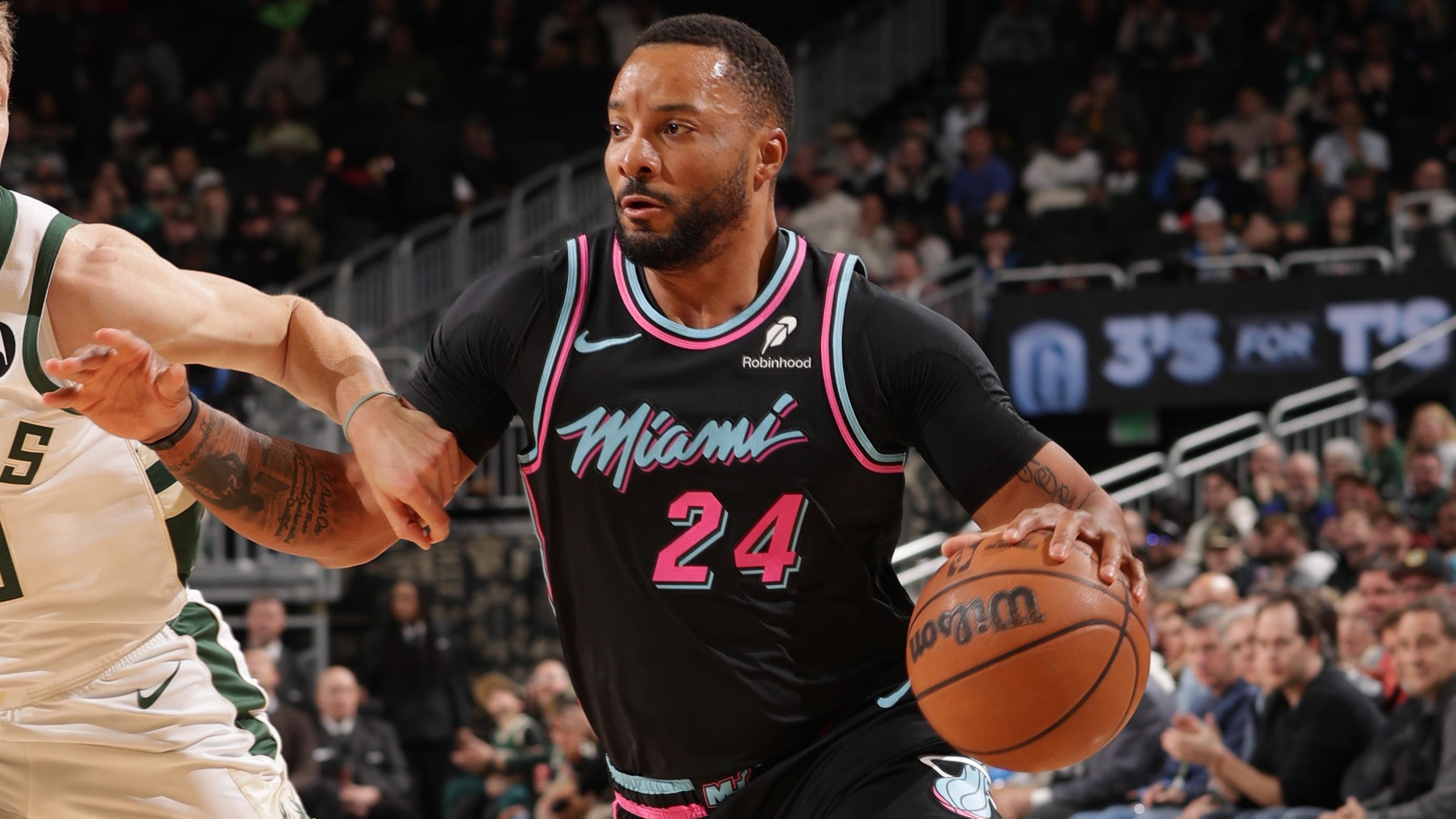
The Miami Heat essentially got Norman Powell for free in an offseason trade, but the low cost of acquisition doesn't mean they'll just let the high-scoring shooting guard get away for nothing.
Powell's late-career renaissance continued this season. He was rewarded with his first All-Star nod on the strength of another 20-plus-point scoring average and a meaningfully improved isolation scoring game. Powell is 32 but shows no signs of slowing down and is one of the most efficient high-volume shooters around.
What's that worth to a Heat team that is already paying score-first guard Tyler Herro $33 million next year while also dealing with the possibility of committing more than the $30 million Andrew Wiggins has on his player option if he declines it?
Terry Rozier and Simone Fontecchio's salaries are also coming off the books in July, so maybe the Heat will find the wiggle room they need to beat the market on Powell, who should command $20-25 million pretty easily.
Milwaukee Bucks: Kevin Porter Jr.
17 of 30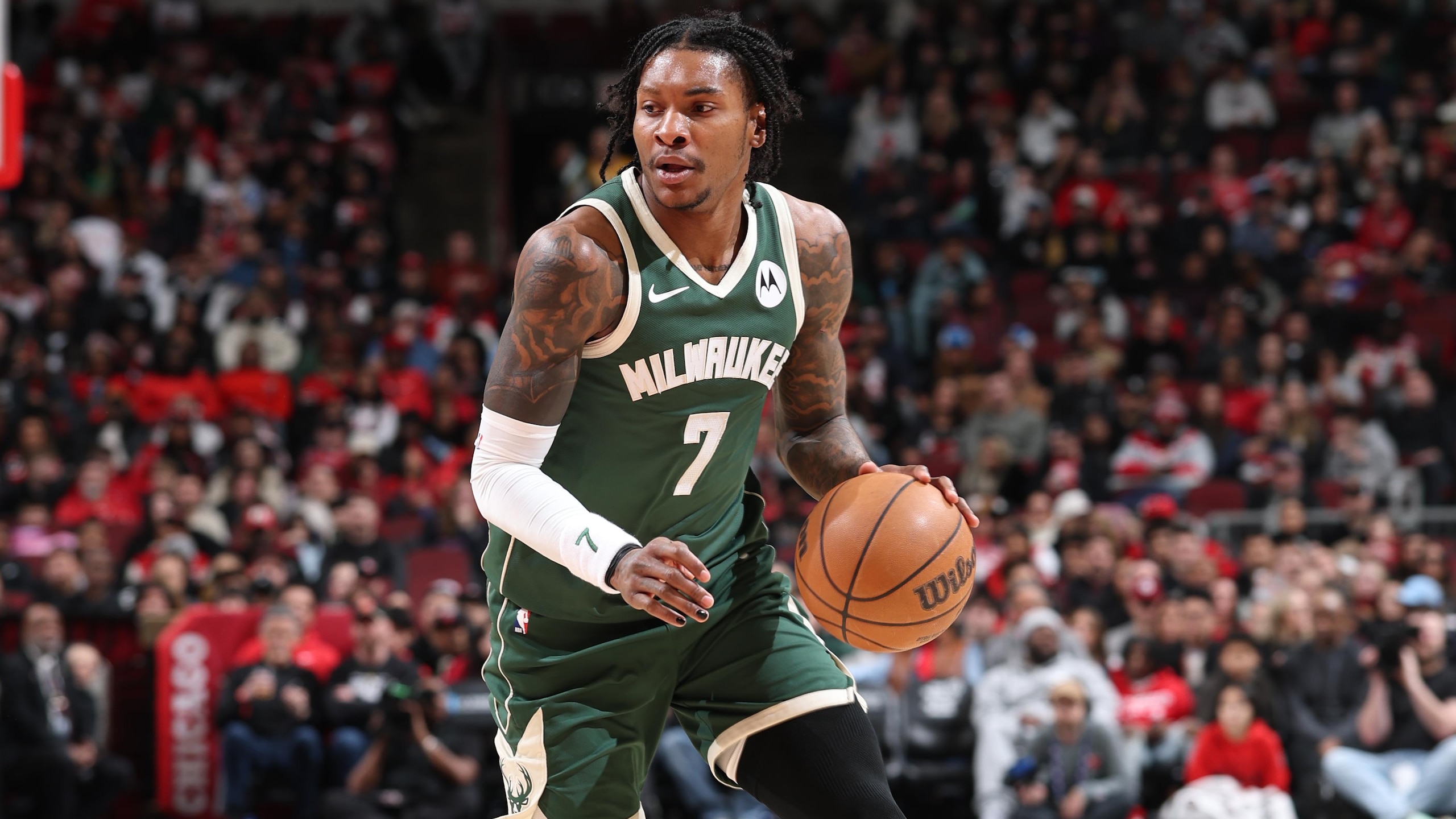
Kevin Porter Jr. has been a starter all season and is currently averaging 17.2 points, 7.4 rebounds, and 5.2 assists. Though he's only shooting 33.1 percent from deep, those numbers are more than good enough to make declining his $5.4 million player option an easy decision.
The Bucks have much bigger things to consider with Giannis Antetokounmpo's extension talks coming this offseason. If he doesn't sign, it should trigger another round of trade speculation, which will shove KPJ and every other offseason consideration onto the back burner.
If things are quieter, Porter Jr.'s undeniable importance to a Bucks team that might not be able to replace his production should make him a major retention priority. Milwaukee should expect him to see offers near the mid-level exception of $15.1 million.
Minnesota Timberwolves: Ayo Dosunmu
18 of 30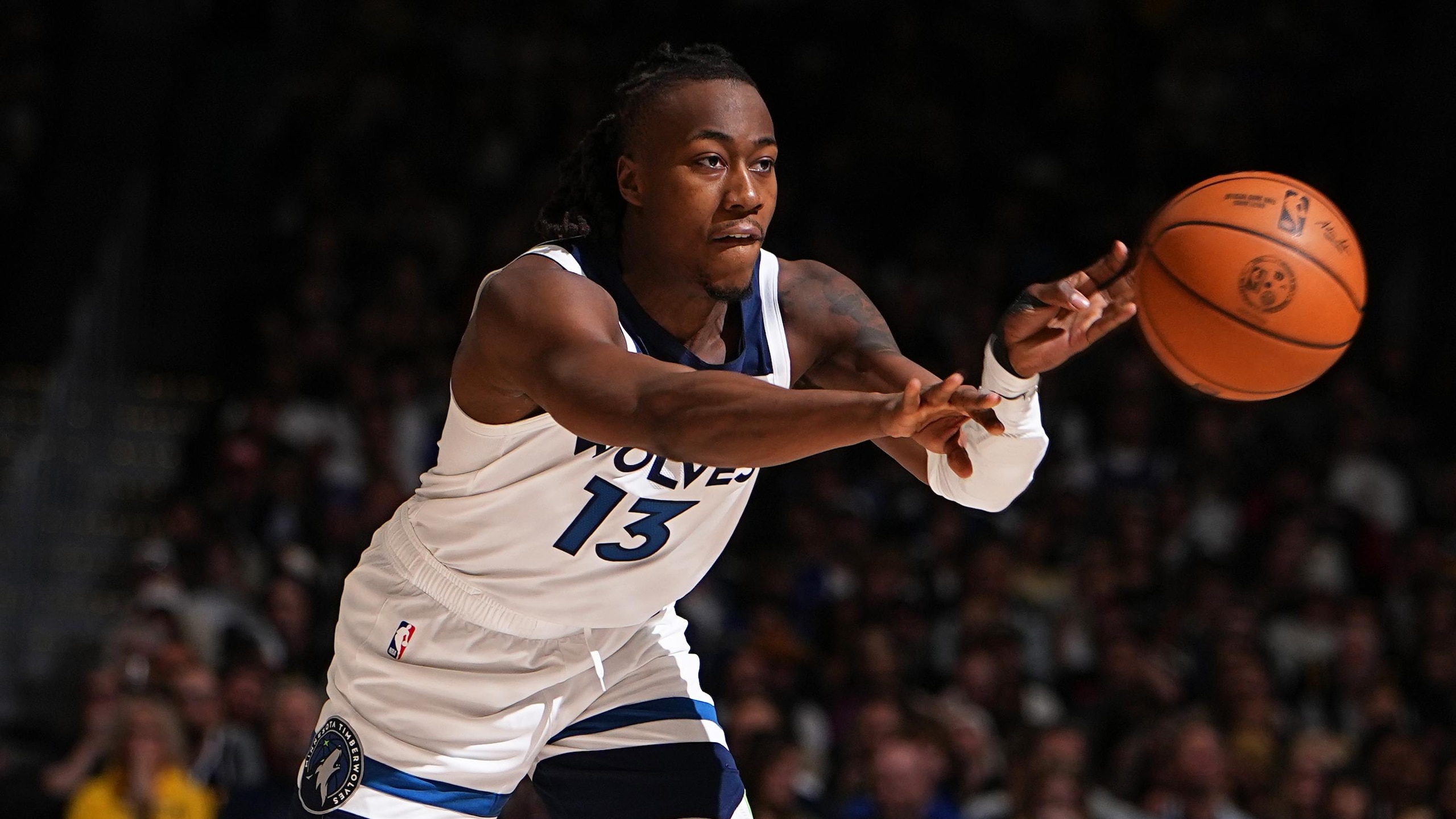
Like Ayo Dosunmu, Bones Hyland will also enter unrestricted free agency this summer. There's a case that Hyland's shot-creation will actually be harder to replace than Dosunmu's more dependent-scoring role, but Dosunmu was the Minnesota Timberwolves' main deadline acquisition and figures to have the more robust market.
The Bulls dealt Dosunmu in part because his reasonable $7.5 million salary was too small to craft an extension the 26-year-old guard would accept. It seems likely his next deal will feature a starting salary at or above his $14.3 million cap hold. That means we're probably talking mid-level money, which the Wolves might hesitate to spend.
Minnesota is pushing up against the first apron if you only consider the eight fully guaranteed salaries it has among its starting five, Naz Reid, Joan Beringer and Terrence Shannon Jr. Bird rights will help the Wolves in their effort to keep Dosunmu, but an already hefty tax bill projects to grow if he comes back at market rates, with all the pain of the second apron looming.
New Orleans Pelicans: Kevon Looney
19 of 30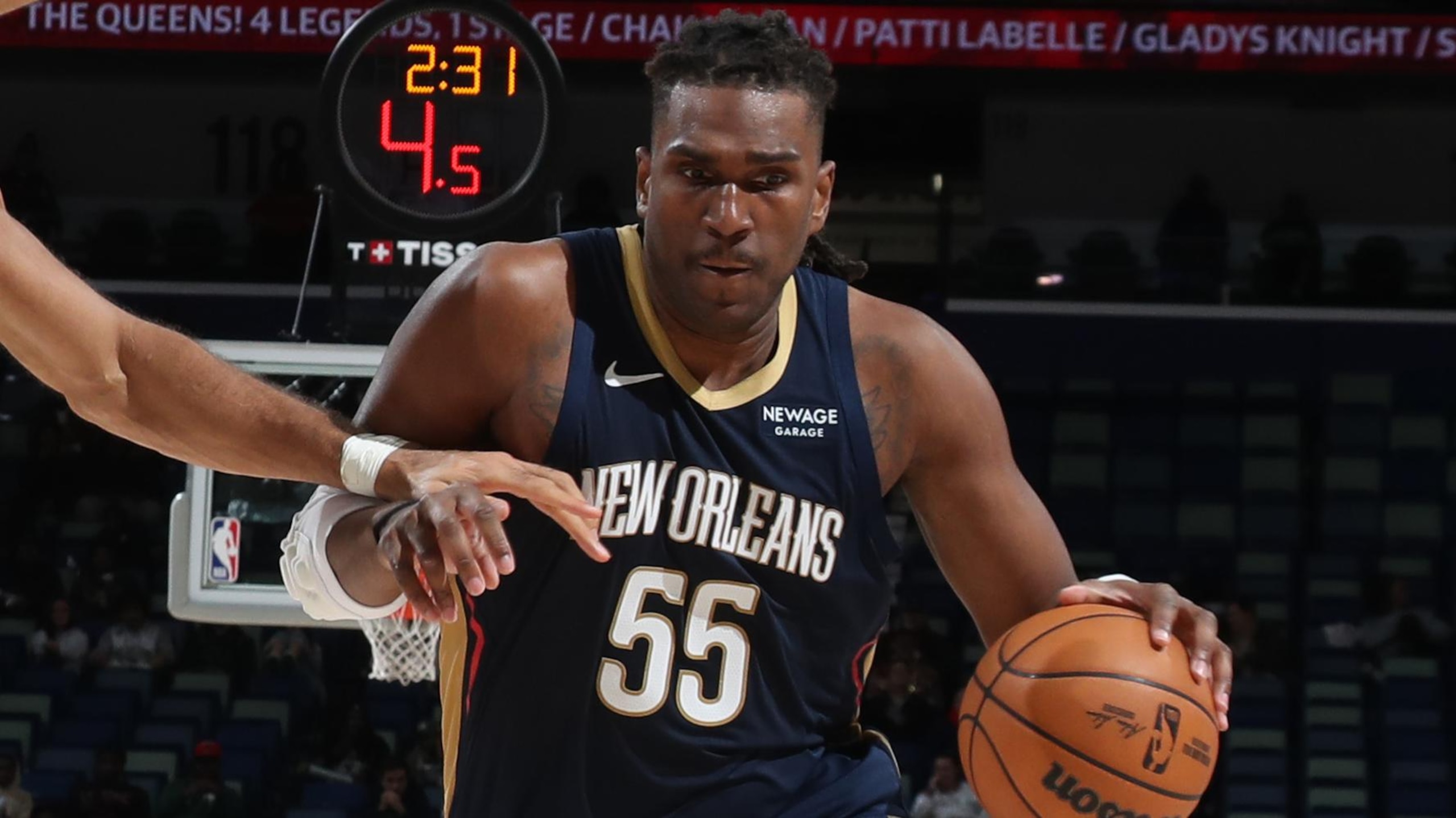
The New Orleans Pelicans have plenty of problems, but it's at least encouraging that Kevon Looney's $8 million team option rates as their biggest one on the free-agency front.
The veteran center hasn't played since early February and is averaging just 2.9 points and 5.3 rebounds per game.
Looney is still a valuable locker room presence who'll defend and rebound whenever given playing time. But his limited game and lack of stretch make him a virtually impossible fit in a team that figures to feature Zion Williamson and Derik Queen in major roles.
The Pelicans surprised the market by giving him more than the minimum when they inked him last offseason. The two-time champ will likely find a spot on the end of a contender's bench at that rate next year.
New York Knicks: Mitchell Robinson
20 of 30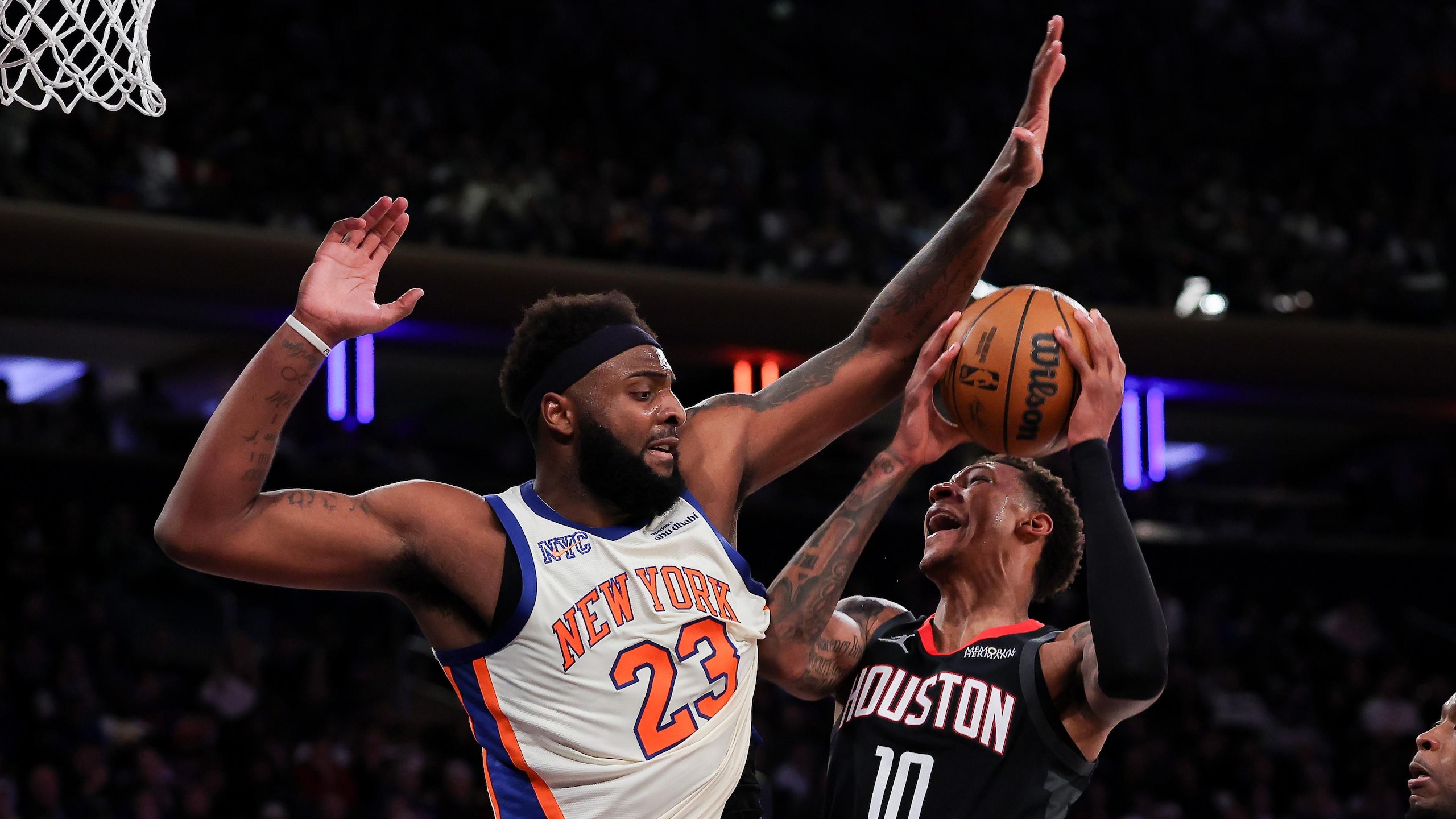
Mitchell Robinson is the best offensive rebounder in the league at the moment, and his value to the New York Knicks seems to show up every postseason when he invariably wins them a game by dominating the glass.
He's also not a player who can reliably make it through a season with a major role, which limits his overall worth and makes forecasting a contract tricky. The Knicks will have to make those calculations this summer when Robinson hits unrestricted free agency.
Steven Adams got three years and $39 million on his last deal with the Houston Rockets, and he's a pretty good comp for Robinson, who shares a lot of the same strengths and weaknesses. If that's all it takes for New York to retain him, it should be an easy call. But if another team comes over the top with a larger number, the Knicks will have to think long and hard about letting their longest-tenured player go.
Oklahoma City Thunder: Isaiah Hartenstein
21 of 30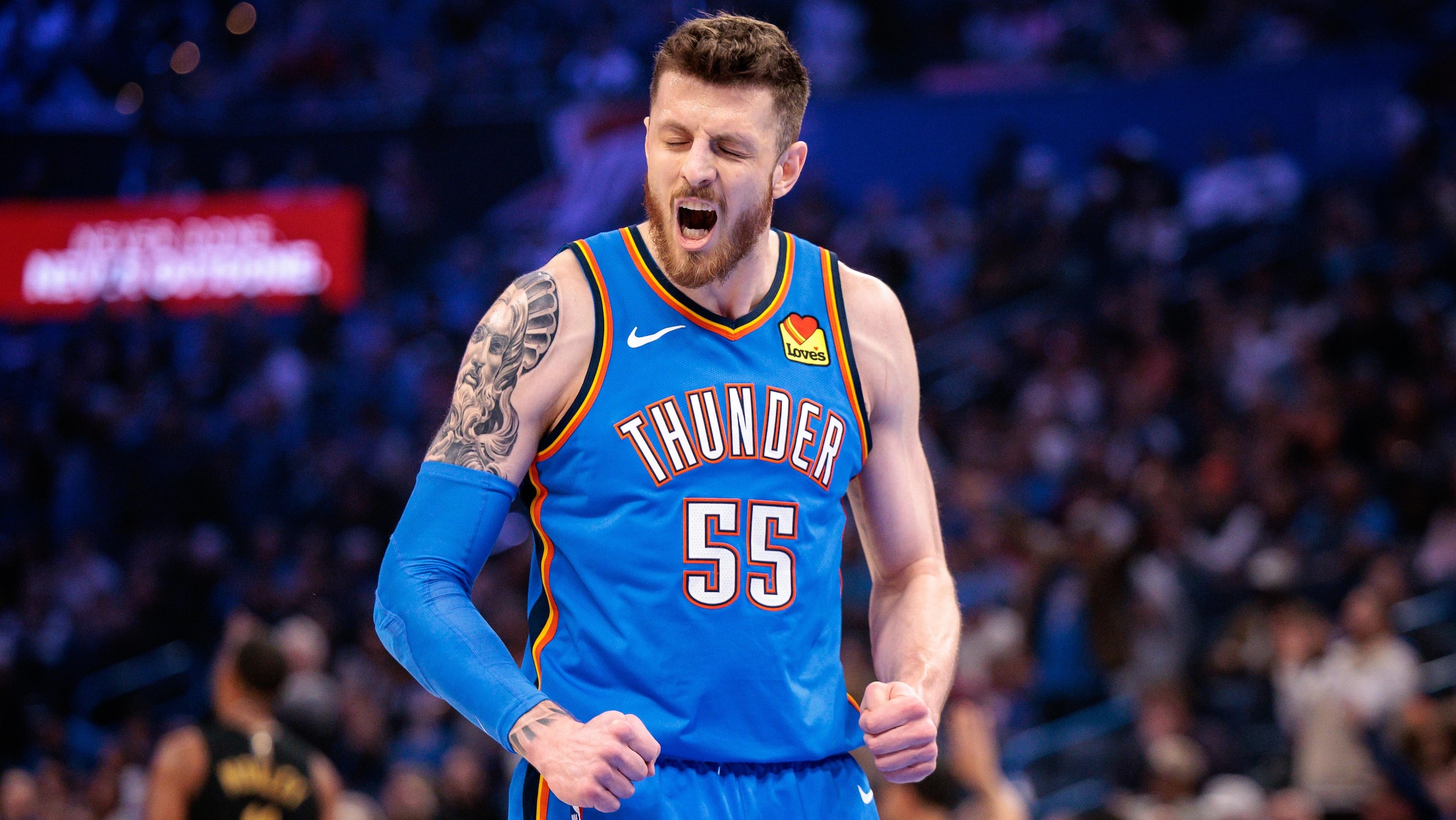
If the Oklahoma City Thunder exercises the $28.5 million team option they hold on Isaiah Hartenstein for 2026-27, they'll take a major step toward payroll pain. Lu Dort ($18.2 million) and Kenrich Williams ($7.2 million) also have team options, but Hartenstein's option is the one that'll shove OKC into the second apron.
If the Thunder declines that option, they'll allow Hartenstein to hit unrestricted free agency. Odds are, he'll be among the most sought-after bigs available, potentially earning at least $28.5 million per season over a much longer stretch.
Oklahoma City very much prefers to play a second big next to Chet Holmgren up front, and Hartenstein's specific passing and defensive skills make him an ideal player for the role. Any realistic replacement would be a downgrade.
Will the Thunder pay Hartenstein what it takes to keep him around, potentially trimming salary elsewhere? Or will the cost-cutting we've all known was coming result in an even bigger talent exodus in OKC?
Orlando Magic: Moritz Wagner
22 of 30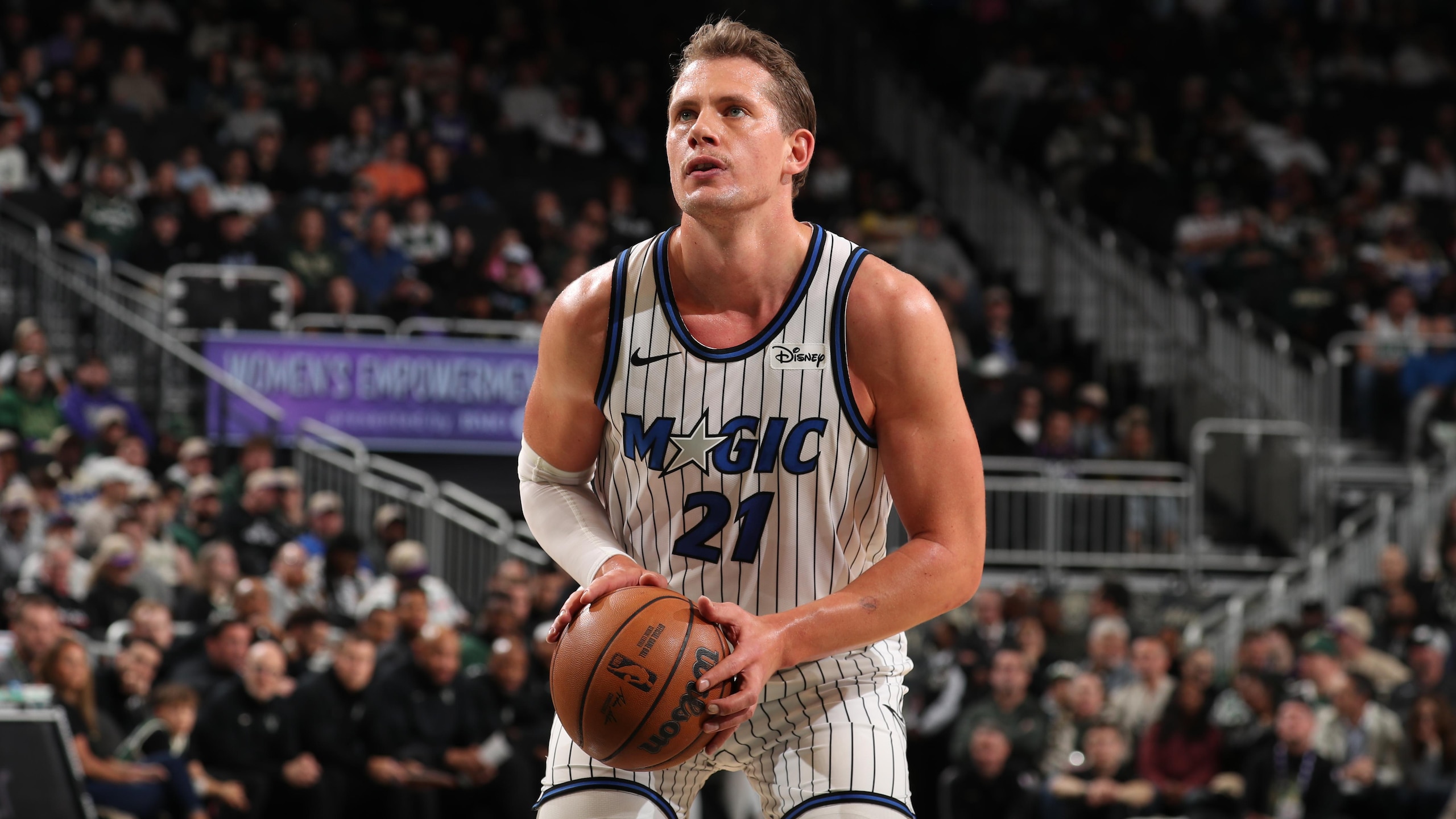
The Orlando Magic's top four salaries for 2026-27 will total $155 million, significantly juiced from this year's total because Paolo Banchero's rookie-scale extension kicks in.
That bad news for the wildly disappointing Magic—by second-apron-team standards—is that no free-agent departure this summer can make a dent in a payroll that'll almost certainly be well over $200 million. Jett Howard, Moritz Wagner, and Jevon Carter are the team's only unrestricted free agents.
Of those, Wagner will be the most expensive retention, and probably the one Orlando has no choice but to keep. Franz Wagner's status with the team might be enough to earn his brother a deal on its own, but Mo has been a rotation-caliber offensive big man for the last several seasons. On a team that struggles to score, his 10.3 points per game across six years with the Magic matter.
Philadelphia 76ers: Quentin Grimes
23 of 30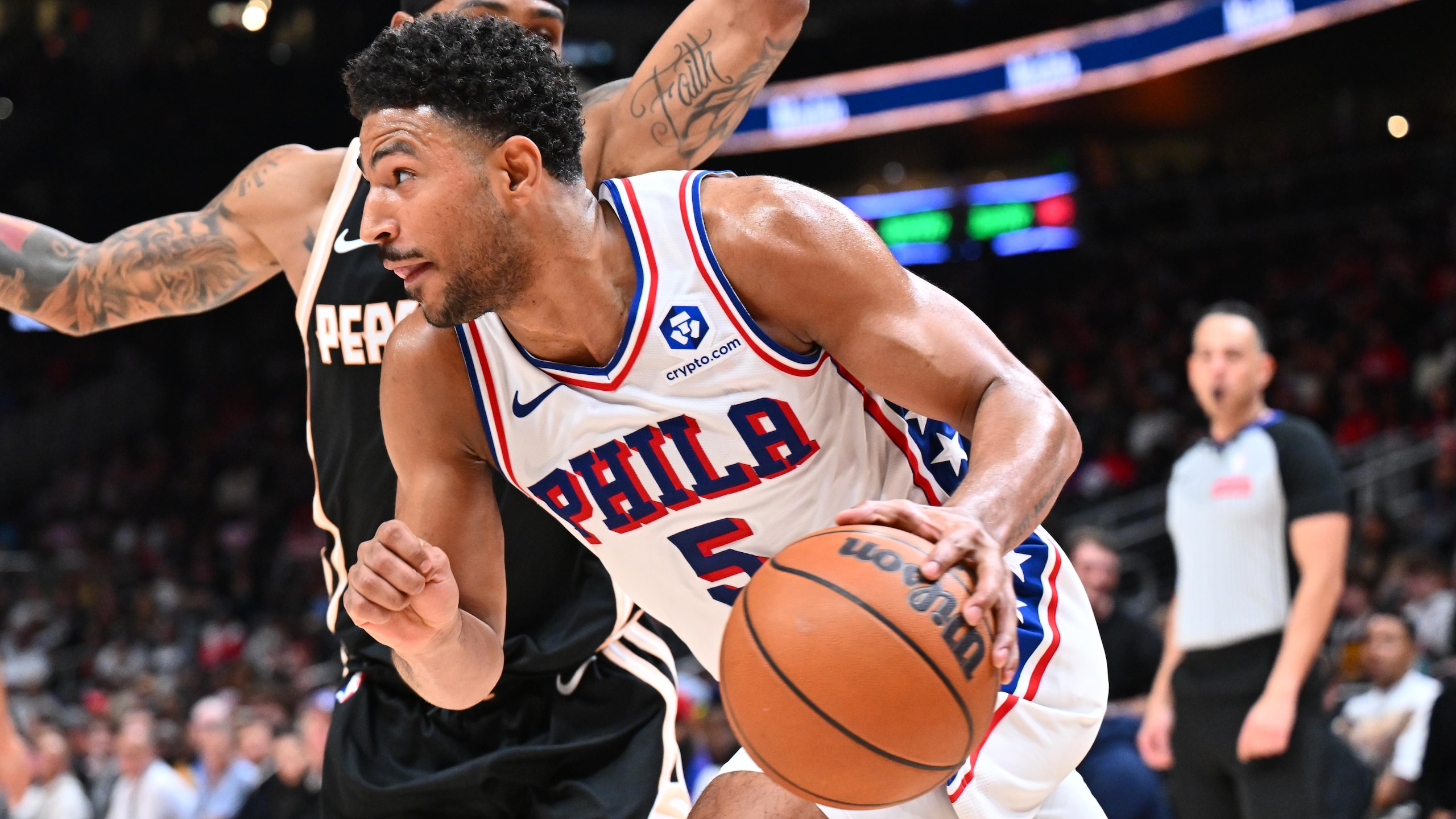
It's pretty clear Quentin Grimes harbored no hard feelings over a difficult offseason that brought him back to the Philadelphia 76ers on a one-year, $8.7 million qualifying offer. That was clearly a below-market rate at the time, and Grimes' performance this year only made it look like a bigger bargain for the Sixers.
At 29.6 minutes per game, Grimes is arguably the most consequential non-starter in the league—at least in terms of how much he plays. He's also undeniably valuable to his team, as Philly's other guards tend to skew small.
Grimes isn't quite reaching the level he set in a half-season with the 76ers a year ago, when he averaged 21.9 points and did a shocking amount of shot creation on his own. But his scaled-back, role-filling work for Philadelphia this season should lead to offers with annual values at least twice as high as what he's getting now.
The Sixers dumped Jared McCain for a draft pick in part because they wanted to duck the tax. We'll see if their thriftiness extends to Grimes this summer.
Phoenix Suns: Collin Gillespie
24 of 30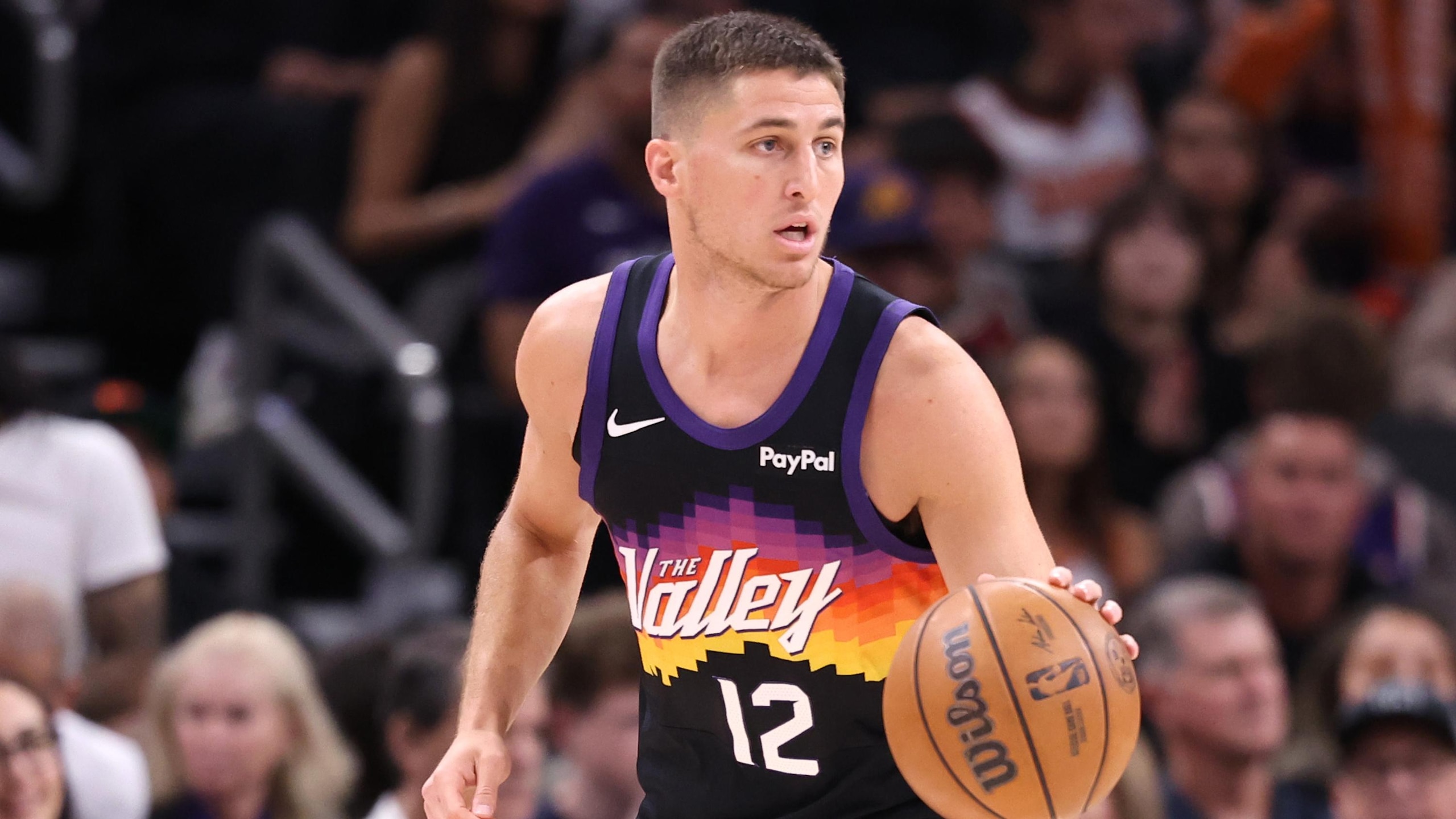
If you're only basing it on production this season, Collin Gillespie is probably the best free agent point guard sure to hit the market in the 2026 class.
Trae Young, Fred VanVleet, and James Harden are bigger names with player options, but the Phoenix Suns' breakout guard is ticketed for unrestricted free agency following a breakout season marked by 13.6 points, 4.8 assists, 4.1 rebounds, 1.3 steals, and a 42.4 percent hit rate on 7.3 long-range attempts per game.
Gillespie's emergence was among the main drivers of Phoenix's surprising success this season. He's established himself as a legitimate starter in the NBA after struggling on two-way deals in the past. The three-point shooting alone (he's at 42.2 percent for his career, validating this season's figure) would be enough to get Gillespie paid, but his defensive intensity and facilitation could be the reasons he nudges up over $20 million per season.
The Suns can't afford to lose one of their best finds in years.
Portland Trail Blazers: Robert Williams III
25 of 30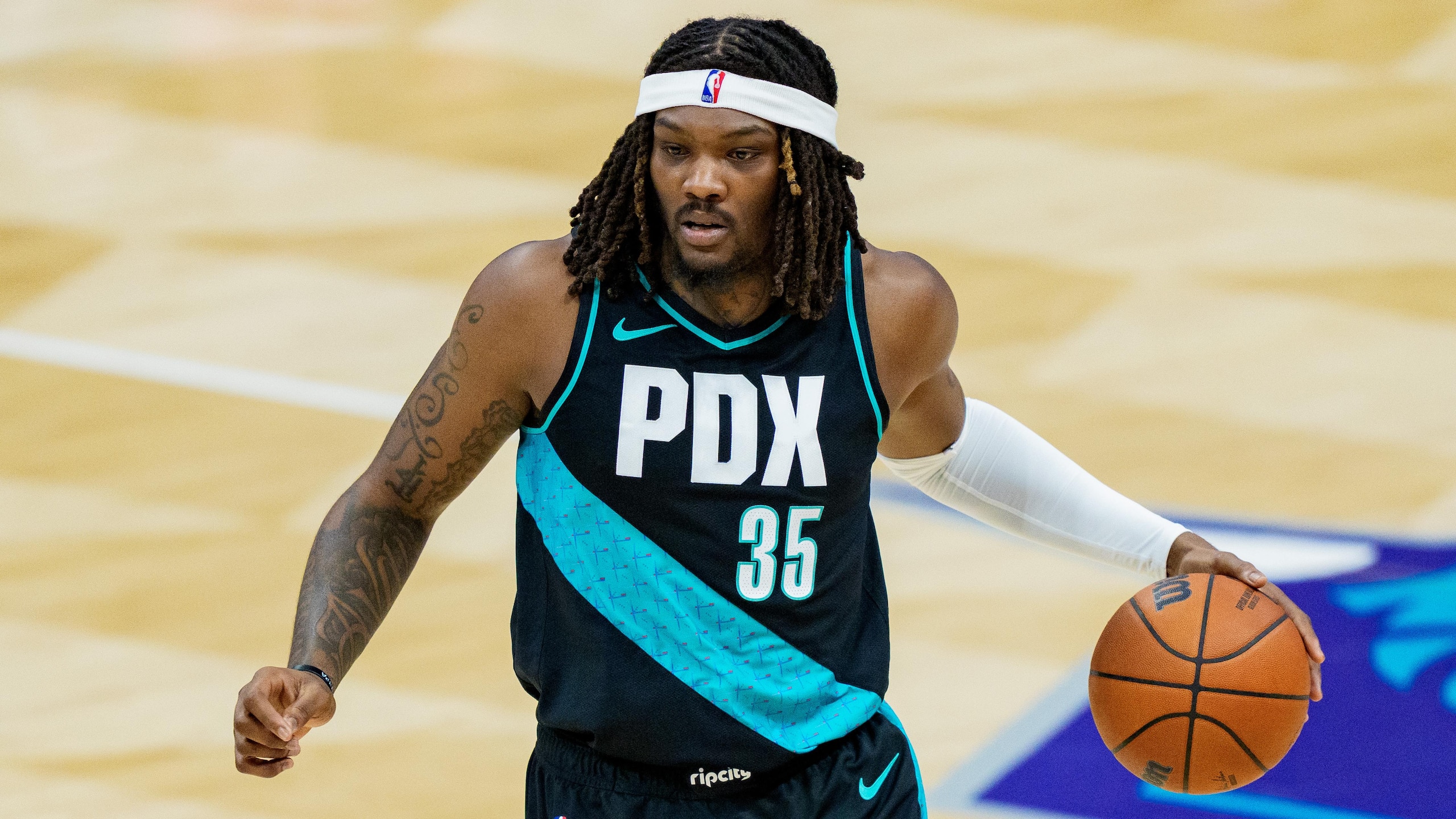
If he's healthy, Robert Williams III is a difference-making center who can finish lobs, defend the basket, and dominate long stretches of action on the offensive glass.
To the greatest extent since at least 2022, Williams has held up this year. As a result, his unrestricted free agency could be lucrative.
Though nobody is going to pencil in Williams as a starter, or even count on him for more than 20 minutes per game, there's a whole subset of contending outfits that could easily imagine him coming off the bench for them in a playoff setting. Durability issues mean no team will ever get these numbers on a per-game basis, but Williams is averaging 14.8 points, 14.3 rebounds, and 3.2 blocks per 36 minutes this year.
Those are rates any good team should want in its rotation, even if they come with health risks and a low minutes cap.
Portland is invested in Donovan Clingan and should be interested in seeing what Yang Hansen can do as a sophomore next year. It may not have room to outbid the market for Williams' services.
Sacramento Kings: Zach LaVine
26 of 30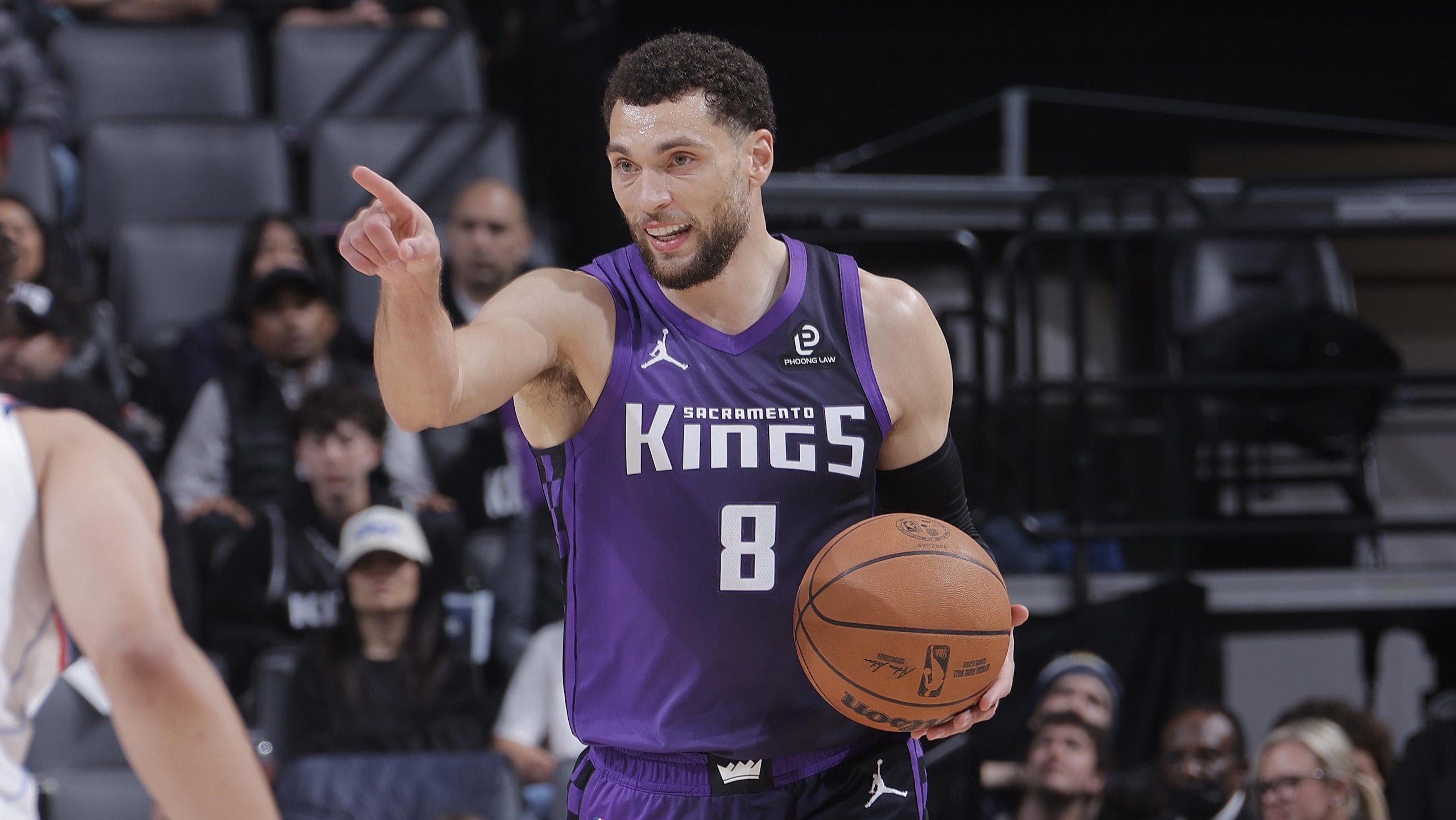
If Zach LaVine turns down $49 million in guaranteed money to take his chances on what will probably be an unfriendly free-agent market, it'll be a true testament to just how bad things have gotten for the Sacramento Kings.
More than that, it'll force Sacramento to reckon with the wisdom of paying LaVine on a new deal, knowing he probably doesn't want to be there.
The alternative, allowing a former All-Star to walk away for nothing, would make for some ugly optics. Then again, it'd be pretty hard for the Kings to look any worse than they already do.
LaVine isn't worth $49 million, and it might be for the best if Sacramento accepts a clean break. But correct roster-building decisions have been few and far between in Sacramento for a long time. There's no telling what the Kings might do to keep him around.
San Antonio Spurs: Harrison Barnes
27 of 30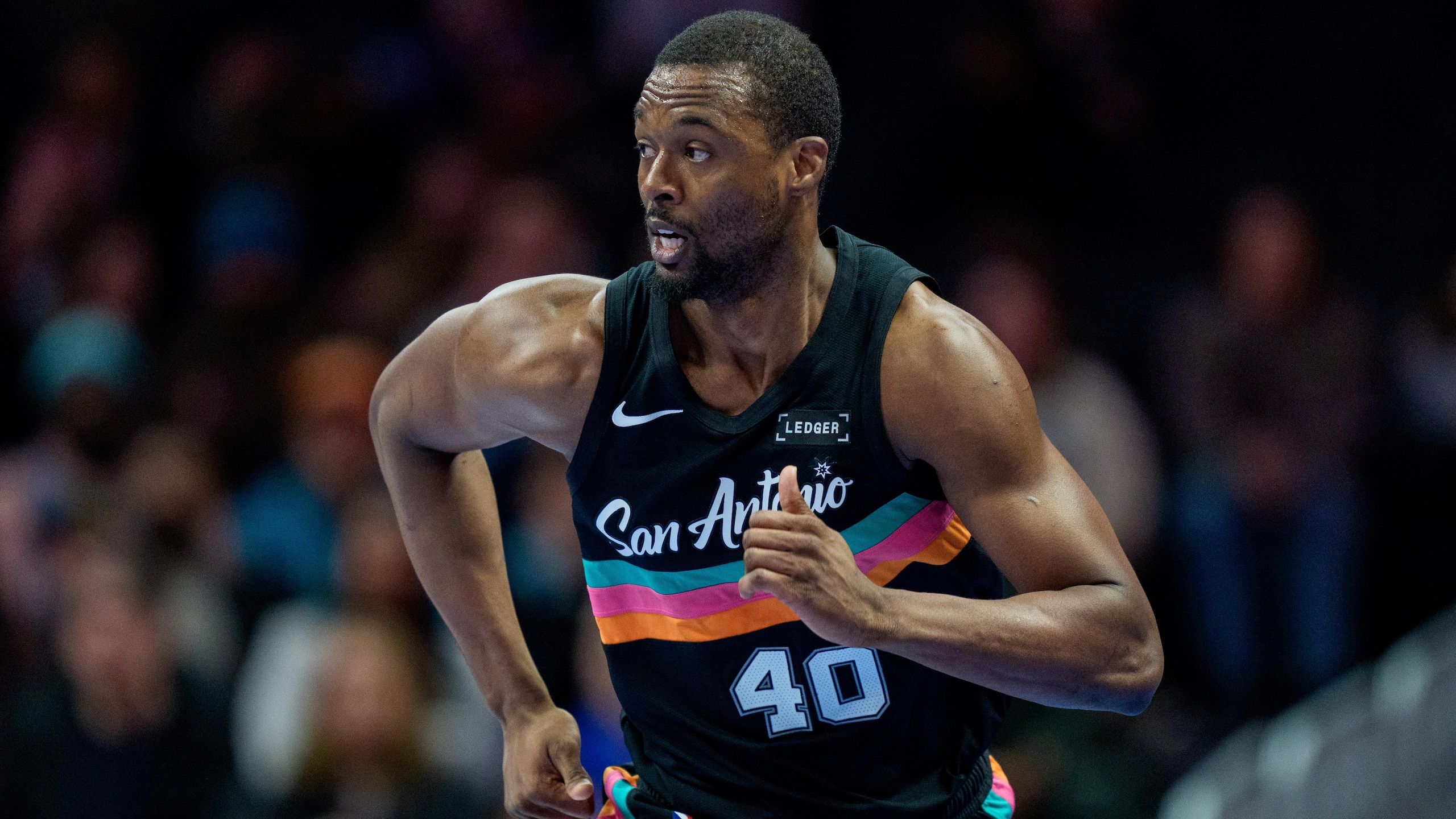
The San Antonio Spurs may already have advanced past the stage where they need a sage veteran to keep the locker room in order. Between the unselfish play and relentless competitiveness of a young core led by Victor Wembanyama, Stephon Castle, and Dylan Harper, it doesn't really seem like there's much potential for bad behavior.
That said, Harrison Barnes should still have value to the Spurs as an adult-in-the-room presence. He's won a title, changed roles as he's moved around the league, and still brings just enough offensive oomph to feature in the rotation as San Antonio matures.
That Barnes lost his starting job a few weeks ago augurs well for San Antonio's chances of keeping him. A salary anywhere close to his current $19 million figure will probably be too rich for the Spurs. However, they should still be willing to slightly overpay for a player with so much experience and character.
Toronto Raptors: Sandro Mamukelashvili
28 of 30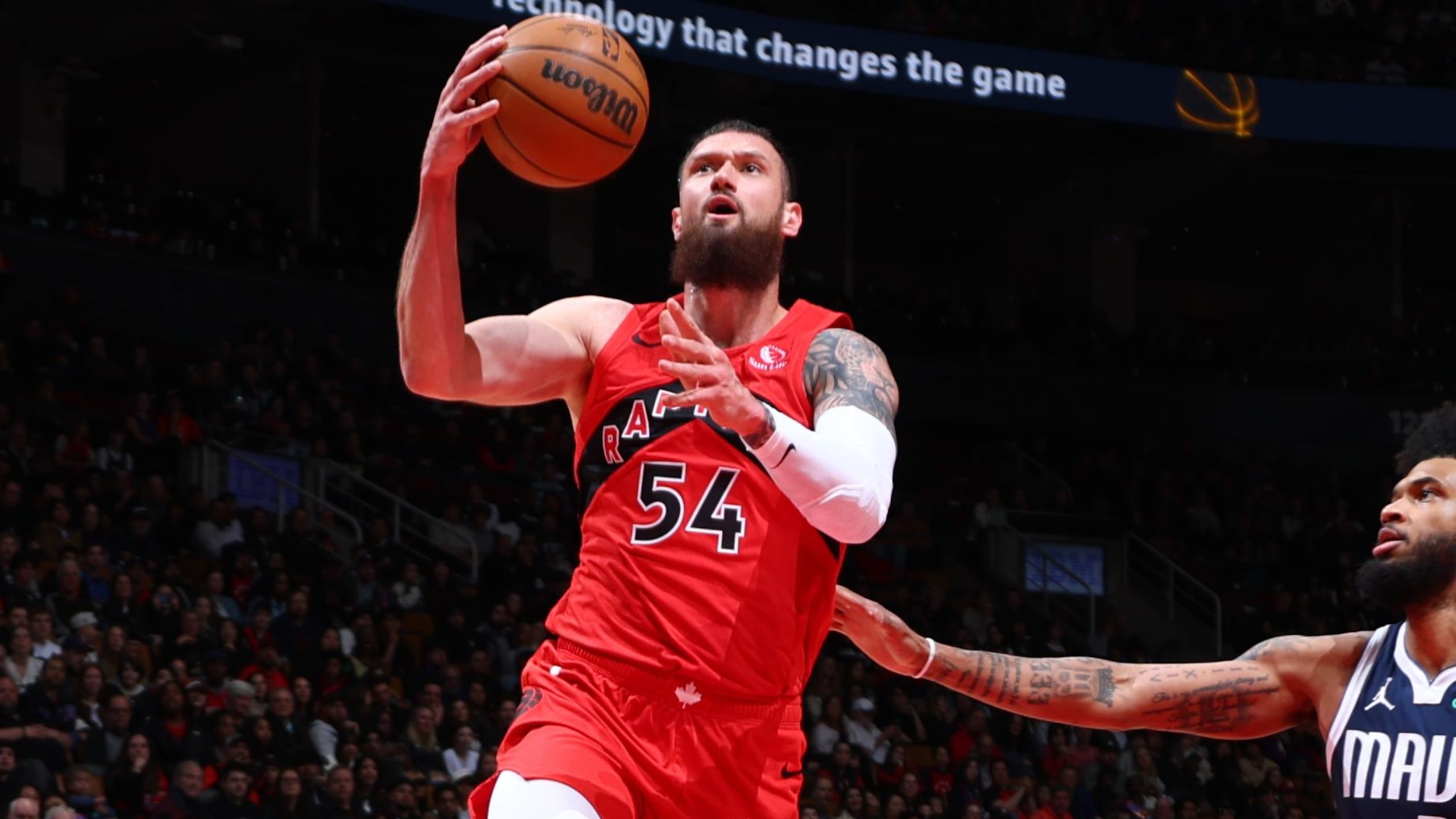
There probably aren't many Toronto Raptors observers who believe the best long-term, big-minute version of the team features Sandro Mamukelashvili at center. It's nonetheless true that Toronto's two best high-usage lineups feature Mamu—not Jakob Poeltl or Collin Murray-Boyles—in the middle.
Mamukelashvili can enter unrestricted free agency by declining his $2.8 million player option. If he goes that route, he can probably expect offers with starting salaries closer to $5 million. Toronto extended Poeltl over the summer and has CMB under team control for three more years after this one, so it'd be reasonable for it to treat Mamukelashvili as expendable.
The numbers don't suggest that's actually true. It won't be easy to find a double-digit scorer at center who can hit threes and attack the basket on pump fakes if Mamu decides to explore free agency.
Utah Jazz: Walker Kessler
29 of 30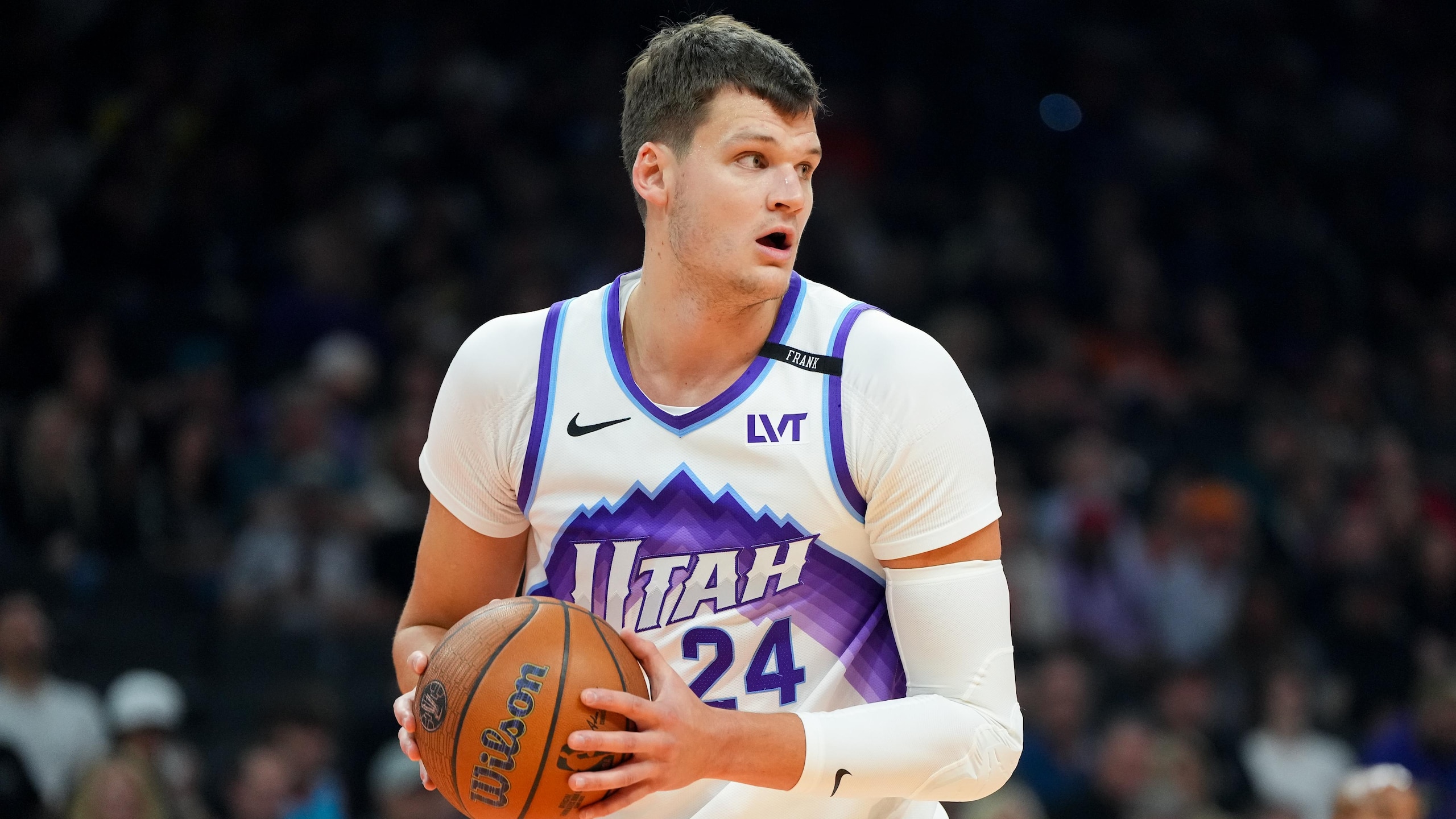
It's certainly not a question of whether the Utah Jazz want restricted free agent Walker Kessler to return, but there's plenty of uncertainty about what it'll take to bring him back.
Kessler appeared to be a defensive anchor before losing this season to injury. It's easy to imagine several rival teams viewing him as a surefire starter who'd bring real stopping power in the middle. In addition to rim defense, Kessler also led the league in offensive rebounds per game in 2024-25, which was his last healthy season.
Utah could theoretically let someone else fork over the big bucks for Kessler, turning instead to deadline acquisition Jaren Jackson Jr. at center. But JJJ has always been most effective when paired with a true 5, and the Jazz likely traded for him because they liked the idea of him between Kessler and Lauri Markkanen in a supersized frontcourt.
Watch out for the Nets, Bulls, and anyone else able to clear $30 million in space. Kessler could command a hefty offer sheet that the Jazz may need to get comfortable with matching, even if it seems a little rich.
Washington Wizards: Trae Young
30 of 30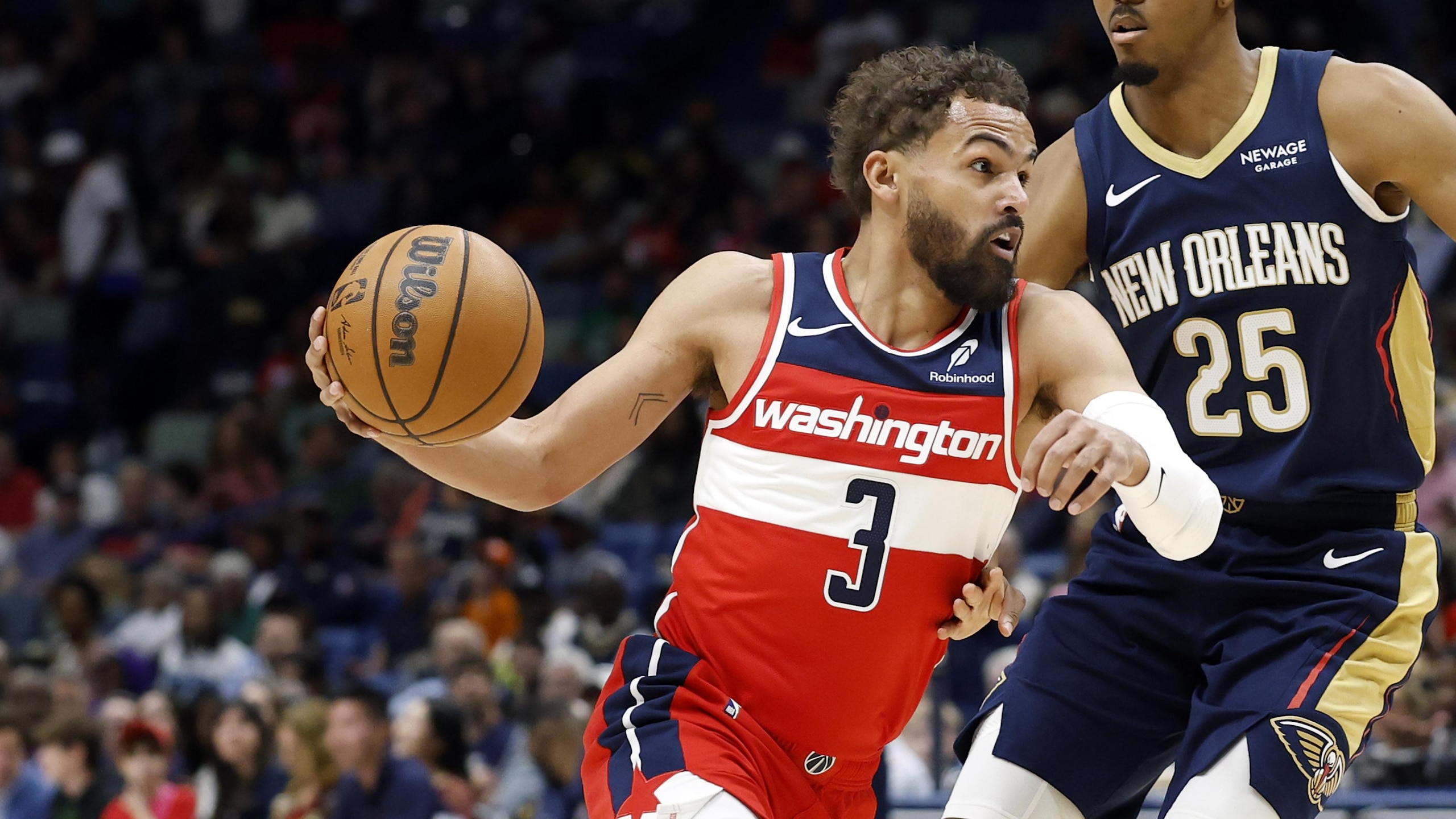
NBA reporter Marc Stein reported on his Stein Line Substack that Trae Young and the Washington Wizards are expected to reach a three-year extension this summer, but it's unclear what the dollars on that deal will be.
The Wizards didn't give up anything of consequence to acquire Young from the Hawks, but they're otherwise short on leverage. Young has a $49 million player option he can decline in favor of free agency, creating the possibility of a walk-away that leaves the Wizards with zilch. That Young was gettable so cheaply speaks to his low stature on the market, but Washington shouldn't be cool with losing him for nothing.
The Wizards need to lobby for annual salaries that don't exceed Young's $49 million option, and they should avoid going beyond three years. A team option on the third year is probably unrealistic, but Washington should consider floating that in the early stages of negotiations.
Stats courtesy of NBA.com, Basketball Reference and Cleaning the Glass. Salary info via Spotrac.
Grant Hughes covers the NBA for Bleacher Report. Follow him on Bluesky and subscribe to the Hardwood Knocks podcast, where he appears with Bleacher Report's Dan Favale.

.jpg?w=2560 "Cam Ward Says He's Not A Loser")
.jpg?w=2560 "Viral Dan Campbell Presser 💙")
.jpg?w=2560 "Chargers Fall to 0-5 🤢")