
The biggest danger of the men's NCAA tournament—and part of the reason we love March Madness so much—is the reality of a one-game sample.
Anything truly can happen.
Remember, it wasn't long ago most of us considered the 16-over-1 upset just about impossible. In this last decade, however, we've watched Virginia and Purdue fall victim to the ultimate upset—and seen three No. 15 seeds make the Sweet 16.
Those are extreme examples, sure, but the middle of the bracket has produced even more chaos. Six of the last eight NCAA tourneys have featured a No. 7 seed or worse putting together a run to the Elite Eight or Final Four.
All teams highlighted in the following sections are no higher than No. 7 on the latest Bracket Matrix update, as of this writing.
Auburn Tigers
1 of 6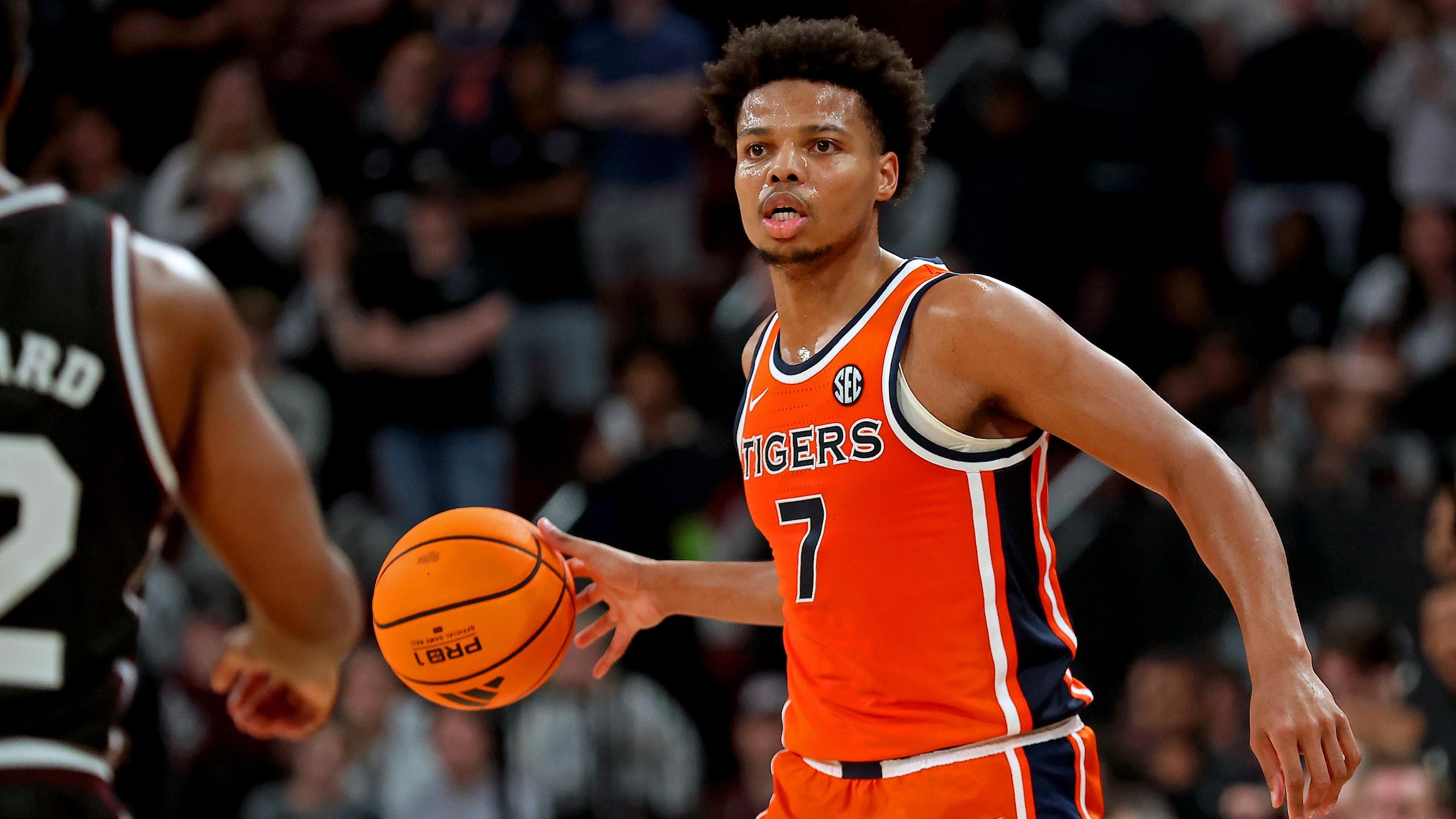
Current Projection: 10
At the very worst, Auburn will be a well-tested tournament team.
Because the Tigers recently dropped five straight games, they aren't a March Madness lock. If there are any negative results in upcoming clashes with Oklahoma, Ole Miss or LSU, Auburn will be dangerously close to the bubble.
We're keeping a fair bit of confidence in the Tigers, however. This is a talented team dealing with a string of frustrating losses. Six of Auburn's eight setbacks in SEC action are by eight points or fewer. They met Houston, Michigan, St. John's, Arizona and Purdue in nonconference play, too.
The results are the results. You don't get credit for being close.
But with a 20-point scorer in Keyshawn Hall, dynamic guard in Tahaad Pettiford and four other regular contributors, Auburn is fully capable of winning twice in March.
Iowa Hawkeyes
2 of 6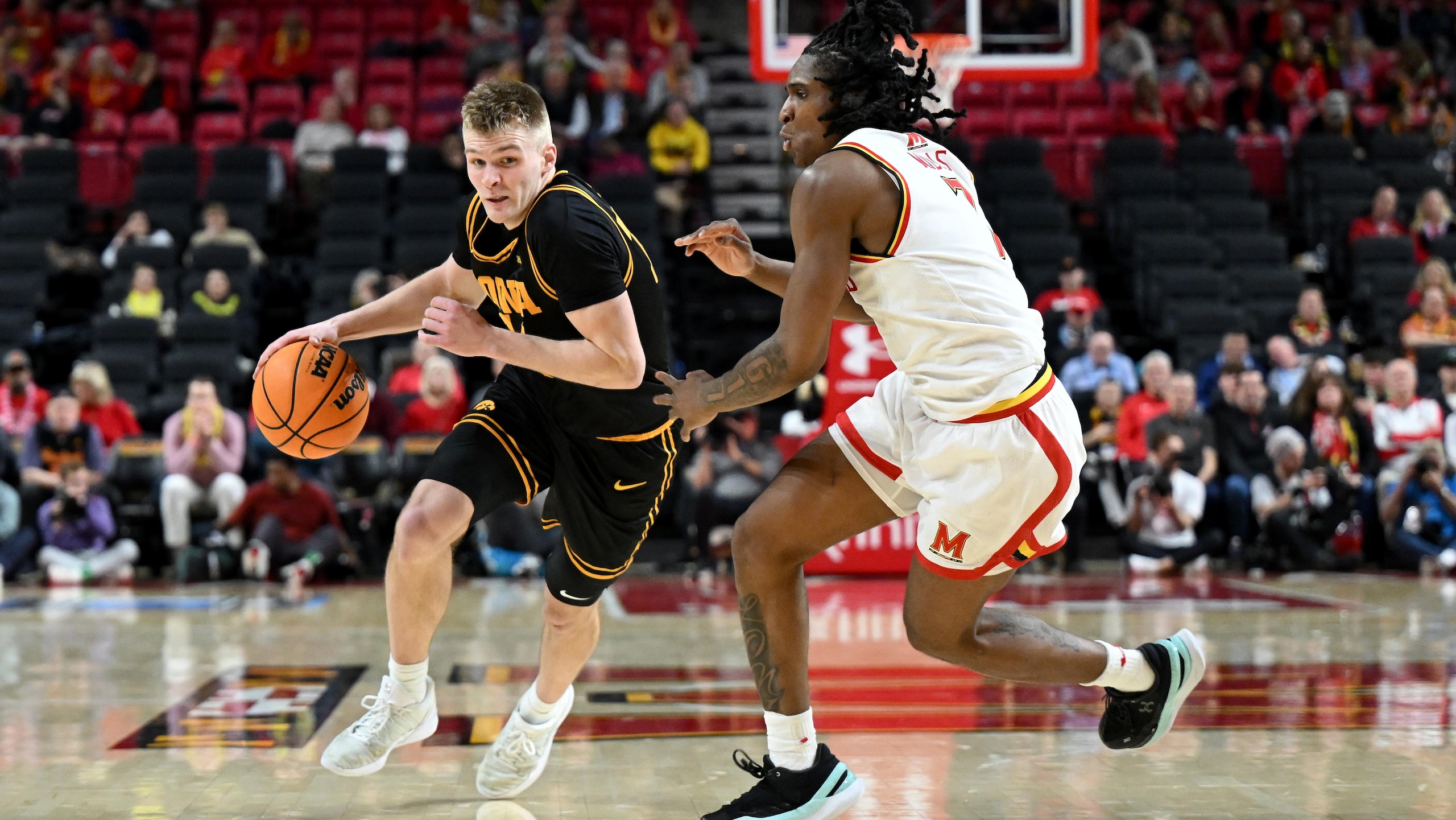
Current Projection: 8
In the history of March Madness, we've occasionally seen a single player take over the tournament. Walter Clayton Jr. did that for Florida last season, and before him it was stars such as Steph Curry and Kemba Walker.
It could be Bennett Stirtz in 2026.
Formerly at Northwest Missouri State and Drake, he's again the star of a Ben McCollum-coached team. Stirtz has propelled Iowa to near-lock status with 20.6 points and 4.5 assists per game.
Since the Hawkeyes use such a slow-paced style—ranked in the 350s out of 365 teams nationally, per KenPom—they can largely rely on Stirtz to win. As long as two of Tavion Banks, Alvaro Folgueiras and Cooper Koch are also producing, Iowa is good enough to surprise in the right matchup.
It's safe to say potential No. 1 or 2 seeds won't be thrilled at the idea of seeing Iowa in the second round of the Big Dance.
North Carolina State Wolfpack
3 of 6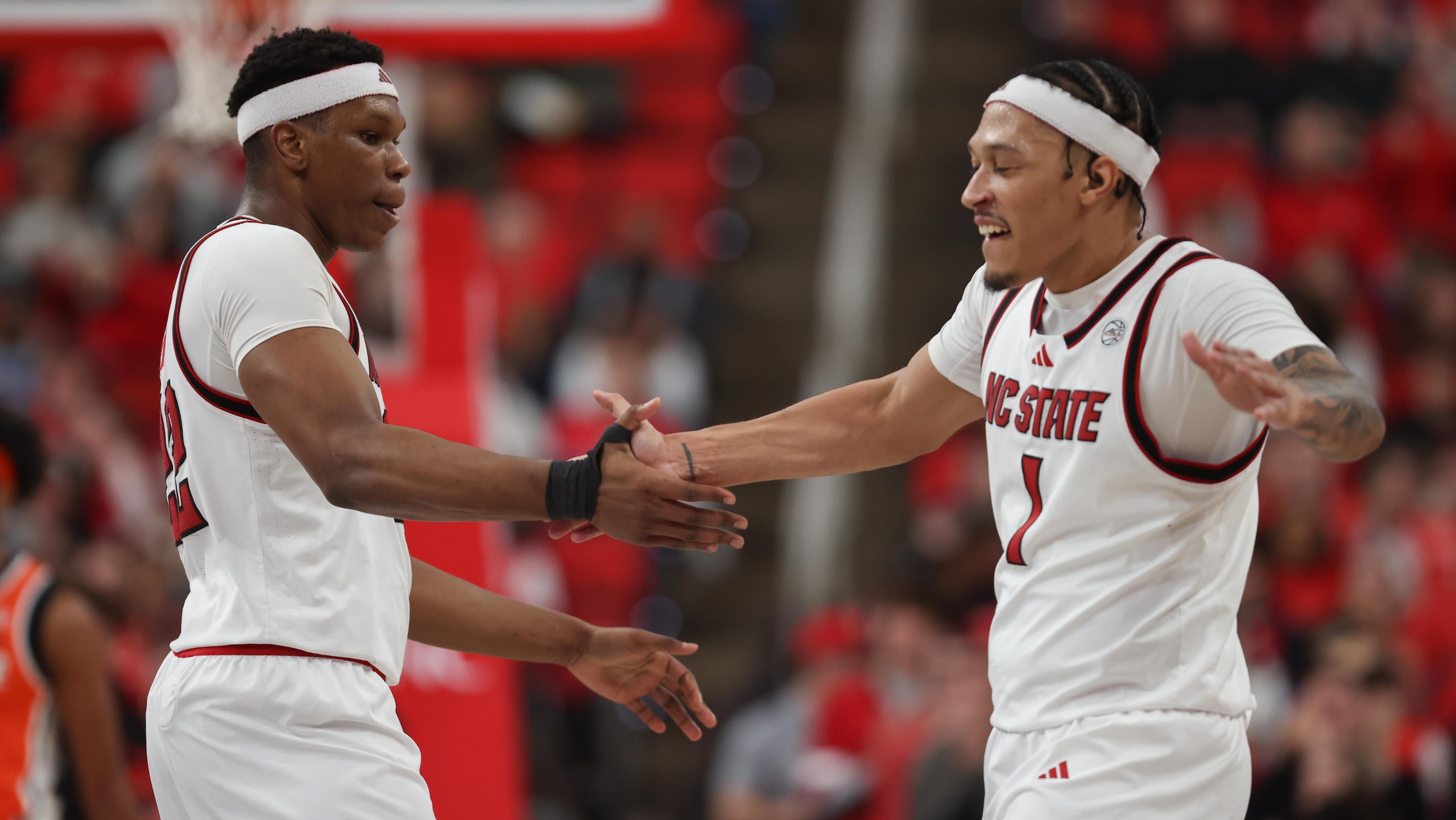
Current Projection: 8
Although the next program in line doesn't apply, there is a very obvious trend in regard to most of the remaining teams here.
If you can score, you have our attention. Few teams can statistically require it more than North Carolina State, which is seventh nationally with a 39.6 percent three-point clip and averages a tick below 85 points.
Got scoring, will travel.
Darrion Williams, Quadir Copeland and Ven-Allen Lubin each produce at least 13.6 points per game for the Pack, and Paul McNeil Jr. leads the ACC with a 43.7 long-range mark. Williams and Copeland also shoot better than 40 percent from deep, and Tre Holloman and freshman Matt Able are close behind.
NC State isn't the tallest group, and defense is overall a concern. It turns out, though, that shot-making can atone for those things.
Saint Louis Billikens
4 of 6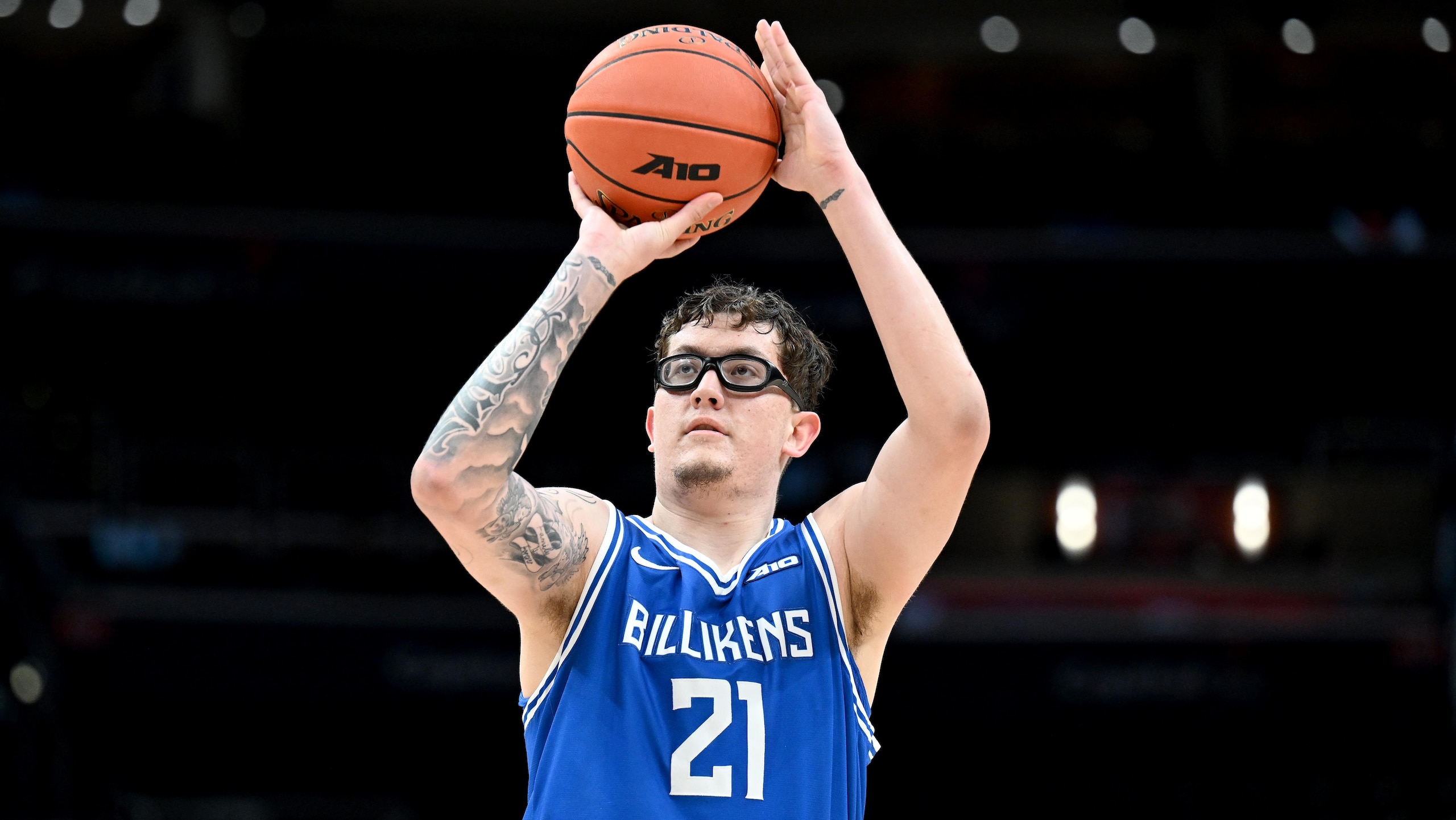
Current Projection: 7
Can they topple elite competition?
While that's not the last remaining question for Saint Louis, it's the most notable one. To this point, the Billikens have rolled to a 25-2 record. Sure, a recent loss to Rhode Island was a bummer, but I'll grant them a bad game.
Saint Louis' collective performance is just so impressive. Behind a ridiculous seven players with nine-plus points per game, the team is second nationally in three-point percentage and fourth in overall field-goal percentage. Respectively, the Billikens are second and first in those categories on defense.
Again, that initial question is perhaps the most divisive one. Saint Louis' top matchups so far have come against Santa Clara, VCU twice, Stanford and Grand Canyon.
But we're certainly going to find out soon.
SMU Mustangs
5 of 6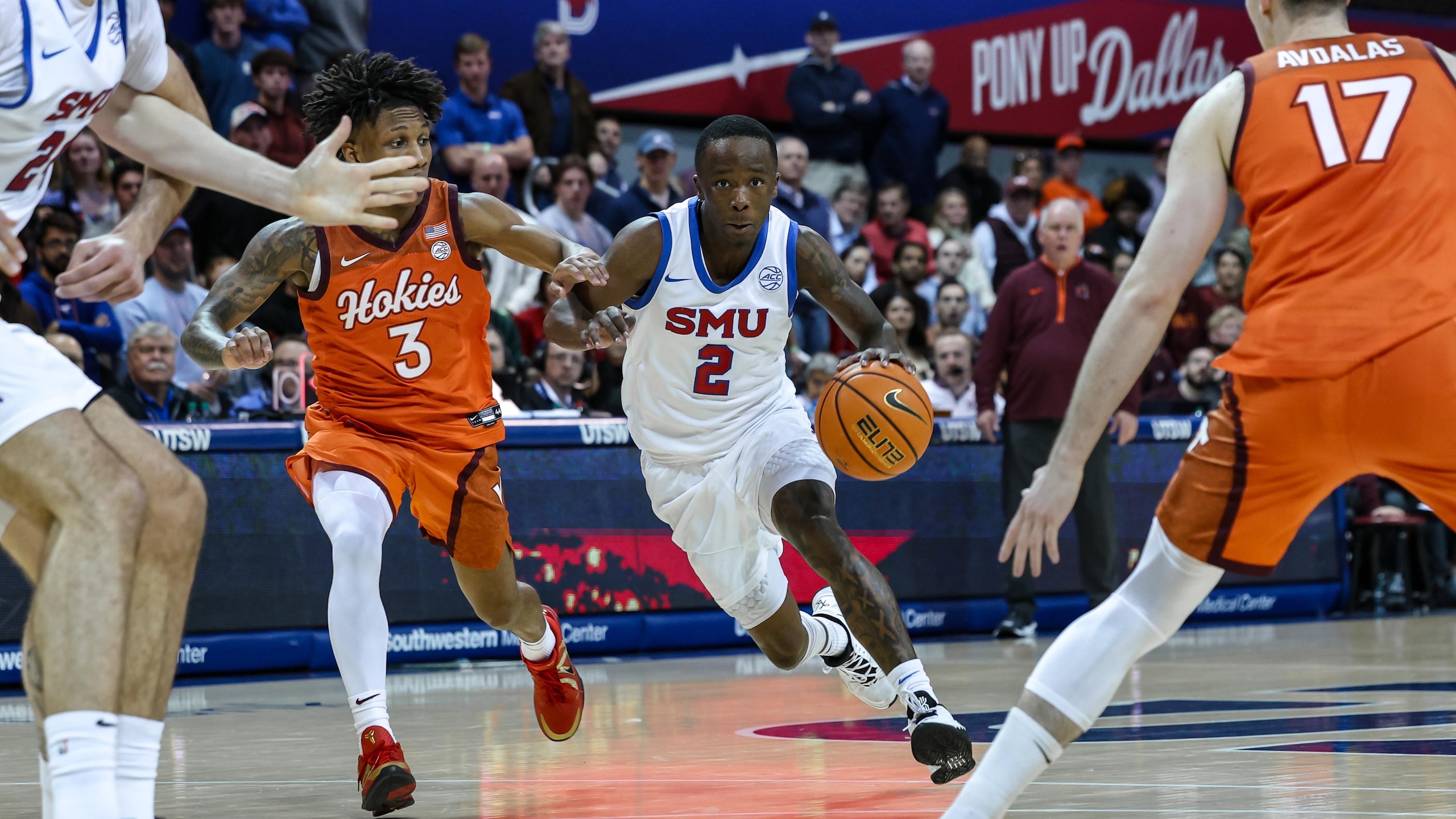
Current Projection: 9
Balance is good and important for sustaining excellence, but a hot-shooting team is always a danger in small sample sizes.
You know, like the NCAA tournament.
Coached by Andy Enfield—who you might recall oversaw the "Dunk City" run from Florida Gulf Coast in 2013—the Mustangs are a terrific offensive team. They average nearly 87 points per game, feature a handful of 10-point scorers and shoot a high percentage from beyond the arc.
Boopie Miller is the catalyst for SMU, rarely leaving the court and averaging team-leading marks of 18.7 points and 6.9 assists. Jaron Pierre Jr. has outstanding upside with his 17.6 points per game, as well.
Provided the Mustangs play a passable game on defense, their offensive ceiling is a serious danger for any opponent.
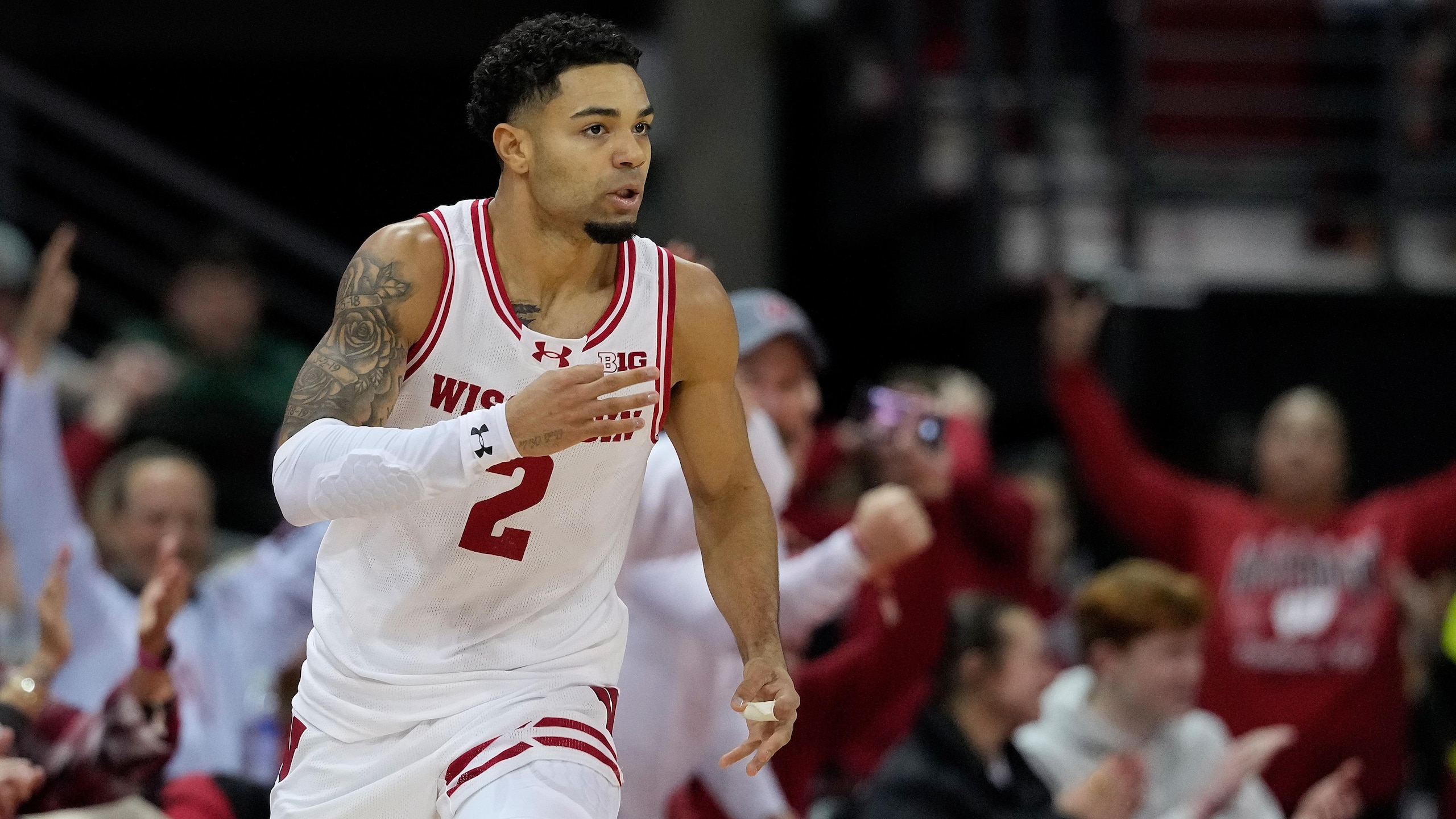
Wisconsin Badgers
6 of 6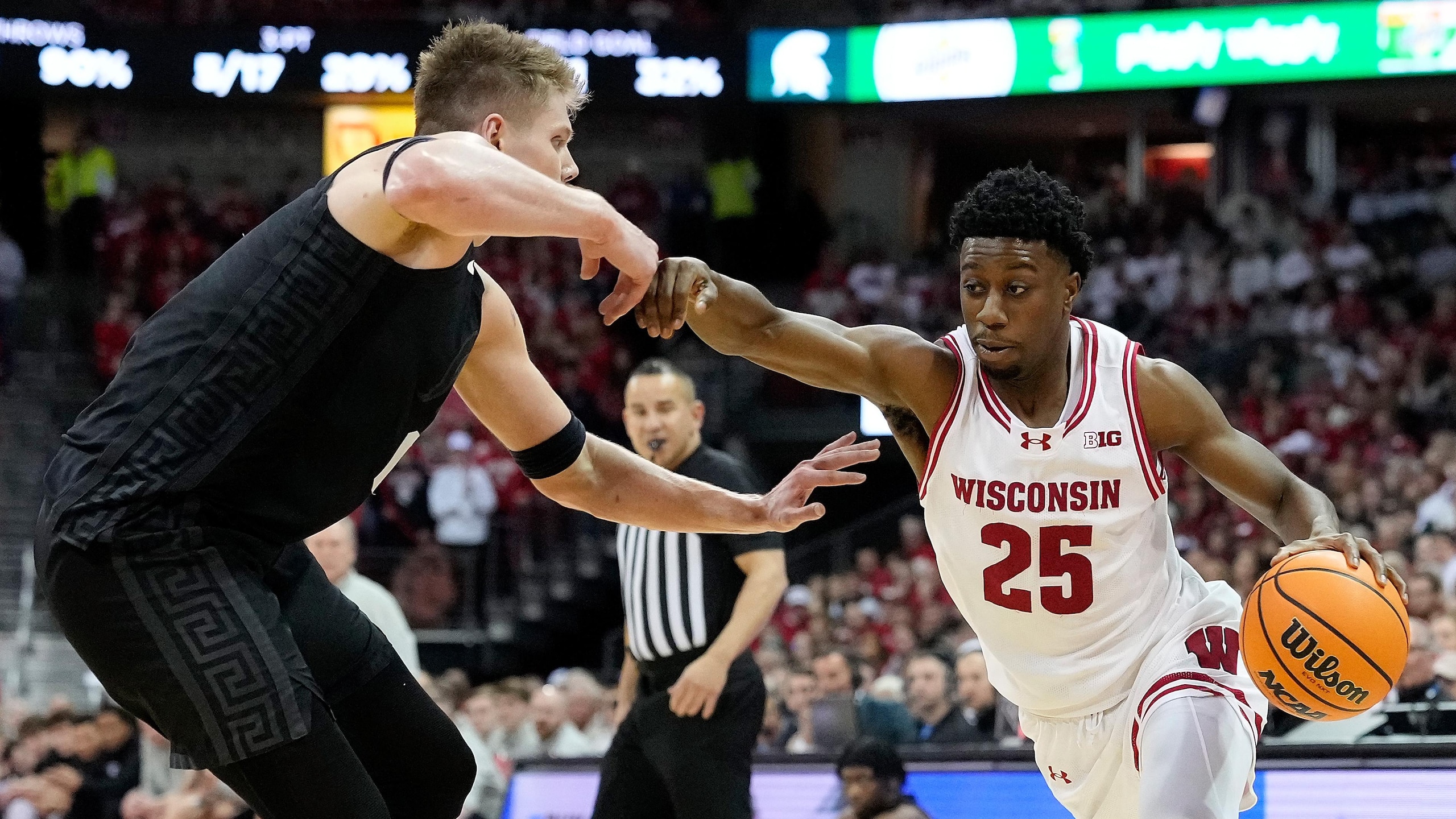
Current Projection: 7
Copy and paste SMU's section for Wisconsin, really.
Veteran guard Nick Boyd has become a high-level playmaker at 20.6 points and 3.8 assists per game. John Blackwell has bumped his scoring from 15.8 last season to 18.5 per night, and Nolan Winter has climbed to 13.7 himself.
Behind the leading trio, Austin Rapp and Braeden Carrington are high-volume perimeter shooters who may catch fire and score 18 or 20 in a game.
As a result, the Badgers are scoring more than 83 points per game. They've picked up some of the most impressive wins among any program this season, upending both Michigan and Illinois on the road and Michigan State at home.
Wisconsin is not immune to stinkers, and a projected No. 7 seed is evidence of that. Nevertheless, the best version of the Badgers is scary.
.jpg?w=2560 "Packers Browns Football")
.jpg?w=2560 "NFLPA Makes Hurts Statement")