
Biggest Takeaways from Saturday's Men's College Basketball Top Matchups
It's not quite March yet, but this February Saturday in men's college basketball sure felt a bit like April, didn't it?
There were two phenomenal, Final Four-level showdowns between teams ranked in the top four of the AP poll. We also had No. 5 and No. 6 going on the road against surefire NCAA tournament teams, another Kansas loss / Darryn Peterson saga and a top 16 seed list from the selection committee to really get everyone excited about Selection Sunday just three weeks away.
What did we actually learn from the day, though?
Yeah, Duke beat Michigan, Arizona won at Houston and both games were entertaining defensive grinds, but what does it all mean moving forward?
We'll hop around the biggest games and stories of the day while trying to make some sense of it all.
What We Learned from No. 3 Duke's win Over No. 1 Michigan
1 of 6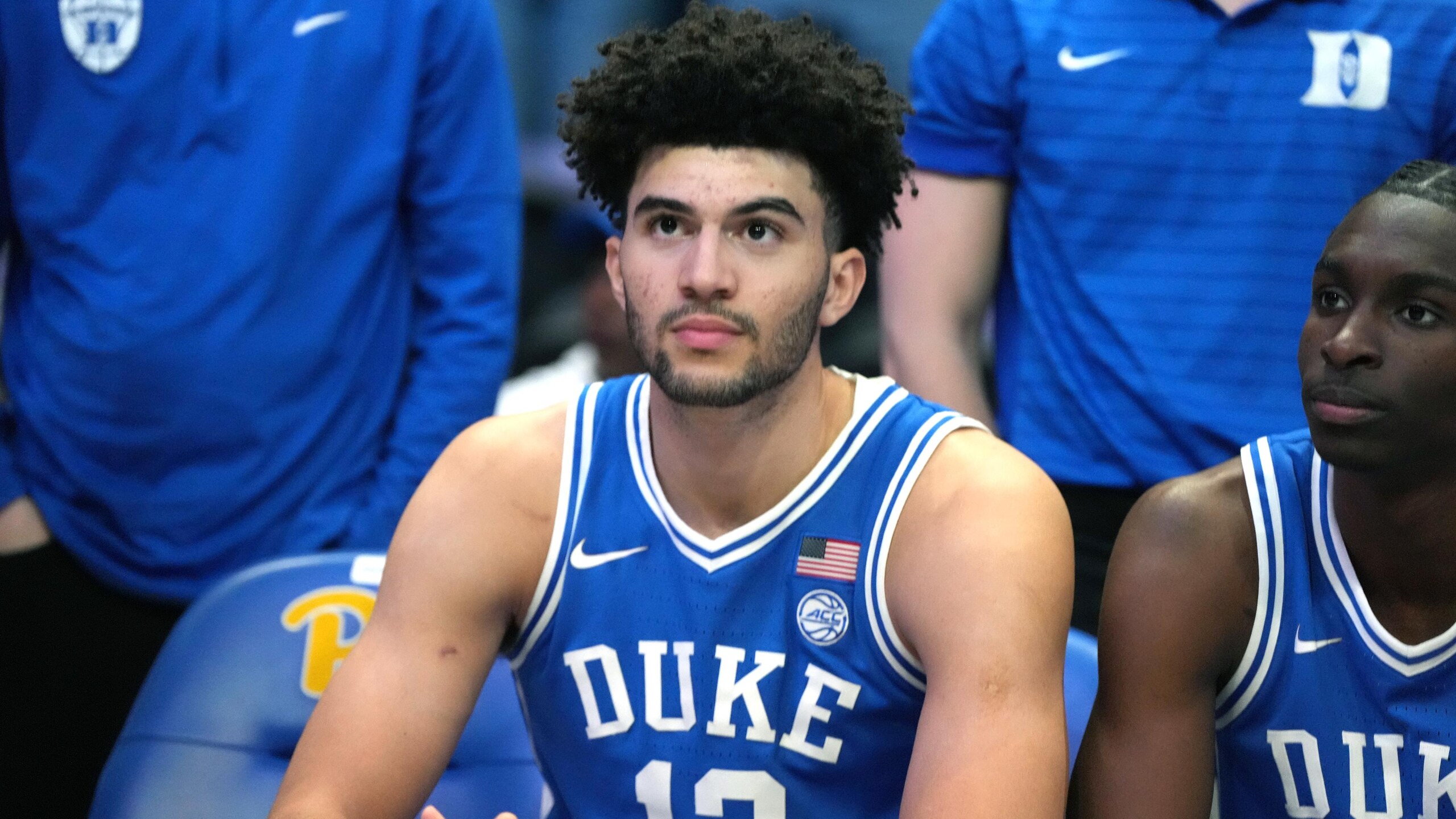
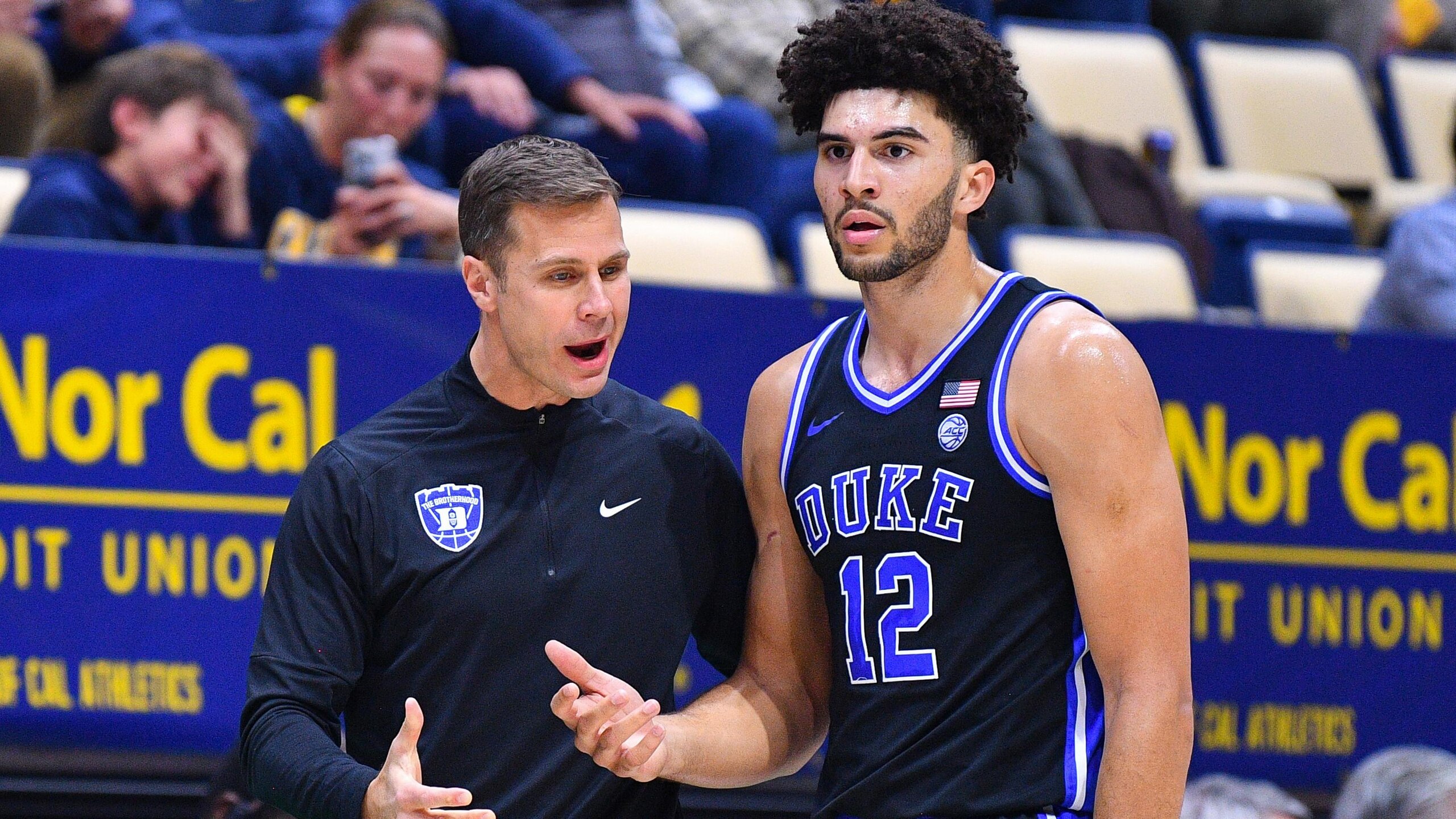
To be sure, we already knew that both of these teams were legitimate national championship contenders, but we did get confirmation in Washington, D.C. that a head-to-head battle between the Blue Devils and the Wolverines in April would be incredible theatre.
What we learned in Duke's 68-63 victory, though, is that Michigan actually can be slowed down.
The Wolverines got a couple of transition buckets early on in a game that through the first eight minutes looked to be on track to become a 110-108 type of extravaganza. But Duke completely shut off the fast-break faucet from there and locked in on defense to hold Michigan to 42 points over the final 32:45 of regulation.
Did you know that was even possible? Because I sure didn't.
Yes, Michigan has had an off night here or there, scoring in the mid-70s a couple of times. But outside of that bizarre 22-turnover, 67-63 game at TCU all the way back in mid-November, they've never even remotely struggled to score like they did over the latter 80 percent of that game against Duke.
Some of it was just rough luck from the perimeter. Michigan shot 6-for-25 from distance, and more than a couple of those misses were wide-open looks.
But the Blue Devils also forced them to settle for those perimeter shots, out-scoring Michigan 34-24 on points in the paint—an area where the Wolverines had gotten at least 42 points in four of their previous five games.
"I would say [Duke] defensively is a lot better than everybody else in the Big Ten so far," said Michigan's Yaxel Lendeborg after the game. "They have a lot of athletes, lot of really good defenders. They know how to be in the gaps and play off of each other, which is really tough to beat."
We also learned that it simply might not be possible to stop Cameron Boozer.
If any team in the nation was going to be equipped to do so, it was this three-headed Michigan frontcourt. And yet, the inevitable National Player of the Year did his usual, dominant thing, putting up 18 points, 10 rebounds, seven assists and two blocks, including draining a gigantic three-pointer late in the second half.
"On my mind is making winning plays, helping our team win," said Boozer. "I feel like I did that tonight. If I do that, my talent, my game is going to show just from making winning plays. That's what makes me great."
But we'll take a rematch in April in Indianapolis, please and thanks.
What We Learned from No. 4 Arizona's Win at No. 2 Houston
2 of 6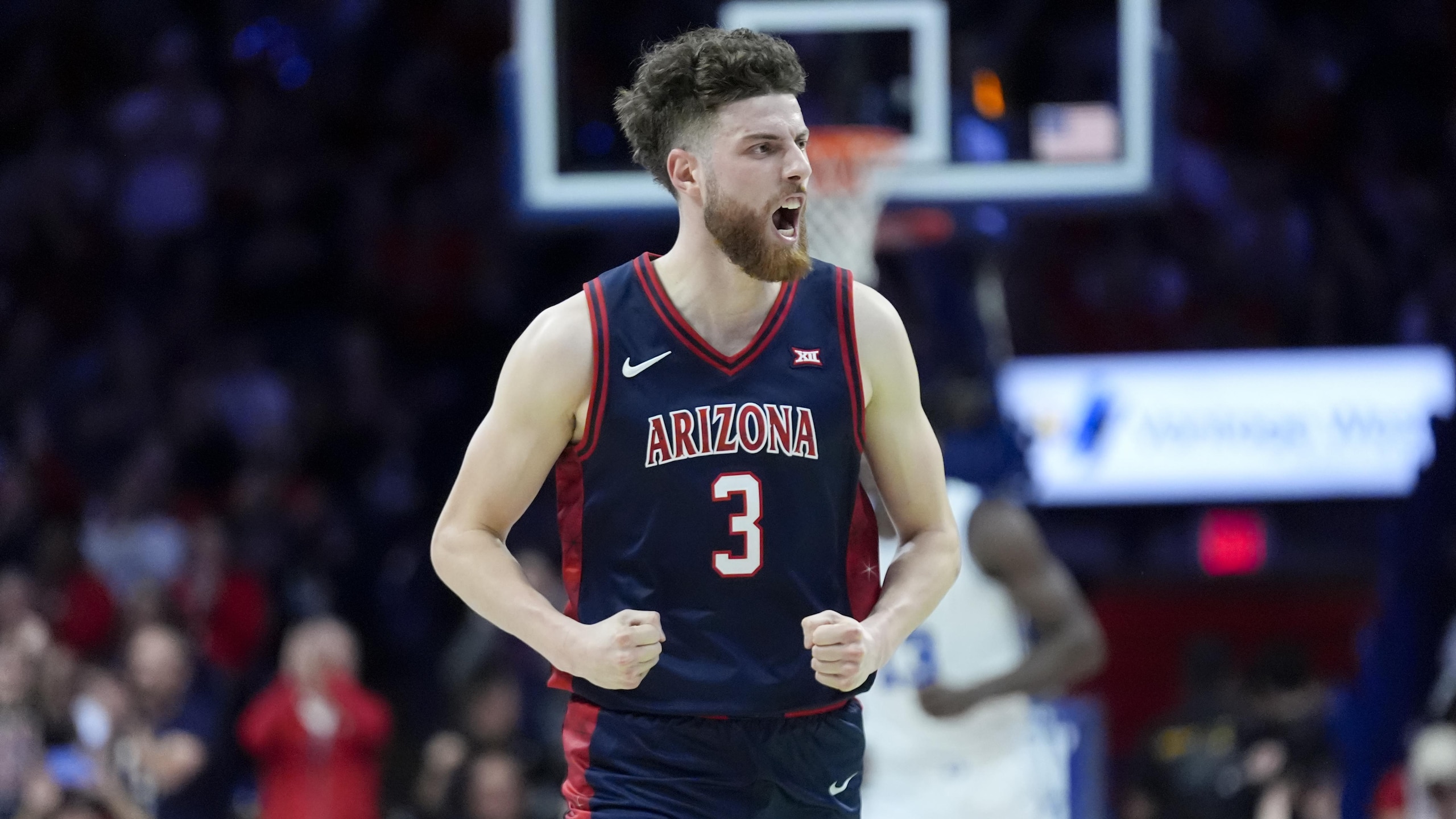
More than anything, what we learned from Arizona's 73-66 road win over Houston was that the Wildcats can pick up one of the most impressive victories in the entire country this season without getting much of anything out of the two freshmen we've all been enamored with all season long.
Koa Peat didn't even play, out indefinitely with a lower-leg injury. And while Brayden Burries did play, it wasn't his day, held scoreless through the first 30 minutes before finishing with seven points, four rebounds and two assists.
No matter.
Anthony Dell'Orso was huge off the bench, scoring 22 points for the second consecutive game. That other freshman in the starting lineup, Ivan Kharchenkov, was one of the stars with 16 points and nine rebounds. Jaden Bradley had some clutch points down the stretch, as he usually does in Arizona's close games. And the defense was relentless, as Houston was held without a made field goal for a stretch of 10 minutes in the second half.
And that's the unfortunate thing we learned in this game: That Houston can still occasionally go cold as ice.
More often than not, the Cougars have been able to bank on either Kingston Flemings or Emanuel Sharp delivering in a big way. But those two shot a combined 8-for-28 from the field and this offense was stuck up a creek without a paddle once they both started missing everything.
Houston did still get to 66 points. That's usually going to be enough to win with how stingy this defense is. But that's now two straight losses in which they completely lost the ability to manufacture points down the stretch.
What We Learned from No. 5 UConn's Win at Villanova
3 of 6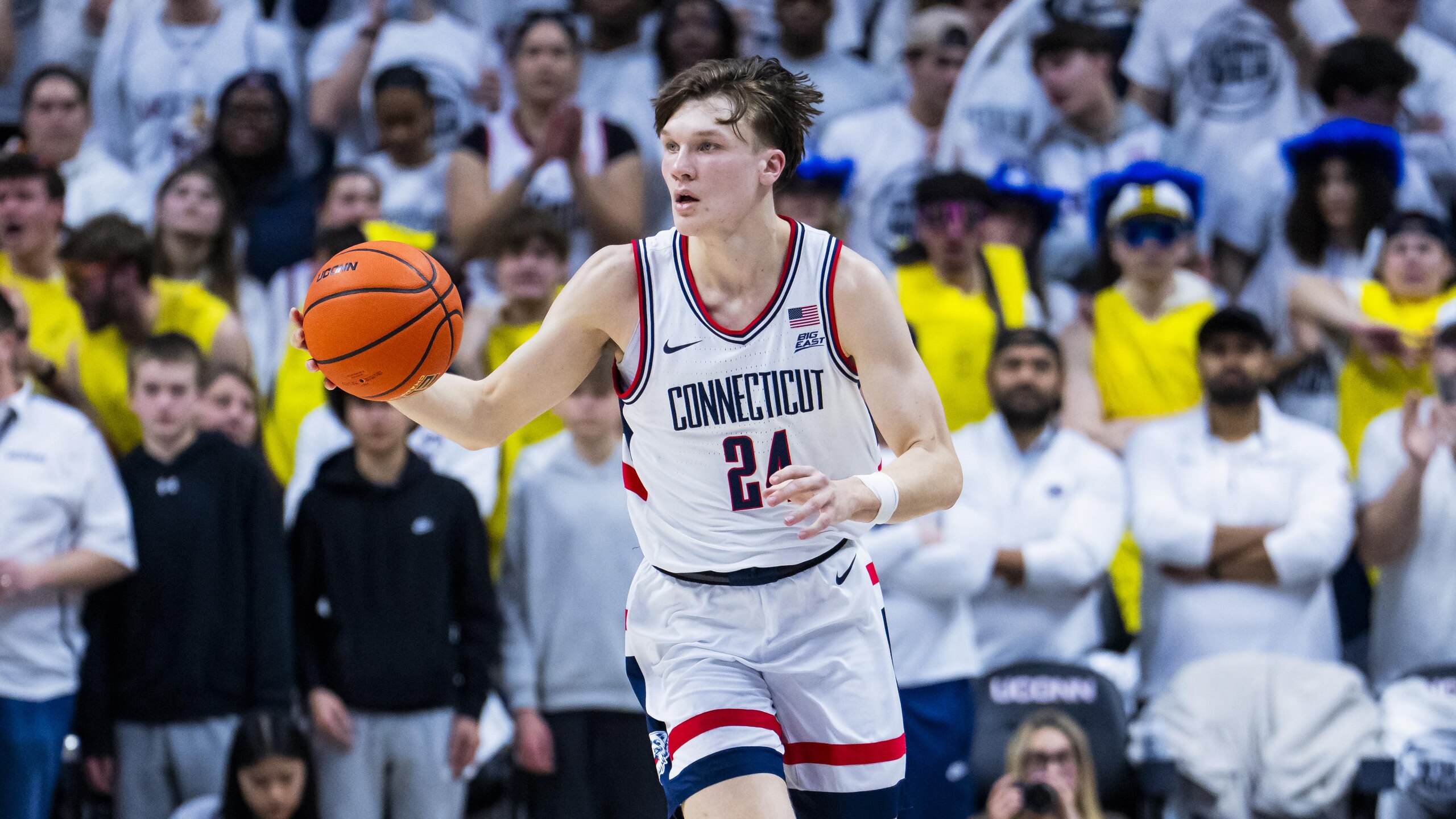
Connecticut looked like a championship-caliber team during the nonconference portion of the season, beating Illinois, Florida, Kansas and BYU, all away from home, while only losing to Arizona on a night where both Tarris Reed Jr. and Braylon Mullins were unavailable.
But for the most part over the past two-plus months of Big East play, the Huskies have looked uninspired, culminating in a home loss to Creighton this past Wednesday.
Maybe that was the wake-up call this team needed, though, because what we learned from UConn's 73-63 road win over Villanova was that this team still has championship chops and depth.
No one on the Huskies scored more than a dozen points, and yet they led by 21 with about five minutes left before taking their foot off the gas.
After a back-and-forth first 10 minutes, UConn locked in defensively, even shutting down Duke Brennan on the glass, and he seems to roll out of bed with 10 rebounds on most days.
Throughout the debate on social media on whether UConn, Houston or Iowa State most deserved the final No. 1 seed in advance of Saturday afternoon's top 16 reveal, it sure felt like a lot of people were writing off the Huskies as a legitimate top five team since they hadn't gotten any great wins in more than two months.
Maybe this impressive win will bring the narrative back around to the possibility of three titles in four years.
.jpg?w=2560 "Packers 49ers Football")
.jpg?w=2560 "Seahawks Cardinals Football")
.jpg?w=2560 "Steelers Browns Football")
What We Learned from No. 23 BYU's Win over No. 6 Iowa State
4 of 6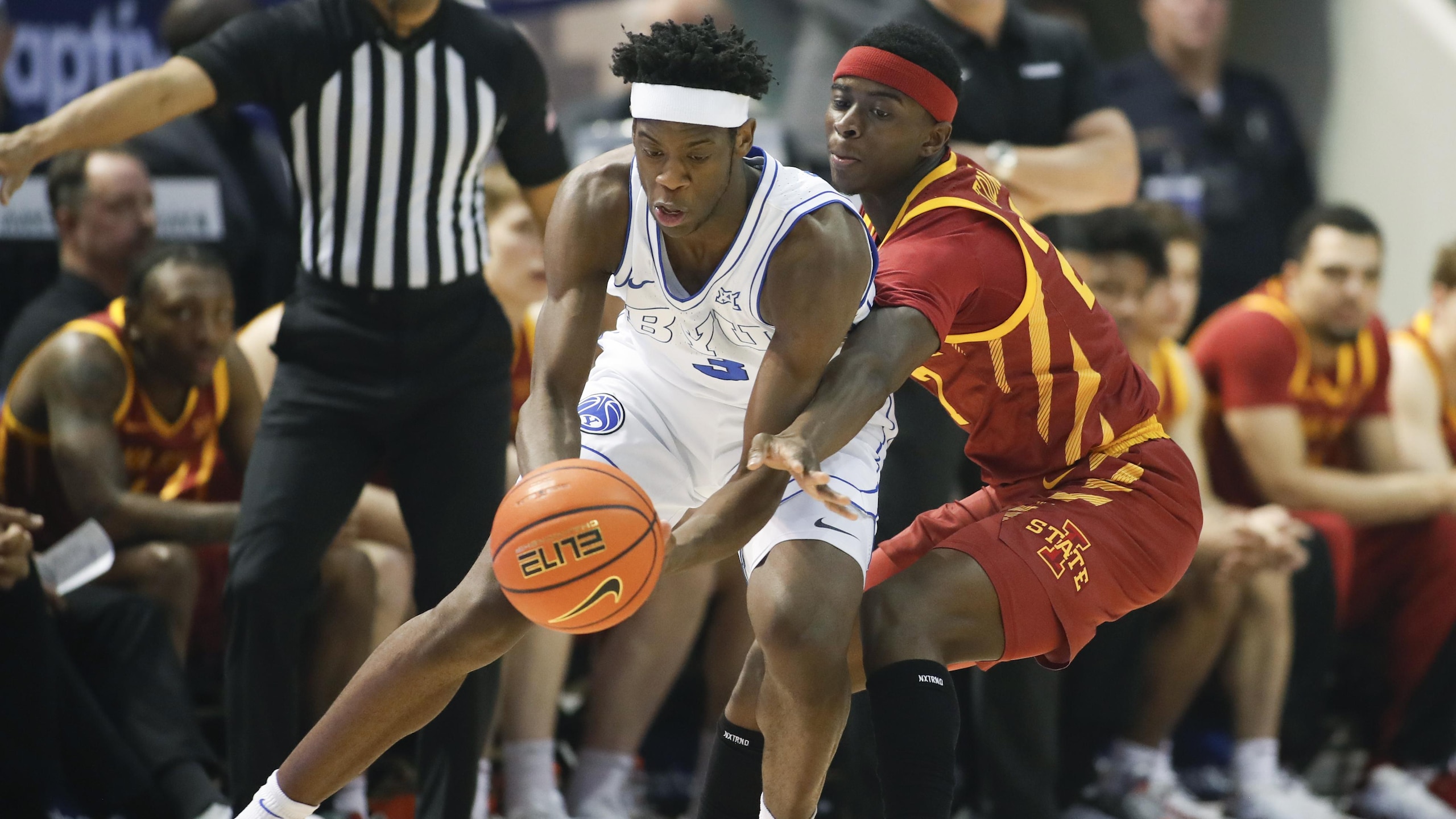
First and foremost, we learned that BYU can, in fact, beat a Quad 1A opponent.
The Cougars entered the day at 0-6 in that bucket, with losses to UConn, Texas Tech, Kansas, Houston and Arizona twice. The only other NET top 50 teams at 0-6 vs. Quad 1A were extremely bubbly Ohio State and nowhere-close-to-the-bubble Baylor and Washington.
Even as they continue to adjust to life without Richie Saunders, though, BYU finally scored a huge win over a Cyclones team that was listed as a No. 1 seed earlier in the day.
Incredibly, the Cougars even did so on an extremely quiet night from Rob Wright III. He had 30 and 39 last week against Baylor and Colorado, respectively, but he was held to six points, four assists and no rebounds against Iowa State. But AJ Dybantsa sure did his thing with 29 points, 10 rebounds and nine assists in BYU's 79-69 victory.
In an instant, BYU graduates from a good team that can't win elite games to a real threat to make a multiple-weekend run in the dance—even if it was merely a home game that they were arguably supposed to win.
Or did this result actually tell us more about Iowa State, who has now been held to 70 points or fewer in five consecutive games played away from home against KenPom top 50 competition?
The Cyclones frequently shoot the lights out in Ames, but their offense has been quite mortal on the road ever since that stunning 81-58 win at Purdue back in early December.
And, to be clear, defense hasn't been BYU's calling card this season, allowing 85.4 points over its previous nine games. It was not Milan Momcilovic's night, though, shooting just 1-for-5 from the field while no one else particularly rose to the occasion.
The Cyclones have one huge road test still to come at Arizona next Monday, plus the Big 12 tournament. Let's see how their offense fares in those environments before we make any sweeping judgments.
What We Learned from No. 8 Kansas' Loss vs. Cincinnati
5 of 6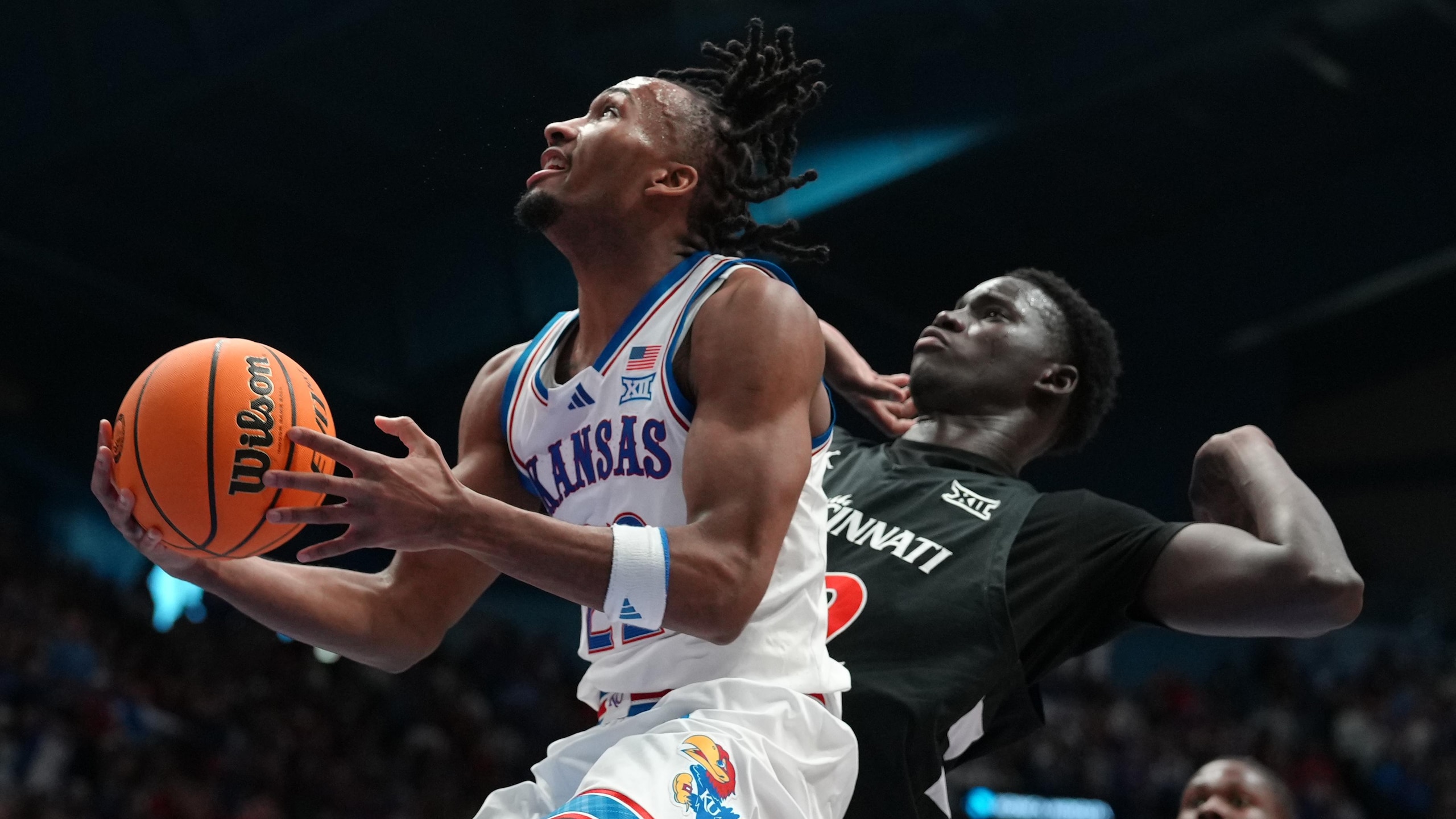
Hoo boy.
Rational discourse on anything involving Darryn Peterson went out the window a long time ago, and this game is only going to add more fuel to that fire.
He did at least play in this one, logging 30-plus minutes for just the seventh time this season. But a full game from Peterson wasn't enough to save Kansas from one of its most embarrassing losses in a long time, falling 84-68 at home against a Cincinnati team that still doesn't have a realistic at-large pulse for the NCAA tournament.
Though he did play, he clearly isn't healthy.
The Athletic's Sam Vecenie tweeted out a couple of videos after the game, comparing Peterson's elevation and burst against Cincinnati to what he was doing a year ago in high school, and he simply doesn't look like the same player.
Granted, Peterson at around 75 percent is still better than most.
But he can't be Mr. Everything for Kansas if he's neither at 100 percent nor playing without fear of aggravating an injury. And all of this in, out, in, out back and forth has kept the Jayhawks from ever properly learning how to play as a cohesive unit when he's on the floor.
(The viral image from Saturday of both teams huddling while Peterson is off by himself near half-court doesn't help the perception of the lack of cohesion here.)
What we learned, though, is that we're never going to be able to figure this team out.
Less than two weeks after ending Arizona's undefeated season despite playing without the projected No. 1 pick in the draft, the Jayhawks had that budding superstar available and got pummeled by a disappointing team with a head coach on the hot seat.
They might lose in the first round to a No. 13 seed. They might make a Final Four run. Best of luck with your bracket.
What We Learned from the Top 16 Reveal
6 of 6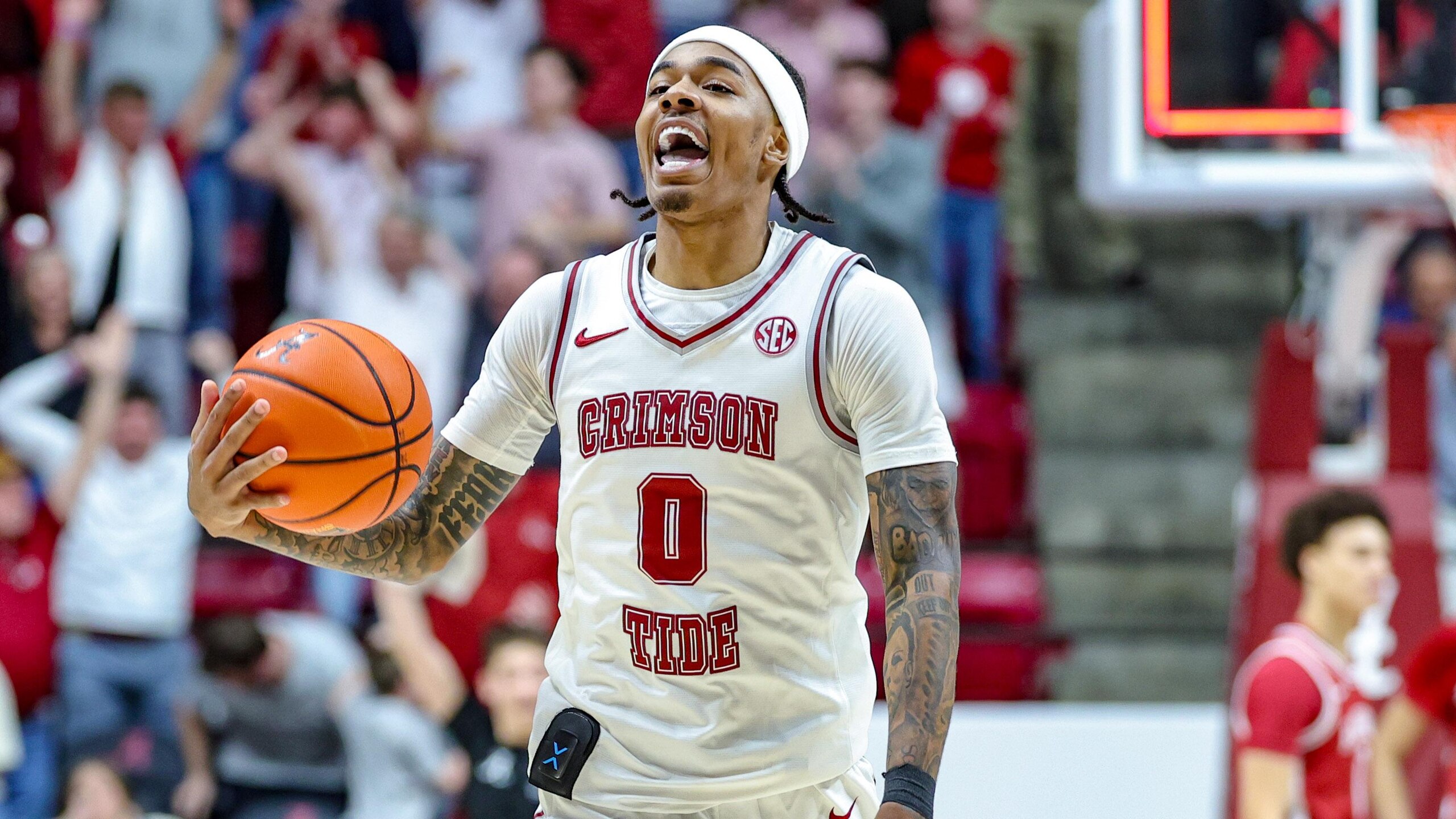
Before there were any results from the day to try to digest, the NCAA tournament's selection committee revealed its top 16 overall seeds, if the regular season had ended on Friday.
There was nothing terribly surprising about that top 16, but we did learn a few things to spin forward.
First and foremost, no Alabama on the list seems to suggest the Crimson Tide's wins with Charles Bediako are being discounted in some way. They entered the day with the 11th-best resume metrics in the country, and every other team in the top 17 appeared in the top 16. But they didn't make the cut.
Committee chair Keith Gill did say that Alabama is currently a No. 5 seed in their eyes and that they didn't necessarily apply a "material change" to the games played with Bediako. But while there might not be a committee-wide material change, it does rather seem like a committee member or two really downgraded Alabama on their personal ballots.
The other thing we think we learned is that the predictive metrics like KenPom seem to carry a bit more weight with this committee than last year. It wasn't enough to get Houston up to a No. 1 seed, but putting more stock in those metrics could explain how they ended up with Florida ahead of Kansas at No. 9 overall, how Gonzaga got a No. 3 seed in spite of its hideous loss to Portland and why Virginia was bringing up the rear at No. 16 in spite of its 4-0 record against Quad 1A.
Again, though, nothing terribly surprising. And already a lot of that seeding has changed as a result of just one wild Saturday's results.
.jpg?w=2560 "Lions Cardinals Football")

.jpg?w=2560 "Cam Ward Says He's Not A Loser")