
Ranking the Most Shameless NBA Tank Jobs of the Century
Tanking is a sin as old as time—or the NBA's lottery system, at least. But the science behind it has become more sophisticated than ever.
The goal is to lose on purpose to improve draft probabilities, cap sheets and multi-year timelines. Every franchise does this to some degree when a championship isn't on the immediate horizon, but it becomes shameless when star players are shut down for ambiguous reasons.
When you start to hear "development" and "injury management," hold on to your butts.
The NBA has tried its best to curb the practice by redefining lottery odds and adding the play-in tournament to maintain competition. Even with these "safeguards," tanking is at an all-time high. Just look at the bottom of this season's standings for proof. And why not? The lottery has proved time and time again that one franchise player can alter history.
To wade through this muck, we're ranking the worst offenders strictly on basketball grounds: roster construction, trades, draft strategy and front-office shutdown decisions. The point is finding the line on competitive intent.
From waving the white flag to full-blown philosophical resets, these are the most shameless tank jobs of the century.
15. 2017-18 Memphis Grizzlies
1 of 15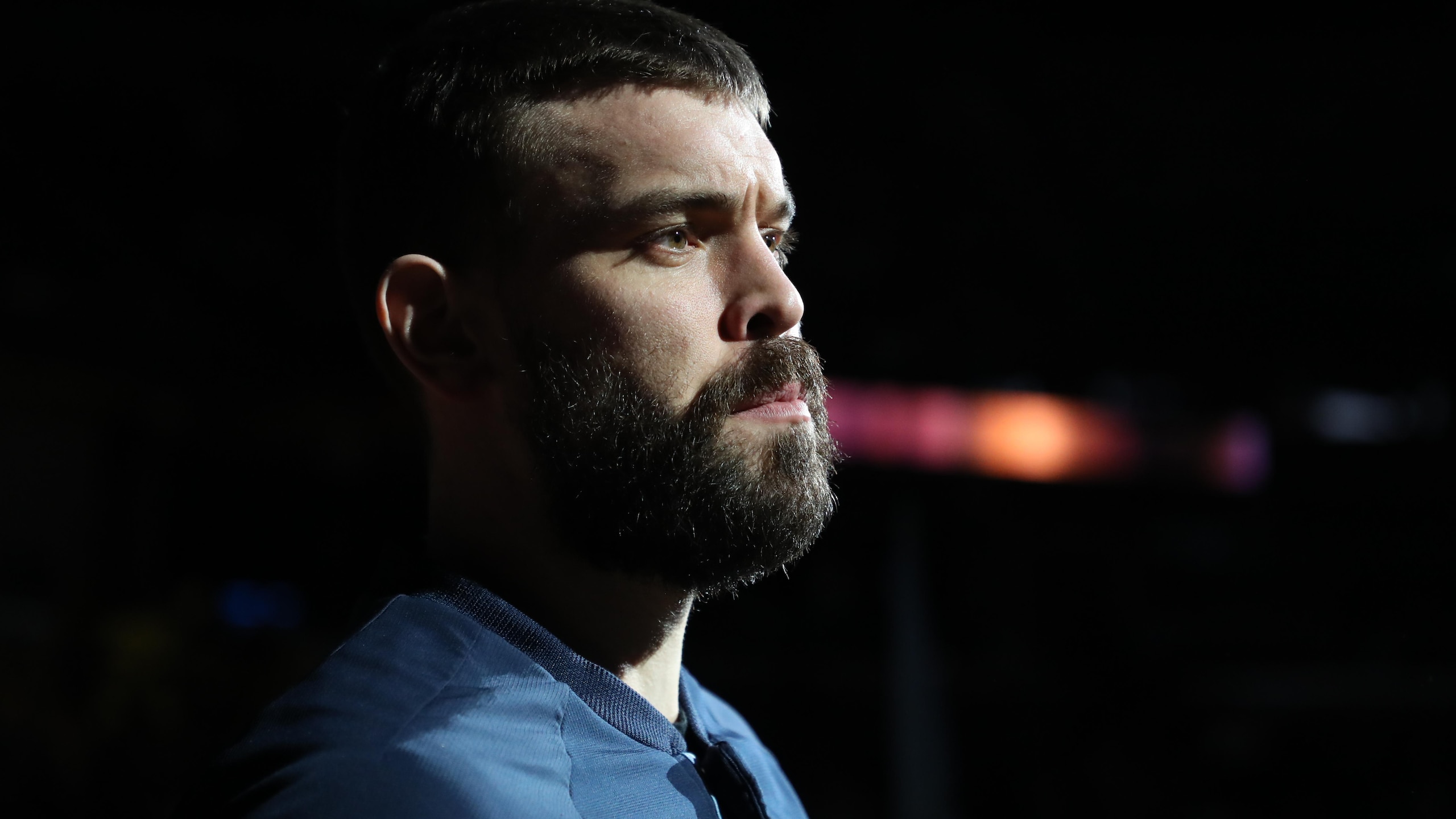
Few teams pushed back harder against the term "tank" than the 2017-18 Grizzlies. At 10-23, second-worst in the Western Conference, Memphis had dropped 19 of 22 games. Marc Gasol couldn't hide his irritation.
"I don't know how you can ask that of players and a team and a coach," Gasol said at the time. "We work every day toward one goal, and that's to win games."
Interim coach J.B. Bickerstaff echoed that stance, insisting the locker room was filled with competitors who would "put our best foot forward every single night." The front office seemed in lockstep. General manager Chris Wallace rejected the idea that the season was lost. The message from inside the arena was unified.
But the on-the-court product said otherwise.
Star guard Mike Conley's Achilles injury lingered all season, keeping Gasol's pick-and-roll partner sidelined. They weren't winning on the margins either. Memphis was 5-8 in games decided by five points or fewer and 4-7 against sub-500 teams.
That Grizzlies squad was weighed down with close losses. The rest of the roster featured inexperienced players and role pieces forced to start. Despite it all, Coach Bickerstaff never mentioned draft odds.
Memphis finished 22-60 and landed the fourth pick in the 2018 draft, where it took Jaren Jackson Jr., the first cornerstone for the next era of Grizzlies basketball.
By this time, the league began discussing changes to the lottery odds to discourage blatant tanking. The next season, Gasol would be traded to Toronto, ending the Grit-N-Grind era and kick-starting their rebuild.
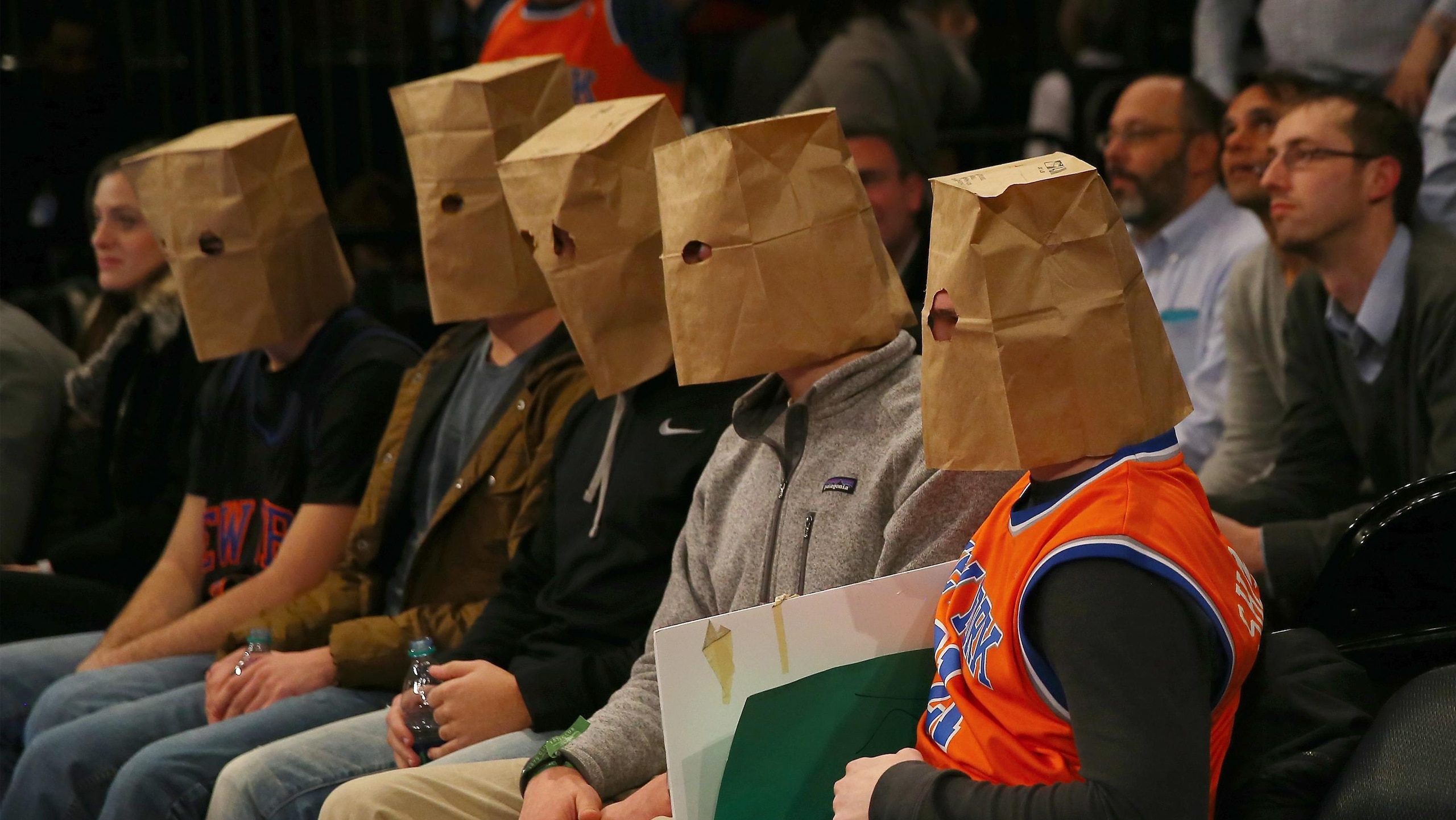
14. 2014-15 New York Knicks
2 of 15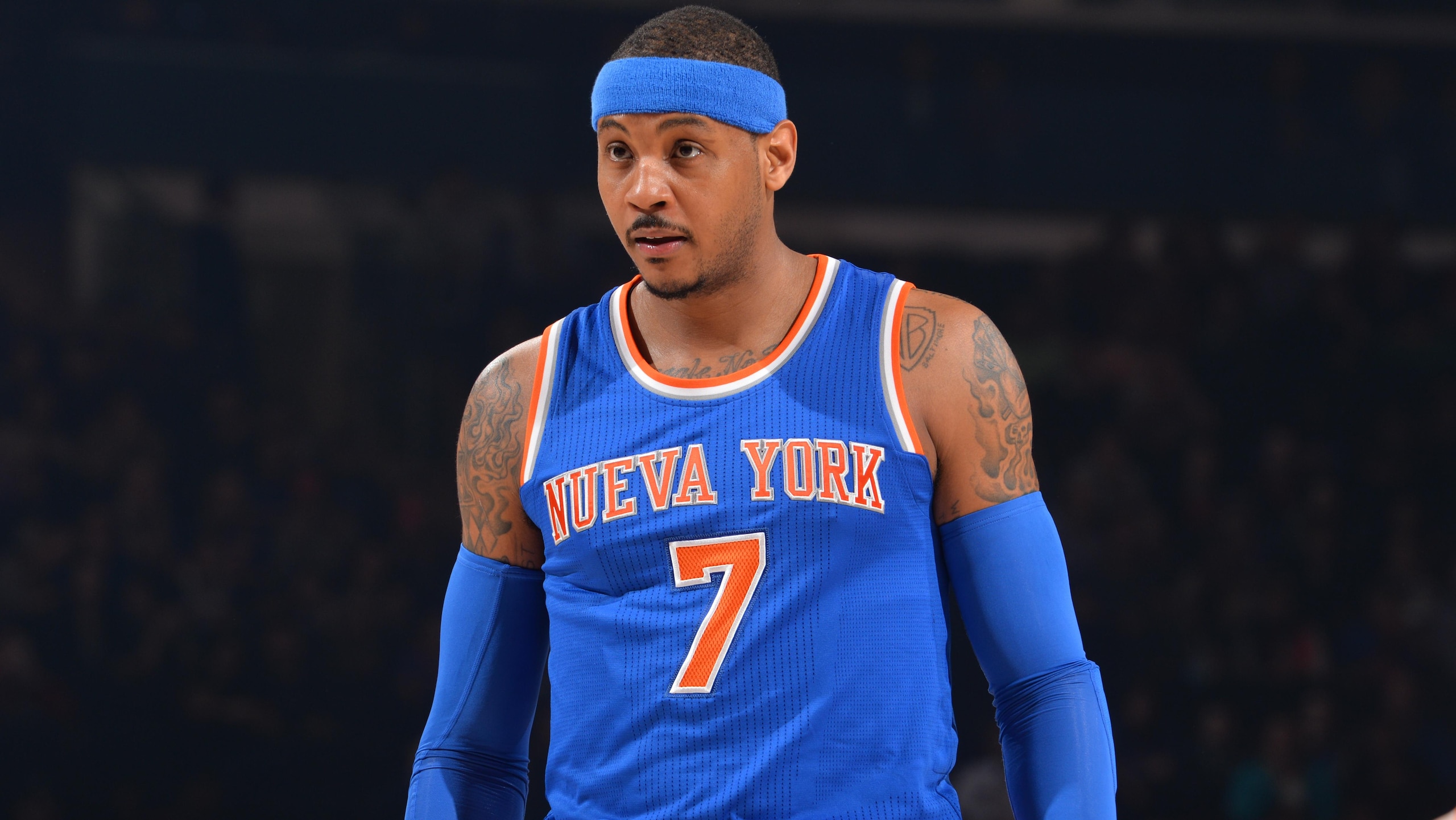
Knicks fans know ugly seasons better than most. By the time team president Phil Jackson fully committed to pulling the plug in 2014-15, the squad was already 5-33. The fire sale came next. Iman Shumpert and J.R. Smith were sent to Cleveland, where they helped win a championship. Samuel Dalembert was cut. Sports Illustrated's Ben Golliver said the Knicks had moved from "unintentionally terrible territory to intentionally terrible."
They finished 17-65, the worst record in franchise history at the time. After the All-Star break, the Knicks posted a minus-14.7 point differential, a stretch that ranked among the worst of the NBA's post-Michael Jordan era. Carmelo Anthony played only 40 games before knee surgery shut him down. The second half of that season felt empty and directionless.
And still, those damn Knicks couldn't even tank right.
Near the end of the season, they beat Orlando 80-79 because mediocre center Cole Aldrich had the best game of his career, and streaky scorer Tim Hardaway Jr. hit the game-winning three. Then they went to Atlanta and beat the top team in the Eastern Conference 112-108, thanks to Langston Galloway, a 33 percent three-point shooter, who hit all six of his threes.
The Knicks had managed only three winning streaks all season. They chose to find their fourth in the heat of the lottery-odds race.
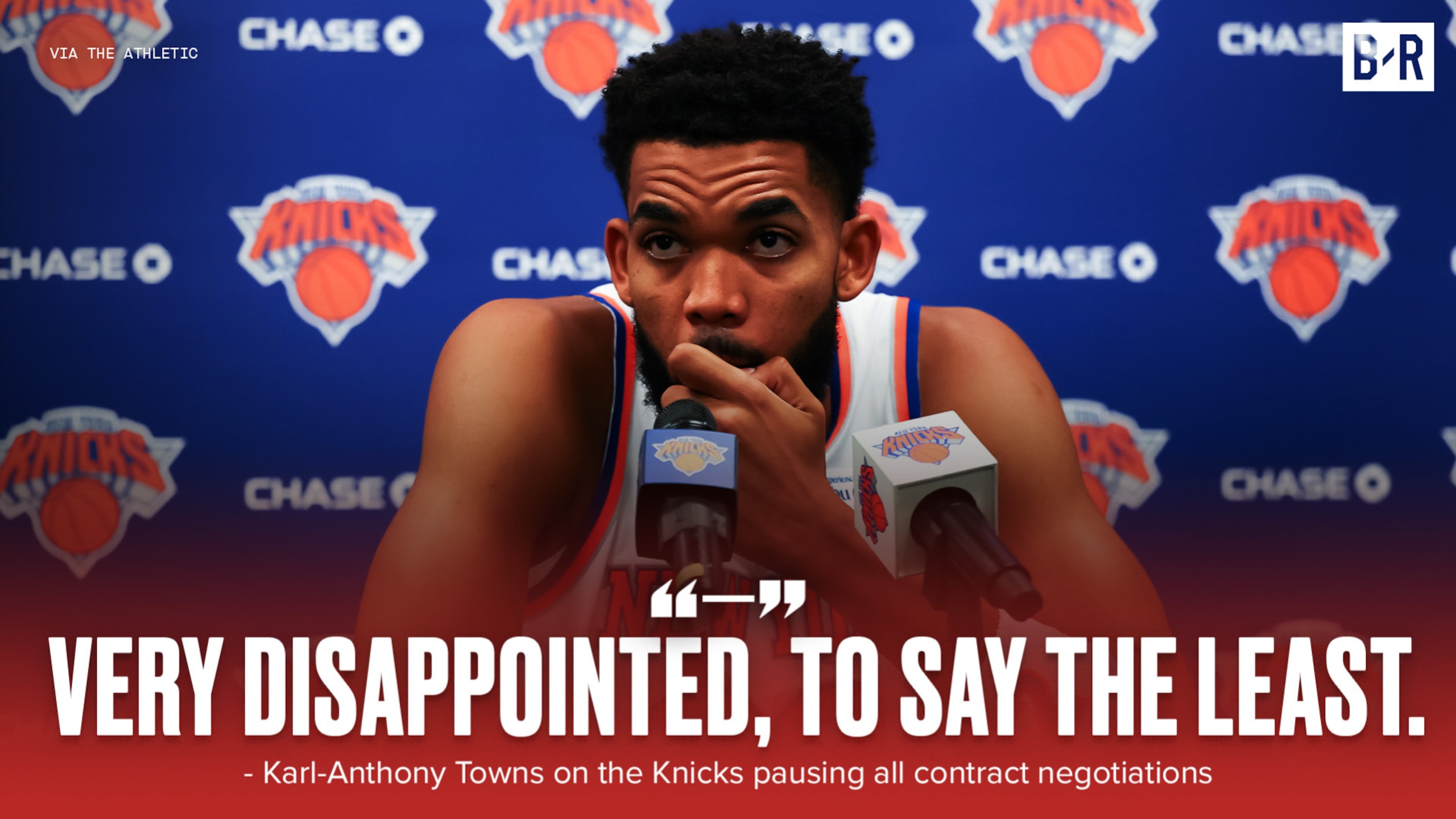
They dropped into the second-worst slot and eventually to the fourth pick. That draft's top target, Karl-Anthony Towns, went to Minnesota. The Knicks took the then-little-known Kristaps Porzingis fourth.
Fans still say Hardaway cost them KAT. Some say he saved them from Jahlil Okafor. Porzingis was a good pick, even though the ACL tear two years later was the real disaster. Fans still argue over which 17-win team was worse: that Melo-less 2014-15 club or the chaotic 2018-19 roster. Thank you, James Dolan.
13. 2022-23 Portland Trail Blazers
3 of 15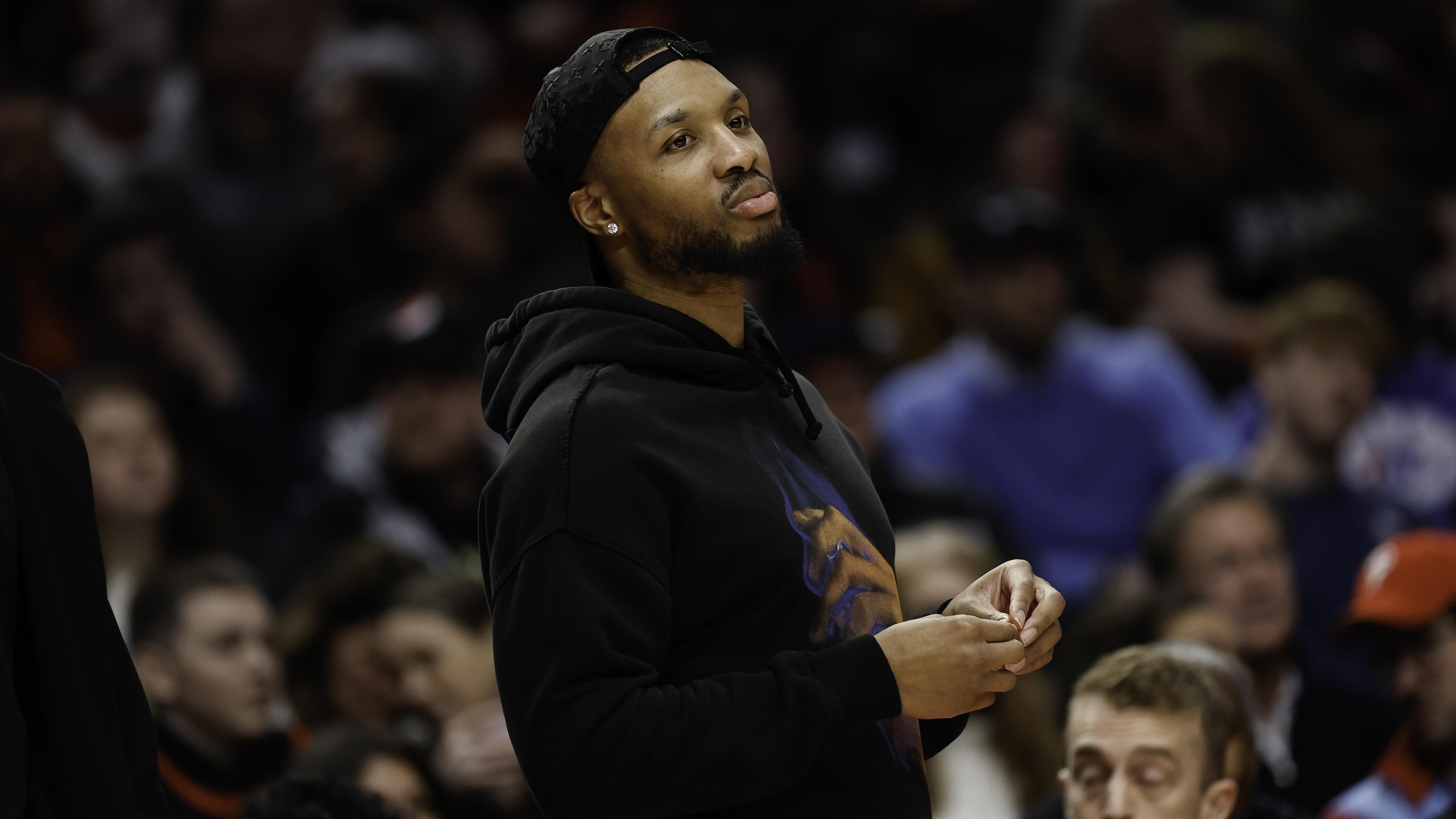
For most of 2022-23, Portland tried to split the difference. The Trail Blazers hovered around the play-in line in the standings, convincing themselves a late push could justify not tanking. Damian Lillard was in peak form, averaging 32.2 points per game, a career high, and posting a 71-point explosion against Houston that February.
People forget how lethal Dame Dolla was in his prime.
But in a loss to Chicago, Lillard was ruled out with a calf issue that had lingered for weeks. The starting lineup that night featured Ryan Arcidiacono, Shaedon Sharpe, Matisse Thybulle, Trendon Watford and Drew Eubanks. Keon Johnson played extended minutes. Even Kevin Knox entered the rotation.
That's a tank rotation if we've ever seen one.
Officially, Lillard was day-to-day. At that point, Portland was nine games under .500. Within days, the team pivoted. Lillard and starting center Jusuf Nurkic were shut down for the season. For all their aims at competing, the Blazers ended up tanking.
The top of the 2023 draft talent made the decision easy. Victor Wembanyama was seen as a sure-fire cornerstone, and Scoot Henderson and Brandon Miller were a step below but still desirable prospects.
Portland finished 33-49, the fifth-worst record in the league, and secured the No. 3 pick, which became Henderson. He hasn't yet become the franchise guard some projected, but the logic made sense then, and now.

12. 2006-07 Boston Celtics
4 of 15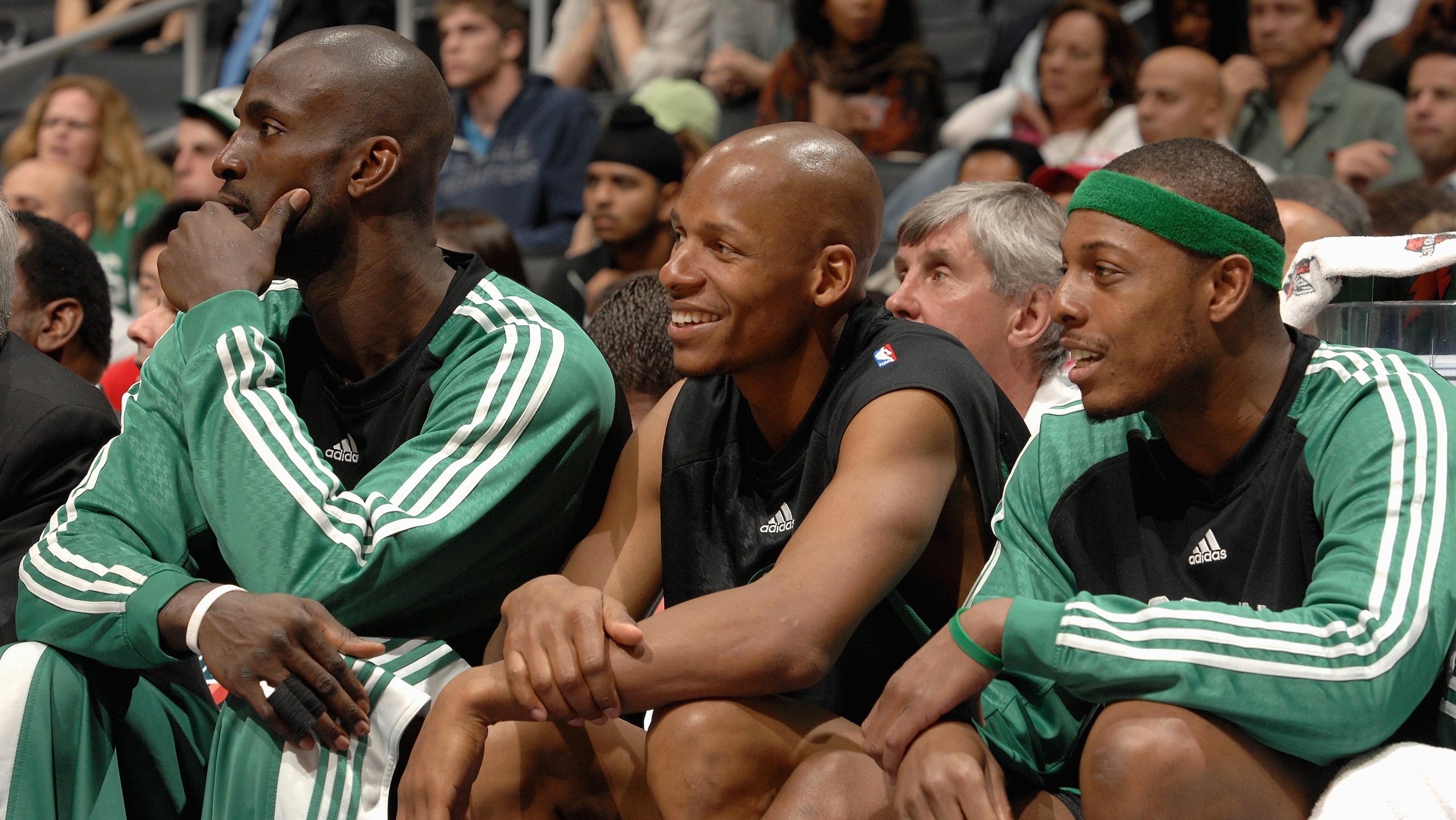
Once Paul Pierce went down with an injury in December 2006, the Celtics went into a free-fall, ripping off a 2-21 stretch—including a 16-game skid that extended to 18 when the star returned.
Celtic pride had them in most games late, even while losing at a lottery pace. Which is why fans still describe it as one of the most "competitive" tank seasons you'll find.
But the 18-game losing streak was a franchise record. The Celtics finished 24-58 with a net rating of -3.7, which is one of the best ratings you'll ever see for a team that lost 50 games.
Late in the year, Rajon Rondo's role expanded as the lead guard. Tony Allen, before the knee injury that changed his career, flashed real two-way ability with a refined jumper. Gerald Green had moments that contradicted the "bust" label. Al Jefferson emerged as an All-Star-caliber dude, at least stats-wise. This would help his value as the trade centerpiece for Kevin Garnett that summer.
That was the point. That player growth made the acquisitions of Garnett and Ray Allen possible. The ensuing fifth pick became part of the Ray Allen deal, along with salary-matching pieces, and the development year inflated the value of the young core that headlined the Garnett trade.
Sure, Boston bottomed out, but it turned losing into leverage. A year later, the Celtics won it all.
11. 2022-26 Utah Jazz
5 of 15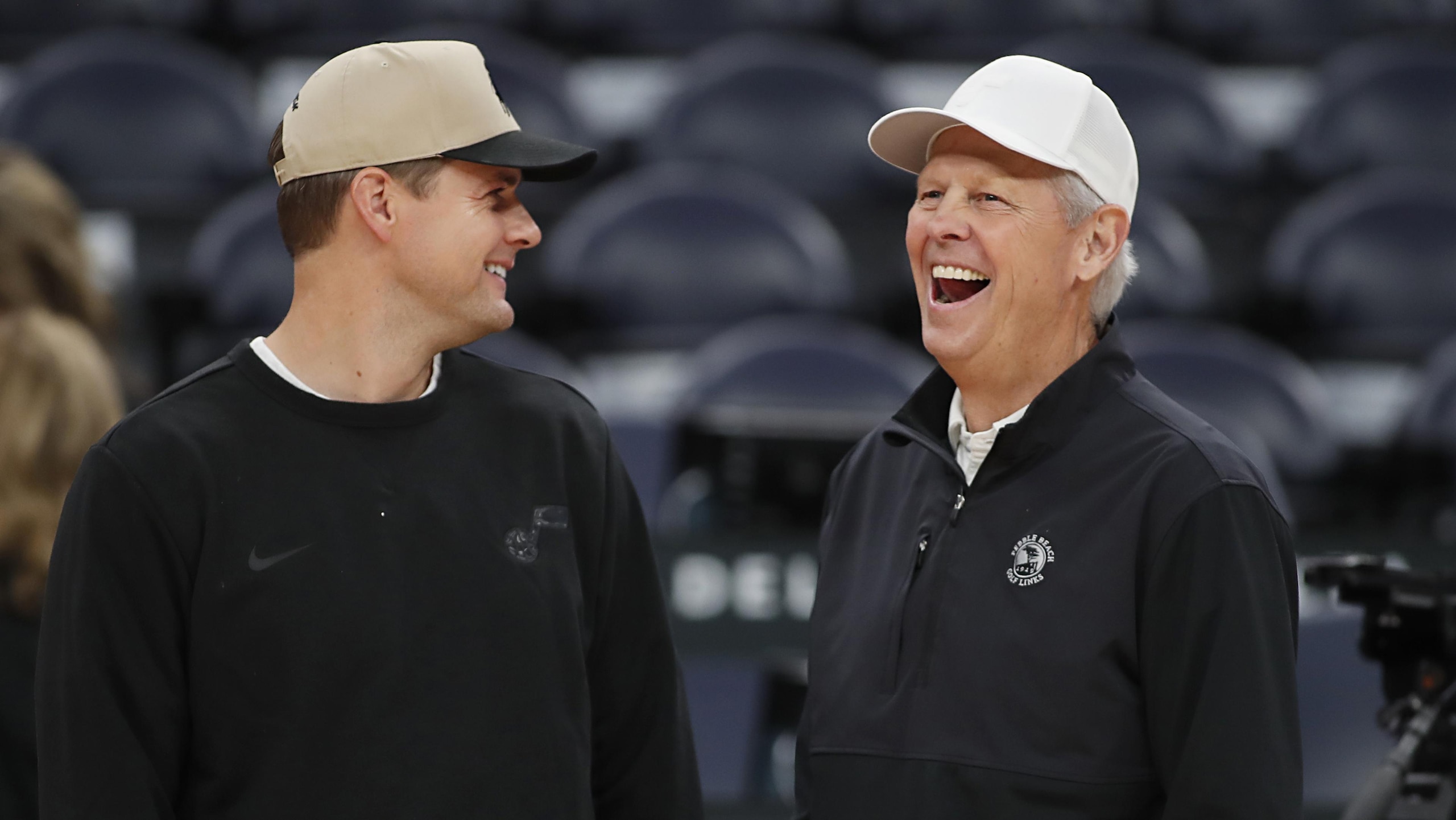
When Danny Ainge arrived in Utah after building a championship roster in Boston, he chose to tear down the Jazz playoff team he inherited.
Star player Donovan Mitchell was sent to Cleveland, and defensive ace Rudy Gobert went to Minnesota. The return was enormous: Lauri Markkanen, Collin Sexton, Walker Kessler, a mountain of first-round picks, swaps stretching toward the next decade. Ainge was playing the long game.
Four seasons later, and after acquiring Jaren Jackson Jr. at the deadline, the rebuild appears to be reaching its end. But the amount of losing it took to get here made the Jazz borderline unwatchable.
Last season, Utah lived at the bottom of the standings, finishing with a franchise-record 60 losses. By late March, Markkanen was sent home for imaging, veterans got DNP-CDs, and head coach Will Hardy built a starting lineup almost entirely from prospects and two-way kids.
The league fined them $100,000 that spring for violating the Player Participation Policy after holding Markkanen out of a nationally televised game. The message was clear, and Utah didn't give a damn. And why should it? The 2025 draft delivered Ace Bailey at No. 5 overall. A real swing at a 1A cornerstone.
But the tank didn't end with Bailey. This season, with their 2026 first-round pick top-eight protected and potentially owed to Oklahoma City, the incentive structure tightened. There were games when Markkanen, Jaren Jackson Jr. and Jusuf Nurkic sat out the entire fourth quarter.
After a win this February, Hardy admitted he wasn't planning to reinsert his stars even if the game was close. The NBA again fined the Jazz $500,000 for conduct detrimental to the league.
Again, why would Ainge care? He's collected 11 first-round picks across seven years. High-upside youngsters fill the roster: Keyonte George, Isaiah Collier, Kyle Filipowski, Kessler, Bailey. Ainge has taken multiple bites at the draft apple. He's been after high-end lottery picks. And he's drafted extremely well.
By this time next year, the payoff should materialize with a playoff berth. And then, all the losing will have been worth it. Right?
10. 2011-12 Charlotte Bobcats
6 of 15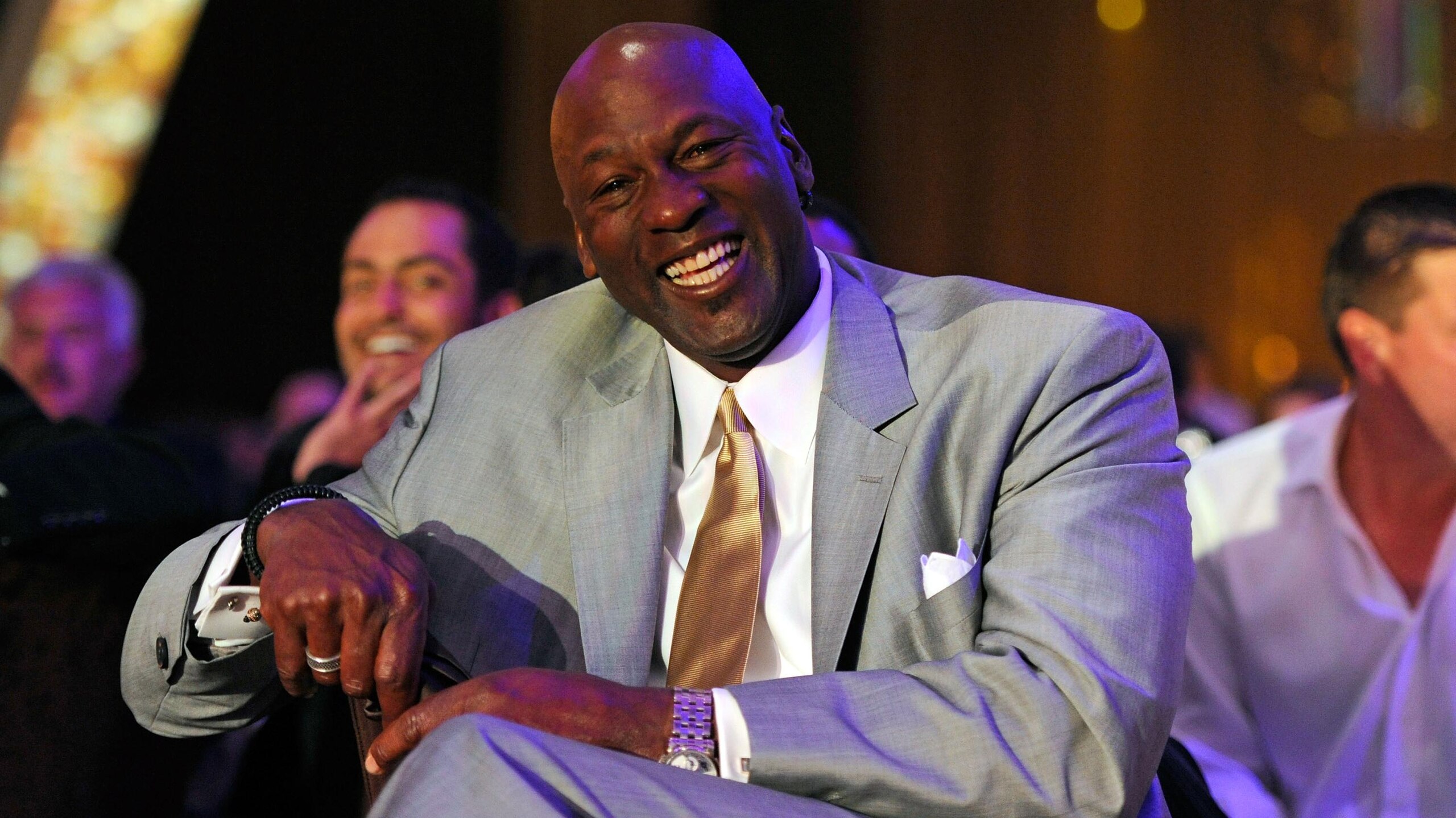
The 2011-12 Bobcats went 7-59 in a lockout-shortened season. Their .106 winning percentage is the worst in NBA history, even lower than the 9-73 1972-73 76ers. No, those aren't typos.
They closed the year on a 23-game losing streak, remaining historically ineffective on both ends.
Charlotte averaged just 93.3 points per game. The group shot 32.7 percent from deep and had an overall effective field-goal percentage of .482, which reflects how rare easy shots came.
The Hornets' best player, Stephen Jackson, led the team at 18.5 points per game on 41.1 percent shooting. D.J. Augustin added 14.4 points and 6.1 assists, but he shot 41.6 percent from the field. There was no efficient, high-level engine driving the offense.
The result was predictable and probably purposeful by the front office. The most famous highlight of that season was Bismack Biyombo's late block in a win over New Orleans, a victory that, ironically, worsened their lottery odds. What a high point.
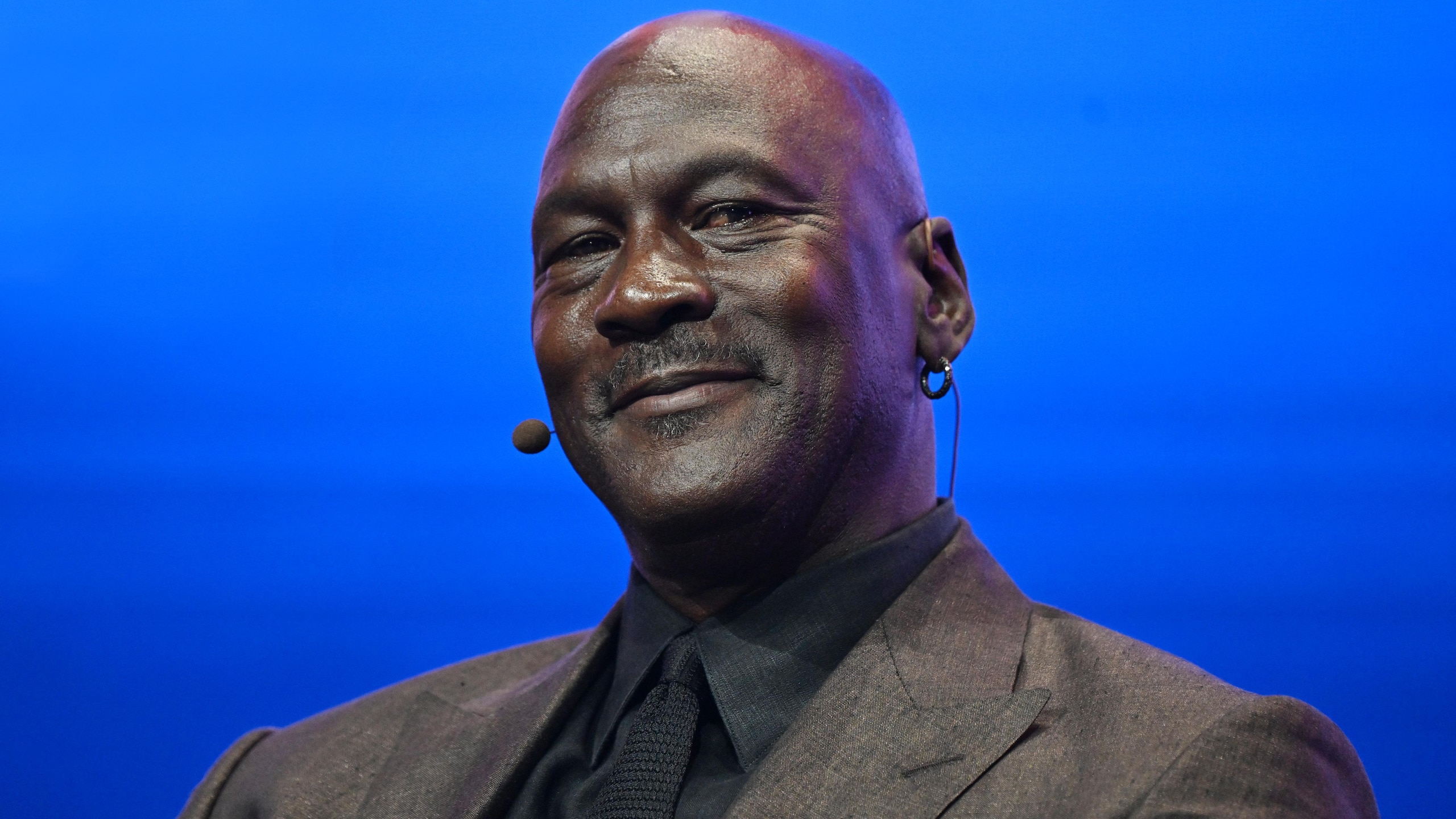
This was Michael Jordan's franchise. The GOAT. Yet even with the worst record in league history, the lottery didn't reward them with the top pick. Anthony Davis went No. 1 to New Orleans. Charlotte selected Michael Kidd-Gilchrist at No. 2, passing on Bradley Beal and Damian Lillard. MKG is viewed as one of the worst draft selections of this century—a common theme for Charlotte's front office.
The lesson is simple: The worst record guarantees nothing. In the end, Charlotte paid the full price of a tank and whiffed on the transformational player it was chasing.
9. 2025-26 Washington Wizards
7 of 15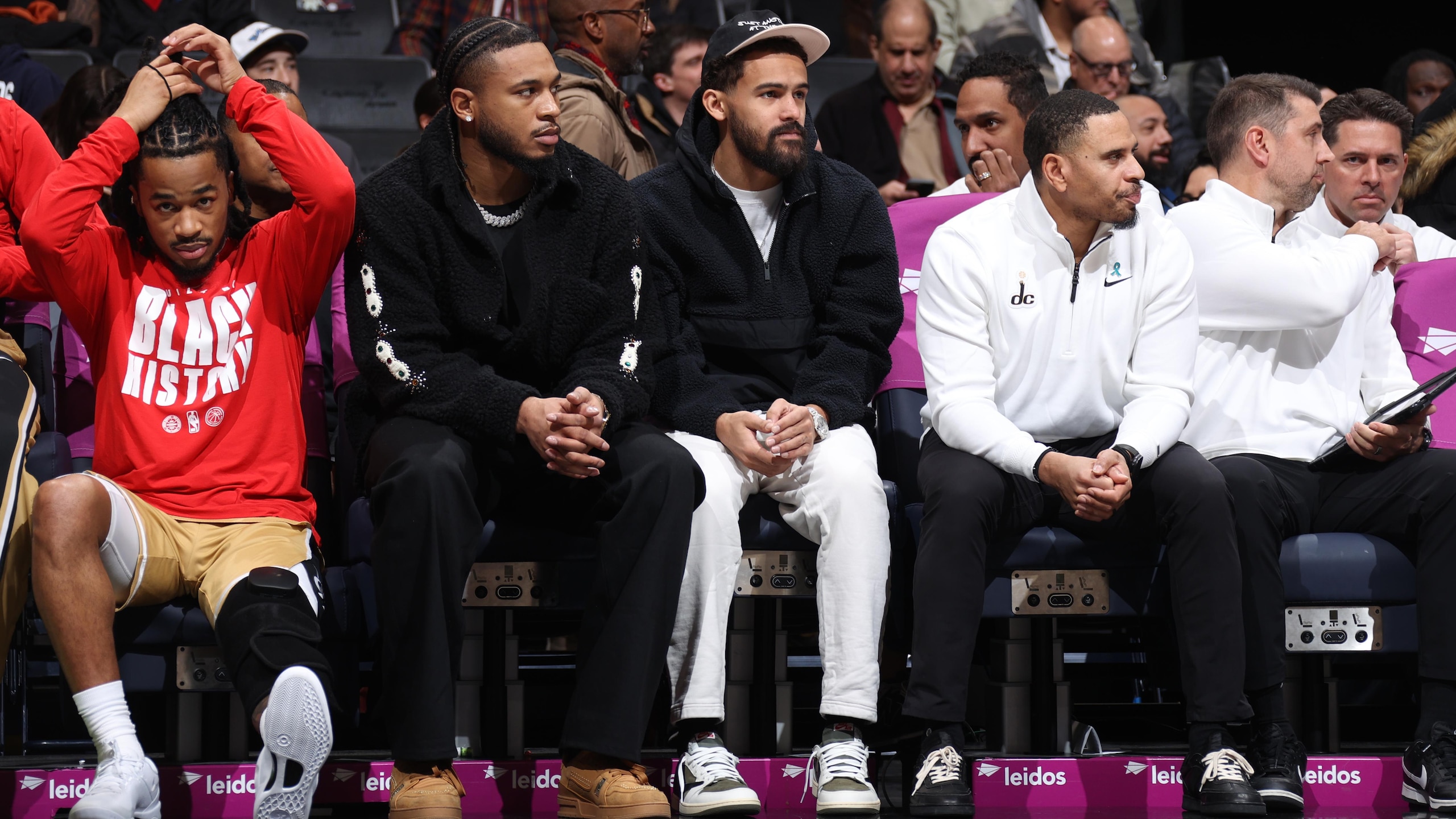
Washington's tank has let the kids run wild. Don't be fooled by the front office making two loud moves to acquire Trae Young and Anthony Davis. Both were made with no intention of those acquisitions impacting this season's tank.
They're sitting at 14-39, and their remaining schedule is brutal. It's around the 11th-hardest the rest of the way. Their first-round pick this summer is a top-eight protected and currently owned by the New York Knicks. So the motivations to lose are clear.
The "ethics" of it are basically fine because the Wizards don't have enough talent to fake competence if they wanted to. They traded for Young and Davis while letting this season go to hell. Neither player has played a game for Washington yet.
Head coach Brian Keefe is giving big minutes to fringe pieces in blowouts. Just look at this month, when Will Riley and Jamir Watkins combined for 90 minutes in a blowout to the Nets. Who can expect wins with a rotation of Justin Champagnie, Tristan Vukcevic, Watkins, Riley and Bub Carrington?
Their draft navigation has paid off so far. Tre Johnson and Bilal Coulibaly look like starters. Kyshawn George has taken a second-year leap, getting into the lane and creating on his own inside the arc. He still fouls too much, and his game has holes, but the kid is big, tough, and increasingly comfortable making decisions.
Washington is prioritizing its draft position. Rightly so. Can't have that pick slipping to the Knicks. If they keep the selection and add another high-level prospect, this season will have served its purpose. If not, it'll be hard to justify to their fans (and Adam Silver) how far they let this go.
8. 2022-23 Dallas Mavericks
8 of 15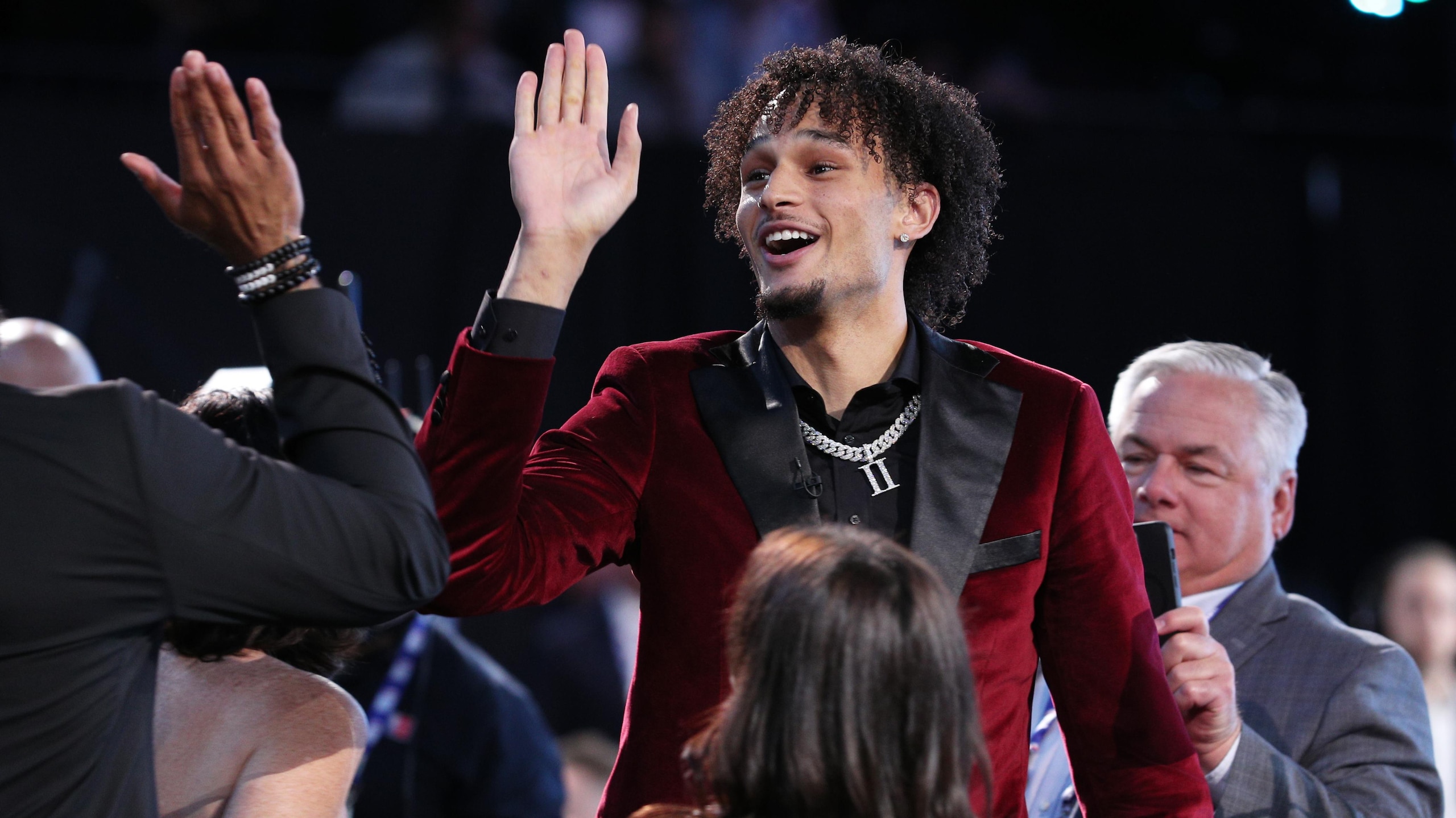
Trigger warning for Knicks fans. During the 2022-23 season, Dallas tanked late in the campaign to avoid the play-in tournament, which would have been just enough mediocrity to hand the Knicks a first-round pick.
Instead, the Mavs kept their selection and used it to fast-track Luka Doncic's prime.
People forget that part when they moralize about throwing those last two games. The Mavericks weren't a hopeless team—they had just traded for Kyrie Irving midseason. They still had Slovenian wunderkind Doncic. Technically, they had a shot at the No. 10 seed.
So why tank? Well, Dallas owed New York a first-rounder, which was top-10 protected. If the Mavs make the play-in, the pick likely conveys. Miss it, and the pick stays home.
So the Mavericks did what modern teams do when the incentives line up perfectly: They sat their stars. Luka only played the first half on Slovenian Heritage Night. Fans were treated instead to a rotation of Frank Ntilikina and Davis Bertans. The league responded by fining Mark Cuban $750,000 for tanking. Pennies for a billionaire.
Dallas used that protected slot to draft Dereck Lively II, the exact kind of big man the roster needed next to Luka: vertical threat, rim protector, a live-wire rebounder. Less than a year later, Lively was snatching offensive rebounds in the Finals against the Boston Celtics.
Welcome to the modern NBA: You can lose on purpose for 48 minutes, pay a fine, and nab yourself a lottery player for the Finals. Knicks fans are still incensed.
7. 2019-20 Golden State Warriors
9 of 15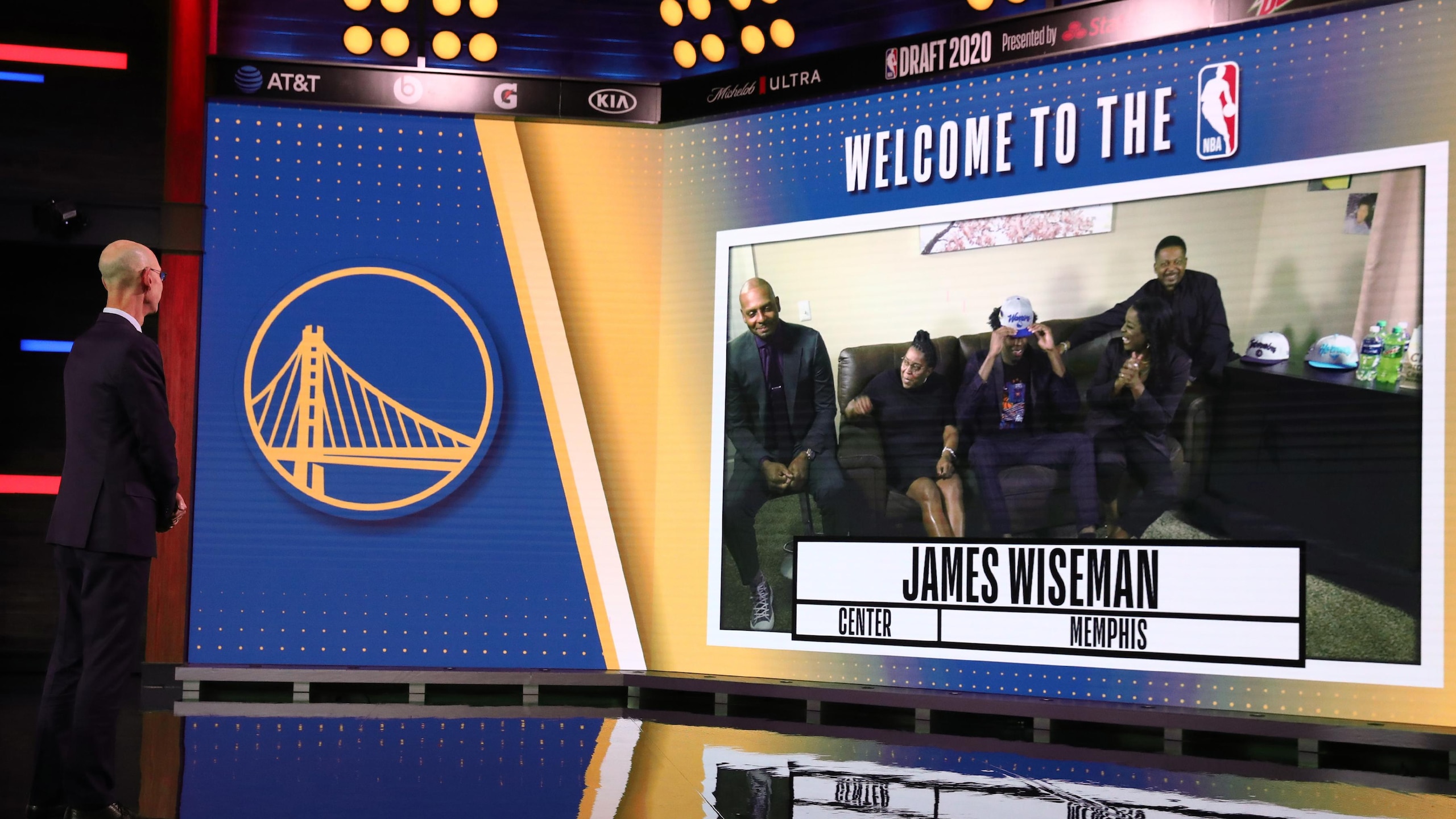
To be fair, Golden State didn't plan on tanking during the 2019-20 season. However, everything turned when Stephen Curry fractured his hand in the fourth game of the season and required surgery. His return timeline was around three months.
With Klay Thompson already out for the year, the two offensive pillars were gone. The rational move was to protect their assets.
Shocker: Curry sat out for months, Draymond Green took regular rest, and the Warriors cycled through G League call-ups and fringe rotation players. That season, 22 different players logged minutes. They finished 15-50, worst in the NBA.
The era's greatest dynasty saw the incentive to bottom out and was rewarded for it. Golden State entered the lottery with the best odds and came out with the No. 2 pick, giving it the option to draft a prospect or treat the pick as trade ammunition. The Warriors decided to keep it in an attempt to continue maximizing Curry's prime while looking ahead. They took James Wiseman, one of the biggest draft disappointments of the decade so far.
This was proof that tanking isn't just a small-market disease. When the moment calls, even the most stable franchise will pick draft position over respectability.
6. 2012-13 Phoenix Suns
10 of 15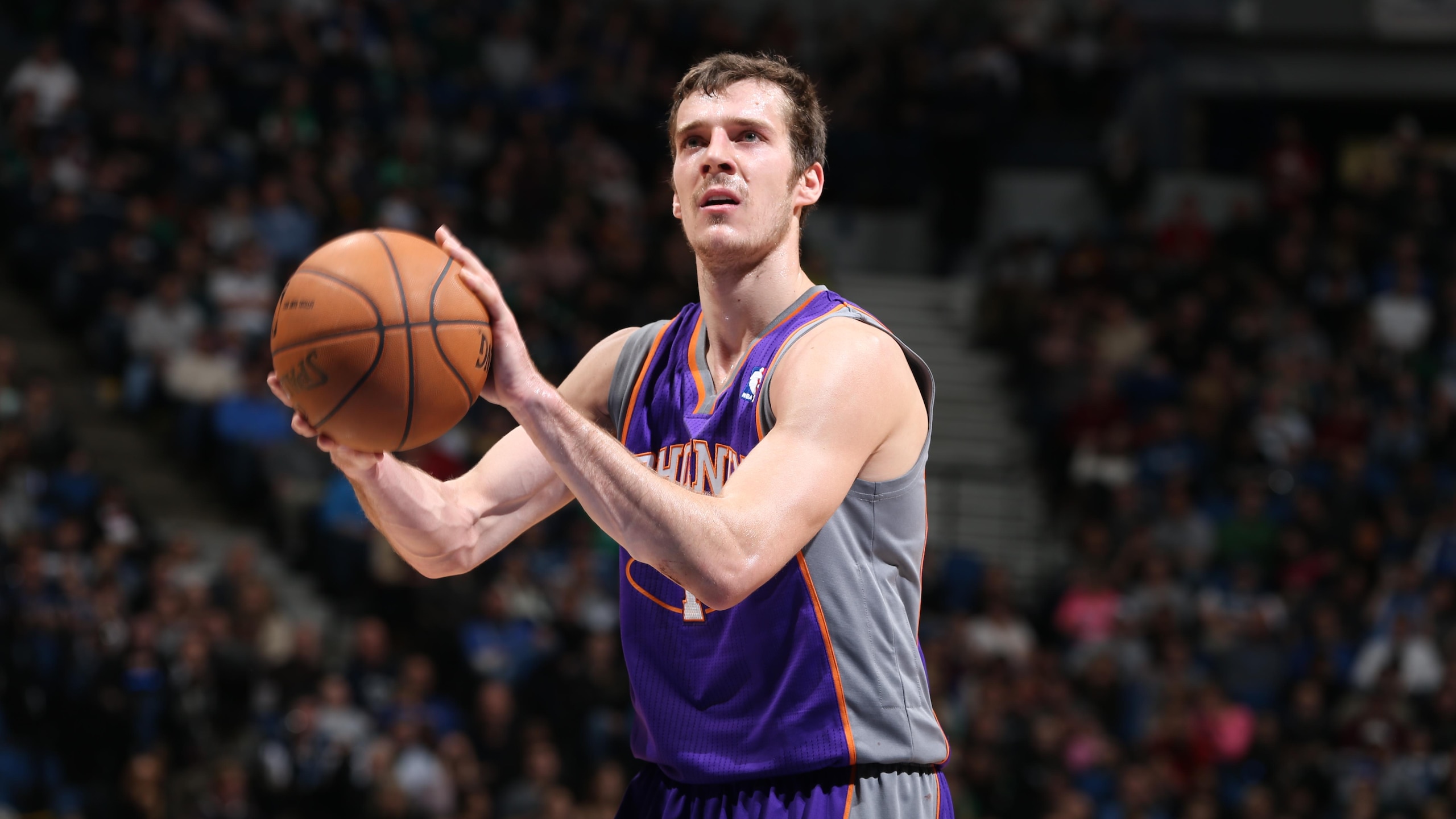
The "15 Seconds or Less" era had burned out by 2012-13. Steve Nash was gone, and the Suns were 25-57—their second-worst record in franchise history.
The options were simple: You can tank, or you can tank. Lottery rival Philadelphia had already decided to sit Nerlens Noel for the whole season. So behind a rookie GM, a rookie coach and a bunch of young guys, the Suns took the slower route by playing the kids.
Phoenix opened 2012-13 with a starting group of Goran Dragic, Jared Dudley, Michael Beasley, Luis Scola and Marcin Gortat. That lineup was built to incur blowouts.
They hovered near .500 early, then collapsed. By late January, they were 13-28. Head coach Alvin Gentry was fired, and Lindsey Hunter, with no prior head-coaching experience, took over. The team finished 25-57. The Suns ended the year on a 10-game losing streak and lost 20 of their final 23.
The franchise cycled through role players Beasley, Wesley Johnson, Shannon Brown and a collection of short-term bets. At the trade deadline, they moved pieces for second-rounders and fringe assets.
They even offered fans a ticket-refund promotion in December just to keep the building alive. By April, even longtime season-ticket holders were walking away.
For all that losing, not even the Suns planned on missing the playoffs from 2011 to 2020.
5. 2008-09 Oklahoma City Thunder
11 of 15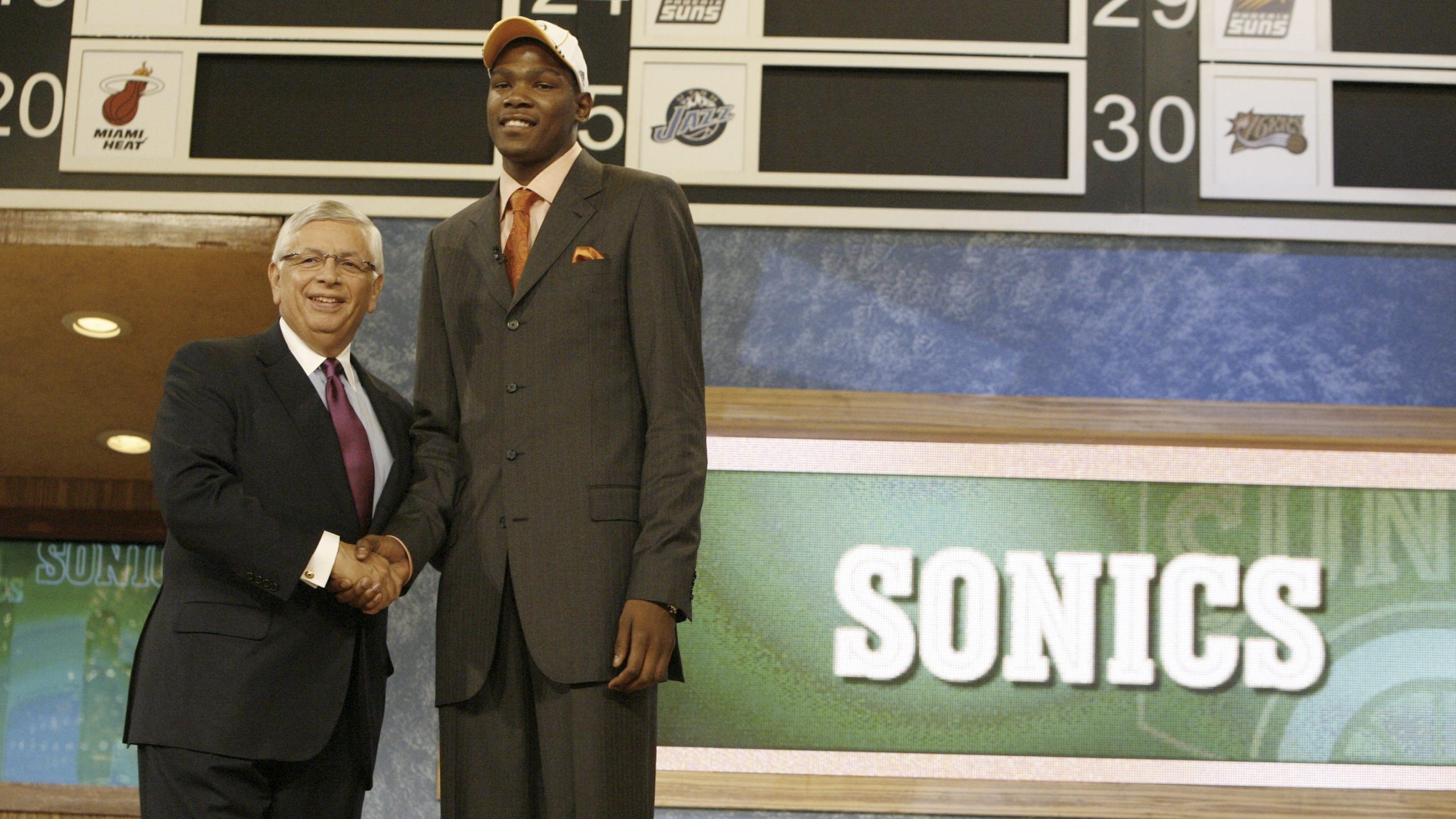
In 2008, the Thunder were in their first season after relocating from Seattle, and the youth movement was in full swing. Kevin Durant was in his second season, already carrying the weight of a new franchise. Rookie Russell Westbrook was drafted with the fourth pick, pairing a dynamic duo to lead the franchise forward. Growing pains were inevitable. So was losing.
Oklahoma City finished 23-59, and by the end of the season, general manager Sam Presti began to focus on his lottery odds, moving Luke Ridnour and Adrian Griffin in a deal that brought back Desmond Mason and Joe Smith, thinning out their logjam at point guard.
Vet starter Earl Watson and Westbrook shot bricks and got cooked most nights. Look, Watson competed, defended, fought through screens, playing with an old-school edge, but he was miscast on purpose as a starter. So the offense often stalled into over-dribbling and late-clock decisions.
The Thunder didn't have to make excuses for shutting down their superstar because Durant hadn't become one yet. The mantra was development, reps and learning through failure.
What did it all earn? One year later, James Harden joined Durant and Westbrook. Two years later, the Thunder faced the eventual champions, the Dallas Mavericks, in the Western Conference Finals. Presti's tank earned him three future MVPs, setting the bar for purposeful losing in the modern era.
4. 2002-03 Cleveland Cavaliers
12 of 15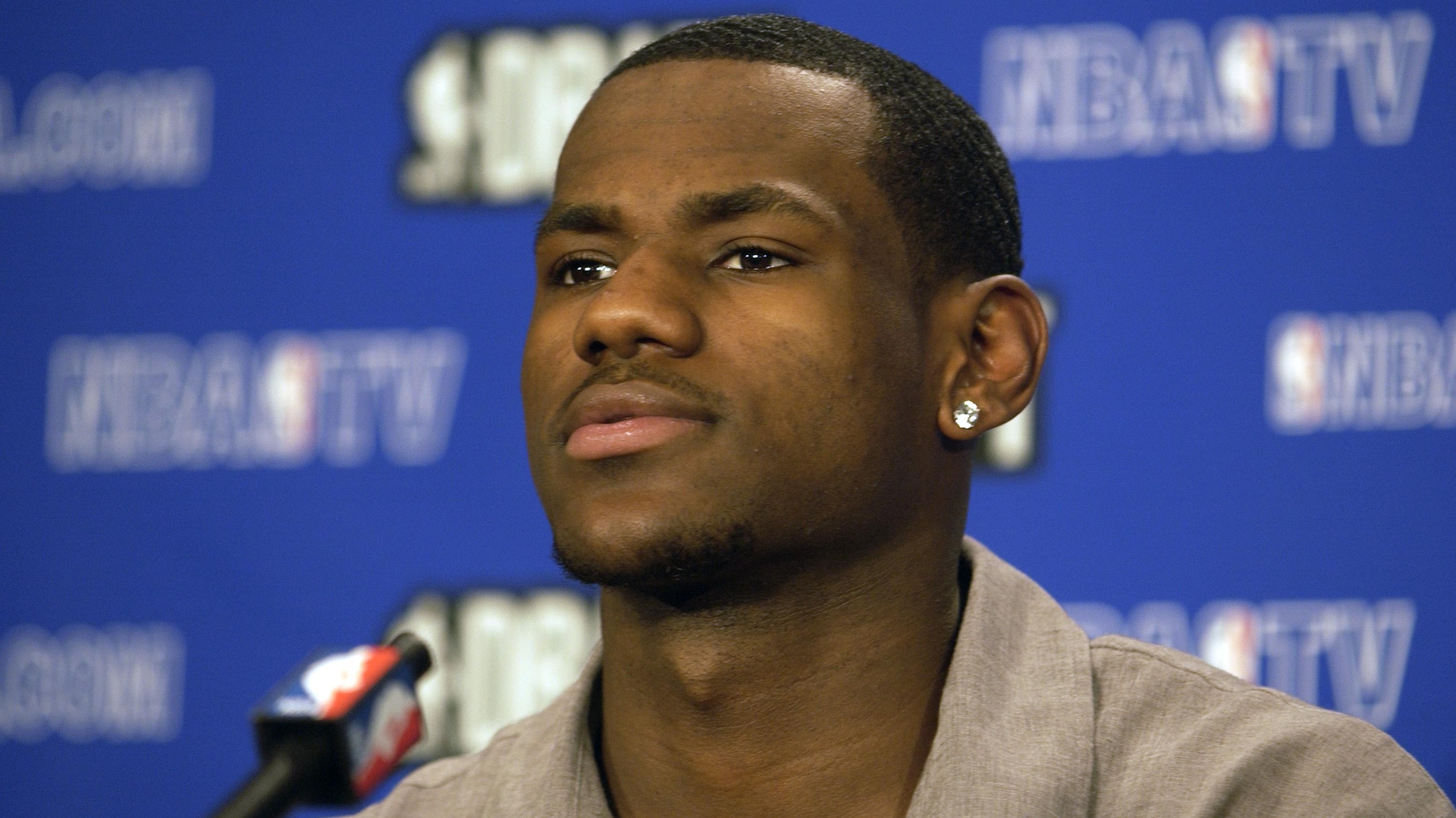
We listen, and we don't judge. LeBron James was a once-in-a-generation prize. When you have a chance to draft him to his hometown team, you do whatever's necessary. By the time the 2002-2003 season hit its final stretch, even the Cleveland Cavaliers' broadcast joked about their ping-pong-ball destiny.
Cleveland finished 17-65, tied with Denver for the worst record in the league. The Cavs went 8-33 on the road and lost 20 of their final 24 games. The universe aligned to bring the phenom home.
Cleveland had stripped down its roster, lowering its floor, while maximizing its odds. The front office moved key scorers like Andre Miller, Wesley Person and Lamond Murray without bringing back anything that could threaten their lottery odds.
The rotation leaned heavily on stat-first guys Ricky Davis, Darius Miles, Carlos Boozer and a 38-year-old Tyrone Hill. With no solid veteran ballast to steal games in March, the roster had been stripped to the studs.
Be the worst team, give yourself the best chance, draft the player who changes everything. Cleveland had a 22.5 percent chance of being No. 1 and drawing the right envelope on lottery night. The rest is history.
3. Mid-2010s Cleveland Cavaliers
13 of 15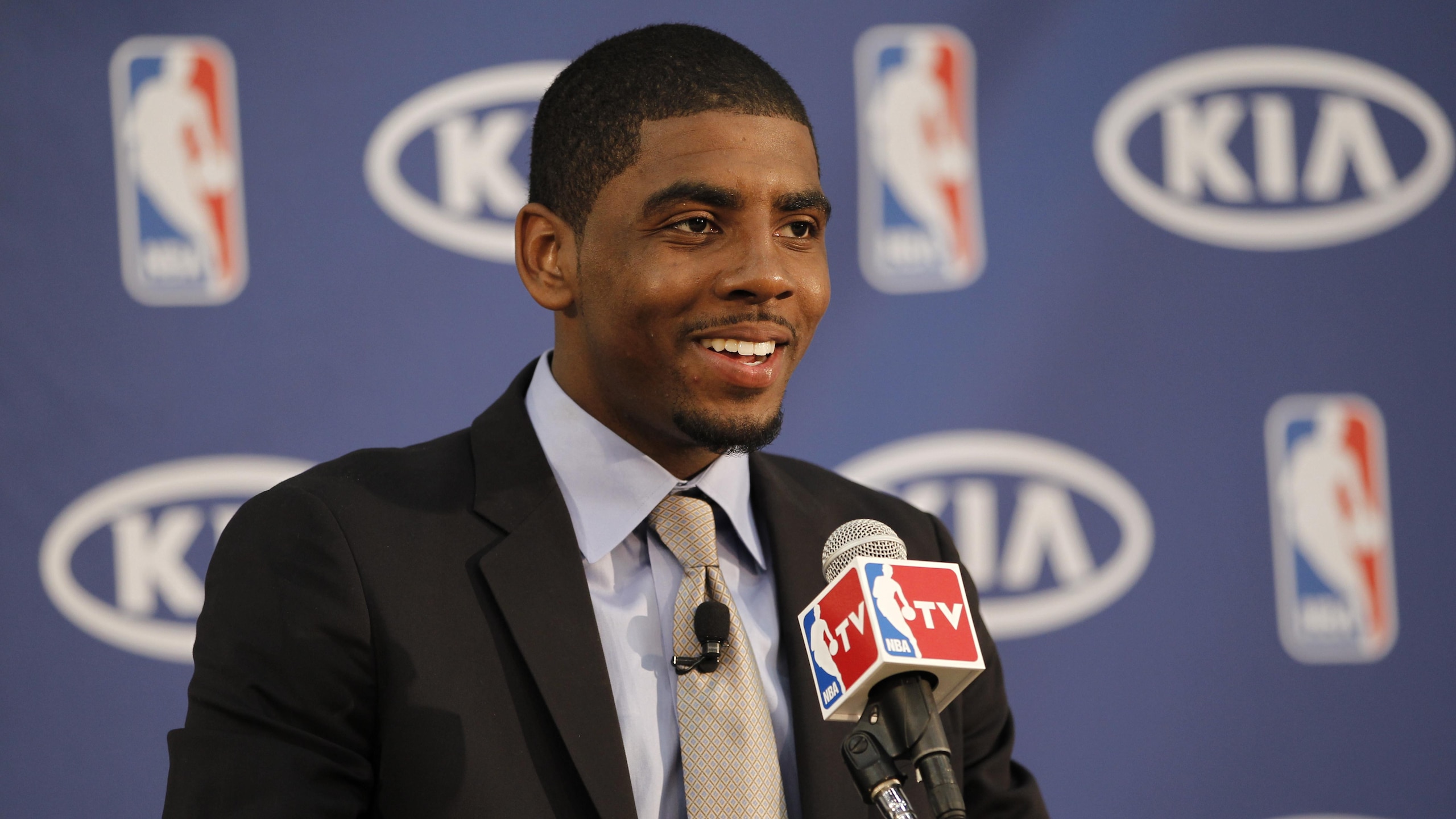
LeBron's Cleveland legacy is built around three major tanks. Here's the second. In 2010-11, after "The Decision" cratered the franchise, the Cavaliers went 19-63. Good for the second-worst record in the league. They endured a 26-game losing streak and lost 36 of 37 at one point, a putrid stretch.
LeBron's first return to Cleveland in a Miami Heat jersey became a national spectacle and a 118-90 humiliation. The roster was a patchwork of Antawn Jamison, Anderson Varejao, Mo Williams and short-term pieces like Manny Harris and Ryan Hollins.
Every tank needs a little lottery luck. Cleveland's came when it traded Mo Williams and Jamario Moon to the Clippers for washed Baron Davis and an unprotected first-round pick. Ownership absorbed roughly $9 million in costs to take on Davis' contract for a mid-lottery shot. The odds of that pick becoming No. 1 were 2.8 percent. The ping-pong balls hit anyway, and the Clippers' selection jumped to first, granting them Kyrie Irving.
The third tank came after LeBron's 2018 exit. In 2018-19, Cleveland again finished 19-63, second-worst in the NBA, this time behind the Knicks at 17-65 and tied with Phoenix. All-Star Kevin Love was shut down for most of the year while vets were shipped out.
Young players like Collin Sexton, Cedi Osman, Larry Nance Jr. and Ante Zizic absorbed heavy minutes, finishing the year on a 10-game losing streak to secure draft position. This time, they got the fifth pick, taking Darius Garland, who would man the point during their recent return to relevance.
Between those bookends, Cleveland won the No. 1 pick in 2013 and 2014. They selected Anthony Bennett first overall in 2013, the most infamous bust in league history. In 2014, they drafted Andrew Wiggins first overall, then flipped him for Love once LeBron decided to return. It's almost like LeBron brings his own luck.
The 2016 title made everything worth it for the Cavs and LeBron. Even though subtlety was neither's forte, two identical 19-63 seasons after each LeBron departure is pretty on the nose in tanking terms.
But who else can claim multiple No. 1 picks in a four-year span?
2. 2020-21 Oklahoma City Thunder
14 of 15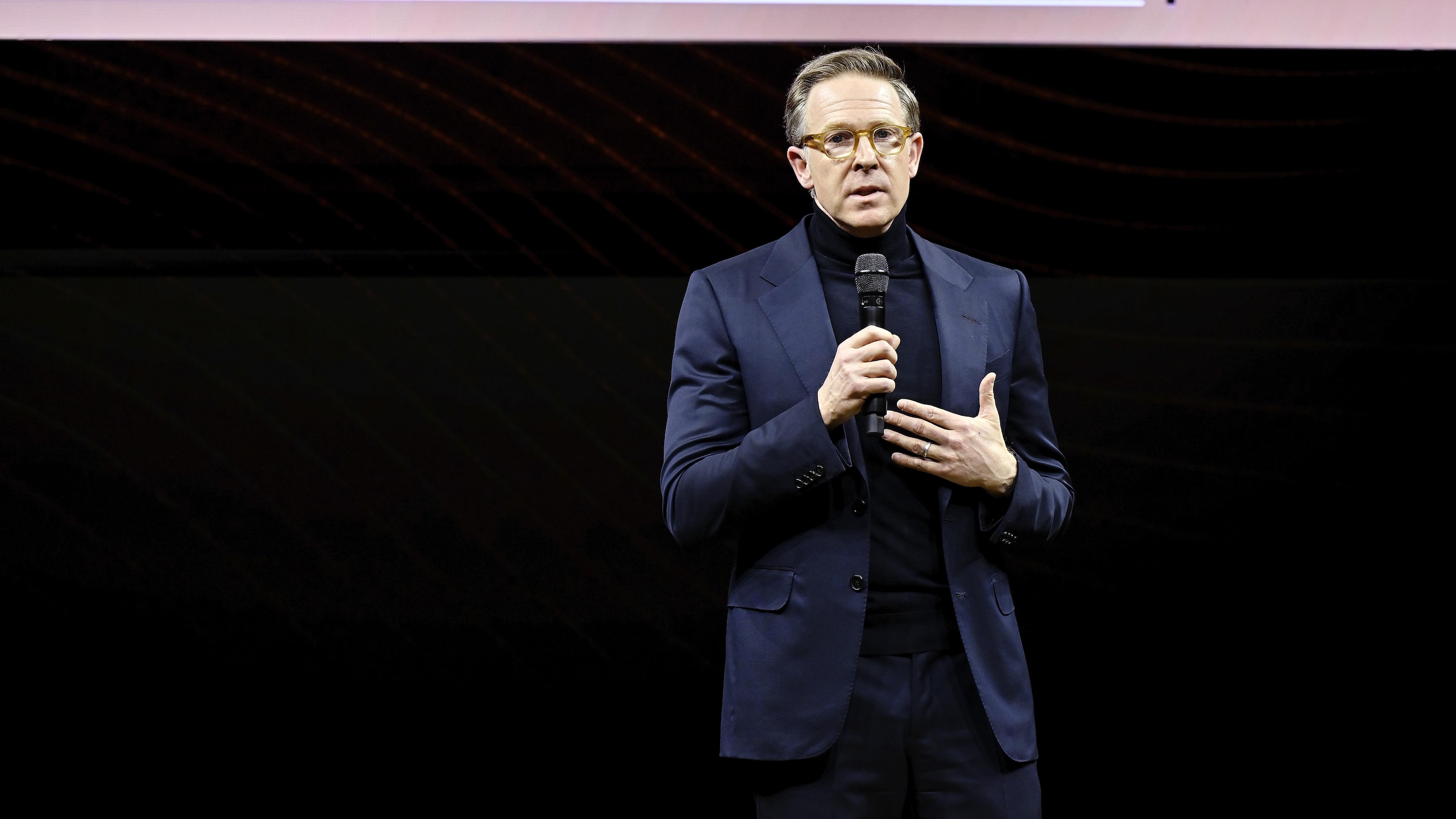
Want to hear something hilarious? Sam Presti built the Oklahoma City Thunder's championship roster through the draft, and now reportedly has the audacity to object when another team tries to game the same system.
That's the hypocrisy.
During the early 2020s, the Thunder leaned into losing to maximize their lottery odds. Now that their protected pick from Utah is in play, reports suggest Oklahoma City has pushed the league to ensure the Jazz remain competitive. When OKC rests players and plays the kids, it's "long-term vision." But when Utah does it, it's a problem.
A reminder for the OKC supporters: The 2020-21 Thunder finished 22-50, tied for the fourth-worst record in the league. They ranked 30th in offensive rating and 30th in net rating. From early April through mid-May, they lost 21 of 23 games, including multiple defeats by 20-plus points.
That season, a young Shai Gilgeous-Alexander averaged 23.7 points and 5.9 assists, but played in only 35 of 72 games before being shut down with plantar fasciitis.
Sure, the team cited caution, but their standing benefited tremendously from SGA's absence. Oklahoma City handed extended minutes to Aleksej Pokusevski at nearly 28 per game, Theo Maledon at more than 27 and Moses Brown, who started 32 games. Four seasons later, all three are out of the NBA.
The Thunder entered with a 45.1 percent chance at a top-four pick and an 11.5 percent chance at No. 1. They also controlled additional first-round selections from Houston and the Clippers. So every loss carried compounded value.
Tanking is how OKC and Presti built around Kevin Durant, Russell Westbrook, and James Harden during the first "Thunder University." And it's exactly how they built their championship version the second time. So quit complaining, Presti. Nobody has a monopoly on losing.
1. Mid-2010s Philadelphia 76ers
15 of 15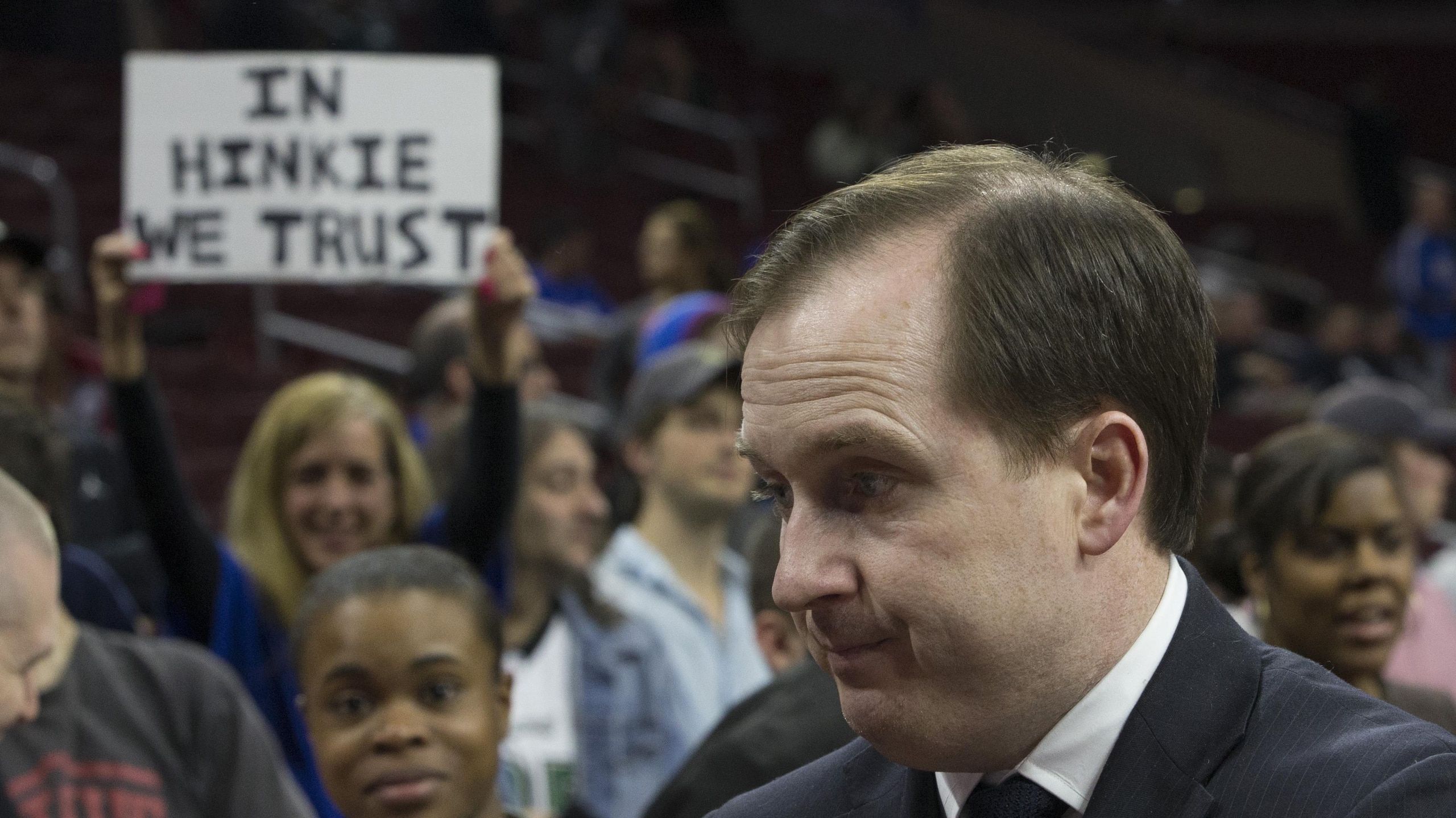
Finally, we get to the Process Sixers, who took tanking to another level.
When Sam Hinkie took over as GM in 2013, he didn't bother to hide behind vague rebuilding excuses. His tenure was all about asset accumulation and probability. "Process over results" was the motto. Wins became secondary to draft position.
Here's how it started: On draft night in 2013, Philadelphia traded 23-year-old All-Star Jrue Holiday to New Orleans, fresh off a 17.7-point, 8.0-assist season, for the No. 6 pick and a future first-rounder. They used that year's selection on Nerlens Noel, who was recovering from a torn ACL and would miss the entire 2013-14 season.
The losses came fast and furiously, and in 2013-14, the Sixers went 19-63, ranking 26th in offense and 30th in defense. They lost 26 straight games, tying the NBA record for the longest losing streak at the time.
The next season, they finished 18-64, ranked 30th in offensive rating and 30th in net rating, and began the year 0-17. In 2015-16, the bottom fell out: 10-72, a 1-30 start and another 28-game losing streak.
Across three seasons on Hinkie's watch, Philadelphia went 47-199, a .191 winning percentage.
They drafted Joel Embiid at No. 3 in 2014 despite a foot injury that sidelined him for two full seasons. Then they took another center, Jahlil Okafor at No. 3 in 2015 while cycling out veterans for second-round picks and absorbing the league's worst contracts for assets.
"Trust the Process" was first echoed by end-of-the-bench players like guard Tony Wroten and then adopted, at times begrudgingly, by fans. It was a public, unapologetic obsession with long-term, sustainable losing. Since 2000, no team's been better at being bad.

.jpg?w=2560 "AD Trolls Bears WR on IG 😂")
.jpg?w=2560 "Buzz: MHJ Hired Agents for Trade")
.jpg?w=2560 "Report: Steelers WR to Miss 'Weeks'")
.jpg?w=2560 "Viral Dan Campbell Presser 💙")

.jpg?w=2560 "Cam Ward Says He's Not A Loser")