
Dangerous Teams with Most Cinderella Potential in 2026 Men's NCAA Tournament

Fans of top teams all across the country are dreaming of a deep run in the men's NCAA tournament, but Cinderella may be lurking.
The last two editions of March Madness have not featured a surprise non-major team reaching the second weekend. Before then, however, we had a string of stunning upsets—most recently by 15th-seeded Princeton in 2023.
And plenty of others, like Oakland in 2024, have fallen just short.
Whether due to offensive excellence, defensive strength, marquee wins or many other factors, these programs may be built for a Cinderella run.
One note: All teams are seeded no higher than 12th in the latest BracketMatrix update. So, a program like MAC-leading Miami is not considered.
Belmont Bruins
1 of 7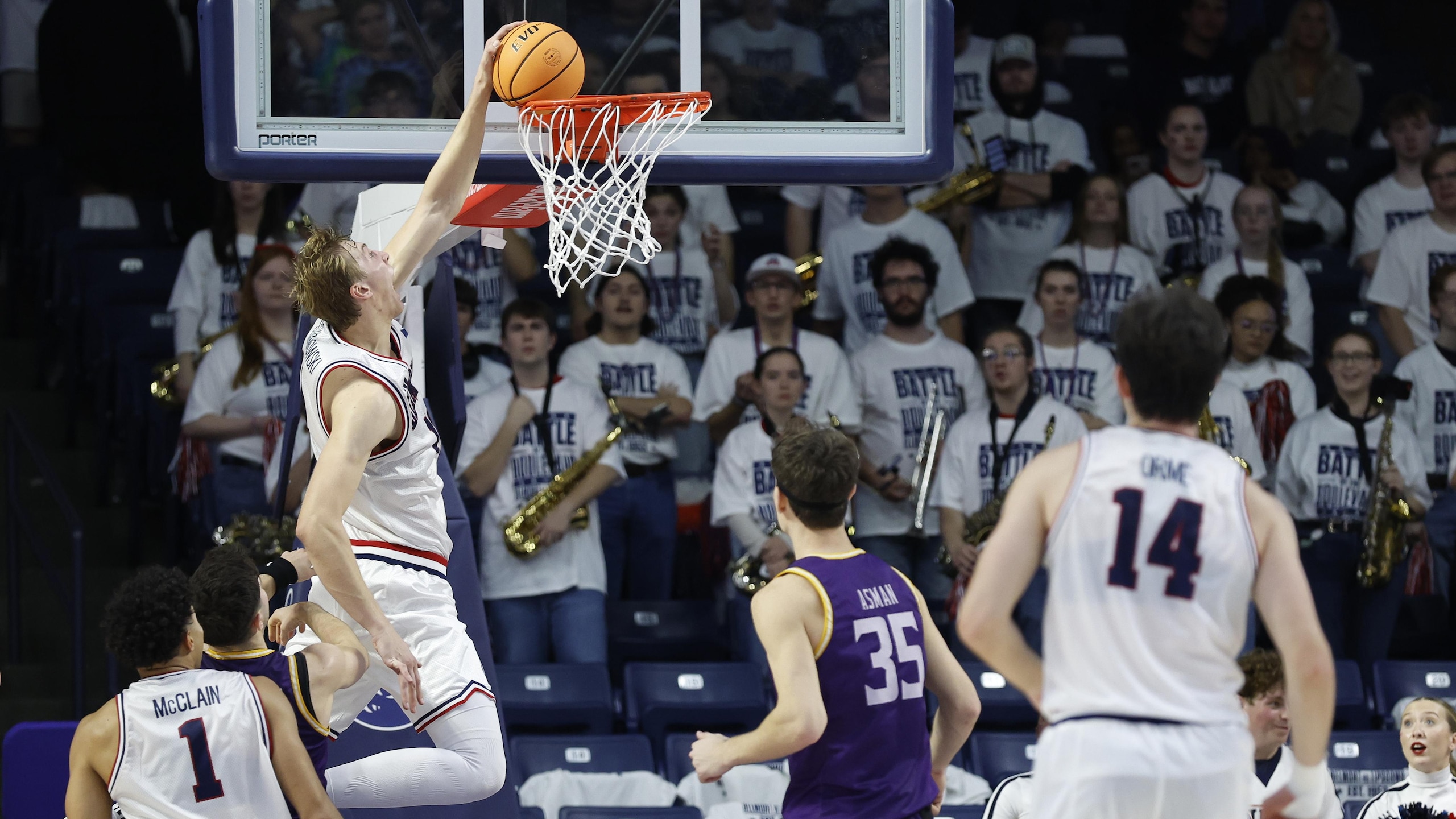
Unfortunately for Belmont, key guard Nic McClain is sidelined and uncertain to return this season. That stings the backcourt, for sure.
But there is just so much firepower on an unselfish offense.
Led by 15-point scorer Tyler Lundblade, the Bruins have three more starters at nine-plus per game. True freshman Jack Smiley is also above the mark since taking a larger role after McClain's injury.
Plus, the return of Aidan Noyes has bolstered what's already a good perimeter team. Five players take 2.5 threes per game and connect at a 37 percent rate or higher.
Navigating the Missouri Valley tourney may be difficult, given how often Belmont has tight finishes. But they'd be a pesky opponent in March.
Hawaii Rainbow Warriors
2 of 7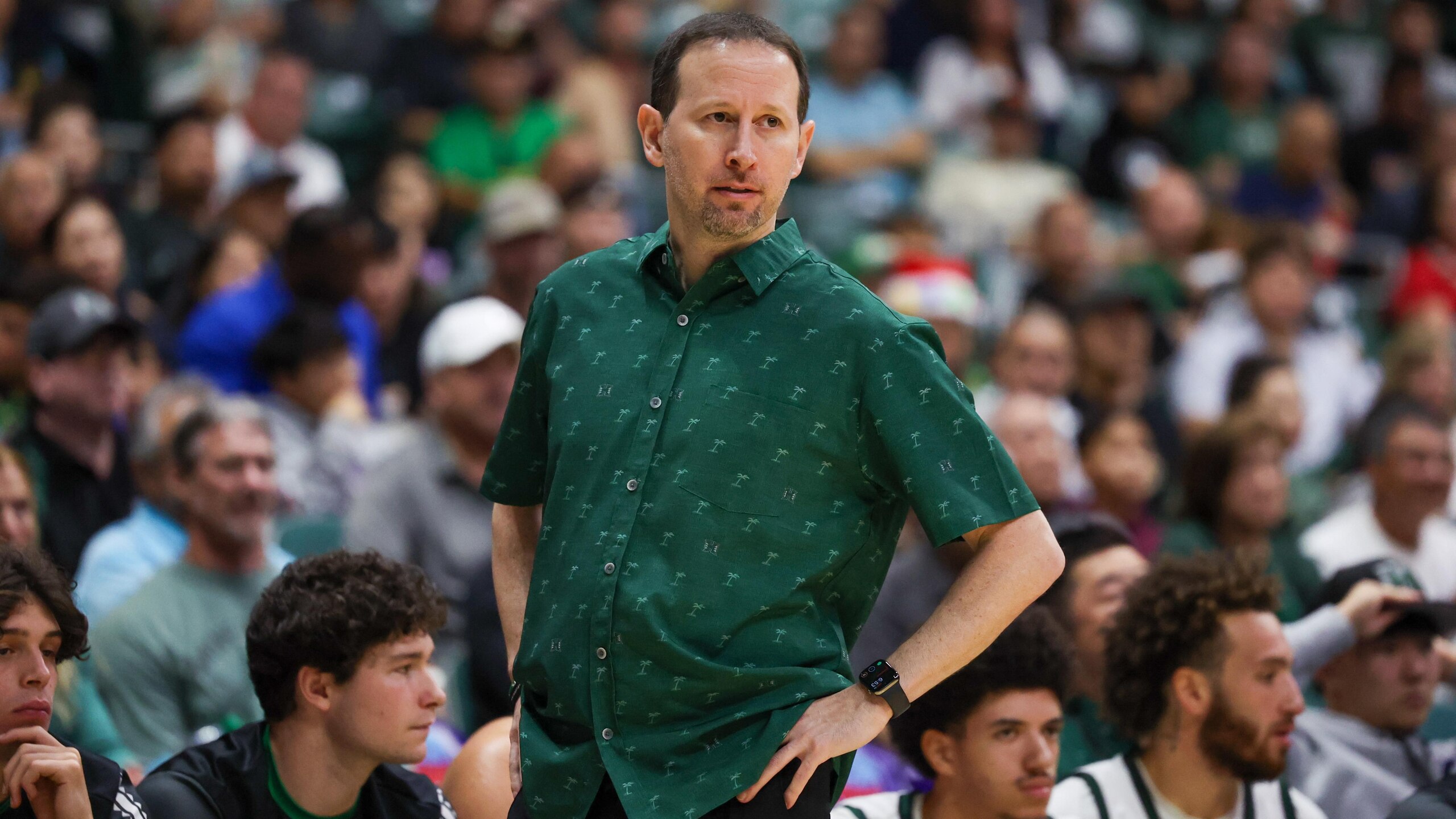
Seeking its first trip to the men's NCAA tournament since 2016, Hawaii is looking like an absolute thorn this season.
The defense simply refuses to give up long-range opportunities, boasting a top-10 mark in both opponent three-point attempt rate and overall percentage. To beat Hawaii, you probably need to win inside the arc.
Earlier this season, both Oregon and Arizona State nearly found that out the hard way before narrowly dispatching UH.
Hawaii does not have an overwhelming offense—there's a shortage of efficient long-range threats, in particular—but its depth of scoring is noticeable. Six players are between 8-12 points per game, and Isaiah Kerr has been valuable off the bench.
While matchups always make the difference in March Madness, Hawaii could be a perfectly wrong one.
High Point Panthers
3 of 7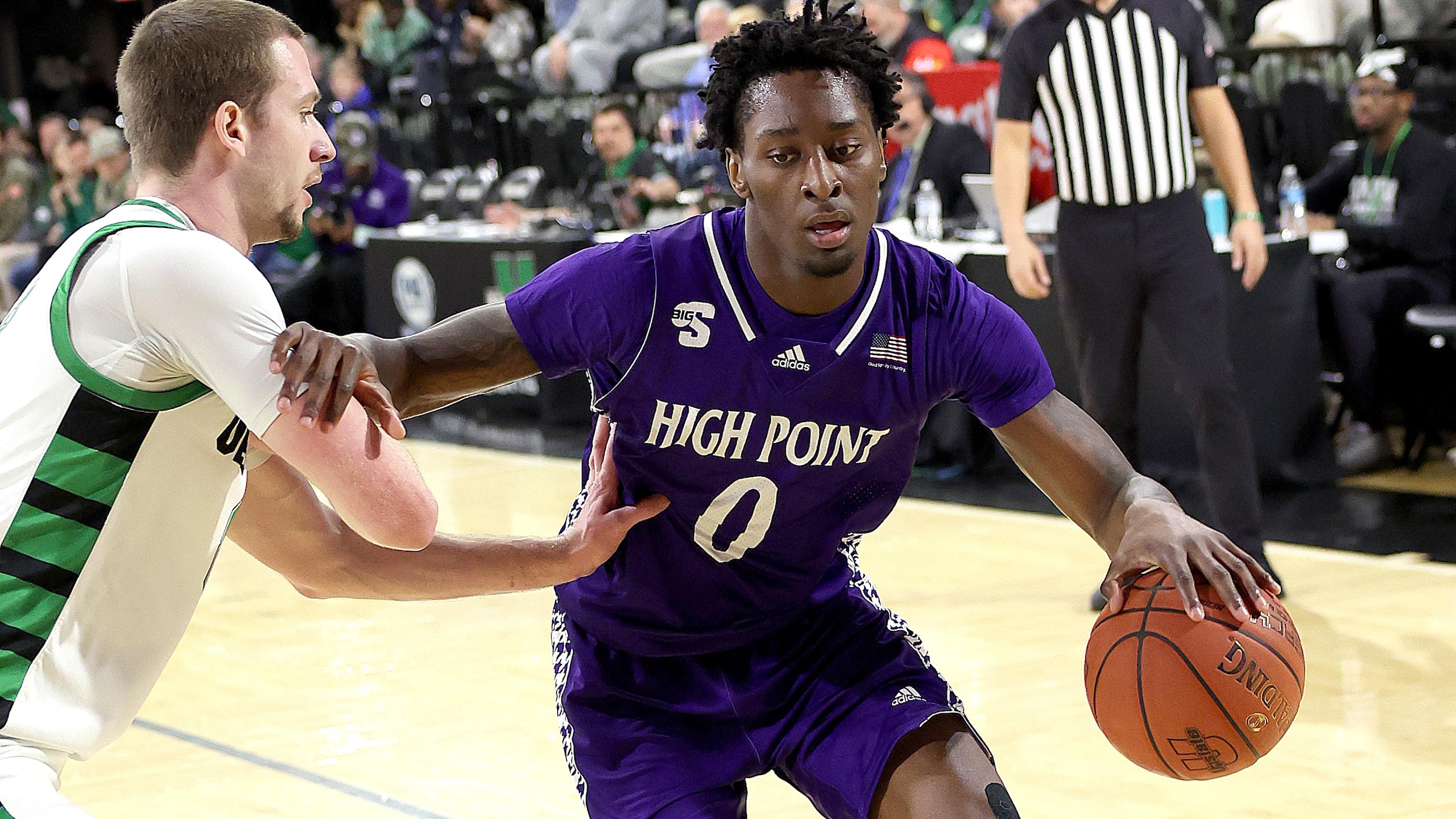
If you like offense, do I have a team for you.
High Point is scorching nets for greater than 90 points per game, boasting a 22-4 record and standing atop the Big South.
Terry Anderson is a menace near the rim, while Rob Martin and Conrad Martinez both average at least 10 points and 3.5 assists. Owen Aquino has flourished lately, while Scotty Washington, Braden Hausen and Chase Johnston all have their moments, too—as could Cam'Ron Fletcher, if he settles into a role.
Limited size could be a factor, considering the Panthers' only players above 6'8" are irregularly used reserves. Rebounding is a full team effort, for sure.
But when the nation's leader in steal percentage creates havoc on defense and brings a balanced scoring attack, High Point is a tough out.
Liberty Flames
4 of 7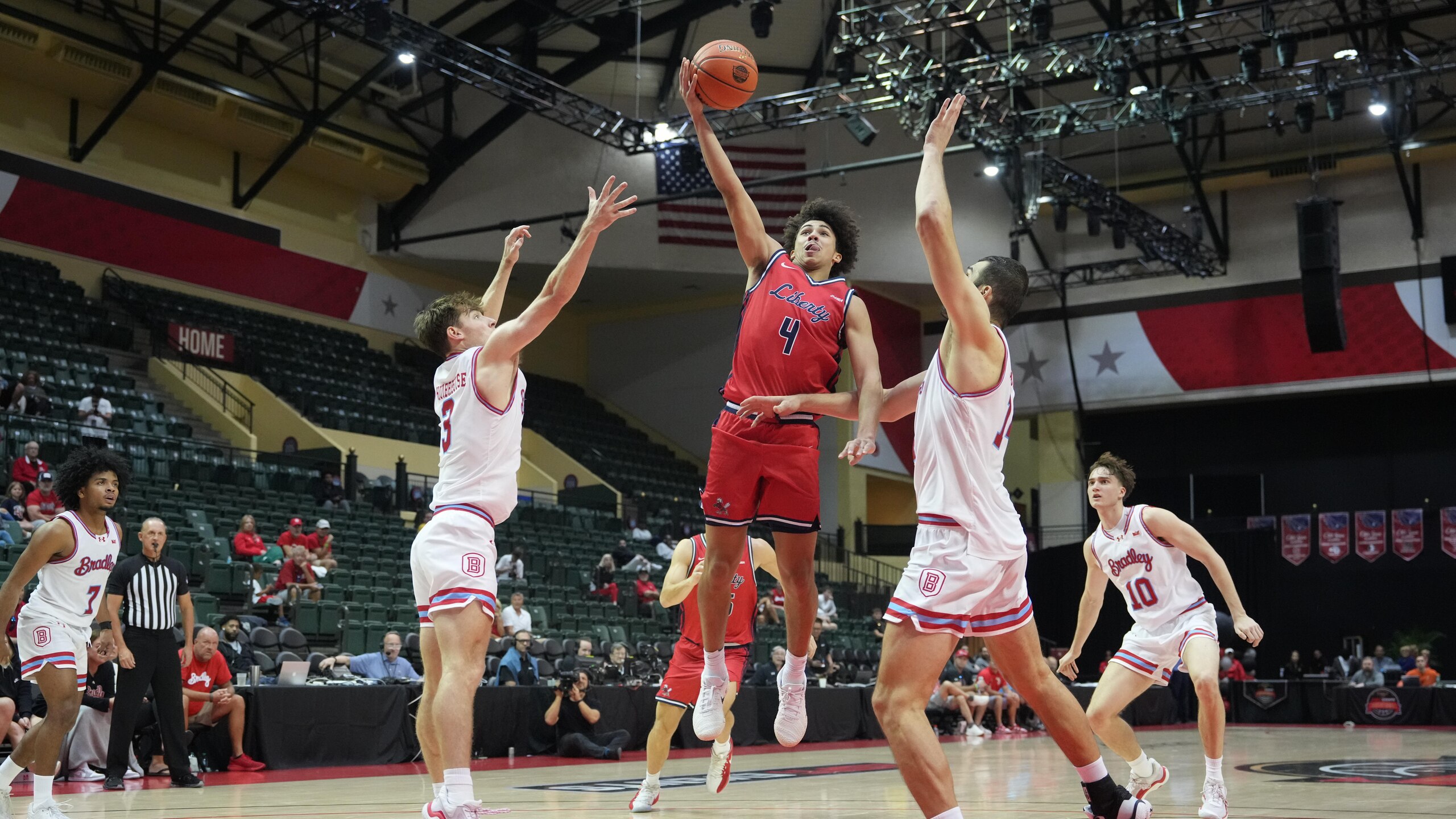
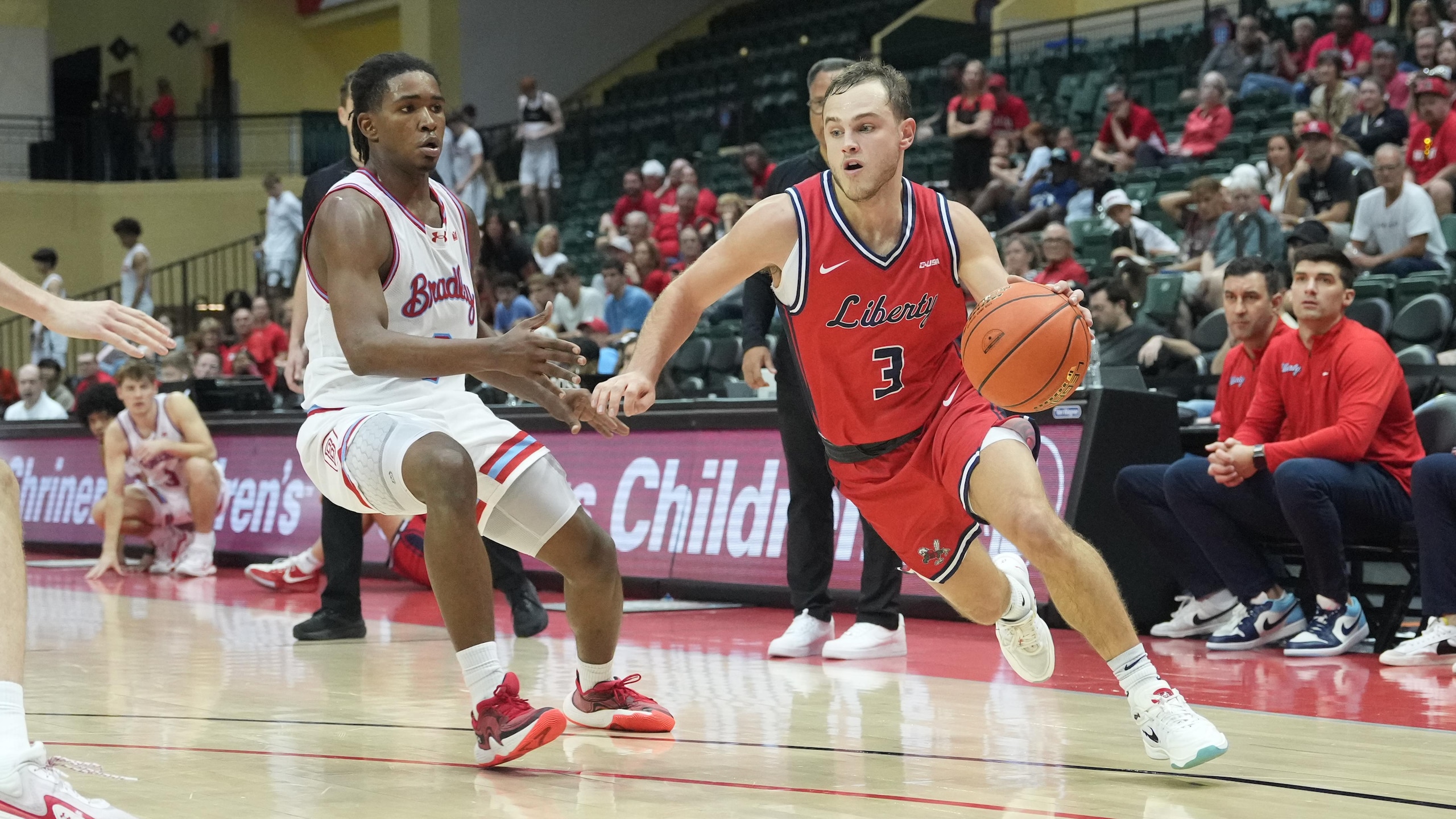
Another year, another hot-shooting Liberty team.
Though the Flames aren't terribly deep—the rotation is usually eight players—they are loaded with scoring efficiency.
Brett Decker Jr. is a high-volume perimeter shooter making 50.6 percent of those attempts and leads Liberty at 17.4 points per game. Kaden Metheny and Colin Porter also average 11-plus points with a three-point clip around 40 percent.
Zach Cleveland is the tallest starter at 6'7" yet doubles as the main facilitator. He provides 7.3 assists per night, along with 11.0 points and 7.8 rebounds.
Liberty, which sprung an upset in the Big Dance as a No. 12 seed in 2019, is second nationally in true shooting percentage.
Southland's Top Teams
5 of 7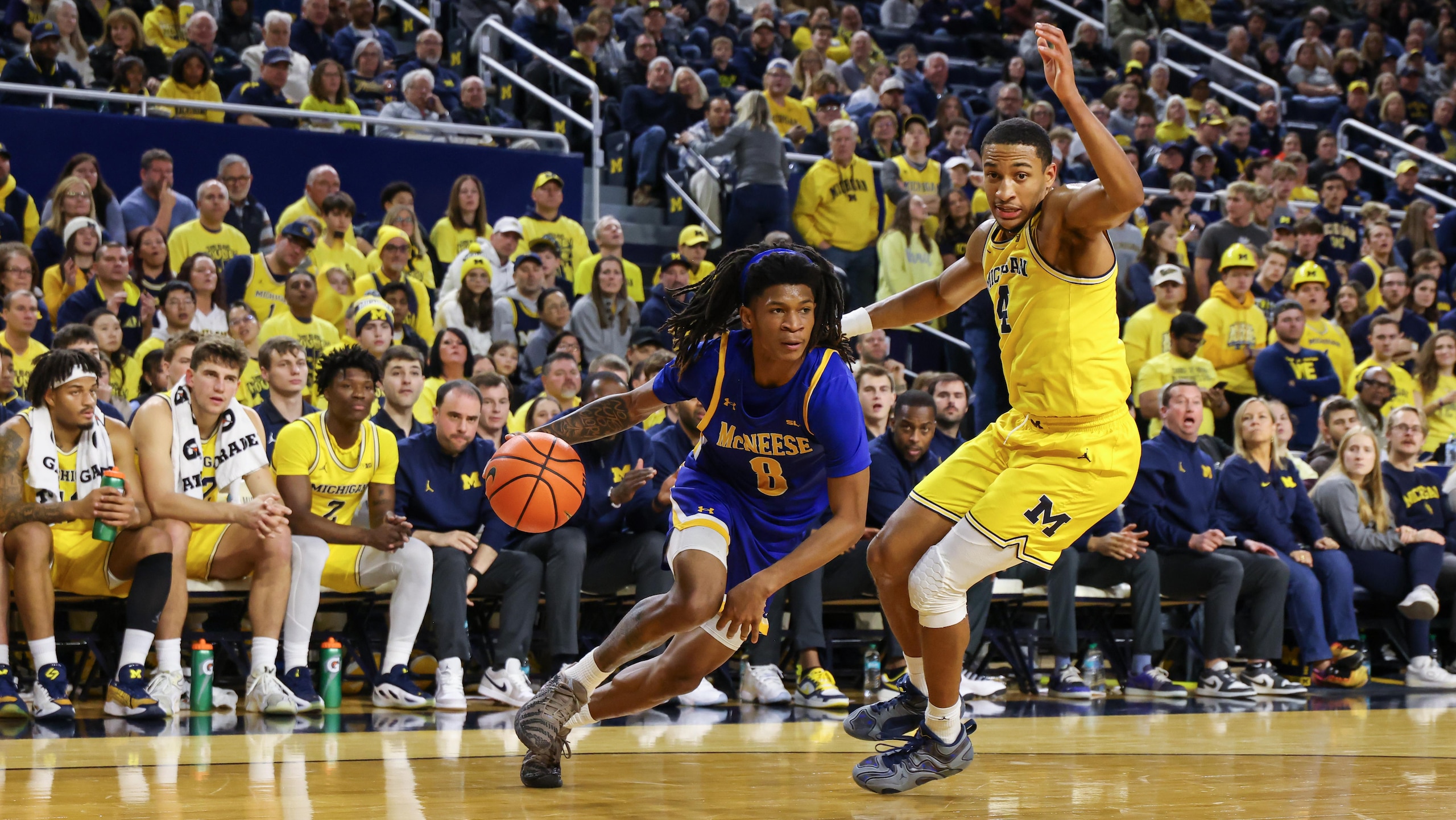
Cheating? A little, sure. But we cannot guarantee McNeese or Stephen F. Austin will ultimately represent the one-bid Southland in the Big Dance.
However, you can be certain a top-five seed is not eager to face them.
McNeese is among the country's best at creating turnovers, and SFA has posted a top-25 opponent assist rate. McNeese is stout defensively inside the arc, while SFA does a great job around the perimeter.
Beyond those stingy defenses, both teams are nuisances on the offensive glass and have a trio of 10-point scorers.
Keep a close eye on McNeese or SFA if one emerges from the Southland.
Troy Trojans
6 of 7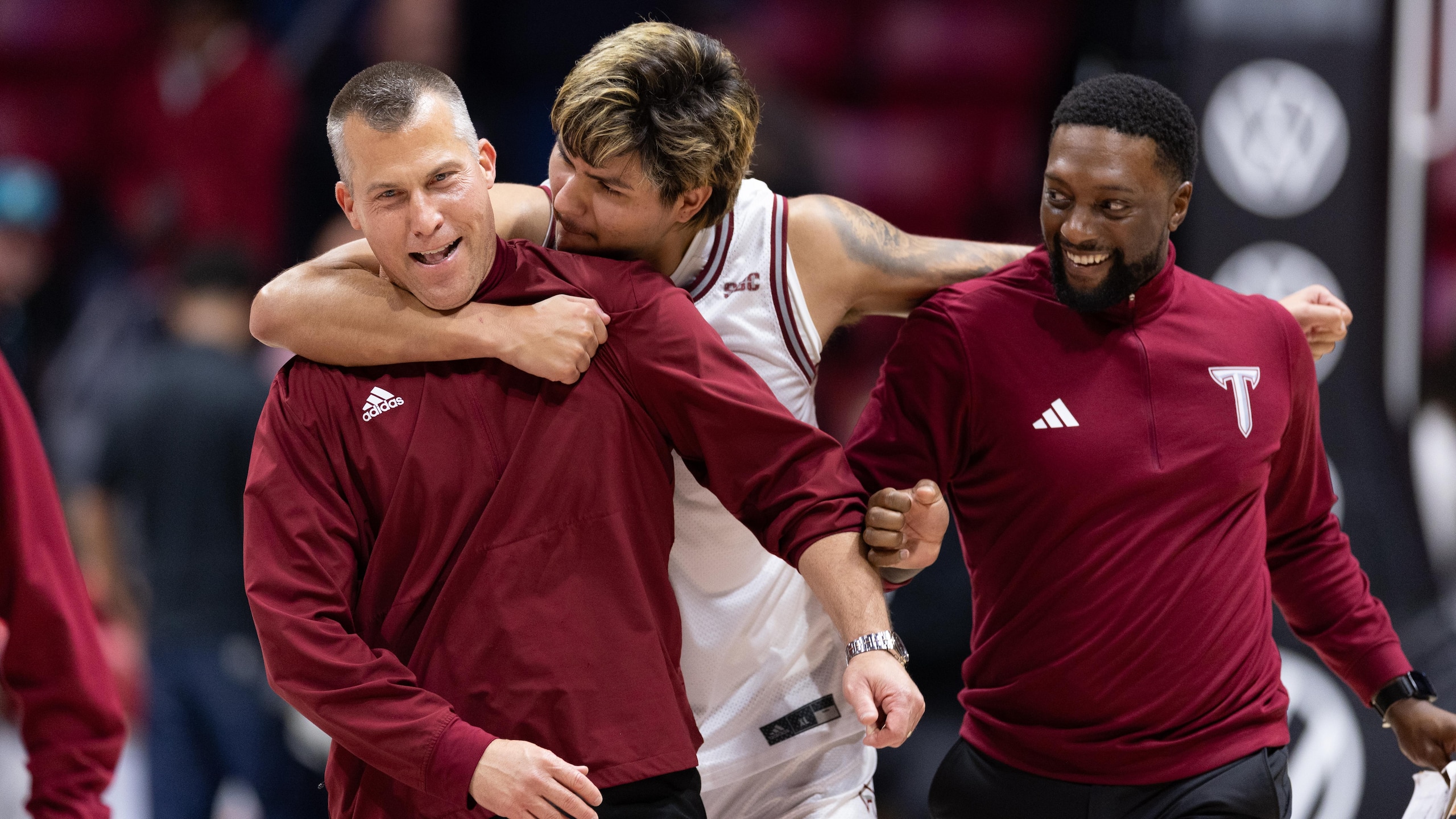
Troy wasted no time making an impact in the 2025-26 season, beating San Diego State and losing to USC by a point in November road games.
Heading into this closing stretch, the Trojans own a combined 3-1 record against Quadrant 1 and 2 competition.
Similar to Belmont, a solid top unit atones for limited depth as Troy's starters are all in double figures. Thomas Dowd is an elite offensive rebounder, and both Cooper Campbell and Victor Valdes are just shy of five assists per game.
Troy leans pretty heavily on the perimeter, and only three convert at a truly quality rate. The danger for the Trojans is obvious.
But if shots are falling, Troy has second-weekend upside.
Yale Bulldogs
7 of 7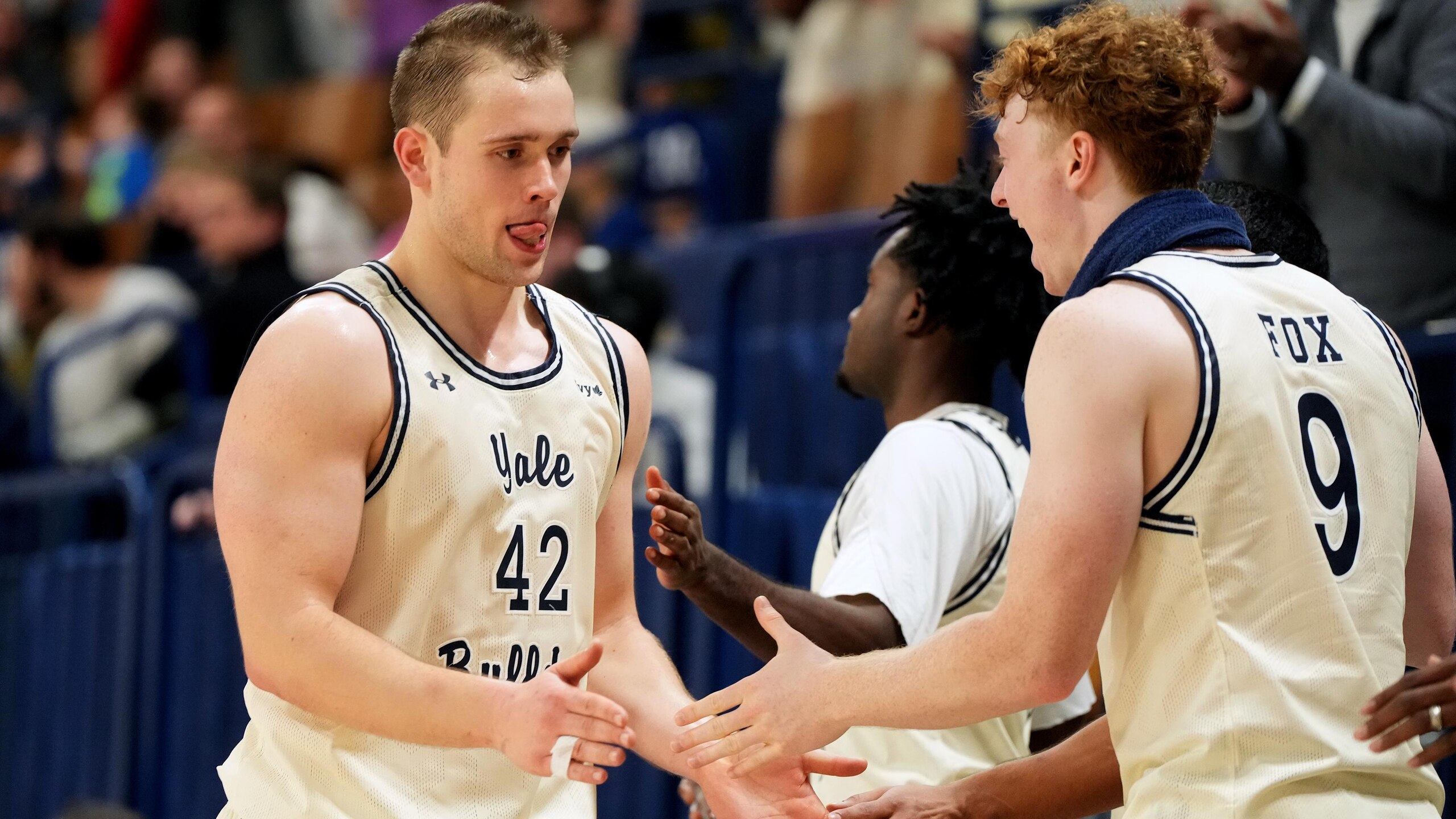
Behold, the annual tradition of spotlighting Yale.
Over the last decade, the Bulldogs have regularly been a factor in the Ivy League race. They are eyeing a sixth March Madness trip in the last 10 years.
Yale is the nation's best three-point shooting team, knocking down 41.7 percent of its attempts. Top scorer Nick Townsend leads a group of four players who hoist 3.3-plus triples per game and hit 39.0 percent or better.
The experience of this roster must not be undervalued, either. Seven pieces of Yale's eight-man rotation all played in the NCAA tourney last season.
Projected 4/5 seeds likely want nothing to do with Yale.

.jpg?w=2560 "Packers Browns Football")

.jpg?w=2560 "NFLPA Makes Hurts Statement")