.png?w=2560)


Looking back can be a recipe for nights of sleepless, tossing-and-turning regret. Think about the Atlanta Hawks. In 2024, they took Zaccharie Risacher No. 1 overall. Today, the now-20-year-old has time to develop, but the question isn't whether he'd still be the top pick—it's whether he'd even be drafted in the lottery.
On the other hand, traveling back (even hypothetically) creates the option of correcting mistakes. And for celebrating jobs well done.
That's the gist of this exercise. It's a chance to revisit the 2024 NBA Draft and redraw the selections now that we have roughly a season and a half of data.
For our purposes, team fits get tossed out the window, as the real aim is to follow the best-player-available route with each selection. Given the forward-thinking nature of drafting, though, the best player available isn't always the best right now.
Upside matters, in other words. To a certain extent, so do some of the pre-draft impressions that haven't necessarily materialized just yet.
1. Atlanta Hawks: Stephon Castle
1 of 31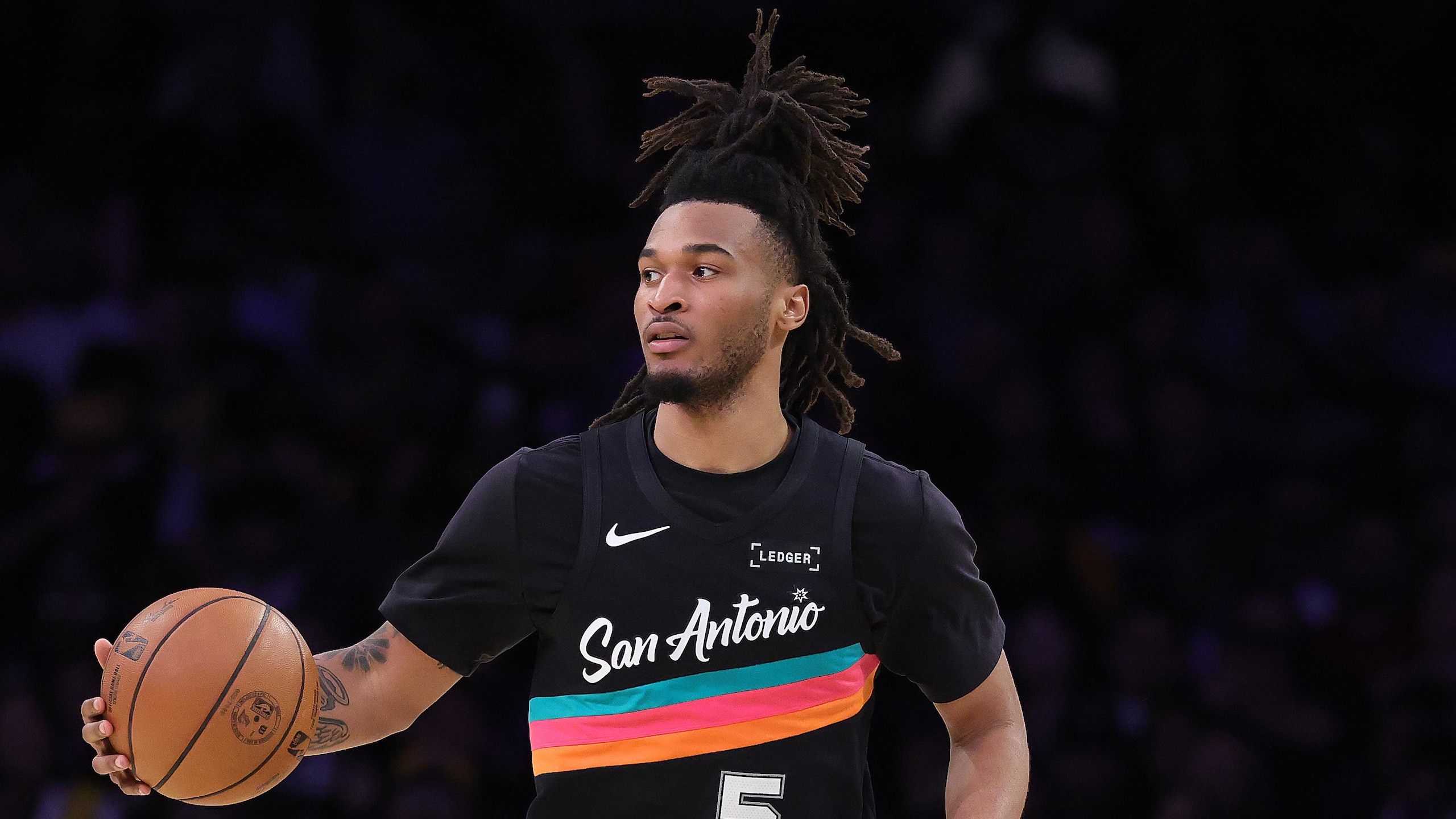
Original Pick: Zaccharie Risacher
Stephon Castle's Original Draft Position: No. 4
Castle was the runaway Rookie of the Year winner last season, and he has arguably strengthened his position atop the draft class this time around (albeit with a furious push from the No. 2 redrafted pick).
His three-point shot still hasn't come around, but basically everything else is working. He's a strong, active, shape-shifting defender, a cunning creator (never an easy role to master in a multi-creator offense) and a ferocious finisher.
Again, save for the shot, everything feels like it's where it should be: a high-teens scoring average as a non-featured option, a better than 2-to-1 assist-to-turnover ratio, a smattering of defensive playmaking and a good amount of charity-stripe visits for, again, his tertiary scoring role.
2. Washington Wizards: Alex Sarr
2 of 31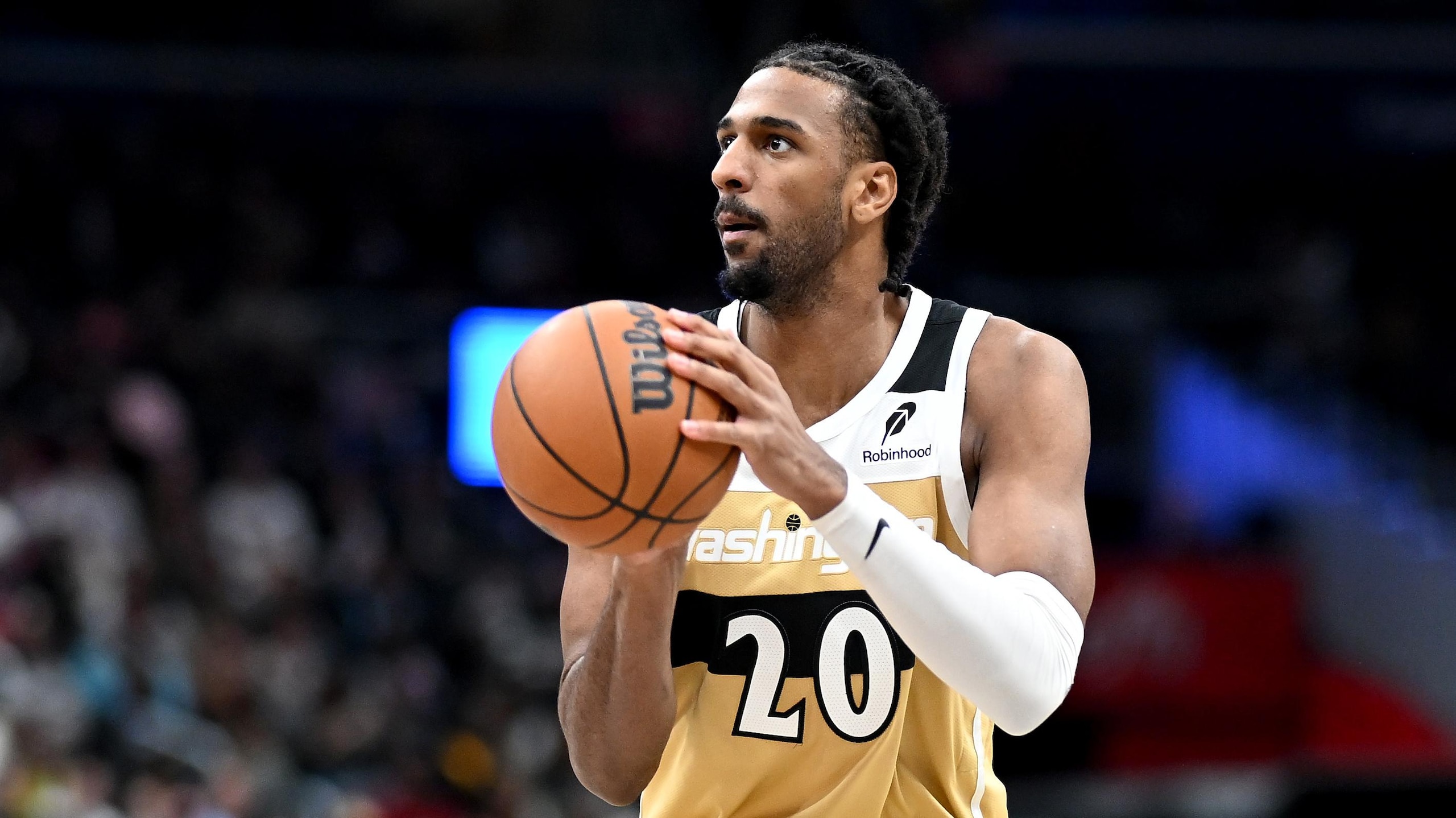
Original Pick: Alex Sarr
Alex Sarr's Original Draft Position: No. 2
There is a clearly defined top-two tier in this draft class. The definition didn't take shape until this season.
Now, though, Sarr has managed to complement his all-out, all-purpose defense with a perpetually growing offensive profile. His shooting touch isn't quite there, but his finishing is way up and he's finding better comfort in the in-between zones. He's also better holding his own on the interior as both a shot-blocker and a glass-cleaner.
Further range expansion is probably required for him to approach star status, and it's too soon to tell whether that's happening or not. (Optimism would be more easily found if he wasn't a sub-70-percent foul shooter.) Still, Wizards fans must be elated with his sophomore effort—even if it didn't change his draft placement.
3. Houston Rockets: Kyshawn George
3 of 31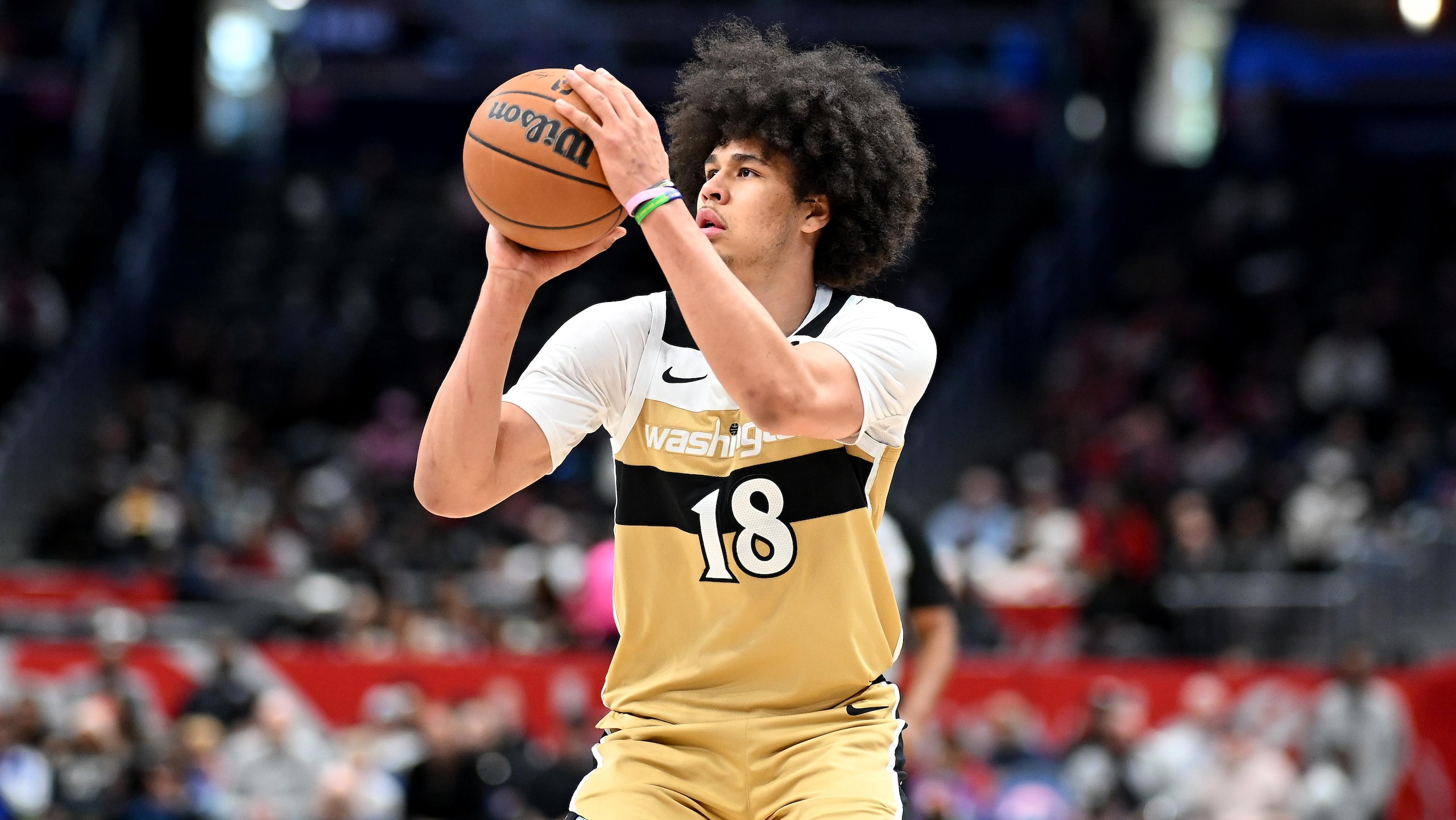
Original Pick: Reed Sheppard
Kyshawn George's Original Draft Position: No. 24
This is aggressive and admittedly maybe a tad too focused on the here-and-now for what's ultimately a future-driven exercise. But, like, holy smokes what a fun second go-round for George this has been.
He's a 6'8" shot-creator and shot-maker, and he's dropping a lot of hints at becoming just a straight-up do-everythinger. You'd like to see a bit more downhill force in his diet—and you're free to worry his shooting rates sagging by the month—but you'll absolutely take essentially a 15/5/5 line with solid efficiency from a sophomore non-star.
If there's an ick with this pick, it's George's age (22) and the growth potential that could theoretically cost him. But if his first-to-second-year leap has truly covered as much ground as it seems, then who's to say there aren't more significant spikes in his future?

4. San Antonio Spurs: Matas Buzelis
4 of 31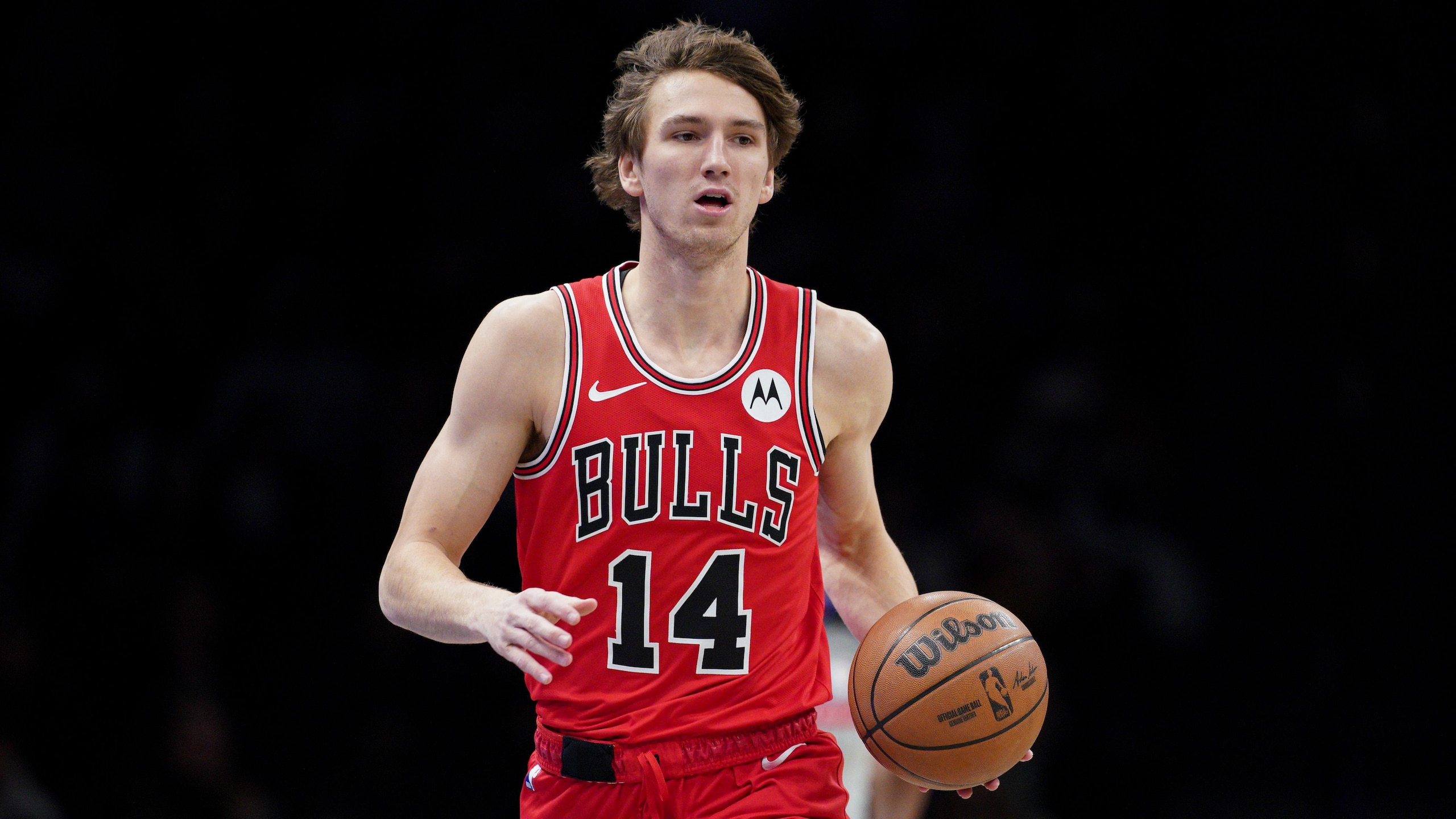
Original Pick: Stephon Castle
Matas Buzelis' Original Draft Position: No. 11
Dubious about Buzelis' chance to become the best player on a good team (let alone a great one)? You should be. Consistent half-court creation is far from a razor-sharp skill now and may never become one.
But if that's your measure, this draft class might collectively fail to reach that threshold. Since it doesn't appear littered with buzzing stars, it's fair to lower the make-something-out-of-nothing ask on Buzelis and instead appreciate his versatility, bounce, energy and play-finishing.
Even if he's subsisting on a lot of transition attacks and created-for-him chances, he's still feasting just fine: 15.2 points on 47.4/37.2/77.8 shooting. His finishing has another level or two it needs to reach, but with his athleticism, there's a safe wager that's more of a when-not-if matter.
5. Detroit Pistons: Reed Sheppard
5 of 31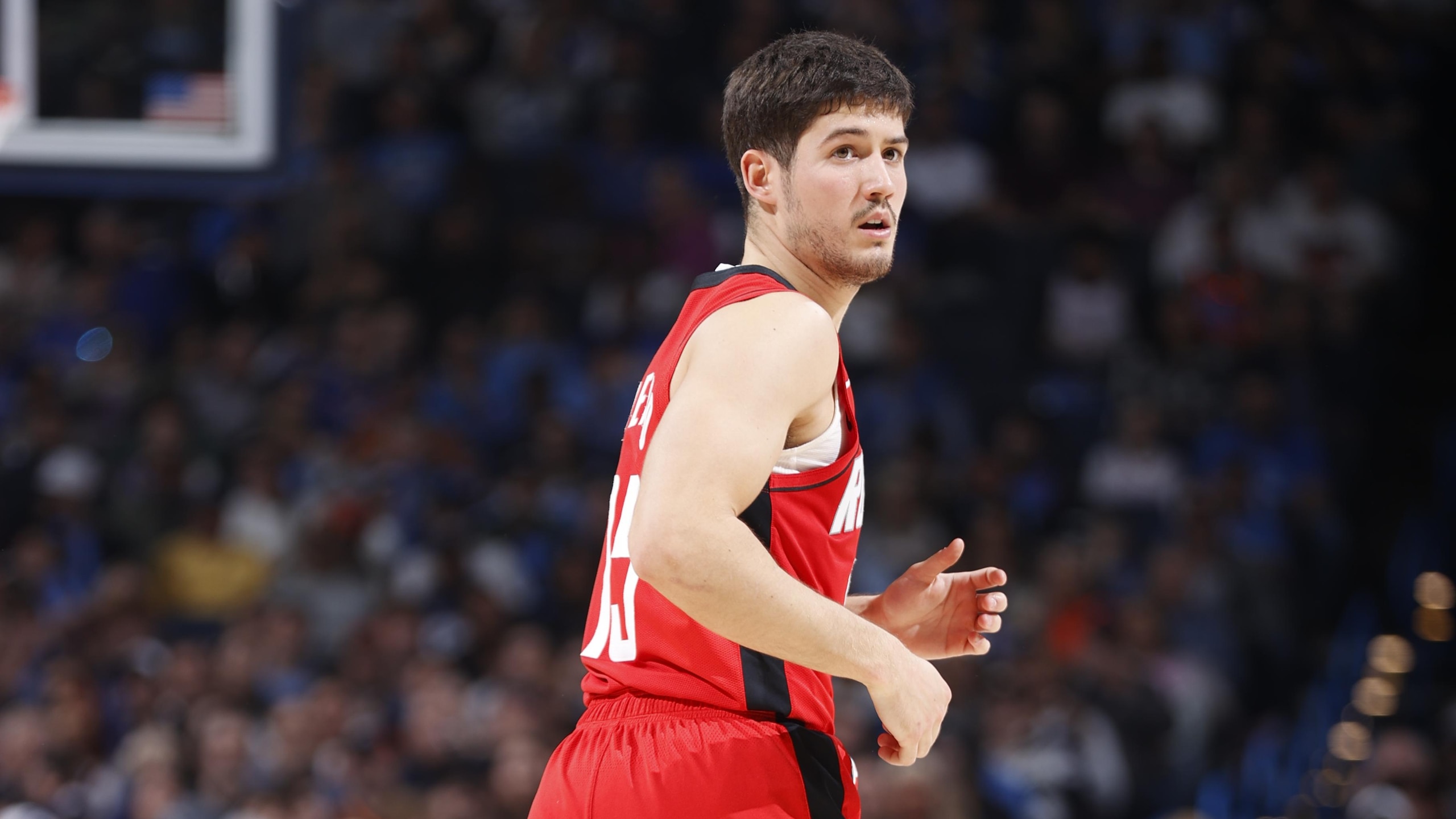
Original Pick: Ron Holland II
Reed Sheppard's Original Draft Position: No. 4
Houston Rockets opponents will do everything they can to figure out if Sheppard's defensive deficiencies render him as basically only an 82-game contributor. In this draft class, though, that worry doesn't warrant a fall outside of the top five.
For one, it's a theoretical problem but not an actual issue yet, as he saw all of 10 playoff minutes as a rookie. Secondly, Sheppard's potentially special gifts on offense are still enough to slot him here. This is his first year as a rotation regular—in an offense that has many mouths to feed—and he's averaging double figures, shooting a shade below 40 percent from deep and more than doubling his turnovers with assists.
The Payton Pritchard 2.0 blueprint is right in front of Sheppard. You take that at No. 5 in a potentially star-less class.
6. Charlotte Hornets: Zach Edey
6 of 31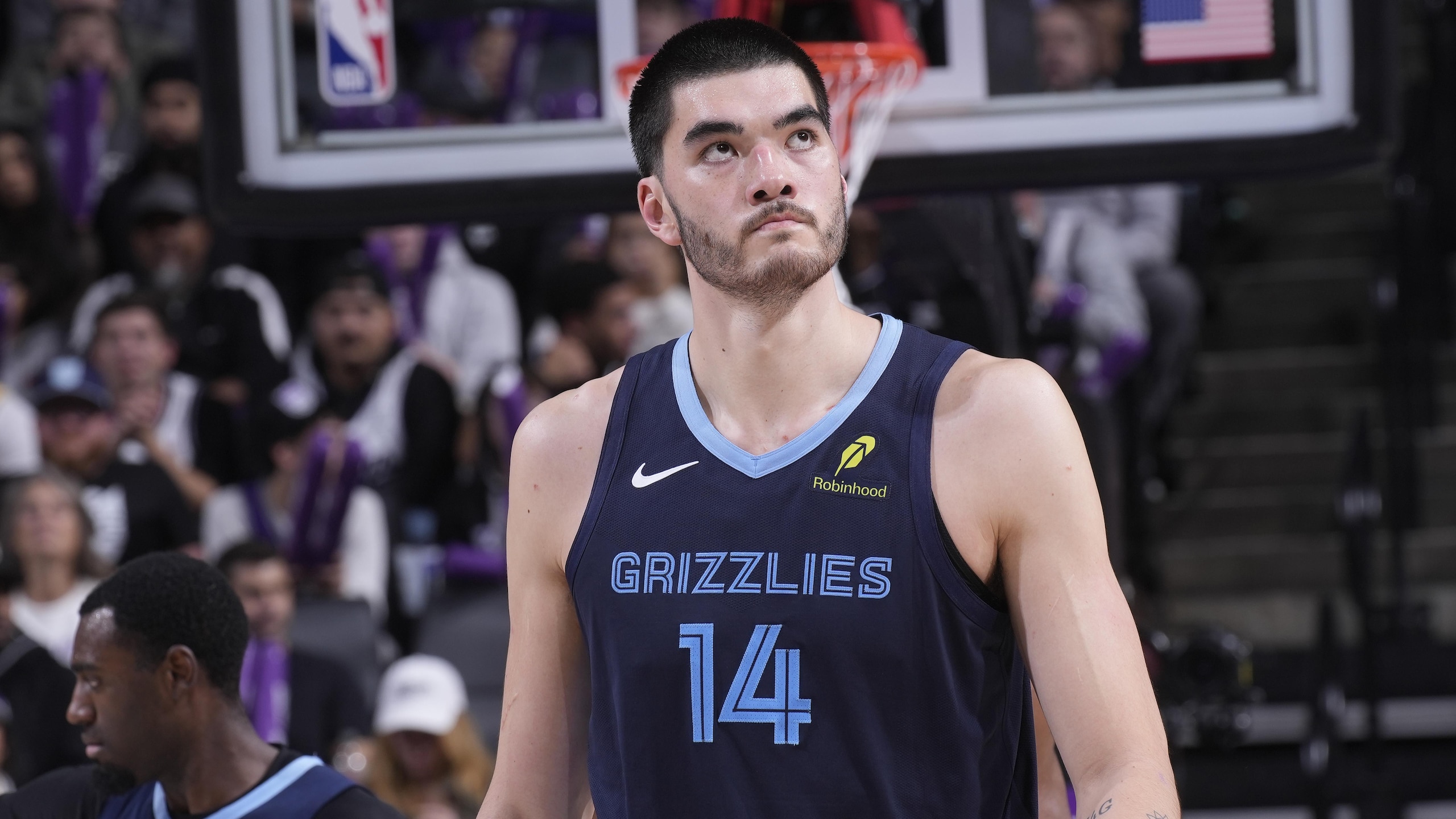
Original Pick: Tidjane Salaün
Zach Edey's Original Draft Position: No. 9
If this is hard to read at all, that's because it's being written with trembling fingers. Edey has managed just 11 appearances as a sophomore—and probably shouldn't even push for any more given the Memphis Grizzlies' circumstances—with an ankle injury, and lower extremities are forever a worry with someone this size (7'3", 305 lbs).
Let's collectively knock on all wood within reach, then, because a healthy Edey could be awesome. Maybe not awesome in space or with whistle-avoidance, but a true paint punisher. And maybe the kind who capably and comfortably ventures out to the three-point arc from time to time, too.
Those 11 outings felt like they might be sounding a rocket launch's countdown. He was a walking double-double and one of the stingiest rim protectors in the business. An interior big who isn't an advanced passer is far from this era's most important archetype, but Edey nevertheless aces the role.
7. Portland Trail Blazers: Donovan Clingan
7 of 31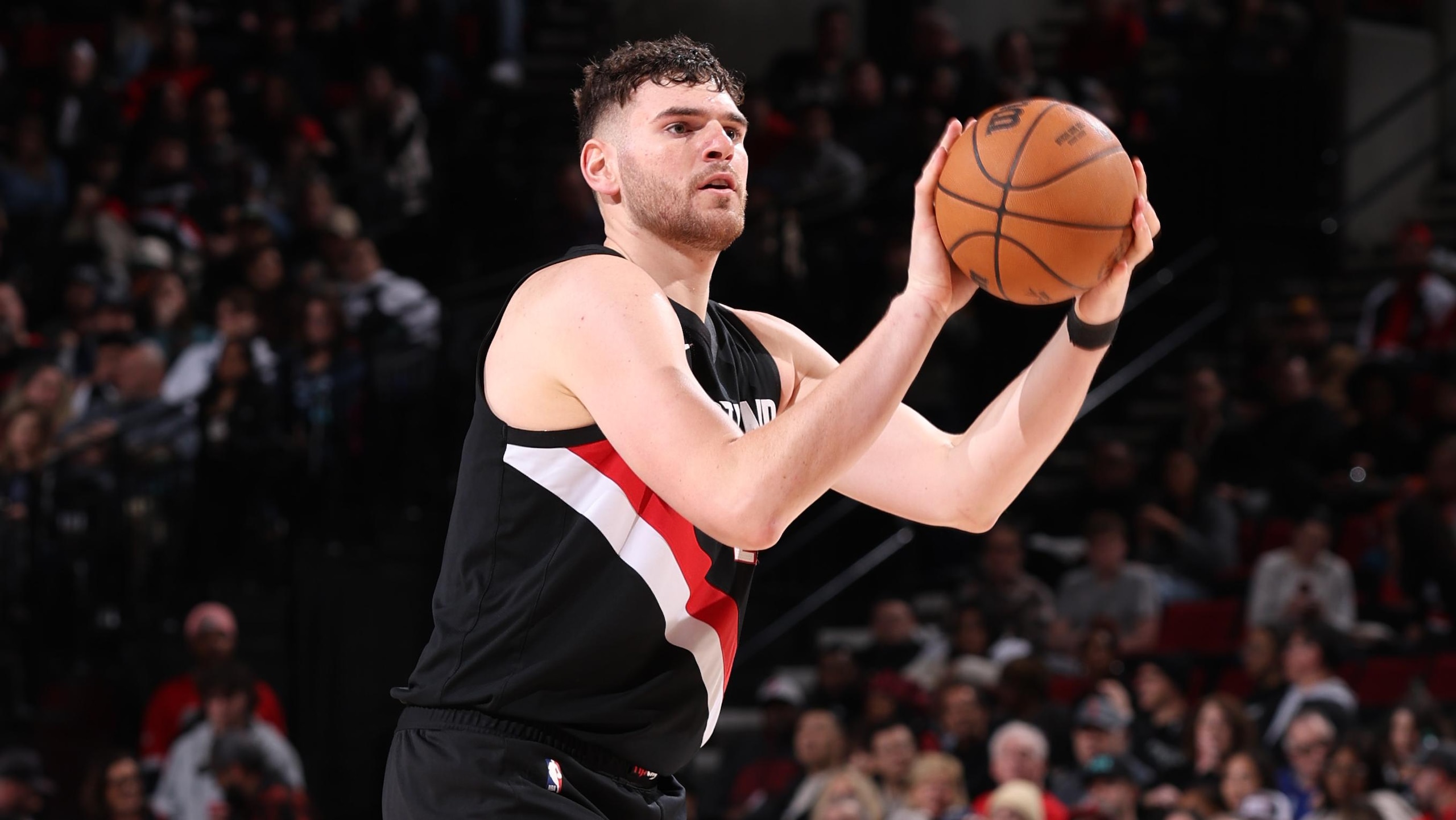
Original Pick: Donovan Clingan
Donovan Clingan's Original Draft Position: No. 7
Blazers fans might wonder why Clingan is sitting behind Edey. Clingan himself probably has the same question, since he offers nearly the same size and interior intimidation, only without the availability concerns. (Again, furiously knocking on wood.)
If this was drafting for defense, the debate would be heated. In terms of all-around impact, though, Edey might forever get the nod for his heavier scoring punch. Clingan could make that interesting, though, if his dabbles in distance shooting materialize into something more.
For now, though, Portland would be thrilled to once again be linked to an active anchor and (mostly) reliable finisher.
8. Minnesota Timberwolves: Ajay Mitchell
8 of 31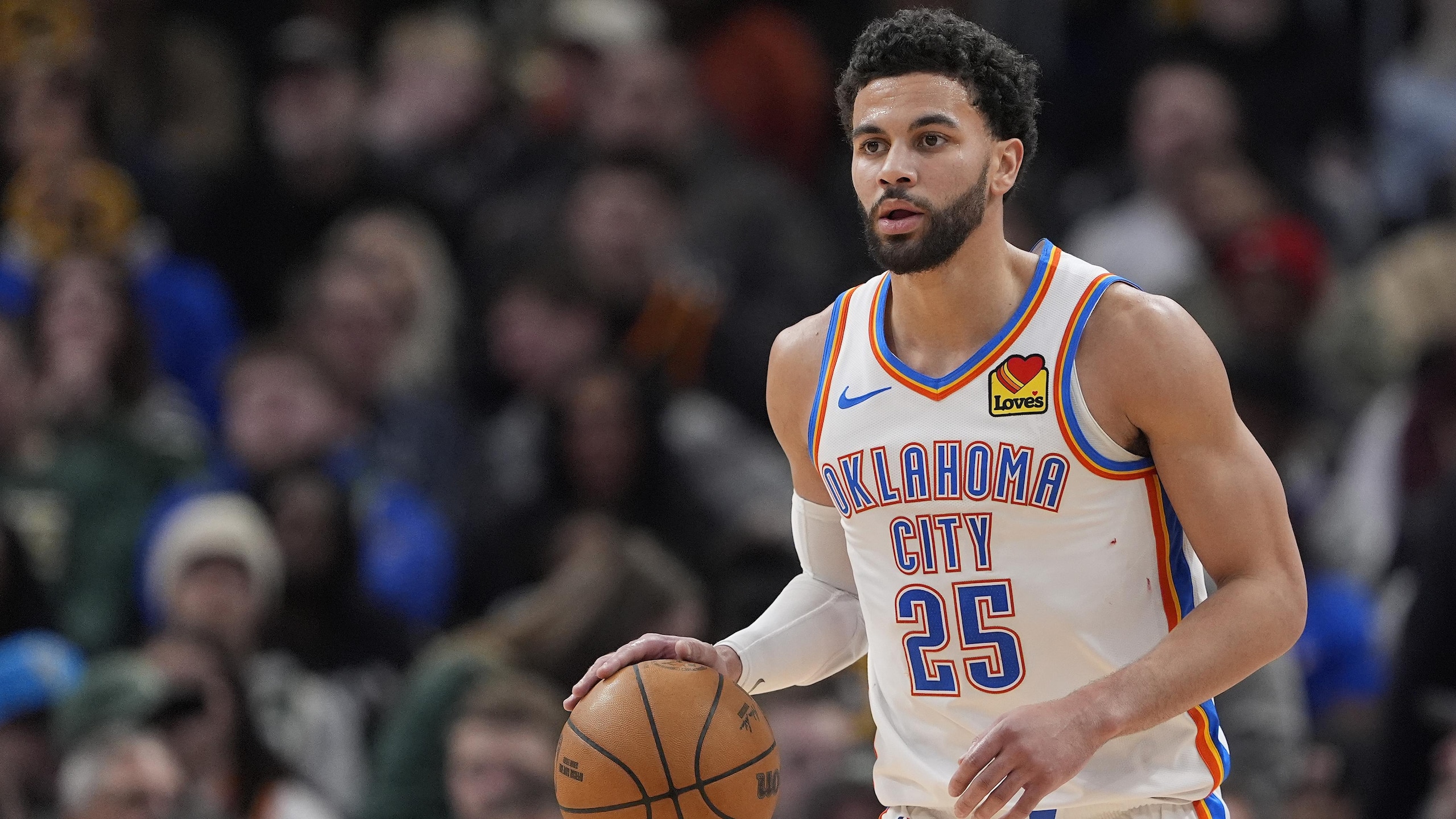
Original Pick: Rob Dillingham
Ajay Mitchell's Original Draft Position: No. 38
There's give-and-take with young players on heavyweight contenders. On one hand, they can touches and floor time harder to come by than some of their cellar-dwelling draft classmates. On the other, they can be more selective with picking their spots and benefit from both the scoring punch and gravitational pulls around them.
That's all a long-winded way of wondering whether Mitchell would like quite this good in a less loaded environment. But that also feels like overthinking it. Why punish him for having help rather than celebrate the fact he's managed to carve out a meaningful role on the defending champions?
A complimentary role feels tailor-made for his talents, but when the Oklahoma City Thunder let him run wild, he usually delivers. He's logged 30-plus minutes a dozen times this season and averaged 17.3 points, 4.6 assists and 1.5 steals in those contests.
9. Memphis Grizzlies: Jaylon Tyson
9 of 31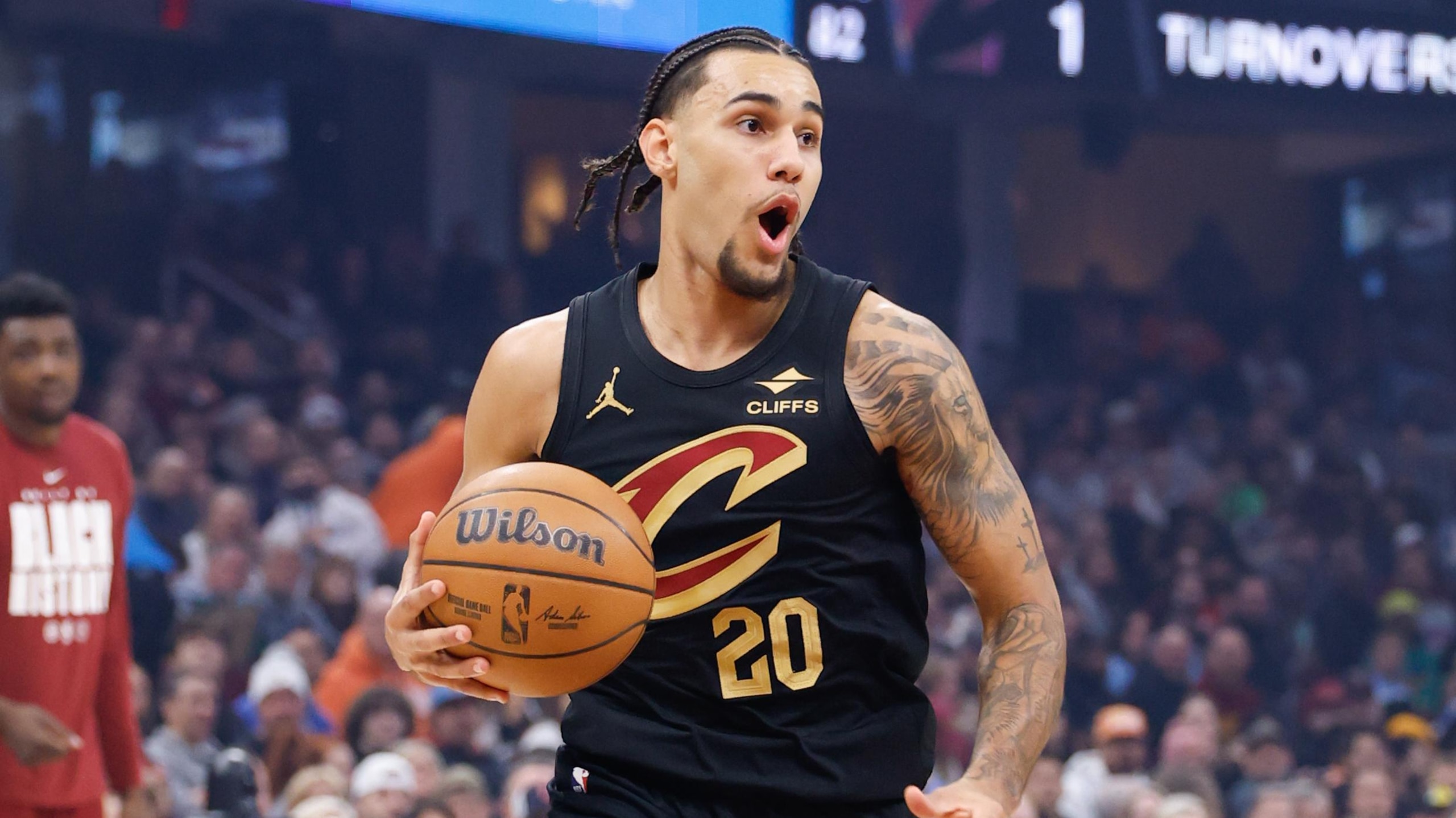
Original Pick: Zach Edey
Jaylon Tyson's Original Draft Position: No. 20
While this marks an 11-pick jump for Tyson, that probably undersells his year-over-year growth. Maybe by a lot.
After seeing sporadic minutes as a fringe-rotation rookie, he has ballooned to first a rotation regular and now a locked-in starter as a sophomore. Pairing in-your-air-space, plucky defense with red-hot shooting rates (51.4 percent overall, 47.5 from distance) tends to have that effect.
He looks like a legitimate two-way wing, and those are hard to find. That quiet rookie run makes you want to question his success the tiniest bit, but if all of this is for real, then he probably isn't be redrafted high enough.
10. Utah Jazz: Kel'el Ware
10 of 31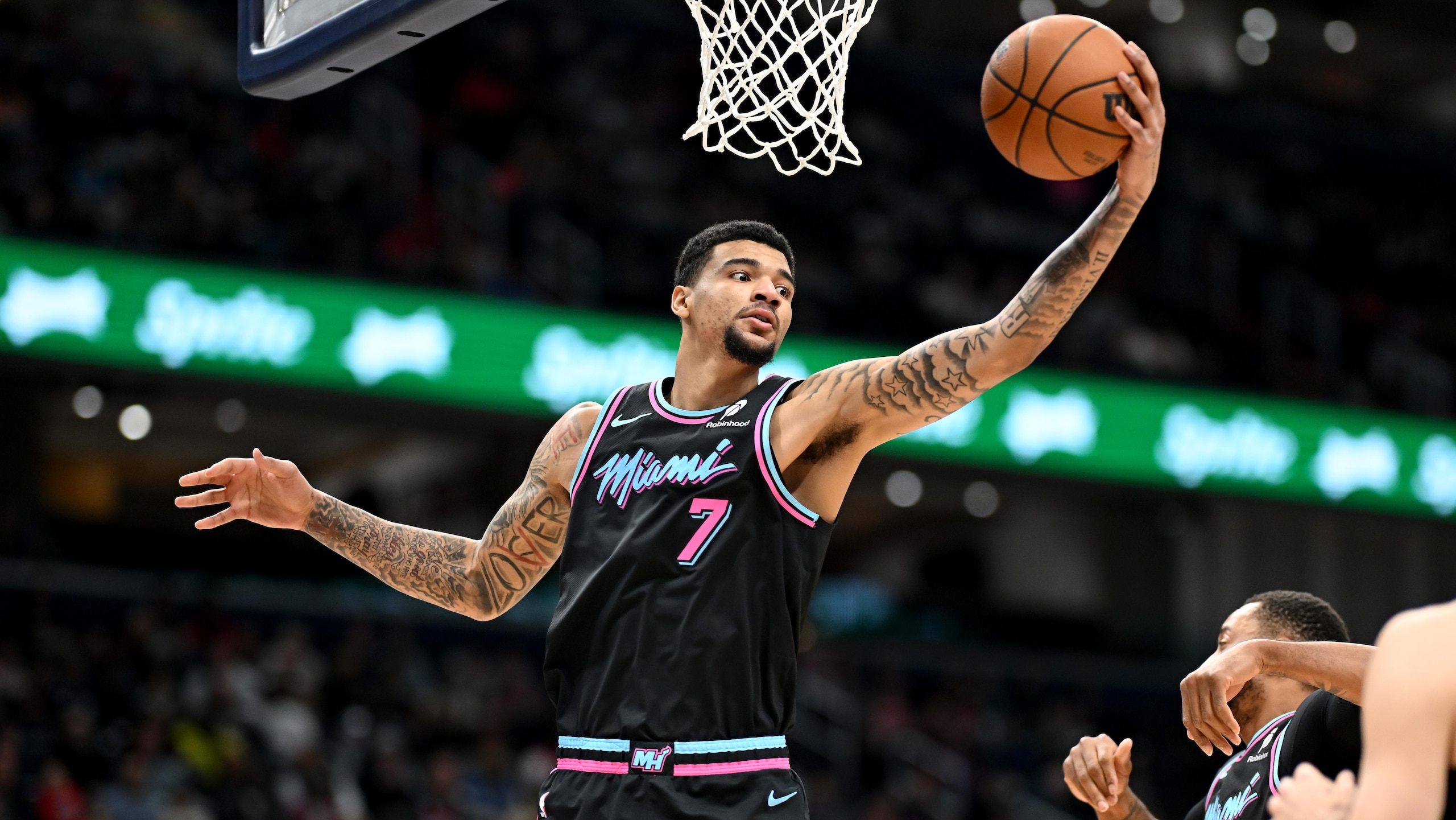
Original Pick: Cody Williams
Kel'el Ware's Original Draft Position: No. 15
Ware is, quite possibly, the toughest evaluation in this class. Well, that or is whole just won't ever measure up to the sum of its parts.
He sounds like a dream big for the modern game. Few 7-footers have his kind of bounce, let alone a trusty three-ball to boot (40.3 percent this season). He should be the ultimate pick-and-choose partner, since he can both pop out to the perimeter or finish with force. Throw in length, mobility and hops, and he should be something close to the embodiment of the proverbial object.
Sometimes he looks like all of the above, but fast food fries can't believe how inconsistent he is. And it's seemingly with both execution and engagement, too. He's a far more polarizing prospect than his skill set says he should be, but at some point you can't pass on upside any longer.
11. Chicago Bulls: Ron Holland II
11 of 31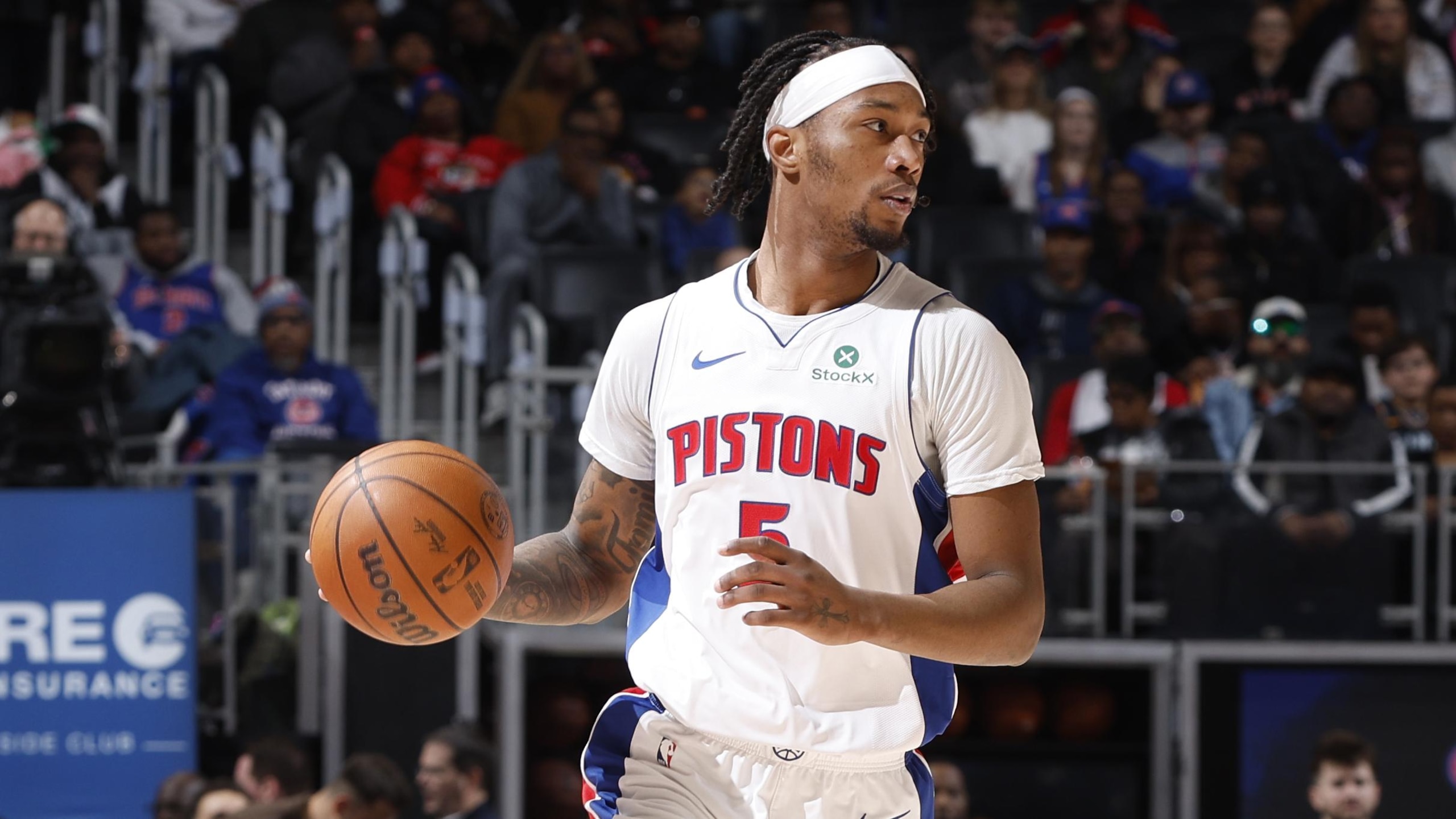
Original Pick: Matas Buzelis
Ron Holland II's Original Draft Position: No. 5
Holland's long-range shooting loomed as one of the bigger swing skills leading up this draft. Things really feel no different in the redraft.
You love his tools and his temperament. You can tell that playing against him feels as fun as sparring with a prize fighter. And, yet, you do all of the above while wondering where he'll ever go to generate offense. If he was just a super-reliable finisher and cunning cutter, that might be enough to sorta get by, but his finishing has slipped this season, and he's buried in the 22th percentile for points per possession on cuts.
His two-point shooting is down, his three-point shooting has never been up and he's a non-factor as a passer (1.2 assists against 1.1 turnovers). So, while he still feels like a top-10 prospect in this class, the basketball part of his profile is lacking.
12. Oklahoma City Thunder: Jared McCain
12 of 31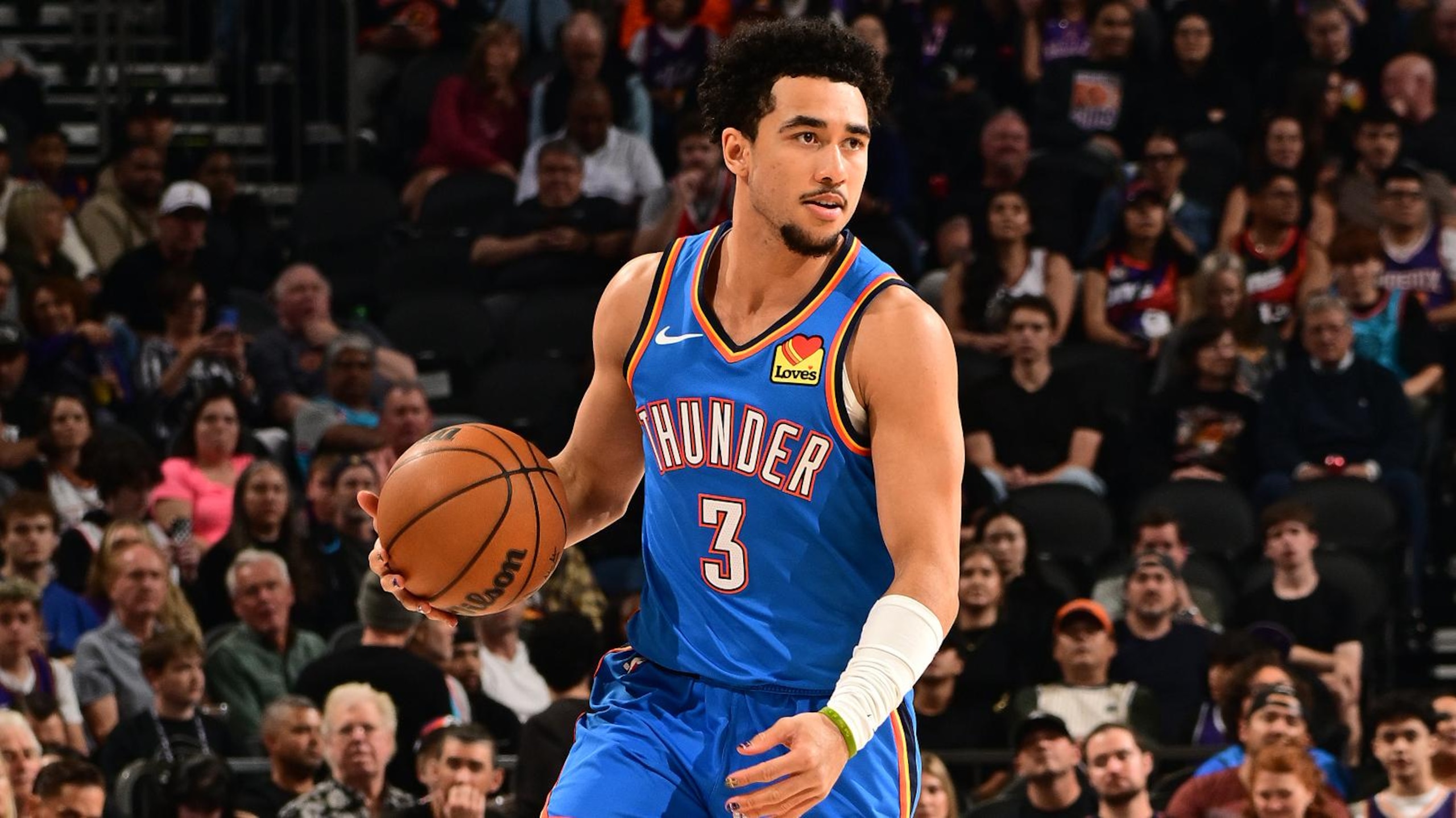
Original Pick: Nikola Topić
Jared McCain's Original Draft Position: No. 16
If you're wondering, yes, this is the trickiest part of the redraft to navigate. Just about everyone has reasons to both make you want to believe and question why you ever should.
Last season, McCain flashed as much offensive promise as anyone in this class. He also basically packed all of that production into a single month before a meniscus tear brought everything to a screeching halt. Then, he encountered more injury trouble this season, seldom looked like his rookie self when he played and wound up moving to Oklahoma City at the deadline (where, naturally, things might be getting back on track—50 percent from the field and from three in his first three outings).
So, what exactly do you do with all of the above? Bump him up a few spots to the back end of the lottery and move on, I suppose. Although if that shot-making all springs back to life, this could look comically low when the next redraft rolls around.
13. Sacramento Kings: Zaccharie Risacher
13 of 31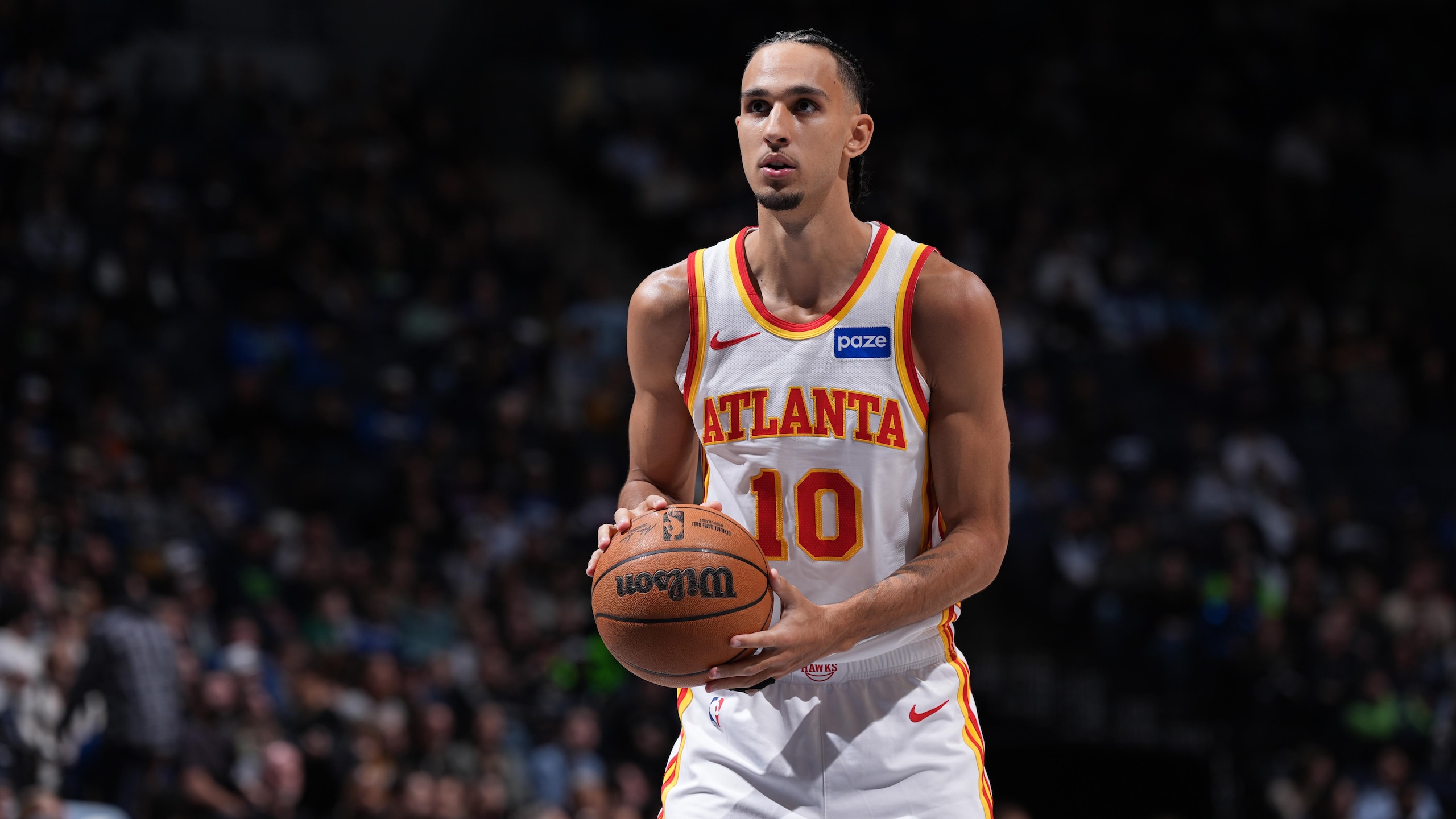
Original Pick: Devin Carter
Zaccharie Risacher's Original Draft Position: No. 1
The draft's original top pick didn't slide entirely out of the redraft lottery, but he's sitting a lot closer to that cutoff that Hawks fans would like.
Is there a rationale for slotting him higher, though? Other than that draft slot, maybe not. There is inconsistency with his assertiveness and effectiveness, and his box scores typically feel pretty blah.
He is 20 and toolsy, so it's not hope is eroding, but remember, there wasn't an overwhelming amount to begin with. His floor was an easier cell than his ceiling, so age isn't much of a redraft helper when his growth potential has always been questionable.
14. Washington Wizards: Jaylen Wells
14 of 31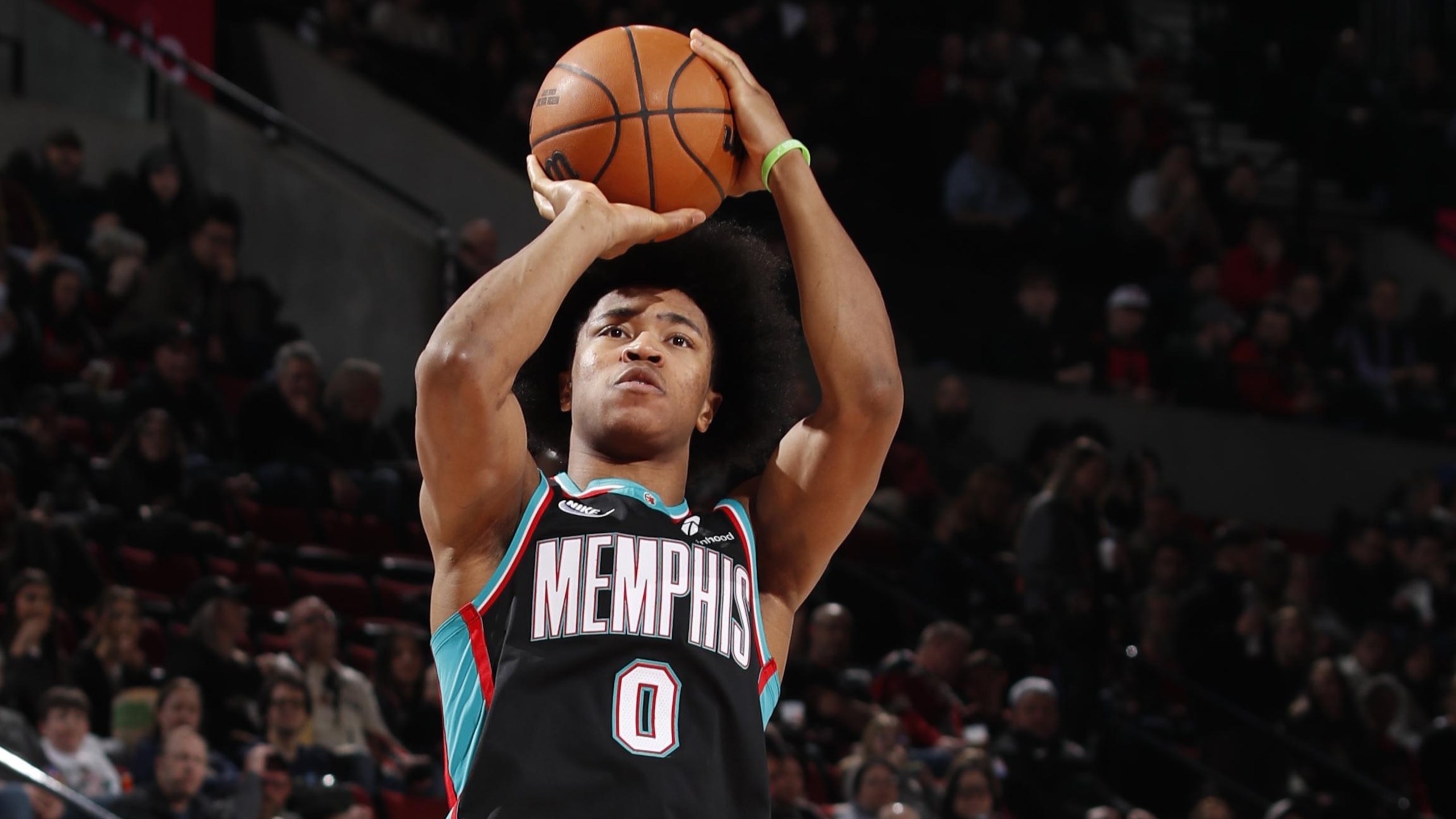
Original Pick: Bub Carrington
Jaylen Wells' Original Draft Position: No. 39
Wells went from being 2024's 39th pick to last season's bronze finisher in Rookie of the Year voting. That gets him an obviously sizable step up in the redraft, although his backtracking shooting percentages limit the climb a bit.
He fits your prototypical three-and-D mold. His defense is relentless and versatile across the perimeter. His long ball isn't quite where he'd want it, though. His current 33.8 percent connection clip feels awfully forgettable in the modern NBA.
His bag runs a little deeper than the normal shooting specialist, though. He has real in-between value, although he's struggled to finish around the rim this season (59.3 percent inside of three feet). He's still a helpful player, just probably not as interesting of a long-term prospect as he might have appeared on the heels of his rookie run.
15. Miami Heat: Nikola Topić
15 of 31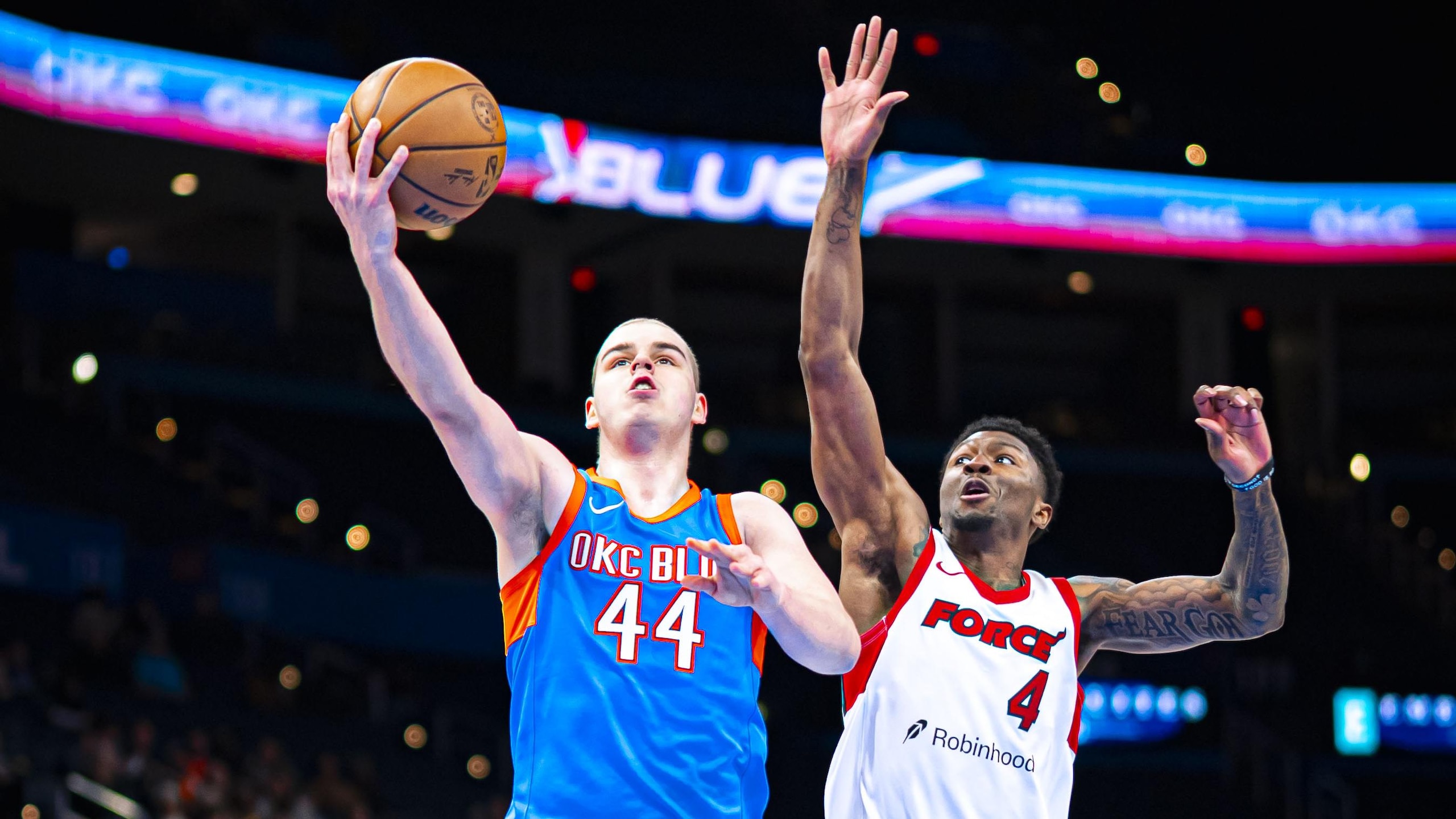
Original Pick: Kel'el Ware
Nikola Topić's Original Draft Position: No. 12
An ACL injury wiped out Topić's rookie season, and testicular cancer further delayed his NBA debut, and all of that misfortune must be reflected in a redraft. And it has—sort of.
He slipped a few spots, but the temptation to completely bottom him out has been easily ignored. Assuming he can catch better breaks on the health front, the 20-year-old has all kinds of time to justify this redraft ranking or even make it look disrespectfully low.
The condensed version of his scouting report shows a 6'6", 200-pound playmaker with the ball control and herky-jerk rhythm to create advantages and then the vision and touch to capitalize on them. Shooting is a question mark, and defense is a concern, but he could have a long-term future as a full-fledged floor general.
16. Philadelphia 76ers: Cam Spencer
16 of 31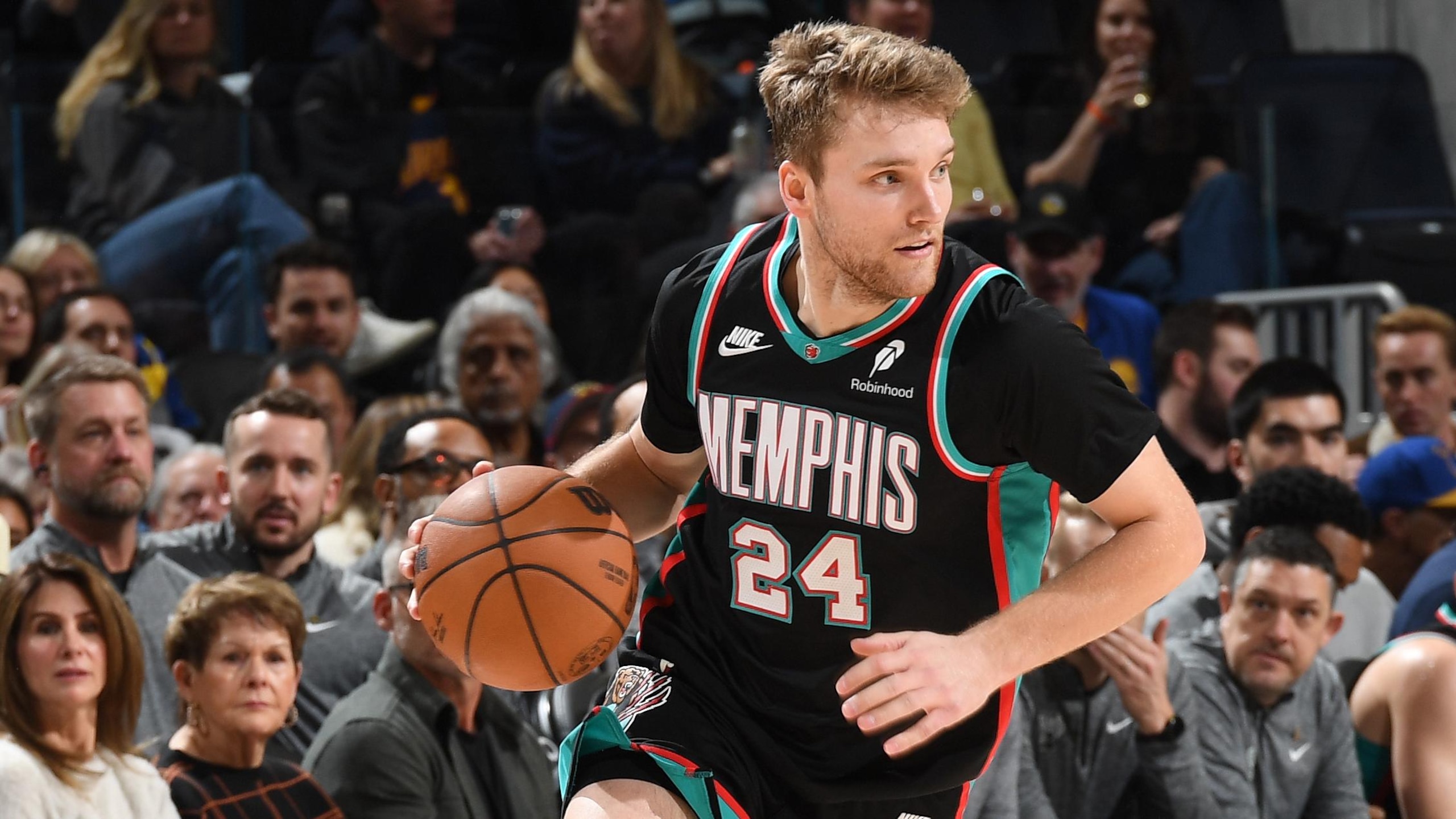
Original Pick: Jared McCain
Cam Spencer's Original Draft Position: No. 53
Spencer has to take a hit for the upside lost to the aging process. He'll be 26 before this season wraps. He's older than R.J. Barrett, who's close to completing his seventh campaign. For an NBA "prospect," Spencer is almost fossilized.
That hurts his redraft appeal, but it definitely doesn't torpedo it. Not when he's averaging double-digit points on near 50/40/90 shooting (47.7/44.7/93.1) and nearly quadrupling his turnovers (1.5) with assists (5.6).
Even if his numbers are inflated by being on a bad Memphis team—which, it's worth noting, was basically a .500 team through December—that's only a knock on his volume, definitely not his elite efficiency. He looks like he'd be at least rotation-ready even on a roster aiming for maximum competitiveness.
16. Philadelphia 76ers: Bub Carrington
17 of 31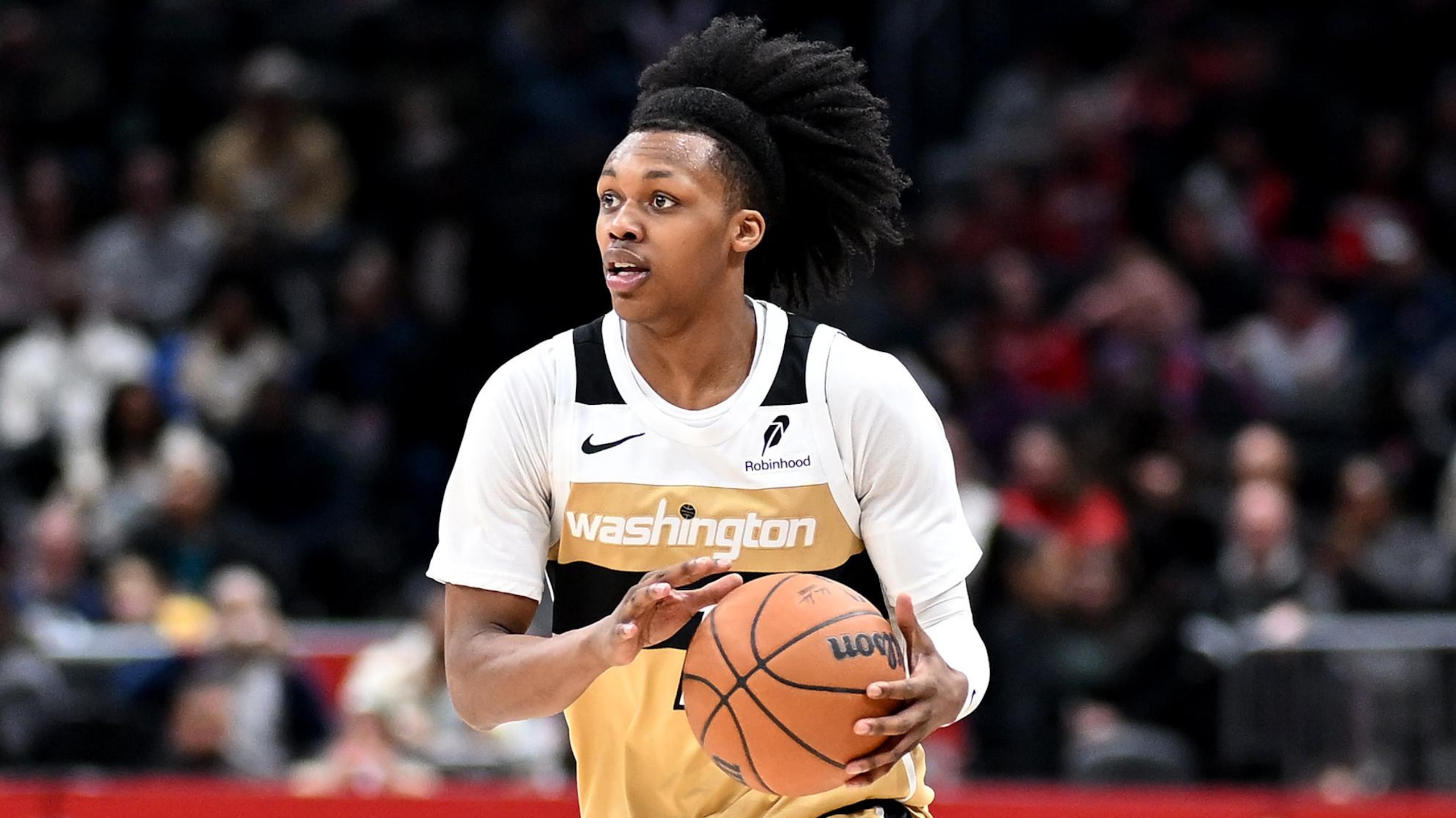
Original Pick: Jared McCain
Bub Carrington's Original Draft Position: No. 14
Carrington would surely rank higher if a fun factor category was added to this redraft, because he can be an electric watch when he's rolling. Earlier this season, he clobbered the Cleveland Cavaliers for 27 points, eight assists, six rebounds and five three-pointers. Only 15 other players have matched that stat line this season, and they're almost all household names.
Carrington, obviously, doesn't meet that criteria. That's partly because the Wizards have been so (purposefully) awful during his two-year tenure. It's also due to his numbers almost never being remotely that loud. His numbers are fine (10.2 points, 4.6 assists, 2.1 three-pointers), but his only real standout stat is his 39.3 three-point percentage.
He is heavily reliant on shot-making, because he has trouble both getting to the basket and finishing when he does, but this seems like the right place for an ignitable shooter and secondary distributor.
17. Los Angeles Lakers: Ryan Dunn
18 of 31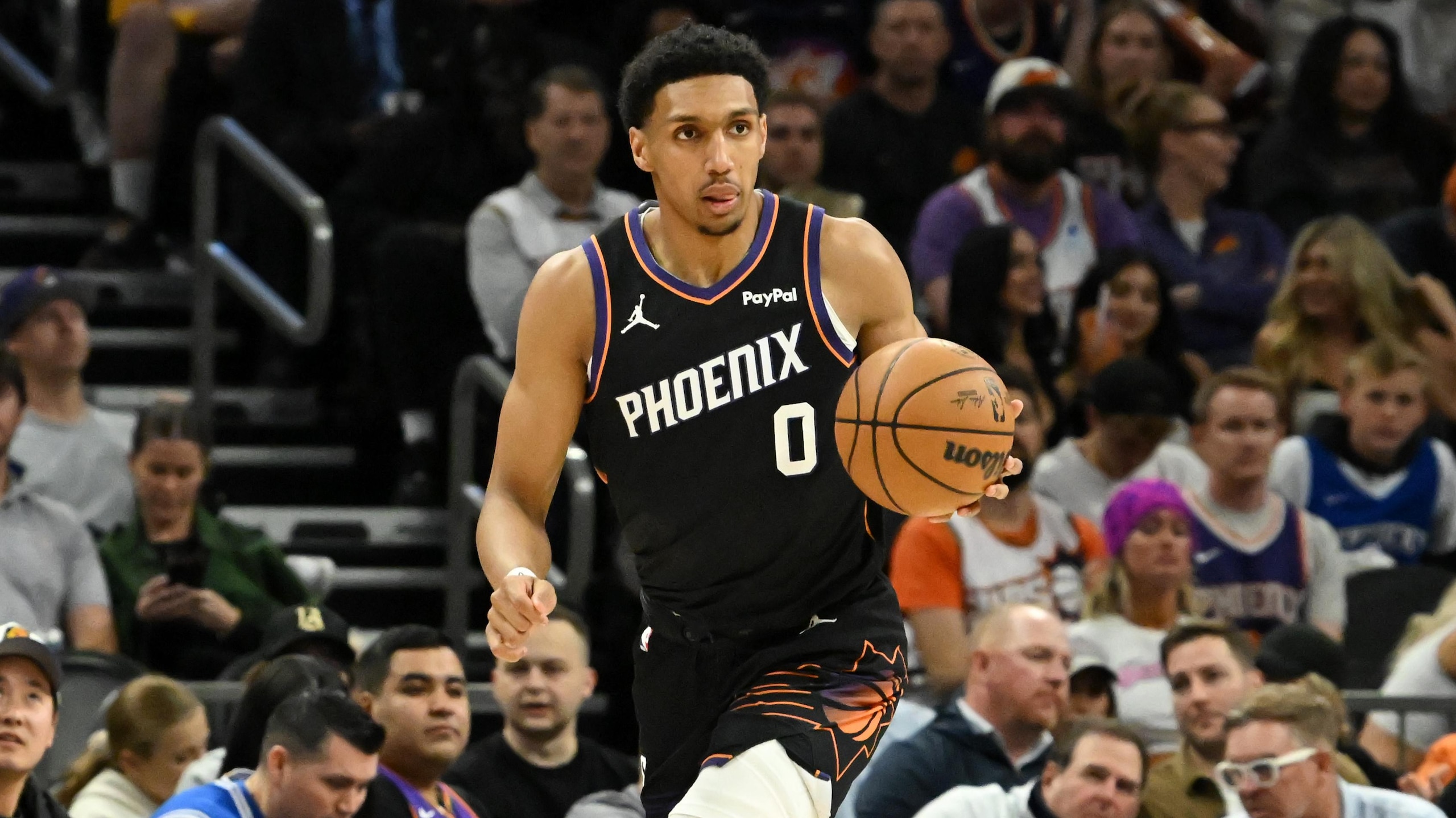
Original Pick: Dalton Knecht
Ryan Dunn's Original Draft Position: No. 28
Dunn is a super-stingy, hyper-disruptive defender. Unfortunately, it's still unclear what else he can become.
Because his defense is so dominant, even adequate offense would make him awfully viable. He'll show that in flashes, but none have sustained yet. In fact, they're coming less frequently this season. As a rookie, he reached double-digits 22 times. As a sophomore, he's only gotten there six times in 48 outings.
A halfway reliable three-point would do wonders for him. It's just getting harder to picture him harnessing one while he's toting around an unsightly 53.4 career free-throw percentage.
18. Orlando Magic: Isaiah Collier
19 of 31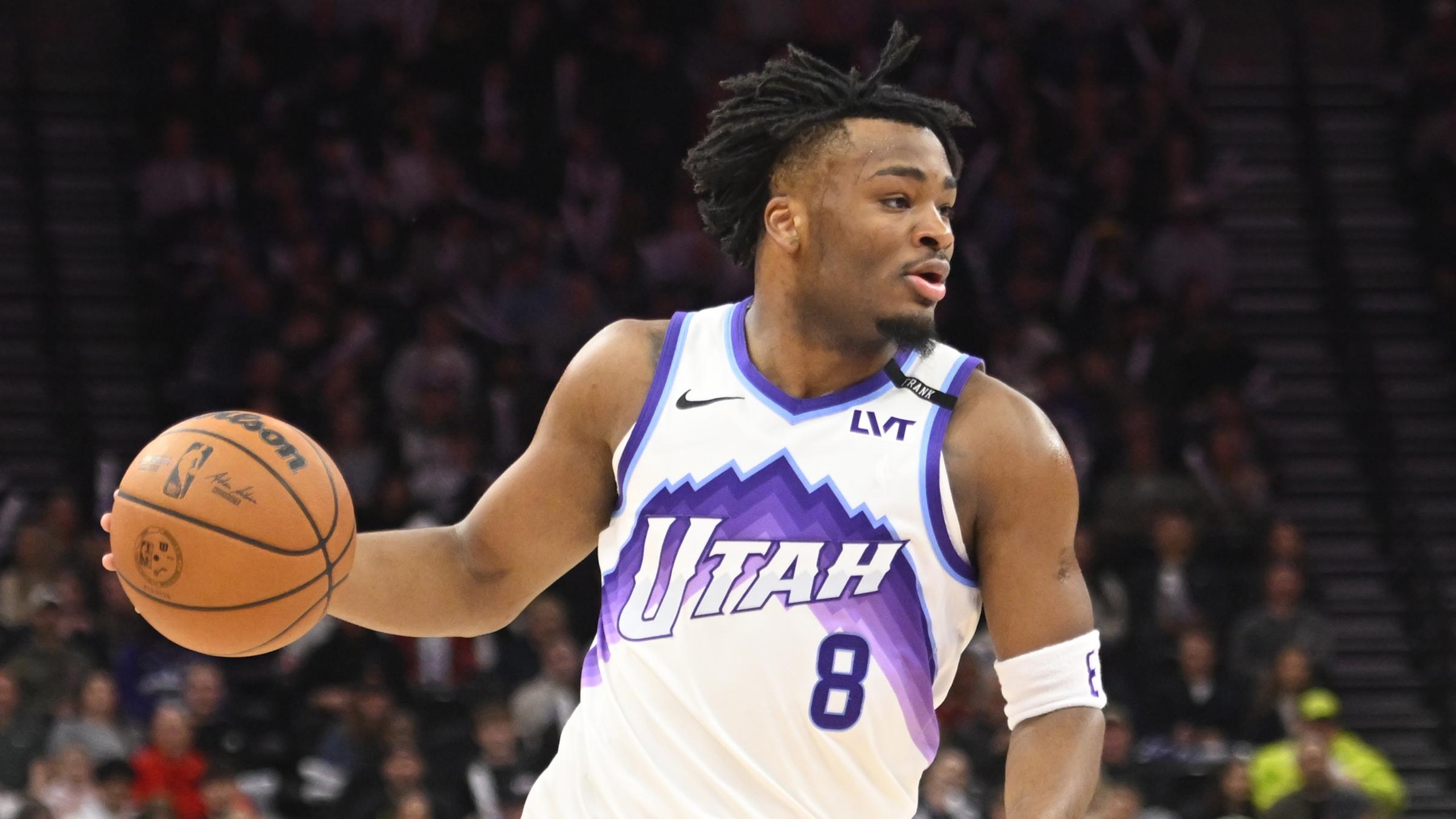
Original Pick: Tristan da Silva
Isaiah Collier's Original Draft Position: No. 29
Collier's limitations are both obvious and...well, limiting. In sort, he's not a shooter. Like, at all. His 29.3 three-point percentage is actually up a good amount from last season. His free-throw percentage, meanwhile, is once again sitting south of 70.
Shooting was always a concern, and maybe it'll always be an obstacle. The best thing about him, though, is the rapid way in which he's learned to work around his weaknesses. He lives in the lane and finishes most forays with an automatic look from close-range or a clean shot for his teammates.
The shooting stuff is real, but it's not stopping him from converting 51.3 percent of his field goals while dropping 7.4 dimes against 2.5 giveaways.
19. Toronto Raptors: Pelle Larsson
20 of 31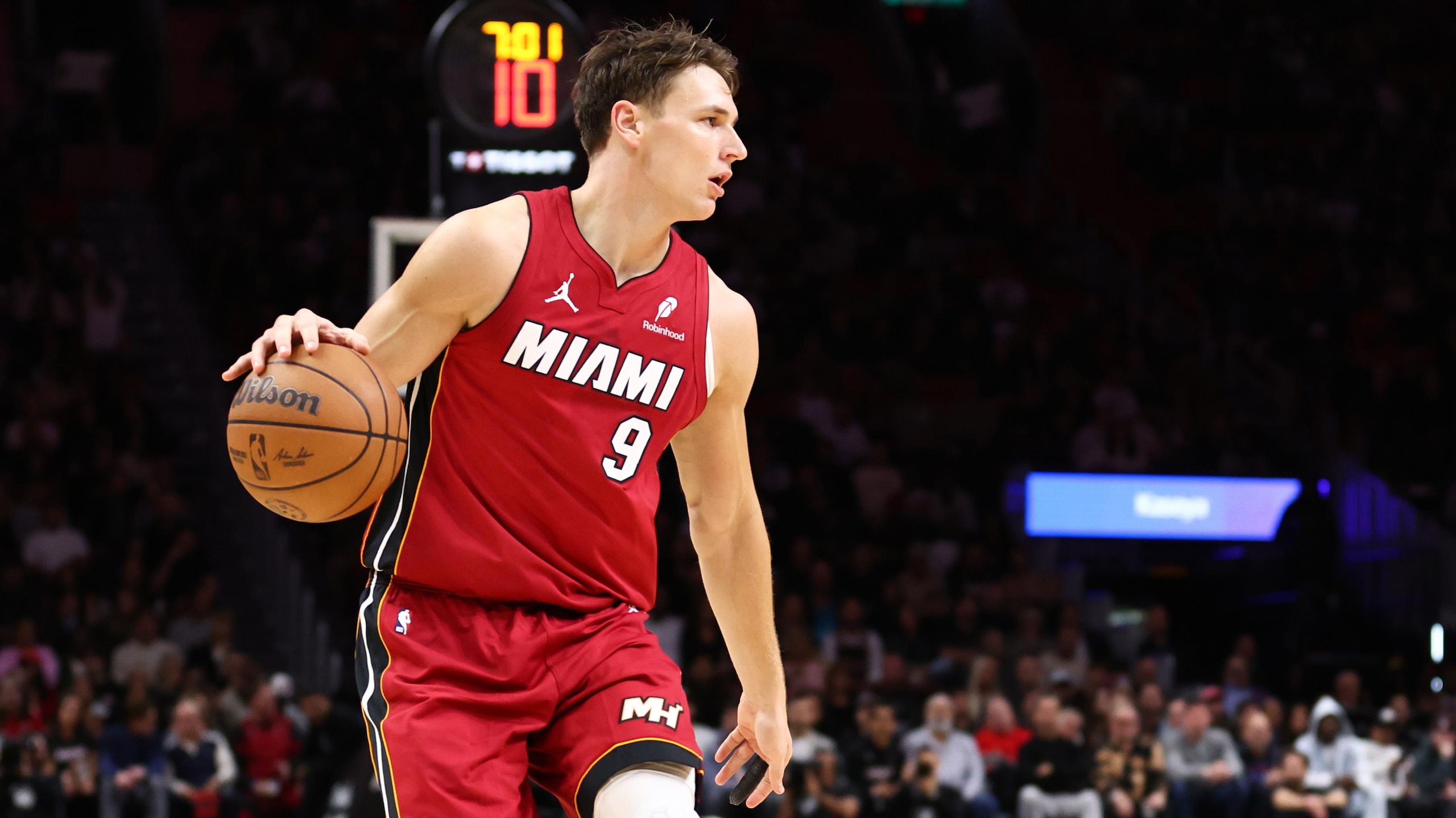
Original Pick: Ja'Kobe Walter
Pelle Larsson's Original Draft Position: No. 44
Larsson looks like the player every team could use but wouldn't consider critically essential. He is good in a lot of helpful ways, he just isn't really good (to say nothing of great) in any one.
In the right environment, he oozes glue-guy potential. In the wrong one, he's your jack-of-all-trades, master-of-none. You like the versatility, you just wish it would come with more shooting.
20. Cleveland Cavaliers: Jamal Shead
21 of 31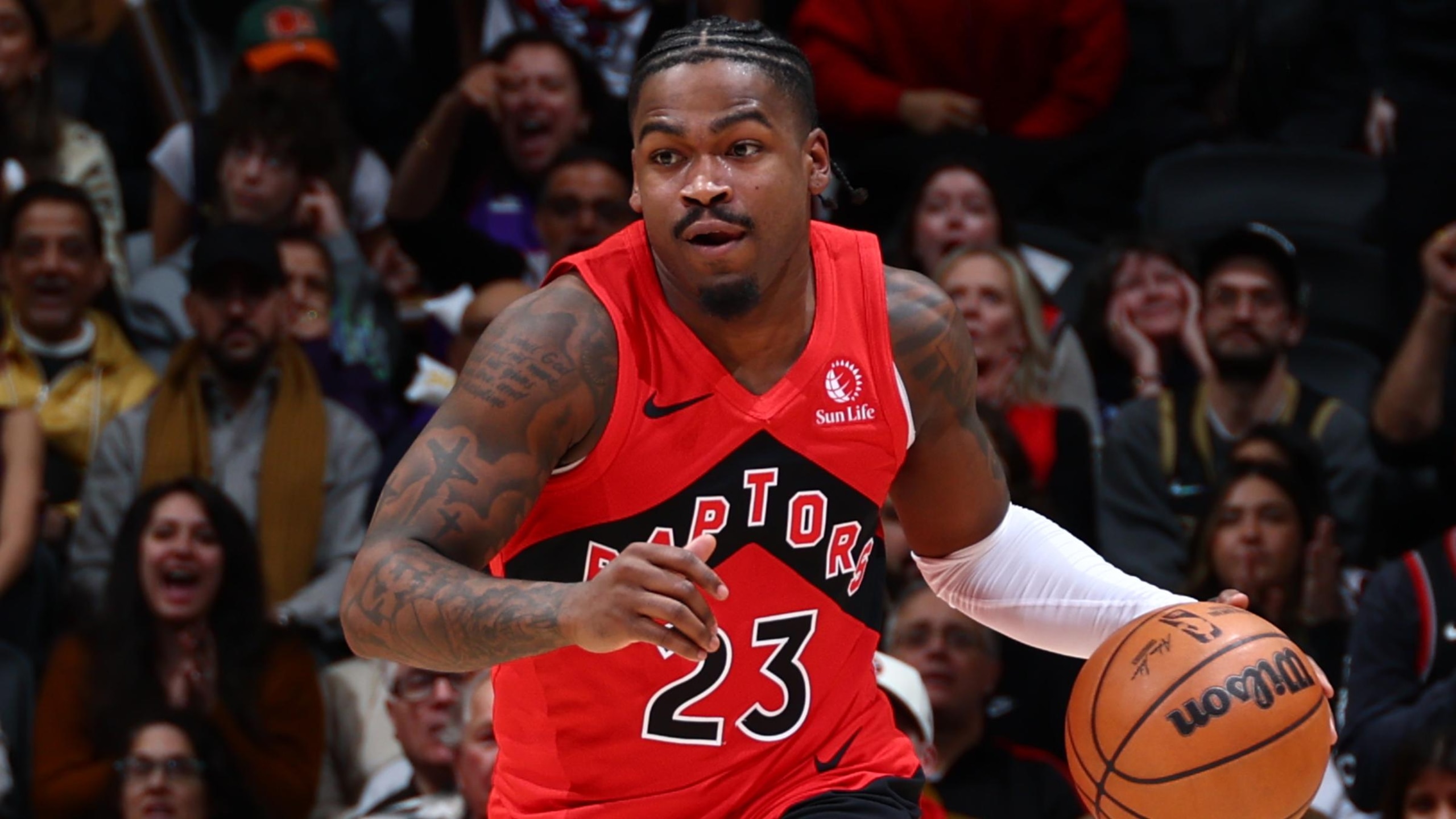
Original Pick: Jaylon Tyson
Jamal Shead's Original Draft Position: No. 45
If Shead wasn't on the shorter side for an NBA player (6'1") or the older side for an NBA prospect (24 in June), he wouldn't have lasted this long in a redraft. He has so much of what you picture in the proverbial head of the snake, from tone-setting defense to gear-turning table-setting.
Why not slot him higher? Well, the age and theoretical lack of upside are big factors, as are his forgettable conversion rates (38.8/32.2/76.4 career slash line). He might max out as a reliable backup and sturdy-ish spot starter, but hey, that's great value this deep in a down draft.
21. New Orleans Pelicans: Kyle Filipowski
22 of 31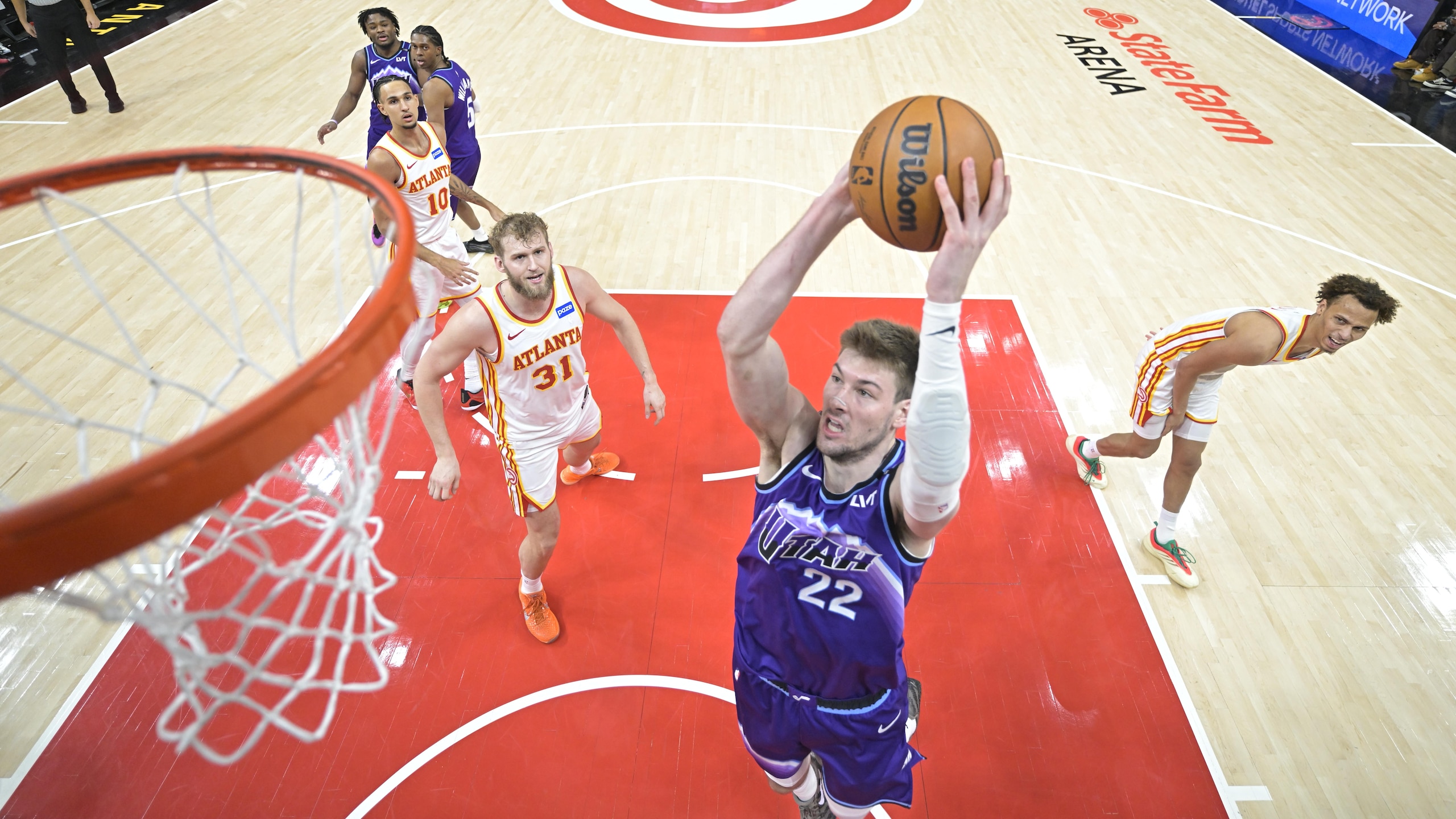
Original Pick: Yves Missi
Kyle Filipowski's Original Draft Position: No. 32
The numbers say Filipowski probably belongs higher than this. He spends more than half the game on the sidelines and still walks away with average outputs of 9.6 points, 6.6 rebounds and 2.0 assists. He is comfortable with the ball in his hands and semi-capable of lighting the lamp from deep.
The eye test isn't quite as enamored. He's not a rim-protector, nor the most fluid deterrent away from the basket. And his shooting is only decent-ish from three (33.6 percent this season) and worse at the line (71.9).
22. Denver Nuggets: Daniss Jenkins
23 of 31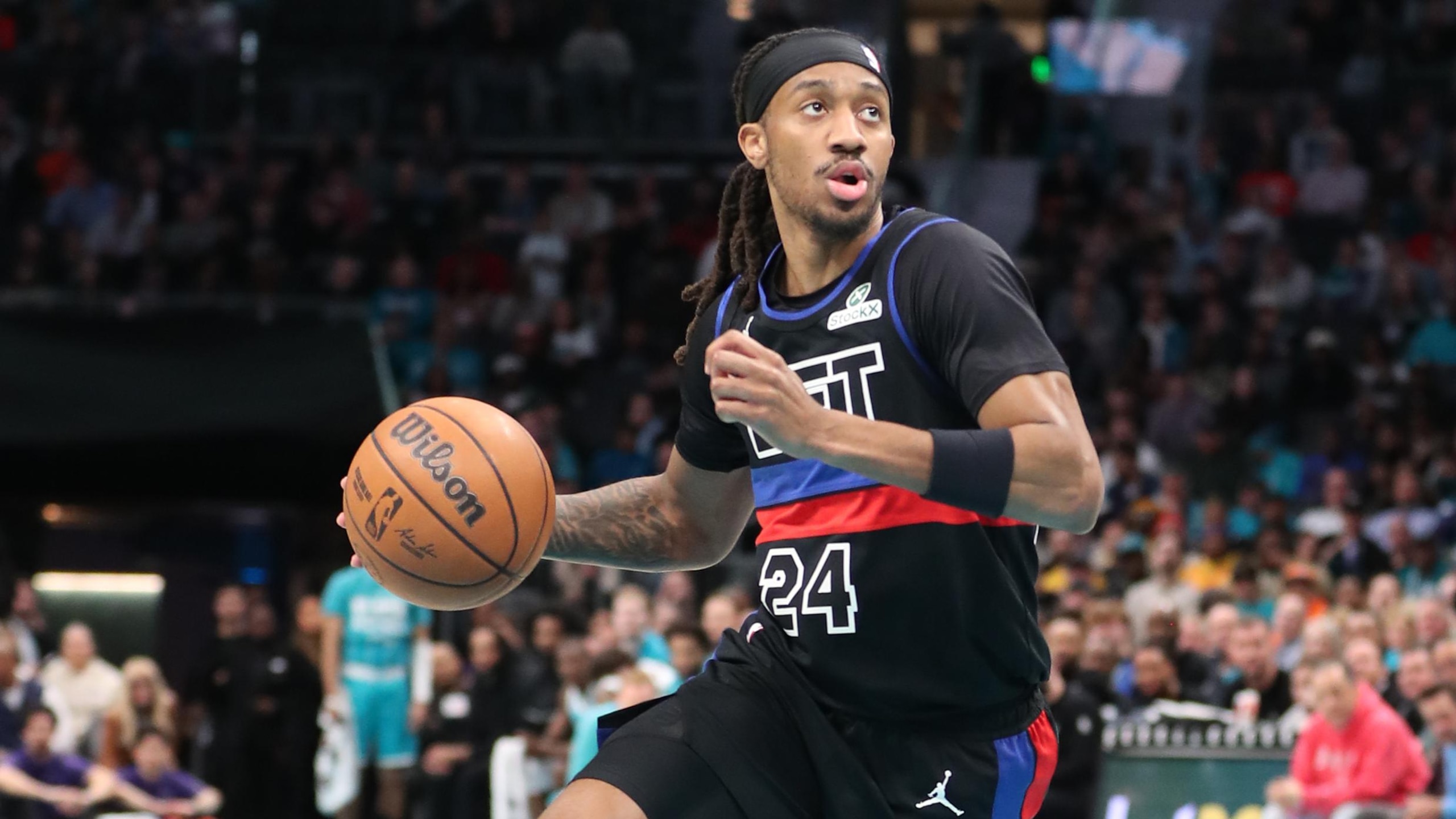
Original Pick: DaRon Holmes II
Daniss Jenkins' Original Draft Position: Undrafted
Undrafted of St. John's (and several stops before it), Jenkins wasn't even an afterthought as a rookie. While you might think the Pistons' subsequent surge sent him into the shadow for good, the opposite has happened. He's a rotation regular for the East's No. 1 seed and surely part of the reason why Detroit felt fine subtracting Jaden Ivey at the deadline.
Jenkins, who was recently upgraded from his two-way pact to a standard contract, recently called it "literally insanity" that he wasn't drafted, and maybe he was onto something. He's helped address a nagging need for outside shooting (38.1 percent) and been vital for keeping the offense operational in non-Cade Cunningham minutes.
23. Milwaukee Bucks: Tristan da Silva
24 of 31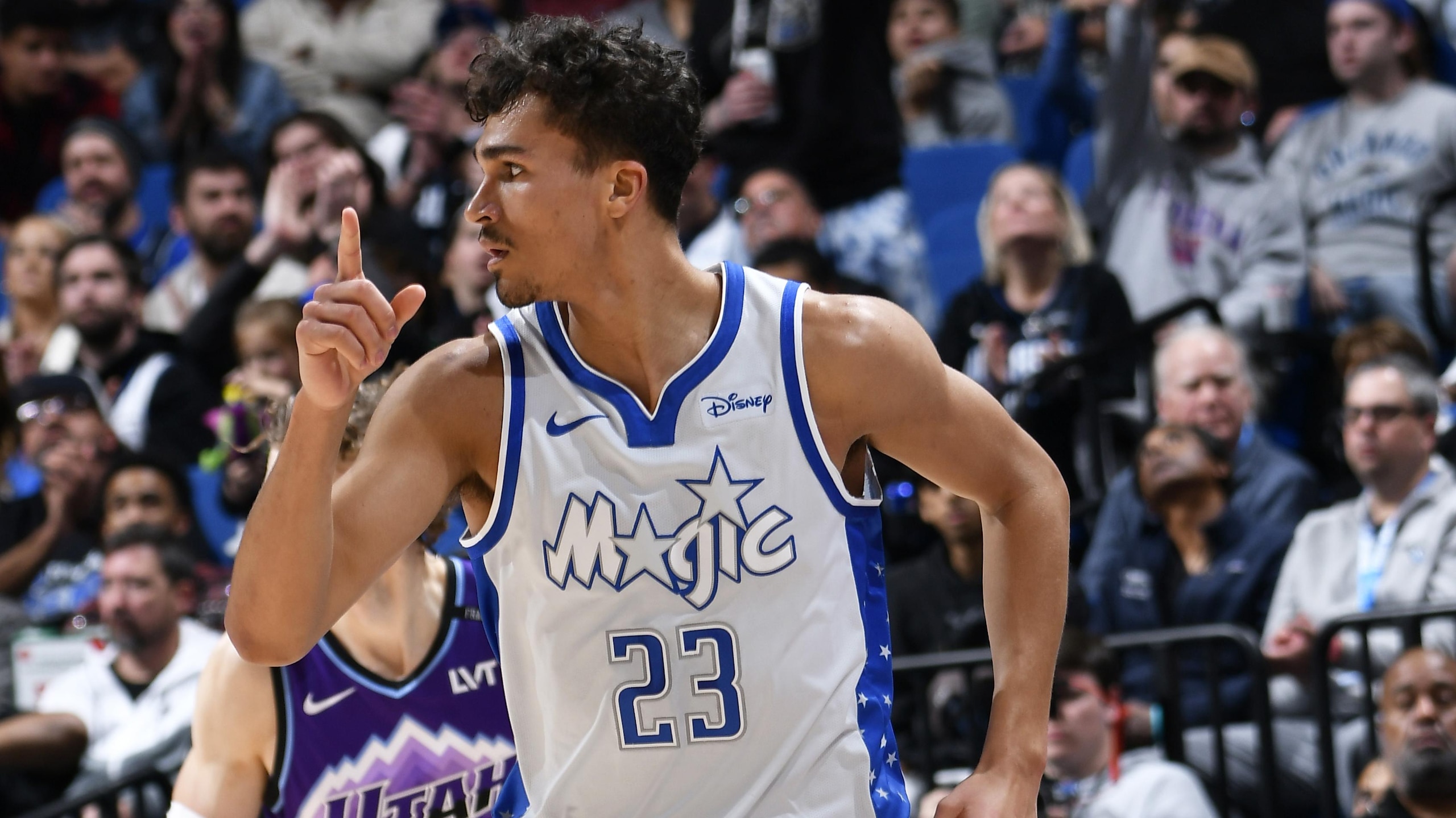
Original Pick: AJ Johnson
Tristan da Silva's Original Draft Position: No. 18
While dropped a few spots from his initial draft slot, da Silva is shooting a bit better than he did as a rookie (36.5 percent from three, up from 33.5) and playing a tiny bit more as a result (22.3 minutes, up from an even 22).
He'll often impact an array of box-score categories, he just seldom leaves a bit imprint on any one. He clearly can play at this level, but can he play better than this? His fast-approaching 25th birthday (May 15) creates some doubt.
24. Washington Wizards: Yves Missi
25 of 31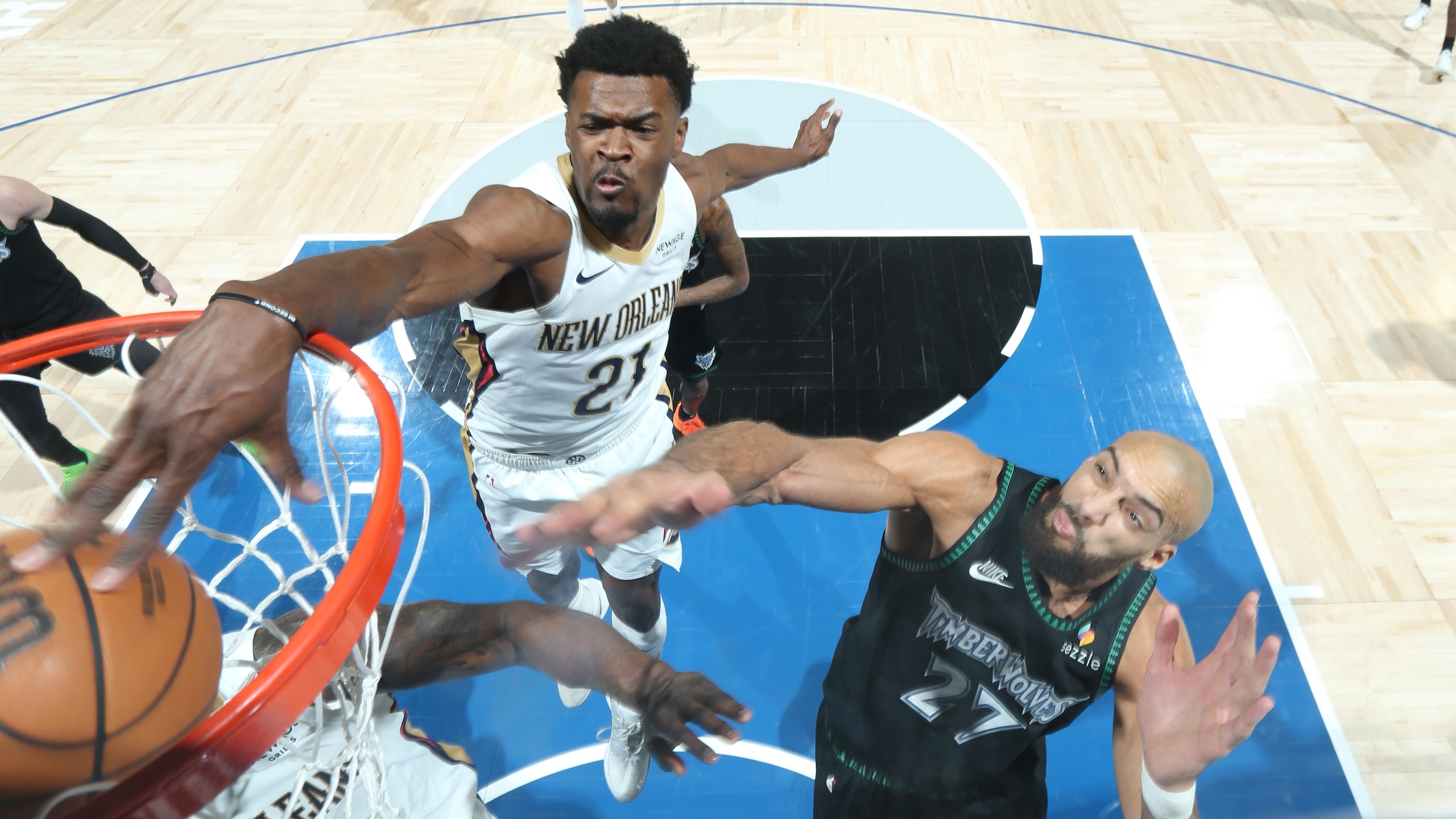
Original Pick: Kyshawn George
Yves Missi's Original Draft Position: No. 21
Missi's 5.4 win shares are fourth-most in this draft class. So, why did he slide down the redraft board? Well, it certainly wasn't encouraging to see New Orleans deploy him liberally as a rookie only to pivot toward some costly alternatives this offseason (like Derik Queen and Kevon Looney).
For being a rim-runner and not much more, Missi underwhelms as a finisher (career 62.5 percent inside of three feet) and is more of just a shot-blocker than a true interior anchor. It is fair to wonder, though, if he might look better with a more complimentary supporting cast than what the Pelicans have provided.
25. New York Knicks: Ja'Kobe Walter
26 of 31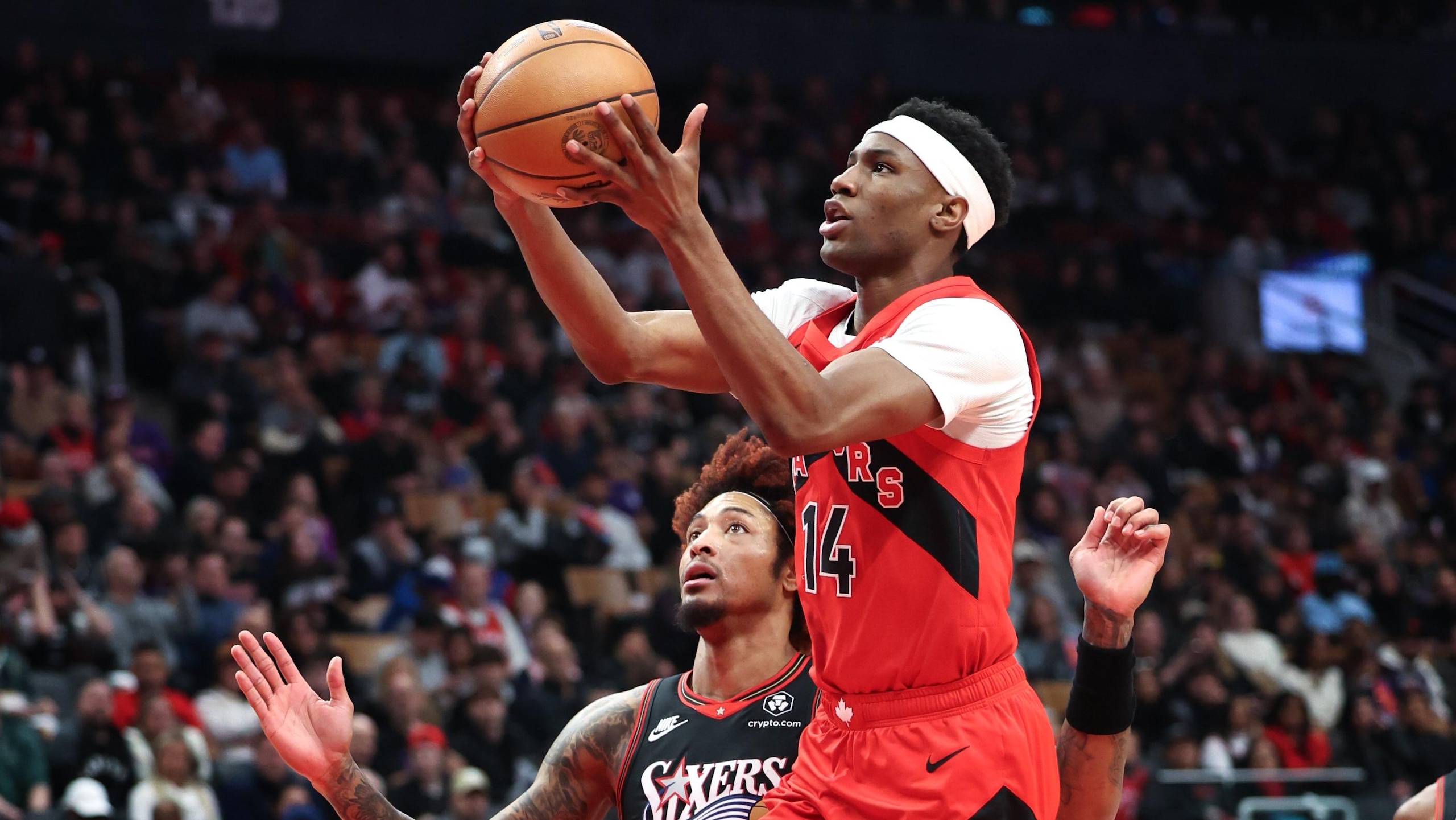
Original Pick: Pacôme Dadiet
Ja'Kobe Walter's Original Draft Position: No. 19
With limited handles and no playmaking, there are only so many ways in which Walter impacts a game. That puts plenty of pressure on him to excel in those areas, but he's more of a high-Cs/low-Bs performer than an A-plus performer.
His defense is feisty and energetic, but his offense often underwhelms. Average, mid-volume shooting and erratic finishing undercut what could be an intriguing play-finishing package.
26. Oklahoma City Thunder: Terrence Shannon Jr.
27 of 31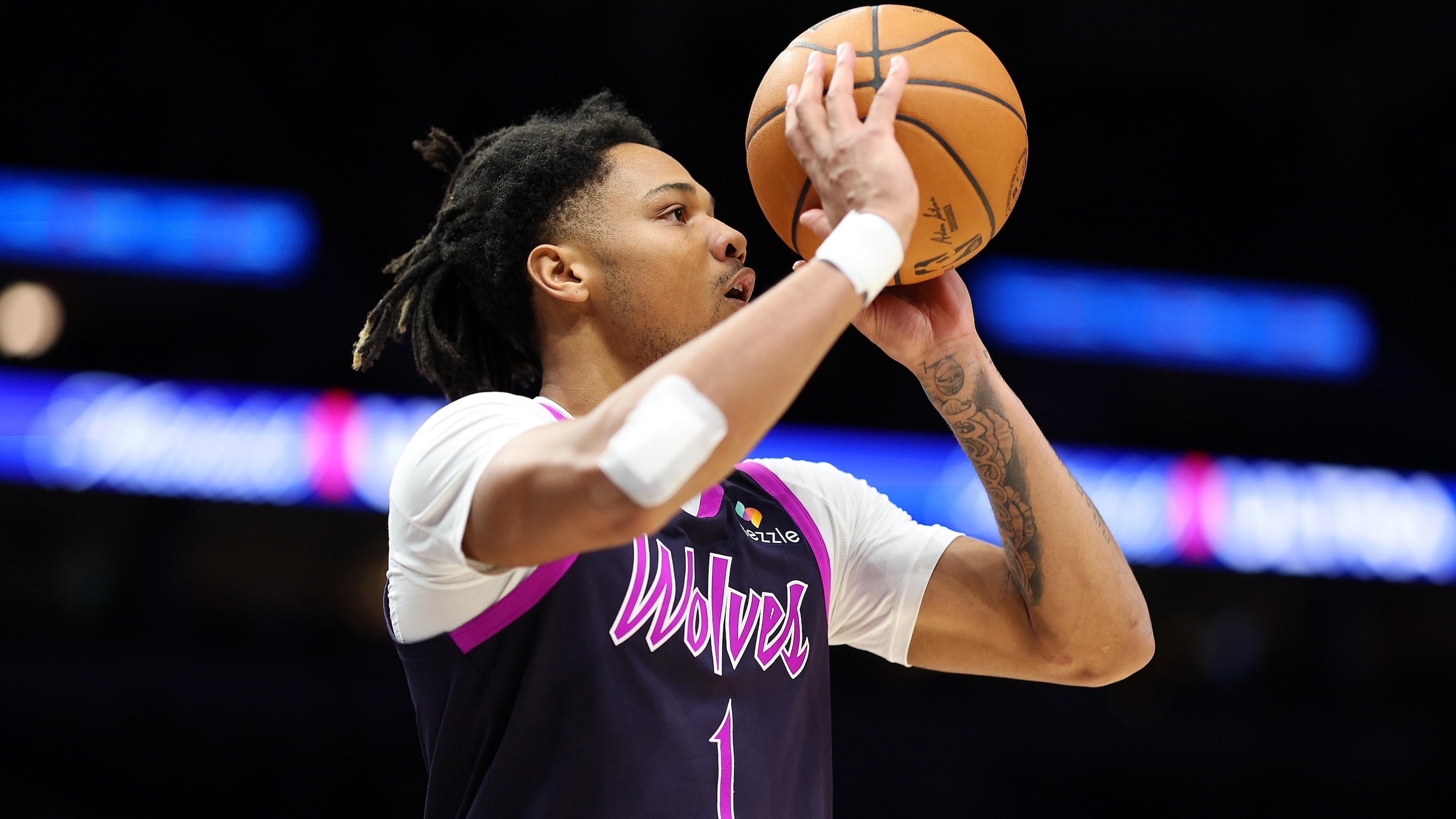
Original Pick: Dillon Jones
Terrence Shannon Jr.'s Original Draft Position: No. 27
When the Timberwolves opted not to pay Nickeil Alexander-Walker this offseason, there were surely some hopes of a leap year from Shannon filling a large part of that void. Fingers remain crossed that he'll eventually take flight.
He's had a couple of unfortunate encounters with the injury bug, but the appearances he's been able to make might be the bigger frustration. His scoring is the same, his two-point shooting is way down, and while his three-point percentage has climbed, he doesn't hoist enough of them.
27. Minnesota Timberwolves: Tidjane Salaün
28 of 31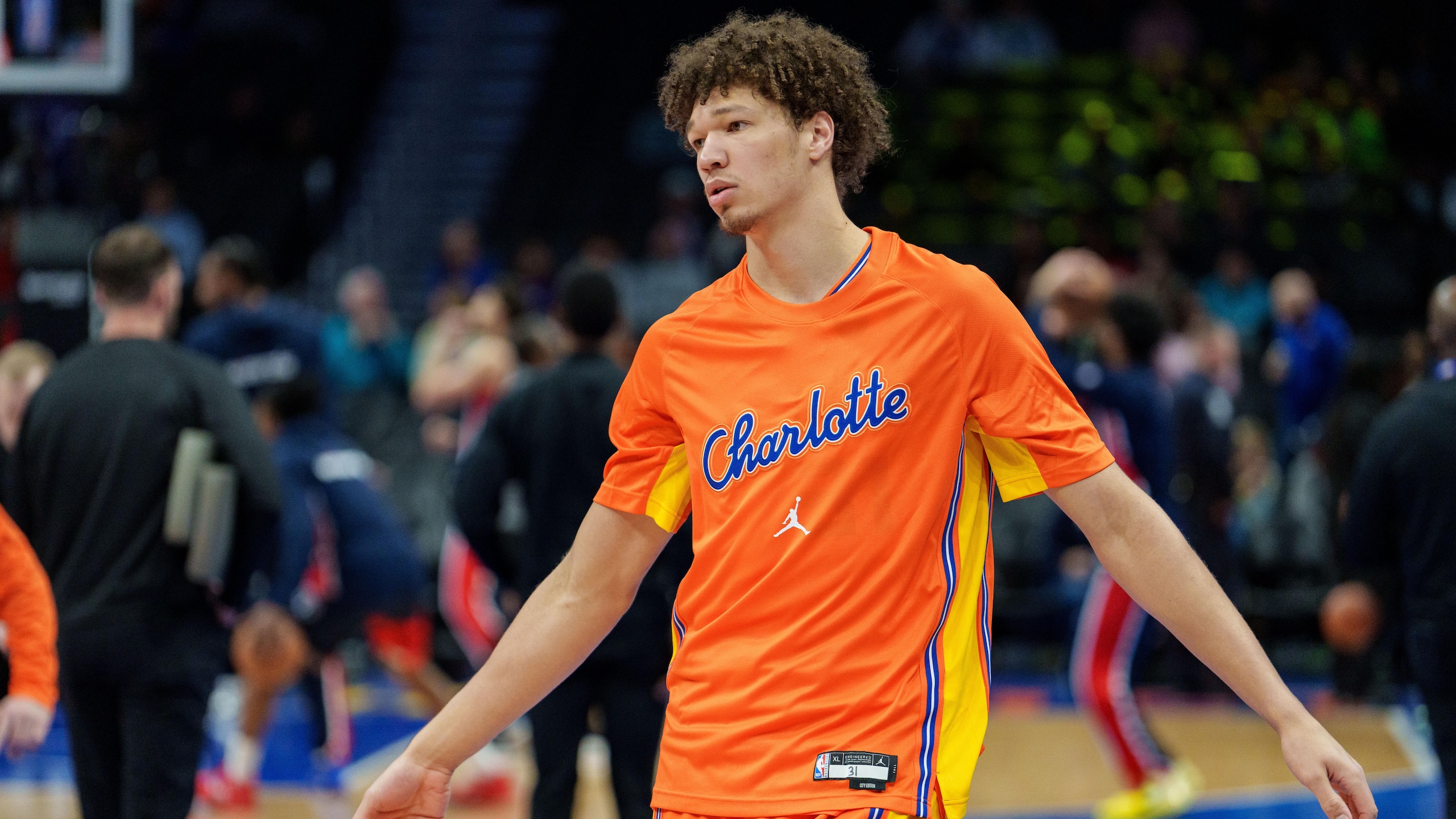
Original Pick: Terrence Shannon Jr.
Tidjane Salaün's Original Draft Position: No. 6
Athleticism and upside helped Salaün hear his name called early at the actual talent grab, but limited proof of concept since have him waiting much longer in the redraft.
It's still tempting to like the tools, and his three-ball may have leveled-up (43.7 percent this season, albeit on a small sample size), but that theoretical potential sits far enough away to worry it'll never surface. He's active as a defender and rebounder, but there's a lot riding on his shooting, and his struggles at the foul line warrant skepticism (career 71.1 percent).
28. Phoenix Suns: Oso Ighodaro
29 of 31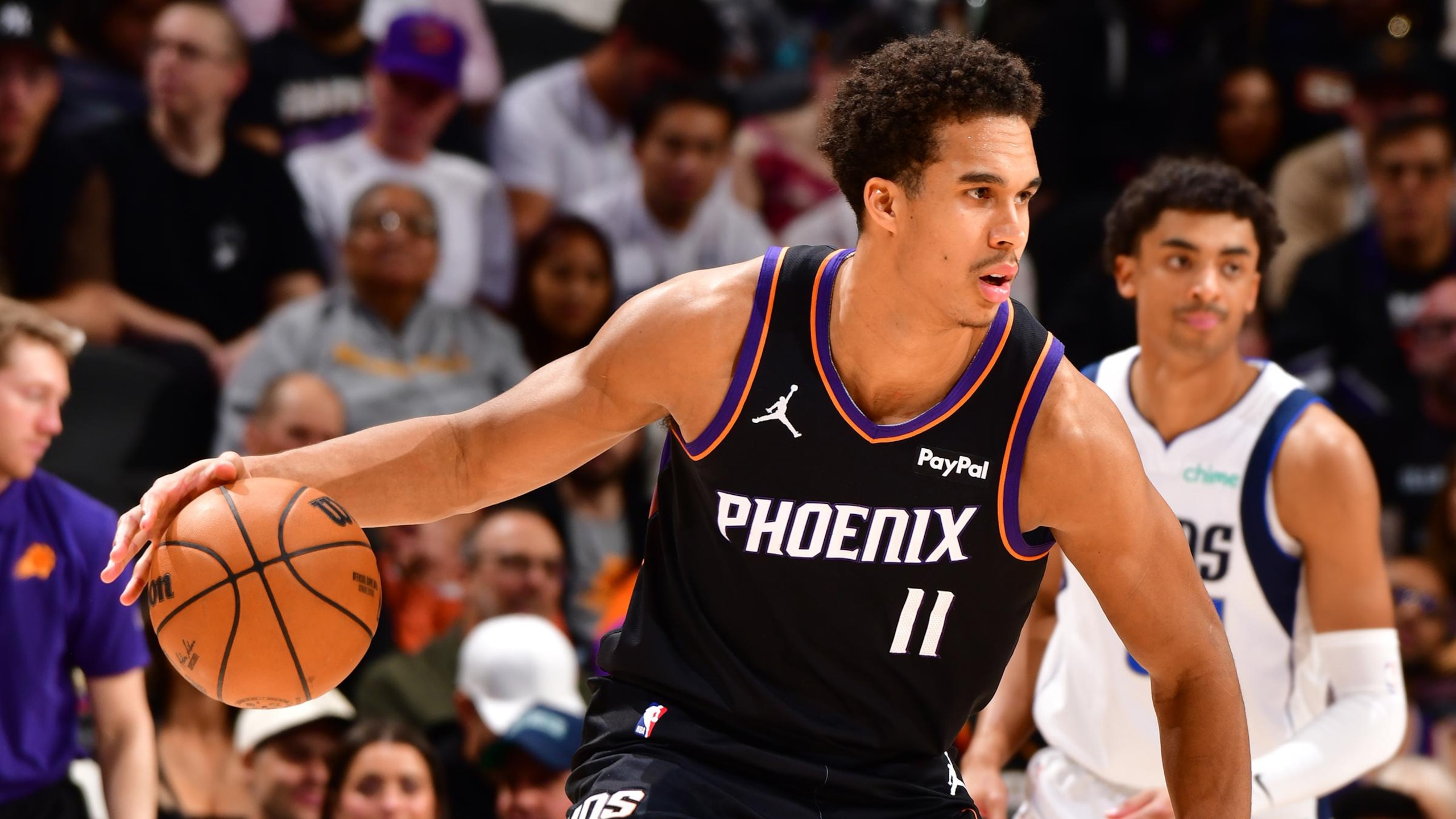
Original Pick: Ryan Dunn
Oso Ighodaro's Original Draft Position: No. 40
How much offense do you need from a backup big? Because if the ask is merely marginal, then Ighodaro can deliver. His offensive bag doesn't reach much beyond point-blank finishing and solid screen-setting, but his defensive arsenal is loaded. He's nimble around the outside and athletic around the basket. He's in the 94th percentile of defensive estimated plus/minus, the second-best in this class, per Dunks & Threes.
He just needs some kind of offensive answer for when he isn't being spoon-fed shots at the rim. He's a career 52.9 percent free-throw shooter (gross), and he seldom even looks at the basket if he's not right next to it.
29. Utah Jazz: Baylor Scheierman
30 of 31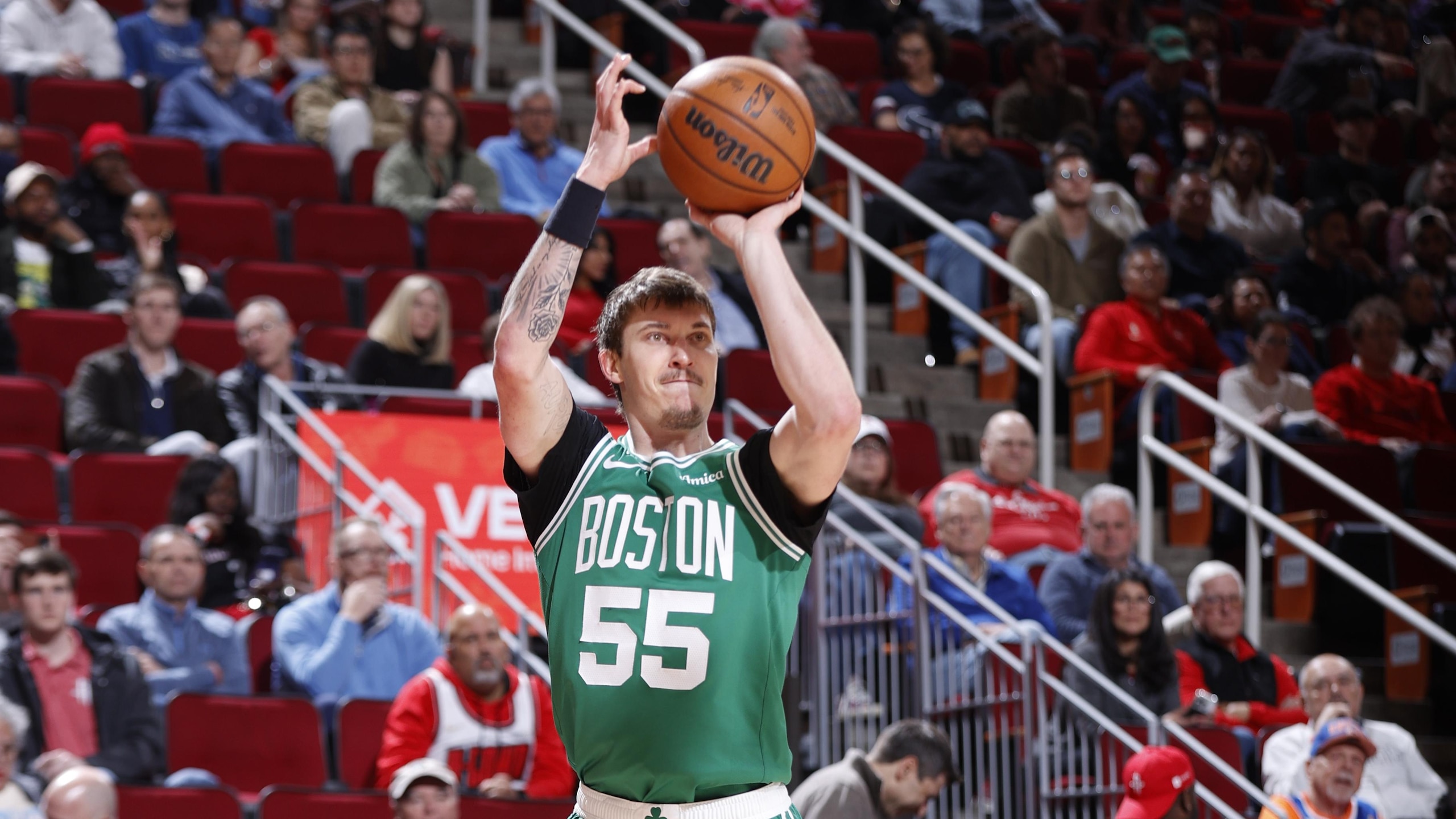
Original Pick: Isaiah Collier
Baylor Scheierman's Original Draft Position: No. 30
Anyone else get nervous when Scheierman, a presumed shooting specialist, went 26-of-82 from three (31.7 percent) as a 24-year-old rookie? Yeah, not at all fun times there.
Things have thankfully stabilized since. He is suddenly sporting a perfectly serviceable 44.9/39.4/85.7 slash line and seeing regular rotation minutes as a result
30. Boston Celtics: Quinten Post
31 of 31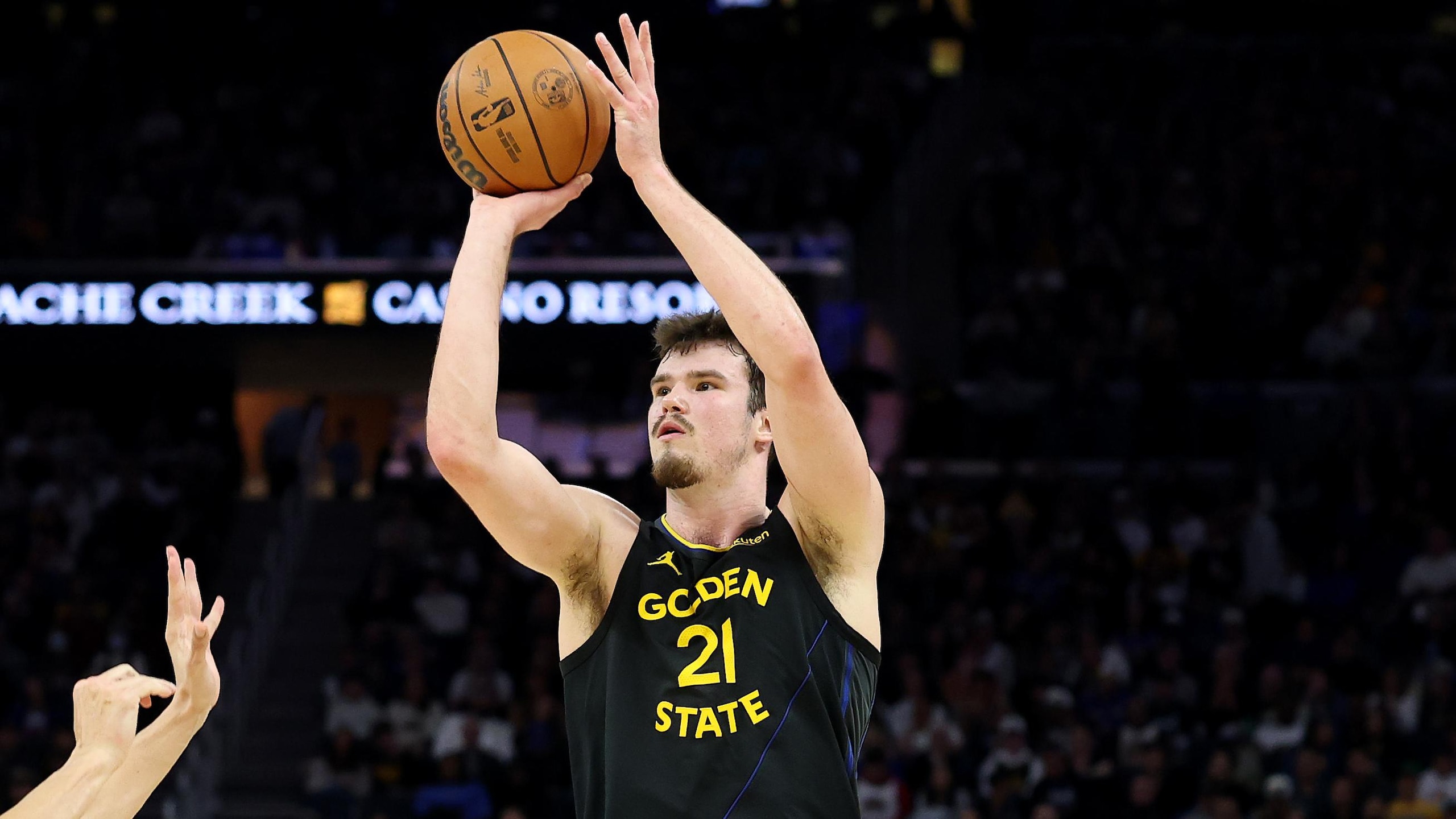
Original Pick: Baylor Scheierman
Quinten Post's Original Draft Position: No. 52
If Post was a legitimate three-point laser as a 7-footer, he'd land higher than this. But since he maybe isn't—and since he turns 26 in March—it's a little worrisome going with him here instead of all the alternatives: Justin Edwards, Adem Bona, Branden Carlson, Nae'Qwan Tomlin, Tyler Kolek, Dalton Knecht, Johnny Furphy, Devin Carter, Rob Dillingham.
All of that said, Post has a career 37.5 three-point percentage, again as a 7-footer. That still matters, even if a lot of the heavy lifting came during his much more encouraging rookie campaign.
Statistics used courtesy of Basketball-Reference.com and NBA.com, unless otherwise noted.

.jpg?w=2560 "NFL House in Paris Closes for Protests")
.jpg?w=2560 "Trevon Diggs Cut by Seahawks")