
NBA Players Not Living Up to Big-Money Contracts
If we learned anything at the 2026 NBA trade deadline, it's that teams are increasingly terrified of overspending. That fear resulted in several trades where legitimately good players changed teams for what would have been laughably cheap returns in the pre-second-apron era.
Now, with costlier penalties and escalating taxes punishing high payrolls more than ever, bad contracts are absolute killers.
What qualifies as a bad contract? To keep it simple, we'll go with "one that compensates a player well beyond what his production dictates."
We'll also set the floor at an average annual value of at least $40 million, which is roughly 25 percent of the cap this season. Players fall short of their salaries at every pay grade, but it's those high-dollar underperformers that do the most damage.
Zach LaVine, Sacramento Kings
1 of 5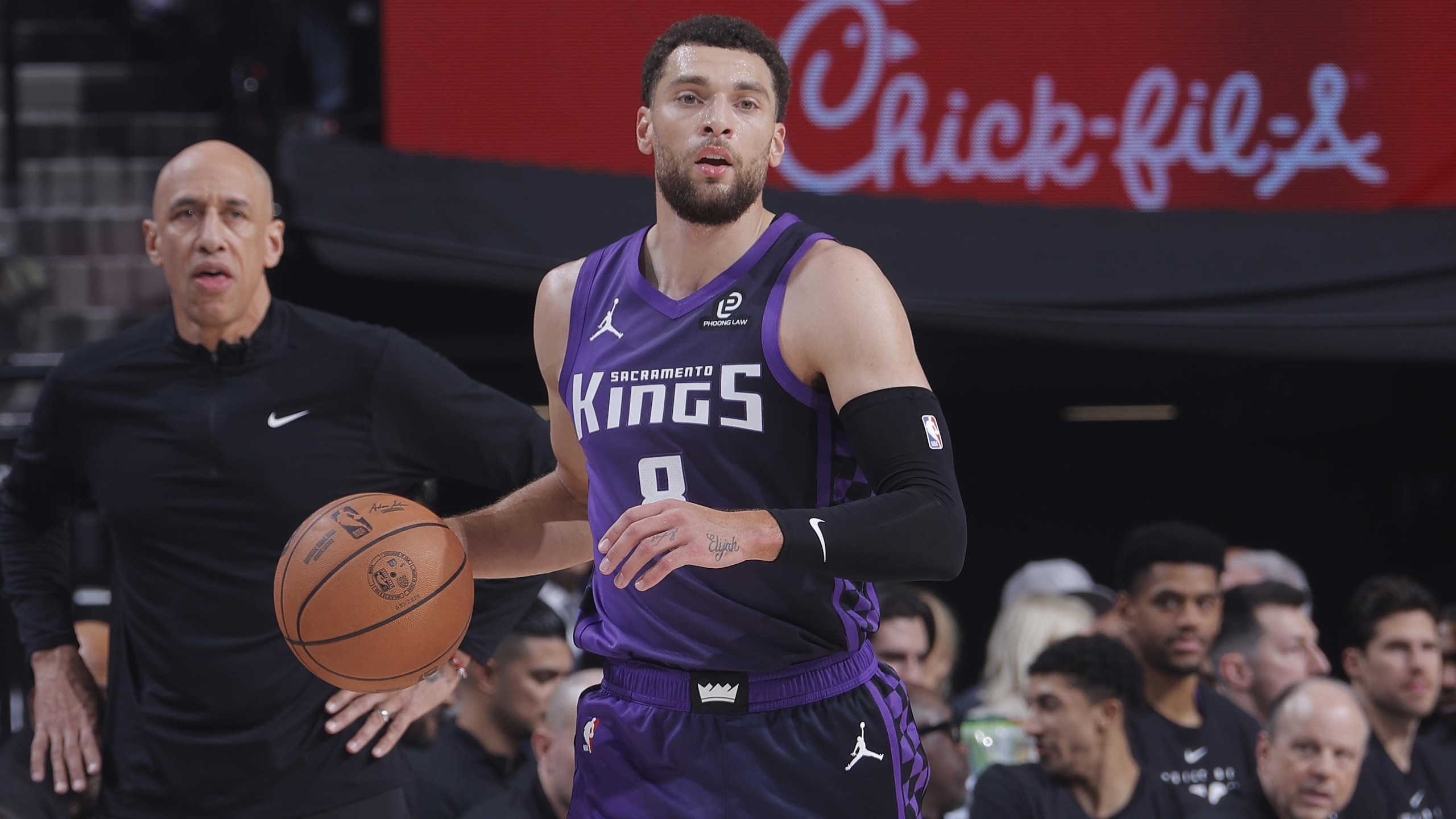
Contract: Five Years, $215 million (2026-27 player option)
The Sacramento Kings might actually prefer it if Zach LaVine declines his $49 million player option for 2026-27. They clearly couldn't get any positive value for him at the most recent trade deadline, so the possibility of losing the 29-year-old shooting guard for nothing in free agency probably sounds pretty good.
LaVine is an exceptional shooter, averaging 39.1 percent from the field on 6.0 long-range attempts per game over his career. He made back-to-back All-Star games in 2020-21 and 2021-22, was once among the most awe-inspiring dunkers in the sport, and generally looks the part of a superstar. Watch him shoot during warmups, for example, and you'll leave the experience convinced it's impossible for his perfect form and fluid stroke to ever result in a miss.
That said, LaVine's individual gifts have never translated to team success. Defensively, he's a frequent target. His respectable assist totals stem more from lots of on-ball reps than they do from actual vision.
He's seen just a single playoff series in his 12-year career—not entirely his fault, but certainly not an endorsement of a contract that pays him 30 percent of the cap on average.
Anthony Davis, Washington Wizards
2 of 5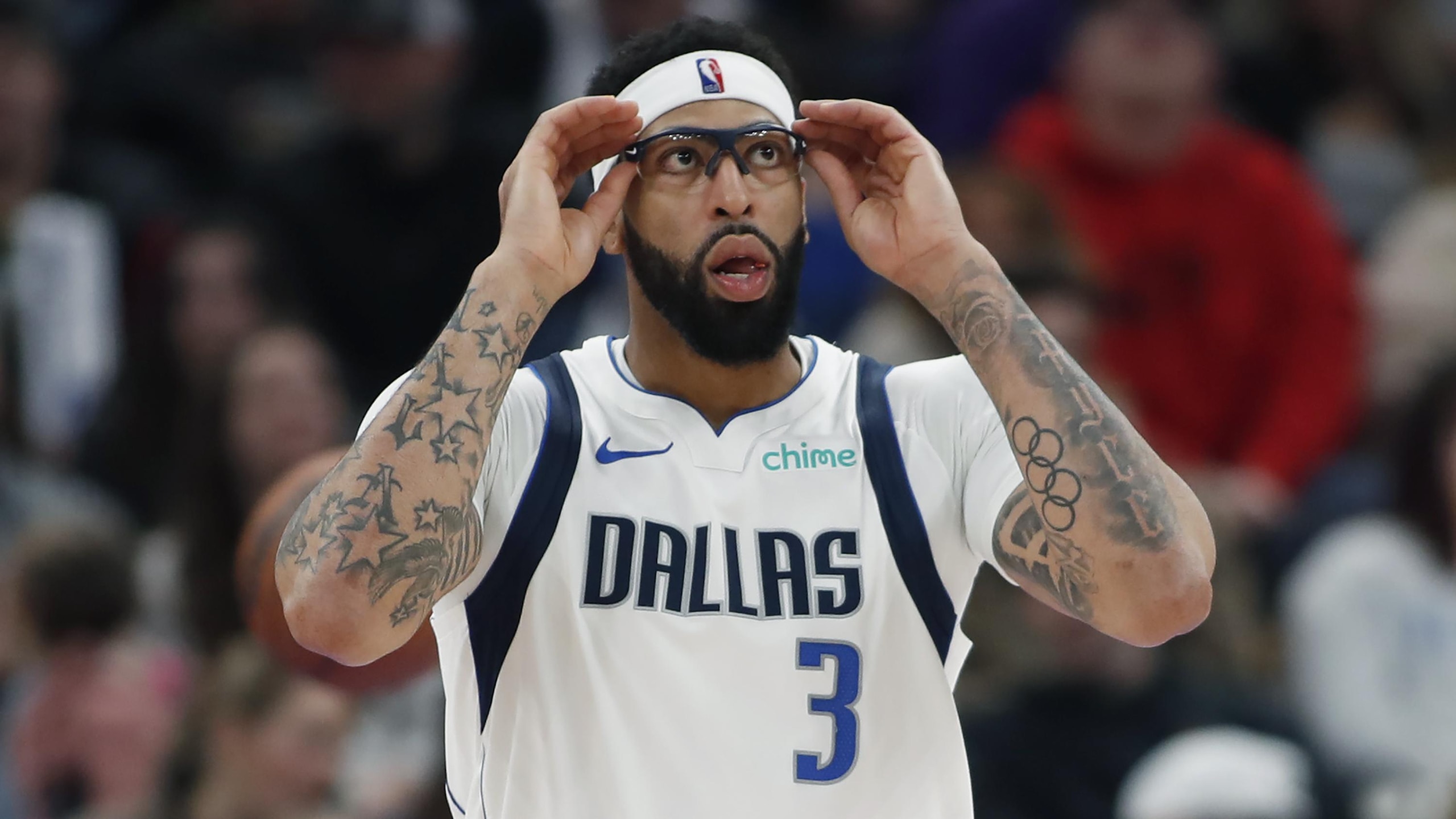
Contract: Three years, $175.4 million (2027-28 player option)
Anthony Davis is nowhere near the fifth-best player in the NBA this season, but that's where his $54.1 million salary ranks in 2025-26.
Part of the reason the Dallas Mavericks dealt AD to the Washington Wizards was the fear of his looming extension request. Davis is due $58.5 million next year and has a $62.7 million player option for 2027-28. He can sign a four-year extension worth up to $275 million in August.
If Davis could stay healthy, there might be a case for him being properly paid—or at least an argument that he doesn't belong on this list. But the nine-time All-Star has struggled to be consistently available throughout his career, particularly over the last handful of seasons.
Davis logged 76 games in 2023-24, but that was the outlier. If he doesn't play again this season, which is a possibility given the Wizards' tanking efforts, he will have averaged just 50 games per season since 2018-19. Set to turn 33 in March, Davis seems highly unlikely to reverse the trend of missing significant time every year.
That Washington was able to acquire him by including only a single surefire first-round pick, which might be No. 30 in this year's draft, says it all.
Karl-Anthony Towns, New York Knicks
3 of 5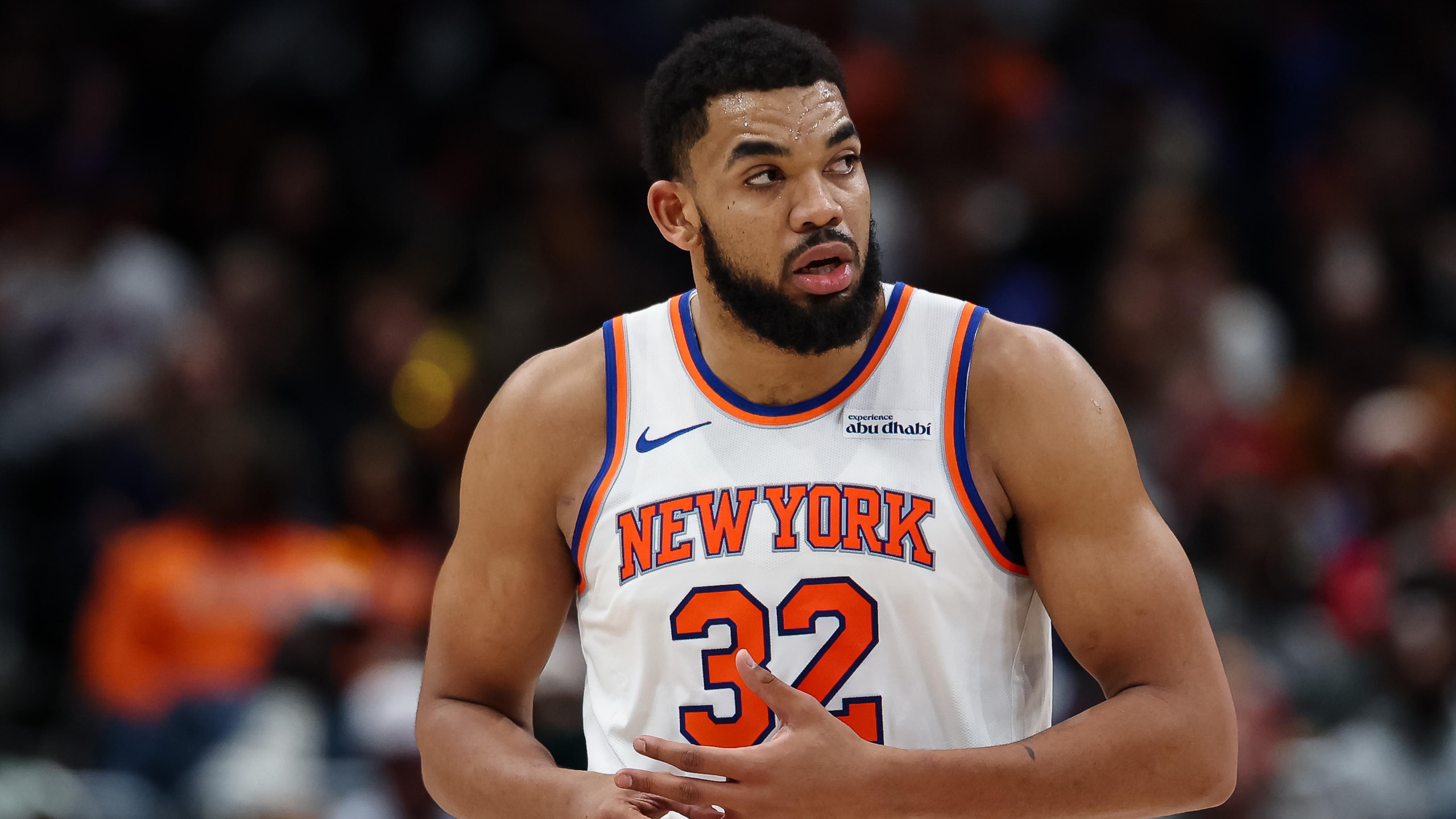
Contract: Four years, $220.4 million (2027-28 player option)
If a center can't defend the position, he'd better be an absolute superstar on offense.
Karl-Anthony Towns is averaging 19.7 points per game for the New York Knicks this season, his lowest scoring rate since he was a rookie in 2015-16. Worse still, he's only attempting 4.5 triples per game and hitting them at a below-league-average 35.3 percent clip. It's true that defenses still honor him from beyond the arc, but his production has been nowhere near good enough to offset his defensive shortcomings.
And it certainly doesn't justify his contract.
Towns is an offense-only player who's earning $53.1 million, and he currently ranks 45th in Offensive Estimated Plus/Minus. Lineups featuring Towns without Jalen Brunson score at a rate in the 67th percentile—solid, but not exactly the level you'd expect from a player earning the same amount as Giannis Antetokounmpo this season.
The Knicks, like the Minnesota Timberwolves before them, have to employ a defense-first center next to KAT because of his shortcomings as a stopper. Unfortunately, Towns also can't guard most modern forwards in space and is also subject to bouts of ill-advised fouls. Teammates have griped in the past about his commitment to learning the team's defensive schemes.
In short, Towns is compensated as if he's the kind of superstar whom you can build any team around, and upon whom coaches can heap first-option responsibilities while expecting passable defensive contributions.
He is none of those things.

.jpg?w=2560)
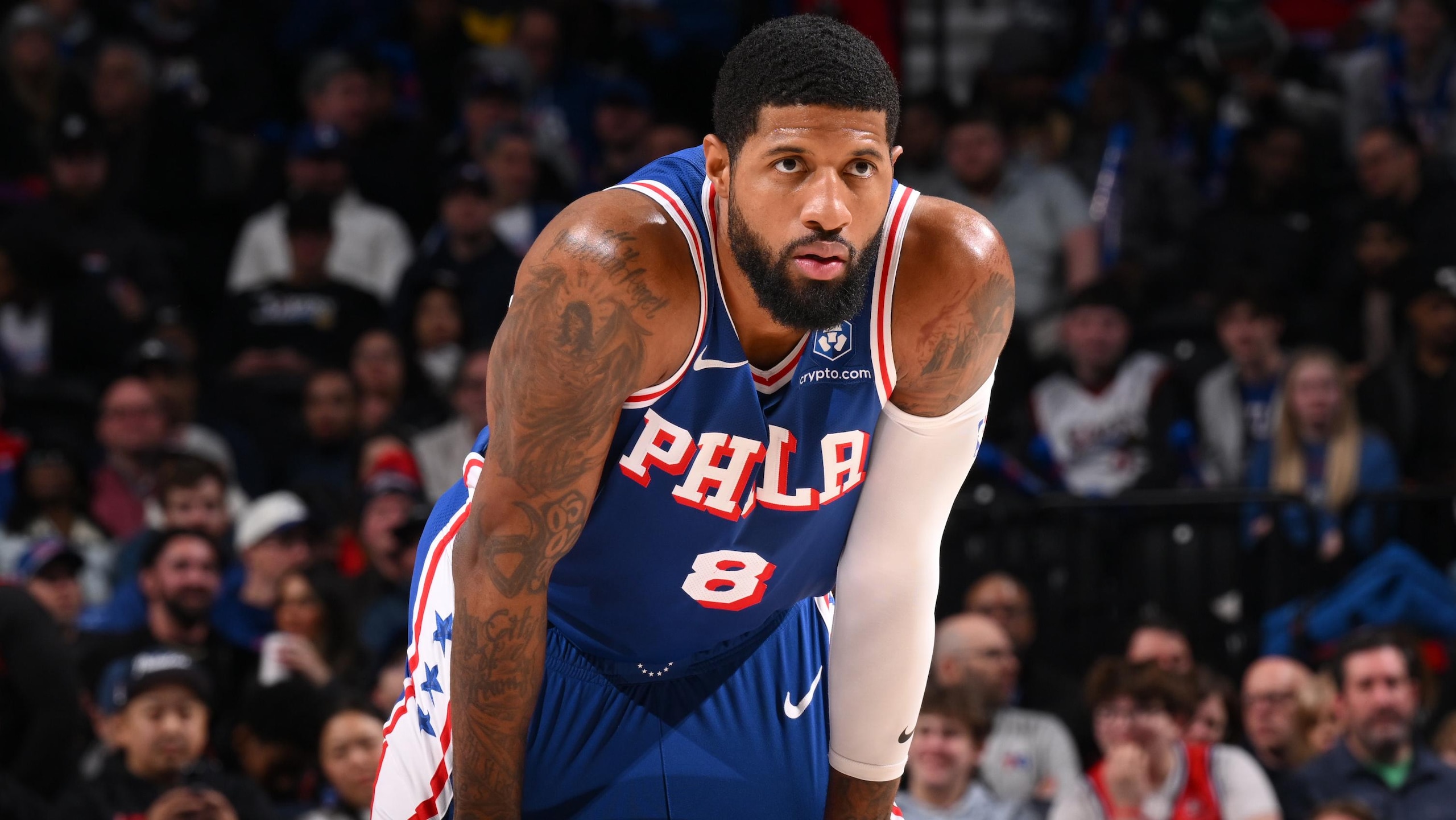
Paul George, Philadelphia 76ers
4 of 5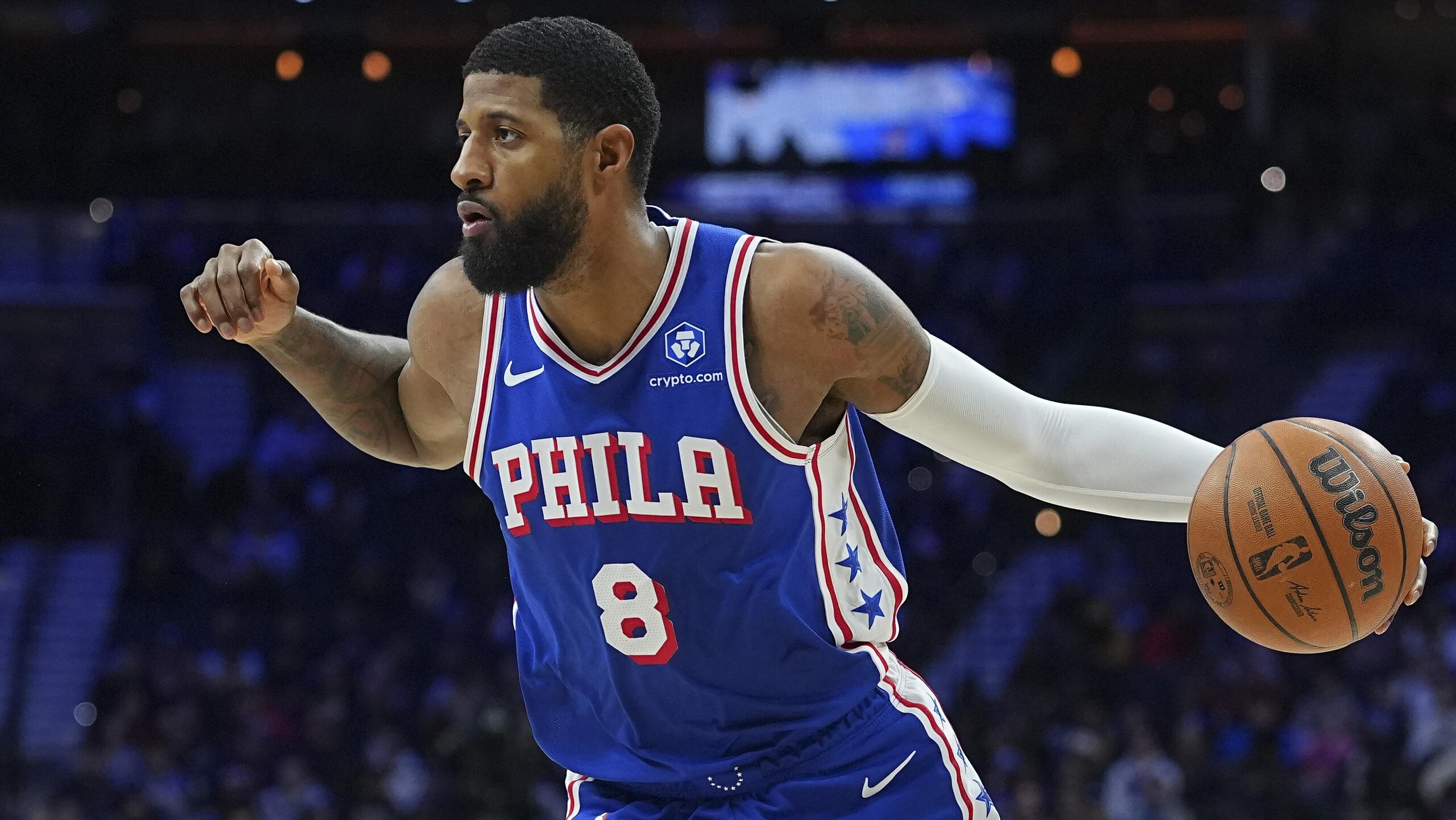
Contract: Four years, $212 million (2027-28 player option)
It says a lot that Paul George's 25-game suspension for violating the league's anti-drug policy might rate as an overall positive for the Philadelphia 76ers. The savings the team will incur during that stretch, in which it won't have to pay George, will help it duck the luxury tax.
If the Sixers were going to miss George's on-court contributions during his absence, maybe there'd be an argument that his suspension is more of an even trade-off. But they won't.
In theory, players earning over $50 million per season shouldn't be so easily replaced. In practice, George has been an injury-prone, occasionally helpful but never indispensable role player since signing his four-year deal with Philadelphia last offseason.
He's averaging 16.1 points, 5.3 rebounds, and 4.1 assists while posting a true shooting percentage well below the league average in his Sixers tenure. The bigger issue has been his availability. George logged just 41 games last season and was at 27 before his suspension kicked in this year.
As with everyone we've covered so far, this isn't an argument that PG is an objectively bad player. He'd belong in anyone's rotation. But the cost just doesn't line up with what he's provided his team.
Joel Embiid, Philadelphia 76ers
5 of 5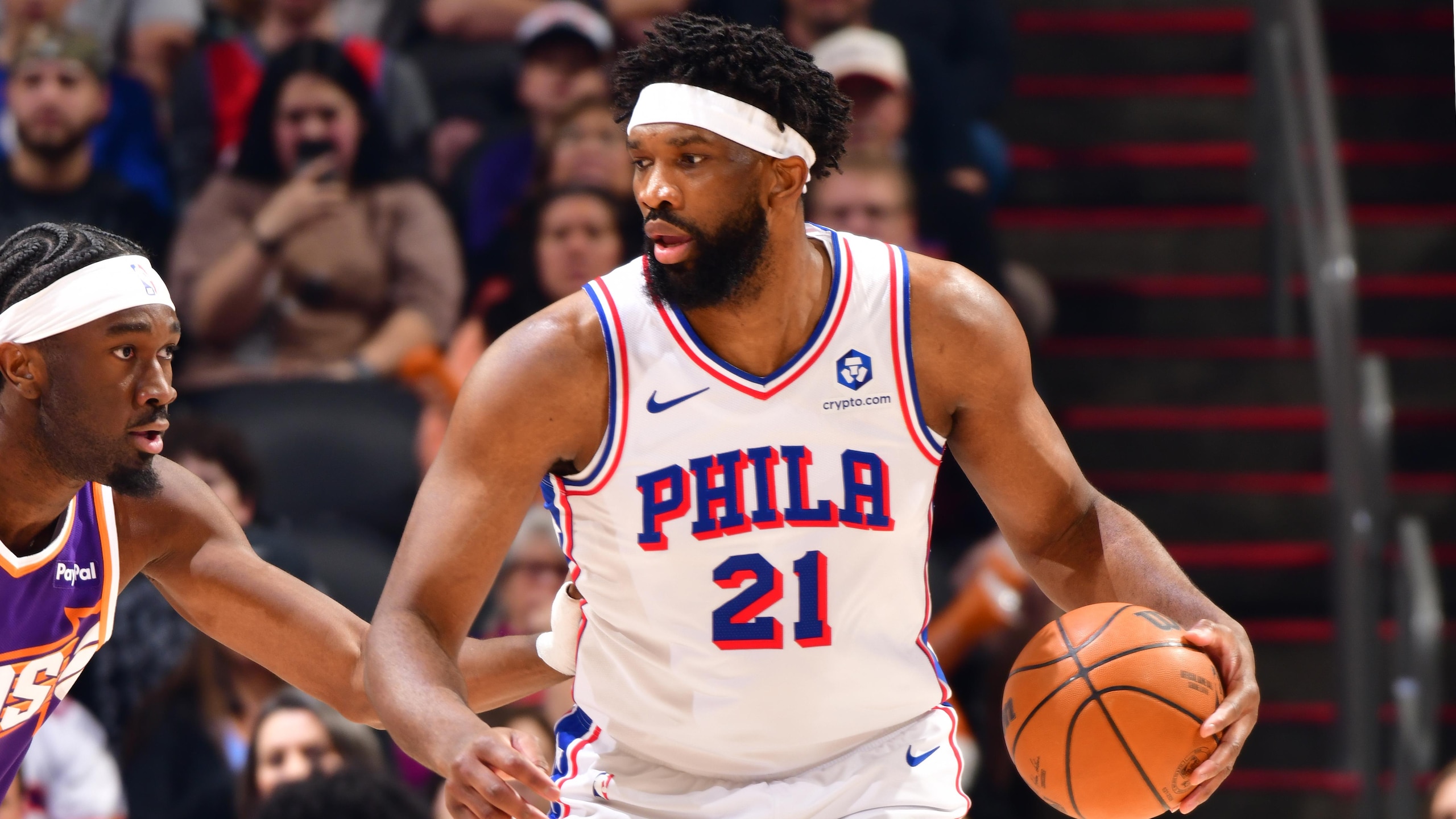
Contract: Three years, $188 million (2028-29 player option)
Joel Embiid's improved mobility has been one of the best developments of the 2025-26 season. After starting out the year looking positively statuesque (and not in the good way), the former MVP has gradually shaken the rust off.
He's up to 26.6 points per game and is looking much more like himself than at any point since the knee injury that knocked him out after 39 games in the 2023-24 campaign.
Even if Embiid's career outlook isn't quite as bleak as it seemed last season, when he only appeared in 19 games, or over the summer, it's still difficult to paint a rosy picture of his future value. That's because he's in line to earn $58.1 million in 2026-27, $62.7 million in 2027-28, and $67.4 million in 2028-29. Those will be his age-32, -33, and -34 seasons, and he'll make at least 35 percent of the salary cap in all of them.
That's supermax money for a player who probably should not be expected to appear in half of his team's games—to say nothing of the likelihood of statistical decline or the possibility of another significant injury.
Health has been the great variable of Embiid's career. He missed his entire first two seasons, played 31 games in his third, and has never played more than 68 games in any year of his career.
Embiid is proving he can still be productive when on the floor, but he is unlikely to ever make another All-Star game or meet the 65-game threshold for awards consideration.
The NBA has fewer bad contracts today than ever before, but Embiid's still has to rate as the worst. Or at least the one with the most downside risk.
Stats courtesy of NBA.com, Basketball Reference and Cleaning the Glass. Salary info via Spotrac.
Grant Hughes covers the NBA for Bleacher Report. Follow him on Bluesky and subscribe to the Hardwood Knocks podcast, where he appears with Bleacher Report's Dan Favale.

.jpg?w=2560 "Panic Meters for Struggling NFL QBs 😨")
.jpg?w=2560 "Jayden Daniels Won't Go on IR")
.jpg?w=2560 "LaFleur: TNF Loss 'Humbling Night'")