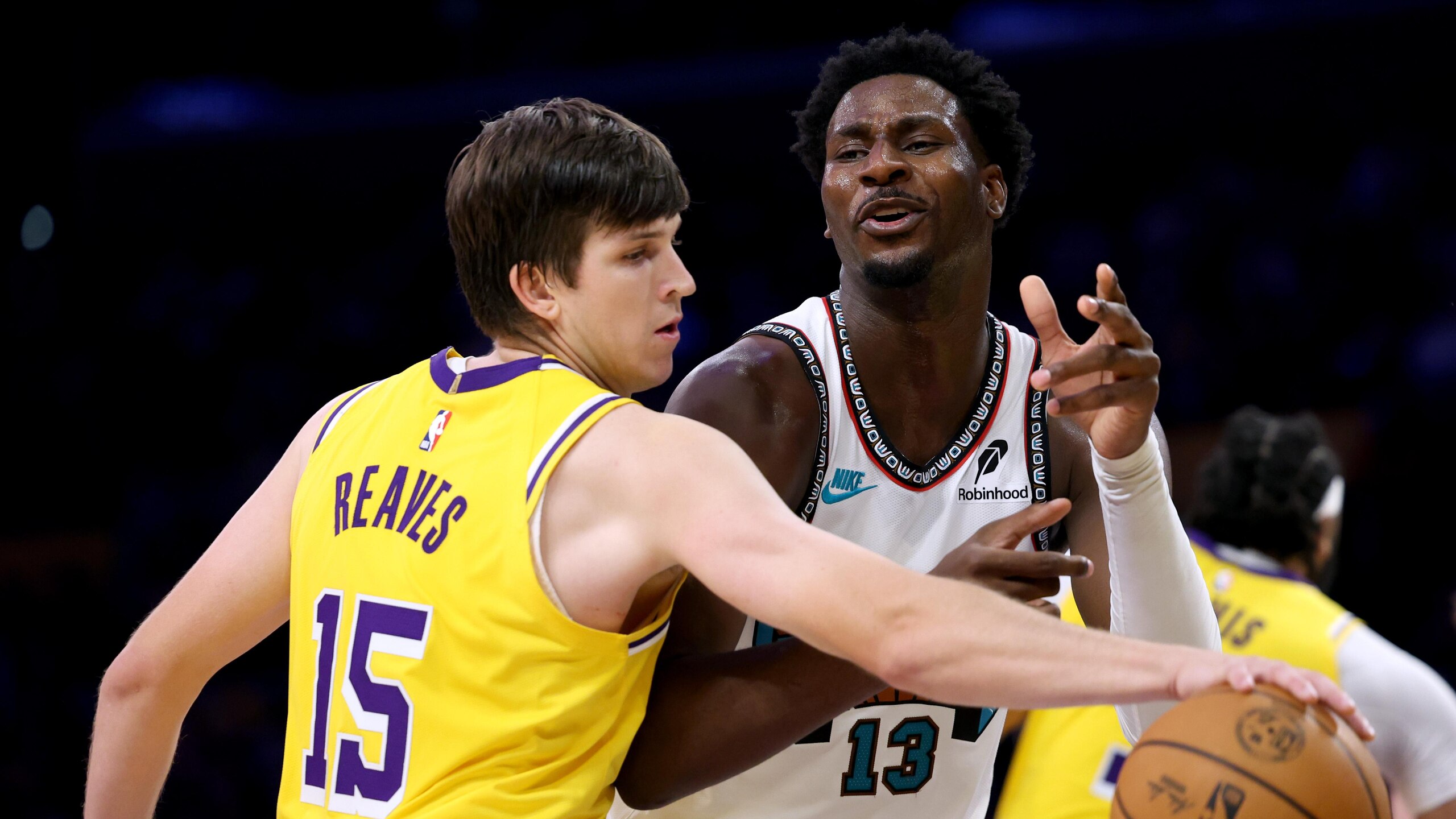

What Impact Would Rich Paul's Reaves, Jackson Trade Idea Have on Lakers, Grizzlies?
Beyond the question of whether LeBron James' agent Rich Paul should be offering roster advice on a podcast—specifically suggesting the Los Angeles Lakers explore trading Austin Reaves to the Memphis Grizzlies for Jaren Jackson Jr.—the larger question is whether his idea actually makes sense.
On Game Over with Max Kellerman and Rich Paul, the co-host sketched out a deal built around Reaves, expiring contracts and "the last first you got" for Jackson, framing it as a response to an unbalanced Lakers roster centered on two backcourt scorers rather than a criticism of Reaves himself.
"Memphis would definitely pay Austin," Paul said, adding that "he would become their leading scorer and point guard" and that Jackson would not want to stick around for a rebuild with Ja Morant on the trade block.
While the overarching answer is subjective, the following is a theoretical breakdown of the type of Reaves/Jackson swap Paul loosely outlined on the podcast (without draft-pick compensation) and the bigger-picture ramifications for both franchises.
Full Trade Scenario
1 of 4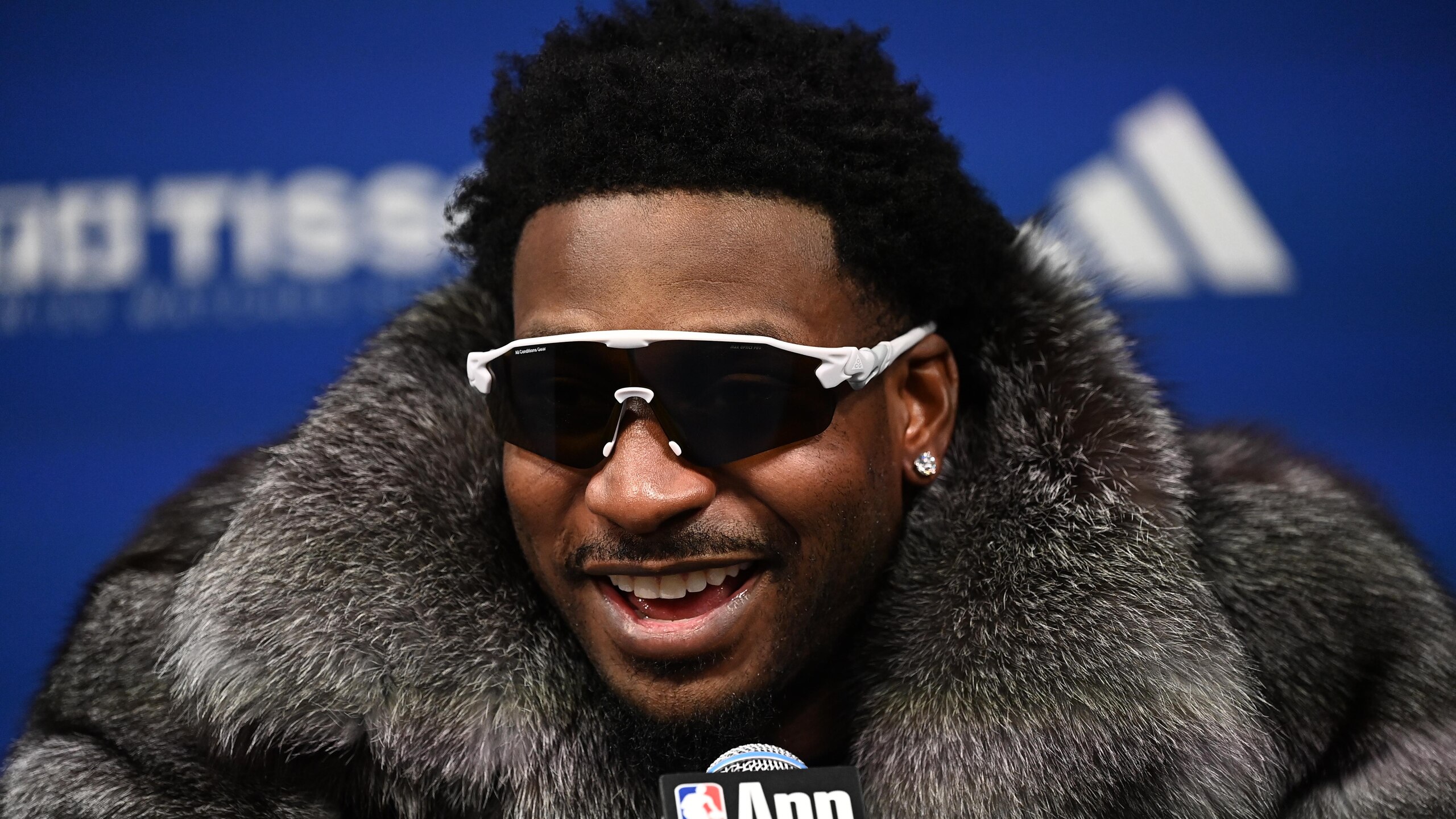
The Los Angeles Lakers receive: Jaren Jackson Jr., Vince Williams Jr.
The Memphis Grizzlies receive: Austin Reaves, Rui Hachimura, Maxi Kleber, $2.3 million trade exception (Vince Williams Jr.)
Important Trade Notes
2 of 4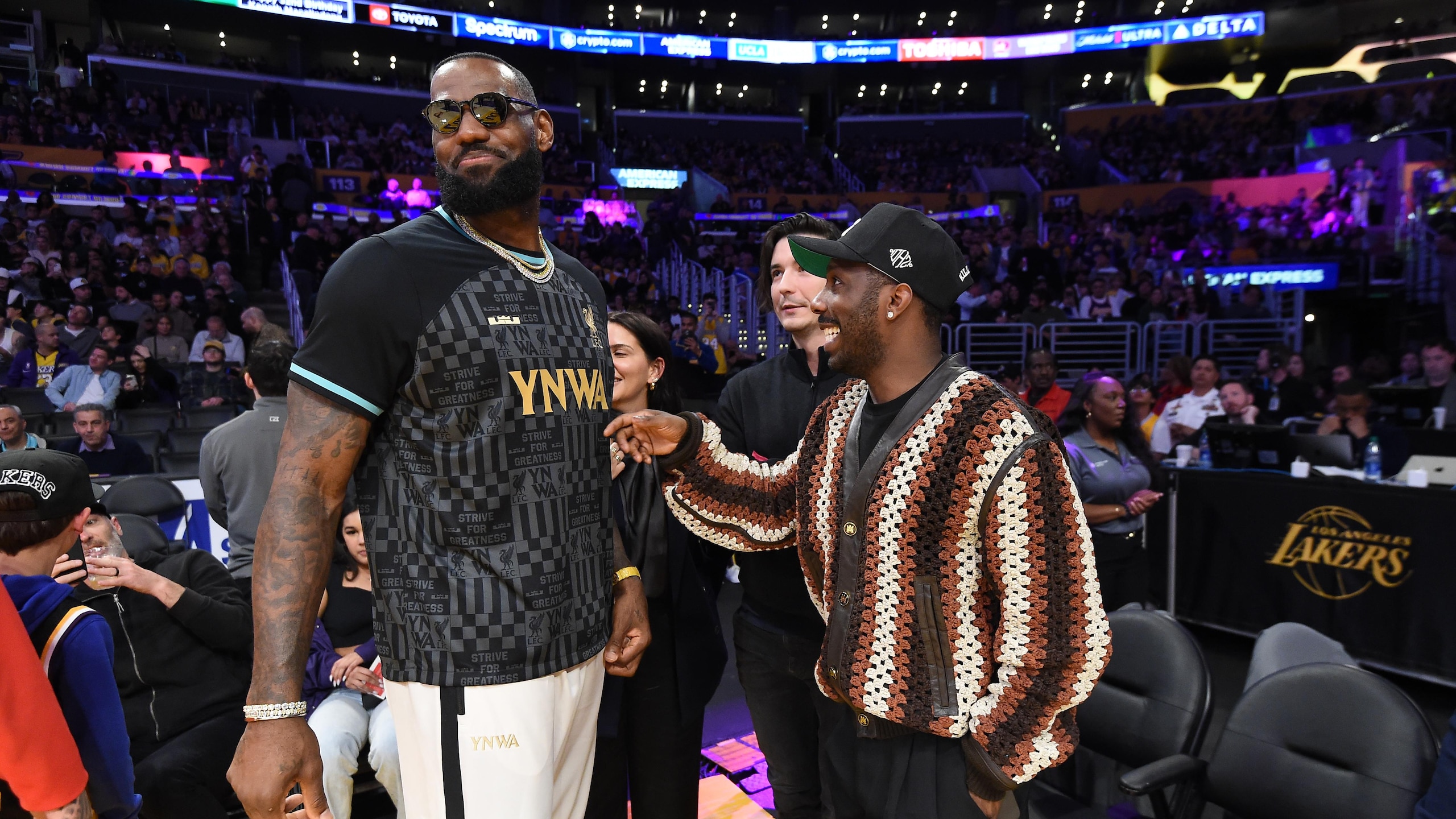
The trade is cobbled together from Paul's comments, with the added assumption that both parties are willing to make the deal without including first-round picks.
Jackson is a two-time All-Star and former Defensive Player of the Year; Reaves was a top-10 NBA scorer before a calf injury sidelined him on Christmas Day.
The Lakers are aggregating Reaves with two players on expiring contracts. Hachimura, at $18.3 million, needs to be included so Los Angeles can return to 14 players without exceeding its first-apron hard cap of $195.9 million (Gabe Vincent's $11.5 million isn't enough).
Memphis places GG Jackson II on waivers for roster space, though he can be re-signed if he clears, and Kleber is subsequently let go once the deal is official.
The Grizzlies, who already have a first-apron hard cap, take in the Lakers' players via the expanded traded player exception for Jackson, generating a standard traded player exception for Williams.
Impact on the Los Angeles Lakers
3 of 4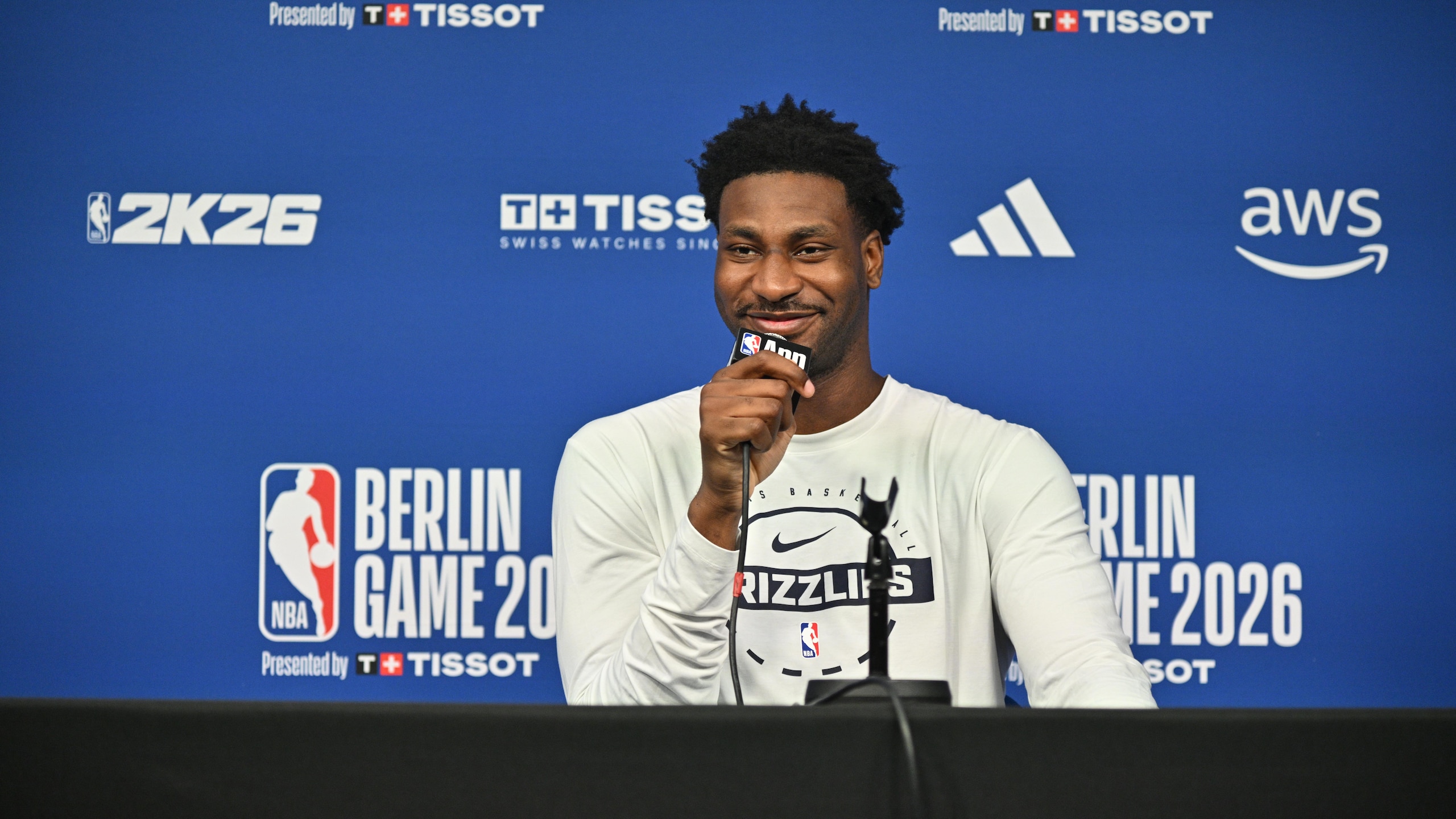
From Paul's point of view, the Lakers will be a better team with Jackson's defense over Reaves' offense; that's subjectively arguable. If the Lakers agree (and Memphis likes the deal), then by all means.
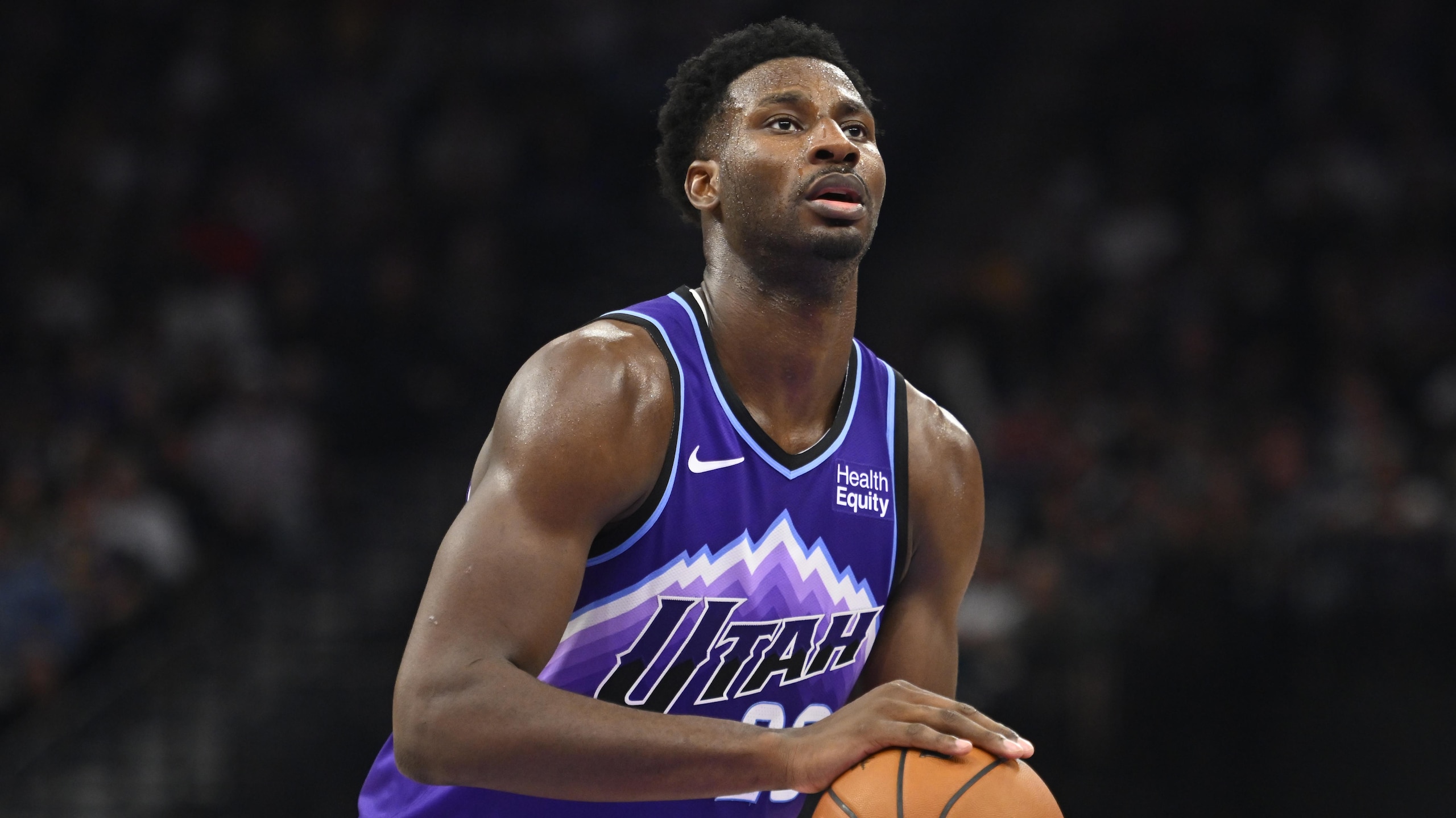
Paul better be correct, though, as the financial commitment to Jackson is among the heavier deals in the league at $240 million through five seasons (including 2025-26).
Is Reaves' playmaking skill more critical next to Luka Dončić than Jackson's potential as a cornerstone defensive big who can score nearly 20 points per game?
That isn't easy to answer. Looking at the Dallas Mavericks' 2024 run to the NBA Finals, the team was a force with Kyrie Irving alongside Dončić, along with a list of talented role players who were able to defend well enough around them to advance through the Western Conference until they were beaten soundly by the Boston Celtics in five games.
Another factor to consider is L.A.'s potential financial flexibility in July. If James is returning at a salary similar to his current $52.6 million, the Lakers won't have the means to improve significantly.
Assuming the Lakers move on from James, and that Deandre Ayton ($8.1 million) and Marcus Smart ($5.4 million) opt out of their final years, the team would have up to roughly $30 million in cap room to build around Dončić and Jackson. The next decision would be whether to retain Ayton, who will expect a significant pay hike, or to shop for additional talent via free agency or trade.
If the Lakers could get the Grizzlies to take on Jarred Vanderbilt's contract (instead of Kleber), the cap room would increase to nearly $42 million (more with additional moves). In both cases, L.A. would have the $9.4 million room mid-level exception (though some may be needed to pay Smart as an enticement for his opt-out).
Without the Memphis trade, the Lakers can pay Reaves up to the max after using their cap room, provided they slot for his $26.5 million free-agent cap hold. That would give the team approximately $54 million in cap room to spend first (assuming James, Hachimura, and others depart). The Lakers would need to consider Ayton in their budget as well.
The fundamental difference would be an investment in Reaves that could reach $41.5 million, but can't reach the $49 million Jackson is already set to earn (increasing to $53.5 million in 2029-30, though a player option). Both paths involve risk, but choosing Jackson could be financially limiting as well.
Finally, there's a chance the Lakers pass on the possibility altogether, simply because Paul put it into the public sphere on his podcast.
Impact on the Memphis Grizzlies
4 of 4
The Grizzlies are also at a crossroads.
The Morant era appears to be over, though the team needs a trade to make it official (by the deadline or this offseason). Jackson and Morant combine to earn $91.2 million in 2026-27. The franchise already pivoted away from Desmond Bane, getting a haul of draft compensation from the Orlando Magic this summer.
A rebuild may be next, and getting off of Jackson makes sense, provided the return is high-level. Equally, what does a Morant trade do for Memphis' books?
The front office needs to wade through these decisions and then agree that Reaves is the right pivot, given he's a year older than Jackson. Paul asserted that Reaves deserves to be paid, but that's quite a leap to assume Memphis will pay him the $40 million or more he's seeking in his starting salary this summer. That seems contradictory for a team that, according to Paul, is rebuilding.
But even if the Grizzlies agree that Reaves is the absolute right choice in a Jackson trade, would Reaves give the franchise assurances that he'll re-sign? He may prefer to explore free agency before making any commitments ahead of the February 5 trade deadline.
Other potential suitors with projected spending power include the Utah Jazz, Chicago Bulls, Washington Wizards, and possibly the Atlanta Hawks after moving on from Trae Young via trade. That's just an early list, ahead of the deadline, which will see other teams reshape their spending potential this summer.
Trading Jackson for Reaves and Hachimura, only to potentially lose both in free agency, is a tough sell. The alternative would be to shop his contract elsewhere for as many first-round picks as the Grizzlies can extract. They may not get anyone close to Reaves' talent, but rebuilds usually center on draft compensation rather than massive salary commitments.
Paul raised a stir with his podcast, and he isn't wrong about Reaves being a tremendous fit in Memphis. He'd be an immediate fan favorite, but at the price he's seeking, that may not fit with a rebuild. Besides, Paul doesn't represent Reaves as an agent, so he wouldn't have any real idea if the 27-year-old guard would commit to the Grizzlies beyond the current season.
Email Eric Pincus at eric.pincus@gmail.com and follow him on X @EricPincus and Bluesky.


.jpg?w=2560 "World Series Game 4 Highlights 🎬")
.jpg?w=2560 "Goff's 'Waterboy' Costume 💧")
