

While the rest of the NBA world may be contemplating Giannis Antetokounmpo trade ideas, the Milwaukee Bucks seem primarily focused on attaining additional talent to improve their postseason chances and give the former NBA Most Valuable Player motivation to stay.
This is the circuitous path the team has followed over the last several years, leading to diminishing draft capital and an unbalanced roster. The Bucks made a bold decision after Damian Lillard's unfortunate Achilles tear, stretching out his salary over multiple seasons (further hampering future flexibility) to sign center Myles Turner in free agency.
Outside of Antetokounmpo, Turner may be the team's most attractive player to use in a trade to bring back depth. In this theoretical, Milwaukee sends Turner to the Golden State Warriors, bringing back two centers and a talented young guard to replace Lillard, along with a solid wing from the Brooklyn Nets.
Given the complexity of the NBA's many rules, the Indiana Pacers join the party to make this wild five-team trade idea legal, adding a young center from the Warriors.
Does it make enough sense for the Bucks on the court? That may be secondary, provided it buys the franchise additional time with Antetokounmpo.
Full Trade Scenario
1 of 6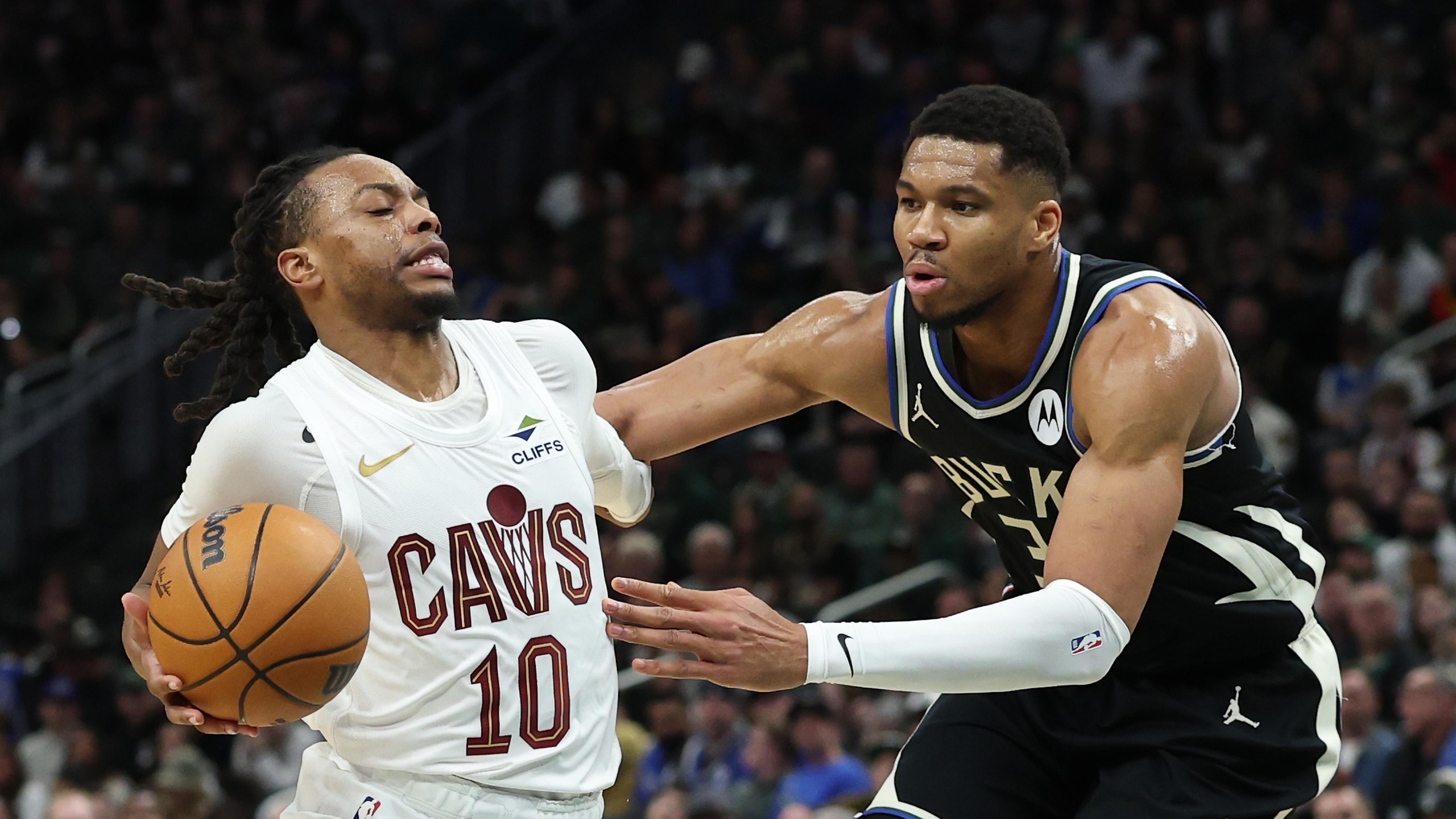
Bucks get:
Cavaliers get:
Warriors get:
Pacers get:
Nets get:
Why the Milwaukee Bucks Do It
2 of 6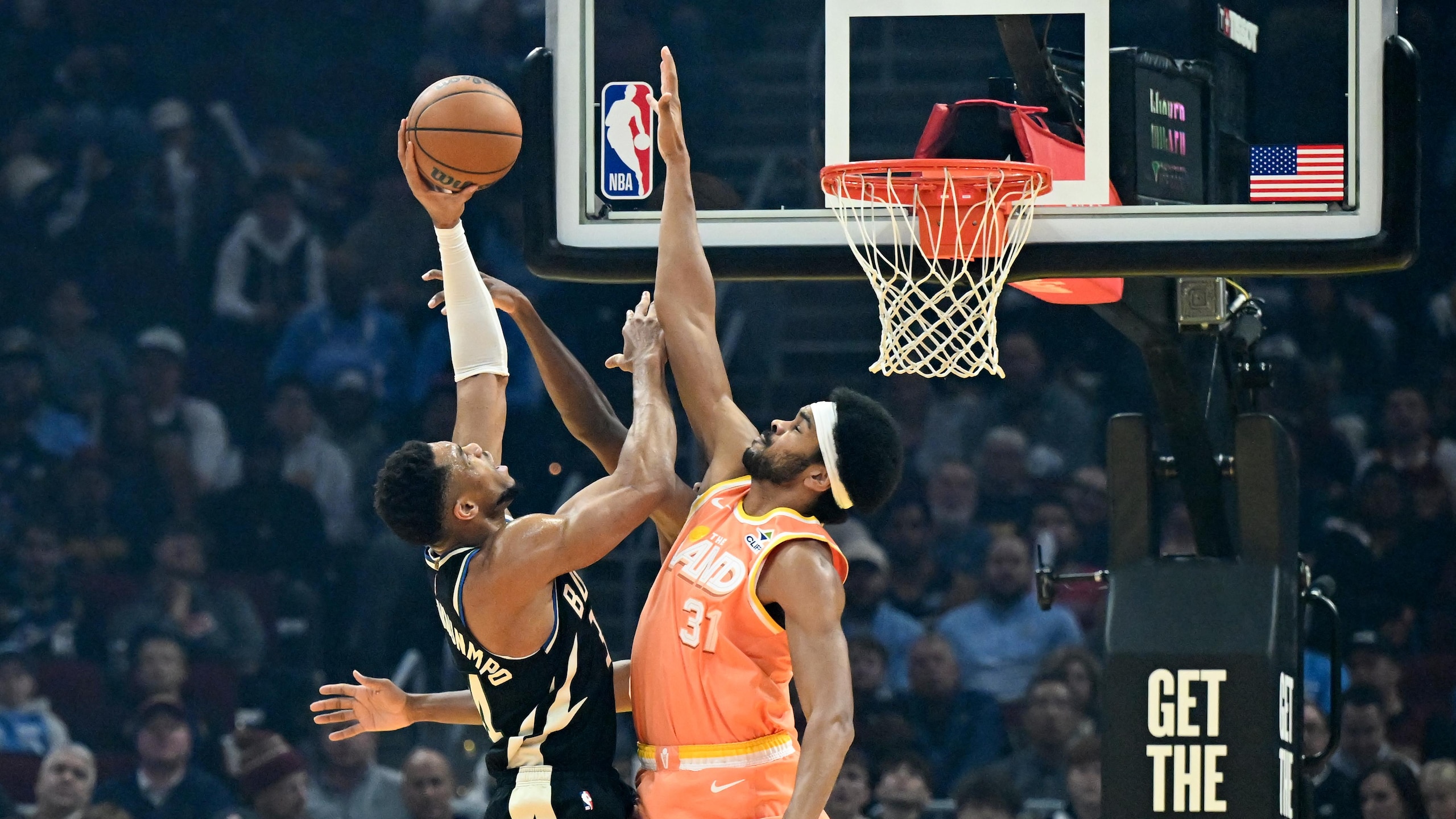
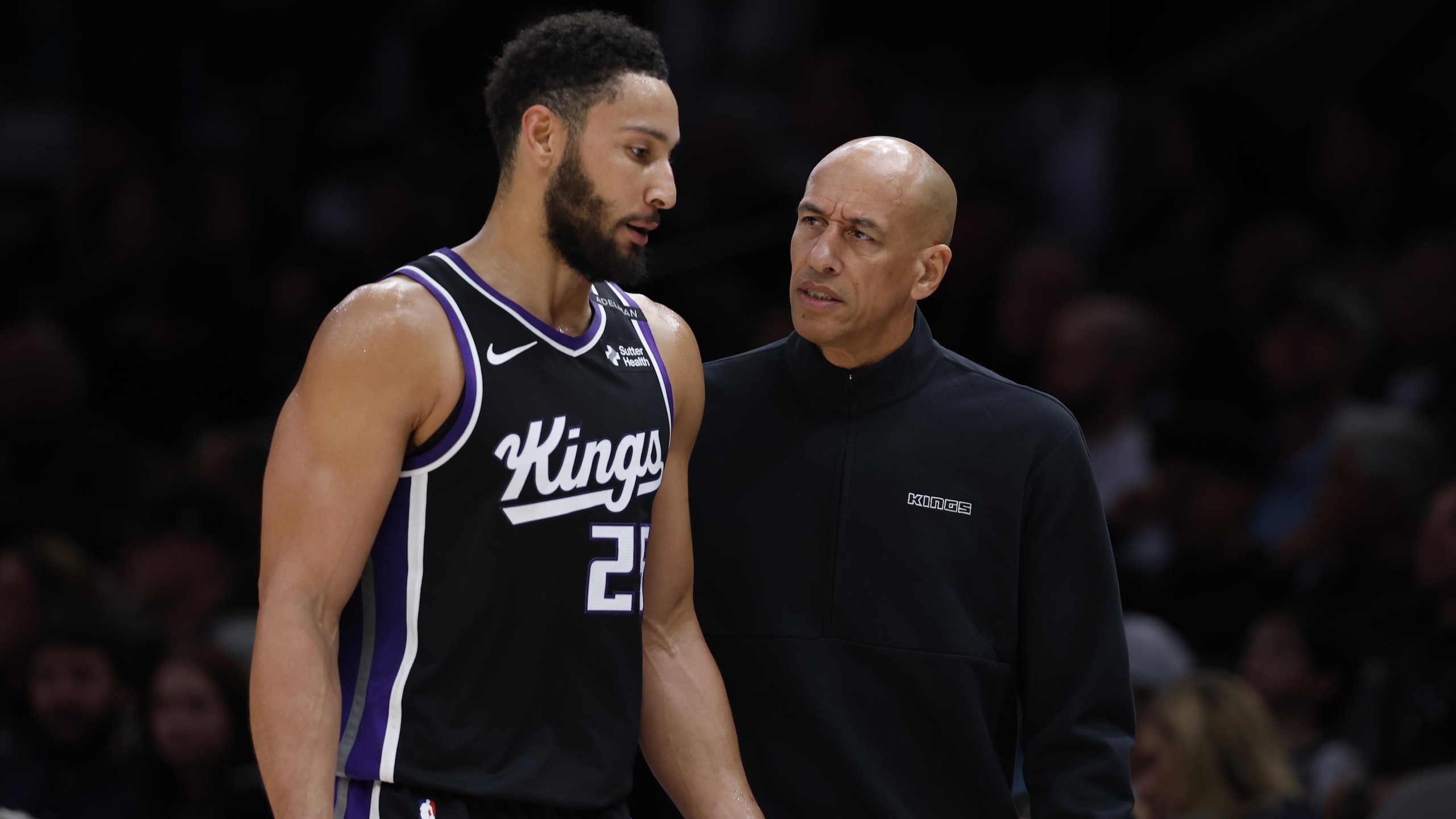
Using the premise that the Bucks' front office has the mandate to do whatever it takes to keep Antetokounmpo in Milwaukee, Turner and the future first are the necessary sacrifices to shift the team's direction. Allen is the stronger rebounder, but doesn't space the floor. That's a puzzle for coach Doc Rivers to put together, and Bryant off the bench is happy to launch from three-point range.
The Milwaukee backcourt of Ryan Rollins and Kevin Porter Jr. is bolstered with the addition of Garland, a two-time All-Star who has averaged 18.8 points and 6.7 assists over his seven-year career, shooting around 39 percent from three-point range.
The Bucks also swap out Kuzma's $22.4 million for this season for Mann's $15.5 million, adding a versatile wing defender. The team loses Portis, Anthony and Coffey in the deal, which is necessary to make it all work in trade while keeping the Bucks under the luxury tax this season.
Along with Jericho Sims, Milwaukee has three rotation centers alongside Antetokounmpo, plus wings (AJ Green, Gary Trent Jr., Gary Harris, Taurean Prince, Mann) and ball-handling guards (Garland, Rollins, Porter) to make a postseason push without entertaining the nuclear option of sending Antetokounmpo out in trade.
Why the Cleveland Cavaliers Do It
3 of 6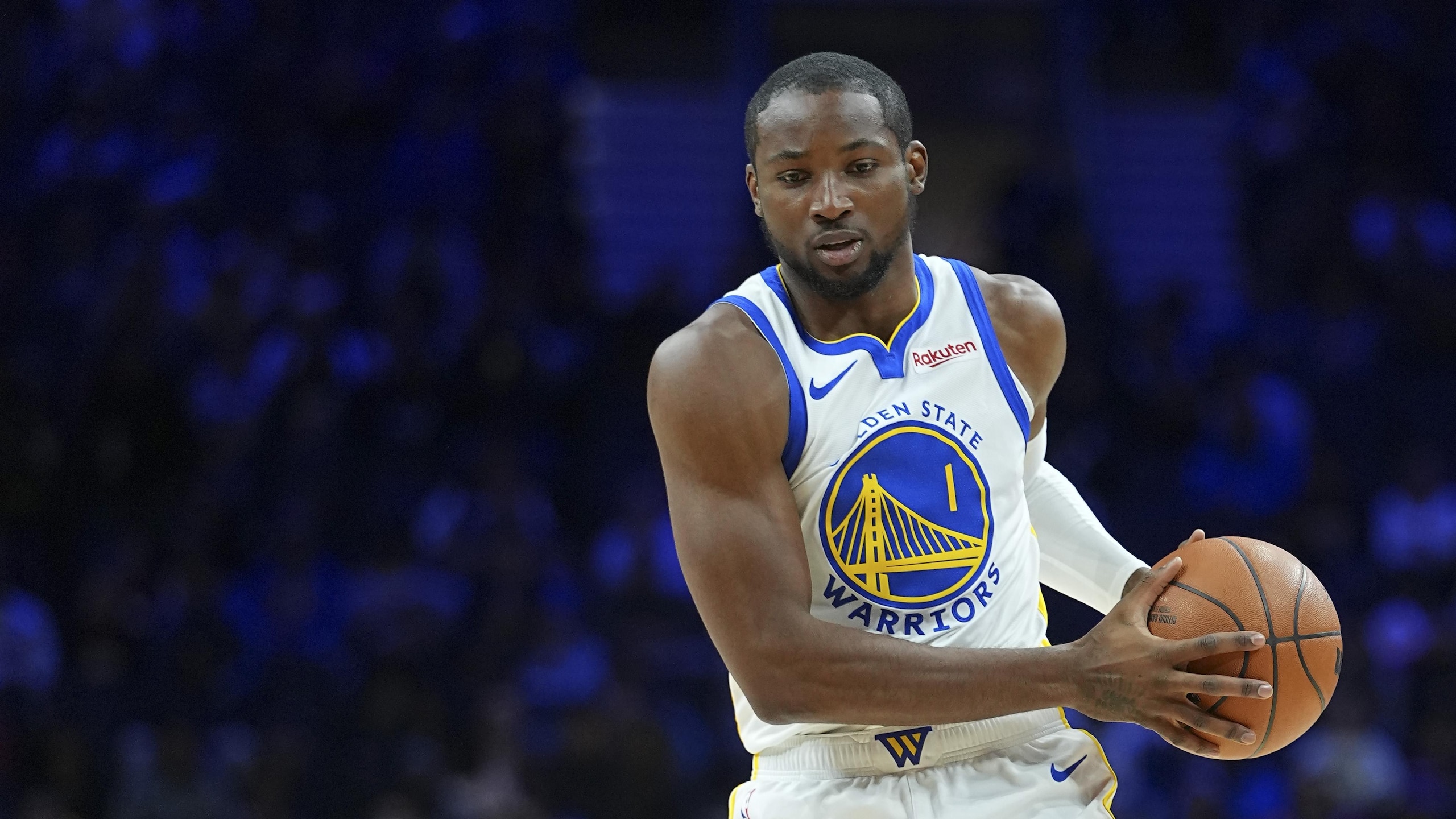
The Cleveland Cavaliers (64-18) finished last season with the best record in the Eastern Conference, but fell short in the second round in consecutive years (this time to the Indiana Pacers). Keeping the heart of the team intact, they haven't been able to maintain the same level of play at 17-16 through their first 33 games.
As the only NBA franchise above the second apron, Cleveland needs to consider its future seriously.
If the pairing of Evan Mobley (who is arguably better suited at center) and Allen, plus the duo of Donovan Mitchell and Garland (both relatively small guards), does not fit, then why spend top dollar for a disappointing product?
Here, the Cavaliers pivot by parting with Allen, Garland, and Bryant, taking back two first-round picks, while getting under the second apron this season and next. Mobley slides into his natural position, and the team gets the chance to see if Kuminga will be a better fit in Cleveland than he is in Golden State. Portis helps restock the frontcourt; if the Cavs don't improve immediately, they certainly won't be much worse than they've been—a team that has been barely above .500.
In the meantime, the second-apron penalties no longer apply, and the franchise replenishes its depleted draft capital.

Why the Golden State Warriors Do It
4 of 6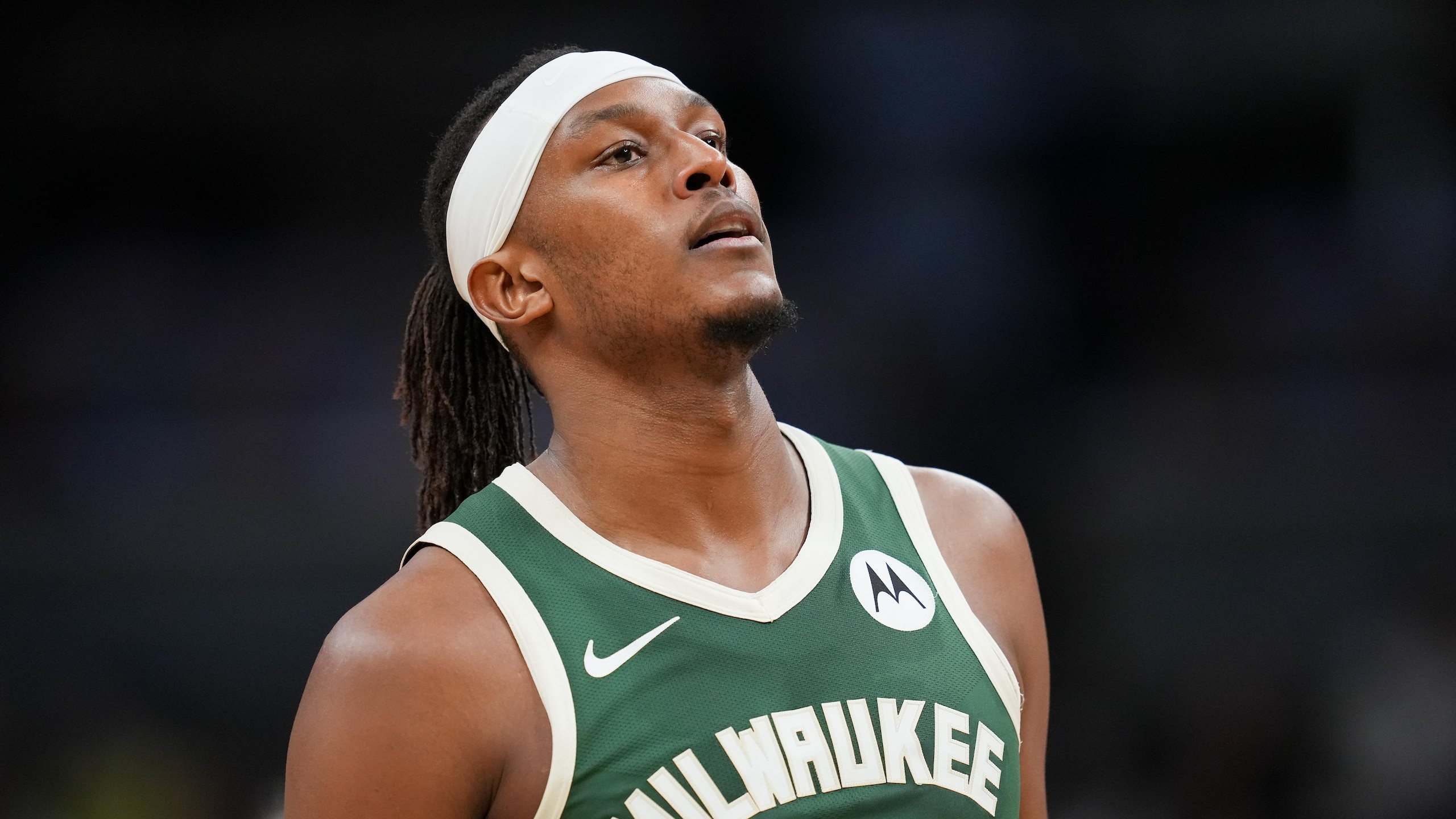
With coach Steve Kerr acknowledging that the Warriors are a "fading dynasty," the team trades to rekindle its fire by landing a badly needed starting center, Turner, who can stretch the floor.
The Kuminga saga has been a long time in the making. With no extension last year, a protracted negotiation over the summer, and limited productivity within Kerr's rotation this season, moving the 23-year-old to the Cavaliers would provide necessary closure.
While the Warriors have worked to time their contracts to end with Steph Curry's deal following the 2026-27 campaign, the chance to add Turner inspires a change of course. Given his fit and the team's need for a postseason spark, Golden State takes the plunge with Kuminga and a future first.
Unfortunately, neither Horford nor Hield has shot well for the team this year. The Warriors move off both veterans, along with young center Jackson-Davis. In his stead, Golden State adds Sharpe, a strong, physical rebounding presence off the bench.
Why the Indiana Pacers Do It
5 of 6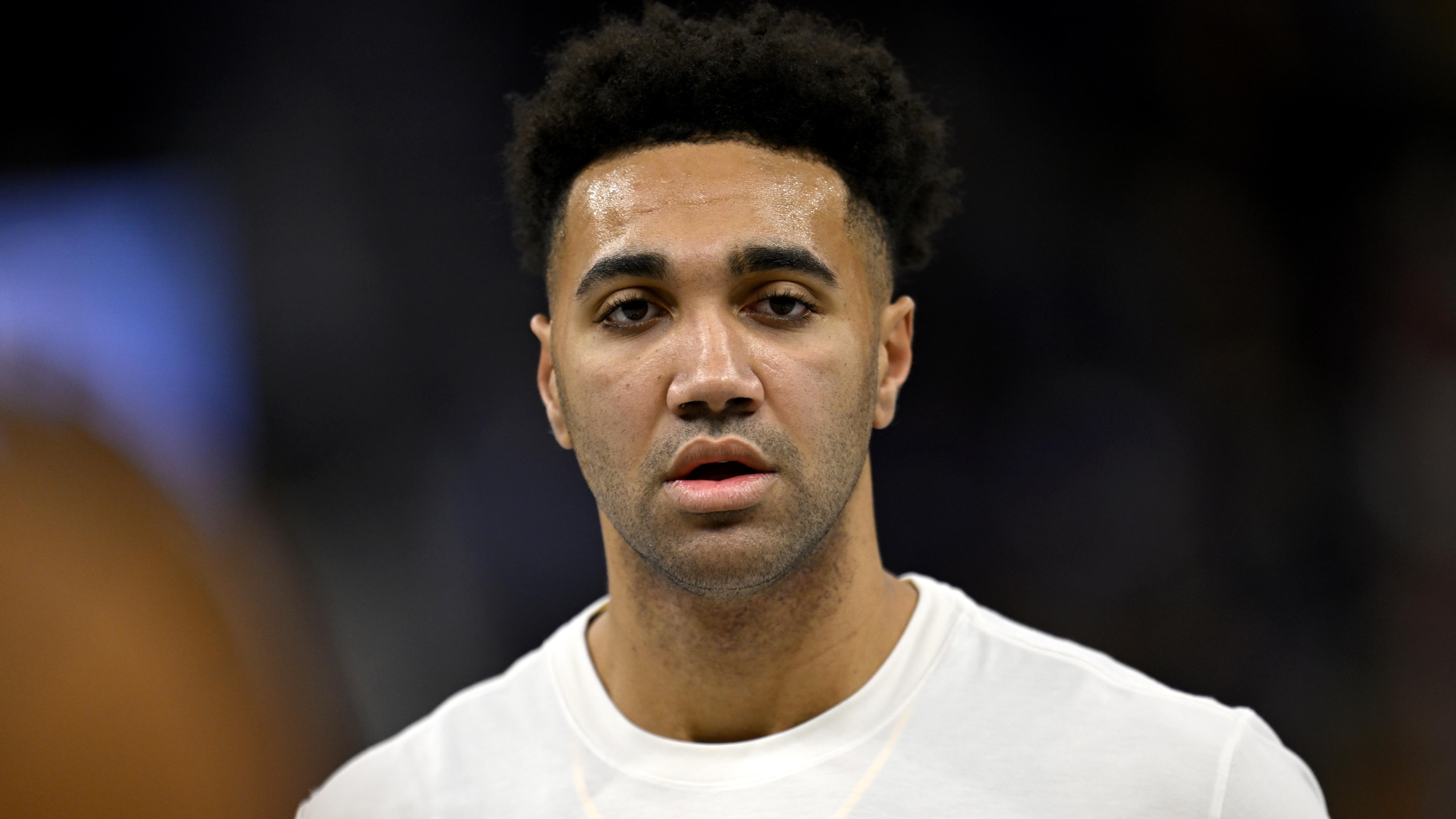
The Pacers play a small role in this complicated puzzle. Currently in a "gap year" as All-Star point guard Tyrese Haliburton recovers from a torn Achilles, the team gets the chance to see how Jackson-Davis fits (giving up just a second-round pick).
Indiana, which lost Turner to the Bucks in free agency in July, is still searching for suitable replacements. Jackson-Davis can be retained at just $2.4 million via his team option for 2026-27. Alternatively, the Pacers can opt him out, make him a restricted free agent, and re-sign him to a longer, team-friendly deal this summer.
The biological son of Dale Davis, who went to the NBA Finals with the Pacers in 2000, Jackson-Davis, No. 57, was born in Indiana and played for the Hoosiers before the Warriors acquired him via trade on draft day in 2023.
Why the Brooklyn Nets Do It
6 of 6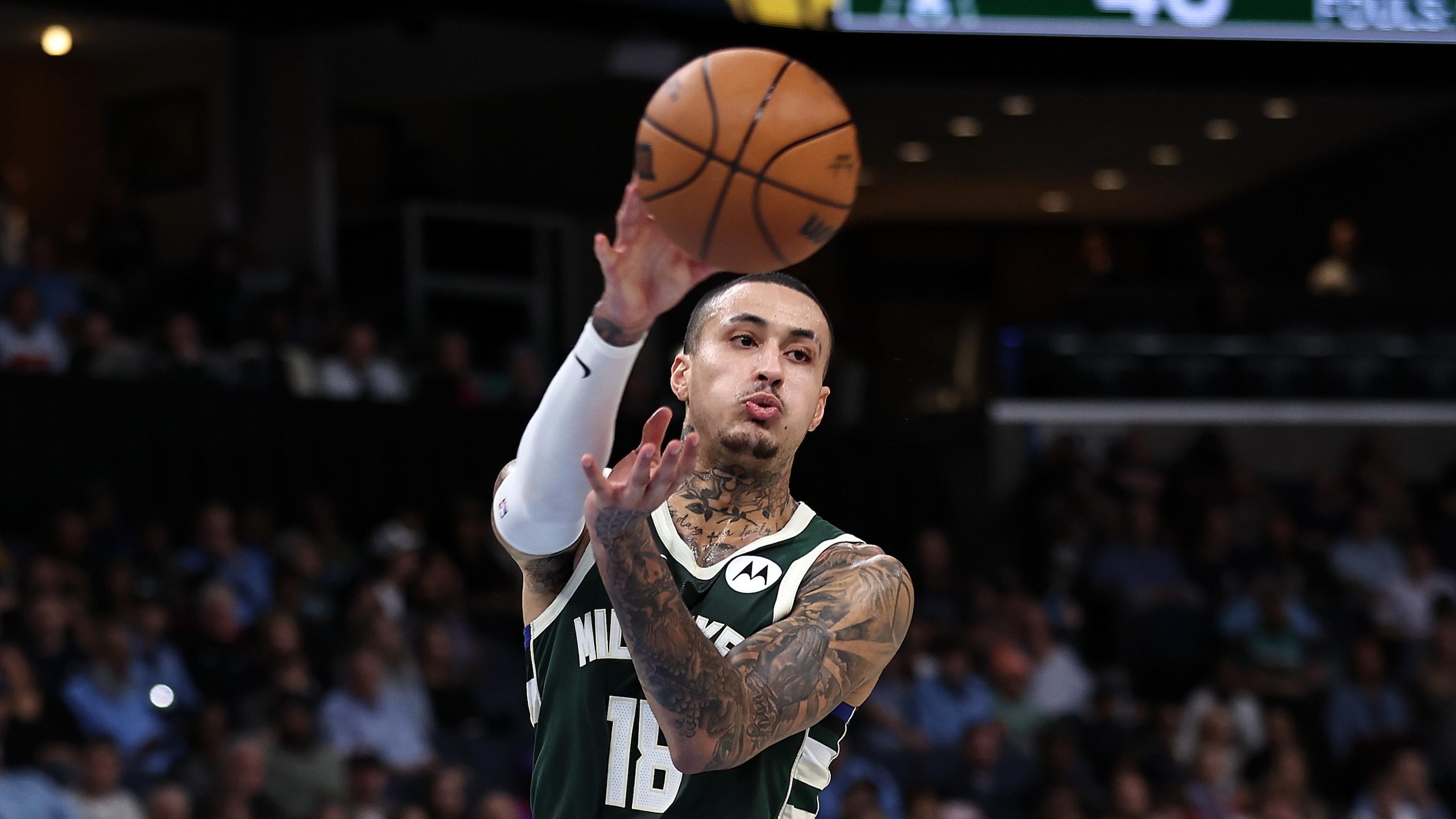
The Nets are the easiest franchise to include in complex multi-team trade ideas, given their cap room and willingness to take on unwanted contracts for draft considerations. In this case, however, Brooklyn takes on a sizable contract in Kuzma.
How he fits on the roster isn't the point. Instead, the Nets get out of Mann's contract one year earlier, with the deal expiring after the 2027-28 season, at $16 million, and Kuzma's deal ending after next season. Brooklyn sacrifices some of its potential cap room this July, but that also takes some of the pressure off to reach the projected minimum team salary of $149.4 million.
Still, the team will have flexibility under the cap, more if Horford opts out of his second year at $6 million. Hield's $9.6 million is also only $3 million guaranteed. For their trouble, the Nets take in the maximum allowed in cash (almost $8 million) and three second-round picks.
Email Eric Pincus at eric.pincus@gmail.com and follow him on X/Twitter @EricPincus.

.jpg?w=2560 "Hunter's Wife Calls Out Sharpe")

.jpg?w=2560 "Colts Fire GM Chris Ballard")
.jpg?w=2560 "Report: Dalton Signing with Falcons")
.jpg?w=2560 "Cardinals LB's Quote Resurfaces 😏")