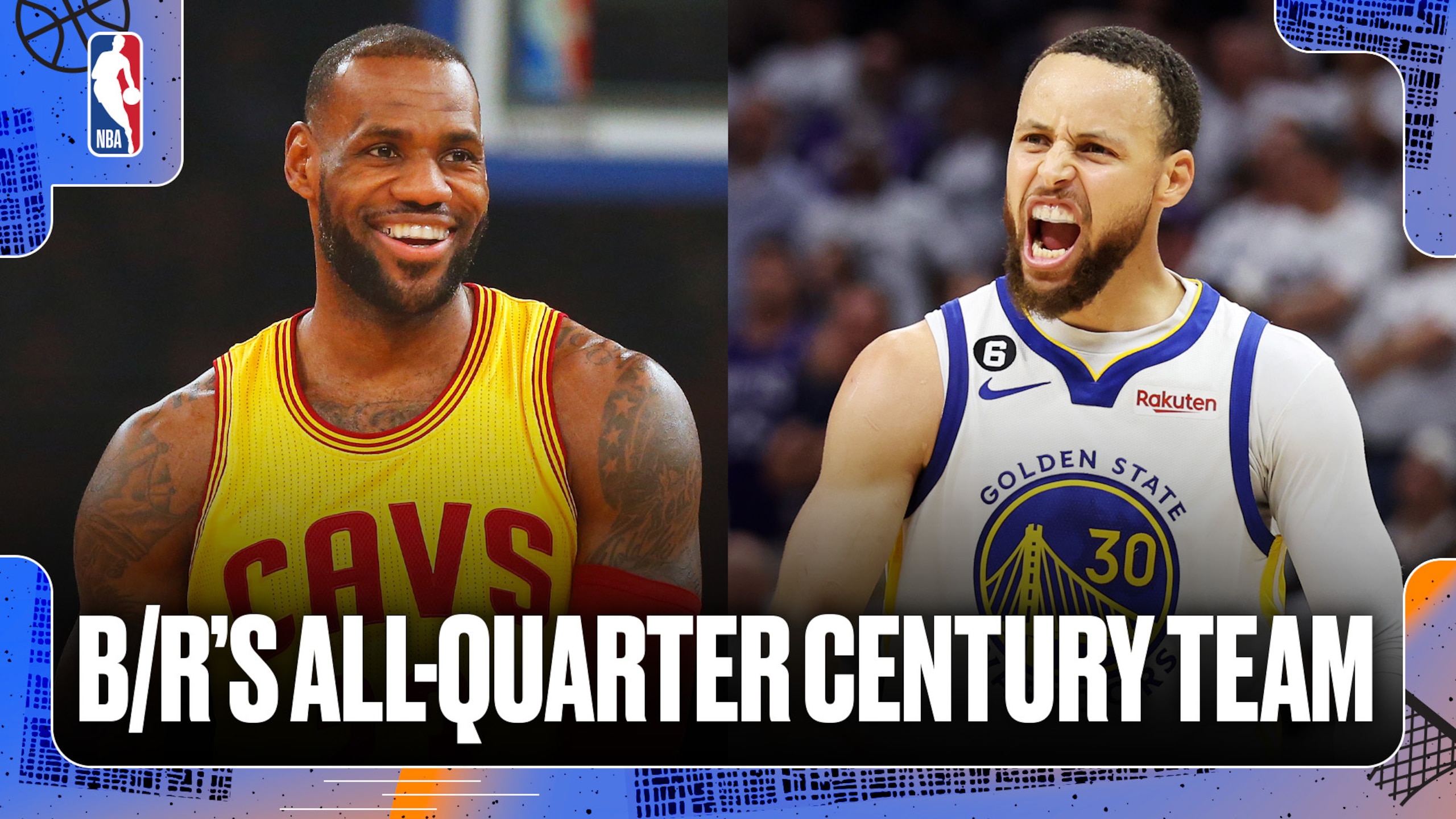

Over the last 25 years, the NBA has given us countless highlights and memories from some of the best players in league history.
In honor of this quarter-century of hoops, Bleacher Report's NBA staff voted to determine which of those players were the very best. Points were awarded for first-, second- and third-team votes, and the totals gave us the squads here.
We also voted on the best dunker, shooter, playmaker, defender and coaches from this stretch of NBA history. And to cap it off, we crowned the best individual player.
Voters were told only to consider numbers, accolades and accomplishments from the start of the 2000-01 campaign through the end of 2024-25. That takes some things off the board for players whose careers began in the 1990s, but several of them were good enough to make the cut anyway.
We didn't vote on traditional positional designations like point guard, power forward, etc. Instead, each panelist picked two guards, two forwards and a center for each of the three teams.
With the housekeeping out of the way, let's dive right into our All-Quarter-Century Teams.
1st-Team Guard: Stephen Curry
1 of 22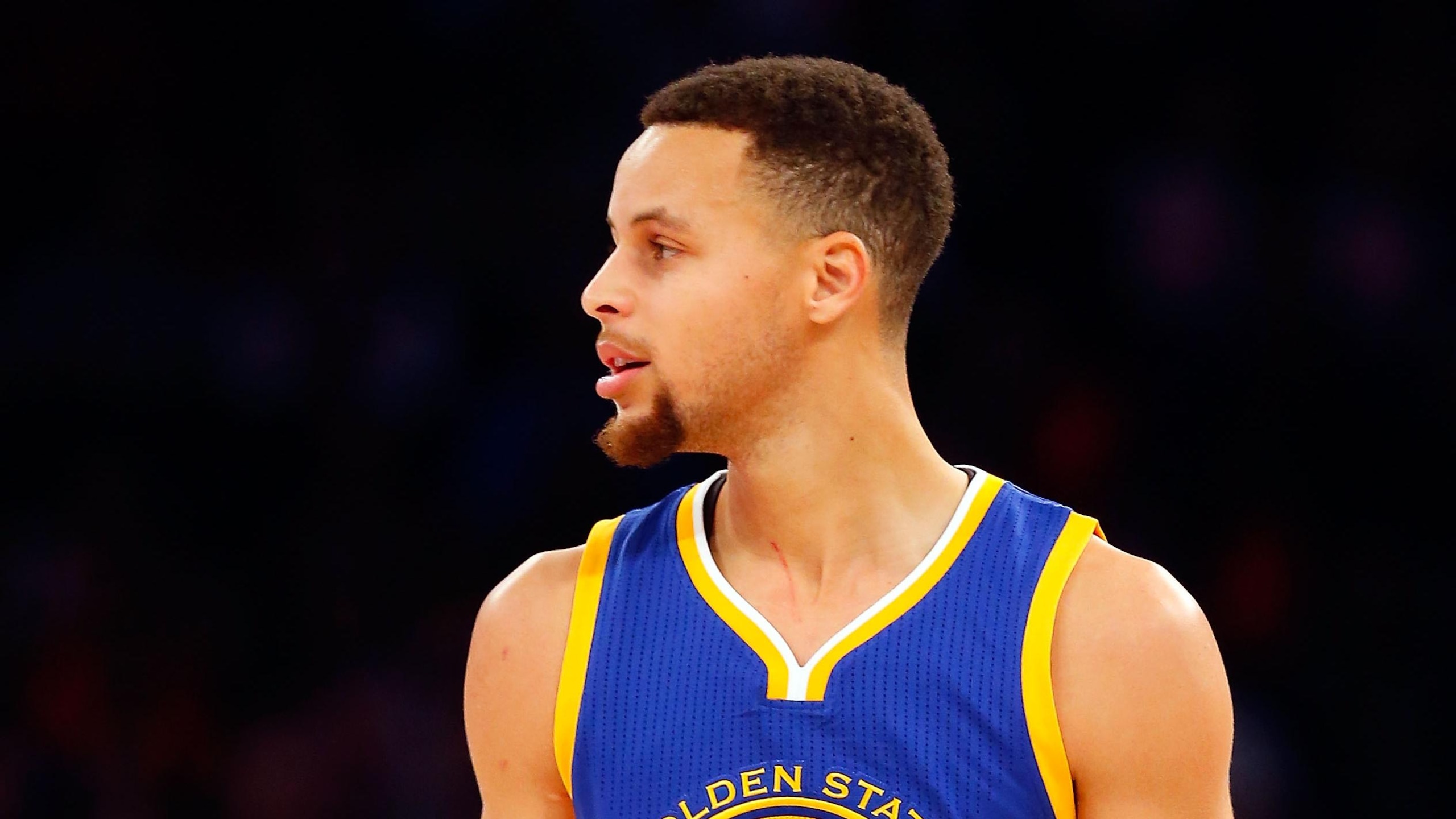
Quarter-Century Stats: 24.7 points, 6.4 assists, 4.7 rebounds, 4.0 threes, 1.5 steals, 42.3 three-point percentage, 6.5 box plus/minus
Quarter-Century Accolades: 2x MVP, 4x 1st-Team All-NBA, 5x 2nd-Team All-NBA, 2x 3rd-Team All-NBA, 11x All-Star, 2x scoring champion, 2015-16 steal champion, 4x champion, 2022 Finals MVP
There aren't many players in NBA history who hold inarguable best-ever titles.
There's a healthy debate between Michael Jordan and LeBron James for the best overall player of all time. Best centers is a fun one with some recent momentum generated by Nikola Jokić. Good luck even narrowing a "best defender of all time" discussion to a manageable number.
But on the subject of the greatest shooter in the history of the NBA, it'd be hard to volunteer anyone but Stephen Curry with a straight face.
It's not just the fact that Curry is the all-time leader in both career threes and career threes per game. So many of his triples were on the move, with defenders in his face or otherwise under duress. There really is no argument on this front. But we'll talk more about that later. (Spoiler alert!)
Here, we can spend a little time on Curry's playmaking (6.3 assists per game for his career), rebounding (his 4.7 boards per game ranks first among three-point-era players his height and shorter) and defense (he led the league in steals per game in 2015-16).
Curry is a far more well-rounded player than he's typically gotten credit for. Focusing on the shooting is understandable, but all of those other contributions were a huge part of his overall impact.
The stuff that isn't in the conventional box score is, too. Off-ball movement, a willingness to play in a team-first system (as opposed to heliocentrism) and malleability alongside other high-usage stars have to be a part of Curry's legacy.
That entire package is why, over the course of his career, the Golden State Warriors are plus-7.4 points per 100 possessions with Curry on the floor in the playoffs and minus-4.6 without him.
Add that to the four titles and two MVPs (one of which was unanimous), and Curry has a better-than-you-might-think argument to be considered the single best player of this quarter-century.
1st-Team Guard: Kobe Bryant
2 of 22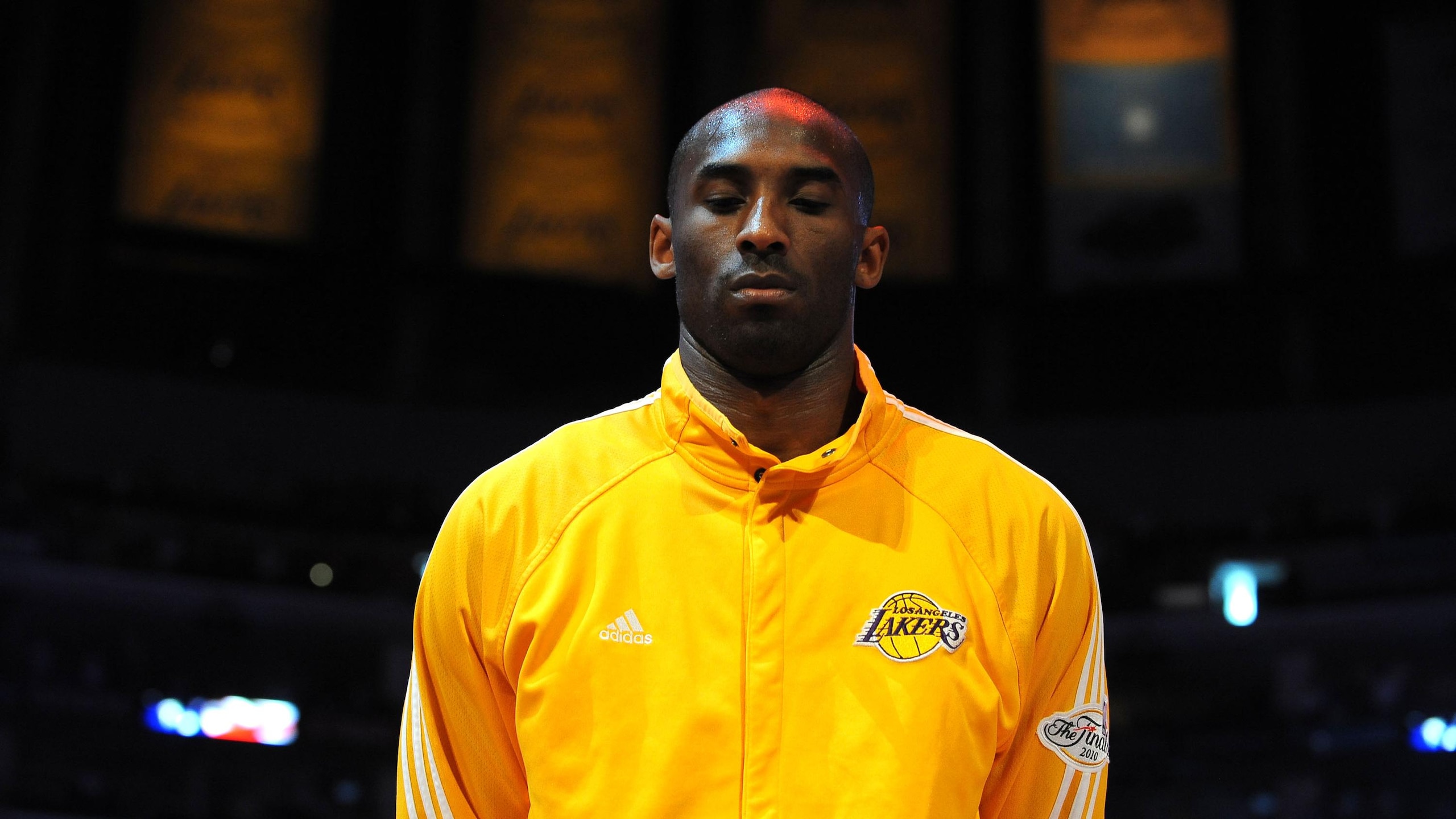
Quarter-Century Stats: 27.2 points, 5.5 rebounds, 5.1 assists, 1.5 steals, 4.9 box plus/minus
Quarter-Century Accolades: 2007-08 MVP, 11x 1st-Team All-NBA, 1x 2nd-Team All-NBA, 1x 3rd-Team All-NBA, 8x 1st-Team All-Defense, 3x 2nd-Team All-Defense, 16x All-Star, 2x scoring champion, 4x champion, 2x Finals MVP
Kobe Bryant was one of this quarter-century's best scorers. His footwork, Michael Jordan-esque jumper and competitiveness drove him to 12 different seasons with an average of at least 25 points per game, a total that trails only LeBron James' 20 and Kevin Durant's 16.
That combination also made him one of this era's best Robins (next to Shaquille O'Neal) and Batmen (next to Pau Gasol). Because winning always seemed to be his primary motivation, Kobe was nearly as impactful in the lesser role as he was as an alpha.
Those last two titles really solidified his legacy, though. Had he not reached the mountaintop again post-Shaq, there always would've been vocal detractors ready to point out the hierarchy of those early 2000s Los Angeles Lakers teams.
But Kobe averaged 29.7 points, 5.7 rebounds and 5.5 assists in the 2009 and 2010 postseasons, secured two Finals MVPs and all but locked up this spot on the All-Quarter-Century squad.
1st-Team Forward: LeBron James
3 of 22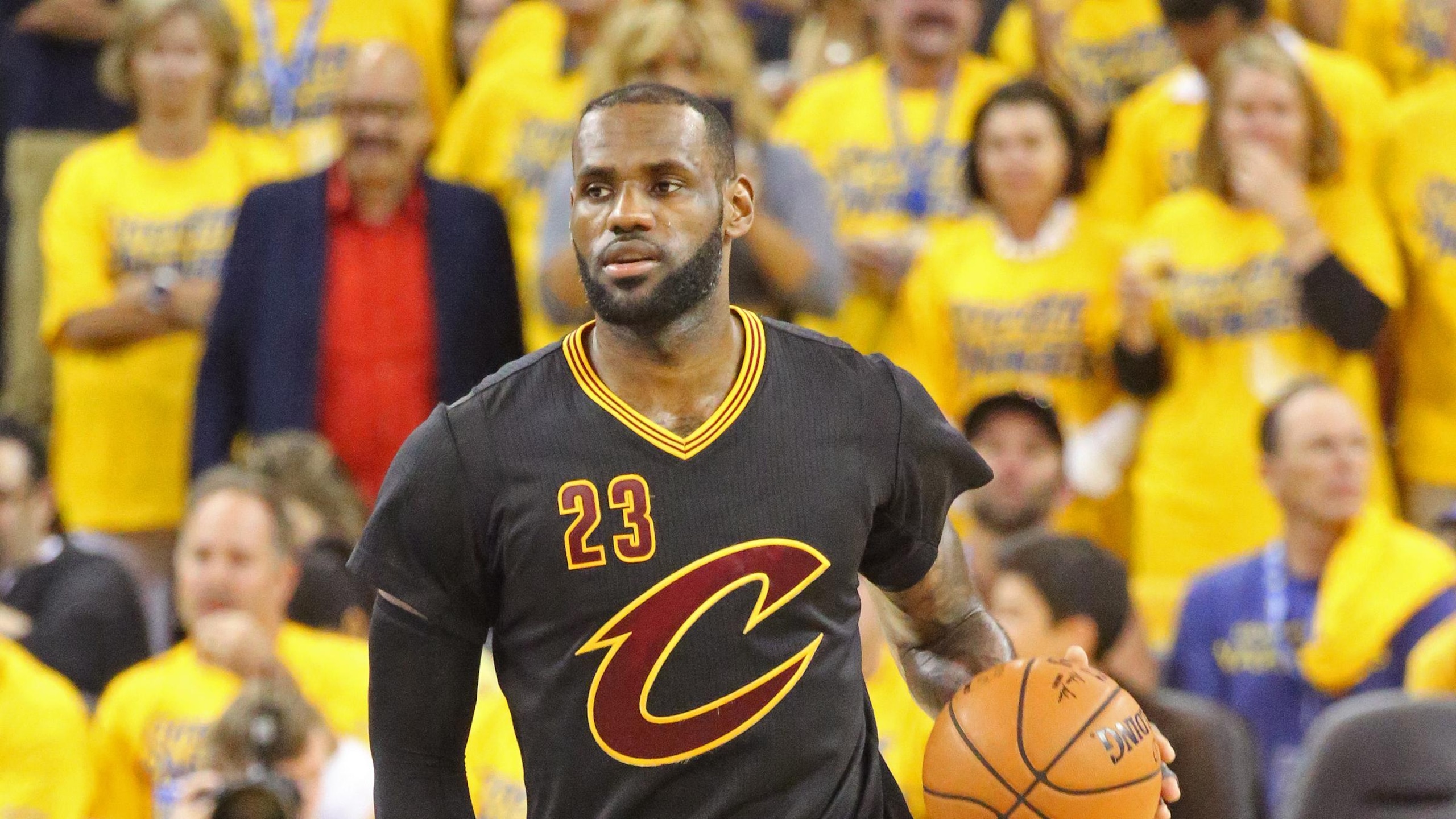
Quarter-Century Stats: 27.0 points, 7.5 rebounds, 7.4 assists, 1.6 threes, 1.5 steals, 55.6 two-point percentage, 8.5 box plus/minus
Quarter-Century Accolades: 4x MVP, 2003-04 ROY, 13x 1st-Team All-NBA, 4x 2nd-Team All-NBA, 4x 3rd-Team All-NBA, 5x 1st-Team All-Defense, 1x 2nd-Team All-Defense, 21x All-Star, 2007-08 scoring champion, 2019-20 assist champion, 4x champion, 4x Finals MVP
Along with Stephen Curry, LeBron James was one of two unanimous selections for the first team. It's easy to see why. Just look at those numbers and accolades. They give James a very real greatest-of-all-time case.
LeBron not only leads the quarter-century in these categories, he's first all-time in career wins over replacement player (by a mile), games played, field goals and points. He's also third all-time in career assists, fifth in steals, 16th in rebounds and 53rd in blocks.
Perhaps more than any other player we've ever seen, LeBron touched just about every aspect of every game he played. He was a savant-level playmaker who also became the all-time scoring champion. At his peak, he was a ferocious, multi-positional defender.
And he engineered multiple different superteams on his way to four NBA championships.


.jpg?w=2560)
1st-Team Forward: Kevin Durant
4 of 22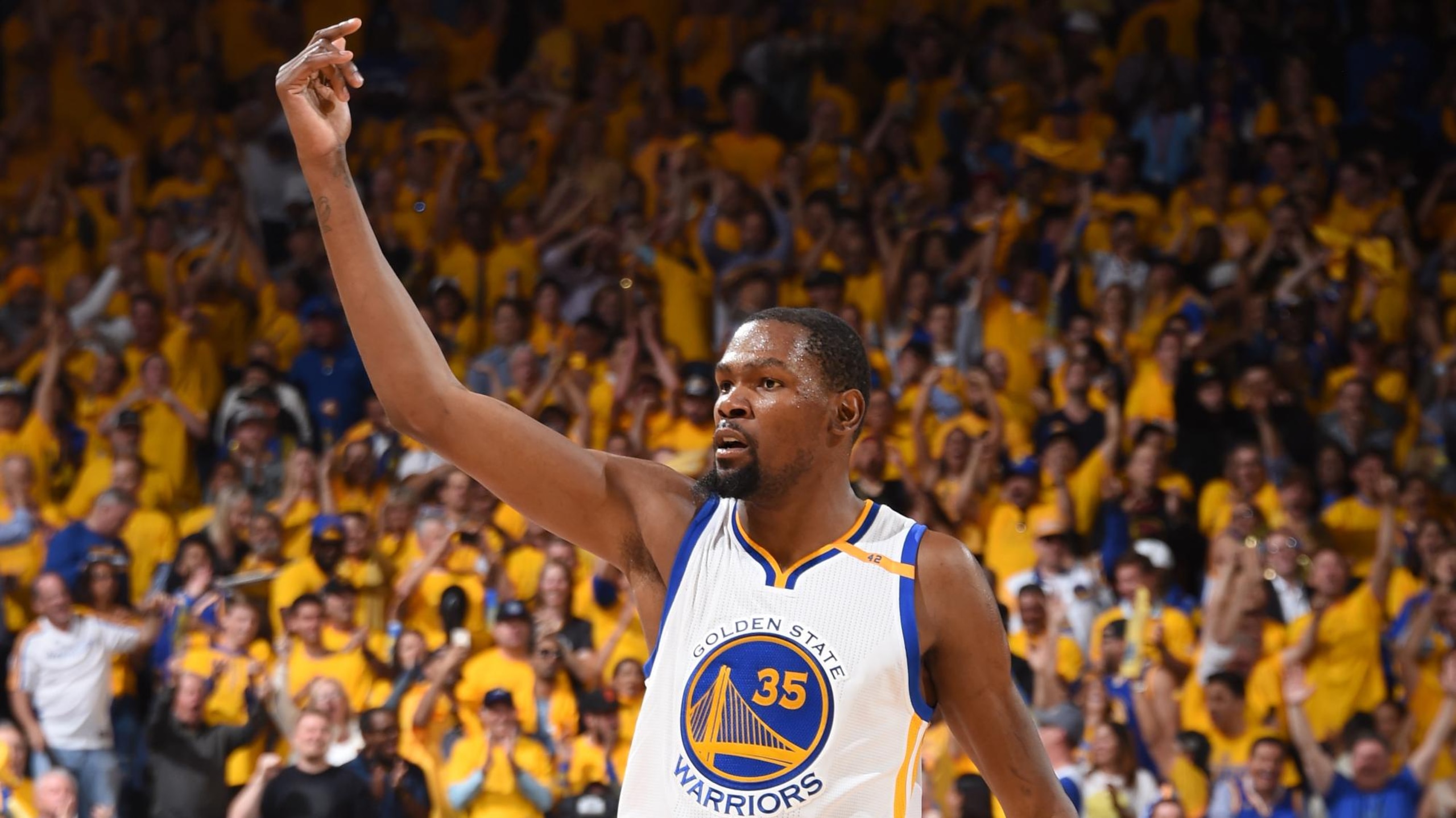
Quarter-Century Stats: 27.2 points, 7.0 rebounds, 4.4 assists, 2.0 threes, 1.1 blocks, 1.0 steals, 39.0 three-point percentage, 6.4 box plus/minus
Quarter-Century Accolades: 2013-14 MVP, 2007-08 ROY, 6x 1st-Team All-NBA, 5x 2nd-Team All-NBA, 15x All-Star, 4x scoring champion, 2x champion, 2x Finals MVP
When you look at Kevin Durant's career and the fact that he's on his fifth different team, there's a temptation to label him as a journeyman, but that obviously doesn't fit. That title feels more appropriate for a role player, and KD is one of the 15 best players in NBA history.
Maybe the more fitting description is "mercenary."
Durant established himself as one of the best and most efficient scorers in league histor with the Oklahoma City Thunder, where he led the league in points per game four times and won his lone MVP. He then joined Stephen Curry on the Golden State Warriors and became the 1B (or 1A, depending on where you fall in that debate) on a genuine juggernaut that might've been the best team ever assembled.
After injuries and a touch of pride derailed that partnership, and after missing an entire season with a ruptured Achilles, a post-prime Durant resurfaced for the Brooklyn Nets and was clearly still one of the best scorers in the game. That label applied with the Phoenix Suns, too.
Although his first campaign with the Houston Rockets doesn't fall into the timeframe we're analyzing here, it's more evidence that no matter where Durant goes or who he's playing with, you're almost guaranteed to get 25-30 points per game on ridiculous efficiency.
His metronome-like production, particularly as a scorer, is the result of a beautiful, high-release jumper that he can seemingly get to against any defender. Over the course of this quarter-century, it made him one of the most nightmarish individual matchups in the sport.
1st-Team Center: Tim Duncan
5 of 22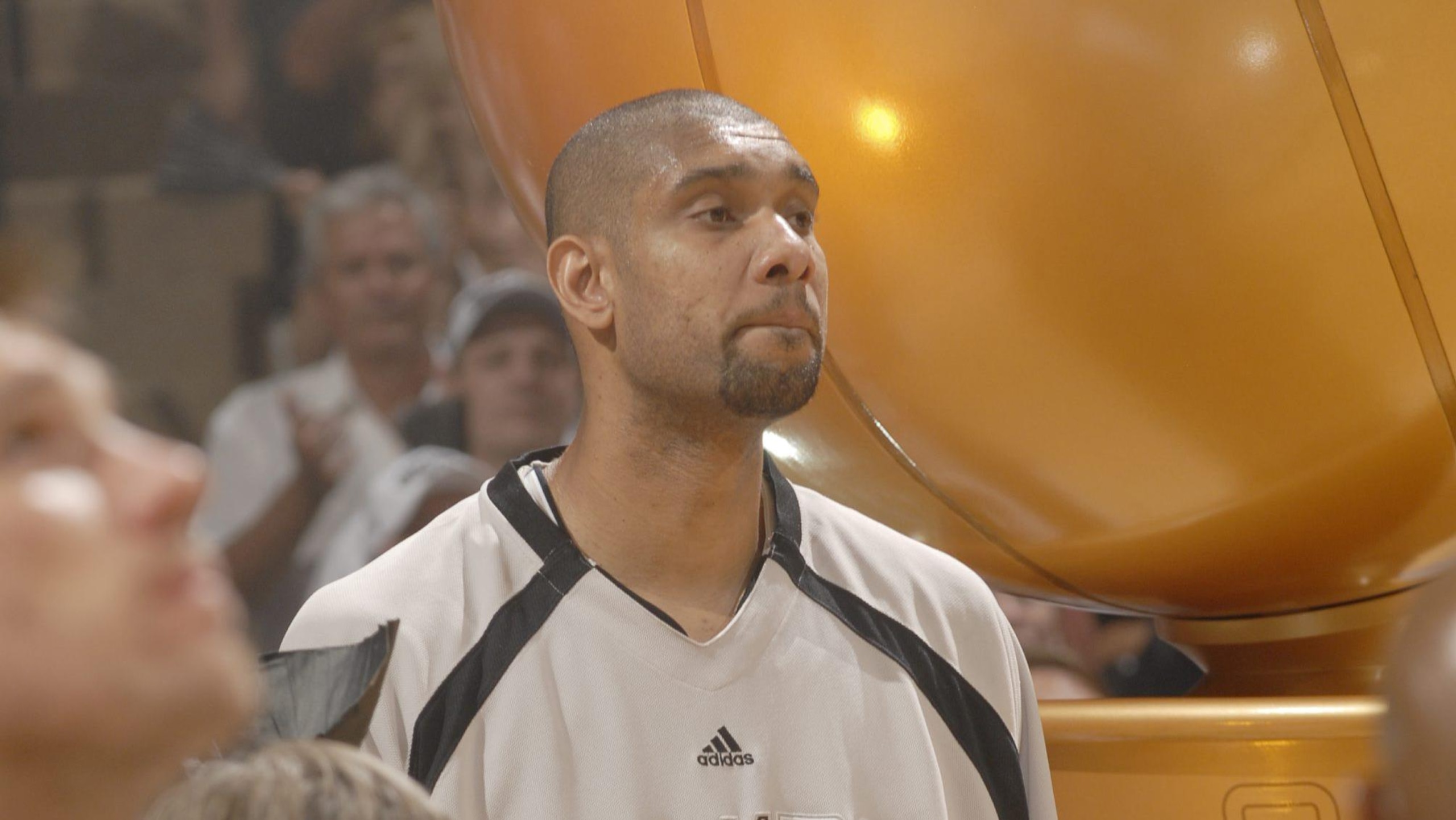
Quarter-Century Stats: 18.5 points, 10.6 rebounds, 3.1 assists, 2.1 blocks, 5.8 box plus/minus
Quarter-Century Accolades: 2x MVP, 7x 1st-Team All-NBA, 3x 2nd-Team All-NBA, 2x 3rd-Team All-NBA, 6x 1st-Team All-Defense, 6x 2nd-Team All-Defense, 13x All-Star, 4x champion, 2x Finals MVP
Your first (and hopefully only) gripe with this one could be "Tim Duncan was a power forward!," but most of his time alongside David Robinson was in the 1990s. Basketball Reference estimates that almost two-thirds of his minutes came at center, and former Spurs head coach Gregg Popovich once famously told the media that Duncan had started at the 5 for 15 years.
Regardless of how you classify him, Duncan was a virtual lock to make the first team as either a power forward or center. He won four titles this quarter-century, and the first and fourth were 11 years apart.
Duncan was the anchor of one of the best and most consistent defenses of this era (more on that later), won both of his MVPs post-2000-01 and won two of his Finals MVPs in that span. His old-school post game and unselfishness made him a clear plus on offense, too.
Over his 16 seasons played during this span, the Spurs were plus-9.8 points per 100 possessions when he was on the floor and only plus-2.1 when he was off.
2nd-Team Guard: Chris Paul
6 of 22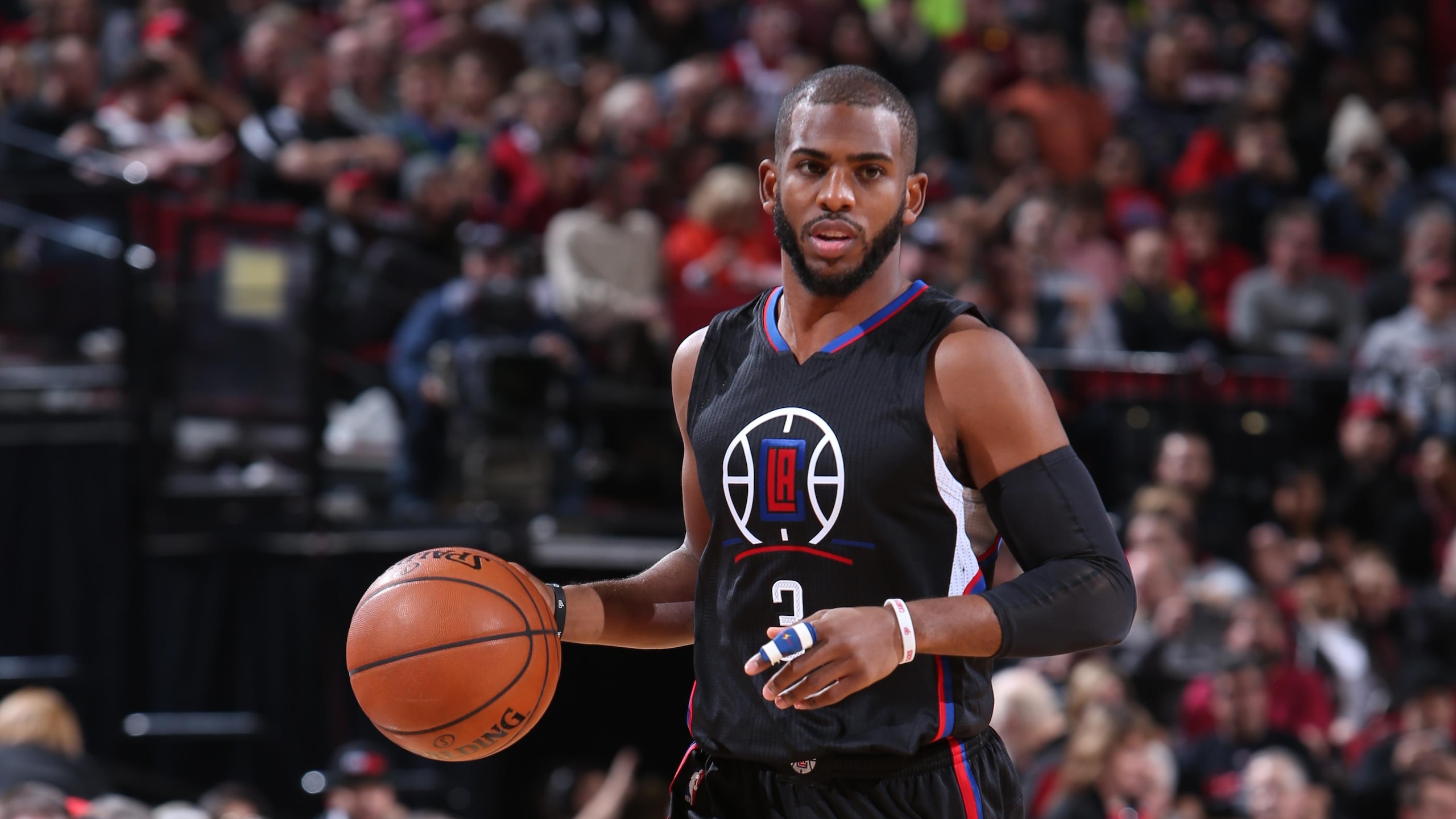
Quarter-Century Stats: 17.0 points, 9.2 assists, 4.4 rebounds, 2.0 steals, 6.6 box plus/minus
Quarter-Century Accolades: 2005-06 ROY, 4x 1st-Team All-NBA, 5x 2nd-Team All-NBA, 2x 3rd-Team All-NBA, 7x 1st-Team All-Defense, 2x 2nd-Team All-Defense, 12x All-Star
In terms of numbers, Chris Paul's offense looks similar to Steve Nash's. But his game feels more technically precise, while Nash's was a little more jazzy.
CP3 ran his offenses like an orchestra conductor, carefully directing every beat and each individual player to the best possible outcome. He rarely made mistakes and was sometimes demanding to a fault.
On the less glamorous end of the floor, his competitiveness made him one of the league's best perimeter defenders, despite his listed 6'0" height. And his feel for offense translated to anticipation and steals on defense.
While Paul never won a title, the results of his approach were undoubtedly good.
During this time period, CP3's teams were plus-6.4 points per 100 possessions with him on the floor and minus-2.7 when he was off.
2nd-Team Guard: Dwyane Wade
7 of 22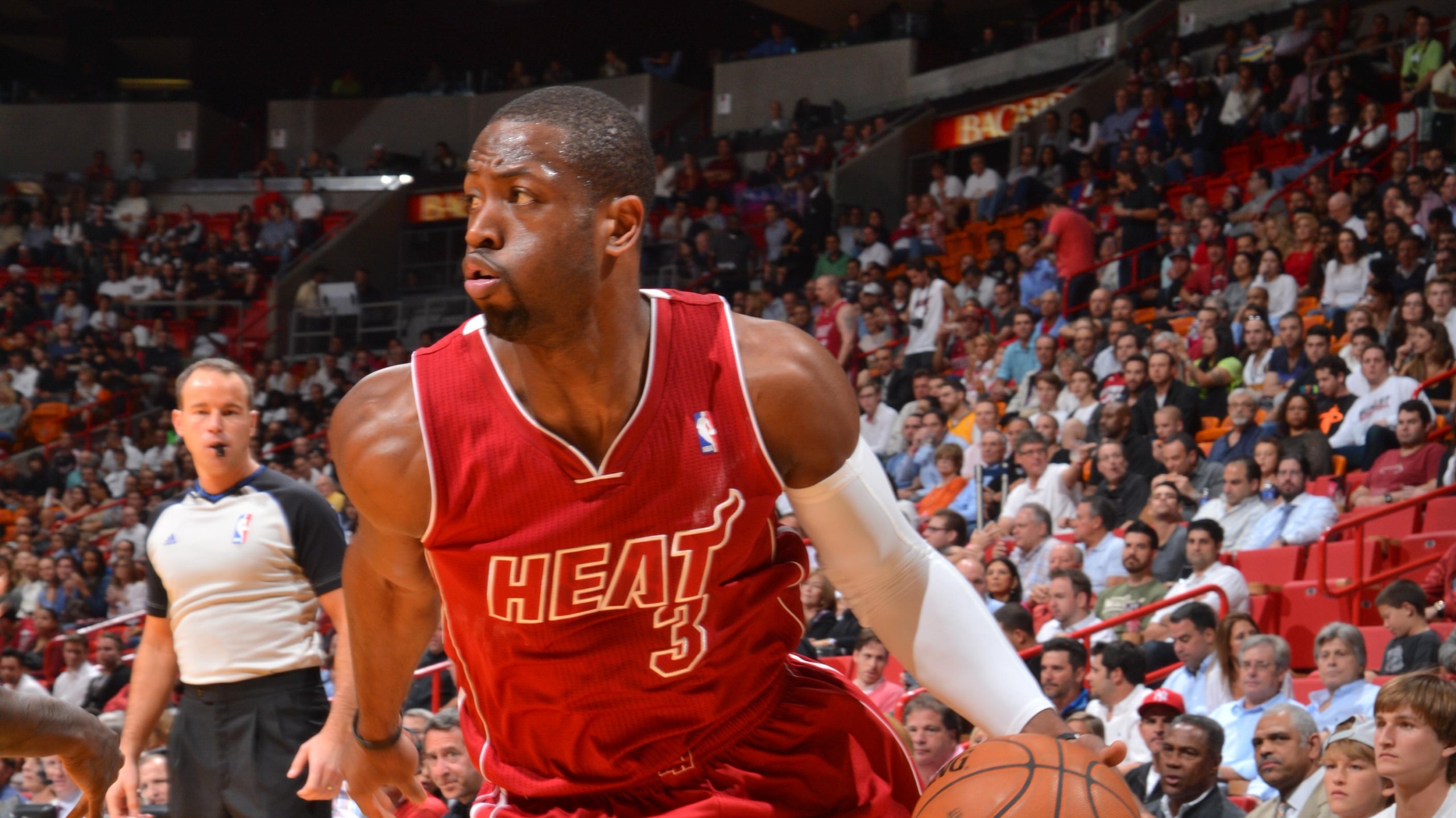
Quarter-Century Stats: 22.0 points, 5.4 assists, 4.7 rebounds, 1.5 steals, 5.0 box plus/minus
Quarter-Century Accolades: 2x 1st-Team All-NBA, 3x 2nd-Team All-NBA, 3x 3rd-Team All-NBA, 3x 2nd-Team All-Defense, 13x All-Star, 2008-09 scoring champion, 3x champion, 2006 Finals MVP
Younger NBA fans may remember Dwyane Wade best as the second fiddle to LeBron James who seemingly lost his bounce shortly after LeBron left the Miami Heat. But for the six seasons prior to James' arrival in Miami, Wade was a perennial MVP threat who averaged 26.8 points, 7.0 assists, 5.0 rebounds, 1.9 steals and 1.0 blocks in the NBA's dead-ball era.
Wade was one of the most dynamic, slashing combo guards in the NBA. His athleticism translated to the defensive end, where he had multiple seasons with more than two steals per game and was perhaps the best shot-blocking guard in the league.
Beyond that, Wade's willingness to take on a lesser role, with an organization he'd previously been the face of, should be more of a resume builder than a point against him.
Despite his lack of a consistent three-point shot, Wade, who was well into his prime when LeBron arrived in Miami, rapidly developed into one of the game's top off-ball threats. His cutting and ability to attack closeouts made him a nightmare for opposing perimeter defenders. James wouldn't have won his first two titles without Wade.
2nd-Team Forward: Kevin Garnett
8 of 22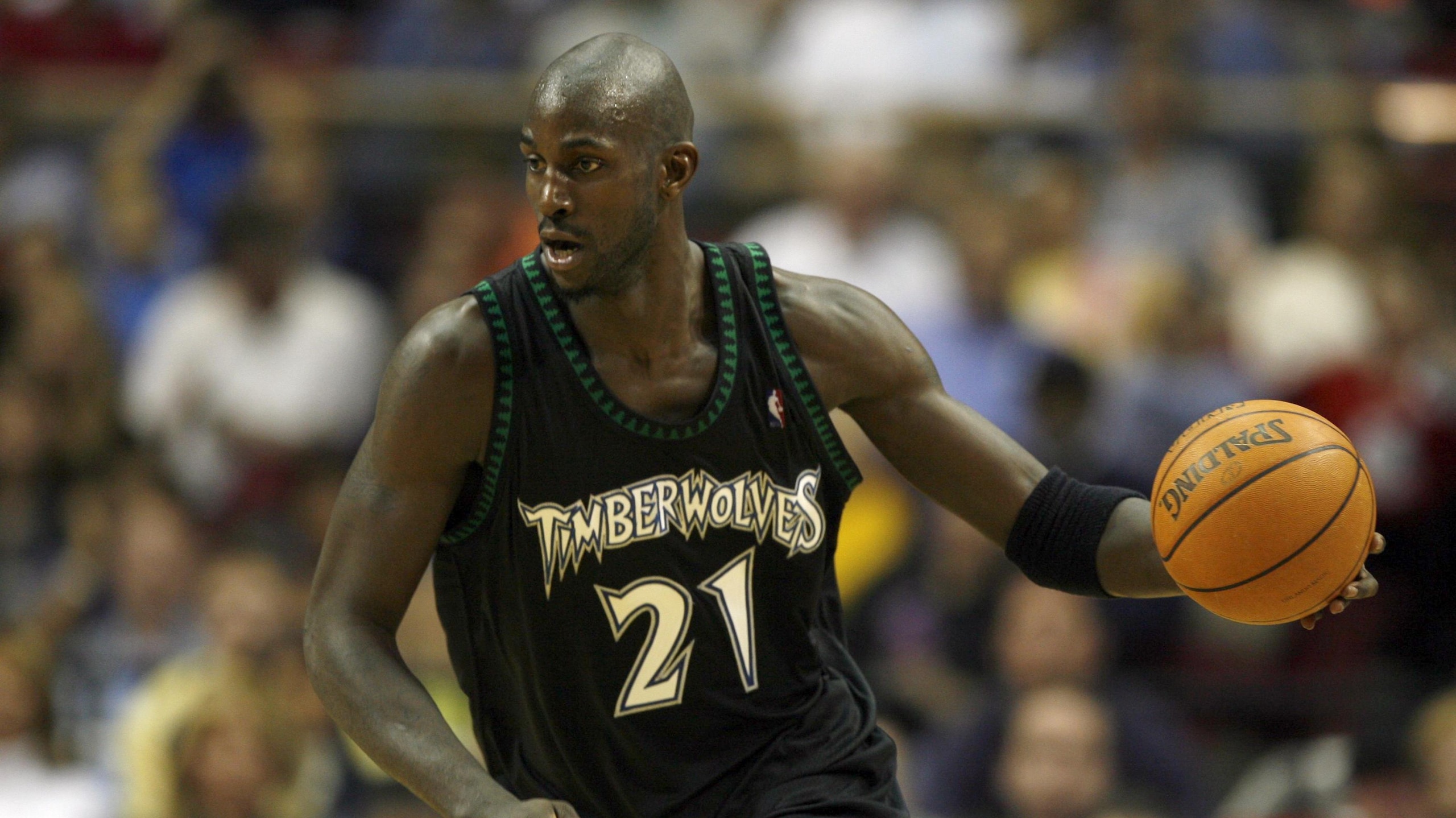
Quarter-Century Stats: 17.9 points, 10.3 rebounds, 3.8 assists, 1.3 blocks, 1.2 steals, 6.3 box plus/minus
Quarter-Century Accolades: 2003-04 MVP, 2007-08 DPOY, 3x 1st-Team All-NBA, 3x 2nd-Team All-NBA, 1x 3rd-Team All-NBA, 8x 1st-Team All-Defense, 3x 2nd-Team All-Defense, 12x All-Star, 2007-08 champion
Stephen Curry, Dirk Nowitzki and Michael Jordan are often discussed as basketball revolutionaries who changed the way the game is played. All three deserve the credit that's been heaped on them.
But aside from Curry, Kevin Garnett may have had as much of an impact on the way today's game is played as anyone. He provided multi-positional defense and playmaking volume from positions that historically called for far less versatility.
Before settling into more of a leadership role with the Boston Celtics, KG was a do-everything forward on both ends of the floor for the Minnesota Timberwolves. He could guard anyone on the opposition, protect the rim, clean the glass, bring the ball up the floor and set up a teammate for an open look.
The only thing he was really missing was a three-point shot. (Dirk handled that part of the revolution.)
Garnett never quite had the help he needed to win it all in Minnesota, though. Once he got it in Boston, he was free to focus more on defense. And during his first season as a Celtic, he reminded longtime fans of the impact Bill Russell once had on that end. That year, Boston's defense allowed 8.6 fewer points per 100 possessions than the league average.
2nd-Team Forward: Dirk Nowitzki
9 of 22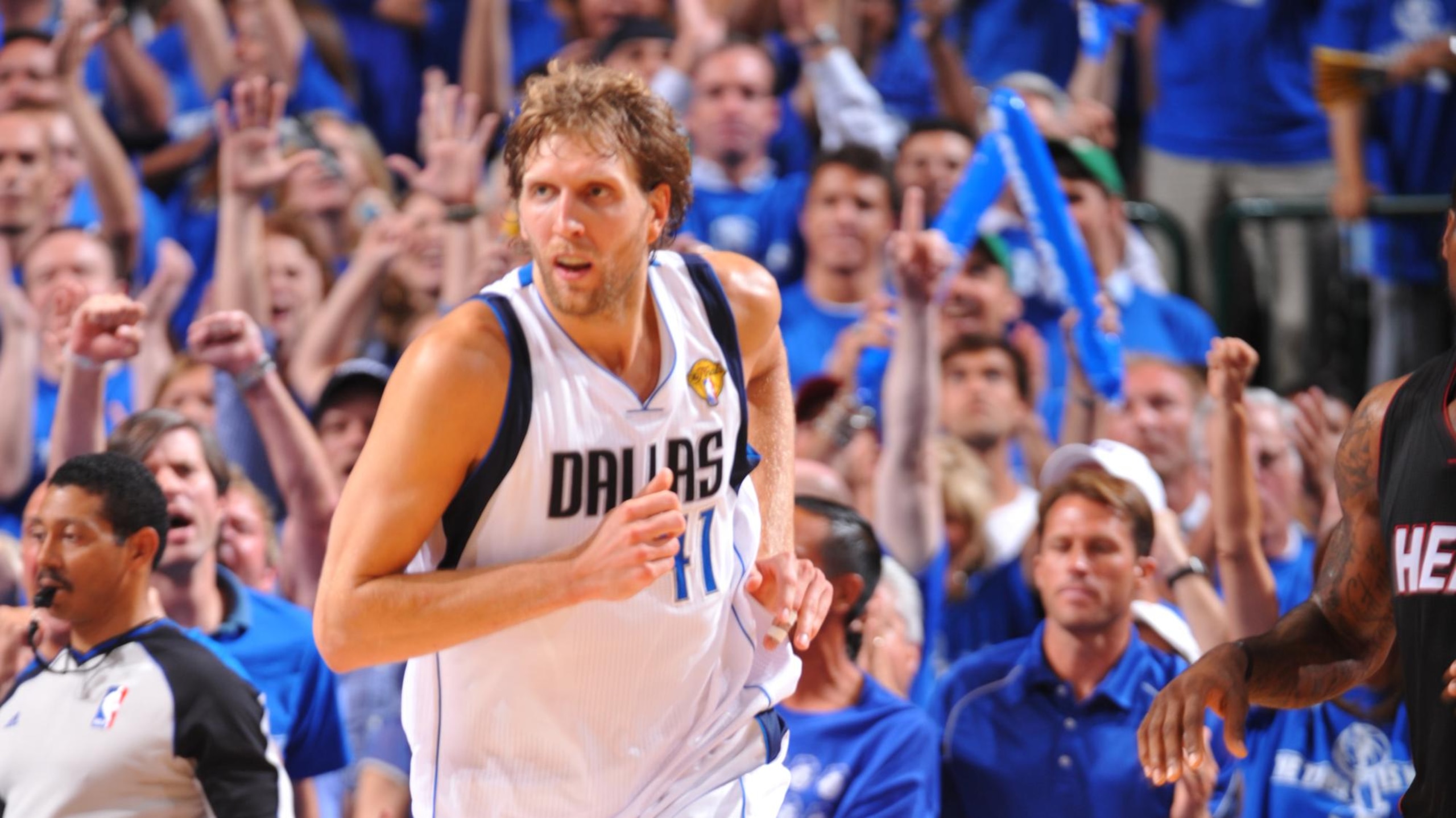
Quarter-Century Stats: 21.3 points, 7.7 rebounds, 2.4 assists, 1.3 threes, 38.3 three-point percentage, 4.9 box plus/minus
Quarter-Century Accolades: 2006-07 MVP, 4x 1st-Team All-NBA, 5x 2nd-Team All-NBA, 3x 3rd-Team All-NBA, 14x All-Star, 2010-11 champion, 2011 Finals MVP
We already alluded to this, but Dirk Nowitzki changed the way basketball is played.
From the start of the three-point era through the 1997-98 campaign (the last without Dirk), players 6'10" and taller averaged 0.3 three-point attempts per 36 minutes. From the start of Nowitzki's career through today, 6'10"-plus players not named Dirk averaged 1.5 three-point attempts per 36 minutes.
That's impact, and it was worldwide.
Nowitzki's skill, particularly as a shooter, changed the way NBA front offices and coaching staffs viewed their jobs. The big men who are allowed to dribble, pass and shoot like guards in today's game owe an awful lot to Dirk.
Nowitzki wouldn't have influenced basketball the way he did if his game didn't lead to success. From 2000-01 through 2018-19 (when Dirk retired), the Dallas Mavericks trailed only the San Antonio Spurs in winning percentage.
2nd-Team Center: Nikola Jokić
10 of 22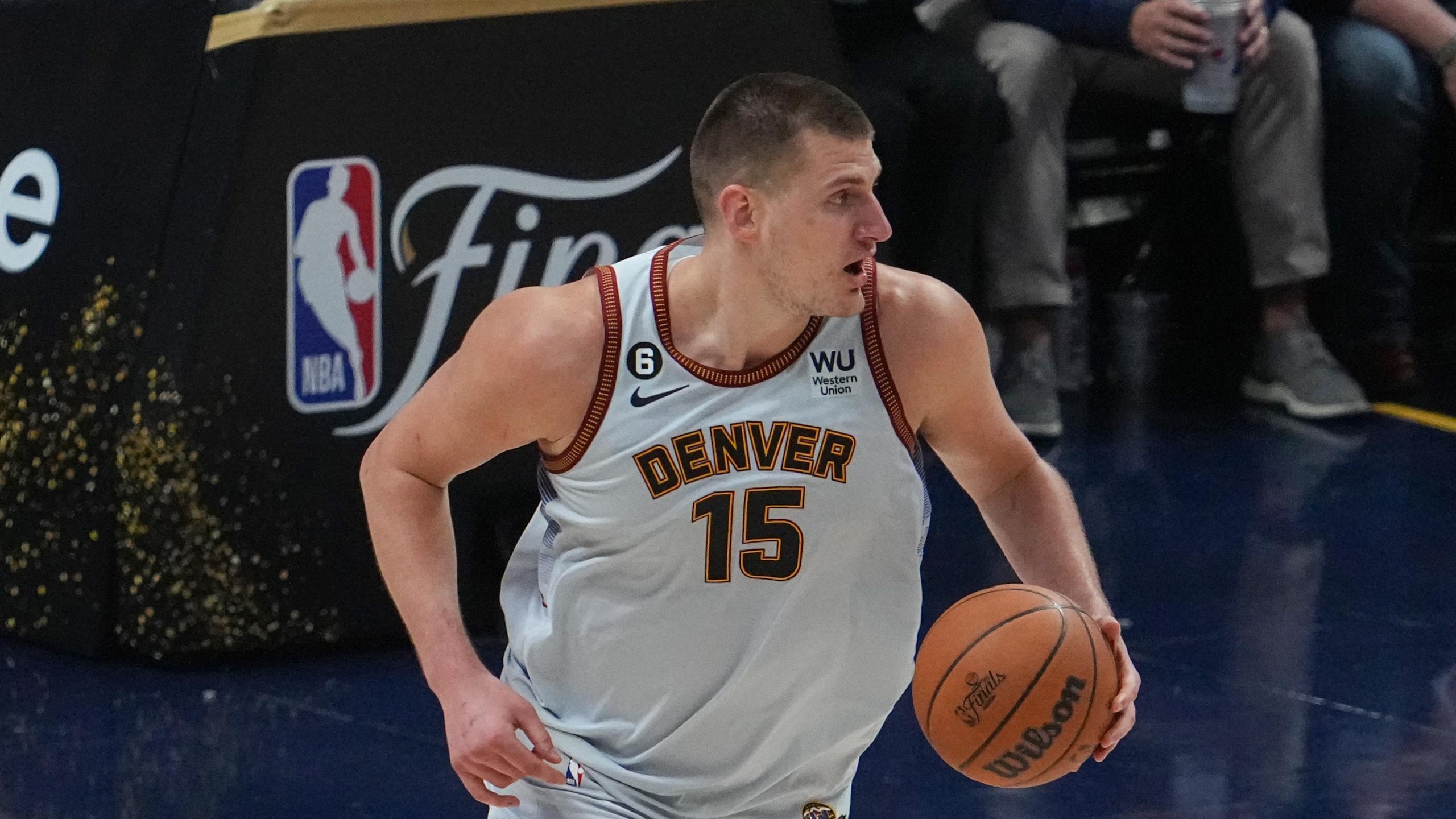
Quarter-Century Stats: 21.8 points, 10.9 rebounds, 7.2 assists, 1.3 steals, 61.1 two-point percentage, 10.3 box plus/minus
Quarter-Century Accolades: 3x MVP, 5x 1st-Team All-NBA, 2x 2nd-Team All-NBA, 7x All-Star, 2022-23 champion, 2023 Finals MVP
We've never seen anything like the last five seasons from Nikola Jokić.
From 2020-21 through 2024-25, Jokić won three MVPs and finished second in the other two years. Over that span, he averaged 26.8 points, 12.3 rebounds and 9.0 assists and had a 66.3 true shooting percentage, which was 8.8 percentage points above the league average.
Jokić averaged a triple-double in 2024-25 and won a Finals MVP in 2023 after guiding the Denver Nuggets to their first championship in franchise history.
We're cheating a bit by using the first third of the 2025-26 campaign for this one, but it's just too wild not to share. Jokić leads all NBA players in the 2020s in points, rebounds, assists, steals, raw plus-minus and wins.
That shouldn't be possible, but here we are.
Jokić's wide-ranging contributions over the course of this quarter-century have driven him to the highest box plus/minus in NBA history. Time might be the only thing holding him back from even higher spots on lists like this.
3rd-Team Guard: Steve Nash
11 of 22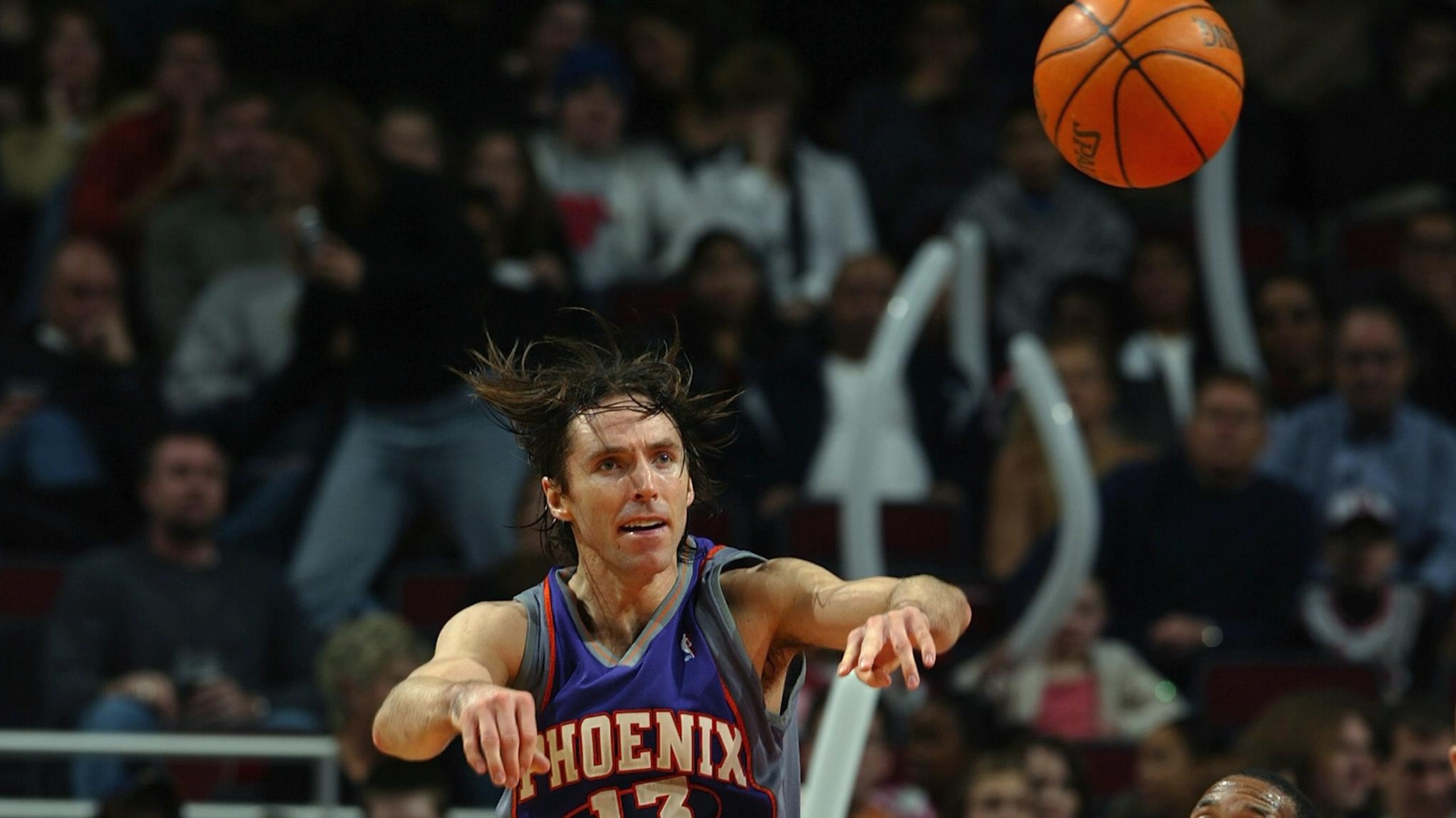
Quarter-Century Stats: 16.0 points, 9.6 assists, 3.2 rebounds, 1.5 threes, 43.2 three-point percentage, 3.6 box plus/minus
Quarter-Century Accolades: 2x MVP, 3x 1st-Team All-NBA, 2x 2nd-Team All-NBA, 2x 3rd-Team All-NBA, 8x All-Star, 5x assist champion
Steve Nash was a genuine maestro with the ball in his hands. He's one of this quarter-century's best playmakers and one of its most underrated shooters.
Nash's ability to manipulate defenders out of the pick-and-roll was unmatched for his era. His vision and timing on passes out of those pick-and-rolls helped make the careers of all-time talents like Amar'e Stoudemire and Shawn Marion. Had he come along a little later in time, his outside shooting might've been one of the most dangerous weapons in the league.
In 2004-05 and 2005-06 specifically, when then-Phoenix Suns head coach Mike D'Antoni unleashed his offensive powers and Nash won his back-to-back MVPs, the point guard averaged 17.2 points and 11.0 assists while shooting 53.7 percent on twos, 43.6 percent from deep and 90.5 percent from the free-throw line.
In that same stretch, the Phoenix Suns were plus-10.6 points per 100 possessions with Nash on the floor and minus-1.3 when he was off.
Nash's peak was unquestionably one of the most productive and entertaining we've ever seen from a lead playmaker.
3rd-Team Guard: James Harden
12 of 22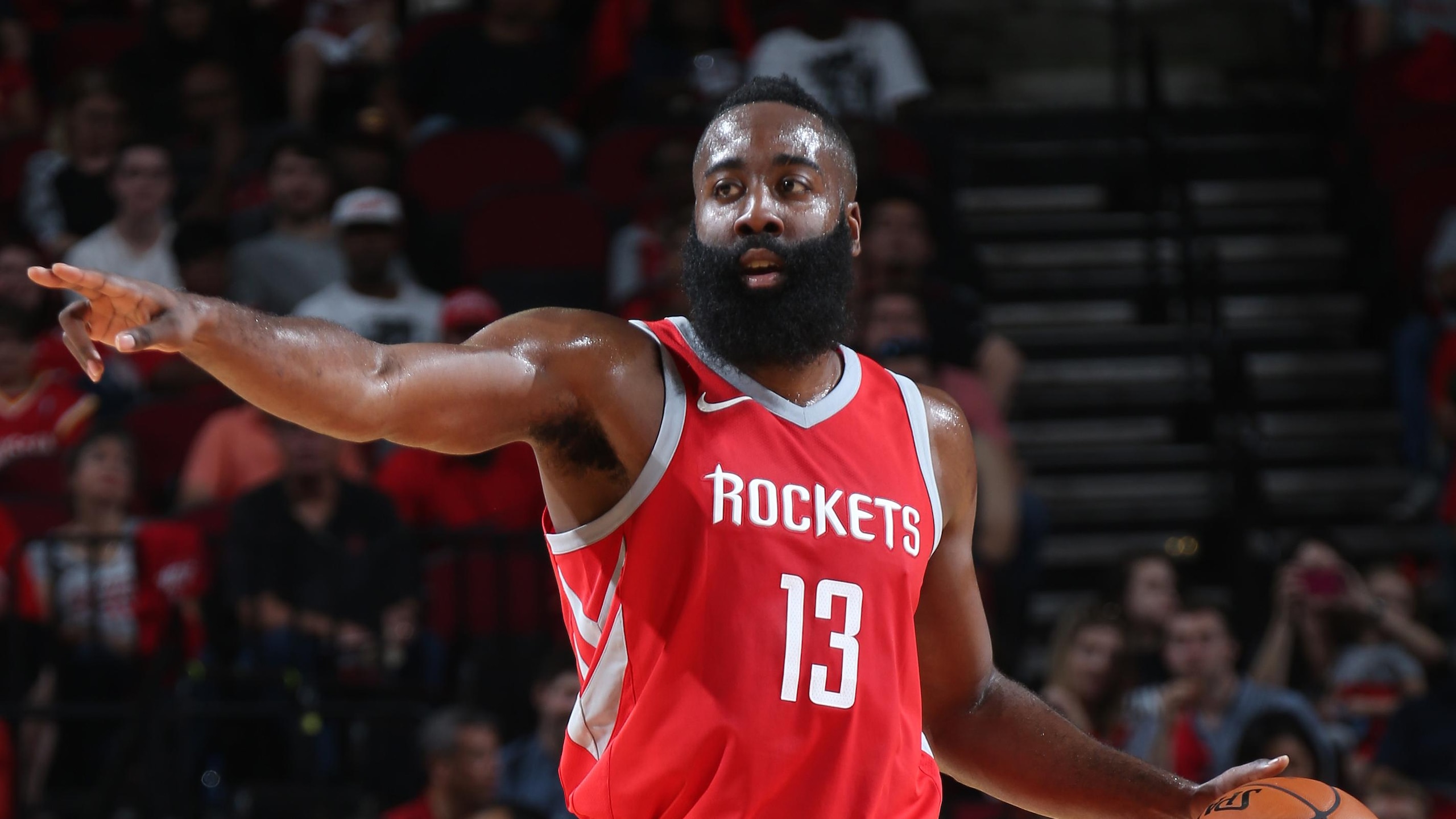
Quarter-Century Stats: 24.1 points, 8.2 free-throw attempts, 7.2 assists, 5.6 rebounds, 1.5 steals, 6.3 box plus/minus
Quarter-Century Accolades: 2017-18 MVP, 6x 1st-Team All-NBA, 2x 3rd-Team All-NBA, 11x All-Star, 3x scoring champion, 2x assist champion
From one Mike D'Antoni-coached guard to another, James Harden put up some truly eye-popping numbers under the tutelage of the "Seven Seconds or Less" visionary who helped revolutionize basketball.
During the four seasons that Harden and D'Antoni were both with the Houston Rockets, the former averaged 32.4 points—a mark that was 4.9 points higher than second place in the league—and 8.8 assists (which ranked fourth) while posting a league-best 9.8 box plus/minus.
Harden finished in the top three in MVP voting in each of those four campaigns, including the 2017-18 season in which he was crowned.
Although he became something of a journeyman after D'Antoni's departure, Harden remarkably found an even higher level as a distributor post-2019-20. Over the following three seasons, he averaged 10.5 assists.
Harden, like Nash, might be discredited by some for his lack of a championship ring. But he pushed an all-time team (the 2017-18 Golden State Warriors) to the brink of elimination and helped establish heliocentric playmaking as one of the dominant trends of the 2010s and 2020s.
3rd-Team Forward: Kawhi Leonard
13 of 22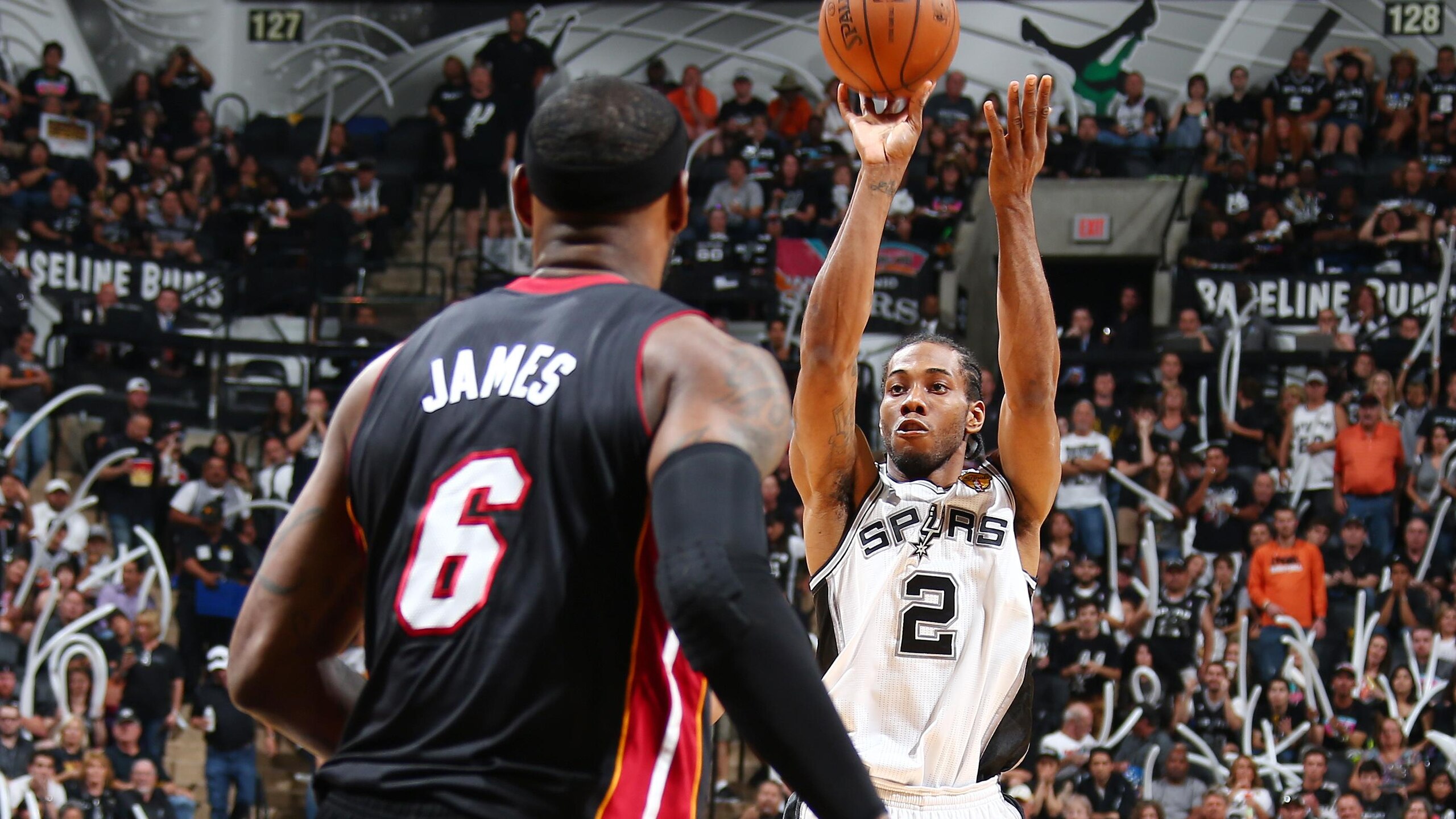
Quarter-Century Stats: 20.1 points, 6.4 rebounds, 3.1 assists, 1.7 steals, 6.5 box plus/minus
Quarter-Century Accolades: 2x DPOY, 3x 1st-Team All-NBA, 3x 2nd-Team All-NBA, 3x 1st-Team All-Defense, 4x 2nd-Team All-Defense, 6x All-Star, 2014-15 steal champion, 2x champion, 2x Finals MVP
Kawhi Leonard's path from under-the-radar prospect to non-lottery pick to All-Quarter-Century Team is certainly unique.
He started as a defense-first supporting player who averaged less than 10 points per game as a rookie. But by the 2014 NBA Finals, it was clear that Kawhi wasn't just one of the best on-ball defenders in the league. He had the potential to be an offensive alpha.
That potential was fulfilled in the 2019 playoffs, his only run with the Toronto Raptors, when he averaged 30.5 points, 9.1 rebounds and 3.9 assists to lead the franchise to its only championship.
Leonard's time with the Los Angeles Clippers has been checkered with injuries and off-court drama, but that doesn't erase his Terminator-like drive to multiple Finals MVPs and Defensive Player of the Year nods.
3rd-Team Forward: Giannis Antetokounmpo
14 of 22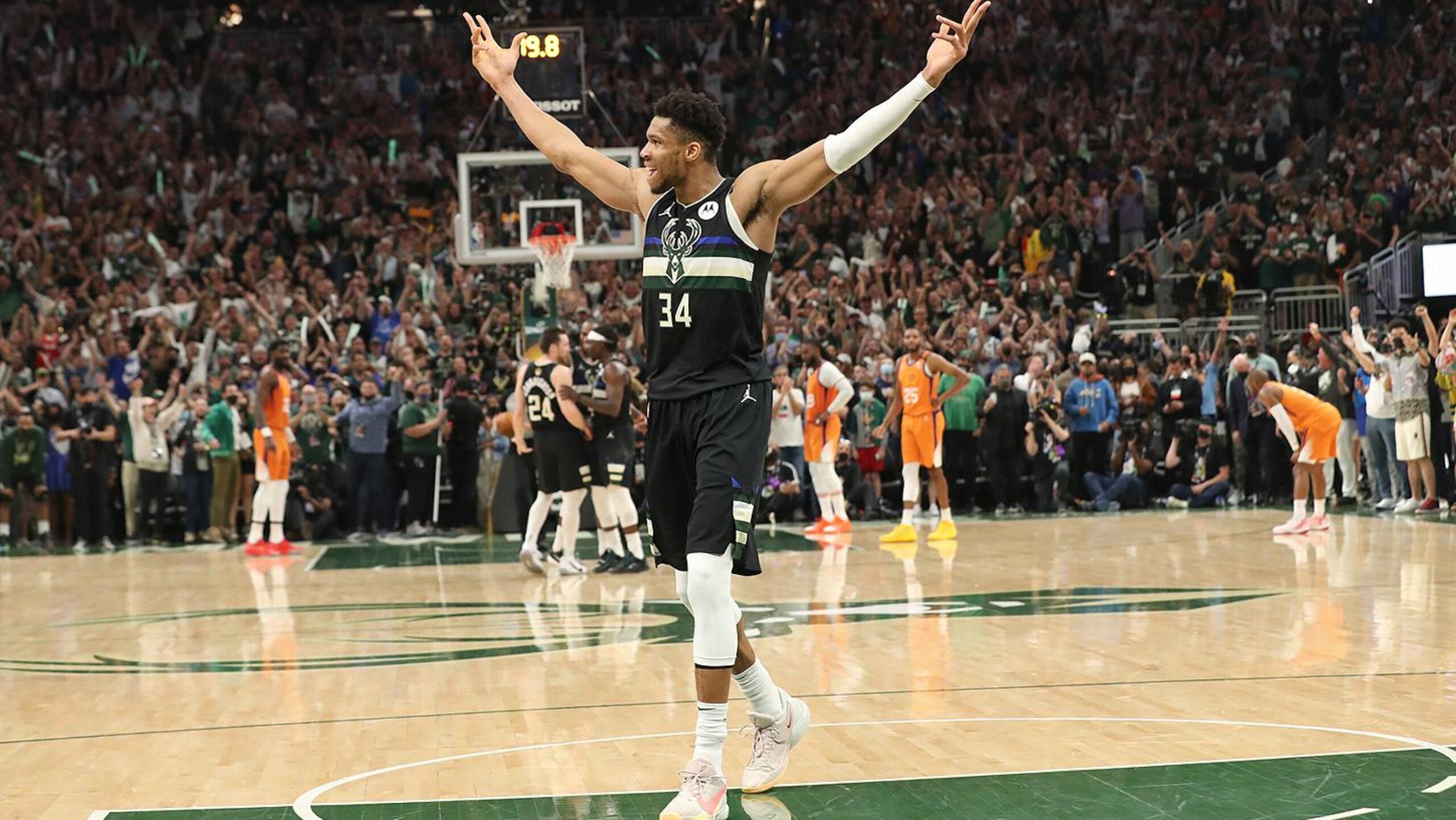
Quarter-Century Stats: 23.9 points, 9.9 rebounds, 5.0 assists, 1.2 blocks, 1.1 steals, 59.4 two-point percentage, 6.7 box plus/minus
Quarter-Century Accolades: 2x MVP, 2019-20 DPOY, 7x 1st-Team All-NBA, 2x 2nd-Team All-NBA, 4x 1st-Team All-Defense, 1x 2nd-Team All-Defense, 9x All-Star, 2020-21 champion, 2021 Finals MVP, 2016-17 Most Improved Player
Giannis Antetokounmpo is one of the most physically dominant players in NBA history. The numbers above don't really do him justice.
Starting with his first MVP season in 2018-19 and running through 2024-25, Giannis had a seven-year run in which he averaged 29.6 points, 12.0 rebounds, 6.0 assists, 1.2 blocks and 1.1 steals while making 62.6 percent of his two-point attempts.
No one in league history has hit all of those marks for a single season. Antetokounmpo did it over the course of seven.
In 2021, the Greek Freak's well-rounded production and previously unseen combination of size and athleticism all came together for the Milwaukee Bucks' first championship in five decades. In the NBA Finals against the Phoenix Suns, Giannis was truly unstoppable.
While other players who did a lot of their damage in the paint could be classified as slashers, Giannis spent much of the quarter-century as a sledgehammer.
He seemingly started most drives already a step ahead of the defense. His reach around the rim made next-to-impossible angles for most dunkable shots for him. And his physical tools helped him dominate on the defensive end, too.
At the peak of his powers, Giannis could make life miserable for wings and forwards outside while dominating the paint as a rim protector. Altogether, he's one of the best all-around players in NBA history and an obvious inclusion on our Quarter-Century Team.
3rd-Team Center: Shaquille O'Neal
15 of 22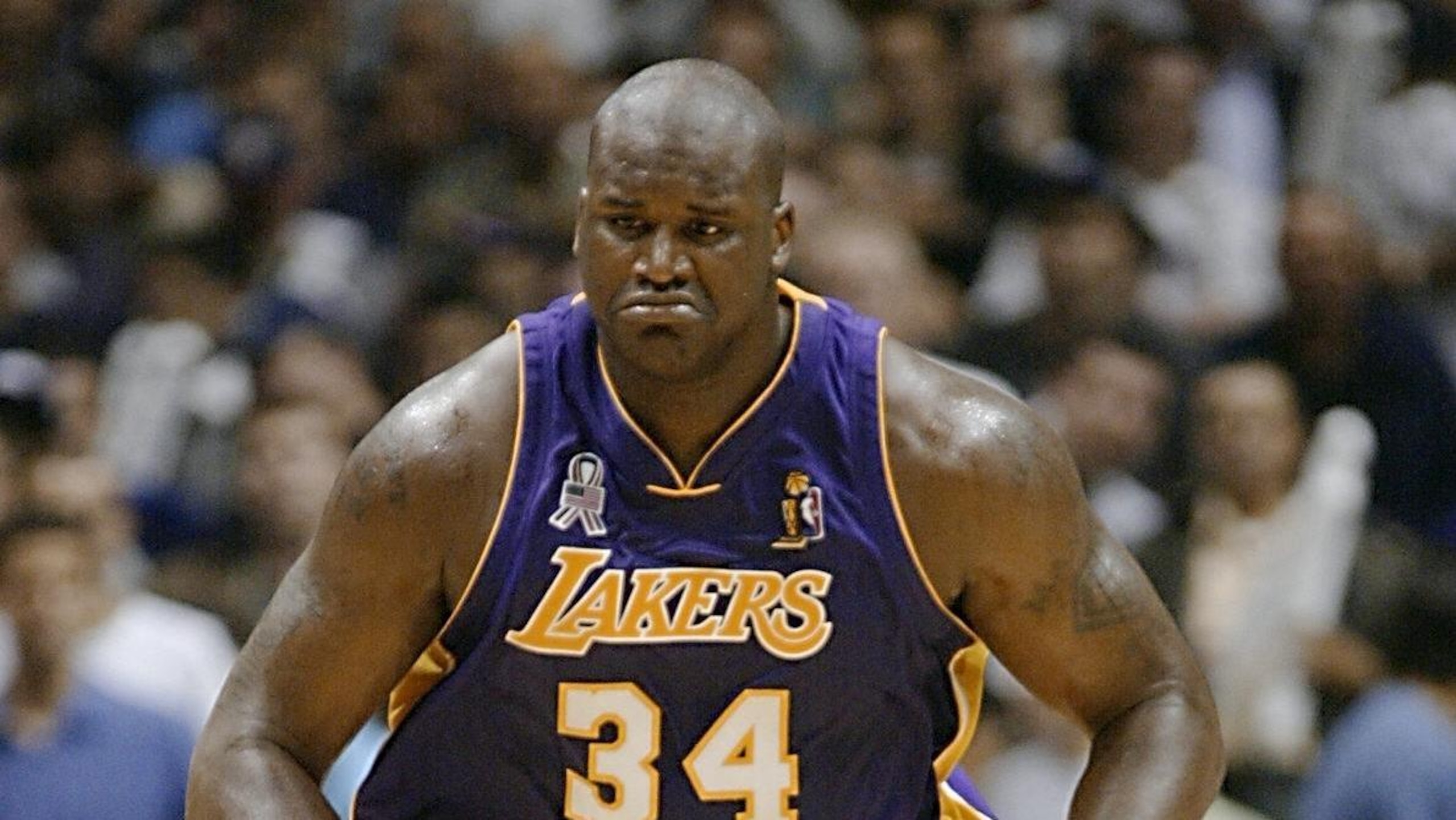
Quarter-Century Stats: 20.7 points, 9.6 rebounds, 2.4 assists, 1.9 blocks, 58.8 two-point percentage, 4.2 box plus/minus
Quarter-Century Accolades: 6x 1st-Team All-NBA, 1x 3rd-Team All-NBA, 2x 2nd-Team All-Defense, 8x All-Star, 3x champion, 2x Finals MVP
Remember: Our sample size for these Quarter-Century Teams started in 2000-01. During his eight seasons prior to that, Shaquille O'Neal averaged 27.5 points, 12.4 rebounds and 2.7 blocks, secured his lone MVP and won his first championship.
That was a more productive stretch than the one we're looking at. Yet Shaq did more than enough after the turn of the century to warrant his spot on our Quarter-Century third team.
In the 2001 and 2002 playoffs, Shaq averaged 29.4 points, 13.9 rebounds, 3.0 assists and 2.5 blocks. He won Finals MVP in both of those years. If his dominant 2000 run wasn't enough on its own, those campaigns established O'Neal as the best and most physically overwhelming player of his era.
At his peak, Shaq was a mountain of a post presence. He could level opposing defenders, but he didn't always have to. For his size, he was remarkably nimble. He also had underrated touch on his floaters, push shots and hooks.
Though he wasn't the same force later in his career, O'Neal also proved capable of fulfilling a lesser role in the 2006 playoffs. That year, he was the Robin to Dwyane Wade's Batman and authored the epilogue to his already legendary career.
Best Shooter: Stephen Curry
16 of 22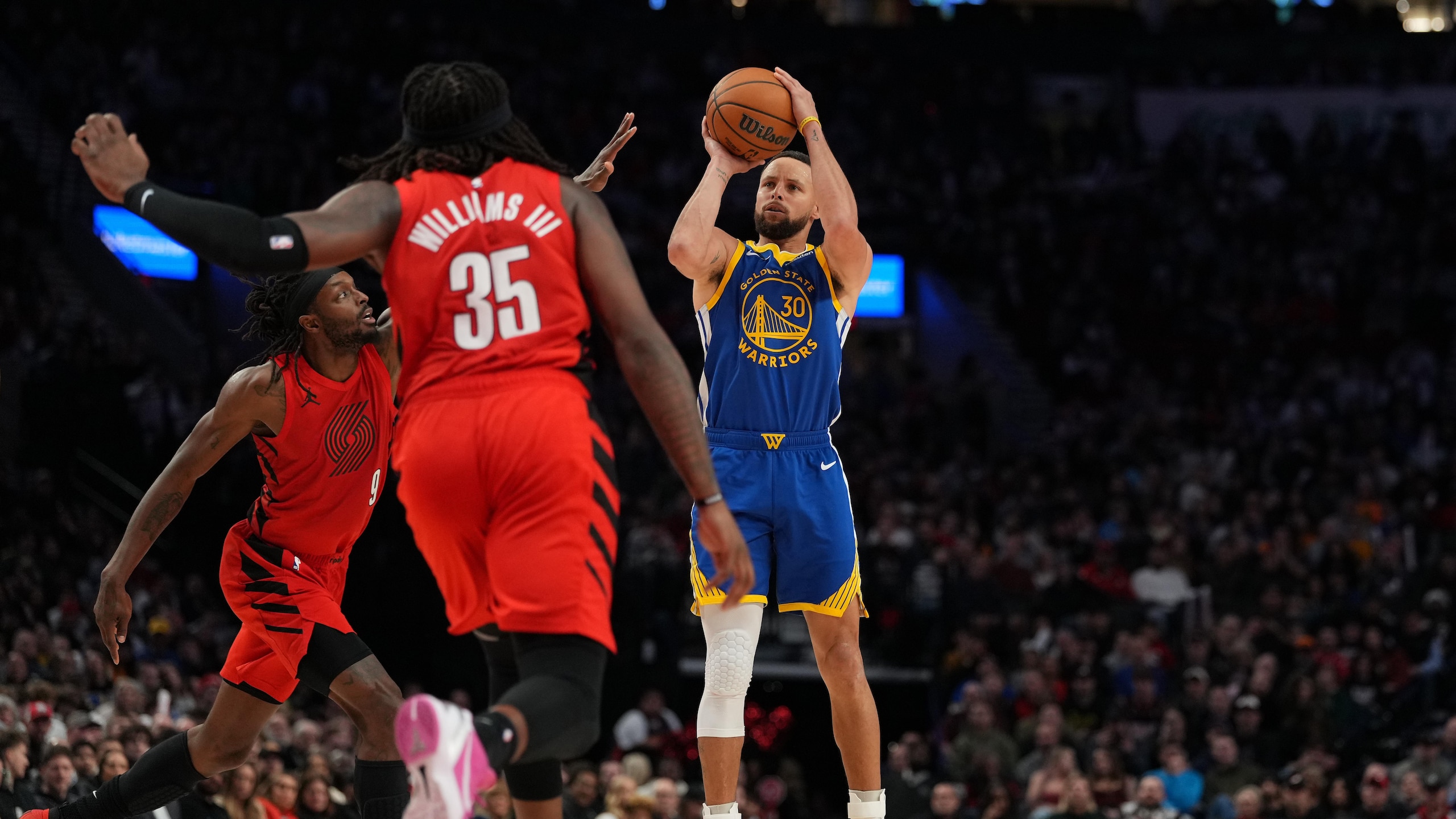
We promised more on Stephen Curry as this quarter-century's best shooter. Now it's time to deliver.
From 2000-01 through 2024-25, NBA players averaged 1.07 points per three-point attempt (not counting free throws from four-point plays). Curry averaged 1.27.
When you multiply the difference between Curry's average and the league's by Curry's total attempts, you get a whopping 1,878.9 more points on Curry's attempts than an exactly average shooter would've totaled. That's over 600 points clear of second-place Kyle Korver. The distance between those two is about the same as the distance between Korver and 11th-place Joe Harris.
The formula gives Curry credit for both his volume and efficiency and is just another way to show how big the gap is between him and his peers.
But his crown for best shooter isn't entirely the result of three-pointers. Curry is also first all-time in career free-throw percentage at 91.1. For his career, he's over 40 percent on two-pointers from 10 feet and out.
In case you needed more evidence for perhaps the most obvious call of this entire exercise, here's a whopping 10 minutes of Curry drilling seemingly impossible shots to remind you of the degree of difficulty he often embraces.
Best Dunker: Vince Carter
17 of 22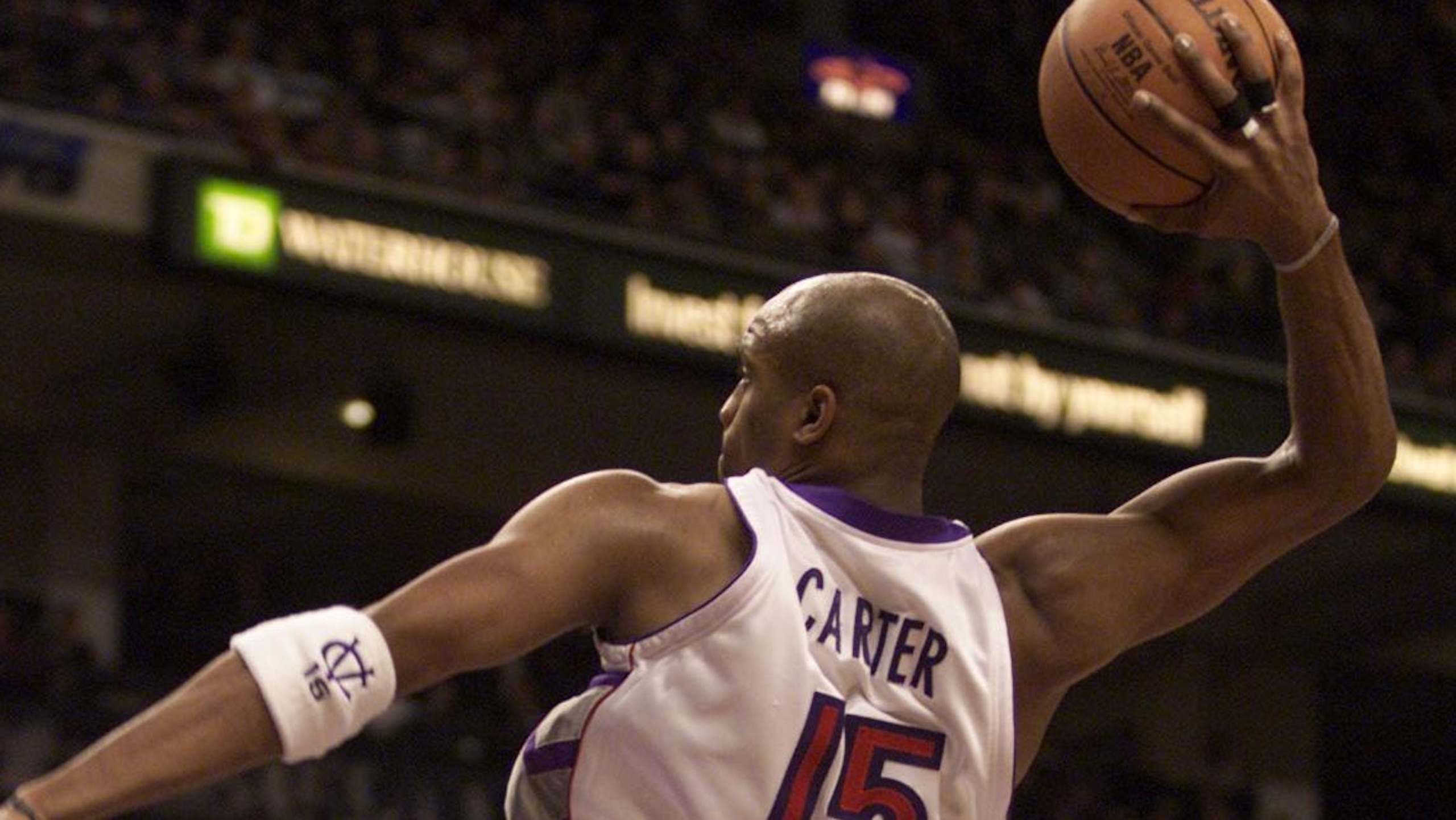
In another thoroughly uncontroversial call, Vince Carter received all but one vote for best dunker since 2000. (Aaron Gordon snagged the other.)
While some of today's fans may know him best for highlights from his 2000 Slam Dunk Contest victory, it's important to remember how good he was in games, too.
More than anyone else this quarter-century, Carter combined dazzling midair acrobatics with thunderous finishes. He was neither a pure-style nor pure-power finisher. Most of his dunks featured both.
And he could generate a get-out-of-your-seat highlight at any moment, whether in transition or the half court.
Best Playmaker: LeBron James and Nikola Jokić (tied)
18 of 22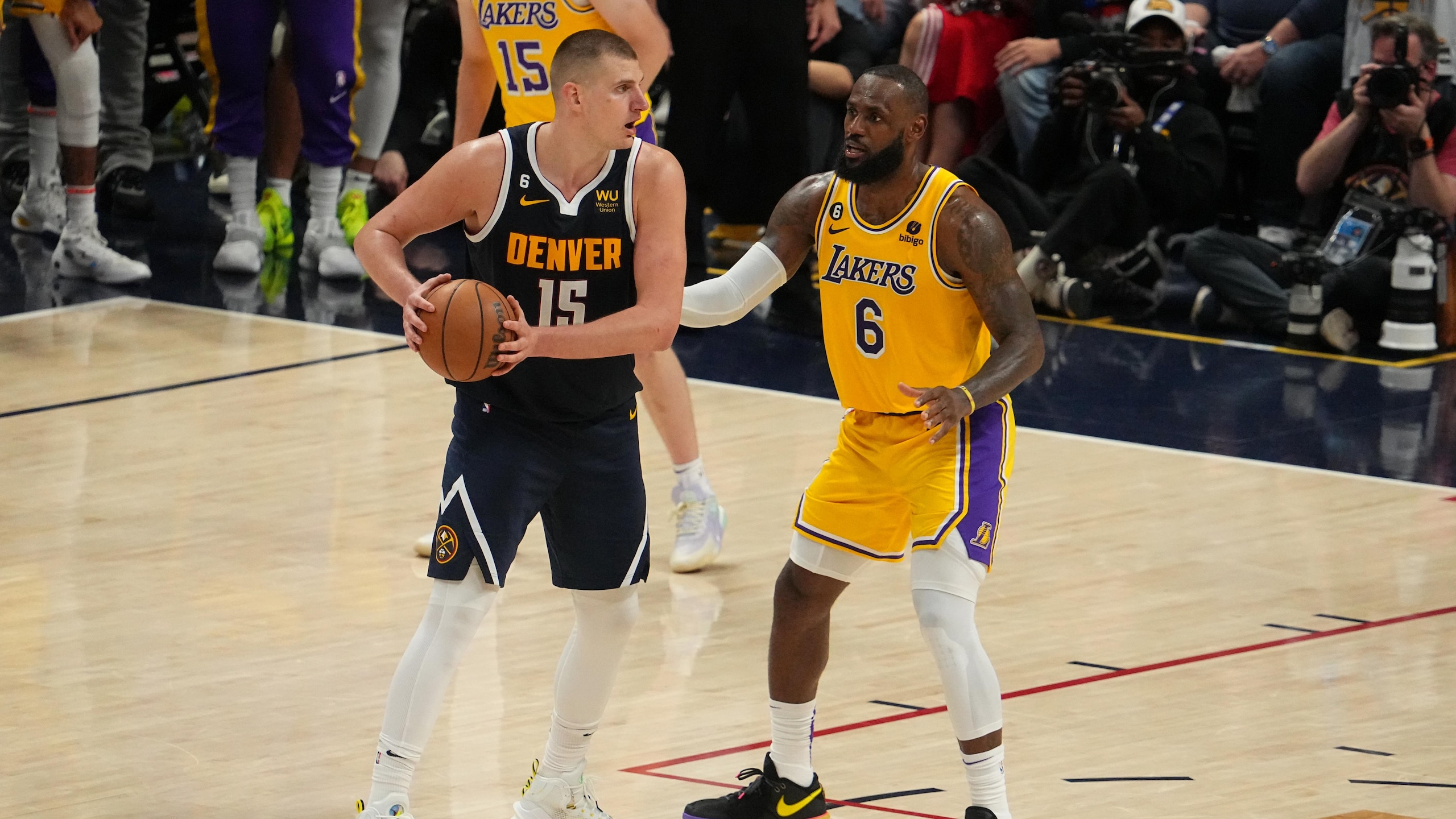
This category was tight, with LeBron James, Nikola Jokić, Chris Paul and Steve Nash all receiving votes. In a bit of a surprise, the two bigger players from that group tied for the honor.
To understand why, you have to go beyond raw assist totals or averages (though those are impressive, too).
For much of the 25 years covered in this exercise, Jokić and LeBron were among the game's best possession manipulators or engineers. Each could set the chess pieces in the right places in the middle of a game. Each could pass teammates into open space. Each undoubtedly made their teammates significantly better.
What may set them apart from Nash and CP3 (who also checked all of the boxes above) was the added ability to create and finish plays for themselves.
Both James and Jokić are known as two of the greatest passers of all time, but they're also among the best scorers we've ever seen. Combining those two forms of playmaking gave the bigger creators the slight edge.
Best Defender: Tim Duncan and Ben Wallace (tied)
19 of 22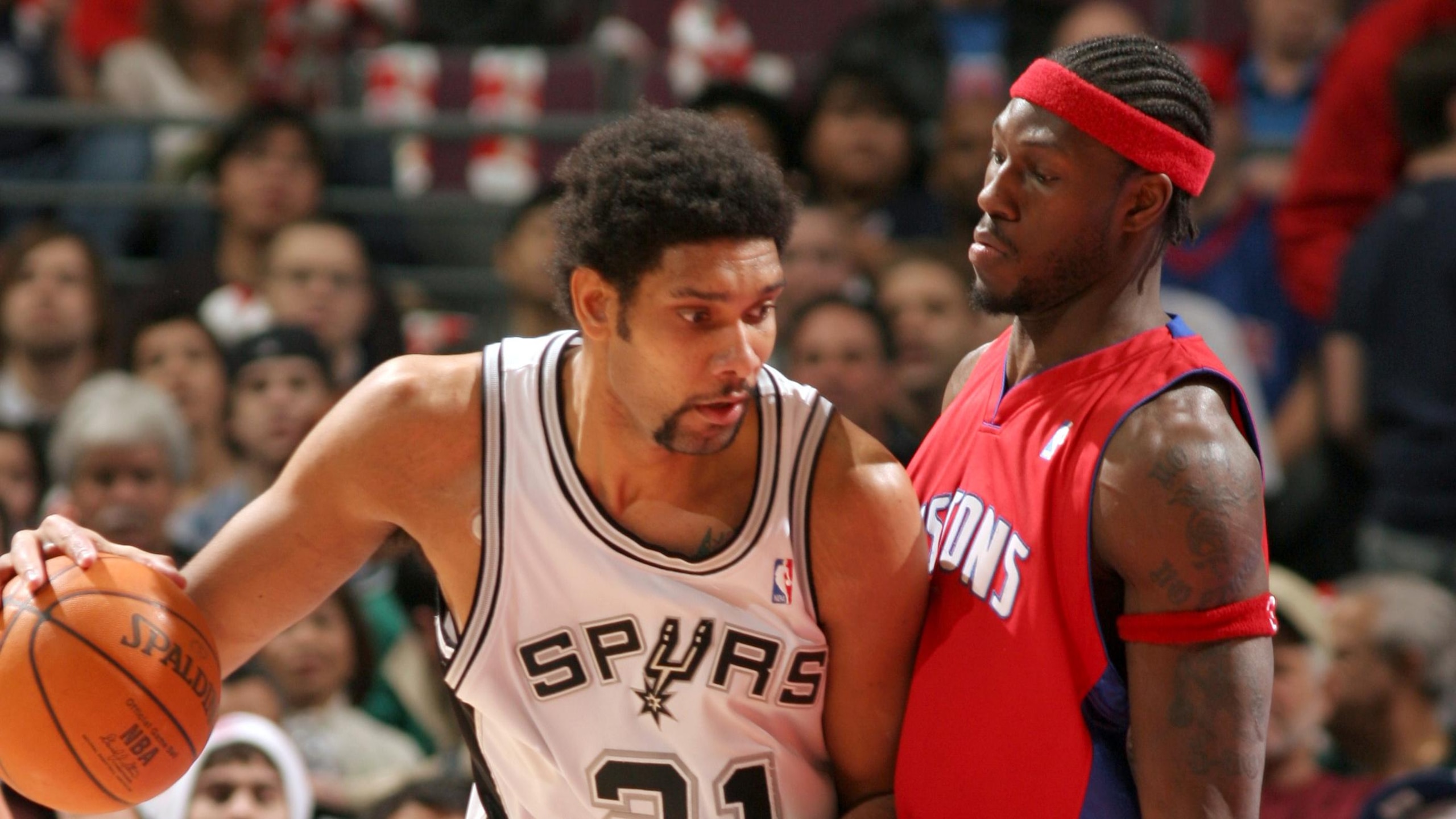
This is another tough one that had multiple defenders receiving votes. Draymond Green, Kevin Garnett and Rudy Gobert all had their supporters, but Tim Duncan and Ben Wallace tied for first.
Both were among the game's best rebounders and rim protectors for their era. Both could orchestrate their teams' defenses like an All-Pro linebacker. And both won titles on the back of dominant team defenses.
Throughout his career, Wallace was recognized for his contributions on that end. He made six All-Defense teams, won Defensive Player of the Year four times and even made All-NBA five times (and those weren't the result of his offense).
However, Duncan never won a DPOY. Perhaps voters saw the San Antonio Spurs' defense as more of a team strength, so they never bestowed that honor on him despite his importance to one of the most dominant units of the quarter-century.
From 2000-01 through 2015-16 (Duncan's last season), San Antonio had the best mark in the league for points allowed per 100 possessions.
Best Coaches: Steve Kerr, Erik Spoelstra and Gregg Popovich
20 of 22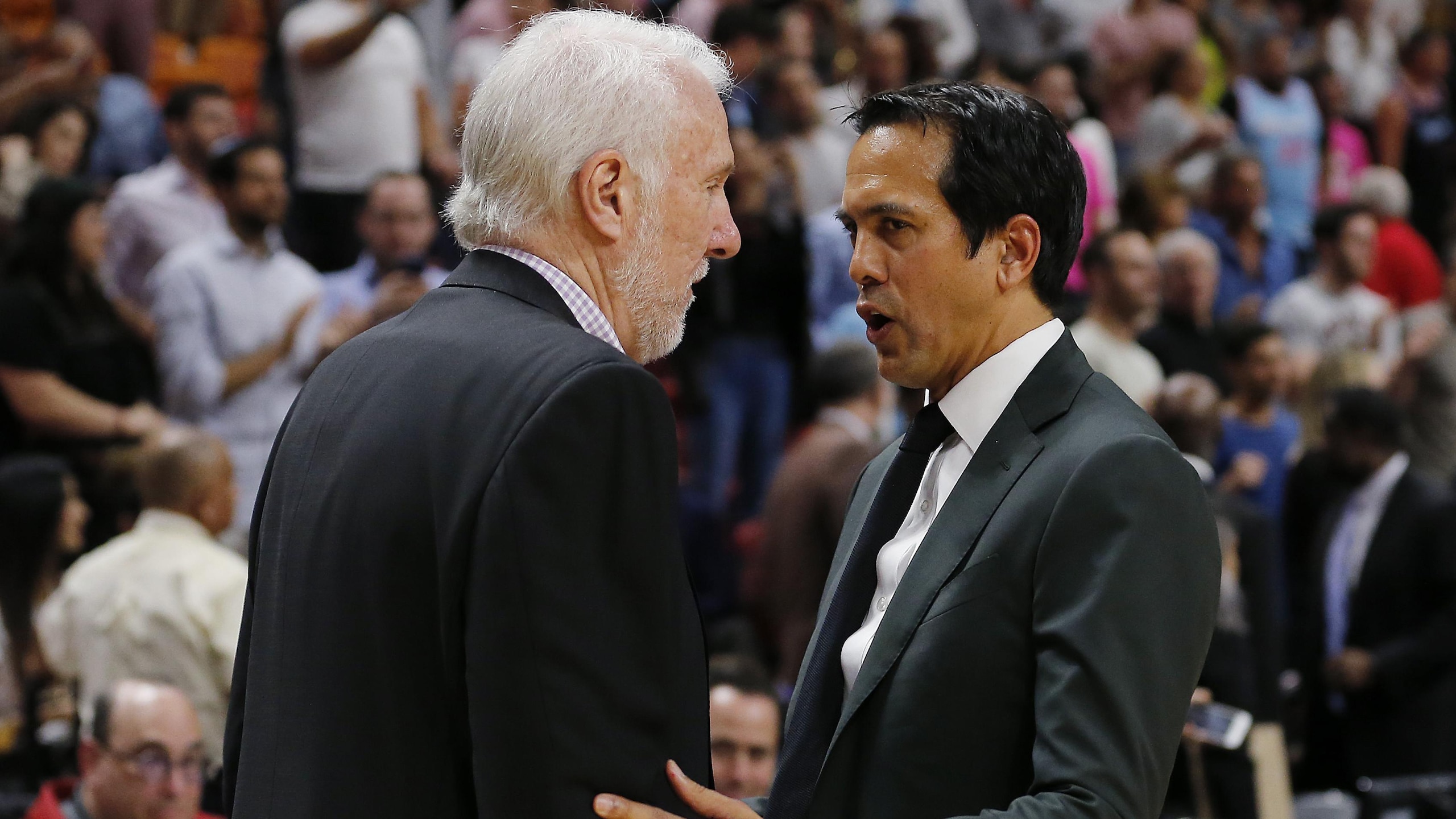
Over the last 25 years, as we've seen player salaries explode and power dynamics in the NBA dramatically shift, there were still a few tacticians who genuinely affected the outcomes of entire NBA campaigns.
Phil Jackson (who won four of his championships this quarter-century), Rick Carlisle and Mike D'Antoni all fit that description, but they didn't garner enough votes to make the top three. That group was Steve Kerr, Erik Spoelstra and Gregg Popovich.
Kerr, who has four championships with the Golden State Warriors, received enough votes to be our third-team coach. With his motion-heavy and team-friendly offense, he unleashed Stephen Curry and the Golden State Warriors and led one of the most exciting offenses (and most underrated defenses) we've ever seen.
Spoelstra, beyond managing the personalities of LeBron James and Dwyane Wade on the way to his two championships with the Miami Heat, has consistently proven capable of and willing to change his approach to suit his personnel. After the "Heatles" era, his teams almost always outperformed expectations, which was enough to make him our second-team coach.
As for the first team, it should come as little surprise that Popovich earned that honor with his stifling defenses and ball-movement-heavy offenses that led to four championships this quarter-century. Not only is Pop the best coach of this quarter-century; he's one of the best coaches of all time.
Best Overall Player: LeBron James
21 of 22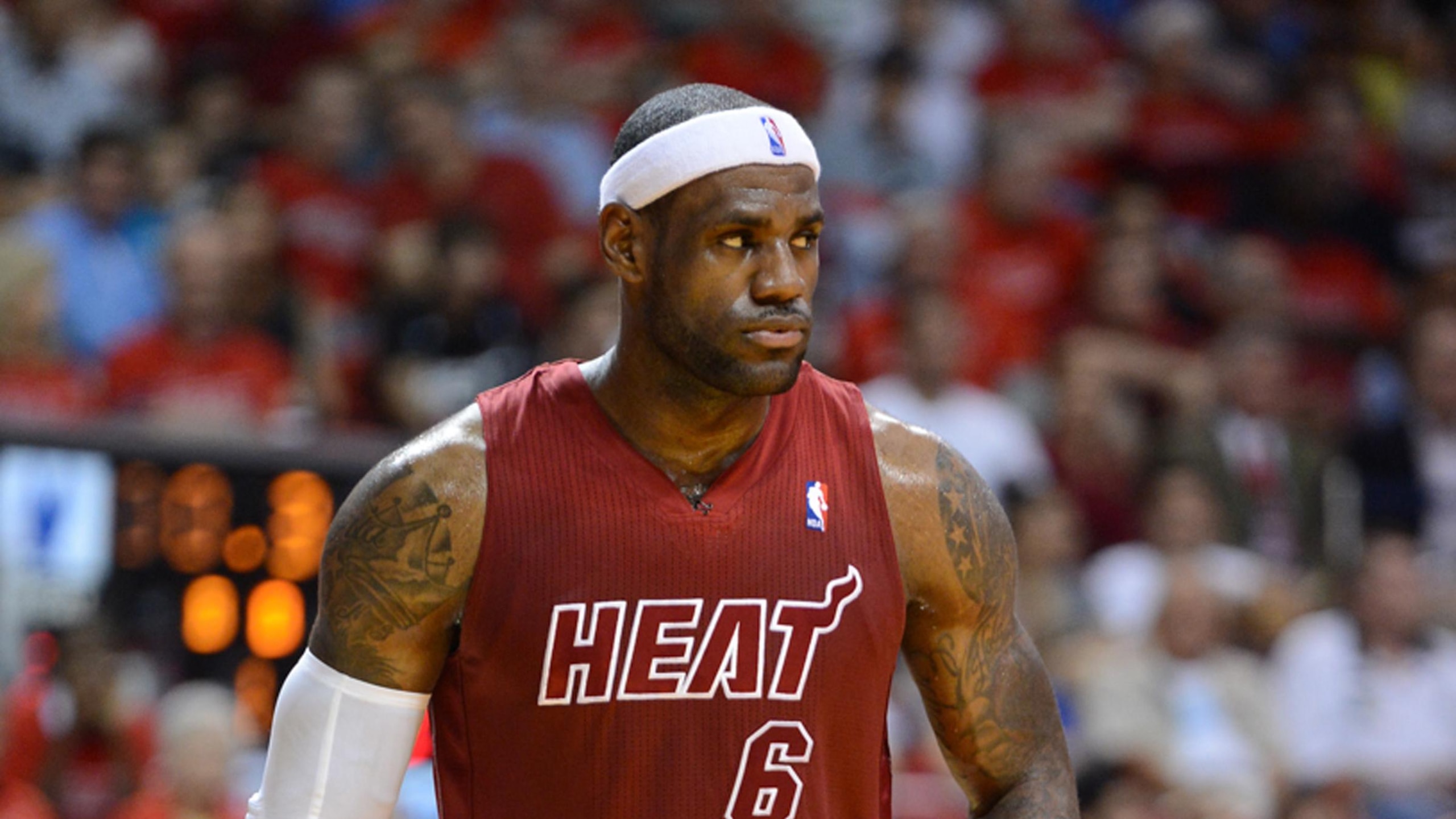
Believe it or not, two other players who received votes in this category. Both have reasonable arguments for the crown.
Nikola Jokić has the best raw numbers. Kobe Bryant had four championships this quarter-century without ever leaving the team that drafted him. But LeBron had both otherworldly production and the rings.
It may be hard for some of the league's younger fans to remember, but nothing could stop LeBron at his peak. We had never seen (and may never see again) a player LeBron's size move the way he did. As he shifted into the Miami Heat era of his career, he also became arguably the most skilled player in the league.
Being the NBA's best athlete and its most skilled is a spectacularly rare combination. Add the fact that he was at or around that level for well over a decade, and it gets next to impossible to poke holes in LeBron's case for best individual player of this quarter-century.
Others Receiving Votes
22 of 22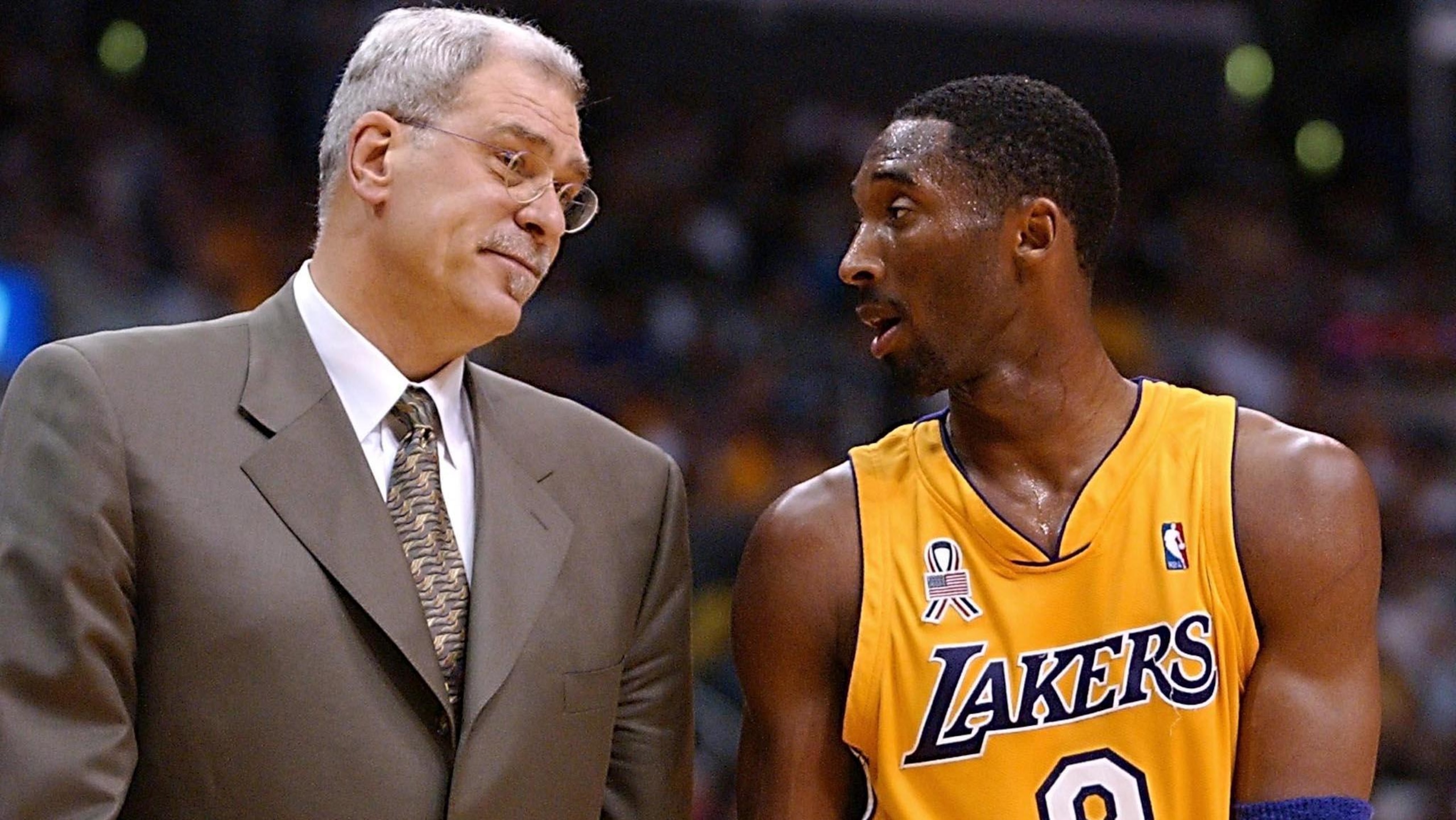
If some of your favorites didn't make any of the cuts above, they may have at least gotten a little love from a stray voter here or there.
Other Guards Receiving Votes: Russell Westbrook, Allen Iverson, Luka Dončić and Manu Ginobili
Other Forwards Receiving Votes: Tim Duncan, Carmelo Anthony, Pau Gasol and Anthony Davis
Other Center Receiving Votes: Dwight Howard
Other Dunker Receiving Votes: Aaron Gordon
Other Shooter Receiving Votes: 🤷♂️
Other Playmakers Receiving Votes: Chris Paul and Steve Nash
Other Defenders Receiving Votes: Draymond Green, Kevin Garnett and Rudy Gobert
Others Receiving Votes for Best Overall Player: Kobe Bryant and Nikola Jokić
Other Coaches Receiving Votes: Phil Jackson, Rick Carlisle and Mike D'Antoni
And if they're not even on that list, feel free to make your case in the comments!

.jpg?w=2560)

.jpg?w=2560 "Raiders Could Start Mendoza")
.jpg?w=2560 "Rodgers Iced Out on Plane 💎")
.jpg?w=2560 "🚨 Week 8 AP Top 25 Poll")