
Ranking the Most Lopsided Trade Deadline Deals of the 21st Century
With Friday's non-waiver trade deadline quickly approaching, teams around the game are weighing their options.
Do they follow the leads of Kansas City and Toronto by going all-in, trading away young talent and prospects for the established stars they think can put them over the top? Or do they stay the course and hope the prospects they value so highly will lead them to even greater success down the road?
Nearly every trade that follows looked good on paper at the time the clubs involved agreed to it. But whether due to young talent that didn't develop as planned or established stars unable to replicate their previous success, they look fairly lopsided today.
Let this list serve as a warning: Nothing is guaranteed when it comes to a deadline deal.
Using WAR values from FanGraphs for their time in the acquiring team's uniform following the trade as the basis for our rankings, let's take a look at the 10 most lopsided deadline deals of the 21st century.
*Note: WAR values for seasons a player split between teams were halved for our calculations. For example, if Player X had a WAR of 1.0 for the 2014 season but was traded from Atlanta to Baltimore at the deadline, he'd receive a WAR value of 0.5 for his time as an Oriole. Deadline trades include those made from July 24-31.
10. July 25, 2012: Los Angeles Dodgers Trade for Hanley Ramirez
1 of 10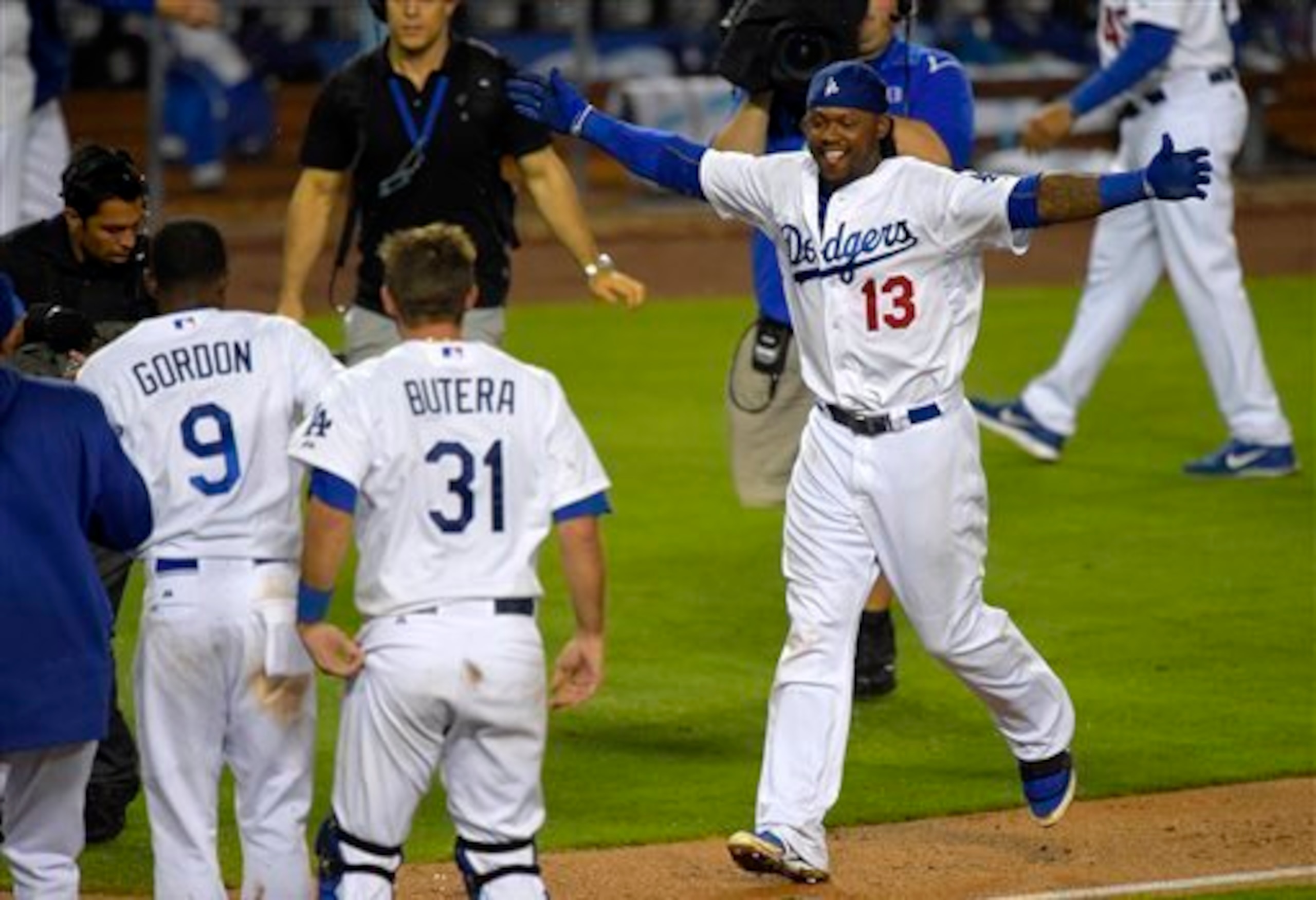
The Deal
| LHP Randy Choate | 0.3 | RHP Nathan Eovaldi | 4.8 |
| SS Hanley Ramirez | 9.7 | RHP Scott McGough | 0.0 |
| Total WAR | 10.0 | Total WAR | 4.8 |
Advantage
Los Angeles (+5.2 WAR)
Overview
Dylan Hernandez of the Los Angeles Times called it "one of the most significant and stunning trades in the history of the franchise," and while Hanley Ramirez never lived up to expectations upon his arrival in Los Angeles, he provided the Dodgers with far more value than what the team sent to Miami in exchange.
Injuries limited Ramirez for much of the two-plus years that he wore a Dodgers uniform, but he still managed to put up a triple-slash line (.299/.368/.506) over 278 games that was nearly identical to the one he had posted with the Marlins (.300/.374/.499). The team let him walk as a free agent, and he signed a lucrative deal with Boston before the 2015 campaign.
Randy Choate, acquired to provide the bullpen with another reliable left-handed reliever, was mediocre at best, allowing six earned runs and 13 hits over 13.1 innings of work. He lasted only a few months in Los Angeles, departing as a free agent for St. Louis before the 2013 season.
Their contributions in Los Angeles, however, trumped what the Marlins were able to get out of Scott McGough, who has yet to reach the majors, and Nathan Eovaldi, who never quite developed into the front-of-the-rotation arm they hoped he would.
He was better than his 13-27 record and 4.10 ERA would indicate, however, pitching to a 3.57 FIP and 1.36 WHIP. But for a guy with such an electric fastball—he tied with Washington's Stephen Strasburg for the second-highest average velocity (95.2 mph) among qualified starters from 2012 to 2014—those numbers were still disappointing.
Eovaldi, like Ramirez in Los Angeles, lasted only two-and-a-half years with the Marlins before departing as part of a five-player trade with the New York Yankees this past winter.
9. July 29, 2009: Philadelphia Trades for Cliff Lee
2 of 10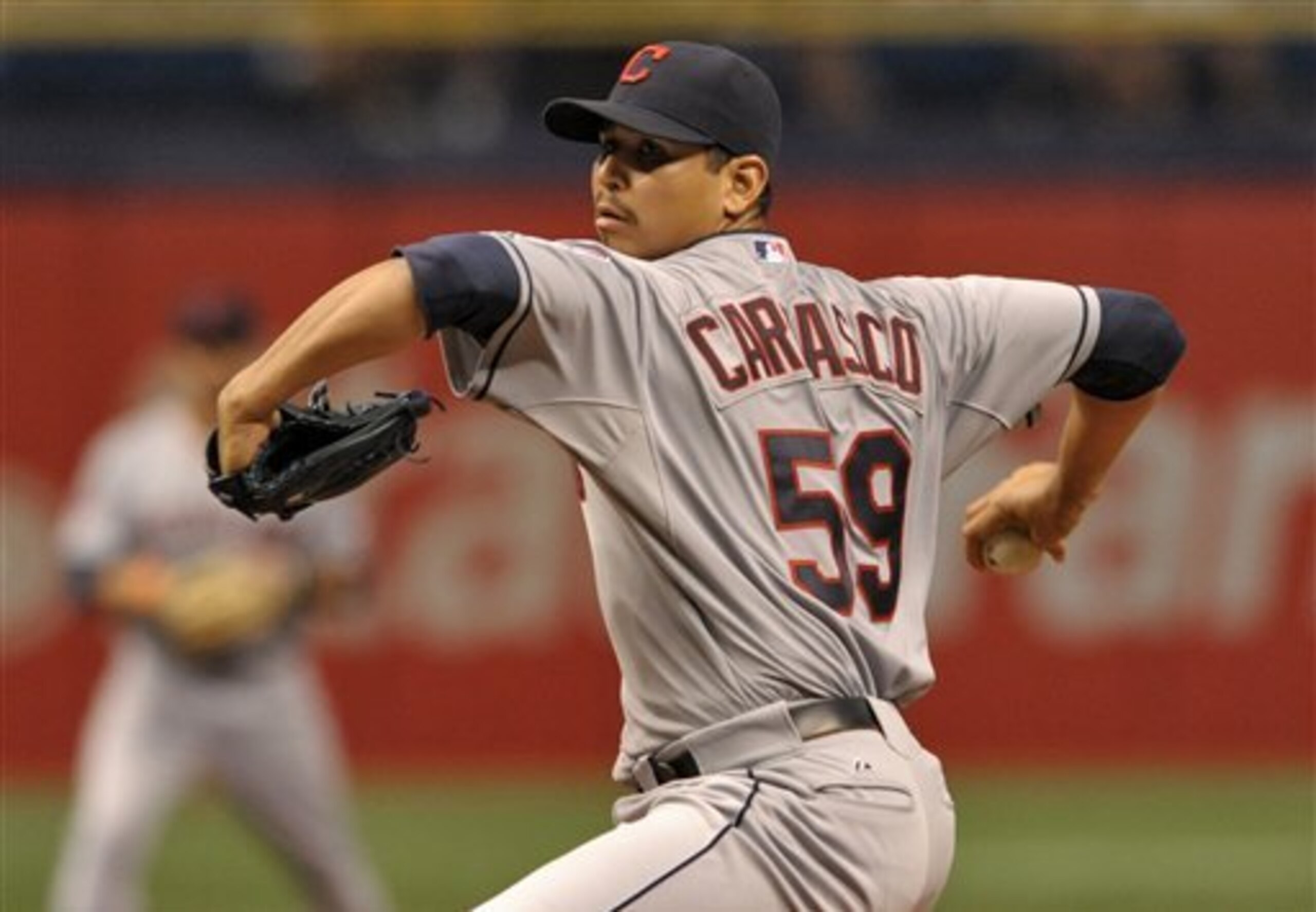
The Deal
| RHP Carlos Carrasco | 7.1 | OF Ben Francisco | 0.7 |
| UTIL Jason Donald | 0.7 | LHP Cliff Lee | 3.2 |
| RHP Jason Knapp | 0.0 | Total WAR | 3.9 |
| C Lou Marson | 2.0 | ||
| Total WAR | 9.8 |
Advantage
Cleveland (+5.9 WAR)
Overview
When Indians general manager Mark Shapiro explained his thought process behind trading away the American League's reigning Cy Young Award winner, Cliff Lee, it made sense. Per ESPN's Jayson Stark:
"At the root of this deal was balancing the conviction of our ability to compete in 2010 with the opportunity to impact the team's construction for years to come. Without the sense of confidence in the team's ultimate competitiveness, we acted aggressively to add players that will impact the organization in 2010 and beyond.
"
But up until last year, this trade looked heavily slanted in Philadelphia's favor.
Lee would go 7-4 down the stretch for the Phillies in 2009 and was a major reason why the club advanced to the World Series, where it eventually lost to the New York Yankees. In five postseason starts, Lee went 4-0 with a 1.56 ERA while holding opponents to a paltry .460 OPS.
Primarily a fourth outfielder over parts of three seasons, Ben Francisco came through in the clutch for the Phillies when it counted. In the top of the seventh inning in Game 3 of the 2011 NLDS against St. Louis, Francisco pinch-hit for Cole Hamels and smacked a three-run home run to break a scoreless tie and, ultimately, win the game.
It was in 2014 that Carlos Carrasco finally began to show the promise that Cleveland saw in him at the time of the deal. And he's since become one of the bright young arms in the American League—one that has drawn interest from other clubs as this year's deadline approaches.
After Carrasco, Cleveland's return for Lee was relatively unimpressive.
Jason Donald spent parts of three years with the Tribe as a utility player, hitting .257 with a .672 OPS. But Cleveland traded him to Cincinnati in 2012, and he hasn't seen the major leagues since. Lou Marson was a capable backup catcher for five years, but he didn't hit (.217 BA, .602 OPS) and the team let him walk as a free agent in 2013.
Jason Knapp never made it past Single-A in the organization and was out of baseball for three years before resurfacing with Texas briefly in 2014.
Interestingly enough, the Indians could have acquired outfielders Domonic Brown or Michael Taylor in the deal, according to the Plain Dealer's Paul Hoynes.
8. July 31, 2009: Toronto Trades for Edwin Encarnacion
3 of 10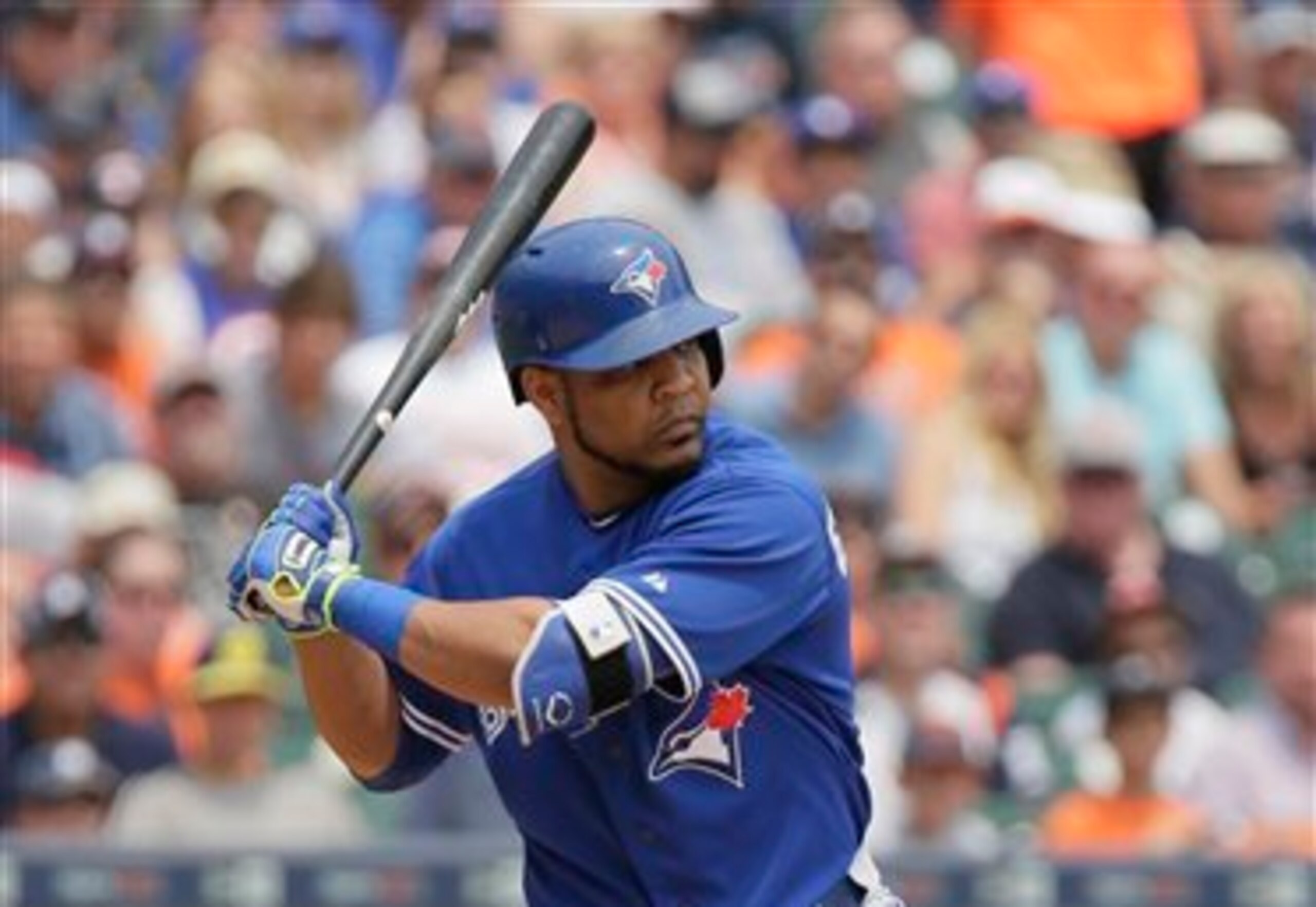
The Deal
| 3B Scott Rolen | 8.7 | 1B/DH Edwin Encarnacion | 15.4 |
| Total WAR | 8.7 | RHP Josh Roenicke | 0.1 |
| RHP Zach Stewart | 0.2 | ||
| Total WAR | 15.7 |
Advantage
Toronto (+7.0 WAR)
Overview
While this deal is lopsided in favor of the Blue Jays, it's not as if Cincinnati didn't get any value. Scott Rolen was a key contributor for a Reds club that went 91-71 and won the National League Central in 2010, hitting .285 with 20 home runs and 83 RBI while providing Gold Glove defense at third base.
Chronic shoulder issues limited him to 157 games over the next two years, during which he hit a combined .245 with only 13 home runs and 75 RBI. He was out of baseball after the 2012 season.
Neither Josh Roenicke nor Zach Stewart, who were Cincinnati's best pitching prospects at the time, ever amounted to anything. And while everyone knew Edwin Encarnacion was talented, he seemed as if he was never going to quite live up to his potential—even over his first few seasons in Toronto.
But something clicked in 2012, and he's been one of the game's premier sluggers and run producers since, continuing to make this deal more lopsided by the day.

.png?w=2560 "MLB Power Rankings")
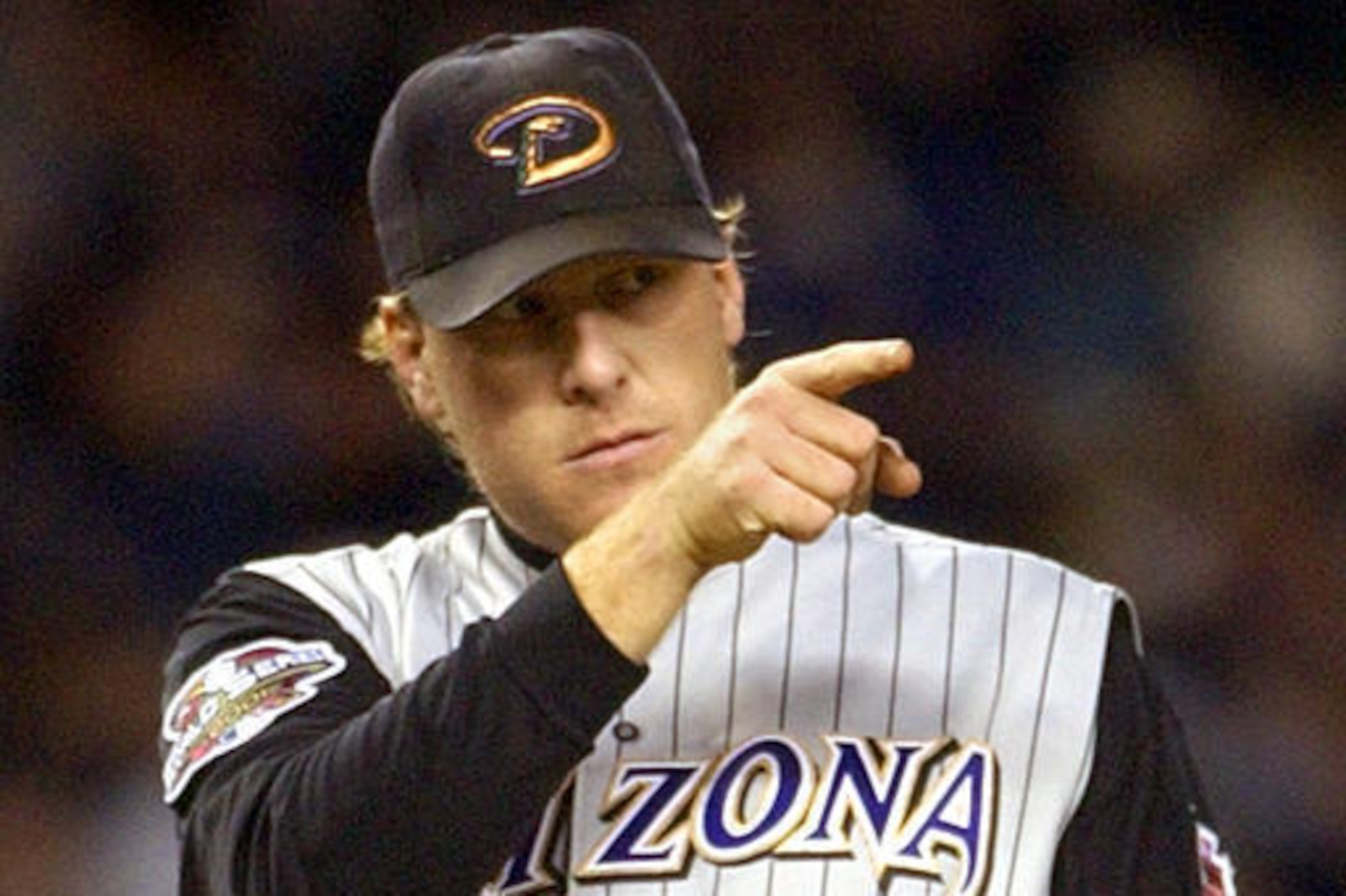
7. July 26, 2000: Arizona Trades for Curt Schilling
4 of 10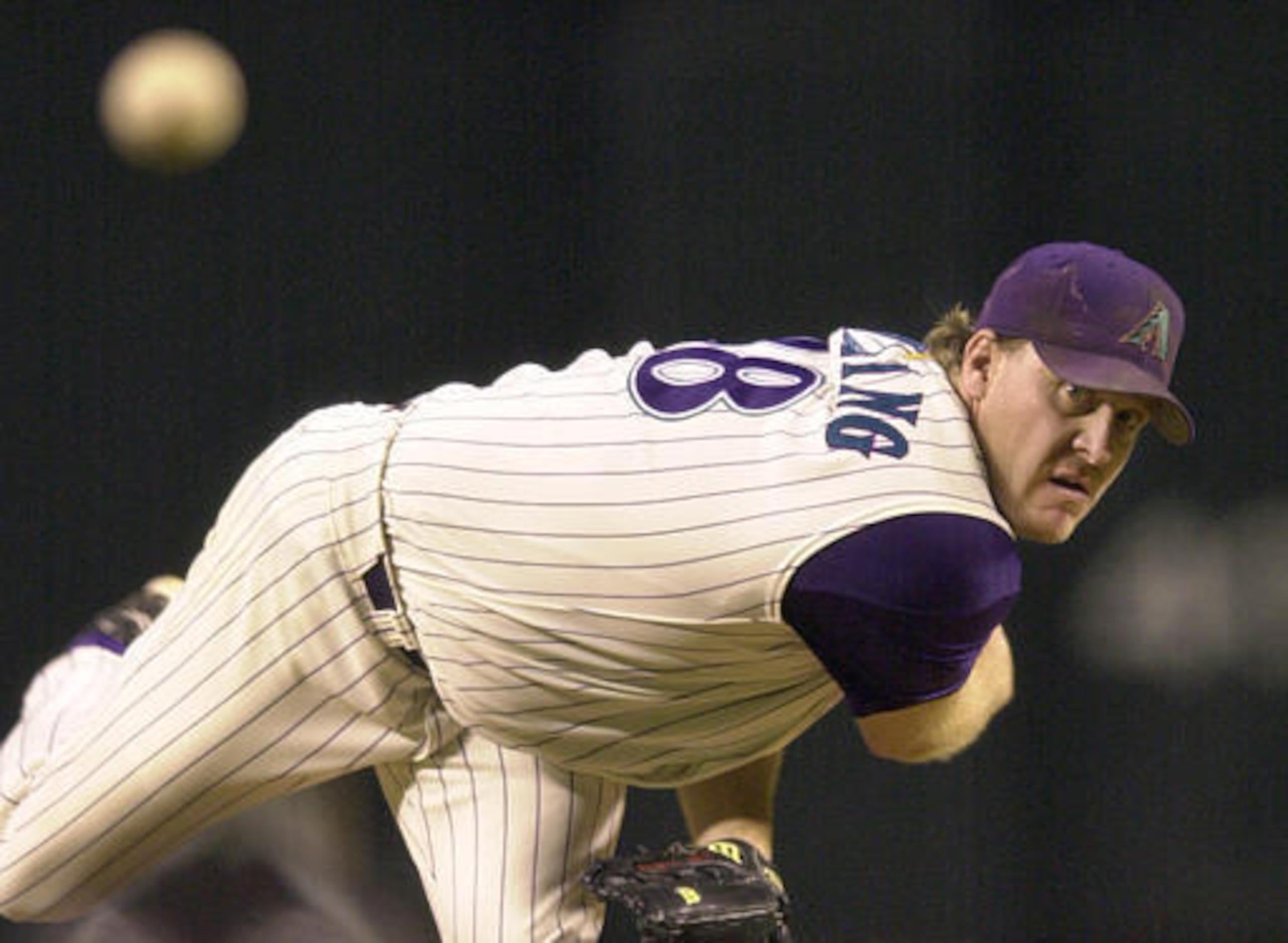
The Deal
| RHP Curt Schilling | 24.5 | LHP Omar Daal | 2.0 |
| Total WAR | 24.5 | RHP Nelson Figueroa | 0.9 |
| 1B Travis Lee | 2.2 | ||
| RHP Vicente Padilla | 9.6 | ||
| Total WAR | 14.7 |
Advantage
Arizona (+9.8 WAR)
Overview
While Travis Lee and Vicente Padilla provided Philadelphia with some decent performances, what Curt Schilling did in Arizona makes them almost irrelevant.
From 2001 to 2002, Schilling would go 45-13 with a 3.10 ERA, 1.02 WHIP and a ridiculous 609 strikeouts over 516 innings of work, walking only 72. He was equally impressive during the playoffs in 2001, going 4-0 with a 1.12 ERA, 0.64 WHIP and 56 strikeouts over 48.1 postseason innings.
After an injury-filled 2003 campaign, Arizona shipped Schilling to Boston for a package that included right-hander Casey Fossum and lefties Jorge De La Rosa and Brandon Lyon.
While his time in Arizona was relatively short, it was incredibly productive: two All-Star appearances, two second-place finishes in the NL Cy Young Award voting (losing to teammate Randy Johnson both times) and, of course, a World Series ring.
Lee had finished third in the 1998 NL Rookie of the Year voting, but after hitting .258 with 34 home runs, 174 RBI and a .745 OPS in parts of three seasons with the Phillies, he walked as a free agent following the 2002 season.
Nelson Figueroa appeared in 19 games for the Phillies in 2001, going 4-5 with a 3.94 ERA and 1.48 WHIP before the club lost him on waivers to Milwaukee at the beginning of 2002.
Omar Daal won 15 games over two years (13 of them in 2001) before the Phillies traded him to Los Angeles for Jesus Cordero and Eric Junge in November 2001.
Padilla ultimately wound up as the only worthwhile return for the Phillies, going 49-49 with a 3.98 ERA and 1.34 WHIP, representing the club as an All-Star in 2002.
6. July 28, 2006: Texas Trades for Nelson Cruz and Carlos Lee
5 of 10
The Deal
| LHP Julian Cordero | 0.0 | OF Nelson Cruz | 13.4 |
| RHP Francisco Cordero | 3.1 | OF/1B Carlos Lee | 0.8 |
| OF Kevin Mench | 1.0 | Total WAR | 14.2 |
| OF Laynce Nix | -0.6 | ||
| Total WAR | 3.5 |
Advantage
Texas (+10.7 WAR)
Overview
While Nelson Cruz wound up being the most valuable player involved in this six-player swap, it was Carlos Lee who was the centerpiece of it all.
"Carlos is an impact bat that we need right now," Rangers general manager Jon Daniels told reporters at the time of the swap, per the Associated Press (via ESPN). "He's a middle-of-the-order hitter, a run producer, big makeup, leader, just entering his prime. We feel strongly he can be a big piece for us as we make a run at the pennant."
Lee provided the kind of production the Rangers sought, hitting .322 with 29 extra-base hits (nine home runs), 35 RBI and an .895 OPS over 59 games. But Texas finished two games under .500 (80-82), good enough for third place in the American League West, and Lee signed with Houston as a free agent after the season.
It wouldn't be until 2009 that Cruz began to get regular playing time for the Rangers, and he made it count, hitting .272 with 135 home runs, 407 RBI and an .842 OPS from 2009 to 2013 before signing with Baltimore as a free agent prior to the 2014 season.
Of the four players Milwaukee received in the deal, only closer Francisco Cordero made any substantial impact with the club, pitching to a 2.60 ERA and 1.18 WHIP with 60 saves over a season-and-a-half before signing with the Cincinnati Reds as a free agent prior to the 2008 season.
Kevin Mench and Laynce Nix were glorified fourth outfielders, while Julian Cordero never reached the major leagues.
5. July 31, 2010: Cleveland Trades for Corey Kluber
6 of 10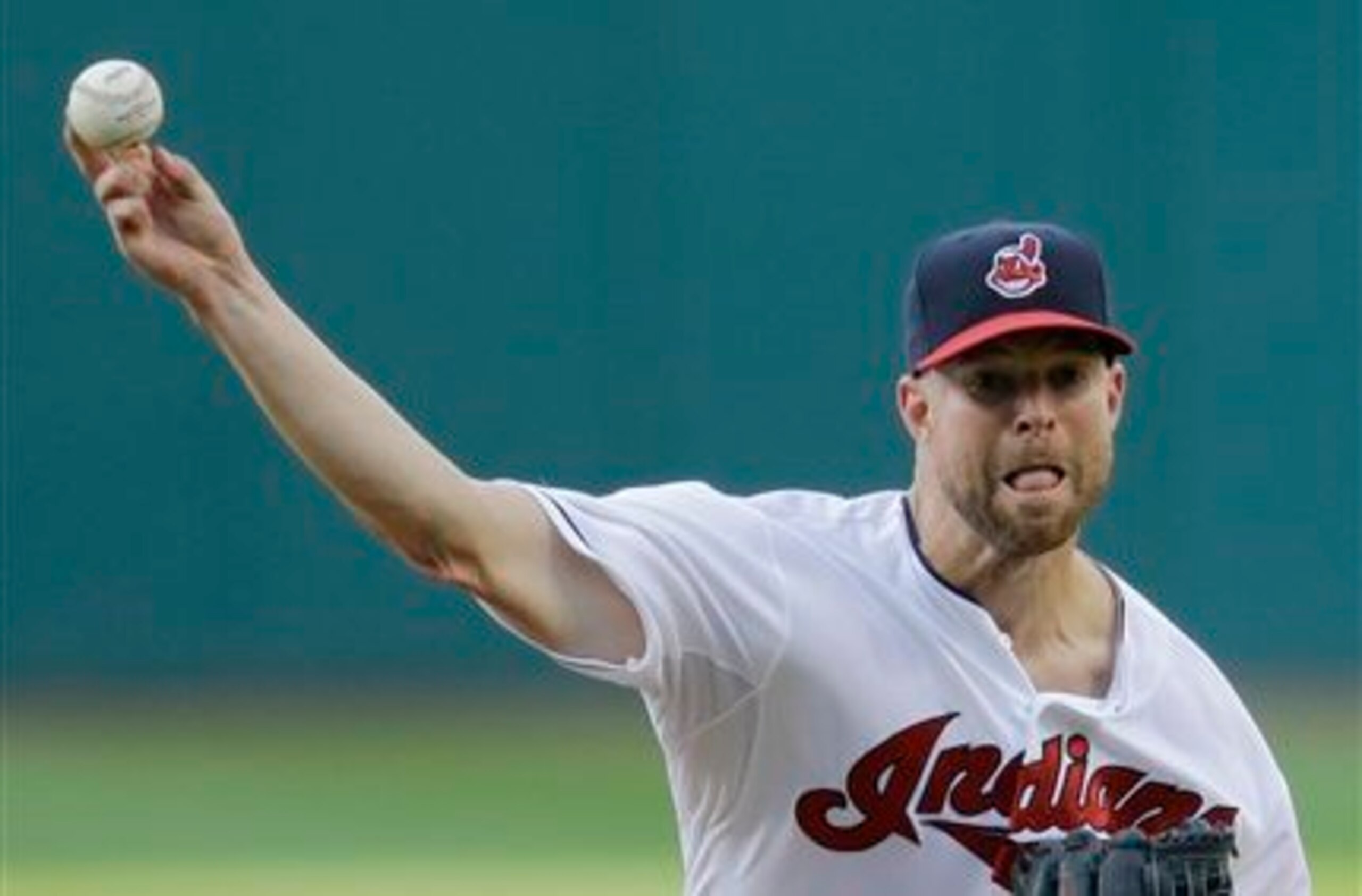
The Deal
| RHP Corey Kluber | 14.8 | OF Ryan Ludwick | 0.9 | LHP Nick Greenwood | -0.2 |
| Total WAR | 15.1 | Total WAR | 0.9 | RHP Jake Westbrook | 4.0 |
| Total WAR | 3.8 |
Advantage:
Cleveland (+12.7 WAR)*
Overview
When Cleveland acquired Double-A starter Corey Kluber from the San Diego Padres, assistant general manager Chris Antonetti gave a fairly stock answer to the Plain Dealer's Paul Hoynes about the prospect's, well, prospects: "He gives us another upper-level starter who hopefully can be part of our major league rotation at some time."
That didn't sound like much of a return for a veteran arm like Jake Westbrook, who had spent nearly a decade with the Indians, making one All-Star appearance while providing the club with solid, if unspectacular production every fifth day.
As we know, Kluber has since developed into one of the better pitchers in baseball, winning the 2014 American League Cy Young Award, while both Westbrook and Ryan Ludwick are no longer in MLB.
Westbrook was a solid contributor for the Cardinals, going 36-32 with a 4.27 ERA and 1.45 WHIP over parts of four seasons in St. Louis, contributing to the club's 2011 World Series victory over Texas as a reliever.
Ludwick, who went from St. Louis to San Diego, wasn't quite the impact bat the Padres hoped they had acquired. Over parts of two seasons in San Diego, Ludwick hit only .228 with a .659 OPS, though he did contribute 17 home runs and 90 RBI before the Padres sold him to Pittsburgh at the 2011 trade deadline.
*Note: This is the average WAR advantage Cleveland has over the two clubs involved.
4. July 30, 2004: Tampa Bay Trades for Scott Kazmir
7 of 10
The Deal
| RHP Bartolome Fortunato | -0.3 | LHP Scott Kazmir | 15.7 |
| RHP Victor Zambrano | 1.9 | Jose Diaz | 0.0 |
| Total WAR | 1.6 | Total WAR | 15.7 |
Advantage
Tampa Bay (+14.1 WAR)
Overview
Named the 12th-best prospect in the sport by Baseball America heading into the 2004 season, Scott Kazmir would go 45-34 with a 3.51 ERA and 1.35 WHIP for Tampa Bay from 2005 to 2008, making a pair of All-Star appearances and leading the American League with 239 strikeouts in 2007. By 2009, he began to break down, and the Rays traded him to the Angels for a package including Sean Rodriguez and Alex Torres in late August.
The results weren't as pretty when it came to the pair of arms New York got in return.
Bartolome Fortunato threw a grand total of 21.2 innings for the Mets over parts of two years, pitching to a 7.06 ERA and 1.66 WHIP before the Mets released him in 2006. He was undefeated, however, going 2-0, so at least he can brag that he never lost a major league game.
Victor Zambrano, the key piece in the deal for New York, wound up having far more severe elbow issues than the Mets realized, and he managed to toss only 201.2 innings for the club over parts of three years. 166.1 of them came in 2005, when he went 7-12 with a 4.17 ERA.
The club let him walk as a free agent after the 2006 season, and he finished his Mets career 10-14 with a 4.42 ERA and 1.49 WHIP.
3. July 26, 2006: Cleveland Trades for Shin-Soo Choo
8 of 10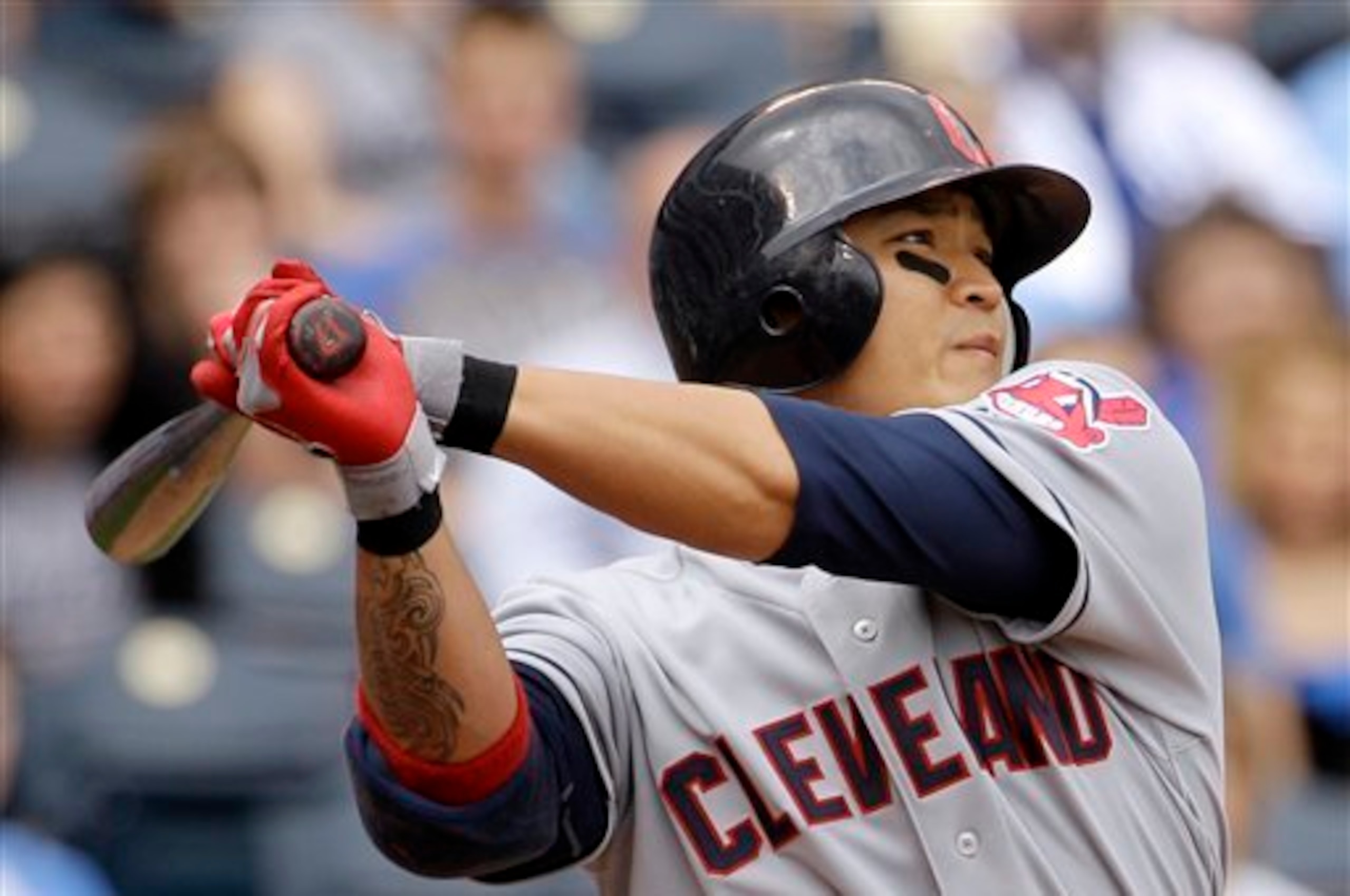
| OF Shin-Soo Choo | 18.8 | 1B/OF Ben Broussard | -0.1 |
| LHP Shawn Nottingham | 0.0 | Cash considerations | |
| Total WAR | 18.8 | Total WAR | -0.1 |
Advantage
Cleveland (+18.9 WAR)
Overview
No general manager likes to get fleeced in a deal once over the course of his career. For Seattle general manager Bill Bavasi, his counterpart in Cleveland, Mark Shapiro, got the best of him twice in the same season.
On June 30, 2006, Shapiro landed shortstop Asdrubal Cabrera in exchange for Eduardo Perez, who put up a .545 OPS for the Mariners over 43 games. Just about a month later, the GM dealt a prototypical "all-or-nothing" player, Ben Broussard, for Shin-Soo Choo and Daniel Nottingham.
Nottingham never made The Show, but Choo did, spending seven seasons with the Tribe.
He hit .292 with 83 home runs, 85 stolen bases and an .853 OPS while establishing himself as one of the game's most underrated players and an on-base machine.
Broussard had averaged 17 home runs and 68 RBI a year over his first three seasons, and Seattle manager Mike Hargrove was happy to add his bat to the lineup. "I've always liked Ben Broussard," he told MLB.com's Corey Brock shortly after the trade was announced. "I've always liked the way he's swung the bat. He brings some pop from that side and drives the ball."
That pop didn't translate well to Safeco Field, as Broussard would hit only 15 home runs over parts of two seasons with the Mariners before Seattle traded him to Texas in December 2007 for Tug Hulett.
2. July 31, 2007: Atlanta Trades for Mark Teixeira
9 of 10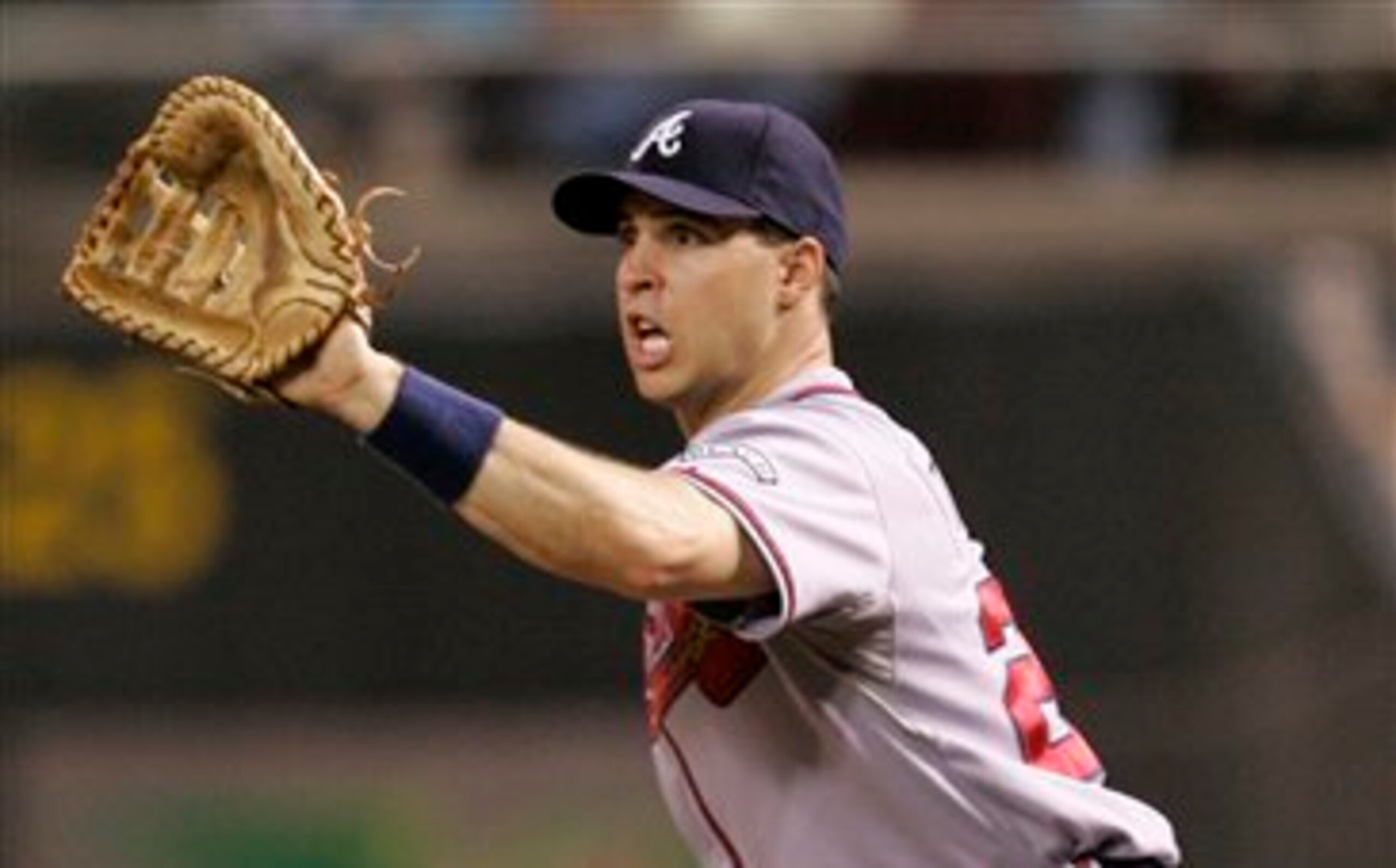
The Deal
| LHP Ron Mahay | 0.3 | SS Elvis Andrus | 17.1 |
| 1B Mark Teixeira | 5.7 | RHP Neftali Feliz | 4.3 |
| Total WAR | 6.0 | LHP Matt Harrison | 7.0 |
| C Jarrod Saltalamacchia | 0.0 | ||
| Total WAR | 28.4 |
Advantage
Texas (+22.4 WAR)
Overview
After missing the playoffs for the first time in 11 years in 2006, the Braves went all-in at the 2007 deadline to try to reverse course, dealing away four of their best young players for Ron Mahay and Mark Teixeira.
While they would each perform well for Atlanta—Mahay pitched to a 2.25 ERA and 1.25 WHIP in 30 relief appearances, while Teixeira hit .317 with 17 home runs, 56 RBI and a 1.020 OPS in 54 games—their arrivals weren't enough to propel Atlanta into the postseason.
Mahay walked as a free agent after the season, and Teixeira headed into his walk year, one the Braves knew would be his last in Atlanta. So they flipped him to the Los Angeles Angels at the 2008 deadline for right-handed pitcher Stephen Marek and first base prospect Casey Kotchman.
That's simply not enough of a return to even begin to tip the scales in Atlanta's favor, as Texas continues to reap the benefits to this day, even without ever getting much from Jarrod Saltalamacchia.
Sure, injuries destroyed 2010 Rookie of the Year Neftali Feliz and have limited Matt Harrison to only nine starts since 2012, but Elvis Andrus, for all the crap he takes (much of which is justified), makes this a heavily lopsided deal by himself based on the production he's given the Rangers since his arrival.
Remember: It's not his fault that Texas made him an extension offer he couldn't refuse.
1. July 24, 2009: St. Louis Trades for Matt Holliday
10 of 10
The Deal
| RHP Clayton Mortensen | -0.5 | OF Matt Holliday | 26.8 |
| 1B Shane Peterson | -0.2 | Total WAR | 26.8 |
| 1B/3B Brett Wallace | 0.0 | ||
| Total WAR | -0.7 |
Advantage
St. Louis (+27.5 WAR)
Overview
ESPN's Keith Law was a big fan of this deal for both clubs when it was announced just about a week before the 2009 trade deadline:
"The trade between the Cardinals and A's involving Matt Holliday looks like a win for both teams -- Oakland gets a strong troika of prospects that's better than what it gave to Colorado for Holliday seven months ago, while St. Louis gets a much-needed offensive boost that should greatly improve its chances of making the playoffs.
"
He was right about one thing—Holliday improved the Cardinals' chances of making the playoffs substantially. In fact, St. Louis has only missed the postseason once since he arrived. Over parts of seven seasons with the Cardinals, Holliday has hit .299 with 136 home runs, 550 RBI and an .886 OPS, appearing in four All-Star Games.
None of the three players Oakland got in return turned out to be worthwhile investments.
Brett Wallace never appeared in a game for Oakland, and the A's traded him to Toronto five months later for Michael Taylor, while Shane Peterson went 1-for-7 in two games before the club lost him on waivers last December.
Clayton Mortensen made seven starts over parts of two seasons for the A's, going 2-4 with a 7.22 ERA and 1.69 WHIP before Oakland traded him to Colorado for minor league pitcher Ethan Hollingsworth in January 2011.
Unless otherwise noted, all statistics courtesy of Baseball-Reference.com and FanGraphs and are current through games played on July 29. All transaction history courtesy of Baseball-Reference.com.
Hit me up on Twitter to talk baseball and the trade deadline: @RickWeinerBR
.jpg?w=2560 "Jaxson Dart Ruled Out of MNF")

.jpg?w=2560 "Ertz Returning to Eagles")
.jpg?w=2560 "WWE Raw Live Grades 🔠")
.jpg?w=2560 "Dak Addresses 'Dumb' Old Romo Tweet 🤣")

.jpg?w=2560 "Follow Raw As It Happens 👊")