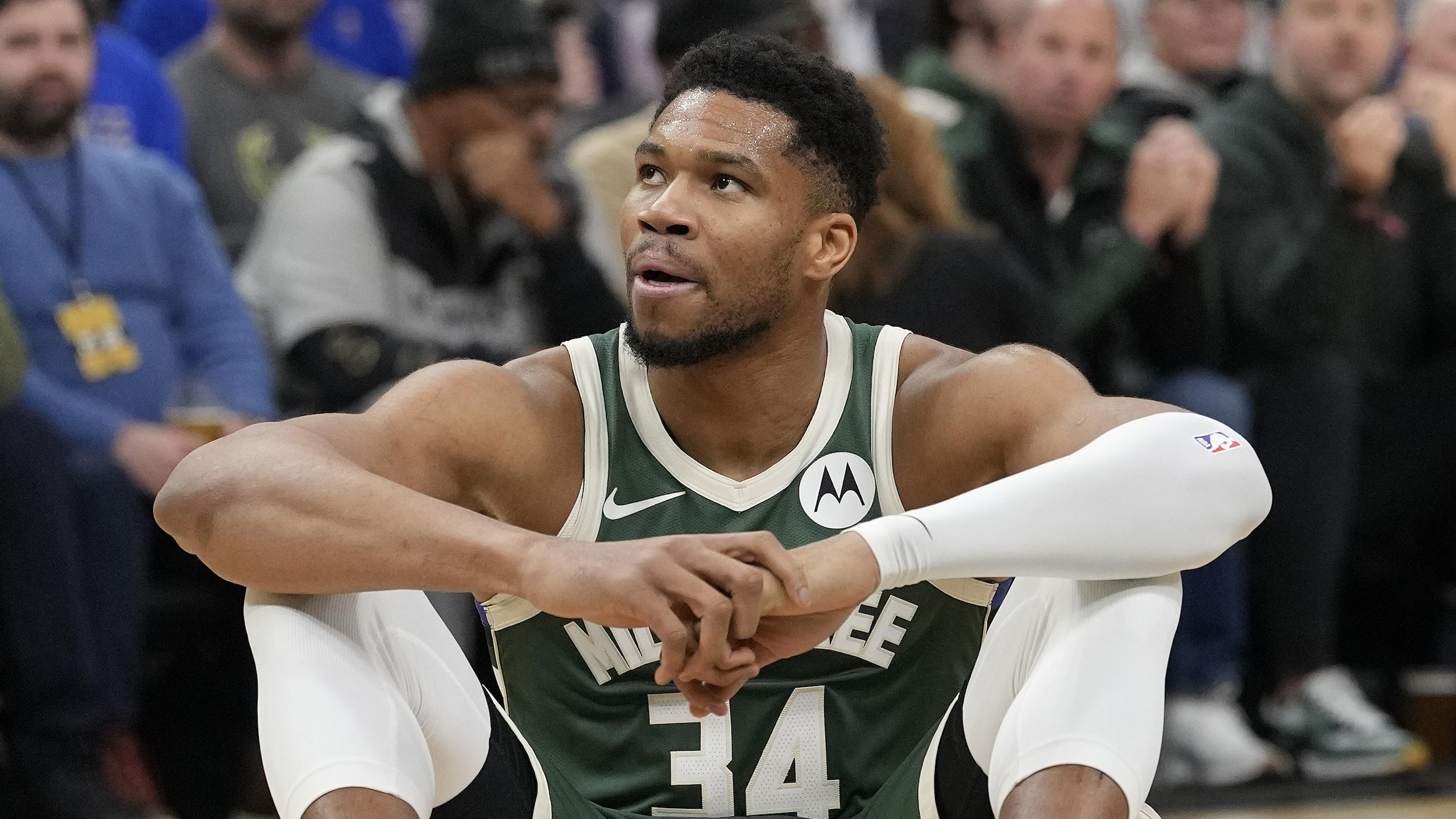


We're just days away from a whole bunch of 2025 NBA offseason signings gaining trade eligibility, making the upcoming week one of the most intriguing on the calendar.
Hypothetical deals become possible after Dec. 15, and you'd better believe teams will be on the phone looking to consummate transactions they've been thinking about for months.
As we get ready for the official commencement of trade season, let's take stock of the landscape by picking out the one player on every team who's most likely to move by the February deadline.
Expect some starry names. In addition to all the recently signed candidates, we've already heard the names of LaMelo Ball, Trae Young, Ja Morant and even Giannis Antetokounmpo being bandied about.
Atlanta Hawks: Trae Young
1 of 30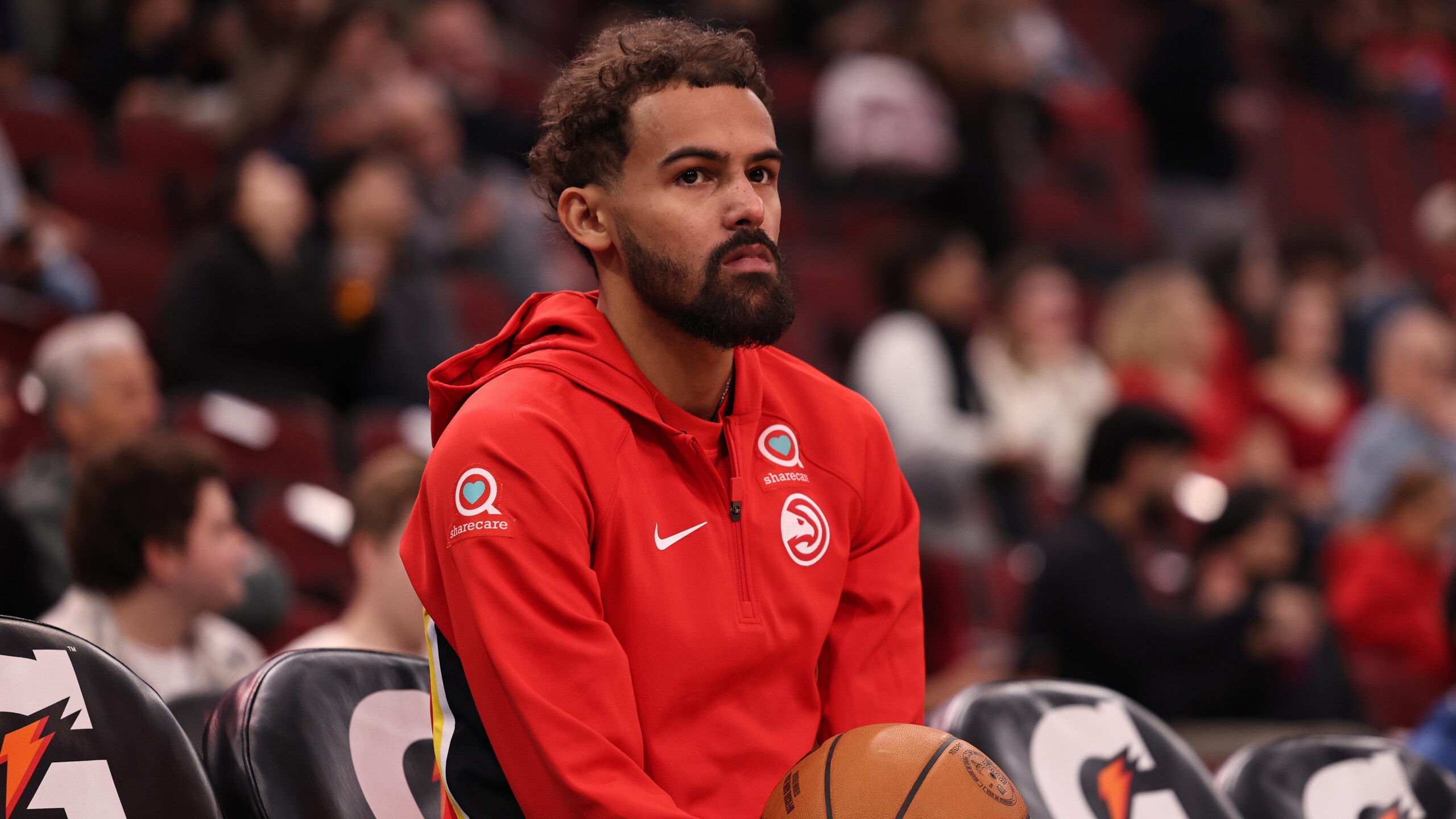
Trae Young was a strong trade candidate before the Atlanta Hawks proved they could play a more balanced, defensively competent brand of basketball without him.
Over the summer, he couldn't agree with Atlanta on an extension, and his impending free agency (via player option) seemed like an organic opportunity for both parties to decide whether they were better off together or apart.
Now that Jalen Johnson and Nickeil Alexander-Walker appear capable of sharing top playmaking duties in a much more egalitarian attack and the defense no longer features a clear target for opponents to pick on, well...it's not hard to guess which way the Hawks are leaning. And that's before even considering the potential cost of a new deal for Young.
Young might also view Atlanta's success during his injury hiatus as a sign it's time for a change of scenery. He's in a tough spot now: Either assimilate and take the ego hit of relinquishing alpha status, or come back exactly the same and risk becoming a pariah for wrecking what worked.
The easiest path might be requesting a trade—if only to beat the Hawks to it.
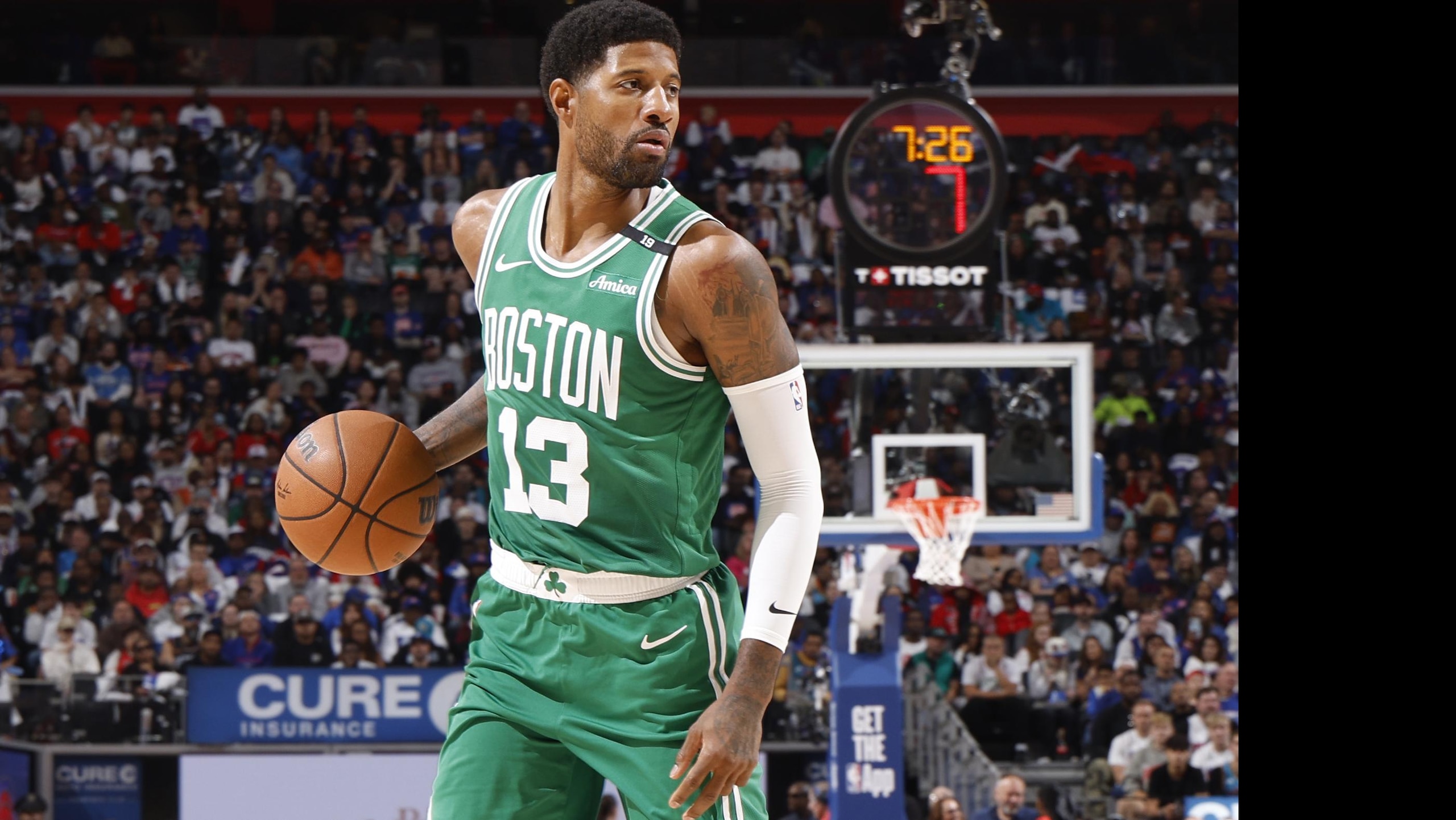
Boston Celtics: Anfernee Simons
2 of 30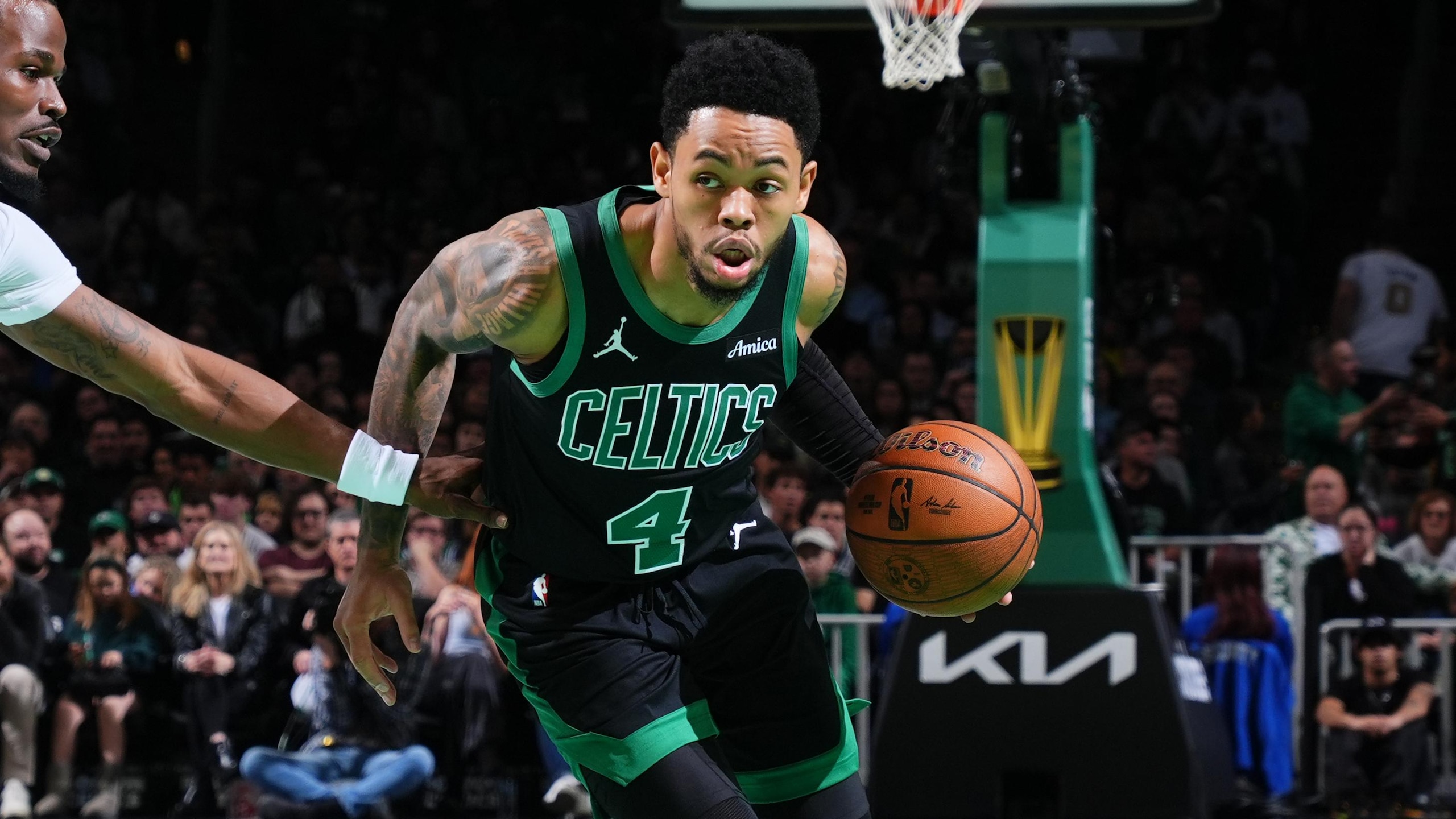
Anfernee Simons never profiled as a long-term fixture with the Boston Celtics.
He only came aboard for Jrue Holiday as part of a cost-cutting effort over the summer, as his expiring $27.7 million salary saved Boston nearly $5 million this season and another $72 million through 2027-28.
Simons started 70 games in Portland a year ago but hasn't been in Boston's first unit once. He is, however, producing in his smaller role. The 26-year-old is hitting 40.1 percent of his threes and scoring 20.4 points per 36 minutes, right in line with his career mark of 20.2.
It might be tempting for Boston to flip Sam Hauser's smaller salary instead, letting Simons' deal simply expire at the end of the season.
The smarter move still seems to be sending Simons out for an inferior, cheaper player and draft capital. Somebody will give up assets for an excellent three-point shooter who averaged at least 19.3 points per game in each of the last three seasons.
Brooklyn Nets: Nic Claxton
3 of 30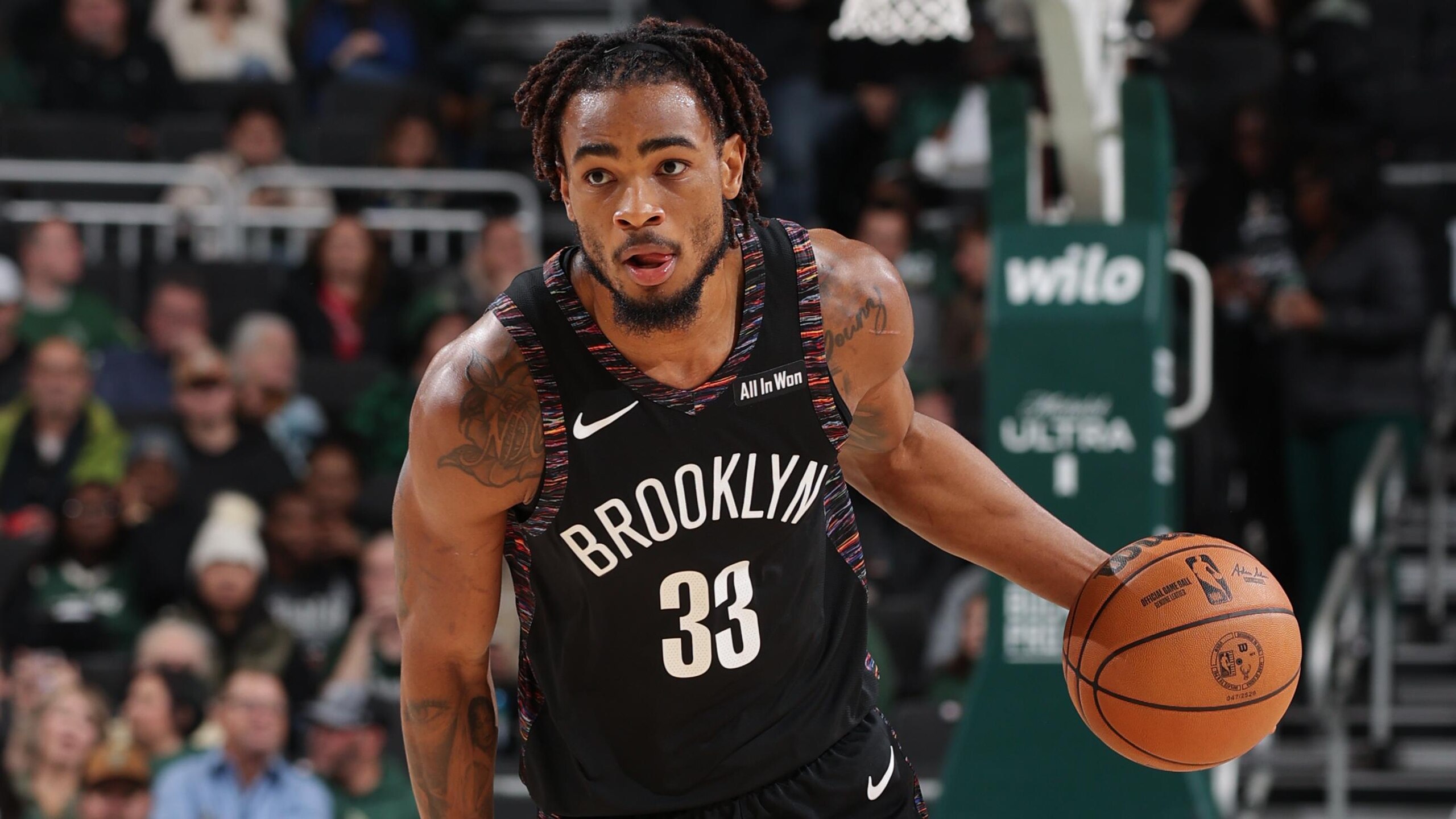
Nic Claxton is a relatively easy pick on a barren Brooklyn Nets roster because he might be the only player who A.) other teams would want, and B.) could return some positive value.
Add a third qualifier—Brooklyn would actually be willing to trade him—and Claxton has this "honor" sewn up.
Though he hasn't reclaimed his 2022-23 form (12.6 points, 70.5 percent from the field, a ninth-place finish in DPOY voting), he is scoring at higher volume and showcasing a bit more on-ball competency on offense. His 4.5 assists per game is double the career high of 2.2 he set last season.
It also doesn't hurt that Claxton's salary declines over the next three years. He'll earn $25.4 million this season, then $23.1 million in 2026-27 and just $20.9 million in 2027-28.
If the raw numbers don't sound like a bargain, note that in the final year of his deal, he will only earn 12.02 percent of the salary cap.
Charlotte Hornets: LaMelo Ball
4 of 30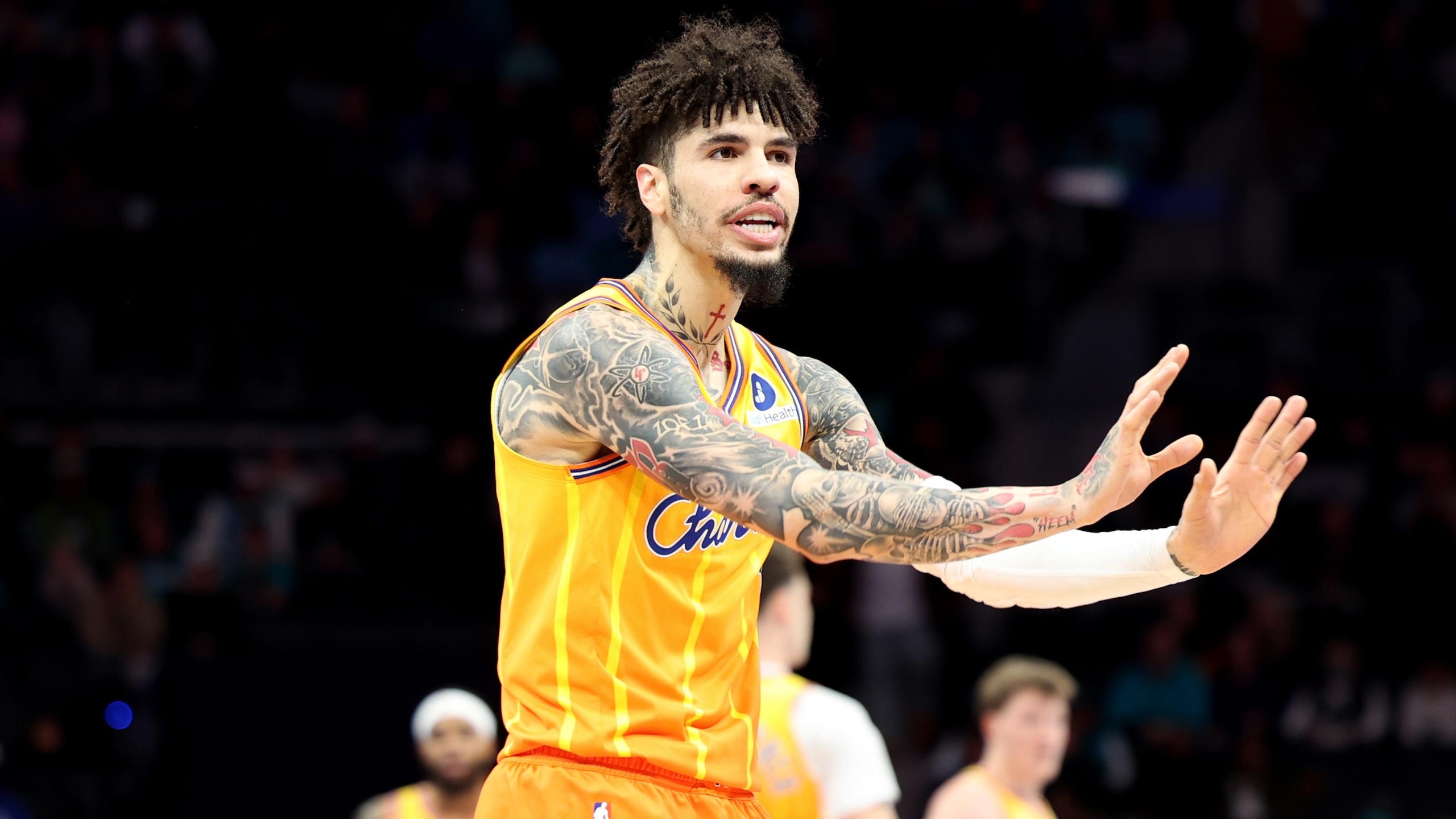
LaMelo Ball is in the second year of the 25 percent rookie-scale max extension he signed in the 2023 offseason, and it's safe to say he's come nowhere close to justifying it so far.
Persistent ankle injuries limited him to 22 games in 2023-24 and 47 games last year. He's already missed time this season and is shooting under 40.0 percent from the field when available. If there's a silver lining, it's that all of his missed games allowed the losses to mount for the Charlotte Hornets. Failure led to high draft picks, which turned into Brandon Miller and Kon Knueppel.
Knueppel has played well enough to earn Rookie of the Year frontrunner status through the first quarter of the season, and Miller has flashed star potential when his own injury issues haven't confined him to the pine. That's all to say: Charlotte's future is no longer tied directly to Ball, and that's probably a good thing given his unreliability.
Perhaps most importantly, whispers about a Ball trade have already surfaced. Jake Fischer shot down the idea of Ball requesting a trade on a B/R live stream shortly after Ball did the same.
Still, it's hard to remember the last time chatter like this arose without resurfacing. Paired with the logical possibility Charlotte would prefer to orient itself around someone else, it's pretty easy to imagine more talk of a move ahead of the February deadline.
Chicago Bulls: Ayo Dosunmu
5 of 30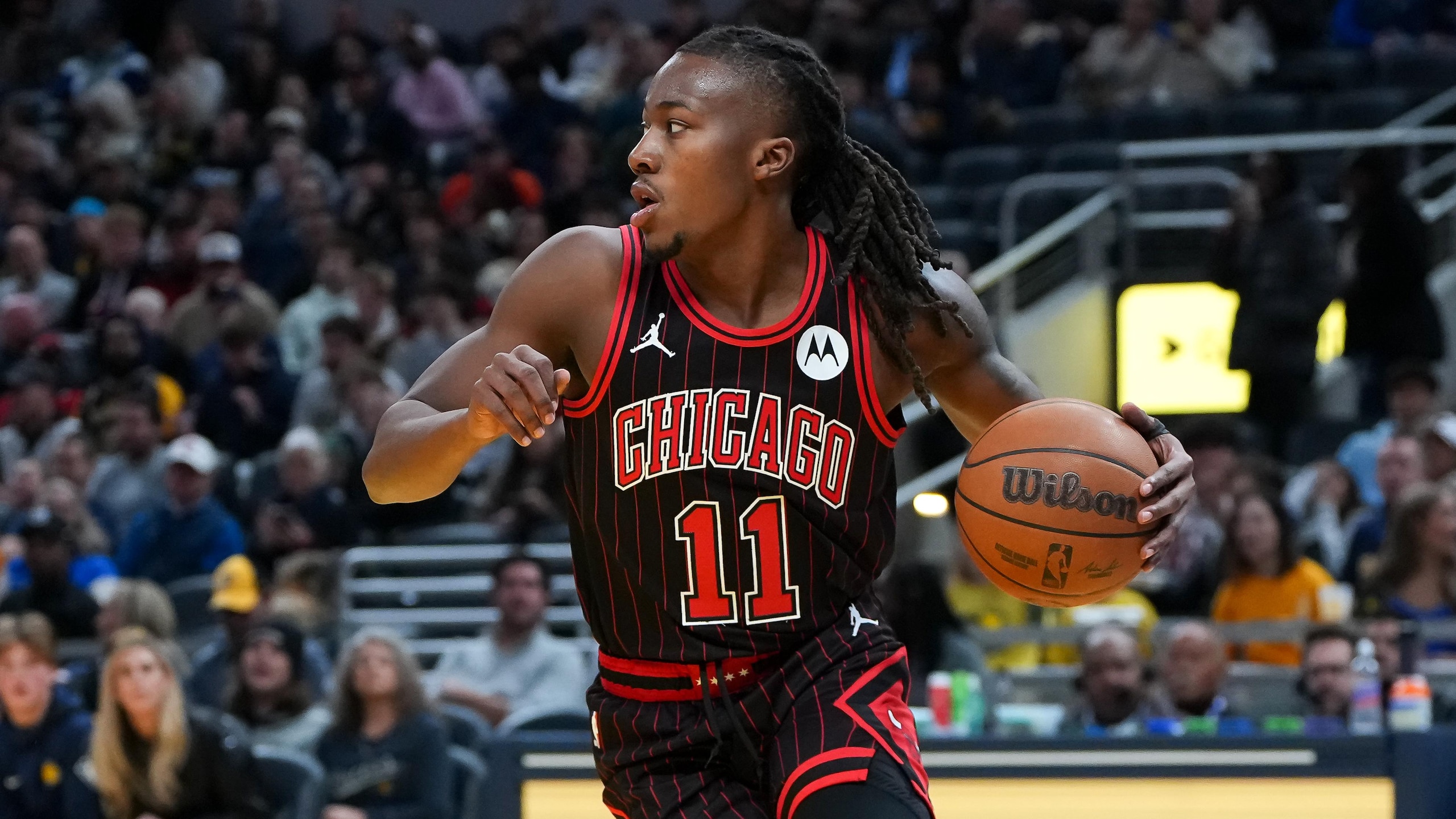
With an expiring $7.5 million salary too small to realistically extend and legitimate two-way value, Ayo Dosunmu profiles as one of the league's most obvious trade candidates.
The Chicago Bulls could chance it by holding onto him all year and hoping to re-sign him in unrestricted free agency (Bird rights will help there), or they could eliminate the risk of losing Dosunmu for nothing by moving him ahead of the deadline.
Shooting 51.9 percent from the field and a career-best 47.5 percent from deep while averaging 15.2 points per game, the fifth-year guard is doing plenty to pump up his trade value.
Chicago should want to keep Dosunmu, but Josh Giddey is clearly the team's top ball-handler, and Coby White seems like the bigger priority as he nears the expiration of his own below-market deal.
Cleveland Cavaliers: Jarrett Allen
6 of 30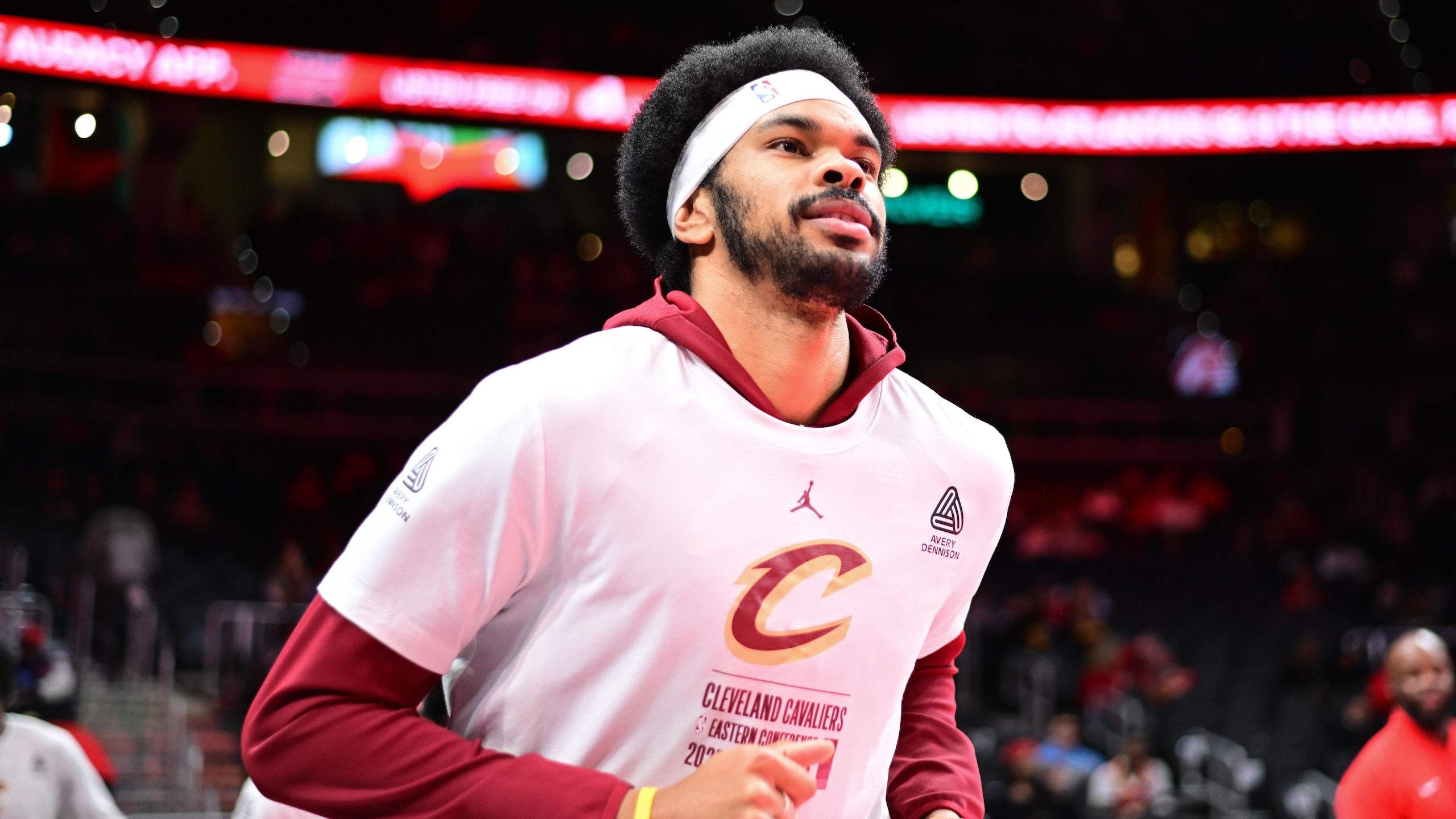
Evan Mobley is spending roughly two-thirds of his minutes at center these days, and Jarrett Allen is only averaging 26.1 minutes per game, his lowest figure since his rookie year in 2017-18.
Together, those factors suggest any significant trade the Cleveland Cavaliers make could involve Allen.
It has long felt like the absolute apex version of the Cavs features Mobley, not Donovan Mitchell, as their best player.
Mobley's offensive growth this year hasn't lived up to expectations, but his value on that end of the floor is far greater if he's playing the 5 with maximum spacing.
Allen is still a starting-caliber center, but Cleveland is a second-apron team and can't justify paying him first-unit money if the ultimate plan is to feature Mobley at the same position.
Dallas Mavericks: Daniel Gafford
7 of 30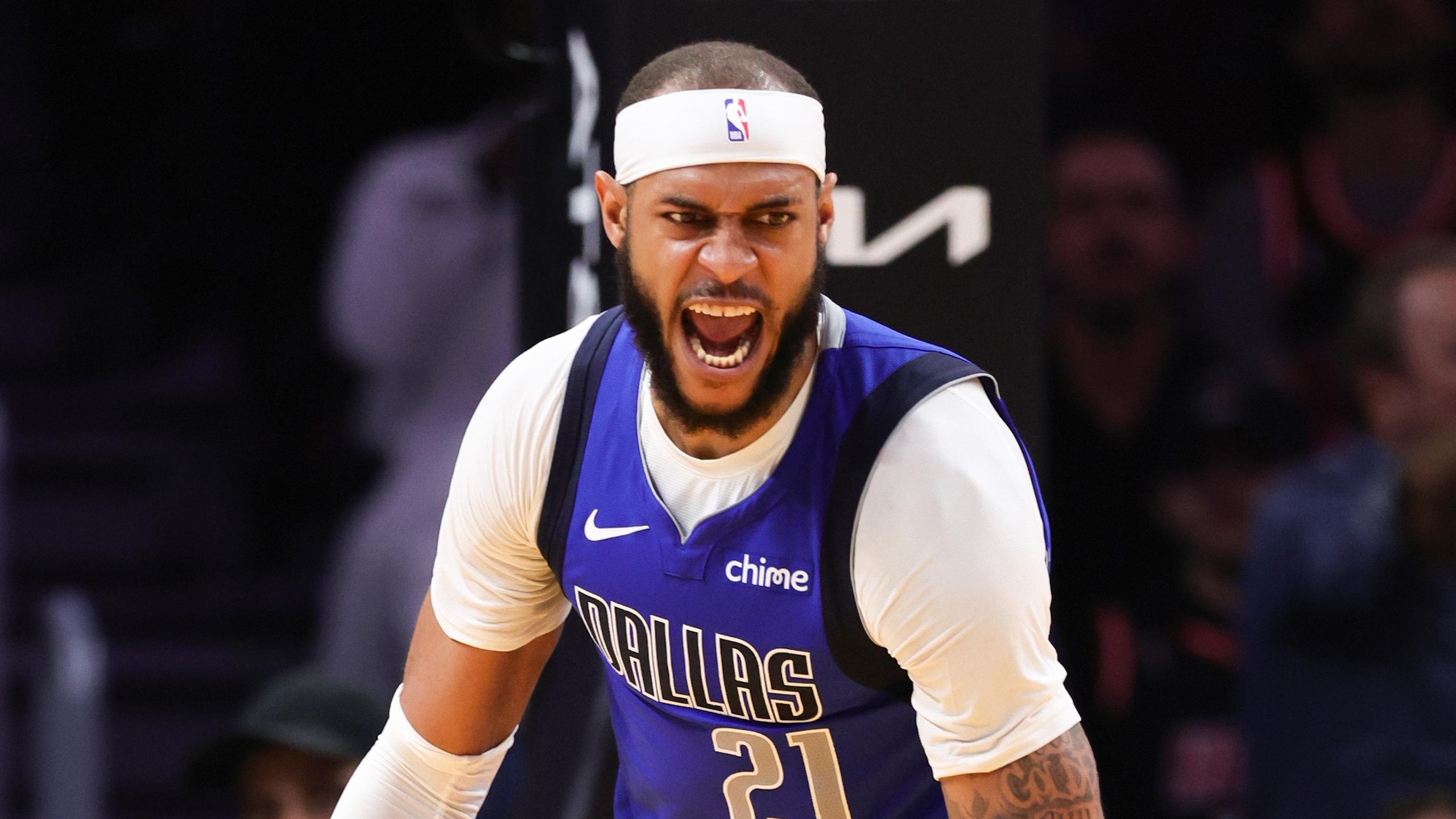
The Dallas Mavericks should be most interested in trading Anthony Davis, and Nico Harrison's firing makes a blockbuster move involving AD more likely than it once was.
Still, Davis' injury history and massive salary simply make it harder to deal him than Daniel Gafford, who's been more durable and is due a total of $68.7 million over the next four years.
Gafford is a highly efficient lob finisher who impacts the offensive glass and defends the rim. As conventional centers go, he's among the top dollars-to-production values around the league.
In Dallas, where Davis is the top option and Dereck Lively II projects as the higher long-term priority (if he could ever stay healthy), Gafford seems like the obvious player to move in any logjam-clearing effort.
This past summer, the Mavs structured Gafford's extension in a manner that avoided the typical six-month trade restriction. That could be a sign they gave some thought to using his new deal as a moveable asset.
Denver Nuggets: Zeke Nnaji
8 of 30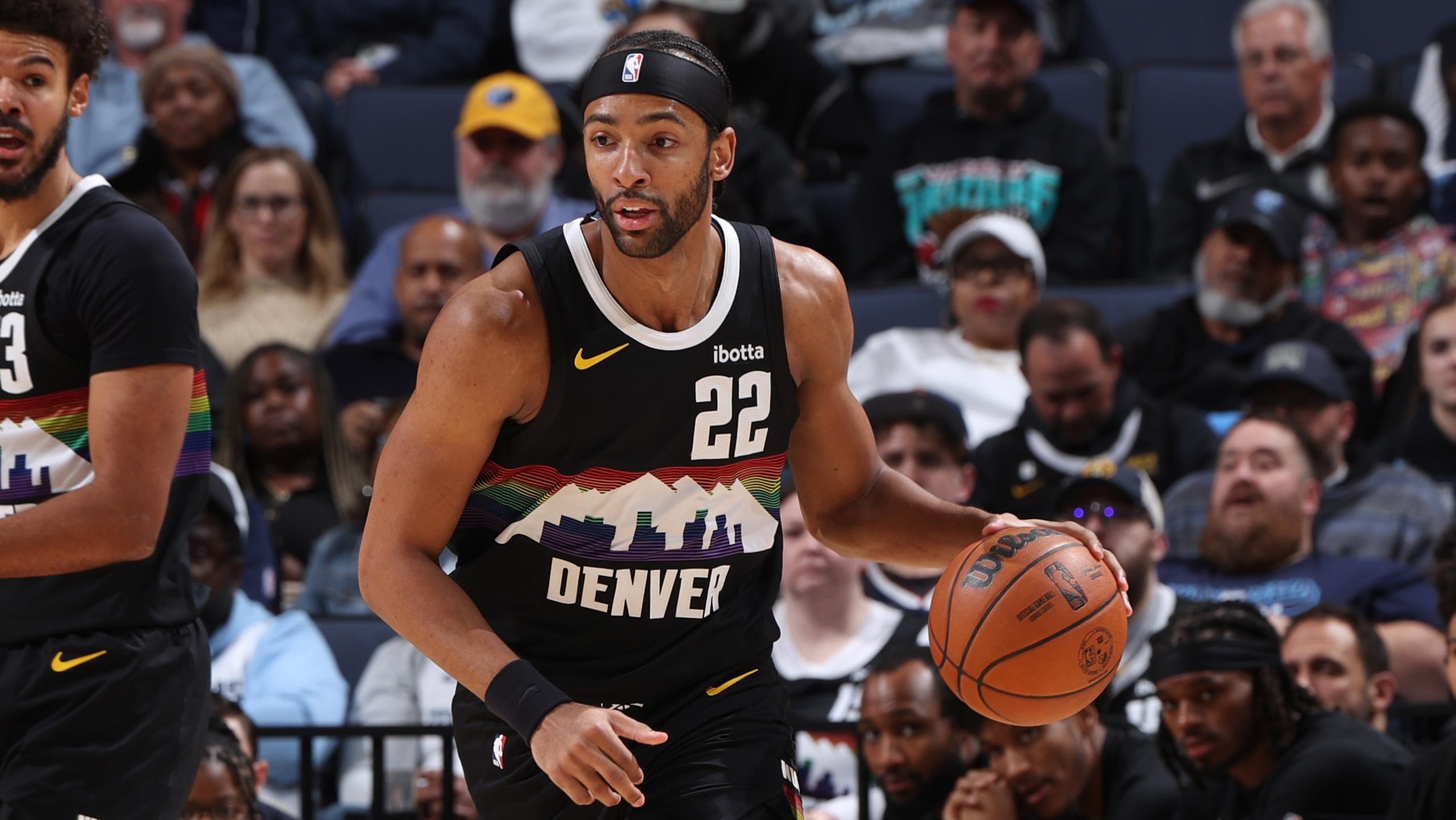
It's telling that two-way player Spencer Jones is the one sopping up most of the minutes made available by Aaron Gordon's injury. His increased role is the latest in a long line of signs that Zeke Nnaji simply isn't going to factor in the Denver Nuggets' rotation.
The sixth-year forward is playing a career-low 8.5 minutes per game and has been a trade candidate from the moment he signed his four-year $32 million extension in 2023.
As one of the only mid-tier salaries on Denver's books, Nnaji might have been on the block even if he hadn't disappointed on the floor.
Takers have been hard to find. With no indication Nnaji is going to play his way into desirability, Denver will likely need to attach an asset to move him.
Any Nnaji deal would be a cost-cutting measure, something the Nuggets have made a habit of doing over the last several seasons.
Detroit Pistons: Caris LeVert
9 of 30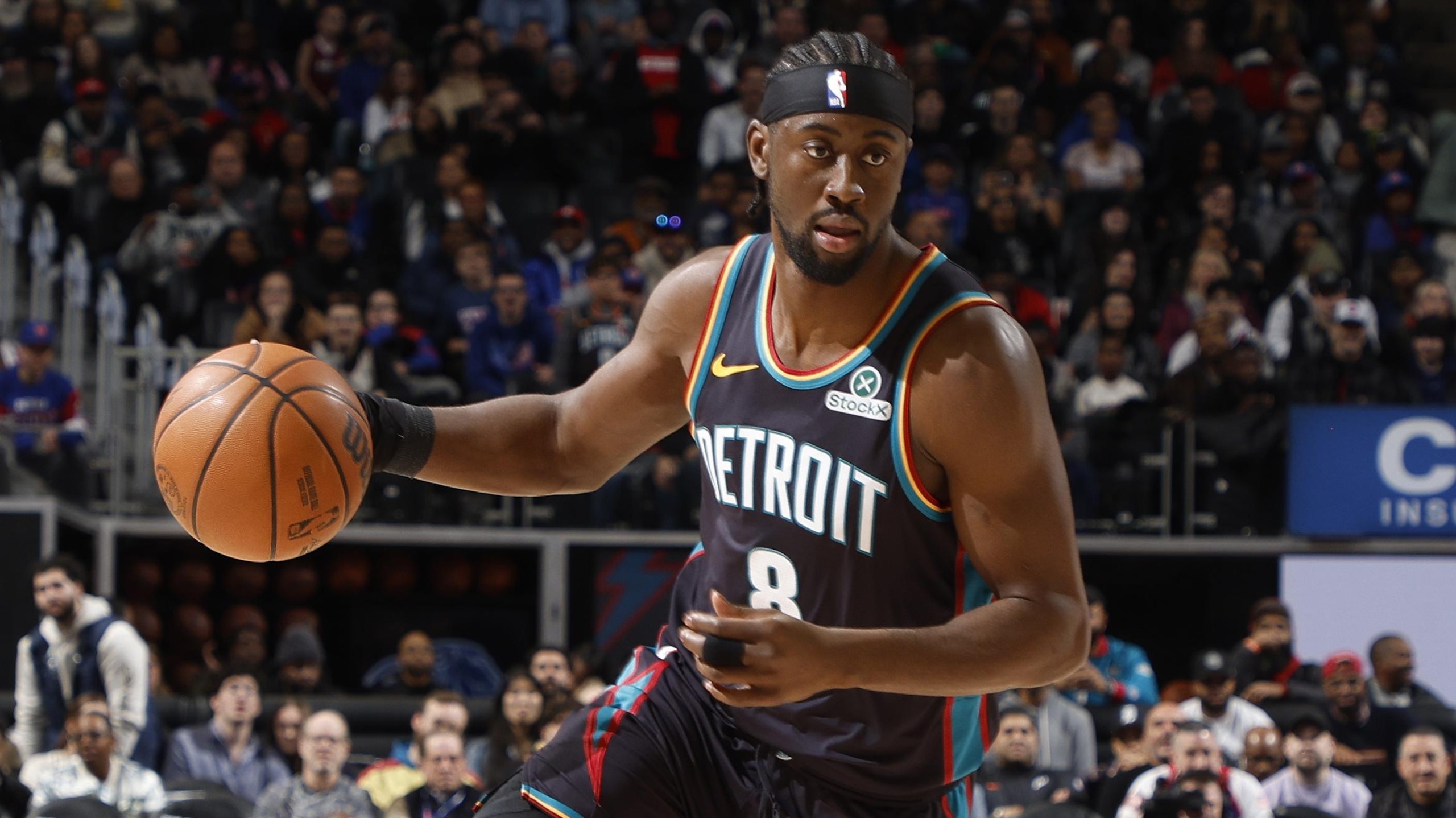
With Daniss Jenkins emerging as a rotation-caliber guard and Jaden Ivey back from injury, it's harder to argue Caris LeVert is a vital piece of the Detroit Pistons' operation.
His secondary playmaking and scoring were more valuable earlier in the season, but they're pretty close to duplicative now.
In addition to all that, LeVert's $14.1 million salary might be necessary as a supplement in any blockbuster deal that also involves Tobias Harris.
Harris is making $26.6 million in the final year of his contract and would be the key outgoing piece in a trade for, say, Lauri Markkanen. But his veteran presence and shooting at the forward spot are valuable in Detroit, and there's been no clear indication the Pistons intend to swing big.
Golden State Warriors: Jonathan Kuminga
10 of 30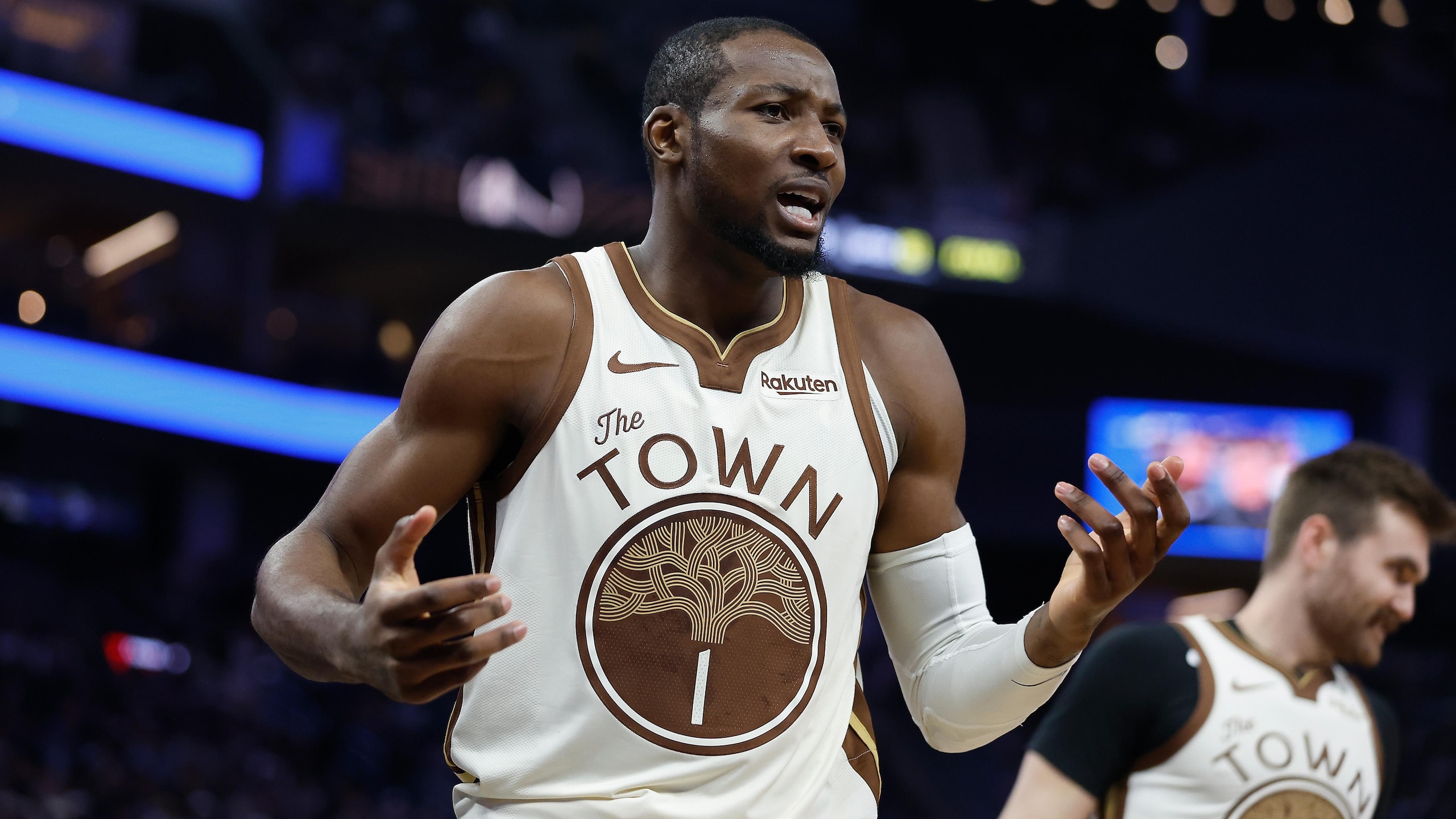
If you had to bet on one player being moved this season, you could do a lot worse than choosing Jonathan Kuminga. He's almost certain to be gone once he's eligible on Jan. 15.
The deal he signed after four years of thinly veiled discontent and a protracted negotiation process was basically designed to be an appealing trade asset. Kuminga will earn $22.5 million this season and then carry a $24.3 million team option into next year.
That's a big enough salary to feature in a trade that brings back something of consequence for the Golden State Warriors without putting Kuminga's acquiring team on the hook for a single dollar in 2026-27.
The Warriors decided Kuminga can't be the role player they need, but another team could take a zero-risk flier on an athletically gifted forward who fancies himself as a first-option star.
Best case, that team gets a motivated and effective version of Kuminga for just $24.3 million next year. Worst case, that same team can offload veteran money on the Warriors, probably collect a pick and another young player, and then walk away clean in 2026-27.
Houston Rockets: Fred VanVleet
11 of 30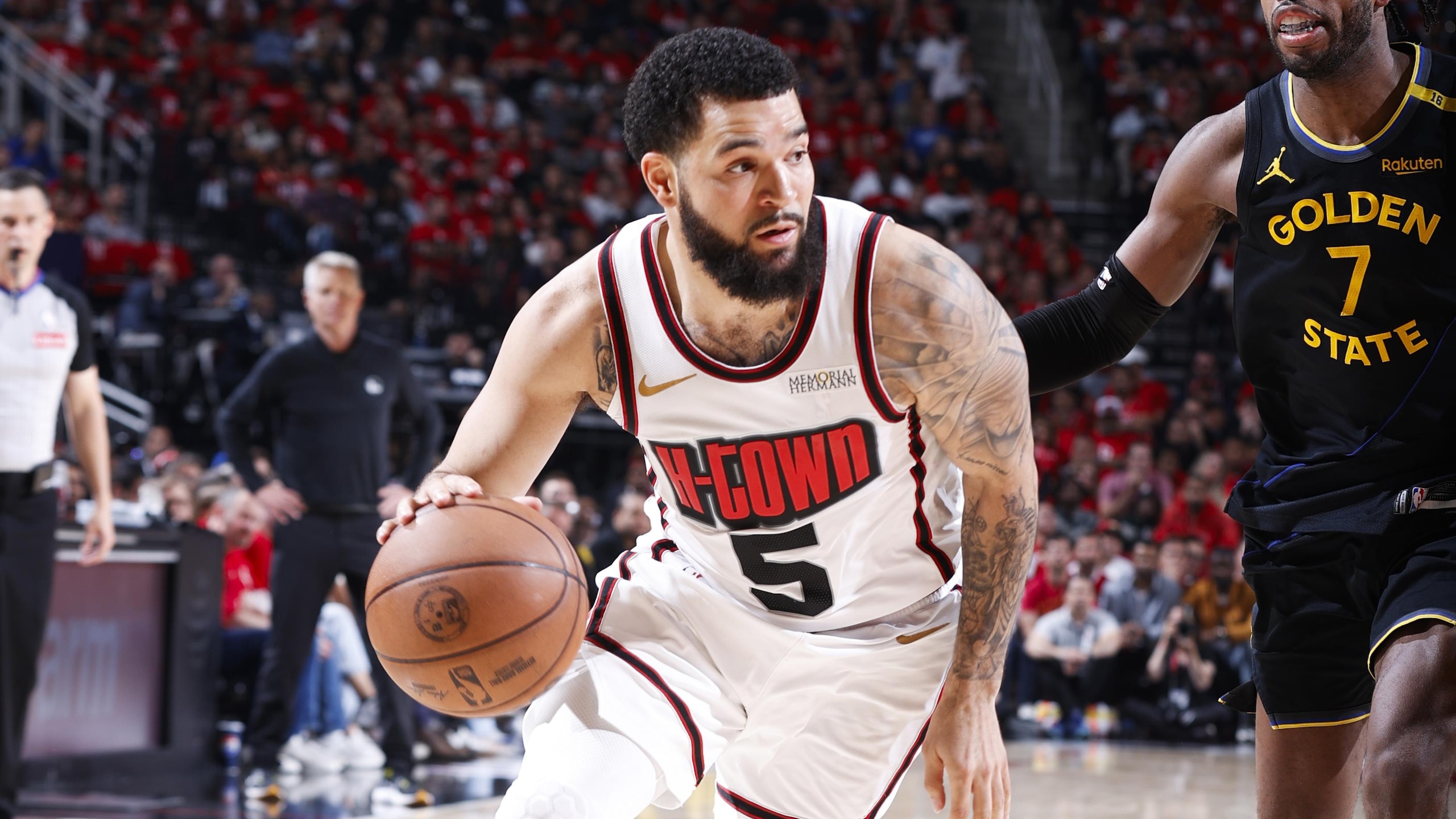
If the Houston Rockets believe they're championship contenders and would be justified in making an over-the-top upgrade, Fred VanVleet is the player who simply has to be involved.
And, coldly, FVV's torn ACL means he's of no help to those championship aspirations this year. As a $25 million outgoing salary, though? Yep, that could contribute to Houston's title hopes.
Other candidates abound. Houston could ship out Dorian Finney-Smith if it believes Tari Eason can shoot it well enough to occupy those minutes at forward. Alternatively, the Rockets could avoid dealing with Eason's restricted free agency this summer by moving him. Clint Capela is expendable as a third center, and Jae'Sean Tate might actually get minutes elsewhere.
Reed Sheppard has looked more than capable of assuming the major role VanVleet would have played in the backcourt—this year and going forward.
If the Rockets are going to position themselves as true threats to the Oklahoma City Thunder in the West, FVV is the guy to move.
Indiana Pacers: Bennedict Mathurin
12 of 30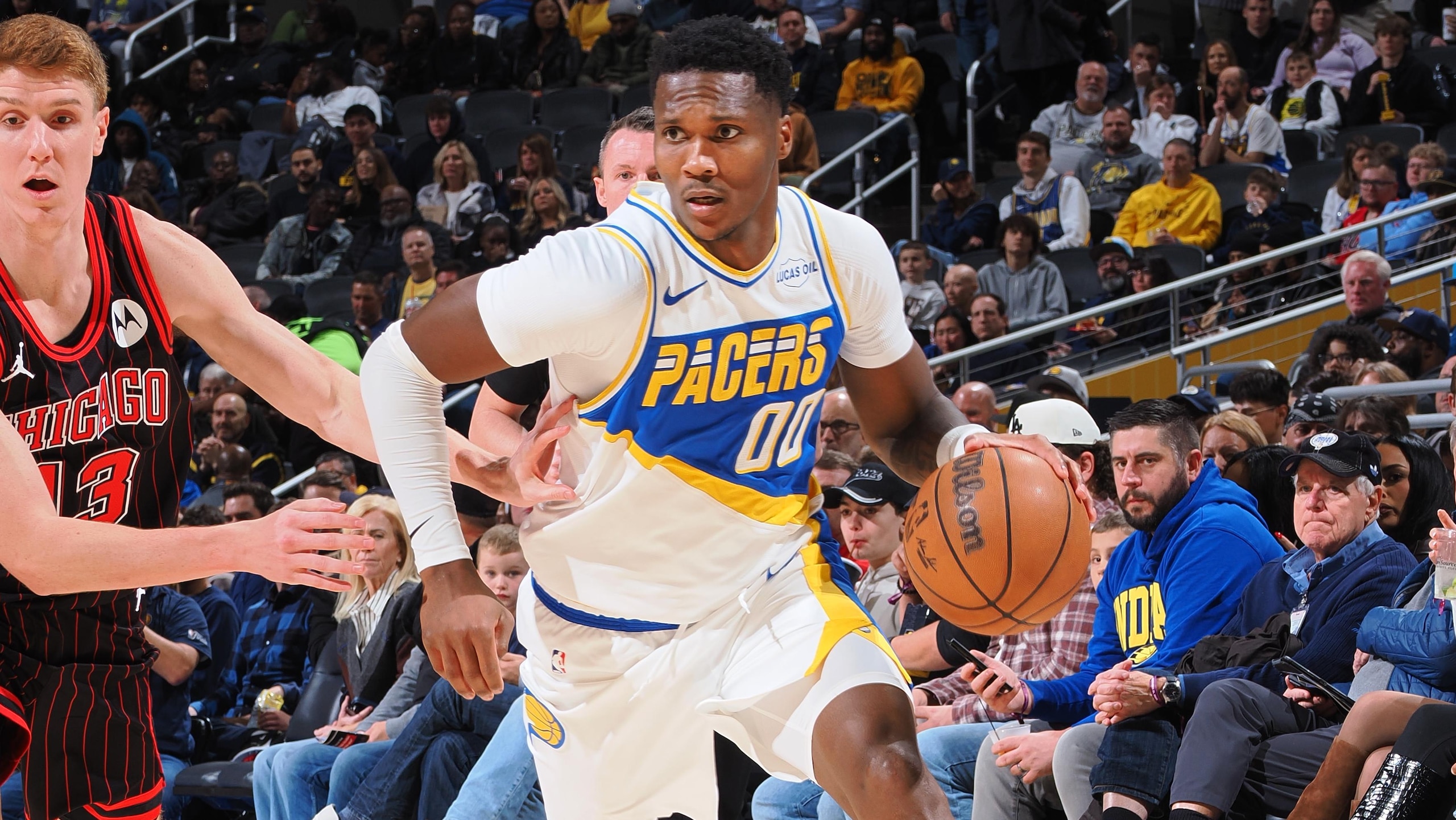
On either side of a toe injury that cost him 11 games, Bennedict Mathurin has mostly met expectations.
That's both good and bad.
On the one hand, the shooting guard proved he's not an empty scorer. Mathurin is posting a 42.9 percent hit rate on threes and is getting to the foul line 6.4 times per game, producing 21.2 points on a true shooting percentage above the league average. On the other, he's shown no ability to limit turnovers, see passing angles or impact the game defensively.
With restricted free agency coming after this season, the Pacers might prefer a player who fills more of their needs.
Mathurin should have a robust market, particularly because we've recently seen teams put the screws to restricted free agents. Anyone acquiring him will get a talented scorer over whom they can exercise serious team control.
Indiana needs more size up front and a better defender in the guard rotation when Tyrese Haliburton is back next year. Mathurin could be the key to landing someone whose skill set fits more cleanly.
LA Clippers: John Collins
13 of 30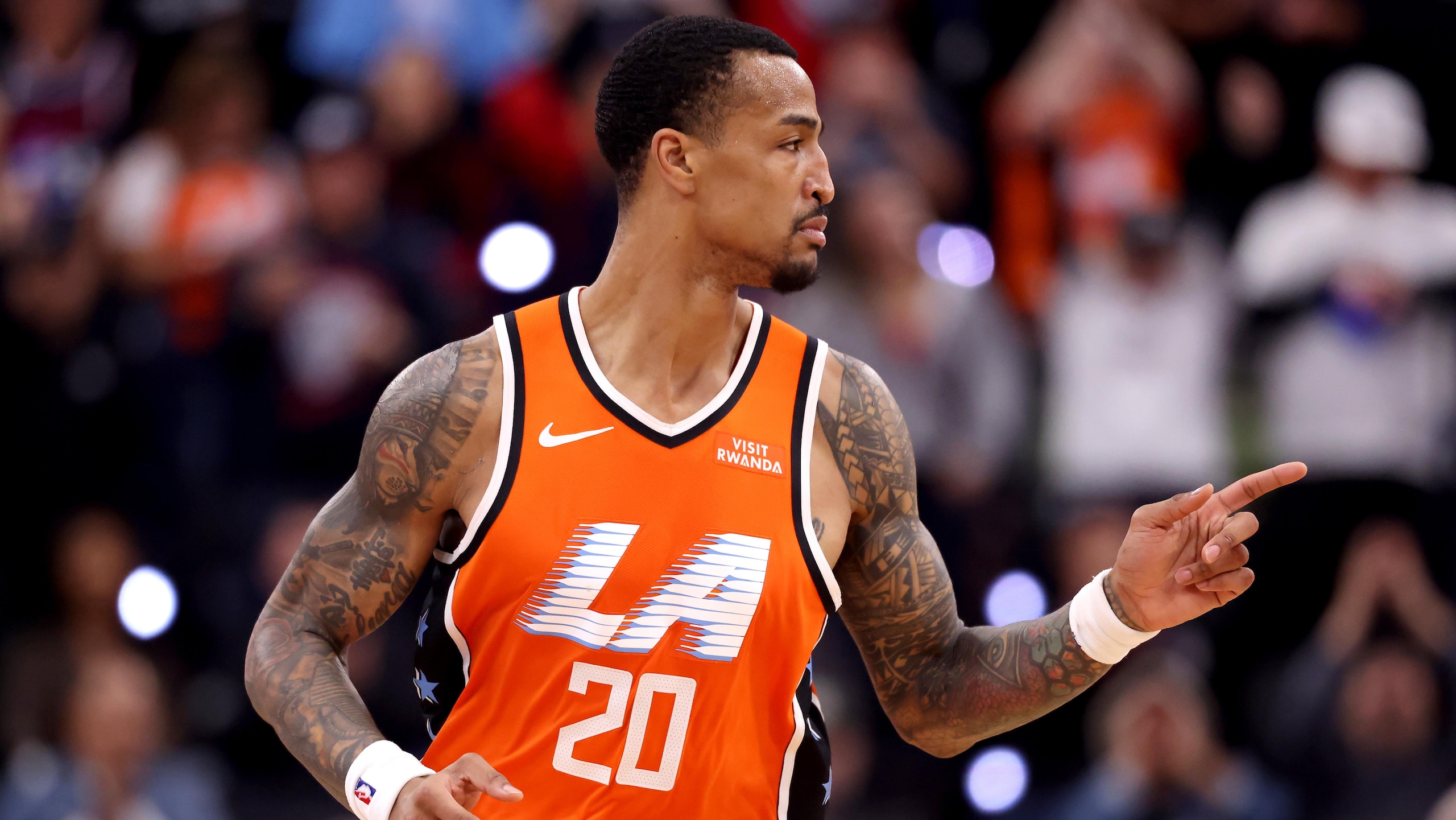
Kawhi Leonard and James Harden are both basically impossible to trade, and moving either of them would amount to a concession that this era of LA Clippers basketball is A) a failure, and B) over.
Scan down the salary list, and John Collins' $26.6 million is next in line after Leonard's $50 million and Harden's $39.2 million. That, combined with underwhelming production after coming over in a disastrous deal that sent away Norman Powell, makes him a good bet to be on the block.
Collins will have to shoot better than his current 31.0 percent from three if the Clips want any serious offers, but suitors could convince themselves that the guy who put up 19.0 points and 8.2 rebounds while hitting 39.9 percent of his triples with the Utah Jazz last year is still in there somewhere.
Given how everyone other than Harden has performed this year, it's easy enough to believe there's just something in the water in L.A. these days.
Los Angeles Lakers: Gabe Vincent
14 of 30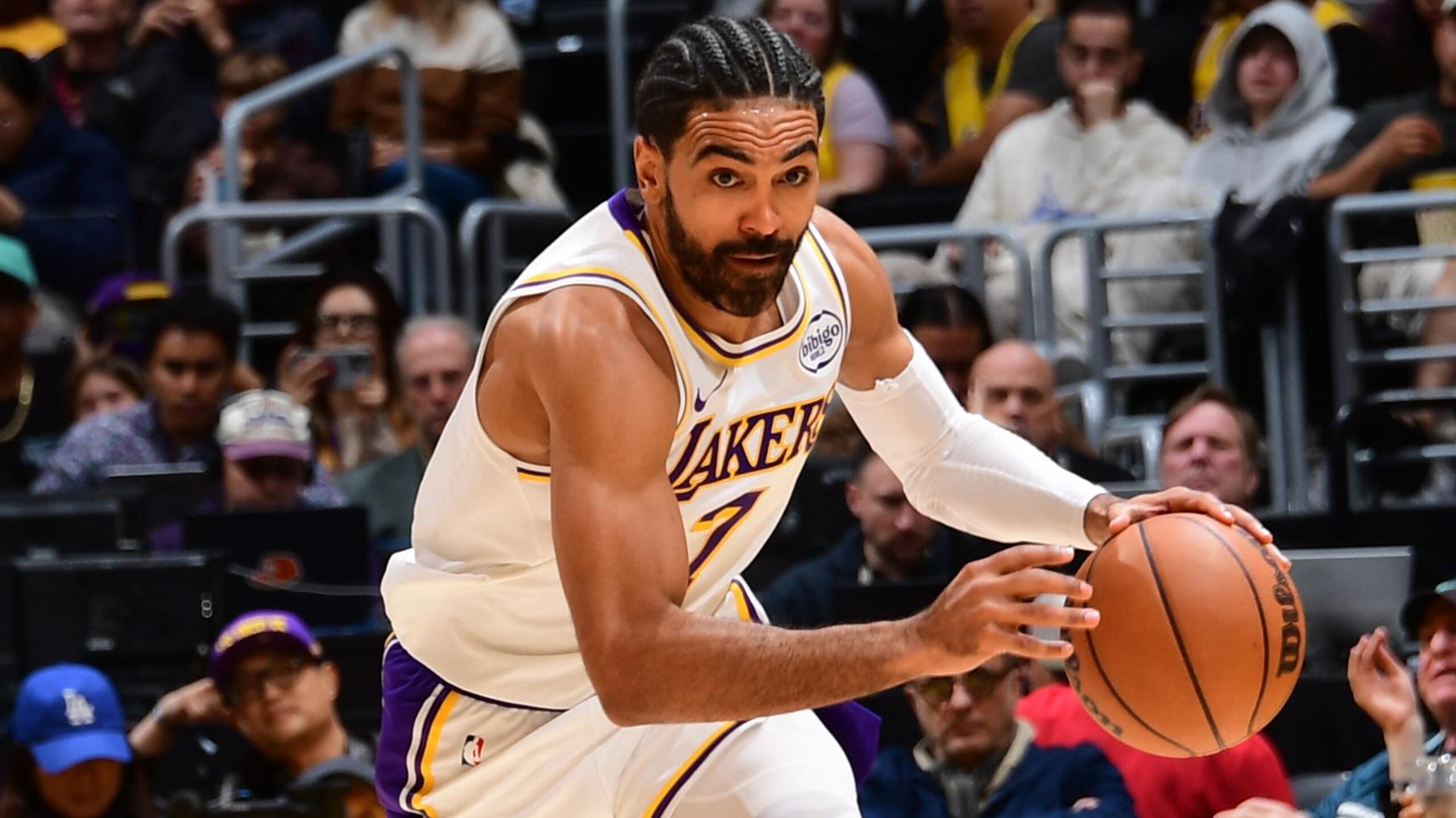
Rui Hachimura's shooting is too valuable, and Jarred Vanderbilt's contract runs into 2027-28. That leaves Gabe Vincent as the most logical mid-tier salary the Los Angeles Lakers might consider trading.
On a team that doesn't exactly over-index on passable backcourt defenders who can occasionally shoot from deep, Vincent has real value. Marcus Smart has been surprisingly playable, though, and a healthy Vanderbilt is a more dynamic defensive weapon—one who can cover several positions.
At just $11 million this season, Vincent isn't going to bring back a major upgrade. But he could be part of a package that returns a rotation-worthy defender with more size and versatility. It would take some sweetening, but the veteran guard could feature in a deal for Mavericks center Daniel Gafford.
Memphis Grizzlies: Ja Morant
15 of 30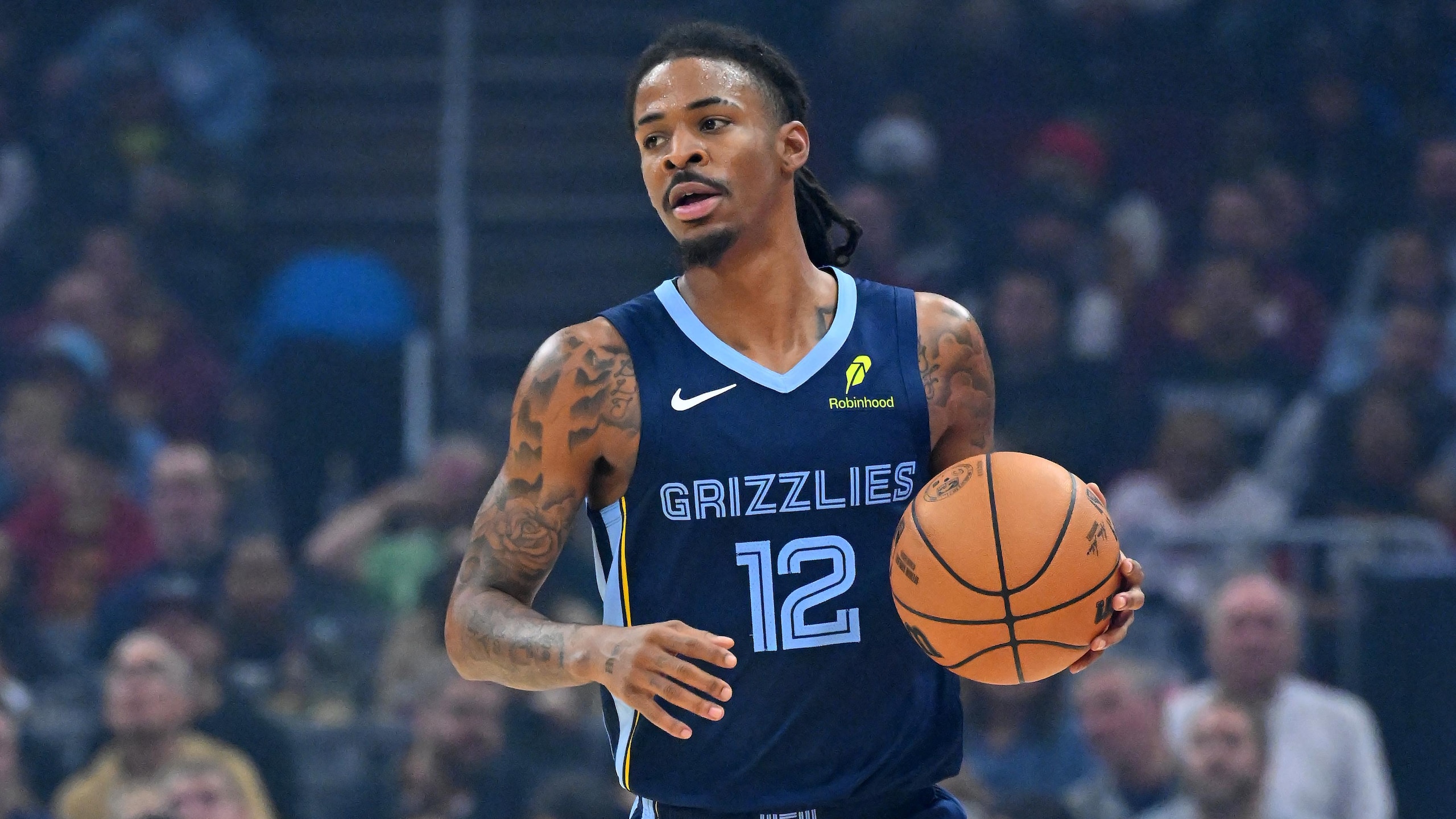
There's no reason to expect the Memphis Grizzlies will be buyers—not after they dealt away Desmond Bane for five first-rounders over the summer, and not in the wake of a stale and disappointing start to this season.
Assuming they're sellers, the Grizzlies need to start with Ja Morant.
Injured (again), barely trying when on the floor and in the midst of a multi-year productivity free fall, Morant is the player Memphis must trade if it wants a fresh start.
At the very least, moving Morant would allow the Grizzlies to operate without the constant off-court distractions of the last several seasons.
Fans in Memphis still love Morant, and he's a major draw. But as infrequently as he plays, and as hard as it'll be for a player who depends on athleticism to age well, affinity for him could dissipate quickly.
It's hard to know how interested other teams will be in onboarding a risky $87 million in 2026-27 and 2027-28 salary, but Morant wouldn't be the first disgruntled star to suddenly rediscover his top form in a new locale.
Miami Heat: Simone Fontecchio
16 of 30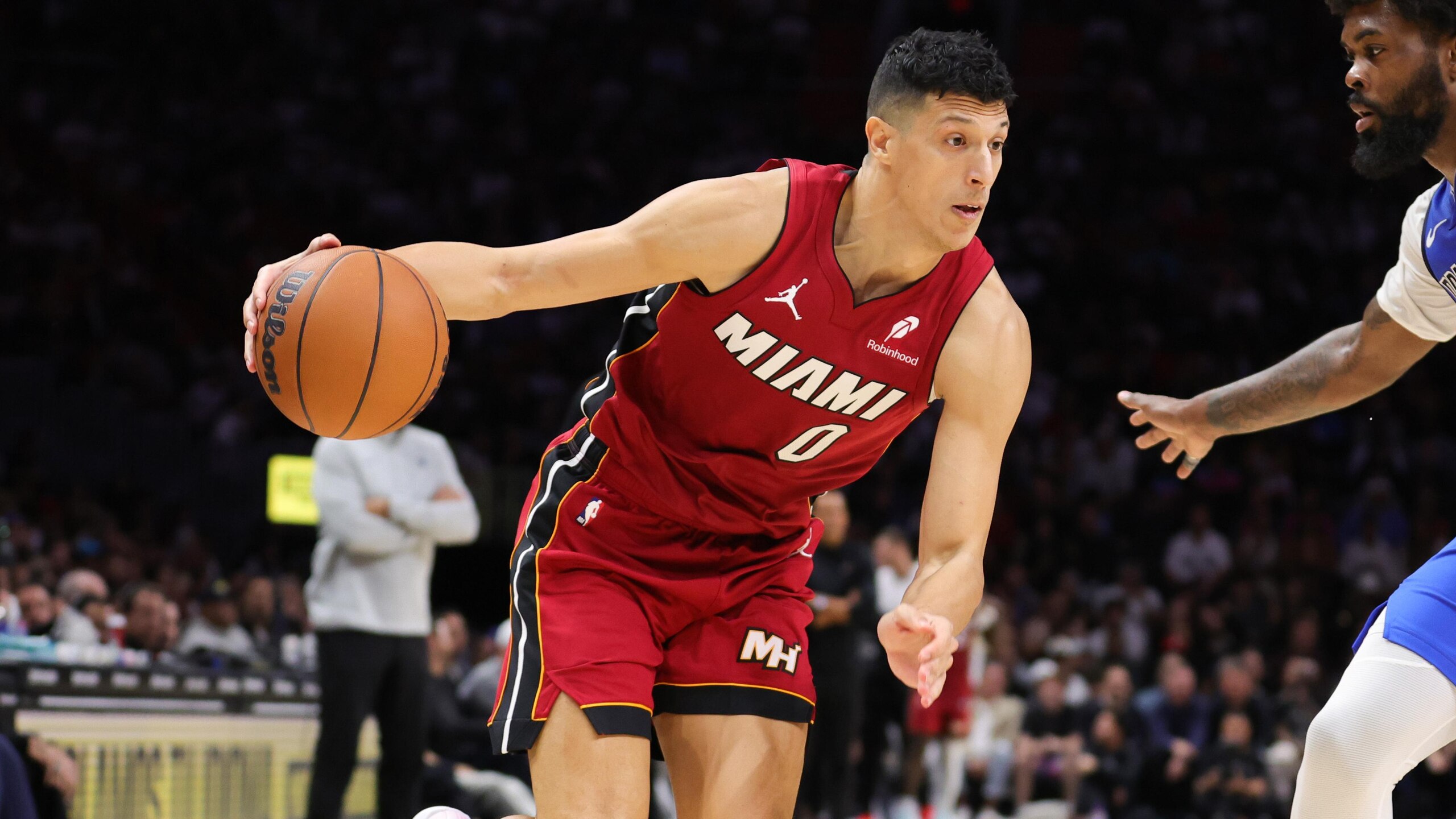
Unless you think the Miami Heat are willing to deal Andrew Wiggins, who's started every game he's played while consistently defending the top opposing wing and shooting a career-high 48.3 percent from the field, Simone Fontecchio is their only expendable mid-tier salary.
And even that feels like a stretch because Fontecchio, like just about everyone else who's logged time for the surprisingly good Heat this season, has produced.
The Italian forward is shooting 37.9 percent from deep and looks eminently comfortable in Miami's dynamic, screen-free offensive flow. His expiring $8.1 million salary is easy to move, though, particularly if teams believe he will continue to stripe it from deep.
Wiggins would almost have to be included in a larger deal for salary-matching purposes, but Fontecchio is less instrumental to Miami's success and therefore more likely to move.
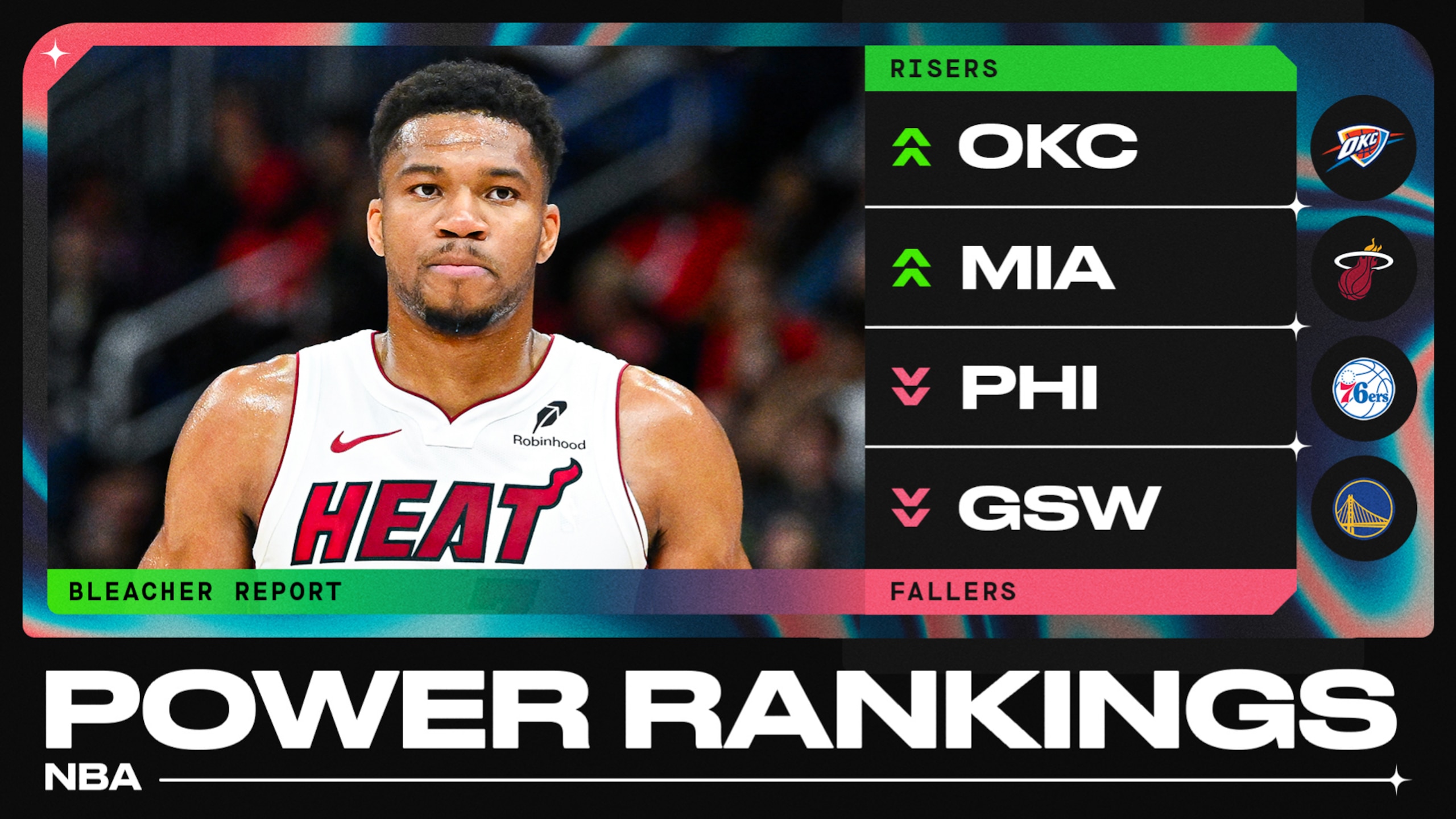
Milwaukee Bucks: Giannis Antetokounmpo
17 of 30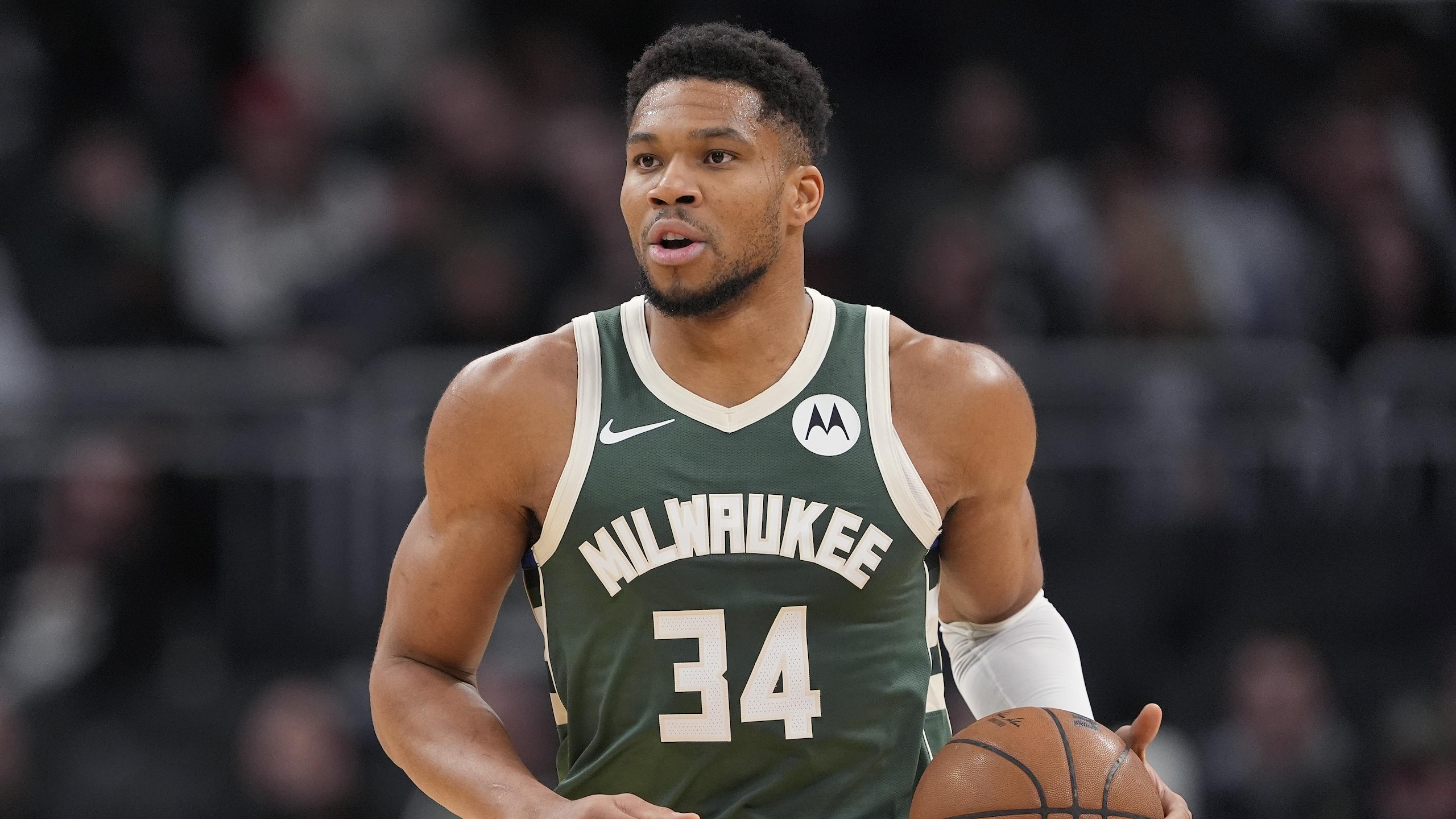
Giannis Antetokounmpo clearly doesn't want to come out and ask for a trade, but he's done just about everything short of making an official request.
ESPN's Shams Charania reported Antetokounmpo and his agent would have conversations with the Bucks about the two-time MVP's future, which sounds exactly like the report Charania made over the offseason.
The Milwaukee Bucks apparently couldn't find a suitable offer from any of Antetokounmpo's preferred destinations a few months ago, and both parties determined they'd go into the season and see what a rebuilt roster could achieve.
Everyone outside the organization saw this season's poor performance coming, and now the whole thing is back where it started: Milwaukee isn't a contender, and Giannis wants to contend.
A calf injury will keep Antetokounmpo on the shelf through at least the end of December, but it wouldn't be a shock to see him sit out until a trade is completed.
Minnesota Timberwolves: Julius Randle
18 of 30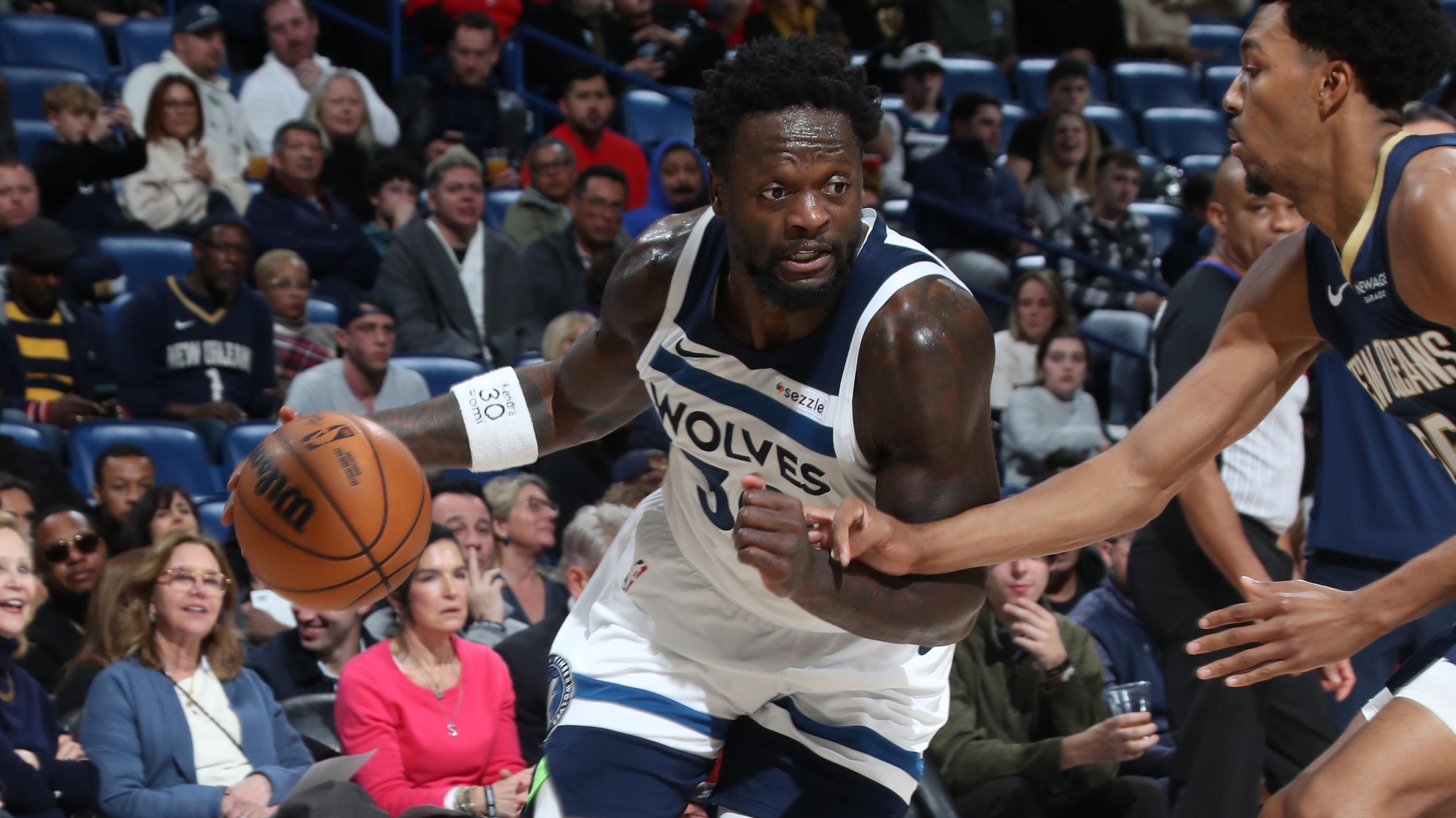
If the Minnesota Timberwolves are going to solve their point guard problem, they'll need to surrender their best frontcourt facilitator in Julius Randle.
The 31-year-old's $30.8 million salary will be key in bringing back a high-end starter, and one assumes the Wolves handed Naz Reid that $125 million extension over the summer with an eye toward promoting him if Randle headed out in a trade.
Though there's a case to be made for retaining Randle, who's averaging a team-best 5.9 assists per game, the glut of resources up front and the combined failure of Donte DiVincenzo and Mike Conley to keep the offense flowing suggests a roster-balancing deal for a difference-making point guard is Minnesota's best move.
The Wolves have given several games away in the late going this season, so onboarding a floor leader who can settle the offense in the clutch feels like a major priority.
New Orleans Pelicans: Trey Murphy III
19 of 30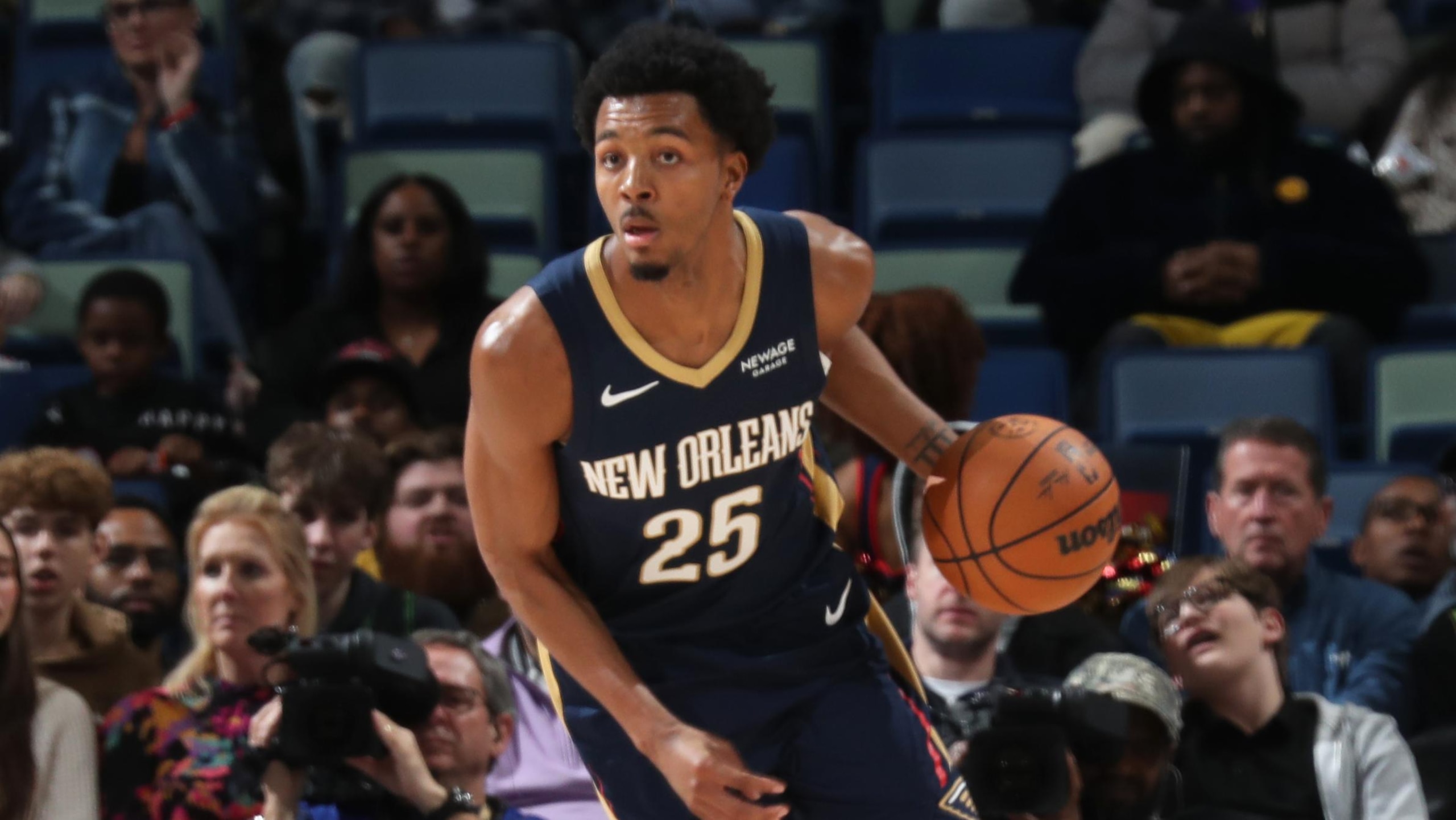
Zion Williamson is the player the New Orleans Pelicans should most want to trade, if only so they can eventually reorient around a cornerstone who plays more than half the time.
His persistent injury issues make him tricky to move, and the Pels could just wipe his salary off the books by waiving him this summer if no offers materialize, so we need to pivot to the player New Orleans could easily trade for the most value.
That's Trey Murphy III, a deep-shooting offensive weapon who can also tear down the rim when opponents close out on him too aggressively.
Efforts to coax more playmaking out of the rangy wing have produced mixed results. Murphy is averaging 3.5 assists and 2.2 turnovers per game this season. Maybe he'd improve that in a more functional environment, but his passing is really beside the point.
Despite suboptimal spacing and plenty of minutes next to a pair of rookies, Murphy is drilling 36.3 percent of his 7.8 three-point tries per game. His 92.0 free-throw percentage (career 88.10 percent) hints at upside on his long-range accuracy if he had better facilitators to set him up.
Every team in the league should be calling about Murphy, one of the best young shooters in the sport and an obvious change-of-scenery breakout candidate.
New York Knicks: Pacome Dadiet
20 of 30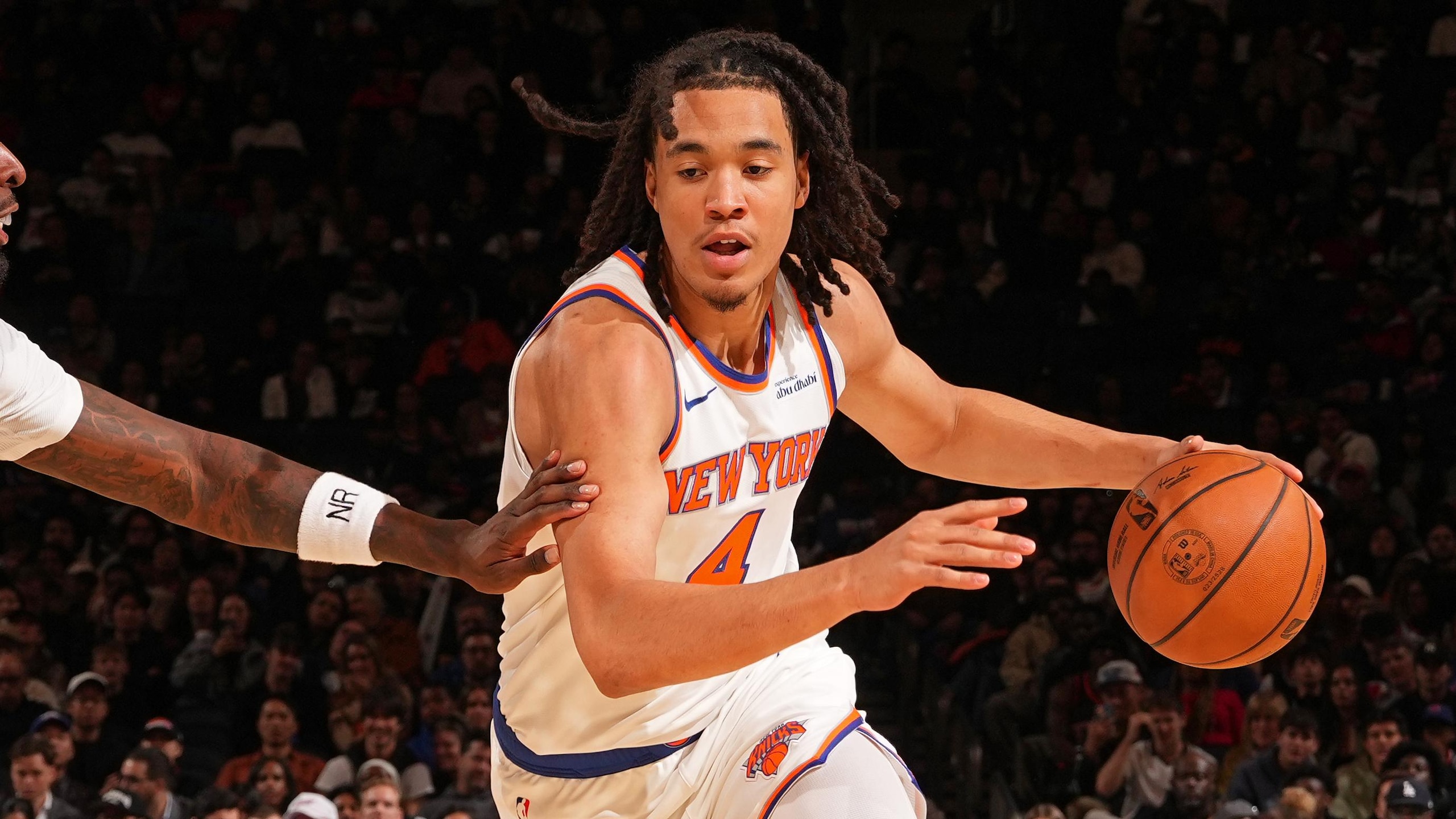
Mitchell Robinson's expiring $12.9 million salary is the kind you'd normally nominate for an exercise like this, but the New York Knicks need the offensive rebounding he provides and would risk exceeding the second apron next year if they took on matching money that extended into 2026-27.
A smaller move seems more likely.
Pacome Dadiet isn't in the rotation and is still young enough at just 20 years old for another team to view him as a viable "second-draft" prospect.
His $2.8 million salary—plus a first-round swap, plus some of the $7.9 million New York is allowed to include in a trade—could return a player who would actually see the floor once in a while.
Guerschon Yabusele and his $5.5 million salary could be involved in a slightly bigger move.
Oklahoma City Thunder: Isaiah Hartenstein
21 of 30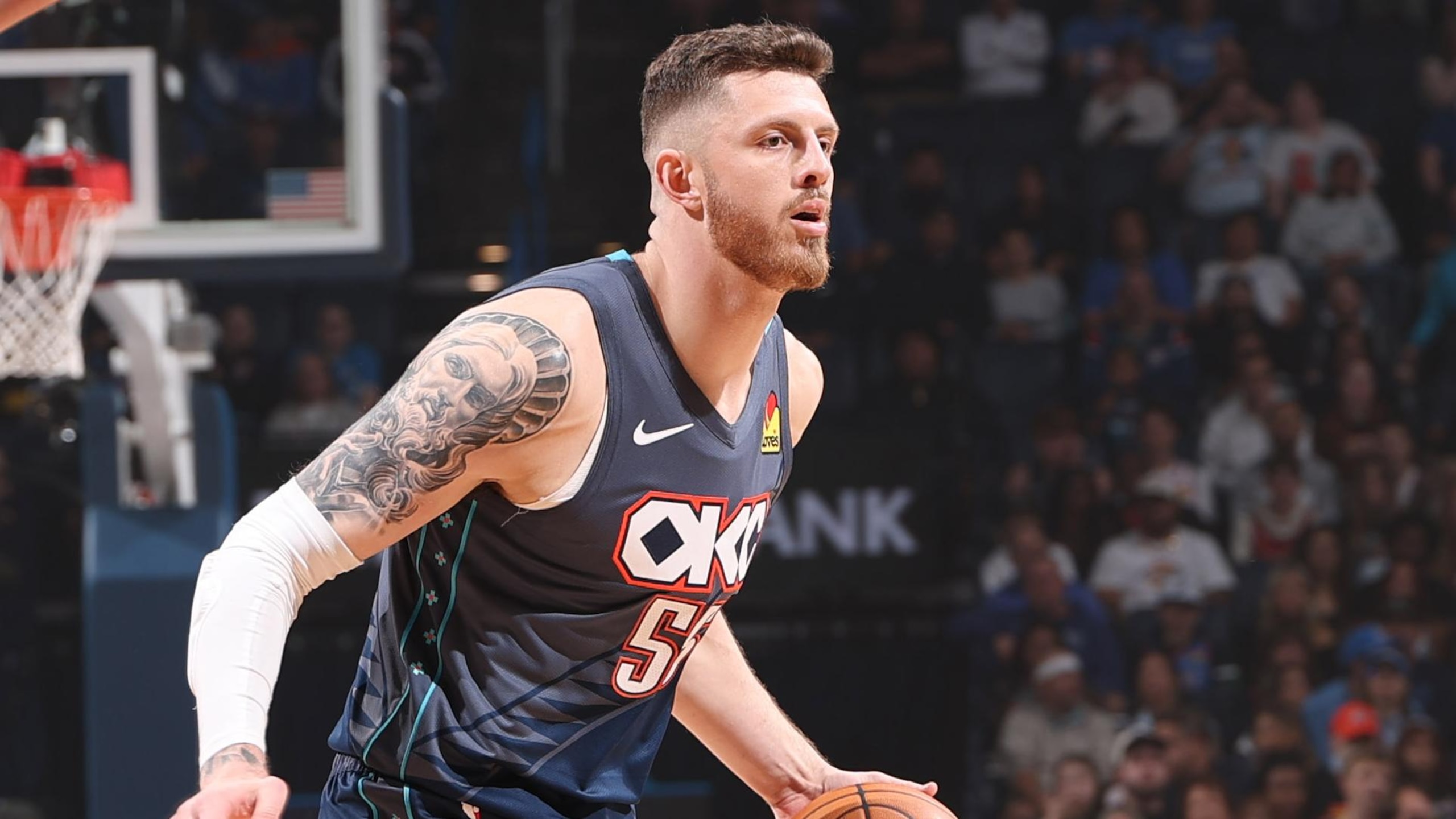
Unless the Oklahoma City Thunder believe they can improve on their current pace to set the all-time wins record, it'll be pretty hard for them to make a trade that betters the roster this year.
What they could do, though, is dangle Isaiah Hartenstein and the 2026 first-round pick they control from the LA Clippers in a downright predatory move.
Ivica Zubac makes about $10 million less than Hartenstein this season and averages around $20 million per year through 2027-28. He's a better player than Hartenstein at a lower cost, which matters to an OKC team that isn't far from dealing with the financial constraints of so much success.
Rather than decline Hartenstein's team option for 2026-27 after the season, losing him for nothing, Oklahoma City could send him to the Clippers with their own first-rounder, save cash and improve the on-court product.
Again: The best move for a team this good is no move. But adding an in-prime borderline All-Star center while saving money is pretty appealing.
Orlando Magic: Jonathan Isaac
22 of 30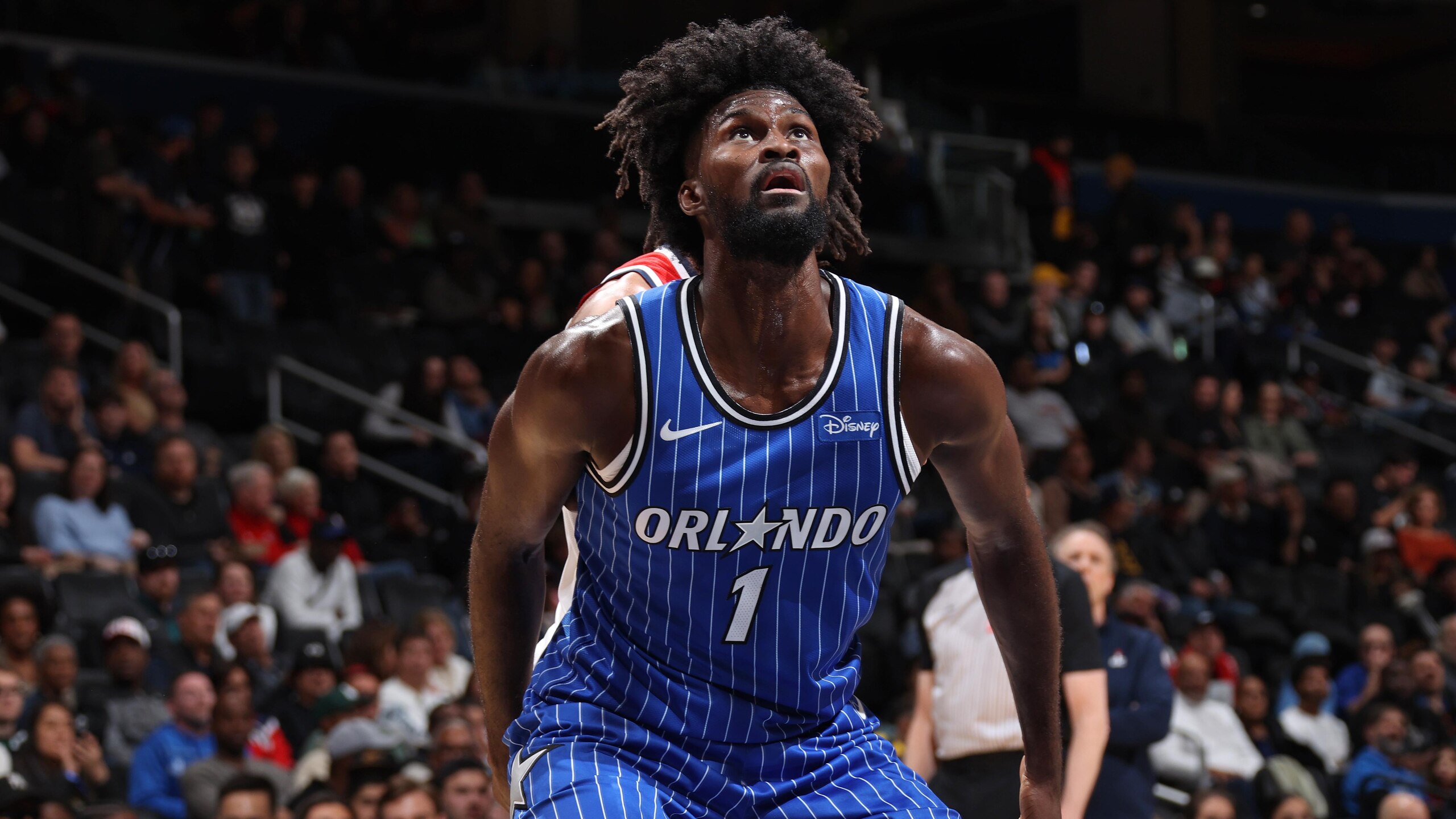
Jonathan Isaac hasn't averaged more than 16.0 minutes per game since 2019-20.
At 28 and playing even fewer minutes this season than last, it's now impossible to imagine the defensively excellent Isaac ever being a rotation factor again.
The Orlando Magic understood this potential outcome when they signed him to an extension that runs through 2028-29, and they guaranteed just $8 million of a potential $45 million in salary over the deal's final three years.
With the second apron being a real concern next season, the Magic could just cut Isaac after this year, pay him $8 million and move on.
Or, they could find a team that values the potential savings even more, trade Isaac for a $15-20 million player who could actually feature in the rotation and figure out some other way to cut costs down the road.
Considering Orlando telegraphed its win-now posture by trading five first-round assets for Desmond Bane over the summer, another present-focused move involving Isaac seems plausible.
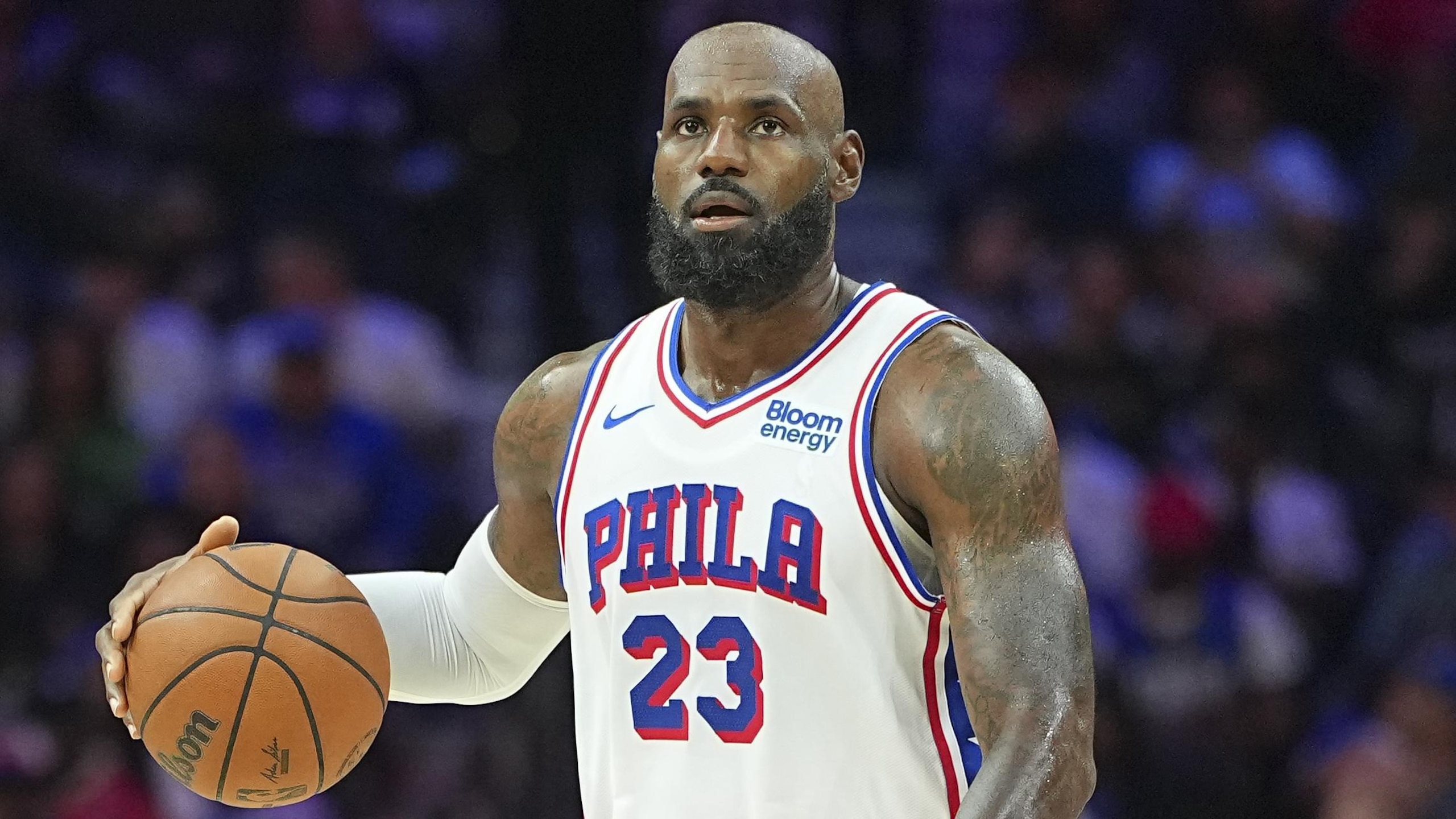
Philadelphia 76ers: Kelly Oubre Jr.
23 of 30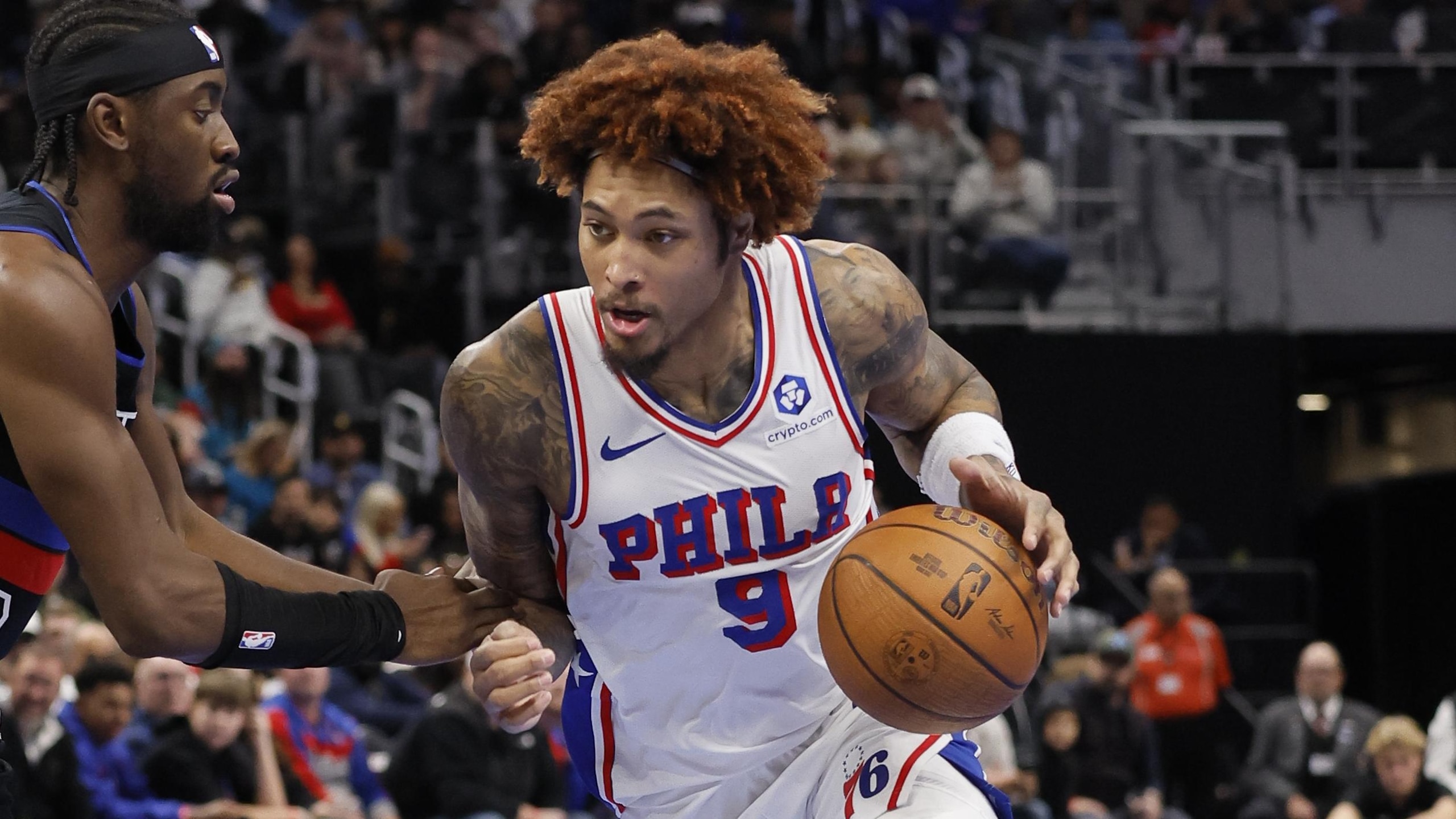
A sprained LCL interrupted one of the best stretches of Kelly Oubre Jr.'s career. Through 12 games prior to injury, the veteran forward was averaging 16.8 points and 5.1 rebounds on a 49.7/34.3/78.9 shooting split as a full-time starter.
That's good news for his trade value.
Oubre is on an expiring $8 million salary and might be capable of securing mid-level money as a free agent this summer. The Sixers probably can't afford to pay him market rates with so much cash tied up in maxes for Joel Embiid, Paul George and Tyrese Maxey, so it makes sense to get something for Oubre while they can.
George's return to health and the steady play of two-way forward Dominick Barlow only make Oubre more likely to move.
Phoenix Suns: Nick Richards
24 of 30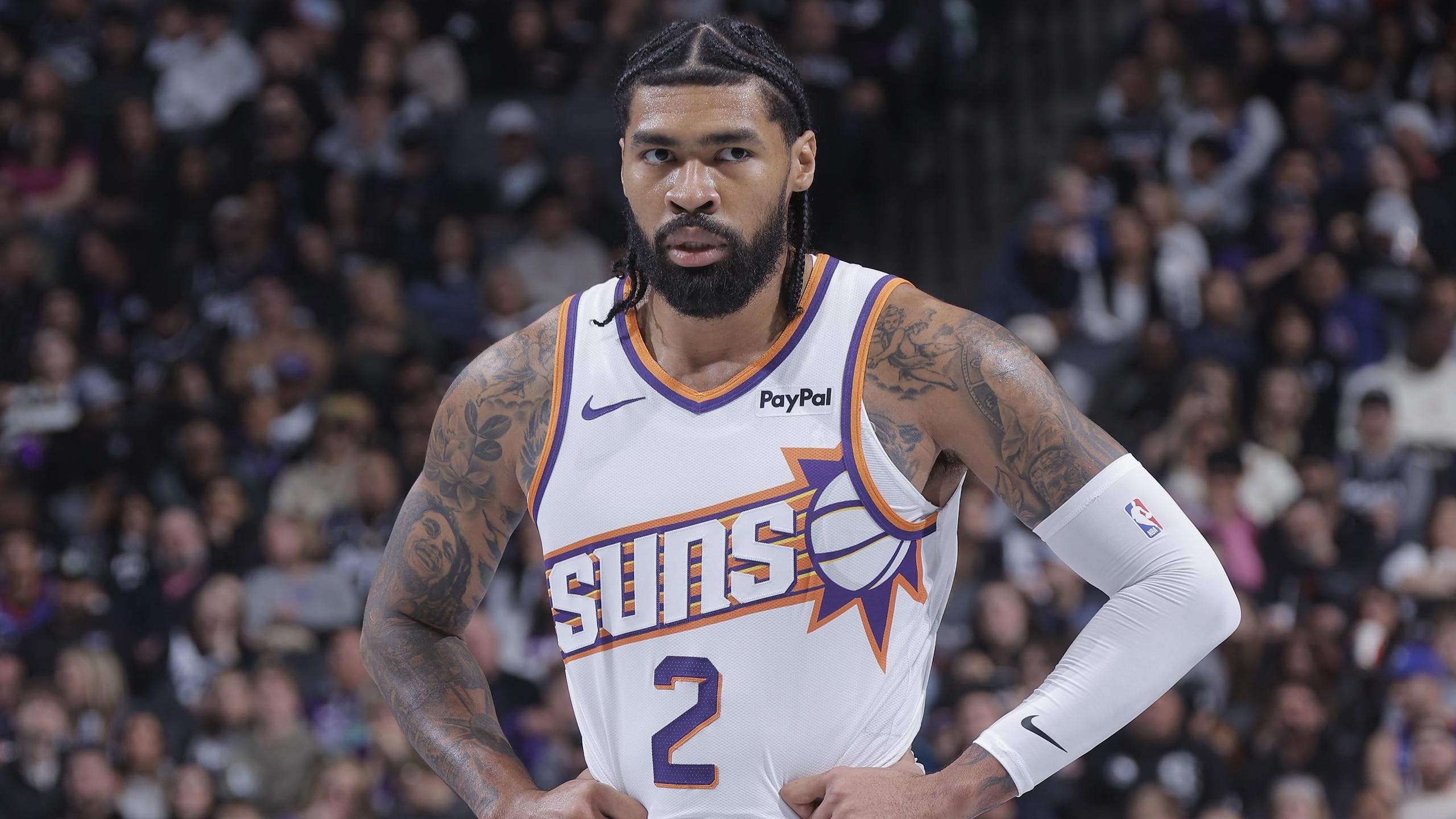
A surprisingly hot start driven by players once believed to be trade candidates—Grayson Allen, Royce O'Neale and Dillon Brooks among others—changes the calculus for the Phoenix Suns.
Performing like a playoff team through the first quarter of the season makes it harder to justify dealing any of those guys, even if there's an unsentimental possibility that all of them are at the peaks of their value right now.
Rather than mess up what's working, the Phoenix Suns should explore small-time upgrades using players who haven't featured as prominently in their success.
That should start with Nick Richards, third on the center depth chart behind Mark Williams and Oso Ighodaro and even further down if you consider Khaman Maluach's long-term value to the franchise.
Richards is averaging 13.7 points and 12.5 rebounds per 36 minutes and owns a career 63.4 field-goal percentage. Someone out there could look at those numbers and conclude he's a real value on an expiring $5 million salary.
Portland Trail Blazers: Robert Williams III
25 of 30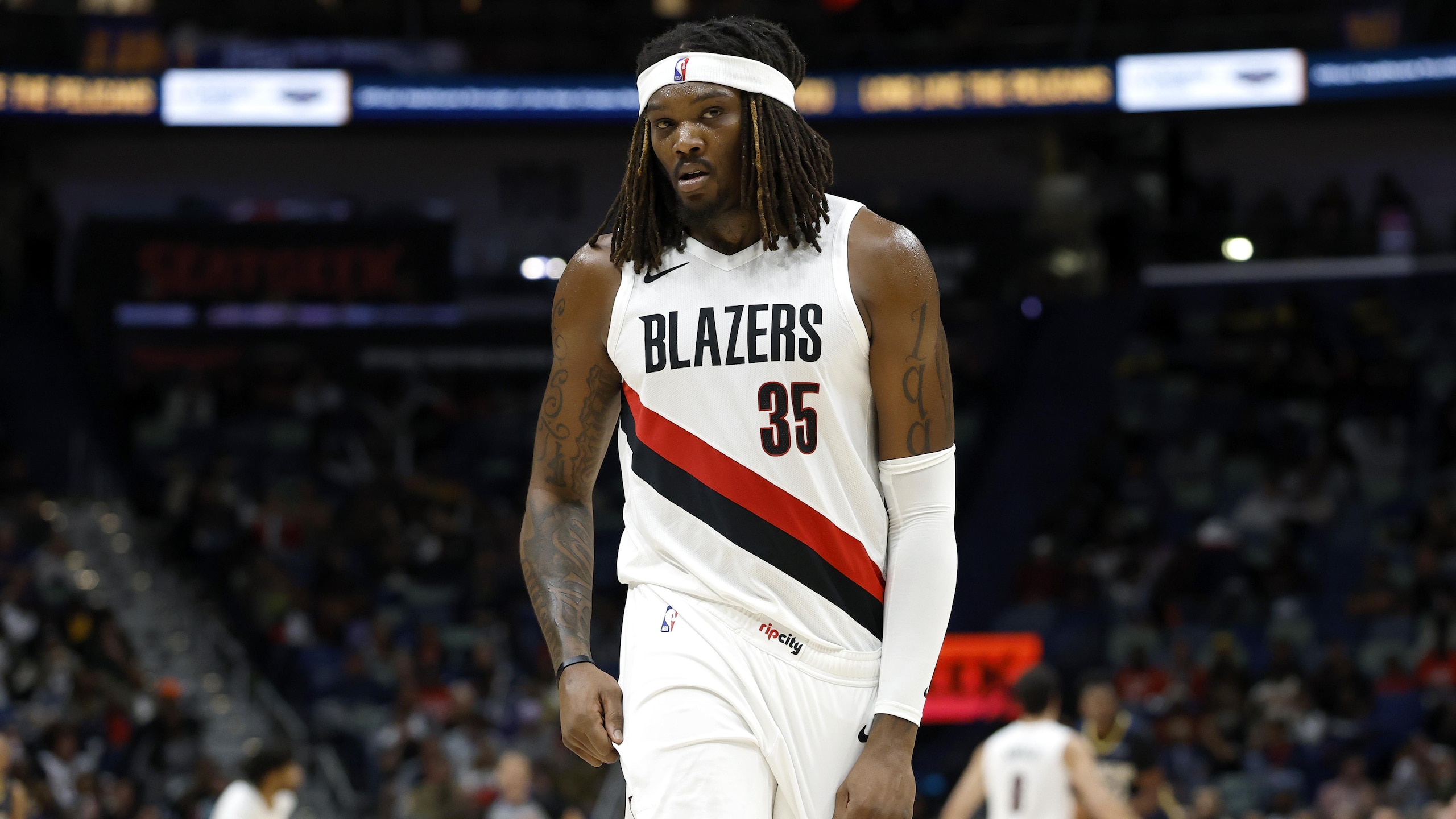
Robert Williams III is looking healthier and more active than he has in a long time, which makes this the perfect opportunity for the Portland Trail Blazers to trade him.
Always a defensive difference-maker when physically fit enough to take the floor, his last four years have been wrecked by injuries. He hasn't topped 35 games since 2021-22, when he was seventh in DPOY voting and made an All-Defensive team.
Williams could surpass last year's 20 games by the end of December, and his block and steal rates are actually above the level he set back in that career-best 2021-22 season.
It's not hard to imagine a contender taking a shot at someone who could legitimately swing a playoff game or two, especially with no long-term commitment attached to an expiring $13.3 million salary.
The Blazers have bigs, and they need more offensive support for Deni Avdija. Williams could be the way to balance the roster, but only if Portland strikes quickly.
Sacramento Kings: Keon Ellis
26 of 30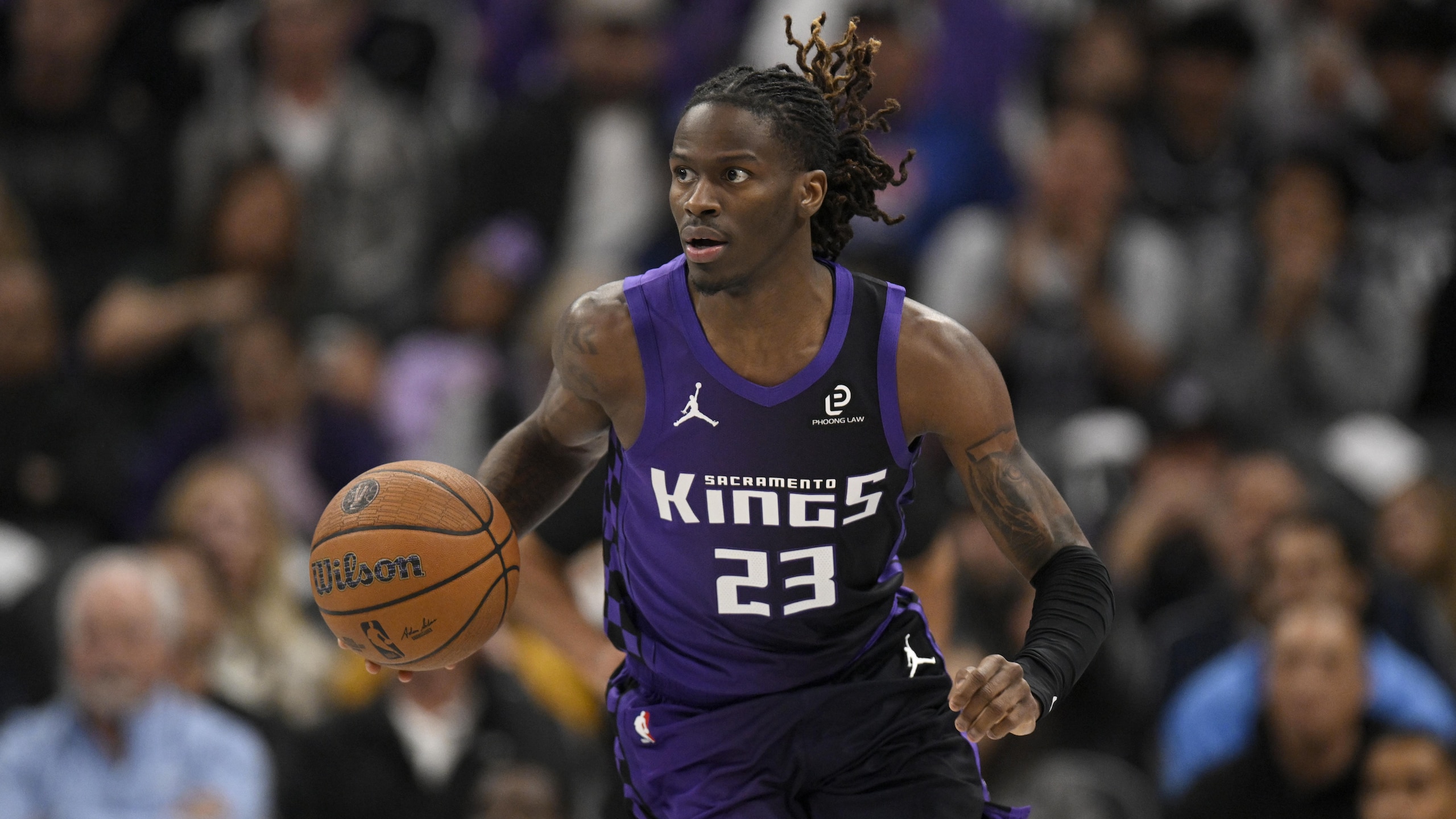
It's not going to be easy to trade Domantas Sabonis, Zach LaVine or DeMar DeRozan, three expensive veterans who aren't driving winning for the Sacramento Kings. All of them should be on the block, but good luck finding competent teams interested in acquiring them.
Conversely, Keon Ellis will be exceptionally easy to move. He's a defensive pest with a high steal rate who happens to tote a career mark of 42.5 percent from three.
You might be wondering why Ellis is only averaging 16.4 minutes per game for a Sacramento team that desperately needs defenders and reliable shooters.
Because Kangz!, silly.
This is a franchise that has made an art of coveting the wrong types of players and minimizing the right ones. It'd actually be weirder if Ellis was playing more, though that hasn't stopped home fans from sarcastically cheering head coach Doug Christie whenever he (probably accidentally) subs him into the game.
Everyone is going to want a starting-caliber two-way wing like Ellis, who's only making $2.3 million in the final year of his deal.
San Antonio Spurs: Kelly Olynyk
27 of 30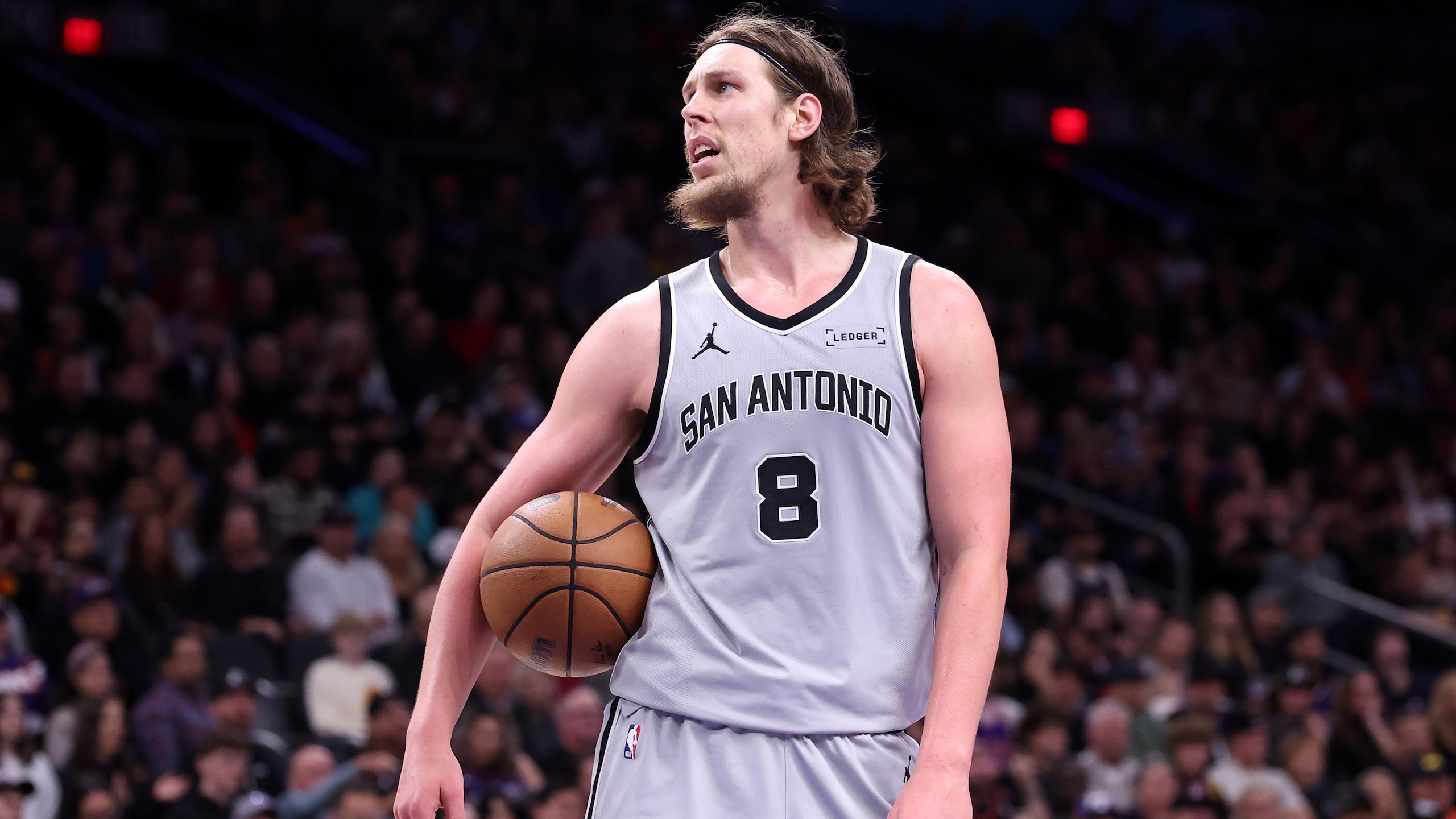
When in doubt, pick the guy who's already been traded a half-dozen times in his career—four of those deals coming since the 2024 deadline.
Kelly Olynyk is shooting at career-worst levels from three and is rarely logging more than 15 minutes per game, even with starting center Victor Wembanyama still sidelined.
The veteran big man could have value as a spacing threat in certain lineups once Wemby is healthy, but it'll be hard to justify playing him ahead of Luke Kornet or even Jeremy Sochan, who's undersized but offers defensive versatility and (this year, anyway) three-point shooting that isn't all that much worse than Olynyk's.
With an expiring $13.4 million salary, Olynyk is also the most expendable non-minimum player on the roster.
Toronto Raptors: RJ Barrett
28 of 30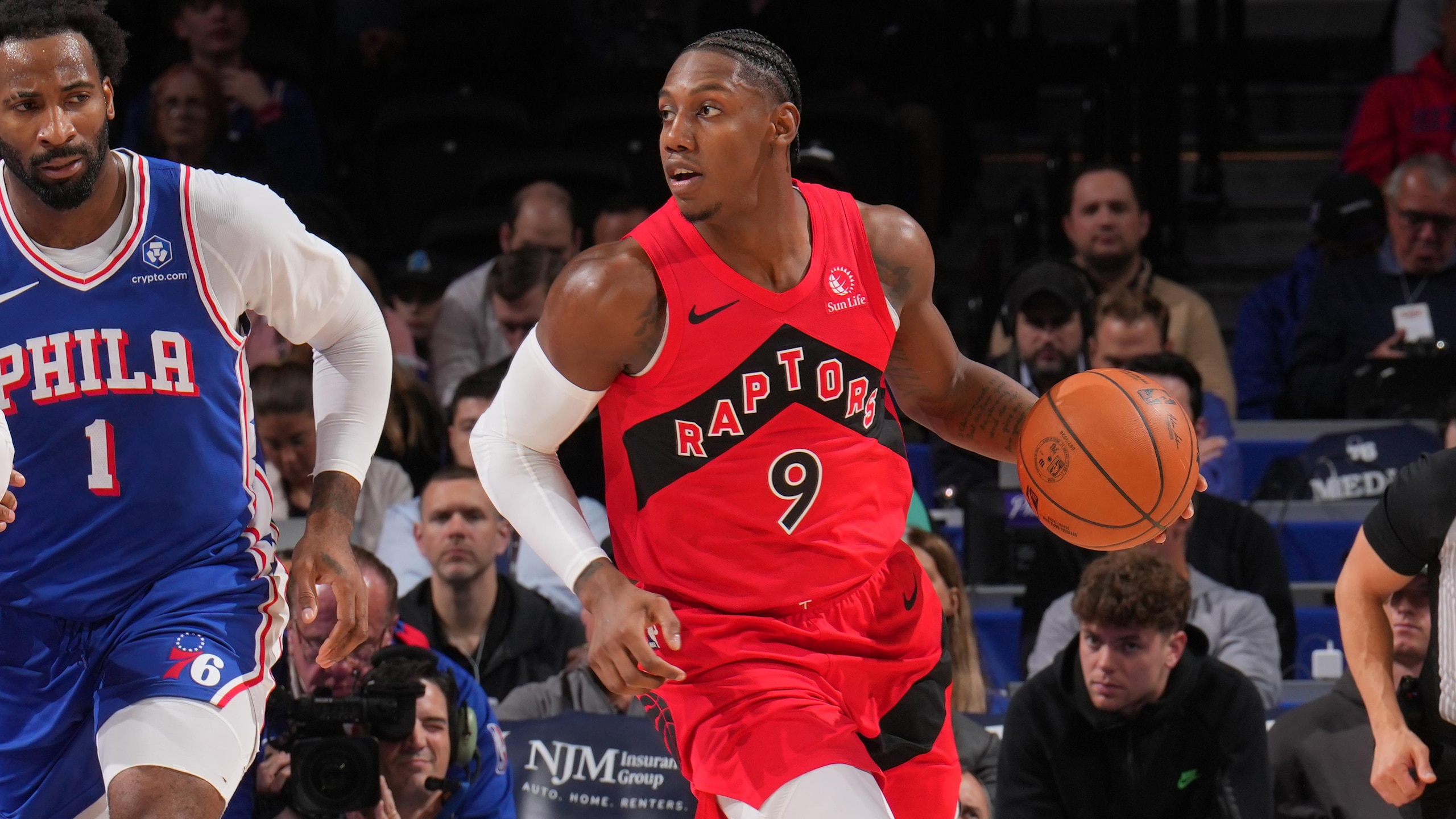
RJ Barrett is a legitimate starter at the 2 on a fair contract that pays him $27.7 million this year and $29.6 million in 2026-27. He's averaging 19.4 points per game on 50.6 percent shooting, leveled up as a playmaker last year and leads everyone from the 2020 rookie class in total points scored.
Unfortunately, financial realities make him a clear trade candidate.
An extension is unlikely given the Toronto Raptors' other hefty salaries, which makes keeping Barrett risky. He'll be less valuable as an expiring deal next year, when any potential acquiring team might lose him for nothing in 2027 free agency.
Toronto also has younger and cheaper alternatives at his position in the pipeline, including Gradey Dick and Ja'Kobe Walter. Combined, those two will make about a third of Barrett's salary next season.
Utah Jazz: Lauri Markkanen
29 of 30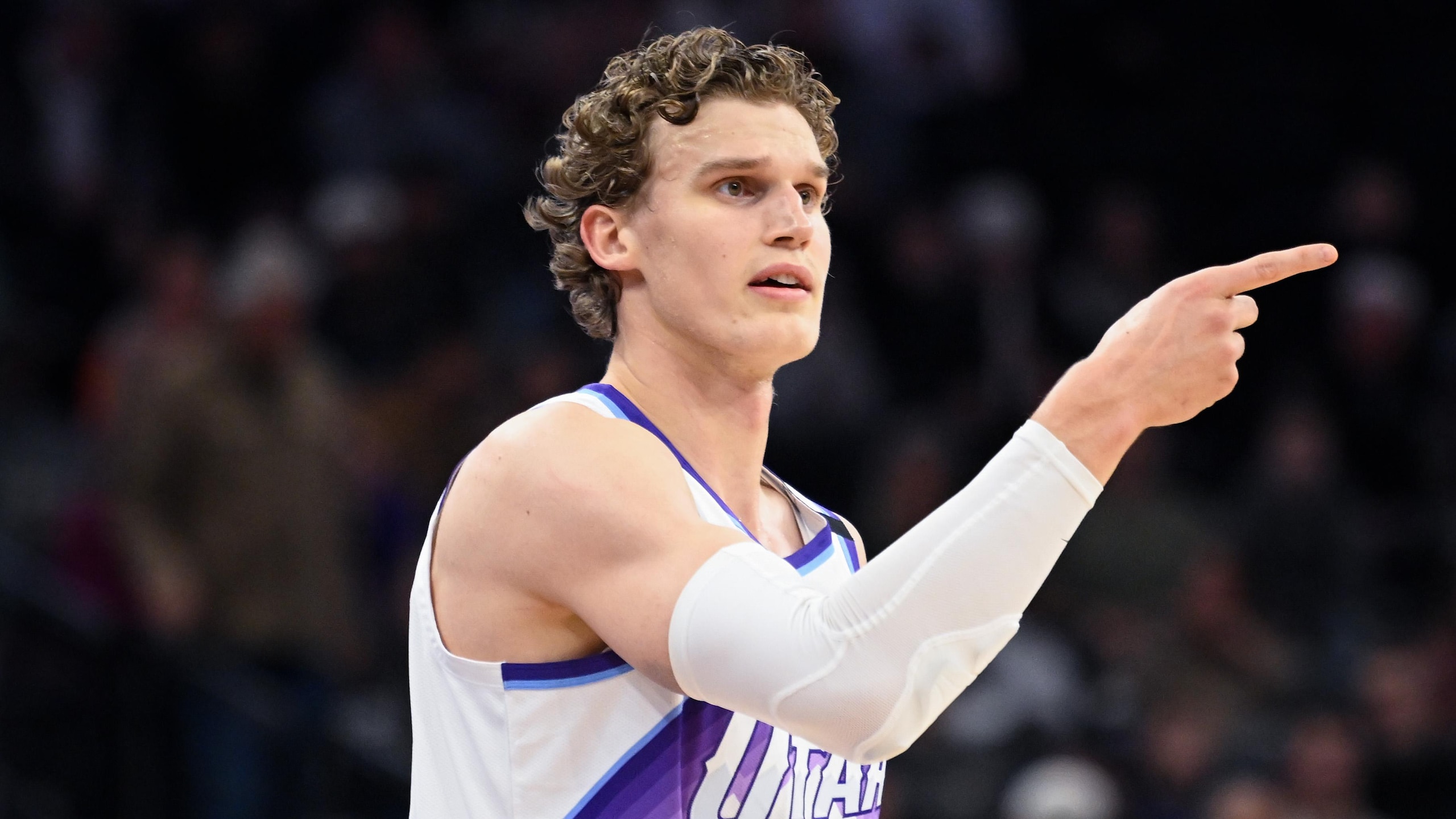
Don't let the latest round of posturing by the Ainges fool you. The Utah Jazz will absolutely trade Lauri Markkanen for a large enough return, and their professed reluctance to move him is only driving up the price.
Sure, Utah has plenty of expiring veteran contracts to deal. Jusuf Nurkić comes off the books after earning $19.4 million this season, as does Georges Niang, who'll collect just $8.2 million. Kyle Anderson is owed $9.2 million with a fully non-guaranteed salary next year. All of them could go.
Markkanen, though, is playing better than ever. He's on track to post a career-best 27.6 points per game and would fill a critical void on several contenders. His value is as high as it has been at any point since signing his extension in the 2024 offseason, and the Jazz would be foolish not to capitalize on that.
As much as Utah says it wants to build around Markkanen, the fact remains that he's a costly, 28-year-old star on a roster that is otherwise populated by players who won't peak for another several years.
Better to strike now with Markkanen, rather than wait and risk a return of the injury bug or a value-hindering decline in production.
Washington Wizards: CJ McCollum
30 of 30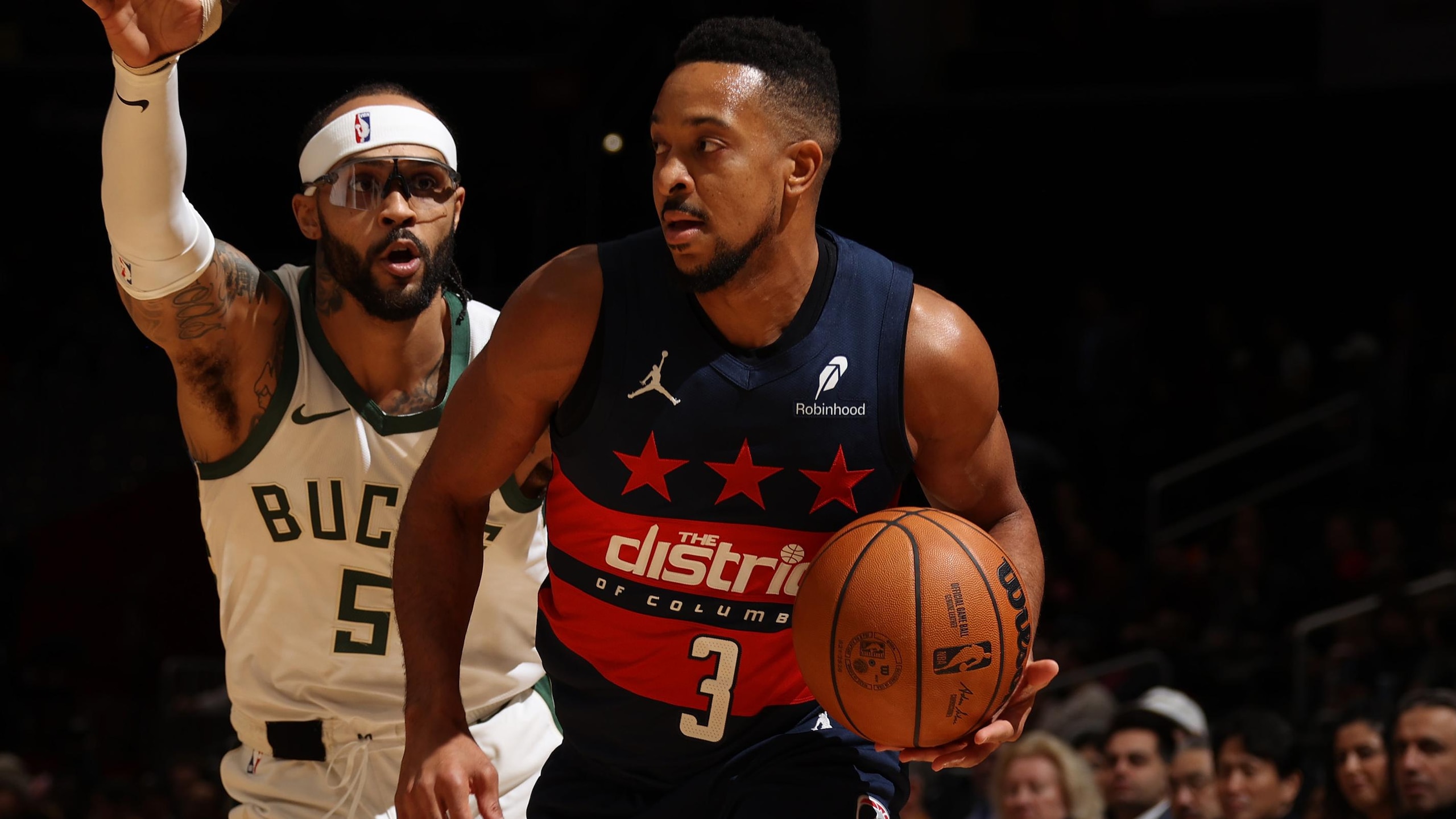
The Washington Wizards have two obvious options in veterans Khris Middleton and CJ McCollum—both on expiring deals and both far too experienced to make sense as fixtures in a rebuild.
Of the two, McCollum is playing more and playing better. He's logged over 200 more minutes than Middleton this season and is shooting 40.2 percent from deep while trailing only Alex Sarr for the team lead in scoring.
That makes him the pick, especially because Middleton's $33.3 million price tag is a touch higher than McCollum's $30.7 million.
It's not easy to pick out destinations for a defensively challenged combo guard, even one that has scored as reliably as McCollum has throughout his career. But if he keeps up his current levels of production, efficiency and health, he might be moveable to a contender that sends back longer-term money with a draft asset attached.
That kind of return would make sense for Washington as it continues to build out its young core.
Stats courtesy of NBA.com, Basketball Reference and Cleaning the Glass. Salary info via Spotrac.
Grant Hughes covers the NBA for Bleacher Report. Follow him on Bluesky and subscribe to the Hardwood Knocks podcast, where he appears with Bleacher Report's Dan Favale.
.jpg?w=2560 "Rams to Sign New Kicker")

.jpg?w=2560 "Vet FAs Who Can Help Contenders")
.jpg?w=2560 "Report: Giants Releasing Najee")