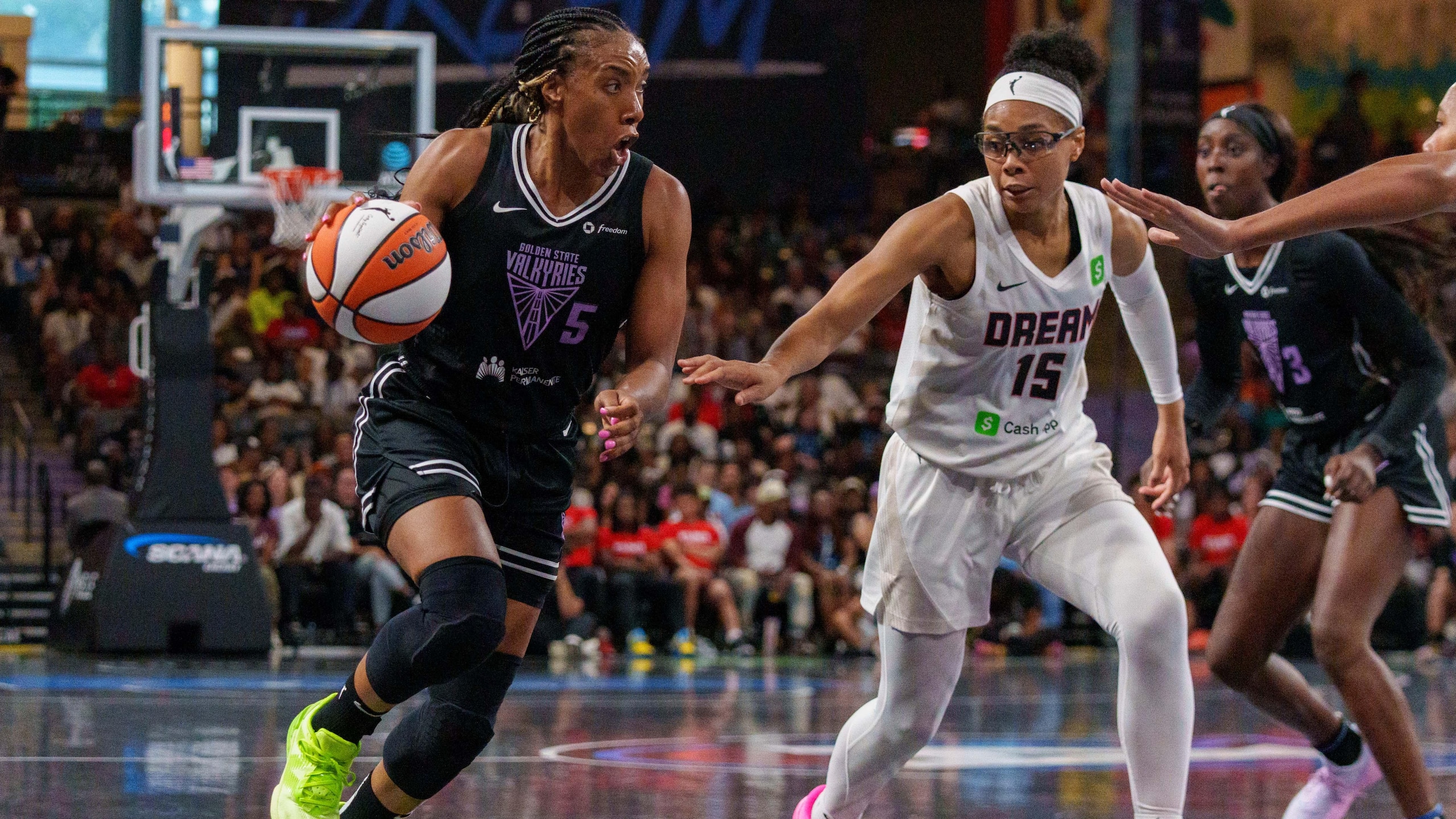

Allisha Gray and the WNBA's All-Breakout Team for 2025
As we approach the end of the regular season, the WNBA playoff and award pictures begin to heat up. We recently took a look at each of the individual award races, but now it's time to simply give flowers.
A major source of fun is the abundance of players leveling up into more productive, more versatile, more impactful versions of themselves. The Most Improved Player conversation will be a pleasantly difficult one to consider.
We've had a lot of breakout performances, so this exercise will be about creating the WNBA All-Breakout team. The only hard rule here is to not include rookies.
Let's dig in.
Honorable Mentions
1 of 6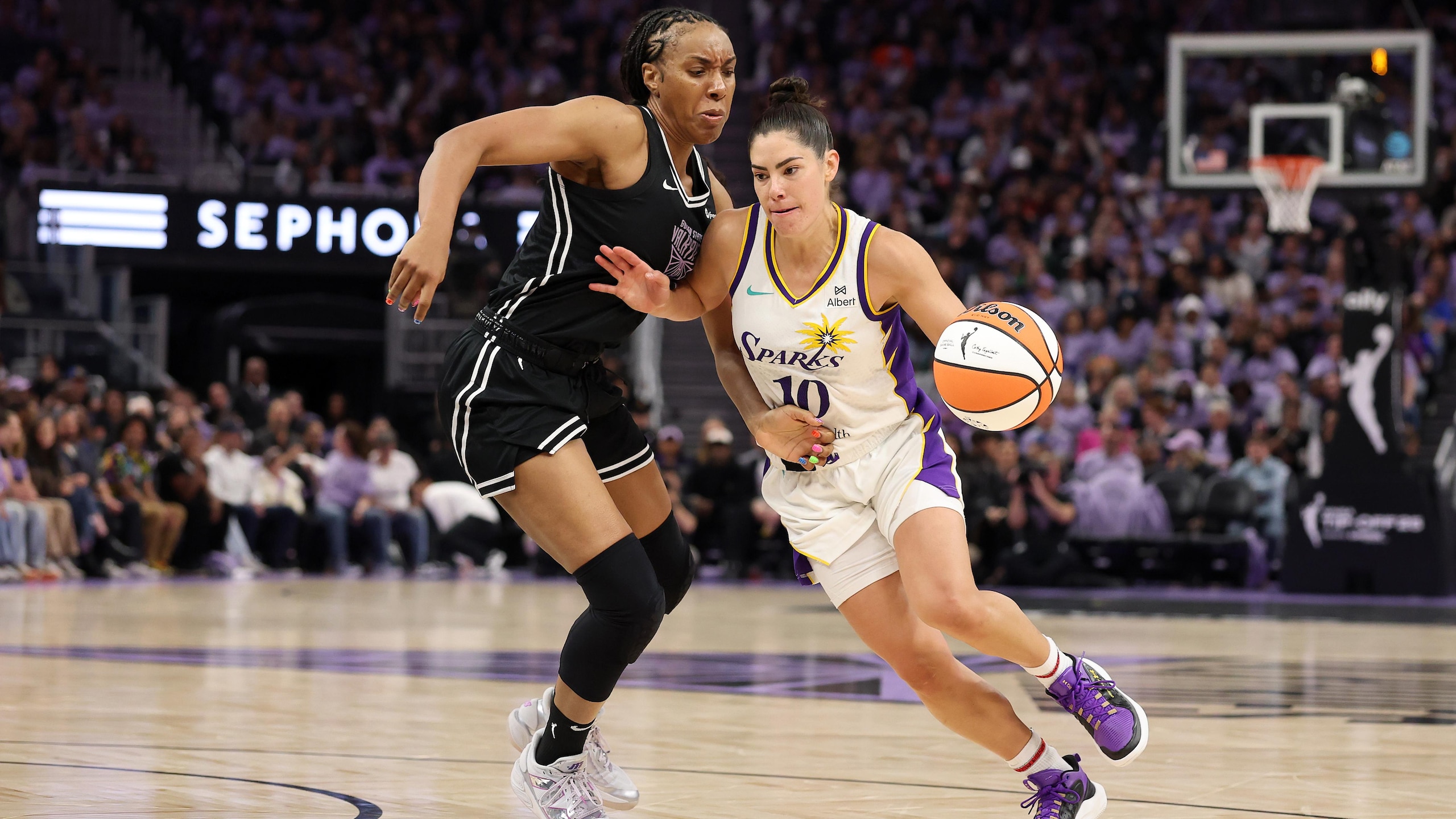
Here are some players who haven't had full-blown transformations but have leveled up in a key skill (or two) and deserve acknowledgement.
Rachel Banham, Chicago Sky: Mostly known for her shooting (career 37.1% from deep), Banham is enjoying another successful season on that front (37.5% on a career-high 5.6 attempts). The real joy has been watching her spread her wings as a playmaker. The 32-year-old has had to take on more traditional point guard duties than anticipated, but her timing, touch and placement of dishes have been impressive.
Kennedy Burke, New York Liberty: A right calf strain disrupted what was shaping up to be a strong Sixth Woman of the Year candidacy. Still, Burke is enjoying a career year off the strength of her shooting from deep (46% on 3.3 attempts). Just as importantly, she's been able to leverage that into more success as a driver. She's already logged more drives this year (58) than she did all of last season, postseason included (47) and has seen a noticeable bump in efficiency (1.0 PPP to 1.09 PPP) on them. That, plus her defense, has cemented her as one of the league's most impactful role players.
Kelsey Plum, Los Angeles Sparks: Plum wanted a new challenge and a chance to lead; she's gotten that with the Sparks, and she has thrived in the process. Career highs in points (20.4), assists (6.1) and steals (1.3) jump off the box score, but her inside-the-arc exploits have been a joy to watch. Her finishing package has expanded thanks to her superb footwork and sense of timing. She's been able to leverage that into more free throws (6.2 attempts, 4.1 was her previous high) and more kick-out opportunities when defenses predictably sell out to stop her.
Kayla Thornton, Golden State Valkyries: Before her season was cut short due to a right knee injury, Thornton earned her first All-Star appearance on the back of her two-way play. She logged career highs in points (14.0), rebounds (7.0) and steals (1.3) while saving many possessions with her interior scoring—she got really comfortable with turnaround jumpers—and offensive rebounding. It also helps that she defended at an All-Defense level, defending multiple positions and making life difficult for opposing offenses.
Li Yueru, Dallas Wings: It was an interesting start to the year (trade request), and a sad ending to it (season-ending ACL sprain). In between was Li Yueru spreading her wings in Dallas. She grew tremendously as a screener while showcasing her versatility as a scorer. She averaged 7.4 points and 5.8 rebounds across 22 games with the Wings, solidifying herself as a rotation-level big with upside to tap into.
Guard: Veronica Burton, Golden State Valkyries
2 of 6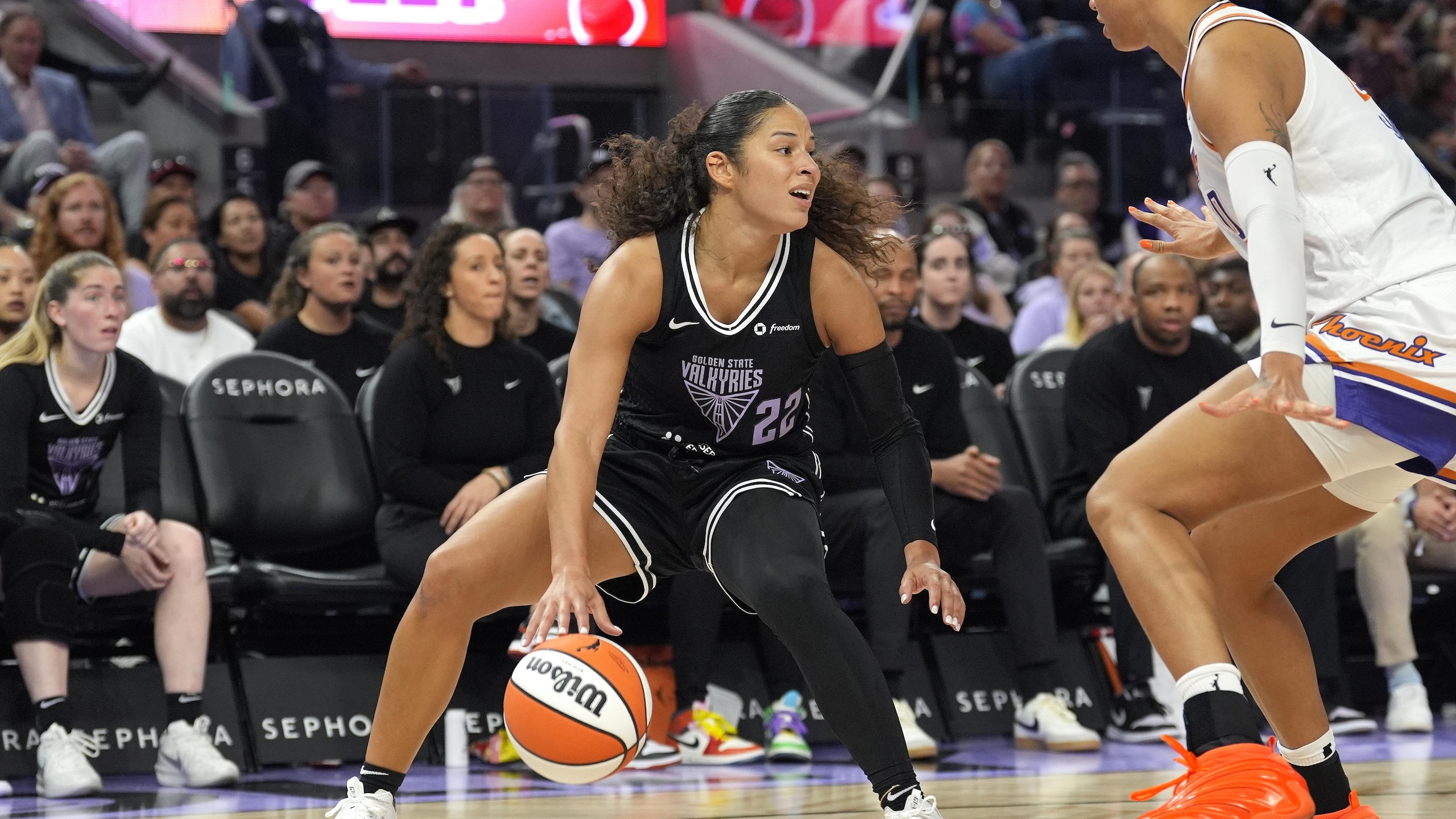
This year's numbers: 11.7 points, 4.2 rebounds (1.2 offensive), 5.4 assists (1.9 turnovers), 1.1 steals, 0.4 blocks
Efficiency stats: 39.6% on 4.3 twos, 38.3% on 4.0 threes, 87.8% on 4.2 free throws; 57.7 True Shooting (+3.5 above league average)
Over her last week of hoops, Burton has set a career high in scoring (30 points against the Mystics) and assists (14 assists, with zero turnovers, against the Mercury).
It signifies the level of trust head coach Natalie Nakase has in the 25-year-old to make on-ball decisions, and ultimately highlights the job Burton has done to balance her own scoring aggression while keeping the offense flowing.
To the scoring aggression: Burton's willingness to fire from deep, in multiple contexts, has helped unlock her game. She's enjoying the best three-point shooting season of her career, and she has been on fire since the All-Star break (44.2% on 4.0 attempts).
She doesn't take too kindly to defenders ducking under screens; she pulls up immediately against that coverage, or bobs and weaves her way into driving opportunities if her defender can't reattach.
Burton leveling up to this degree while maintaining her edge defensively has been nothing short of impressive. She's providing real two-way value for a Valkyries squad still in the thick of the playoff picture. There's a reason they've been so much better with her on the floor.
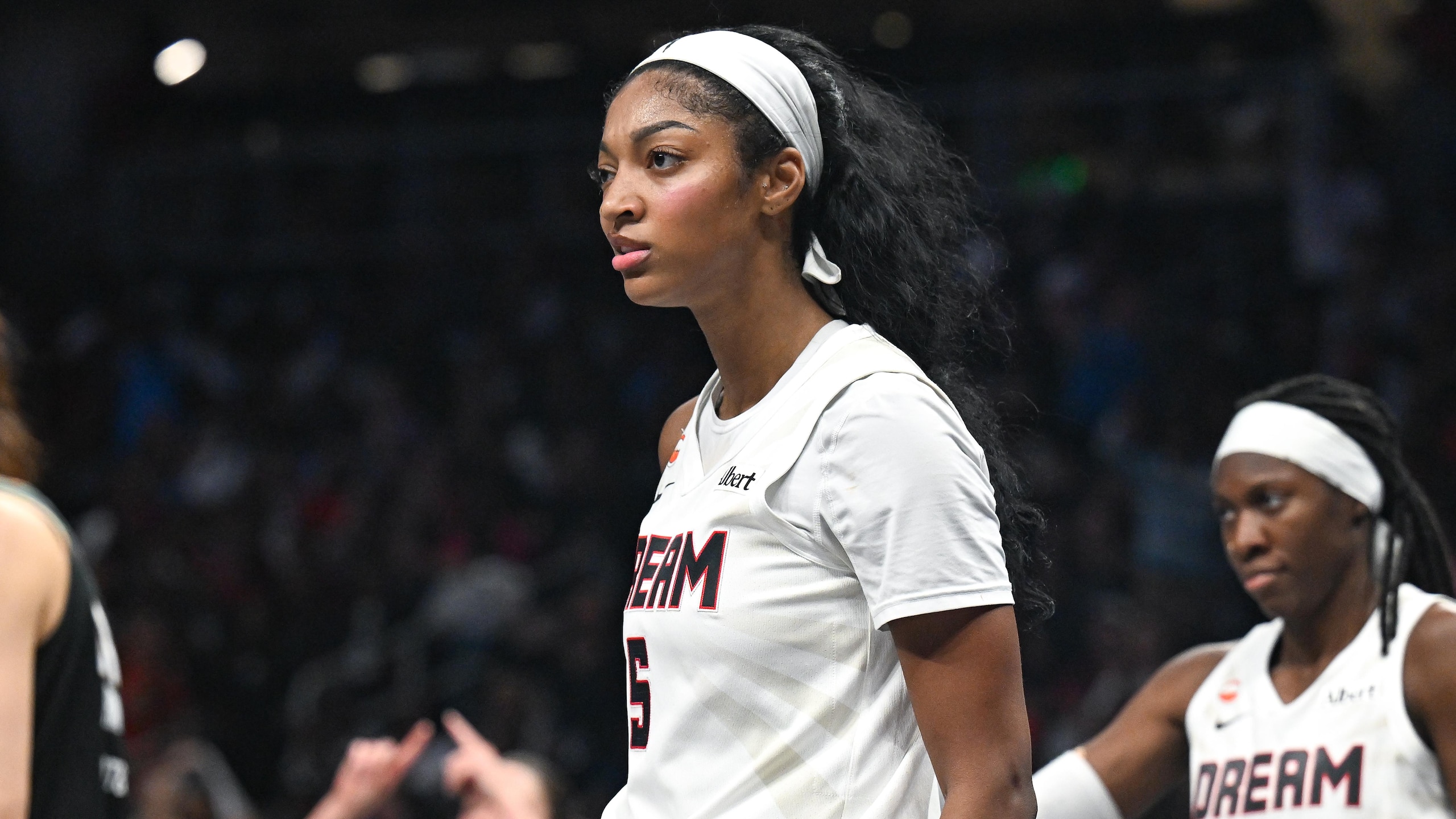
Wing: Allisha Gray, Atlanta Dream
3 of 6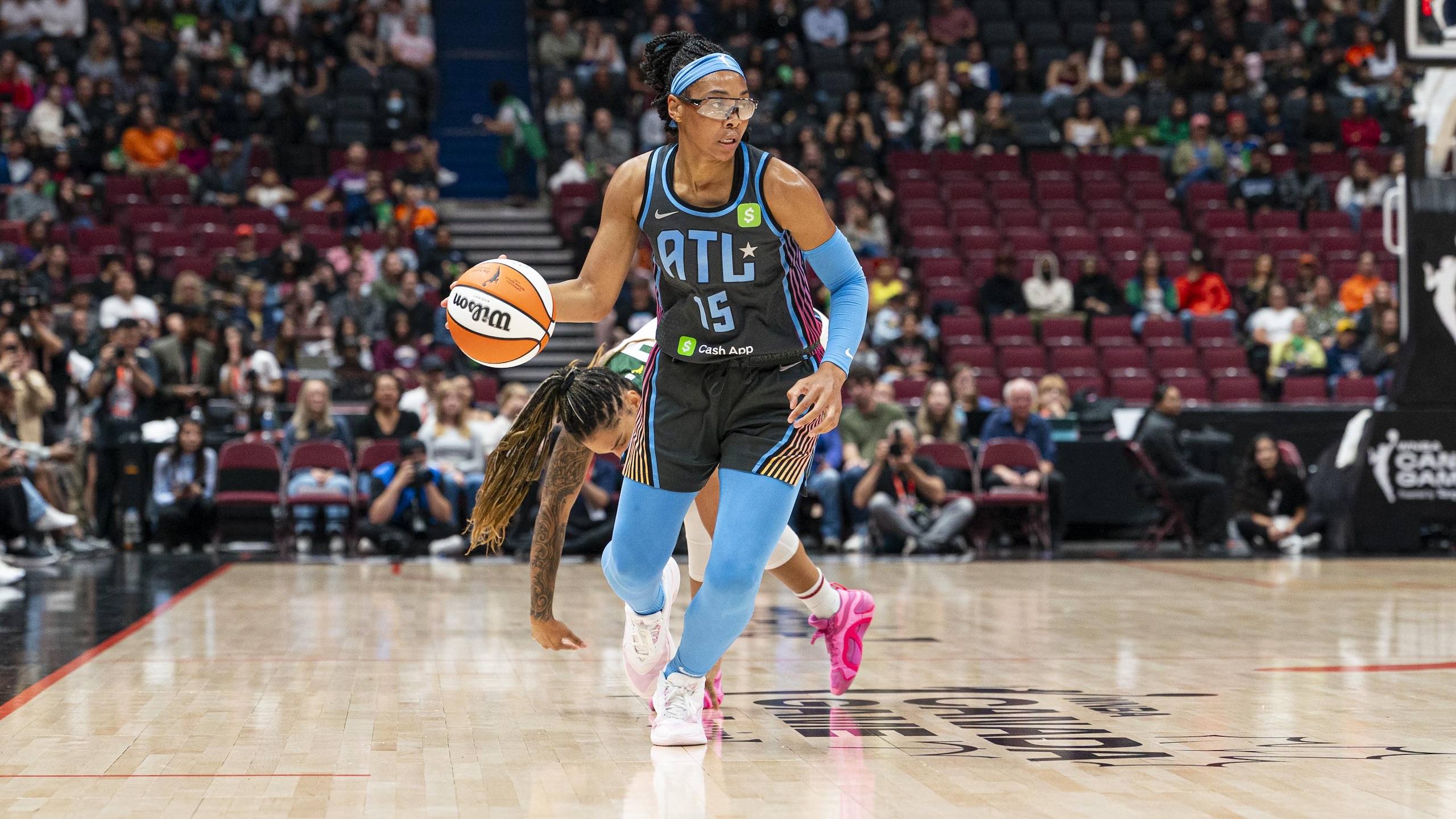
This year's numbers: 18.5 points, 5.5 rebounds (0.8 offensive), 3.7 assists (1.9 turnovers), 1.2 steals, 0.3 blocks
Efficiency stats: 49.6% on 7.0 twos, 39.3% on 6.1 threes, 79.8% on 5.5 free throws; 59.7 True Shooting (+5.5 above league average)
Gray has firmly established herself as a bona fide star in this league. Not only that, but she's also found herself on the fringes of the MVP discussion because of her two-way excellence.
Head coach Karl Smesko overhauled the Dream's offense, notably their spacing principles and preferred-shot profile. These changes have been a godsend for Gray; she's always been able to knock down threes and attack tilted defense, but she's been empowered and encouraged to take more ownership of the offense.
She's more willing to take threes off the bounce, particularly when defenders try to duck under picks in an effort to keep her out of the paint. In anticipation of that gambit, we've seen her counter by rejecting screens altogether to get downhill. In fact, she's already rejected more screens this season (55) than she did all of last year, postseason included (32).
That manipulation, and the growing attention she's earned, has led to more passing windows for her to take advantage of.
Taking on that kind of usage isn't easy; doing so while only seeing a modest uptick in turnover rate—and still sporting a solid assist to turnover ratio—is a good bit of business.
Wing: Gabby Williams, Seattle Storm
4 of 6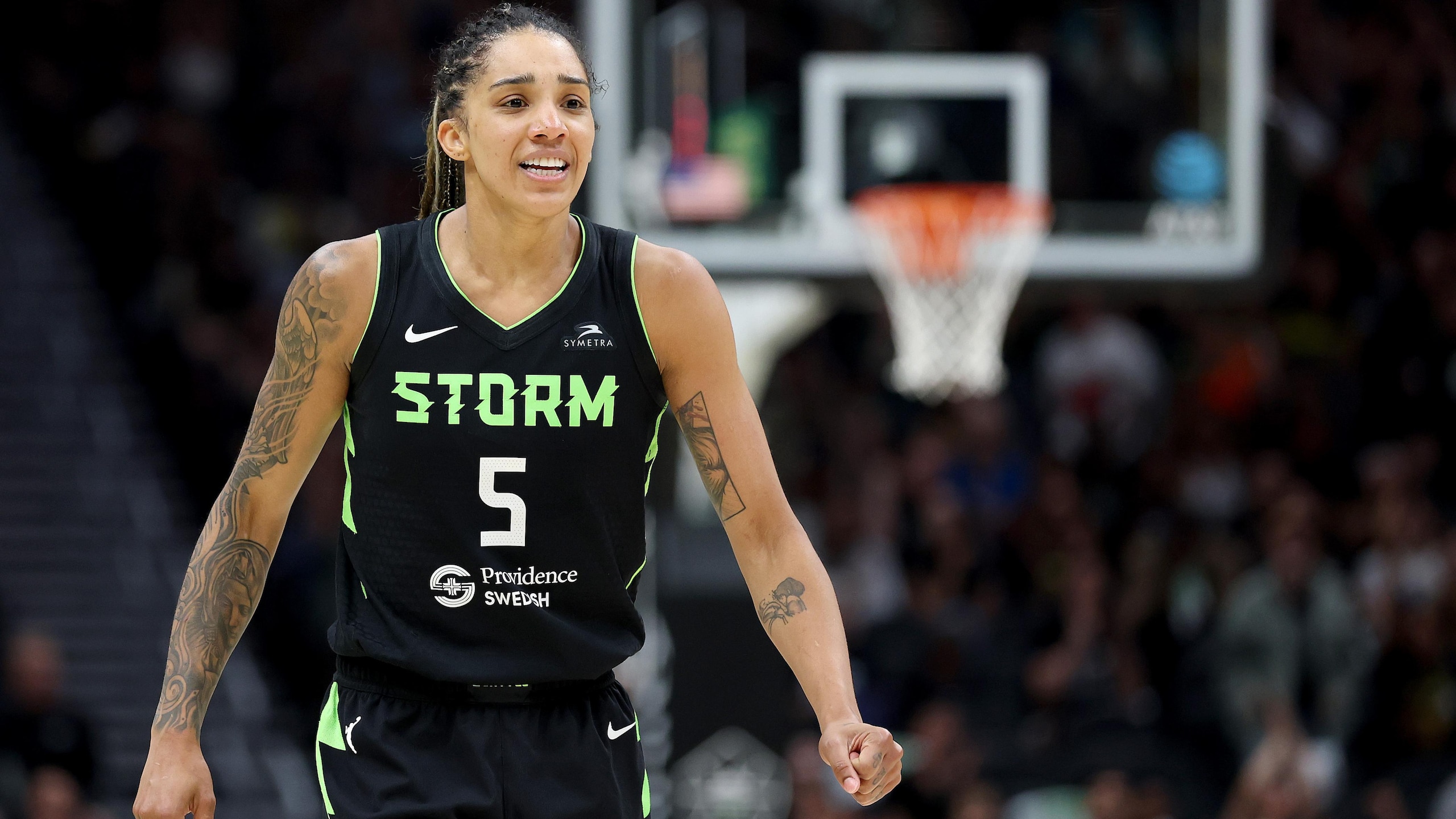
This year's numbers: 12.3 points, 4.4 rebounds (0.6 offensive), 4.5 assists (2.0 turnovers), 2.4 steals, 0.5 blocks
Efficiency stats: 52% on 7.0 twos, 29.9% on 4.0 threes, 85.5% on 1.7 free throws; 52.4 True Shooting (-1.8 below league average)
There may not be a more terrifying situation for opposing ball-handlers to navigate than Williams as a helper, either at the nail or in the weak-side corner.
She is so good at disrupting drives and making acrobatic plays on passes that should be out of her area. This is all in addition to generally being a pain to dribble against.
On the other end, Williams has run a healthy dose of ball screens (430, 20th) and handoffs (210, 13th). She's a good driver and playmaker in her own right, but she's also seen an uptick in utility as the Storm have worked to get Skylar Diggins off the ball more than last season.
Williams' three-ball has cooled after a strong start, but she's remained an impactful offensive player because of her blend of driving and playmaking chops.
Taking on more of an initiation burden while defending at a first team All-Defense level—and some could argue DPOY-level—is incredibly hard to do, but Williams has been up for the challenge.
The Storm have needed every bit of what she's provided; they're over 22 points per 100 possessions better with her on the floor.
Forward: Naz Hillmon, Atlanta Dream
5 of 6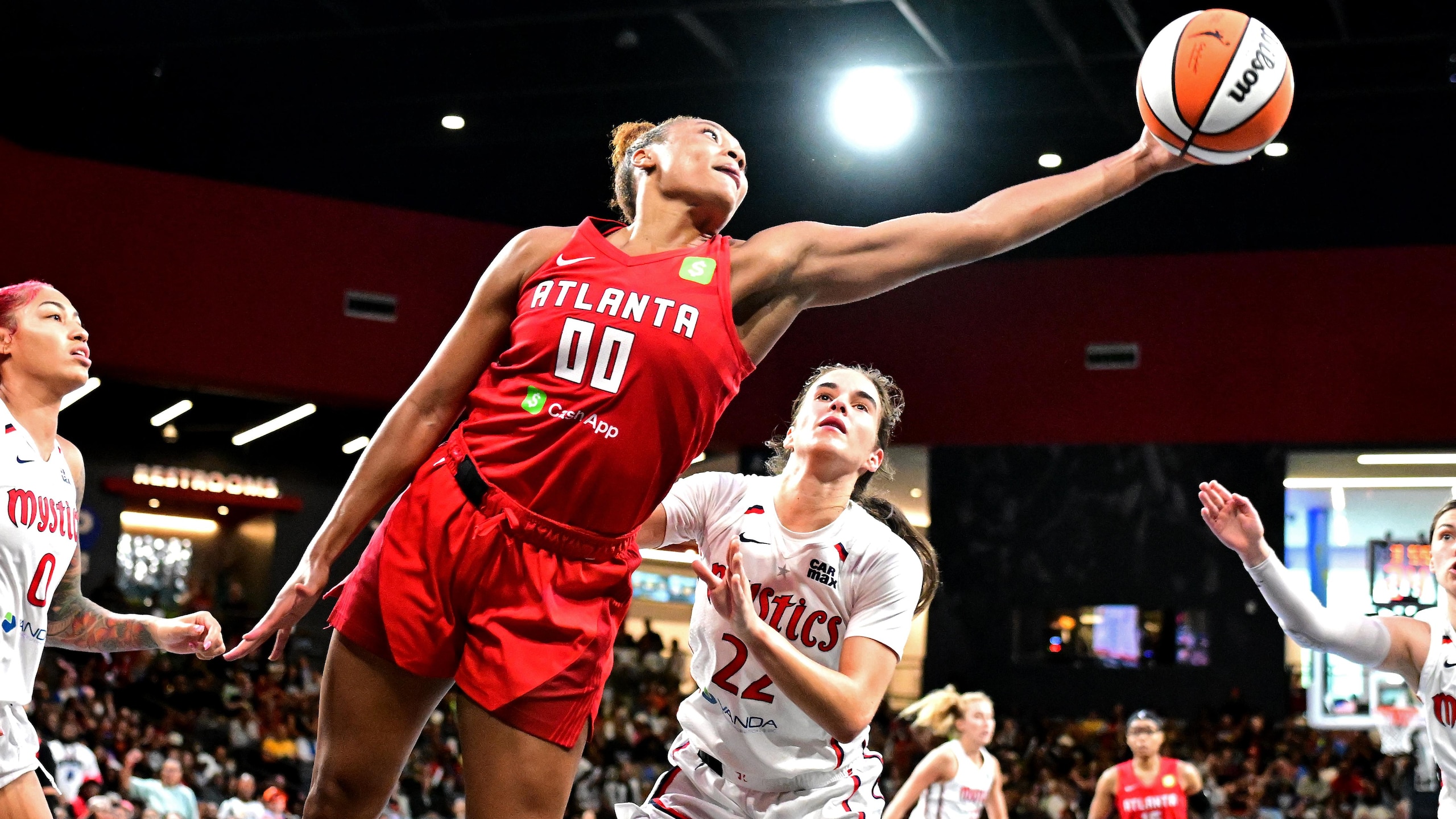
This year's numbers: 8.6 points, 5.9 rebounds (1.6 offensive), 2.2 assists (1.2 turnovers), 0.4 steals, 0.4 blocks
Efficiency stats: 67.7% on 2.8 twos, 31% on 3.7 threes, 84.3% on 1.5 free throws; 58.9 True Shooting (+4.7 above league average)
Hillmon has gone from a nice frontcourt depth piece to a near-indispensable part of a dark-horse contender.
The Dream's offseason was defined by change: a new head coach and a star-studded free-agency run headlined by the additions of Brittney Griner and Bri Jones.
Yet, it's Hillmon who has emerged as the most consistent closing piece in the frontcourt: she's outpacing both in overall 4th quarter minutes, and beating out Griner in clutch minutes.
The breakout for Hillmon has come on the offensive end. She has gone from rarely attempting threes (six career attempts before this season) to firing away with confidence. She's slumping right now (0-of-10 from deep over her last three games), but it's notable she's been confident enough to keep taking them.
The shooting serves as a complement to her screening, handoff work, high-post passing, cutting and occasional mismatch-punishing. Finding this kind of consistent offensive utility has led to more minutes, which means we've gotten to see even more of her multi-positional, scheme-versatile defense.
Center: Azurá Stevens, Los Angeles Sparks
6 of 6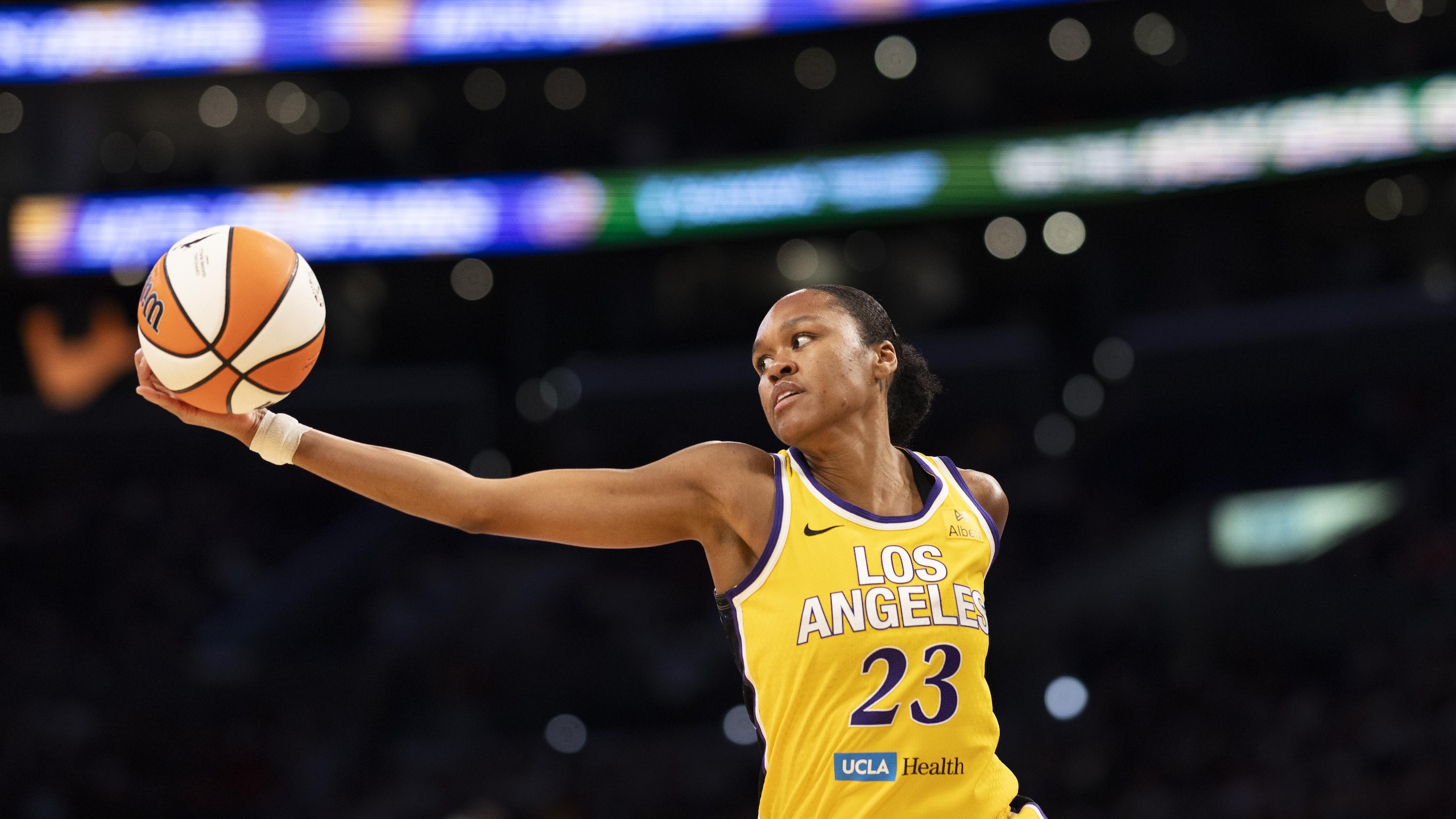
This year's numbers: 14.4 points, 7.9 rebounds (1.8 offensive), 1.9 assists (1.6 turnovers), 1.3 steals, 1.2 blocks
Efficiency stats: 57.9% on 5.9 twos, 40.8% on 4.5 threes, 78.2% on 2.6 free throws; 62.2 True Shooting (+8.0 above league average)
There's a lot of fun to be had with stat-based searches. For example, the list of players averaging at least 10 points, five rebounds, one steal and one block is six players long.
There's the superstar trio of A'ja Wilson, Napheesa Collier and Breanna Stewart; there's Emma Meesseman, a star-level talent in her own right who has only played eight games to this point. We also have Shakira Austin, a versatile young big who has bounced back from an injury-wrecked 2024.
Finally, there's Stevens, seemingly putting it all together and enjoying the best season of her career in the process.
Players the size of Stevens (6'6", 180 pounds) aren't supposed to be as skilled or move as fluidly as she does. They certainly aren't supposed to have the blend of skill and fluidity.
But new head coach Lynne Roberts has leaned into that uniqueness. There's a basic level of empowerment—she shoots or drives when she has opportunities to do so, and the random ball screens she's gotten to run (44 reps, 1.05 PPP) deserve credit—but Roberts has been intentional about moving Stevens around.
Sometimes she's spaced in the strongside corner; other times, she's in the weakside corner to force her defender to make a decision. She may be stashed in the opposite wing, providing more complicated help decisions for her opponent while doubling as a release valve in the offense.
You never really know where Stevens will be or how she'll be utilized on any given possession. She's equal parts amplifier and ceiling-raiser; it should come as no surprise that the Sparks have scored at an elite level with the 29-year-old on the floor.
All stats are current through games played on August 19. The stats are courtesy of WNBA.com (basic player stats/advanced team stats), PBP Stats (lineup combinations), or Second Spectrum (player or team tracking/play-type data) unless otherwise noted.

.jpg?w=2560 "NFL investigating 2 referees for separate viral exchanges")

.jpg?w=2560 "Report: Chiefs Contact Hill's Agent")
.jpg?w=2560 "OBJ Calls Out Giants After Release")
.jpg?w=2560 "Tyreek makes another cryptic post amid Chiefs rumors")


.jpg?w=2560 "Greenlaw Talks Payton Exchange")
