
What We've Learned about Caitlin Clark and the Indiana Fever in Year 2
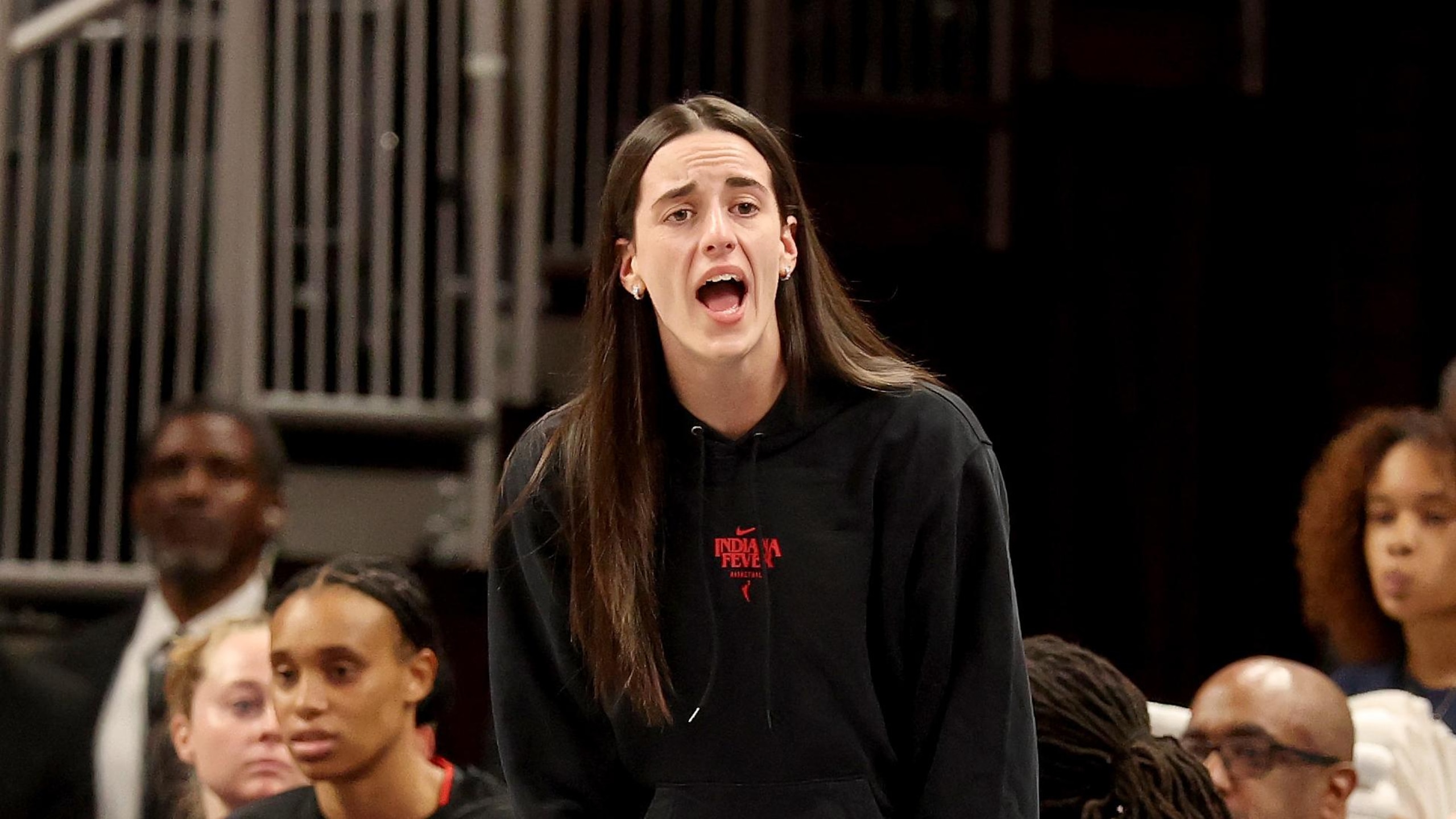
Caitlin Clark has only appeared in 13 of the Indiana Fever's 25 games to this point of the 2025 WNBA season. She's dealt with a left quad injury, a left groin injury and, most recently, a right groin strain. On Thursday, the Fever announced there was no official timetable for Clark's return as they worked to prioritize her long-term health.
It's an understandable decision considering how important Clark is. We're not even a full calendar year removed from her putting together one of the best rookie campaigns in WNBA history. It's also a bit deflating when you consider what some of the preseason expectations were.
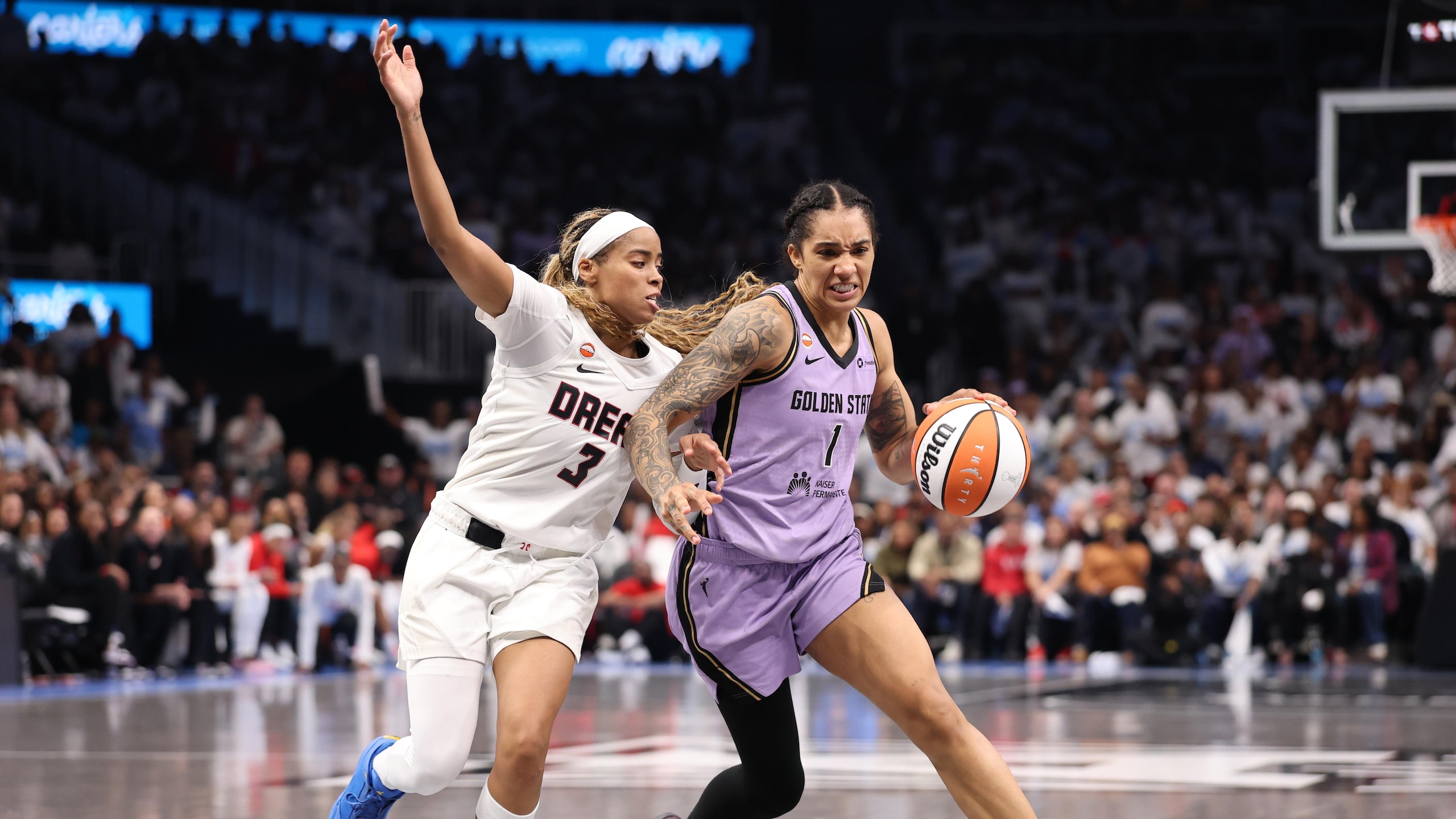
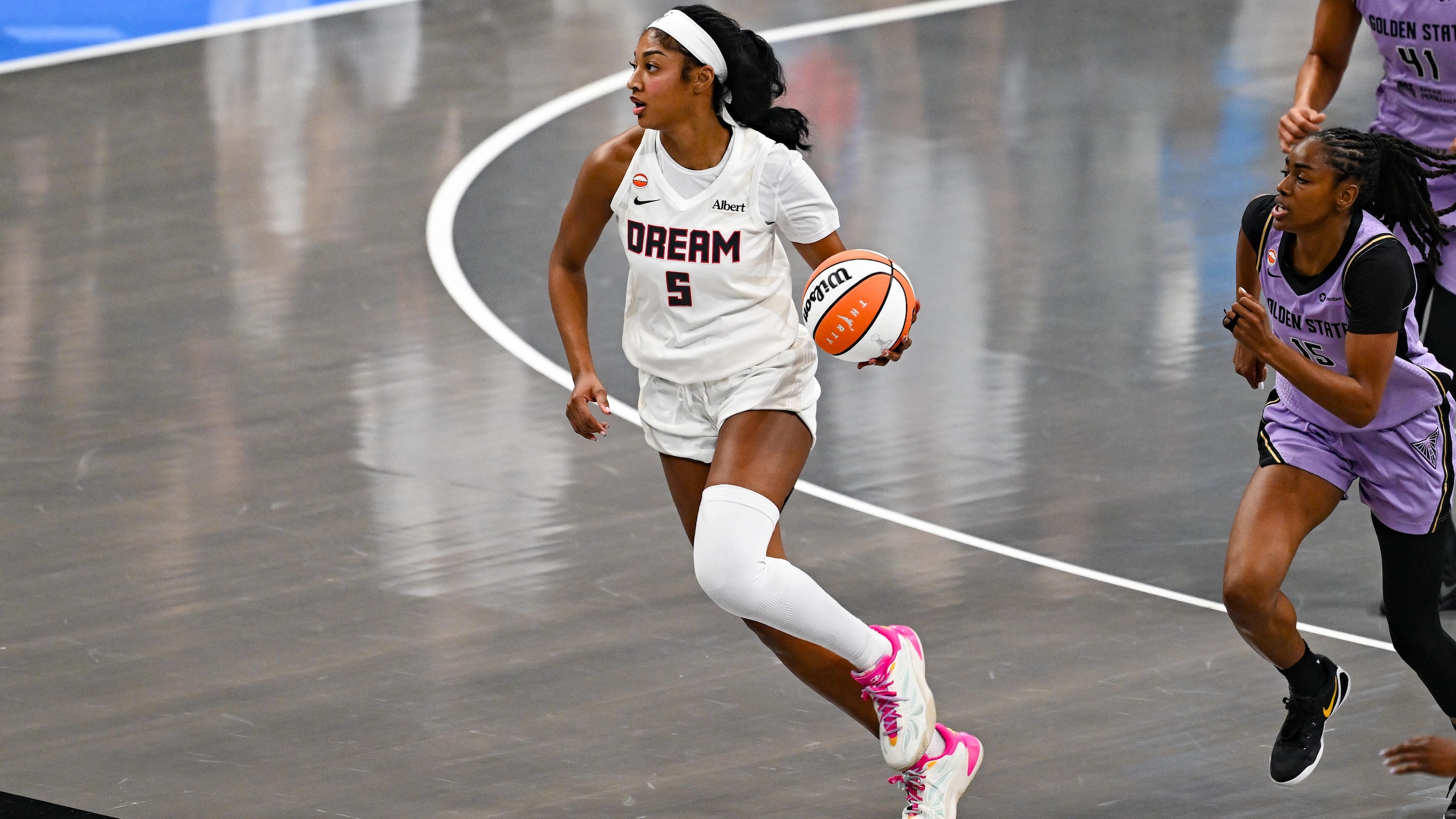
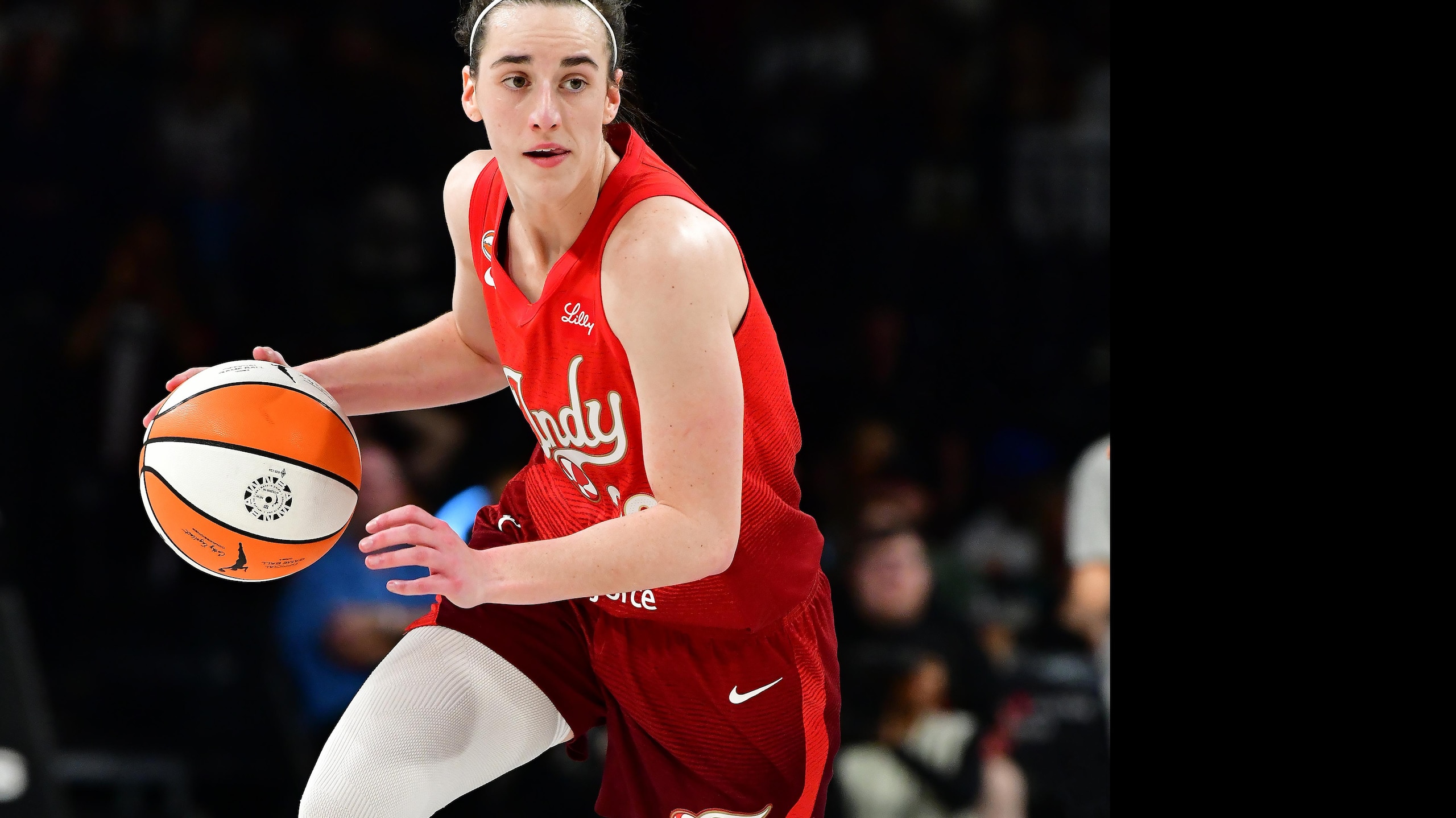
When you have a trio of All-Stars (Clark, Aliyah Boston and Kelsey Mitchell), add veterans with championship experience (Natasha Howard, DeWanna Bonner) or 3-and-D juice (Sophie Cunningham), and make a big coaching swing (Stephanie White), you're signaling to the league that you're ready to accelerate the rebuild.
It was always rich to have them in a tier with last year's Finals participants (Liberty, Lynx), but reasonable arguments could be (and were) made that the Fever were in the tier below them. Opening the season with a 35-point win over the Chicago Sky, headlined by a 20-10-10 game (with six "stocks") from Clark, certainly didn't hinder those feelings of optimism.
Since then, we've had the Clark absences and the departure of Bonner altogether. I'm not sure anyone had the Bonner experience going the way that it did on their personal bingo card: nine games (only three starts), 7.1 points (33/36/90 splits), 3.8 rebounds and 1.1 steals before stepping away from the team, getting waived, and making her return to the Phoenix Mercury.
Teams Have Flipped the Switch
Even before the injuries took over, it was interesting to watch how the league attempted to adapt to Clark. The core tenets of defending Clark remained. First, pick her up beyond half court and attempt to pressure her handle—the average pick-up point for Clark was around 49 feet last year, and that's bumped up to 52.4 feet this year. Off the ball, teams get into Clark's body early in an effort to prevent free releases—or touches altogether.
(Brief aside, you can firmly place me in the "y'all are trippin'" camp when it comes to the way that off-ball physicality on Clark was discussed—heck, the physicality in and of itself. It was, and is, on the referees to call a consistent game and to keep game emotions in check so things don't escalate, but the amount of #discourse had this year was frankly exhausting. It's basketball, y'all.)
One thing that did change was how teams dealt with Clark in on-ball actions. Last year, she was blitzed into oblivion. Per Second Spectrum, there were 33 players to run at least 300 pick-and-rolls in 2024. Clark was blitzed on over 11 percent of those. Not only was that tops in the league, she was also the only player with a double-digit blitz rate (Dream wing Rhyne Howard was second at 8.4 percent).
That gambit felt smart early in the season, particularly when then-Sun forward Alyssa Thomas was blowing up ball screens and forcing Clark to retreat. It didn't feel so good in the second half of the year, when the Clark-Boston two-player game really took off and became one of the more devastating actions in the league.
Teams decided to dial back the blitzing this year, opting instead to lean into more switching. There are still pockets to attack against switching—slips are your friends!—but the decision to "flatten" out actions and take away the juicier openings and four-on-threes that Clark generated was a smart choice.
It often led to a hitch in the Fever's half-court attack and shed a light on some growth areas for Clark as an isolation scorer—her comfort going right, and her willingness to operate in the mid-range (though it's grown) being near the top of the list. To the numbers themselves, it's funny to see how stark the coverage shift on Clark's ball screens have been:
- 2024: 7.1% switch rate (1.06 PPP), 11.3% blitz rate (0.83 PPP)
- 2025: 16.8% switch rate (0.84 PPP), 5% blitz rate (0.95 PPP)
And to be fair to Clark, it's worth noting that Mitchell has also seen a higher rate of switches than last season (8.4 percent last year, 13.1 percent this year). To that end, it's been cool watching the Fever attempt to evolve their attack.
There's been more of an emphasis on half-court tempo—both on and off the ball—to counter some of the physicality and switching they've seen. They've leaned more into Boston as a hub, allowing her to make way more dribble handoff (DHO) decisions than she did last season.
After logging nearly 12 handoffs per 100 possessions last season, Boston is up to 21.3 this year. Overall, she's initiated 315 DHOs, the highest mark in the league by a wide margin (Napheesa Collier is second with 259).
In addition to being a good passer and decision-maker, Boston has grown more comfortable as a self-creator. She has a smooth enough handle to attack from the perimeter, and she hits first—and hard—when looking to carve out space in the paint. She's firmly placed herself in All-WNBA conversations this season because of that growth.
The Defense May Be Good Enough Now
With 5:57 left in the second quarter, Aces guard Chelsea Gray receives an inbounds pass from the left sideline.
Gray waits patiently at the left wing while some off-ball choreography begins. A stagger—a pair of off-ball screens—is being established for Jewell Loyd to hopefully get her a clean look. Unfortunately for Loyd, Kelsey Mitchell has no intention of letting that happen.
Mitchell top-locks Loyd, placing herself between Loyd and the incoming screens from Megan Gustafson and Kiah Stokes in an effort to take them off the table. Instead of coming off the screens, Loyd alters her path and runs underneath them to receive the ball at the top of the key. Initial crisis averted, but there's more.
Aces rookie forward Aaliyah Nye is next up in the chain, darting from the left corner to the right side of the floor to use the screens that Mitchell took away from Loyd. Sydney Colson, a former Ace and current Fever backup (and still Face of the League), gets caught behind the action. She can't get back to Nye in time, so her teammate Aliyah Boston switches onto Nye to prevent a three-point attempt.
Nye attempts to beat Boston off the dribble, but Colson is now in a position to help. Nye tries to swing a pass to the same (left) corner she previously vacated, to a seemingly-open Megan Gustafson, but Sophie Cunningham expertly sinks down to intercept the pass.
It's the kind of defensive cohesion we've seen more of from the Fever this year. They needed to take a leap, not just a step, on that end after finishing 11th (out of 12 teams) in defensive rating last season. It was item number one for new head coach Stephanie White to address, and the returns so far have mostly been positive.
One of the most notable shifts from the Fever, funny enough, is how often they have deployed backcourt pressure. Their average pick-up distance on ball-handlers has jumped from 38.3 feet last year (last) to 45.8 feet (5th) this year. Aari McDonald, Lexie Hull and Cunningham have contributed mightily to this trend; their energy and physicality wears on opponents, shaves valuable time off the shot clock, and ultimately gives the Fever more margin for error in the half-court defensively.
Those pick-up points set the tone for what has been, overall, a much more aggressive defense. Boston doesn't hang back in drop coverage as often as she has her first two seasons; she's either switching or getting up to the level of the screen to take away space. Ditto for Howard, whose scheme versatility and penchant for off-ball switching and communication has been quietly important for the Fever this year.
Case in point, look at how drastic the shifts have been for the Fever against ball screens:
- 2024: 9.4% switch rate (7th), 1.7% blitz rate (9th)
- 2025: 17.5% switch rate (4th), 7.8% blitz rate (1st)
Circling back to Clark, you'd love to see her display more possession-to-possession consistency when she returns. She's shown she can operate in the do-your-job realm when engaged, funneling ball-handlers to her post players (or surprising her matchup with on-ball blocks) and being attentive enough off-ball to generate deflections.
Too often this year, she's been a step slow to react. It's worth wondering how much of that has been due to what she's attempted to play through. Still, the line between funneling a drive to help and giving up a drive that requires help is a thin one, and she's been on the wrong side of the line too often.
The Fever have only been slightly better defensively without Clark on the floor, but a lot of that is driven by teams shooting 28.5 percent from three with Clark on the floor compared to 33.2 percent with her on the bench. Per Second Spectrum, opponents are underperforming their expected shot quality on threes by 7.5 percentage points.
Can the Fever Contend When Clark Returns?
It's worth noting how competitive the Fever have been in Clark's absence. While they have a 5-7 record in the games without her, they've actually outscored their opponents by seven points. They've leaned further into their defense in the Clark-less games, and, as noted earlier, they've been getting some useful reps out of Boston as a hub in addition to Mitchell's explosive scoring prowess.
It's not hard to make the case that a baseline of competence is being established on both ends. And that adding the dynamic talent of Clark back into the fold could lift the offensive ceiling tremendously while giving the defense more room to breathe. A top seven of Clark, Mitchell, Cunningham, Howard, Boston, Hull and McDonald is pretty darn good.
With that said, it's probably an unfair question to ask considering we don't know when Clark will return, and how long the ramp-up period will be in light of that. In light of that and the general greatness of the top tier—the Lynx are absurd, and the healthy, defending champion Liberty are going to be adding Emma freakin' Meesseman at some point soon—the answer should be "no" by default in an effort to give her and the team a little grace.
_0.png?w=2560 "Unranked Teams Cause Chaos in Rankings 📊")

.png?w=2560 "Week 8 Winners & Losers 📊")
.jpg?w=2560 "Jonathan Taylor Landing Spots 📍")





