

The biggest storyline around the 2025 NBA Summer League feels exactly like the one around the 2025 NBA draft.
It's all about Cooper Flagg, and then everyone else. Or maybe, Flagg, Dylan Harper and then everyone else.
As with the draft, though, the top two picks merely headline the Association's summer circuit. There are myriad other prospects to keep close watch on in Las Vegas.
To help hammer that point home, we're ranking the top 30 prospects on our must-watch summer league list. While this is a subjective exercise, the aim is to rank players based on both their talent level and their potential significance in the upcoming season (or campaigns beyond it).
Since we're talking about prospects, we're placing the biggest premium on long-term potential. Therefore, the focus will be on rookies and sophomores, not journeymen hoping to find their way back onto NBA rosters.
This isn't a ranking of the best players or the ones who will author the best careers, but rather the ones we're watching closest to gauge their impact, appreciate their games and perhaps gain some intel on what lies ahead of them.
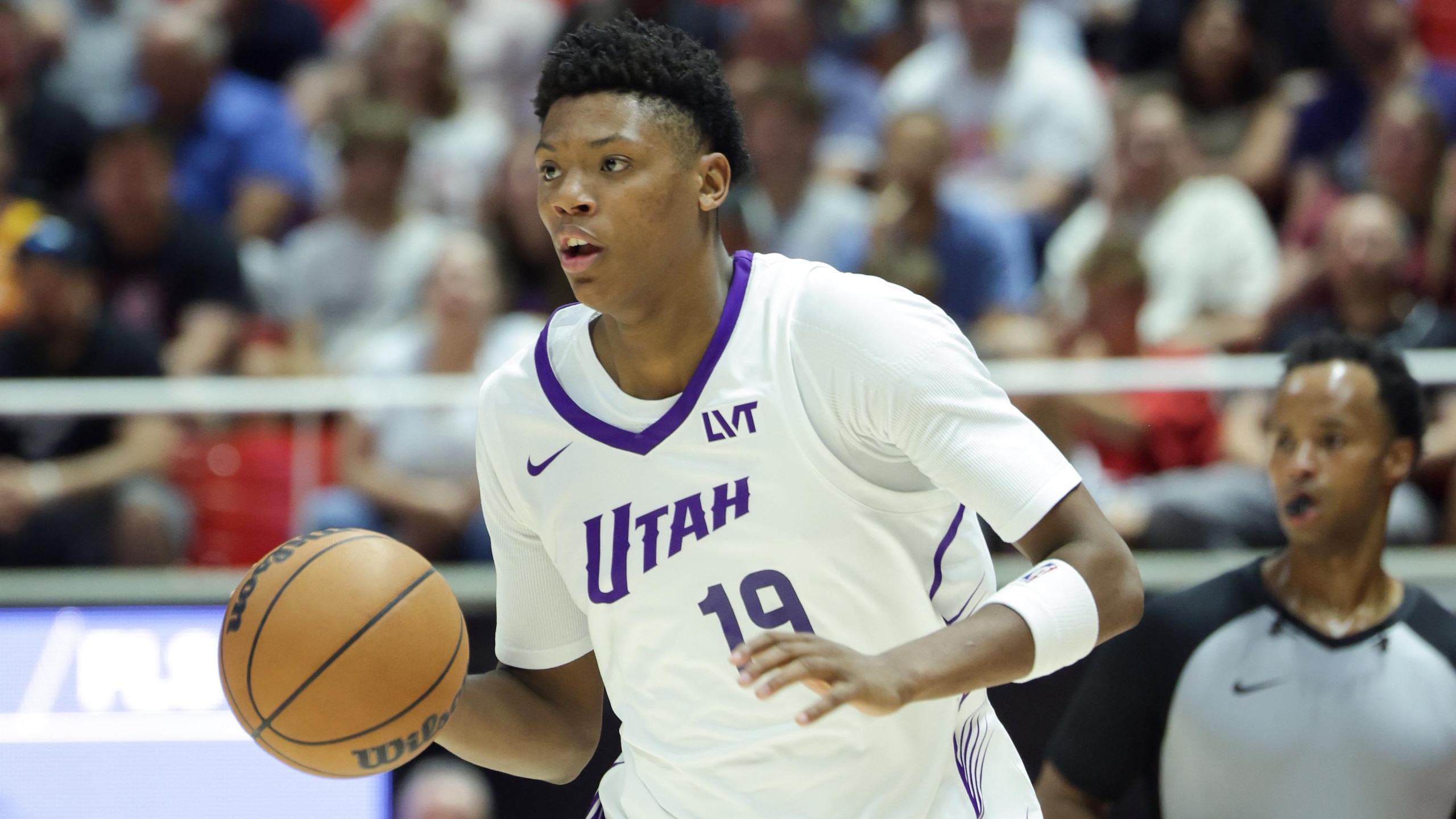
30. Cody Williams, Utah Jazz
1 of 30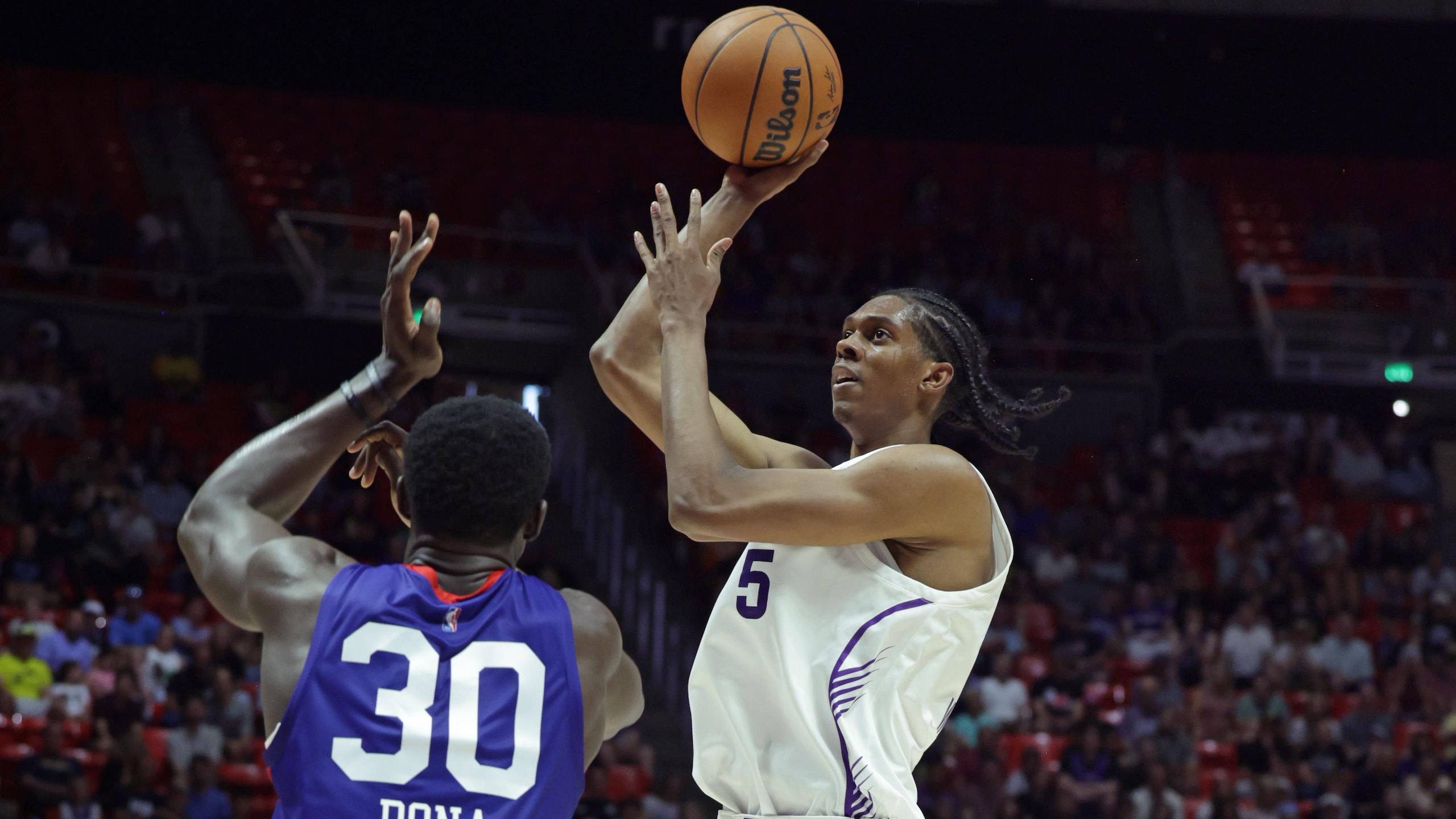
Williams was all-caps DREADFUL during his rookie season with the Jazz. We're talking historic levels of atrociousness. Among all of the players to log 1,000 minutes in a season since 1973-74, his minus-7.3 box plus/minus ranked third-lowest.
Is that enough reason to bail on the idea of last year's 10th overall pick ever figuring things out? That feels like an irresponsible rush to judgment. Remember, he was all of 20 years old and suiting up for a tanking team that purposely did almost nothing well. Developmental conditions were less than ideal.
Williams, the younger brother of Oklahoma City Thunder star swingman Jalen Williams, still boasts all of the physical gifts and baseline skills that led to his early draft selection. Alarm sirens will blare if he shows no developmental progress at summer league, but this will hopefully be the start of his redemption arc.
29. Jase Richardson, Orlando Magic
2 of 30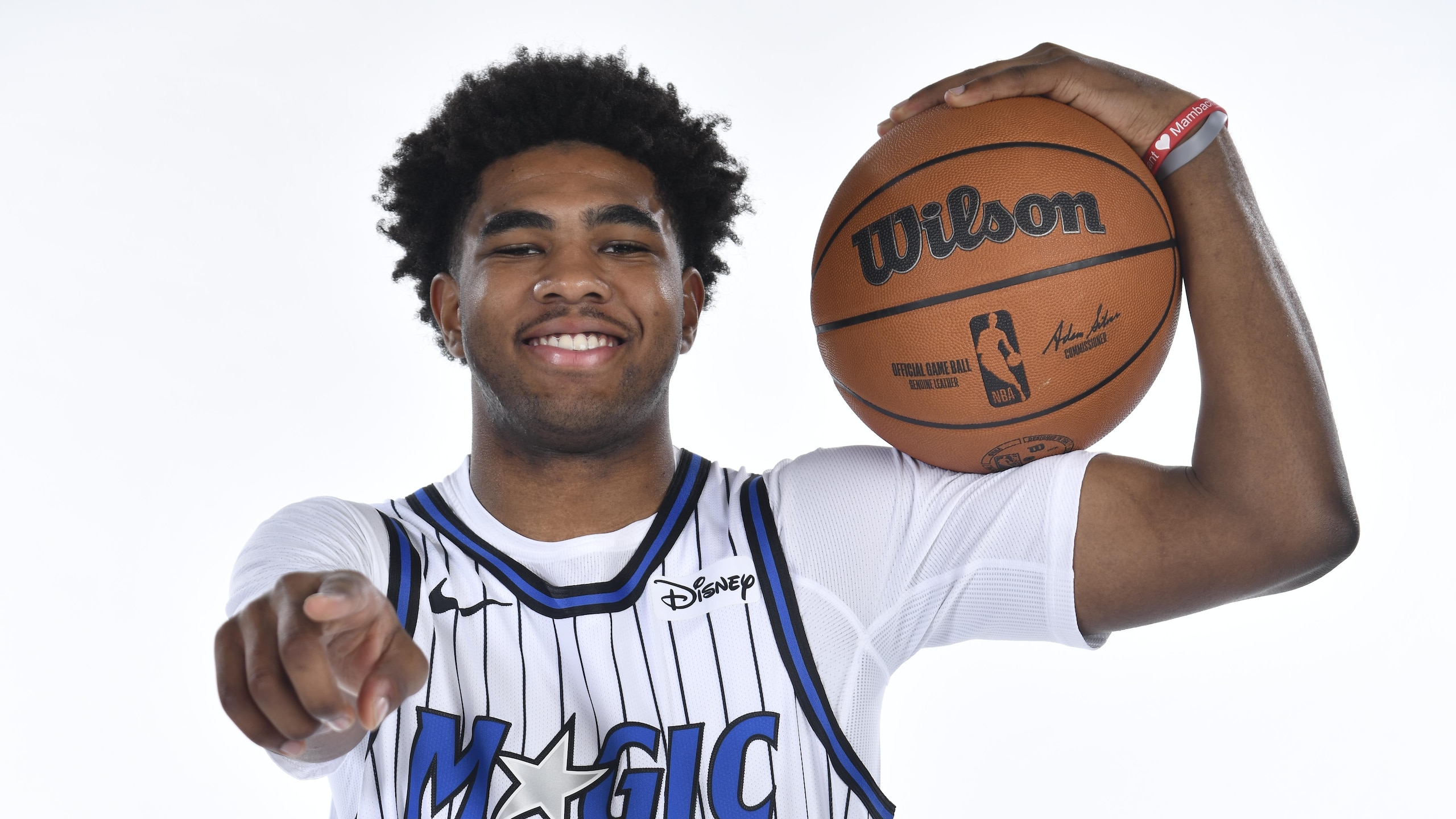
Lacking the size of a prototypical 2-guard and the handles of a traditional 1, Richardson lasted longer on draft night than most predicted (he had late-lottery buzz but wasn't selected until the 25th pick). This is his chance to show a lot of front offices they got it wrong—and perhaps carve out a rotation role with Orlando in the process.
The Magic may have boosted their backcourt offense with their blockbuster trade for Desmond Bane, but it's hard to imagine that one move scratched their years-long itches for creation, scoring and shooting along the perimeter. Richardson could help address all of those areas, provided he's ready for NBA minutes.
He didn't inherit all the bounce possessed by his father, two-time dunk contest champion Jason Richardson, but he has all of the feel and instincts you'd expect from someone who grew up around the game. If he can engineer some bucket binges, Orlando's already improved outlook for the upcoming season will become that much brighter.
28. Tidjane Salaün, Charlotte Hornets
3 of 30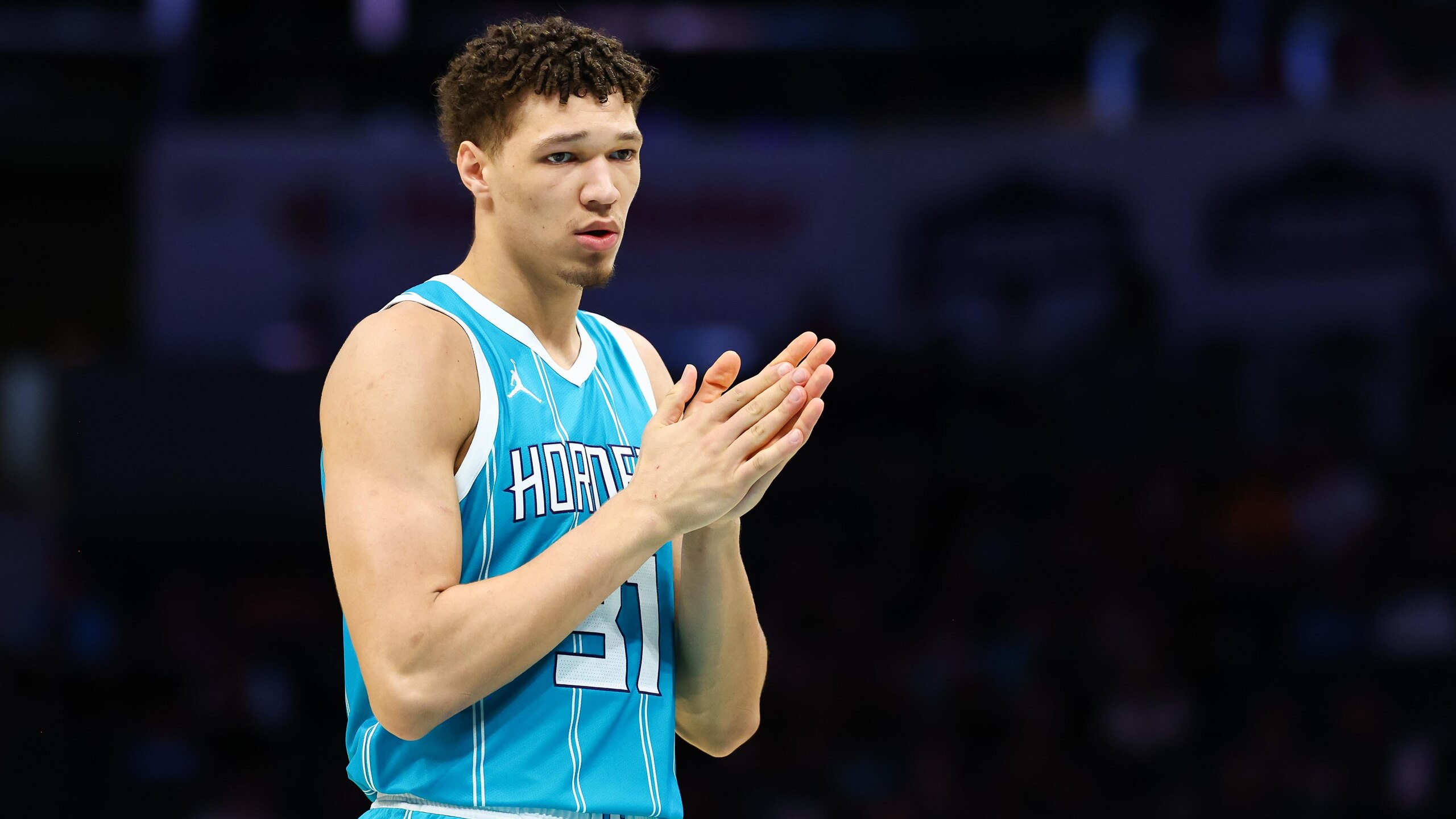
Salaün, last year's No. 6 overall pick, was billed as a toolsy prospect who was rough around the edges. That's basically how he appeared during his first NBA go-round.
Everything felt too fast for him. Nothing about his stat line offered encouragement. Even bumping his averages to their per-36-minutes rates gave him just 10.2 points, 8.1 rebounds and 2.1 assists. His 90.5 points per 100 shot attempts was a 4th percentile figure, per Cleaning the Glass.
It was brutal—but also sort of expected. He's still a teenager who is growing into his body and catching up to the competition in terms of his on-court feel. Hope shouldn't be lost, although Hornets fans could have a hard time holding onto it if he doesn't appear noticeably better.



27. Walter Clayton Jr., Utah Jazz
4 of 30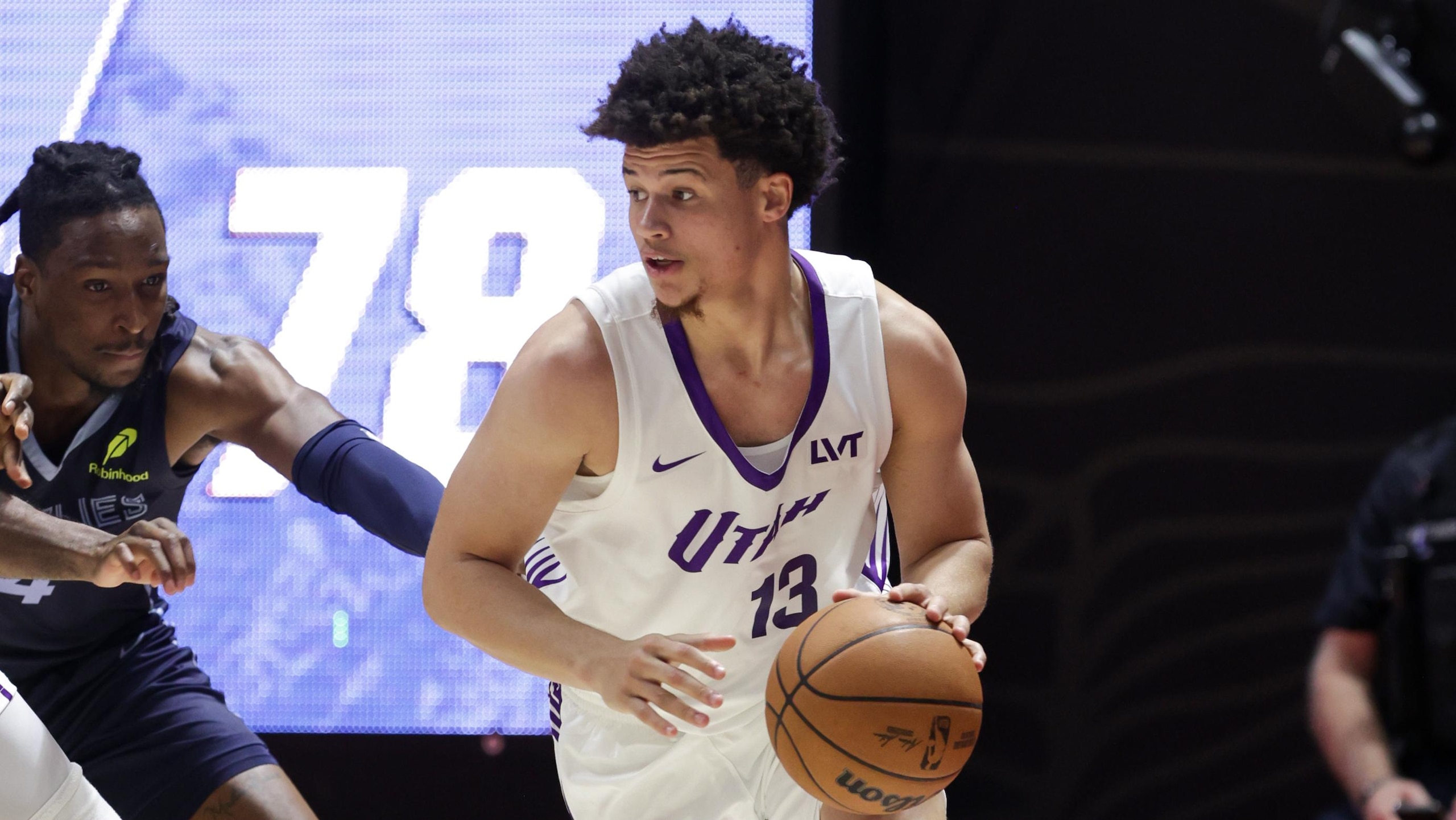
Hoop fans should already be familiar with Clayton, who engineered Florida's masterful run through March Madness to a national title. He is your proverbial big-time shotmaker, the kind of stone-cold net-shredder who makes you wonder whether the clutch gene is actually real.
He still faces a number of questions about his NBA transition, like whether he can be a good enough decision-maker to serve as a primary playmaker or if there's any defensive assignment he can handle at this level.
That skepticism should be cast aside on the summer circuit, though, as net-shredding and ignitable scoring typically reign supreme. With his confidence and deep shooting range, he is a sneaky-good candidate to deliver a viral scoring stretch or two in Sin City.
26. Joan Beringer, Minnesota Timberwolves
5 of 30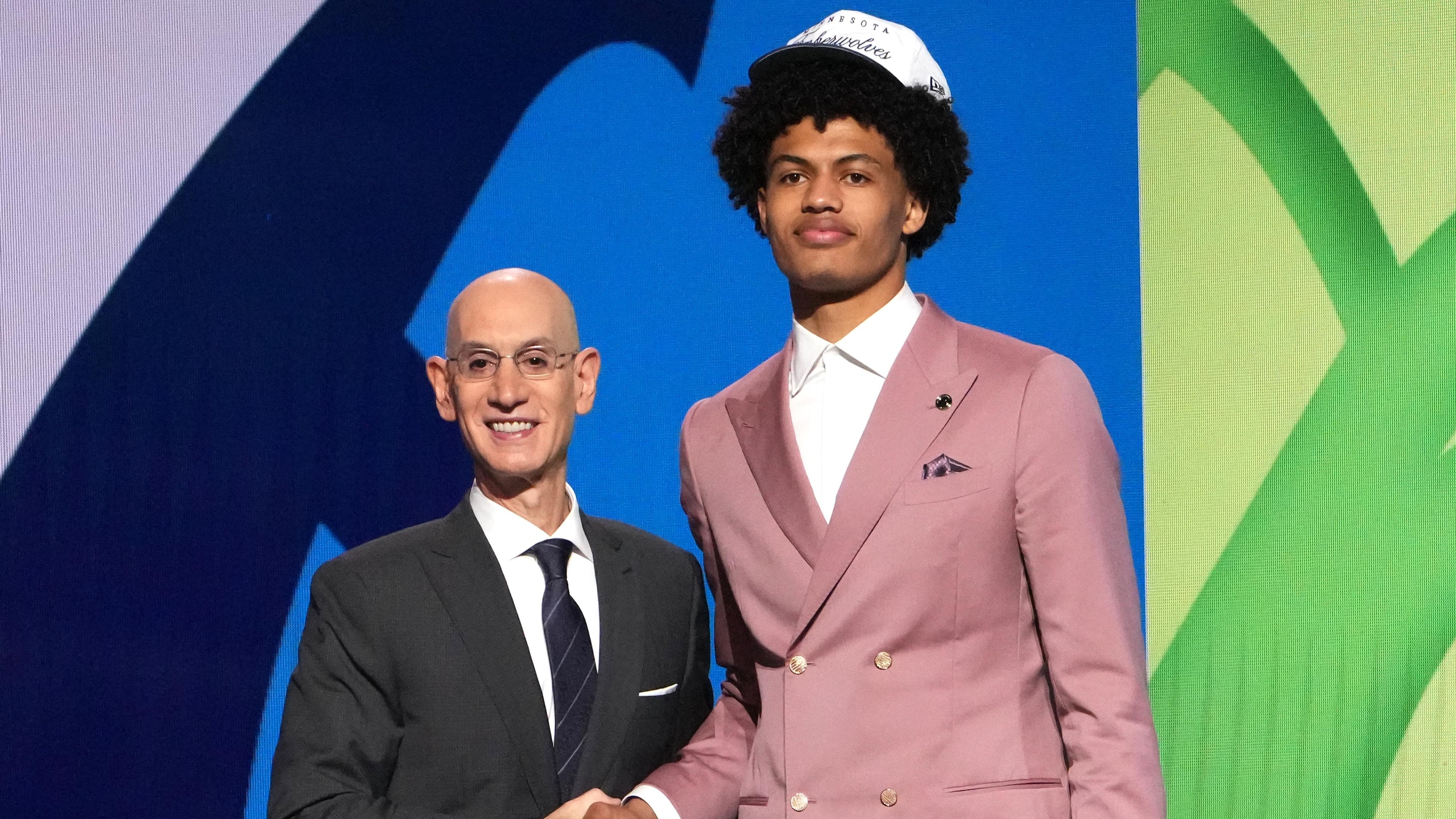
Beringer is long, mobile, bouncy as heck and 18 years old until the middle of November. That's reason enough for the Minnesota faithful to hold out rather significant long-term hopes for this year's 17th pick.
His skills and awareness both need buffering, yet he still looks ready to step into a rim-running role. Rather, that would be the case had he ended up on a team without as much frontcourt congestion as the Timberwolves have.
In other words, Wolves fans will want to soak up all the views of their newest pup for as long as they can. Regular-season minutes will almost surely come few and far between for Beringer with Rudy Gobert, Julius Randle and Naz Reid already filling the 4 and 5 spots.
25. Kasparas Jakučionis, Miami Heat
6 of 30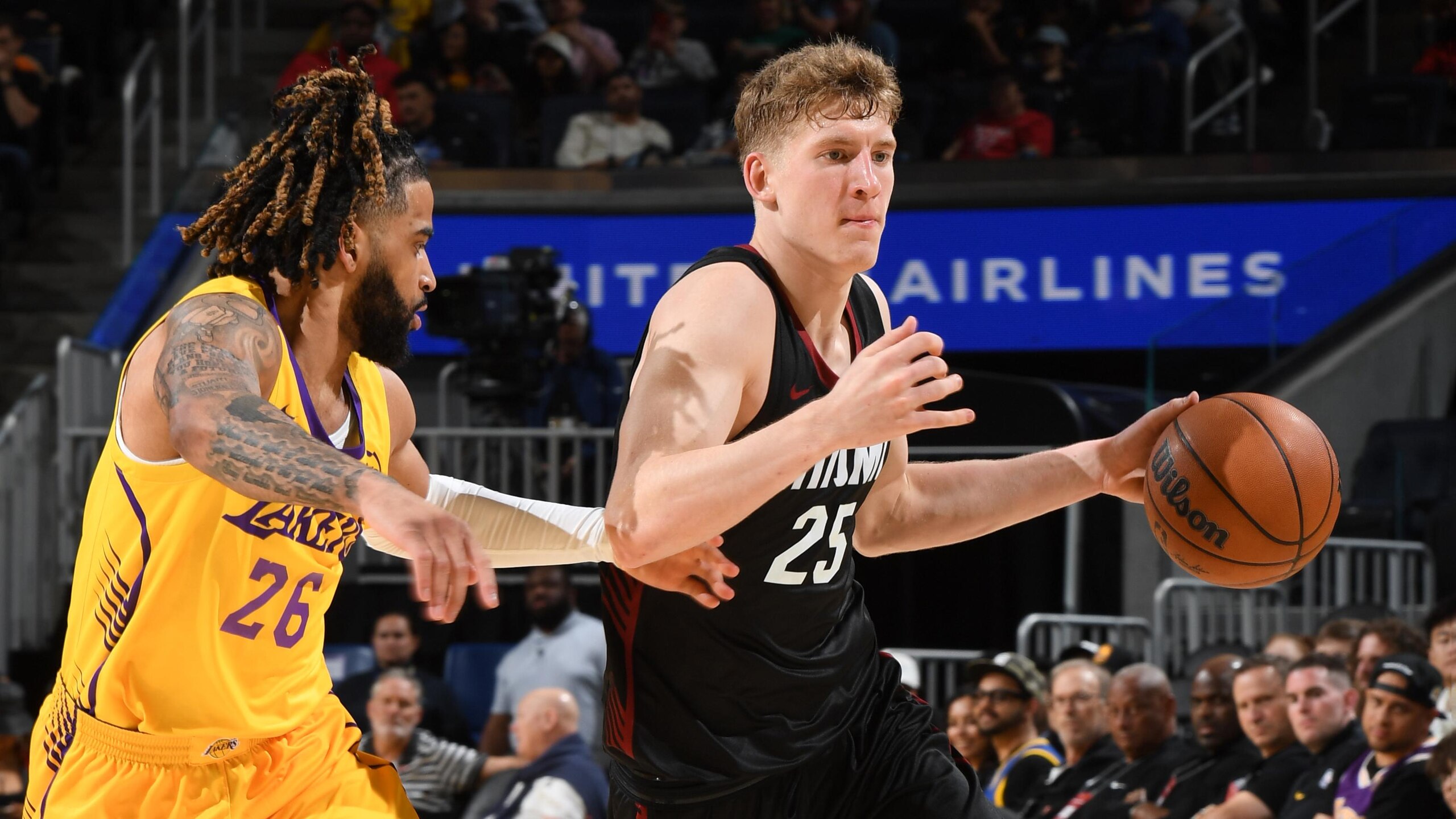
Want to know the best way to react to a couple of quiet games to start summer league for Jakučionis? It's simple—don't.
Would the Heat prefer their 20th pick to already look like the draft steal so many billed him to be? Without question. With that said, they're smart enough to know that summer league production (or the lack thereof) has little to no bearing on a player's long-term outlook. Stephen Curry, aka history's greatest shooter, once posted a 32.5 field-goal percentage on the summer circuit.
Still, Miami would take some proof of concept regarding Jakučionis as a draft heist if could get that. His finding any consistency from range would be hugely helpful, since that would open up the offensive end for him and ease some concerns about his lack of explosion.
24. Cedric Coward, Memphis Grizzlies
7 of 30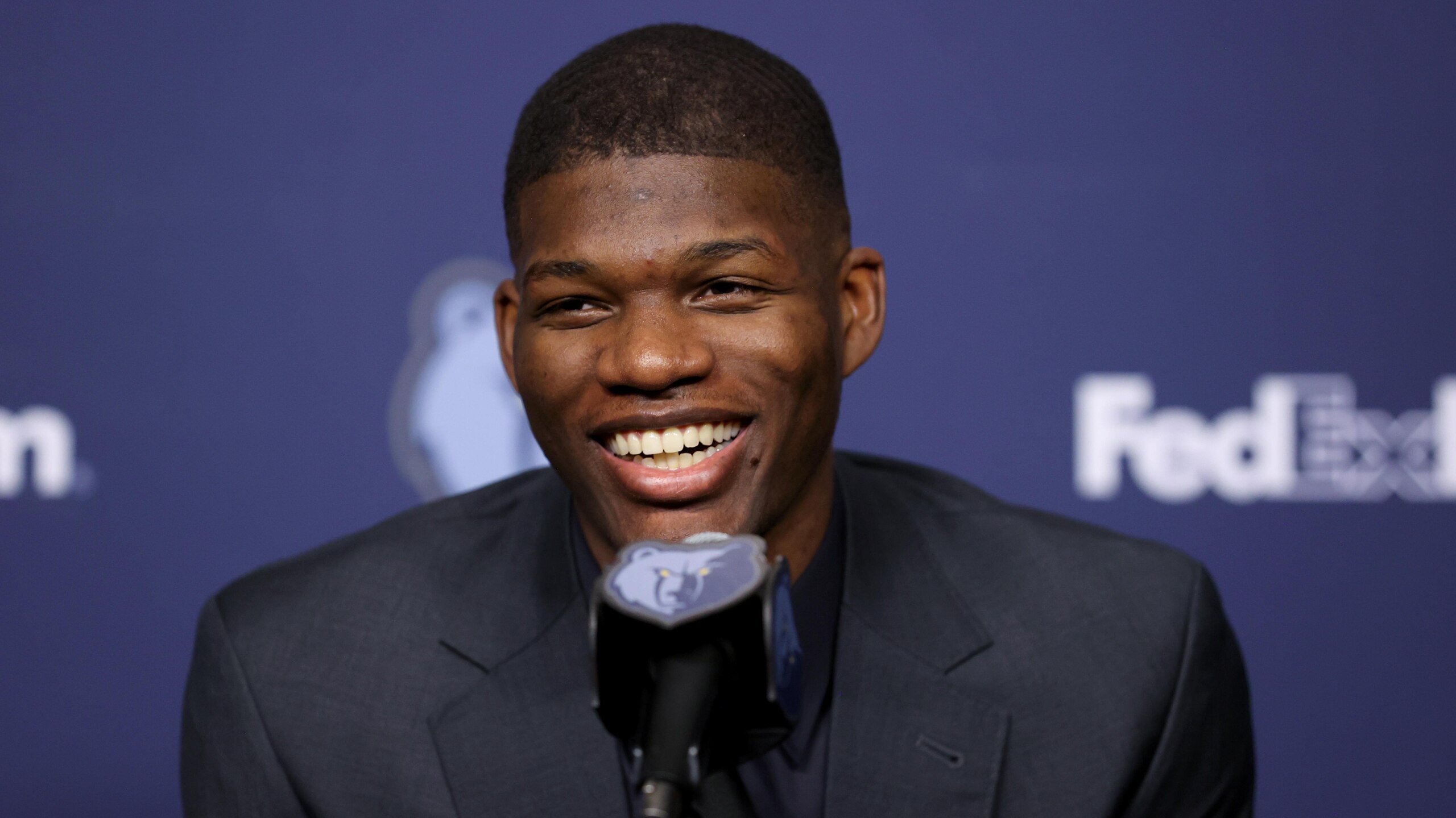
Coward took the crown as this year's best draft story after rising from Division III basketball to the NBA's draft lottery. Despite being limited to only six games by a shoulder injury this past season at Washington State, he still powered his way to the No. 11 pick thanks to tremendous physicals, a sweet shooting stroke and unique upside for someone who will turn 22 before his rookie season starts.
"My story is unique," Coward told For the Win's Bryan Kalbrosky. "The start is definitely not what many people think an NBA player should have. ... Honestly, it was a blessing in disguise because going to Willamette, Division III, taught me so much not only about myself but about the game as well. You have to make sure you put in the extra house and see it translate to the court during games."
Neutral fans should land on Coward's side for the improbable nature of his NBA journey, but Grizzlies fans will keep a closer watch to see whether the Memphis' decision-makers actually mined a diamond in the rough.
23. Jaylen Wells, Memphis Grizzlies
8 of 30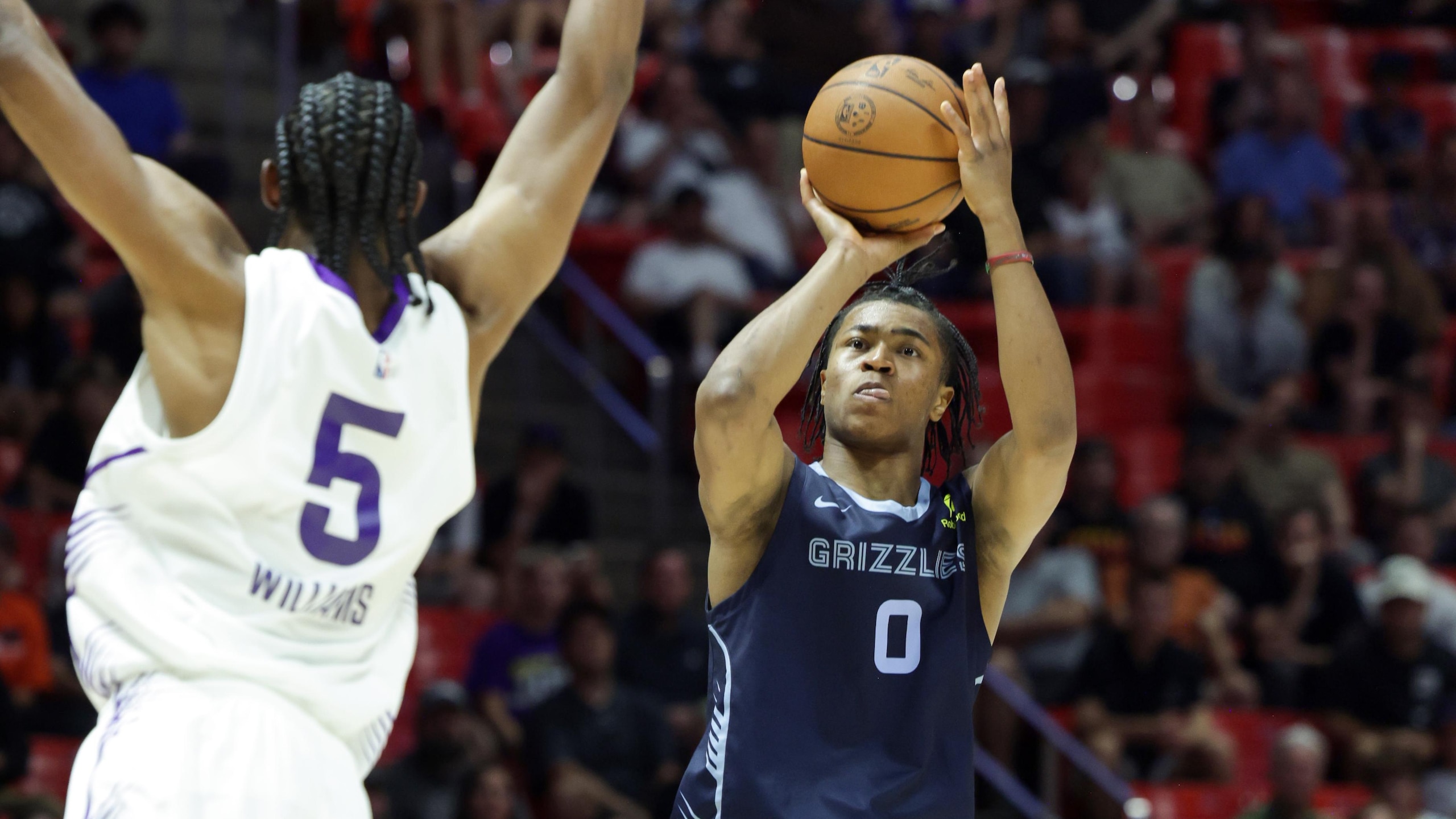
Wells, another Grizzlies wing who took a circuitous route to the league, has arguably already exceeded expectations for his NBA career.
He was the 39th overall pick in the 2024 draft. By season's end, he was a nightly starter for a playoff team, a Rookie of the Year finalist and an All-Rookie first-teamer. His 3.5 win shares are already the 15th-most in NBA history for a 39th overall pick.
Despite having already settled into a three-and-D role, his challenge now is to see how much he can grow as an off-the-bounce creator. This is the perfect time to experiment, as Memphis might need more scoring punch from him after moving on from Desmond Bane.
22. Carter Bryant, San Antonio Spurs
9 of 30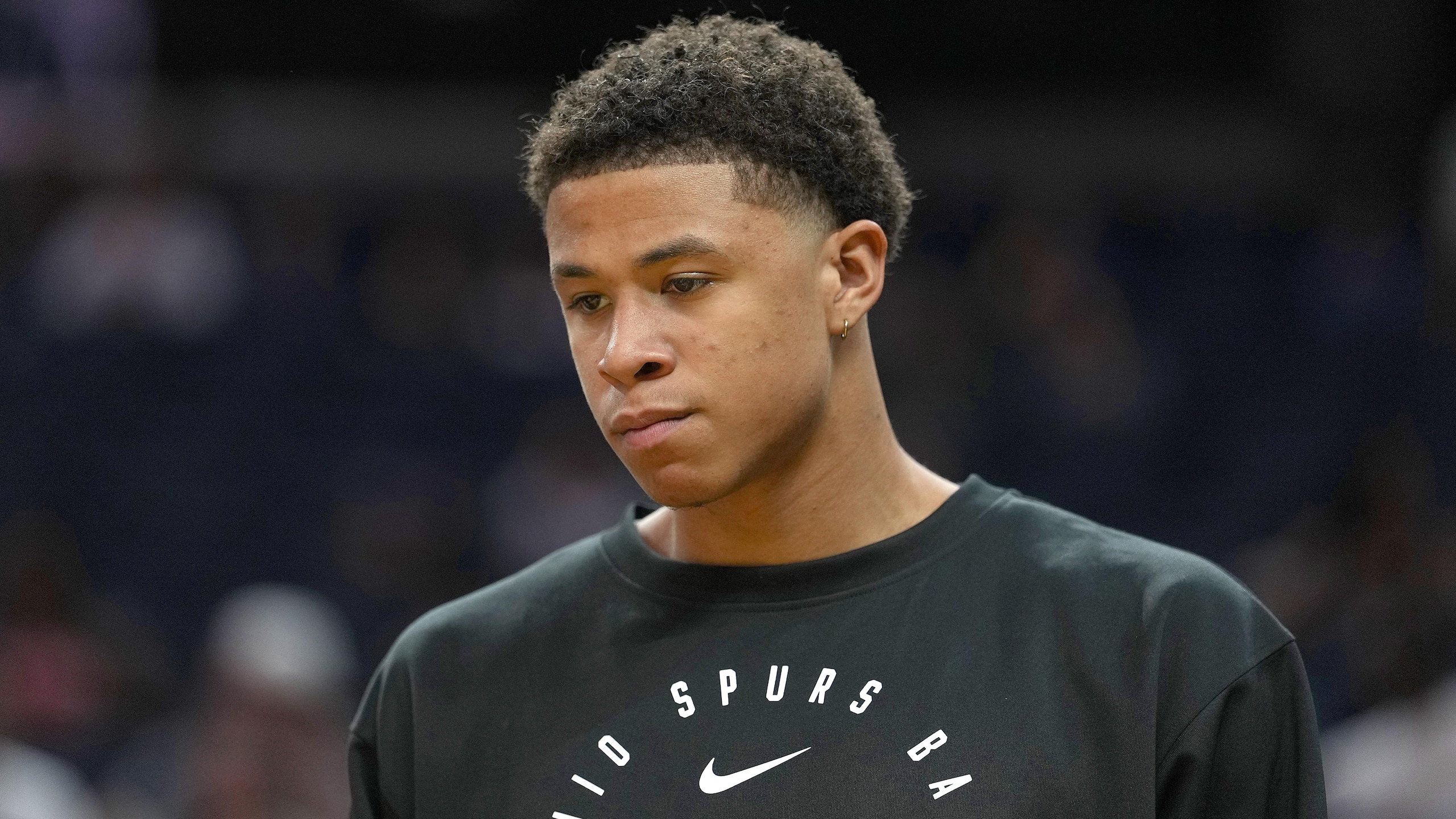
The 6'7", 215-pound Bryant appears readymade to step into a three-and-D support role in San Antonio. He is a versatile, multipositional defender who largely subsisted on catch-and-shoot threes and point-blank scoring chances at Arizona.
With the Spurs well-stocked in the star department between Victor Wembanyama, De'Aaron Fox, reigning Rookie of the Year Stephon Castle and No. 2 pick Dylan Harper, Bryant's supplemental skills seem like a perfect match for this squad. The Spurs would be wise to let him color outside the lines in Sin City, though.
Bryant's handles and decision-making both need tightening, but this is the time to let him loose. He may not need a bunch of off-the-bounce options with the big-league Spurs, but three-and-D wings grow immensely more valuable if they have any kind of counterpunch to being run off the three-point line.
21. Bub Carrington, Washington Wizards
10 of 30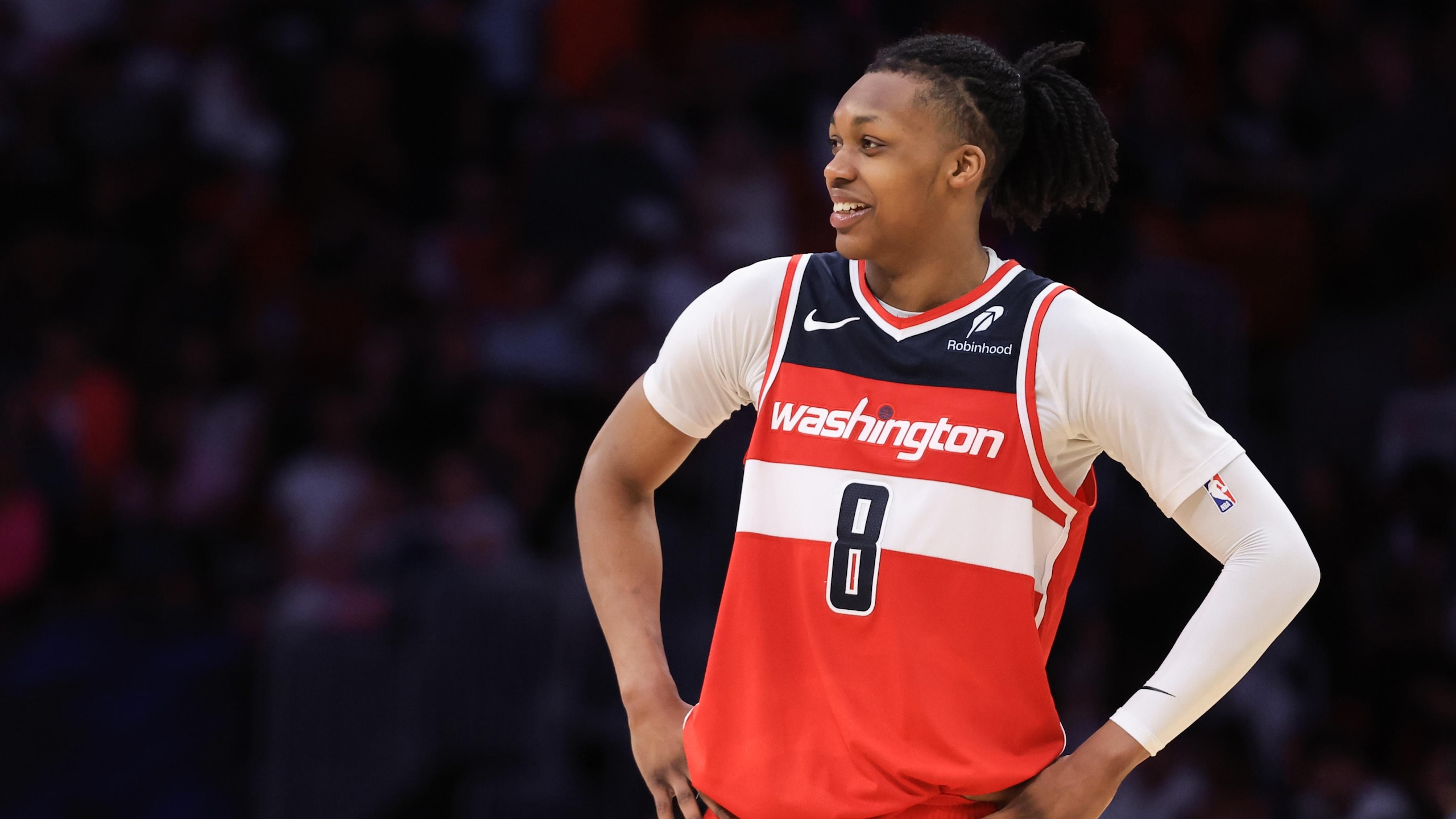
Draft enthusiasts will be well-versed with the Wizards' summer leaguers, which makes sense given the rebuilding state of the franchise. Washington boasts seven different first-round picks from this year and last, including Carrington, the 2024 No. 14 overall pick who went on to earn an All-Rookie second-team selection.
As one of the more offensively inclined members of this group, Carrington should have a neon-green light. While he averaged the sixth-most points of anyone from last year's draft class as a rookie, he shot only 40.1 percent overall and 33.9 percent from three-point range.
Efficiency isn't always easy to find in Las Vegas, but Washington has to be hoping for more accuracy out of Carrington. A sizzling (and potentially brief) summer could propel him toward a sophomore breakout. If he runs cold, though, there's a risk he'll wind up facing an uphill climb for touches and floor time with veterans CJ McCollum and Khris Middleton and rookie Tre Johnson also on the roster.
20. Rob Dillingham, Minnesota Timberwolves
11 of 30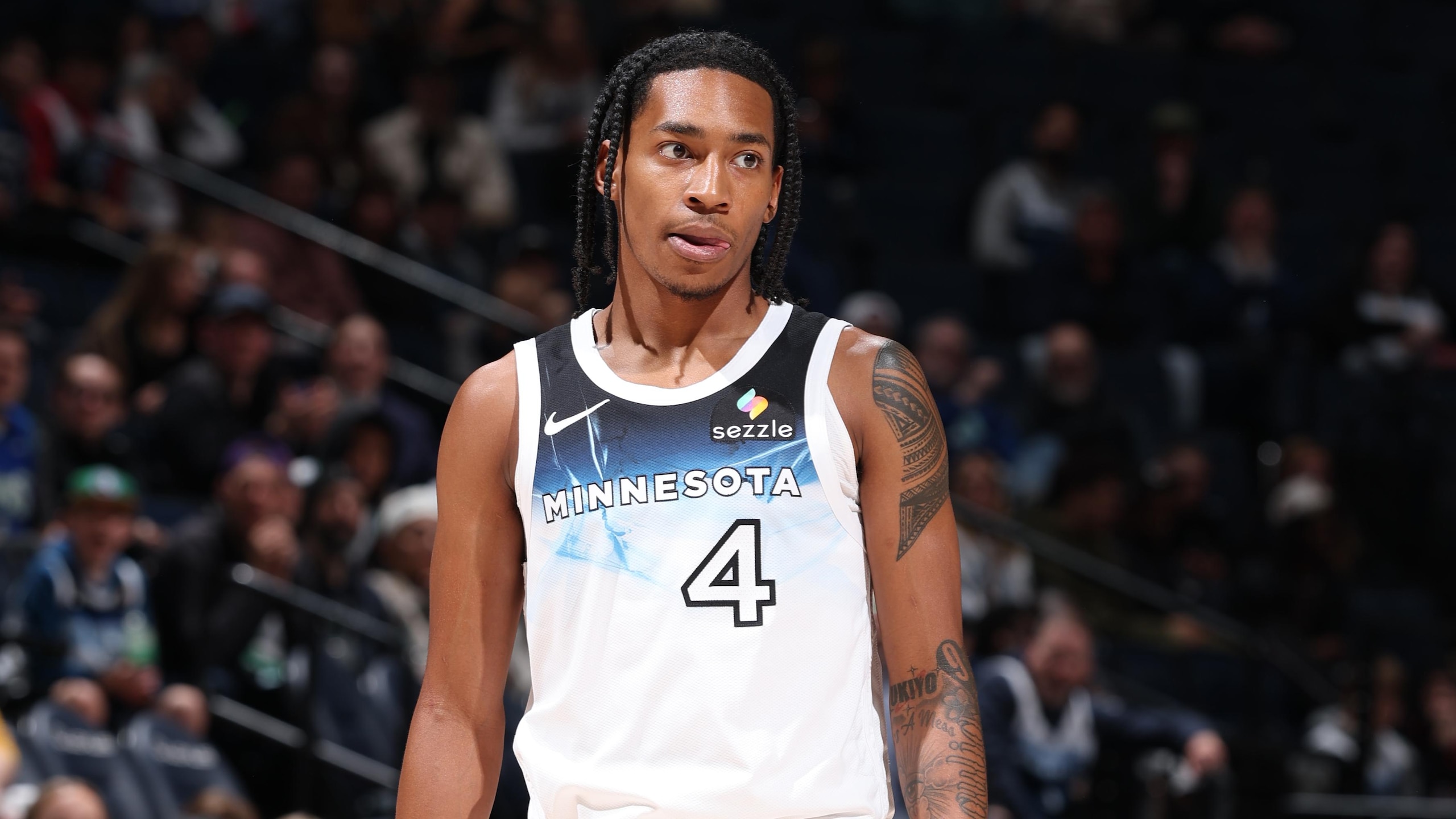
The Wolves paid a premium to land Dillingham with the No. 8 overall pick last year, trading both an unprotected 2031 first-round pick and a top-one-protected 2030 first-round swap. They're still awaiting a return on that investment.
That isn't necessarily worrisome yet, as Dillingham is a 20-year-old with barely more than 500 regular-season minutes on his odometer. With that said, the concerns regarding his lack of size (6'1", 176 lbs) loom large over his long-term outlook.
Dillingham's physical build alone will make him a popular target of opposing offenses. Maybe he'll offer enough creation and shotmaking to overcome that, but it hasn't happened so far. He was a fairly forgettable offensive player as a rookie, averaging 15.3 points per 36 minutes on 44.1/33.8/53.3 percent shooting. With that said, his burst is elite, and his scoring flurries can be all kinds of fun.
19. Noa Essengue, Chicago Bulls
12 of 30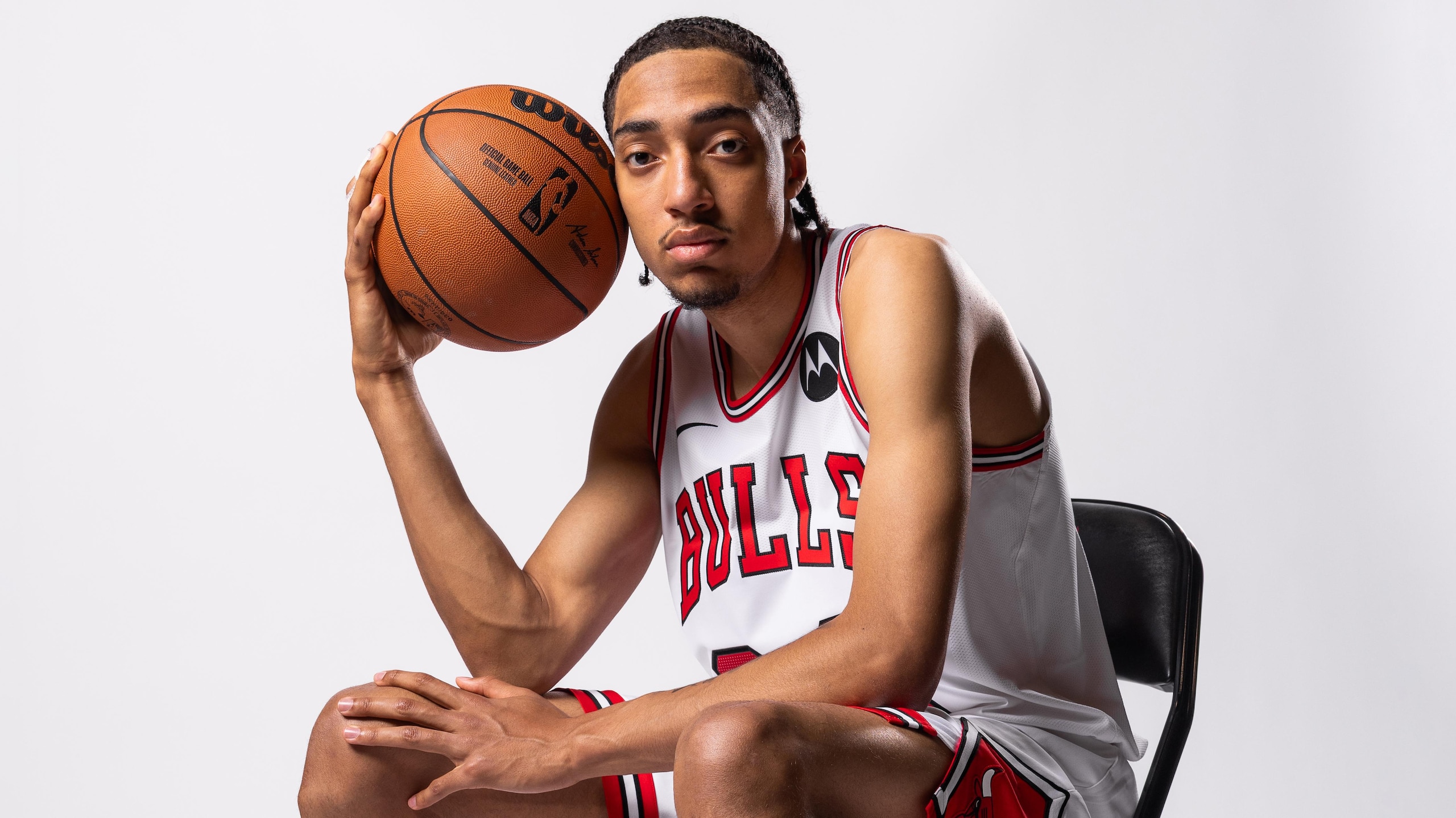
The Bulls finally appear to be (somewhat) focusing on their long-term future. Using this year's 12th overall pick on Essengue is the latest evidence of that.
Essengue is the draft's second-youngest player, his thin frame needs filling out, and his perimeter shot lacks consistency. Still, the outline of a do-it-all 6'10" forward is evident.
While Chicago has logged an obscene amount of mileage on the treadmill of mediocrity, Essengue's best-case scenario offers some hope of eventually snapping out of this. Who knows how ready he is to make an impact, but Bulls fans should soak up all the early signs they can get.
18. Collin Murray-Boyles, Toronto Raptors
13 of 30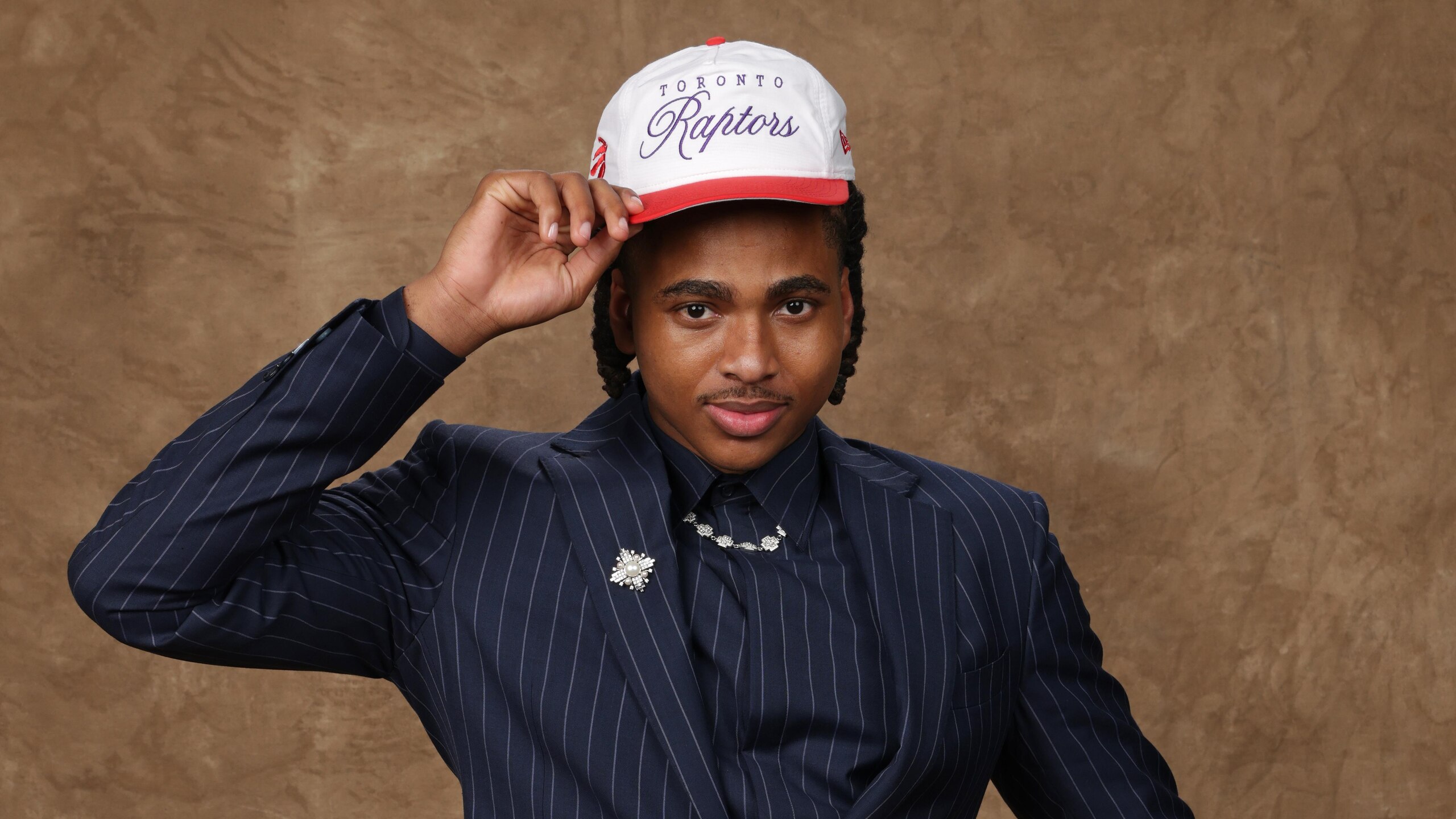
Murray-Boyles, the first of this year's top-10 picks to appear, could have a fascinating future in front of him. The archetype of an undersized big man with a shaky outside shot isn't one that leads to many NBA success stories, but there's also a non-zero chance we're looking at the next Draymond Green.
With that said, summer league isn't the best setting for Murray-Boyles to showcase his skills.
Summer league games typically favor perimeter players over bigs, and they don't always capture the strongest parts of his skill set, like his processing, toughness and instincts. He'll still be a fun watch for hoop heads, though, and Raptors fans will at least want to gauge what (if any) progress he made with his perimeter shot.
17. Nikola Topić, Oklahoma City Thunder
14 of 30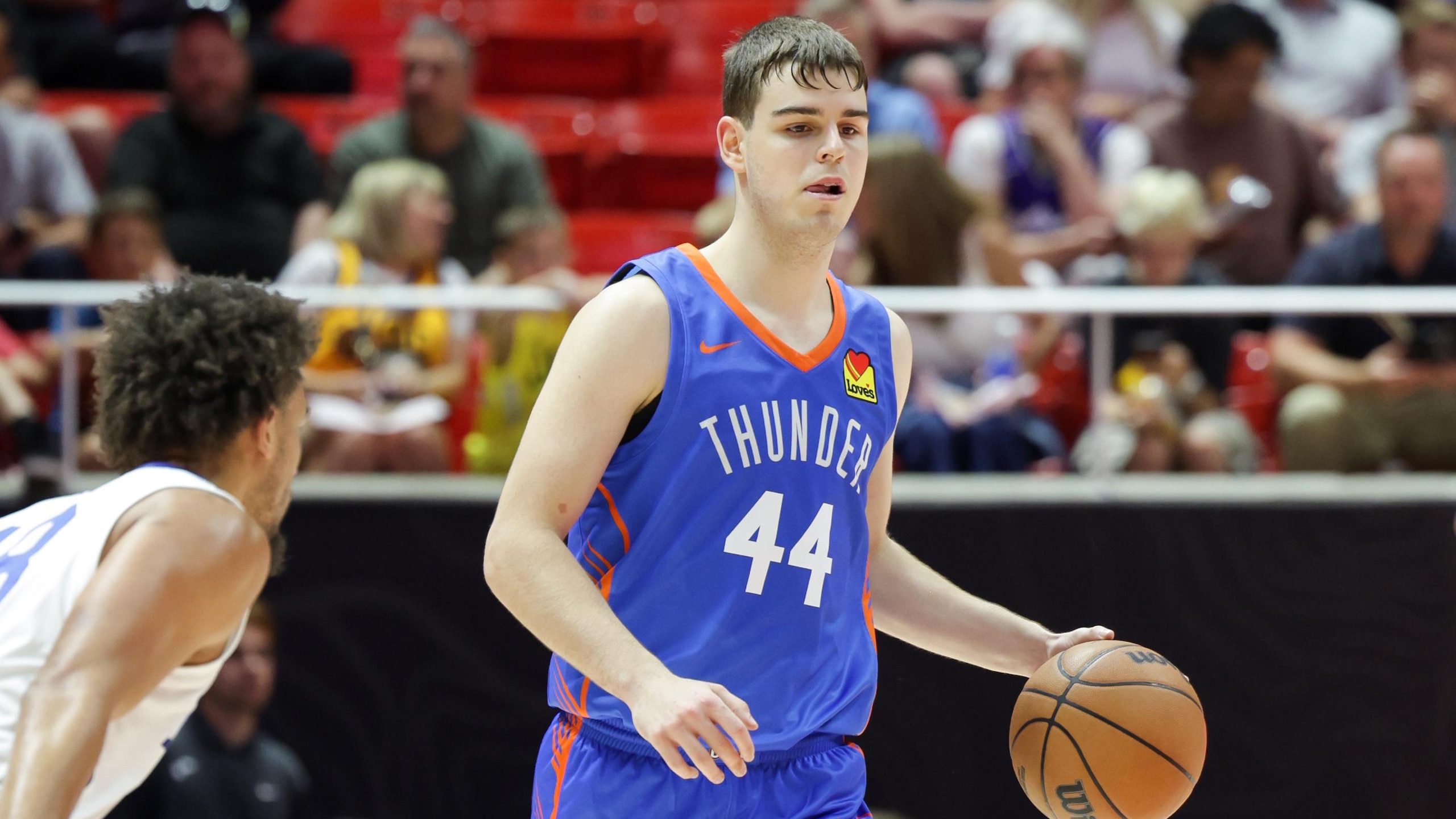
The mystery man—and 12th pick—of the 2024 draft, Topić could've been taken much higher if not for the ACL injury that wound up wiping out his would-be rookie season.
If he shows anything near his full potential this summer, folks will be wondering aloud how the defending champion Thunder managed to add him to the mix.
Topić is a 6'6" ball-handler and playmaker with tremendous body control, touch and awareness. His perimeter shot is a work in progress, and he doesn't offer much vertical lift around the basket, but he knows how to create advantages and exploit them.
16. Yang Hansen, Portland Trail Blazers
15 of 30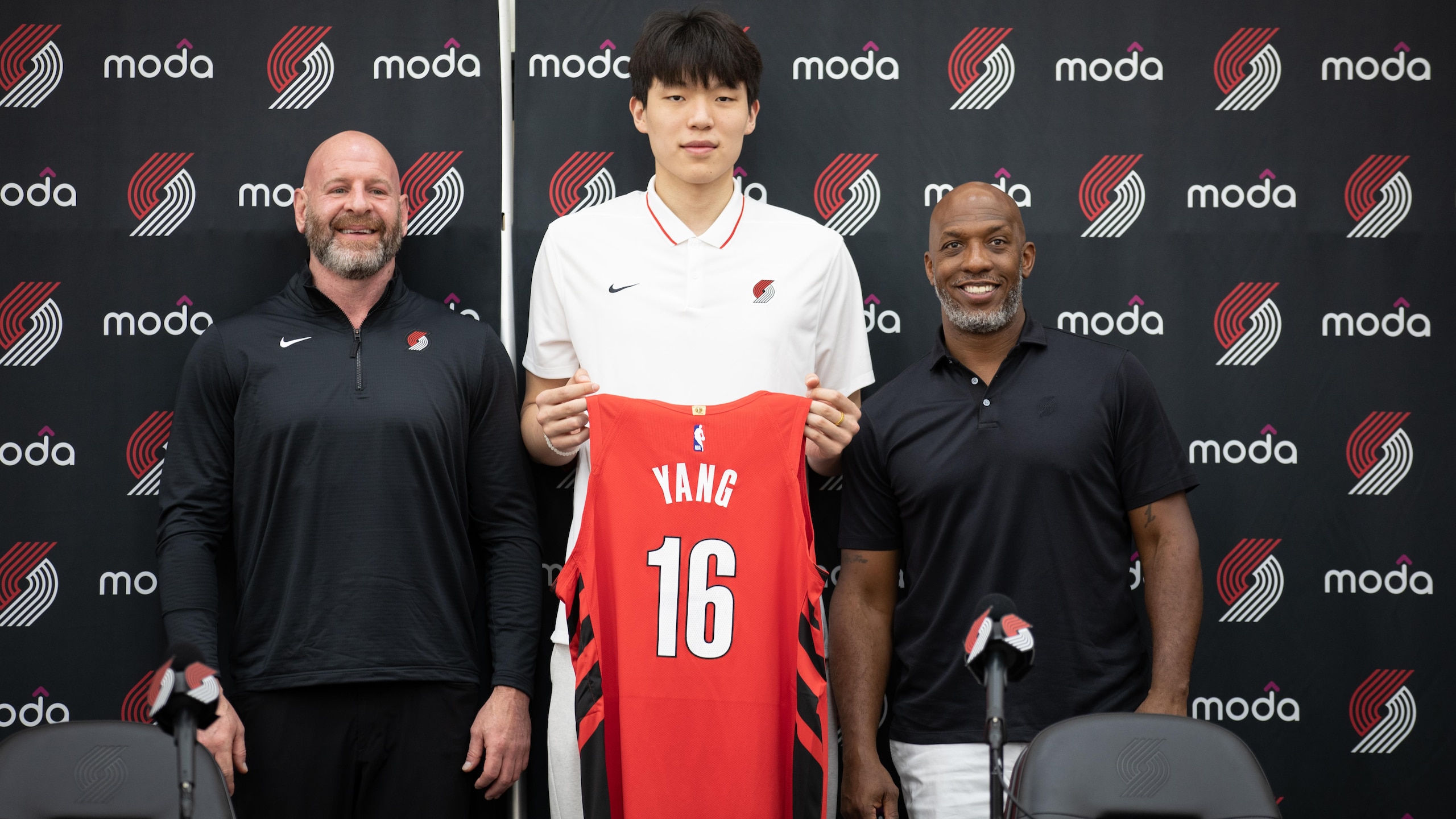
There was no bigger draft surprise than Portland spending the No. 16 pick on Hansen, a prospect who was typically found near the middle of the second round in mock drafts. That's not to say the pick was a definite reach, but the Blazers clearly think they've seen something that everyone else missed.
How Hansen appears in summer league won't render the ultimate verdict on that decision, but you can bet folks will let hot takes fly every time he's on the court. If the game appears too fast for him, expect to hear a lot about Portland's big "whiff." If his offensive skills shine, then the tone will shift toward how the Trail Blazers outsmarted the rest of the league.
As an added bonus, Hansen does have an aesthetically pleasing playing style. He has some throwback skills in the post, some modern enhancements with his passing ability and plenty of rim-protecting potential by sheer virtue of his massive 9'3" standing reach.
15. Derik Queen, New Orleans Pelicans
16 of 30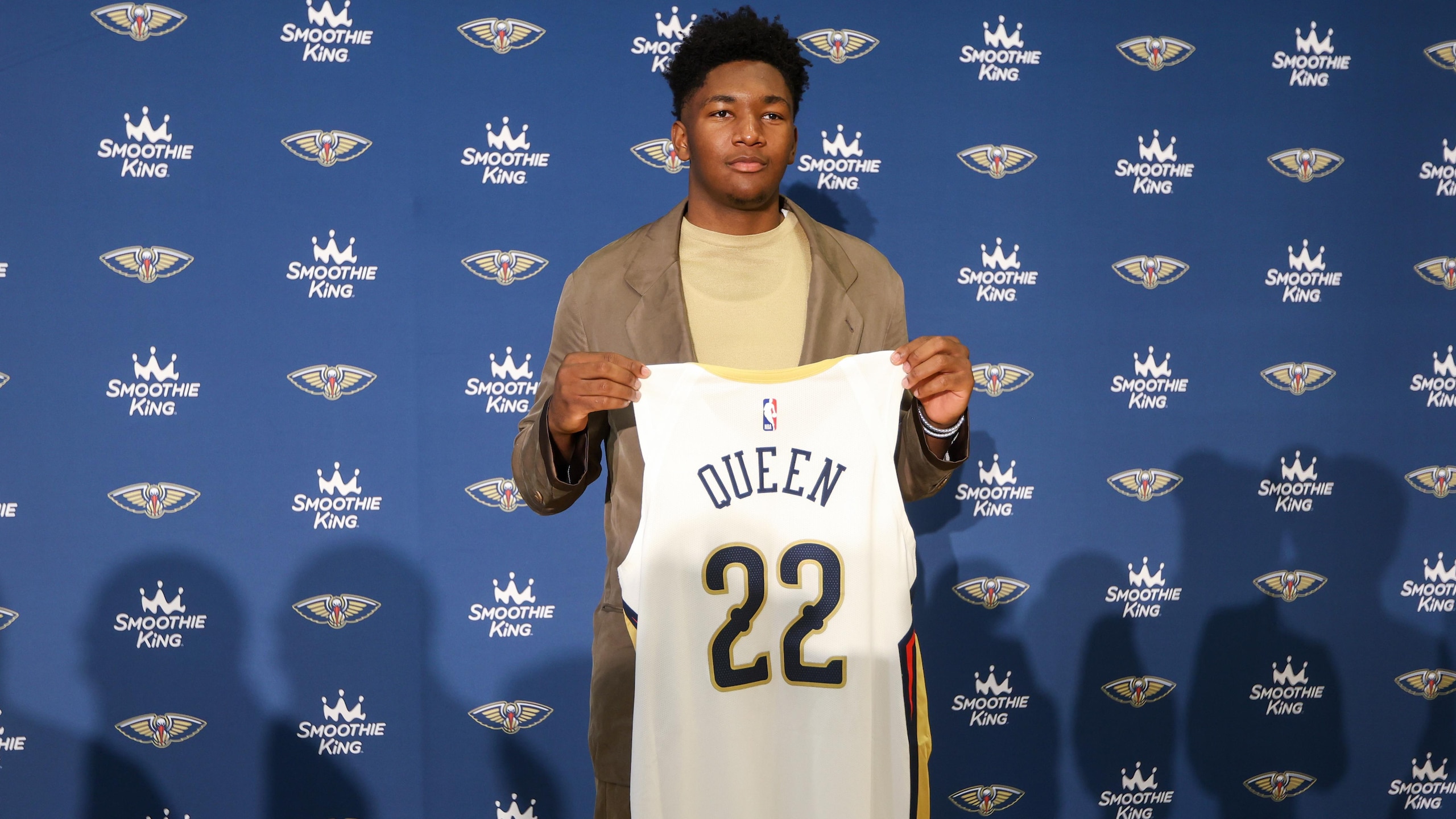
Queen is big (6'9", 248 lbs), skilled and, if everything breaks right, a potential offensive hub. He's also a bit of an awkward fit in the modern NBA, as he isn't particularly long, explosive or much of a shooter.
The Pelicans are clearly convinced that he not only has a place in today's game, but that he can star in it. They forked over an unprotected 2026 first-round pick—the better of their own or the Milwaukee Bucks'—to climb up 10 spots and make him the 13th overall selection in this year's draft.
They better be right, because that's a potentially enormous price to pay. He is skilled enough as a face-up attacker, post scorer and passer to punish summer league defenders, but things could get uncomfortable quickly in New Orleans if he's failing to make things happen offensively and getting exposed on defense.
14. Kel'el Ware, Miami Heat
17 of 30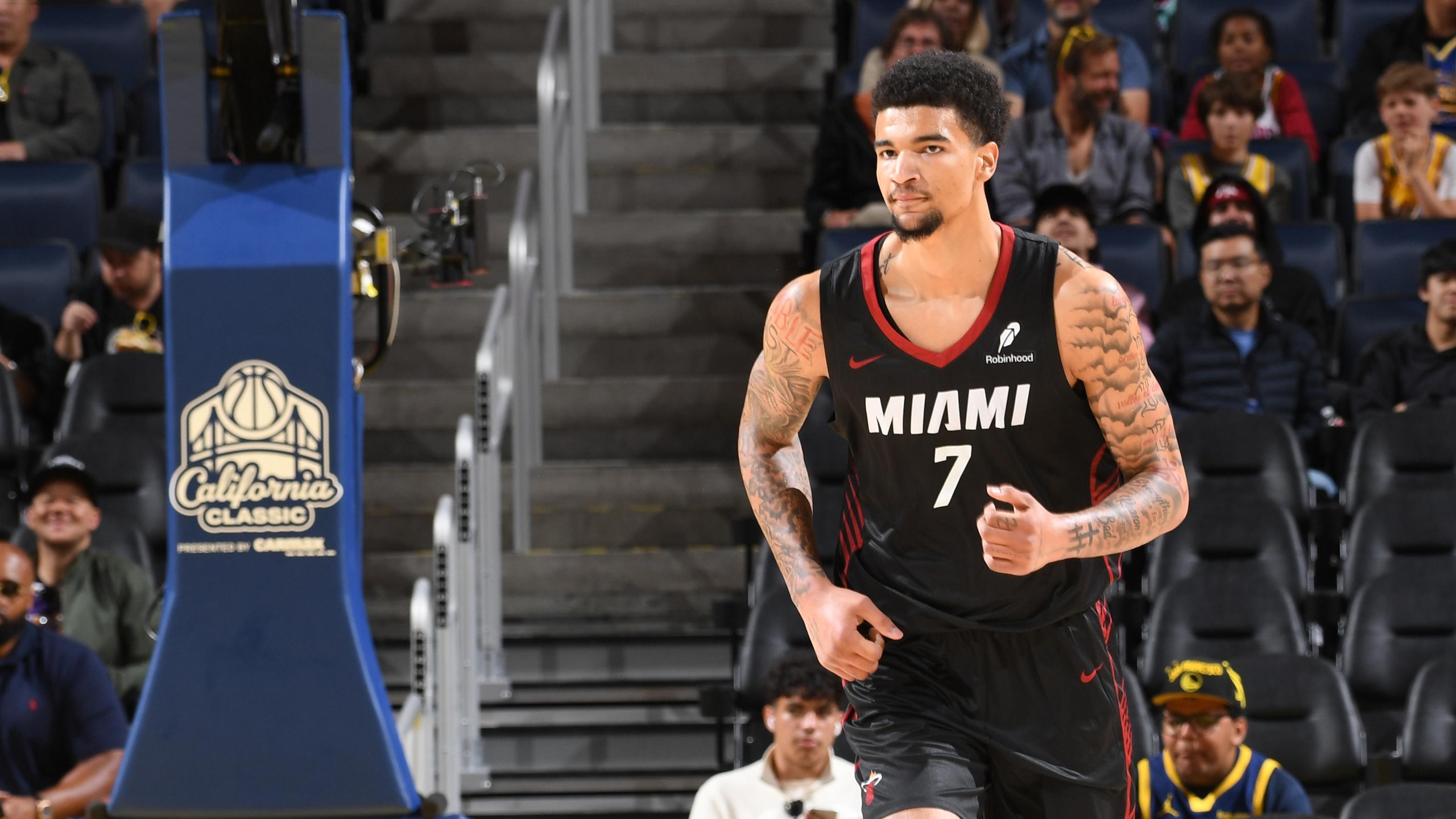
The less Ware plays in Las Vegas, the better for Miami. In a perfect world, the All-Rookie second-teamer will look too talented to stick around Sin City for long.
As his early run at the California Classic has shown, though, that's hardly a given. He was much closer to good than great as a rookie as well, which is theoretically fine for a freshman but hardly answers the question of whether he's a clear-cut building block or a trade lure whom the Heat should be using to reel in a whale.
Heat summer league coach Eric Glass told reporters he's looking for Ware "to put everybody on notice that he's here and he's for real in this league." Miami's path forward would become much more obvious if Ware emerged as a centerpiece.
Even if he doesn't quite make that leap in summer league, the Heat can only hope he hints that it's coming soon.
13. Egor Demin, Brooklyn Nets
18 of 30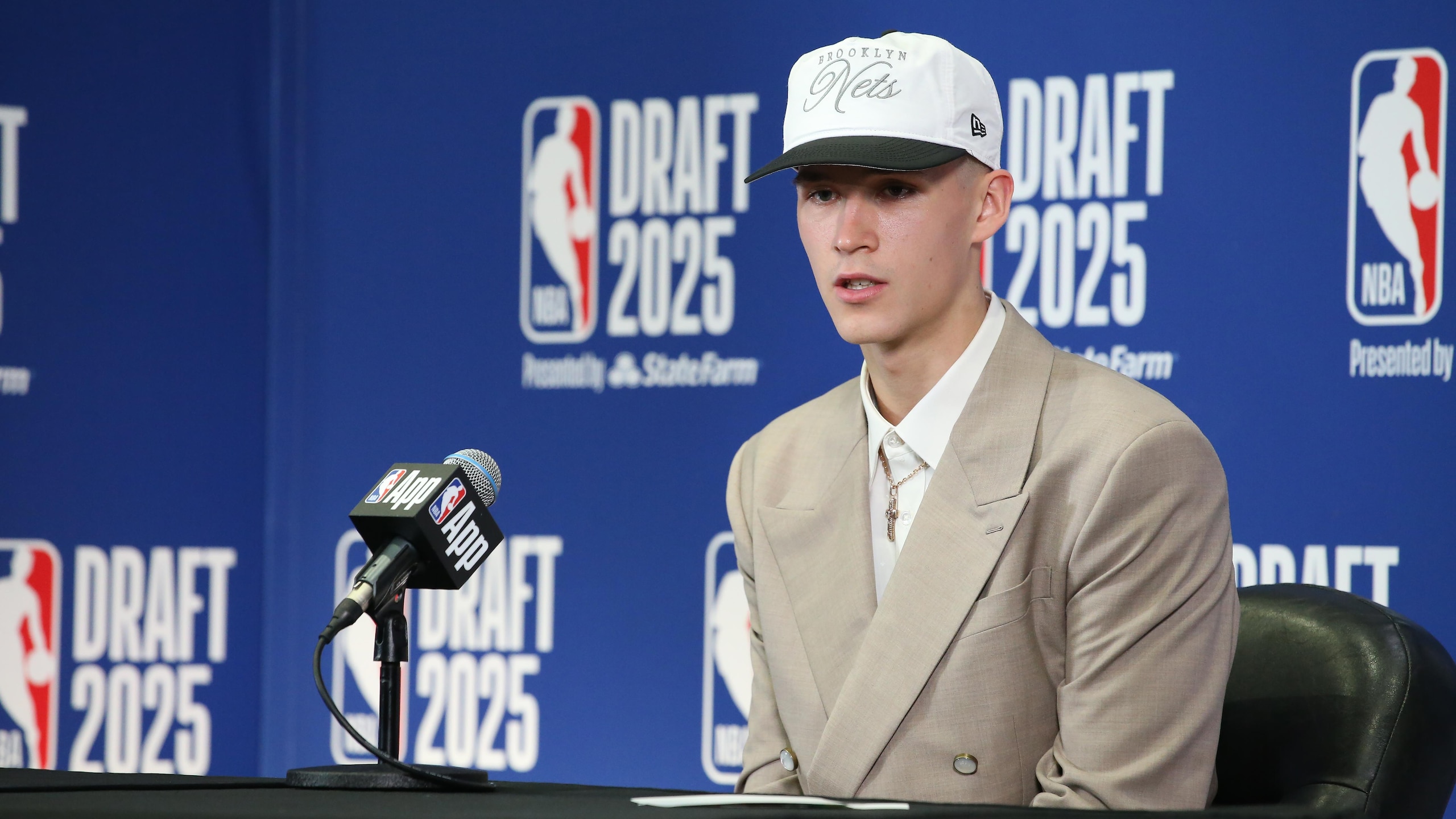
Brooklyn made a bold investment by spending the No. 8 pick on Demin. After an up-and-down season at BYU, the 6'8" playmaker felt more like a fringe lottery prospect with lingering questions about his upside as a scorer, shooter and decision-maker.
There's plenty to like about what he could become. The 6'8" playmaker label intrigues right off the bat. He was the best passer in this year's draft, and there just aren't many players with this much size, vision and distributing ability.
If he can't shoot, though, then his archetype loses a lot of its appeal. He doesn't have an obvious home on defense, he can struggle to separate against athletic defenders and he can have trouble with turnovers. The Nets need him to deliver, though, because their rebuild is woefully short on blue-chip talent.
12. Khaman Maluach, Phoenix Suns
19 of 30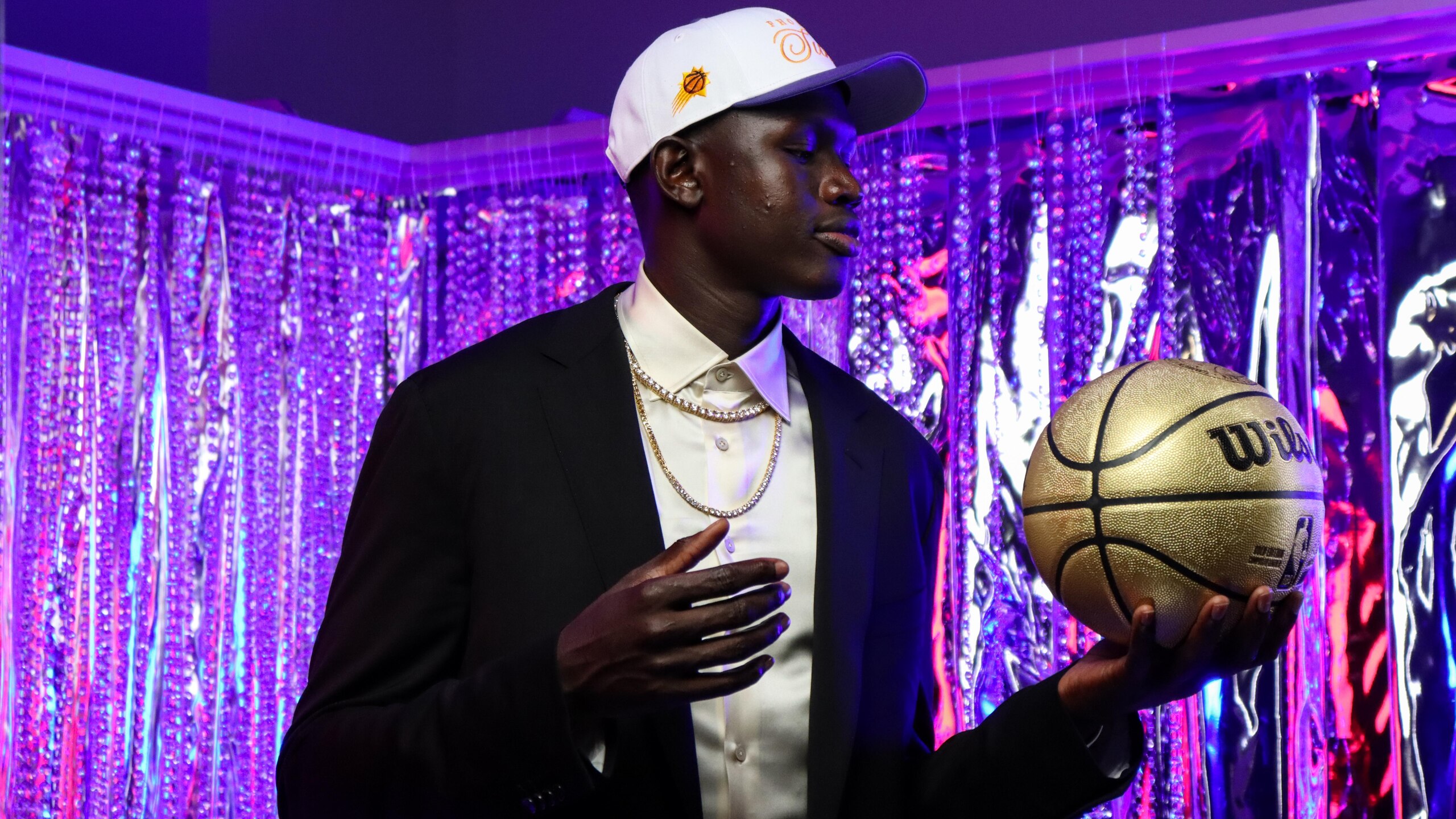
The Suns essentially made the No. 10 pick their primary return in the Kevin Durant deal, although Jalen Green has a case for those particularly bullish about the former No. 2 pick. They spent that pick on Maluach, a springy 7'1" center with a sweeping 7'7" wingspan and all of the tools to excel as a rim-runner.
He needs to add strength and general polish to his skills, but his upside is sky-high, particularly for those who believe he'll one day add an outside shot to the mix.
If he splashes a couple of three-balls in Las Vegas, then he probably isn't ranked high enough here. Even without them, he'll turn heads if he can utilize all of his natural gifts to become an impenetrable barricade around the basket and a thunderous lob-finisher.
11. Kon Knueppel, Charlotte Hornets
20 of 30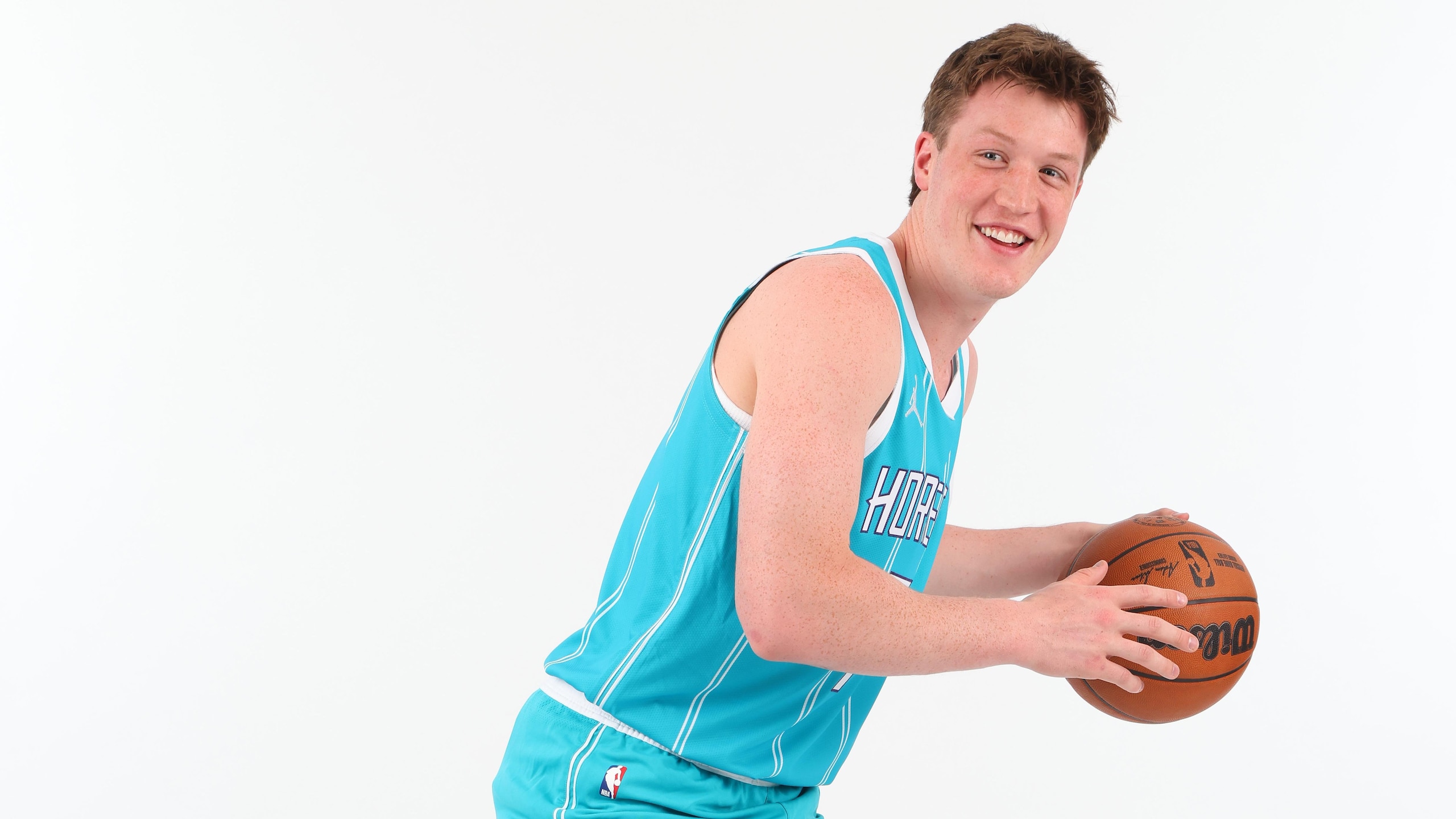
Hornets fans might fume about Knueppel, this year's No. 4 pick, being outside this top 10. That has less to do with him than it does the setting, though.
Summer league games are often controlled by ball-dominant, isolation creators. That isn't Knueppel's game. His three-ball punched his NBA ticket, and his advanced feel and secondary playmaking helped elevate him on the draft board.
While Charlotte figures to tap into his on-ball creation as much as it can, his limited length and explosiveness could render him rather ineffective in that role. If he's operating as a shooter who makes the connecting plays that help his team but don't necessarily jump off the screen, then he's someone worth monitoring but not quite a must-watch in this environment.
10. Ron Holland II, Detroit Pistons
21 of 30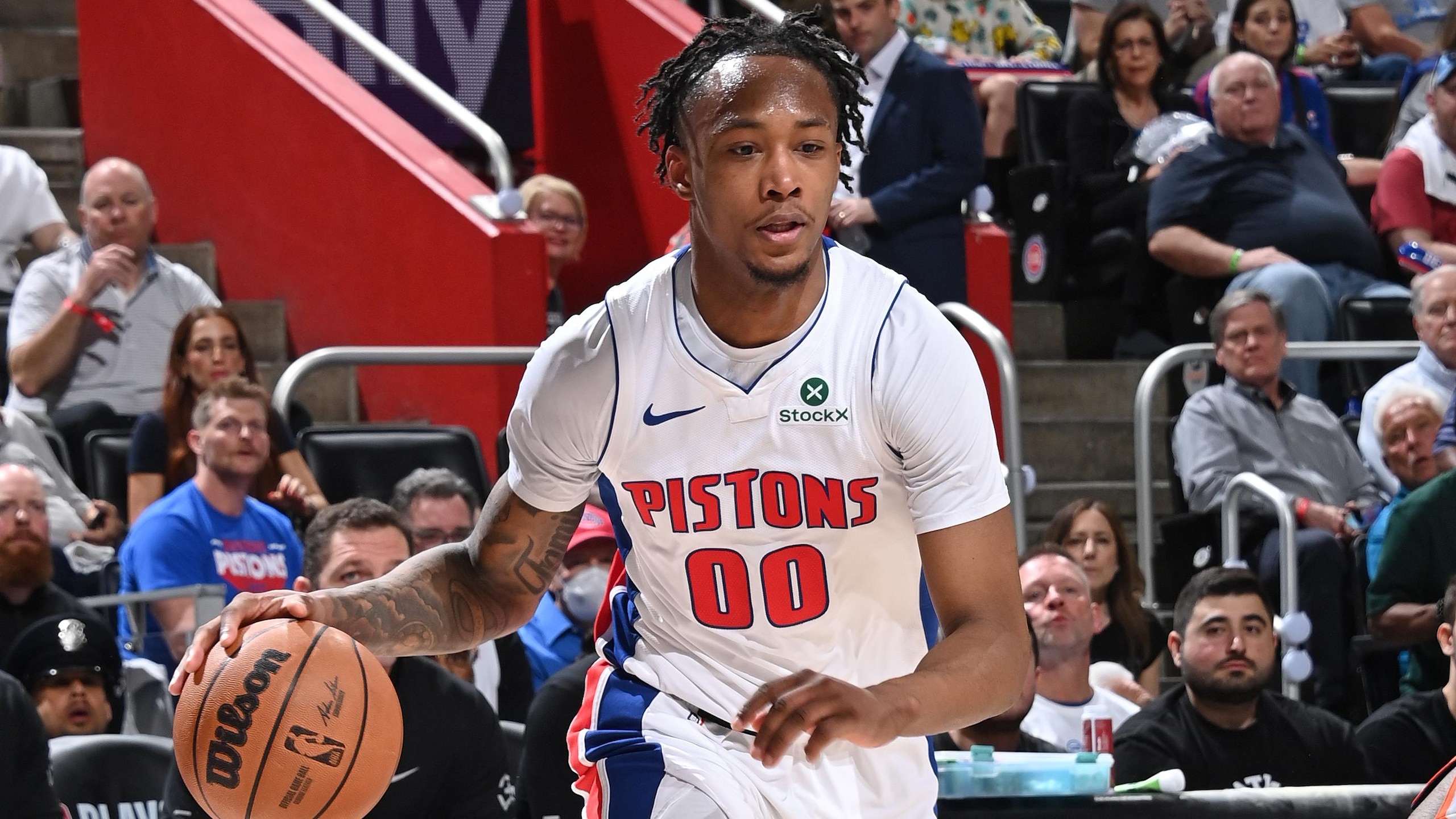
The first of three 2024 top-five picks to make this ranking, Holland heads to Las Vegas with plenty of potential but even more work ahead of him.
Holland's defense figured to be ahead of his offense, and it was during his rookie season. He pairs explosive athleticism with great competitive fire to form a versatile, disruptive presence on the defensive end. He also offers very little as a shooter (23.8 percent from range, 75.4 percent at the foul line) and a playmaker (1.0 assists against 0.9 turnovers).
Holland should do well in Las Vegas, though, where he'll encounter few athletes of his caliber and could go viral every time he gets out in the open court. Any discernible growth with his jump shot would be a welcome sight, too, since Detroit doesn't have many spacers in its young core.
9. Jeremiah Fears, New Orleans Pelicans
22 of 30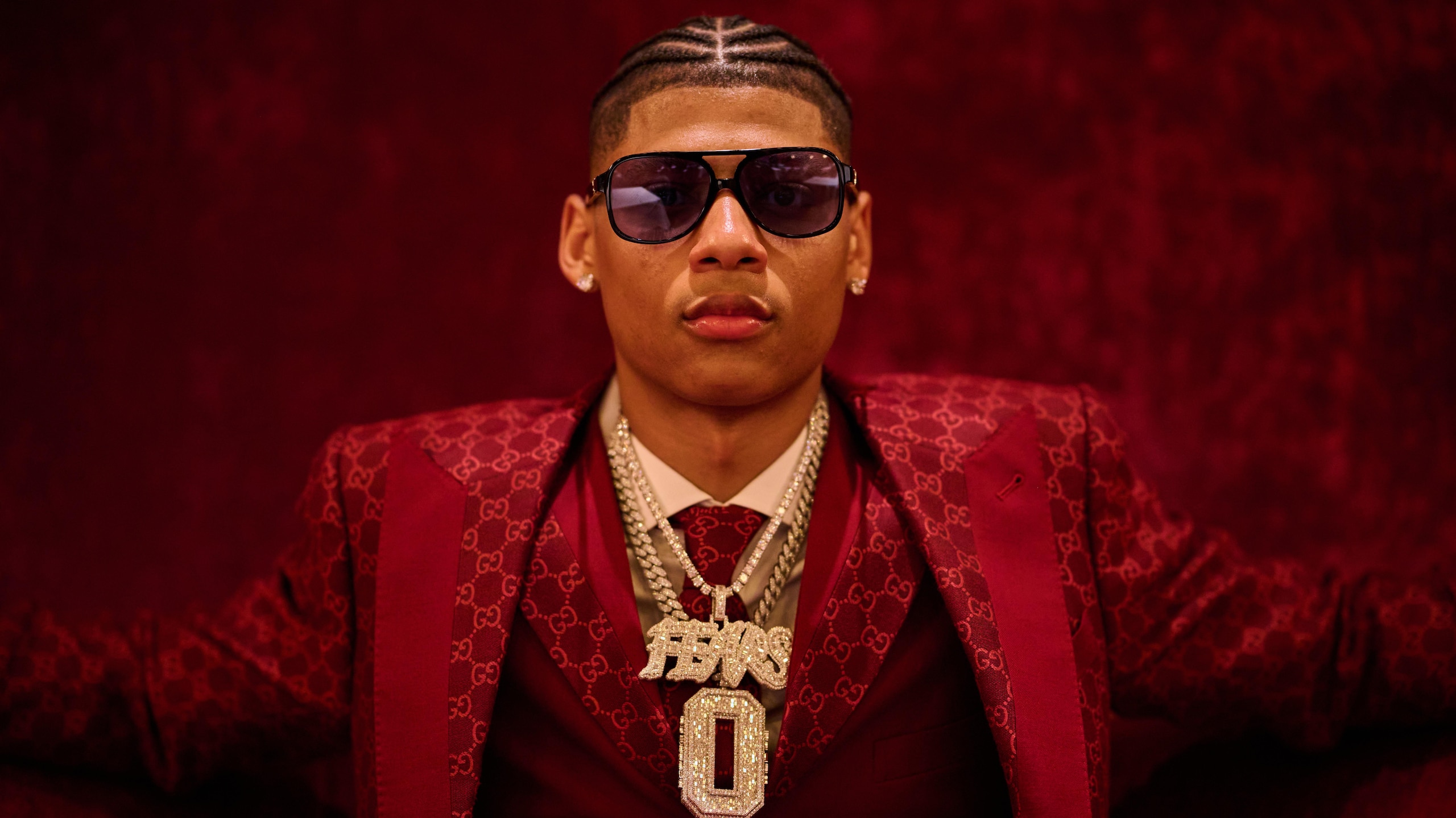
Fears has a chance to be the talk of summer league. While the 18-year-old understandably lacks polish, he offers a highlight-friendly blend of slippery handles and butter-soft touch on his pull-up jumper.
There's also a chance that things go sideways in a hurry. His shot isn't consistent, his shot selection can be overly ambitious, and his decision-making seems scatterbrained.
The gap between his best- and worst-case scenarios feels too wide too slot him any higher. But if he gets rolling, this ranking will look way too low in hindsight.
8. Matas Buzelis, Chicago Bulls
23 of 30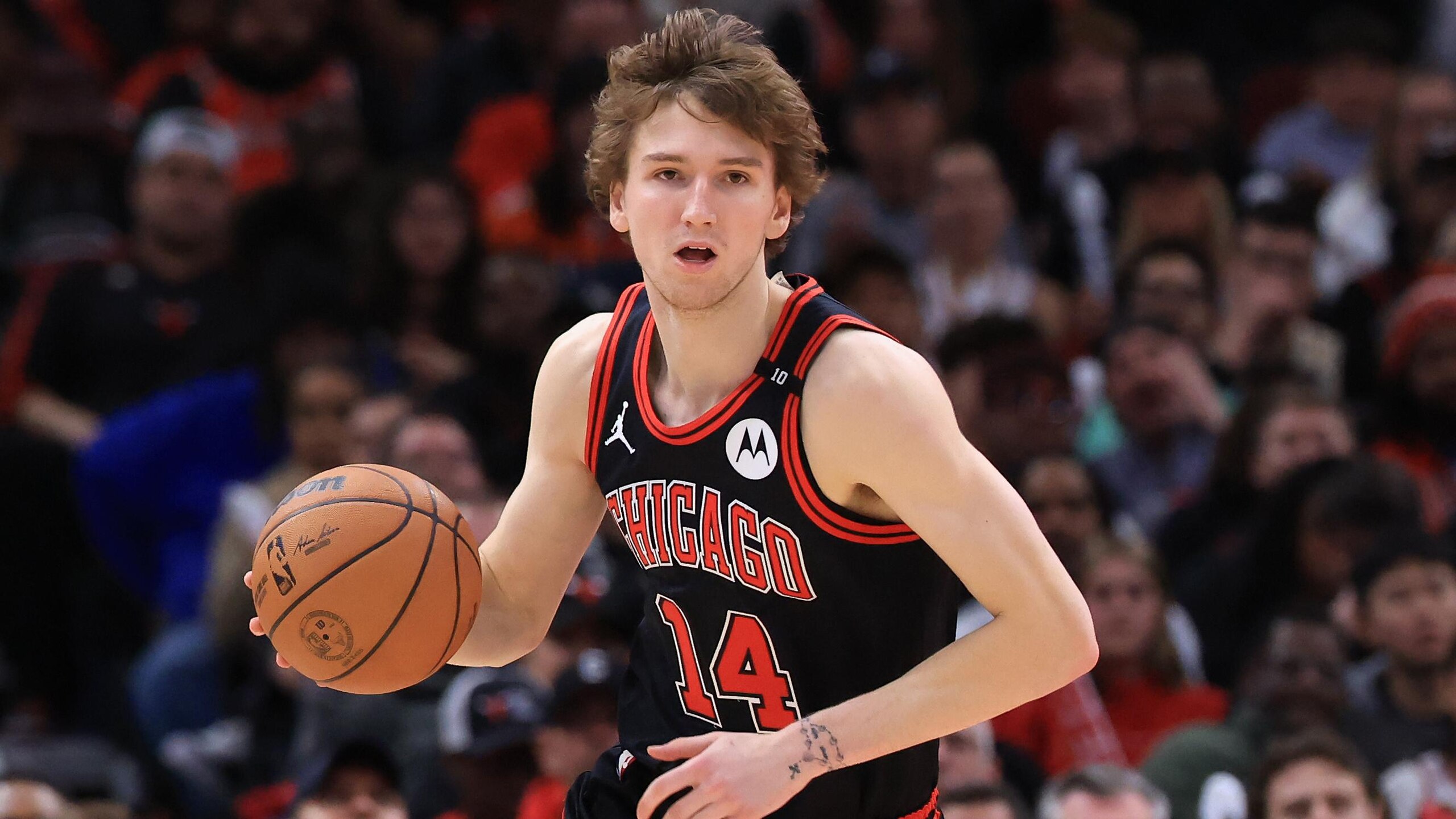
It felt like the basketball gods did the Bulls a solid when Buzelis fell into their laps as last year's No. 11 pick. That's sort of how his rookie season played out.
Chicago was a little slow to unleash him, but once his opportunity arrived, he seized it. After the All-Star break, he pumped in an even 13 points per game—a scoring rate only two rotational rookies eclipsed last season—while posting an efficient 46.7/36.1/83.3 shooting slash.
The 6'10" swingman has serious bounce, and he could keep the poster-printing industry alive if he finds enough paths to the basket. He already feels like he might be the Bulls' best hope for a building block, and a strong showing in Las Vegas would only further fuel that fire.
7. Tre Johnson, Washington Wizards
24 of 30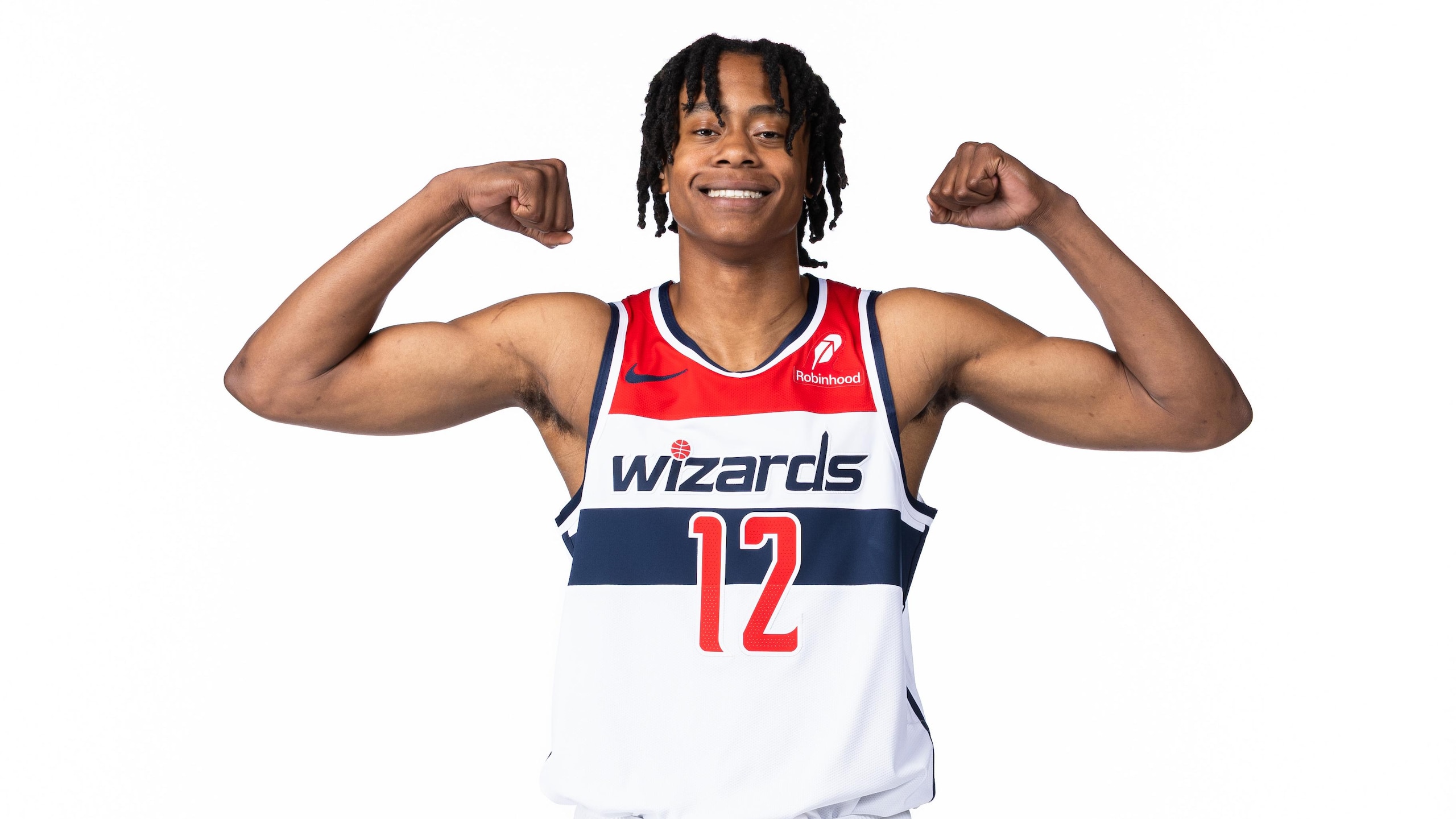
For all of the young talent the Wizards have amassed as of late, Johnson offers the highest offensive ceiling. He's your definition of a walking bucket.
For a 19-year-old NBA first-timer, he already offers a deep bag of shotmaking tricks. He's a net-shredding threat off both the dribble and the catch, plus he has the mid-range touch and interior finishing to be a true three-level scorer.
Things could really get interesting for Washington if he can showcase enough vision and playmaking to convince folks he has a future as a combo guard, if not a primary ball-handler. His scoring punch is already powerful, but a lead guard who creates for himself and others is a lot more interesting (and way more helpful) than a 6'5" scoring specialist.
6. Reed Sheppard, Houston Rockets
25 of 30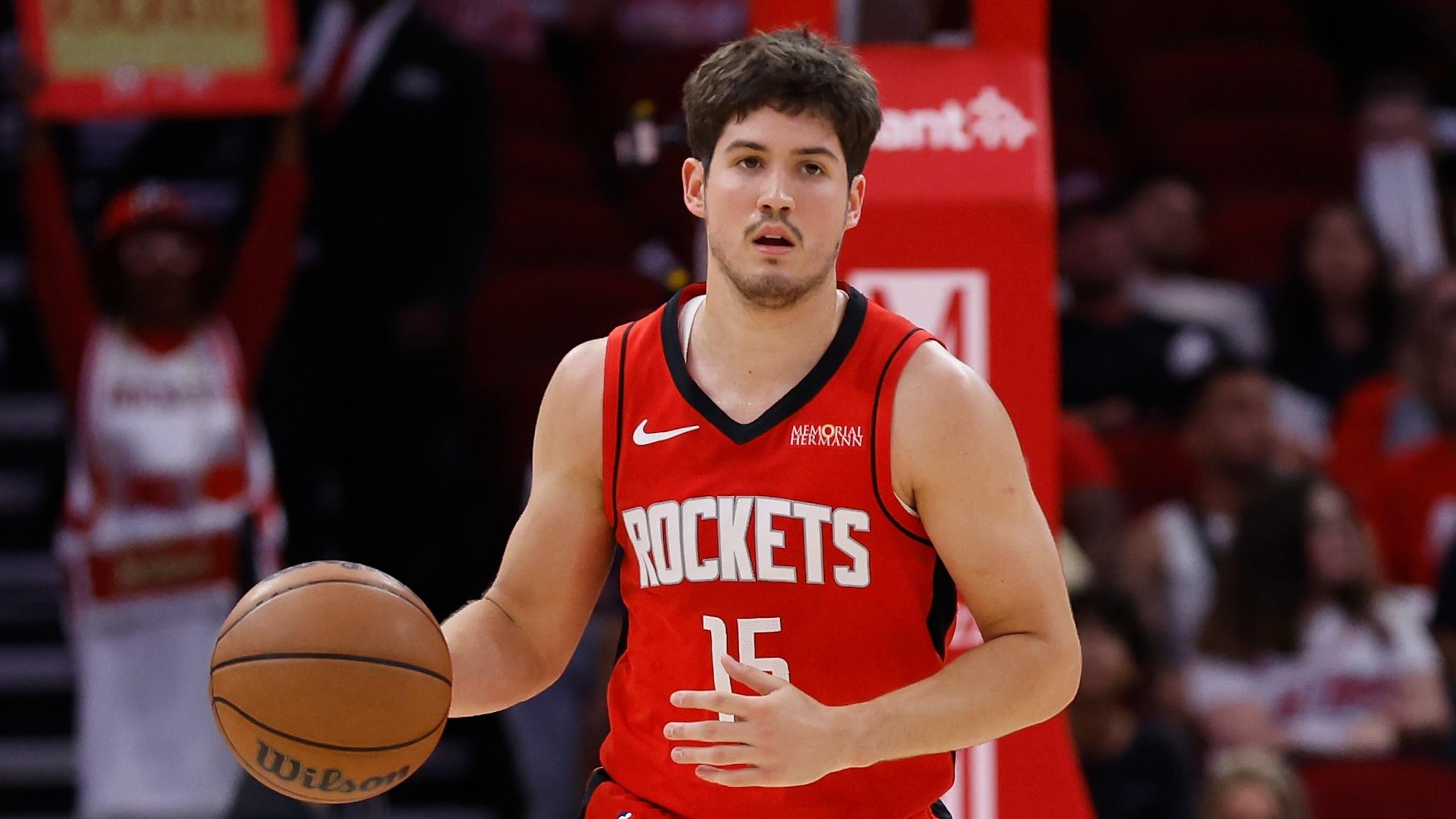
Remember him? While the Rockets proved too competitive to find much floor time for an NBA freshman, Sheppard was basically the talk of the hoops world a year ago. The No. 3 pick dazzled en route to earning All-Summer League first-team honors while packing 20 points and 5.3 assists into his 33 minutes per night.
Houston seems ready to expand Sheppard's role this time around. That process starts with seeing how he'll handle primary playmaking duties on its summer squad.
"I want to see more growth as a point guard, for him," Rockets summer league coach Garrett Jackson told reporters. "I want to see him handle the ball, and get people set up. Push the pace. He's taking on more of a leadership role and talking to guys. Part of leadership is setting the table for the rest of his teammates."
Reed's shotmaking already appears ready for a rotation role—he made 44 percent of his field goals and 48.8 percent of his threes after the All-Star break—but the championship-hopeful Rockets might require more for him to see significant action. Showing obvious growth as a defender and distributor could position him to become the 2025-26 season's breakout sophomore.
5. Alex Sarr, Washington Wizards
26 of 30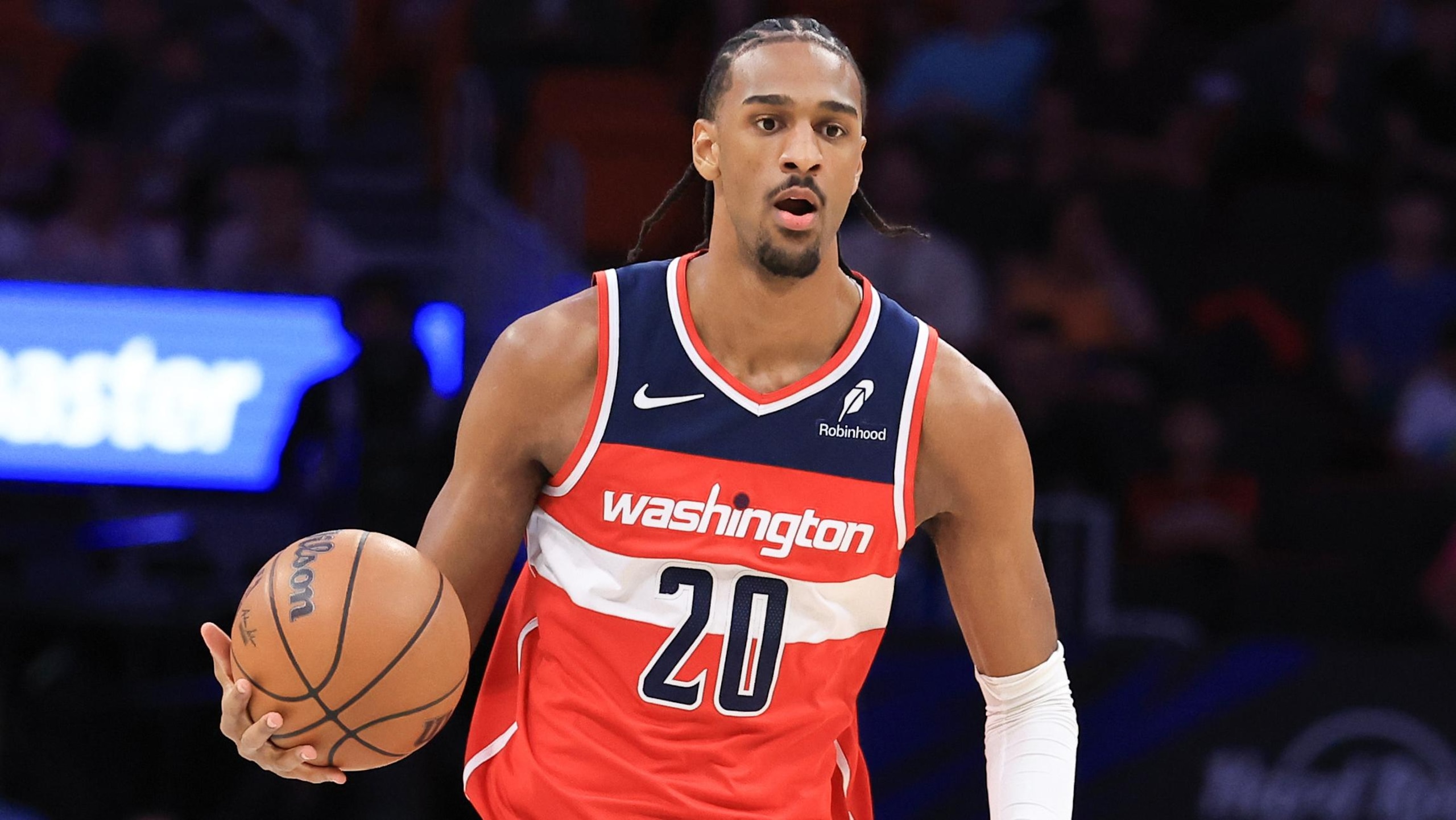
Sarr is the most pivotal piece of Washington's rebuild until proven otherwise. Maybe Tre Johnson takes that title sooner than later, but the Wizards will regardless be heavily invested in last summer's No. 2 overall pick.
Sarr's rookie season reinforced what many thought of him coming into the 2024 draft, both for better and worse. He was hyperactive on defense and unpolished on offense. However, he did raise a few eyebrows on offense for the right reasons, like dishing out a quietly helpful 2.4 assists in his 27.1 minutes per game or showing the willingness (if not always the ability) to fire from three.
Now, it's time to start seeing more proof of concept. Can Sarr become a more consistent scorer? Has he added enough strength to be as good of an interior defender as he is a switchable stopper? Can he make more things happen with the ball in his hands?
Sarr should have ample opportunities to experiment in Las Vegas. With a strong summer, he might remain front and center of this young nucleus.
4. VJ Edgecombe, Philadelphia 76ers
27 of 30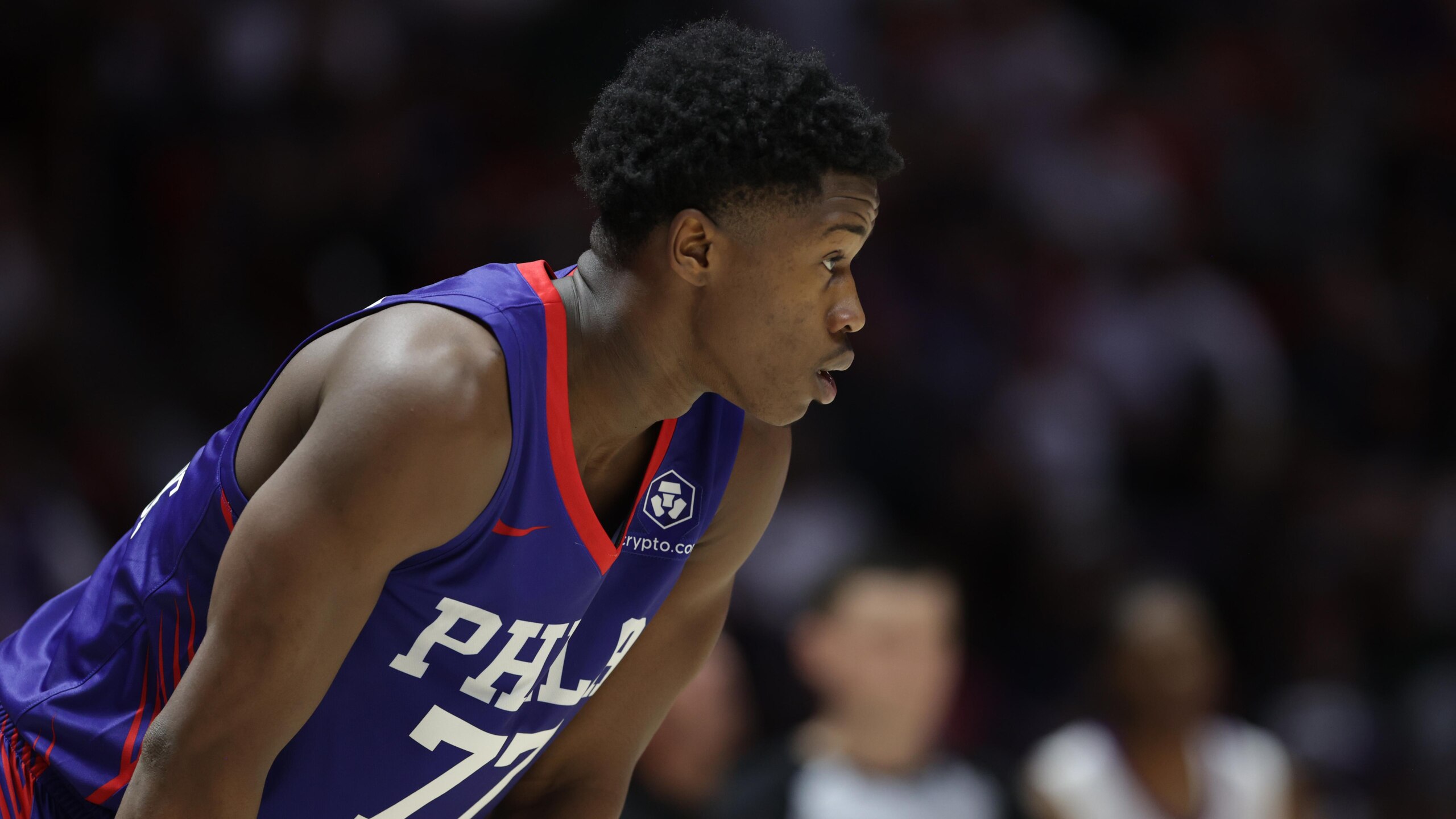
While the Sixers perhaps could have chased more potential with the No. 3 overall pick, Edgecombe isn't exactly lacking a high ceiling. His defense could be spectacular, and he has multiple pathways to being a high-end offensive option as well.
His athleticism and motor are already elite, and he's a highlight-waiting-to-happen in the open floor. There are still unanswered questions about his half-court utility on offense, though. Hopefully they look more promising once summer league wraps up.
Three-point shooting, ball-handling and playmaking are Edgecombe's three biggest swing skills. Checking even two of those three boxes might put him on a path to two-way stardom.
3. Ace Bailey, Utah Jazz
28 of 30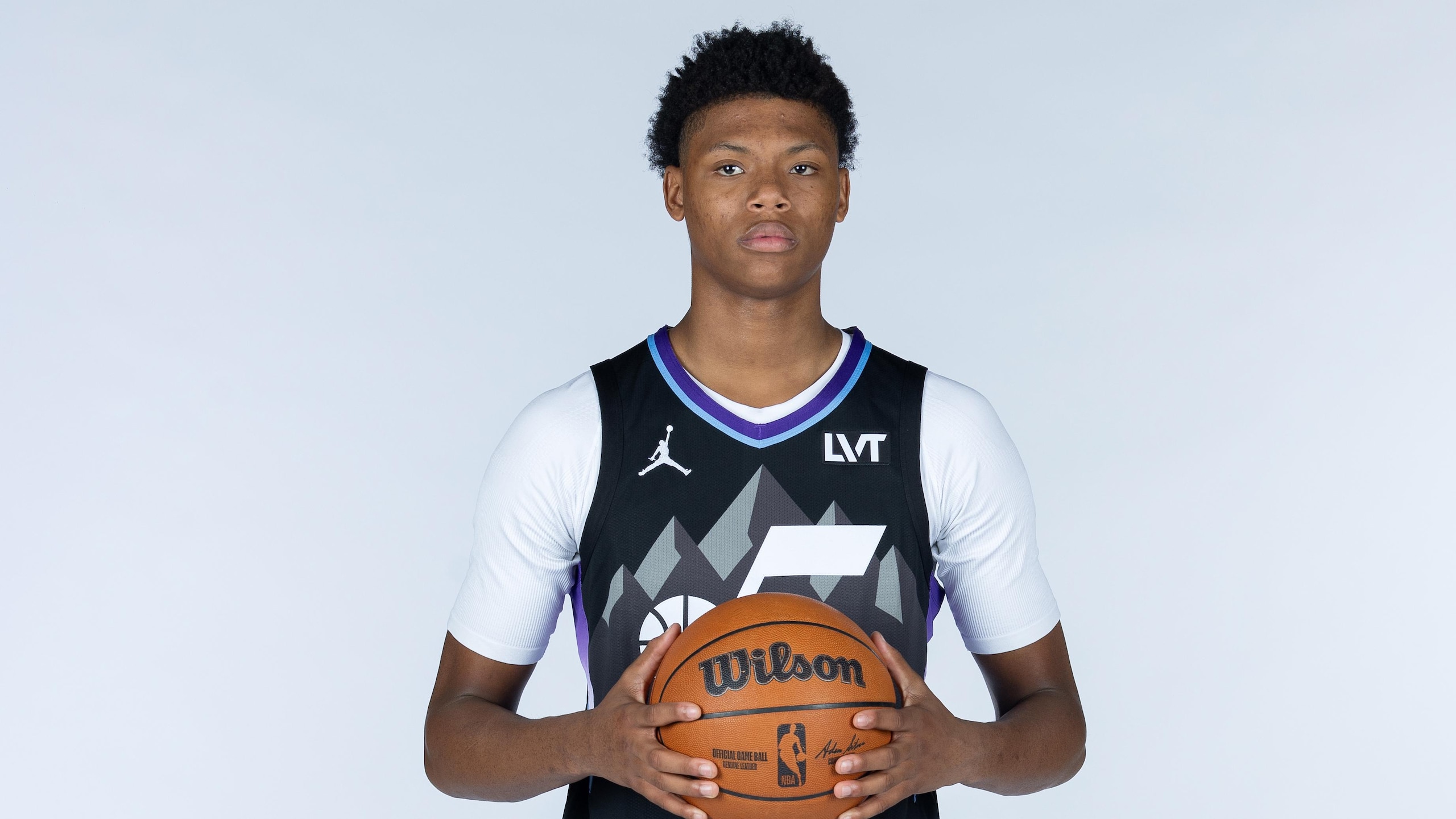
While Salt Lake City probably wasn't Bailey's preferred destination, he sounds comfortable enough in his new digs to put that draft-night narrative behind him. It's not, in other words, the reason why this year's No. 5 pick holds down the No. 3 spot here.
Rather, this ranking is merely a reflection of his skyscraping ceiling and the hope that summer league will provide some hints about his ability to reach that potential.
It doesn't take the strongest imagination to picture Bailey becoming the best scorer in this draft class. He has all of the physical tools needed to become a star forward, and his dynamic shotmaking looks especially intriguing at his size (6'8", 203 lbs). His shot selection was erratic at Rutgers, though, and just about every part of his skill set needs seasoning.
Bailey's scoring flurries could be the talk of the town in Las Vegas. But Jazz fans should be just as thrilled if he is letting the game come to him offensively and consistently giving great energy on the glass and the defensive end.
2. Dylan Harper, San Antonio Spurs
29 of 30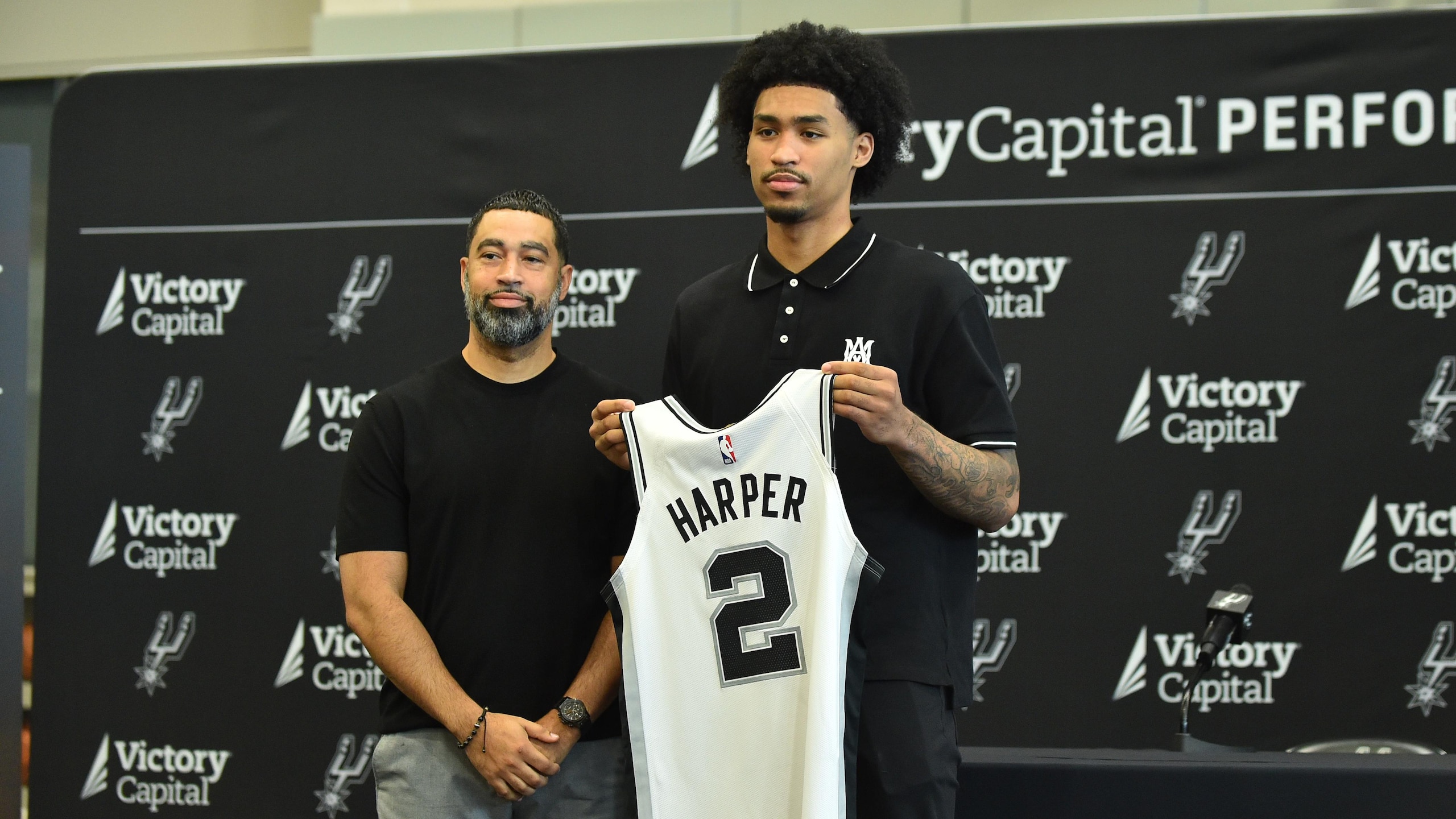
Assuming the groin injury that kept Harper out of the California Classic doesn't sideline him in Las Vegas, then he'll have the chance to show everyone why he was the No. 2 pick in this draft (and could've been the No. 1 pick in years that didn't have a prospect of Cooper Flagg's caliber).
Harper is on the velvety end of smooth operators. His body control and footwork are phenomenal and show up in everything from his downhill attacking to his sudden pace changes. He has great size for a lead guard (6'5", 213 lbs) and obvious star potential.
He also has a few warts, like his shaky outside shot (which could complicate his fit with De'Aaron Fox and Stephon Castle on the real Spurs roster) and inconsistent defensive motor. Still, this could be the start of Harper ascending to the coveted role of primary sidekick for generational star Victor Wembanyama.
1. Cooper Flagg, Dallas Mavericks
30 of 30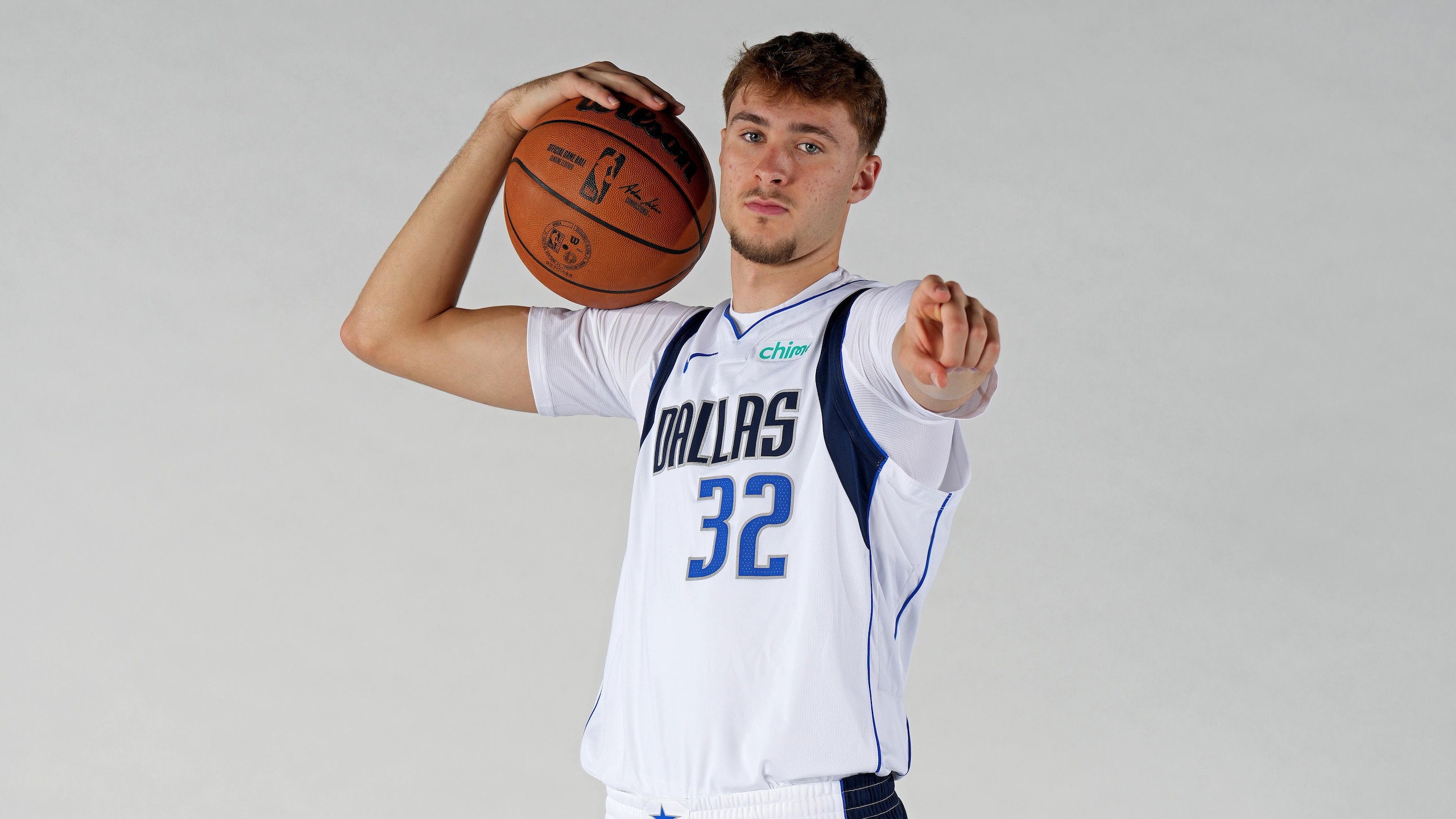
Flagg, the consensus top prospect in this draft, was always going to be the biggest draw on this summer circuit. However, he got a little must-watchier when Mavericks head coach Jason Kidd revealed his intriguing vision of how to utilize Flagg on the NBA's training ground.
"I want to put him in at the point guard," Kidd told reporters. "I want to make him uncomfortable and see how he reacts. ... I'm excited about giving him the ball against the Lakers and see what happens. Let's get it started right off the bat."
Flagg, an elite competitor and 6'8" forward with do-it-all potential, offers enviable versatility, but there are some questions about his shooting, creation and ball-handling. With that said, he showed tremendous promise with his shot (48.1/38.5/84 slash line) and playmaking (4.2 assists to 2.1 turnovers) at Duke, so he might already be on his way toward ironing out his few shortcomings.
If summer league plays out anything like his one-and-done season with the Blue Devils, he'll look every bit like basketball's next shining star and Dallas' next organizational centerpiece.


.jpg?w=2560 "Jonathan Taylor Landing Spots 📍")



