

David Lee's Game Will Be a Perfect Fit for the Rebuilding Boston Celtics
On July 7, news broke that the Boston Celtics will send Gerald Wallace to the Golden State Warriors for David Lee. It's the rare deal that includes two bloated "untradable" contracts and basically nothing else—no draft picks to sweeten the pot.
For the Celtics, the incentive to get rid of Wallace is clear: He’s not an NBA basketball player. But why exchange him for a 32-year-old who plays the same position as Jared Sullinger, Kelly Olynyk, Amir Johnson, Jonas Jerebko and Jordan Mickey and barely got off the bench during Golden State's run to the NBA championship just a few months ago?
It's simple: The Celtics want to make the playoffs this year, and Lee helps them do that more than Wallace ever could.
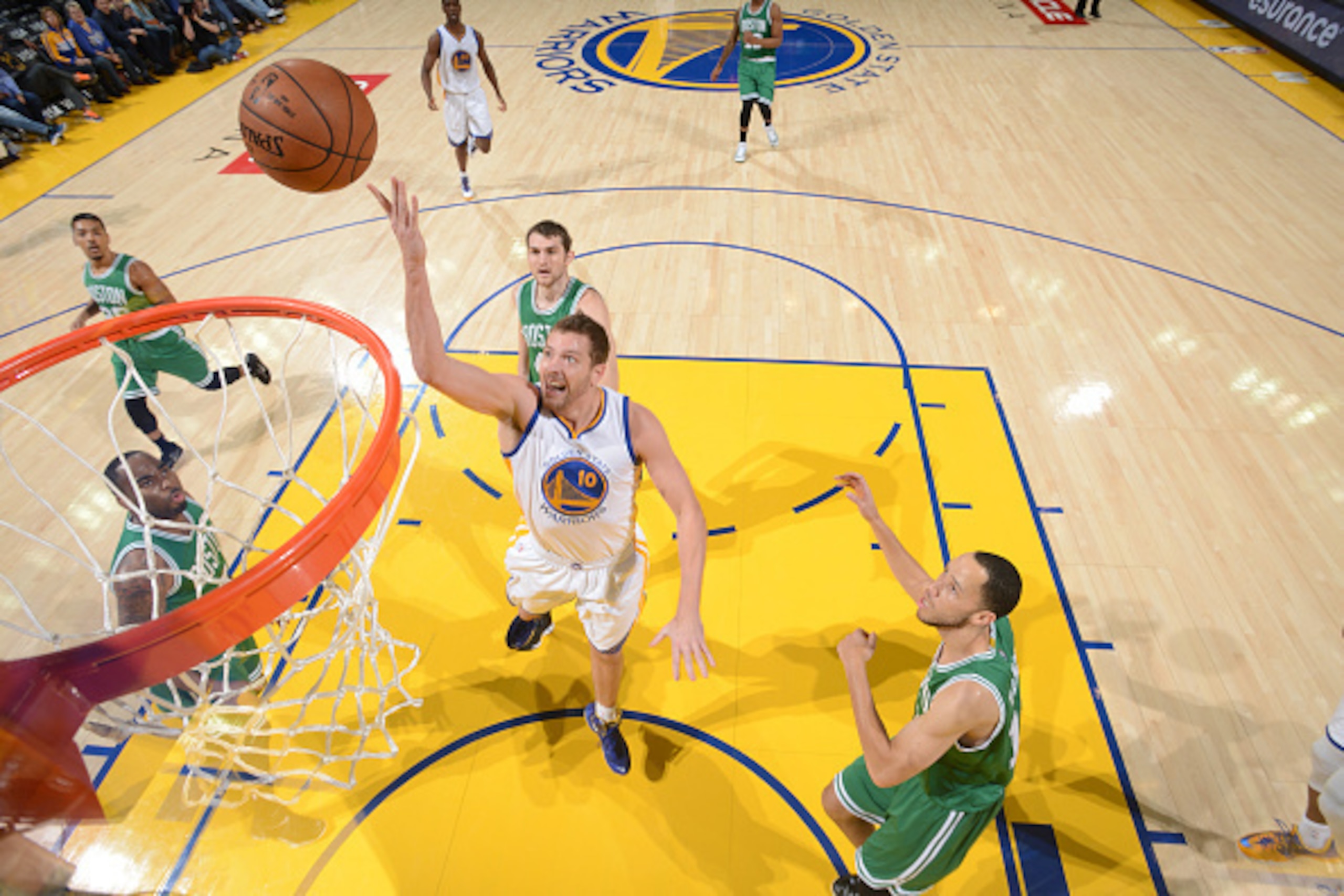
Let’s start by keeping things in perspective. For starters, Lee is on an expiring contract. This isn’t a long-term investment or the integral key to unshackle Boston from its myriad problems. He isn’t a star. He’s terrible on defense. He doesn’t fit in with the team’s timeline.
But as the most talented offensive forward now on Boston’s roster, he can help make life easier for the glutted backcourt. And every young team needs a veteran to lead the way. Lee just played on one of the best basketball teams ever. He saw, up close and personal, how hard Stephen Curry, Klay Thompson, Draymond Green and Harrison Barnes worked to improve their games and reach the pinnacle of the sport.
Lee is now the oracle of Boston's locker room. Youngsters like Marcus Smart, Terry Rozier, Olynyk, Mickey, James Young and R.J. Hunter can seek advice, ask questions and soak up what it takes to coalesce into a whole far greater than their individual parts.
It doesn't sound like a priority, but molding positive culture is one of the most important things any rebuilding team can do. Lee helps.
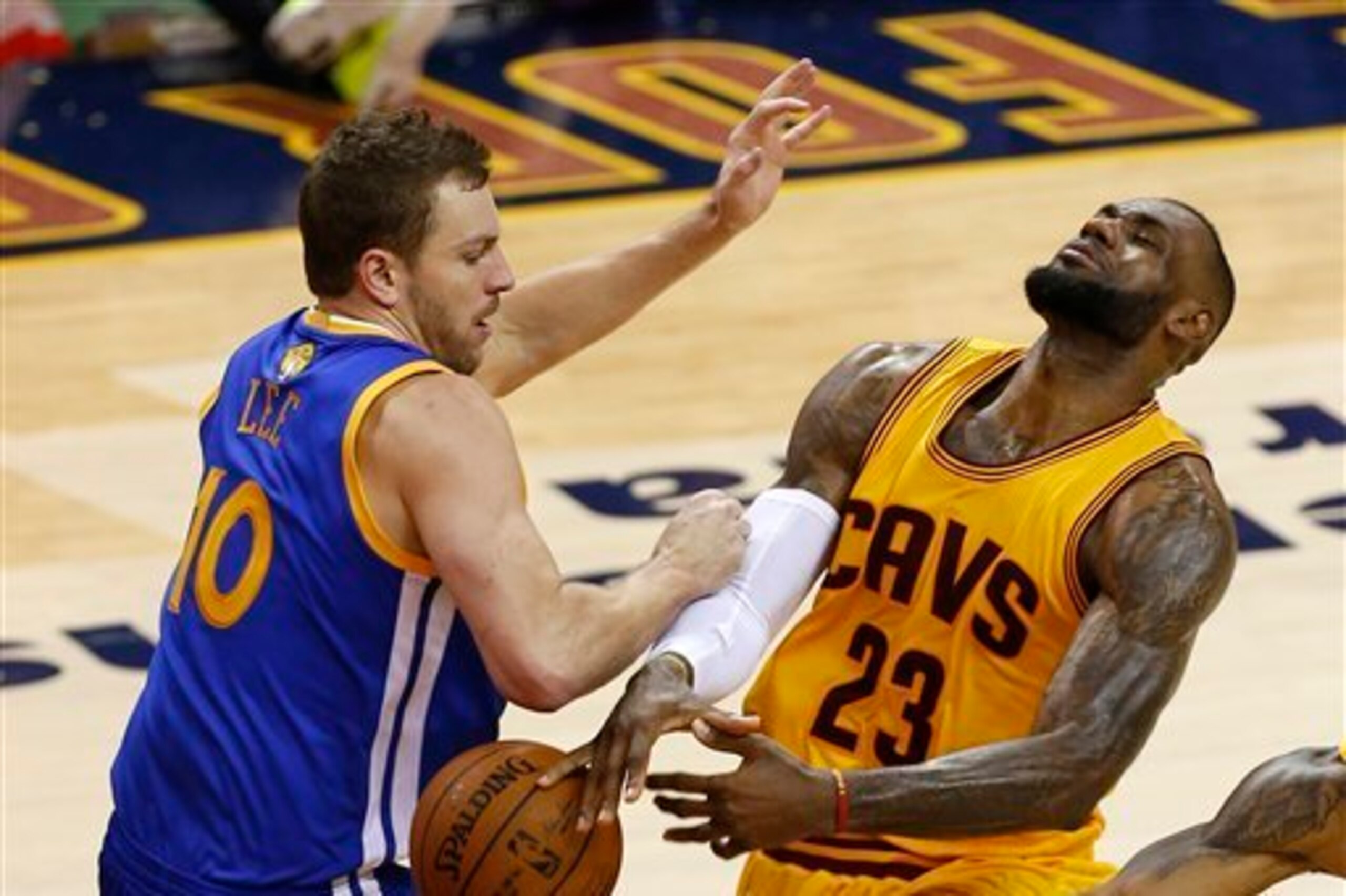
As the Celtics' new highest-paid player, Lee’s $15.4 million salary is only about a $5.3 million increase on Boston’s cap sheet after Wallace’s $10.1 million deal is offset. It’s a fair price for a player who (1) dropped 18 points and grabbed nine boards per night in 2013-14, (2) played fewer than 1,000 minutes last season—nearly half of them in garbage time and (3) is about to enter unrestricted free agency right as the cap explodes to $90 million (contract year!).
It’s also fair to rationalize Lee’s inability to crack Golden State’s rotation as the result of circumstances outside his control (Green supplanted him in the starting lineup because he's far and away the superior all-around player) instead of his own drastic decline.
Lee may have had his worst year since he was a rookie, but last year's numbers don't reflect how much this dude has left to offer. He averaged 15.5 points and 10.6 rebounds per 36 minutes, with a 17.8 player efficiency rating, for the record, per Basketball-Reference.com.
His defensive shortcomings are real and problematic—less so when paired beside Johnson and behind pit-bull defenders arming the perimeter—but Lee’s contributions on the other end are well worth bringing him on board.
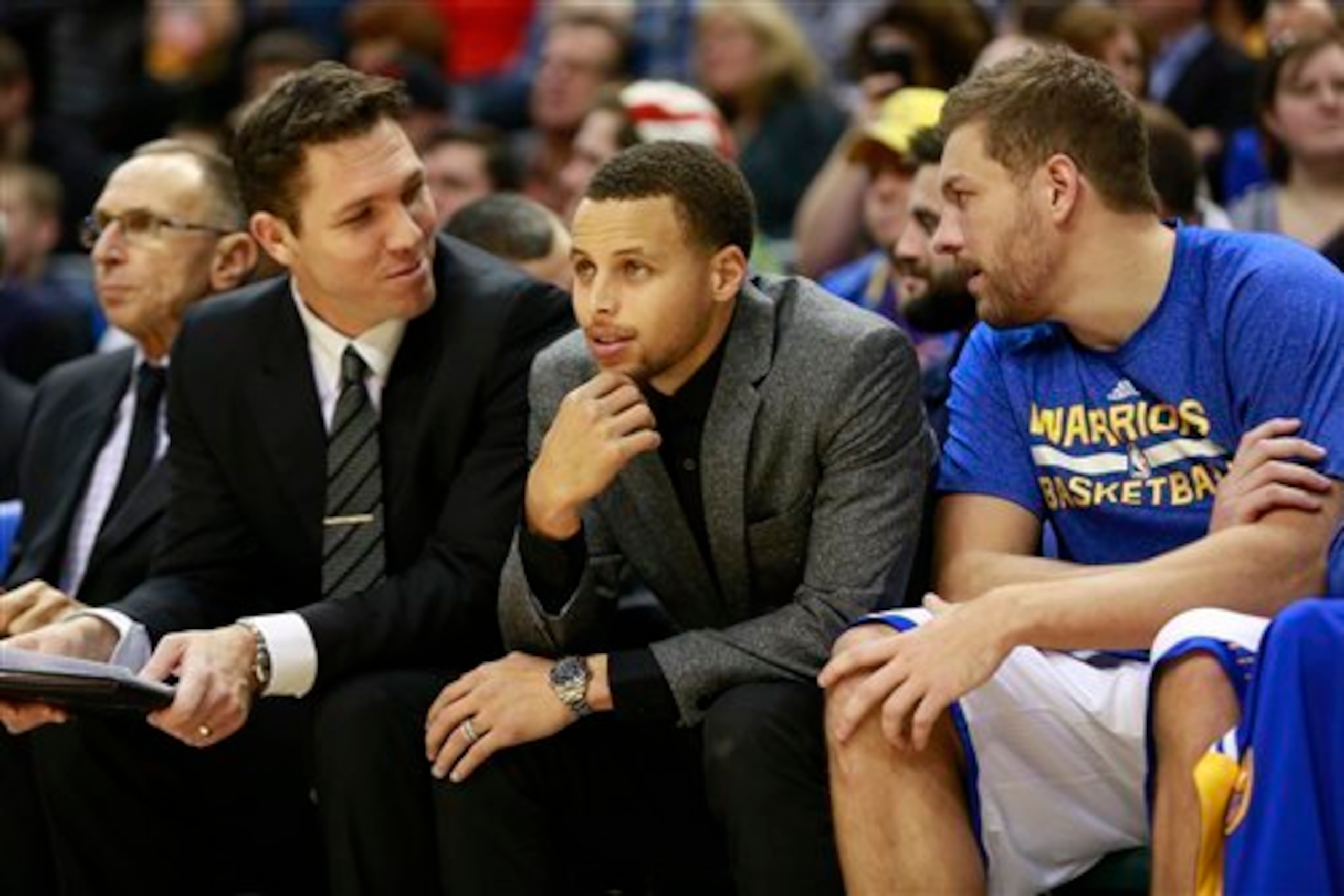
The Celtics were good scoring out of pick-and-roll situations last season, but their guards did nearly all the legwork. It was the backbone of a predictable offense that eventually died in the playoffs.
Lee's presence will make defenses think twice about trapping Isaiah Thomas, and he'll serve as a trusty release valve for Smart and Rozier.
Time and time again, Lee has shown the ability to roll, catch a pass in stride, force a defensive rotation and kick it beyond the arc or lob it toward the rim.

He has tremendous vision and the patience to find cutters streaming along the baseline or dashing from the weak side. And drawing fouls? Here's where Lee is a major upgrade over the likes of Olynyk and Sullinger, who are virtually allergic to the free-throw line.
Lee was also a more efficient scorer out of the pick-and-roll than Blake Griffin, Greg Monroe and Markieff Morris last season, per NBA.com.
His passing will enhance everything about Boston's attack. The Celtics now, finally, have a big man who they can reliably run their half-court offense through, either tossing it to him below the free-throw line or running rapid-fire handoff action on the perimeter.
Lee can put the ball on the floor, draw help and find open shooters on the weak side. Here's one example from a play two seasons ago:

Lee drives the middle on the smaller Shawn Marion, forcing Dallas' weak-side defenders to pinch in as Klay Thompson's man gets hit with a back screen. It's an open corner three. Those are good.
He can thrive in an uptempo system (which is what the Celtics want to play), and surrounding him with shooters as a small-ball center could be interesting. Lee is a cerebral player who understands the importance of ball movement, identifying mismatches in the post and then figuring out how to best attack them.
The Celtics want to make the postseason this year. Lee helps them do that.
The Celtics aren't finished making moves, and we don't know what their team will look like on opening night. But right now their frontcourt is loaded, and it's possible Lee will snatch minutes from younger forwards who need in-game reps to develop.
That isn't ideal, but it also won't cripple their long-term plan. For at least one year, Lee makes sense on this team. He can rebound, pass and score without help. All helpful qualities!
One week ago, the Celtics had a non-entity hanging onto the end of their bench. They swapped that for someone who may become the most important member of their frontcourt. From that perspective, it seems like a good deal.
All statistics are courtesy of Basketball-Reference.com or NBA.com unless otherwise noted.
Michael Pina is an NBA writer who lives in Los Angeles. Follow him on Twitter @MichaelVPina.

.jpg?w=2560 "Jaxson Dart Ruled Out of MNF")

.jpg?w=2560 "Ertz Returning to Eagles")
.jpg?w=2560 "Dak Addresses 'Dumb' Old Romo Tweet 🤣")
.jpg?w=2560 "WWE Raw Live Grades 🔠")

.jpg?w=2560 "🚨 Puka Out for MNF")