
WWE's Biggest Issues Being Exposed Right Now
WWE's booming business doesn't make it immune to criticism from fans.
Creatively, the on-air product is as hot as it's been in decades. The packed arenas, mainstream exposure and revenue records constantly being broken are proof the company is doing something right, and that the change in leadership under TKO has been greatly beneficial.
By no means should WWE's unprecedented success convince higher-ups that there isn't room for improvement, though.
Although there is a lot to like about Raw, SmackDown and the monthly premium live events at the moment, the company's current creative direction isn't perfect—and their fan following on social media has let them know it.
Triple H's "honeymoon" phase as WWE Head of Creative is over, and frustration with certain aspects of the product continues to grow.
The newly enshrined WWE Hall of Famer's scathing “Shut up and be a fan” comments toward WWE's audience ahead of WrestleMania 41 did the promotion no favors in the public perception department.
Some opinions and hot takes are undoubtedly in bad faith, but WWE must learn to separate that negativity from the fans who genuinely want to see it improve actual issues that should be addressed.
Prioritizing Quantity over Quality
1 of 6WWE's upcoming stretch of shows being needlessly bloated—seemingly in an attempt to make more money than they already are—could result in those events suffering in quality and not having the must-see vibe that they should.
Backlash being a mere three weeks after WrestleMania 41 was almost unavoidable due to The Show of Shows being later than usual this year, but the quick turnaround for Saturday Night's Main Event two weeks later followed by Money in the Bank two weeks after that can be considered overkill.
That's in addition to Night of Champions on June 28, another installment of Saturday Night's Main Event on July 12 and potentially Evolution 2 the next night.
WWE is making the most of its stacked schedule by delivering entertaining events with worthy attractions, but the company isn't giving each one enough time to breathe or stand out on its own.
The greater the amount of events that WWE runs, the greater the chance they play it safe booking-wise in order to save the special matches and moments for the bigger stages such as SummerSlam and WrestleMania.
Since taking creative control three years ago, Triple H has demonstrated with the five-match PLE cards that less can be more, but that approach should also be applied to the the overall presentation of the product.
Too Much Style, Not Enough Substance
2 of 6For as refreshing as WWE's condensed PLEs can be (in the same vein NXT's Takeover specials came while Triple H was at the helm of the brand), the shorter run times for the show are still filled with commercials, drawn-out entrances, celebrity cameos in the crowd and more meaningless content.
There is a happy medium between the way WWE PLEs operate and All Elite Wrestling's all-action, overstuffed pay-per-view cards.
It's a classic case of WWE favoring style over substance.
Its renewed focus on sponsorship deals and the like has clearly paid dividends for the company, but it's simultaneously diverted attention from the wrestling itself and taken television time away from content that would better serve the Superstars.
It's understandable why WWE would want to take advantage of Raw now being on the world's premier streaming service, but it's played a part in the on-air product becoming more saturated and watered-down with everything from recaps and replays to plugs for Netflix series and integration of pop culture when it isn't organic.
At the end of the day, despite what WWE may pretend it is, pro wrestling is its bread and butter. It's shown under Triple H that it can excel at storytelling, which is why it should put more effort into honing that and not so much the smoke and mirrors.
Women's Tag Team Scene Is Nearly Nonexistent
3 of 6The women's tag team division has never been a priority for WWE, and that's especially evident now more than ever before.
WWE's recent rounds of releases gutted the few credible teams the division had left: Alba Fyre and Isla Dawn, Katana Chance and Kayden Carter, Gigi Dolin and Tatum Paxley, The Meta-Four, Roxanne Perez and Cora Jade, Candice LeRae and Indi Hartwell, and Damage CTRL have all had to break up as a result.
Liv Morgan and Raquel Rodriguez regained the gold on the post-WrestleMania Raw, but the belts haven't had a presence on any of the three shows due to the former taking time off to film a movie. Ex-champs Bianca Belair and Jade Cargill went their separate ways as well.
The WWE Women's Tag Team Championships were a fine addition to the division when they debuted in 2019, but Bayley and Sasha Banks' original run with the twin titles was practically the peak.
They became even more useless once the Women's Intercontinental and United States Championships were introduced late last year.
WWE has more than enough talent across Raw, SmackDown and NXT to make the division matter, but it's been painfully apparent for years it doesn't care enough to do so. It insists on keeping the titles around without actually doing anything of note with them and instead treats them as pointless props.
The abysmal booking of the tag team scene is a microcosm of a much larger issue of WWE's portrayal of the women.
Weak Storytelling with the Women Across the Board
4 of 6Compared to the men, WWE's storytelling with the women more often than not is substandard, to say the least.
Going into WrestleMania 41, most of the focus was on the top matches: Jey Uso vs. Gunther, Cody Rhodes vs. John Cena, and CM Punk vs. Seth Rollins vs. Roman Reigns.
Everything with the women essentially took a backseat, and there little thought put into the idea of either Charlotte Flair vs. Tiffany Stratton or Iyo Sky vs. Bianca Belair vs. Rhea Ripley headlining either night of the event.
That's primarily because both stories were terribly told. Unsurprisingly, they delivered when they bell rang, but WWE did them a disservice by giving them the most basic builds imaginable.
That's been a persistent problem for WWE for some time now. Thankfully, strides have been made since WrestleMania 41 with Roxanne Perez and Giulia being called up to Raw and SmackDown featuring more women, but there's still plenty of work to be done.
The midcard titles in particular weren't nearly as important as they should have been prior to 'Mania, but Becky Lynch vs. Lyra Valkyria has been a fantastic feud over the Women's Intercontinental Championship and new Women's United States champion Zelina Vega has been racking up wins as of late.
An extra layer of depth is missing from the women's storylines that's typically prevalent with the men. Getting more female representation on the writing teams and behind-the-scenes in general would be a step in the right direction.
3-Hour SmackDowns Are a Struggle
5 of 6As mentioned, giving fans more of something as opposed to leaving them wanting more is rarely the way to go. Look no further than SmackDown since it expanded to three hours at the onset of 2025.
Raw's runtime has been significantly shorter since moving to Netflix and the red brand has been better off for it. SmackDown, on the other hand, has experienced a drastic drop in quality in the last five months with the third hour feeling forced and full of filler.
Matches getting more time has been a positive development, but the cons have far outweighed the pros. The three-hour format quickly killed any excitement factor Raw had over a decade ago, and the blue brand has been no exception.
Three hours are simply not sustainable for a weekly wrestling show.
Per Dave Meltzer of the Wrestling Observer Newsletter, the blue brand should be back to two hours sooner rather than later, possibly in early June. That's been the rumor since the switch to three hours was made, but this was obviously intended to be an experiment to see if it would stick long-term.
Fans can only hope their complaints have been heard and WWE will allow SmackDown to return to a two-hour formula permanently starting next month.
John Cena's Half-Hearted Heel Run
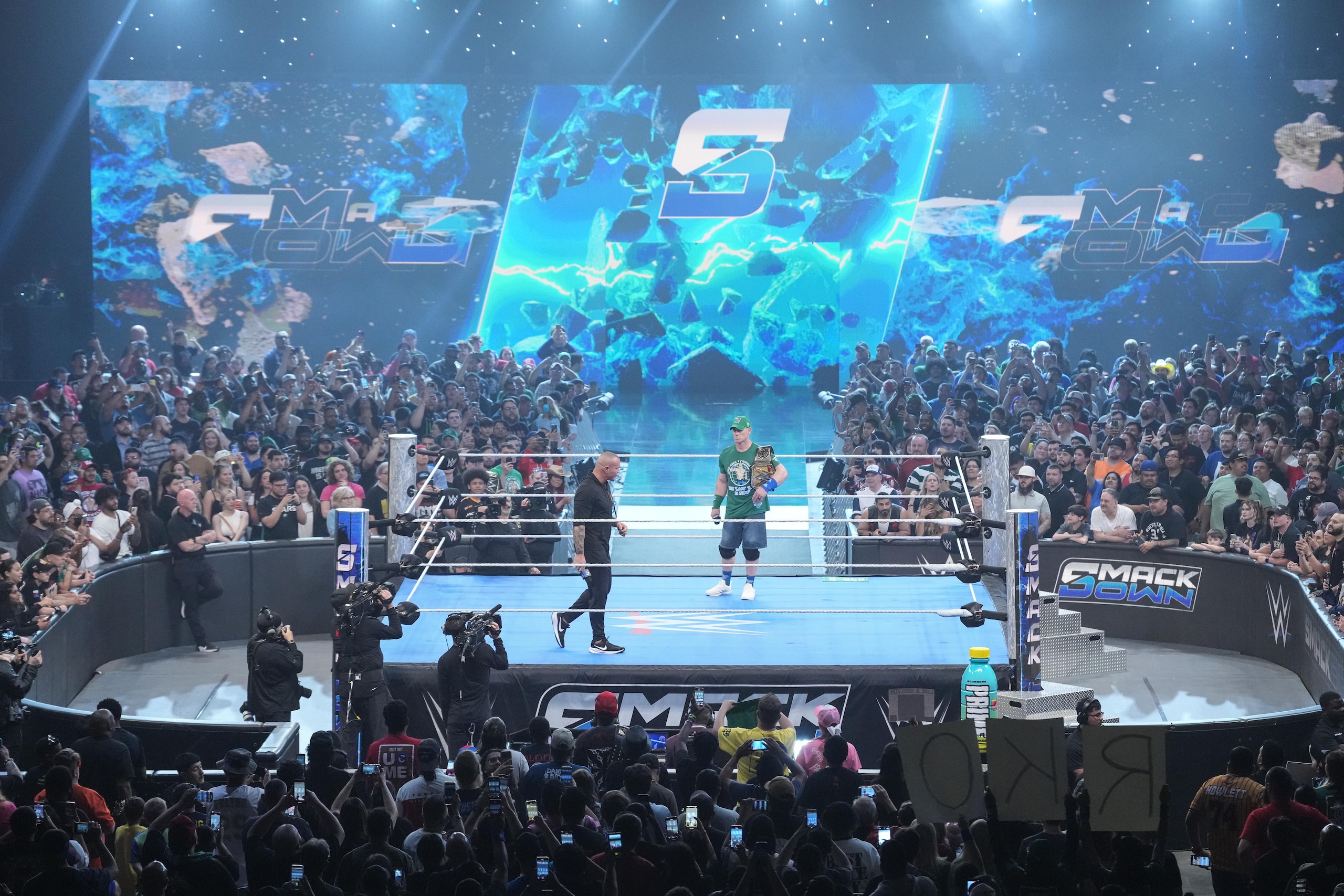
6 of 6WWE pulled off the unthinkable by turning John Cena heel in shocking fashion at Elimination Chamber on March 1 and aligning him with The Rock. The execution was exceptional and fans eagerly anticipated what was next.
Unfortunately, it's been all downhill from there.
The lackluster explanation for why he went rogue was underwhelming, along with Rock's refusal to get involved any further at this time. Cena's infrequent schedule and empty, cartoonish promos haven't helped matters.
His mediocre WrestleMania main event with Cody Rhodes didn't inspire much confidence that this run would be as outstanding as the audience envisioned it would be, but it isn't too late for it to be redeemed.
Cena stealing the Undisputed WWE Championship as a heel was the correct call, but his promise to "ruin wrestling" can't be that the ending of every premium live event he's on is hindered by a lazy finish.
The overbooked spectacle that was his Backlash bout with Randy Orton worked because of their extensive history (and their limitations at this stage of their respective careers), but that can't be the norm for all of his matches going forward.
WWE is at its best creatively when it has an overarching story to build around. Heel Cena replaced The Bloodline in that top spot, but now it's up to The Last Real Champion and the company to ensure it ultimately lives up to the hype and doesn't disappoint once it runs its course.
Graham Mirmina, aka Graham "GSM" Matthews, has specialized in sports and entertainment writing since 2010. Visit his website, WrestleRant, and subscribe to his YouTube channel for more wrestling-related content.
.jpg?w=2560)
.jpg?w=2560 "Rap: Lions, LaPorta End Contract Talks")
.jpg?w=2560 "Report: Baker May Miss Up to 6 Weeks")
.jpg?w=2560 "EVERY Fantasy Football Update")
_0.png?w=2560 "Week 5 Winners & Losers 📊")

.jpg?w=2560 "Commanders May Change Logo 👀")