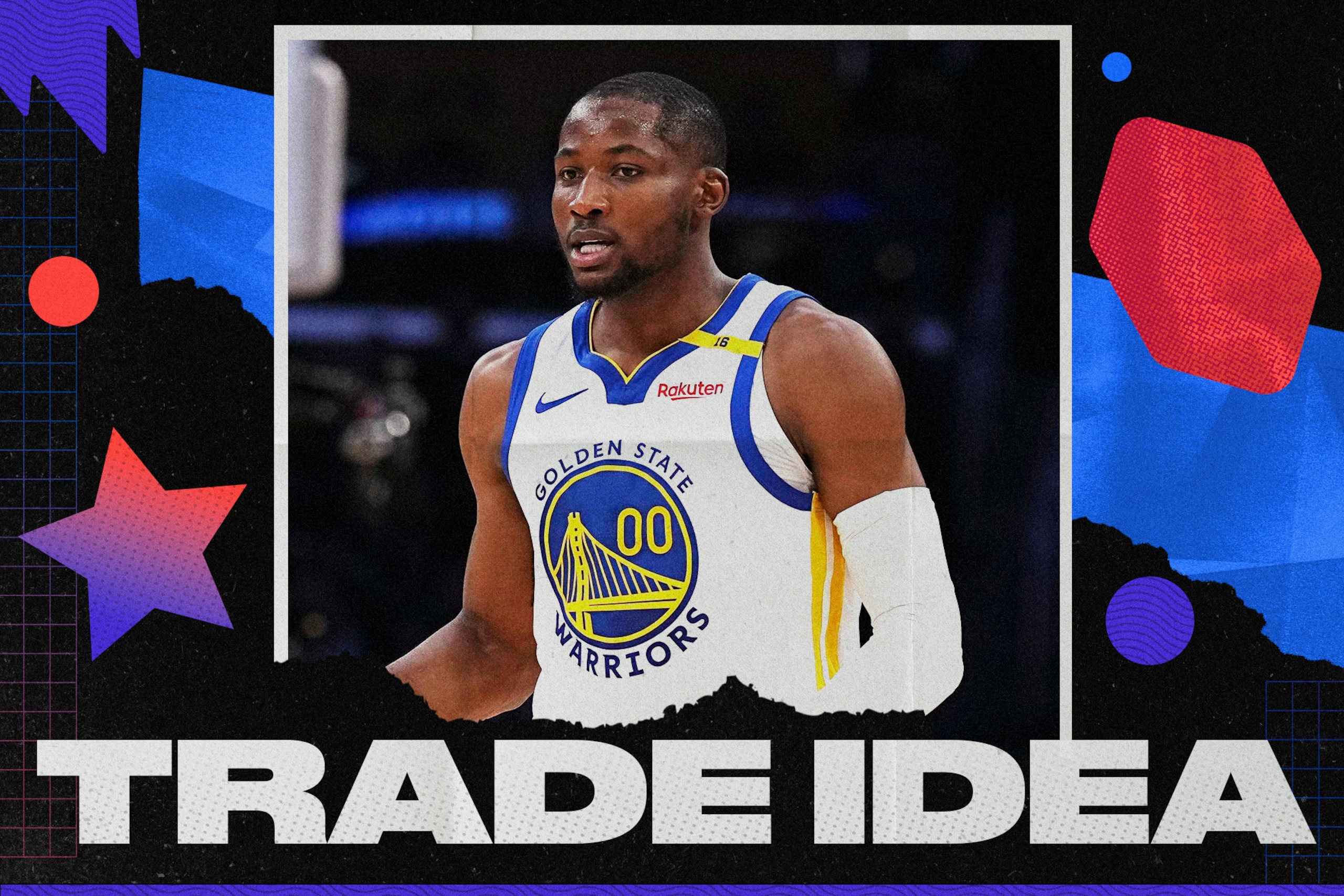


As the Golden State Warriors await the start of their first-round matchup against the Houston Rockets, even casual observers of the team have likely noticed that Jonathan Kuminga is suddenly out of the team's rotation.
Despite averaging 15.3 points (third among players still on the team after the Jimmy Butler trade), Kuminga sat the entirety of Golden State's final regular season game and it's only play-in contest.
And on Friday, The San Francisco Standard's Tim Kawakami dove deep into the benching and what it means for Kuminga's future with the Warriors.
"I can’t see Kuminga and [head coach Steve] Kerr finding a lot of common ground from here," Kawakami wrote. "I can’t see the Warriors wanting to pay Kuminga anything close to market value — probably about $28 million a year or higher — if the coach doesn’t believe in him and the stars aren’t sure they want to be on the floor with him. I can’t see Kuminga wanting to stay here a second longer than it takes to figure out his next team."
He may get that chance this summer. Kuminga's rookie contract expires as soon as this season is over. But he may not be able to simply walk away. The Warriors would have the chance to match any offer sheet he signs. And that little bit of leverage could have them thinking about a potential sign-and-trade to send Kuminga to a team that would have a bigger role available for him.
"The Warriors hate letting valuable assets go for nothing, and Kuminga is absolutely still an asset," Kawakami added. "Restricted free agency is complicated, so Mike Dunleavy would have to work through a lot of things to get something worthwhile in return for Kuminga."
Well, fortunately for Dunleavy, we worked through some of those things for him. Using a hypothetical contract structure in line with Kawakami's $28 million estimate above, here's a three-team trade that would send Kuminga to a rebuilding team where he could shine, land the Warriors some depth and give the Sacramento Kings a point guard.
The Deal
1 of 4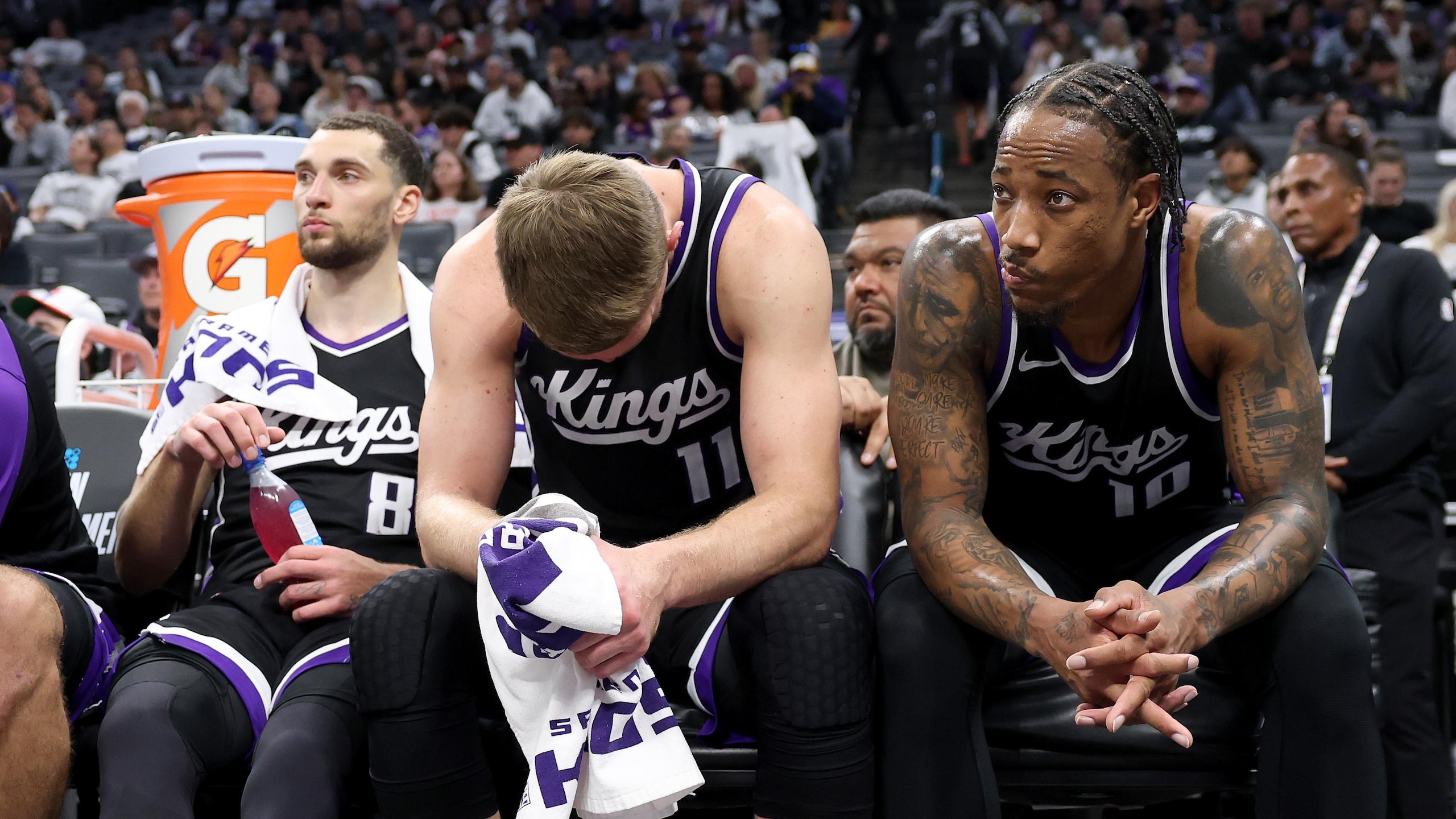
Before we dive into exactly why each team should want to sign up for this, let's look at the entire deal at a glance.
Warriors Receive: Corey Kispert, Jonas Valančiūnas and a top-5 protected 2031 first-round pick from Washington
Warriors Lose: Jonathan Kuminga (sign-and-trade), Buddy Hield and Trayce Jackson-Davis
Wizards Receive: Jonathan Kuminga (sign-and-trade) and Malik Monk
Wizards Lose: Marcus Smart, Corey Kispert, Saddiq Bey, a top-20 protected 2030 first-round pick (via Golden State) and a top-5 protected 2031 first-round pick
Kings Receive: Marcus Smart, Buddy Hield, Saddiq Bey, Trayce Jackson-Davis and a top-20 protected 2030 first-round pick from Washington (via Golden State)
Kings Lose: Malik Monk and Jonas Valančiūnas
As always, feel free to quibble over the picks involved (or the protections on them) and some of the smaller contracts. The general framework is what you should focus on. And the deeper explanations on why it all makes sense can be found below.
Warriors Replace Kuminga with Depth (and a Swing for the Future)
2 of 4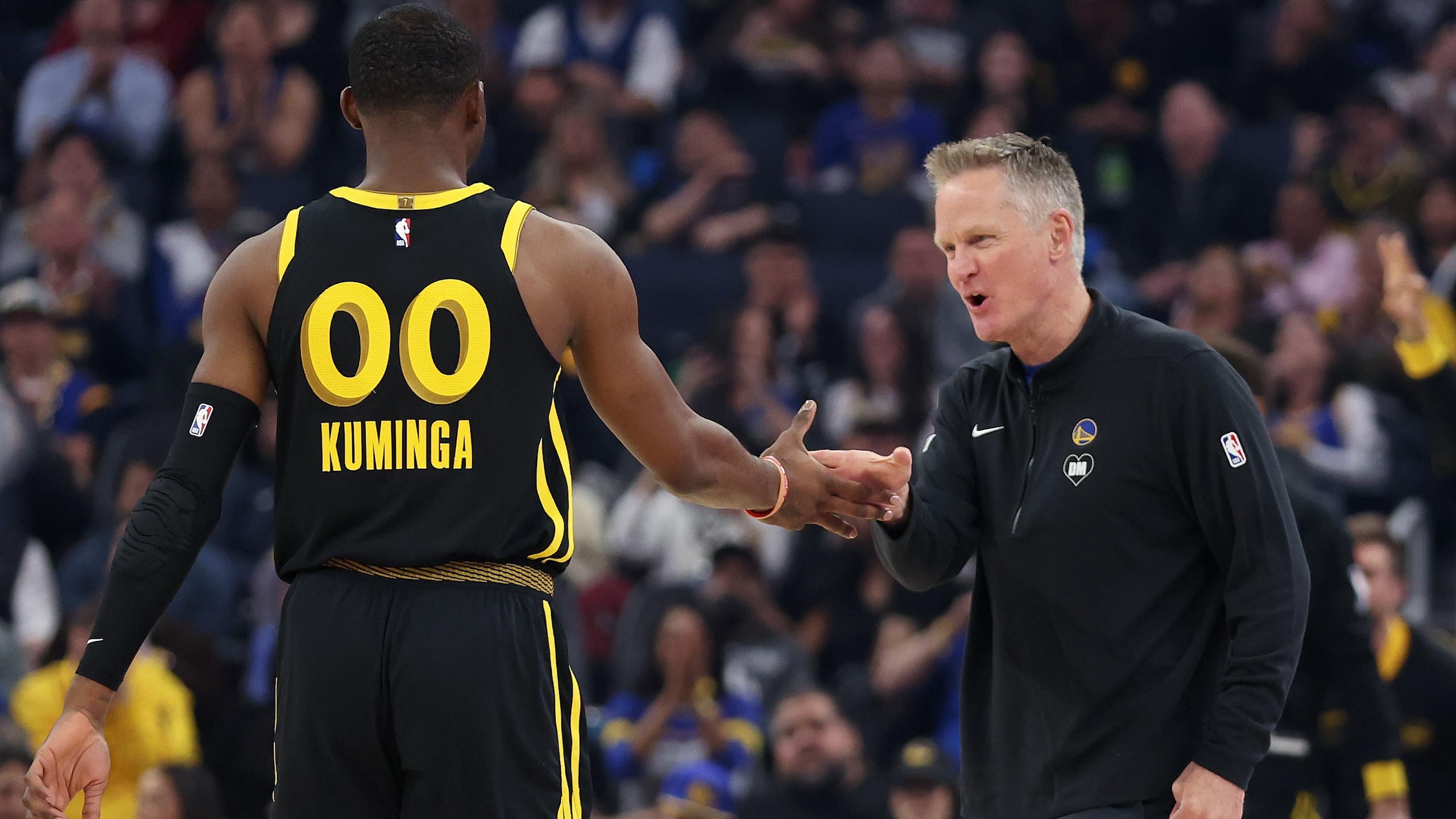
Warriors Receive: Corey Kispert, Jonas Valančiūnas and a top-5 protected 2031 first-round pick from Washington
Warriors Lose: Jonathan Kuminga (sign-and-trade), Buddy Hield and Trayce Jackson-Davis
A rebuilding team like the Wizards may be loathe to include a draft pick, but Kuminga is the biggest individual prize in this deal. And at 22 years old, he's likely to be younger than some of the players taken in this summer's draft.
Golden State extracting a first from someone (in this case, Washington) for Kuminga wouldn't be shocking.
From there, the Warriors are losing a rotation player in Buddy Hield (who's been less consistent for them than he was at previous stops) and Trayce Jackson-Davis (who, at 25, is older than you think and has already been mostly replaced by Quinten Post).
In their place would be Jonas Valančiūnas and Corey Kispert.
The former turns 33 next month and plays a ground-bound, post-heavy style that may seem antithetical to Warriors basketball, but he could be a heat-check scorer against reserves (think 2019-20 Montrezl Harrell, but with post-ups and dives to the basket) and has long been an underrated passer (3.2 assists per 75 possessions over the last four seasons).
The latter is six years younger than Hield, has decent size (6'7") for a floor spacer, has averaged 2.8 threes per 75 possessions for his career, while shooting 38.2 percent from deep.
Wizards Charge the Rebuild
3 of 4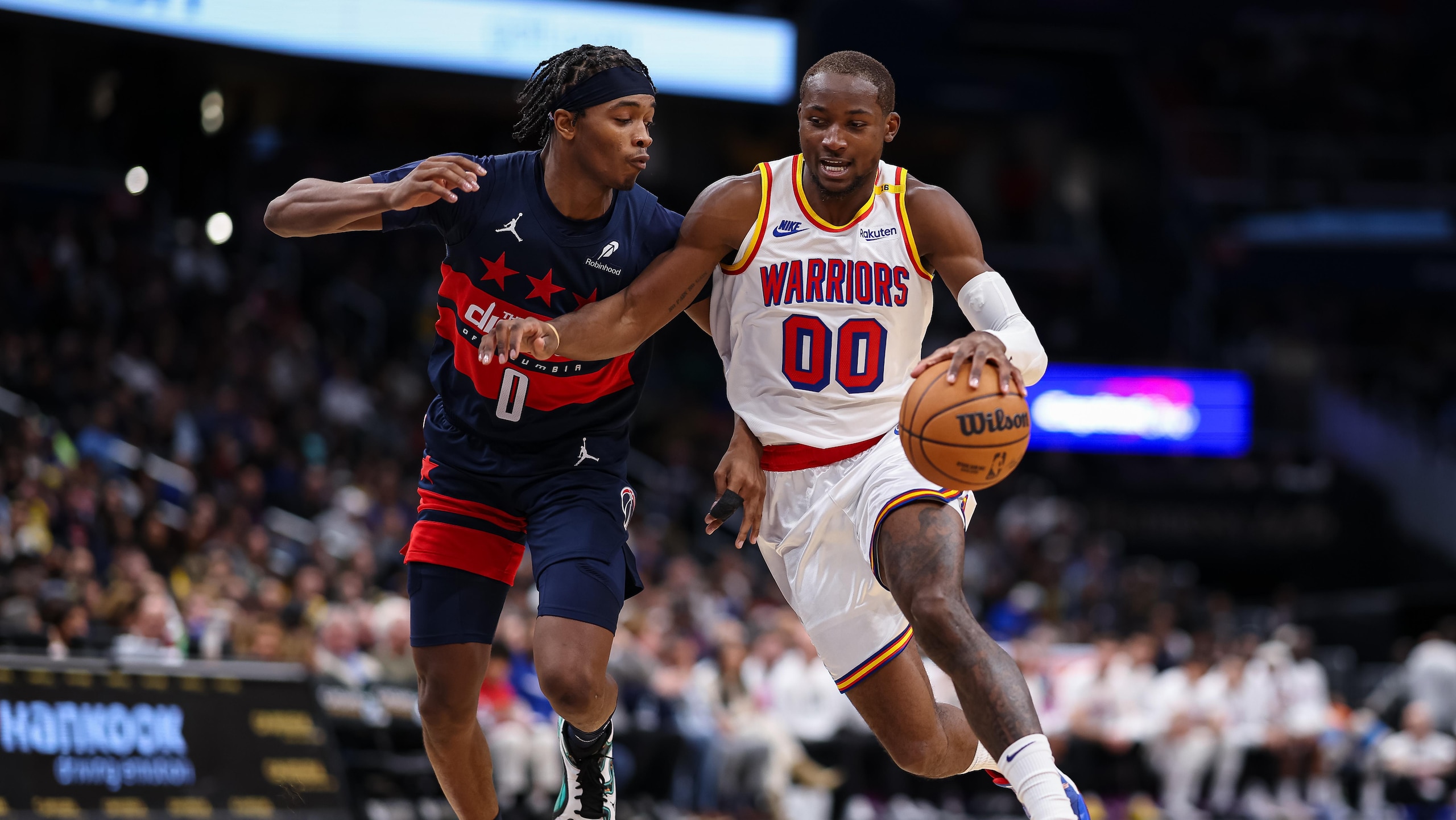
Wizards Receive: Jonathan Kuminga (sign-and-trade) and Malik Monk
Wizards Lose: Marcus Smart, Corey Kispert, Saddiq Bey, a top-20 protected 2030 first-round pick (via Golden State) and a top-5 protected 2031 first-round pick
Rebuild purists may shudder at the thought of giving up multiple picks in this deal, but that 2030 first was already heavily protected when Golden State sent it over in a previous deal, the Wizards still have another first that year and the 2031 first going out is protected, too.
The Wizards may insist on an even heavier protection, but again, Kuminga is the biggest individual prize in this deal.
And he's nowhere near old enough to be considered some kind of timeline shifter for Washington.
On the contrary, adding the 22-year-old to Alex Sarr, Bilal Coulibaly, Bub Carrington and Kyshawn George would give this team one of the league's more interesting young cores.
And having Jordan Poole, Khris Middleton (assuming he picks up his $33.3 million player option) and Malik Monk along with them would likely mean that core won't have to experience another 60-plus loss season in 2025-26.
Kings Land a Point Guard
4 of 4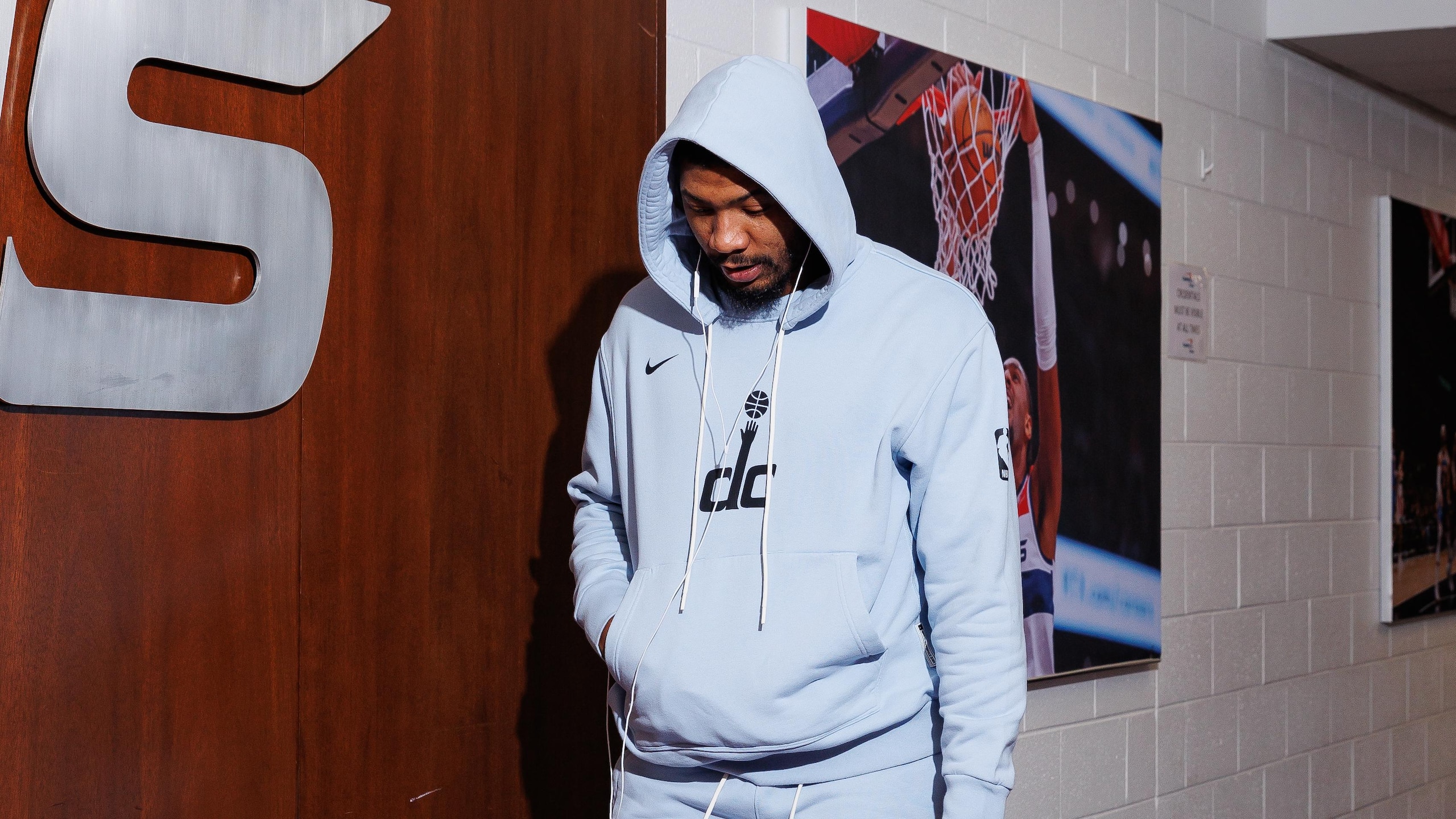
Kings Receive: Marcus Smart, Buddy Hield, Saddiq Bey, Trayce Jackson-Davis and a top-20 protected 2030 first-round pick from Washington (via Golden State)
Kings Lose: Malik Monk and Jonas Valančiūnas
In the wake of the Kings' season-ending play-in loss to the Dallas Mavericks, we detailed just how bleak their short- and long-term future is.
There likely isn't a ton of trade value for Domantas Sabonis, Zach LaVine or DeMar DeRozan. Keegan Murray's development has stalled. They almost certainly won't keep their 2025 first-round pick. And there are no surefire future stars among the younger players on the roster.
In other words, Sacramento is kind of stuck, which could make it tough for the team to land the one kind of player Sabonis wants alongside him.
"The biggest thing is that we need a point guard," Sabonis told reporters after the season ended. "That's for sure."
He's right. Sacramento started LaVine, DeRozan, Murray and Keon Ellis with Sabonis in that play-in loss. And since there's no way to walk back the De'Aaron Fox trade, the Kings are probably looking at distressed assets to remedy this situation (or at least make it a little better).
Enter Marcus Smart, who's 31, has only appeared in 54 games over the last two seasons and is on an expiring contract in 2025-26.
In all likelihood, he wouldn't dramatically change Sacramento's fortunes, but the healthy version of Smart actually makes a lot of sense for a team with multiple ball-dominant non-point guards.
LaVine, Sabonis and DeRozan all need a lot of offensive control to be effective, and Smart would be happy to give it to them. He's also far more willing to defend than any of the Kings' stars. And even if he hasn't converted at a high rate on threes throughout his career, his ability to simply get them up can command some defensive attention outside.
This deal also makes the Kings a little younger at the backup 5 spot by swapping Valančiūnas for Trayce Jackson-Davis. It replaces some of the offense leaving with Monk by bringing back Hield. It adds a potential depth piece in Saddiq Bey (who missed all of 2024-25 with a torn ACL). And it gets them that highly protected first-round pick (since Monk is younger and healthier than Smart).
.jpg?w=2560 "A.J.'s Message to Hurts 🙏")
.jpg?w=2560 "NFLPA Makes Hurts Statement")
.jpg?w=2560 "Rams to Sign New Kicker")