
Ranking LeBron James' Top 10 Teammates of All Time
There are countless angles through which to view LeBron James' prolific, title-winning and accolade-laden career.
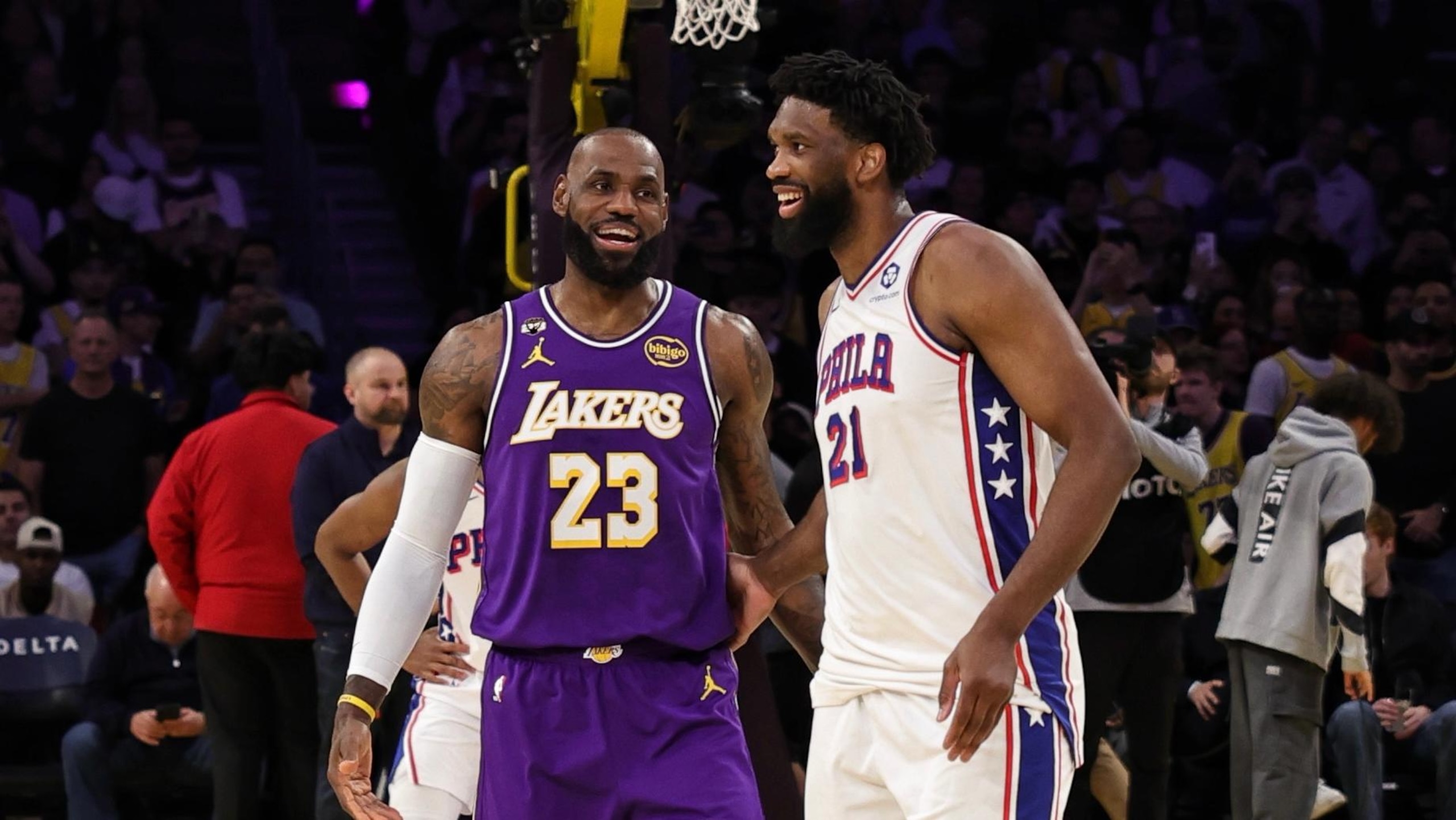
This offseason, following his decision to leave Luka Dončić for Joel Embiid, Tyrese Maxey and Jaylen Brown, it's hard to avoid the teammates angle.
Ever since he left the Cleveland Cavaliers the first time, LeBron has shared rosters with bona fide superstars. In a couple of cases, he had multiple superstar teammates.
As he gears up for his 24th campaign (and first with the Philadelphia 76ers), we thought now would be as good a time as any to rank those teammates.
But before we do, a word on criteria. Just about any ranking in sports is going to employ a fair bit of subjectivity. That's the case here, but basic and advanced numbers (like box plus/minus and wins over replacement player) were also consulted.
It's also important to note that we're not ranking the players below entirely on their careers. Dwyane Wade should be higher on anyone's all-time ladder than Anthony Davis, but that doesn't necessarily mean he'll be higher on this list.
We're factoring in the players' entire body of work and how they performed while playing with LeBron. Accomplishments, including championships, collected as a teammate of LeBron are considered as well. Performance shortly before or after joining James has some impact, too.
Of course, that also means operating with a lot of projection for his new 76ers teammates since he has yet to play a single game with them.
With those housekeeping items out of the way, let's dive right in.
The First Cleveland Stint
1 of 12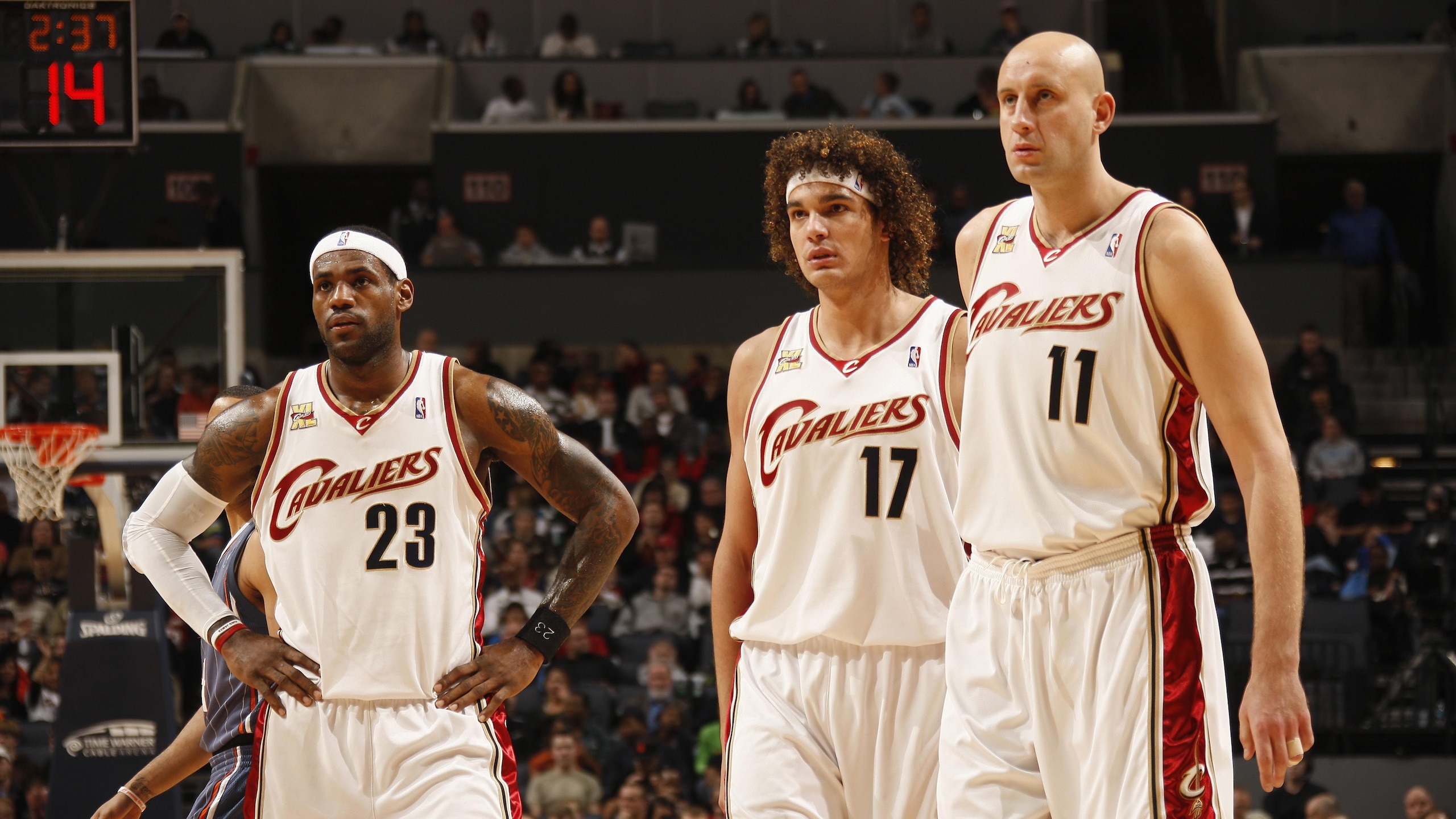
Check that. We have one more slight detour before we get into the list.
Any discussion of LeBron's teammates throughout his career has to at least mention his first seven seasons, all of which he spent with the Cleveland Cavaliers.
During those years, he stacked up a league-best 165.8 wins over replacement player (value over replacement player times 2.7). The 70 teammates he had in Cleveland over that span combined for 82.1.
Zydrunas Ilgauskas was the only Cavalier who even eclipsed 20 during those years (and he barely did it). Mo Williams, Carlos Boozer and even Anderson Varejão had their moments. If you recall, Shaquille O'Neal (more on him in a bit) and Antawn Jamison also had stints there.
But no one really pushed Cleveland toward contention outside of LeBron, which surely motivated some of his career choices from The Decision to now.
11. (The Way-Past-His-Prime) Shaquille O'Neal
2 of 12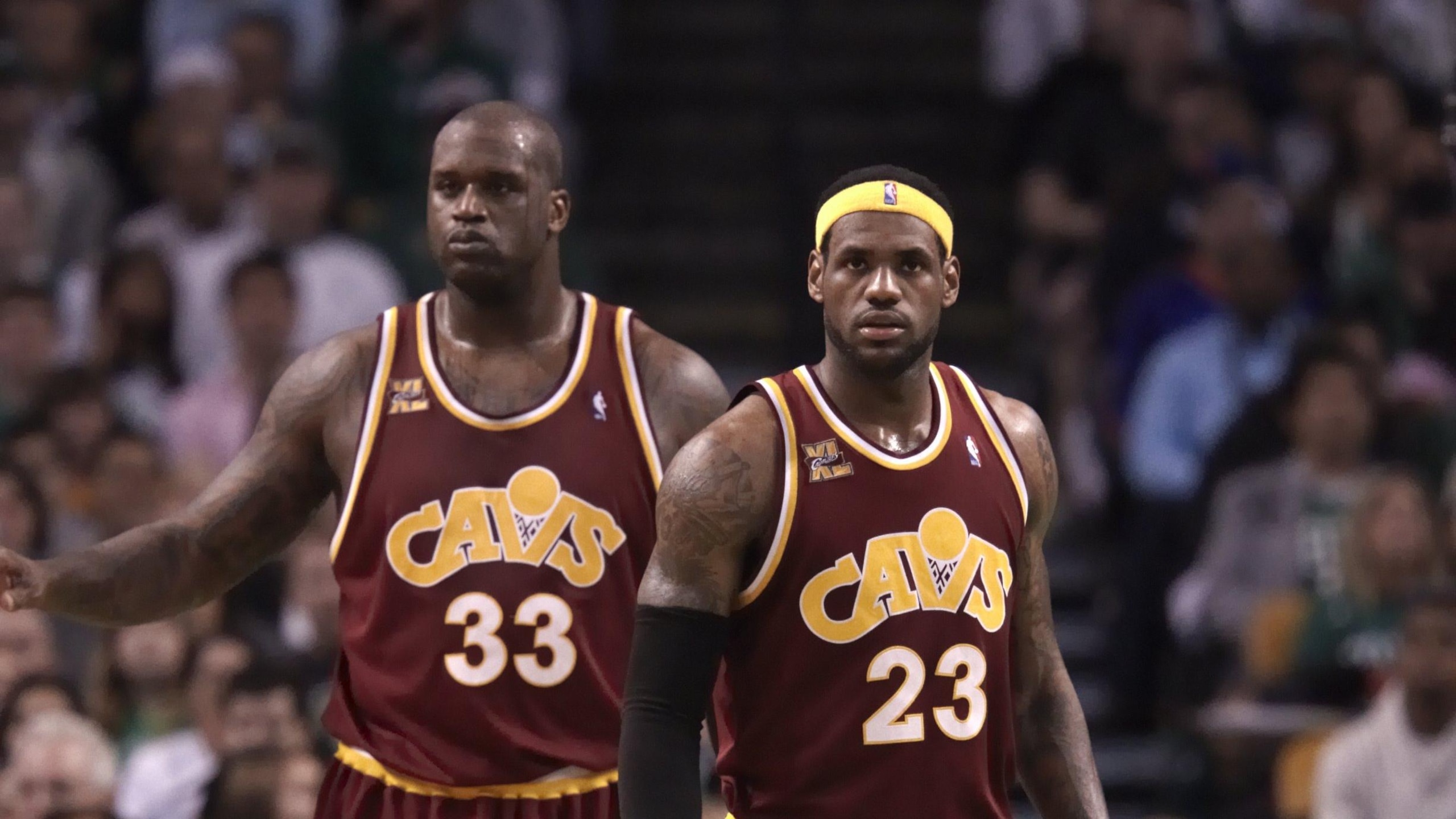
We said we'd consider entire careers at the outset, but if we overemphasized that, Shaq would be first in these rankings.
With only one season alongside James, he doesn't really feel like a LeBron teammate. His name is still big enough to warrant inclusion here, though.
In his one season with the Cavs, the 37-year-old Shaq played 23.4 minutes per game and averaged 12.0 points and 6.7 rebounds.
10. Austin Reaves
3 of 12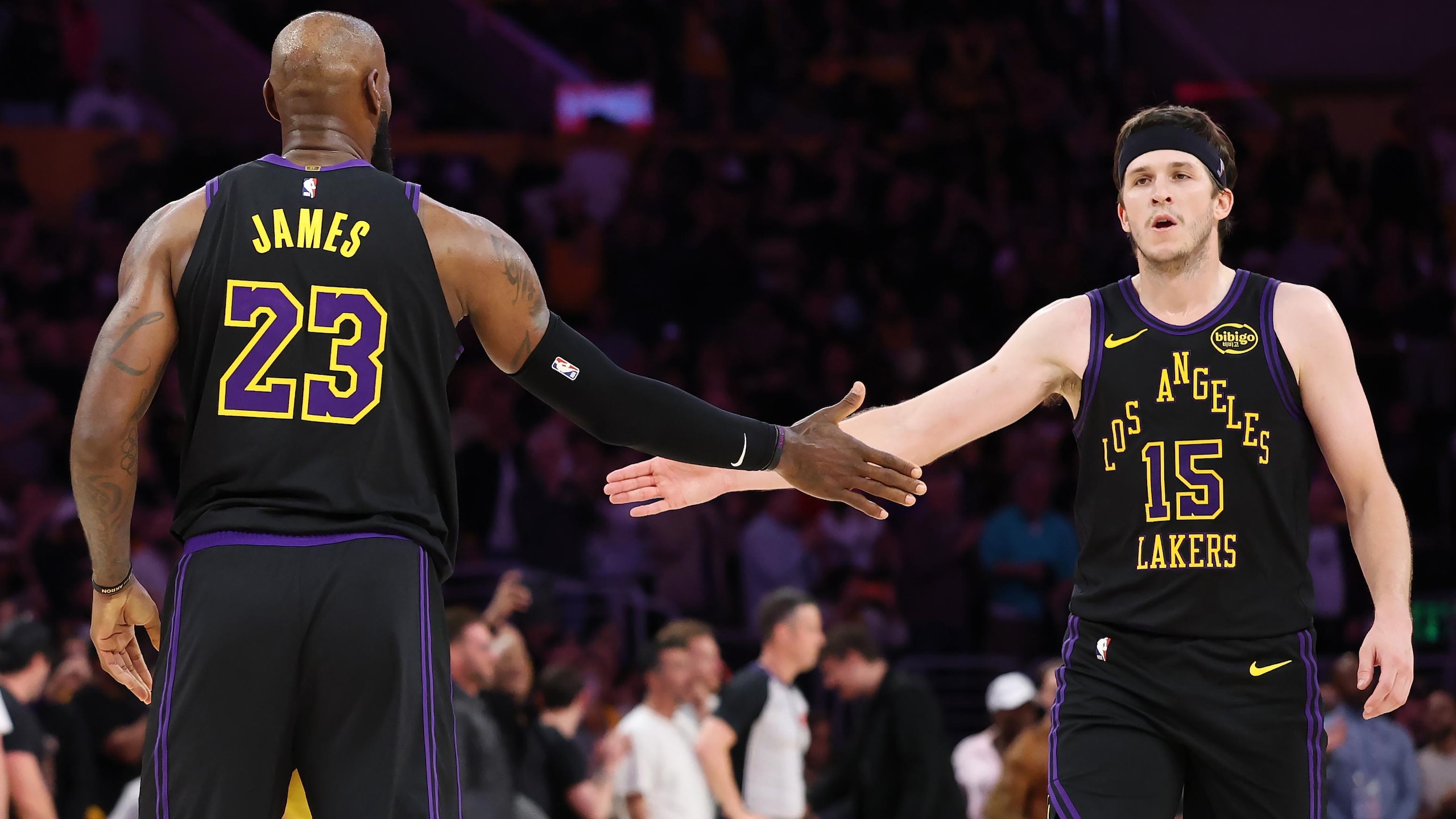
If we placed more of an emphasis on time spent with LeBron, there might be an argument to have Austin Reaves ahead of Luka Dončić. Luka is obviously the better player, but Reaves had a better run with LeBron.
Unlike Luka, who tacitly sort of escorted LeBron out of L.A., Reaves was mabye the best development story of LeBron's career.
He joined the Lakers as an undrafted free agent. Thanks in no small part to LeBron guiding and entrusting him with playmaking and scoring responsibility, Reaves is now one of the best guards in the NBA.
And in four playoff runs with James, Reaves made a conference finals and averaged 17.4 points and 4.5 assists.
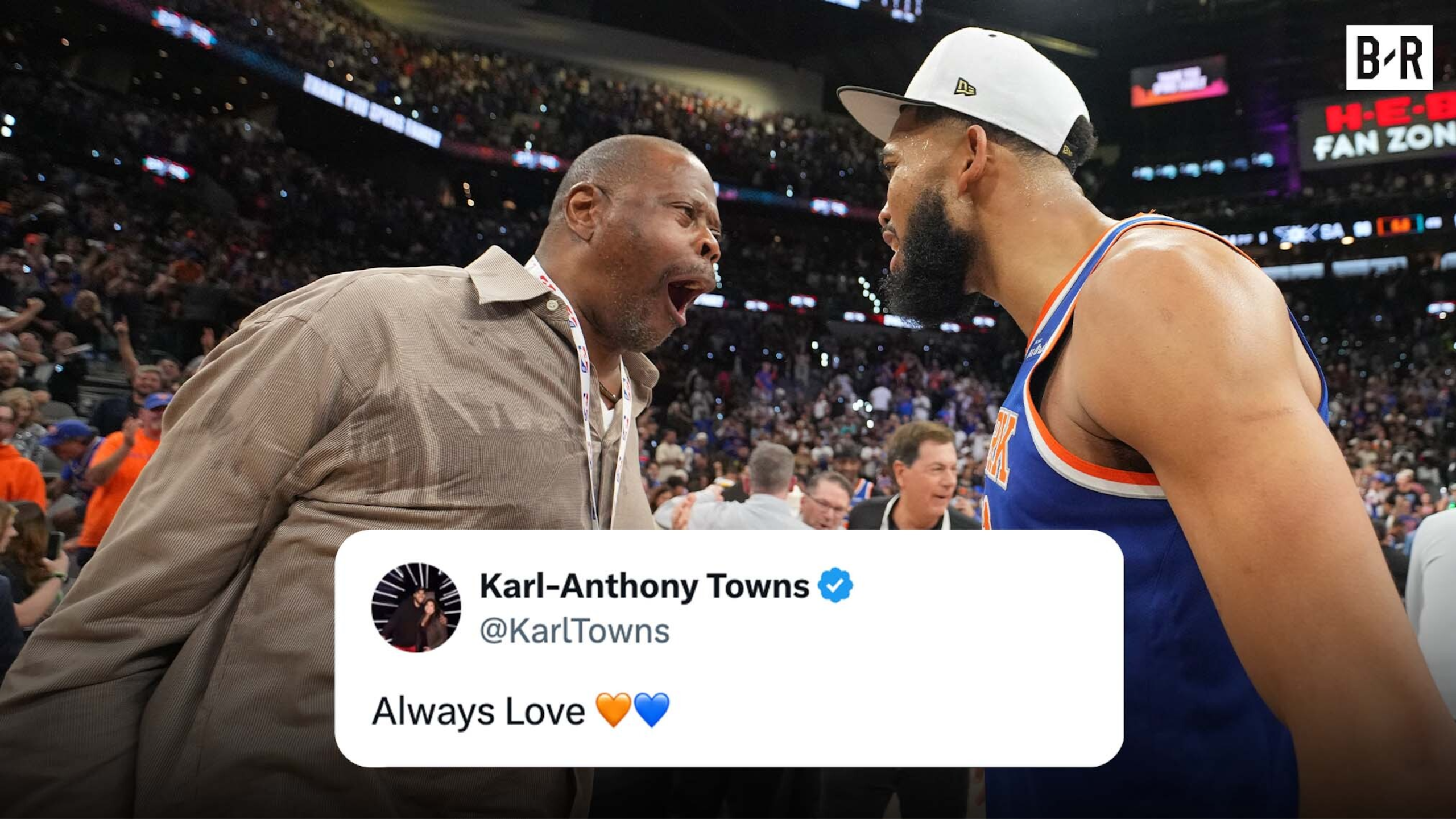
9. Jaylen Brown
4 of 12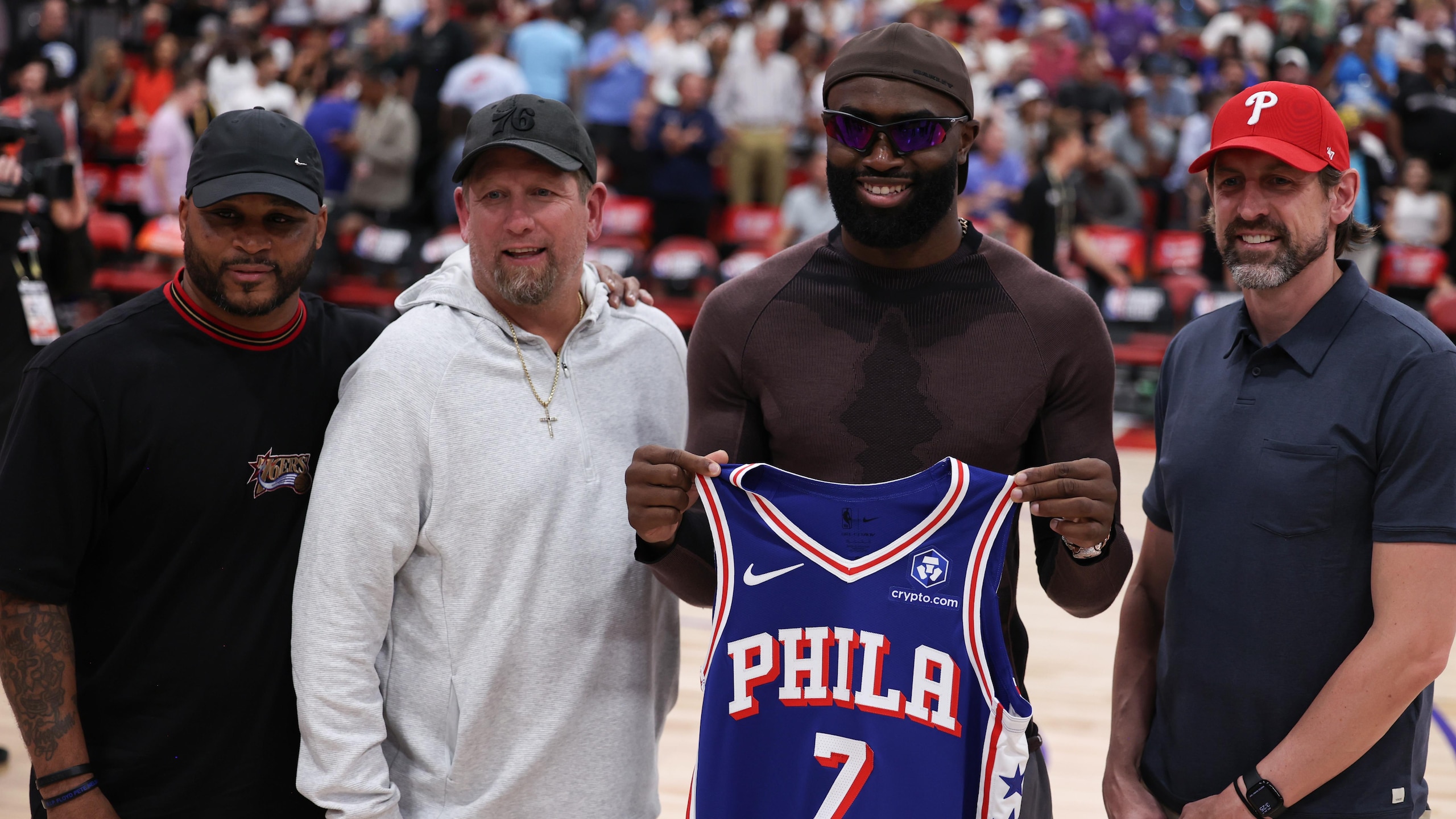
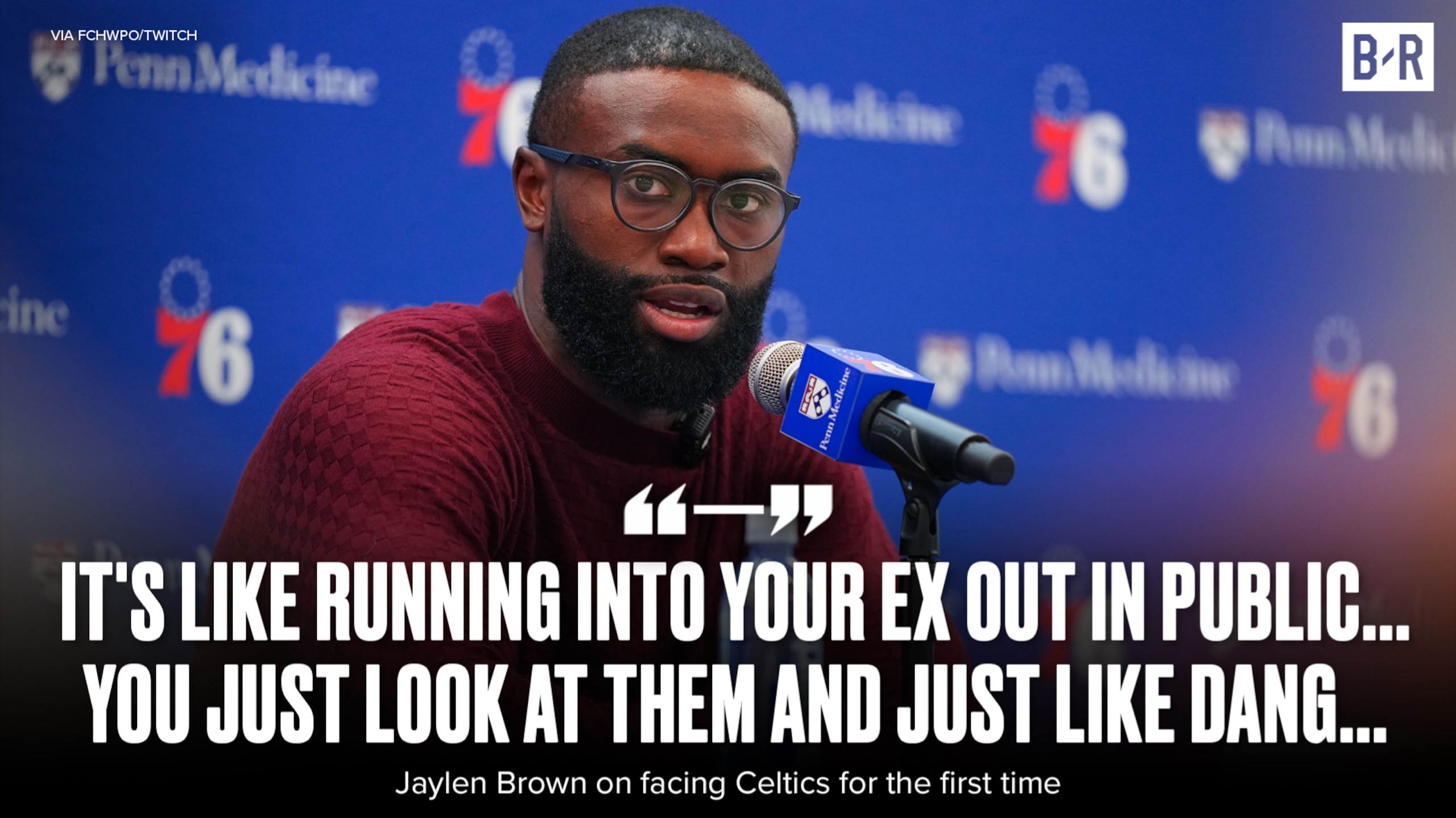
Jaylen Brown may have the toughest adjustment period of any of LeBron's new teammates.
He just spent the 2025-26 season getting used to being an alpha scorer, but he now could be the fourth option on most nights in Philadelphia. His slashing and physicality overlap a lot with LeBron's skill set, too.
Unless they're all-time greats, wings typically don't thrive with LeBron without being an elite three-point shooter. Brown isn't that (he's only hit 34.0 percent of his attempts over the last four years), and he's a little too reliant on mid-range jumpers as well. And with the amount of offensive talent between LeBron, Tyrese Maxey and Joel Embiid, there may be little patience for Brown's turnover woes.
But there's a flip side to all of this, especially if Brown is willing to accept a smaller role than he's used to.
His efficiency both as a scorer and ball-handler could improve when consistently facing the fourth- or fifth-best defender in the opposition's starting five. LeBron will put him in good positions to score, and he'll find him when he's open. With all of the talent around him, Brown can rededicate himself to playing tough-nosed defense.
If all that happens and Brown wins a championship (or two) with James, there'll be a good argument to move him even higher up this list.
8. Tyrese Maxey
5 of 12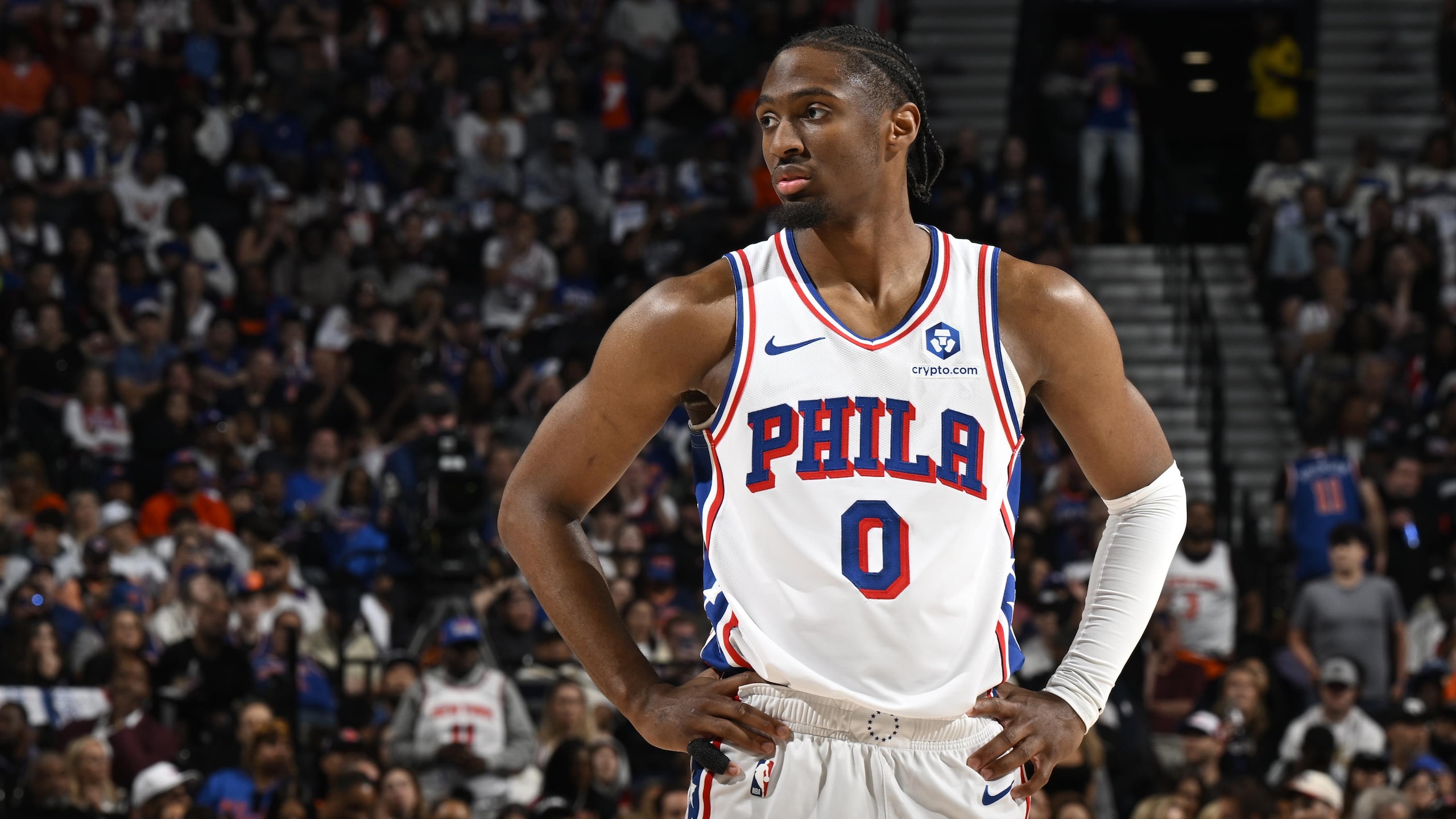
If the 76ers end up winning a title, it'll be in large part due to Tyrese Maxey. If that happens, he'll go soaring up these rankings.
He's already proven to be one of the league's more dynamic playoff performers. In his last four postseasons, he's averaged 22.9 points and 4.5 assists per game while shooting 38.2 percent from deep.
We've also seen the dynamic of high-end guards working with LeBron elsewhere (Dwyane Wade in Miami and Kyrie Irving in Cleveland). And Maxey possesses top-end speed that neither of them had when they played with LeBron.
There may be a bit of a learning curve for the young guard, but it'll help that LeBron has already been through this several times.
7. Kevin Love
6 of 12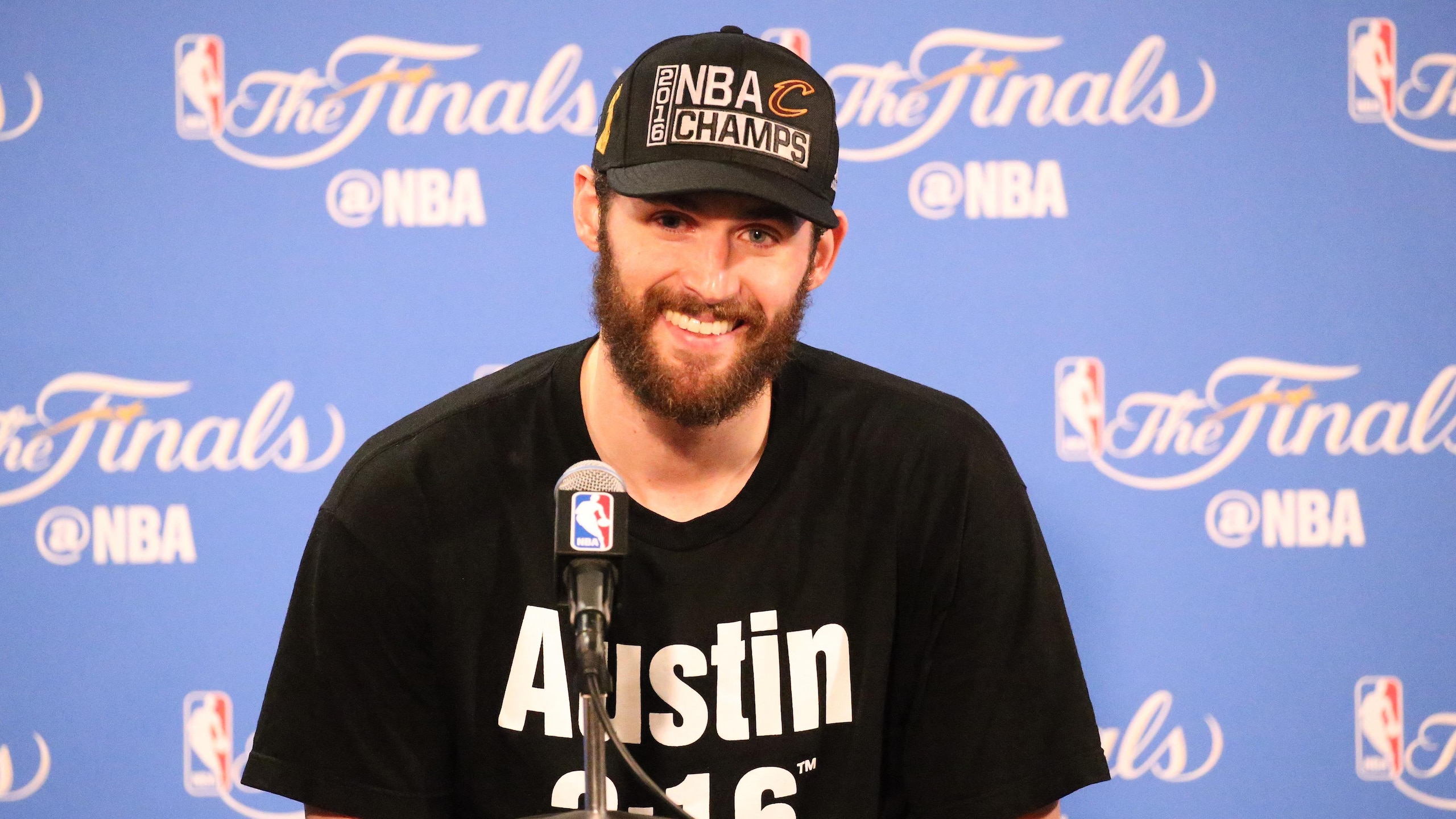
During their respective seasons as LeBron teammates, Kevin Love was a better passer, outside shooter and rebounder than Chris Bosh. That sample of Love's career also tops the Bosh sample in both box plus/minus and wins over replacement player. But Bosh was the superior defender, which we'll dive into shortly.
For now, let's talk about Love, who was absolutely a bona fide star during his four seasons alongside LeBron.
In his final campaign with the Minnesota Timberwolves, Love put up an absurd 26.1 points, 12.5 rebounds, 4.4 assists and 2.5 threes. And he was only 25 that year. He went to Cleveland as an All-NBA selection and fringe MVP candidate.
His numbers alongside LeBron (17.1 points, 10 rebounds and 2.1 assists per game) aren't impressive as they were in Minnesota, but that's only because he modulated down to something closer to a role player.
His talent didn't go anywhere, though. And while Cleveland had shift his role even further in the 2016 Finals, he played a part in bringing the Cavs their first title.
6. Chris Bosh
7 of 12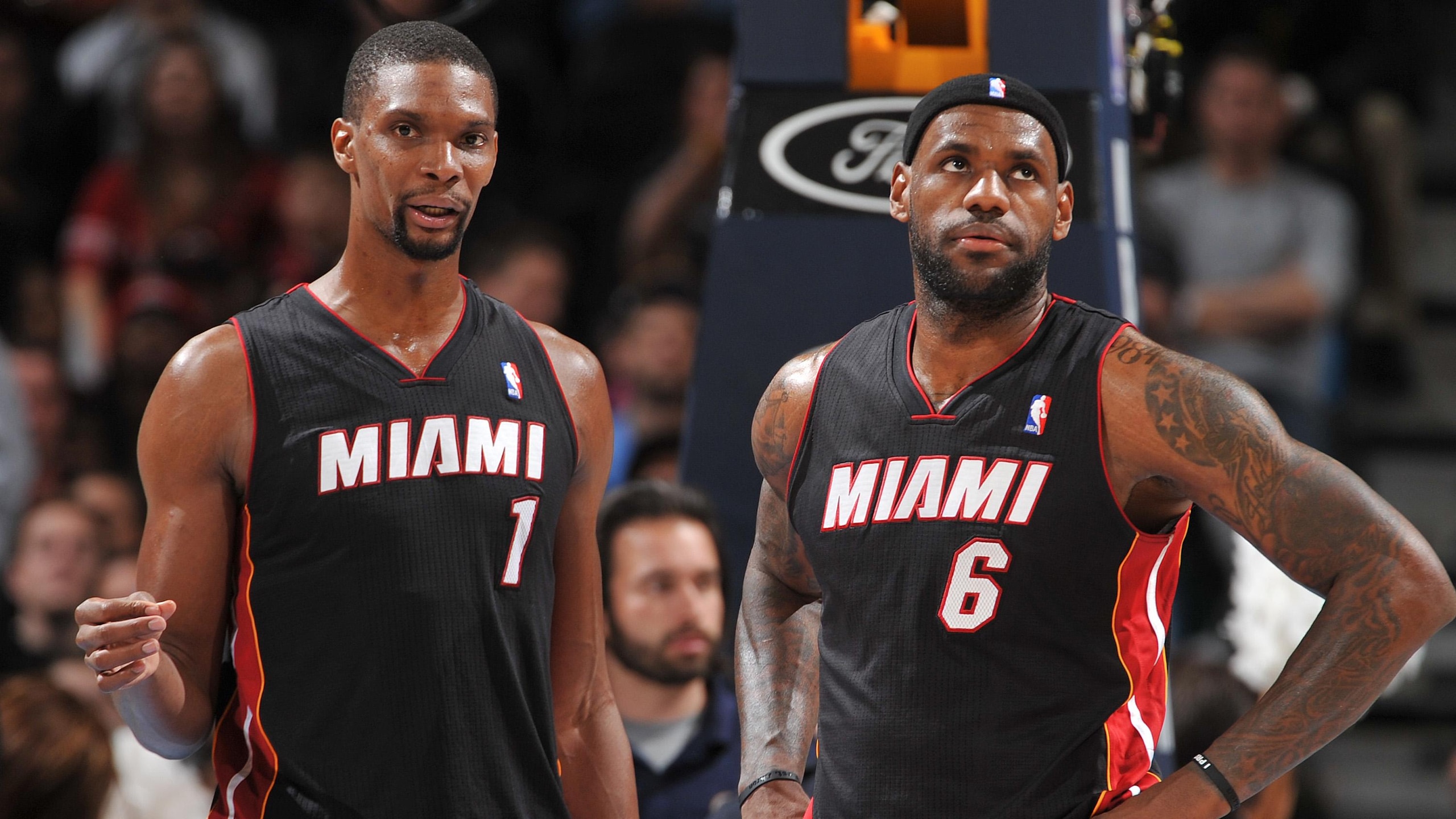
Like Love, Bosh joined up with LeBron with an already stout resume. In his final season with the Toronto Raptors, he averaged 24.0 points, 10.8 rebounds, 2.4 assists and 1.0 blocks while finishing 12th in MVP voting.
And like Love, Bosh willingly downgraded his role and responsibilities once he joined James for the sake of teamwide cohesion. It was obvious that LeBron and Dwyane Wade would be the first and second options for Miami, so Bosh had to find ways beyond scoring to make an impact.
Of course, that doesn't mean his offense was nonexistent. His post and mid-range game were important, and he averaged 17.3 points as LeBron's teammate.
But his most valuable contributions came on the other end of the floor, particularly when Heat head coach Erik Spoelstra embraced playing a little smaller.
Bosh's mobility, timing and awareness as a defender made him a high-end rim protector and one of the game's better bigs at switching onto the perimeter.
While other teammates like Wade and Shane Battier deserve some credit for this as well, Bosh was the anchor for a defense that ranked sixth in the league during his four years with Miami.
5. Joel Embiid
8 of 12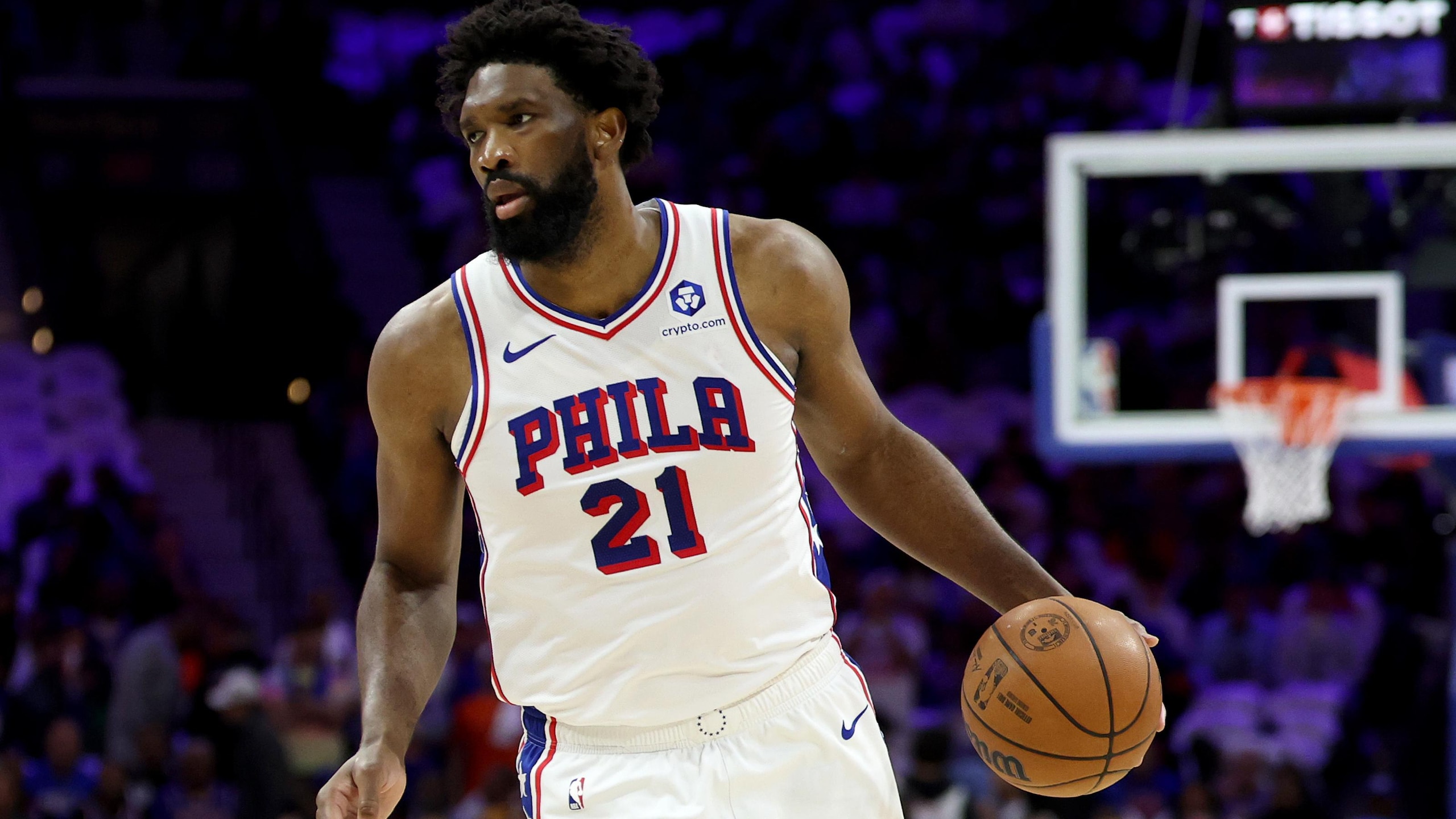
This is a very optimistic projection considering that Love and Bosh both won titles with LeBron. Joel Embiid only has a year or two to get one of his own.
But in his case, Embiid's career before LeBron is enough to move him up these rankings.
The 2022-23 MVP is fourth all-time on the career points-per-game leaderboard. When healthy, he's one of the best and most consistent offensive forces the NBA has ever seen.
Though he needs the ball a lot, his game should mesh pretty well with LeBron's. Even at their advanced ages, this duo has the potential to join a long line of all-time great guard-big combos like Magic Johnson and Kareem Abdul-Jabbar and John Stockton and Karl Malone.
4. Luka Dončić
9 of 12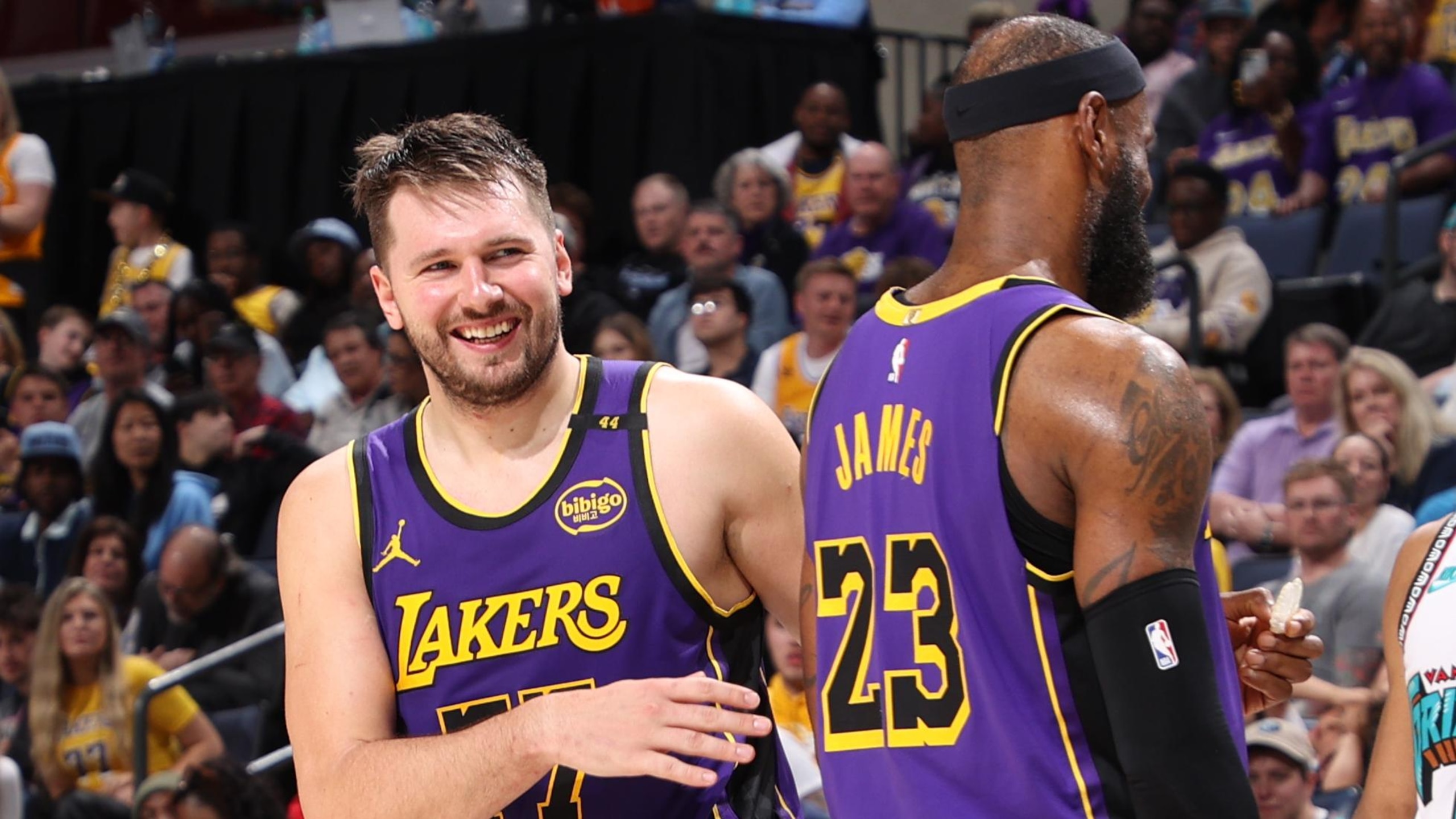
If these rankings were simply based on the individual abilities and careers of each player, Luka Dončić would be higher. He might even be first overall.
But LeBron only spent a season-and-a-half with Luka, and they never seriously threatened to win a title.
Beyond that, Dončić's arrival in L.A. sort of forecast LeBron's end there. From the moment Luka was acquired, it became clear that the franchise was going to reorient itself around the new star. As much as LeBron tried to frame his departure from L.A. as his choice this offseason, it was clear that the Lakers were ready to move on as well.
Even with all of that in mind, we can't ignore that Luka averaged 31.9 points and 8.1 assists per game as LeBron's teammate. He was also the first teammate in LeBron's entire career to force him into embracing a lesser role.
3. Kyrie Irving
10 of 12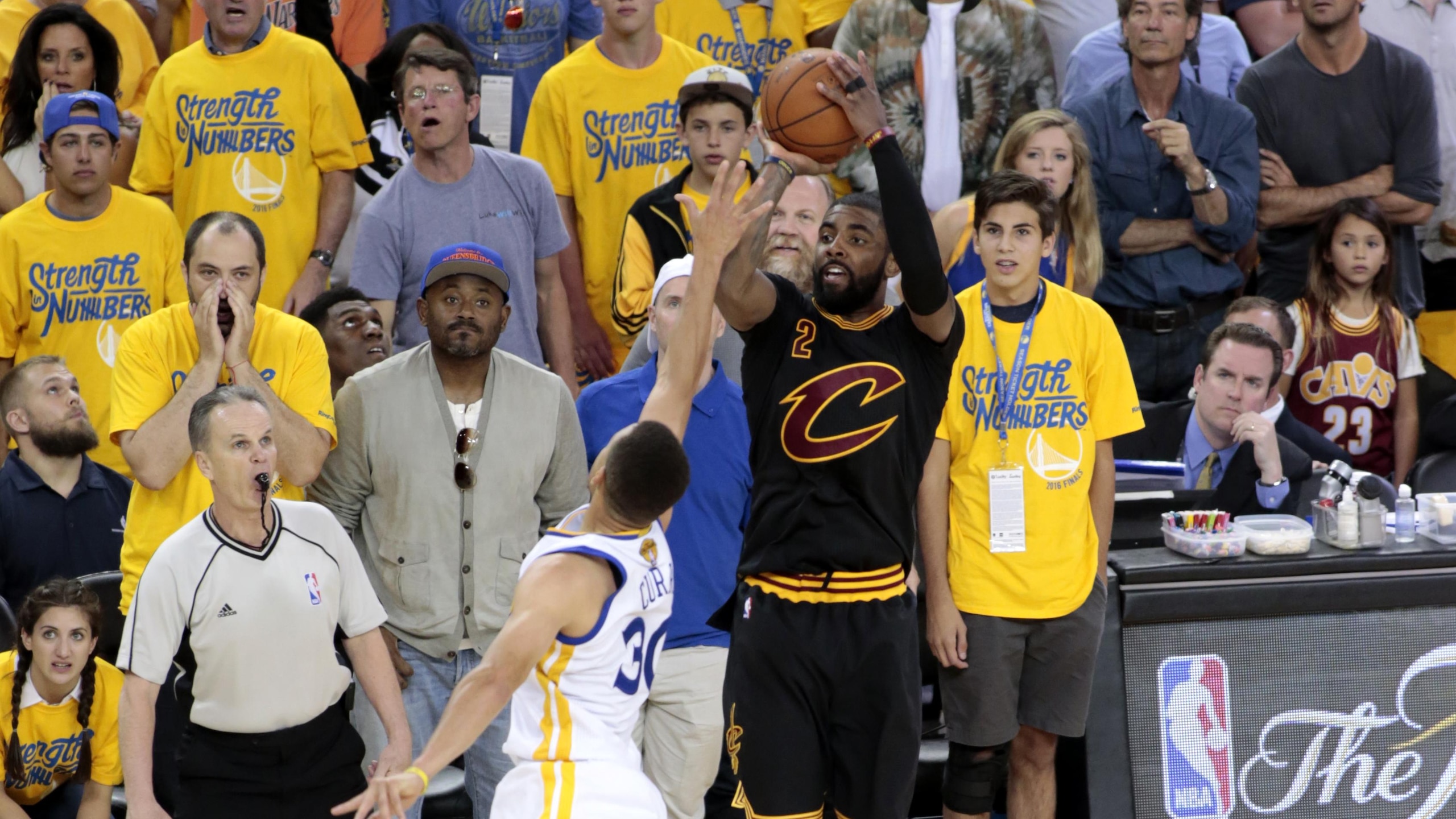
Unlike Love and Bosh, for Kyrie Irving, the all-time great actually came to him.
Kyrie was the No. 1 pick in the 2011 draft, and he had plenty of individual success before LeBron returned to Cleveland in 2014. Over his three years prior to that homecoming, Irving averaged 20.7 points and 5.8 assists per game, but none of those seasons ended with playoff appearances.
As soon as LeBron arrived, we got a look at what made Kyrie so special: the competitive fire that emerged during postseason action.
Over his 52 playoff games for Cleveland, Kyrie put up 23.9 points and 2.3 threes while shooting 41.5 percent from deep. In the 2016 Finals, which ended with the Cavs winning their first-ever championship, he went up yet another level.
In that series against the Golden State Warriors, he averaged 27.1 points per game and hit one of the greatest shots of all time over Stephen Curry.
As he is now, Kyrie was a wizard with the basketball during those early years of his career. He was perhaps the ultimate secondary creator of the time and one of the best we've ever seen in that role.
His ball-handling, pull-up jump shooting, opportunistic passing and willingness (at least for a while) to play off ball made him a near ideal No. 2 alongside LeBron.
2. Dwyane Wade
11 of 12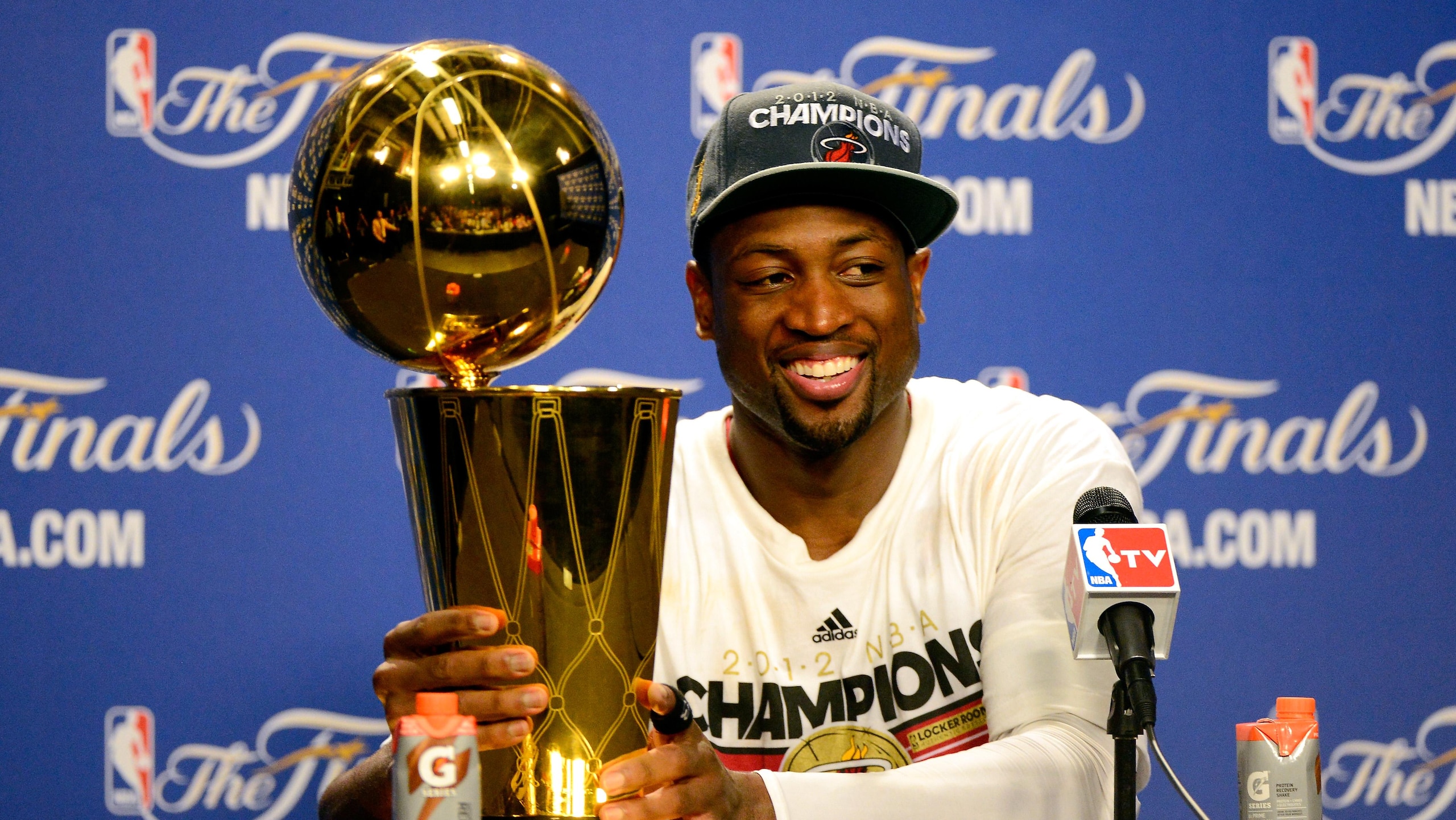
Dwyane Wade almost certainly had a better overall career than the top-ranked player here. Even aside from that caveat, this is no easy call.
Prior to LeBron's arrival in Miami, Wade already had one championship, a Finals MVP and four top-10 finishes in regular-season MVP voting, including one top three finish in 2008-09. That season, he also secured a scoring title.
Before joining forces with LeBron, Wade averaged 26.3 points, 6.0 assists, 5.3 rebounds, 1.7 steals and 1.0 blocks in the playoffs, too. In other words, he was already one of the best players in the world and was on track to be considered an all-time great.
Then, like Love and Bosh, he adjusted his style of play to fit alongside LeBron. He focused more on defense and proved willing to attack closeouts as a secondary defender rather than isolating quite as much as he used to. He became a ball-mover and gap-filler, but he was one of the best we've ever seen in those regards.
And at times—like the 2011 Finals, when he averaged 26.5 points, 7.0 rebounds, 5.2 assists, 1.5 steals and 1.5 blocks—he proved he was still capable of ratcheting it up when LeBron and the Heat needed him to.
1. Anthony Davis
12 of 12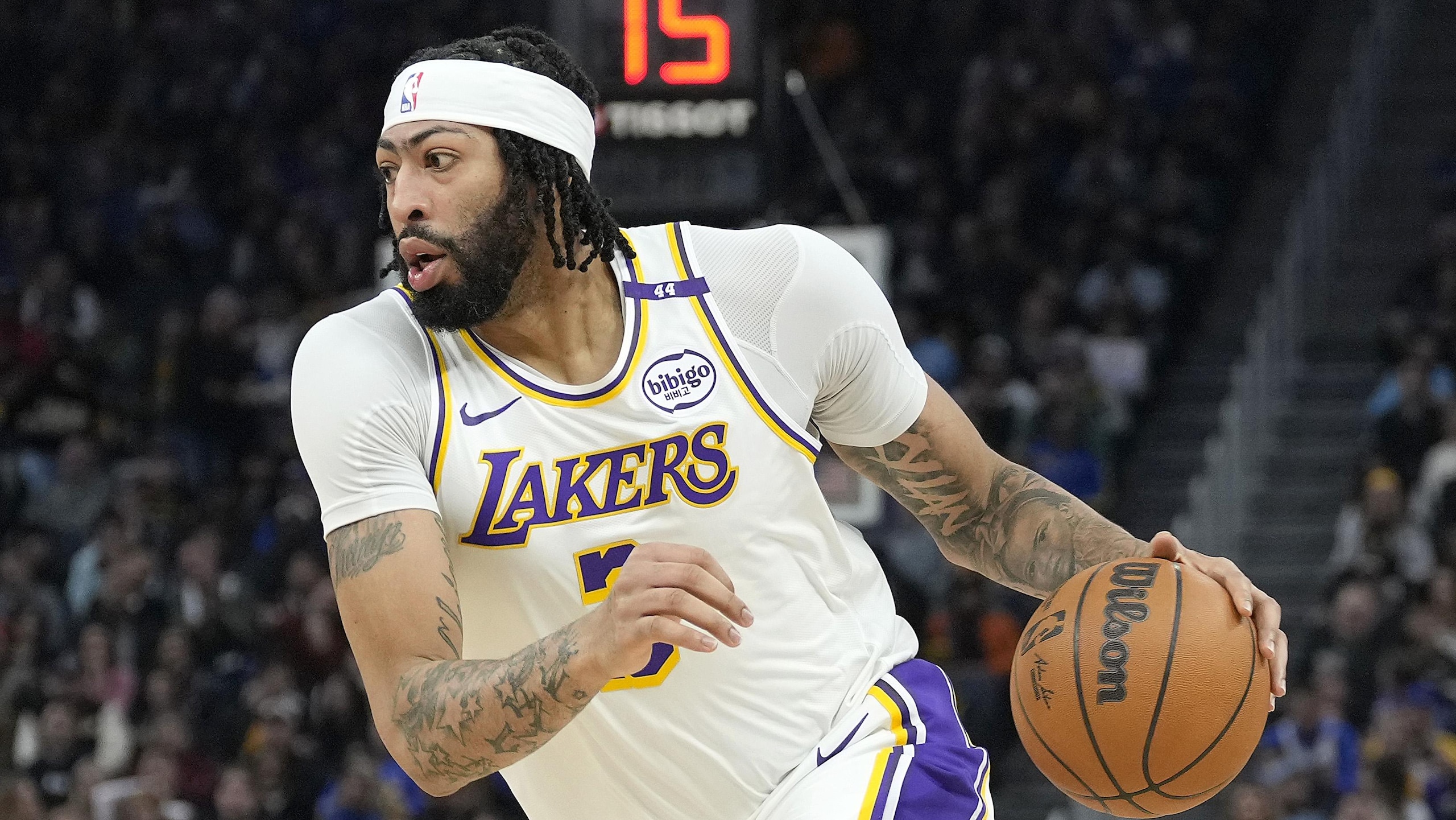
Davis was LeBron's teammate for longer than anyone else listed here, both in terms of years and minutes played. Though there are arguments for Bosh and Wade, AD is probably the best defender LeBron ever played with.
And prior to the trade that sent him to the Dallas Mavericks, it looked like he was finally ready to assume the role of lead scorer from LeBron.
In 2024-25, AD's 25.7 points as a Laker was clear of LeBron's 24.5. His usage percentage was slightly higher, too.
It's not like Davis was just then breaking out either. In his five-plus seasons with L.A., he put up 24.8 points, 11.0 rebounds, 3.2 assists, 2.2 blocks and 1.2 steals. In the 2020 playoffs, which ended with a title, he was at 27.7 points, 9.7 rebounds and 3.5 assists. That postseason, he also shot 38.3 percent from deep.
During his time with LeBron, there were plenty of reasonable gripes about AD's consistency as a jump-shooter and his struggles to be available. But when he played, Davis was a dynamic defensive anchor and sometimes unstoppable interior scorer.
He didn't prove to be the heir to be LeBron's Lakers, as many once expected him to be, but he was the best No. 2 he ever had (at least for now).

.jpg?w=2560 "Cards Finalizing MHJ Trade")
.jpg?w=2560 "Bears May Trade for Mack")
.jpg?w=2560 "Hurricane May Affect NFL Games")