
8 MLB Hitters Best Suited To Power Up with the Torpedo Bat
It seems like just a matter of time before torpedo bats are everywhere in MLB, which gives us precious time to think about which hitters should be making the switch.
Nonetheless, we're going to give it a shot.
On the off-chance anyone is still in the dark, the torpedo bat is potentially the most exciting innovation to hit MLB in a long time. A bat model that is thickest where the hitter is most likely to make contact? It's such a simple concept, and the early returns suggest it really is effective.
Save for Aaron Judge, there doesn't seem to be a hitter who isn't interested in the torpedo bat. But after first getting deeper into the purported benefits of it, we're going to look at eight hitters who could specifically up their power with it.
The Purported Benefits of the Torpedo Bat
1 of 9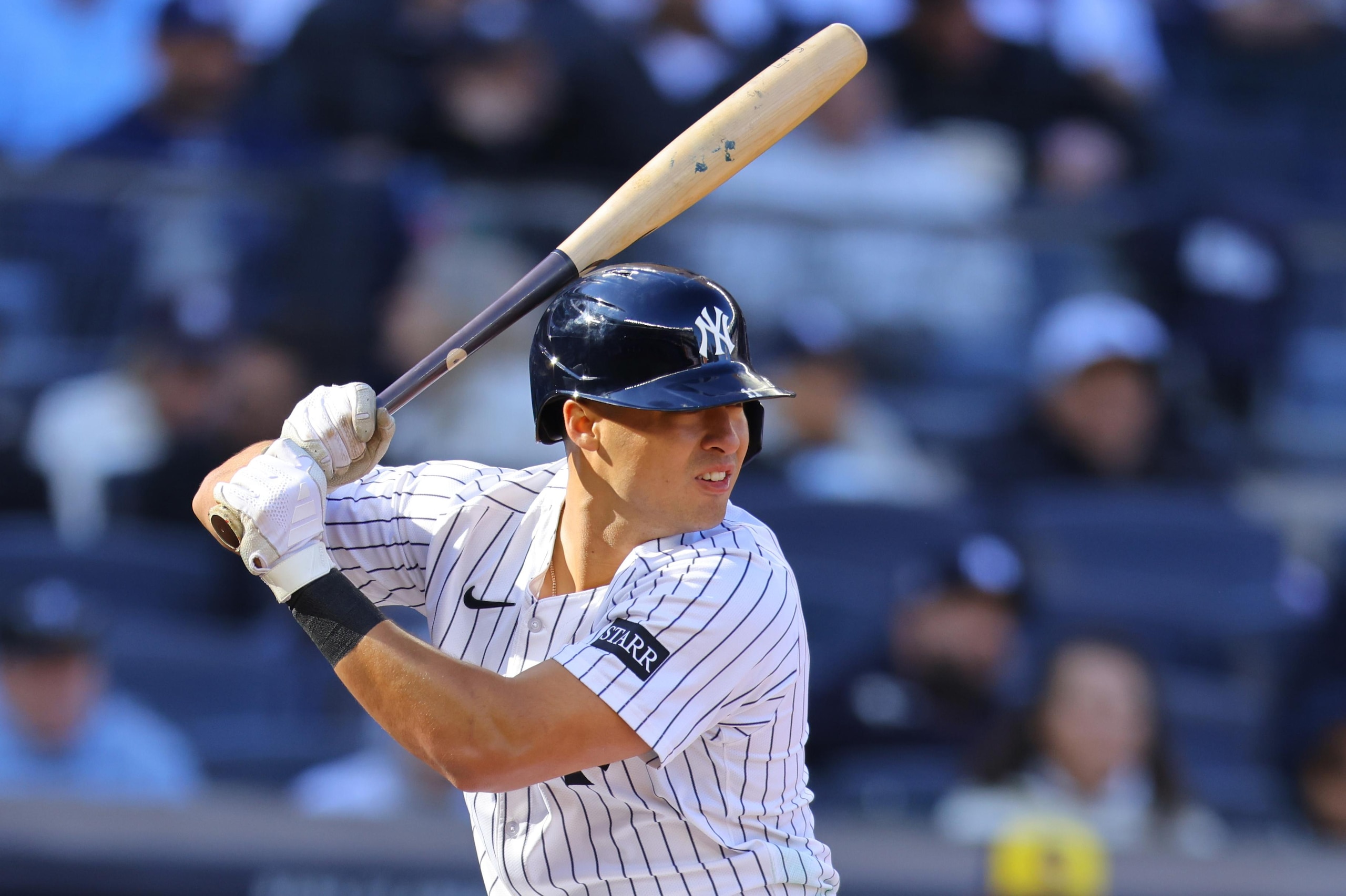
For anyone who hasn't seen it yet, the single best explanation of the torpedo bat is the one that effectively blew the lid on the secret and started the craze.
This would be the original explainer offered by New York Yankees broadcaster Michael Kay amid the club's nine-homer outburst against the Milwaukee Brewers from this past Saturday:
It'll be a while before we have enough data to paint a clear picture of the benefits of the torpedo bat. But for now, we know the model correlates to increased bat speed.
Further, a study by physics professor Alan Nathan found that users of the torpedo bat could sacrifice exit velocity on balls hit toward the end of the bat, yet gain even more exit velocity on balls hit more toward the handle.
Among the Yankees hitters who are using it, Anthony Volpe is a model for poor hitters who might see the torpedo bat as hope of becoming a good hitter. He's gained nearly 2 mph in average bat speed and 0.8 mph in average exit velocity.
Jazz Chisholm Jr. offers a glimpse of a good hitter who may be turning into a great hitter. He's added 1.7 mph to what was already solid bat speed, and his exit velocity has shot up from 89.7 to 96.2 mph. He's slugging .875, or nearly double his career mark of .450.
This is obviously an unsustainable performance, but it got us thinking about other hitters who could use the torpedo bat to make the leap from good to great. The eight we came up with already have strong foundational skills, but each is missing some kind of power element.
Ahead, we'll check them off in alphabetical order by last name.
Andrew Benintendi, Chicago White Sox
2 of 9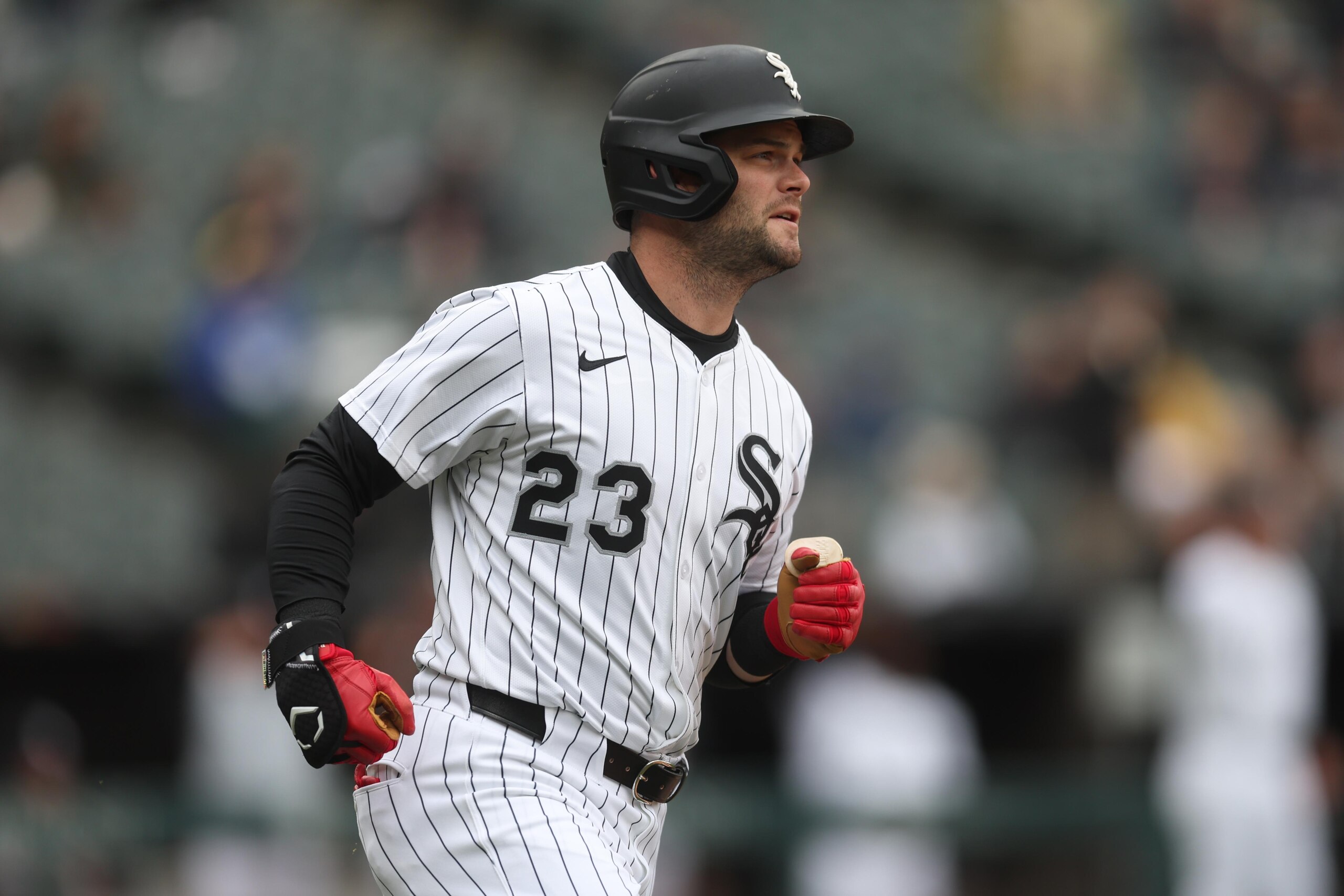
Short Version: He's a longtime contact hitter who has recently been making a push for more power.
Per Kyle Williams of the Chicago Sun-Times, the torpedo bat is on Andrew Benintendi's radar, but he has no plans to make the switch himself.
In his defense, he's a former No. 7 overall pick who already has a $75 million contract. He's also on a bit of an upswing at the plate, as he tied his career high with 20 home runs in 2024 and is 6-for-17 with two homers so far in 2025.
Still, here are two words that should appeal to Benintendi: exit velocity.
The 30-year-old has long been known for his contact ability, fanning in 17.6 percent of his career plate appearances compared to a leaguewide norm of 22.2 percent. More recently, he's become a convert to pulling the ball in the air, posting a career-high 21.6 Pull AIR percentage in 2024.
What he has been missing, and indeed still is missing, is exit velocity. He's topped out in the 55th percentile for exit velo, and he is putting a measly average of 83.5 mph on his batted balls so far this year.
If the torpedo bat were to help with that, it's possible he could pump up his trade value enough to earn a ticket off a White Sox team that is going nowhere.
JJ Bleday, Athletics
3 of 9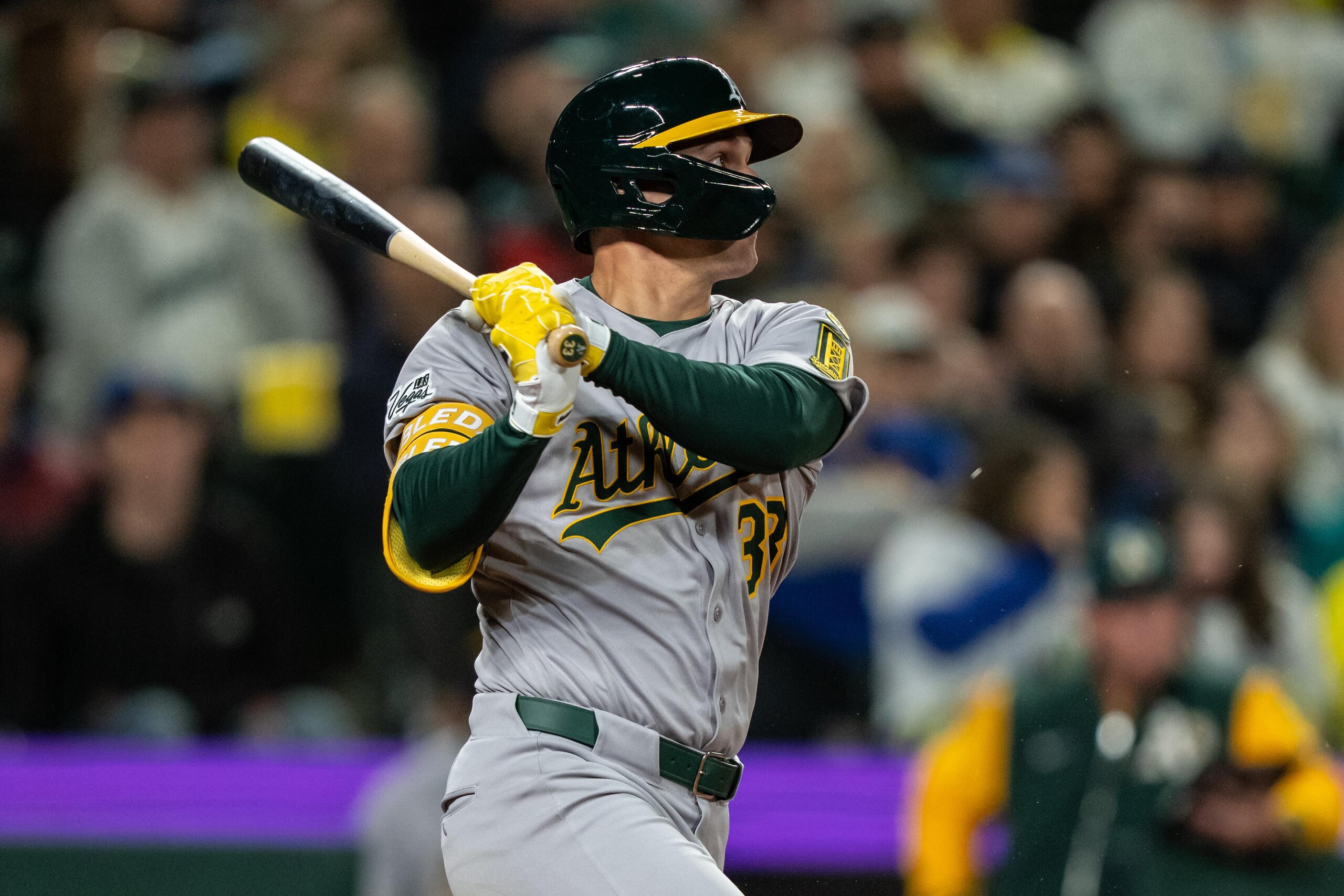
Short Version: He gets under the ball well enough, but without the bat speed and exit velocity to truly benefit.
Like Benintendi, JJ Bleday is another former top prospect who is coming into 2025 off a respectable 2024 season. He had a .762 OPS and 20 home runs.
Bleday demonstrated multiple strengths in 2024, including an ability to put the ball in play and in the air. His 19.5 strikeout rate was in the 65th percentile, while 37.1 percent of his batted balls were in the so-called "sweet spot" with a launch angle between eight and 32 degrees.
However, his 71.7 mph bat speed was below average and is down to 70.9 mph at the outset of this season. He's also another mid-tier hitter when it comes to exit velo, typically sitting on the high 80s on average.
It's no surprise Bleday's home run power really only exists to his pull side. When the left-handed hitter hits the ball in the air to center field, he has a tendency to come up just short.
If the 27-year-old can turn even a few more of those into balls that clear the fence—or at least the center fielder's glove—he could make the leap from respectable regular to proper star.


Jonathan India, Kansas City Royals
4 of 9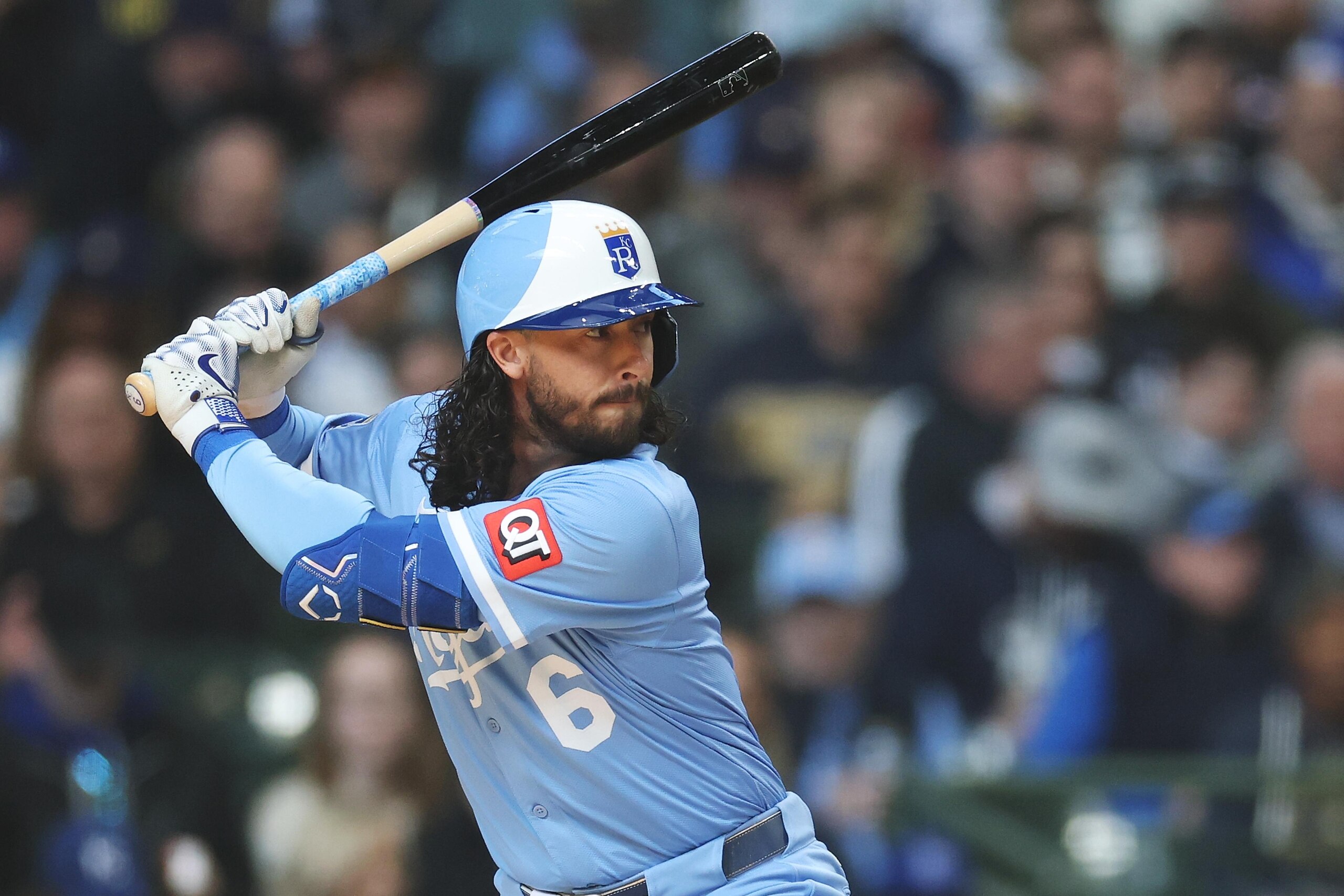
Short Version: He's a good fundamental hitter who needs a bit more oomph for his new home park.
Jonathan India had it pretty good when he was with the Cincinnati Reds. At least half the time, anyway, as playing home games at Great American Ball Park is nothing any hitter will complain about.
Kauffman Stadium is very different in this regard, and specifically when it comes to home run power. Whereas GABP is a decidedly homer-friendly environment, Kauffman is decidedly not.
It was always possible India would adjust his hitting approach accordingly. He's already a disciplined swinger with a knack for contact. If a guy like that goes all-in on hitting line drives, he could do well with those big outfield gaps in Kansas City.
Yet it seems India is who he is.
Among other things, the 28-year-old is another sweet-spot standout who was in the 92nd percentile in that regard in 2024. He also pulls the ball in the air, with a historically higher Pull AIR percentage (20.5) than the general population (16.6).
It's therefore too bad that he's another exit velo straggler, falling exactly 1.0 mph below the MLB average for his career. He was able to get away with that in Cincinnati, but perhaps not in Kansas City over a large enough sample size. To this end, the torpedo bat could be his salvation.
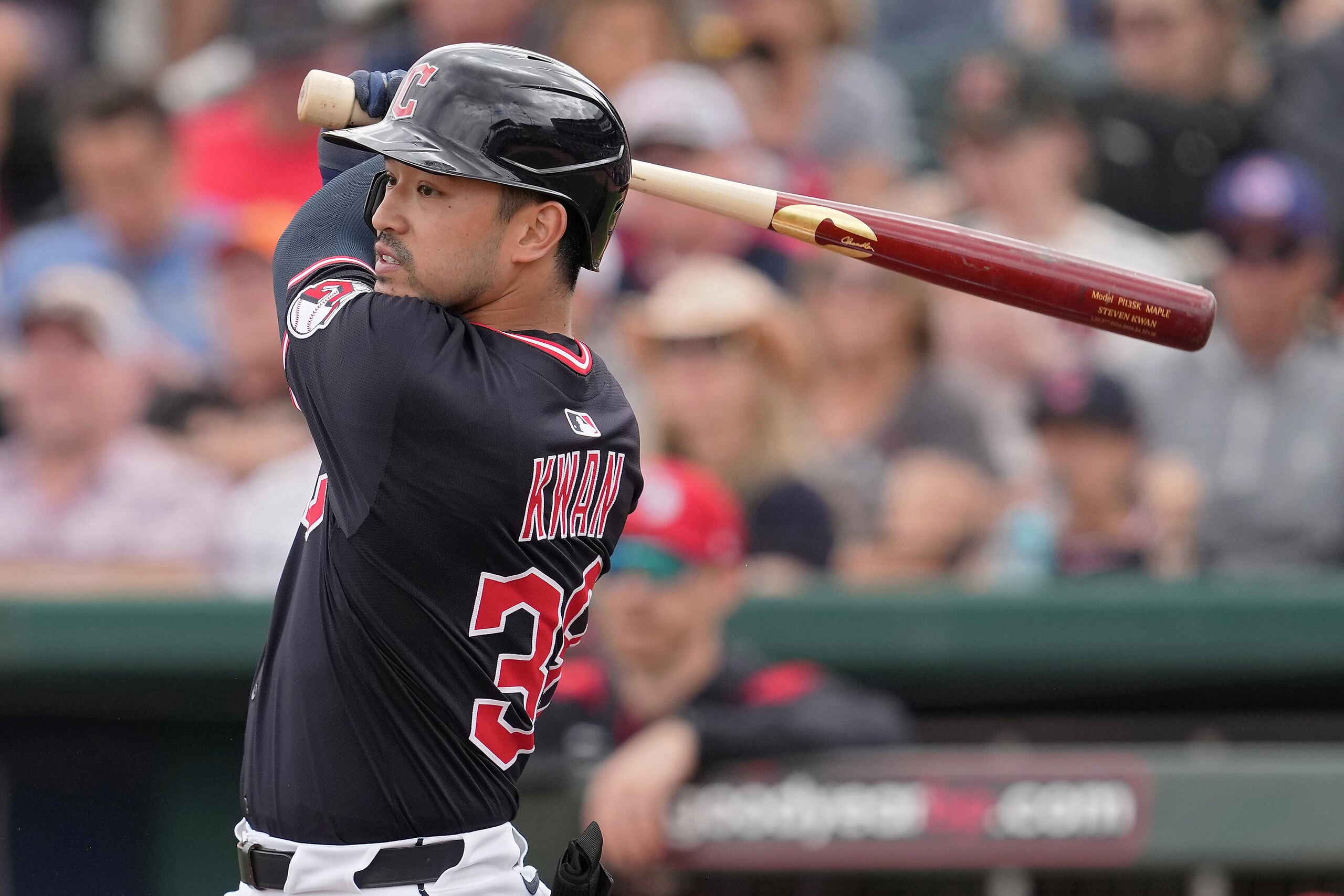
Steven Kwan, Cleveland Guardians
5 of 9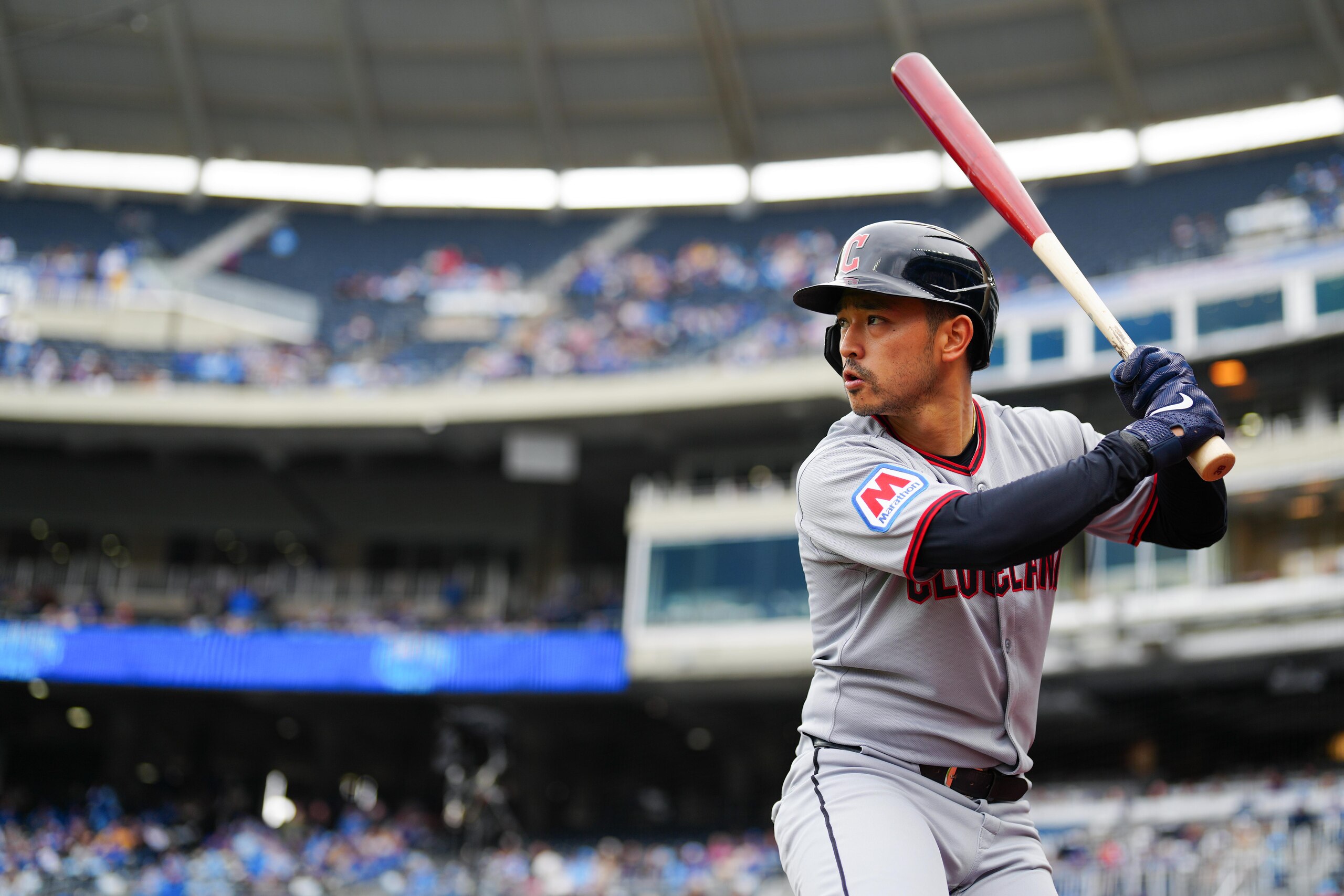
Short Version: He's one of two elite contact-first hitters in MLB, but there may be more power to be mined from his bat.
When it comes to making contact in today's MLB, there's Luis Arraez, Steven Kwan and then everyone else. They were the only two hitters to make contact on better than 90 percent of their swings in 2024.
Yet while Arraez hit .314 and Kwan hit "just" .292, the latter out-homered the former by 10 long balls. That indicates a higher level of interest in hitting for power, and a report from Paul Hoynes of Cleveland.com noted the hockey-puck knob on Kwan's bat is meant to increase bat speed and torque.
The bat speed, at least, is something Kwan clearly needs. He averaged just 64.4 mph on his swings in 2024, placing in the 1st percentile and falling well short of the threshold for a "fast" swing, which is 75 mph.
Which is a shame, because it's not as if the 27-year-old is up there trying to poke ground balls through the infield. His sweet-spot percentage in 2024 was in the 87th percentile, and he actually hits fewer grounders than the average MLB hitter.
As with Bleday, the times when Kwan merely has warning-track power stick out. If he could sneak just a few more over the fence with a torpedo bat, he could have 20-homer power in addition to his bat-to-ball skill and Gold Glove-winning defense.
Andy Pages, Los Angeles Dodgers
6 of 9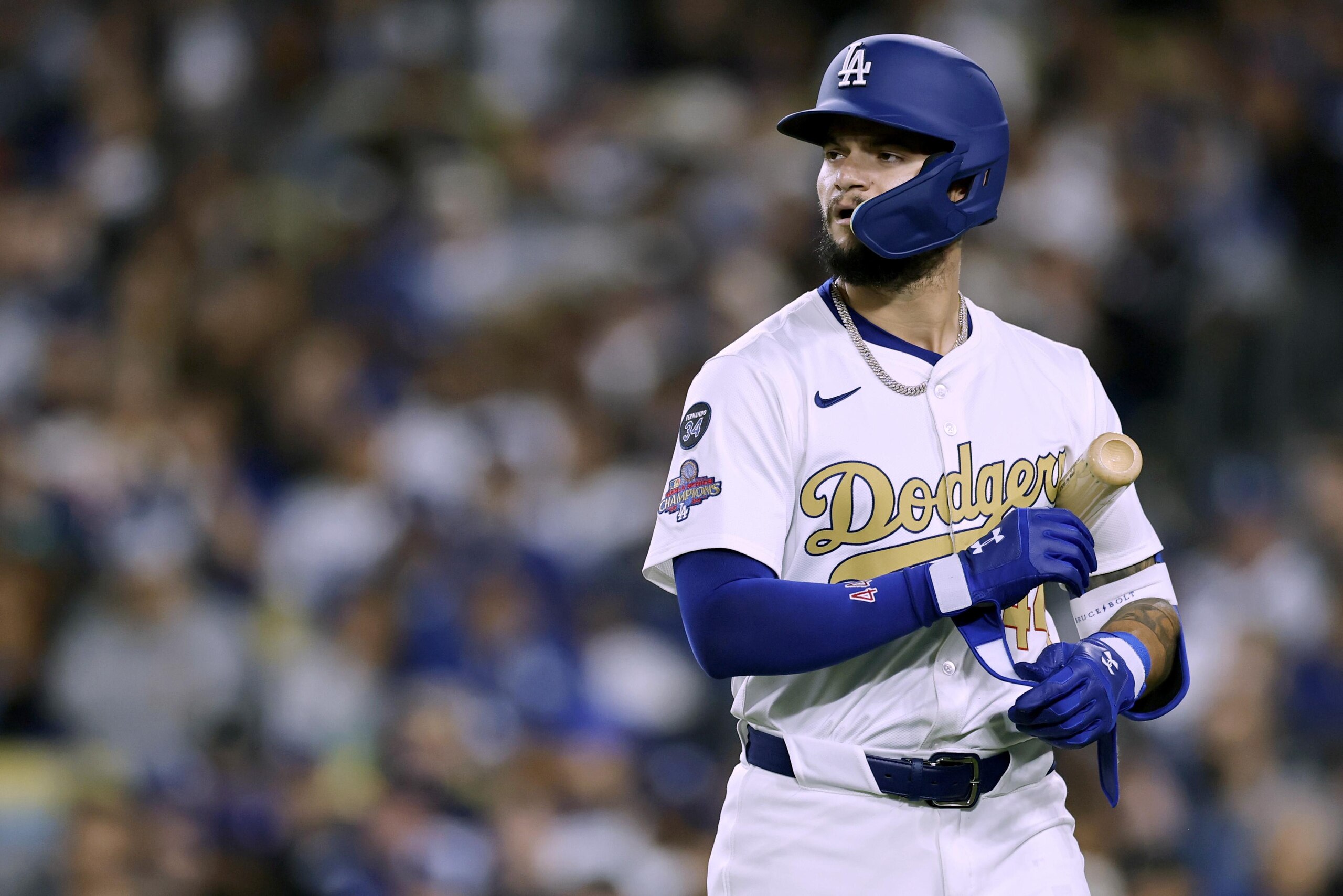
Short Version: He has all the makings of a power hitter, minus the exit velocity.
The Dodgers with a home run hitter in the No. 9 hole in their lineup? That's just what the league needs.
In all seriousness, don't let the 13 homers Andy Pages hit in 116 games last season trick you into thinking he doesn't have a swing made for power. He was in the 97th percentile with his sweet-spot rate, with 30.4 percent of his batted balls registering as fly balls.
Even on his fly balls, though, the 24-year-old only averaged 91.9 mph in exit velo and 314 feet in distance. Those were less Shohei Ohtani figures (99.0, 342) and more Mookie Betts figures (91.3, 314).
The latter is not bad company to keep, of course, but the difference with Betts is that he's long made his living as a power hitter by pulling the ball in the air. Pages isn't quite as prolific in this regard.
A little extra bat speed could be what he needs, and he's already solid on that front after landing in the 69th percentile with an average swing of 73.1 mph in 2024.
Failing that, the torpedo bat could simply boost his exit velocity. And if it did, that could result in some of those frustrating fly-outs to deep center field turning into big flies instead.
Nolan Schanuel, Los Angeles Angels
7 of 9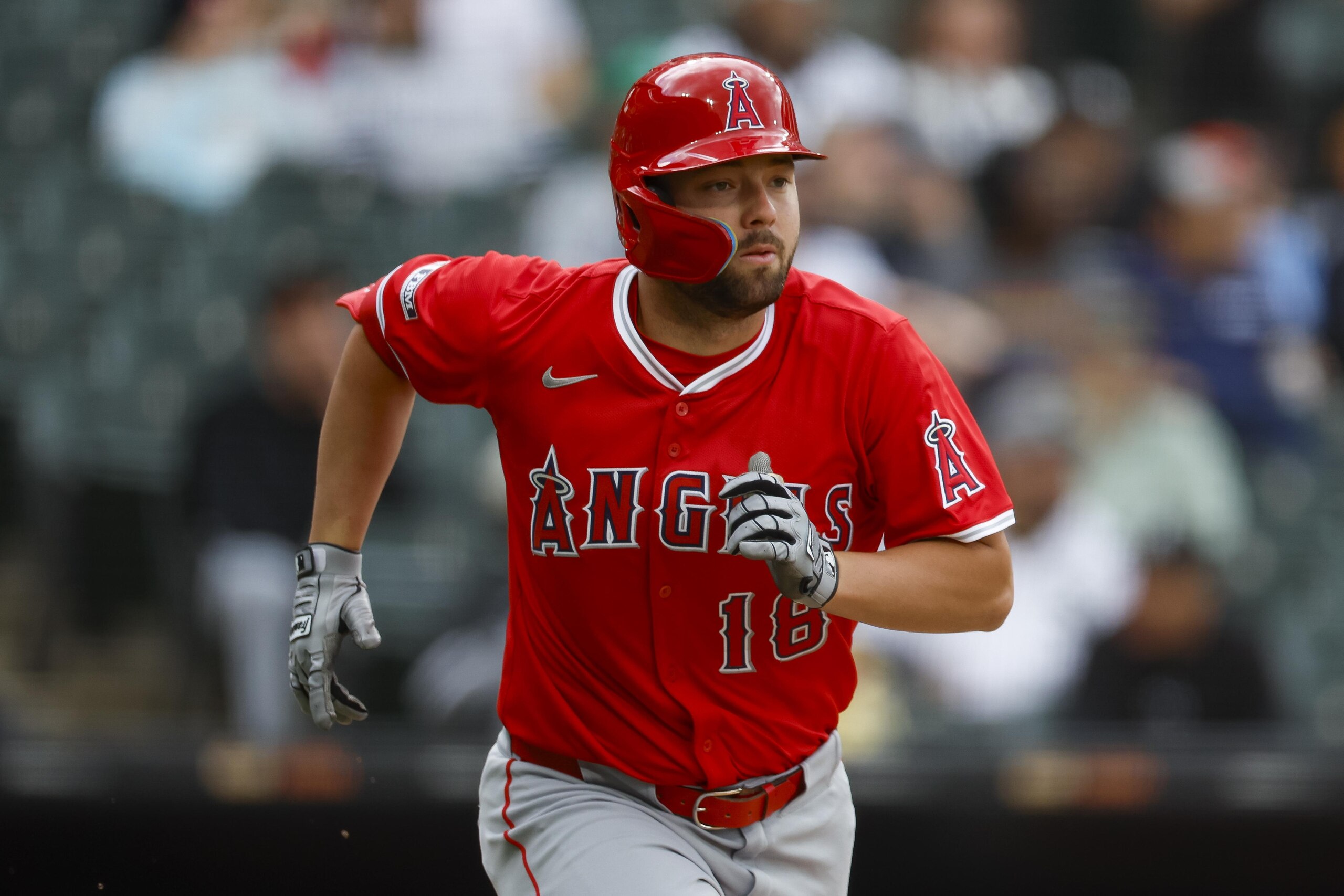
Short Version: He wants to add more power, and he frankly needs to in order to cut it at first base.
Nolan Schanuel plays first base, a position where power is typically taken for granted. But across 176 games in 2023 and 2024, he hit only 14 home runs.
The 2023 first-rounder exited last season knowing he needed to get stronger and improve his bat speed. The second mission, at least, seems to have been accomplished. He has added 4 mph to his average bat speed relative to 2024.
We're still only talking 69.2 mph, though, which is still below average even if it's a big improvement on last year's 2nd-percentile showing in this category.
Beyond more bat speed, Schanuel also needs more exit velocity. His has gone up annually since he entered the big leagues, but the 87.3 mph he's averaging this year still doesn't cut it. And particularly not by first base standards.
Still another thing the 23-year-old could stand to get better at is pulling the ball in the air. His Pull AIR percentage of 17.8 isn't bad necessarily, but it amounts to a missed opportunity at Angel Stadium. It's one of the most lefty-friendly parks in MLB.
Bottom line: This is perhaps the ultimate example of a guy who has nothing to lose and everything to gain by going to the torpedo bat.
Bryson Stott, Philadelphia Phillies
8 of 9
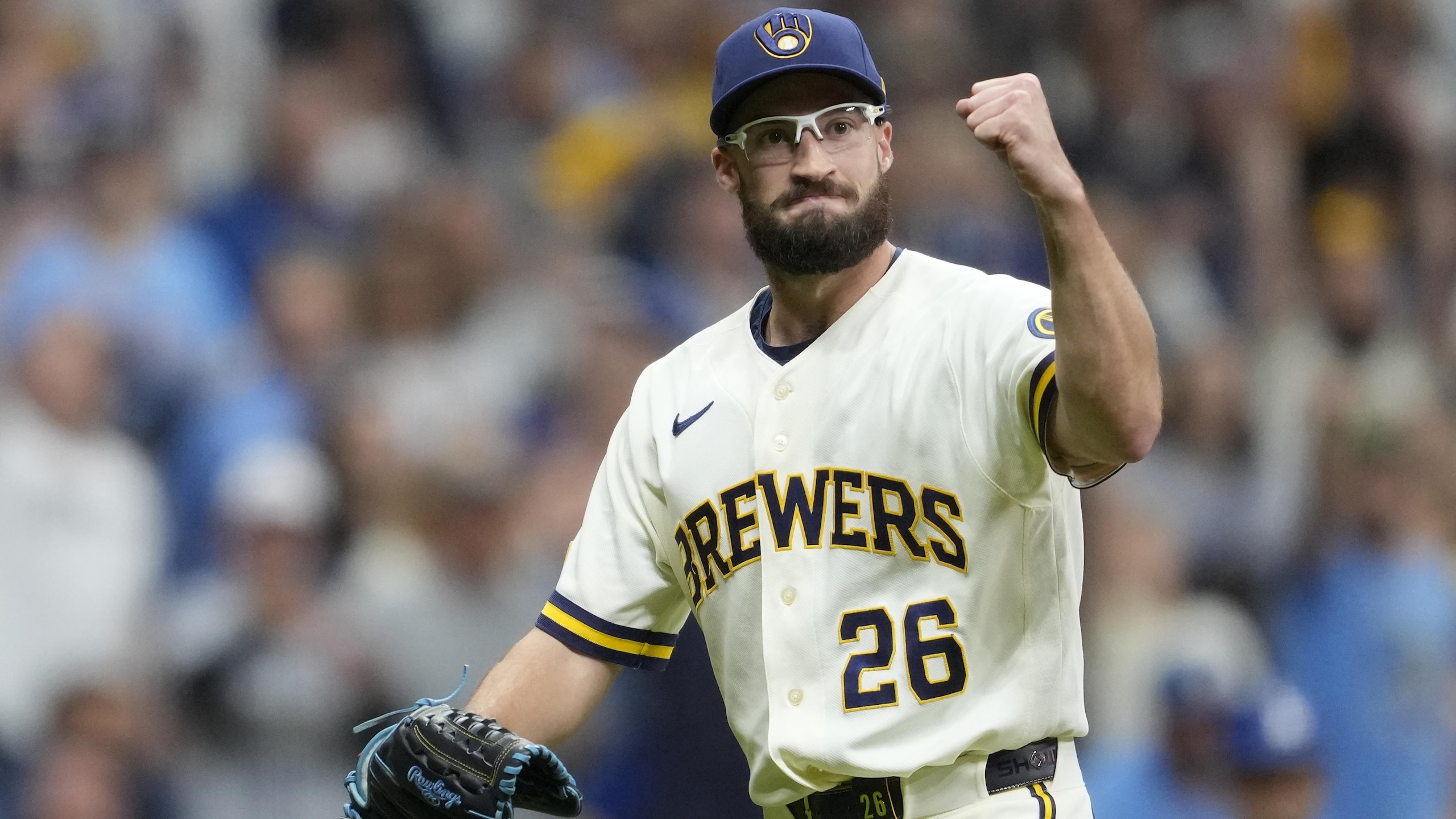
Short Version: The Phillies don't need another slugger, but anyone who doesn't hit for power at Citizens Bank Park is doing it wrong.
There's at least one Phillies hitter who's already using the torpedo bat, and that is third baseman Alec Bohm.
Bryson Stott, meanwhile, is at least interested:
Whereas Bohm has somewhat of a flat swing, Stott actually has a lower ground-ball percentage for his career (45.5) than Bohm does for his (46.9). And when he gets around on a pitch, he can hit it a ton.
Stott's problems more concern bat speed and exit velocity. He has improved the former in 2025 but only by a little to 70.2 mph. His exit velo has otherwise been stuck in the 80 mph range, and it's down to 82.9 mph this year.
All this helps explain why it often seems like the 27-year-old's power only extends to the warning track. His spray chart from last season is littered with deep fly balls that got turned into outs.
That's a frustrating thing to have happen anywhere, but doubly so at Citizens Bank Park. It's one of the five friendliest parks to home run hitters in the majors.
Alex Verdugo, Atlanta Braves
9 of 9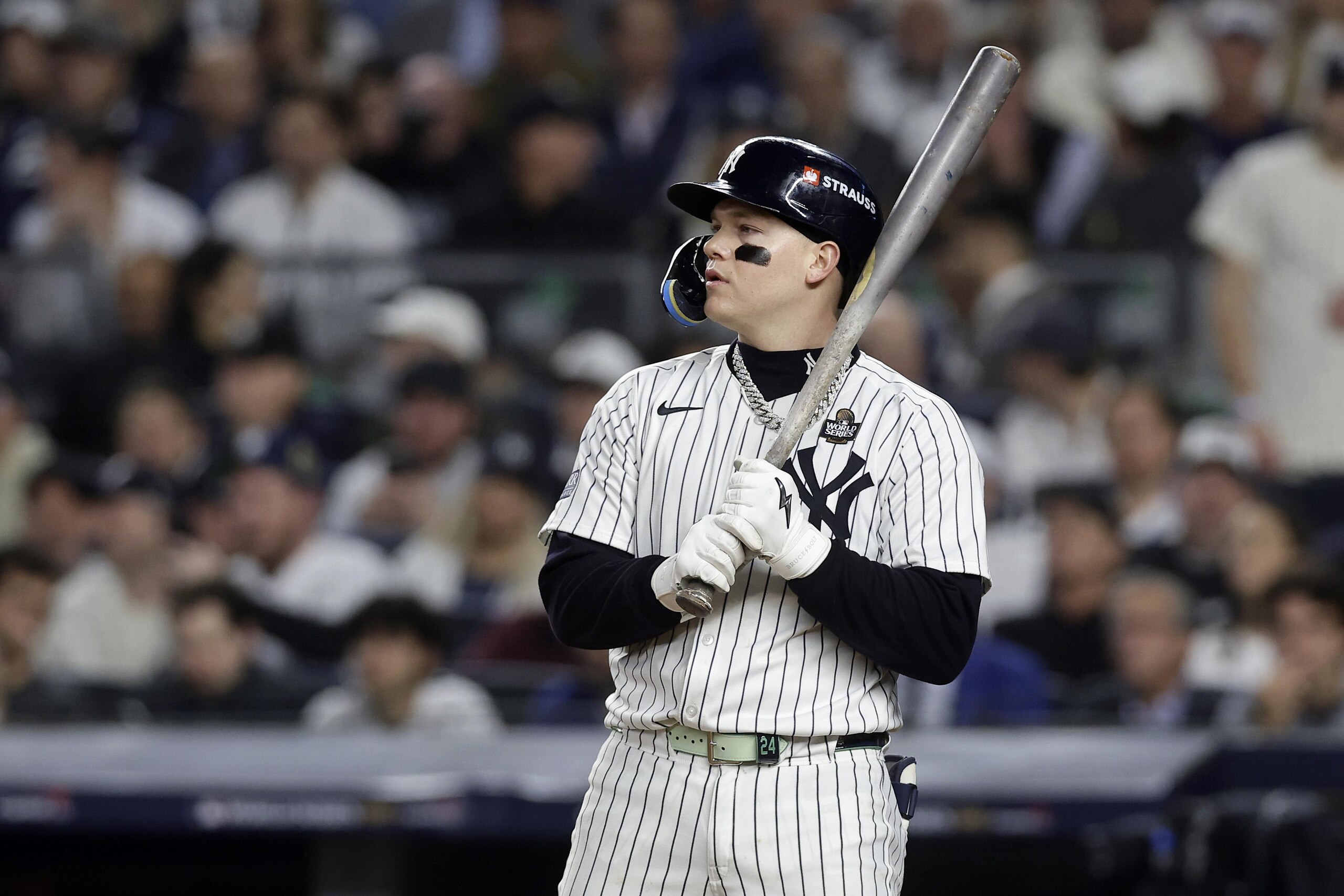
Short Version: He needs to try something to boost his power.
It was puzzling when the Braves signed Alex Verdugo in late March, but it looks fortuitous after Jurickson Profar's 80-game suspension for a banned substance.
Between 2019 and 2023, Verdugo's bat was somewhere between reliable and underwhelming. He was technically six percent above average by way of OPS+, but with only 55 home runs.
In 2024, his offensive output downright cratered. He hit just .233 and slugged .356, both career lows for a full season.
The weird part, though, is that the 28-year-old actually hit the ball pretty well. His whiff rate was in the 93rd percentile, while his squared-up rate—i.e., swings where a hitter should have generated high exit velocities—was in the 96th percentile.
And yet, Verdugo's actual exit velocity average of 88.3 mph was well below par in the 32nd percentile. He also struggled to pull the ball in the air, a common theme of his career encapsulated by a 12.2 Pull Air percentage. Bat speed in the 11th percentile was presumably no help there in 2024.
All signs point to a guy who needs a quicker bat, for which the torpedo model might be Verdugo's only real hope.
Stats courtesy of Baseball Reference, FanGraphs and Baseball Savant.

.jpg?w=2560)

.jpg?w=2560 "Cam Ward Says He's Not A Loser")
.jpg?w=2560 "Chargers Fall to 0-5 🤢")

.jpg?w=2560 "Grading MHJ Trade 📝")