
Yankees' Torpedo Bats, the Tush Push and 10 Other Innovations that Broke Sports
Sports thrive on innovation. Where would we be without the forward pass, the three-point line or the catcher's mask?
With that said, change can be hard, and not every innovation feels great in the moment. At times, changes to equipment, strategy or technology can feel downright wrong or unfair, and leagues have to scramble to figure out how to legislate those changes and/or close any potential loopholes.
Given the current discourse surrounding the new, popular and maybe too effective torpedo bats in MLB, we at Bleacher Report have decided to take a look at other boundary-pushing innovations that have influenced sports over the years.
While this list is subjective, the goal was to identify innovations that felt wrong to some degree—even if they weren't technically against the rules at the time. Some of these innovations have been banned, some still exist in a gray area, and others are no longer controversial, as they've been adopted as part of their sport's zeitgeist.
This list is by no means exhaustive. If you know of an innovation we missed, share it in the app comments.
The Torpedo Bat
1 of 12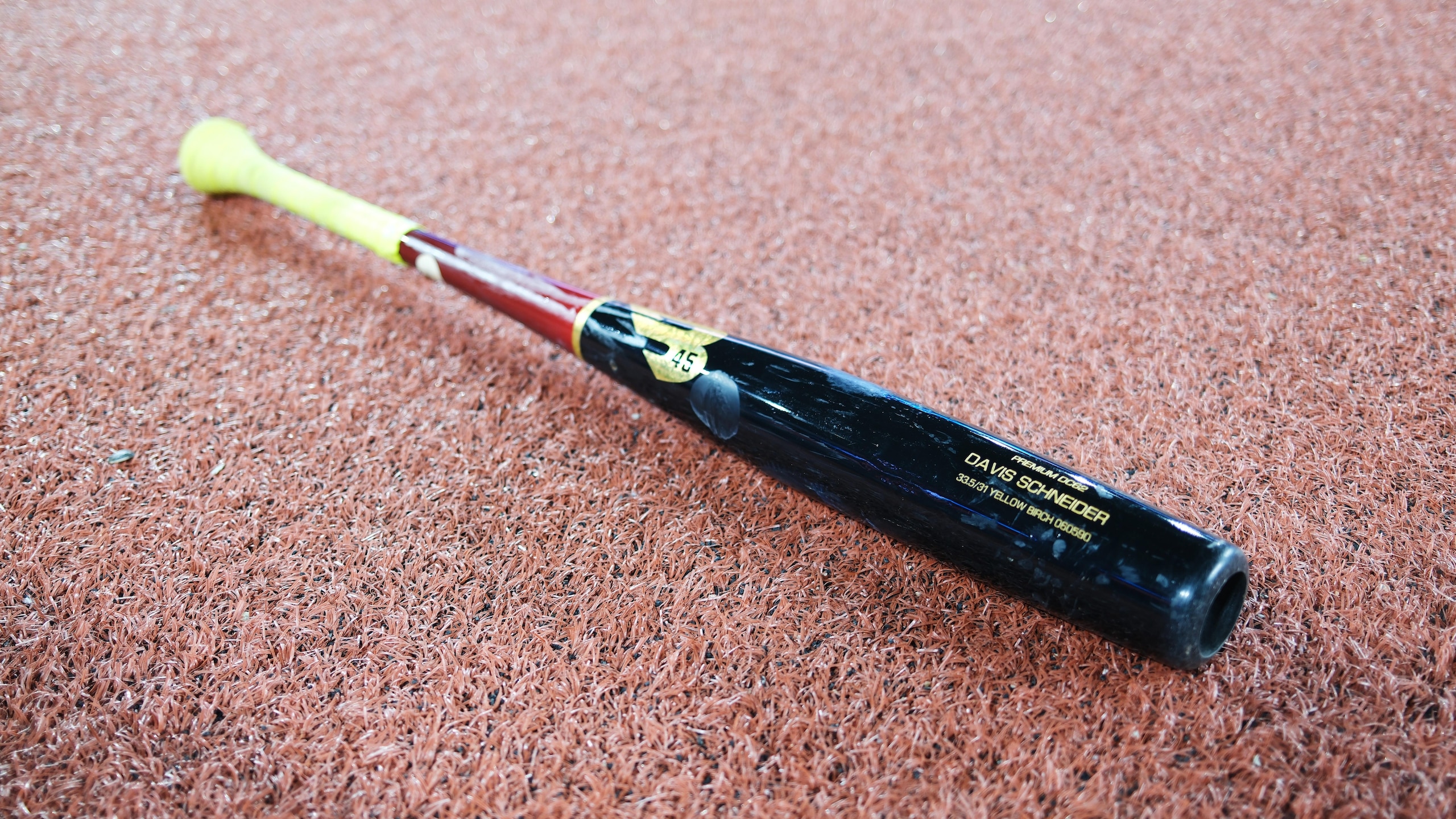
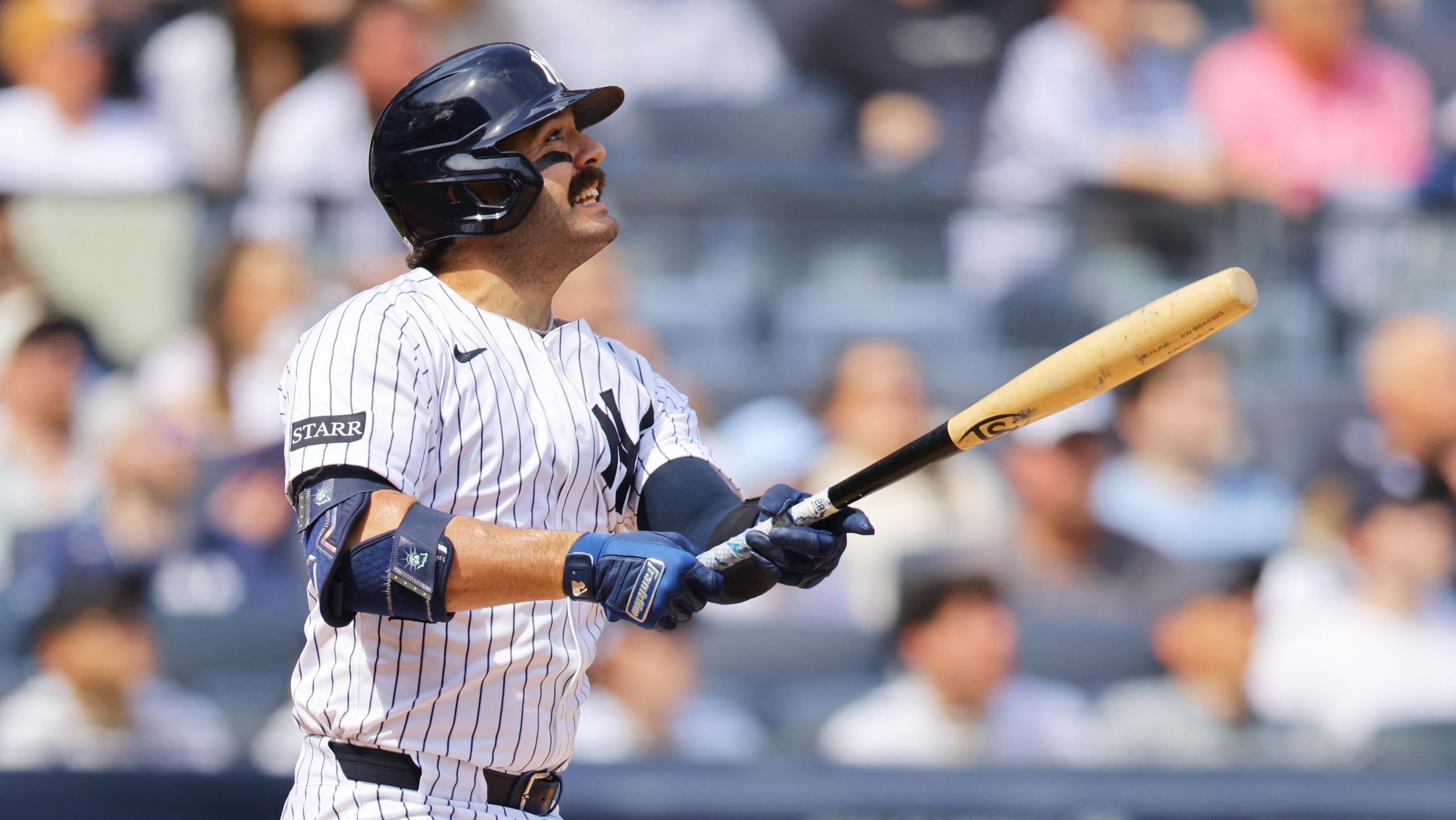
Let's get this out of the way first: No, torpedo bats do not break any MLB rules. Rule 3.02 in the 2025 rulebook specifies a maximum length and diameter for bats, but it doesn't specify a maximum weight or barrel placement.
Torpedo bats are designed to be densest in the areas where players are most likely to hit the ball, thereby increasing the frequency of hard-hit balls. Invented by former Yankees assistant Aaron Leanhardt, who holds a doctorate in physics from MIT, the bats were naturally first adopted by Yankees players as early as the 2024 season.
They didn't create a stir until the start of this season, though—the Yankees hitting a record-tying 15 home runs in their first three games will do that. Following New York's weekend homer spree, Cincinnati Reds star Elly De La Cruz decided to try a torpedo bat for the first time on Monday...and he proceed to go 4-for-5 with two home runs and a career-high seven RBI.
So with the caveats that correlation does not mean causation and the sample size is still way too small to prove anything, these bats feel game-breaking. With other teams now placing orders for torpedo bats, we may be on the brink of getting a lot more information to determine how this innovation will impact MLB going forward.
The Tush Push
2 of 12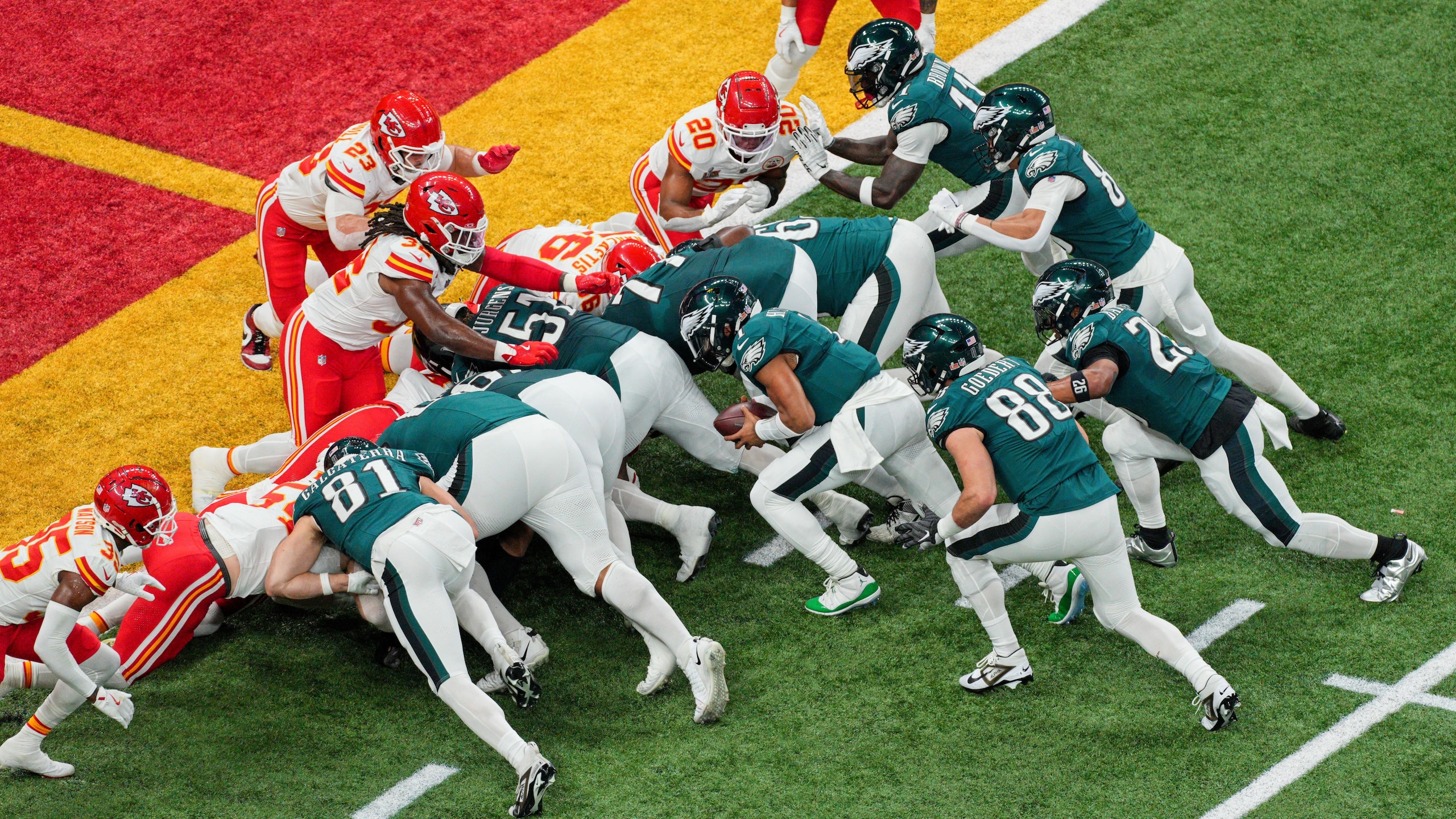
It's a short-yardage situation, and the Philadelphia Eagles have the ball. Regardless of what quarter it is, what the score is or where they are on the field, everyone knows exactly what is about to happen.
And yet, the Tush Push almost always results in a first down.
This season, the Eagles succeeded (or eventually succeeded if they used it on both third and fourth downs) on all but one Tush Push, including the first touchdown of their Super Bowl LIX win over the Kansas City Chiefs.
The play, which involved players lining up behind quarterback Jalen Hurts and pushing him past the first-down or goal line after he takes the snap, has been controversial since the Eagles started using it in 2022. However, it's still legal, as Green Bay's proposal to ban it was just tabled until May.
So if the Tush Push is unstoppable and legal for everyone to use, why doesn't everyone use it? Other teams have tried to replicate its success to no avail.
"We work hard at that thing," Eagles coach Nick Sirianni said on the Pardon My Take podcast. "And it's 'automatic' because of the work that's put in and because of the players that we have who are performing it. It's not automatic throughout the entire league.
"OK, well Steph Curry shouldn't be allowed to shoot threes. Only in the fourth quarter can Steph Curry shoot threes. Like, what are we talking about? You can't just make a rule up because it's benefiting one team and everywhere else it's not quite as good."
'The Process' and Tanking
3 of 12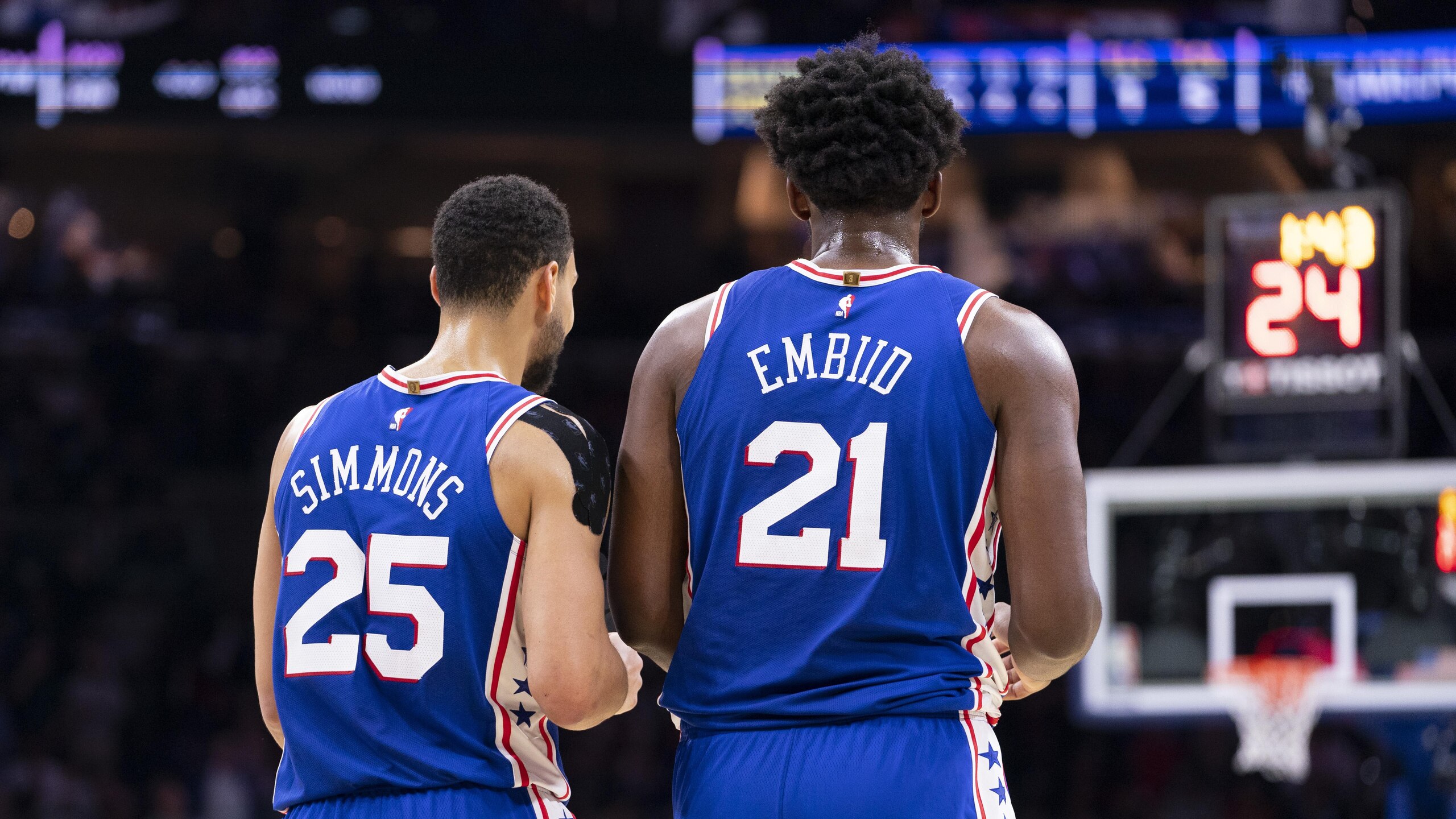
Staying in Philadelphia, let's turn our attention to an innovation where the goal was losing, and losing big.
In 2013, the Philadelphia 76ers hired Sam Hinkie as their general manager, and thus began the roster teardown and slow reconstruction known as "The Process." Broadly speaking, the goal of The Process was to strip the roster down to bare bones, accumulate quality draft capital and lose a lot of games to increase the odds of getting a high lottery pick in the NBA draft. Once the 76ers had the right mix of young, generational talents, they could then build around them.
From 2013-14 through 2015-16, the 76ers went a combined 47-199. They bottomed out with a 10-72 record in 2015-16, and Hinkie resigned at the end of that season. They only got lucky in the draft lottery once, selecting Ben Simmons with the No. 1 pick in 2016, although they did snag franchise cornerstone Joel Embiid with the No. 3 pick in 2014.
While The Process largely didn't benefit Philadelphia—the 76ers notoriously have not advanced past the second round of the playoffs since then—it did create controversy and lead to changes. The league office did not like the negative PR of a team (and others after the 76ers) clearly bottoming out for better odds in the draft.
As a result, the NBA flattened draft lottery odds in 2019 so that the bottom three teams all had the same chance at the No. 1 pick and instituted the play-in tournament for good beginning in 2021. And yet, the NBA is still dealing with its tanking problem.
.jpg?w=2560 "Seahawks Cardinals Football")
.jpg?w=2560 "49ers Seahawks Football")
Moneyball and the Rise of Analytics
4 of 12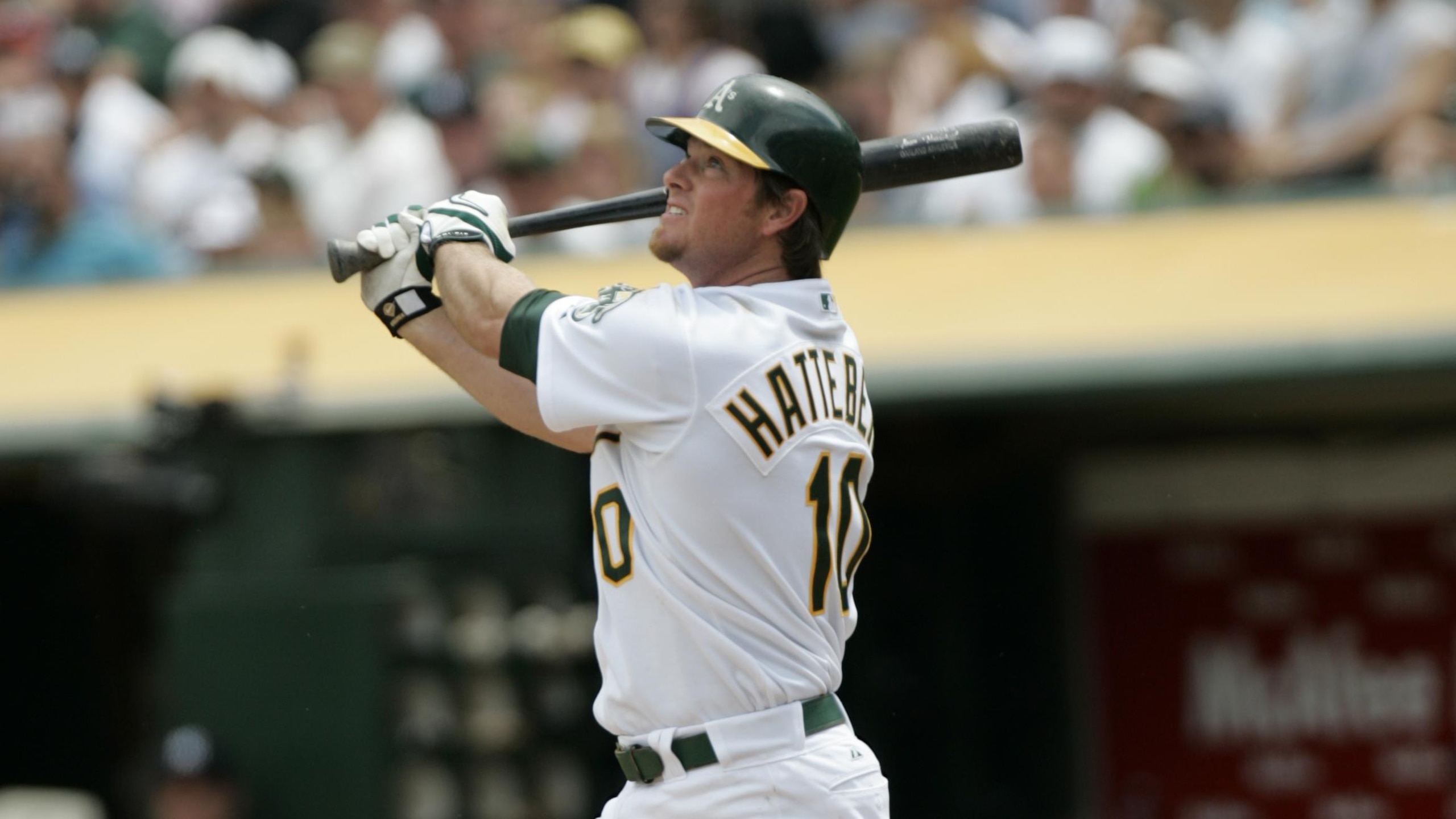
At this point, we all know the story. The small-market, low-budget Oakland A's of the early 2000s, led by general manager Billy Beane, figured out how to use analytics to identify and sign conventionally undervalued players to become one of Major League Baseball's most surprising success stories.
They didn't break any rules, but they did break the game—or at least the way everyone thought about it.
The sabermetric secrets of the A's success were laid clear in Michael Lewis' 2003 book Moneyball: The Art of Winning an Unfair Game. Suddenly, the A's weren't the only team rejecting traditional scouting and instead emphasizing things like on-base percentage and slugging percentage. Teams throughout the major leagues—and eventually across the sports world—started relying more and more on analytics to try to improve their chances of winning.
In baseball in particular, the rise of analytics led to massive strategic changes. Up until they were banned in 2023, teams began using radical defensive shifts to increase their chances of getting outs against players who tended to hit the ball in certain places. In 2018, the Tampa Bay Rays bucked all conventional wisdom by shifting to using an "opener" to begin games instead of using a traditional starting pitcher.
Those are just a few of the examples that have come out baseball's analytics revolution, and they're surely not the last.
VAR and Automated Offside
5 of 12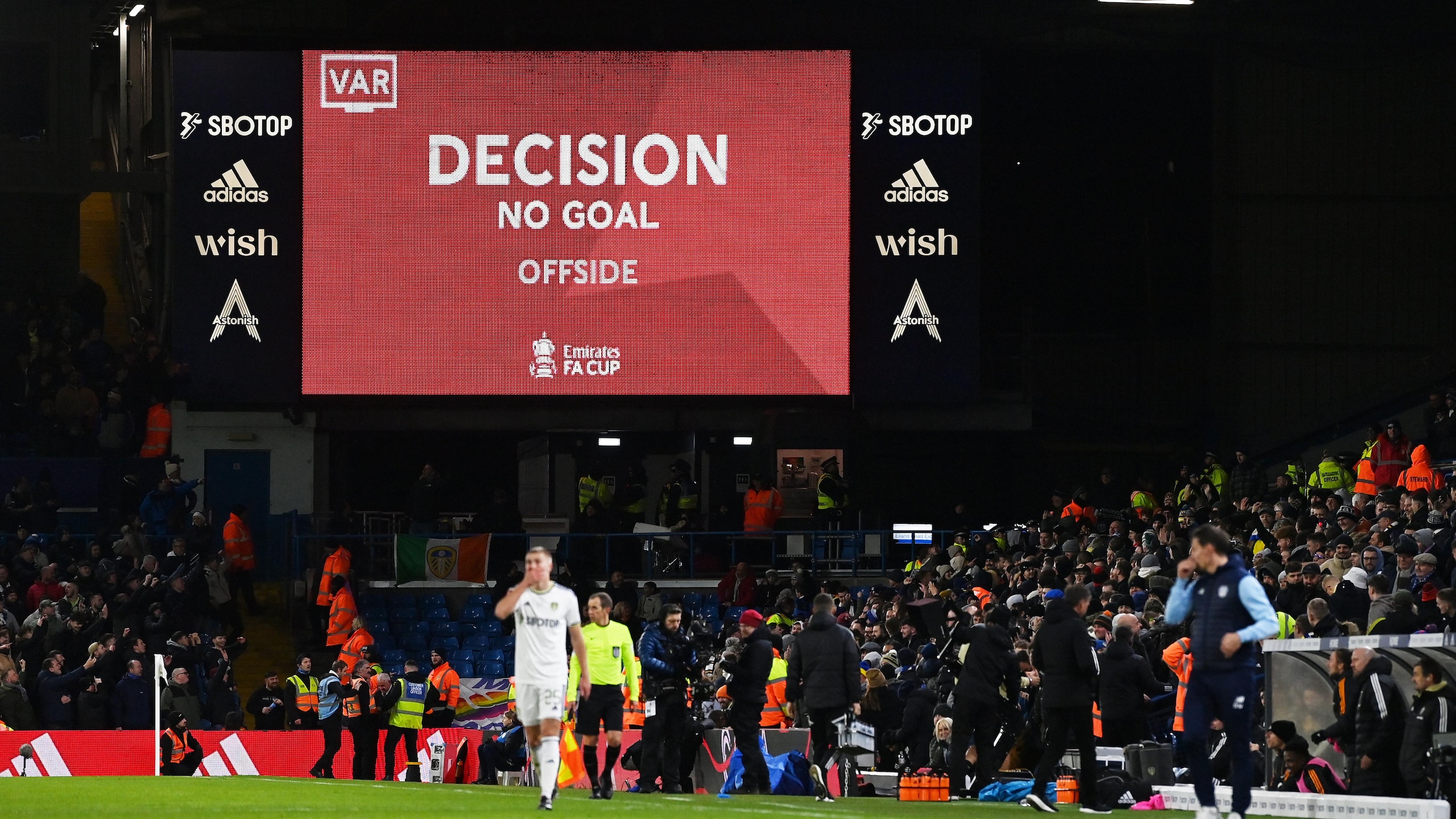
There's nothing worse than your favorite team losing a game because of a bad call, especially if that call is objectively wrong. So, you would expect that FIFA's adoption of Video Assisted Replay (VAR) in 2018 and the more recent addition of semi-automated offside technology would make everything better, right?
In some ways, that answer is yes. The amount of error present in the world's top soccer leagues and international competitions has naturally declined thanks to these technological innovations. However, there are downsides, too.
Even with technological assistance, some calls still end up being wrong, which is more mind-boggling to players, teams and fans than the previous system. Also, soccer normally doesn't feature breaks, so any in-game replay situations that require a pause now break up the flow and lengthen the game.
In years past, goal scorers might give a quick look to the sideline to check for an offside flag before beginning to celebrate. Nowadays, that quick glance isn't enough, as everyone instead now holds their breath after a goal awaiting a possible decision from VAR. Even when the decision comes, it can be more a relief than a celebration—for players and fans alike.
Somehow, getting more calls technically correct is still controversial, which means there's still some fine-tuning to be done.
Sticky Stuff (MLB) and Stickum (NFL)
6 of 12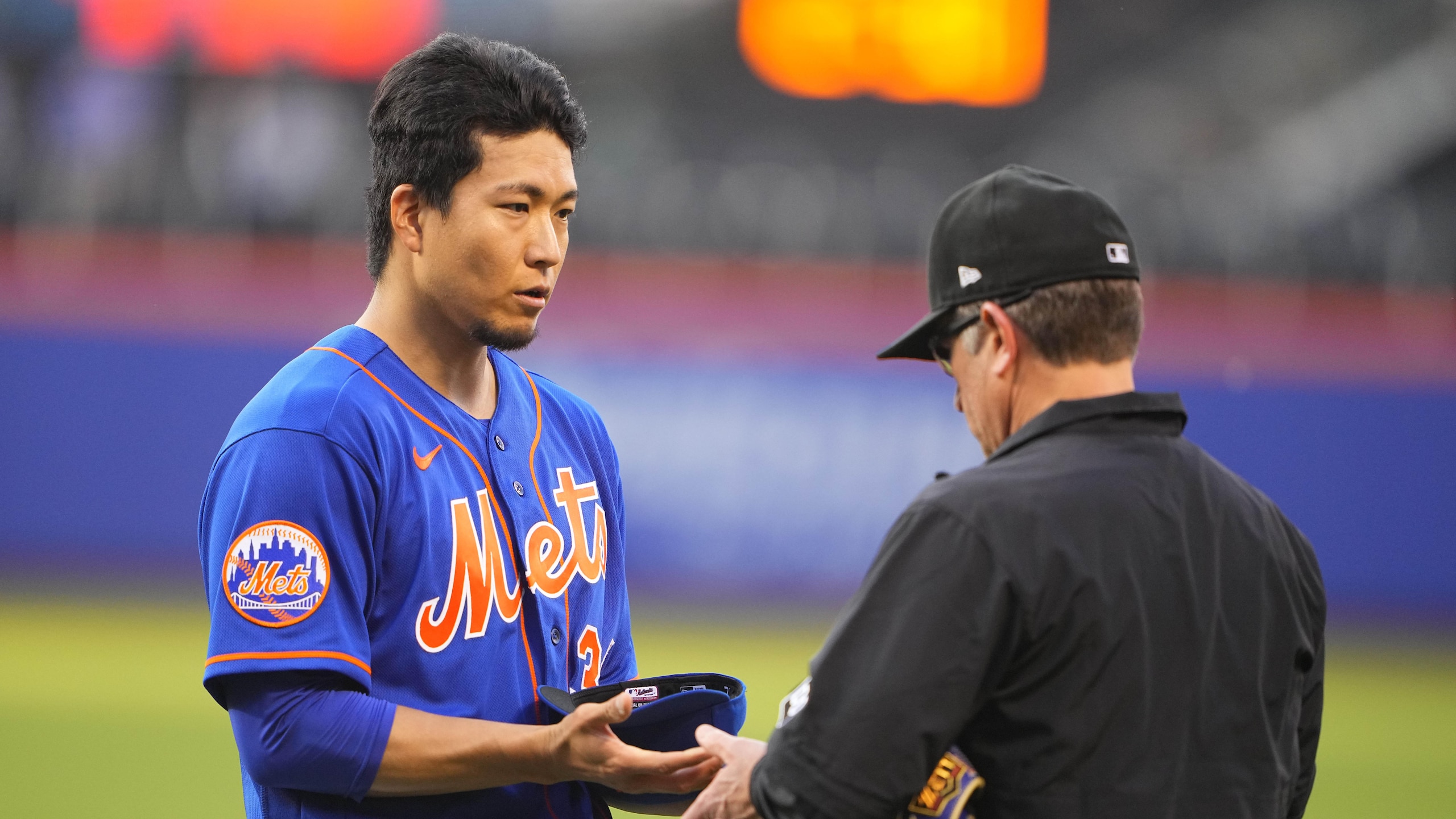
If getting a good grip on a ball is critical to a player's success in a given sport, then some players are going to use a sticky substance to enhance that grip. That's been the case in both baseball and football.
Pitchers gripping the baseball and/or introducing foreign substances to it is nearly as old as baseball itself, originating with the spitball—a pitch banned more than a century ago. But in 2020, substances like pine tar and Spider Tack came into the spotlight as tools of choice for pitchers to discretely use to improve their grip and spin rate on the ball.
Altering the ball was already against the rules, but that rule wasn't well enforced until June 2021, when MLB put out new guidelines on enforcement. In the years since, MLB has continued its crackdown on sticky stuff.
In the NFL, Stickum was all the rage in the 1970s and into 1980. The yellow, glue-like material helped receivers, running backs and defensive backs alike to hold onto the ball. Oakland Raiders defensive back Lester Hayes was the perhaps most notorious user, even catching 13 interceptions in 1980 and winning Defensive Player of the Year.
A year later, the substance was banned, though that didn't stop players—including Hall of Famer Jerry Rice—from continuing to use it.
The 3-Point Revolution
7 of 12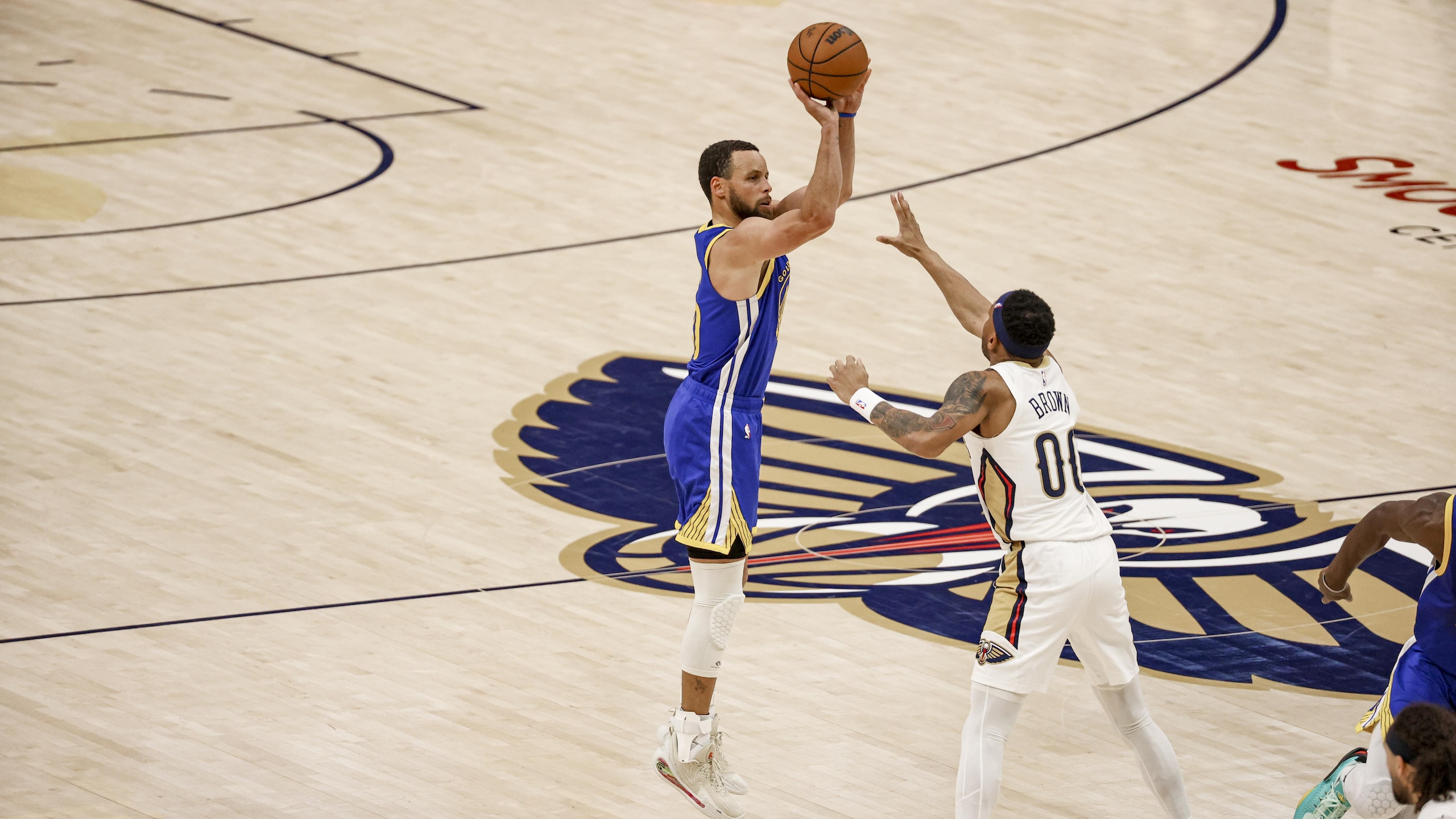
The NBA added the three-point line in 1979, changing the calculus of the game forever. Still, it took more than 30 years for teams to truly sink their teeth into the simplest math: 3 > 2.
Or maybe the league was just waiting for Stephen Curry.
While there had been incredible three-point shooters before him—Larry Bird, Reggie Miller and Ray Allen, to name a few—no one embraced the deep ball quite to the extent of Curry and the Golden State Warriors in the early 2010s. (With that said, shout-out to the Seven Seconds or Less Phoenix Suns of the mid-00s for moving more of their offense outside the arc.)
Curry and the Warriors' small-ball "Death Lineup" changed all conceptions of how basketball should be played during their dynastic run of five straight NBA Finals appearances (and three championships) from 2015-2019. Following suit, the rest of the league scrambled to find their own sharpshooters and practitioners of the positionless, five-out style the Warriors played so well.
Now, with teams chucking up three-balls at record rates year after year, the NBA has to figure out whether it has a problem and what to do next.
Anchor or Belly Putters
8 of 12
In 2011, Keegan Bradley won the PGA Championship while using a "belly" putter, which involves anchoring the putter against your belly or another part of your body while you putt. He was the first player to win a major championship using that type of putter.
Then Webb Simpson won the 2012 U.S. Open, Ernie Els won the 2012 British Open and Adam Scott won the 2013 Masters, all while using either belly putters or long putters anchored against their bodies.
Though belly putters had been used in professional golf for nearly 50 years—and players had recorded wins on the PGA Tour while using them—this uptick in usage and their high-profile success at major tournaments spurred the U.S. Golf Association to make a change. By May 2013, the governing body announced that anchoring a putter against your body would no longer be allowed as of Jan. 1, 2016.
While there was no concrete evidence to suggest the superiority of anchored putters, the USGA chose to emphasize the traditional challenge of freely swinging the club—innovation be damned.
Nike's Alphafly/Vaporfly Running Shoes
9 of 12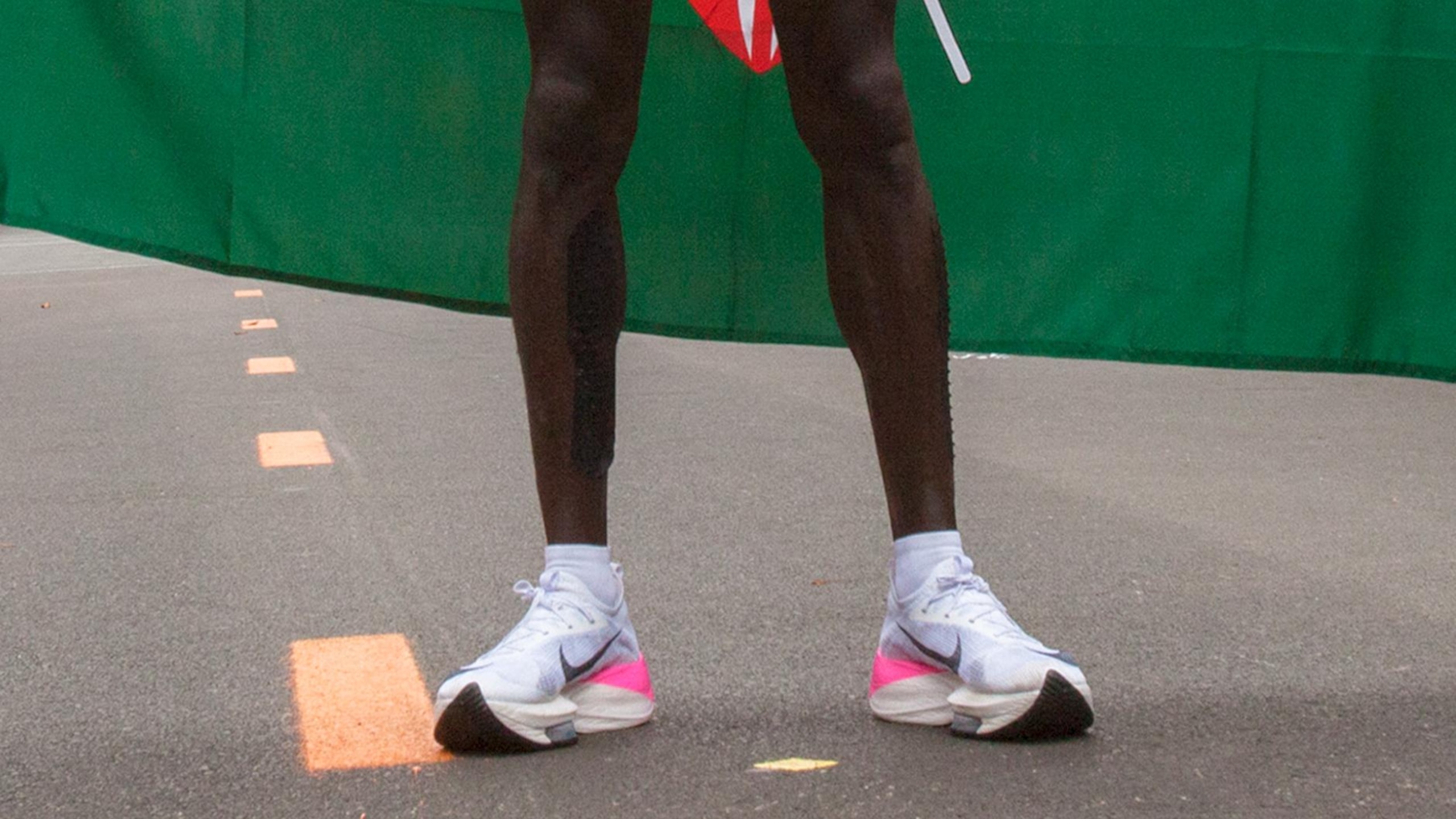
The shoes don't make the man...but what if they do?
Ahead of the 2020 Tokyo Olympics, running sneakers were a major point of contention. Nike's latest innovation, the Alphaflys, also known as "the shoe that broke running," were at the center of the controversy.
The shoes, which featured three carbon fiber plates and specially designed cushioning at the midsole, had been on the feet of Kenya’s Eliud Kipchoge when he broke the world record with a 1:59:40 marathon. They were also on the feet on 31 of the 36 podium finishers at top marathons in 2019.
World Athletics released new guidelines for shoes in January 2020 that limited midsole height to 40 mm and required all carbon fiber plates to be a single piece. Nike complied with its Vaporflys, but there remains an ongoing battle between shoe companies to create the fastest, most efficient shoes while still toeing the line when it comes to international rules.
LZR Racer Swimsuits
10 of 12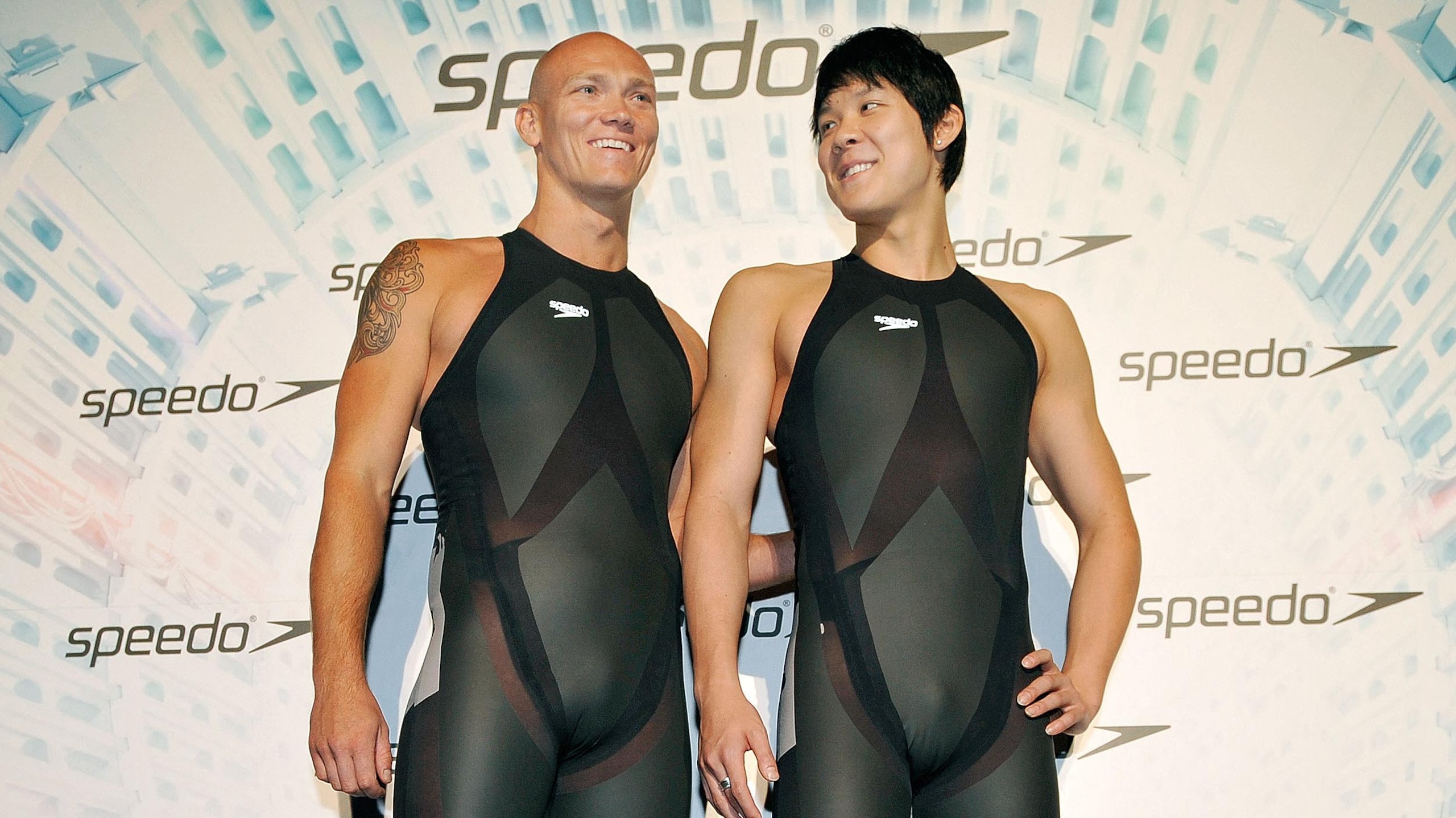
Following up with another form of so-called "technology doping," Speedo's LZR Racer swimsuits were the talk of the 2008 Beijing Olympics.
Developed with assistance from NASA, the LZR Racer body suits were made with polyurethane and designed to reduce drag. They were widely adopted by participants in the 2008 Games, and they were a huge success. Of the 25 records that fell during those Games, 23 were set by swimmers wearing LZR Racer "super suits."
The sport's governing body decided in 2009 to ban all suits made with polyurethane, requiring textile-fabric only suits and dictating how long the suits could be. The changes went into effect in 2010, though the damage had been done.
"There was a moment technology went to far," wrote Andrew Binner on the Olympics' official website.
Load Management
11 of 12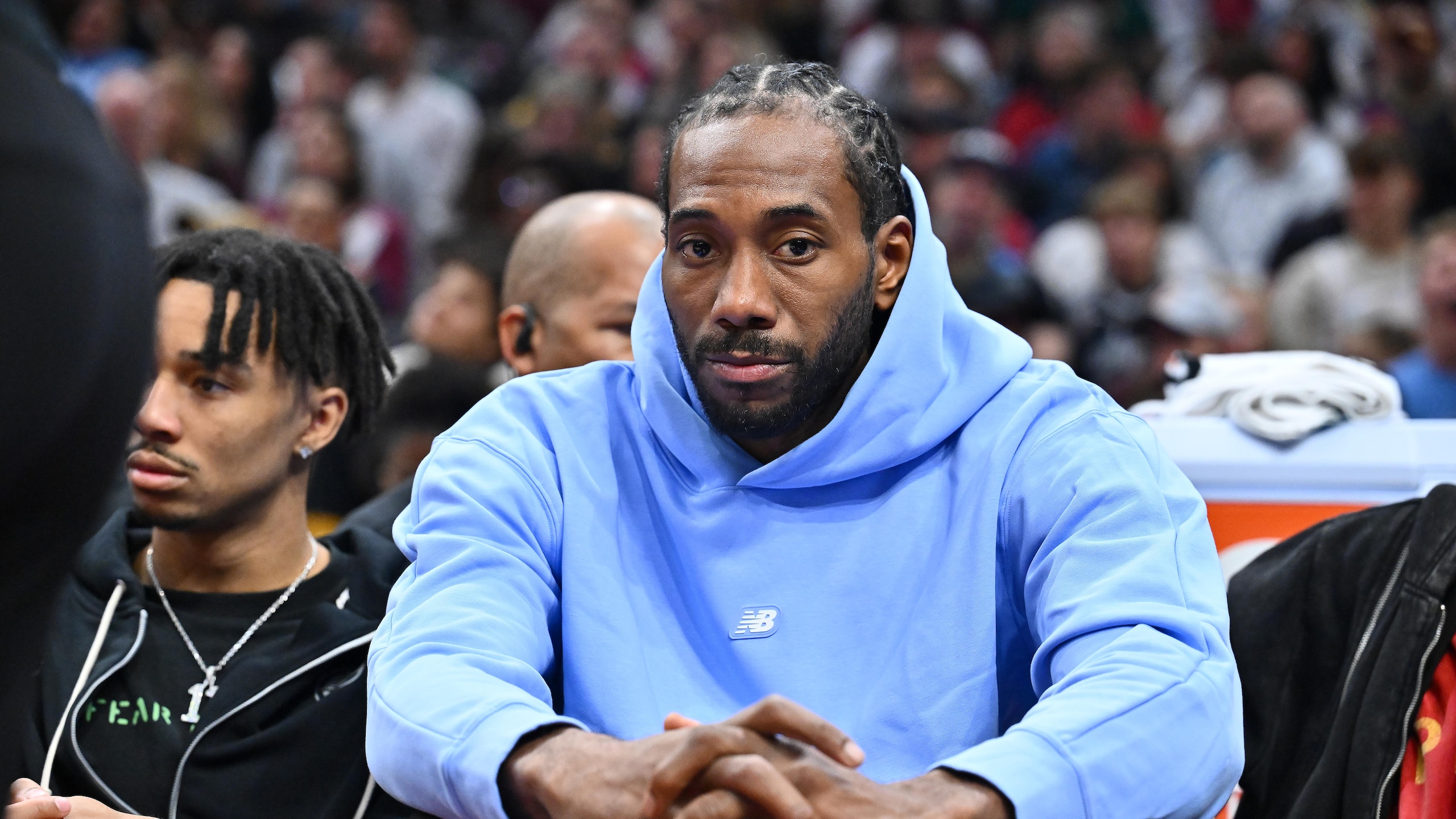
Sports teams have a vested interest in keeping their players healthy. There's no sense risking injury to an otherwise healthy player—or one managing or recovering from an injury—in a relatively meaningless game when you can instead rest them for more critical games down the road.
All of that makes sense, but over the past decade, resting a player for "load management" has become both a meme and a source of great controversy within the NBA.
The phrasing "load management" seemingly took root in Philadelphia with the 76ers' management of Joel Embiid's return from injuries toward the beginning of his career. However, load management is most associated with forward Kawhi Leonard, who has been actively managing tendinopathy in his right quad since 2017. He famously load-managed throughout the 2018-19 regular season before leading the Toronto Raptors to the 2019 championship.
Other teams took up the phrasing as well as the practice of limiting players in back-to-back games or finding opportunities to rest players—much to the chagrin of fans and TV executives. To combat star players missing big (read: nationally televised) games, the NBA enacted a new Player Participation Policy in 2023 and set games-played minimums for players to be eligible for postseason awards.
Additionally, the league sent the results of a 10-year study to teams in 2024 that found no correlation between load-managed players and a decreased risk of injury. Still, much like the league's fight against tanking, this controversial innovation is far from settled.
Fumblerooski!
12 of 12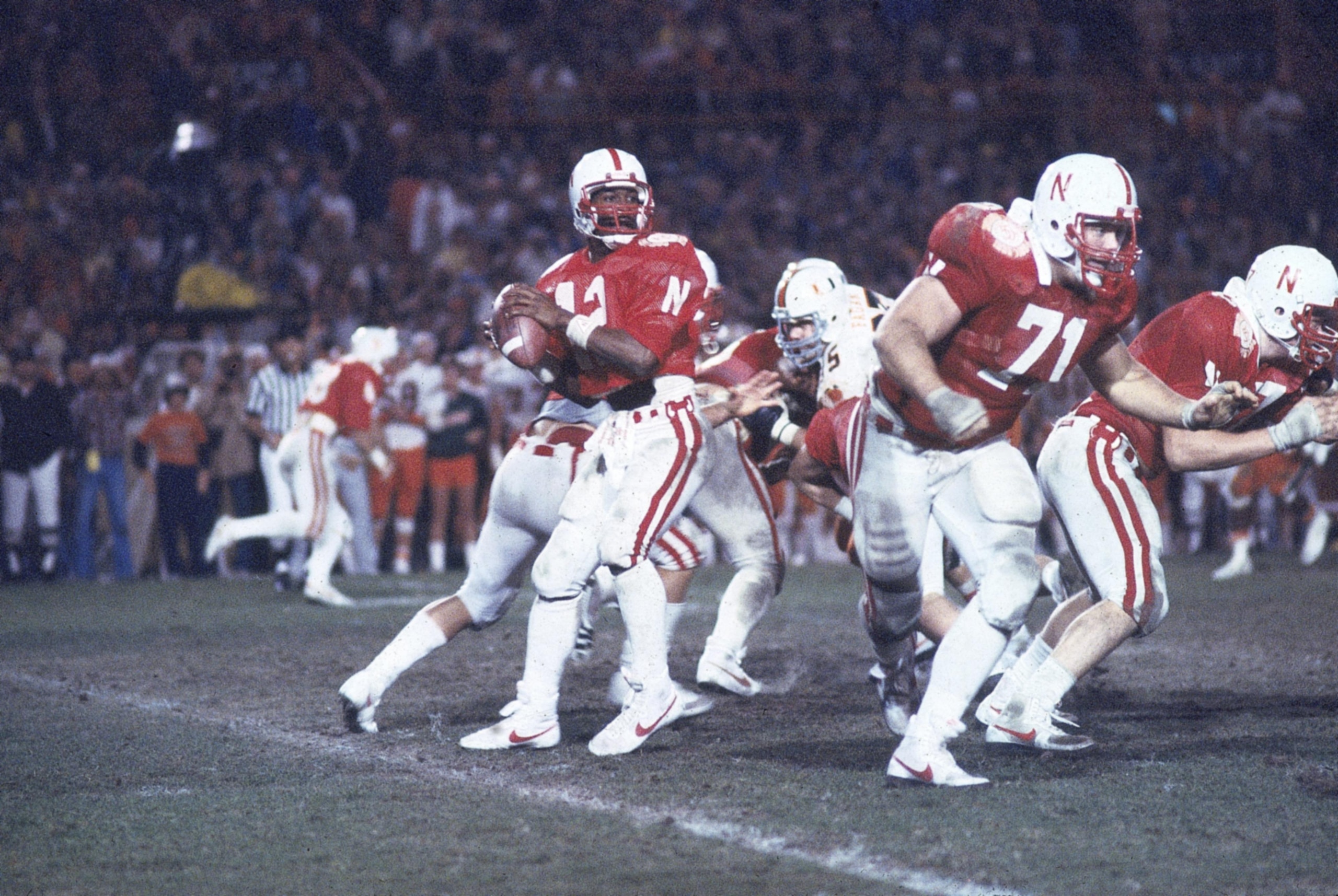
You would think that a play invented by the legendary John Heisman would be celebrated across football, not banned. But alas, that's what happened with the fumblerooski.
In all levels of football, the quarterback cannot hand or throw the ball directly to an offensive lineman. The genius of the fumblerooski, though, is that the quarterback intentionally and discretely drops the ball after receiving it from the center, leaving it for a lineman to pick up while the rest of the offense pretends to run a play away from the ball.
The NFL put the kibosh on the fumblerooski in the early 1960s, but it lived on in the college ranks until 1992. The most famous fumblerooski in college history came during the 1984 Orange Bowl, when Nebraska lineman Dean Steinkuhler got the Huskers on the board in the second quarter with a 19-yard touchdown run that caught everyone off guard.
The National Federation of State High School Associations banned the fumblerooski in 2006, thereby ending the trick play's use at virtually all levels. If you're coaching or playing youth football, though, you should run the fumblerooski while you can.
.jpg?w=2560 "Packers 49ers Football")
.jpg?w=2560 "Report: Steelers WR to Miss 'Weeks'")