
Bracketology 2025: Answering the Biggest Questions on the Men's NCAA Tournament Field
The final push to Selection Sunday is an exhilarating time to be a fan of men's college basketball, but also a confusing one for bracketology purposes.
Most sports have convoluted tiebreaking procedures for deciding the final spots in the playoff picture, but at least you can find out in no uncertain terms what needs to be done in order to land where.
Not so in college basketball, where a selection committee builds the bracket, and where you've got dozens of bracketologists out there giving their projections, featuring what are oftentimes vastly differing opinions on whether one team has done enough to secure a bid.
Long story short, you've got questions.
And with close to 20 years of experience in bracketology, I'll do my best to answer them.
How Much Do Conference Tournament Games Matter?
1 of 4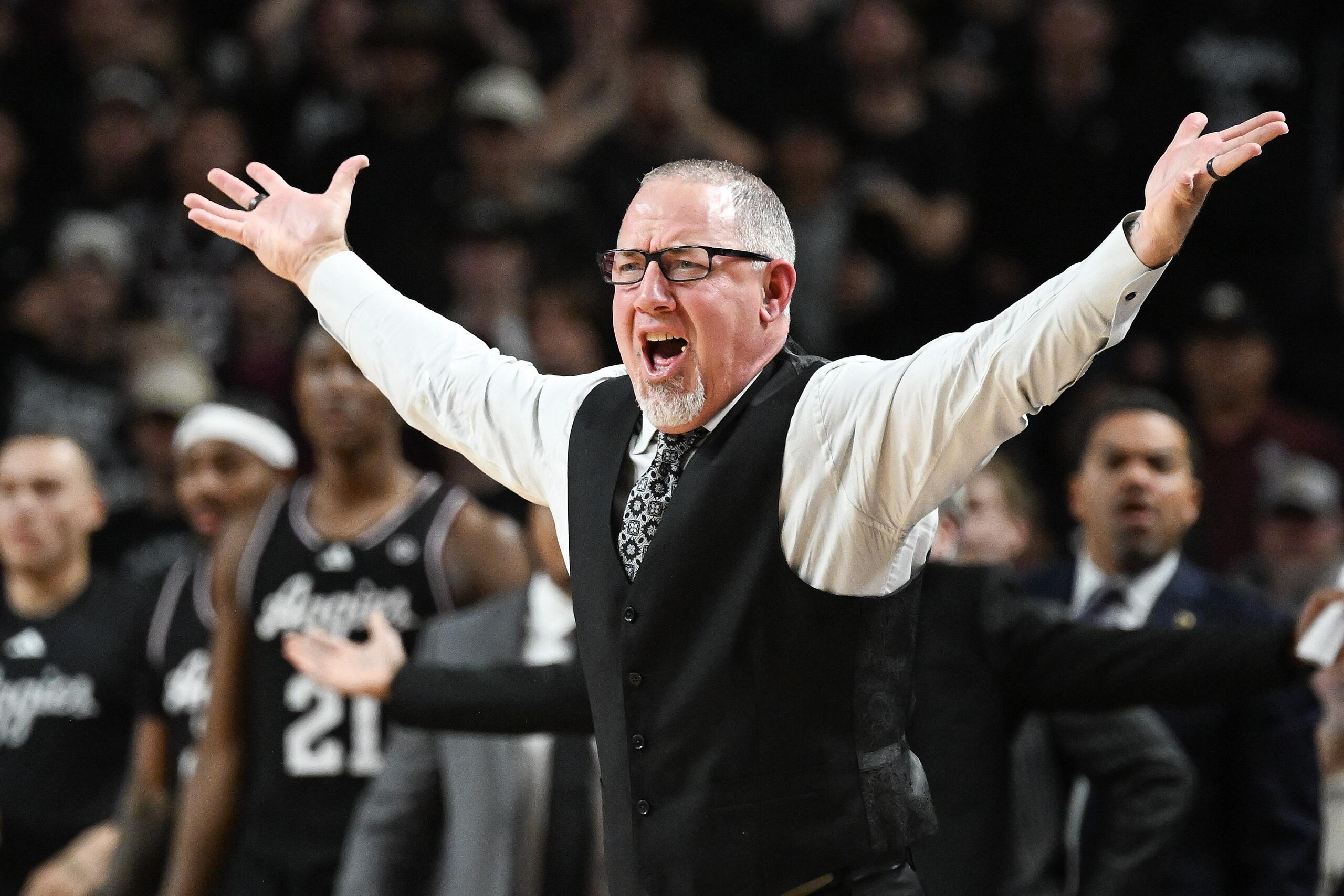
Our first question comes from Jon Benne (@LordBenne on Twitter):
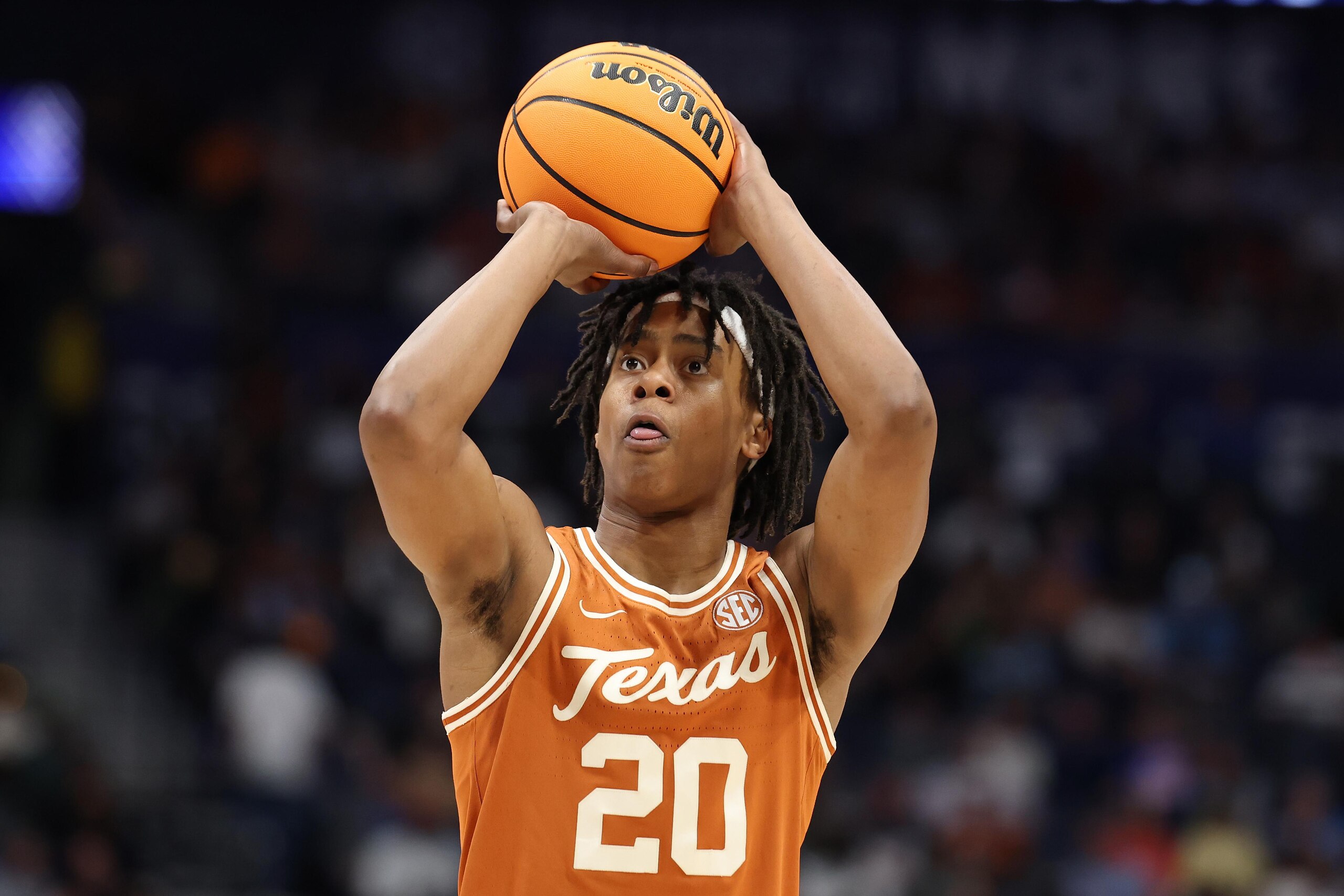
Do we (fans & media) put too much emphasis on conference tourney results? I feel like that narrative took a huge hit in 2022, when bubbly Texas A&M made a surprise run to the SEC finals but it wasn't enough. If, say, Texas does the same this year, would it even matter?
Some form of this question comes up repeatedly every year, and with good reason, as the selection committee is wildly inconsistent with the amount of weight it puts on these final few data points of the year.
Jon mentioned 2022 Texas A&M, which is the one that always springs to mind for bracketologists. The Aggies at least appeared to be right on the bubble heading into the SEC tournament before wins over Florida, Auburn and Arkansas—the latter two earning a No. 2 and a No. 4 seed in the final bracket—figured to push them over the hump. Yet, they were puzzlingly left out.
Conversely, there are frequently situations like last year's Michigan State team, where someone right on the bubble wins an 8/9 second-round conference tournament game and seems to jump multiple seed lines in the eyes of the selection committee. Thus, we're left never quite knowing whether the proverbial "win and you're in" games actually are enough.
I will say this much, though: The later in the week it gets, the less it seems to matter. Having participated in an extensive mock selection committee over the past couple of years, I get it.
They start putting together the at-large field on Wednesday afternoon, and they are hard at work, debating and dissecting resumes for many hours on Wednesday, Thursday and Friday and might already have the field more or less set by the time some of the quarterfinals results roll in.
I don't mean to chalk it up to fatigue, but it does get to a point where even as you go back and scrub the field, there's almost a sense of "Well, we had them here yesterday for a reason. Did that one result really change anything?" And that's how we're all left wondering whether games played on Friday and Saturday even made it onto the committee's radar.
How Is Arkansas in the Field?
2 of 4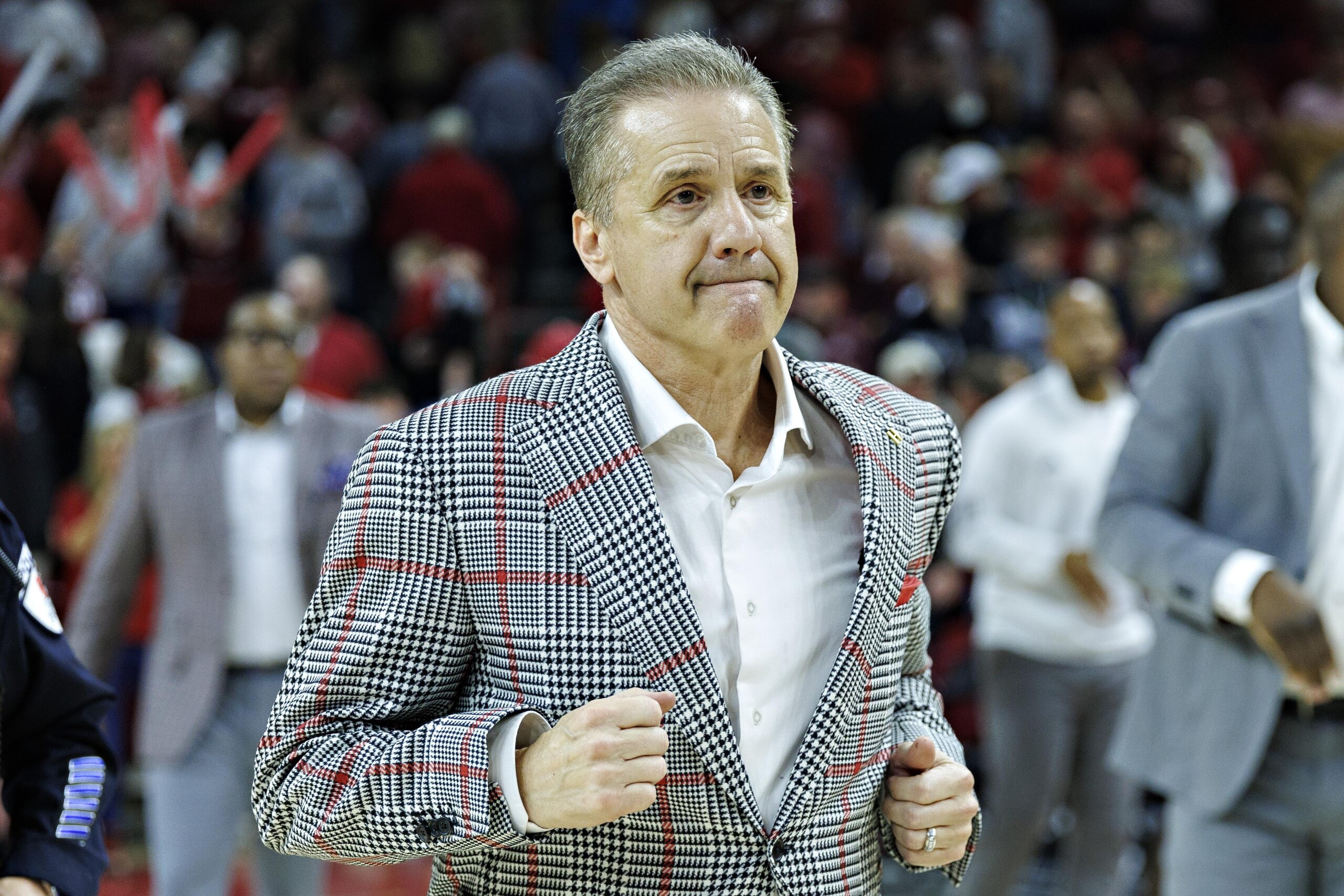
Up next, @gwatamole on Twitter asks:
I am an Arkansas fan through and through. However, while I do see us playing strong in the tourney, I would argue our resume otherwise isn’t enough to make it into the dance (as of now we’re like holding on by a thread). Why are we in?
First things first, I do believe Arkansas is pretty safely in the field. Maybe things get a little shaky if we end up with a bunch of bid thieves, but that non-loss against South Carolina on Wednesday likely sealed the deal.
To back up that claim, I rarely play around with it and can't speak to how accurate it is, but Bart Torvik has a "similar resumes" feature on his site where you can compare a team to previous years and get somewhat of a sense of where that team is going to land. And as of Thursday morning, nine of the 10 most similar resumes for Arkansas were of teams who made the tournament as an at-large, the lone exception being the aforementioned 2022 Texas A&M team whose resume got a lot stronger a little too late.
But this question raises an interesting point on the overall state of the bubble this year, that being the sense that the bar for getting in is lower than usual.
While we complain every single year in February and early March about the bubble feeling weaker than usual, it is almost inarguably true this year.
For starters, there's no Pac-12. Yes, most of those teams were redistributed to the Big Ten, Big 12 and (for some ridiculous reason) the ACC, but that's one less power conference than in years past.
No Pac-12 also means straight up there's one more at-large spot than usual. With 31 auto bids instead of 32, we're left searching for 37 at-large bids instead of 36. (And the ACC isn't doing much to help us with that search this year.)
There's also the fact that the middle of the bracket is a lot stronger than usual.
On Selection Sunday last year, there were 14 teams with at least four Quad 1A wins. As of Thursday morning, there were already 19. There were also already 31 teams with at least six Quad 1 wins compared to 23 at the end of last season. As such, the resumes of the teams in the projected Nos. 5-8 seed range are all strong, and they seem to have extracted their strength from the bubble to the point where even SMU at 0-4 vs. Quad 1 is somehow still hanging around.
It's almost inevitable that there will be at least one "How in the world did they do enough?" team making the field. As I say dozens of times per year: We have to get to 68 teams somehow.
Where's the Love for the Twice Reigning Champions?
3 of 4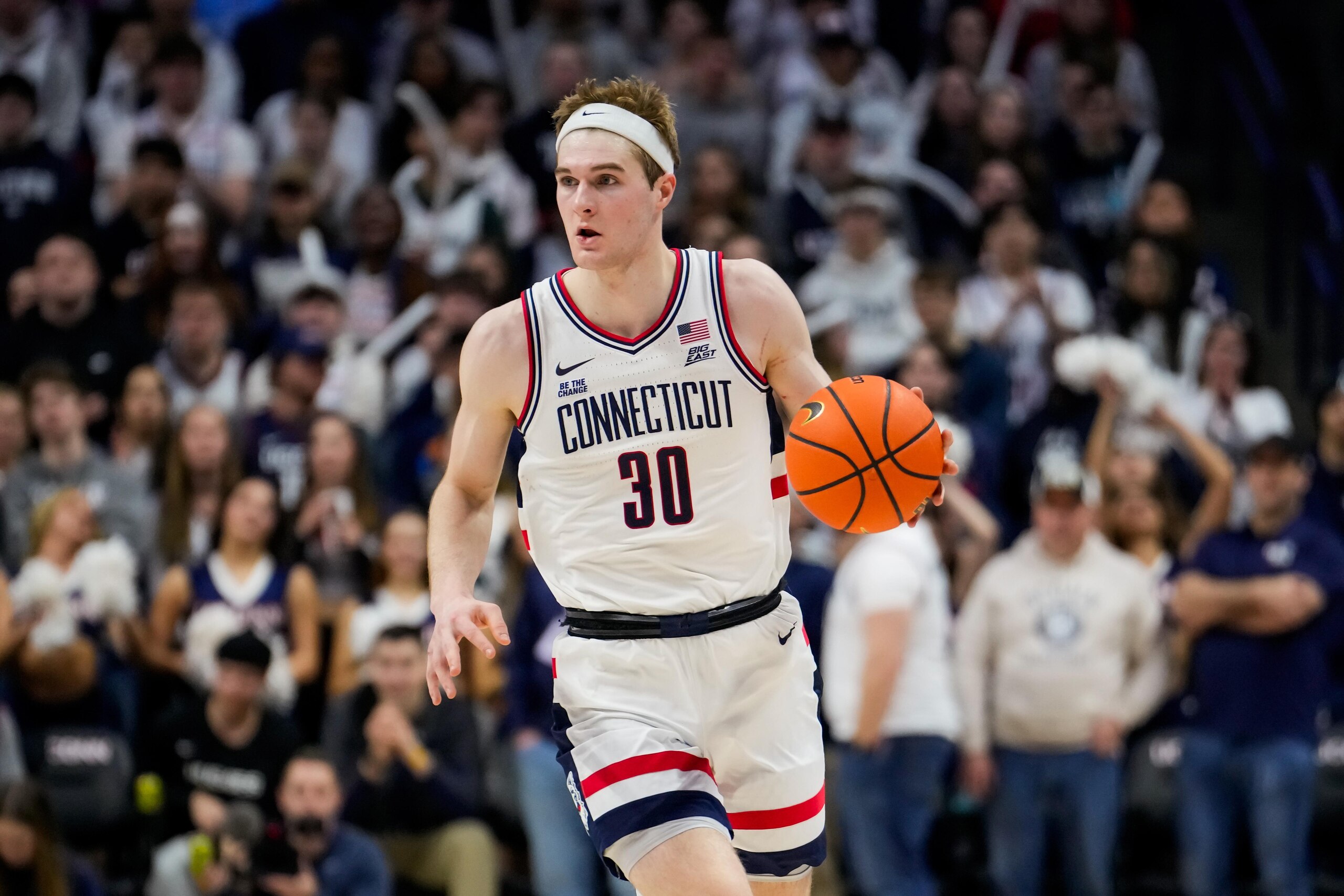
Douglas Gorham (@MrDBGorham on Twitter) provides our next question:
How is it that you and other bracketologists are placing UConn as an 8/9 vs Duke? I could see CBS/Turner doing this for ratings. Does the math support this as a 1-8 in round 2? #MarchMadness
Douglas has 'Math Teacher' at the top of his bio, and as someone whose degree was in applied mathematics, I had no choice but to include a question with "does the math support this?"
But, you know, it's also a great question about the state of the 2023 and 2024 national champions on the projected No. 8 line.
As just mentioned in the Arkansas/bubble answer, the middle of the bracket is atypically strong. All of the projected No. 8 seeds feel like they'd be No. 6 seeds in most years, and especially the Huskies, given what they've done in recent years and the oft-mentioned reminder that they had to play without freshman phenom Liam McNeeley for a month (ankle sprain) and have mostly looked a lot better since getting him back.
As far as the CBS/Turner portion of the question goes, the NCAA says (and I tend to believe them) that they don't force feed any made for TV matchups. And, frankly, if UConn does in fact land as a No. 8 seed, it would be a colossal second-round showdown regardless of which No. 1 seed they're paired up with.
That said, it simply comes down to geography and following bracketing principles to make permissible pairings. As of Thursday morning, my No. 1 seeds were Auburn (going to Lexington for first two rounds), Duke (Raleigh), Houston (Wichita) and Florida (also Raleigh). From there, going in order down my list of No. 8 seeds, Louisville goes to Lexington, Marquette goes to Wichita and UConn would go to the Raleigh pod in the East Region as opposed to West Region.
A lot could change before Selection Sunday, but we definitely have been ending up with a Duke-UConn second-round possibility for a while now.
.jpg?w=2560 "Packers 49ers Football")
.jpg?w=2560 "Seahawks Cardinals Football")
.jpg?w=2560 "Steelers Browns Football")
What Would You Change?
4 of 4
Tony (@tbasil on Twitter) asked maybe the best question of all:
If you were given complete authority over the tournament selection, seeding, and bracketing process for a year, plus a blank check, what would you do? It’s all on the table: expansion, auto bids, schedule, metrics, etc. How would your approach differ from the current process?
Ah, yes. The old "when I'm made czar of the sport" question. I love it.
First of all: No expansion. How anyone can possibly look at this year's bubble and want more of those teams in the field is beyond me.
(As an aside, though, I don't buy the argument some have made that expansion would change the excitement leading up to Selection Sunday. I do think it would make the tournament a little worse and over-complicate the bracket to the point where the "I only watch college hoops in March" people might not even bother filling out a bracket any longer. But for Champ Week bracketology drama, all that would change is the quality of teams on the bubble would be much worse. There will always be bubble madness. We just would've needed to pay more attention to stuff like Villanova-Seton Hall, Butler-Providence and Nevada-Fresno State on Wednesday. Which, thanks, but no thanks.)
Second change: Mandatory true road games in nonconference play. I appreciate it's getting more difficult to find spots for nonconference games now that leagues are going to 20-game schedules. But when I'm in charge, you must play two true road games out of conference to be eligible for an at-large bid. Many already do this and then some, but some don't, and they need to be called on their cowardice.
Third change: Some sort of conference record requirement. I think Joe Lunardi's long-held plea to exclude teams who finish below .500 in league play is a bit excessive, but it's also preposterous that we're going to get at least one, possibly two 6-12 SEC teams into the dance, inevitably at the expense of teams like UC Irvine.
Last one: Enough with the bracketing principles. Other sports don't care if division rivals meet immediately in the postseason, nor do they make any effort to avoid matchups until a certain point in the postseason based on the number of times they met during the regular season. We could do it entirely on geography or a straight S-curve, but it feels like we are complicating the process just to complicate the process.
.jpg?w=2560 "Lions Cardinals Football")


.jpg?w=2560 "Cam Ward Says He's Not A Loser")