
Every NBA Team's Biggest X-Factor Down the Stretch
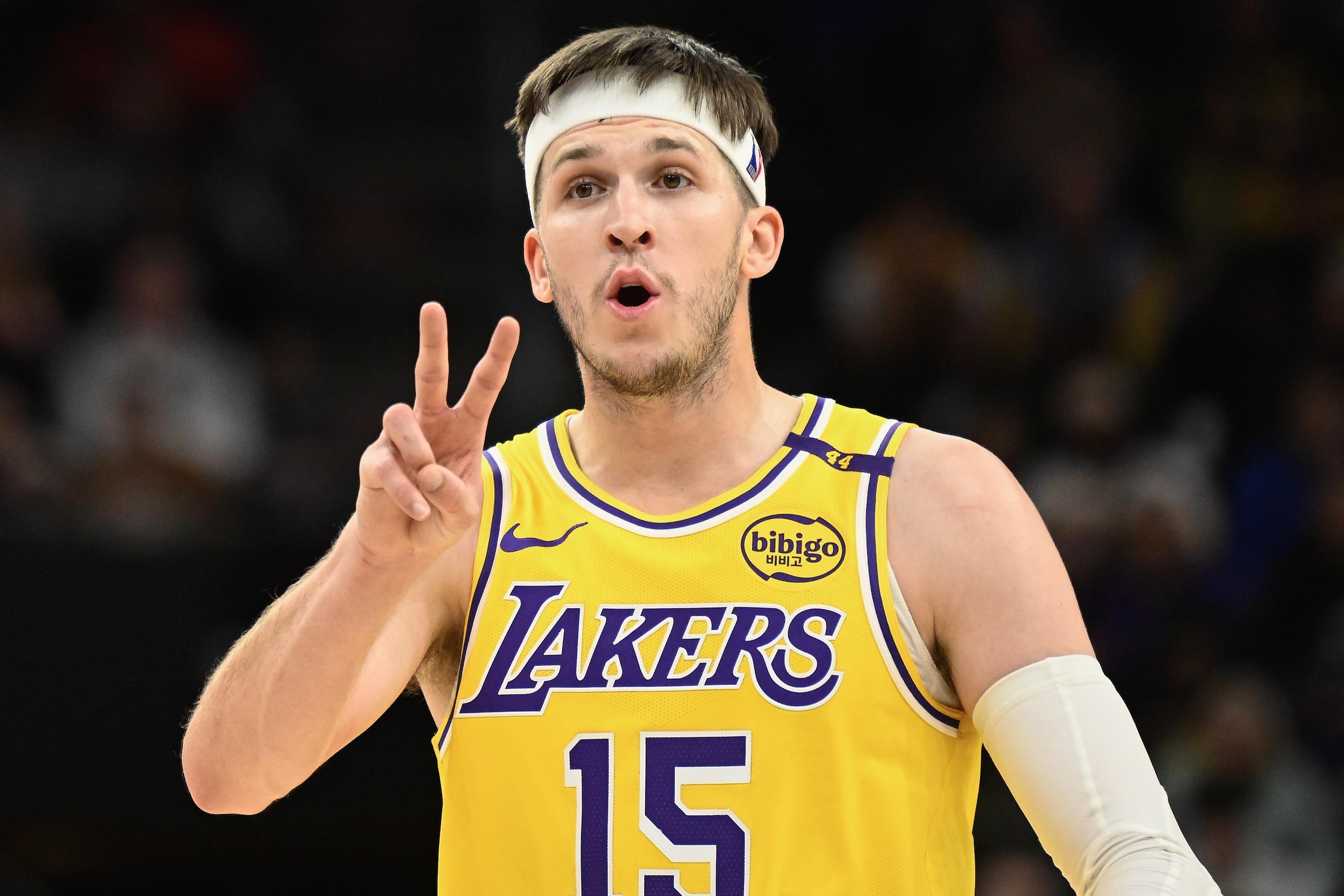
The NBA's biggest names decide their teams' direction, particularly down the stretch of a season. But while we generally know what to expect from the likes of LeBron James and Luka Dončić, players like Austin Reaves are often the ones who take on outsized importance.
Reaves' role will change alongside another ball-dominant star, and his ability to adapt is going to matter as the Lakers push toward the postseason.
That's just one example of the players we'll highlight as X-factors, all of whom come with uncertainty of one sort or another priced in.
These are the swing pieces to keep an eye on as the 2024-25 season exits the All-Star break and rockets toward the playoffs.
Atlanta Hawks: Onyeka Okongwu
1 of 30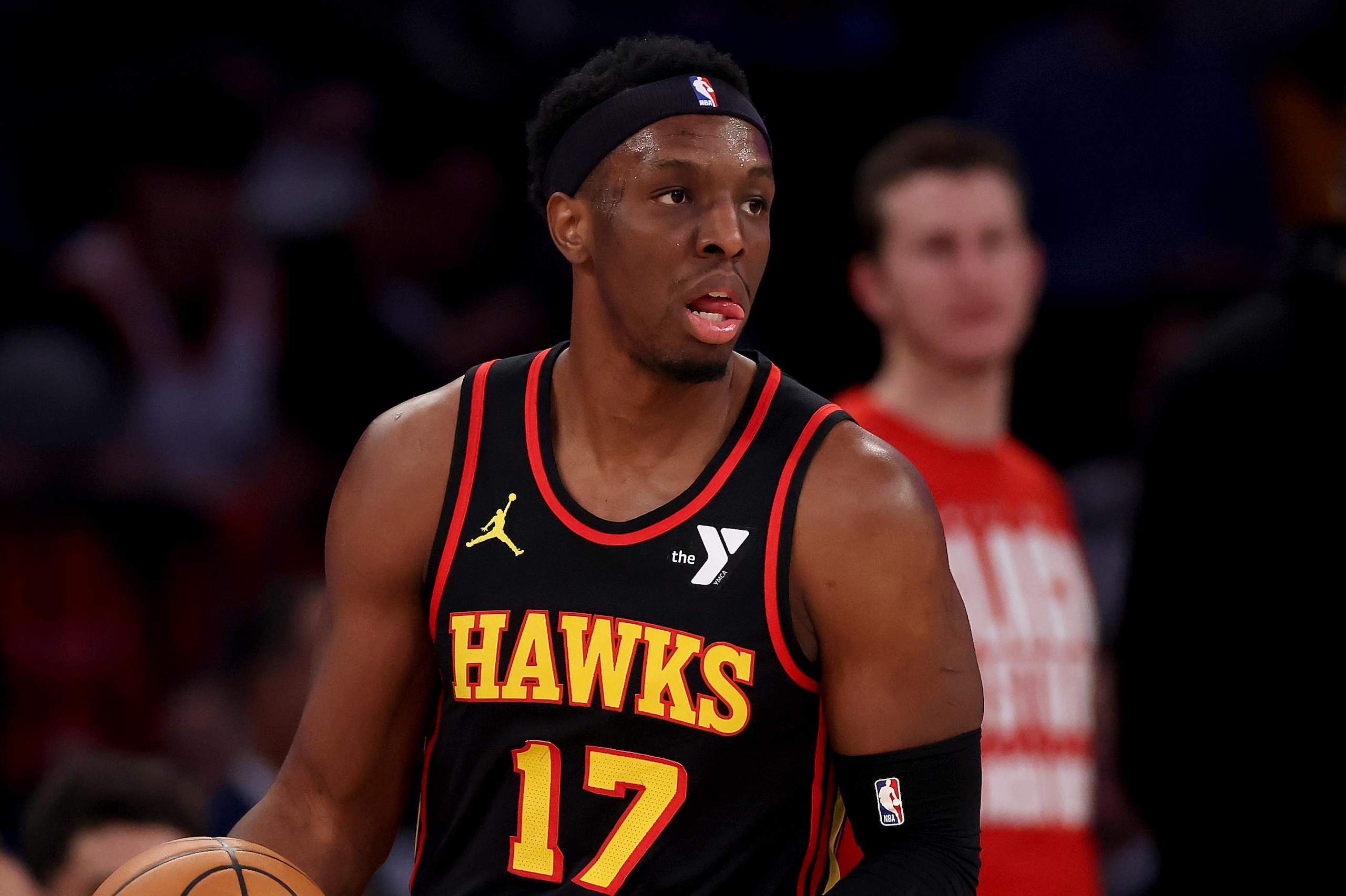
With stellar production since taking over staring center duties from Clint Capela, 24-year-old Onyeka Okongwu will be key to the Atlanta Hawks offsetting major offensive losses.
De'Andre Hunter and Bogdan Bogdanović departed at the trade deadline, and Jalen Johnson is out for the season with a shoulder injury. Trae Young is still an offense unto himself, and new addition Caris LeVert will help. But Okongwu's 13.6 points per game since joining the first unit need to represent his floor going forward.
Most critically, the mobile big man can be a swing factor as a spacer. Though he's shooting just 26.6 percent from deep on the year, Okongwu is canning 28.0 percent as a starter and has shown an increasing willingness to let it fly from deep.
With so many shooting threats gone, his potential from deep could determine Atlanta's offensive ceiling.
Boston Celtics: Kristaps Porzingis
2 of 30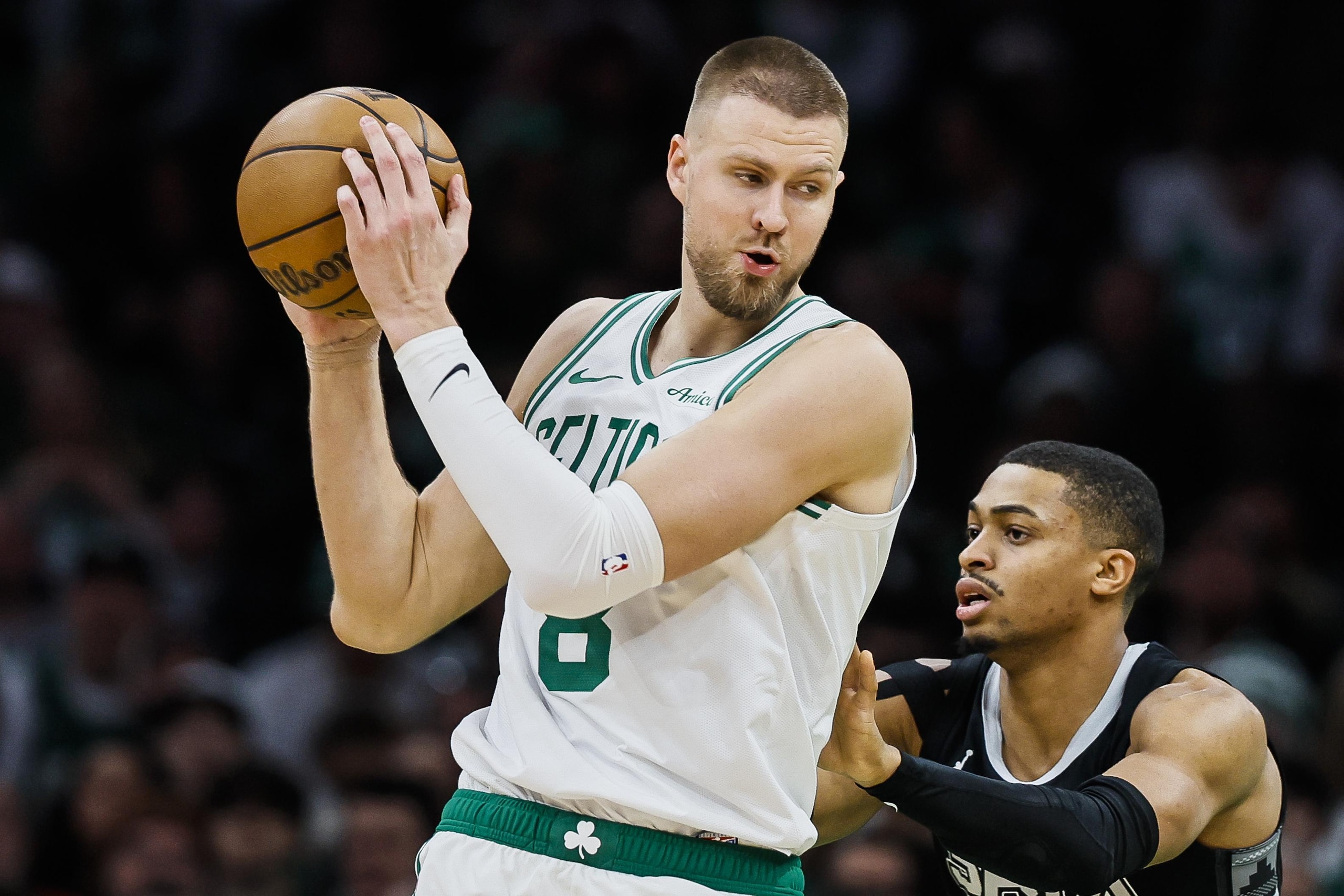
Kristaps Porziņģis looks as good as ever since returning from offseason surgery in late November. That's good news for the Boston Celtics' chances at a second straight title.
Jayson Tatum and Jaylen Brown are still Boston's most indispensable pieces, but Porzingis is the one who gives the team dimensions it can't get anywhere else. His 40.8 percent three-point shooting is even better than it was a year ago, and while his 1.21 points per post-up possession falls short of last season's elite 1.30, that figure is still good enough to rank in the 90th percentile leaguewide.
Boston becomes unguardable when Porziņģis is stretching the floor and punishing switches in the mid-paint. If he can't hold up physically, the Celtics look mortal.
Brooklyn Nets: Cam Thomas
3 of 30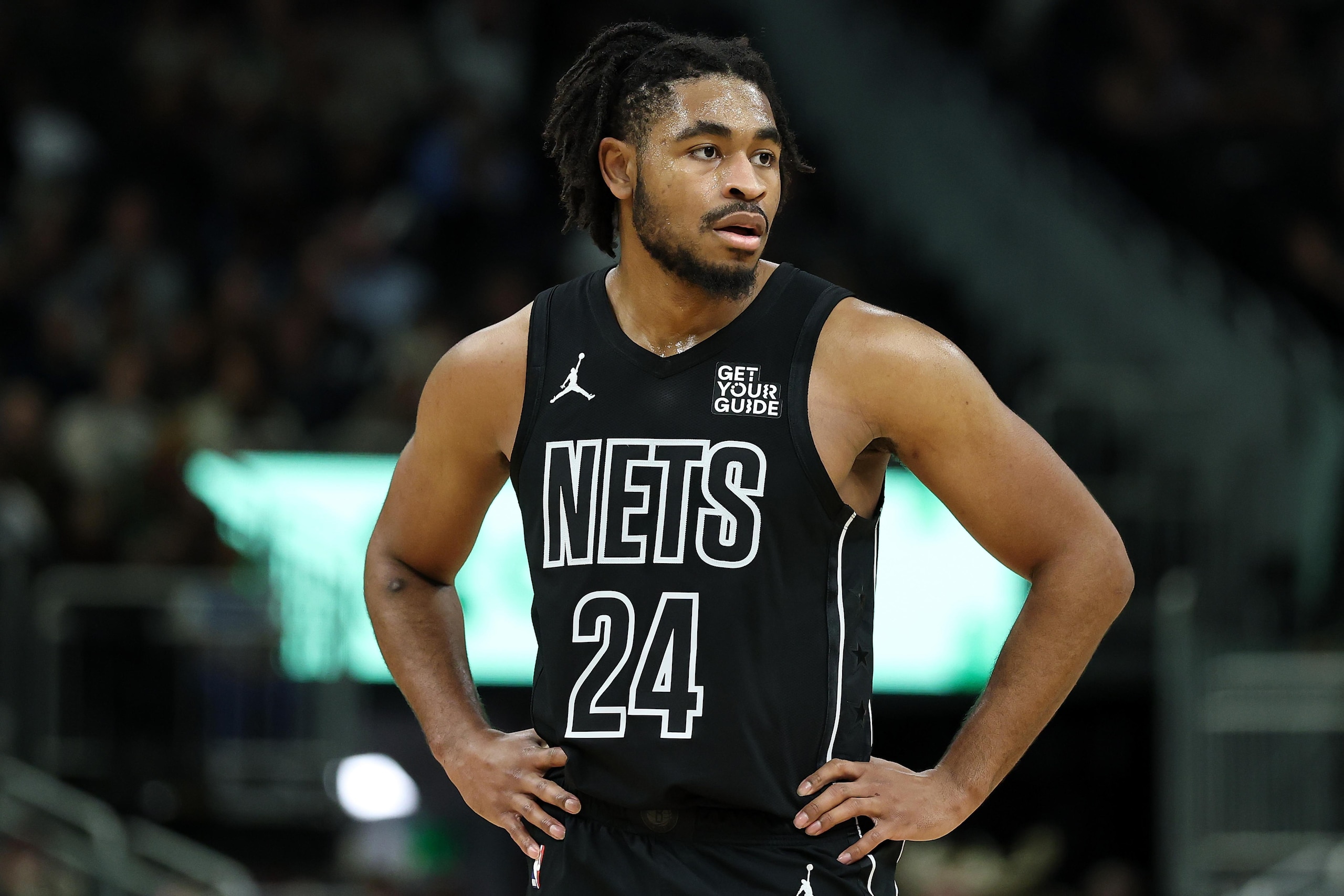
Due back from a hamstring injury sometime shortly after the All-Star break, Cam Thomas will get a chance to prove his incendiary scoring can fit into the egalitarian style the Brooklyn Nets have implemented to surprising success this season.
Thomas was a sneaky bet to lead the league in scoring coming into the year, but he has only put up 24.7 points per game across the 19 contests he's played so far. It'll be tempting for the born bucket-getter to fire away with abandon now that he'll have the ball more frequently than ever. With Ben Simmons and Dennis Schröder both gone, the Nets have few alternatives when it comes to playmaking.
Thomas has a shot to shake his rep as an empty-stats producer on a bad team. If he can pull that off while fitting into Brooklyn's unselfish, gritty style, he could settle in as a long-term piece worth keeping in restricted free agency.

Charlotte Hornets: Tidjane Salaun
4 of 30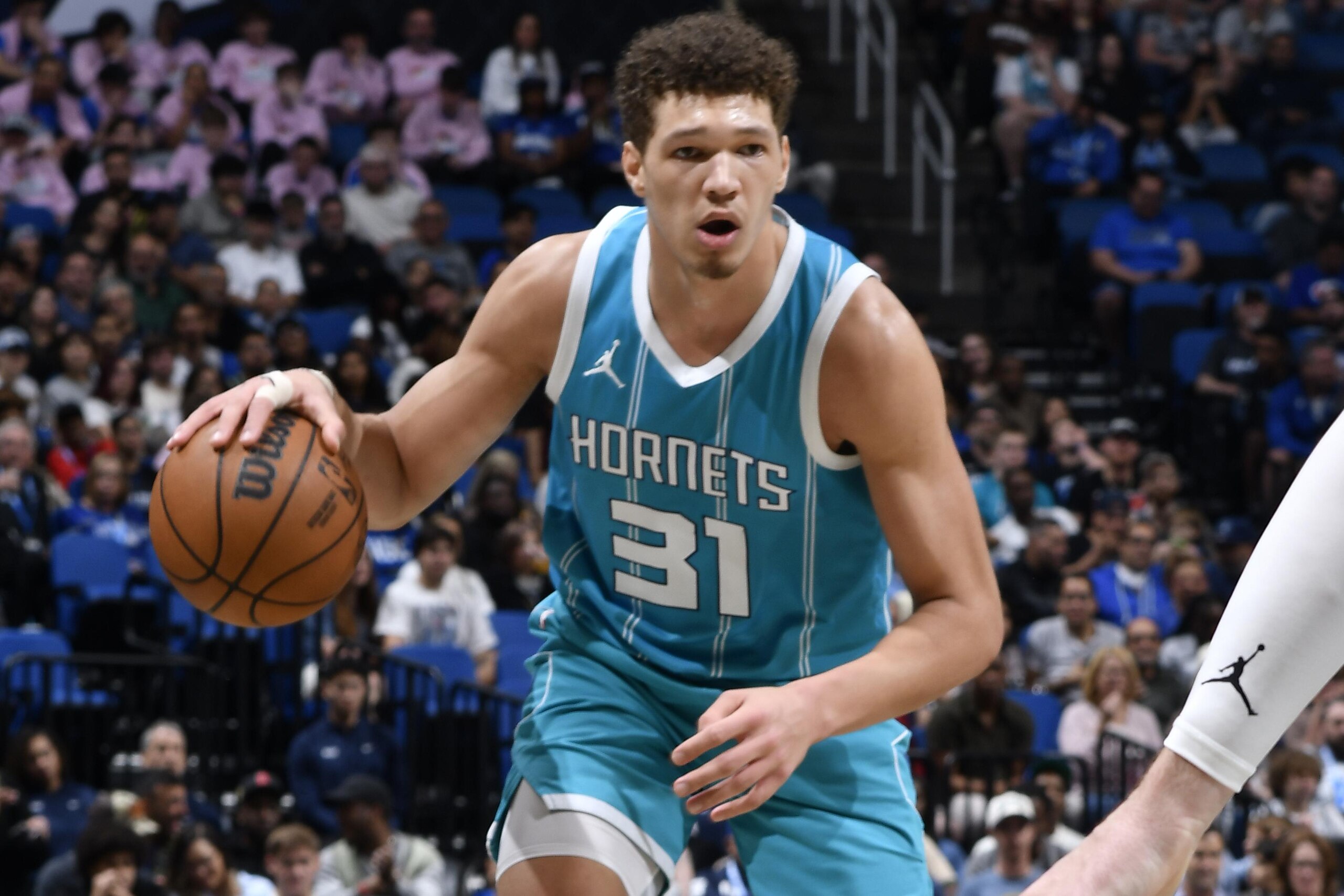
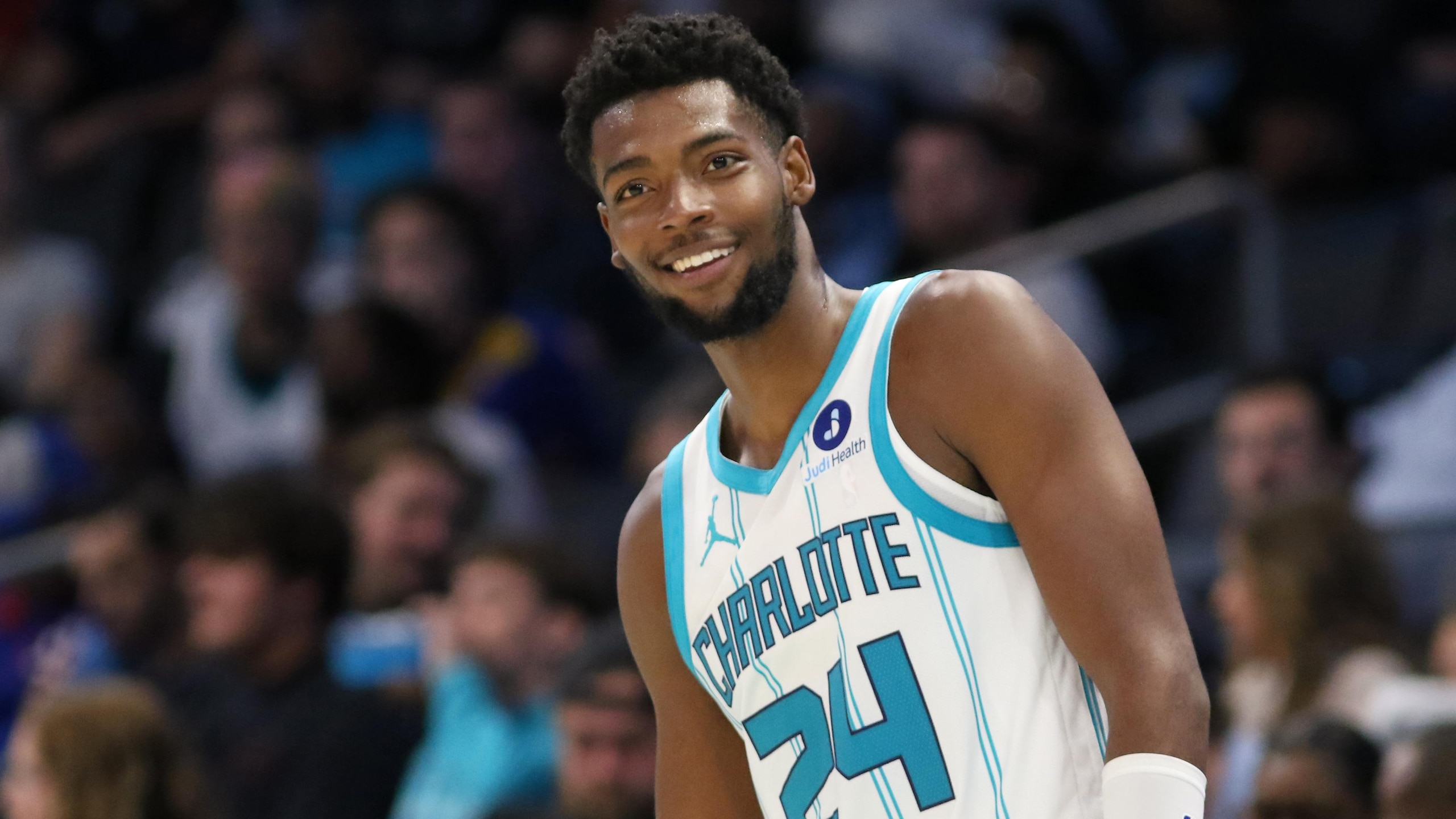
Two of Tidjane Salaün's six double-digit scoring games on the season came in the week preceding the All-Star break, a welcome sign of progress for one of the league's youngest players.
Salaün has been a consistent rotation presence for most of the season and should continue to see significant minutes down the stretch because, well...what do the Hornets have to lose? With Brandon Williams' season over due to injury and Mark Williams' awkward post-trade return to the team, Salaün's development will be among the team's most important priorities.
It's still ridiculously early in the 19-year-old's career, but Salaün could use the balance of the season to give Charlotte a sense of where he fits into their big-picture plans. So far, he's primarily played a spacing role, but he could expand that if more touches and minutes are available.
Chicago Bulls: Coby White
5 of 30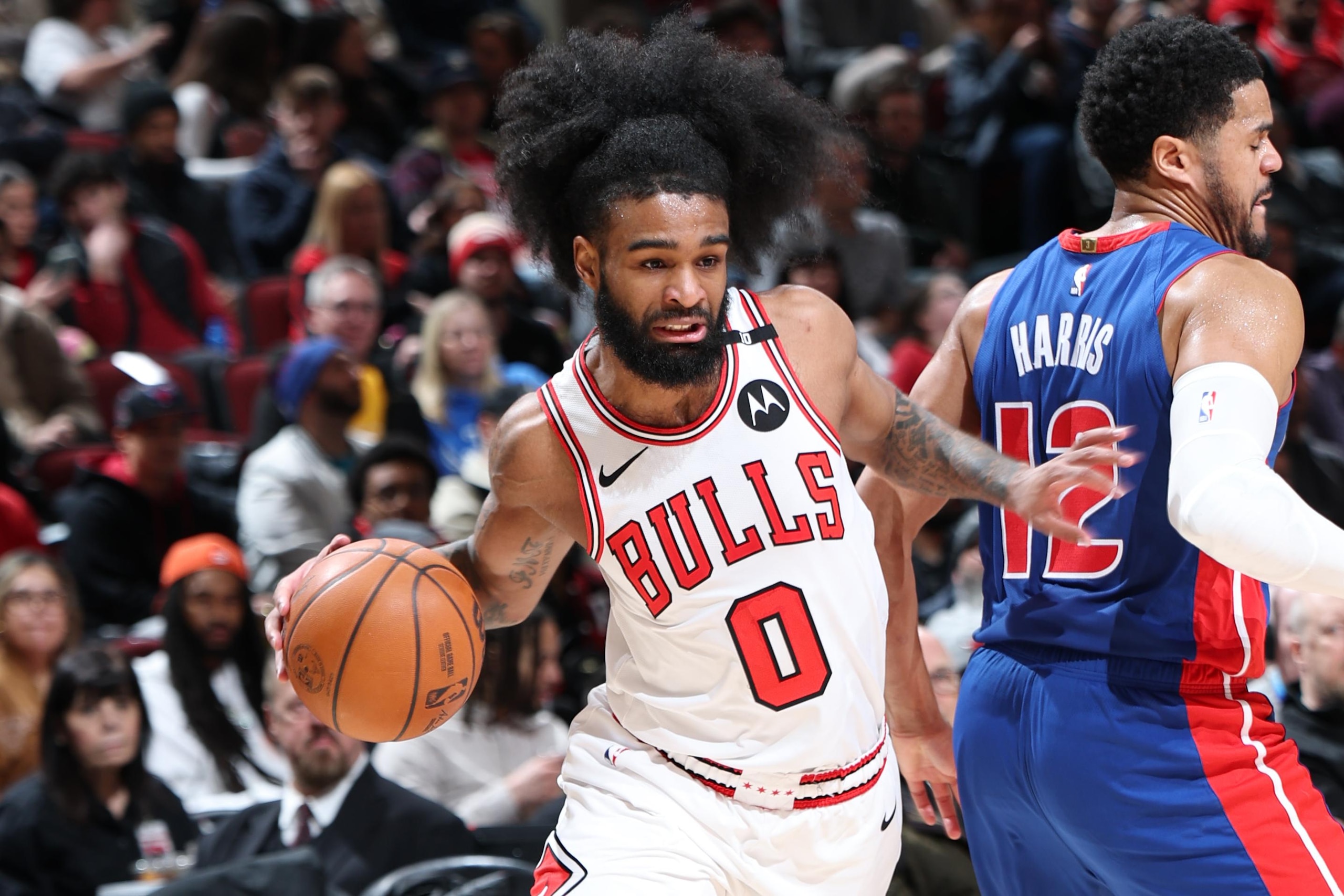
Coby White was among last season's most improved players and has largely held on to his statistical gains this year, despite Zach LaVine's return to health. Now that LaVine is in Sacramento, White will get the opportunity to prove this last year-and-a-half of fringe All-Star production isn't his ceiling.
With his 25th birthday just days behind him, the point guard now steps into an unquestioned role as Chicago's offensive leader.
The Bulls will be watching closely as White takes over. They can't realistically expect to extend him off his current $12 million salary and will need to do some cap-space planning if they intend to keep him on a market-rate deal when he hits unrestricted free agency after next season.
Will White prove he's even better than his current averages of 18.0 points and 4.6 assists on a 53.3 effective field-goal percentage, thereby making himself an undeniable core piece? Or will he level off where he's at and become dispensable?
Cleveland Cavaliers: De'Andre Hunter
6 of 30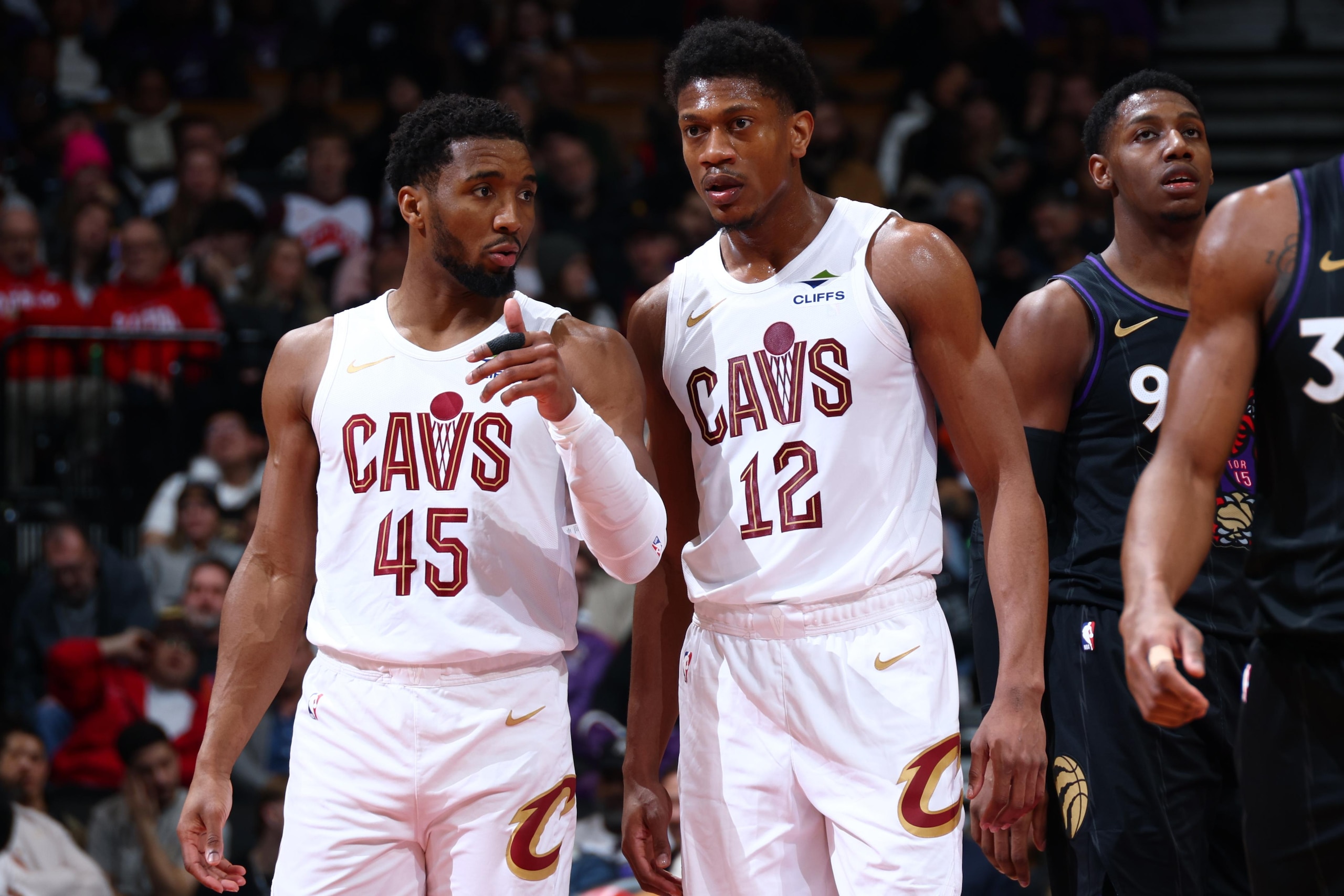
Not to put too much pressure on him, but De'Andre Hunter might be the difference between disappointment and glory for the Cleveland Cavaliers.
Already atop the East and producing the most efficient offense in the league, the Cavs didn't need to swing a deal at the trade deadline. They did anyway by landing Hunter, who's in the midst of a career season.
With the Hawks, Hunter shot a deadly 39.3 percent from deep and routinely punished smaller matchups with a predatory isolation game. He now slots into the middle of a fearsome Cleveland operation that could hit new levels if he maintains his offensive production and proves capable of wrangling opposing wings on D.
The Cavs would have been just fine without Hunter. But if he fits in well, they'll be on the path to greatness.
Dallas Mavericks: Max Christie
7 of 30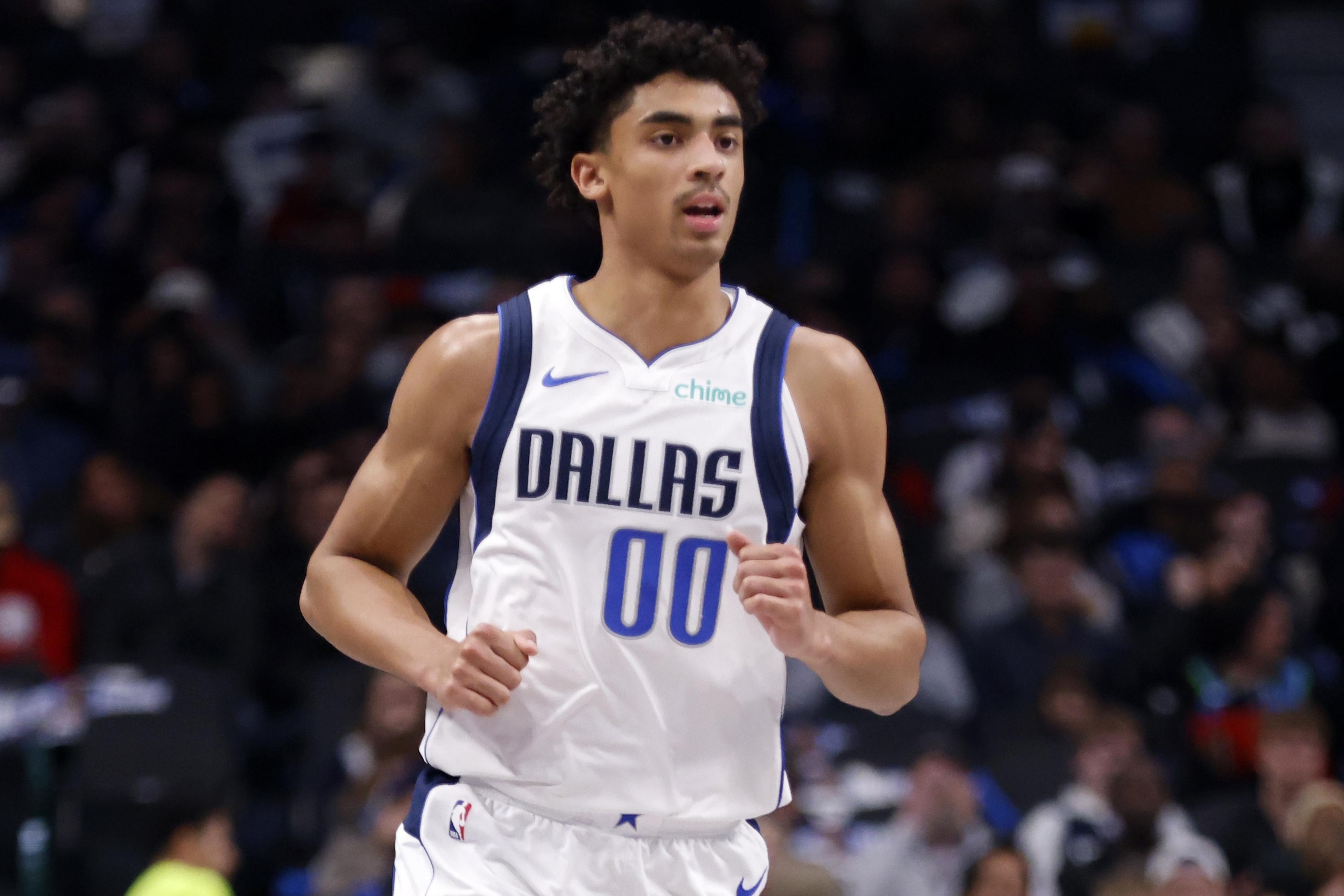
If only for a mild reduction in the terrible PR fallout of the Luka Dončić deal, Max Christie needs to show out between now and the end of the season. That's definitely not fair—both because the Dončić debacle isn't his fault, and because Anthony Davis was the centerpiece anyway—but a strong stretch from the 22-year-old could go a long way toward quieting the fan rebellion.
Good news: Christie has been awesome!
Across his first six games as a Maverick, he put up 17.3 points, 5.2 rebounds and 3.5 assists while seemingly forgetting how to miss shots. The career 38.0 percent three-point shooter has drilled 45.5 percent of his treys in those first half-dozen Dallas contests and chipped in his typically solid wing defense.
If he keeps that up, Dallas can feel slightly better about what still may go down as the worst trade in recent memory.
Denver Nuggets: Jamal Murray
8 of 30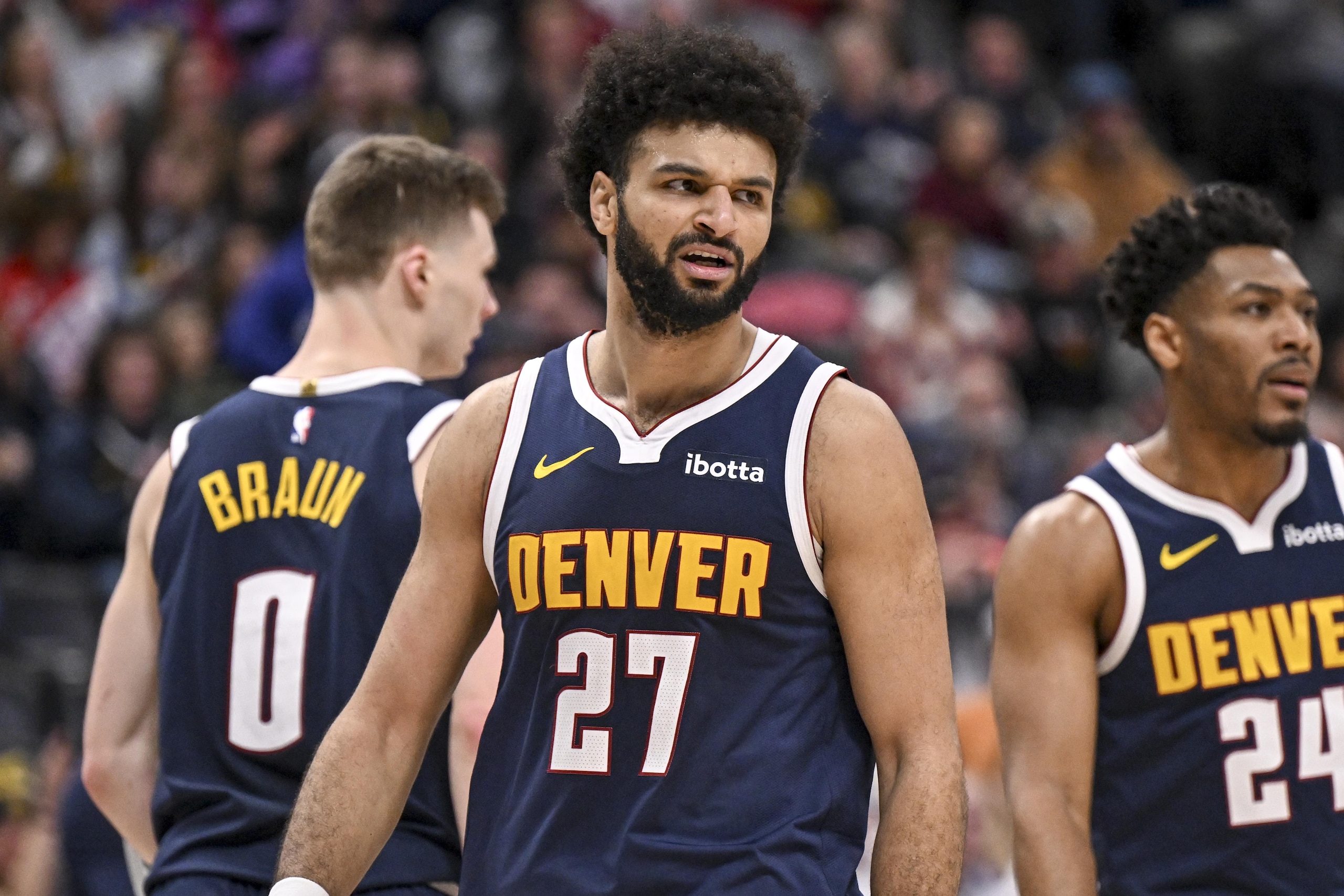
Jamal Murray had arguably the best regular season of his career in 2023-24, fell apart in the playoffs, looked cooked during international play over the summer, struggled out of the gate in 2024-25 and is now shredding the competition again.
With a recent track record featuring that many peaks and valleys, there was no other possible choice for the Denver Nuggets' X-factor. Murray is the biggest variable in his team's makeup—the difference between a first-round-elimination floor and a Finals ceiling.
If you gave up on Murray earlier this year, you've missed perhaps the best extended run of his career. Since Dec. 8, a date head coach Michael Malone cited as the dividing line in Denver's "two seasons", Murray is averaging 23.2 points, 6.0 assists, 3.8 rebounds on a 50.0/41.4/90.9 shooting split.
If he sustains that, Denver will be as dangerous as any team in the West. But if he falls off, the Nuggets won't be able to compete with the contenders.
Detroit Pistons: Dennis Schroder
9 of 30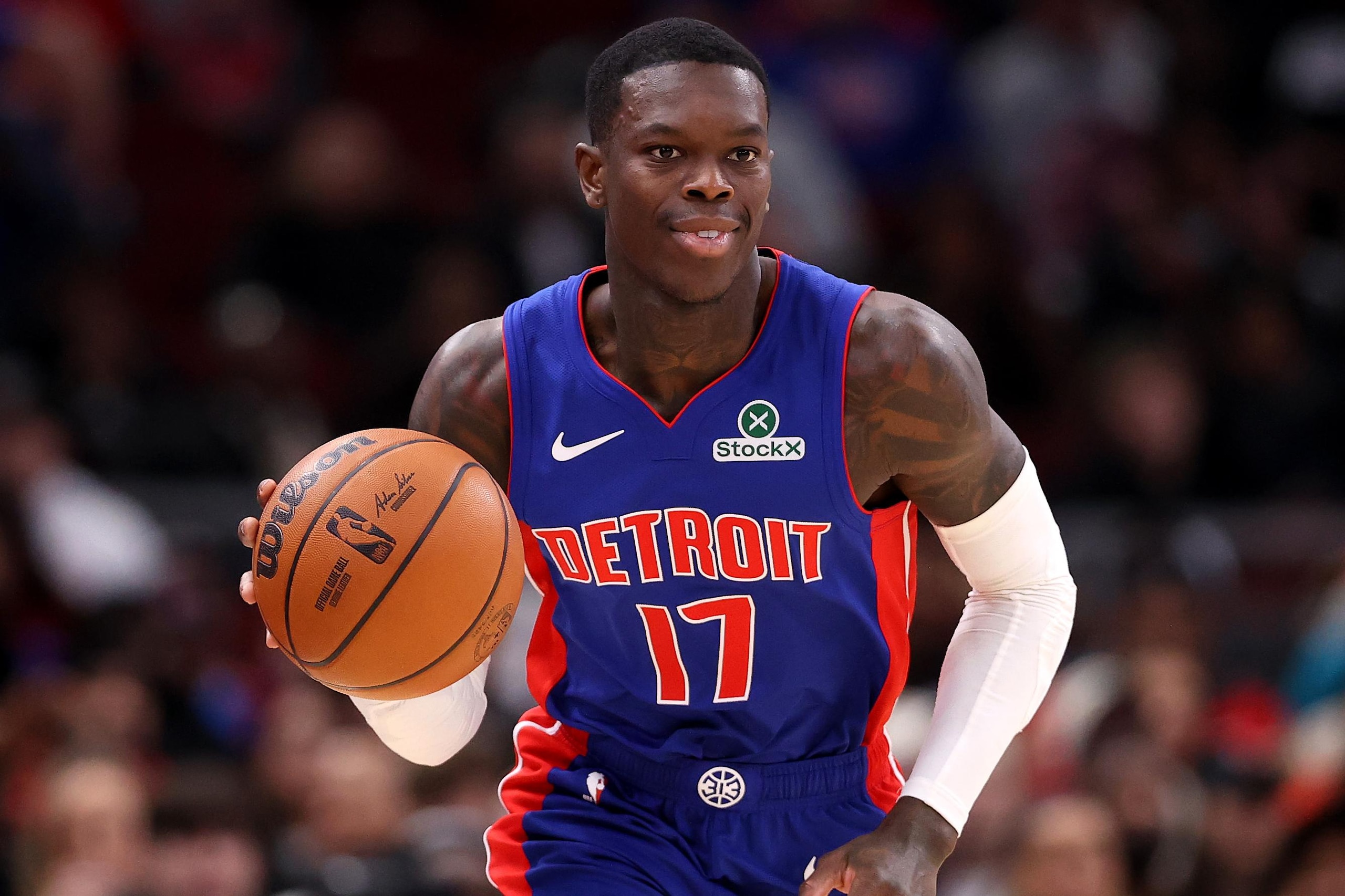
Dennis Schröder averaged 3.7 assists in just 16.3 minutes across his first three games with the Pistons. Among healthy players (Jaden Ivey is at 4.0), that figure is currently second on the team.
That puts a spotlight on Detroit's lack of playmaking from sources not named Cade Cunningham.
Schröder flopped during his brief time with the Warriors, and with free agency on the horizon, he might not be a long-termer in Detroit. But the veteran point guard averaged 18.4 points and 6.6 assists in 23 games earlier this season with the Brooklyn Nets. The Pistons would be elated if he comes anywhere close to that level over the season's final 30-ish games.
Detroit is currently sixth in the East and has a real shot at holding onto that position. Supplementary scoring and facilitation from Schröder could be the key to snagging the franchise's first playoff win since the 2007-08 campaign.
Golden State Warriors: Jonathan Kuminga
10 of 30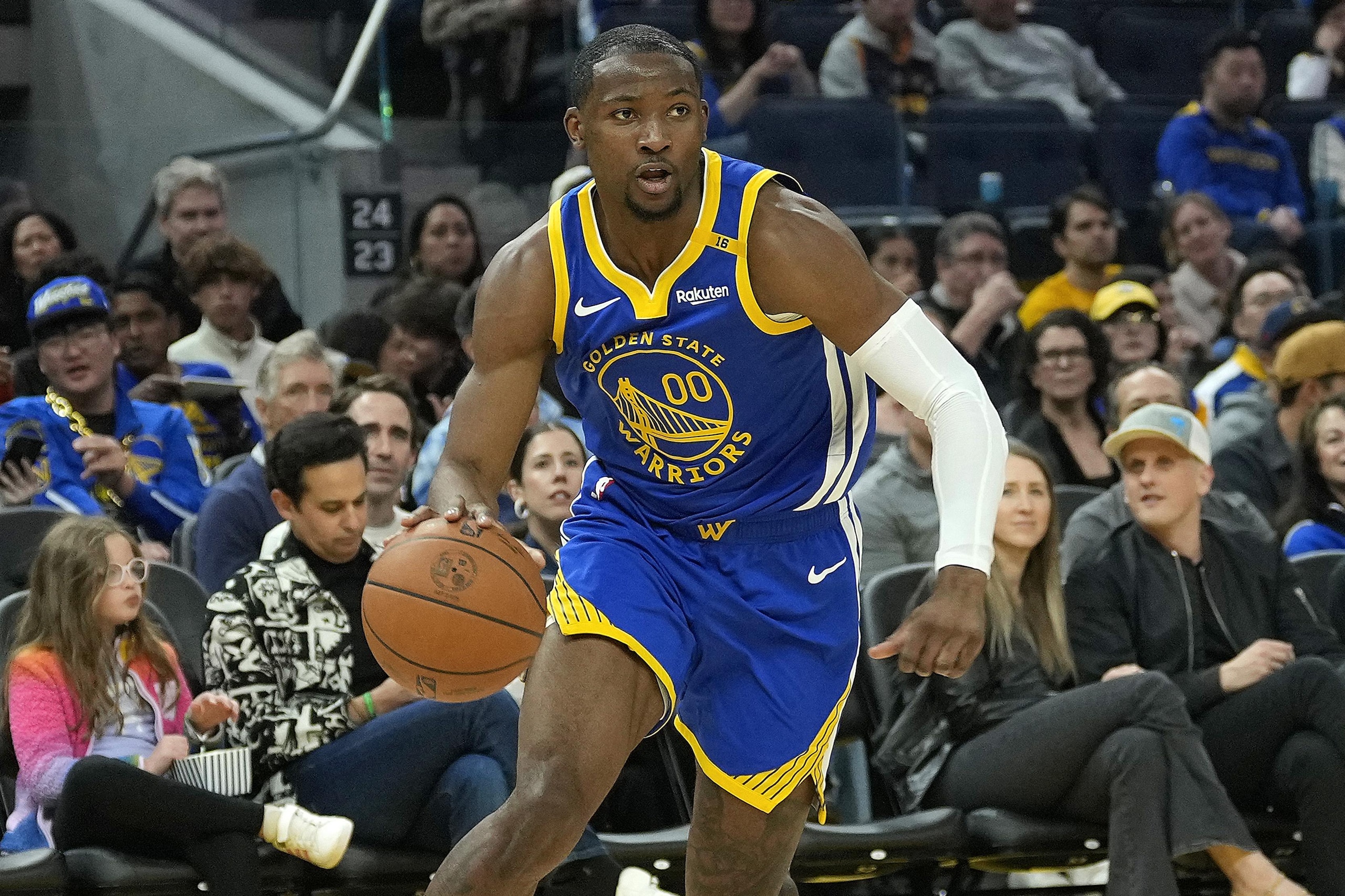
Jonathan Kuminga was in the midst of a breakout when he went down with a nasty ankle sprain on Jan. 4. In the 15 prior games, many of which saw him inserted into the starting and closing units, he averaged 20.4 points and 5.9 rebounds while hitting 48.2 percent of his shots from the field and 40.7 percent of his threes.
If he returns to the Golden State Warriors' rotation and plays like that, maybe Draymond Green's championship proclamations will seem slightly more reasonable.
Kuminga's fit alongside non-shooters Jimmy Butler and Green is a major question mark, but it could be an exclamation point if that 40.7 percent three-point shooting is legit.
Will the Dubs' best young player be duplicative and marginalized in their new two-star setup, or will he be exactly the athletic, defense-punishing tertiary weapon it needs?
Houston Rockets: Jalen Green
11 of 30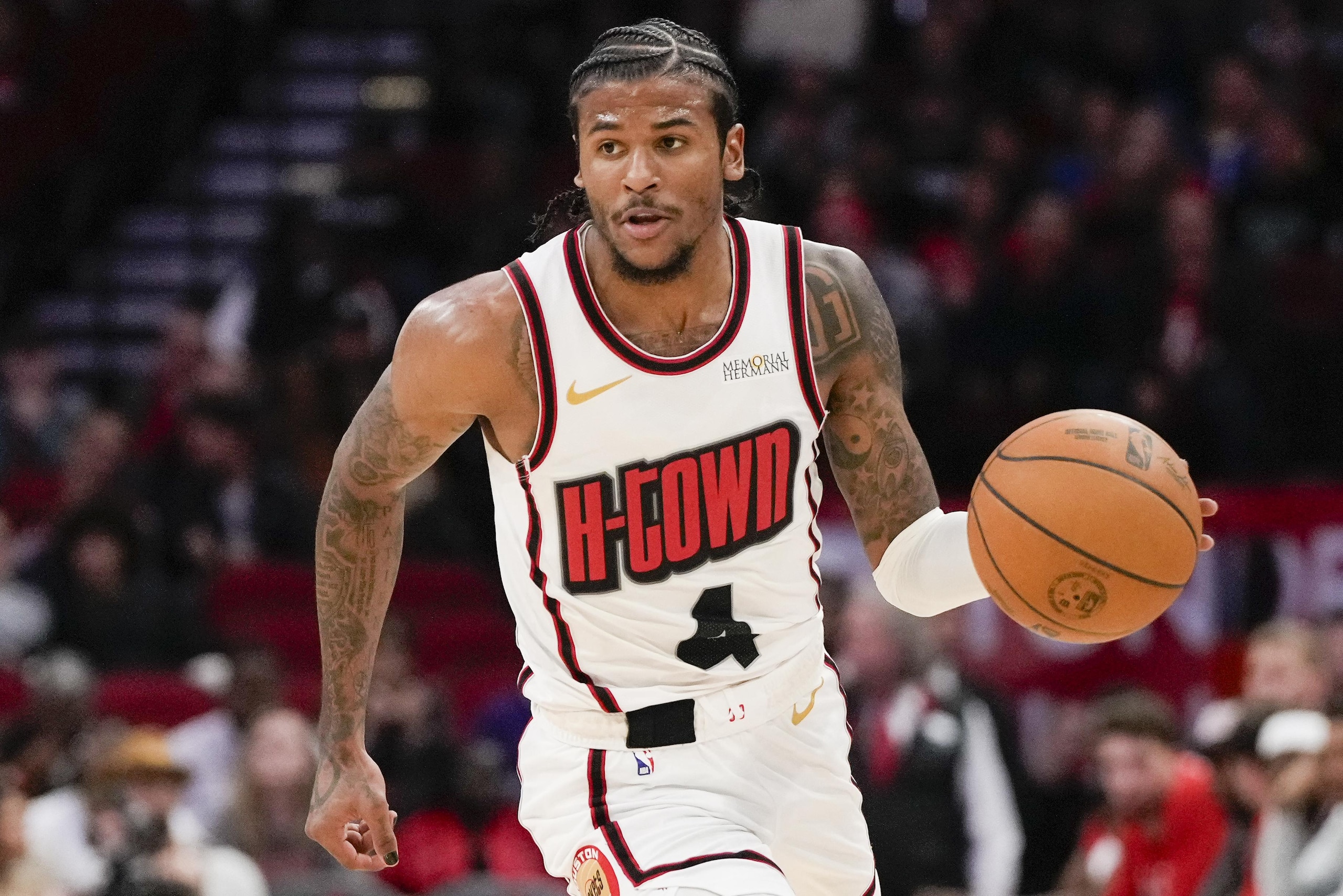
Jalen Green was one of the NBA's best scorers in January, averaging 25.7 points on a 60.3 true shooting percentage. It's no coincidence the Houston Rockets went 11-4 and averaged 116.1 points per game across those 15 contests, both of which matched or beat those from any other month.
Unfortunately, Green's career has been defined by hot stretches that give way to cold spells, and this season has been no different. In both November and February (so far), his true shooting percentage dipped below 50.0 percent, which is unacceptable for a high-volume shooter.
The Rockets have plenty of supporting talent, and much of it (including Fred VanVleet and Jabari Smith Jr.) will be back soon. But for a team that has struggled to find offensive efficiency all year, especially late in games, Green's performance is often the difference between wins and losses.
Indiana Pacers: Aaron Nesmith
12 of 30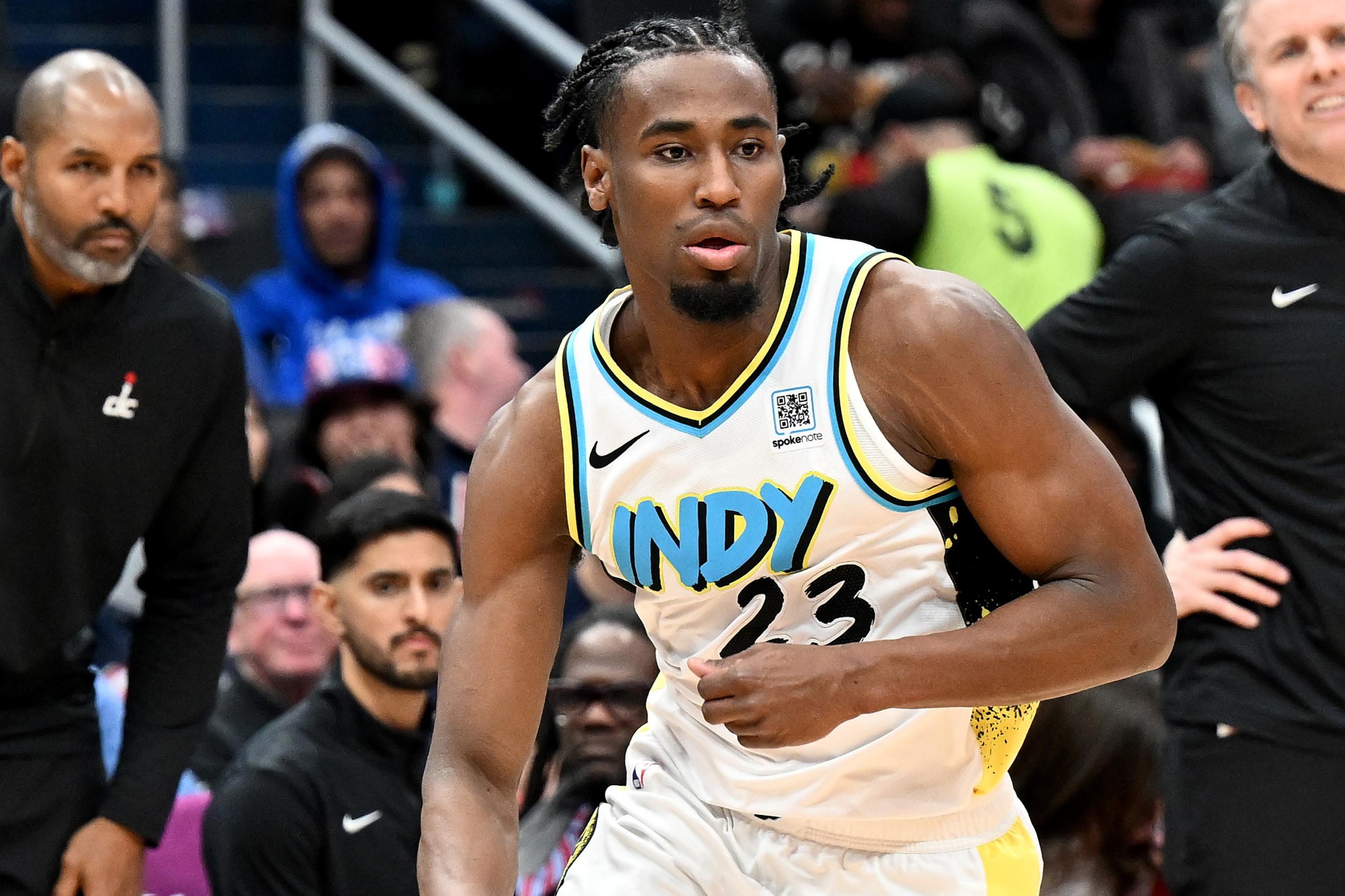
Back from an ankle injury on Jan. 16 and slotted into the starting lineup ahead of Bennedict Mathurin on Feb. 11, Aaron Nesmith is right back in the same indispensable role he played for much of last season.
It's not ideal that the 6'5" wing is the Indiana Pacers' stopper against opponents' top perimeter scoring threats, but he's the best they've got. His ability to hold up in this role will heavily influence the Pacers' postseason ceiling, so it makes sense for them to use what remains of the year to settle the rotational hierarchy.
The stakes are high, though. Mathurin has legitimate scoring potential and will be extension-eligible this summer. After starting for the vast majority of the season, he might not take well to a demotion at this stage.
In that sense, both Nesmith himself and the decision to start him over a recent lottery pick count as X-factors for Indy.
Los Angeles Clippers: Kawhi Leonard
13 of 30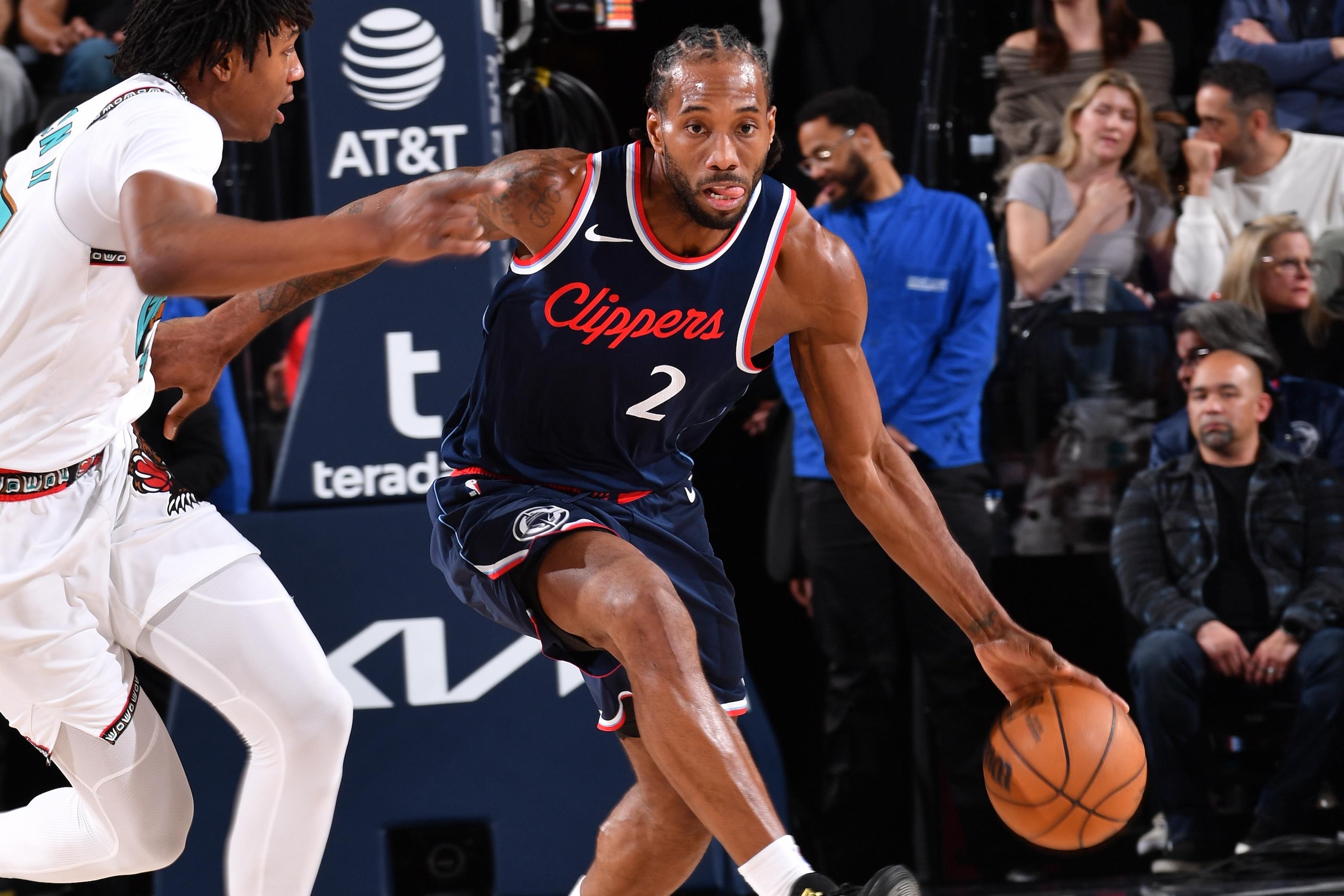
Kawhi Leonard appeared in 10 straight games from Jan. 23 to Feb. 12, but let's not assume that'll be the rule going forward. Even if the two-time Finals MVP can stay on the floor, which has been his defining struggle for the better part of a decade, the Clippers will need an uptick in production before they profile as a real threat.
Leonard is logging under 27.0 minutes per game for the first time since he was a rookie (excluding his nine-game 2017-18 campaign) and is posting 10-year-lows in points and rebounds per game to go along with a 37.5 percent hit rate from deep that sits well below his 39.0 percent career average.
Is there some semblance of what Leonard used to be still in there? Can he summon it before the year wraps or, more importantly, during the postseason?
The rest of this year will be a search for signs that Leonard has some of his past greatness in him. If he doesn't, L.A. will still settle for this pleasant surprise of a season. But if he does, the playoffs could get interesting.
Los Angeles Lakers: Austin Reaves
14 of 30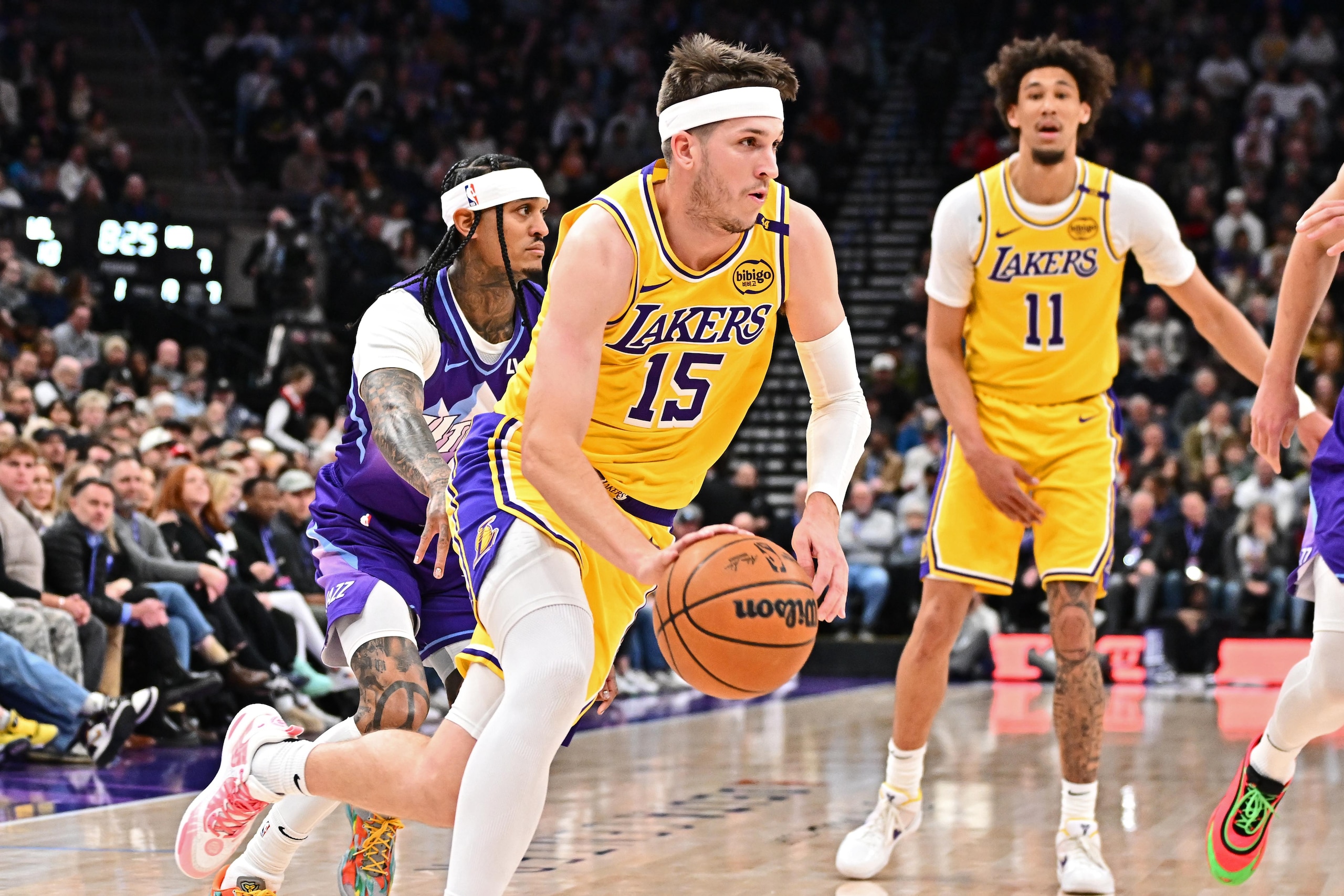
The Los Angeles Lakers need a big man to step up, but it's hard to argue Alex Len or Jaxson Hayes have a wide range of potential outcomes. They'll either be bad or passable with little hope of hitting "objectively good."
That leaves Austin Reaves as Los Angeles' most intriguing option.
Excelling as a higher-usage playmaker and scorer this season, Reaves stands to lose a lot of time on the ball to Luka Dončić. That might not be all bad, as Reaves can still provide real value as a complementary piece. He hit 40.3 percent of his catch-and-shoot threes in 2022-23, the last time he was more of a spacer than an on-ball weapon.
Sill, he's in for a major role adjustment—one that'll likely also ask more of him defensively. How he handles the reclassification will have ripple effects on both ends for a Lakers team looking to move up the West playoff ladder.
Memphis Grizzlies: Luke Kennard
15 of 30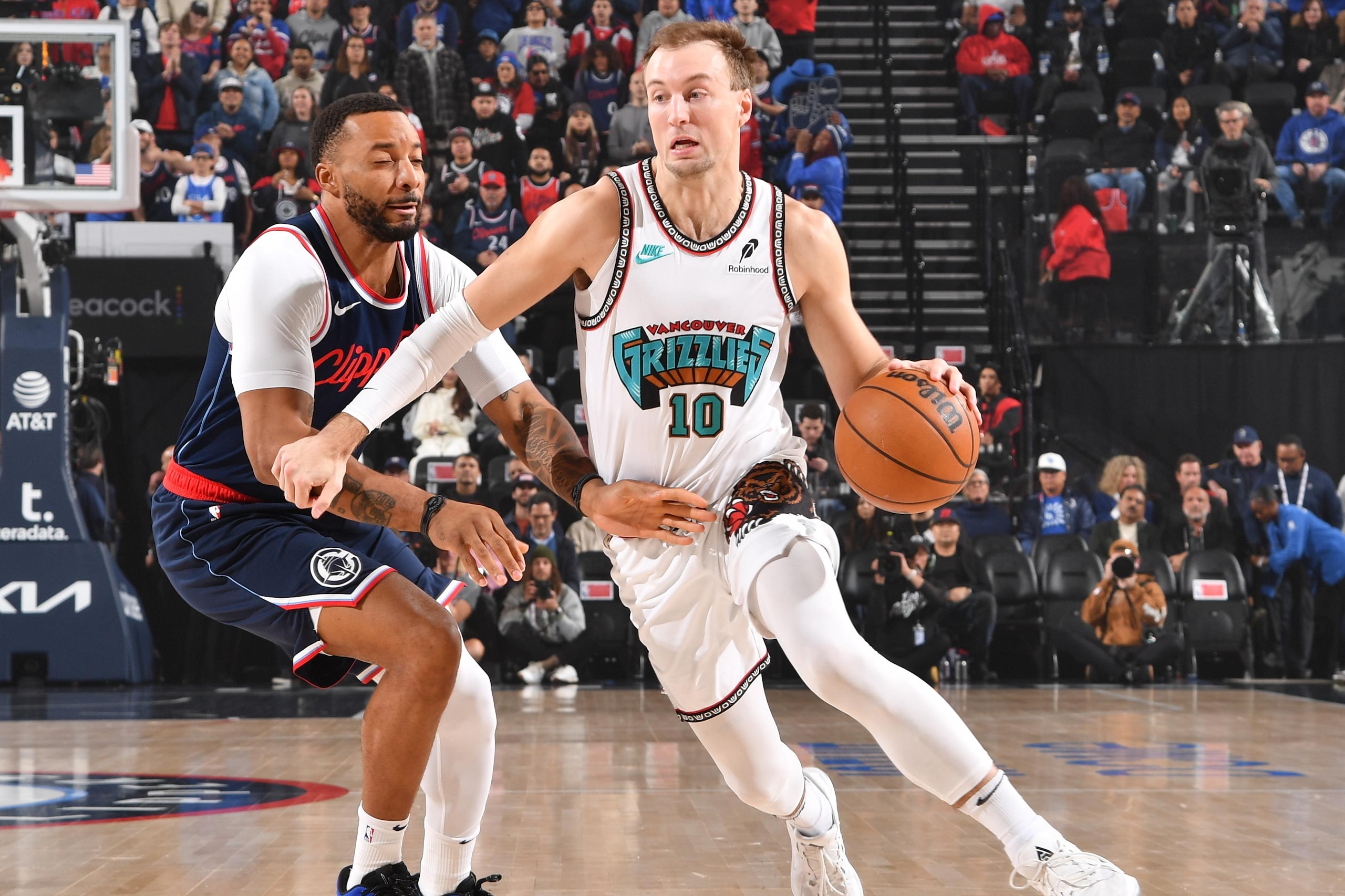
He isn't the biggest name or most talented player on the roster by any stretch, but Luke Kennard is integral to the Memphis Grizzlies' offensive success. His presence on the floor coincides with the largest on-off boost in half-court offensive rating.
That matters because if the Grizz have a weakness, it's their ability to score when transition opportunities dry up and offensive rebounds are harder to come by. That's basically a description of playoff basketball, and Memphis' No. 13 offensive rating in half-court sets stands out as one of the only shortcomings in its statistical profile.
One of the league's elite three-point shooters throughout his career, Kennard is also capable of handling point guard duties in a pinch. Scottie Pippen Jr. is an ace backup at that spot, but there's no denying the offense suffers mightily during his minutes.
Defensive limitations mean Kennard is far from a set-it-and-forget staple against any opponent, but Memphis needs to find ways to feature his offensive production as often as possible.
Miami Heat: Kel'el Ware
16 of 30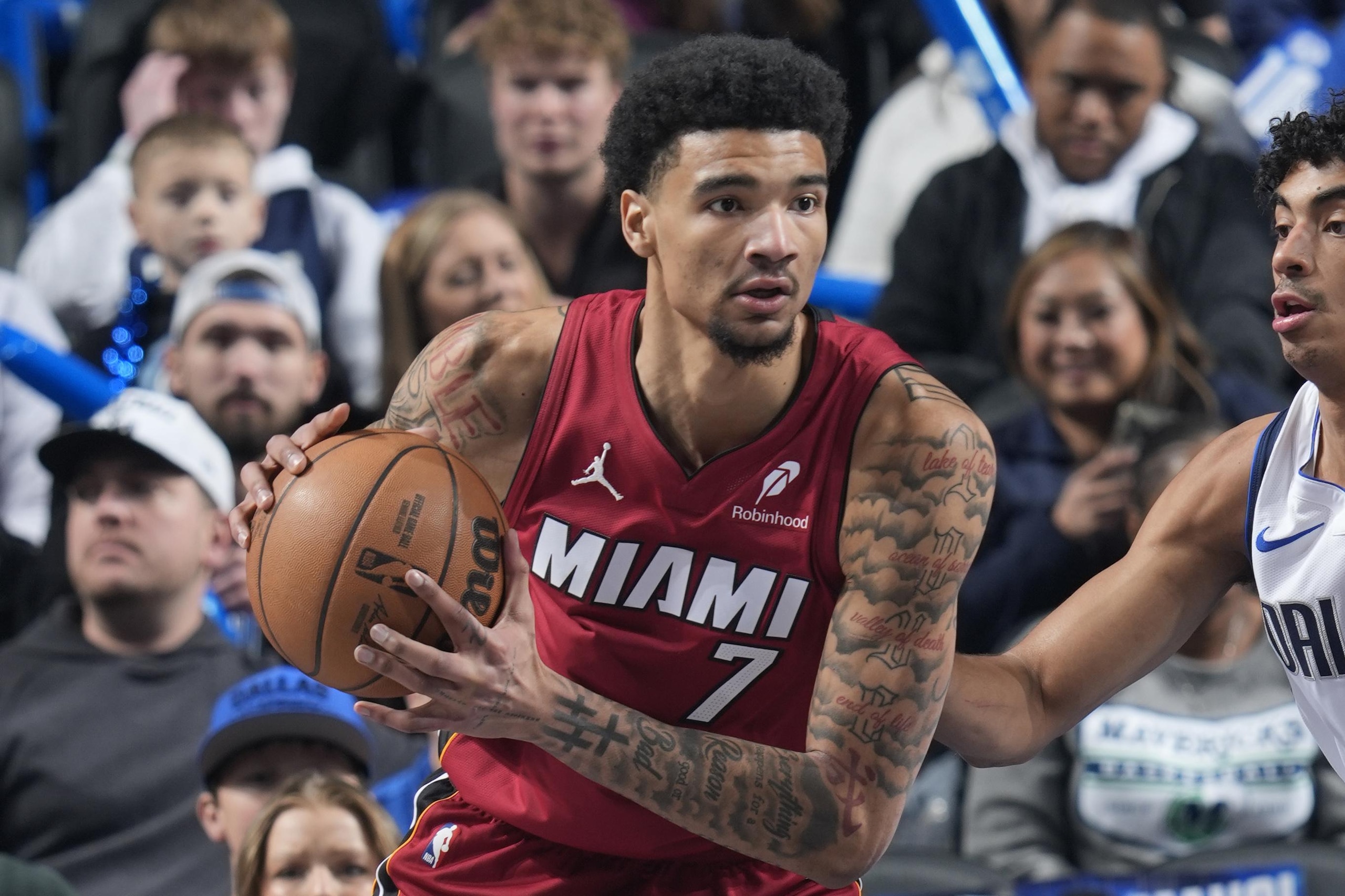
Kel'el Ware barely featured in the Miami Heat's rotation for the first few months after we named him a preseason X-factor, but a recent surge in opportunity and production allowed things to come full circle.
A regular starter since late January, the rookie is nearly averaging a double-double (11.5 points and 9.8 rebounds) in that role while also flashing just enough stretch to be intriguing as a potential floor-spacing 5. Shooting will be a critical dimension for Ware, whose staying power in the first unit will depend on fitting next to cornerstone Bam Adebayo, a career 26.5 percent "marksman."
The Heat tend to prioritize the present, so it's telling that they've entrusted the 20-year-old Ware with a major role. If he can continue to grow into his expanded responsibilities, Miami's playoff odds and long-term prospects will both look better.
Milwaukee Bucks: Kyle Kuzma
17 of 30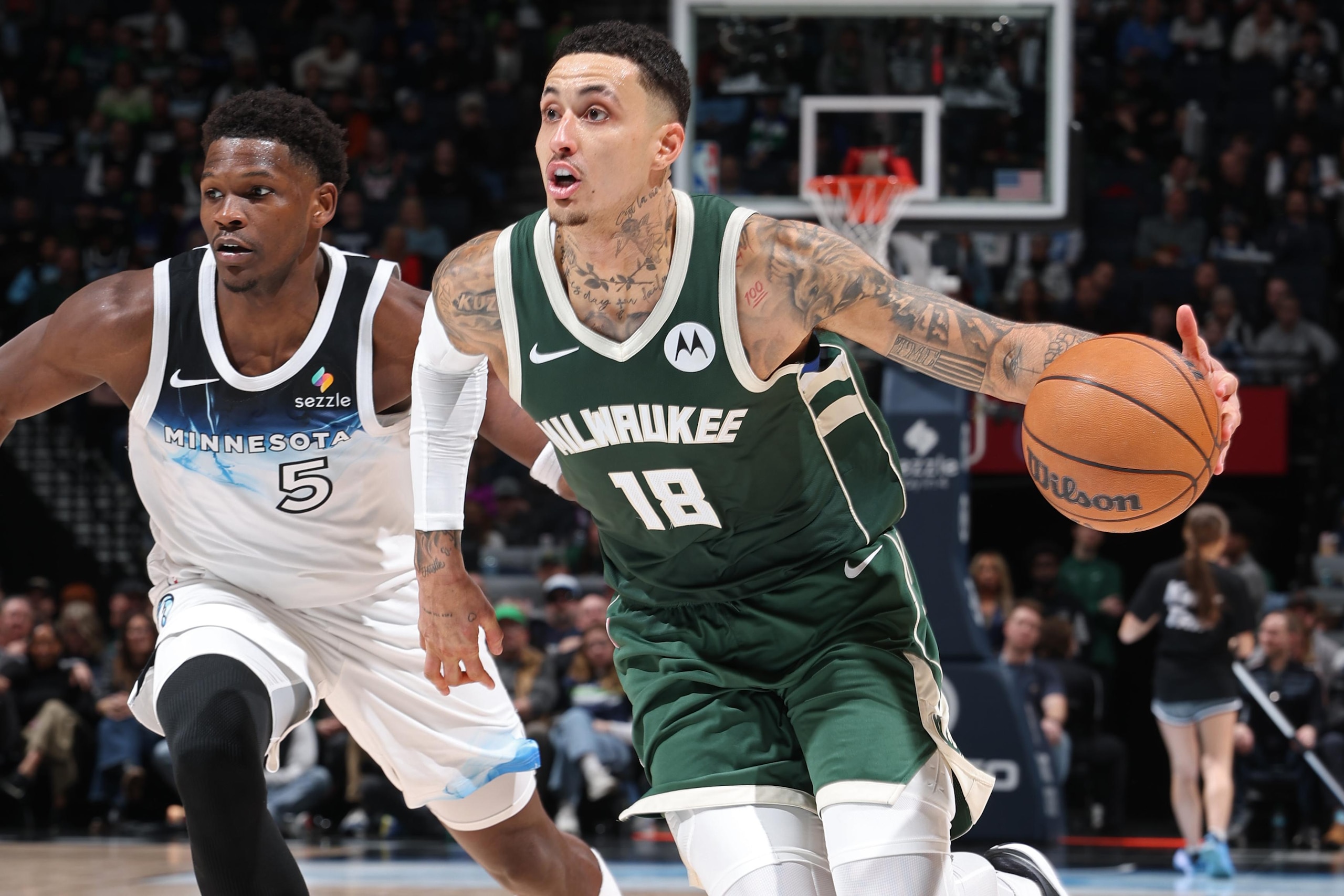
Kyle Kuzma has had two different careers, and the Milwaukee Bucks hope they got the guy from the first one.
As a role player on the Los Angeles Lakers, Kuzma's early days were defined by athletic slashing, occasionally game-changing three-point shooting and solid defense. He was a legitimate part of a title-winner in 2020.
The second career came following his trade to the Washington Wizards. That stretch saw Kuzma morph into more of a self-sufficient scorer who sacrificed efficiency and struggled to prove he could raise his team's level when occupying a higher spot in the offensive pecking order.
Context matters, and the Bucks' current situation is much closer to what Kuzma saw with the Lakers than it is to Washington. But there's still a real question as to whether Kuzma can recapture his Los Angeles form.
Minnesota Timberwolves: Jaden McDaniels
18 of 30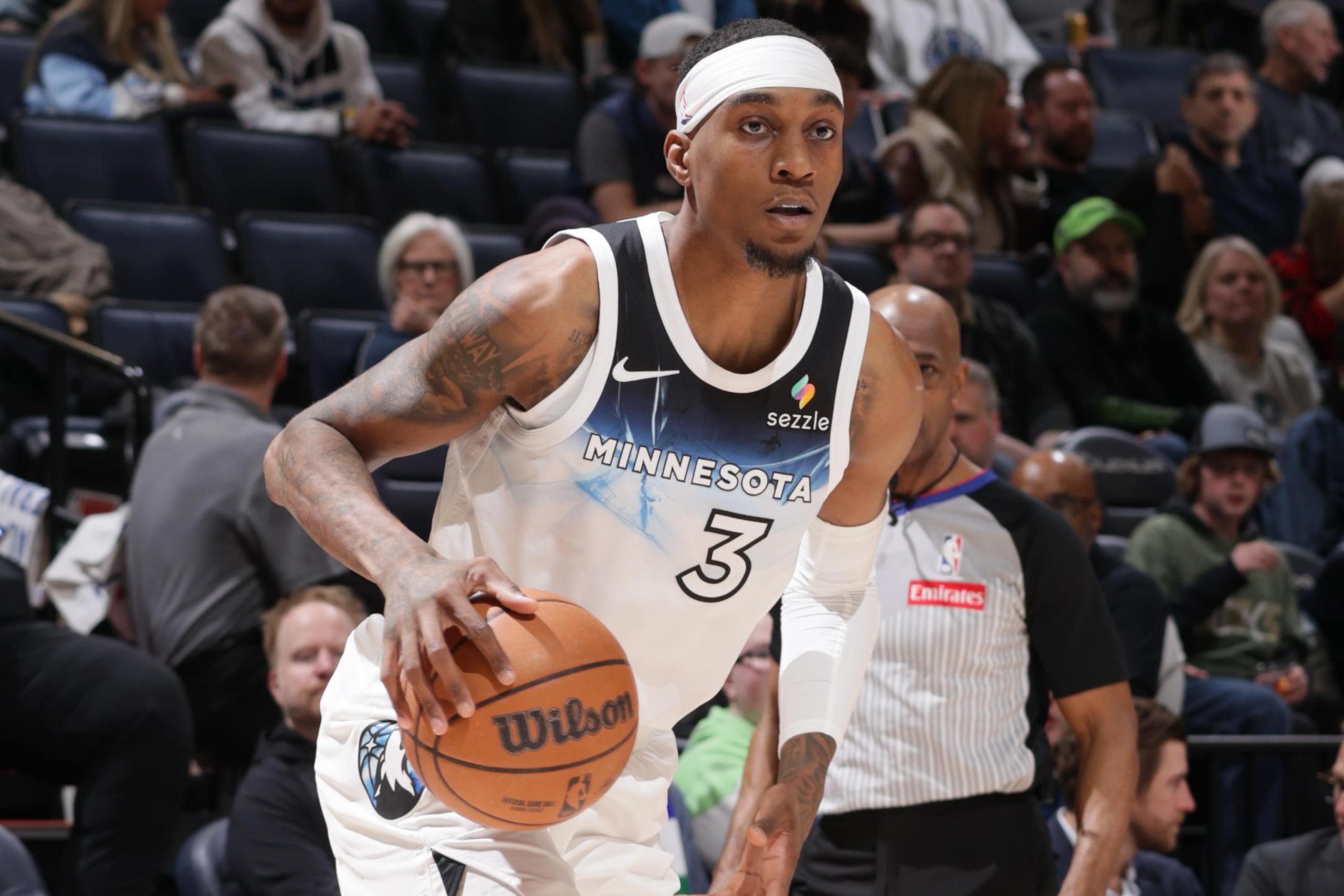
We could have put a finer point on it and cited Jaden McDaniels' offense as the Minnesota Timberwolves' X-factor.
For most of his career, McDaniels' defense has been a given. He's in the 91st percentile in Defensive Estimated Plus/Minus this season and has a shot to make an All-Defensive team for the second straight year. But something special happens to Minnesota when he's got it going on the other end.
January was the 24-year-old's best offensive month, marked by 12.2 points per game on a 51.8/40.0/89.3 shooting split. The 24 threes he made across those 16 January games tied McDaniels' high for any single month of his career. It's not a coincidence that the Wolves averaged 115.1 points per game and went 10-6 in January, both of which were their best figures of any calendar month this season.
The trouble is McDaniels rarely sustains hot streaks like that one. In December, he averaged only 8.7 points while making 32.6 percent of his treys.
The best version of McDaniels begets the best version of the Wolves. The trick is keeping that guy around once he shows up.
New Orleans Pelicans: Trey Murphy III
19 of 30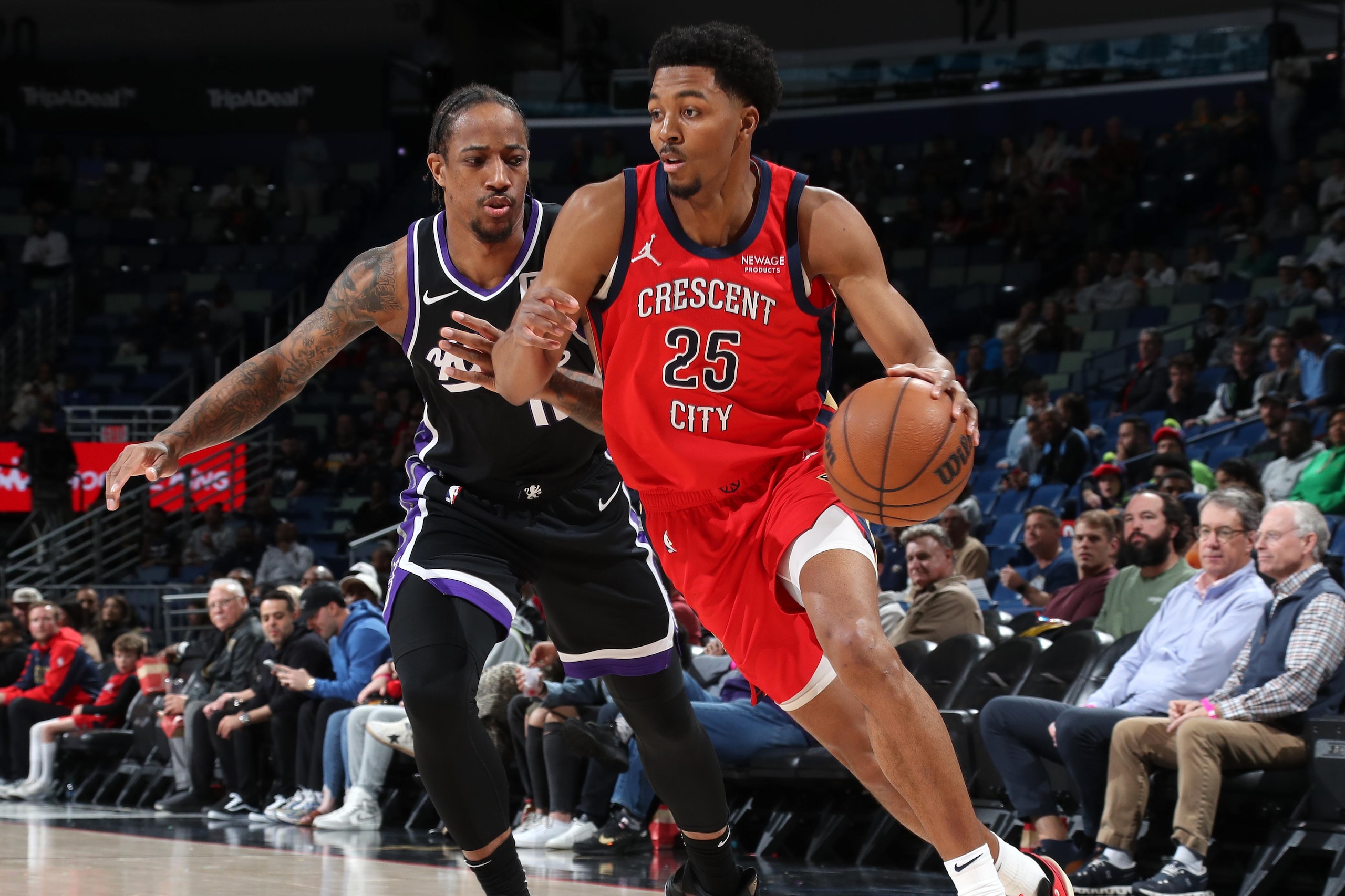
Brandon Ingram is gone, and Zion Williamson will need to put together a fully healthy season before the New Orleans Pelicans can even start to think about counting on him as a cornerstone. That's why Trey Murphy III's quiet ascent is such a big deal.
Though the time he missed earlier this year with a hamstring injury shrinks the sample, Murphy appears to have improved more than almost any other player in the league. His elite three-point shooting is unchanged, but the rangy forward has added a playmaking dimension that hints at star potential.
At 16.1 percent, Murphy's assist rate is blowing away his previous career highs. While his raw average of 3.6 dimes per game might not leap off the stat sheet, there's no denying the upward trend in his facilitation.
As the Pels have trusted him more with the ball, Murphy's playmaking is spiking. He logged 40 assists across his first six games in February, putting him just nine behind the total of 49 he amassed in 13 January contests.
If Murphy is a multidimensional offensive weapon who can also defend, New Orleans' future roster-building decisions will get a lot easier.
New York Knicks: Mitchell Robinson
20 of 30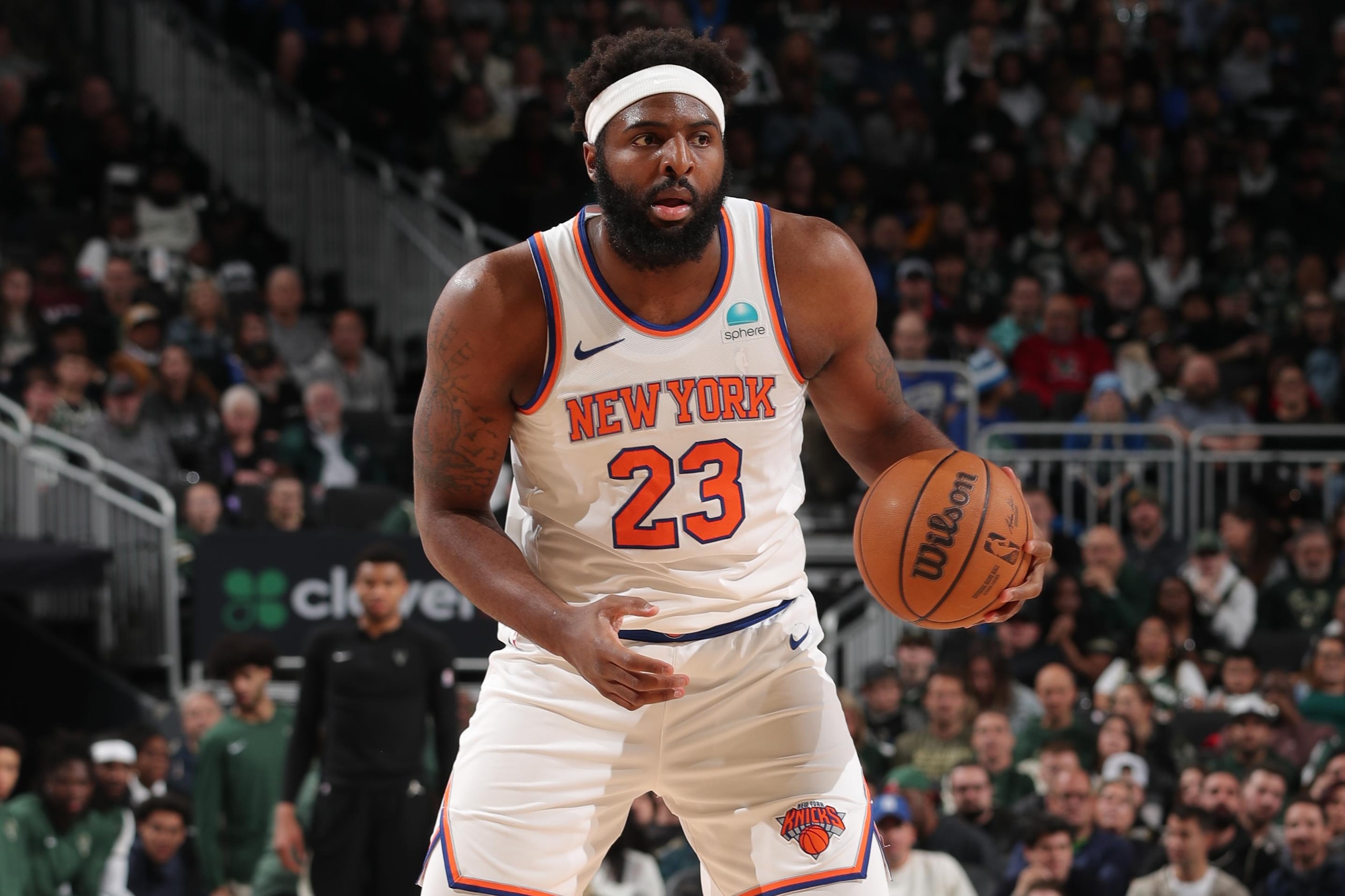
Out since May following ankle surgery, Mitchell Robinson is on the cusp of rejoining the New York Knicks rotation.
Question marks attach to almost every element of his return. His fit with Karl-Anthony Towns, his suitability for a roster that underwent major offseason changes, his ability to add depth to one of the league's most gruelingly overtaxed cores—all uncertainties.
His comeback isn't just a swing factor for the Knicks. It's one of the major stretch-run pivot points in the entire league.
If Robinson pairs well with KAT, New York could shore up its interior defense, reintroduce gaudy offensive-board totals to its profile and match up better with the two-big looks preferred by East rivals in Cleveland and Boston.
We've been waiting all year to see Robinson's impact. If things break right, he could lift New York into the true contender class.
Oklahoma City Thunder: Jalen Williams
21 of 30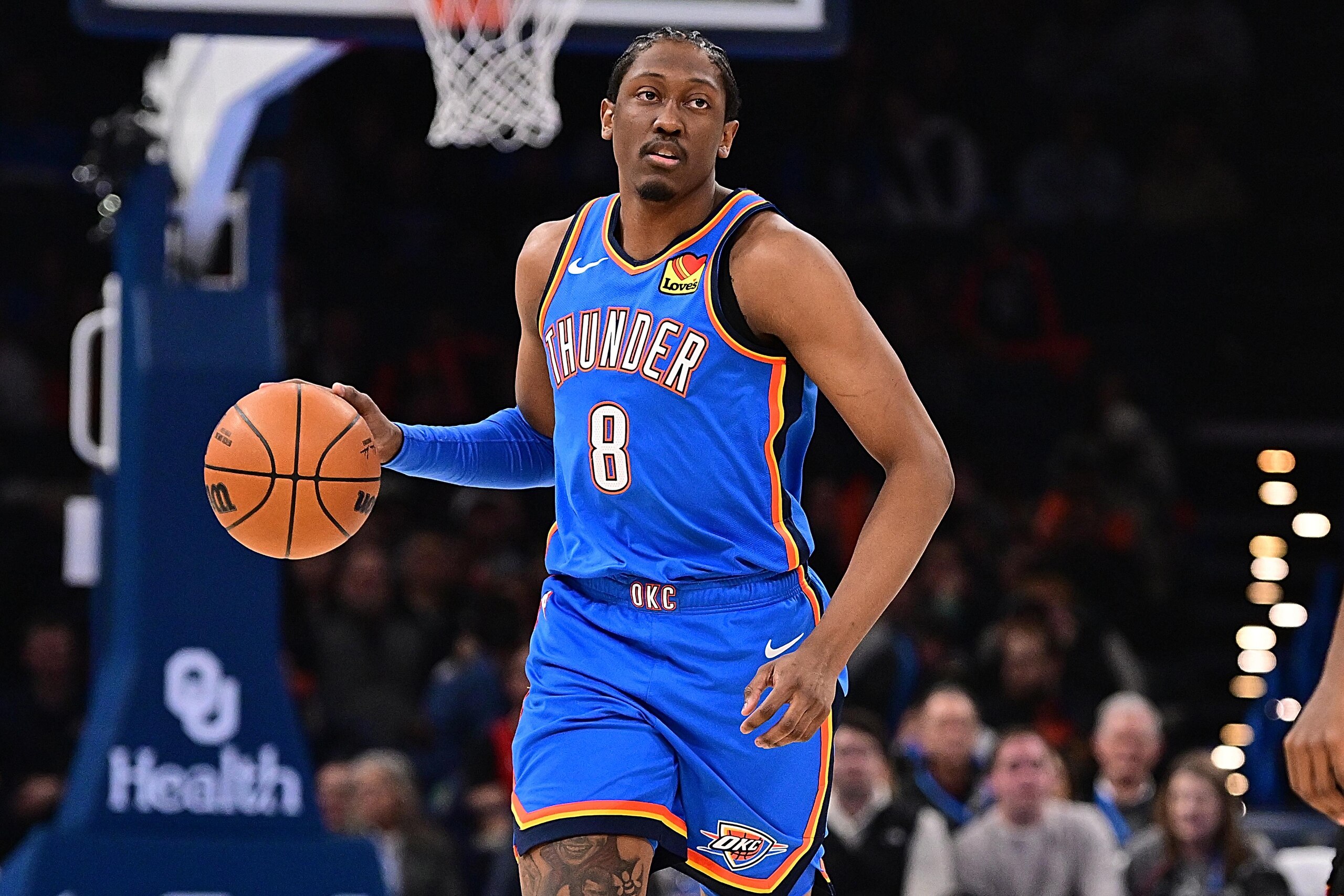
First-time All-Star Jalen Williams is one of the most complete players in the league, but the Oklahoma City Thunder still fall apart when he's on the floor without Shai Gilgeous-Alexander. They post an offensive rating of 107.0 points per 100 possessions that ranks in just the 13th percentile league-wide.
Caveats abound.
Few of those minutes featured Chet Holmgren, who missed most of the season with a hip injury and is now back in the fold. OKC still has a positive point differential overall in the "J-Dub on, SGA off" stretches because its defense remains elite no matter who's in the game.
Still, the Thunder have what qualifies as an exploitable weakness. Playoff opponents are going to force Gilgeous-Alexander off the ball as much as possible in an effort to make the Thunder's supporting cast prove they can score enough whether SGA is in the game or not.
Depending on how Williams performs as an alpha over the next couple of months, postseason opponents will either be licking their chops or rethinking their strategies.
Orlando Magic: Jalen Suggs
22 of 30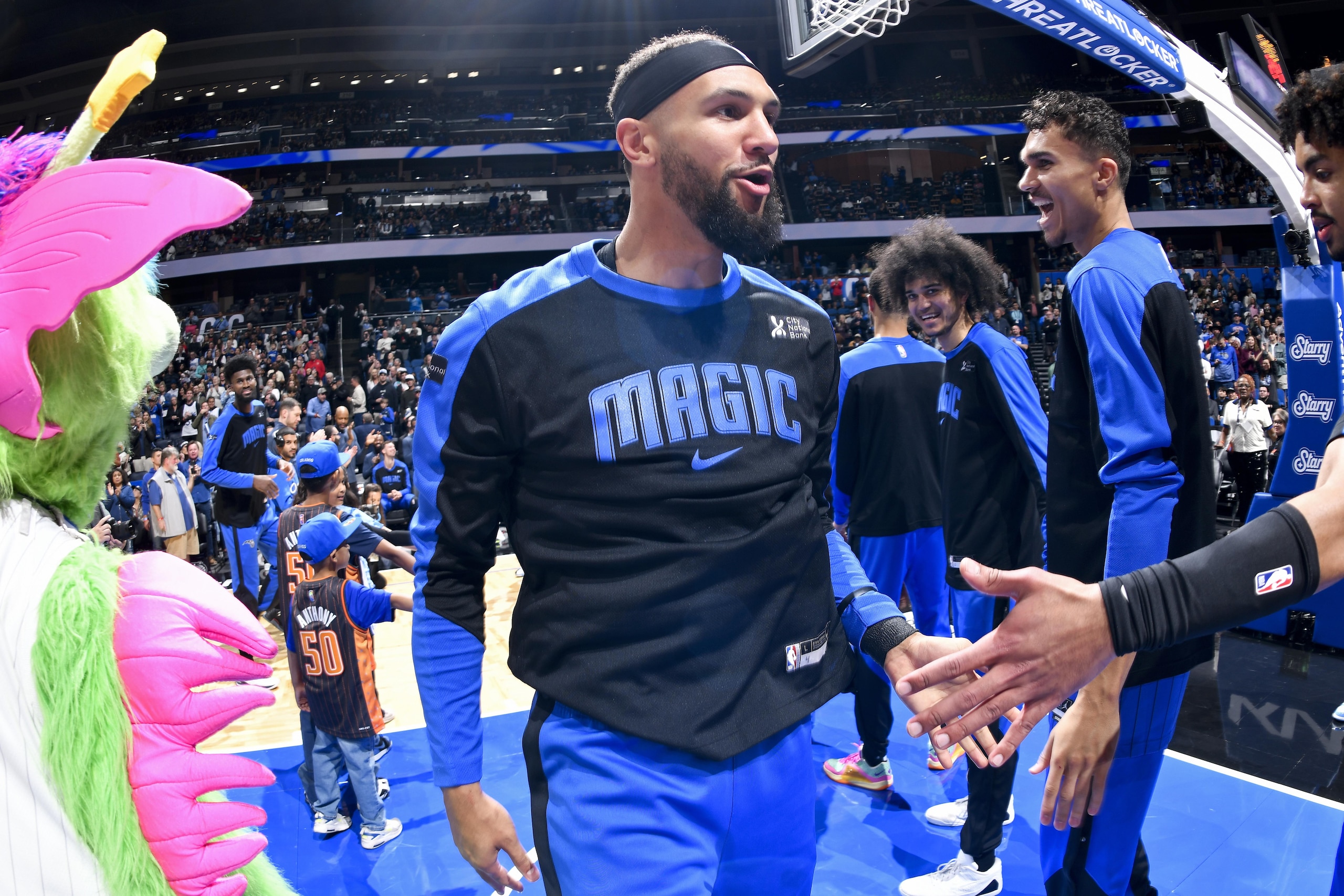
A back issue limited Jalen Suggs to three appearances in January, and he suffered a quad injury in the last of those (on Jan. 25) that has held him out of action ever since.
The Orlando Magic are still within striking distance of a top-six spot in the East, but they'll need their starting point guard back in full form to close the gap.
Suggs' three-point shooting has tailed off drastically, down from last year's 39.7 percent to 31.4 percent across 35 games this year. That's one major component of his X-factor status, but his defensive impact might actually matter more.
The Magic define themselves on D, and their work on that end loses much of its bite when Suggs isn't on the floor. Though Orlando is still solid—72nd percentile in defensive efficiency—without Suggs, that's not nearly good enough to offset an offense that ranks in the 21st percentile when he's out of the lineup.
Philadelphia 76ers: Joel Embiid
23 of 30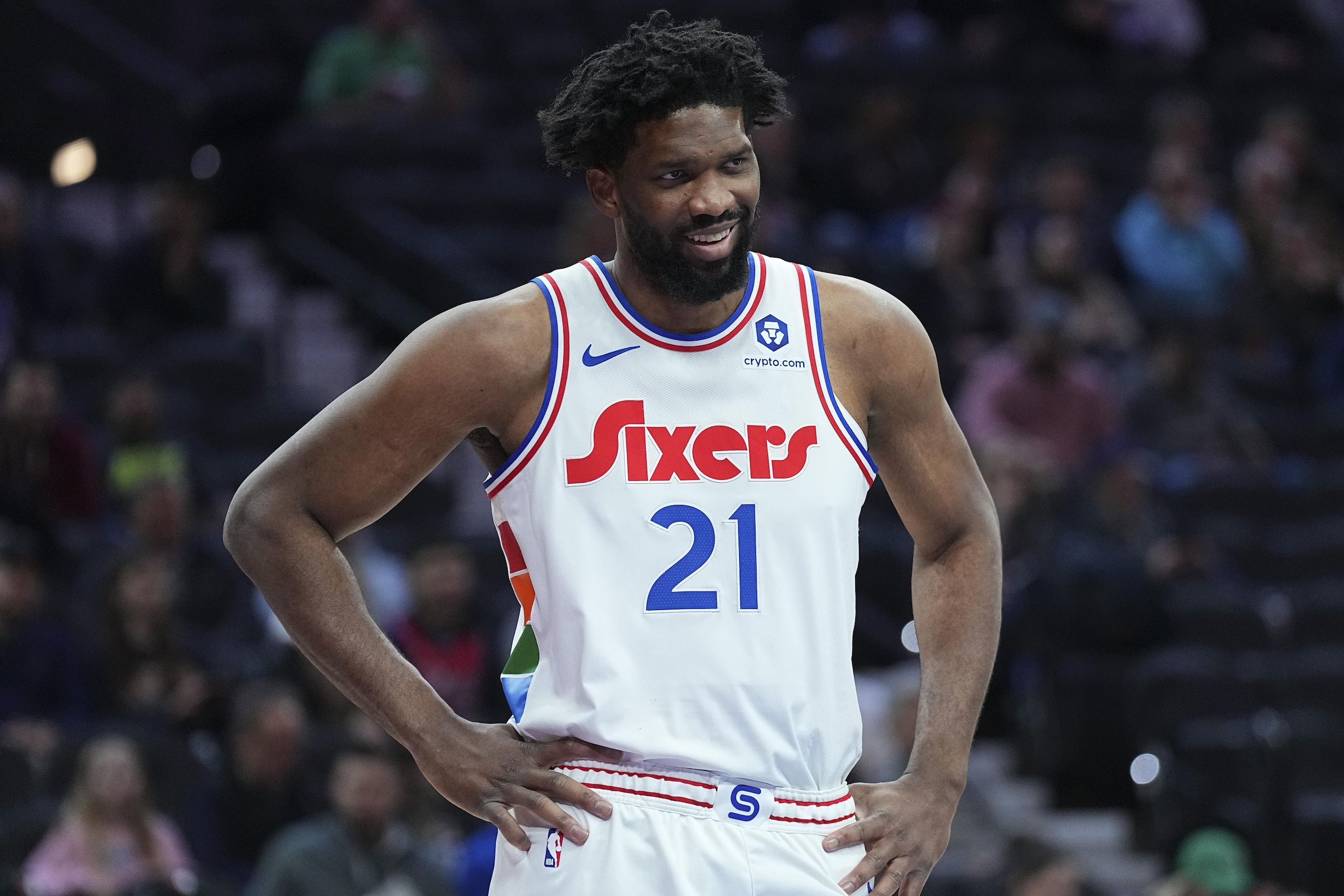
Citing Joel Embiid as the Philadelphia 76ers' X-factor is beyond predictable, the most broken of broken records. But what else is there to talk about with this team?
Philly is dead in the water if Embiid can't play like a superstar or can't play at all. Whatever encouragement the Sixers might derive from Embiid scoring at least 23 points in each of his last nine appearances prior to the All-Star break dissipates when considering those nine games came over a nearly two-month span.
Any hope of Embiid rounding into form took a major blow when he acknowledged in early February that he might need another surgery on his troublesome left knee. He echoed that after Thursday's blowout loss to the rival Boston Celtics.
As Embiid goes, so go the Sixers. And the going's not good at the moment.
Phoenix Suns: Cody Martin
24 of 30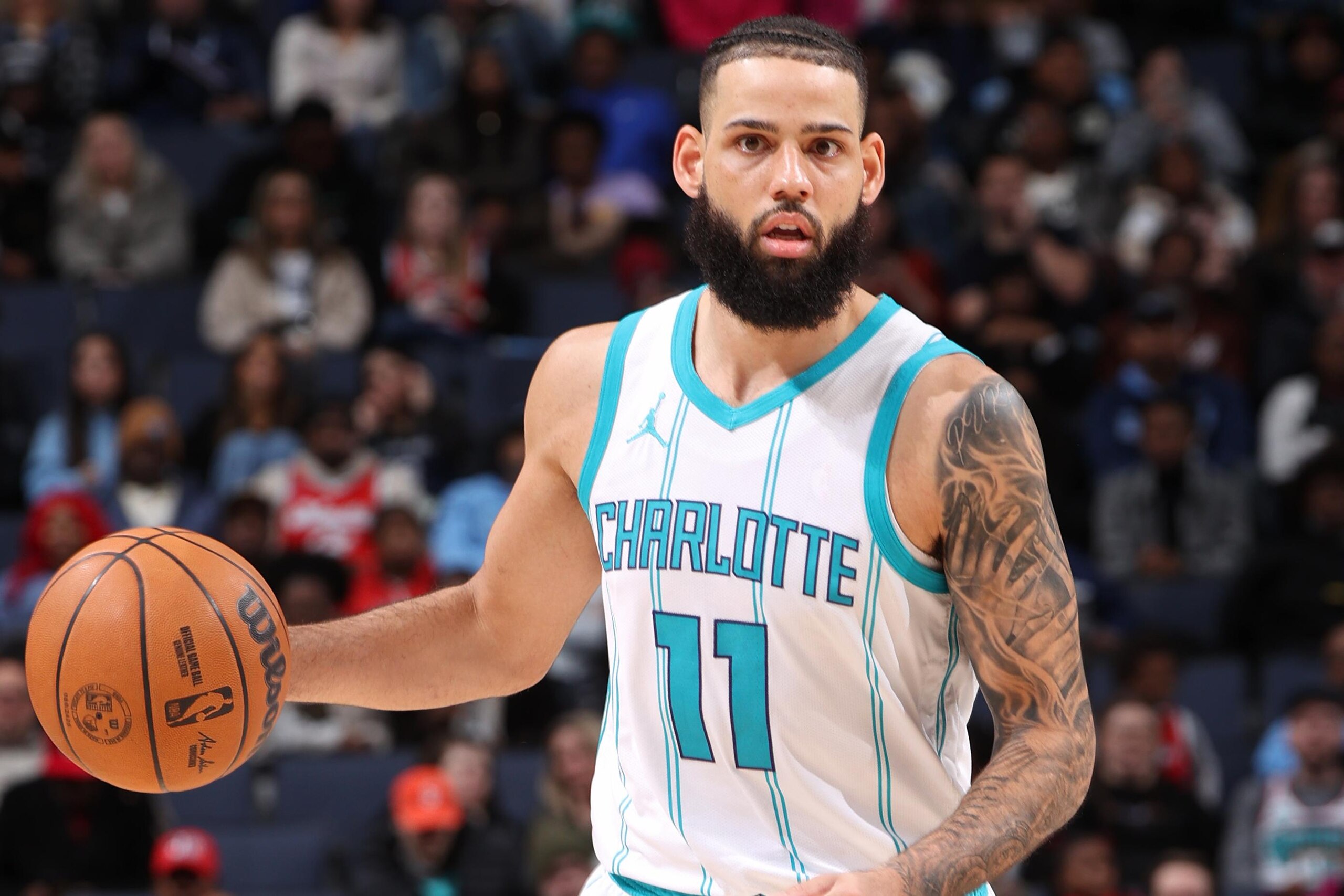
Cody Martin hasn't played since Jan. 24 due to a sports hernia, so his role as a potential member of the Phoenix Suns' closing lineup depends mainly on health. Beyond that, though, Phoenix has to hope Martin is closer to his 2021-22 self than he is to the player he's been across the last two-plus seasons.
When Martin appeared in 71 games and shot 38.4 percent from deep three years ago, he was a key piece of a Charlotte Hornets squad that went 43-39 and reached the play-in tournament. Since then, he's struggled to stay healthy and recapture his three-point stroke.
Though he'll bring defensive energy and versatility regardless, Martin won't represent much of an upgrade on rookie Ryan Dunn if he shoots below 33.0 percent from deep, which he's done in every year other than that standout 2021-22 campaign.
Portland Trail Blazers: Scoot Henderson
25 of 30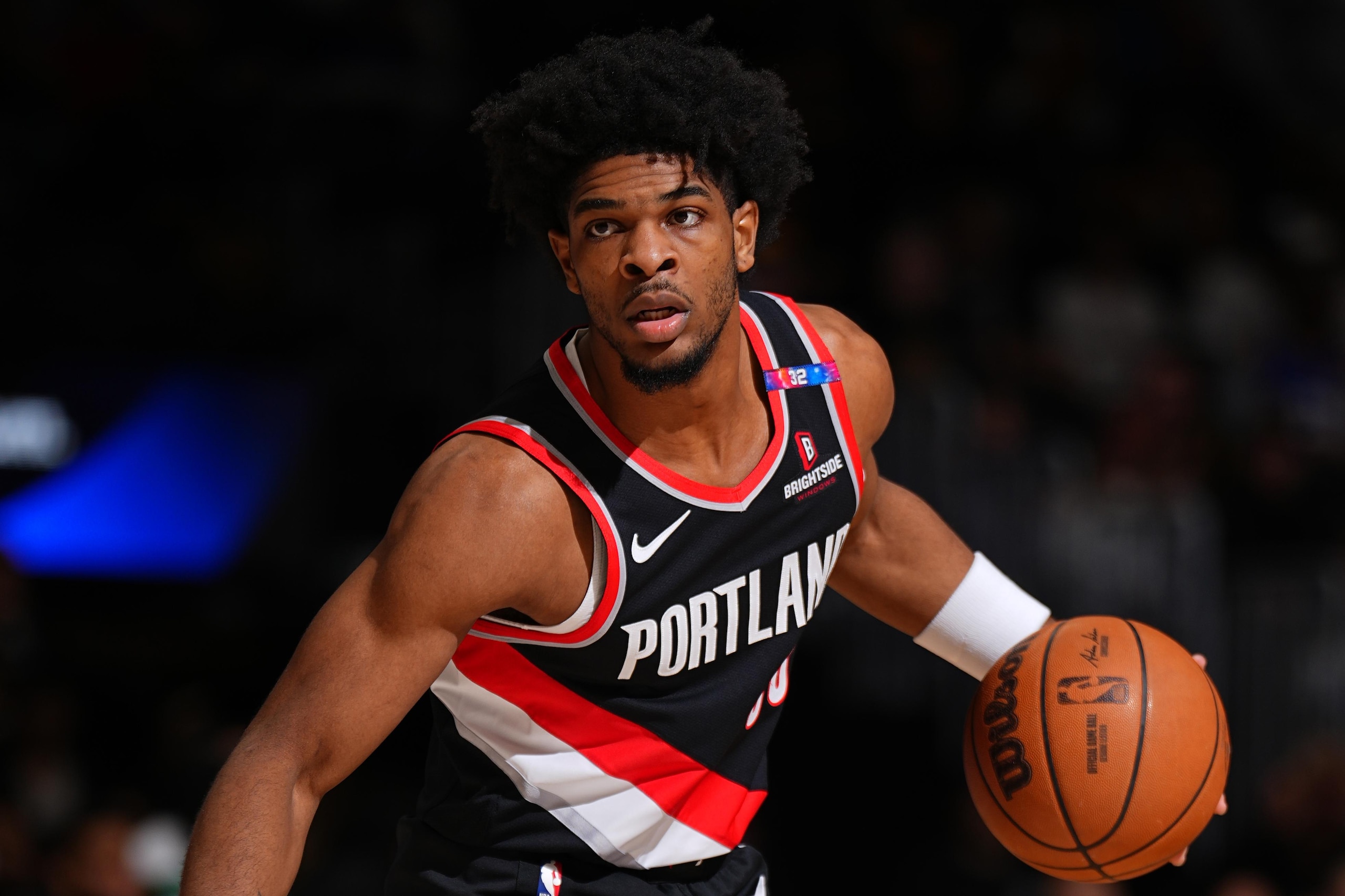
That whooshing sound you heard sometime around early January was the collective exhale from the legion of Scoot Henderson believers. After a season-and-a-half of play that came nowhere near justifying the pre-draft hype attached to the best point guard prospect since (Insert Hall of Famer of your choice here), the Portland Trail Blazers guard appeared to finally get his legs underneath him.
Though he's still coming off the bench—what are you doing, Blazers?— Henderson is showing off a dramatically improved jumper, a spike in assist rate and a slight decline in turnover percentage. His interior finishing still leaves plenty to be desired, but even his hit rate at the rim is up 10 percentage points from where it was a year ago.
In all, Henderson is averaging 13.6 points and 5.4 assists on a 46.6/40.7/82.9 shooting split since Jan. 1. If that's his new baseline and the improvement continues from there, Henderson will regain cornerstone status. If it's a blip, the Blazers are basically back at square one.
Sacramento Kings: Jonas Valanciunas
26 of 30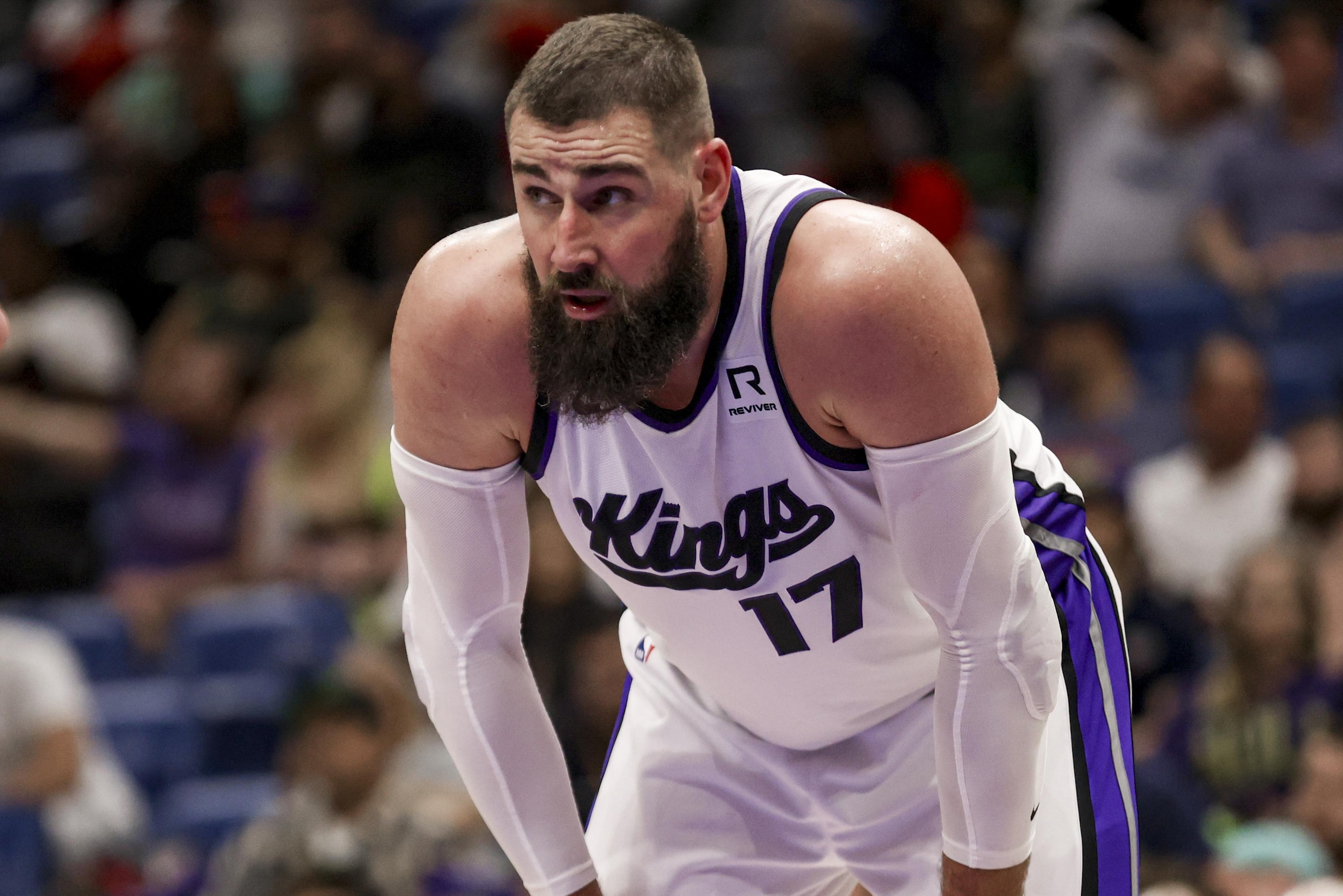
You'd be hard pressed to find a positional group less effective than the Sacramento Kings' backup bigs, but Jonas Valančiūnas has a chance to change all that.
Though he was far from a blockbuster addition at the trade deadline, the veteran center might rate as one of the season's top mid-year upgrades. If he's merely passable as a rebounder, screener and physical interior presence, he'll give the Kings so much more than they were getting from Domantas Sabonis' backups.
The spacing-challenged Sacramento offense should resist the urge to play Valančiūnas with Sabonis in two-big looks. Neither shoots with enough volume to actually stretch the floor, and their combined lack of mobility would compound the defensive crises caused by a collection of turnstile guards and wings.
But for a few minutes every night when Sabonis is out of the game? Valančiūnas can handle those just fine, giving the Kings the shot at survival they never had with their previous frontcourt reserves.
San Antonio Spurs: Stephon Castle
27 of 30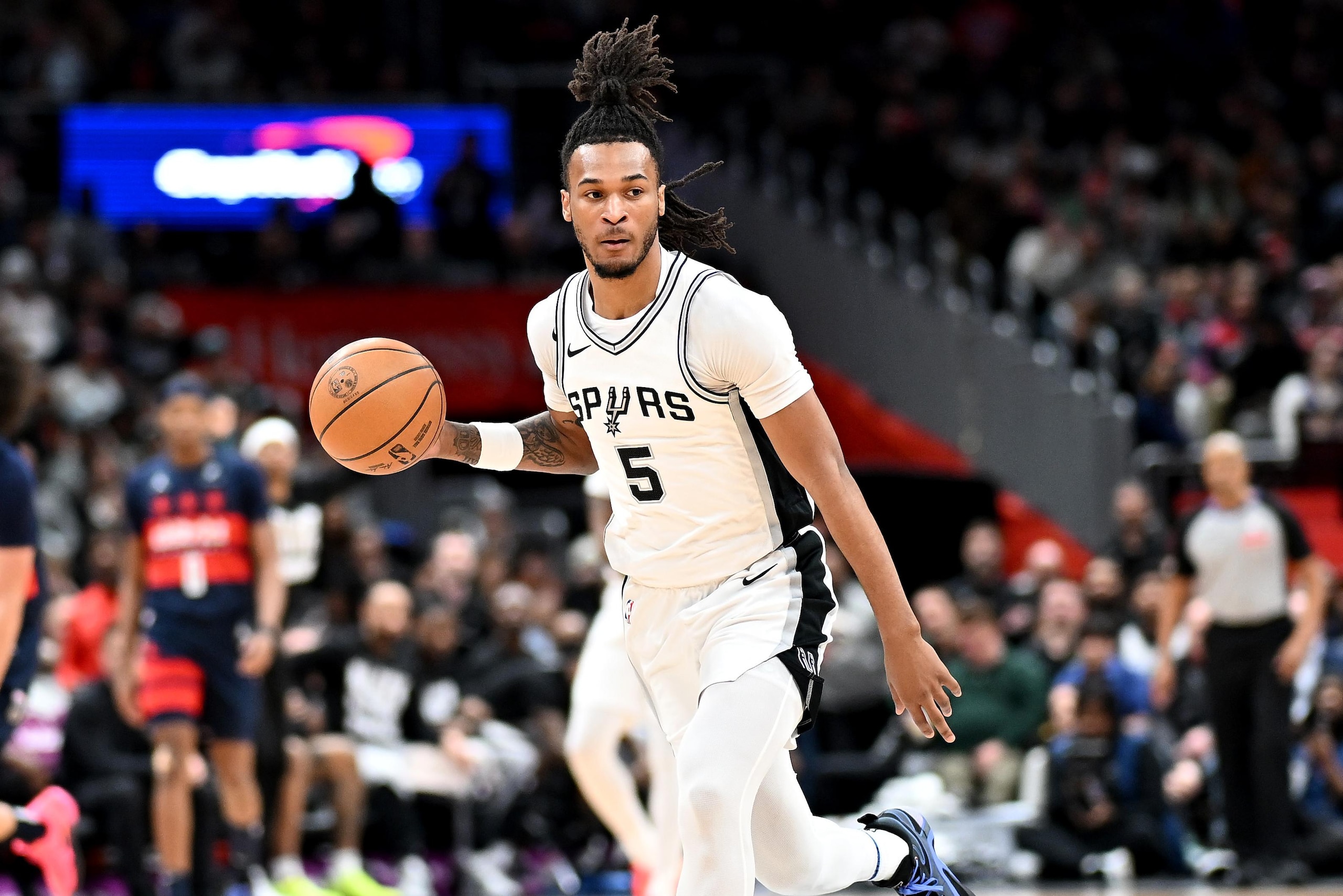
No one should overrate a Rising Stars MVP win and a runner-up finish in the dunk contest, but let's at least acknowledge the San Antonio Spurs must have been happy to see prized rookie Stephon Castle out there seizing moments.
If he's who San Antonio thinks he is, Castle will continue the upward trajectory he rode into All-Star Weekend with a scorching finish to the season.
In the four games prior to the break, Castle averaged 21.0 points and knocked down seven of his 15 three-point attempts, a crucial glint of accuracy for a player who'll spend more time spacing the floor with De'Aaron Fox at the offensive controls.
Castle has superstar upside, but the form he might ultimately take in that role is still in question. It's possible he'll eventually be a primary on-ball threat, but he's going to get the chance to prove he can also excel as a two-way wing. How he fares will affect San Antonio's pursuit of a play-in berth and its long-term future.
Toronto Raptors: Brandon Ingram
28 of 30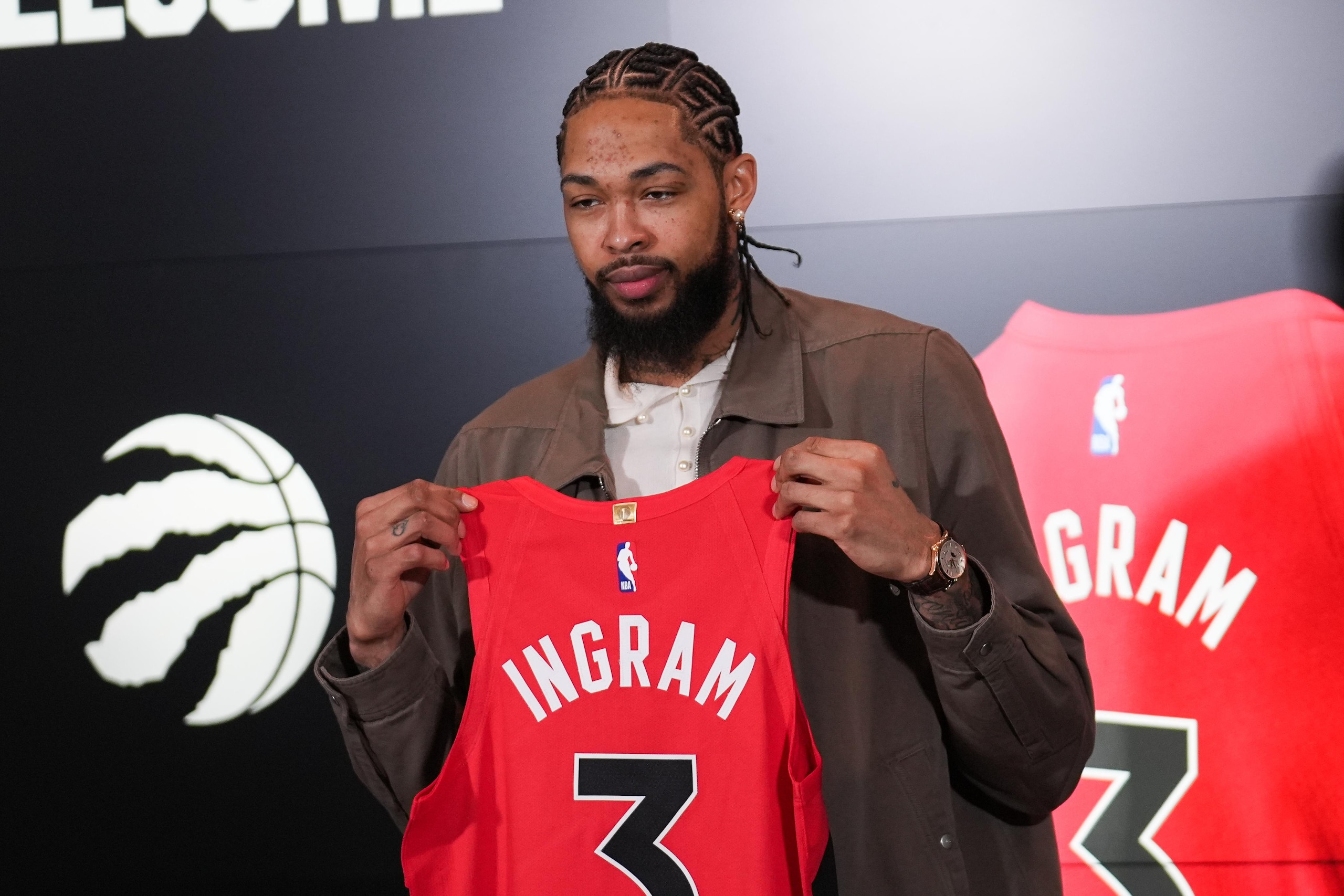
The Toronto Raptors removed a big-picture X-factor when they decided to hand trade-deadline acquisition Brandon Ingram a three-year, $120 million extension, but that still leaves the small matter of how the former All-Star's game will fit into a new ecosystem.
Predominantly an on-ball self-starter with the Pelicans, Ingram will need to prove he can do a better job as a secondary spacer—at least in lineups that include Scottie Barnes. At 36.3 percent from deep for his career, Ingram has the accuracy part pretty well handled, but he must show Toronto he can provide the volume.
If Ingram goes into his Raptors tenure with a goal of making the career-high 6.4 long-range shots that he's attempting per game his new floor, he should fit right in offensively.
If he reverts to his preference for self-created twos, the Raps will find him just as tough to fit next to Barnes, a spacing-challenged star, as the Pelicans did with Zion Williamson.
Utah Jazz: Isaiah Collier
29 of 30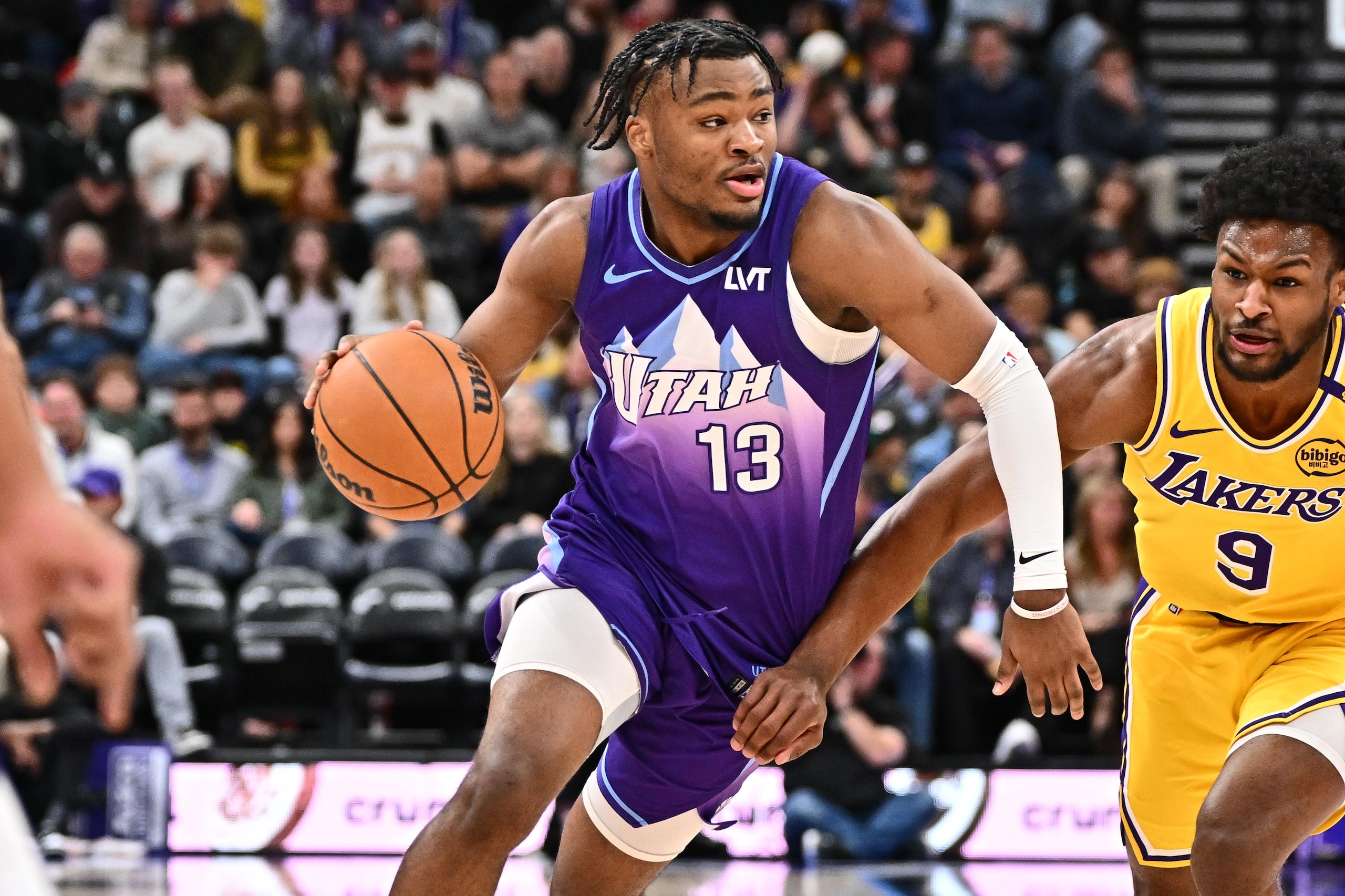
Starting seems to agree with Utah Jazz rookie Isaiah Collier, who put up 11.0 points and 8.5 assists per game across 21 appearances in that role prior to the All-Star break.
His inaccuracy from the field, which is still severe enough to potentially drive him out of the league, was markedly better in the first unit. Nobody's going to put him on an All-Rookie team for shooting 24.6 percent from deep or 45.5 percent overall, but those numbers are a lot better than the 20.0 percent and 32.7 percent he posted, respectively, as a reserve.
Collier's downhill game is promising, and he'll be free to make as many mistakes as he wants in service of Utah's tank. If he can keep putting pressure on the paint while nudging his shooting up toward league-average rates, he'll settle in as a featured player in the Jazz's rebuild.
Washington Wizards: Alex Sarr
30 of 30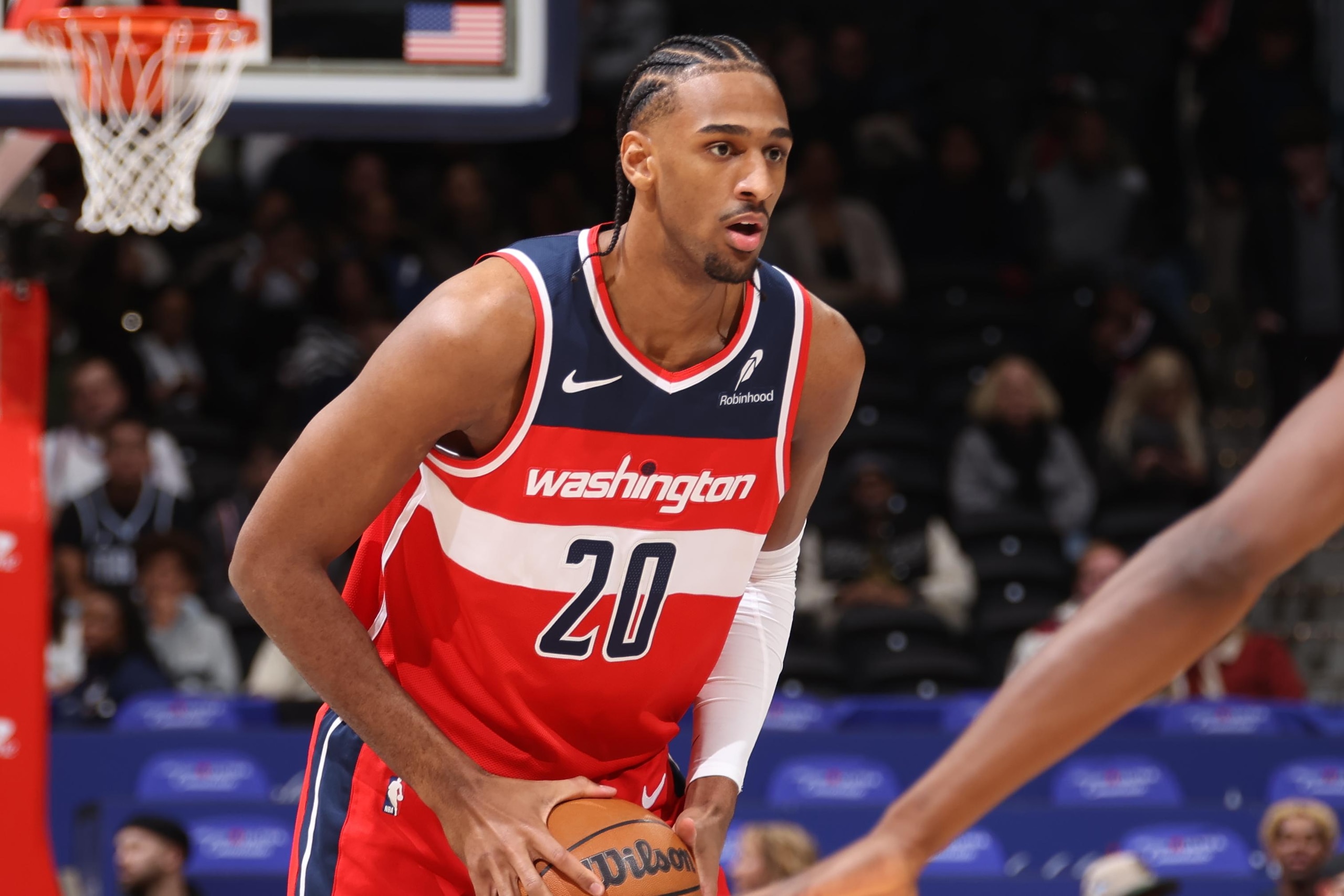
As should be the case for a No. 2 overall pick, Alex Sarr is the Washington Wizards' most likely foundational piece. And as you'd expect from a player who will still be 19 when his rookie campaign concludes, that potential has only shown up sporadically.
Sarr's high point was a stretch in December when he averaged 13.8 points and shot 45.5 percent from three over nine total games. Though he's shown intriguing athleticism in transition and major shot-blocking potential, the offensive flashes like those will define his ceiling.
The valleys on either side of that peak are why Sarr's stardom is still an iffy long-term proposition. He shot 24.6 percent from deep in November and 28.6 percent in January, both of which were over much larger samples.
Stats courtesy of NBA.com, Basketball Reference and Cleaning the Glass. Salary info via Spotrac.
Grant Hughes covers the NBA for Bleacher Report. Follow him on Bluesky and subscribe to the Hardwood Knocks podcast, where he appears with Bleacher Report's Dan Favale.

.jpg?w=2560 "AD Trolls Bears WR on IG 😂")
.jpg?w=2560 "Viral Dan Campbell Presser 💙")
.jpg?w=2560 "Report: Steelers WR to Miss 'Weeks'")
.jpg?w=2560 "Cam Ward Says He's Not A Loser")
.jpg?w=2560 "Buzz: MHJ Hired Agents for Trade")
.jpg?w=2560 "Chargers Fall to 0-5 🤢")