
Every NFL Team's Riskiest Move So Far This Offseason
Every move front offices make—or purposefully don't make, in some cases—carries an associated risk in the NFL.
Some are rather safe—signing quarterback Aaron Rodgers to an extension, for example—while others elicit gasps of surprise and furious judgment.
Of course, with those bigger risks come potentially huge rewards. Teams wouldn't be taking them otherwise, now would they?
Let's take a look at the biggest risk each team has taken this offseason based on cost, injury history, team construction or other factors like locker room presence. Some of them are relatively tame, while others were the cream of the crop among a litany of insanity.
Arizona Cardinals
1 of 32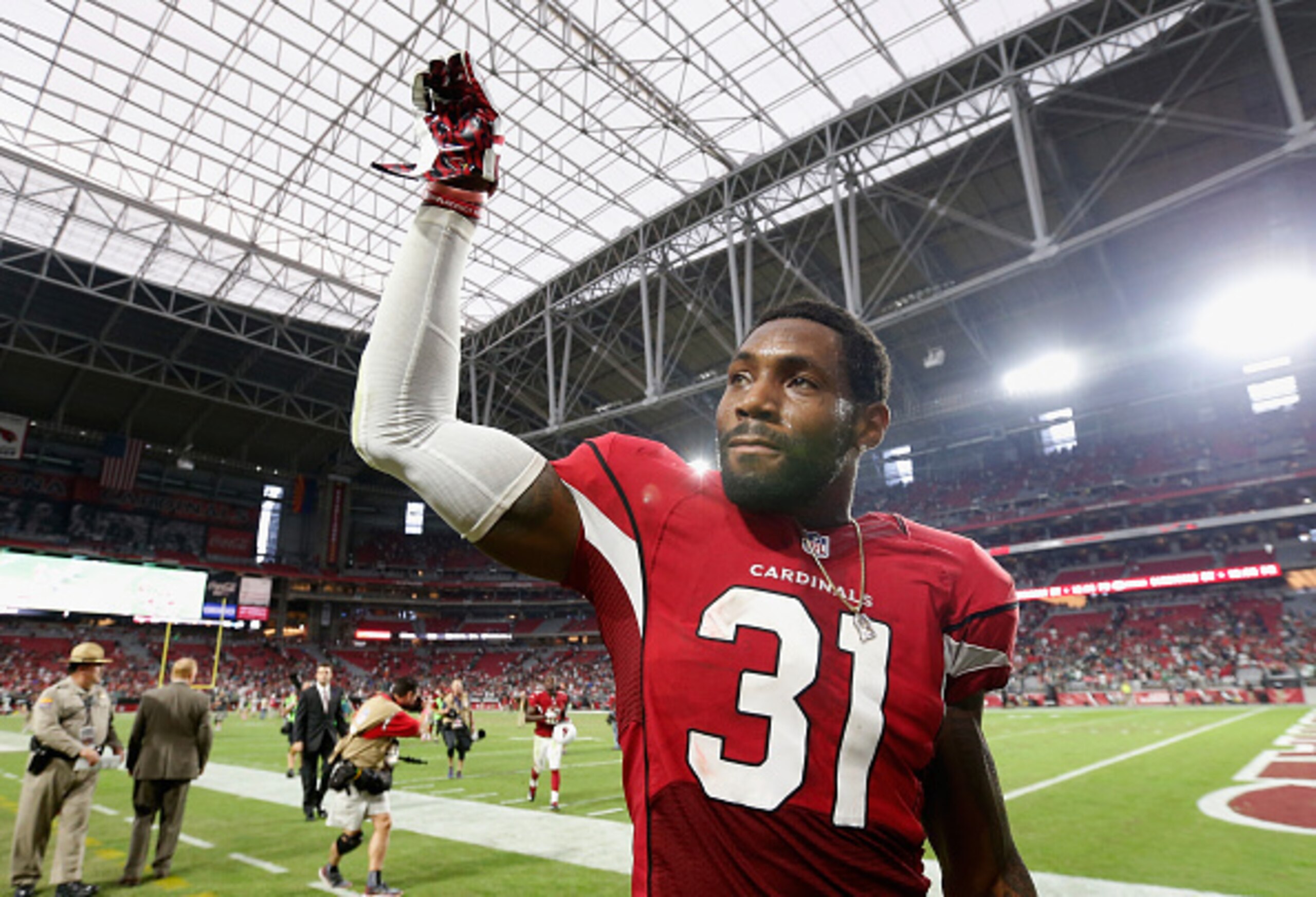
Riskiest Move: Not re-signing Antonio Cromartie
It takes two to tango, but the Cardinals certainly let a quality defender walk out the door when cornerback Antonio Cromartie signed with the New York Jets.
Of course, there may have been little Arizona could've done if Cromartie simply wanted to rejoin Darrelle Revis, but the Cardinals might have made a better push to keep their best cornerback from 2015.
That's right, Cromartie came back from an injury-marred 2013 campaign to be the highest-rated Cardinals cornerback of 2014, according to Pro Football Focus. They might not have much trouble without Cromartie if Jerraud Powers steps up and Tyrann Mathieu is fully healthy, but losing him was a blow to the secondary.
Atlanta Falcons
2 of 32
Riskiest Move: Hiring Dan Quinn as a head coach
Now, this isn't to say Dan Quinn was a bad hire. It's far too early to tell that, nor does any rational analyst think so. But that doesn't mean it wasn't a risk.
In Quinn, the Falcons got a proven defensive coordinator, though he did have a rock star roster in Seattle. Stocked with Pro Bowl-caliber talent, the Seahawks were nonetheless great under Quinn's watch.
The bigger concern is Quinn's relative inexperience.
Atlanta's new skipper has just two seasons as a coordinator under his belt. Beyond that, Quinn has been nothing more than a defensive line coach in the NFL, with a little experience as a coordinator at the collegiate level.
We've seen guys move up the ranks quickly before, to great effect even. Quinn doesn't seem like the type to fall flat on his face in this situation, either.
Baltimore Ravens
3 of 32
Riskiest Move: Trading Haloti Ngata
The Baltimore Ravens have bled talent to retirement and free agency in recent years, and this offseason was no different.
Though it saved them a substantial amount of cap space—$8.5 million, to be exact (per Spotrac)—it was a bit of a surprise to see the Ravens trade away stalwart defensive lineman Haloti Ngata. He might not have been at the peak of his powers last season, but Ngata was a valuable member of that defensive line.
Given Baltimore's propensity to overcome personnel losses with great success, it's likely moving the 31-year-old was the opposite of the wrong decision. But the Ravens sure thinned out the middle of that defensive line with the move.
.jpg?w=2560 "Texans Titans Football")
.jpg?w=2560)
.jpg?w=2560 "Cardinals Giants Football")
Buffalo Bills
4 of 32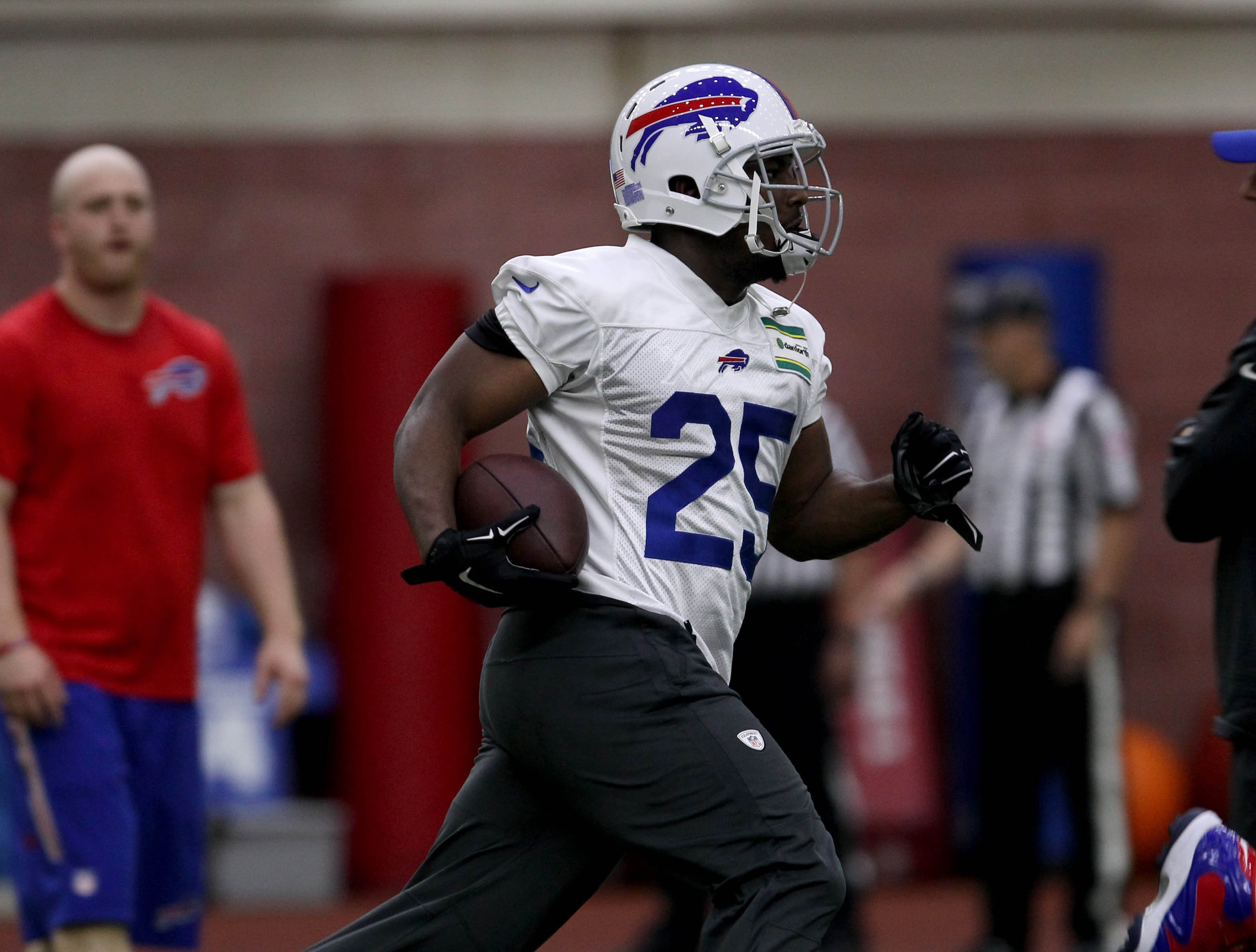
Riskiest Move: Trading for LeSean McCoy
The Buffalo Bills certainly made moves this offseason, many of which had plenty of risk associated with them. So which one was the riskiest?
Tight end Charles Clay and that massive contract nearly won the day here, but it was a move for LeSean McCoy—and the ensuing contract extension—that was Buffalo's most hazardous.
McCoy wore out his welcome in Philadelphia, and his efficiency has waned. But he is still relatively young at just 26, and his electrifying style and potential were too tantalizing for the Bills staff when the opportunity presented itself.
Buffalo not only traded for an expensive player at an increasingly devalued position, but they gave up promising linebacker Kiko Alonso to do so. Alonso may not have fit in new head coach Rex Ryan's defense, but the former Rookie of the Year candidate might have adapted nicely.
Carolina Panthers
5 of 32
Riskiest Move: Replacing a scarecrow with a turnstile
Last year was a rough one for quarterback Cam Newton, who had injury woes compounded by a bad offensive line. What did the Carolina Panthers do to help him?
Why, replace one bad offensive tackle with another one.
In fact, the Panthers veritably swapped linemen with the Tennessee Titans when the former snagged Michael Oher after past starter Byron Bell signed with the latter.
In fairness, Bell was the second-worst tackle in the entire league last season, according to Pro Football Focus, while Oher was just 10th-worst. Looking a bit closer, however, will reveal the fact that Oher played 365 fewer snaps.
That is to say, he was worse on a per-snap basis.
That was the move Carolina made to improve the offensive line. Good luck, Mr. Newton.
Chicago Bears
6 of 32
Riskiest Move: Trading Brandon Marshall away
Perhaps keeping Brandon Marshall would have been nearly as risky, but the mercurial receiver had been a good citizen in Chicago, for the most part.
In parting ways with their No. 1 receiver, the Bears lose plenty of production. They also lose quarterback Jay Cutler's most trusted target, for better or for worse.
Of course, Marshall is on the wrong side of 30 and dealt with some nagging injuries a year ago. They also have nascent wideout Alshon Jeffery and drafted Kevin White in the first round.
If the latter doesn't work out as planned, though, this may prove to be a costly move.
Cincinnati Bengals
7 of 32
Riskiest Move: Drafting Cedric Ogbuehi
In the grand scheme of things, drafting Cedric Ogbuehi wasn't terribly risky. The Cincinnati Bengals are notoriously risk-averse, however, so this makes sense.
The big offensive tackle was injured in the Liberty Bowl at the end of the year, and it looked like he might cash in on his insurance policy, per SI.com's Chris Burke. That wasn't the case after the Bengals took him in the first round.
The good news is Ogbuehi won't be needed right away, with Andrew Whitworth still slated to start. Who knows when and to what effect the rookie might be able to replace Whitworth, however, not to mention whether the veteran might be disgruntled at the pick to boot.
Cleveland Browns
8 of 32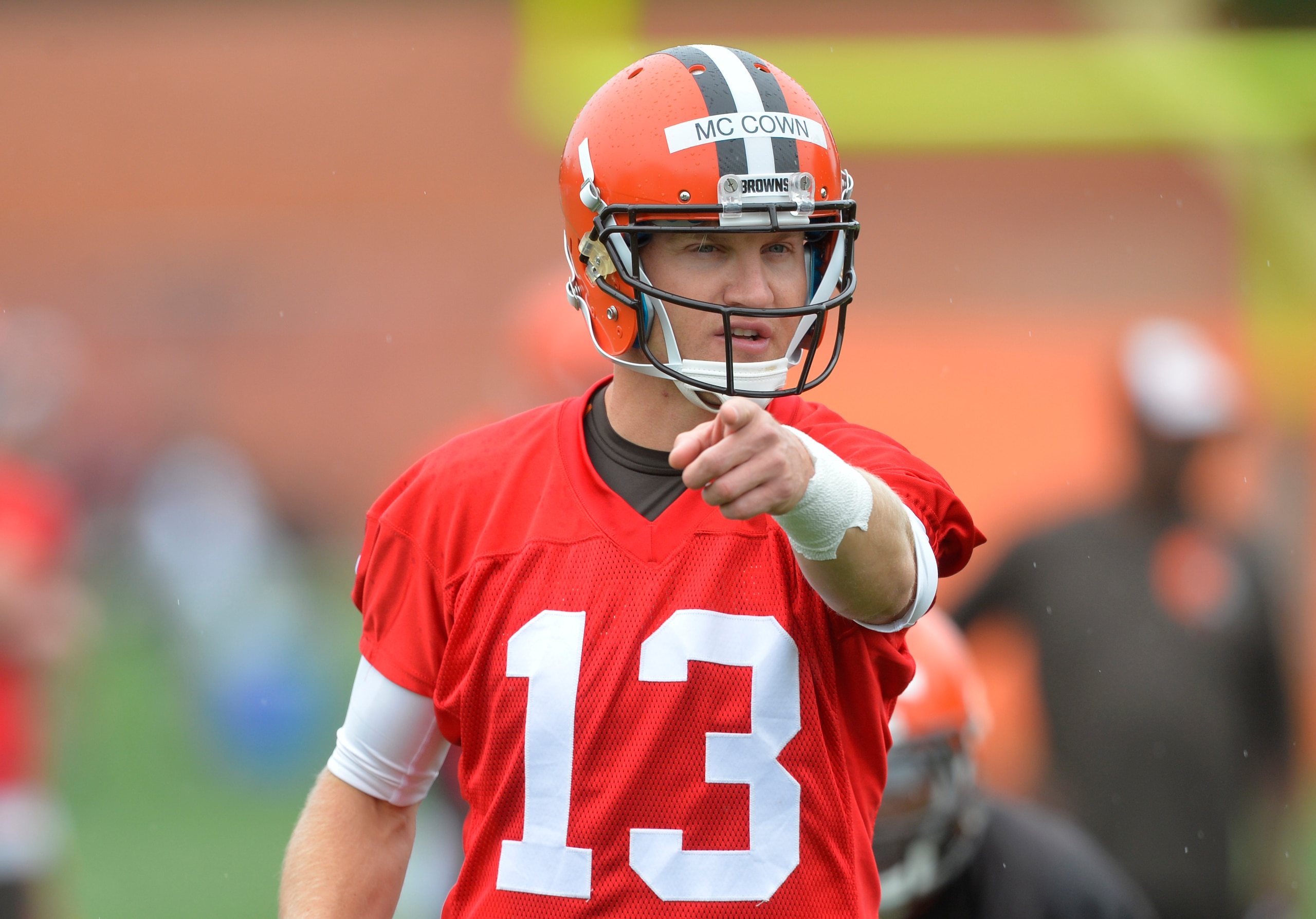
Riskiest Move: Relying on Josh McCown
Stop me if you've heard this one before—Cleveland's quarterback.
Perennially in purgatory, the position is once again a huge problem for the Browns. Despite a chance to try to correct that, in any way, by drafting a quarterback, the Browns placed their trust in a 36-year-old journeyman who was awful last season.
Josh McCown will be the starter in 2015 barring an unexpectedly great preseason showing from Johnny Manziel. The latter spent months in a rehab facility this offseason, seemingly having emerged a better man. Whether he is a better quarterback is another story entirely.
Perhaps McCown was the least of all evils this offseason, but the Browns may have put all their eggs into the worst basket this offseason.
Dallas Cowboys
9 of 32
Riskiest Move: Signing Greg Hardy
This move has already blown up in Dallas' face, so it's almost too easy to put it on here.
The Dallas Cowboys took on a powder keg when they signed Greg Hardy to a big, one-year deal. It's not that Hardy is some sort of locker room cancer, but rather his off-field situation was a problem waiting to rear its ugly head.
Sure enough, the Cowboys were lambasted across the country for the move, and Hardy's 10-game suspension was handed down soon after he signed his deal.
Now, once this all blows over, Hardy might prove to be a huge asset in Dallas. But it was just about the riskiest move any team made this offseason.
Denver Broncos
10 of 32
Riskiest Move: Drafting Shane Ray
It would be easy to say the mere thought of trading Peyton Manning was the riskiest thing Denver did, but it's not like Manning would grouse his way through the season.
So, perhaps the most perilous thing the Broncos did this offseason was take Shane Ray in the first round of the NFL draft.
Ray was one of those special draft prospects, the kind that makes an incredibly dumb mistake like failing a drug test or getting cited for possession. It wasn't enough to knock him out of the first round, and he has the Broncos to thank for that.
For his part, Ray issued a seemingly heartfelt apology for the incident, via ESPN's Adam Schefter:
"I’d like to apologize to my Mother, Fans and prospective NFL teams for my poor judgement Monday morning. I am embarrassed and realize there are consequences for my actions. I was not under the influence nor impaired , therefore I was not detained. Fortunately, Mondays incident only resulted in a citation. I will make better choices in the future.
"
Famous last words, that last sentence.
More importantly, was Ray worthy of a first-round selection? He was certainly a polarizing player in the draft analyst community, with some saying he was rather overrated.
Detroit Lions
11 of 32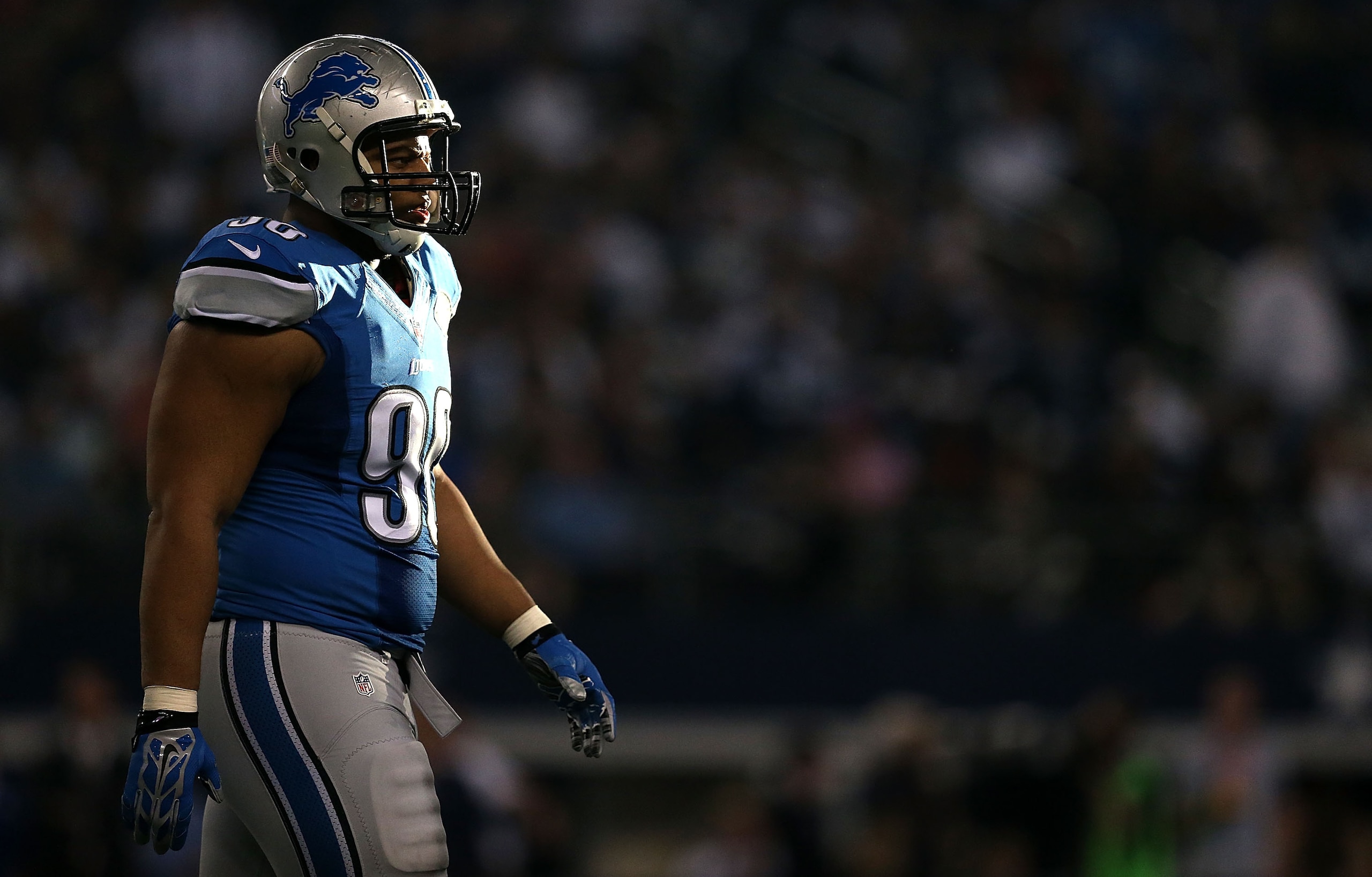
Riskiest Move: Slow-playing Ndamukong Suh
The Detroit Lions had one of the most dominant players in the league in the fold, and he was a hometown hero who wanted to stay. Then the team bungled the whole thing.
For some reason, the Lions didn't seem to have any urgency in re-signing Ndamukong Suh, at least according to Kyle Meinke of MLive.com.
Suh's departure was foreseen by Bob Wojnowski of The Detroit News, who wrote of a dark omen a week before free agency after the Lions eschewed the franchise tag without a solid plan to re-sign Suh:
"Either the Lions know something nobody else does, or they just blew it. Declining to use their franchise tag on Ndamukong Suh isn't necessarily the mistake. Not preparing better for this crossroads moment would be the gaffe.
If the Lions don't sign Suh to a long-term contract before free-agency opens next Tuesday, they'll likely have squandered their biggest asset, their best defensive player in decades gone in a poof of hot air. Perhaps with an aloof, all-business guy like Suh, free-agency was inevitable. For the Lions, it still would be unconscionable.
"
Wojnowski's prophecy came true, and Suh left for the greenest pasture of them all in Miami. The Lions will tell you they are happy not to have that massive contract on the books, which is a lie based on the fact they offered him something rather similar.
Detroit's contingency plan involved trading for Haloti Ngata, which will mitigate the loss a bit, at least for a year or two. But turning Suh into a prodigal son might turn out to be a prodigious mistake.
Green Bay Packers
12 of 32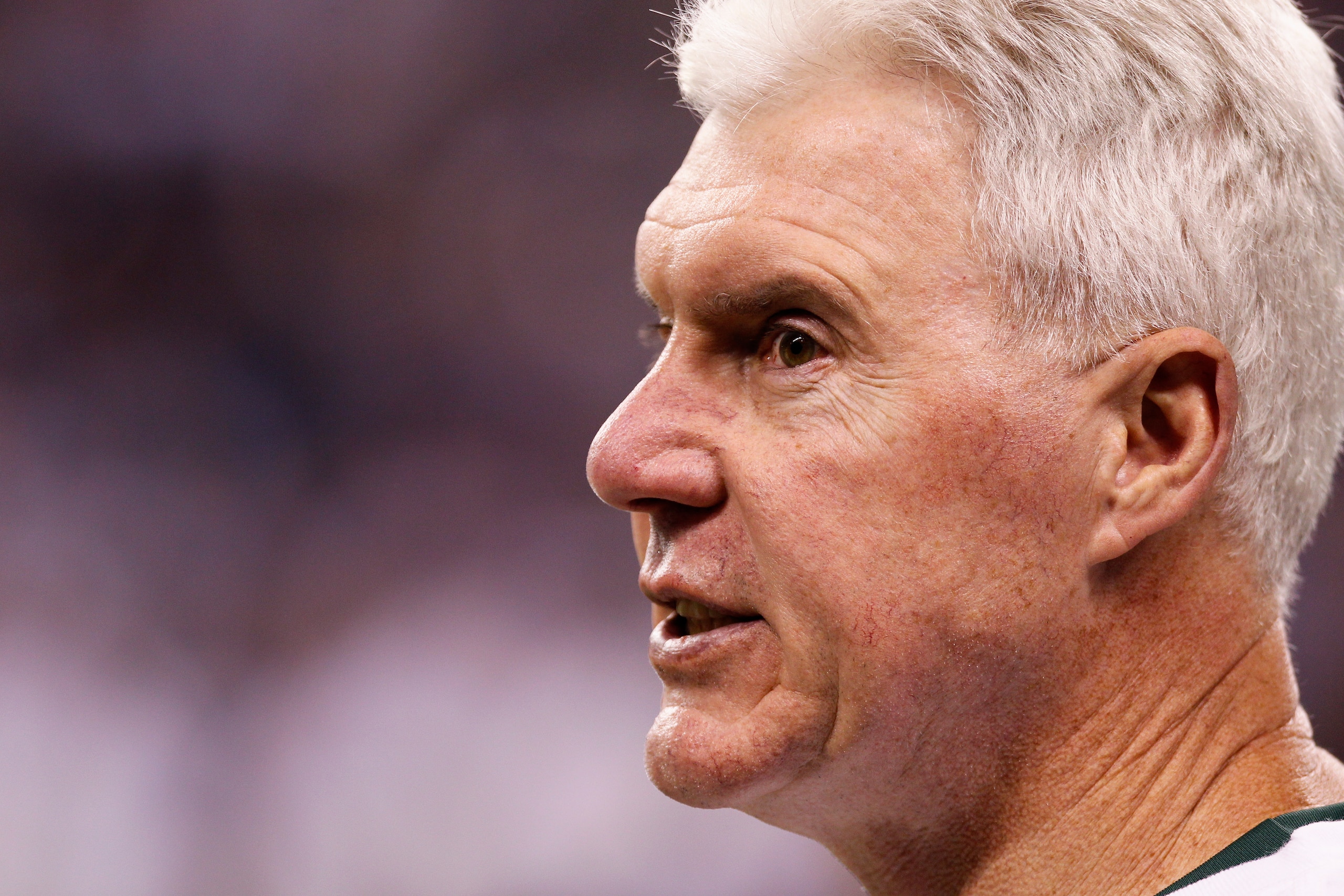
Riskiest Move: Eschewing free agency...again
Foregoing free agency is nothing new in Green Bay, and it remains the riskiest thing general manager Ted Thompson does on an annual basis.
Of course, saying it's risky to avoid risks associated with signing big contracts turns logic on its head. But the Packers are playing a dangerous game by relying solely on depth to mitigate attrition.
Green Bay lost a couple of starting-caliber cornerbacks in Tramon Williams and Davon House, and the middle linebacker position was ravaged by the losses of A.J. Hawk, Brad Jones and Jamari Lattimore. The latter position might be just fine without those three—it's not as if they were world-beaters, and Clay Matthews' permanent move inside will work out—but that's a lot of defensive talent out the door.
Making matters worse, the Packers took risks in the draft to address those positions. They drafted a free safety—Damarious Randall—in the first round to convert to corner, and they hope second-round cornerback Quinten Rollins can backfill the depth chart.
Rollins played one year of college football.
But who are we to argue with Thompson, really? He's been doing this for years, and the Packers are an NFC North powerhouse.
Houston Texans
13 of 32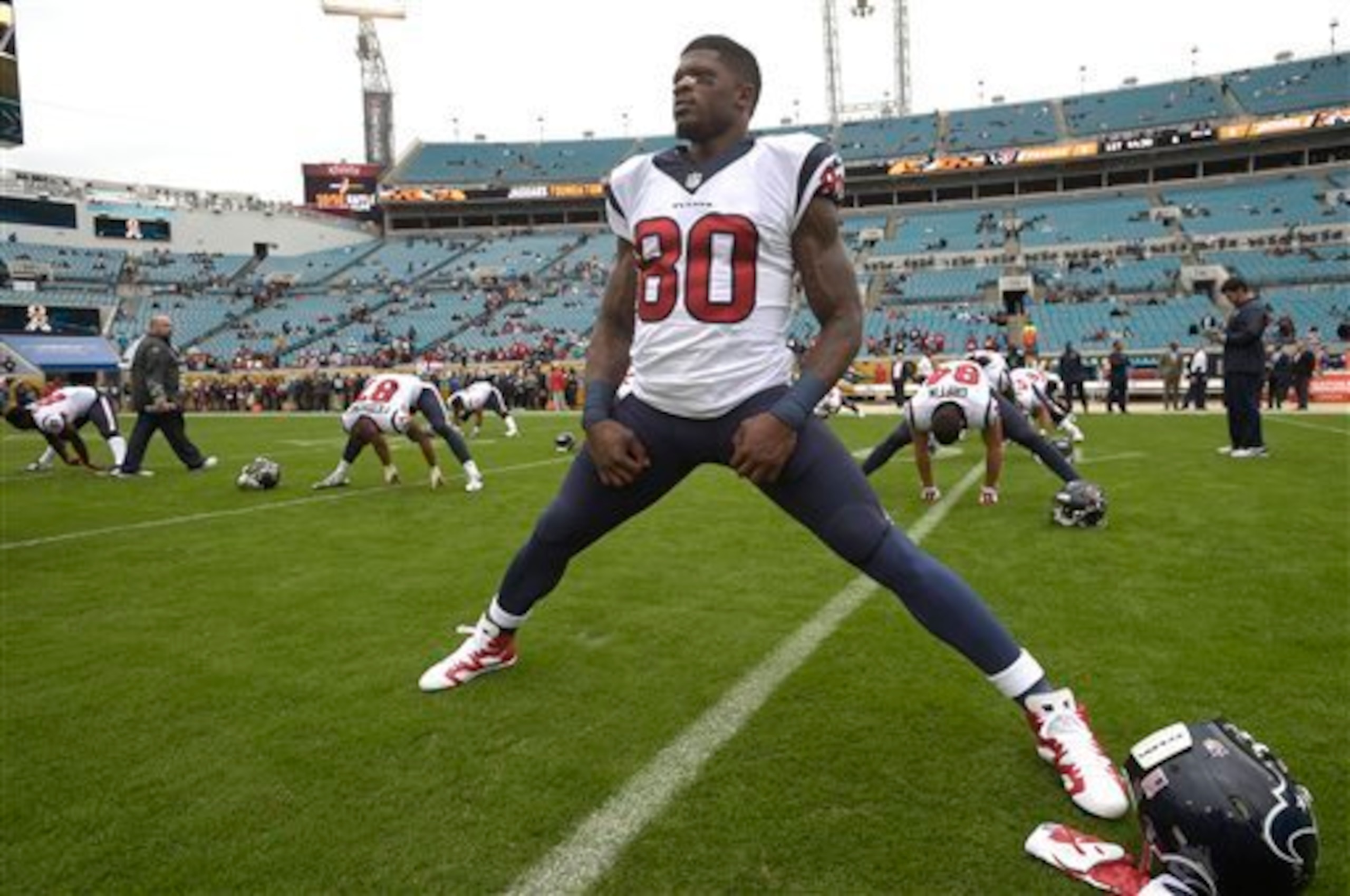
Riskiest Move: Cutting Andre Johnson
The quarterback situation in Houston isn't too far off the one in Cleveland. The difference is the Texans have a much better team otherwise.
That and Ryan Mallett is far preferable to Josh McCown, at any rate.
So, while it was certainly risky to rely on Mallett and Brian Hoyer to helm the offense, the fact that the Texans thinned their wide receiver corps is a bigger issue.
Granted, they hardly had a choice—veteran wideout Andre Johnson wasn't happy in Houston, and he was going to have a reduced role anyway, as he told ESPN's Josina Anderson:
"I don't know a lot of guys in the league that catch 85 balls and have almost 1,000 yards that that's a down year for them. But you have a year like that and then it's 'well you're old, we want to reduce your role,' and all this stuff—I don't get that. But that's the nature of the business. Like I said, it doesn't make sense. It doesn't make sense to a lot of people.
"
Ruffling Johnson's feathers was a risk to begin with, and now the Texans will rely on oft-injured Cecil Shorts or polarizing rookie Jaelen Strong to fill his big shoes.
Indianapolis Colts
14 of 32
Riskiest Move: Increasing the median age of the starters
The Colts must think the NFL is a country for old men.
By many accounts, Indianapolis improved the roster this offseason. What the Colts may come to realize is that signing a bunch of relatively old players might become problematic as the season wears on.
New starting running back Frank Gore is 32 going on 50 in NFL years. Former Miami Hurricanes teammate Andre Johnson will be 34 at training camp. Former Philadelphia pass-rusher extraordinaire Trent Cole will turn 33 in October.
If it all works out, who cares how old Indianapolis' starters are? A championship will be just as sweet, right?
Jacksonville Jaguars
15 of 32
Riskiest Move: Paying up for Julius Thomas
The Jacksonville Jaguars had money to burn and plenty of holes to fill. They spent plenty addressing one of those holes when they signed Julius Thomas to one of the richest contracts in NFL history for a tight end.
Thomas scored 24 touchdowns over the past two seasons—the second being an injury-shortened affair—so it's easy to see why Jacksonville ponied up to sign him. If he can replicate even half that production early on, it will be a boon for a Jaguars team that is desperate for offense.
If rumors are true that Thomas was in it just for the payday and "refused to put it all out there,"as reported by Brandon Spano of BSNDenver.com, this could prove to be a costly mistake for the Jaguars.
That doesn't seem to be the case thus far—Ryan O'Halloran of the Florida Times-Union recently wrote Thomas has been the best player on the entire team. It's easy to say that about someone running around in shorts, though; let's see how Thomas performs when the hitting starts.
Kansas City Chiefs
16 of 32
Riskiest Move: Drafting Marcus Peters
As risk-reward propositions in the draft went, few stuck out more than cornerback Marcus Peters.
The Washington product was taken 18th overall by the Kansas City Chiefs, who saw enough talent in him to overlook any character concerns Peters presented.
Peters was dismissed from the University of Washington football team after clashing with coaches, as relayed by Bucky Brooks of NFL.com. That's not exactly a great sign for a player heading into the NFL.
If the Chiefs can get him to play to his potential while keeping his head on straight, Peters will prove to be a valuable asset. But we have all seen this story play out plenty of times in the past.
Miami Dolphins
17 of 32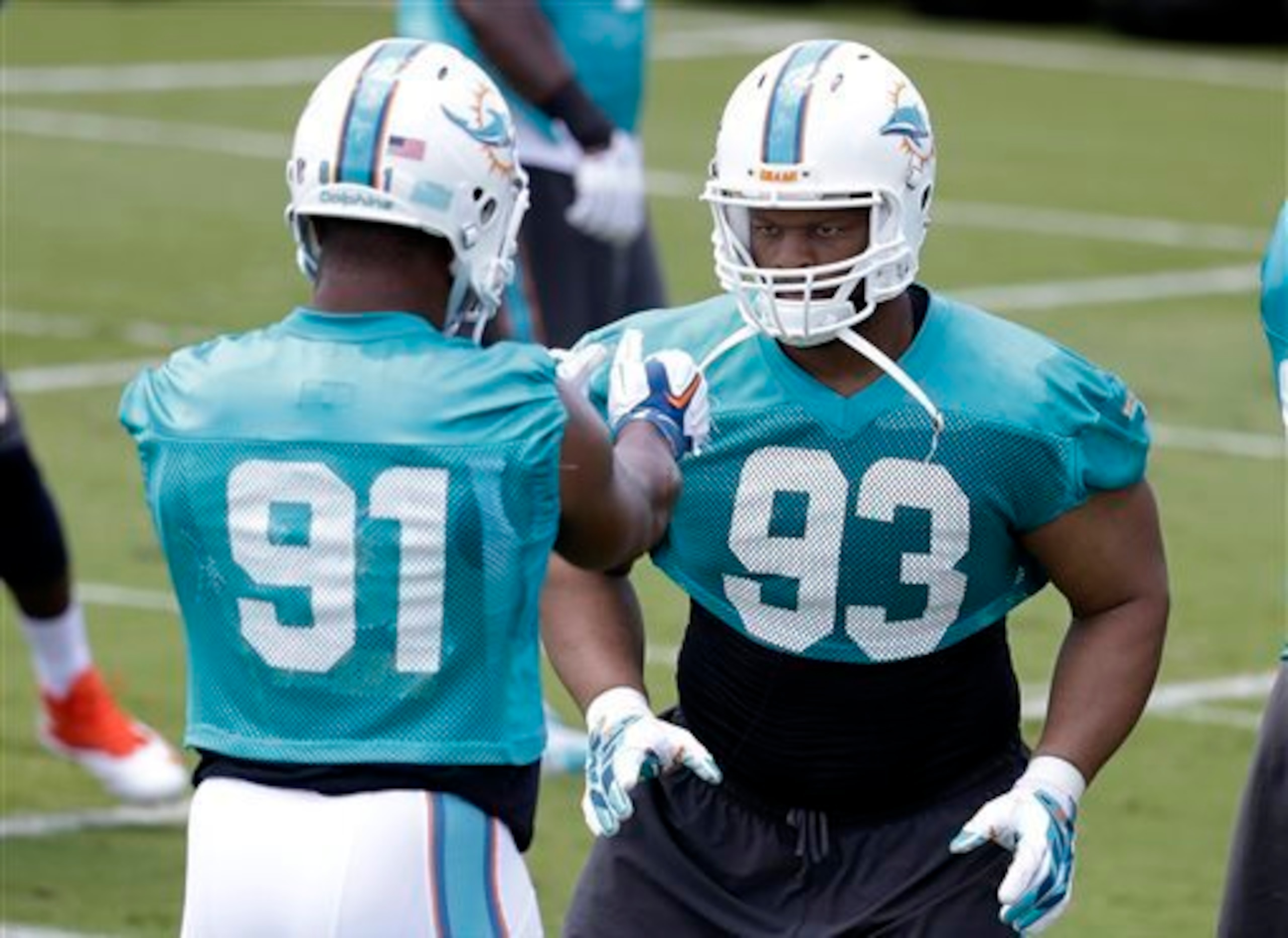
Riskiest Move: Signing Suh to a monster contract
It's tempting to list "not firing Joe Philbin" as the riskiest move in Miami this year, but that won't have the lasting impact some of the other moves the Dolphins made this offseason.
One of those came in the form of inking quarterback Ryan Tannehill to a four-year, $77 million contract. But that is a relative bargain for a quality quarterback, and the Dolphins can get out of the deal in a couple of years without much of a fuss if need be.
Signing defensive tackle Ndamukong Suh to the richest defensive contract in NFL history was far more perilous than anything most teams did this offseason.
He'll certainly be worth the price if he continues to dominate opposing offensive linemen—and there isn't anything to indicate otherwise from a talent standpoint—but it would be difficult for anybody to meet value on that six-year, $114 million monstrosity of a deal. Worse, if Suh gets hurt or stomps one more player, it will immediately look like a terrible idea.
Minnesota Vikings
18 of 32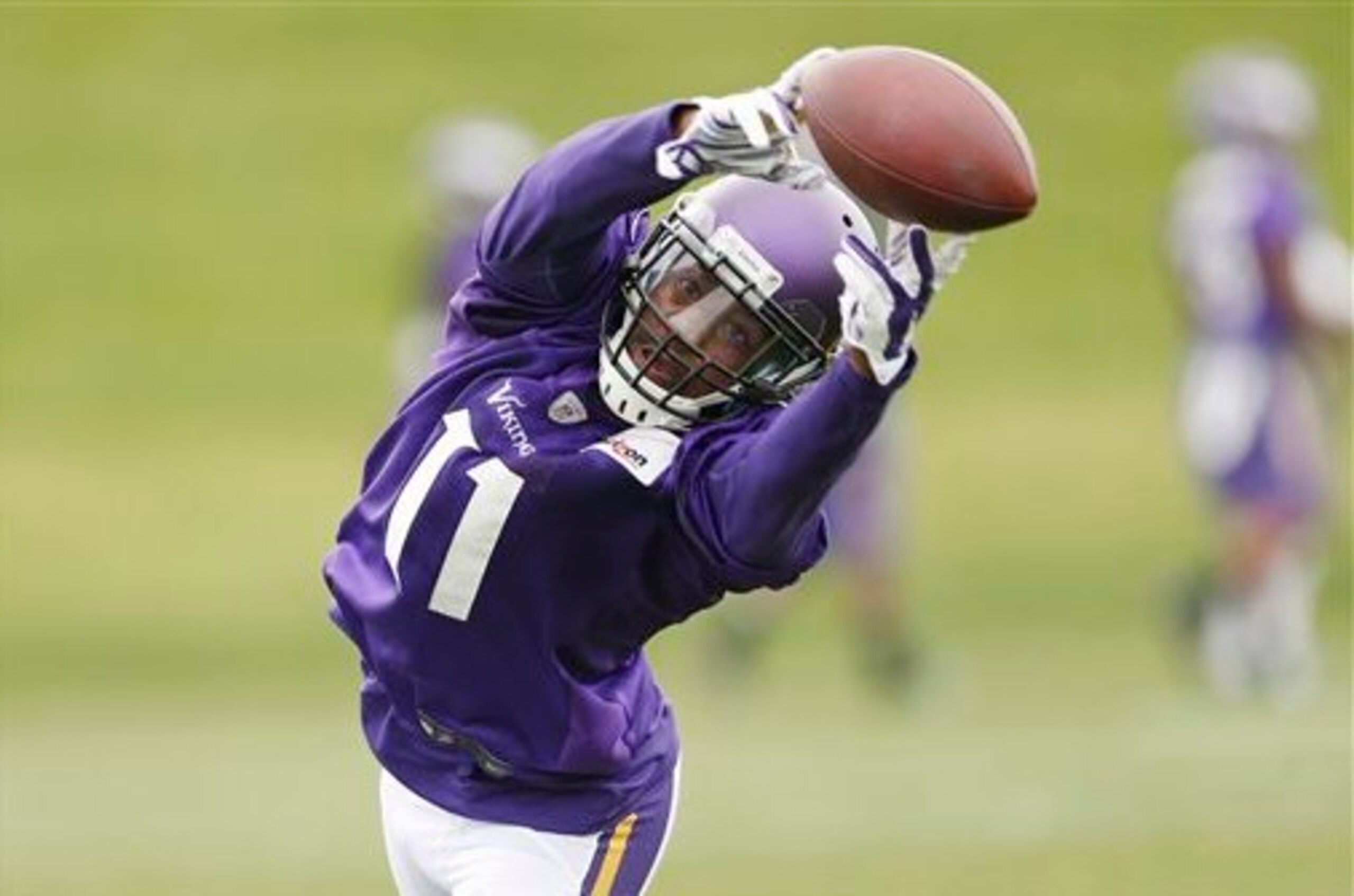
Riskiest Move: Trading for Mike Wallace
The Minnesota Vikings needed an upgrade at wide receiver. They certainly got one in Mike Wallace, but at what cost?
The direct cost was almost nothing—a late-round pick sent to the Miami Dolphins for their trouble. The Vikings won't be on the hook for Wallace's bonus money either, so he represents a lower cap hit than he did in Miami.
But what about the potential cost to the locker room?
Wallace has groused his way out of two cities now, and there's no reason to think that won't happen again in Minnesota. The Vikings have plenty of experience dealing with a mercurial receiver, too—it wasn't long ago that they traded Percy Harvin away to the Seattle Seahawks.
If Wallace scores touchdowns in bunches and keeps his head on straight, this will be looked at as a great deal. But the speedy wideout has been volatile throughout his career, and he is liable to combust again.
New England Patriots
19 of 32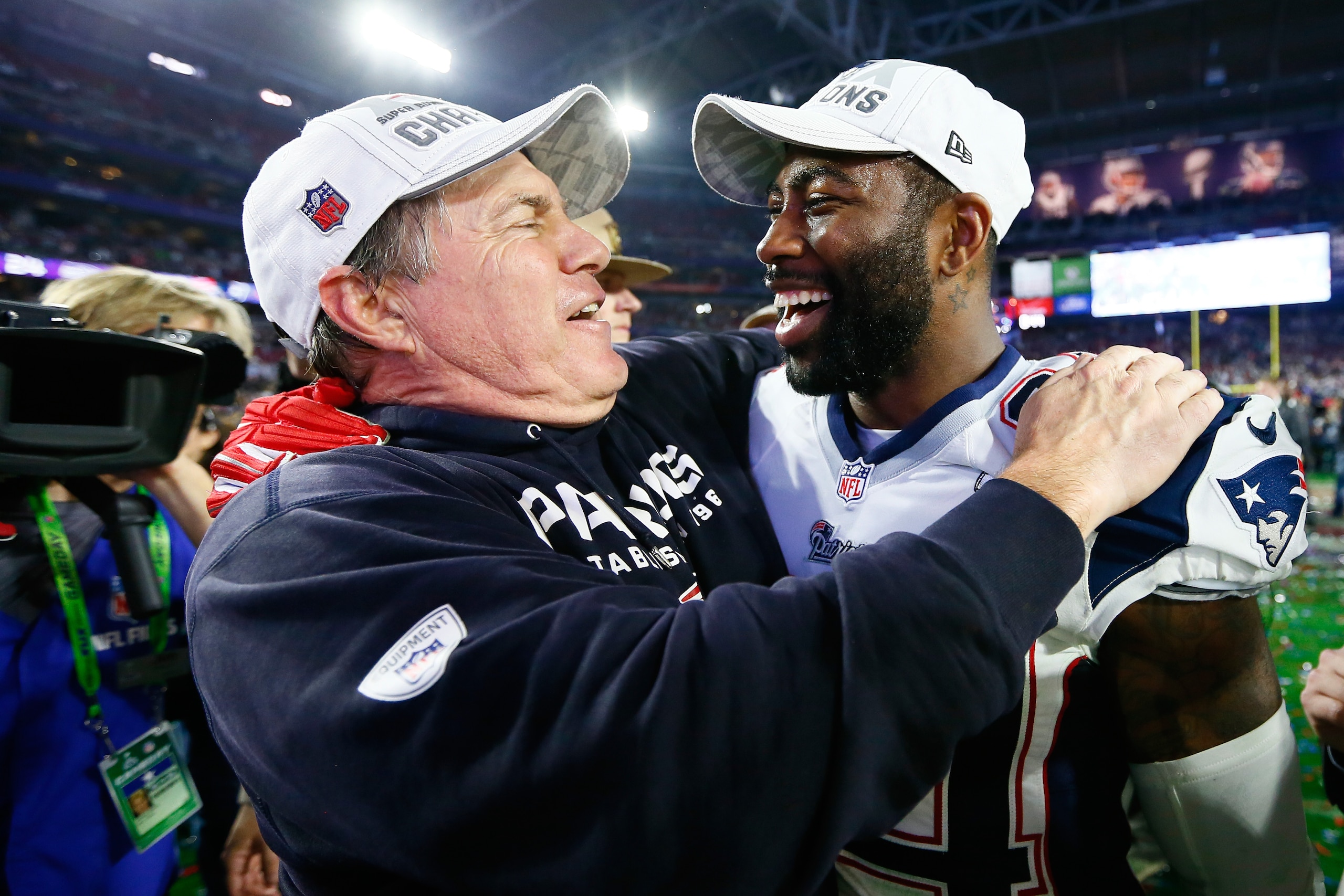
Riskiest Move: Releasing Darrelle Revis
Head coach and Massachusetts monarch Bill Belichick has a standing policy of not negotiating with contract terrorists.
For the most part, anyway, Belichick hasn't given in to exorbitant demands in contract negotiations. That was certainly the case with star cornerback Darrelle Revis, who was looking for a big payday after another great season.
The Patriots were on the hook for $20 million if they picked up his second-year option, so it was only a matter of time before Revis was released when contract negotiations stalled. It wasn't long before he landed back with the rival New York Jets, leaving the New England secondary devastated in his wake.
Losing Revis might not have been so terrible had the Patriots executed a contingency plan. Instead, they kept bleeding cornerbacks—Brandon Browner, Kyle Arrington and Alfonzo Dennard are gone, too, though New England picked up Robert McClain and Bradley Fletcher as stopgaps.
Belichick has succeeded in the face of terrible defensive personnel in the past, and the front seven should be good enough to mask some of the issues. But losing one of the best cornerbacks in the league because of money-commitment issues could really sting over the next couple of seasons.
New Orleans Saints
20 of 32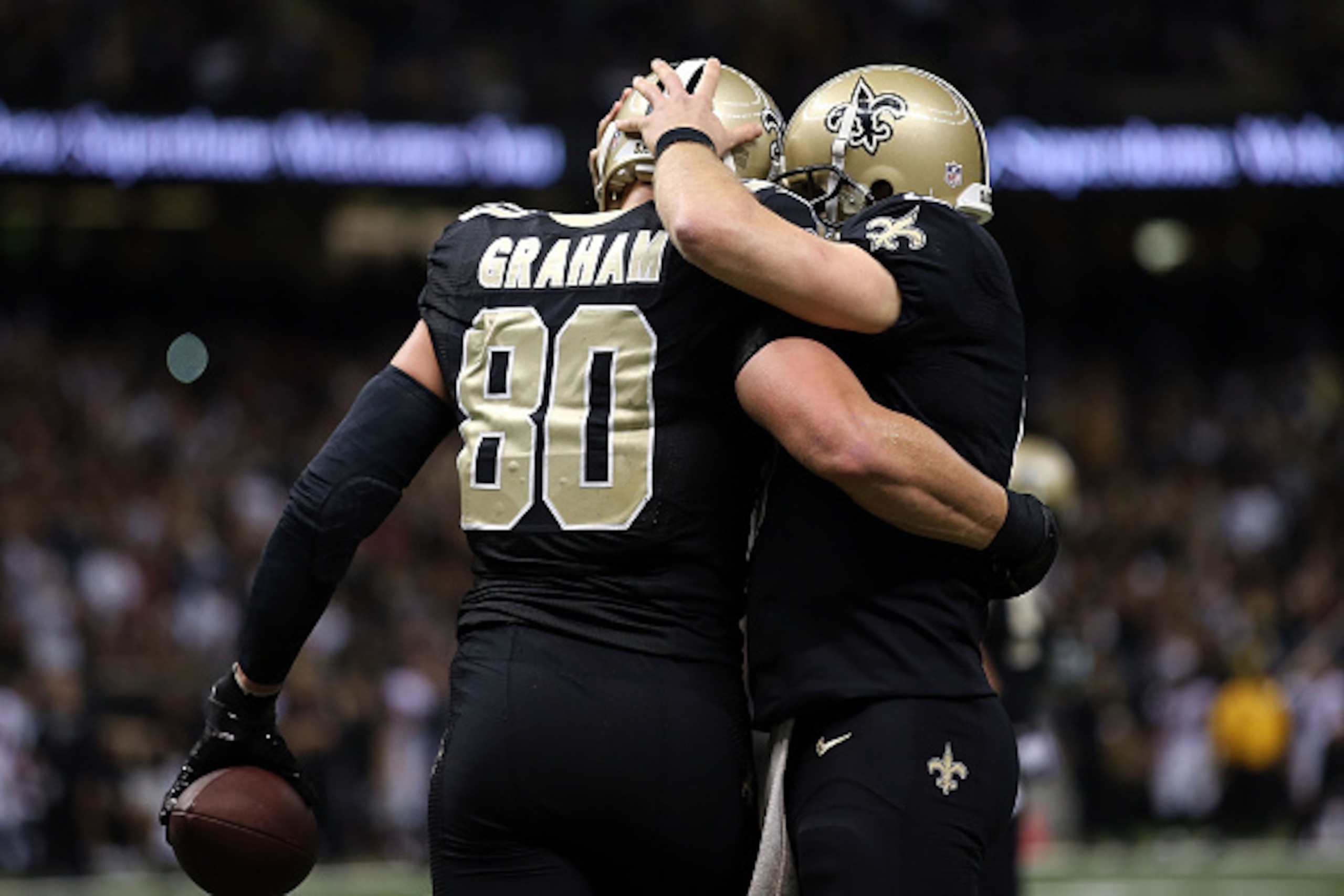
Riskiest Move: Trading Jimmy Graham
Jimmy Graham may have been a bit overrated and overpaid, and the New Orleans Saints may have had little choice other than trading him and his big contract away. But it was still a big gamble.
The wager the Saints placed was that the passing game wouldn't suffer in the wake of their 6'7", 265-pound monster's departure. It was parlayed by a theoretical upgrade at center—sorely needed, but vital enough to make that trade?—and a middle linebacker drafted with a pick acquired in the deal.
New Orleans did just fine offensively before Graham arrived, and Josh Hill and Benjamin Watson might just do fine in his stead. But quarterback Drew Brees already showed signs of aging last season, and losing his biggest, most trustworthy target could be a huge problem going forward.
New York Giants
21 of 32
Riskiest Move: Offering Jason Pierre-Paul a huge extension
Giants fans must have collectively held their breath and facepalmed when news broke that Jason Pierre-Paul may have suffered a career-ending injury at the hands of fireworks. Thankfully, the initial reports were a bit exaggerated—JPP didn't lose any limbs, as reported by ESPN.com's Dan Graziano.
What was he thinking? More importantly, what were the Giants thinking offering Pierre-Paul a $60 million contract?
Sure, he might be one of the better pass-rushers in the league when healthy, but health issues combined with knuckleheaded behavior made a long-term commitment risky business. In shocking news, New York's big offer disappeared soon after the incident, per NFL Media Insider Ian Rapoport (h/t NFL.com's Kevin Patra).
New York Jets
22 of 32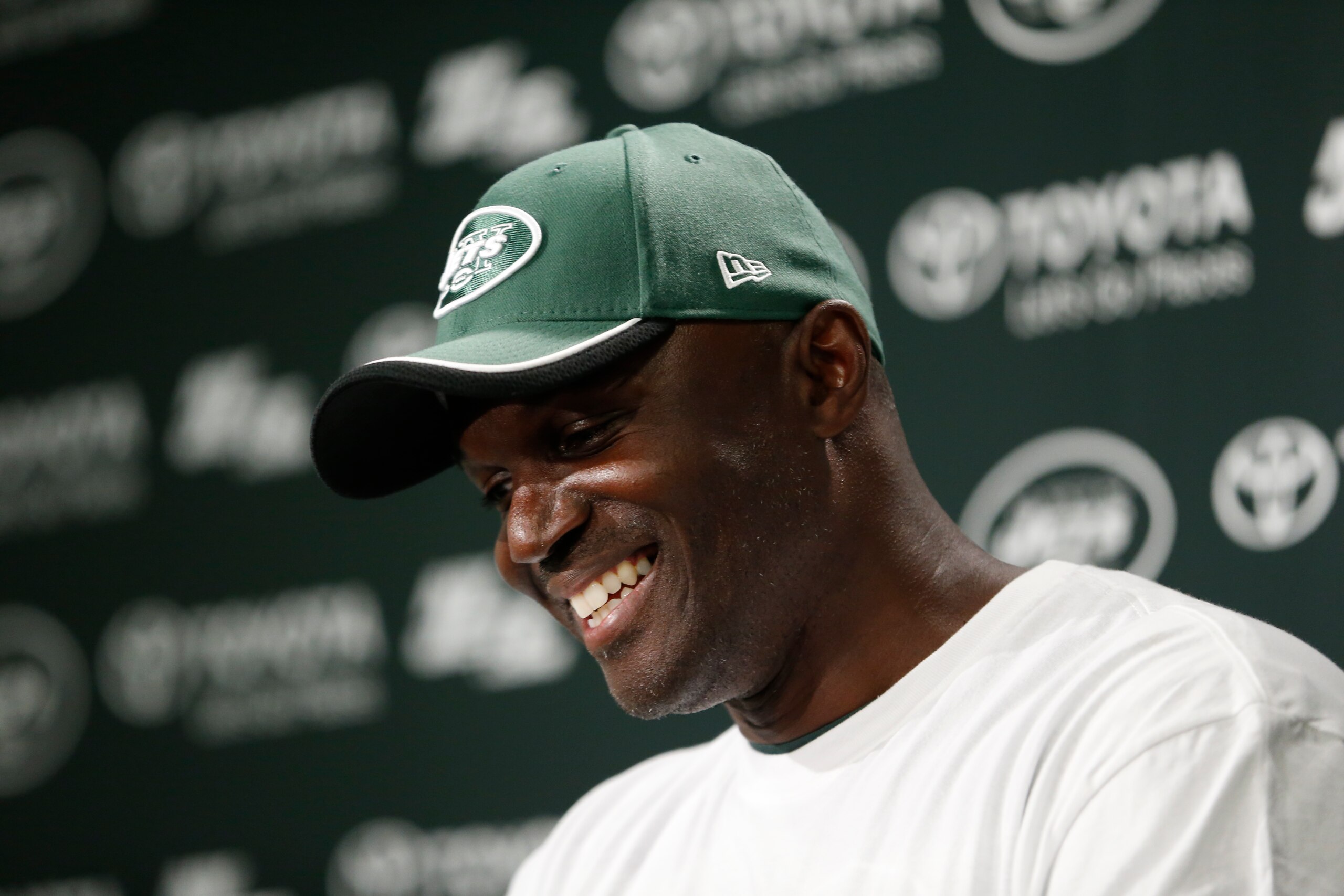
Riskiest Move: Hiring Todd Bowles to replace Rex Ryan
Why exactly was hiring Todd Bowles the biggest risk the Jets took? Frankly, it's because New York hit a bunch of home runs this offseason.
Bowles was a fantastic defensive coordinator out in Arizona, which made people completely forget his subpar stints as interim head coach of the 2011 Miami Dolphins and defensive coordinator of that awful Philadelphia Eagles defense in 2012.
With the roster moves New York made this offseason, Bowles is going to have a much easier time than his predecessor did winning games in recent years.
We could have gone with paying Darrelle Revis a ton of money to come back, too, but his numbers paled in comparison with, say, Ndamukong Suh's. For the most part, Revis has been healthy and level-headed on the field, too.
Oakland Raiders
23 of 32
Riskiest Move: Keeping GM Reggie McKenzie
When will the Oakland Raiders cease to be doormats of the AFC West? Perhaps when general manager Reggie McKenzie is gone.
Granted, McKenzie has done a fabulous job of managing Oakland's cap. He has even drafted some good, young players thus far in his tenure. But the fact remains the Raiders haven't been able to put together a quality roster, which has led to 11 combined wins since McKenzie arrived.
Oakland's prospects are a little better than that this season, but there isn't a lot of buzz that this team will finish near .500.
The coaching staff got a nice overhaul this year, perhaps the biggest piece McKenzie has added yet. But the Raiders certainly showed a lot of faith in their general manager given the returns we have seen in Oakland.
Philadelphia Eagles
24 of 32
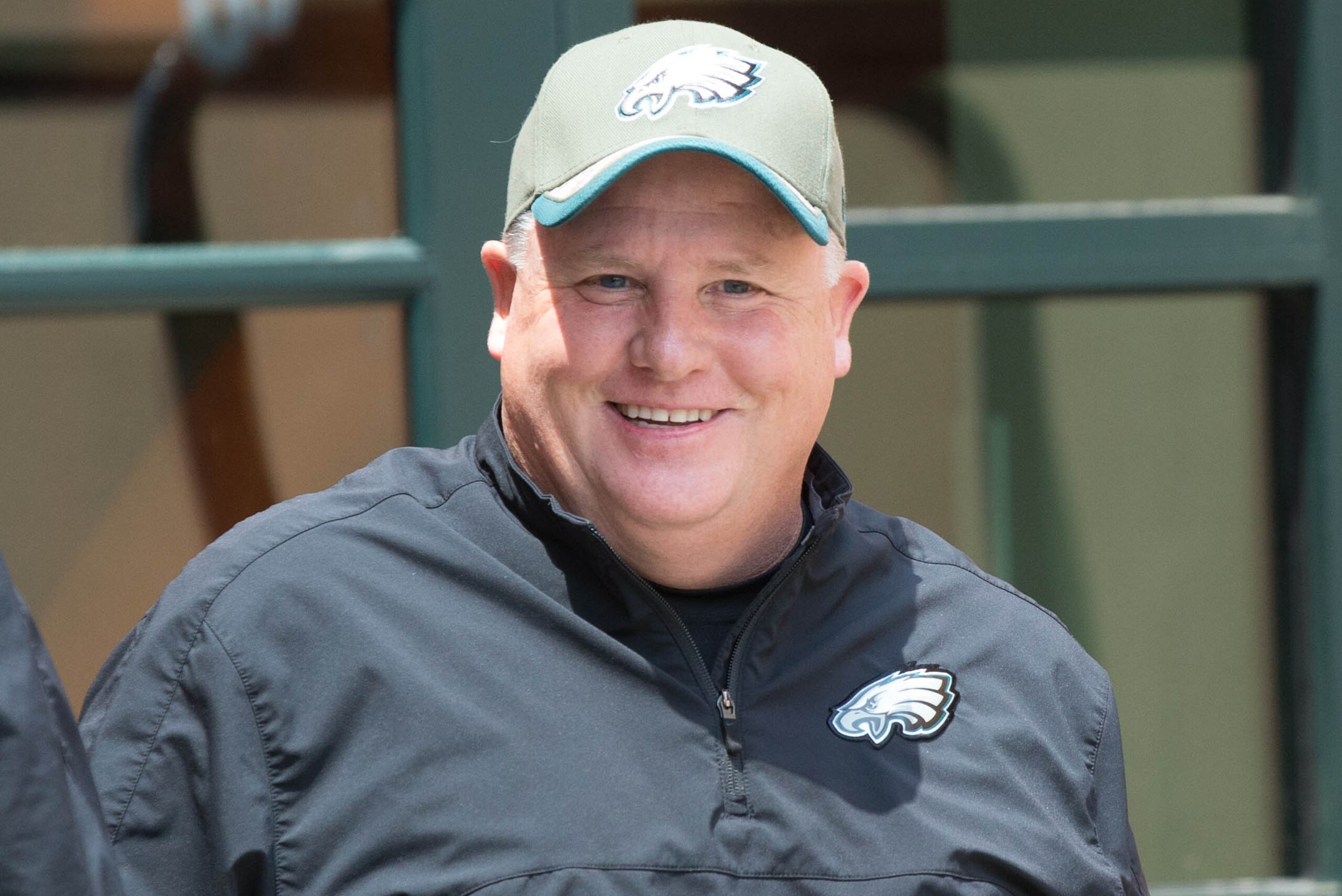
Riskiest Move: Trading for Sam Bradford?
Where do we begin with Philadelphia?
Is it trading away their expensive, still-productive running back only to sign another expensive running back coming off a 500-touch season?
Is it releasing one of the best guards in the league—at least according to Pro Football Focus—over the past half-decade?
The answer lies behind center.
Head coach and football czar Chip Kelly made a lot of moves to mold the roster in his likeness, but the biggest one came in the form of quarterback Sam Bradford. That move is most certainly going to make or break his tenure in Philadelphia.
To his credit, Bradford is a quality quarterback whose tenure in St. Louis was marred by awful coaching, poor roster construction and injury. The first two problems vanished when the Rams traded him to the Eagles, but the third might still be problematic.
Bradford is recovering from his second torn ACL in as many years, and he may well never live up to the potential he brought to the NFL as a former No. 1 pick. Or he could prove Kelly is a genius.
We'll find out soon enough.
Pittsburgh Steelers
25 of 32
Riskiest Move: Drafting Bud Dupree
The Pittsburgh Steelers needed help at pass-rusher even before Jason Worilds retired unexpectedly. Their answer was to draft Bud Dupree in the first round.
Dupree was one of the rookies who blew the doors off the NFL combine, going from mid-round unknown to first-round darling in the time it took him to run 40 yards.
Considering some draft analysts put him in the top 10 in mock drafts, this shouldn't seem like a reach. According to Sam Monson of Pro Football Focus, however, Dupree was one of the biggest reaches in the draft:
"If ever there was a player drafted because of potential and measurables it is Bud Dupree. In shorts he looks like a draft stud, with the size, speed and athleticism to be a devastating pass-rusher. The only trouble is so far he hasn’t been one. Dupree was 23rd among edge rushers in this draft class in Pass Rushing Productivity, a per-snap measure of the pressure he generated, a staggering lack of production for a guy as physically gifted as he is.
Seven other 3-4 outside linebackers tallied more total pressures than Dupree, despite him rushing the passer more times than all but one in this draft class. The Steelers selected Jarvis Jones in the first round in 2013 – a player who was all college production but had questionable measurables – and he has yet to succeed in the NFL. This seems to be an overcorrection in the other direction, selecting a player that ticks all the boxes athletically, but whose lack of college production raises major red flags.
"
If Dupree can translate his raw athleticism into a great NFL career, it will have been a great draft pick. Otherwise, he will join Mike Mamula and a host of other workout warriors who busted out of the NFL.
San Diego Chargers
26 of 32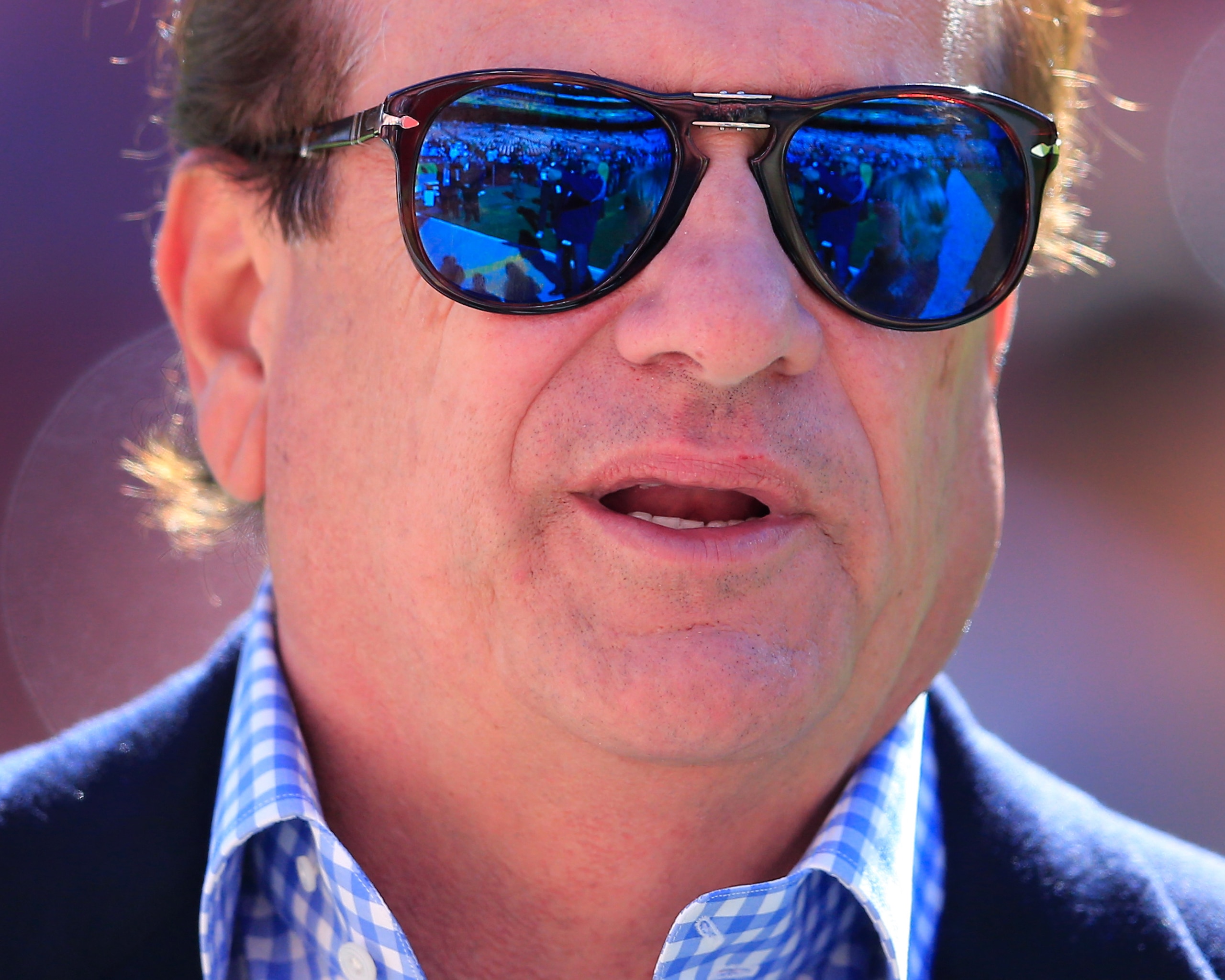
Riskiest Move: Threatening to move to LA
The threat of moving to Los Angeles is nothing new in the NFL. But the San Diego Chargers certainly took a risk by announcing their intentions to do so.
The team announced as much in a joint release with the Oakland Raiders after a longstanding feud with the city they've called home for 54 years.
The Chargers got what they wanted when San Diego officials rushed to start planning for a new stadium, per Steve Price and Abbie Alford of CBS8.com. But they certainly risked alienating their entire fanbase in applying pressure this way.
San Francisco 49ers
27 of 32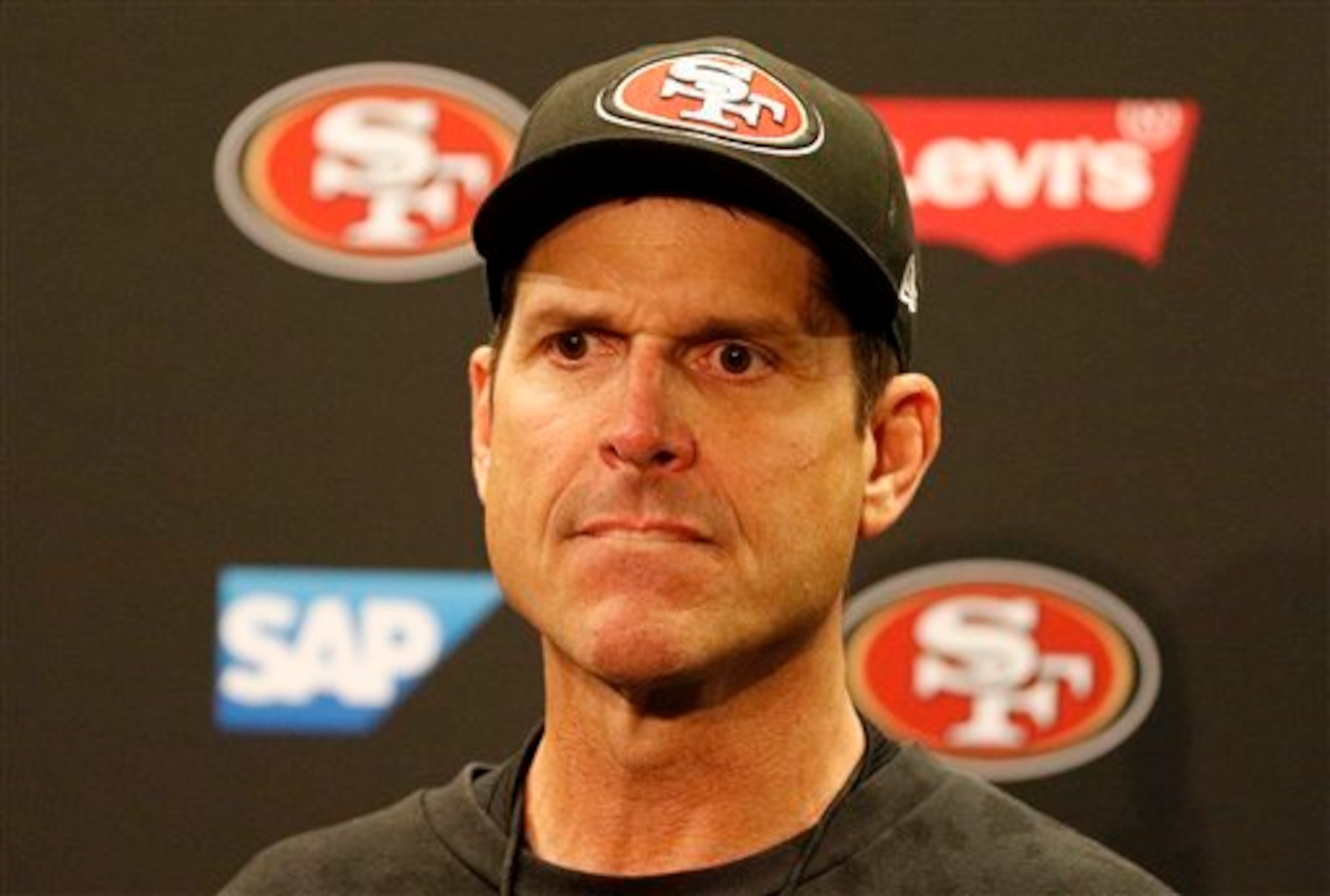
Riskiest Move: Firing Jim Harbaugh
Bad relationships aren't worth keeping. But the San Francisco 49ers sure blew things up when it all went south with head coach Jim Harbaugh.
Look, Harbaugh is an intense guy. By many accounts he is difficult to work with, a grating personality. That much was evidenced in the stories saying the 49ers were sick of his "act," per Ann Killion of the San Francisco Chronicle.
Whatever the case may be, this is a guy who turned the franchise around on a dime and kept it at the top of the league for years. Now the 49ers feature an entirely unproven coach in Jim Tomsula who will be tasked with keeping the team afloat despite a veritable exodus this offseason.
Seattle Seahawks
28 of 32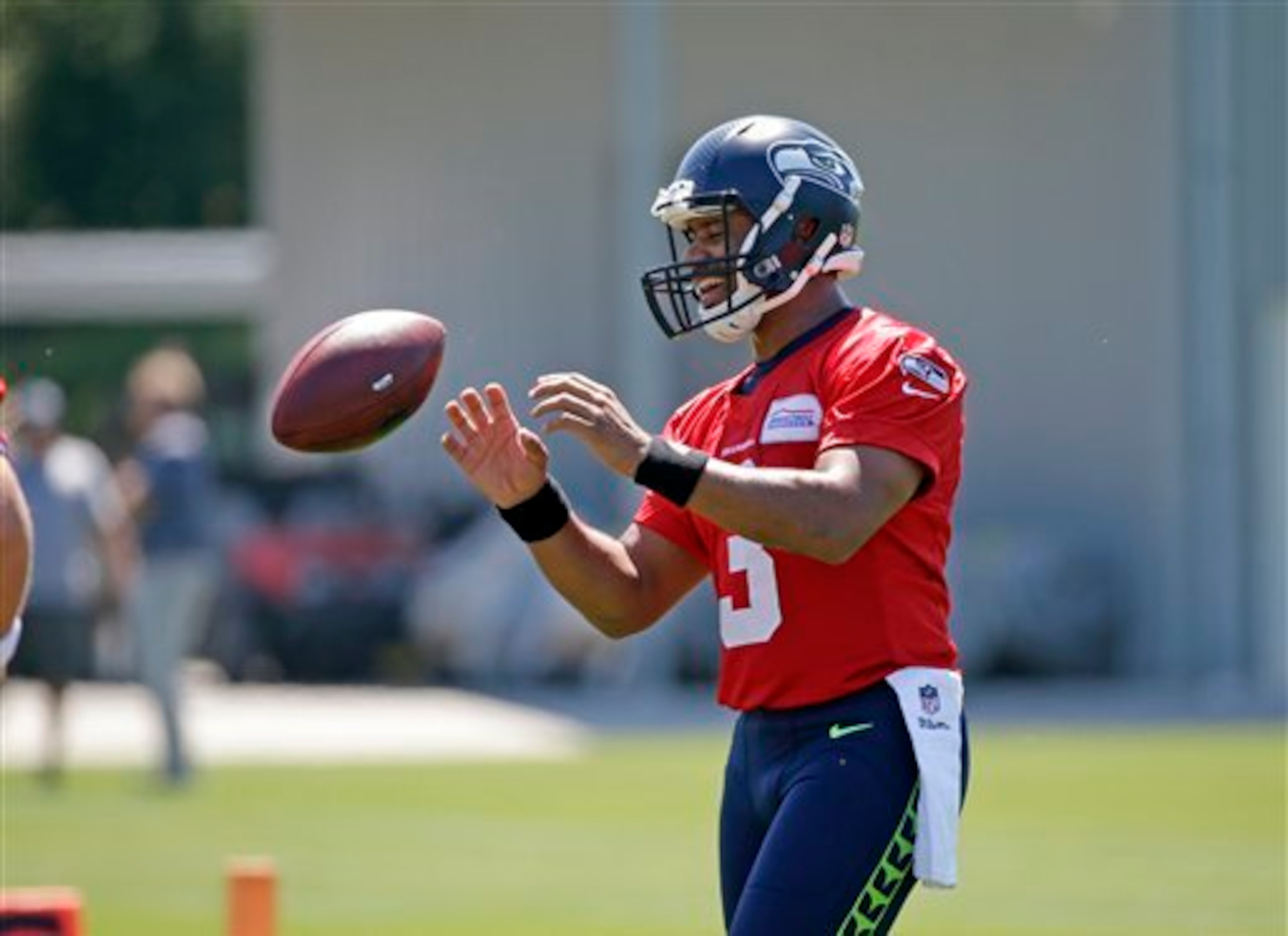
Riskiest Move: Letting Russell Wilson hang in the wind
Speaking of relationships going sour, what is happening in Seattle between the Seahawks and quarterback Russell Wilson?
It makes sense that Seattle would want to minimize costs at the most expensive position of all—after all, they have gotten an absolute bargain with Wilson playing on a third-round rookie contract the past three years. Unfortunately for the Seahawks, Wilson has more than proved he is worthy of a massive contract.
The two sides have danced a tango with 50 yards between them—that is to say, a terrible dance—this offseason, and it doesn't seem like a new contract is on the horizon for this preseason.
This all sounds familiar—like when the Baltimore Ravens balked at giving Joe Flacco a big extension in 2012. Then he caught fire in the ensuing postseason, leading the team to a championship and hoarding all the leverage in contract negotiations.
The difference here is that Wilson already has leverage, having led the Seahawks to a Super Bowl win and second appearance in as many years. But if Wilson has another great season, the Seahawks will be in an even deeper corner next offseason.
St. Louis Rams
29 of 32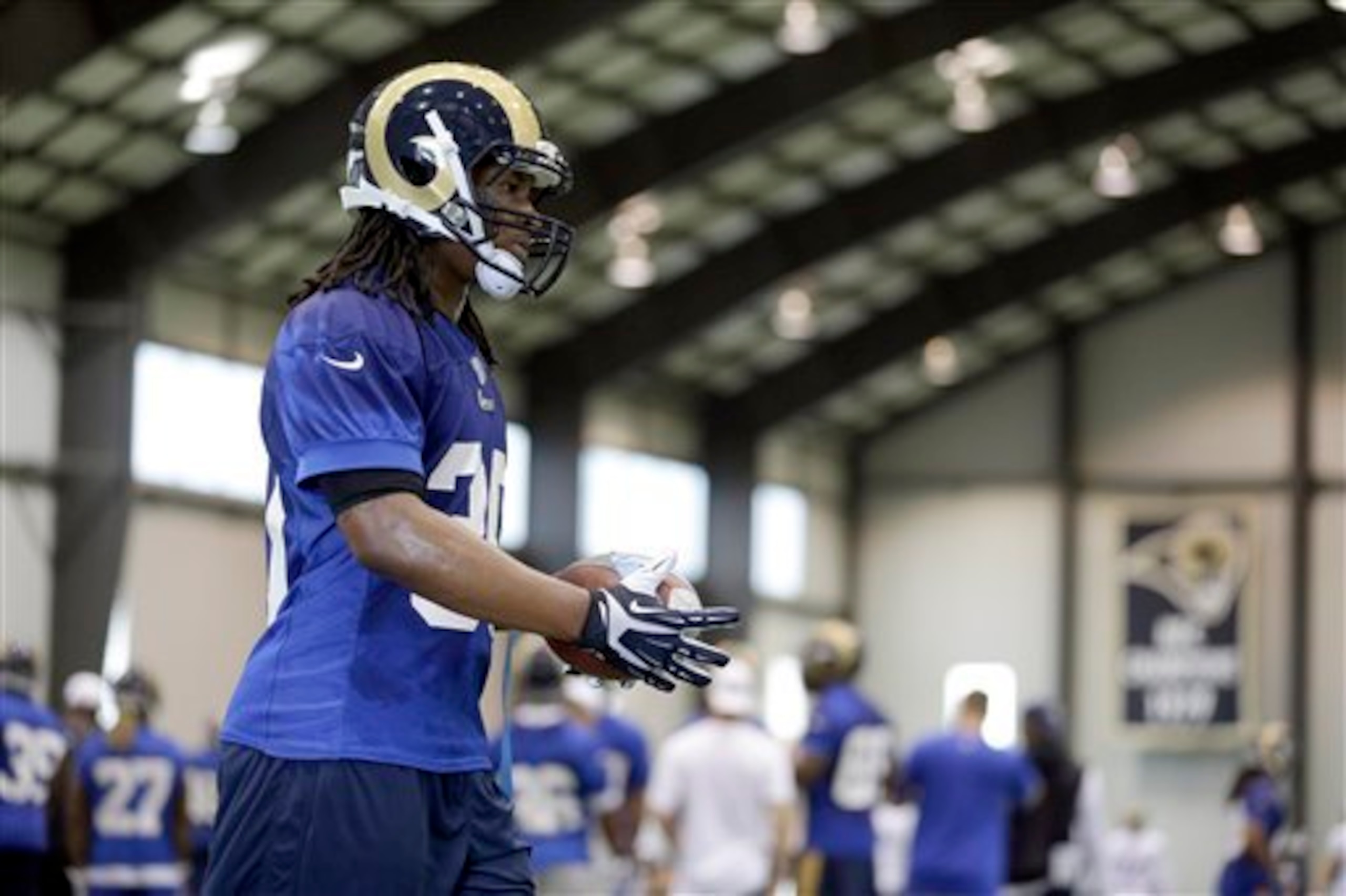
Riskiest Move: Drafting Todd Gurley in the first round
Taking a running back in the first round was a departure from recent history, a risk enough in itself based on relative value. Taking one coming off an ACL injury in the top 10 is a whole different level of risk.
The St. Louis Rams may have found the next Adrian Peterson, and that would make Todd Gurley a great draft pick. However, the Georgia product had some injury issues in college beyond the torn ACL, and he may never come close to meeting value in the NFL.
The Rams are no strangers to reaching in the first round—just look at wide receiver Tavon Austin a couple of years ago. Granted, Gurley can't quite be considered a reach given how good he is when healthy, but the pick was certainly a gamble.
Tampa Bay Buccaneers
30 of 32
Riskiest Move: Taking Jameis Winston No. 1 overall
Having the No. 1 pick comes with familiarly associated perils. In the case of Jameis Winston, there was an entirely different set of luggage accompanying the pick.
The Heisman winner certainly had some question marks on the field—most notably his turnover issues in his final college season—but it was his ugly off-field concerns that had teams nervous heading into the draft.
We are all aware of Winston's troubled college tenure by now, most notably the fact he was accused of rape. He has been cleared of all charges in several ways despite the insistence of his accuser, but that will stick with him his entire career.
We may never know the full truth, but those character concerns had to make some Buccaneers brass a bit nervous as they turned in the draft card with his name on it.
For his part, Winston has been a model citizen since being drafted. Well, since celebrating being drafted by eating crab legs.
Tennessee Titans
31 of 32
Riskiest Move: Keeping Ken Whisenhunt
Titans head coach Ken Whisenhunt has admitted that he may have overestimated his own team when he took the job. That revelation came in the first month of last season, as reported by ESPN.com's Paul Kuharsky.
The Titans weren't very good before he took over, and they were worse after a year of his reign. It got so bad that many Titans fans were calling for him to be fired, a fate he narrowly escaped this offseason.
That could prove to be a huge mistake.
"Our quarterbacks are getting punished, and that's sad," is what tight end Delanie Walker said after rookie Zach Mettenberger injured his shoulder near the end of the 2014 season, according to Kuharsky.
Whisenhunt nearly ruined Mettenberger last season by letting him get mauled by opposing defenses, and he now has the new face of the franchise to mold—Marcus Mariota.
Hopefully Whisenhunt is smart with the team's prized No. 2 pick.
Washington
32 of 32
Riskiest Move: Taking Brandon Scherff in the first round
Washington needed a pass-rusher in a bad way, and Clemson's Vic Beasley had fallen to the No. 5 pick. Naturally, the team took a next-level guard to play tackle in the NFL.
Brandon Scherff was a good offensive lineman in college, and he certainly merited consideration near the top of the draft. But many draft analysts projected he would be a better guard in the NFL, and Washington has him pegged to start at right tackle right away.
That is a potential disaster waiting to happen.
Meanwhile, Beasley—considered one of the safest picks in the draft by many—slipped right on by, and Washington's pass rush might have more trouble in 2015 as a result.
.jpg?w=2560 "Broncos Chargers Football")

.jpg?w=2560 "MHJ Bought Own Jugs Machine")