2015 UEFA European Under-21 Championship: Sunday's Day 5 Takeaways
Round 2 of the European Under-21 Championship came to an end Sunday, with Group B's proceedings completing the week's action.
Portugal moved onto four points (topping the group) after drawing 0-0 with a strong Italy side, while England dug out a late win over Sweden, courtesy of a Jesse Lingard stunner, to put themselves firmly in contention to qualify for the semi-finals too.
Here, B/R reflects on another entertaining day in the Czech Republic, offering you the top takeaways.

1. Rough diamond: Isaac Kiese Thelin?
Every two years, the European Under-21 Championship takes place, and every two years, diamonds in the rough rise to the surface. It's important not to get too carried away with players based on international appearances in such small sample sizes, but scouts get paid to project, and it would not come as a surprise if several are raving about Isaac Kiese Thelin.
The Swedish forward has looked very good in manager Hakan Ericson's workmanlike 4-4-2, combining with the more established John Guidetti and using his physical attributes well. He's 6'2", faster than he should be over the top, boasts short-area mobility and holds defenders off at will.
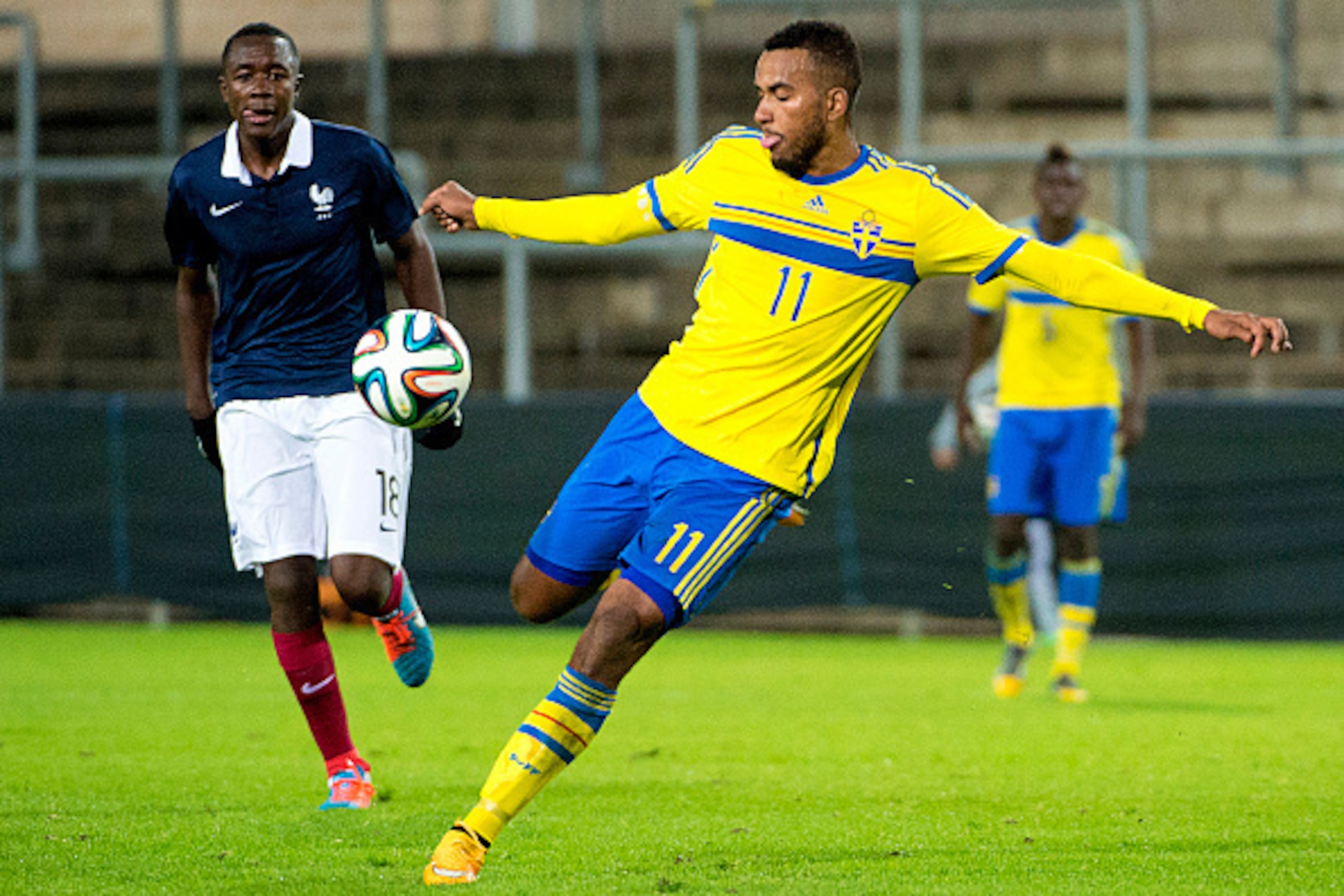
Combine that with strong technical skills and, crucially, a striker's nous for finding space and timing runs—which Thelin has—and you have a deadly mixture that top teams covet. It's rare to find a player who is this tall and this quick, and it's even rarer to find that combination playing football (soccer) rather than the NFL.
Thelin has five senior caps for Sweden, has some Swedish fans optimistically comparing him to Zlatan Ibrahimovic and plays in Ligue 1. He's not the roughest of the rough, but he's suitably off the radar and will be attainable if any team wishes to roll the dice.
2. Ruben Loftus-Cheek creates fresh midfield dilemma
It wasn't pretty, but England did what they needed to do on Sunday. Beating Sweden in Olomouc turned out to be just as hard as many predicted, and only an 85th-minute golazo from Jesse Lingard saved Gareth Southgate's blushes.
The pivotal win is a big step in the right direction, even if the performance raised more questions than it answered. The biggest and most luminous of question marks now hovers over the manager's midfield selection ahead of the third game, with more and more players seeming to play themselves out of contention with every passing day rather than into it.

The most recent complication comes in the form of Ruben Loftus-Cheek, who greatly improved England's midfield after being substituted on against Sweden. He brought drive and sparked forward motion—two things criminally lacking in a first 70 minutes best described as stale and at worst torturous.
"At times we needed to raise the tempo," Southgate admitted to UEFA.com's Simon Hart and Tom Kell after the game. "We can be better, but it has given us a good chance of going through."
Nathaniel Chalobah travelled to the Czech Republic as England's first-choice anchor with Loftus-Cheek the understudy, and it's unlikely Southgate thought he'd be faced with the possibility of deposing the former so soon.
But after quickly sifting through the entire depth chart in central midfield, he's sure to arrive at the same conclusion many fans did by 7 p.m. on Sunday: Loftus-Cheek should be thrown in for a start against Italy. James Ward-Prowse could come back in as well, replacing the ineffective Tom Carroll alongside him.
3. Luigi Di Biagio pulls a Horst Hrubesch
In Saturday's takeaways, we credited Germany manager Horst Hrubesch for fixing the mistakes in his XI. Playing Kevin Volland up front, starting Joshua Kimmich in midfield and playing Leonardo Bittencourt wide were good, reactive moves and directly contributed to a stark upturn in performance (and a win).
One day later, we must lay the same praise at Luigi Di Biagio's feet. He made liberal changes to his Italy team ahead of a must-not-lose game, and after his side edged the play during an impressive 0-0 draw with Portugal, it's safe to say he nailed his selections the second time around.
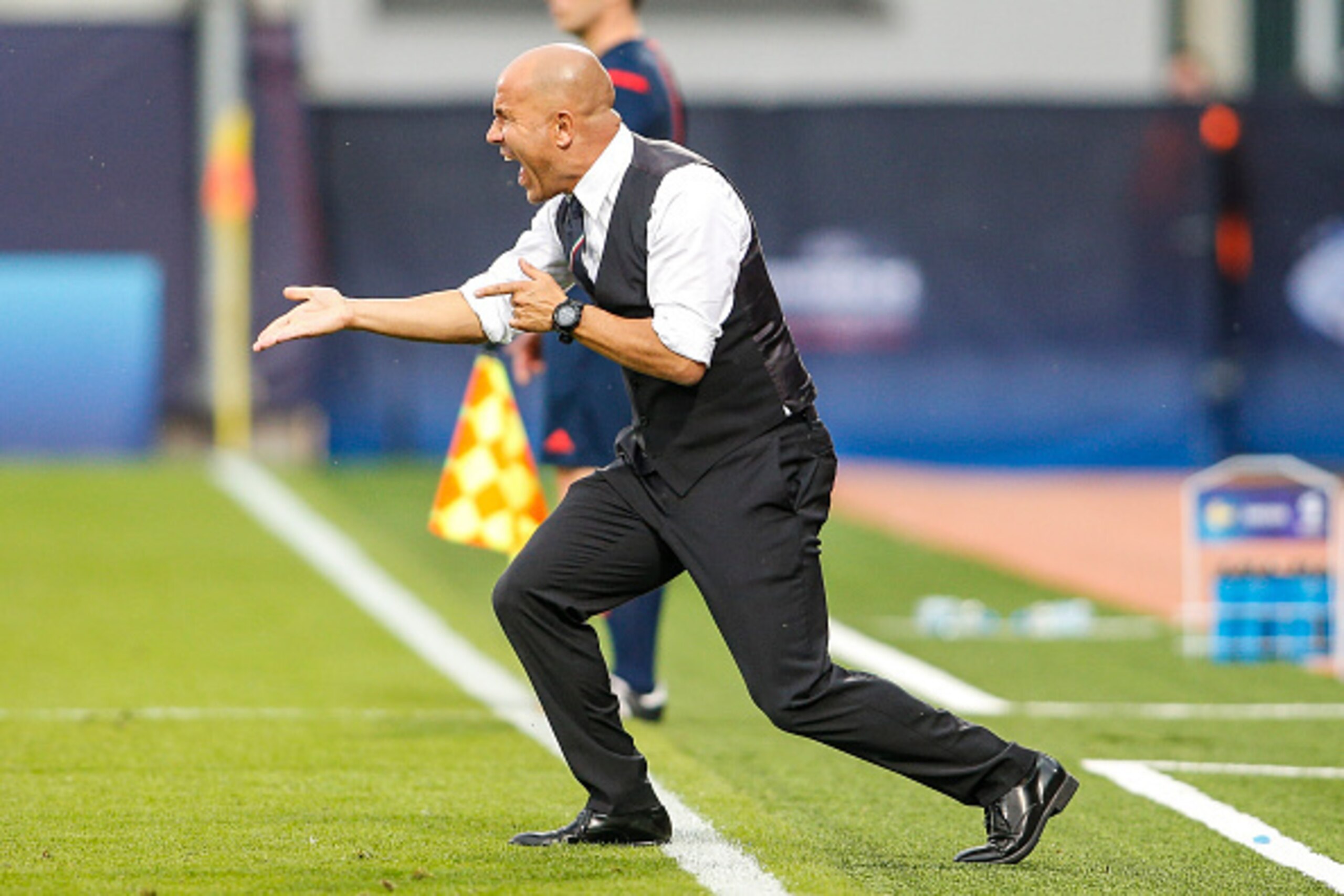
Alessio Romagnoli is a better player than Matteo Bianchetti. Cristiano Biraghi is a more natural fit at left-back. Lorenzo Crisetig provided fantastic balance in midfield. And Danilo Cataldi imposed his all-action will in a tight midfield battle. All four major switches helped the Azzurrini, and this gives them a far better platform to work off heading into their final game against England.
The star of the show was still Domenico Berardi, who tore Raphael Guerreiro to shreds on the flank and cut inside to create or shoot at will. As a unit, however, Italy put in a performance 10 times better than the one offered limply against Sweden.
For that, Di Biagio deserves a clap.
4. Do Portugal lack cutting edge?
There's no doubt Portugal control the midfield superbly in their midfield diamond and will dominate play against most sides as a result. With Bernardo Silva and William Carvalho in the centre, they possess the perfect mix of steel and flair and stand one of the three strongest teams in the tournament.
But reflecting on their reasonably toothless 0-0 draw with Italy and their squeezed 1-0 win over England, a common theme occurs: The Selecao look wonderful on the ball but don't create that much. In addition, their finishing seems...a little lacking, perhaps.
It's difficult to shake Southgate's description of their goal against England: "very unfortunate" (for his side), per UEFA.com's Nuno Tavares and Simon Hart. Add in that they registered their first chance on target against Italy just two minutes from the end of the match, finally forcing Francesco Bardi to actually do something, and it starts to paint an emerging picture.

Rui Jorge has received praise for eschewing the typical 4-3-3 setup of the Portuguese, feeling it unnecessary to play a subpar No. 9 and instead revamping the shape to get the best out of a squad teeming with midfield options.
But the byproduct could be a lack of killer instinct and a distinct lack of clinicality. Joao Mario scored against England and missed a big chance against the Azzurrini. If they're relying on him or other classic central midfielders to win this tournament with goals, they may fall short for a rather predictable reason.
.jpg?w=2560 "FIFA Congo Player Eligibility")

.jpg?w=2560 "Terrell Owens Being Sued for Defamation")
.jpg?w=2560 "Buyers or Sellers for NFL's Most Surprising Teams 🏈")
.jpg?w=2560 "CJGJ Shares Cryptic Post 🤔")