
Copa America 2015: Day 1 Takeaways
The 2015 Copa America got underway on Thursday, as hosts Chile got their tournament off to the perfect start with a 2-0 victory over Ecuador in Santiago.
Jorge Sampaoli's side started the game in breathtakingly adventurous fashion, threatening to overwhelm their opponents early on with the speed and inventiveness of some of their attacking moves. But an opening goal that initially looked inevitable somehow continued to elude them for the entirety of the first half. And as the game wore on the visitors became more settled and gradually more threatening on the counter-attack.
By the hour mark it looked like the expectant fans inside the Estadio Nacional would leave the ground disappointed, as Chile's attacking threat started to diminish, and Ecuador grew in confidence.


.jpg?w=2560 "Seahawks Chiefs Football")
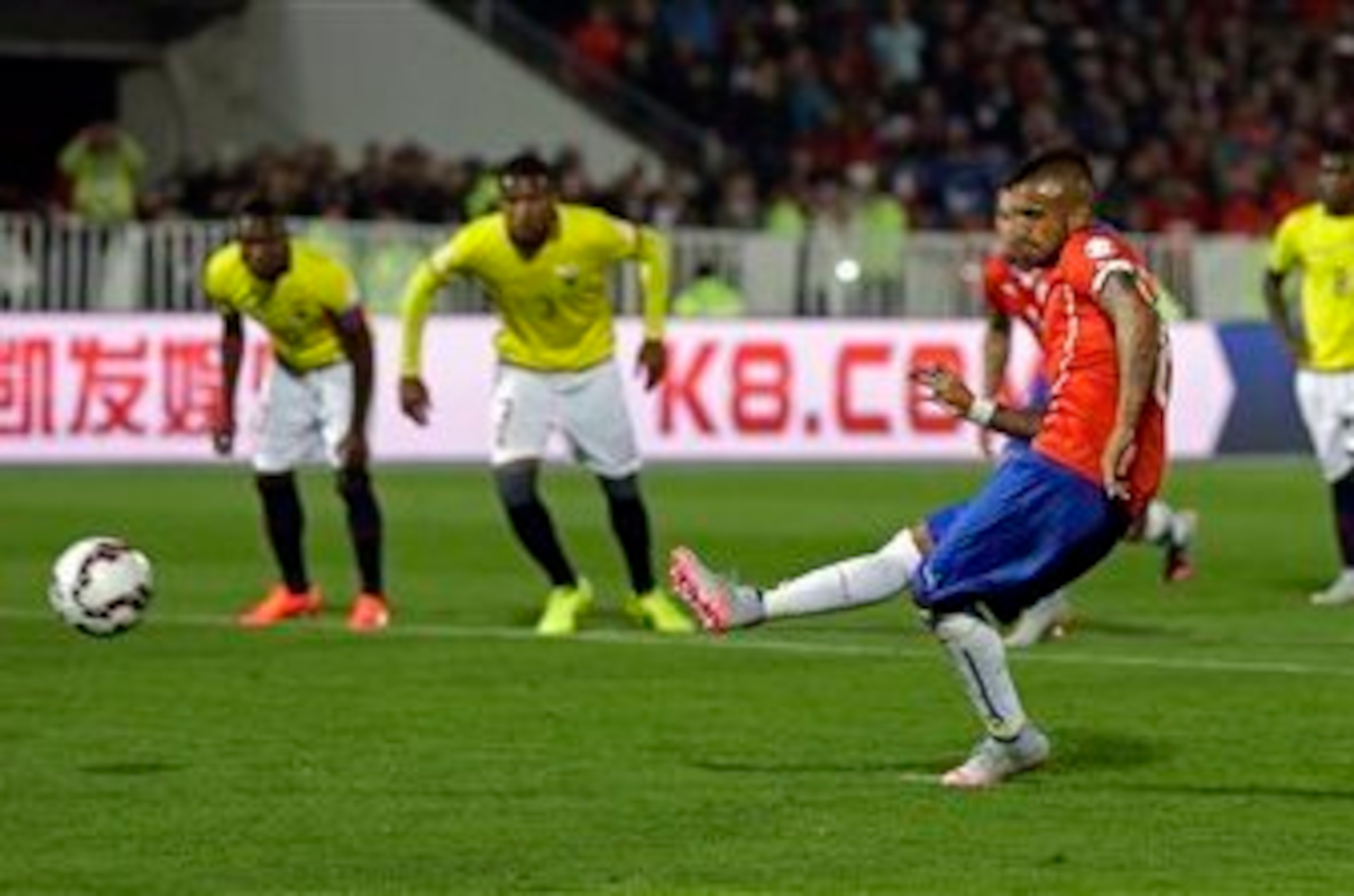
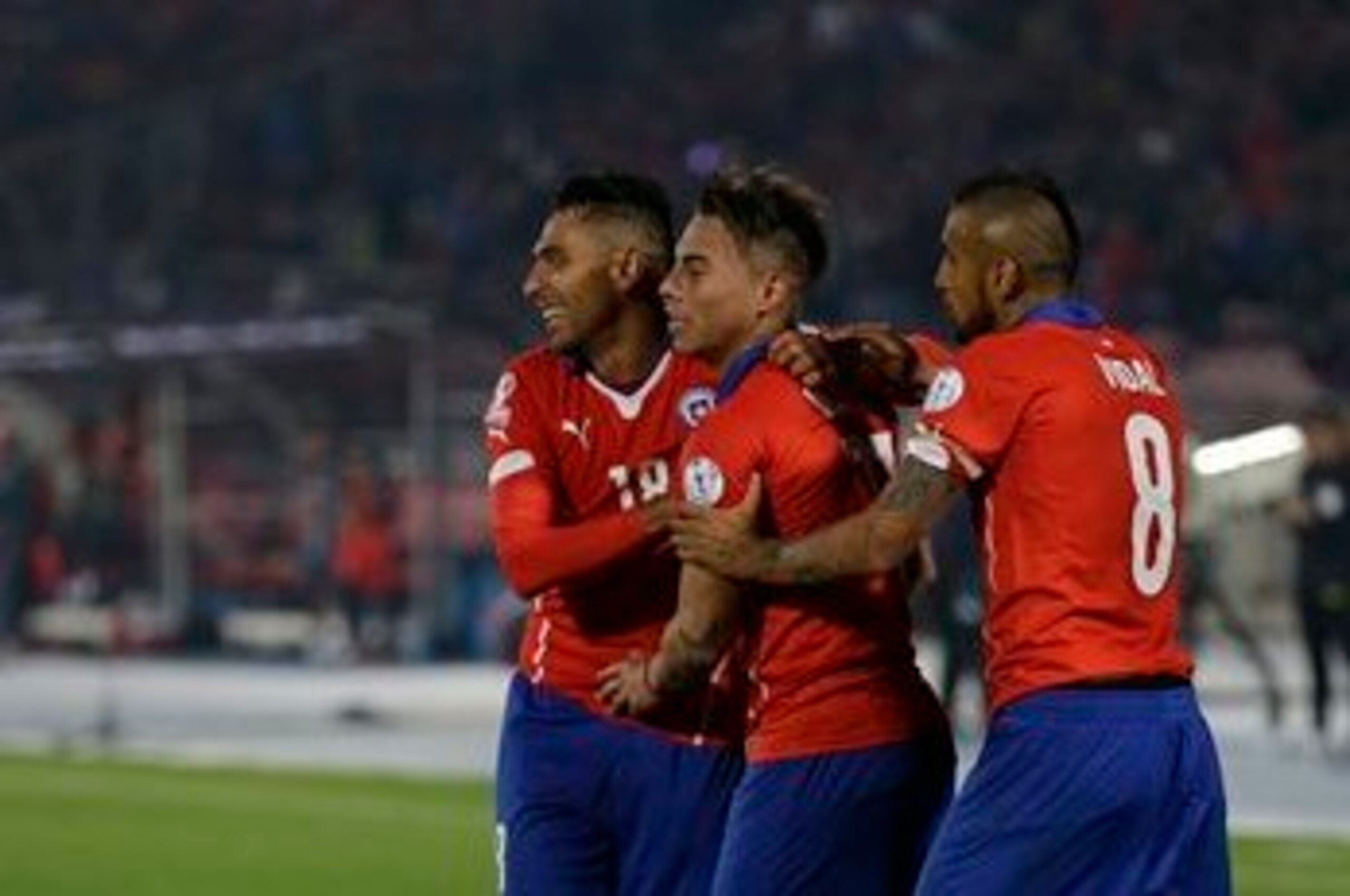
But then the referee awarded a soft penalty to the home side after a dubious foul right on the edge of the box, a gift of an opportunity that Arturo Vidal, the man who won it, emphatically converted.
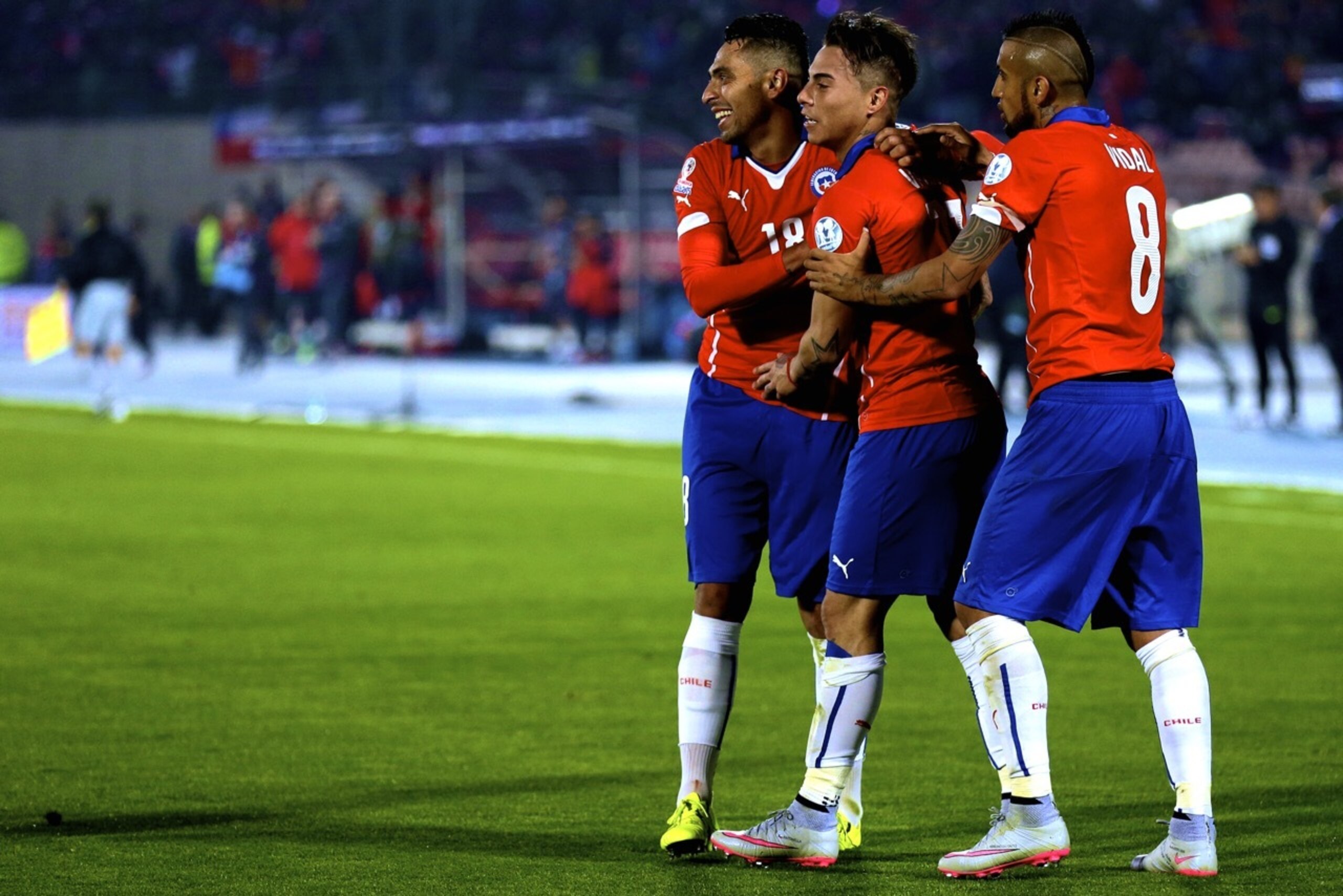
With the lead now secured—and the pressure off to some extent—Chile began to play with the same sort of rhythm they had shown early in the first half. And with just under 10 minutes to go, substitute Eduardo Vargas secured his side's Group A win with a lovely, calm finish after an exquisite through ball from the night's outstanding performer, Alexis Sanchez.
Here are a couple of takeaways from the tournament's opening match.
1. Sampaoli had to tweak things to cover cracks and get the win
The three points was the main thing for Chile on opening night—such occasions almost never seem to be easy for the hosts, who are often inhibited by the pressure and expectation thrust upon them—but for Sampaoli there was still a lot to chew over.
After a stunning start to the game, he saw his side slowly devolve into a predictable, unbalanced attacking unit, with the overwhelming number of right-footers in the team seemingly leading every attack to end up coming down the right side of the pitch.
That was not necessarily a problem while the wing-back on that side, Mauricio Isla, was having a brilliant game (linking up beautifully with Sanchez). But after a while Ecuador seemed to adjust to the particular threat he posed and slowly dealt with it more effectively.
By the time the half-time whistle blew, it was beginning to look like Chile were running out of ideas—and it was Ecuador growing more and more into the game.
Sampaoli (kudos for being proactive) saw this and removed the redundant left wing-back, Jean Beausejour, and replaced him with another forward, Vargas, during the break. That had a limited initial impact (indeed, if anything it had a negative effect) but would become more significant later on, after the coach had also replaced the man initially selected as his playmaker, Jorge Valdivia, and instead given his star, Sanchez, creative responsibilities in a slightly deeper role.
After the referee intervened to gift Chile the opener that got them up and running, it was Sanchez whose vision and passing ability created the straightforward chance for Vargas to seal the deal. The Arsenal man was the best player all night, tormenting the Ecuador defence with his dribbling ability and eye for space.
"El gol de Eduardo Vargas (vine de @ActualFutbol) https://t.co/HzLdDCdbBX
— Fútbol Fichajes (@FutboolFichajes) June 12, 2015"
Elsewhere, however, things were not so encouraging for the hosts.
Sampaoli, already concerned about the lopsided nature of his team (and doubtless frustrated they could not break the deadlock through means other than an officiating decision), will have been concerned about how Ecuador winger Jefferson Montero exploited the space that Isla left on his rampages upfield during the second half—attacking bursts that would have resulted in a goal or two if his teammates had perhaps been a bit sharper inside the box.
The coach will not need reminding that there are other sides in this competition with forwards who do not squander such openings.
Mati Fernandez's late sending off was stupid but ultimately not the end of the world for Sampaoli—who was perhaps not looking at him as a player he was likely to use from the start for the second group game against Mexico. That is just one of a number of issues he will be juggling before that meeting. At least with a win already under the belt, he has some margin of error to work with.
2. Fatigue might catch up with the hosts in the end
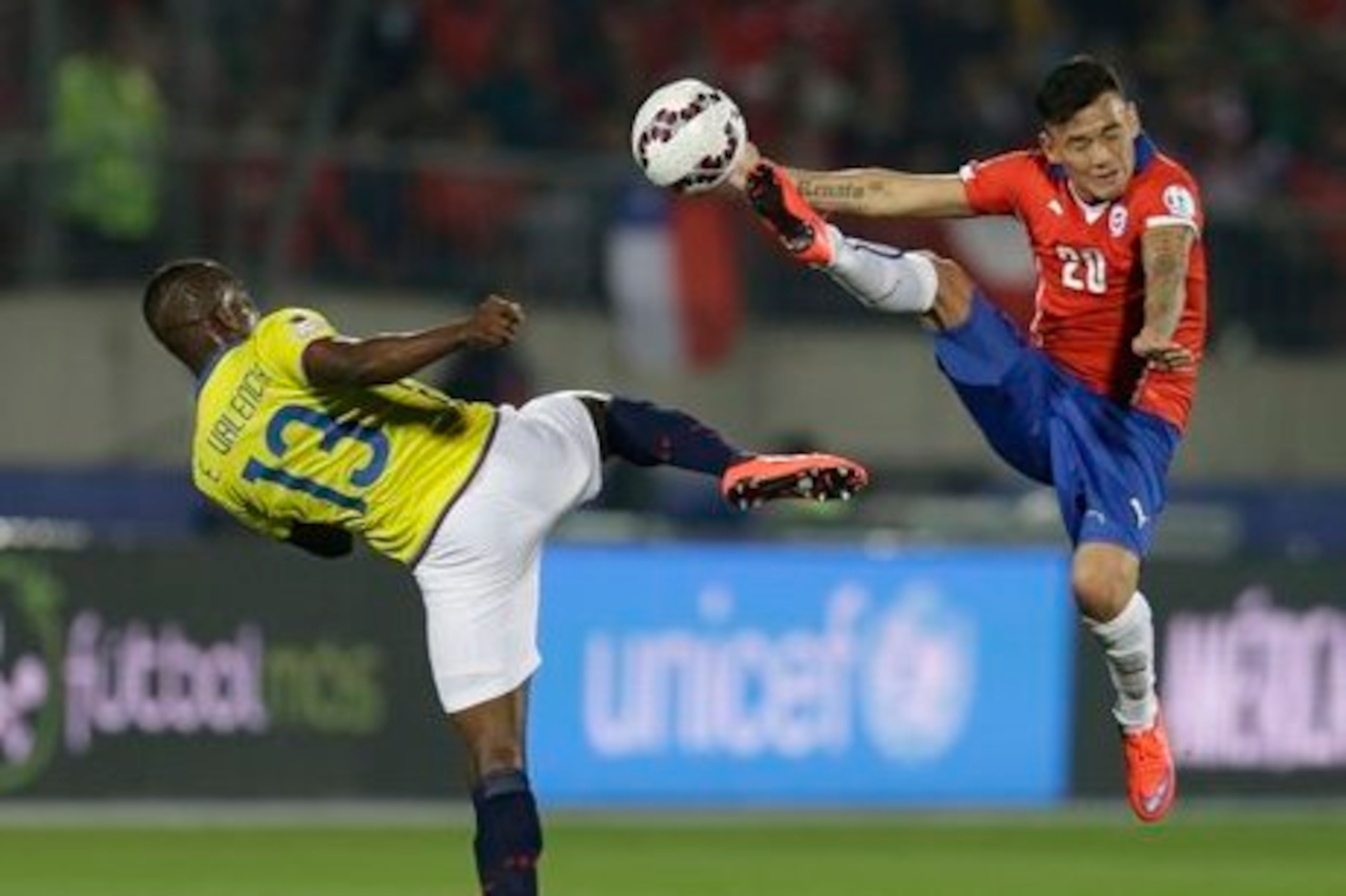
One thing that was noticeable from the off with Chile's performance was the intensity of their pressing and attacking play, something that was not necessarily a huge surprise—we saw it throughout the World Cup last summer—but nevertheless remains impressive to watch.
After an initially dominant start, however, the pace started to drop off for the hosts, and in the end Sampaoli had to juggle his personnel to get the result he wanted—even if it was two of his starters, Vidal and Sanchez, who were the architects of the win.
Those two players might yet prove to be the crux of Sampaoli's biggest issue, however, which is the effect of accumulated fatigue on his squad.
It is a safe bet that both his stars are already running on empty when it comes to their energy levels (Sanchez after an intensive first season in the Premier League with Arsenal, Vidal after competing in the Champions League final less than a week ago). It remains to be seen whether they can keep performing to their usual levels for the entirety of the tournament—especially in a system that demands almost constant motion.
The spectre of fatigue is one that hovers over the rest of the squad, with many of La Roja's players having just finished a draining European season (in fairness, this is true of many other sides at the tournament).
What Chile lack in quality across the board (they have some brilliant individuals, just not as many as Argentina, Brazil and Colombia) they make up for in fitness, commitment and work rate—but if fatigue starts to undermine those elements, then the hosts might struggle in the later stages of this tournament.
3. Ecuador's losing streak continues
Ecuador have now lost 10 games in a row in the Copa America, a run of awfulness that stretches all the way back to the 2001 iteration of the tournament (where they beat Venezuela).
Gustavo Quinteros' side had their moments in this match, with Montero in particular occasionally looking very dangerous down the left. But they looked limited defensively and a bit short of confidence in the final third—not a great combination for any side when it comes to a big tournament.
Perhaps they will finally end their winless run in the final two group games, especially with Mexico sending a second-string squad to this tournament (because of the Gold Cup). Regardless, their second group game against Bolivia has now become very important—in more ways than one.
4. Time-keeping not necessarily a priority
Scheduled to kick off at 8:30 p.m. local time, this curtain-raiser instead started at 8:40 p.m., a full 10 minutes later than initially expected.
For fans used to the military precision often found with the kick-off timings of Champions League or World Cup matches, this was an unusual, frustrating development to get to grips with. Perhaps the delay was simply caused by the opening ceremony that preceded it, or perhaps it was a first example of a lesser regard for precision time-keeping that might be found in South America. We shall see.






