French Open 2015: What Roland Garros Results Mean for Tournament's Biggest Stars
The 2015 French Open signaled a shift in the Grand Slam landscape. For the first time in five years, it wasn't the familiar face of Rafael Nadal standing with the championship trophy, it was Stanislas Wawrinka.
The 30-year-old earned his second major championship by virtue of a 4-6, 6-4, 6-3, 6-4 win over the world No. 1 Novak Djokovic in the tournament's final match. Djokovic himself made a little personal history with his first win over Nadal at Roland Garros in the quarterfinal.
| 9 | Aces | 6 |
| 3 | Double Faults | 0 |
| 59 | Winners | 30 |
| 45 | Unforced Errors | 41 |
| 4/15 | Break Point Conversions | 2/10 |


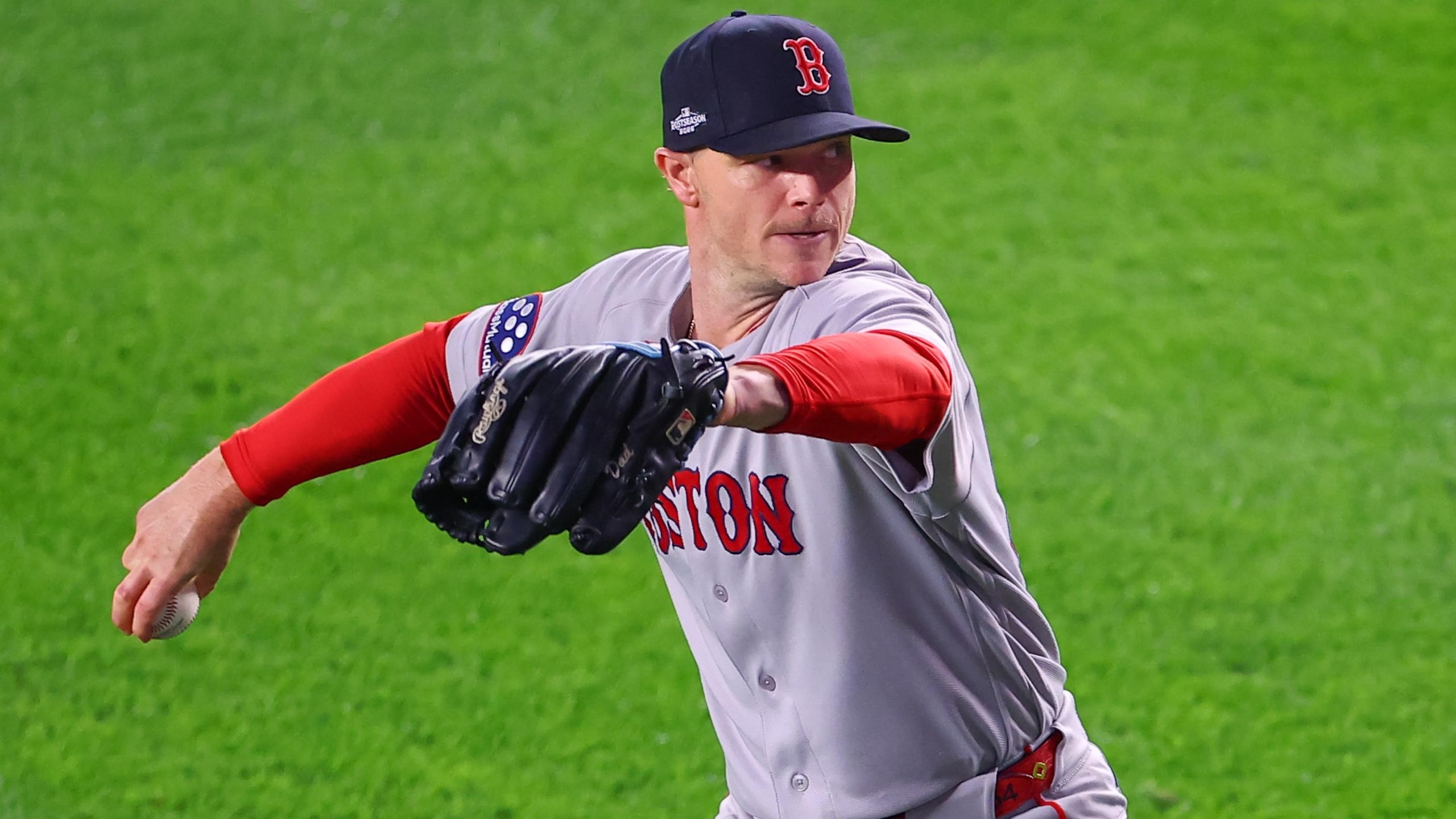
With a win over Andy Murray in the semifinal, it appeared he was well on his way to achieving a career Grand Slam. But the times they are a-changing in Slams. Wawrinka showed that it isn't just the big three who are capable of winning Slams.
Wawrinka became just the second player to win multiple Slams in the era of Roger Federer, Nadal and Djokovic. The second is Murray, who has captured both the Wimbledon and US Open titles.
Make no mistake, this wasn't a case of Djokovic choking away a title. Wawrinka was simply the better player in the final, as noted by Brian Phillips of Grantland:
"Like, Stan's best might actually be better than Djokovic's best.
— Brian Phillips (@runofplay) June 7, 2015"
"Okay, this isn't Novak's best. But his clay game at this tournament has been way too cautious for a deranged tweaking werewolf like Stan.
— Brian Phillips (@runofplay) June 7, 2015"
Overall, it was a tournament that could have long-term ramifications for Nadal, Djokovic and Wawrinka. Here's a look at what all three stars did and the impact that the French Open could have on each long-term.
Nadal's Run Could Be Over
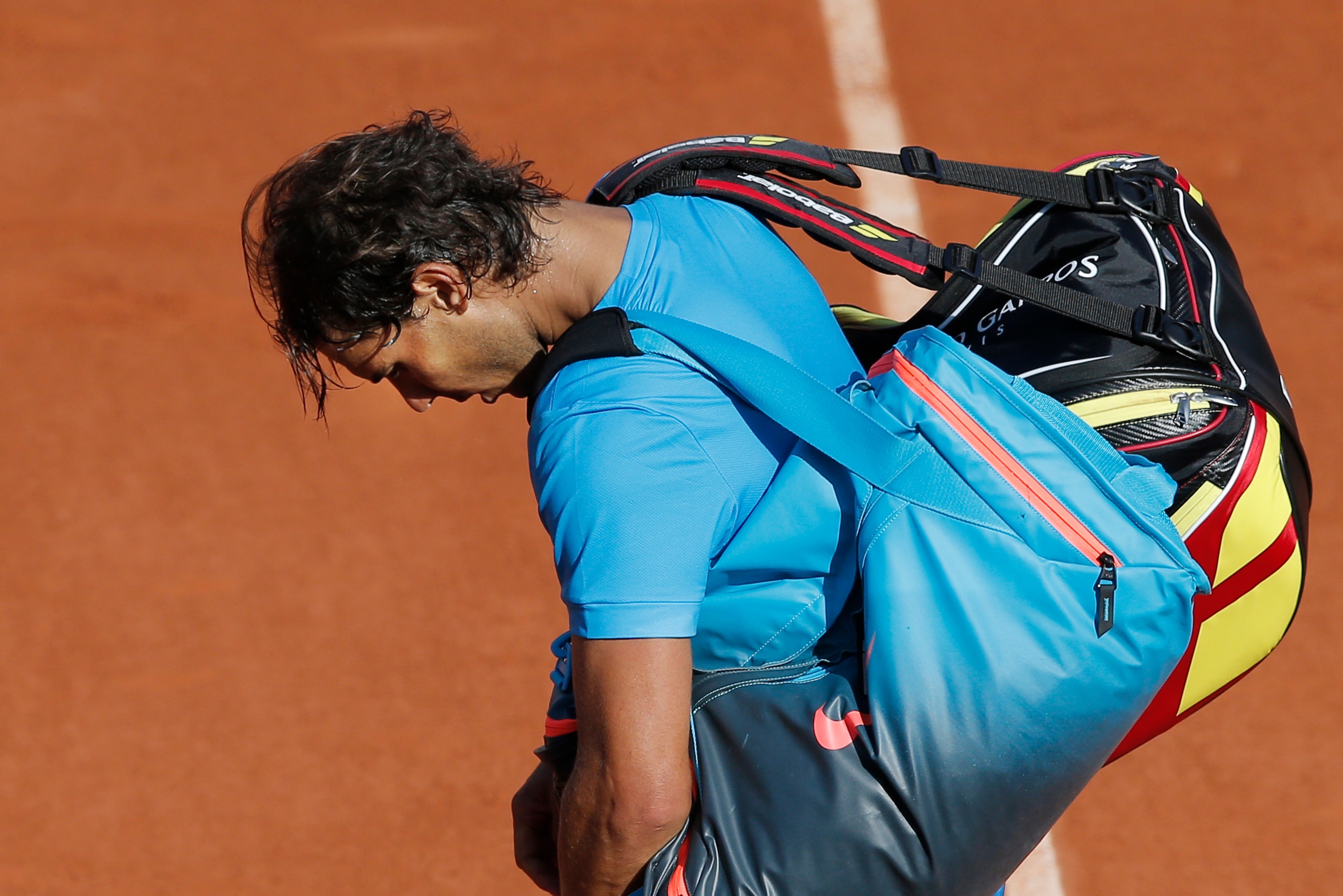
Rafael Nadal will assuredly go down as one of the greatest stars in tennis history. With 14 total Grand Slam titles, he's second behind Federer for the most all-time and no one has dominated a single major the way he has dominated the French Open.
The Spaniard's nine titles on the clay of Roland Garros is the most of any player at one major. But that run of dominance could have seen its last days. The problem isn't just that Nadal was eliminated for the first time since 2009. It's that he was eliminated in straight sets and appears to be struggling with confidence.
"I am feeling more tired than usual,” Nadal said via Simon Briggs of the Telegraph after losing in the third round of the Miami open in March. “Feeling that I don’t have this self-confidence that I am going to hit the ball where I want to hit the ball, to go for the ball knowing that my position will be the right one."
It's no secret that Nadal is slowing down physically. He withdrew from the US Open due to a wrist injury and underwent stem-cell treatment on his back. Chris Chase of USA Today summed up why Nadal's physical decline could be steep while comparing him to former NBA superstar Allen Iverson:
"Nadal charges like a bull — an animal which is, not coincidentally, his personal Nike logo. Nadal never takes a point off. He runs so hard and so forcefully that you can practically hear the cartilage shredding away from his knees. Like Iverson, he’s constantly relentless. For years, he played in far too many tournaments and matches, especially during the spring, would complain about the length of the ATP schedule, then go out the next year and play just as much.
"
However, losing his confidence makes that decline even worse.
Losing in straight sets at the tournament that he has owned for several years makes it highly unlikely he gets his mojo back in time to factor into any other Slams this year.
Roland Garros Continues to be the Bane of Novak Djokovic's Career
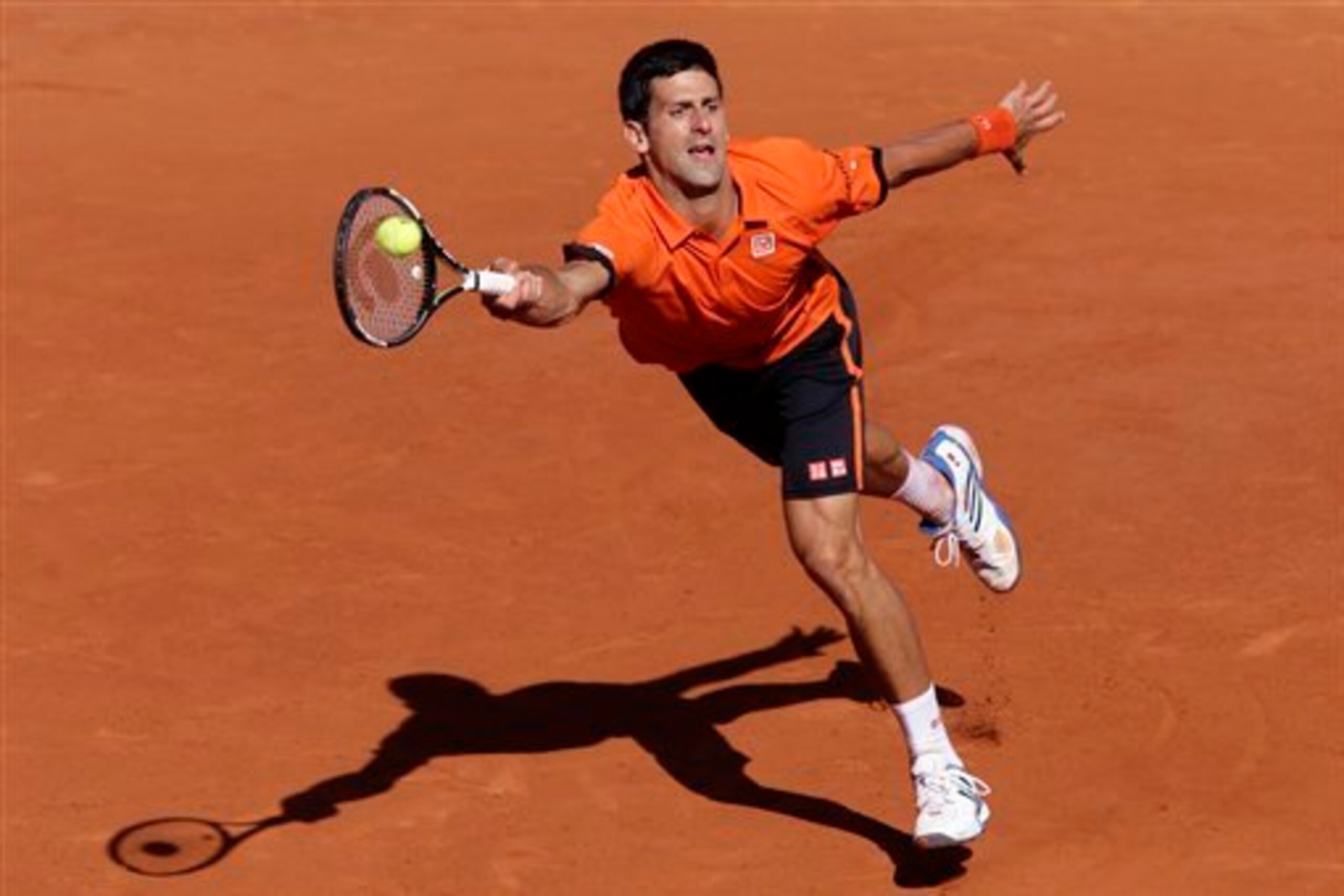
Novak Djokovic has done well to carve out his own place in tennis history among Federer and Nadal. His eight Slams tie him with the likes of Andre Agassi and Jimmy Connors. Even so, his resume has one glaring weakness—he's a French Open title short of a career Grand Slam.
It's a weakness that he's come close to addressing a few times. He entered this year's tournament with two finals appearances to his name. With Nadal out of the way this year, Djokovic was well aware of the opportunity he had.
"Of course I was more nervous than any other match," said Djokovic via Piers Newbery of BBC Sport. "It's the final of Roland Garros. We both were aware of the importance of this match, and that's why you tend to have these particular situations."
The natural knee-jerk reaction to his loss to Wawrinka might be of the "sky is falling" variety. As Christopher Clary points out, Djokovic is becoming increasingly old for a player who is seeking the feat:
However, there are some extenuating circumstances for Djokovic. None of them have had to overcome Nadal in his prime to add the French Open to their list of accomplishments. That's only been true of Djokovic twice in his career.
The French sky isn't falling just yet. At No. 1 and 28 years old, Djokovic clearly has some mileage left in his legs and it doesn't appear that Nadal will ever be the threat he once was. The Serbian should enter next year's tournament as one of the favorites once again.
New Expectations for Stanislas Wawrinka

Natural knee-jerk reaction part two for this tournament would be to crown Wawrinka as an automatic Slam contender every time out. Just like counting out Djokovic in the French, buying this as wholesale truth is also an overreaction.
Wawrinka himself put the brakes on that talk after his victory, per Mark Masters of TSN:
One only needs to look at the 2014 French Open to see the volatility of Wawrinka's play. Fresh off his first Slam victory at the Australian Open, he was bounced in the first round at Roland Garros by Guillermo Garcia-Lopez.
A win at Roland Garros does very little to prove those consistency issues are a thing of the past. What it does do, is show that Wawrinka is capable of making a run when he's in top form, especially when he's making shots like this one shared on the French Open's Twitter account:
Wawrinka's run at Roland Garros was undoubtedly special. But it doesn't mean that he's going to turn around his 53 percent career winning percentage at Wimbledon. In fact, if history is to be believed, he's just as likely to be bounced in the first round in London.


.jpg?w=2560 "Weather Channel Trolls Texans-Titans 💀")

.jpg?w=2560 "Report: Seahawks Not Signing Mixon 😯")