Can a New President Actually Galvanise the Public's Confidence in FIFA?
Seventeen years ago, the world was witness to a new Federation Internationale de Football Association (FIFA) president. At the 51st FIFA Congress, then-62-year-old FIFA General Secretary Sepp Blatter and then-68-year-old Union of European Football Associations (UEFA) President Lennart Johansson were the two candidates vying for Joao Havelange's FIFA presidency.
Havelange had been in charge of the world's foremost football organisation for 24 years (spanning 1974-1998), and not without scandal.
A Swiss court in 2008 disclosed over £66 million in bribes were allegedly paid to high-ranking sports officials—securing lucrative marketing and broadcasting contracts, as noted by the Telegraph's former correspondent David Bond.
TOP NEWS
Explosive Ronaldo Statement 😮
Live Messi's Argentina Farewell 🐐
Live Int'l Break Goals and Highlights 🔥
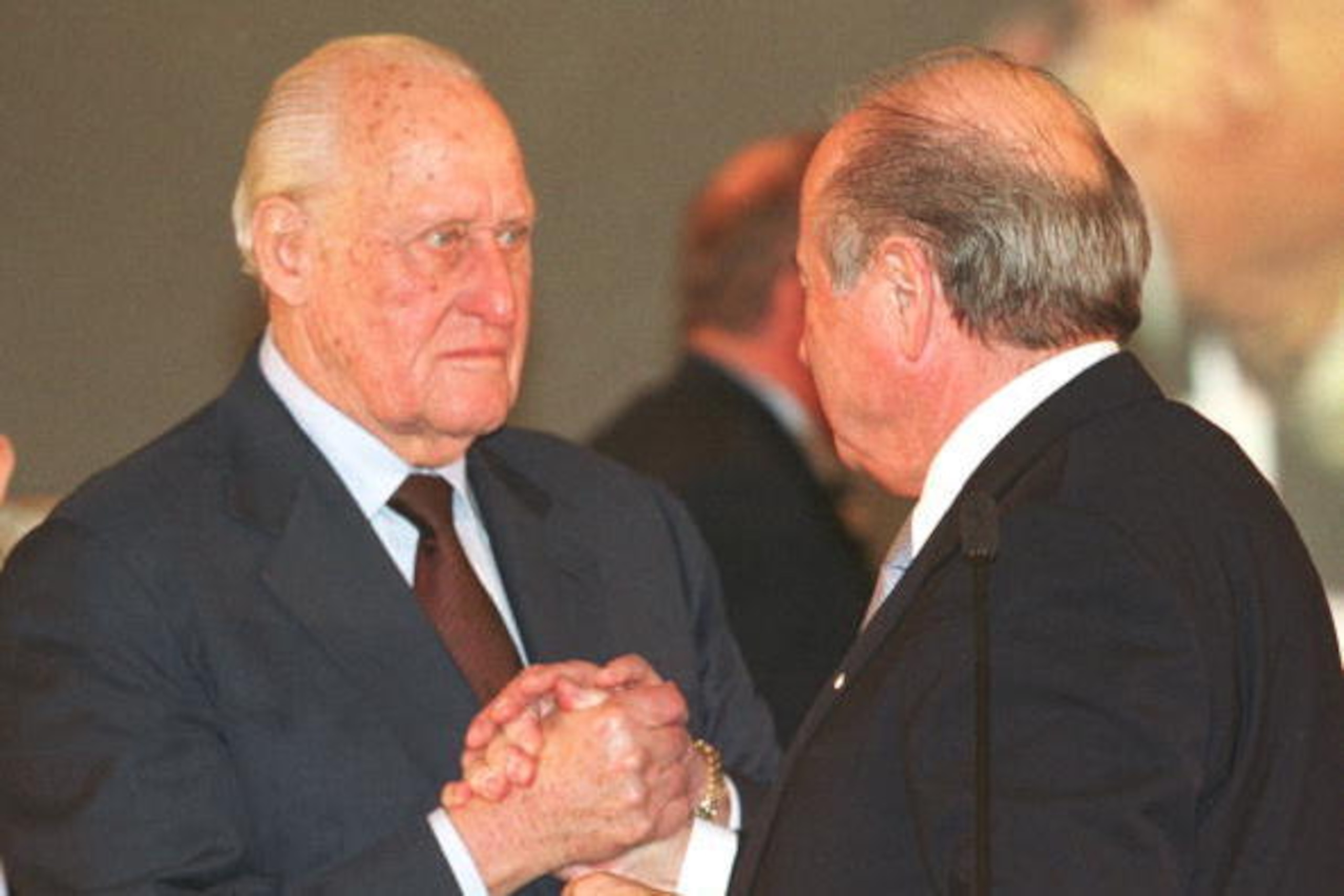
The report notes, of the £66 million in bribes, "£58m was paid out by International Sports and Leisure (ISL) between 1989 and 1999," which—for the exception of 1999—fall squarely during Havelange's tenure.
FIFA's former marketing firm, ISL, declared bankruptcy in 2001. Subsequent investigations into their £158 million debt, according to Andrew Jennings in the Telegraph, resulted in several dubious findings into FIFA's corruption—despite the football entity's request for an inquiry into ISL, who withheld £50 million of FIFA money to save their company.
Granted singular rights to market the World Cup, ISL's close contact with FIFA made shuffling money from one pocket to another nearly imperceptible, but their success from the 1990s did not translate into the new millennium—thus putting their partner in the crosshairs.
Possibly sensing impending doom around the corner—as another term could have seen him fall off a proverbial cliff—Havelange elected to end his 24-year reign as football's top man, and the election between Blatter and Johansson (held on June 8, 1998) was set in motion.
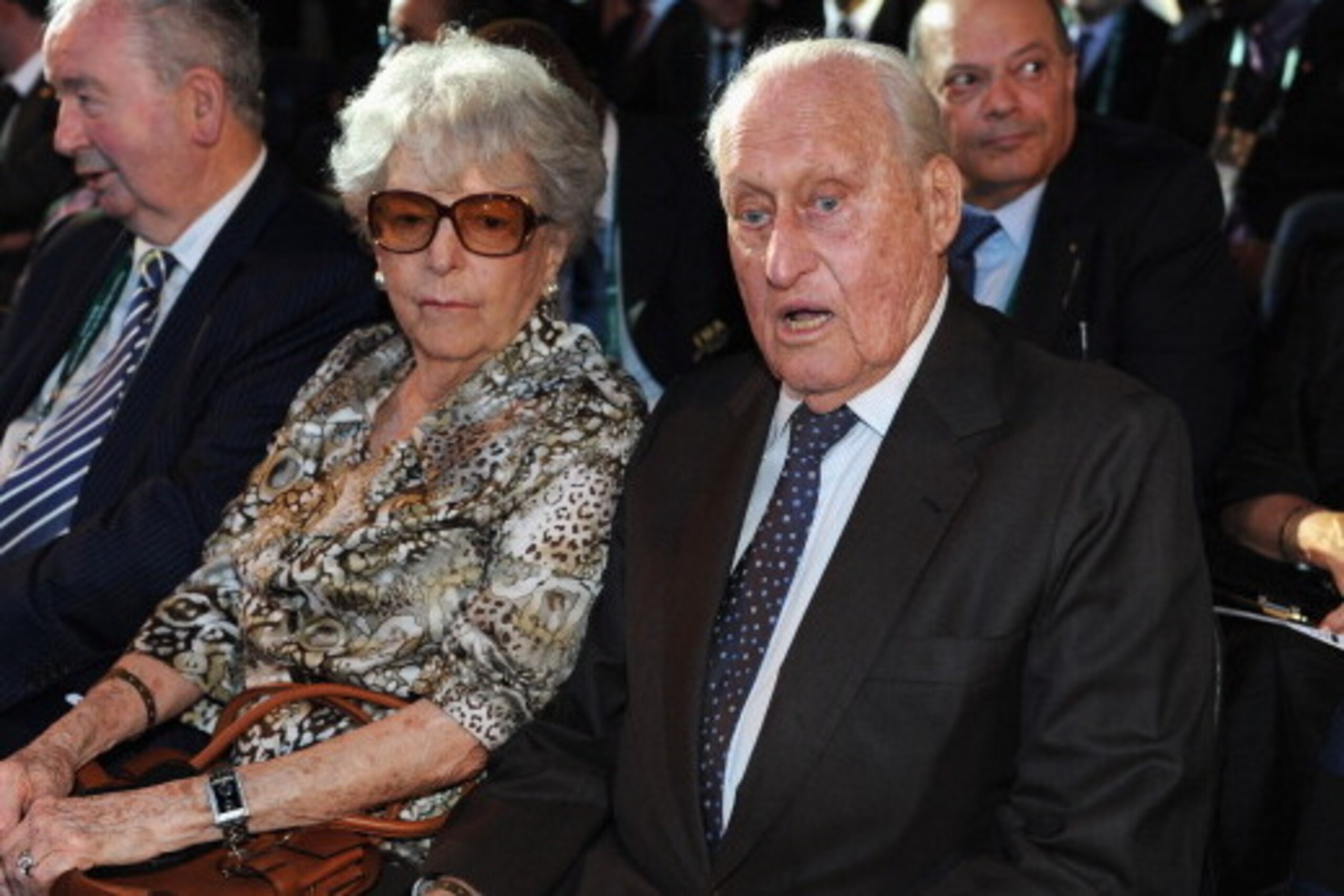
The most powerful confederation in FIFA is UEFA. The European conglomerate holds more leverage than any other, as they make the most money. As such, they often expect World Cup hosting duties.
Before the 1998 elections, England and Germany were favourites to host the 2006 World Cup.
Johansson, per the BBC, vowed to keep the "gentleman's agreement" in place that would see the 1996 European Championships held in England (which they were) and the 2006 World Cup in Germany.
Havelange, and his chosen man Blatter, knew driving a wedge between the European bloc could affect the outcome of the 1998 FIFA presidential election—and discussed England's 2006 World Cup bid with then-United Kingdom Prime Minister Tony Blair.
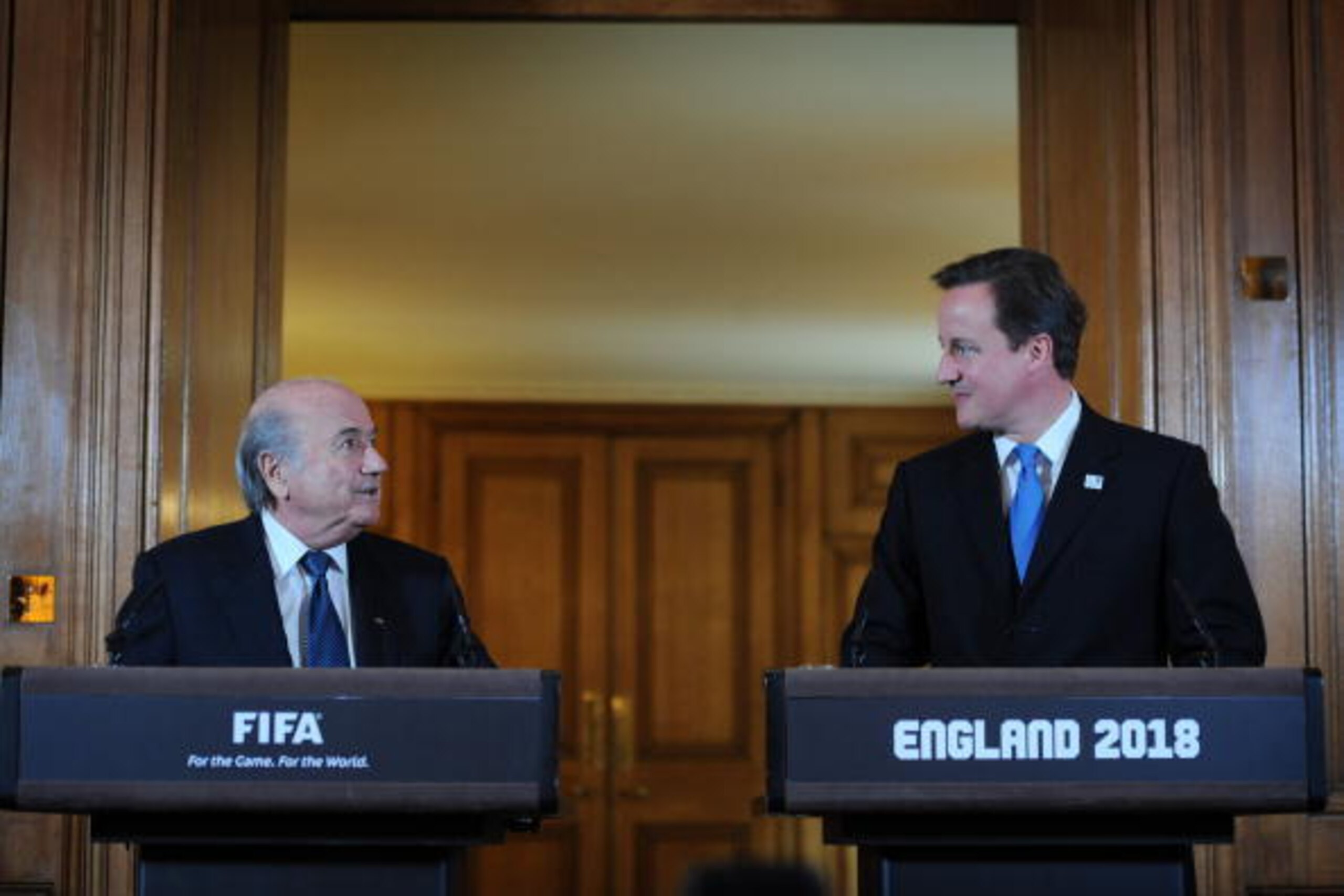
England's FA voted for Blatter at the 51st FIFA congress, calling the Swiss' appointment, via BBC News, "a great boost for English football." With strong support from Africa and Asia (following Havelange's blueprint), Blatter won in a perceived upset—taking 111 of 191 total votes to Johansson's 80.
BBC News' report stated: "The 62-year-old Swiss-German said before the election that he would award the finals to South Africa, but the English FA backed Blatter in the hope that he will offer the tournament to England if South Africa is not ready in time."
Blatter, unable to push through his favoured South Africa (short one vote), saw the 2006 World Cup go to Germany.
The block voting from African nations, for both Havelange and Blatter, stems from one particular individual—Sir Stanley Rous.
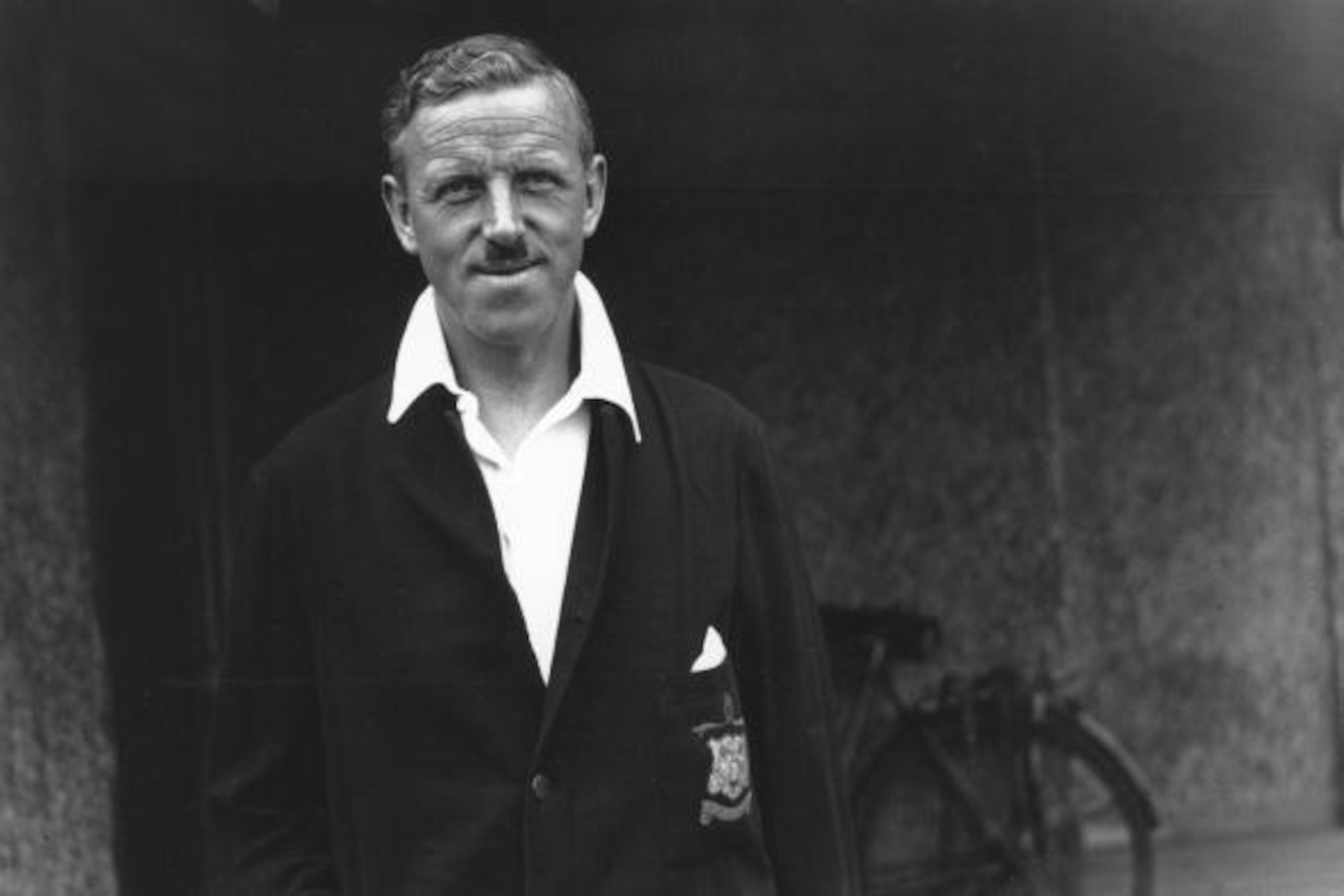
FIFA President from 1961 through 1974, the English administrator was, if not racist, then certainly discriminatory. BBC's guru of South American football Tim Vickery wrote in 2010:
"Relations with Africa were strained for two reasons. Firstly, because Rous was reluctant to give them automatic World Cup qualification, using the argument that their standard of play was not high enough. But how could they improve without the chance to learn at the top level? Then there was Rous' position in favour of apartheid South Africa.
"
When the 1974 FIFA elections were held, Brazilian challenger Havelange used Rous' segregationist leanings against him—securing votes from a strong portion of the Confederation of African Football (CAF).
CAF now have the most votes of any confederation—54, opposed to UEFA's 53—and their near-block voting has aided Havelange and Blatter in their 41 consecutive years at FIFA's helm after Rous' deposing.
This becomes key when exploring FIFA's legislative structure.
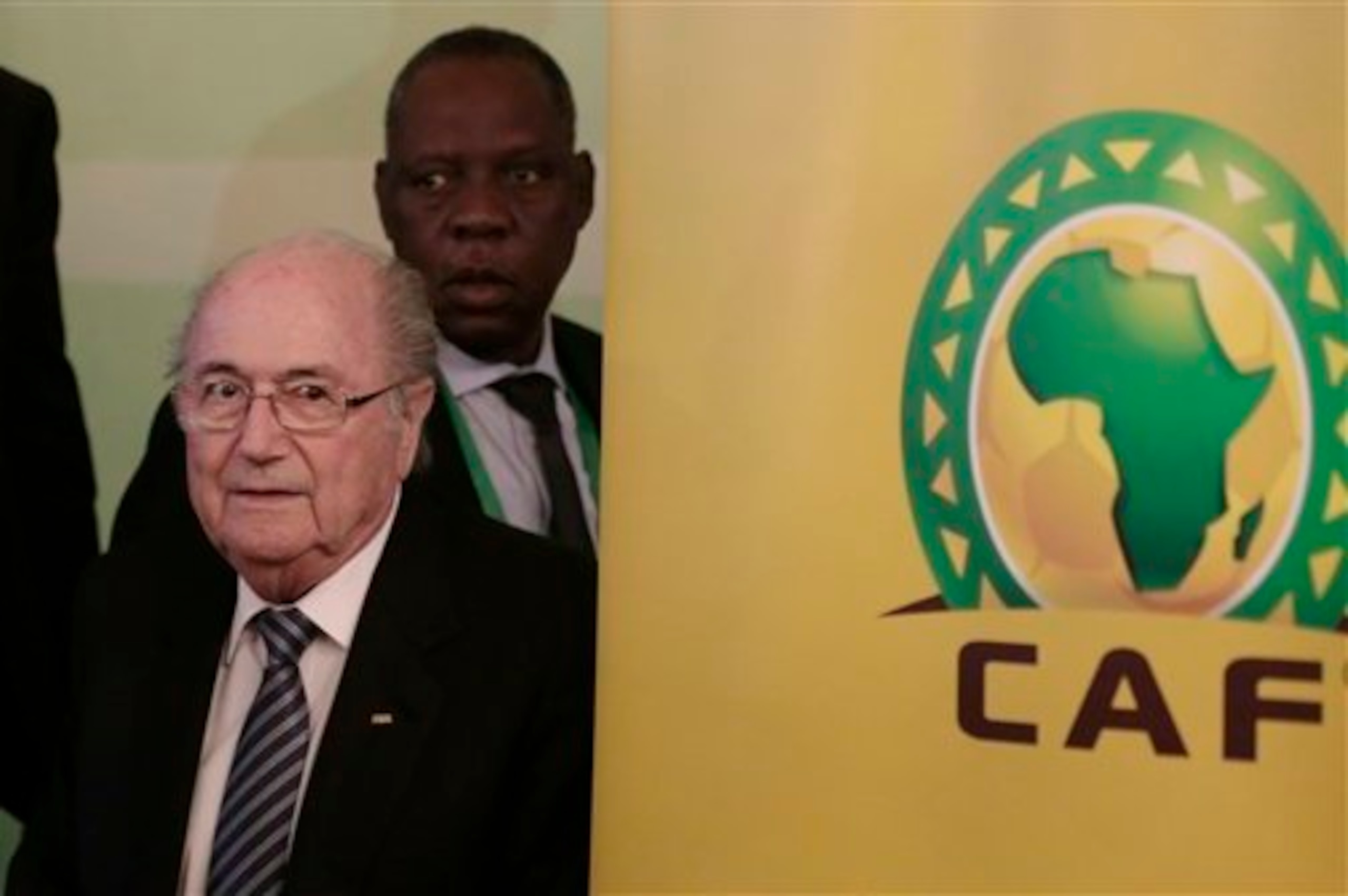
Nations with little to no fiscal contribution or competitive offering (i.e. CAF) have the same amount of congressional power as nations with both (i.e. UEFA): One nation equals one vote. Collecting smaller, less affluent nations—whether by preferential treatment and/or alleged payments—is easier than dealing with the might of established superpowers.
Needing to repay the favour, extending from 1974, Blatter made it his mandate to seek an African World Cup; according to former FIFA Vice-President Jack Warner (via BBC News' Ed Thomas) and former FIFA Executive Committee member Chuck Blazer (Telegraph), the mission was completed—preceding the 2010 World Cup—via untoward payments.
Blatter's mastery of third-world politics (continued from his predecessor Havelange) has seen UEFA's influence over FIFA diminished since his 1998 appointment.
This, however, could change.
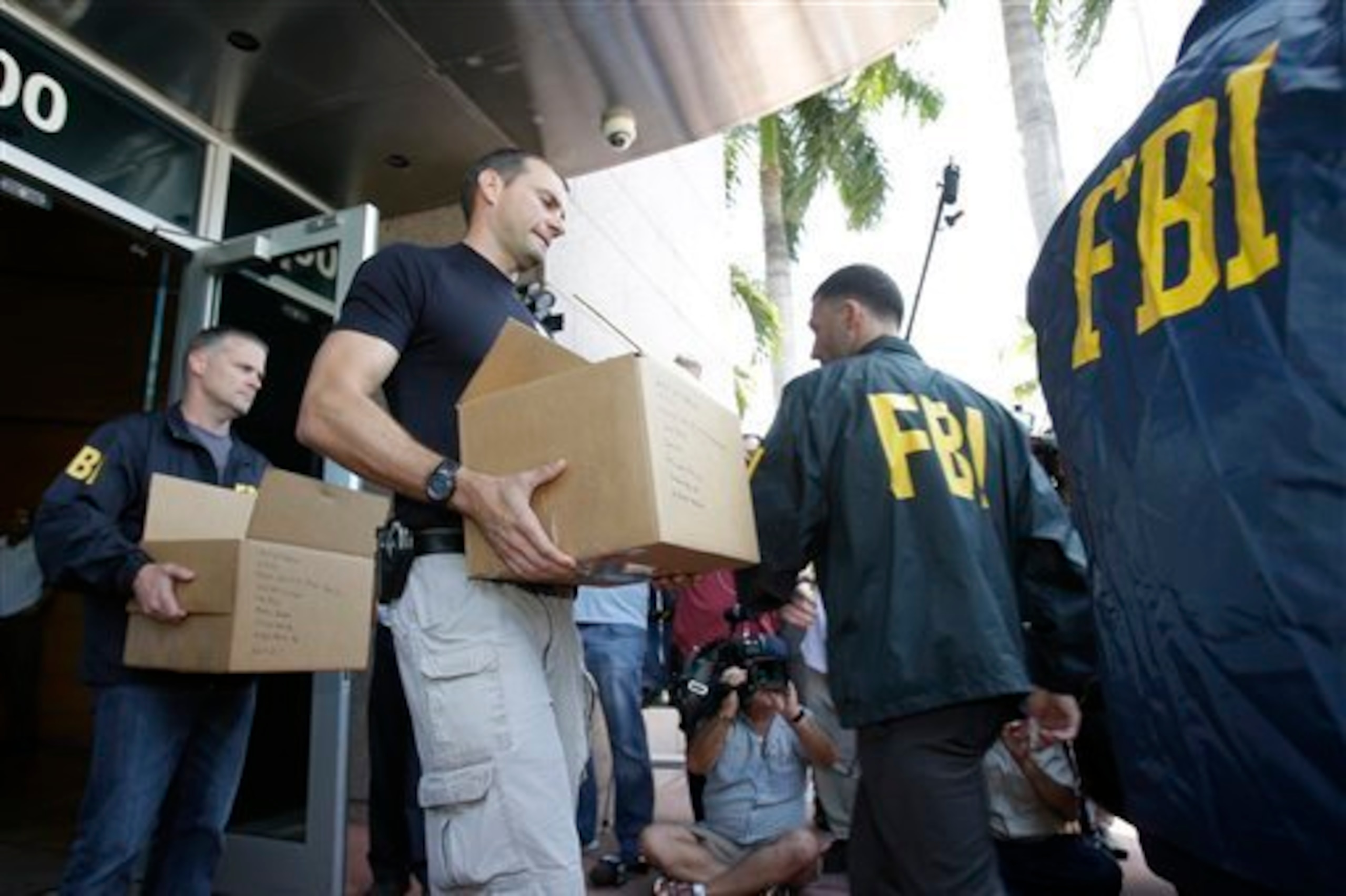
Blatter, after seven FIFA officials were arrested in Zurich, Switzerland, on May 27, announced his intention to step down as FIFA President—with an extraordinary congress to be held some time between December 2015 and March 2016.
Similar to 1998—this long-serving FIFA president has time to handpick his successor. Blatter was Havelange's man 17 years ago, and in the intervening months between Blatter's decision to step down and the election he will certainly be using his influence to continue FIFA's status quo.
The favourite for Blatter's seat is—also like 1998— a sitting UEFA president, Michel Platini, as described by the Daily Mirror's Joe Mewis.
So, in many respects, after nearly two decades, nothing has changed.
UEFA's frontman will likely be pitted against a man representing the interests of the less fortunate, so World Cup promises with backdoor dealings/handouts could continue.
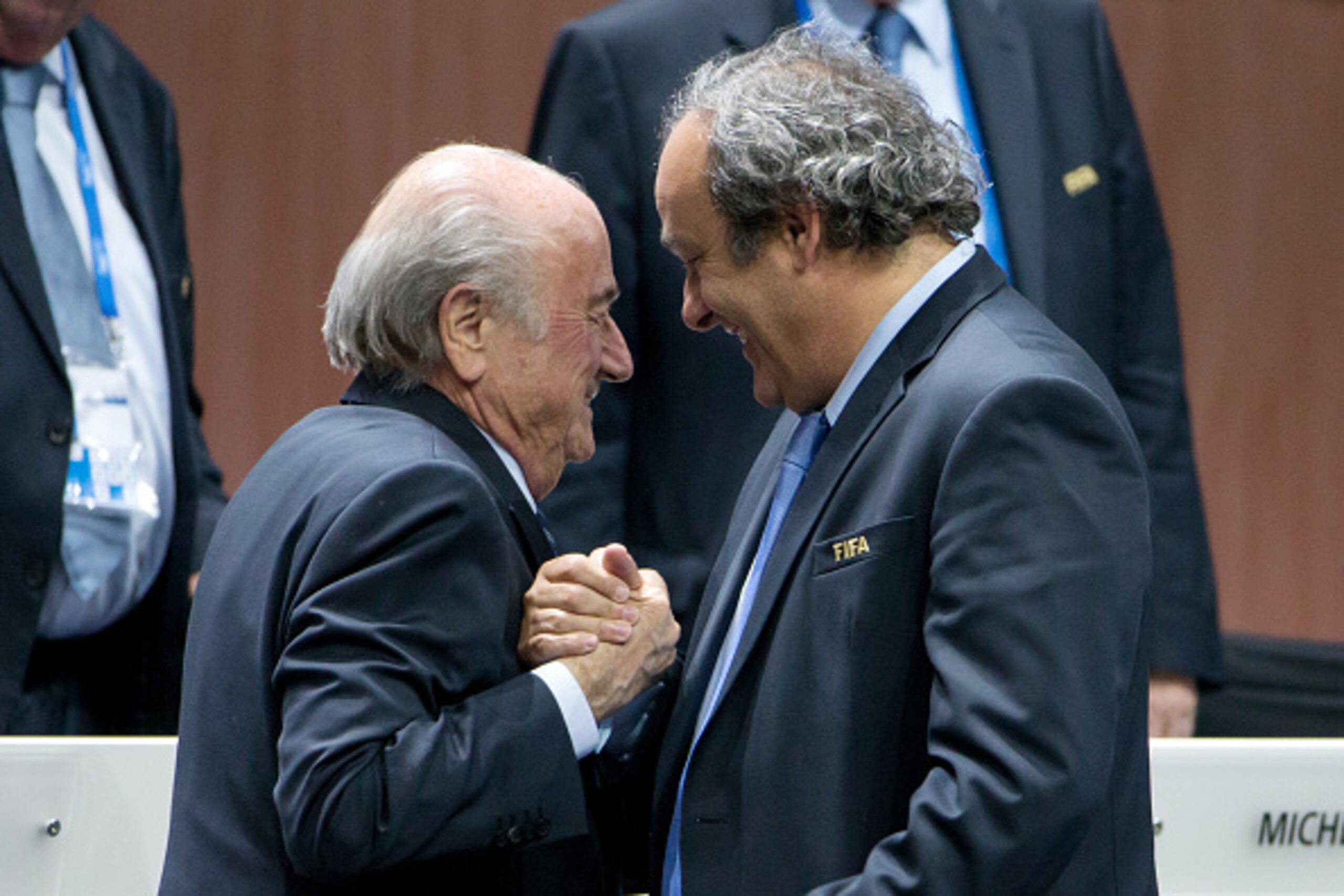
When corruption works in one's favour, it is generally accepted.
No officials from South Africa (2010), Brazil (2014), Russia (2018) or Qatar (2022) will complain about the World Cup's presence in their nation; only aggrieved parties—who either played by the rules and lost or were not corrupt enough to swing proceedings in their direction—are likely to shout loud enough to be heard.
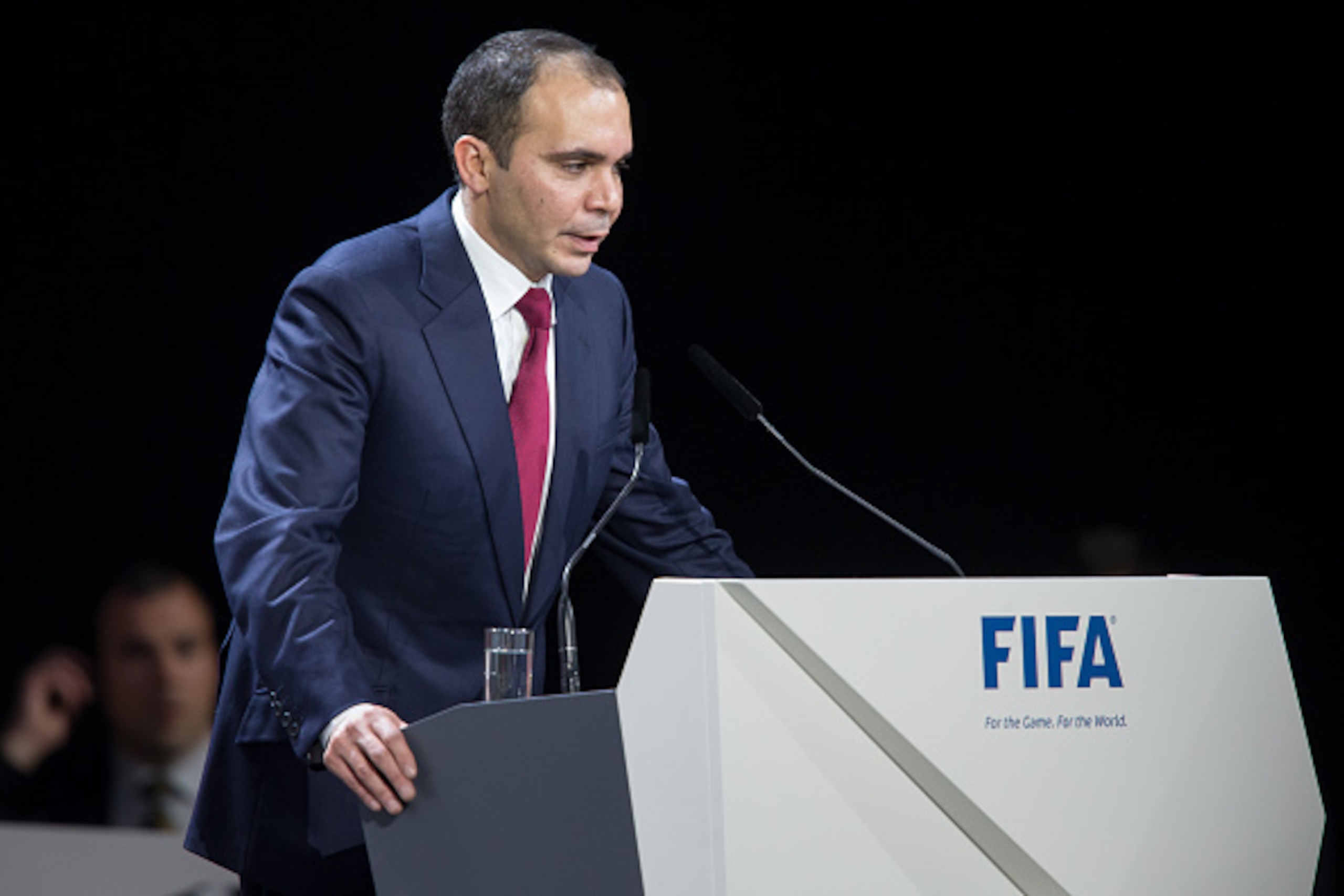
To prove the fickleness of football associations: Despite their support for Blatter upon his inaugural election, after missing on the 1998, 2006 and 2018 World Cups, England formally nominated Prince Ali bin Hussein of Jordan as a candidate to run against Blatter at FIFA's 65th congress.
The game appears if one cannot sway the incumbent to push forward their agenda, then finding their own candidate is the next best option.
And so we find the problem does not necessarily reside in the president's office, but the individual 209 countries who comprise FIFA. Millions in cash are not being transferred without being demanded. If FIFA could do their bidding without sending copious amounts of money to sweeten deals, they would not.
Countries without the firepower to finance their own footballing enterprises rely on FIFA money to survive, and in such nations the notion of corruption/skimming is not foreign.
Unless football can be the first governing body to eliminate greed from those in positions of power, a new president—no matter how righteous—would either fall victim to the system already installed or be quickly hurled from FIFA's summit at the nearest convenience.
It makes one question the viability of even having a president.
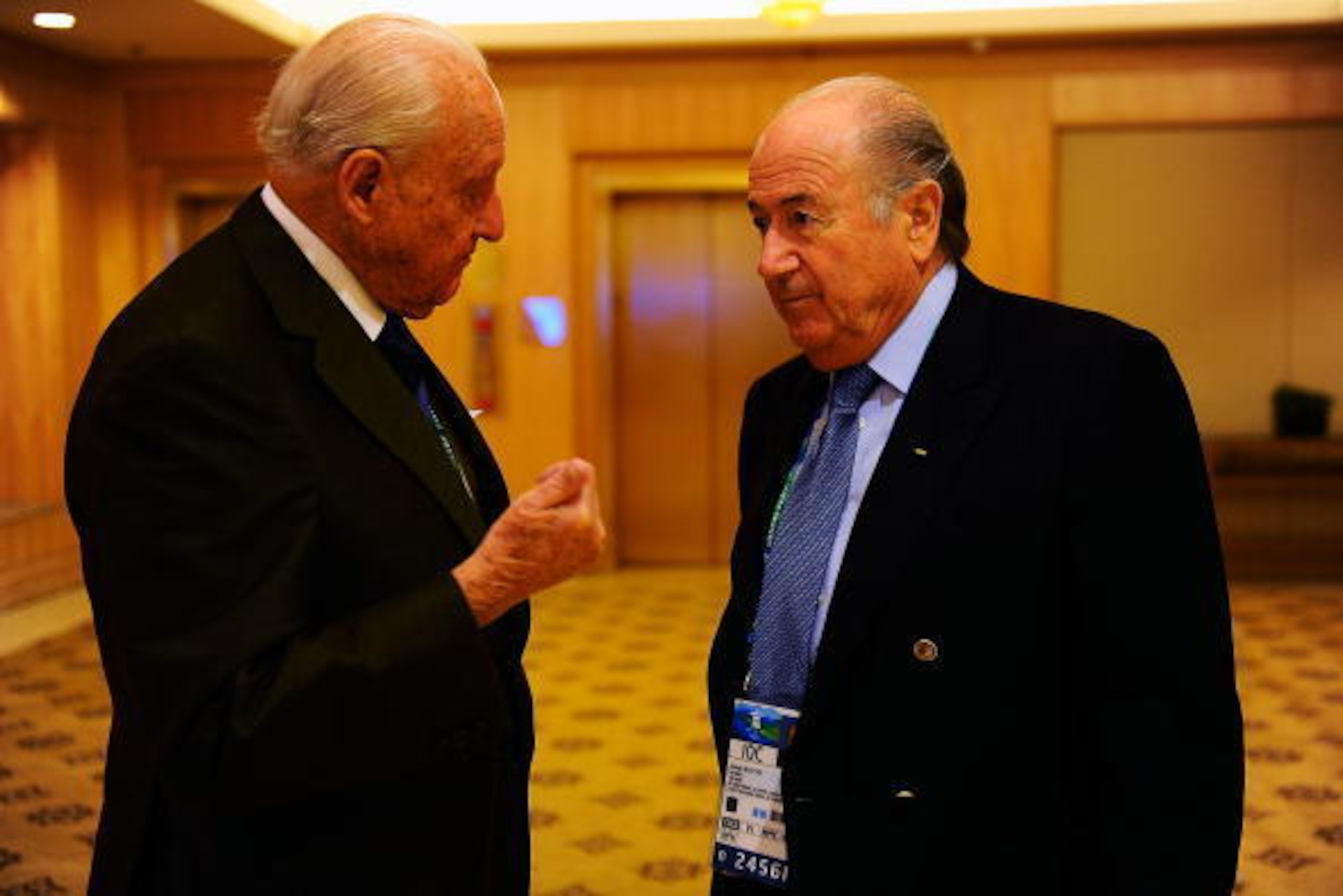
Blatter is an easy target for ridicule, as the title of "FIFA President" elicits an aura of dominance. Leaders carry the most responsibility, taking the most blame and also the most credit.
One could argue, however, the figurehead of an organisation simply exists to deflect attention from other floundering components. If FIFA's members are a dysfunctional mass of money-grabbing, skullduggerous individuals—what point is there in changing faces if the body remains cancerous?
For true change to come from FIFA's executive wing, an individual exceedingly charismatic and noble would have to appear (without ties to FIFA's past or powerful federations) and shock the system. The nomination process, though, makes this near-impossible—as one must be nominated by a member association, which makes them beholden to that nation and possibly the attached federation.
Luckily for FIFA's congress, their approval rating cannot get any lower: Whoever steps into office will not be Blatter, and that—in the eyes of many—is cause for celebration.
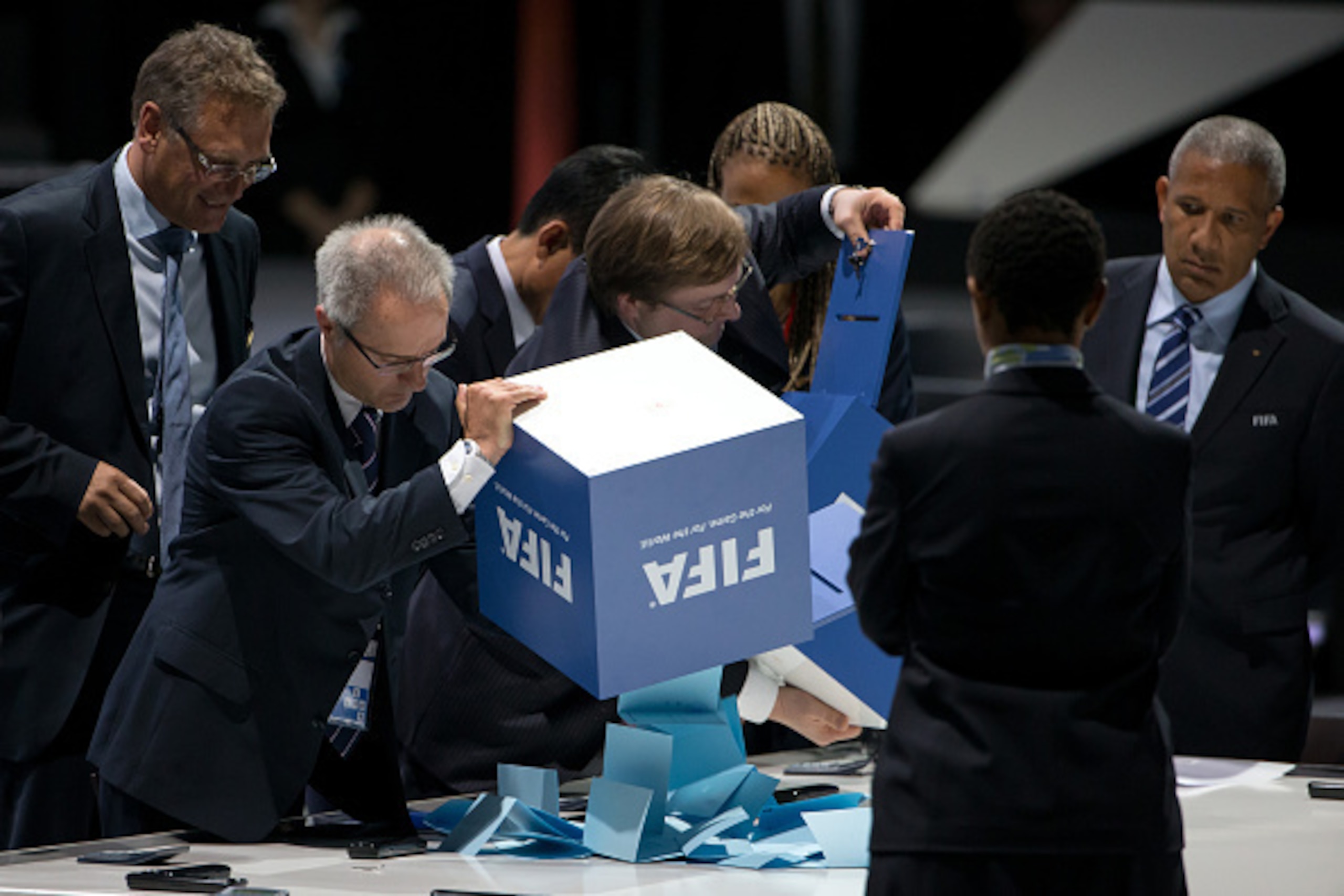
What cannot be forgotten, however, is Blatter himself was once cause for celebration—maybe not for all, but he did signal change—as nations saw the now-79-year-old as the best option to run world football's governing body.
Might the system function better with member associations being the target of scrutiny instead of one man? It is an intriguing question, but one likely to never materialise, as every four years FIFA is given world football's best spectacle to erase whatever misgivings exist.
Regardless of the president, the congress, scandals, bribes and just general treachery, the world will gather—forgetting all that happened previously—and watch its favourite sport, without a care.
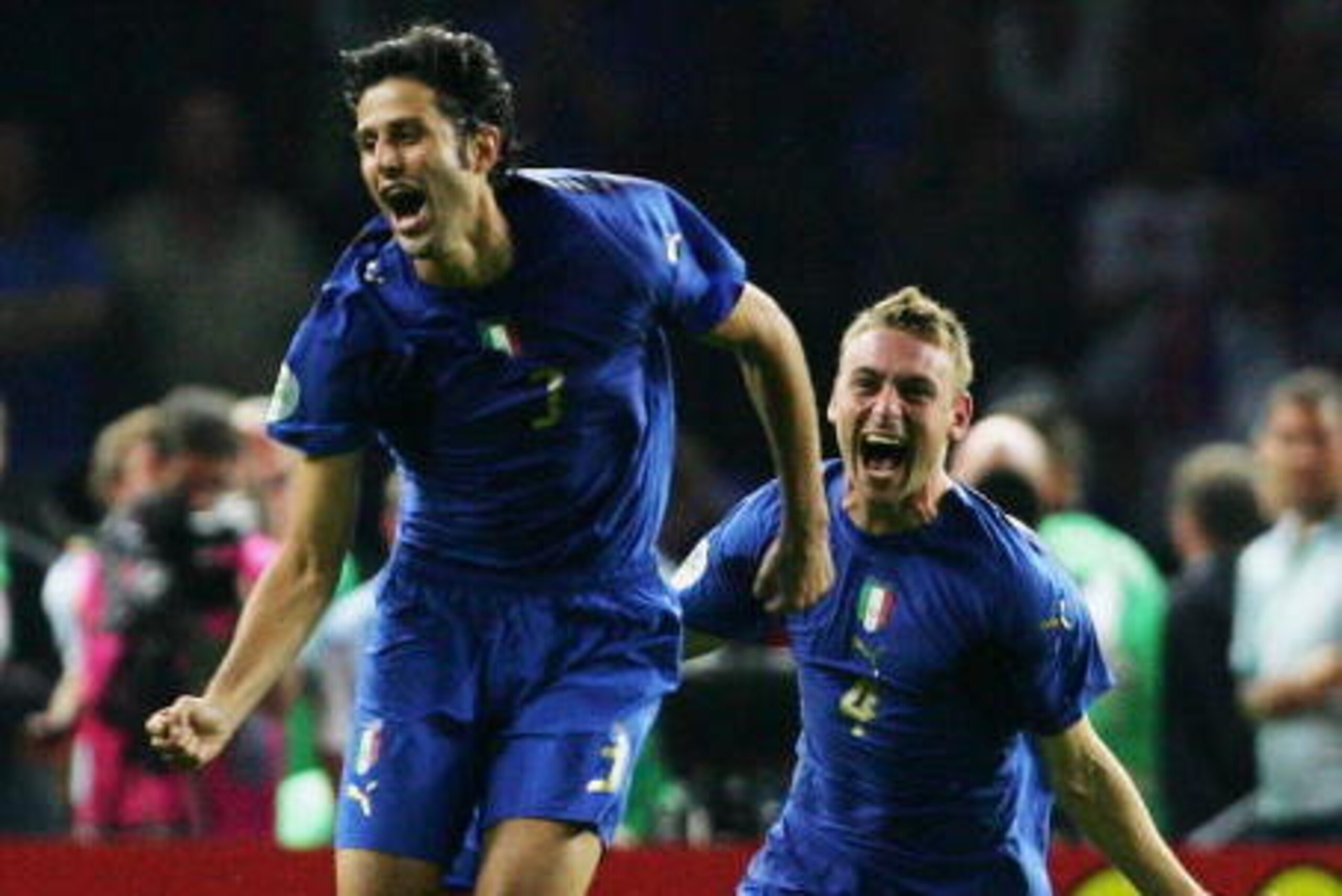
When Mario Gotze (2014), Andres Iniesta (2010) and/or Fabio Grosso (2006) won their respective countries the World Cup, in the moment, did football fans really care where the tournament was being held or how that right was acquired?
No, and therein lies the problem.
The only people who truly care where the World Cup is played are those interested in the money, jobs and fringe benefits it generates. Football fans intrinsically care about football, not necessarily its politics—which provides those in power cover to stay there, by any means necessary.
Unless the viewing public are willing to trade the World Cup for a better governing system (regardless of its president) nothing of importance will change at FIFA except names and faces.
Stats via WhoScored.com; transfer fees via Soccerbase where not noted.


.jpg?w=2560 "Terrell Owens Being Sued for Defamation")
.jpg?w=2560 "CJGJ Shares Cryptic Post 🤔")